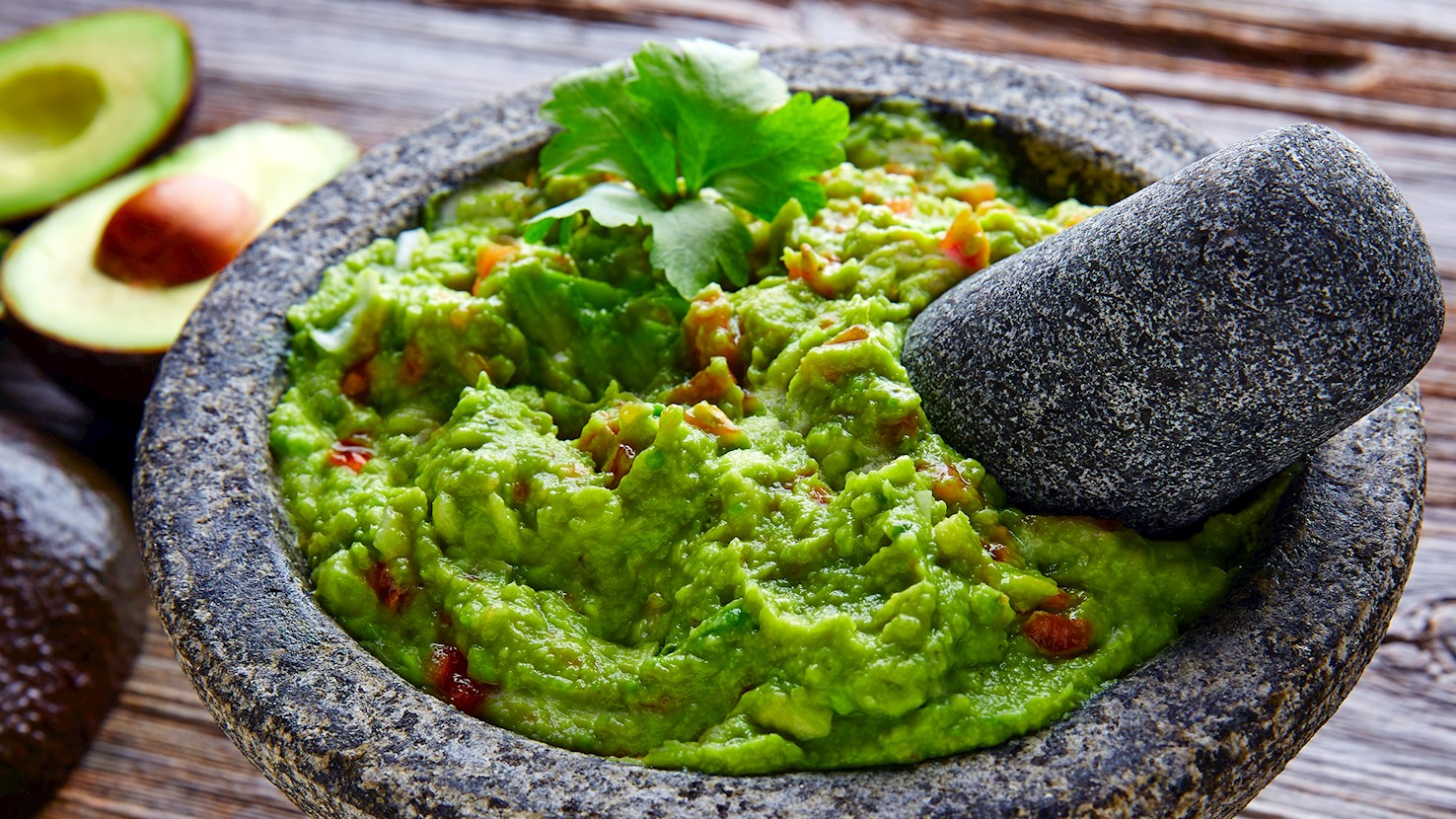
Guacamole is a world-famous buttery delicacy dating back all the way to the Aztec empire of the 1500s. It’s a healthy blend of ripe, mashed avocados, onions, chiles, optional tomatillos and selected seasonings such as sea salt and coriander. The star of this incredibly simple dish is the avocado, high in unsaturated fat, potassium, vitamins, minerals and protein, its name stemming from the Aztec ahuacatl, meaning testicle or testicle tree, which is why it was believed that it was an aphrodisiac by the Aztecs. Guacamole is sometimes prepared in the molcajete, a traditional Mexican mortar and pestle where onions, chiles, and salt are ground to a paste and added to the coarsely mashed avocados. Of course, guacamole is only as good as the avocados it is prepared with, and among the best are the nutty and creamy Hass and smooth Fuerte avocados. It is usually accompanied by corn chips, nachos or tortillas on the side, so guacamole is typically enjoyed as a dip. Regardless of its position on the table, the only important thing is to serve it fresh before it oxidizes and changes its vivid green color to a darker brown hue.
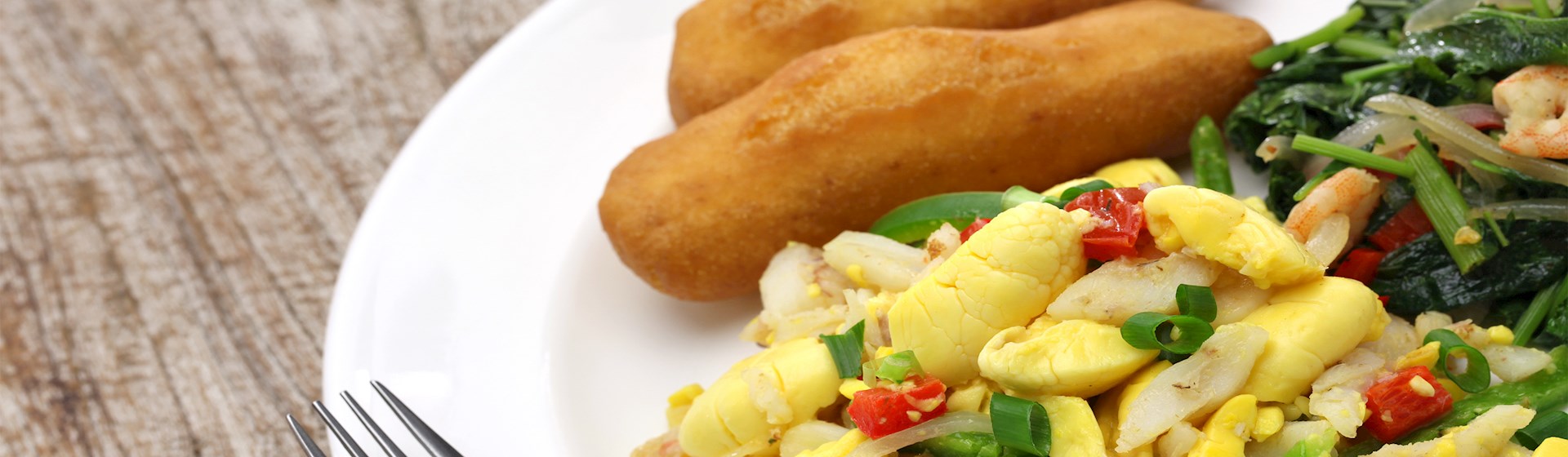
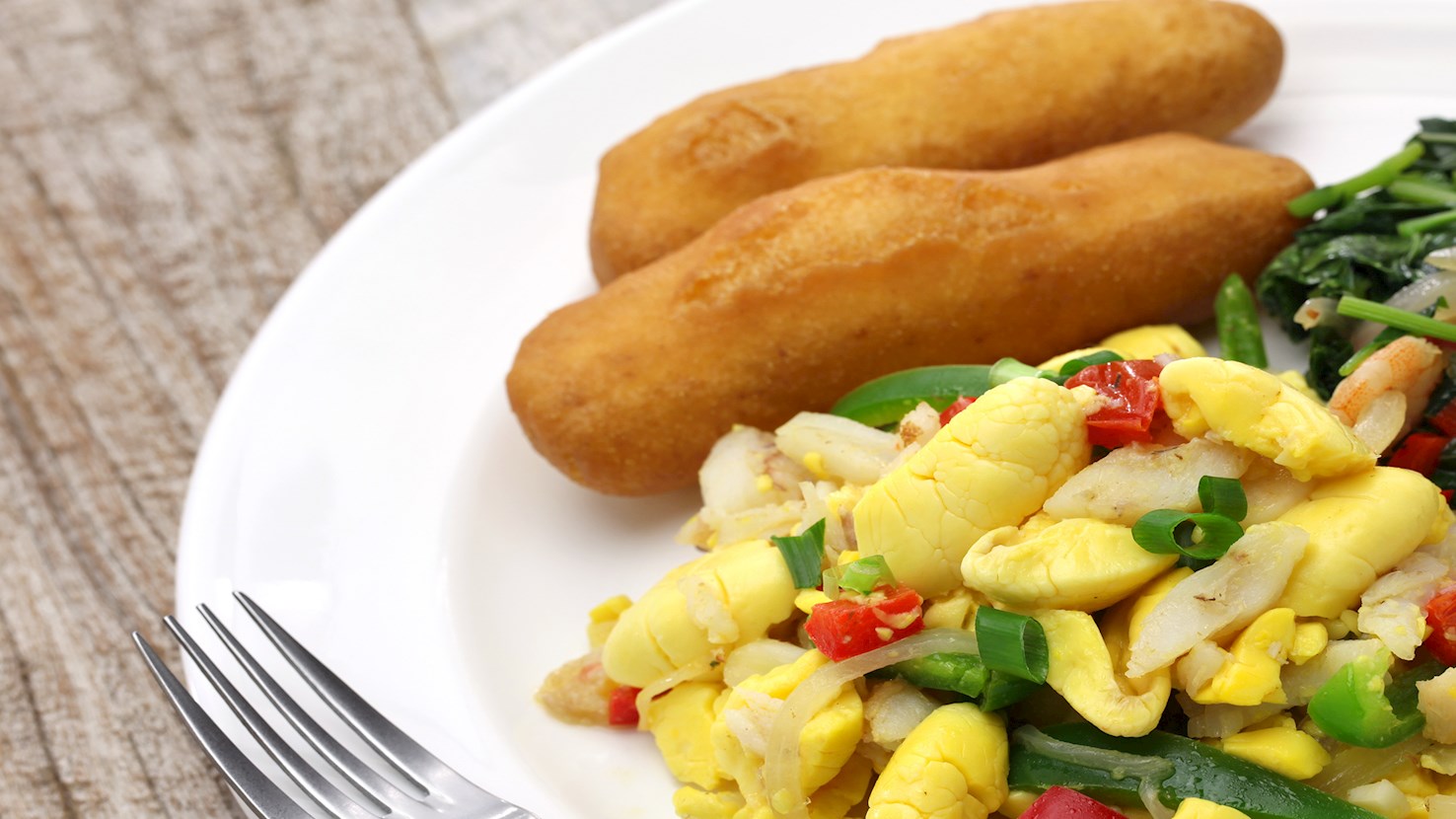
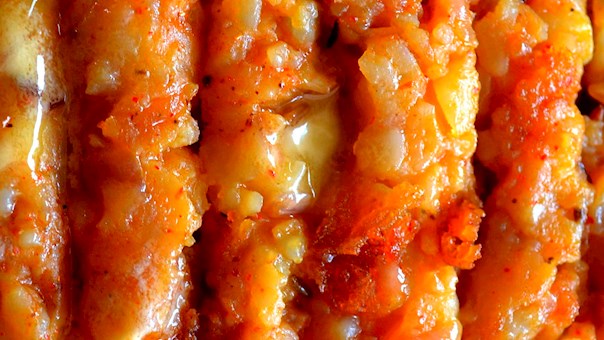
Festival is a Jamaican fried dumpling made from a dough of flour, cornmeal, sugar, salt, and water, shaped into elongated pieces and fried until golden and crisp on the outside and soft inside. It is commonly served alongside fried fish, escovitch fish, jerk meats, and other street-food dishes in Jamaica. The combination of cornmeal and a touch of sweetness distinguishes festival from plain fried dumplings, making it a staple at cookshops, roadside stalls, and beachside fish shacks throughout the island. Its development can be traced to the evolution of Jamaican fried doughs in the twentieth century, when cooks began incorporating cornmeal and sugar into basic flour dumplings. Fried dumplings have long been part of Jamaican cooking, but festival emerged as a sweeter variation designed to pair well with spicy foods such as jerk chicken and hot pepper sauces. The inclusion of cornmeal may reflect influences from earlier Caribbean and African preparations using ground maize, while the sweetened dough reflects local preferences for balancing spicy or acidic dishes with mild, slightly sweet sides. By the mid-century period, festival had become a recognized item at jerk stands and seaside restaurants, and it spread widely as Jamaican street food culture grew. Preparation begins by mixing flour, cornmeal, sugar, and a small amount of salt in a bowl. Baking powder is added to help the dough rise slightly. Water or milk is added gradually to form a soft, pliable dough, which is then kneaded briefly until smooth. The dough is divided and shaped into long, slightly tapered pieces that resemble small torpedoes. These pieces are fried in hot oil until they puff slightly and turn a uniform golden brown. The finished festival has a crisp exterior and a tender, slightly sweet interior with a mild corn flavor. Festival is eaten throughout Jamaica, especially with fried escovitch fish, steamed fish, peppered shrimp, jerk chicken, jerk pork, or roast fish. It also appears at parties, family gatherings, and beachside eateries where seafood is cooked to order. It pairs well with drinks such as ginger beer, ting, coconut water, cold lager, rum punch, or sorrel drink, all of which complement the light sweetness and fried texture of the dish.
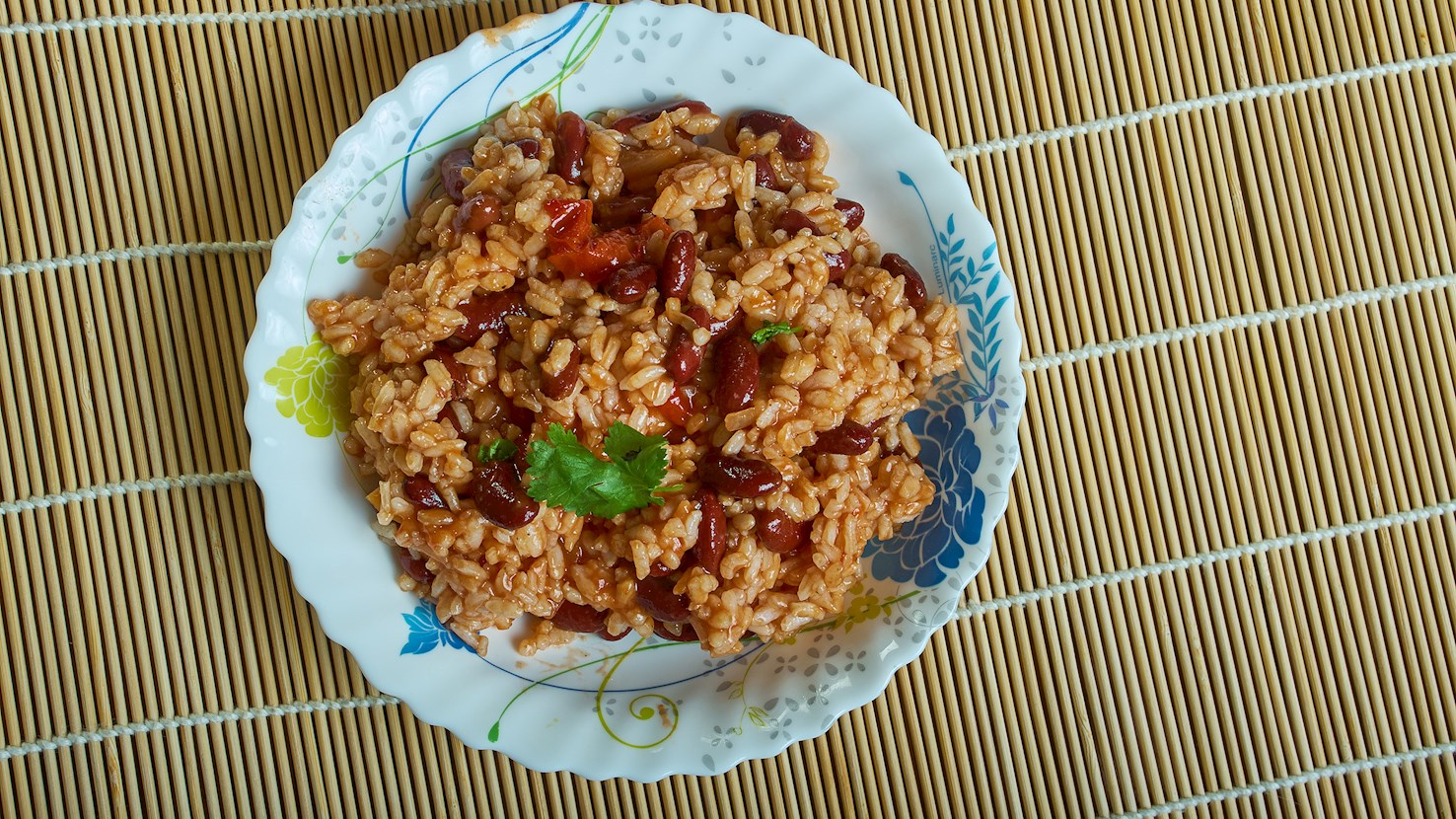
Diri ak pwa, also called diri kole ak pwa, is the national dish of Haiti, consisting of rice and beans. The dish became a common, everyday staple during the period of slavery, when rice and beans were two of the few ingredients that were fed to the slaves by their owners. It can be made with a variety of beans, but pinto, red kidney beans, and black beans are the most common options. Diri ak pwa is exceptionally nutritious as rice is rich in starch and contains iron, vitamin B, and protein, while the beans also contain iron and a greater amount of protein than rice. When combined, they make a complete protein. A true Haitian classic, you can see diri ak pwa eaten everywhere on the island, and as the locals say "A meal is not a meal without a side of rice and beans." Even though the dish is tasty and nutritious on its own, Haitians often serve it with a lot of sauce, and it is best paired with Creole chicken or topped with red snapper, tomatoes, and onions. Another interesting accompaniment to diri ak pwa is bouillon, a hearty stew consisting of tomatoes, potatoes, spices, and goat or beef meat.
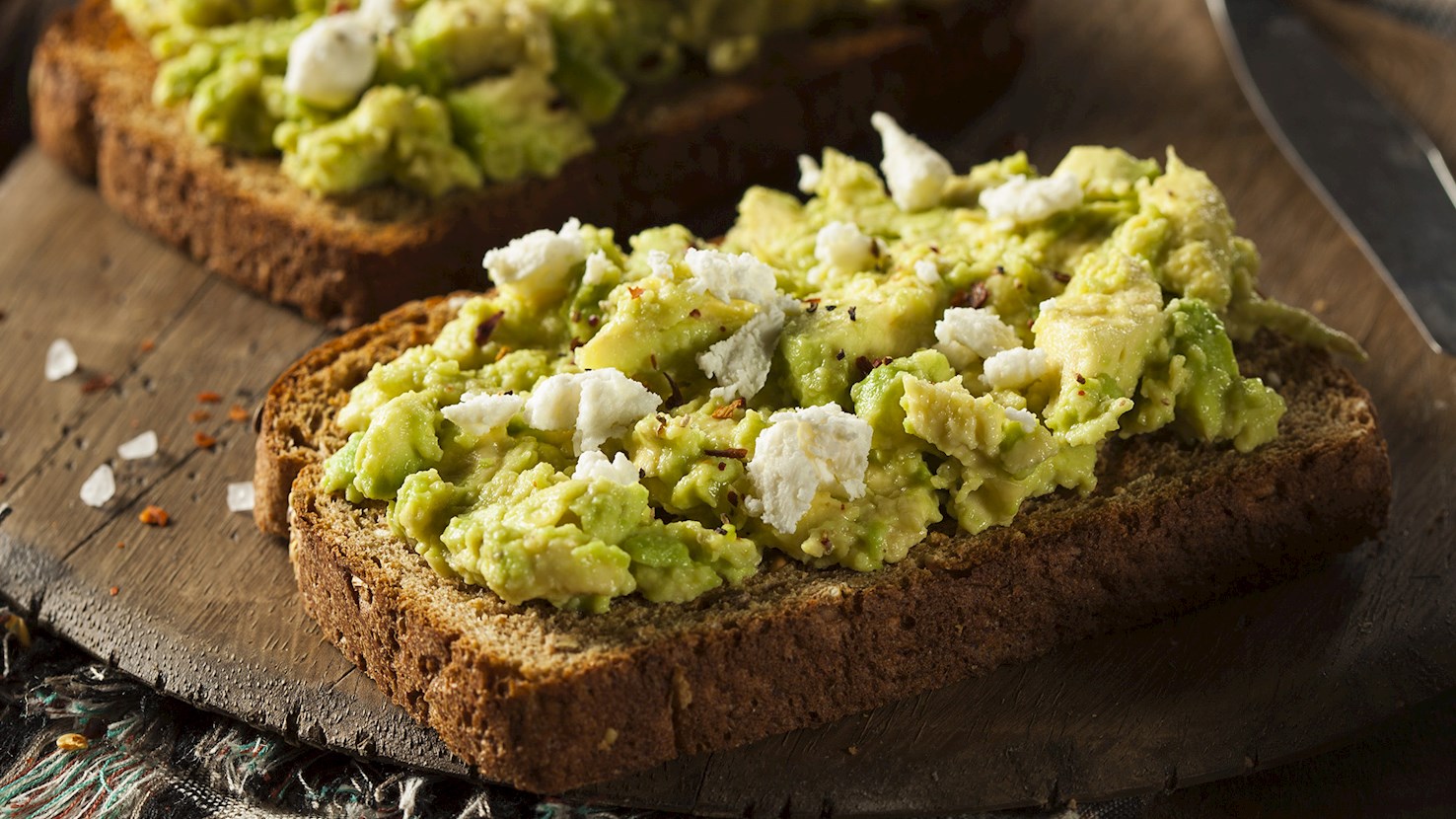
Avocado toast is a dish consisting of a piece of toasted bread topped with a combination of mashed avocados, salt, pepper, and (sometimes) citrus juice. There are many varieties of this dish, so it can be enriched with ingredients such as salmon, tomatoes, onions, eggs, garlic, cheese, olive oil, or red pepper flakes. Although the dish is quite simple and straightforward, the location of its origin is not – some claim that it is an Australian invention, while others proclaim that Los Angeles is the place where it was born. Regardless of its origin, avocado toast started its modern-day revival on Instagram, and it has been trending across the globe ever since.
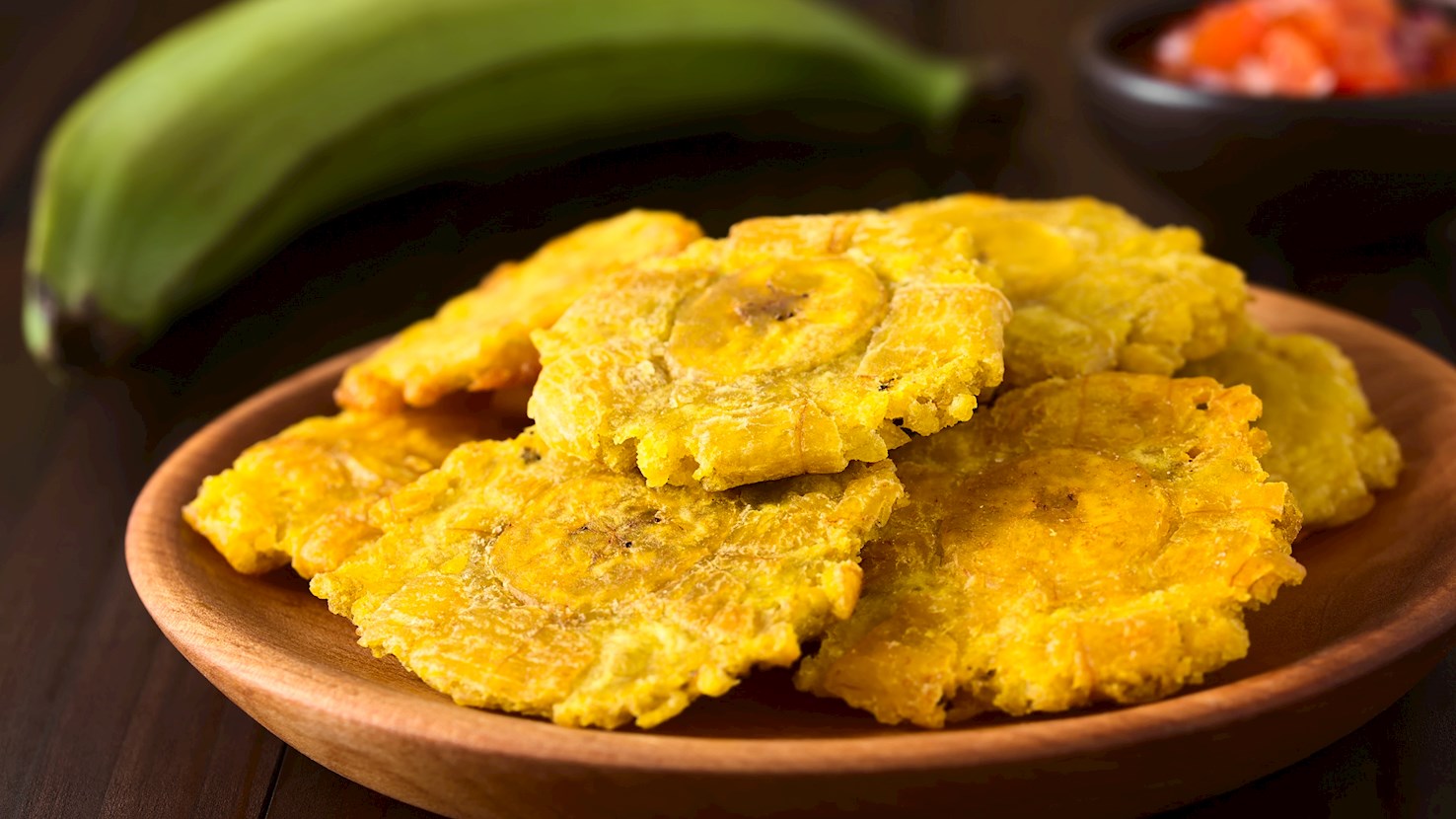
Tostones is a traditional side dish that's popular throughout Latin America and the Caribbean, especially in Puerto Rico. Unlike platanos fritos, where only ripe plantains are used, tostones are made with unripe, hard, very green plantains. They are sliced into pieces, fried on each side, then smashed or flattened and deep-fried one more time until they become golden. Once prepared, the tostones are sprinkled with sea salt and served as a side dish to various dishes. They are often served with garlic mojo sauce (mojo de ajo), either on top of the tostones, or on the side as a dip.
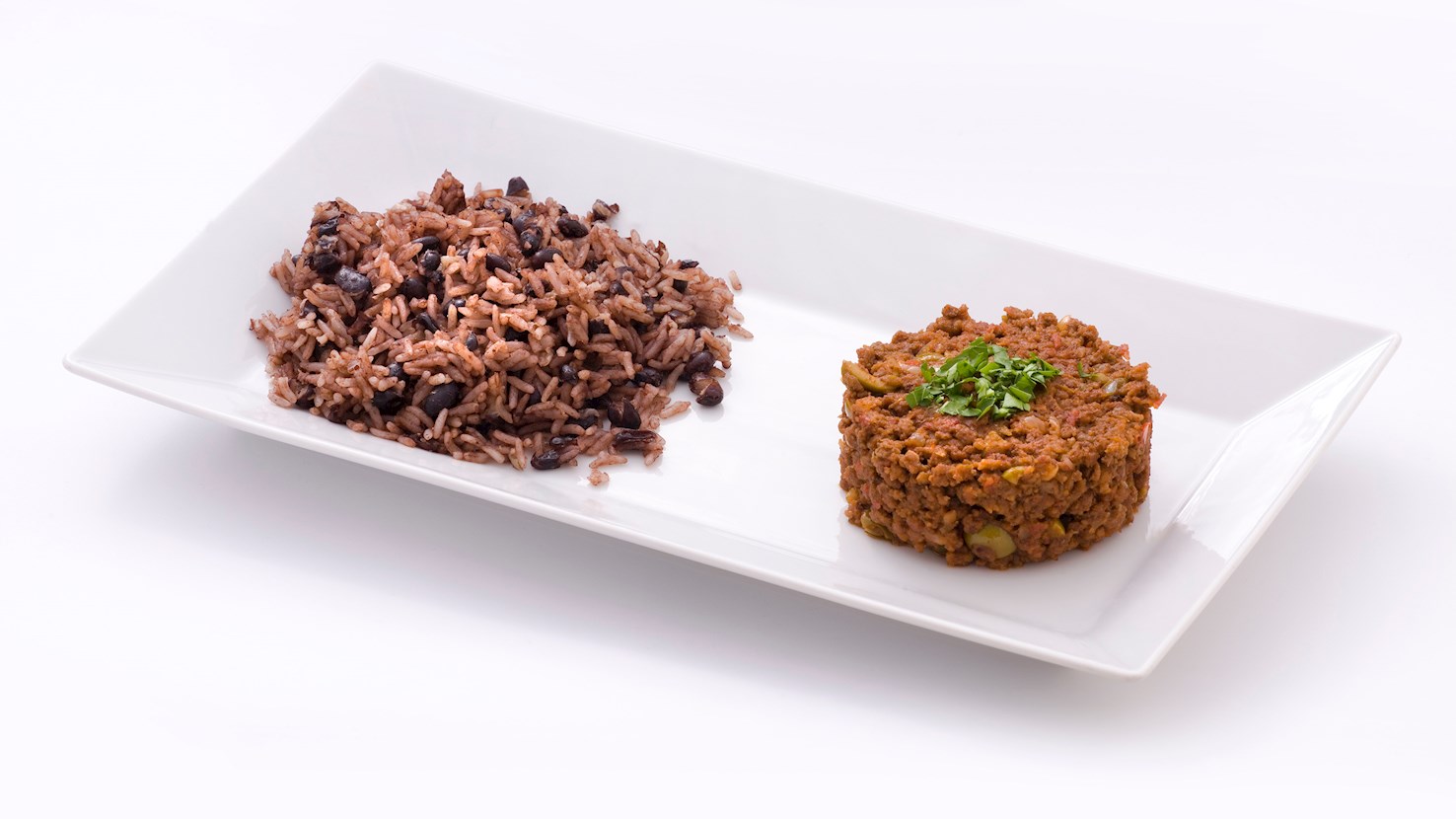
Platillo Moros y Cristiano, roughly translated as Moors and Christians dish - a poetic name referring to history, is the national dish of Cuba, a hearty combination of fluffy white rice and seasoned black beans, cooked together in the same pot. Moros y Cristiano is originally Spanish, and it spread to Cuba with its strong Spanish, Caribbean, and North African influences. White rice represents the Spanish Christians, while black beans are supposed to be the Muslim Moors, remembering a long period of wars between the two, known as Reconquista, and celebrating how both groups came to reconciliation in the Iberian Peninsula. The dish is found everywhere in Cuba, and you can't go to any restaurant, home, or street corner without it appearing in some form, so it is not unusual that there are as many recipes for the dish as there are Cuban people with cooking skills.
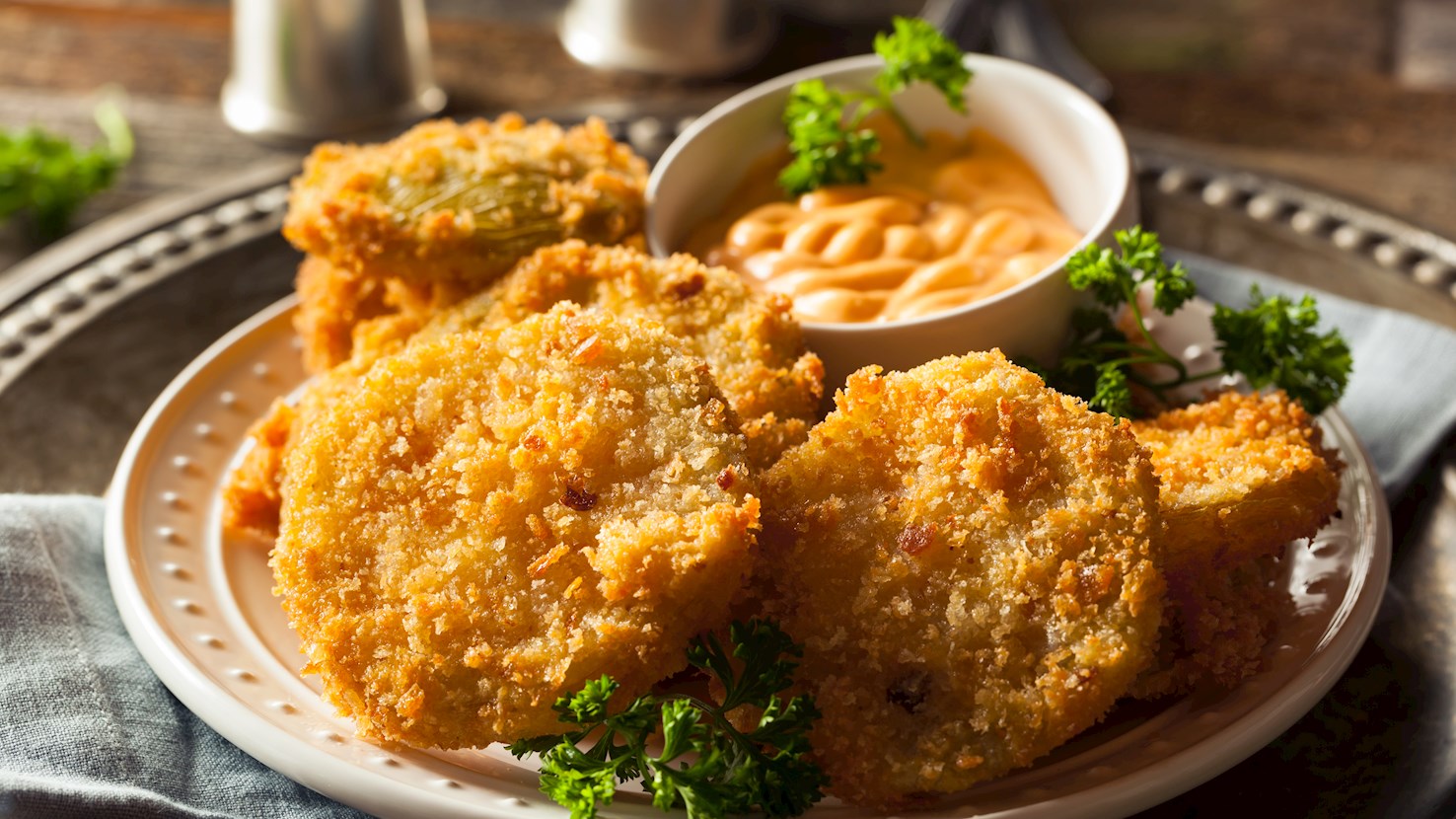
Fried green tomatoes are a staple of Southern United States. The dish is made with firm, unripe, and tangy green tomatoes that are sliced, dipped in seasoned cornmeal, then deep-fried. Ideally, the tomatoes should have a crunchy crust and a succulent interior after the deep-frying. Fried green tomatoes are typically served as an appetizer or a side dish, and sometimes even as a mid-afternoon snack. They can also be used as an ingredient for sandwiches, such as the fried green tomato po'boy. The dish gained popularity in the 1980s with Fannie Flagg's novel called Fried Green Tomatoes at the Whistle Stop Cafe (which was later also made into a movie).
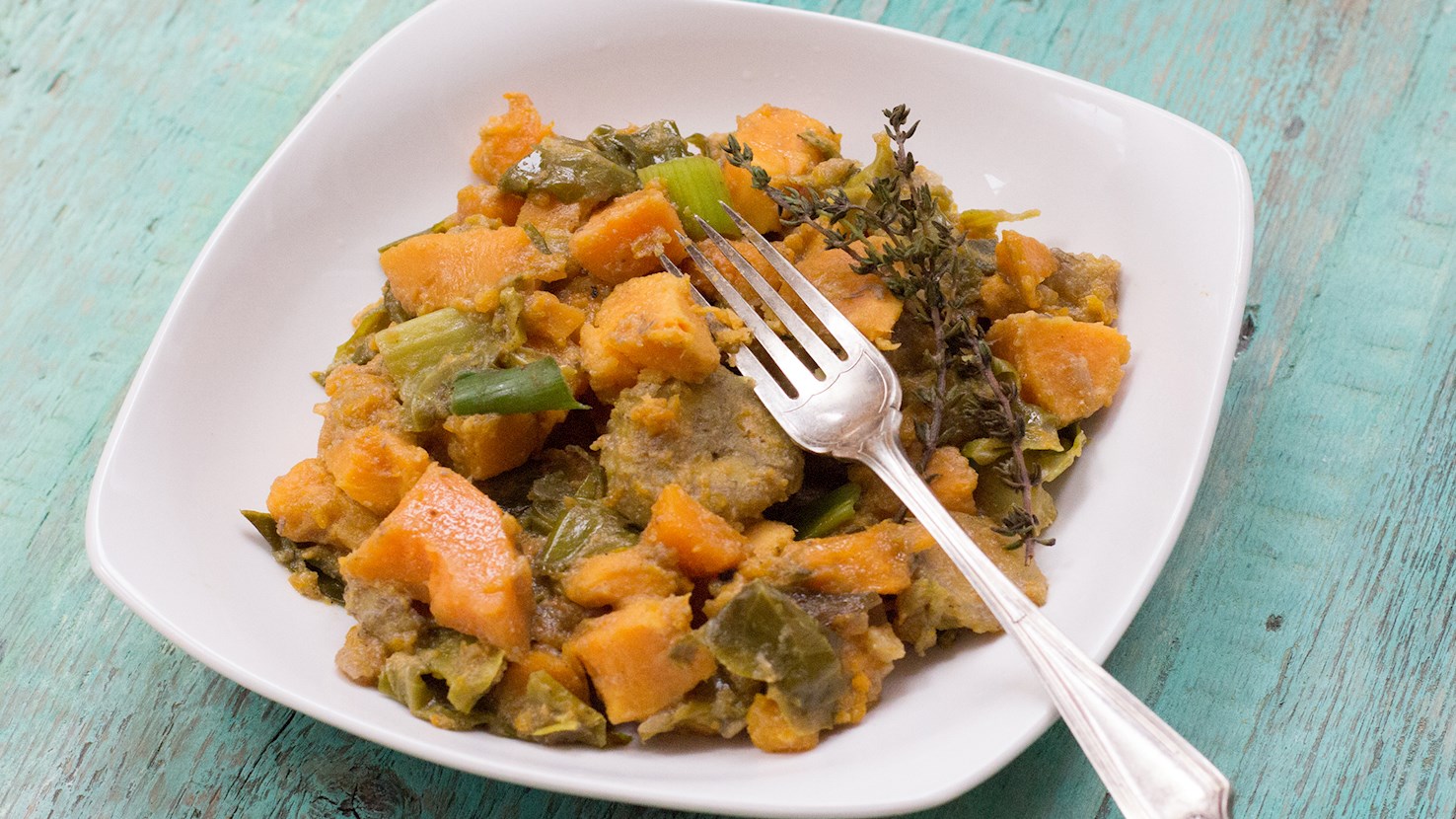
Ital stew is a plant-based Jamaican dish prepared with vegetables, legumes, coconut milk, herbs, and natural seasonings, cooked without meat and often without salt. The name “Ital” refers to the Rastafarian dietary principle that food should be vital, pure, and derived directly from natural sources, avoiding processed ingredients, artificial additives, or anything seen as diminishing the life force of the eater. Ital food is therefore centered on whole foods, minimal intervention, and methods that preserve the integrity of the ingredients. Ital stew appears in homes, community gatherings, and Ital cookshops, and has become widely recognized outside Jamaica as one of the core expressions of Rastafarian cooking. Its development is linked to the growth of Rastafari in the mid-twentieth century, when adherents shaped dietary practices to align with spiritual beliefs that emphasize natural living and a close relationship with the earth. As Ital cooking spread in urban and rural areas, the stew evolved into a flexible preparation that accommodates local produce such as pumpkin, callaloo, beans, and ground provisions. Preparation begins with a base of onions, scallions, garlic, thyme, and Scotch bonnet pepper, which are sautéed in coconut oil or cooked directly in coconut milk. Vegetables such as pumpkin, carrots, okra, and chocho are added along with red peas or broad beans. Coconut milk provides the liquid and helps thicken the stew. Ingredients such as Irish potato or sweet potato may be included to increase the stew’s body. Salt is often omitted or replaced with natural substitutes such as seaweed or celery, in keeping with Ital practice. The stew simmers until the vegetables are tender and the coconut milk reduces to a cohesive, lightly creamy texture. Its character depends on the use of fresh herbs and natural seasonings rather than manufactured sauces. Ital stew is eaten across Jamaica, especially in Rastafarian communities and in Ital restaurants that focus on plant-based meals. It is served with rice, bulgur, quinoa, or boiled ground provisions such as yam and green banana. Beverage pairings include coconut water, herbal teas, sorrel, and fresh fruit juices, all of which align with the emphasis on unprocessed foods and complement the clean, earthy flavors of the stew.
Baiganee is a classic Trini snack that can also be served as a side dish. This vegetarian treat consists of sliced eggplant or baigan (hence the name) that is coated in a spicy batter, then deep-fried to golden-brown perfection. It is typically sold by street vendors who often pair it with a tamarind dipping sauce or mango chutney. Baiganee is also quite popular during festivities such as Divali.
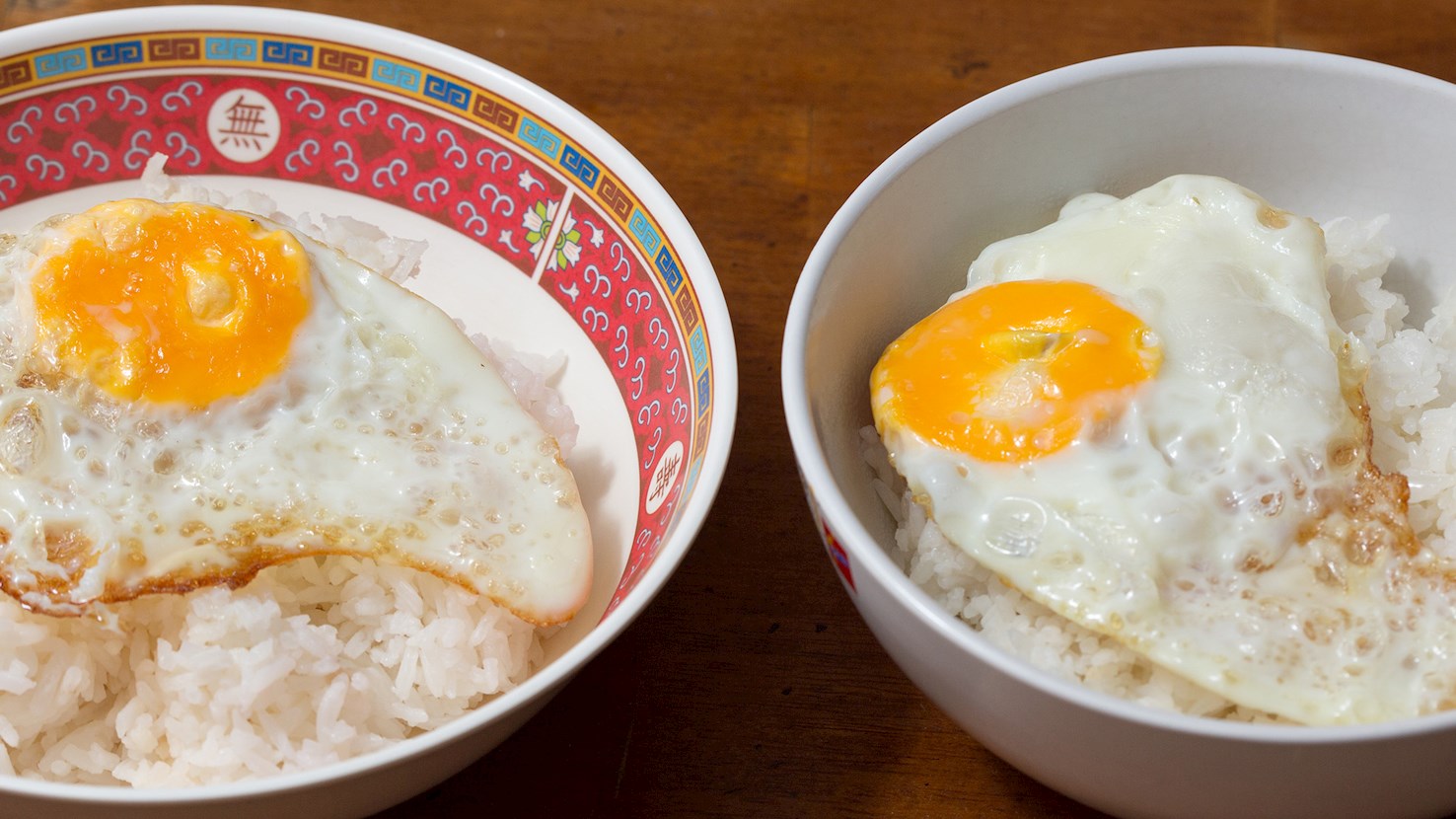
Arroz con huevo is a popular lazy lunch throughout Latin America, consisting of rice that’s topped with a fried egg. This humble dish used to be called comida de pobre (poor people food), but today it is enjoyed by people of all socio-economic classes. The dish has numerous variations, so in the Caribbean it is commonly accompanied by plantains, while the Spaniards pair it with a savory sofrito. It is recommended to top arroz con huevo with some freshly grated cheese and finely chopped parsley.
TasteAtlas food rankings are based on the ratings of the TasteAtlas audience, with a series of mechanisms that recognize real users and that ignore bot,
nationalist or local patriotic ratings, and give additional value to the ratings of users that the system recognizes as knowledgeable.
For the “Top 27 North American Vegetarian Dishes” list until September 15, 2026, 3,018 ratings were recorded, of which 2,192 were recognized by the system as legitimate.
TasteAtlas Rankings should not be seen as the final global conclusion about food. Their purpose is to promote excellent local foods,
instill pride in traditional dishes, and arouse curiosity about dishes you haven’t tried.









What People Say