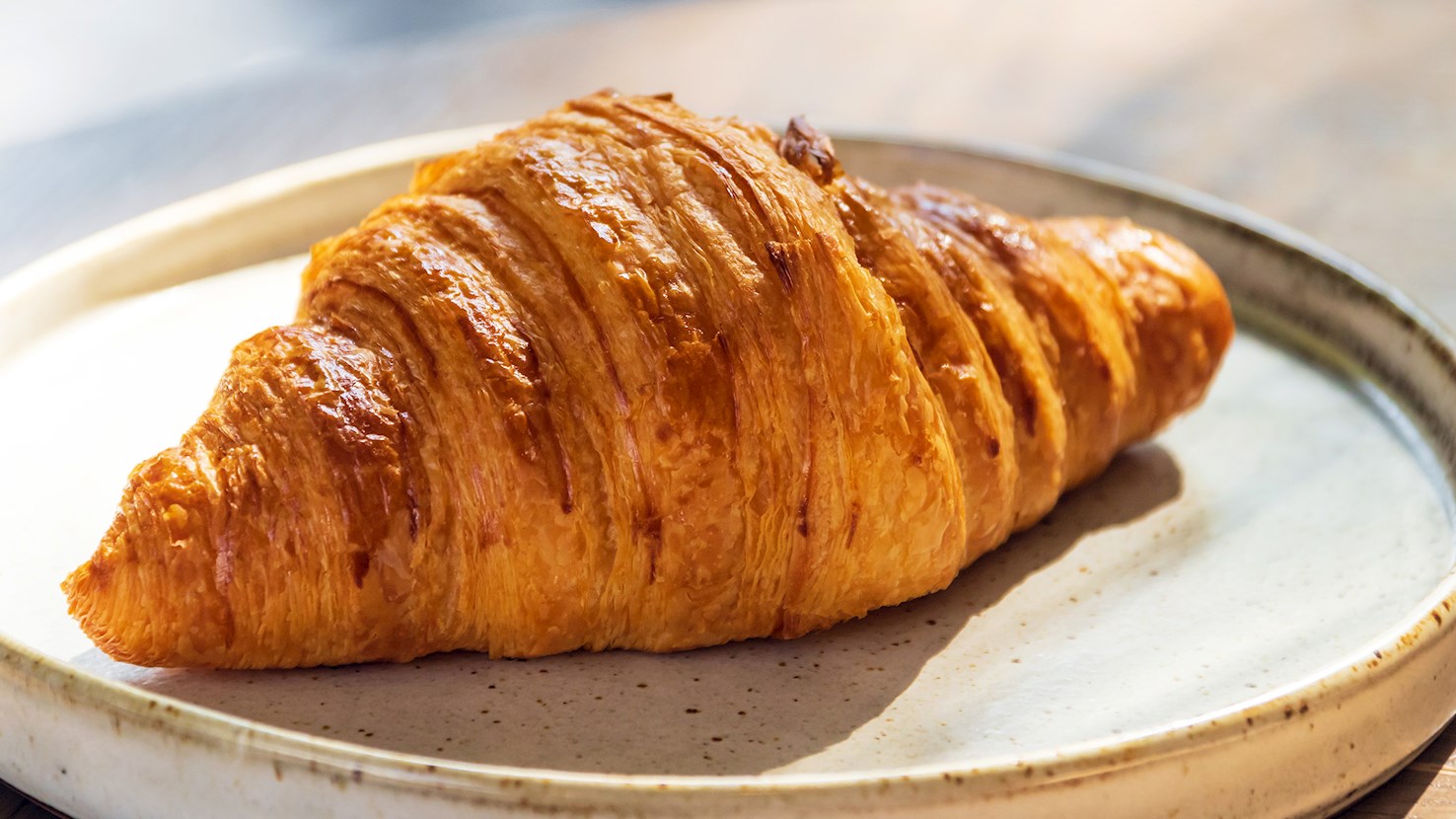
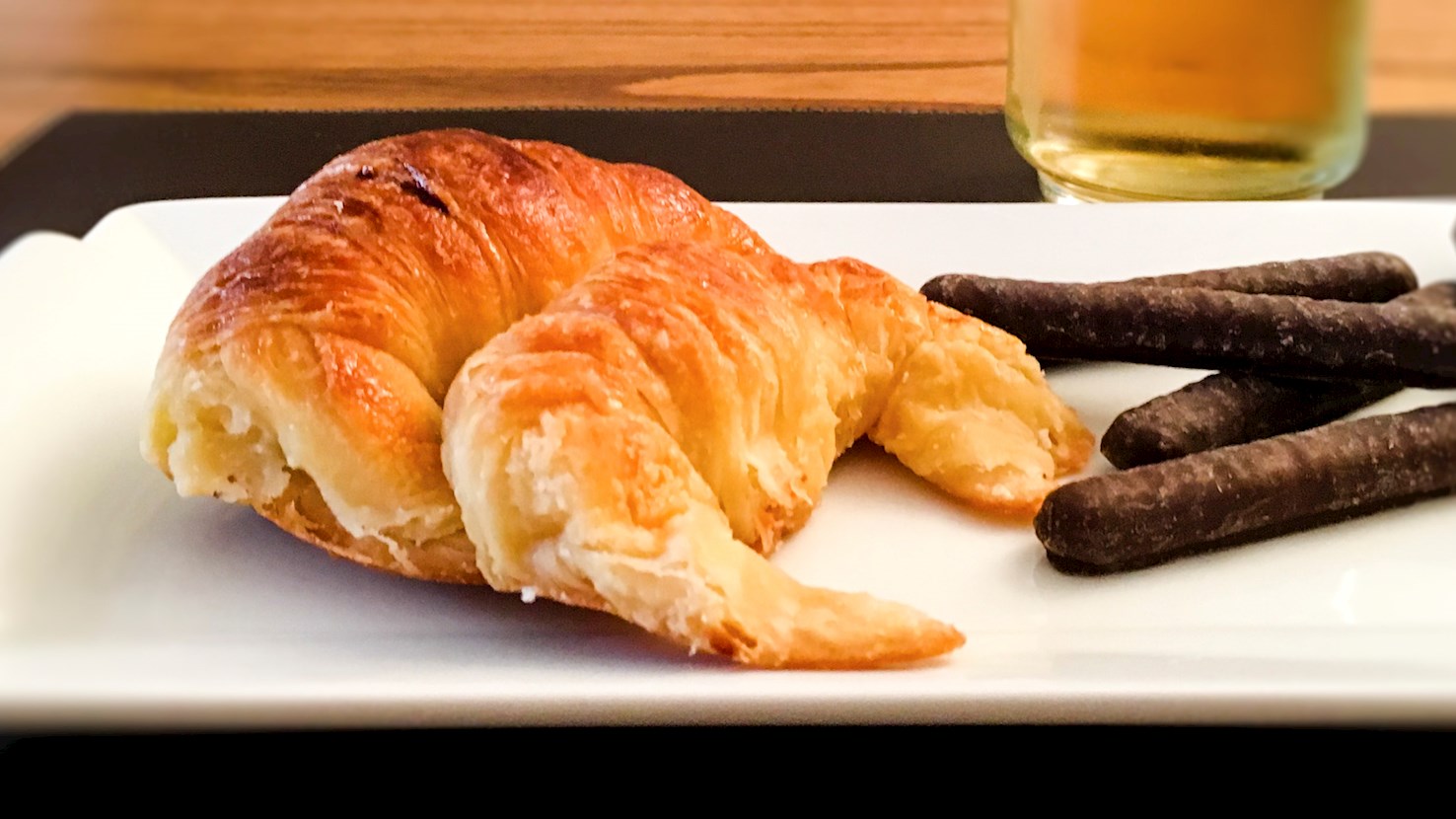
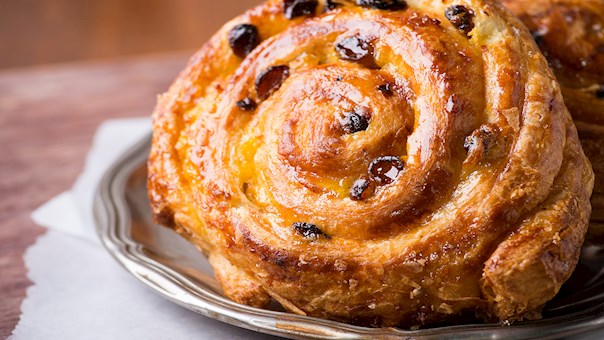
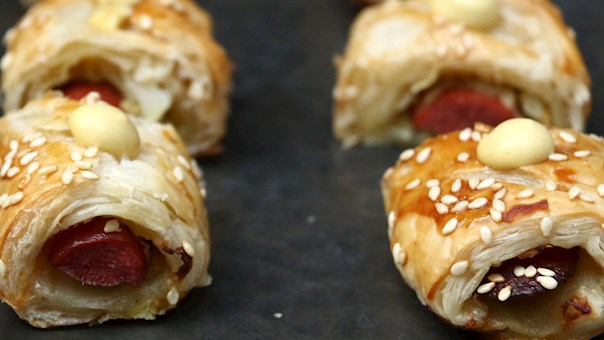
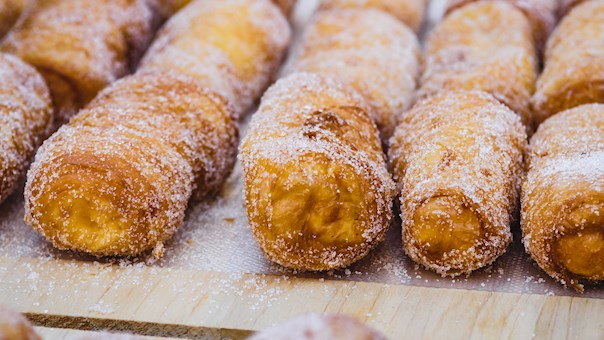
These flaky, golden-colored, crescent-shaped pastries are best made with pure butter and a slightly sweet yeast dough. If made properly, the yellow-white interior should be just the slightest bit elastic when pulled from the center, ready to be covered with a pad of butter or some fresh jam. Experts agree that the croissant was heavily influenced by Austrian kipfels. This pastry originated in 1683 as a celebration of the Austrian victory over the Ottoman Empire, its shape supposedly mimicking the crescent moon found on the Turkish flag. However, the croissant became French the moment people began to make it with puff pastry, a French innovation. Today, French croissants come filled with chocolate, jam, raisins, or even cream cheese. Sold fresh at numerous French boulangeries, they are mainly consumed as a breakfast item.
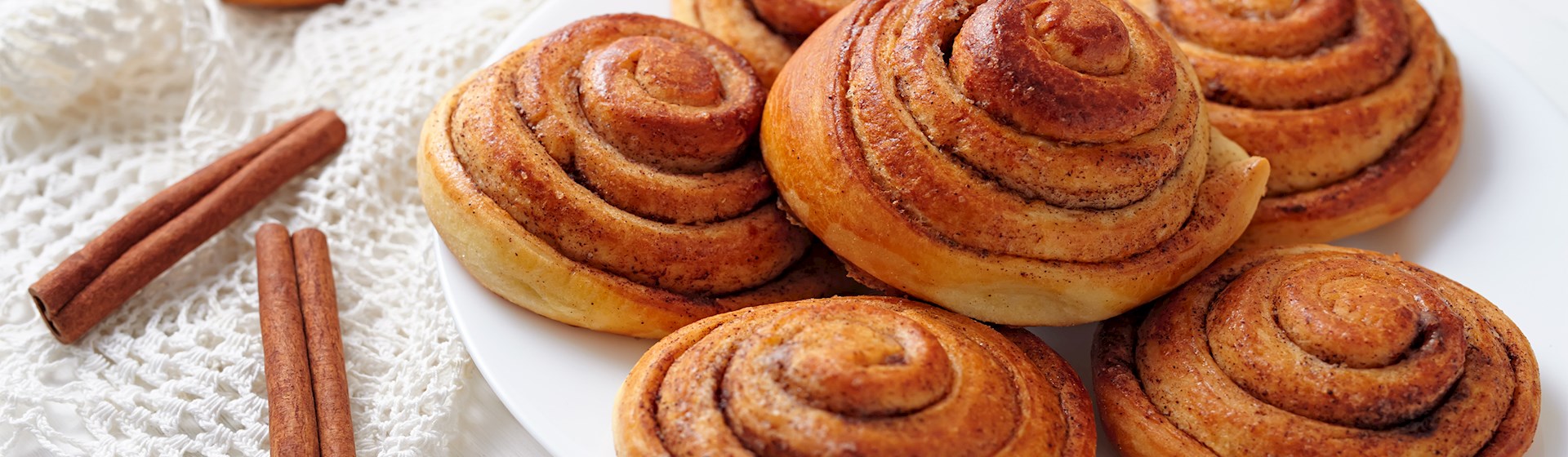
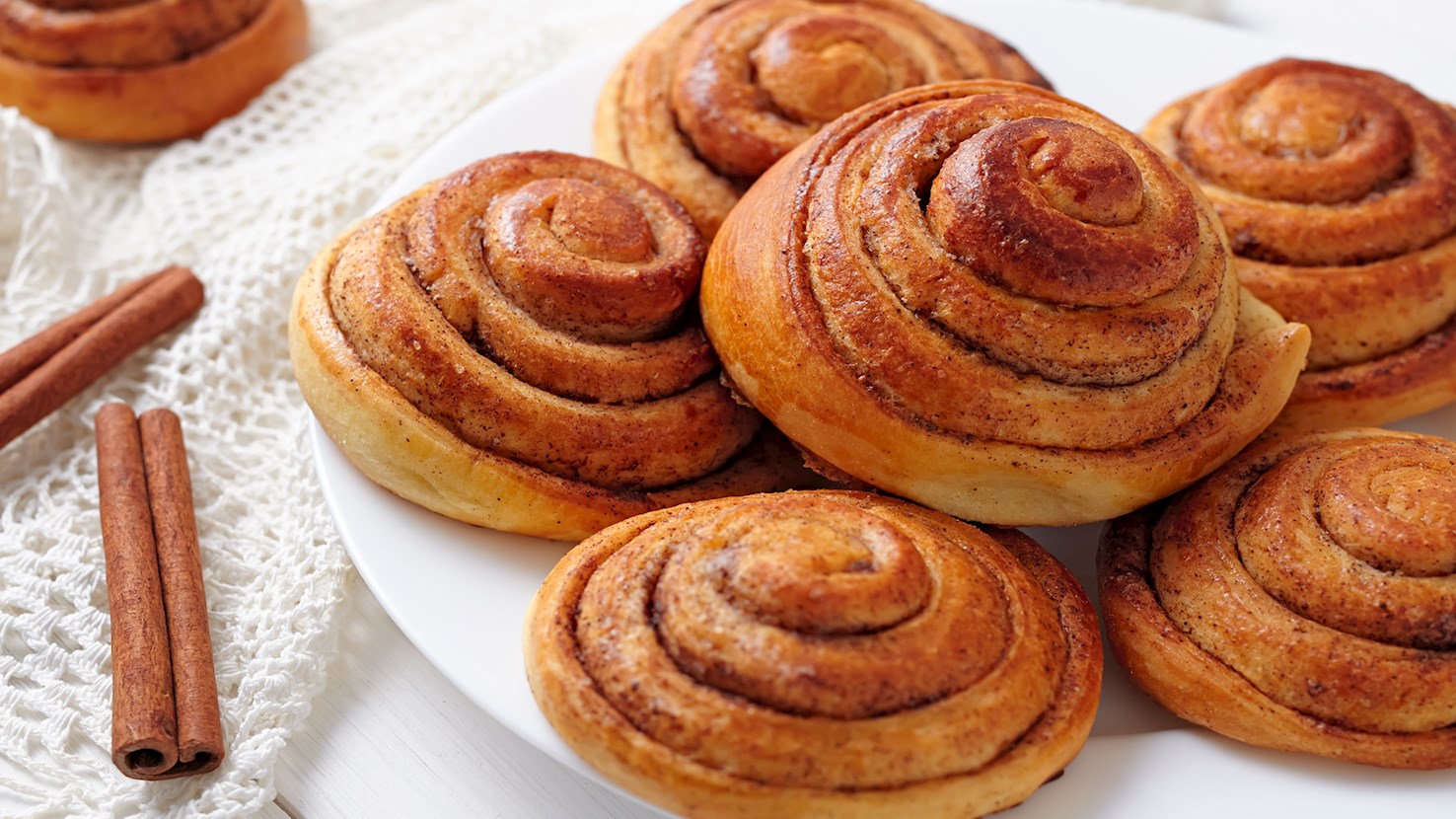
The cinnamon roll or kanelbulle is a famous Swedish pastry made with yeasted, butter-rich, sweetened, and cardamom-flavored dough and has a cinnamon, butter, and sugar filling. Traditionally, kanelbulle will also have pearl sugar on top, although some variants can have either cardamom sugar or slivered almonds instead. Cinnamon rolls are typically associated with fika, a well-established Swedish coffee-and-cake form of socializing. Although the origin of these tasty swirls is still subject to considerable debate, the pastry has its own day in Sweden – October 4th, known as Cinnamon Roll Day.
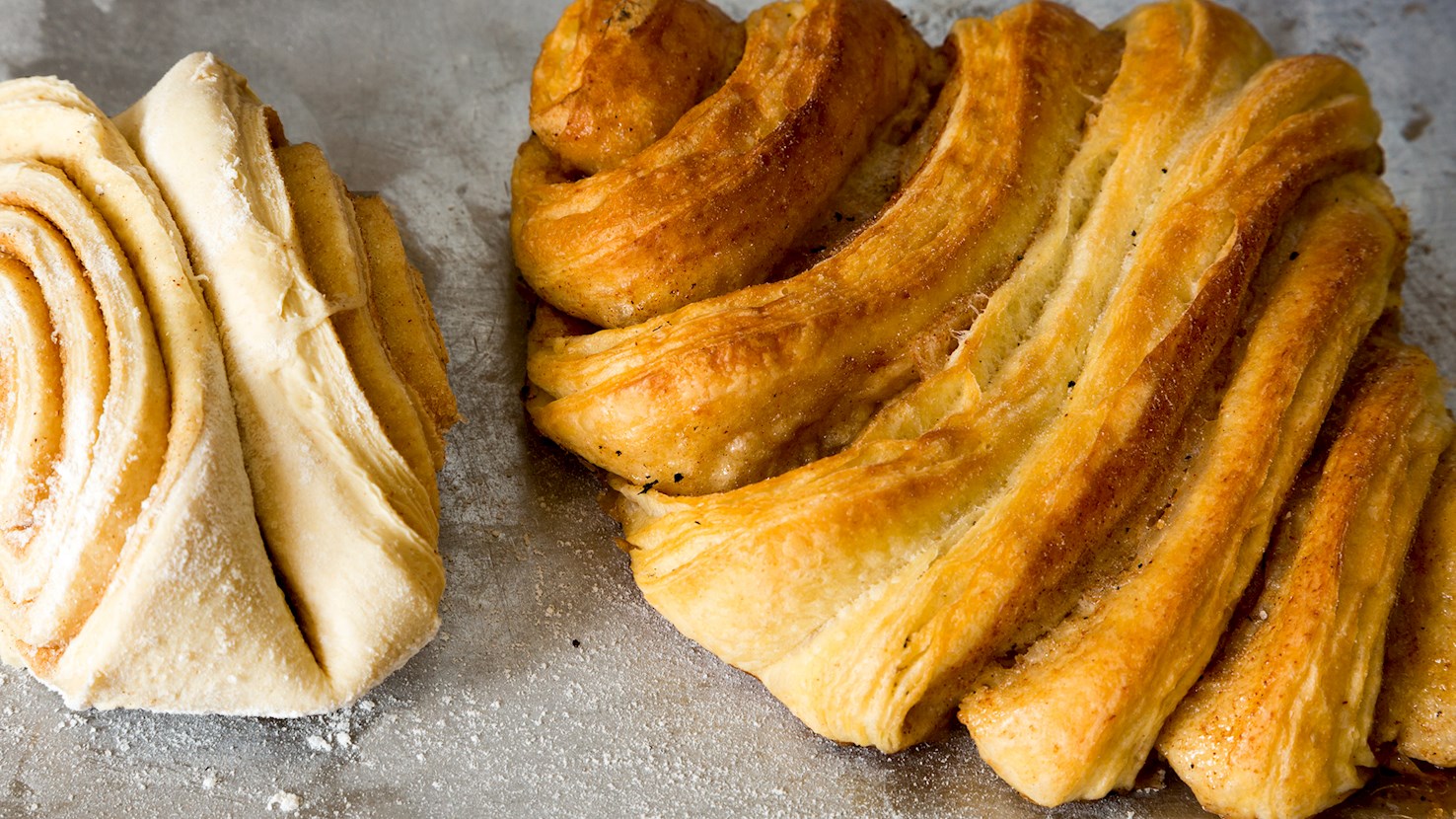
This delicious German sweet pastry is traditionally served with a cup of coffee on the side. Initially made only in the Hamburg area, it is now also available in other German cities. The original recipe for these little pastries includes flour, butter, milk, yeast, and sugar, with a filling consisting of sugar and cinnamon. However, raisins, chocolate, or pumpkin seeds may also be added. The dough is folded multiple times and glazed with butter, developing a sticky coating and rich flavor in the process. The name of this dish is possibly related to the French, who had occupied Hamburg during Napoleon's rule. Alternatively, it is said that a baker from Hamburg once cooked a Franzbrot (French bread) in butter, thus creating the Franzbrötchen.
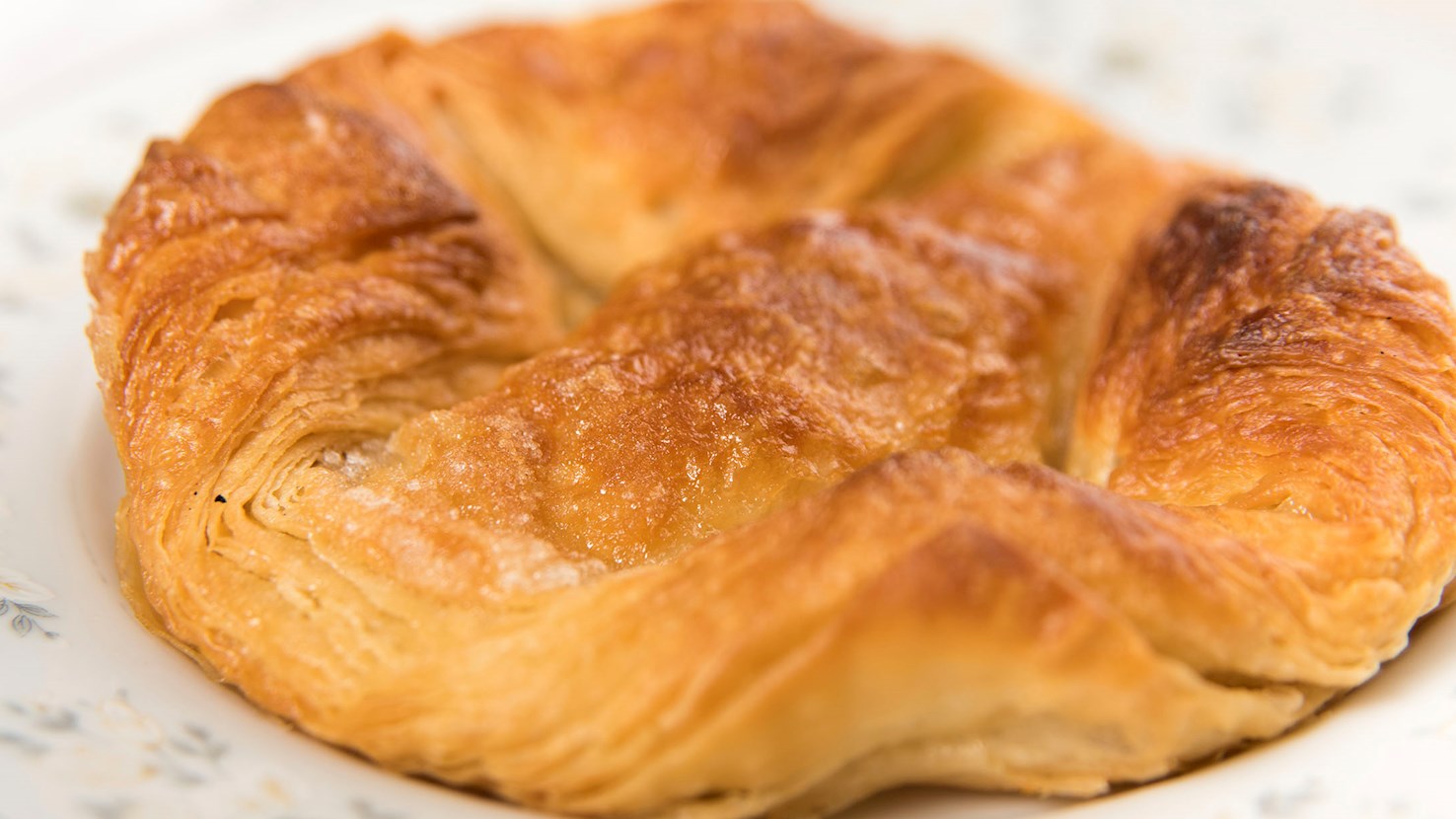
Kouign-amann is a cake that originated in the 1800s in the French region of Bretagne. Its name is derived from the Breton words for cake (kouign) and butter (amann). The cake consists of layers of butter and sugar that are folded into a dough. Bretons claim that the cake is "the fattiest pastry in the world", due to its flaky yellow dough that is mixed with large amounts of sugar and butter. Although there are many theories about the origin of the cake, the most popular one says that it was invented by accident, when a 19th-century baker from Douarnenez wanted to save a failed batch of dough, so he added butter and sugar to the mix, creating the delicacy that we know today.
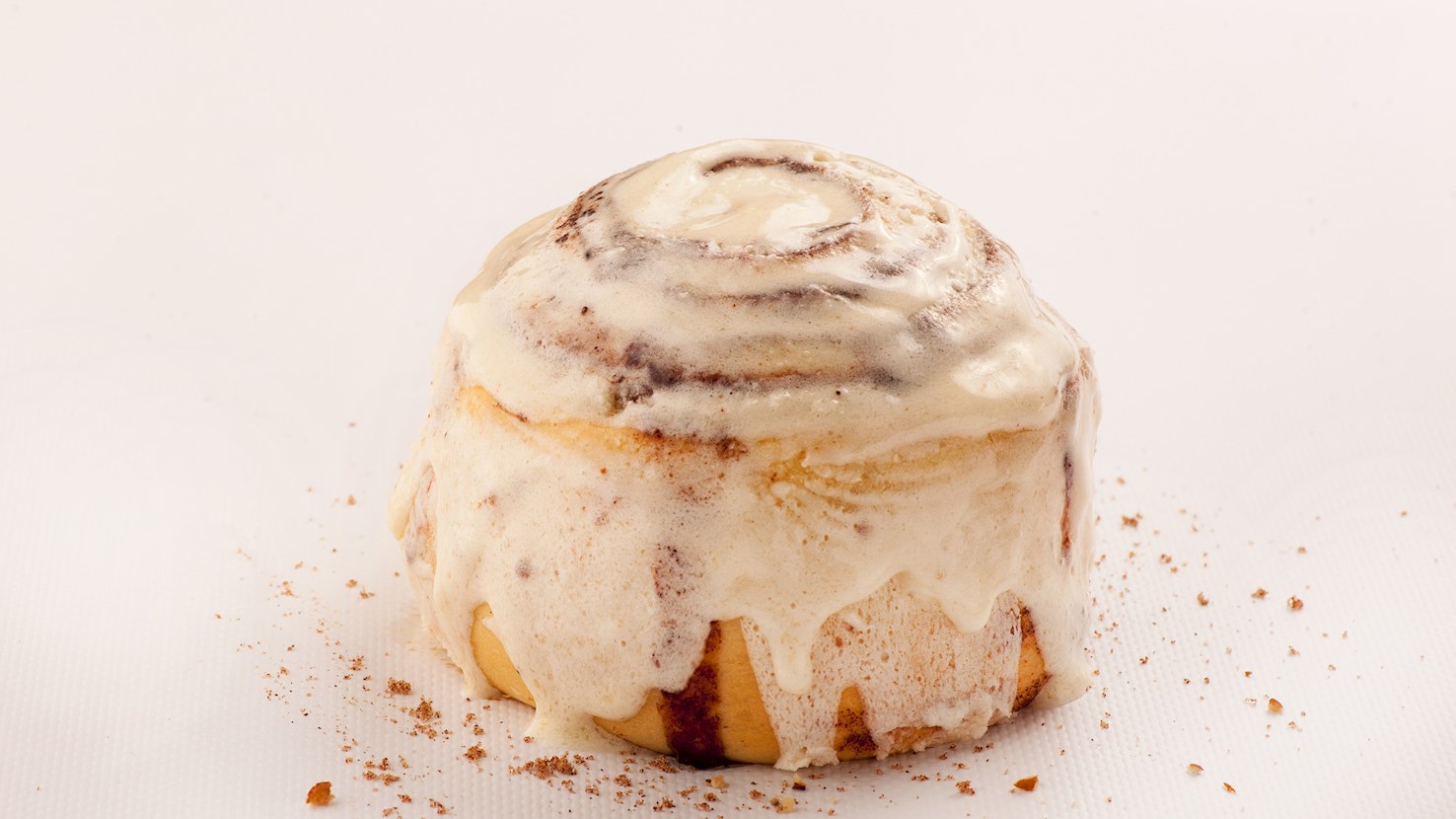
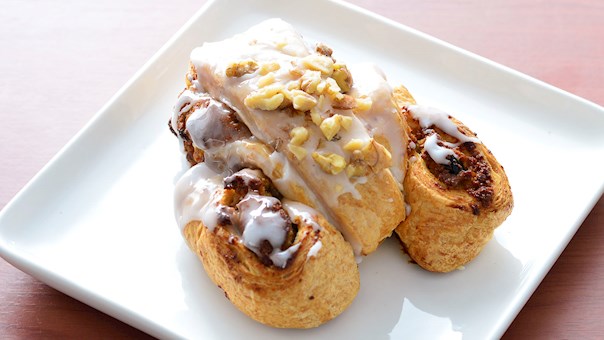
American-style cinnamon rolls are characterized by the pillowy, soft dough and their much larger size and softer texture when compared to their European cousins. They are made with yeasted dough that is rolled into a rectangle, spread with butter, then sprinkled heavily with a mix of sugar and cinnamon and rolled into a log that is cut into slices. The slices are arranged on a baking tray very tightly and baked. While still hot from the oven, the cinnamon rolls are usually topped with icing or a glaze, most notably powdered sugar icing or cream cheese frosting. There are many variations, either when it comes to the topping or the filling, which can include nuts like macadamia or raisins. Cinnamon rolls are usually eaten for breakfast or as a snack.
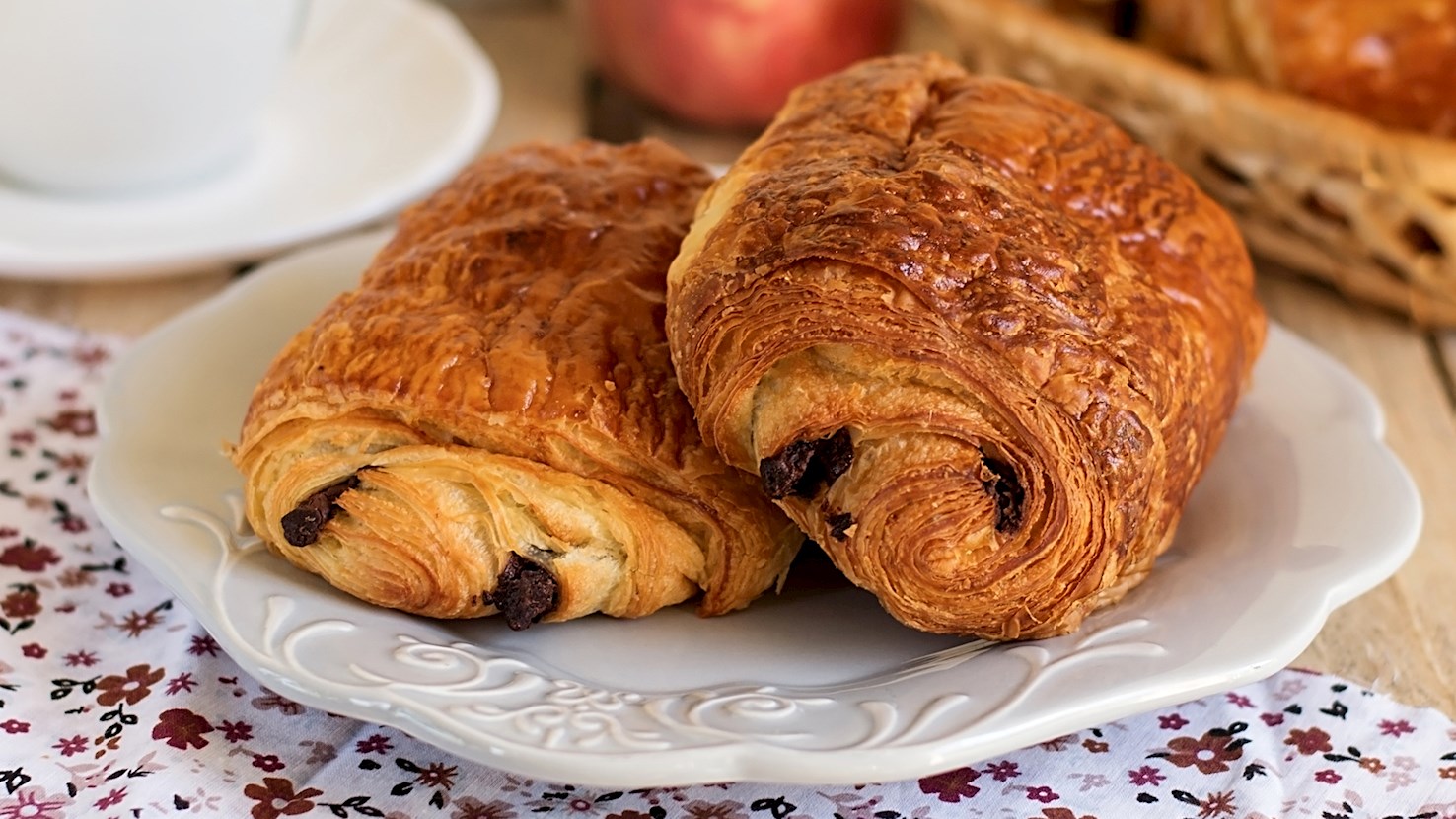
Pain au chocolat is a French viennoiserie roll made with a combination of rectangular, yeast-leavened dough and a few chocolate sticks or chocolate ganache. The filled dough is rolled, baked, then served, ideally while still hot or warm. This flaky pastry can be bought at numerous French bakeries and supermarkets. Interestingly, another name for pain au chocolat is chocolatine, and it is mostly used in the southwest of the country. In Bordeaux, there is even a case where customers had to pay more if they ordered a pain au chocolat rather than a chocolatine. It is believed that the southwest stuck with chocolatine because it is similar to the Occitan word chicolatina. Regardless of these "name wars", in France, one should never refer to pain au chocolat as a chocolate croissant.
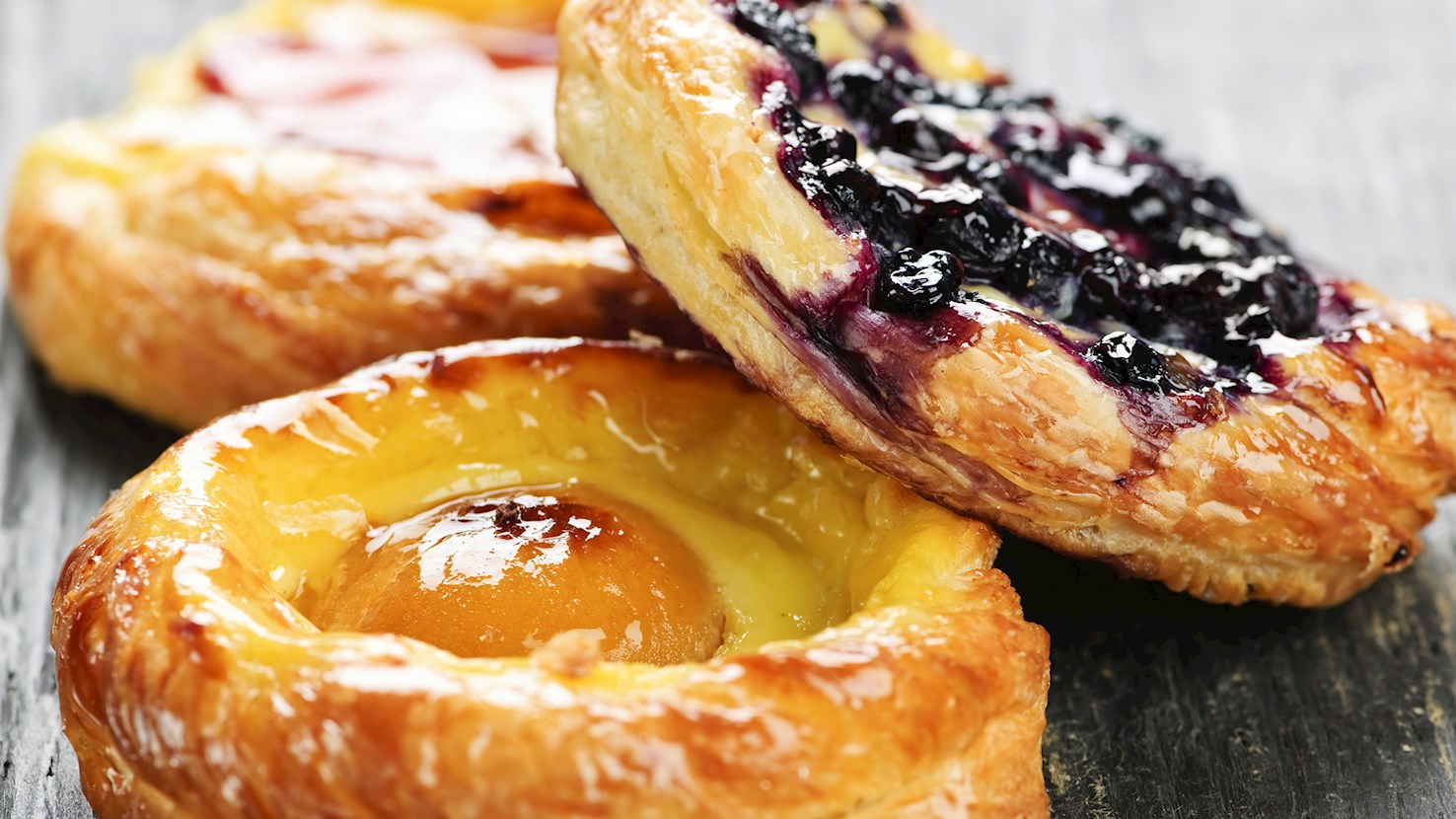
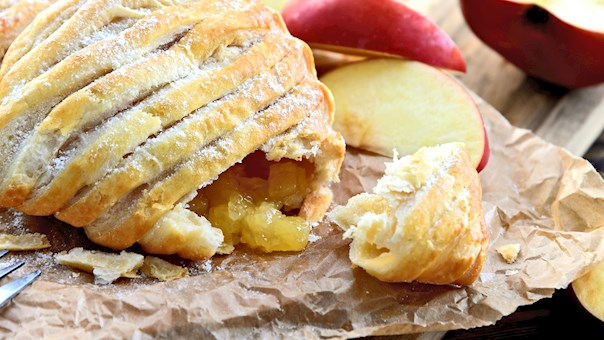
The epitome of a cozy Sunday breakfast in Denmark is a crispy sweet treat known as Danish pastry. It is made with laminated dough, where the dough is repeatedly covered with butter and folded over itself. The result is a creation that is quite similar to puff pastry. The dough is shaped into different forms and filled with flavorful, creamy fillings. Traditional fruit fillings such as apple and raspberry, vanilla custard, and almond paste are Danish favorites, but due to its popularity, the fillings are usually region-specific. For example, cinnamon is more favored during the winter season, while readily available fresh fruit is occasionally incorporated into Danish pastry during the warmer months. The pastry is often decorated with almond flakes or lemon drizzle, which contribute to a more sophisticated look and provide more interesting flavors and textures. It is believed that Danish pastry was created by Austrian bakers who were hired in Denmark during the bakers' strike in 1850, and they brought a tradition of preparing laminated dough to the country. They modified the recipe by adding more butter to create what is today known as Danish pastry. However, in Denmark, Sweden, and Norway it is referred to as wienerbrød, originating from the name Viennese bread, and in Vienna, it is often called Kopenhagener plunder. Today, this pastry is an internationally recognized baked product that is found in many European countries and both North and South America. With intricate designs and a variety of flavors, it represents a staple pastry of every bakery and a favorite sweet breakfast of many people.
These soft crescent rolls are regarded as the Argentinian take on traditional French croissants. Even though they are very similar to the French variety, medialunas are slightly more moist, smaller, and a bit sweeter. There are two traditional types of medialunas; the larger version made with butter, and the smaller version made with lard. Both varieties are usually prepared plain, with a rum-and-sugar glaze on top. They are traditionally eaten for breakfast, ideally accompanied by a cup of strong coffee with milk, or as an afternoon snack served with yerba mate, a traditional Argentinian herbal tea. Argentinians prefer to eat them with sweet condiments, jellies, dulce de leche, or chocolate spreads. Even though they are easily prepared at home, medialunas can also be bought in panaderias–traditional bakeries found throughout Argentina.
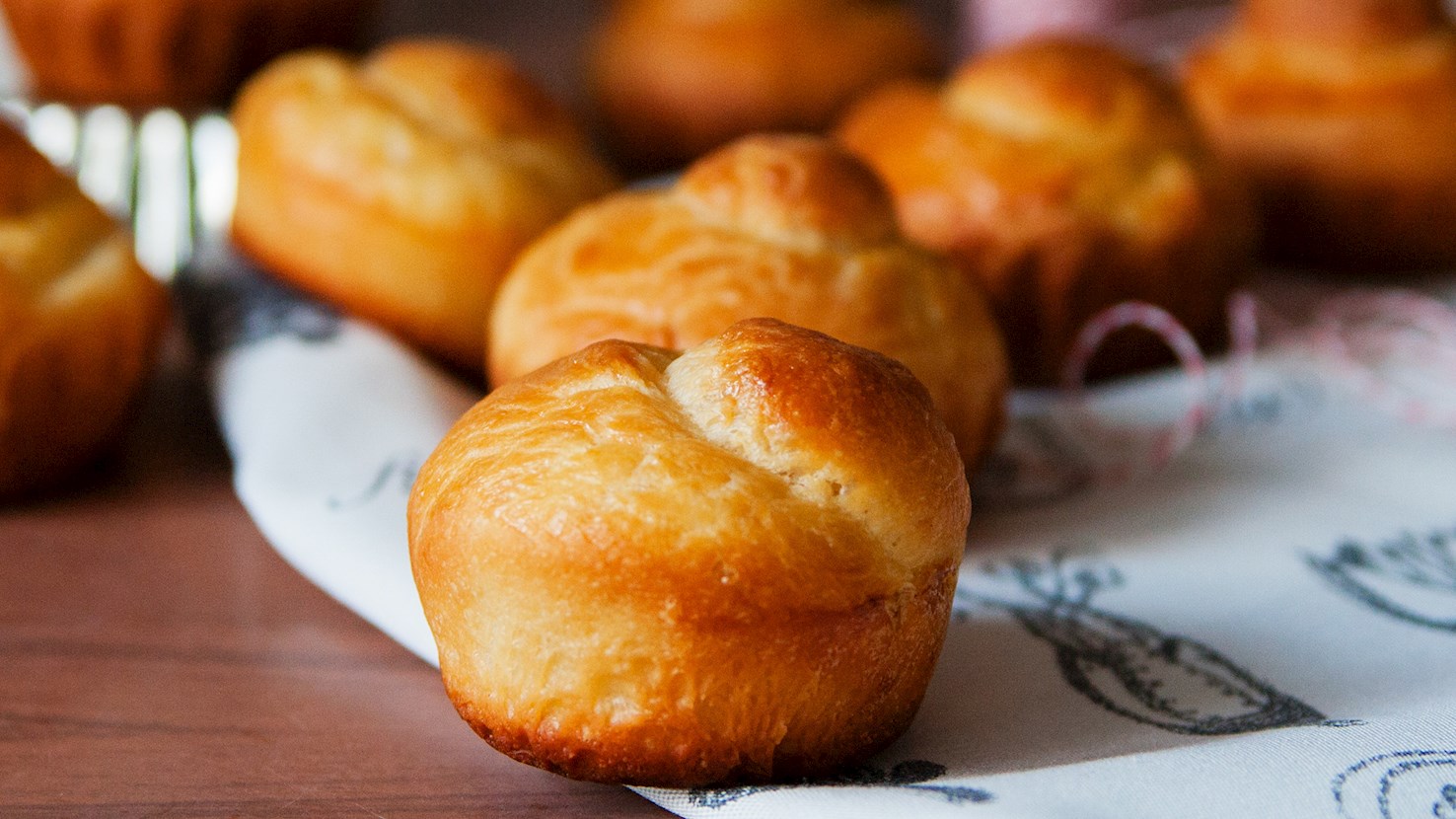
This baked specialty is a French type of viennoiserie, a cross between a pastry and a bread, with a high butter, milk, and egg content that makes it rich, soft, and flaky. It has been enjoyed for centuries both as a delicacy and as a status symbol. One popular theory claims that it was invented by Norman Vikings, who settled in France in the 9th century and brought the secrets of making butter with them. The word brioche first appeared in print in 1404, and the name is believed to be derived from bris and hocher, meaning to knead and to stir. It could also be a reference to the popular French cheese called Brie, which is believed to have been one of the ingredients in the original brioche. A famine in the 18th century made bread expensive, so brioche became a status symbol – the amount of butter in your brioche was proportional to your prosperity. Today, it is traditionally consumed with tea, but it also has various uses in cuisine, acting as a vessel for sweet or savory fillings.
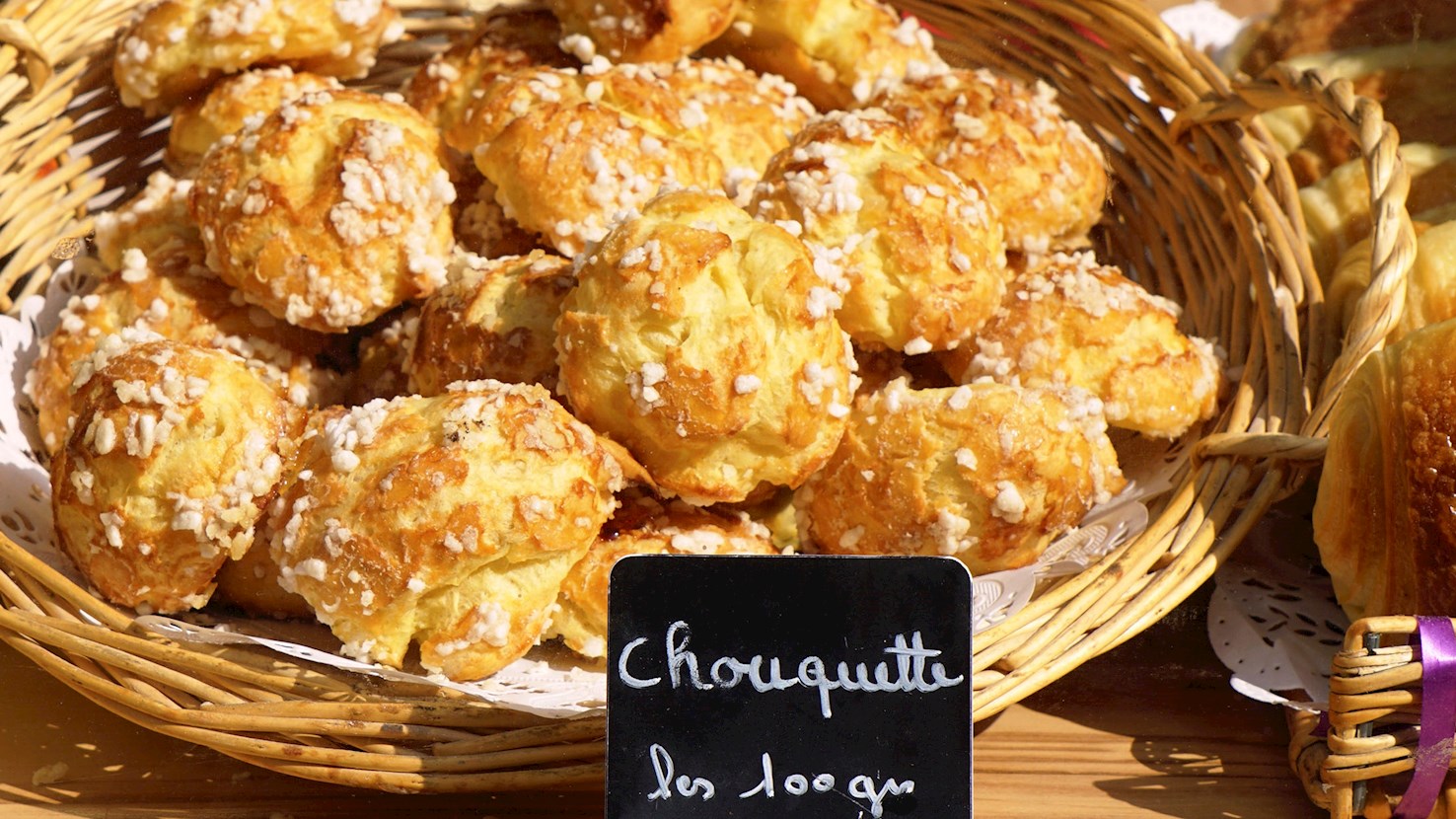
Amazingly tender and extremely light, chouquettes are airy pâte à choux pastry puffs studded with the so-called sucre perlé (lit. pearl sugar); coarse sugar crystals which hold both their shape and crunch when baked. Chouquettes are basically profiterole shells and fall into the category of viennoiseries or, more precisely, pâtisseries viennoises. These Viennese-style baked goods are found in bakery shops throughout the country and are traditionally consumed for breakfast or as an afternoon snack known as le goûter. Best enjoyed freshly baked, while they're still perfectly puffed, golden, and crisp, chouquettes make for a great accompaniment to a nice cup of coffee or tea.
TasteAtlas food rankings are based on the ratings of the TasteAtlas audience, with a series of mechanisms that recognize real users and that ignore bot,
nationalist or local patriotic ratings, and give additional value to the ratings of users that the system recognizes as knowledgeable.
For the “Top 19 Viennoiseries in the World” list until April 15, 2026, 5,146 ratings were recorded, of which 4,517 were recognized by the system as legitimate.
TasteAtlas Rankings should not be seen as the final global conclusion about food. Their purpose is to promote excellent local foods,
instill pride in traditional dishes, and arouse curiosity about dishes you haven’t tried.