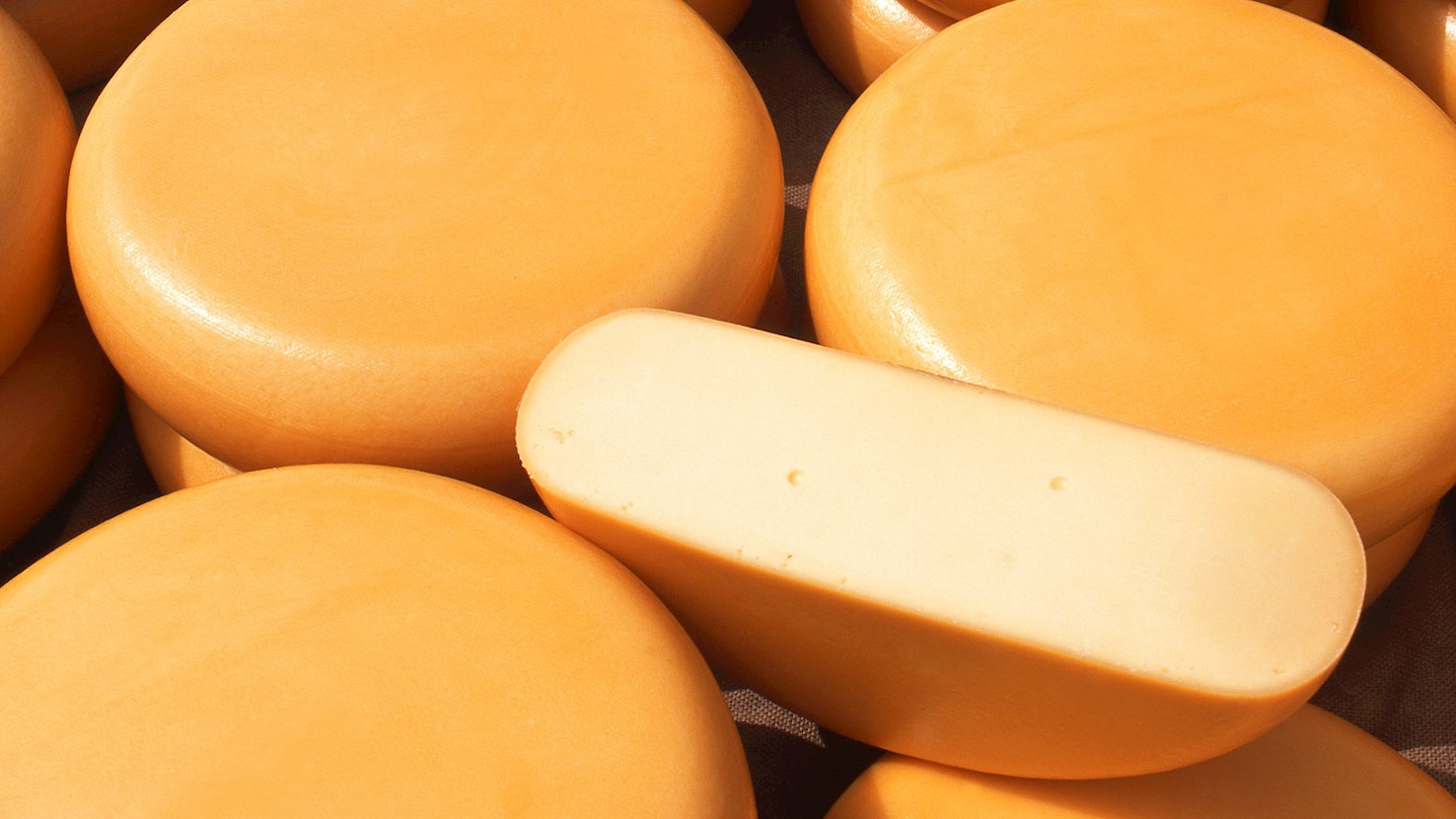
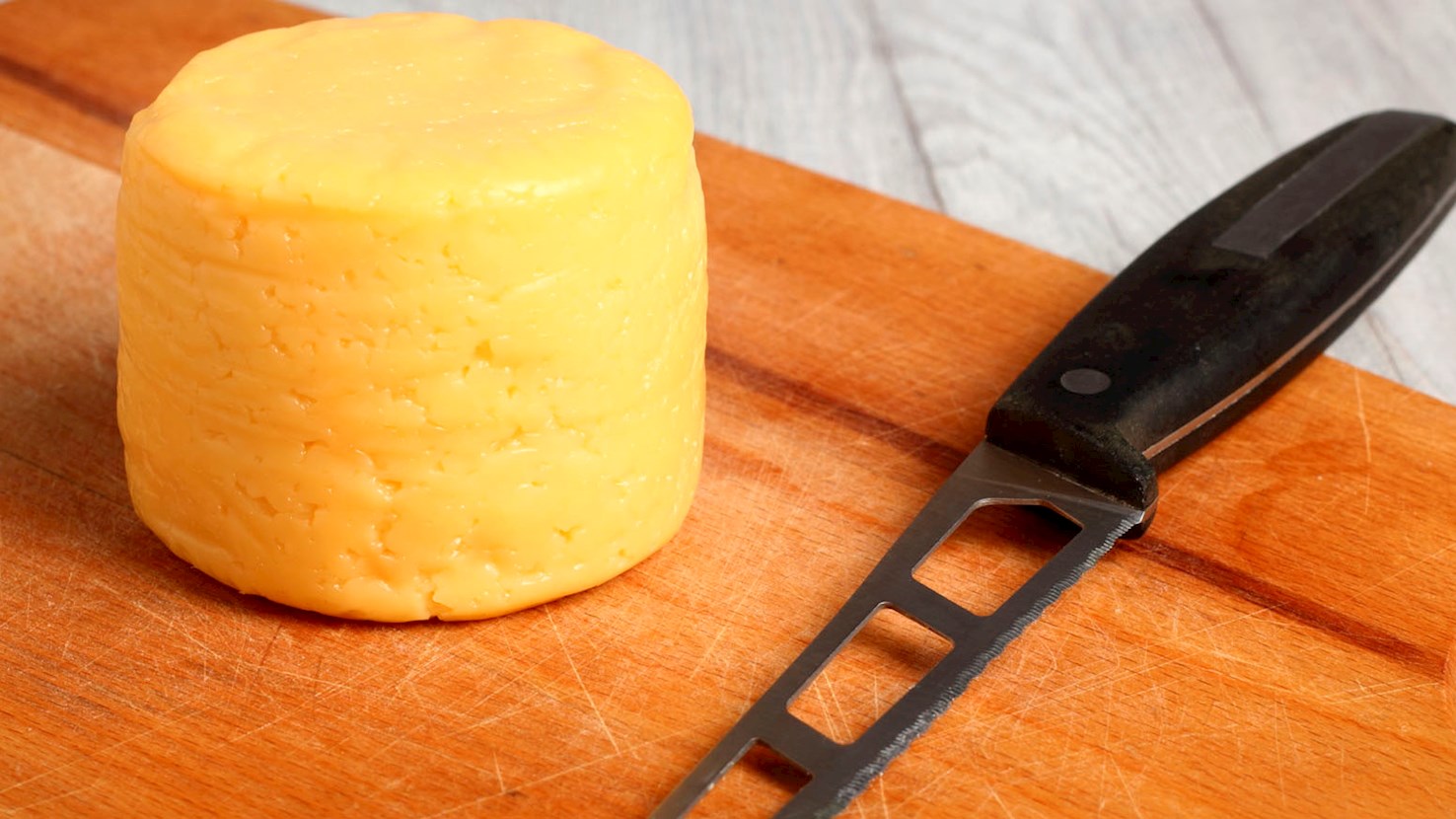
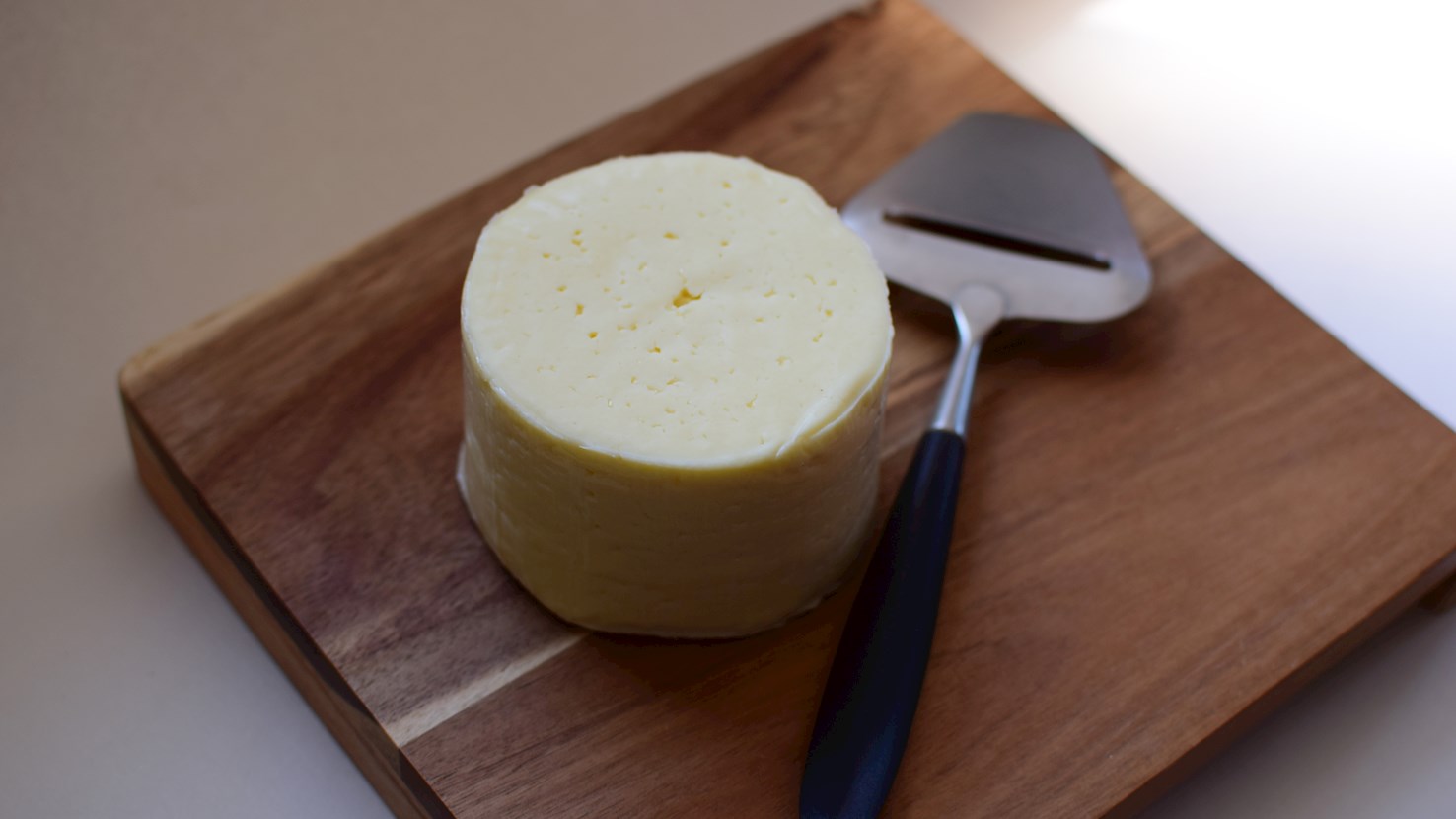
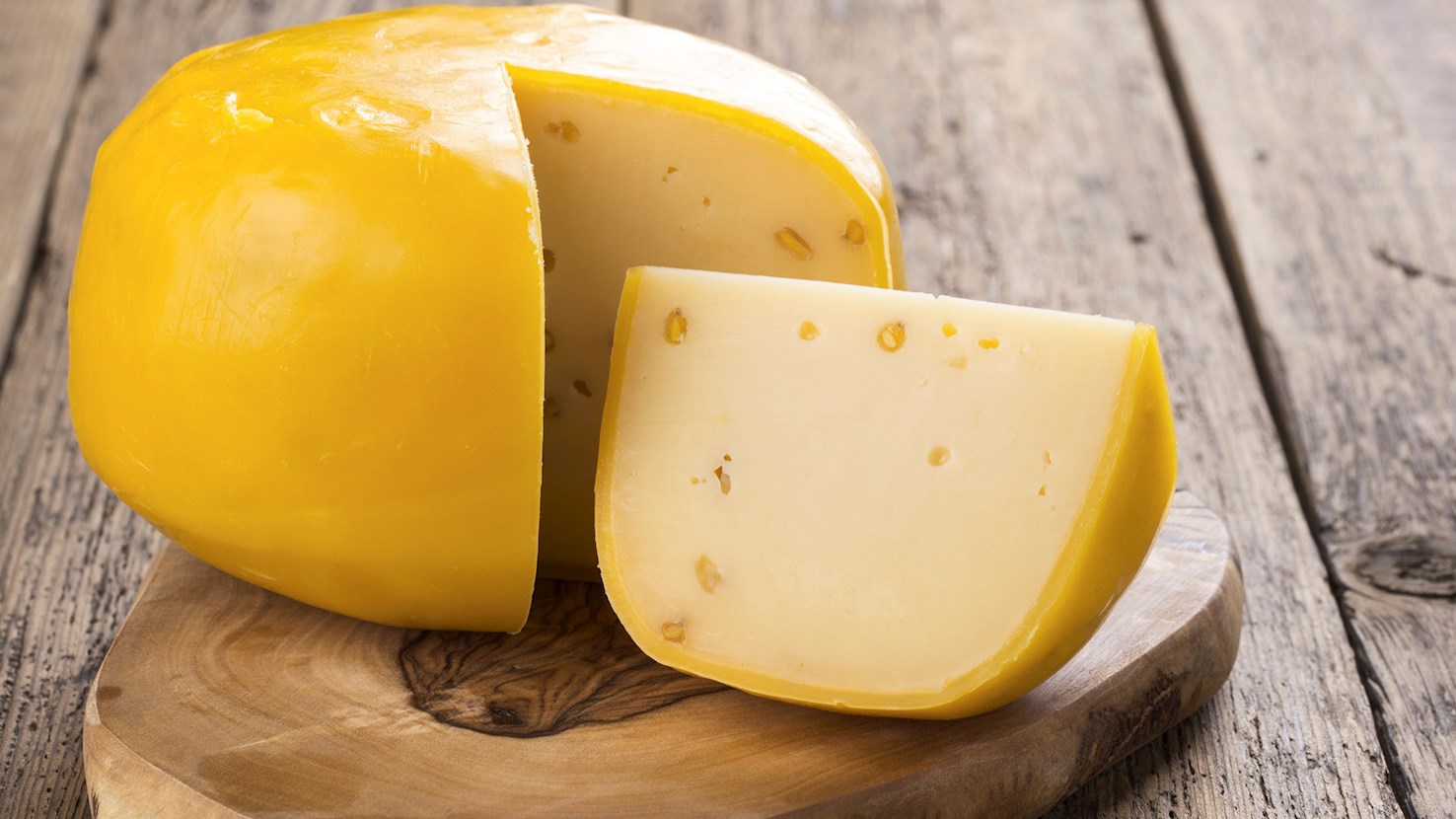
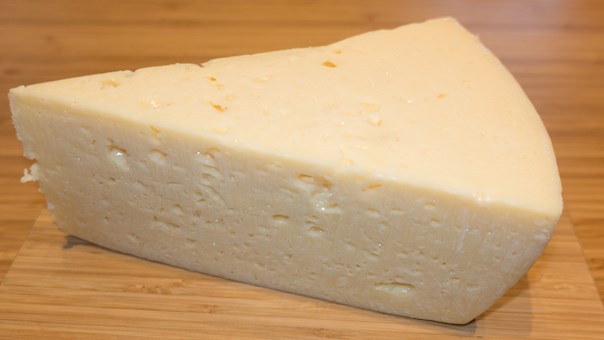
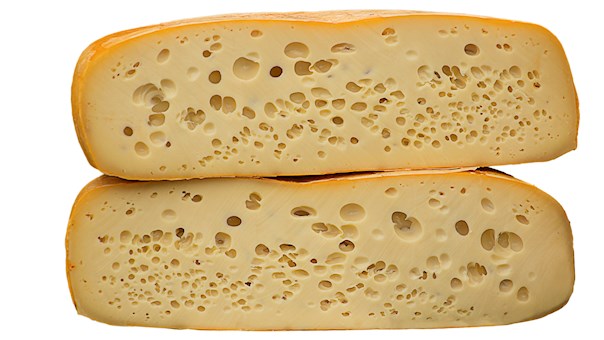
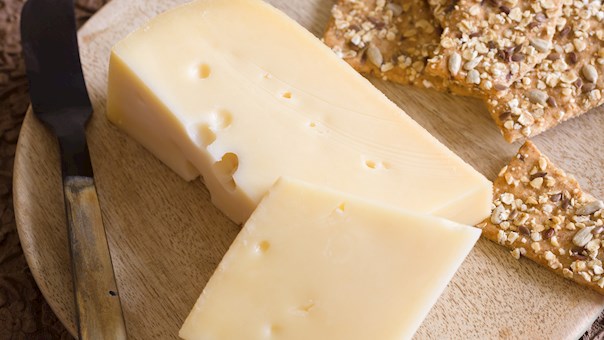
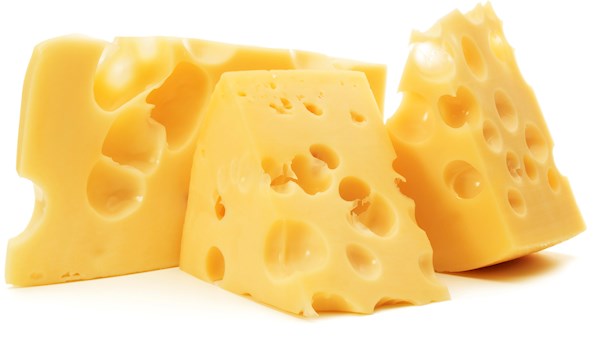
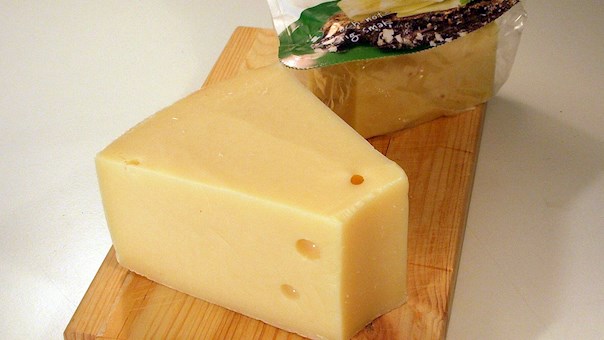
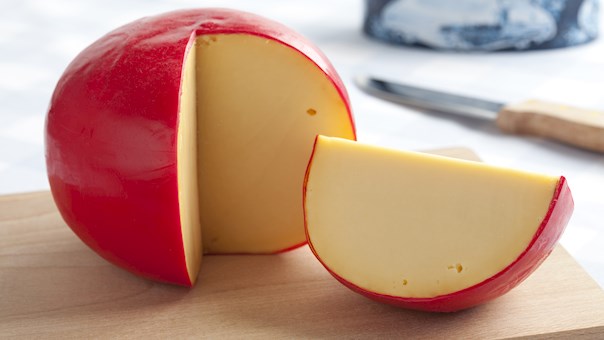
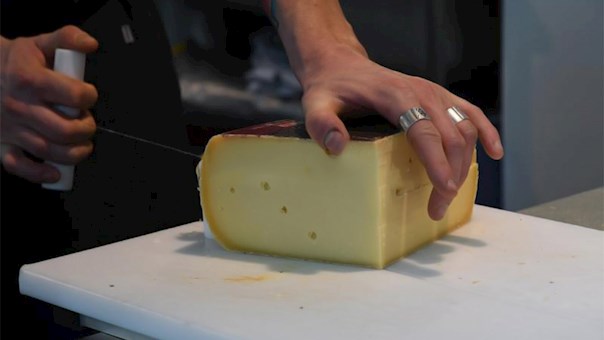
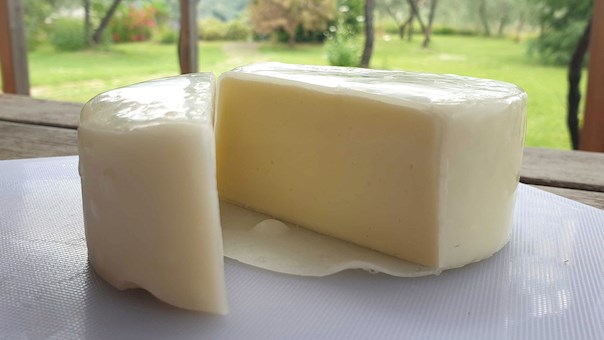
Noord-Hollandse Gouda is an aromatic and pleasant cheese that can be mild or intense, depending on its age. Its varieties include Graskaas, Jong, Jong belegen, Belegen, Extra belegen, Oud and Extra oud. The older the cheese variety, the stronger and saltier it gets. This type of Gouda cheese has a PDO status and is made from 100% North-Holland milk. It was originally made in the town of Gouda in South Holland, so its registered name 'North-Holland Gouda' may seem wrong. However, North Holland is the recognized pasture land in the Netherlands, and since the milk from those pastures is used in the process of making the cheese, the product is aptly named. Noord-Hollandse Gouda is made under factory conditions since 1900. It is characterized by its pleasant taste, specific consistency, and dry, smooth rind. It is notable for its sweetness and it is less salty than other Gouda cheeses because some of the milk sugars are removed early in the process to prevent excessive acid being produced by the bacteria. Young Gouda is soft, has a creamy quality and is easy to cut with a slicer, while the older Gouda varieties are harder and usually cut with a strong knife. There is also a special edition of the Noord-Hollandse Gouda, called 'baby Gouda', which is oval and smaller (weighing just a pound). It is usually coated with a layer of red wax and can be wrapped in cellophane.
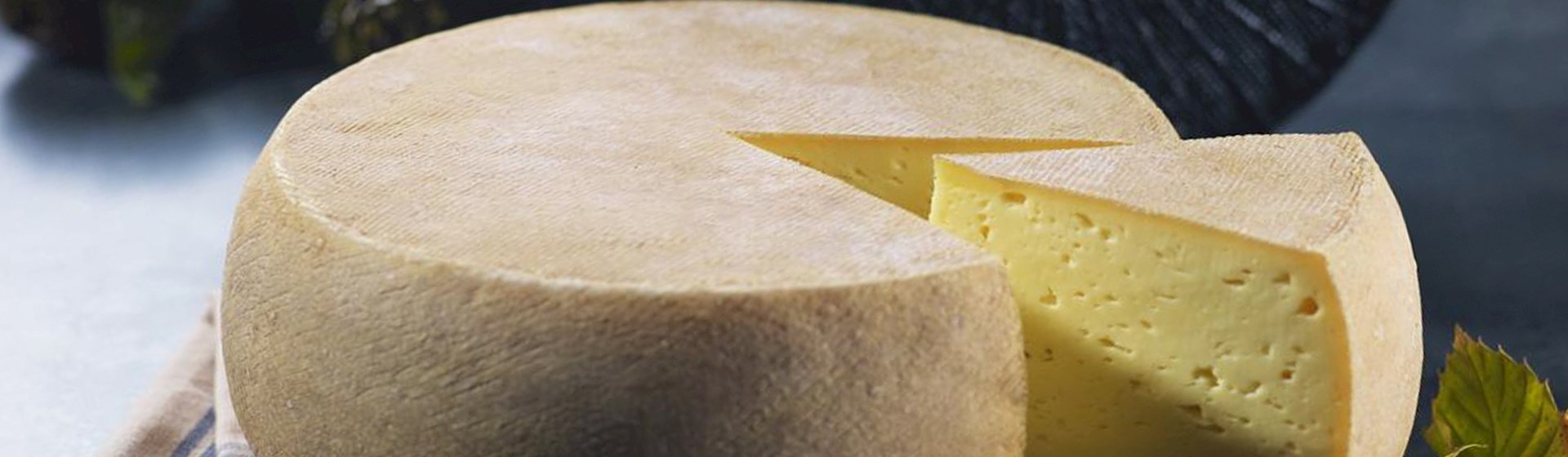
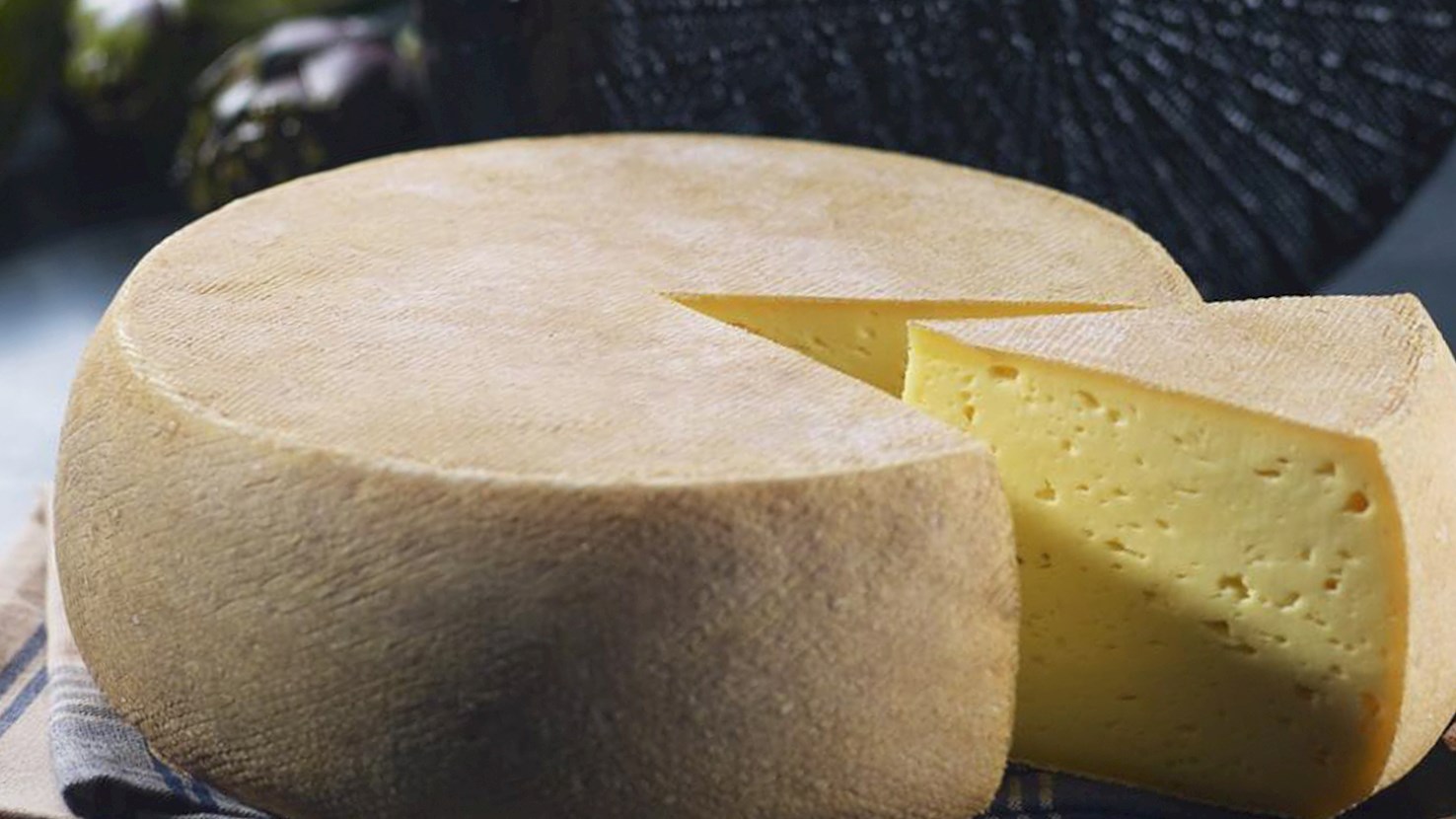
Tomme des Pyrénées is a semi-hard, cow's milk cheese from the Pyrénées region in France that must mature for at least 21 days before consumption. It is wrapped in a distinguishable black wax coating, which acts as a seal to prevent the air from coming in and thus stopping the maturation process. Appreciated for its big, bold flavors, Tomme has a rubbery texture and buttery, salty, earthy taste with slight hints of sourness and undertones of mushrooms, garlic, onions, peanuts and beef bouillon that come forth once the cheese has melted in the mouth. Pair it with wines from the Pyrénées region or strong ales to best complement its big taste.
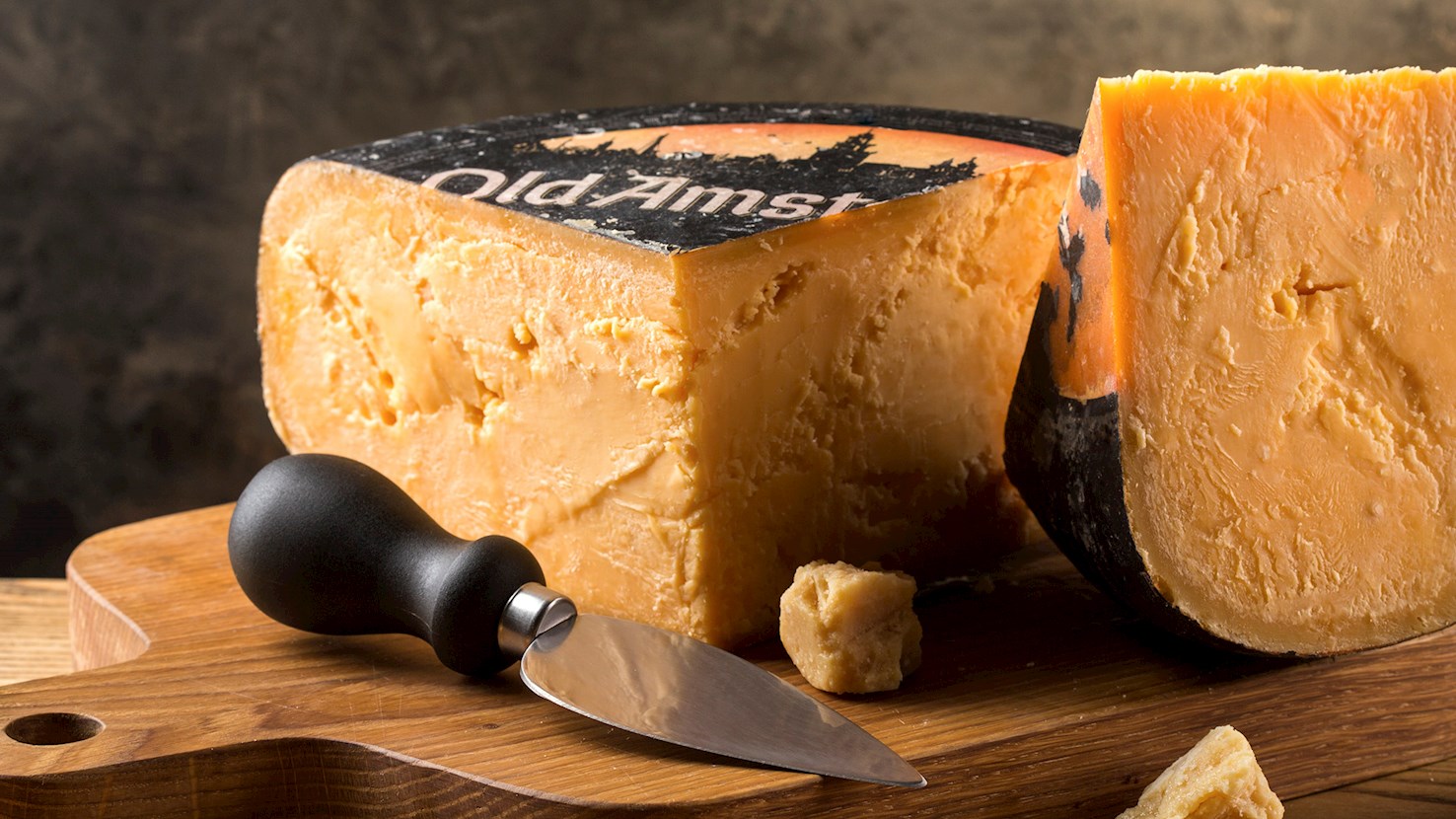
Old Amsterdam is a Dutch Gouda-style cheese made from pasteurized cow's milk. The cheese is matured at three stages, and each one brings out certain characteristics of flavor and texture. As the wheels mature at different rates, master cheesemakers decide when each wheel is ready for consumption based on texture and flavor. The texture of Old Amsterdam is hard and smooth, dotted with occasional eyes and tiny granular crystalline pieces of amino acids. The color of the paste is similar to butterscotch, while the flavors are sweet, rich, toasty, nutty, robust, and caramel-like. The cheese is great for cooking and goes really well with figs, pistachio, and salads. It can also be shredded over soups or used in sandwiches.
Liliputas is a handmade, semi-hard, naturally ripened cheese made from pasteurized cow's milk in the village of Belvederis in Lithuania. The cheese has a very high fat content of 50% and must mature for at least one month in cheese cellars. It is wrapped in cotton cloths and pressed into cylindrical molds. Liliputas got its name because of its small size and weight, which is between 0,4 to 0,7 kilograms. The exterior is smooth and thin, with a waxy rind and a firm, yet elastic texture and an acidic, fresh, slightly sharp and salty flavor, typical for a fermented cheese. It is creamy to pale yellow in color and twice the price of mechanically produced cheeses, but for consumers who appreciate the labor-intensive production process, Liliputas is a unique delicacy.
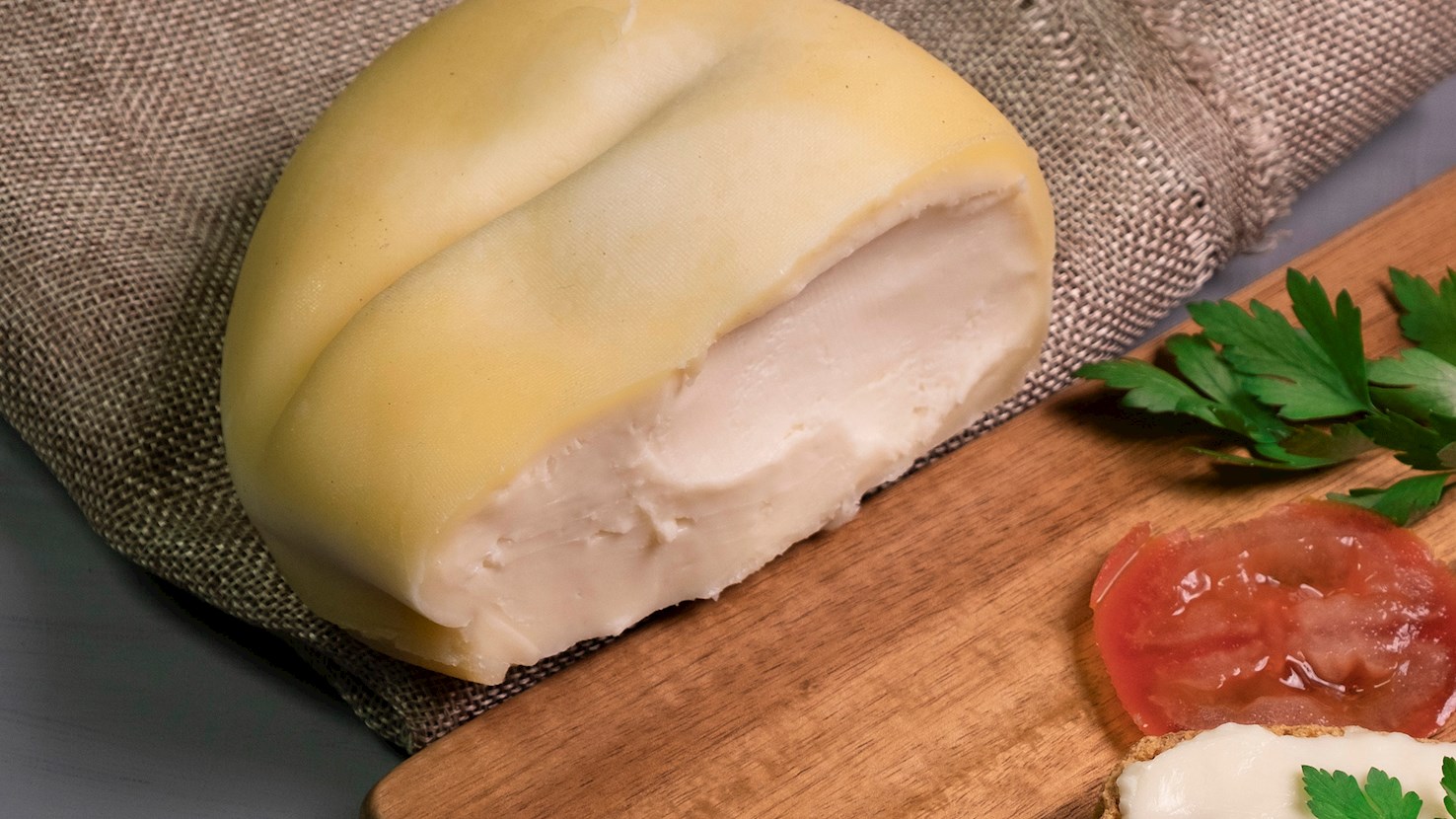
Arzùa-Ulloa is a cheese made from raw or pasteurized cow’s milk. This cheese is produced in Galicia, in Northwestern Spain, where it matures for at least 6 days. It is a mild cheese whose flavor is reminiscent to that of butter and yogurt. The cheese has a smooth and somewhat waxy rind dotted with blue or white mold spots. The interior hides a smooth, velvety texture and is white to pale yellow in color. Arzùa-Ulloa is often served as a component of a dessert, but it can also be melted over toasted bread.
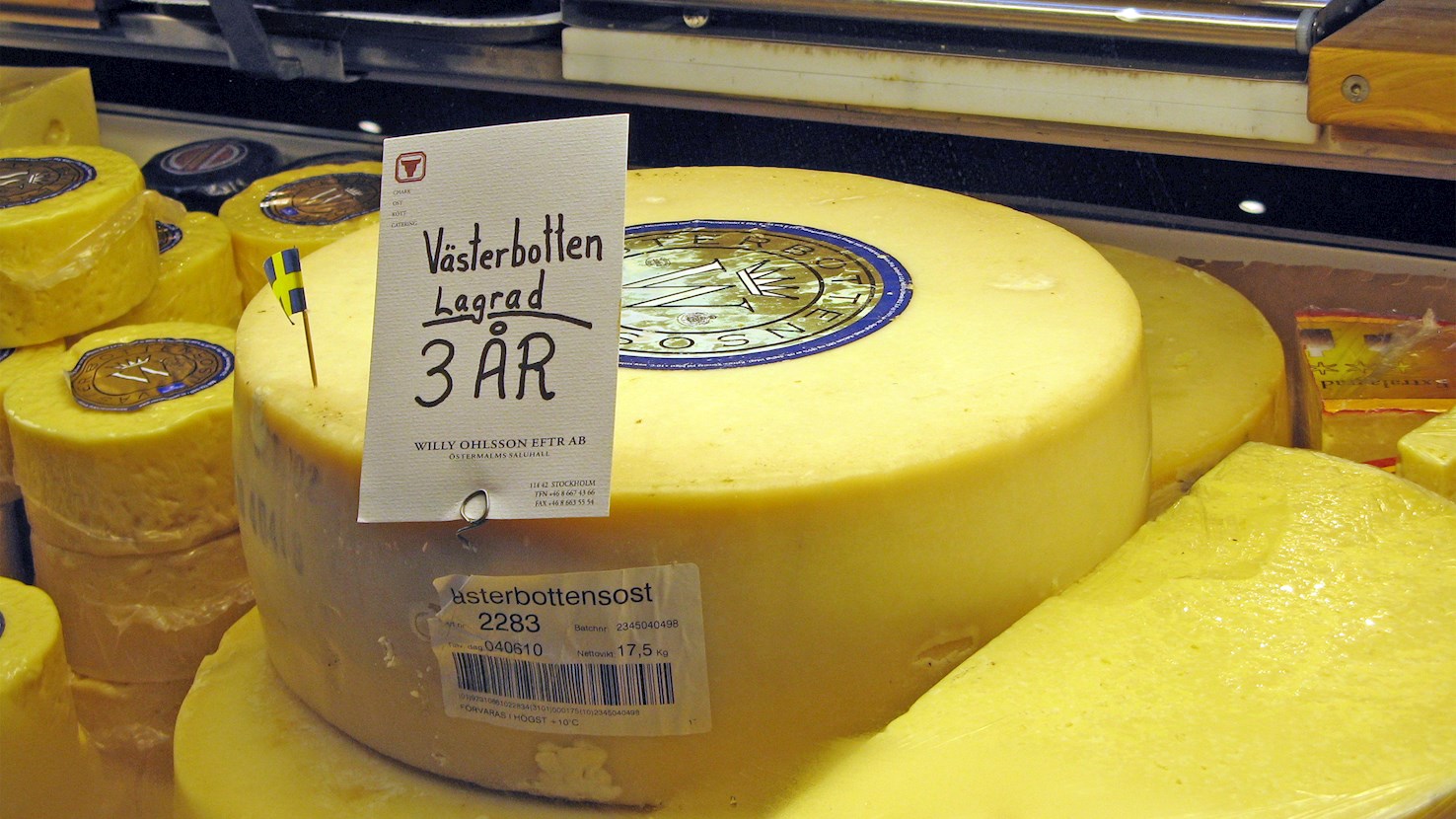
Västerbotten is a Swedish cheese made from cow's milk. The name refers to the Västerbotten region in northern Sweden. The paste is adorned with tiny eyes and has a firm, granular texture. In flavor, the cheese is salty and sweet, similar to a cross between Cheddar and Parmesan. Every wheel must age for at least 14 months before it can be consumed. It is believed that the cheese was invented in 1872 by Ulrika Eleonora Lindström, a dairy maid who was left alone while stirring the curd, but she also had regular meetings with her lover, so the cheese was considered a failure at first, but when it was tasted, people thought it had a special flavor. Nowadays, Västerbotten is left to age on spruce shelves, and in order to know when the cheese is ready, one of the master cheese makers extracts a small piece of the cheese with a drill and then assesses it. It is recommended to pair this cheese with pickled herrings, knäckebröd, and fruit such as grapes, cloudberries, and figs.
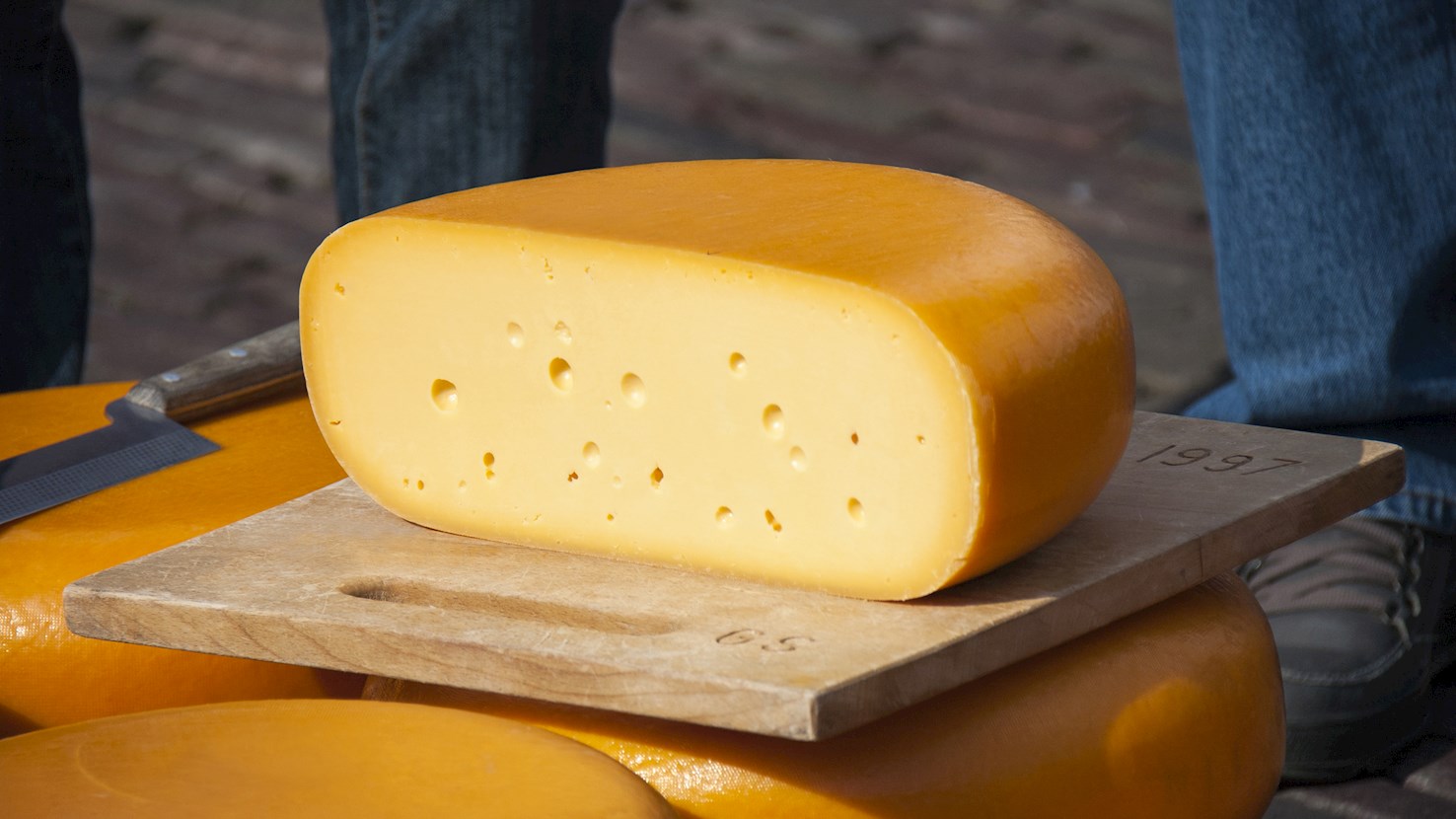
The Netherlands' most prominent export product and one of the world's most popular cheeses, Gouda, is a yellow to orange, creamy, and sweet cow's milk cheese. Because they are pressed into molds, Gouda cheeses usually have a characteristic flattened wheel shape, and many are instantly recognizable thanks to their yellow and red waxy, plastic-looking coating. Its texture ranges from semi-hard to hard, depending on aging time, and the taste also changes with aging. Therefore, Gouda cheeses are classified based on aging time. There are a total of six categories: young cheese (4 weeks), young matured (8–10 weeks), matured (16–18 weeks), extra matured (7–9 months), old cheese (10–12 months), and very old cheese (12 months and more). Young cheese tastes mild and a bit fudgy, but with time turns more and more sweet, nutty, and tangy. Now, because the taste of Gouda changes with time, many are prone to say the term Gouda more aptly describes a style of cheesemaking and not a type of cheese. Additionally, since the term gouda is not protected, it is also used to describe all kinds of cheese prepared in the traditional Dutch way, which means that cheese produced that way doesn't have to have Dutch origin. However, there are some Gouda cheeses that have been granted protection, namely Boerenkaas, Noord-Hollandse Gouda, and Gouda Holland. They all have a PGI status, which means they are produced exclusively in the Netherlands, with milk from Dutch cows. Gouda cheese was first mentioned in 1284, so it can be said that it really stood the test of time. Another interesting historical fact is that although they share the same name, this cheese was not named after the town Gouda because it was produced there but because it was sold there. During the Middle Ages, Gouda was the only city in the County of Holland to have the right to host a cheese market. Today, in the summer months, a traditional style cheese market is held each week in the city of Gouda as a way to attract tourists. Young Gouda is good for slicing and melting, typically used in sandwiches, salads, and snacks, the Dutch kapsalon being one example of the many dishes in which this cheese is used. Aged Gouda, on the other hand, is hard and more suitable for grating over pasta dishes, for example. However, both work well in charcuterie and can be served as part of a cheeseboard with various fruits, jams, and condiments. As far as drinks go, young Gouda goes well with Pinot Grigio and Chardonnay, for example, while classic pairings for aged Gouda are full-bodied reds Bourdoux and Cabernet Franc. Both kinds go well with beers, lighter beers go with young Gouda, and strong, malty ones go with aged Gouda.
Gräddost is a traditional cheese originating from Sweden, its name meaning cream cheese when translated. The cheese is made from pasteurized cow's milk and it's usually left to age for up to 7 months. Underneath its waxed rind, the texture is smooth and creamy with small eyes dispersed throughout the body. The aromas are nutty, while the flavors are usually mild, sweet, and nutty with fresh and tangy hints. Due to the fact that Gräddost melts well, it's often used on pizzas or in sandwiches. It's recommended to pair the cheese with Sauvignon Blanc, Merlot, and Chenin Blanc.
Gouda Holland is a semi-hard Dutch cheese that's produced exclusively from cows' milk from Dutch farms, and it's one of the most popular cheeses worldwide. The cheese is made in a flattened wheel shape and it's flavorful and aromatic (mild, fruity, sweet, butterscotch flavors), depending on the stage of maturity. Young Gouda has a sweet, fruity taste, and as it ages it becomes deep yellow and firmer, almost granular. Its flavor is complex; from fruity notes to hints of cocoa and groundnut, which leave a rich and smooth feel in the mouth. It is typically used sliced in sandwiches, or cut into cubes and eaten as a snack. Young Gouda is great for sandwiches, snacks, and salads. Aged Gouda goes really well with strong pale beers like Tripel, Dubbel or Trappist, while wine enthusiasts can pour themselves a glass of wine such as Pinot Noir or Barolo to accompany the cheese. The longer it is aged, the more of a caramel and butterscotch flavor and crunchy texture it gets. It holds a Protected Geographical Indications (PGI) status, meaning that the cheese is produced in Holland with traditional methods using the milk from Dutch cows. It contains a minimum of 48% fat content in dry matter.
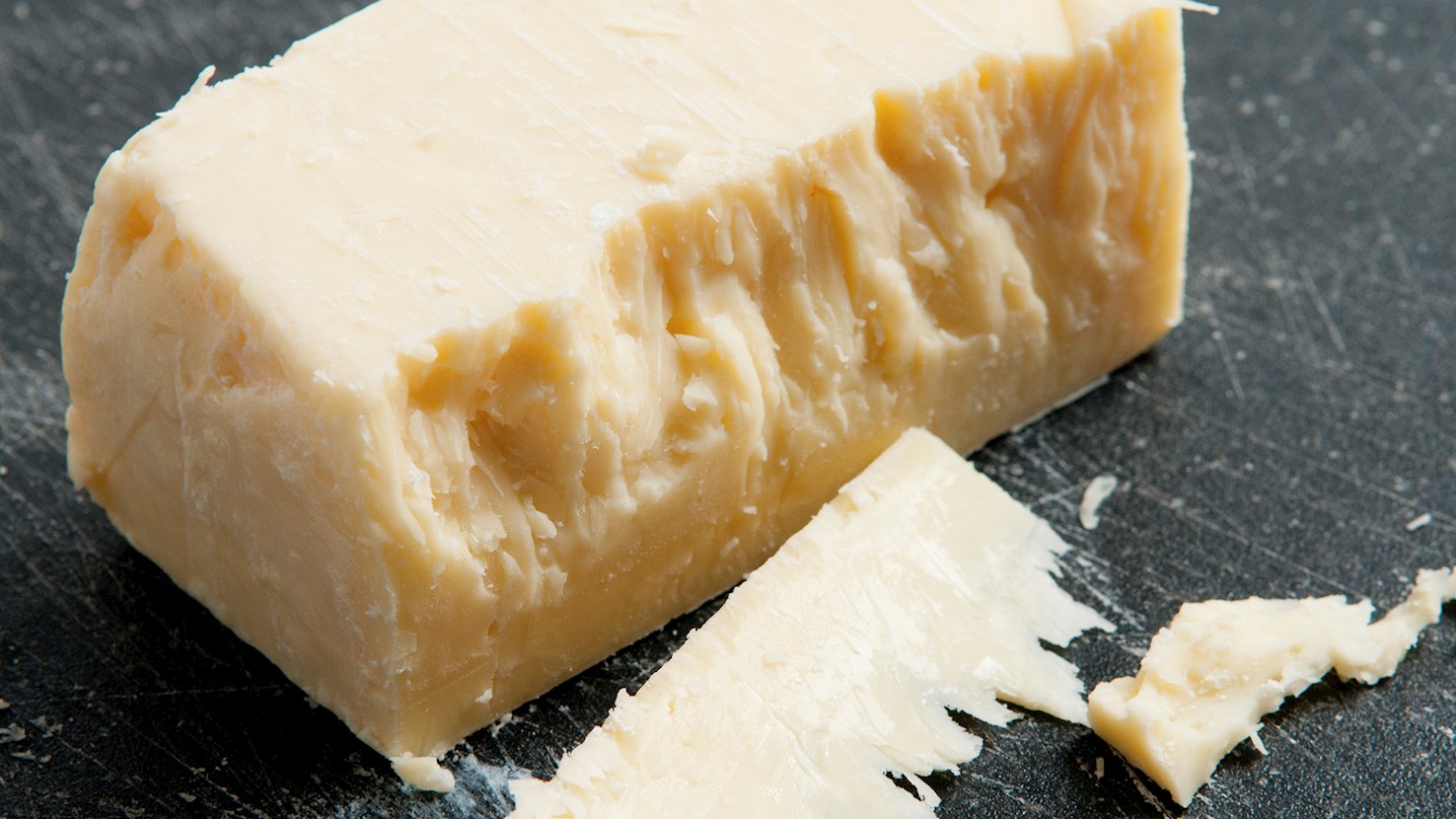
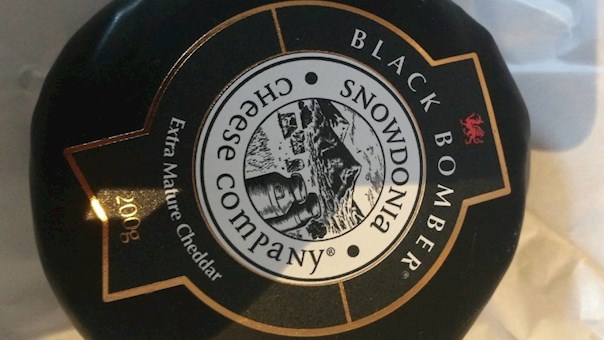
This sharp cow's milk cheese is one of the most popular cheeses in the world today, and it was first produced in the village of Cheddar in Somerset county, England in the 12th century. Cheddar is a hard cheese made from pasteurized cow's milk, and it ranges from white to pale yellow in color. When young, its texture is smooth, and when it is left to mature, the texture becomes more crumbly and it gets a sharper flavor. Joseph Harding—a cheesemaker often referred to as the "father of Cheddar"—said that the authentic Somerset Cheddar should have a close texture, a full, fine flavor reminiscent of hazelnuts, and a melt-in-the-mouth quality. Although cheddar originated in England, the name cheddar can be used for cheese made anywhere because it is not protected, so one should be careful to avoid numerous low-quality, mass-produced "cheddar" found in many supermarkets nowadays, which is one of the main reasons for Cheddar's bad reputation for many people. This cheese is enjoyed throughout the world, but it is most popular in the United Kingdom and the United States - where it is usually colored with annatto seeds which give it an intense orange color. It is especially good when melted, and is perfect in dishes such as macaroni and cheese, grilled cheese sandwiches, or tuna melts.
Godminster is a cheese producer located in Bruton, Somerset, UK. They specialize in producing organic cheeses, with their signature product being the Vintage Organic Cheddar, which is encased in burgundy wax. The company also makes flavored cheddars and a range of other dairy products. Godminster Farm practices sustainable farming, and it thrives on a mix of traditional methods and modern techniques to produce its goods.
Awards
Culture Cheese Magazine Best Cheeses issue - Best
(2023)
TasteAtlas food rankings are based on the ratings of the TasteAtlas audience, with a series of mechanisms that recognize real users and that ignore bot,
nationalist or local patriotic ratings, and give additional value to the ratings of users that the system recognizes as knowledgeable.
For the “Top 59 Waxed Rind Cheeses in the World” list until June 03, 2026, 3,651 ratings were recorded, of which 3,081 were recognized by the system as legitimate.
TasteAtlas Rankings should not be seen as the final global conclusion about food. Their purpose is to promote excellent local foods,
instill pride in traditional dishes, and arouse curiosity about dishes you haven’t tried.
The initial list of top producers was compiled based on available reviews, awards, local recommendations, media and blog coverage, and consumer reviews.
The list will be updated with ratings from TasteAtlas local ambassadors and TasteAtlas users.