


Takeda Shuzōten
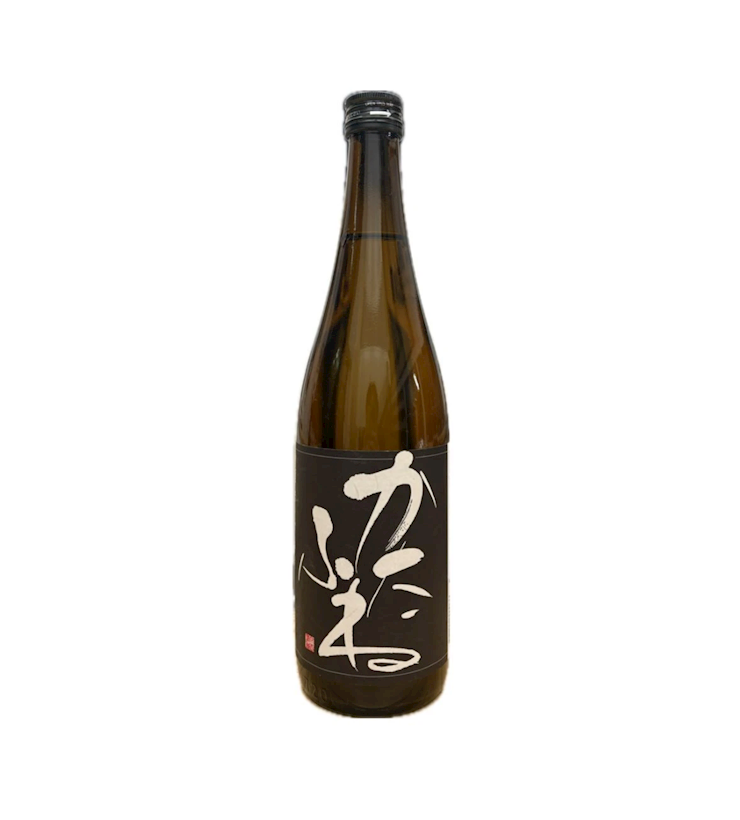
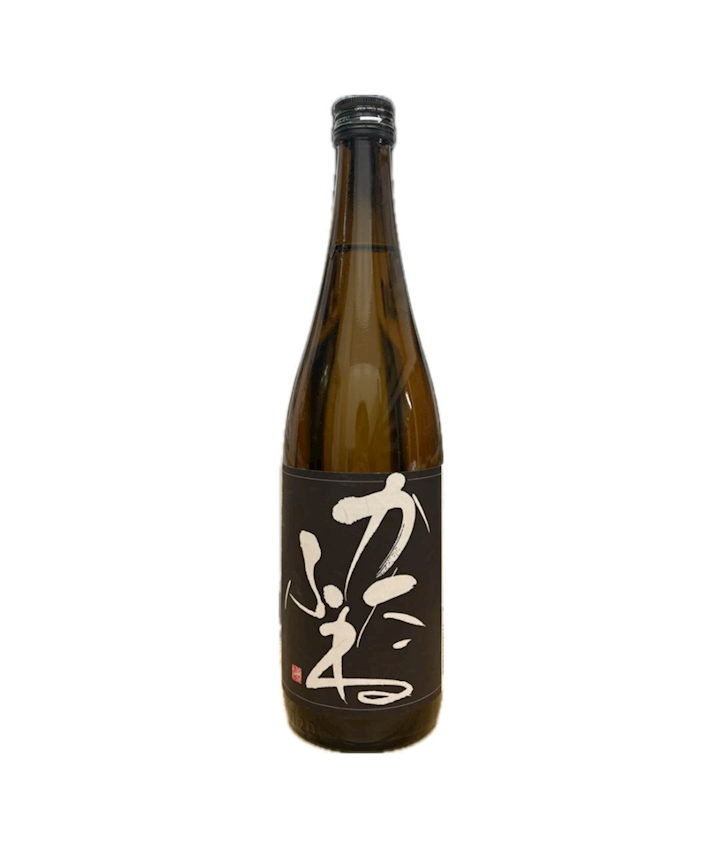
Katafune Tokubetsu Honjōzō



Alcoholic
Beverages
Katafune Tokubetsu Honjōzō is a sake produced by Takeda Shuzōten in Jōetsu, Japan’s Niigata Prefecture. It belongs to the tokubetsu honjōzō category, which involves adding a small amount of distilled alcohol and using a particular rice-polishing ratio or production method, and is part of the Katafune brand’s year-round range.
It is made with Koshikagura rice for kōji preparation and Koshiibuki for the remaining rice in the fermentation mash, along with water and added distilled alcohol. The rice is polished to 60% of its original grain weight, and the sake contains 16% alcohol. Its nihonshudo (Sake Meter Value) is approximately −3, with an acidity of 1.3, although these figures may vary by production year.
It offers a full-bodied, rounded flavor, gentle sweetness, and pronounced umami, with fruity notes of green apple, hints of butterscotch, and a subtle touch of spice.
Producer

Takeda Shuzōten is a family-owned sake brewery in the Ōgata district of Jōetsu, in Japan’s Niigata Prefecture. Founded by Seizaemon Takeda in 1866, it has produced sake under the Katafune name since its establishment, a name connected to the local lagoons and a former fishing boat anchorage.
The brewery is known for its full-bodied, rounded sake, with natural sweetness and pronounced rice umami. Production uses water from its own well, naturally filtered through the sand dunes on which the brewery stands, and rice varieties such as Koshitanrei, Koshiibuki, and Yamada Nishiki. Particular attention is paid to kōji preparation, low-temperature fermentation, and in-bottle pasteurization, during which the bottles are gradually heated in warm water.
Takeda Shuzōten remains a small family-owned brewery, selling its sake in Japan and international markets. Its future development focuses on improving quality, preserving Katafune’s distinctive character, and passing brewing knowledge on to the next generation of the Takeda family.