

shutterstock

20 Worst Rated Caribbean Alcoholic Beverages

Last updated on May 21, 2026
01

Curaçao

2.9 ·

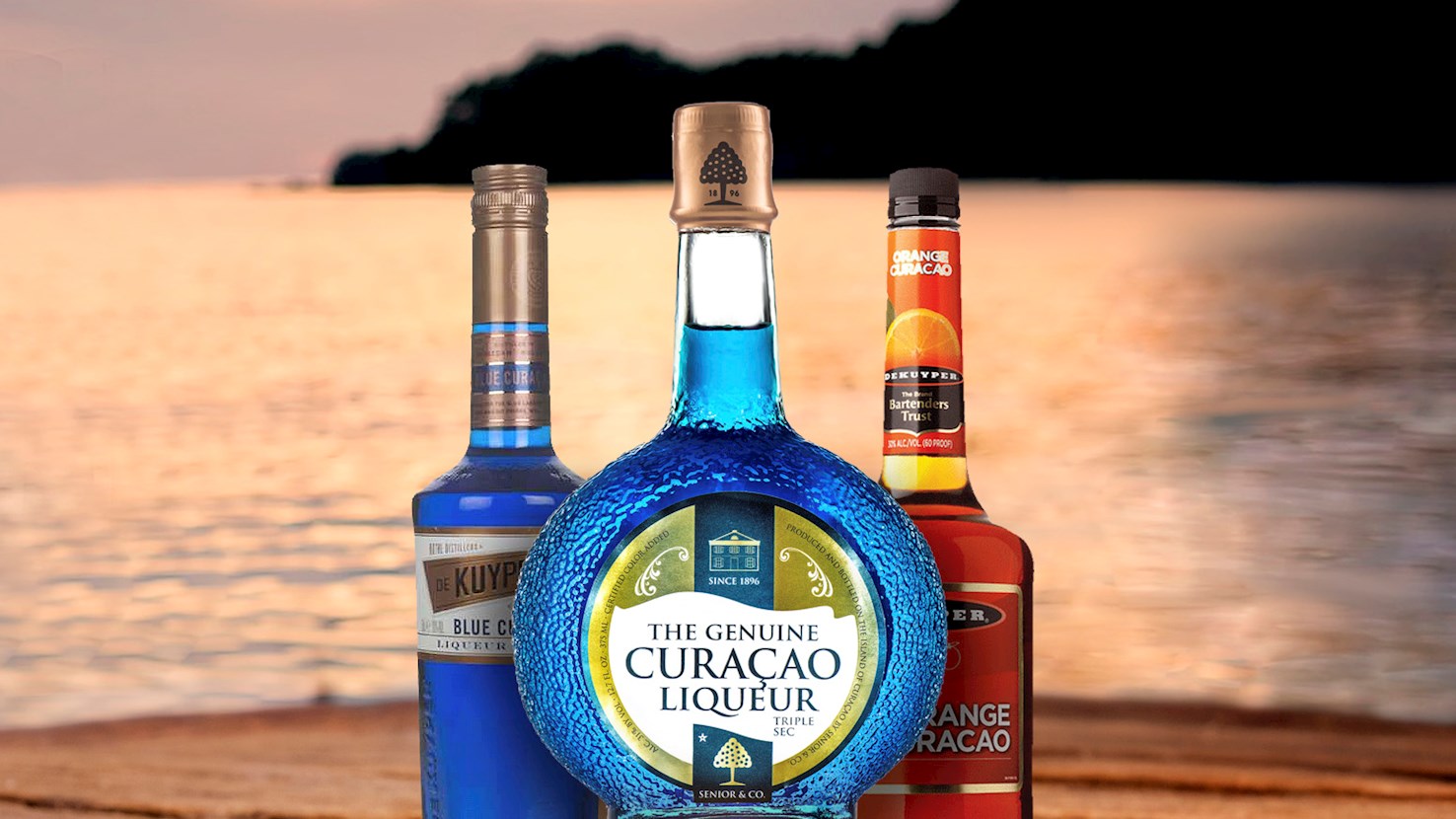
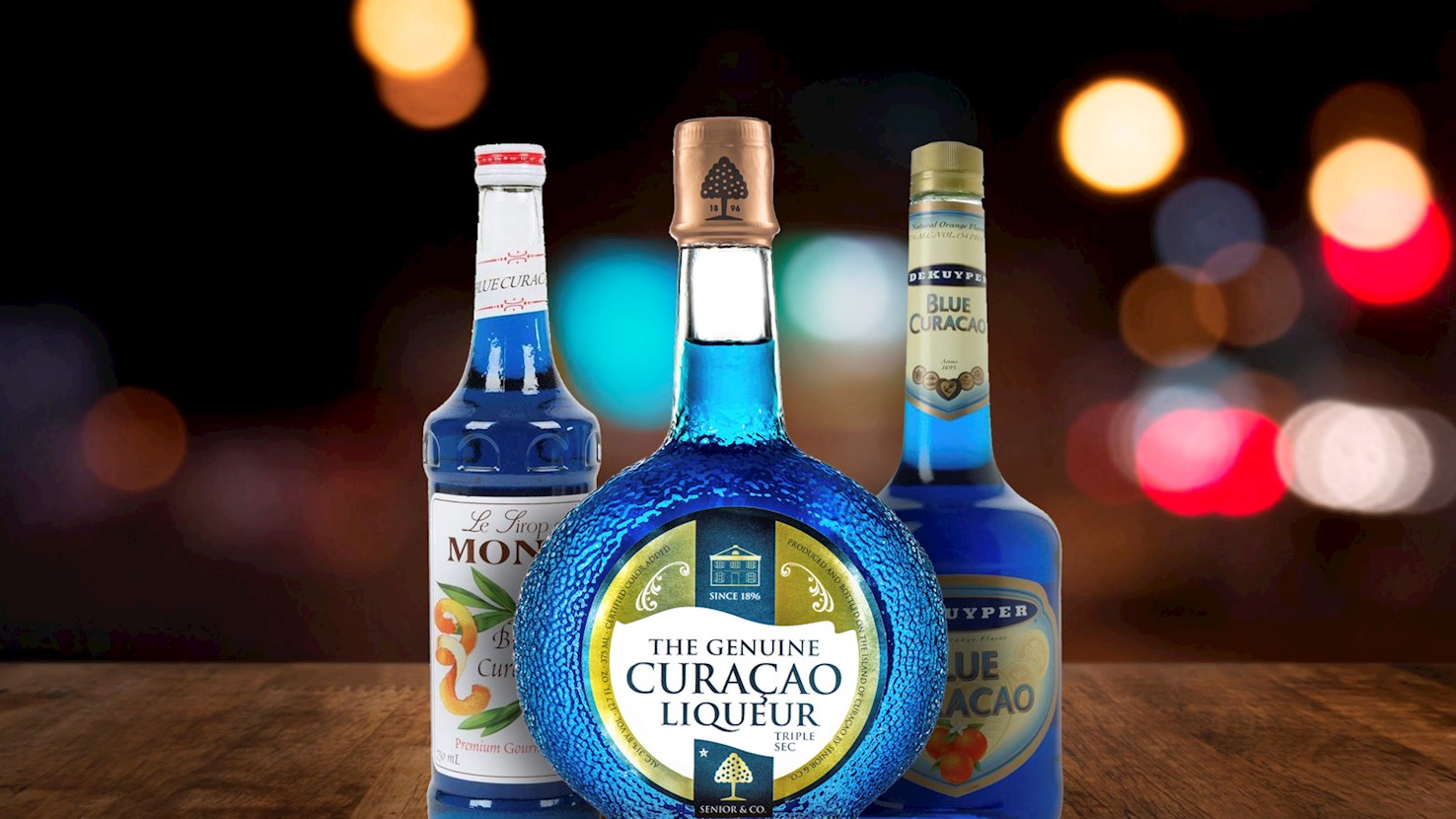
Curaçao is a popular liqueur flavored with Laraha (Curaçao orange), which is cultivated on the namesake island in the southern Caribbean Sea. The story of its invention started in the 16th century when the Spanish colonizers brought Valencian oranges to Curaçao. The fruit did not adapt well to the local climate, and it was almost inedible. It took decades for the locals to realize that the dried peel is rich with essential oils and incredibly aromatic. The peel was then used in the production of liqueurs, and though it is not certain, many believe that the commercial production was started in 1896 by the Senior family. Nowadays, there are several manufacturers that produce Curaçao, but not all are made with the local oranges or even on the island. The drink also comes in several varieties that include additional flavorings and colorings. It is mostly used as a cocktail ingredient.

02

Mamajuana

3 ·

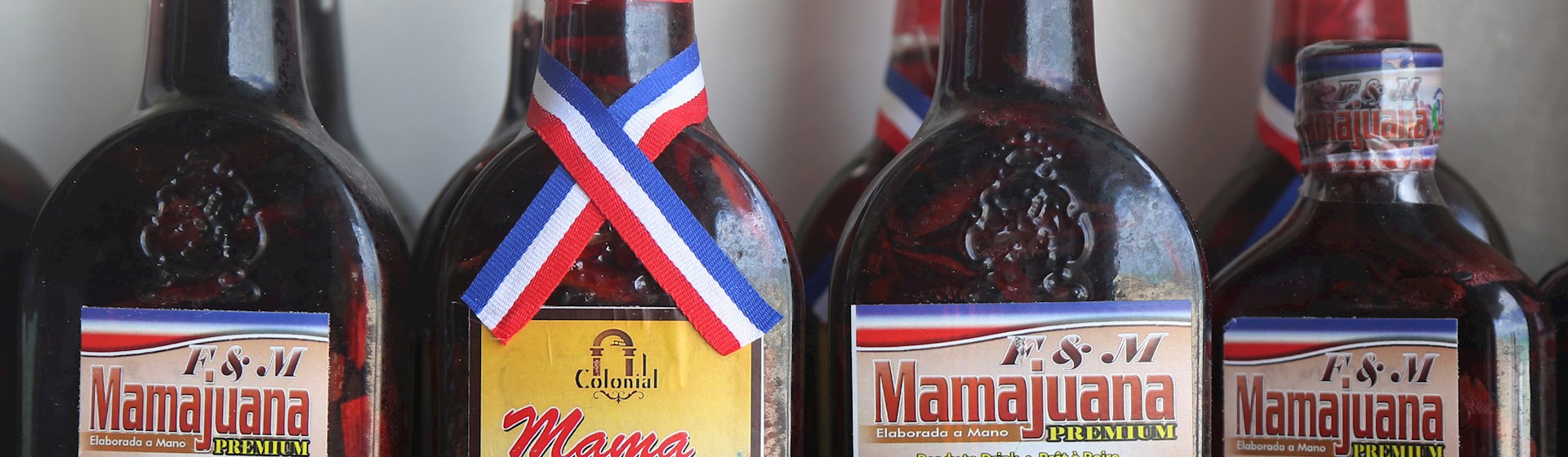
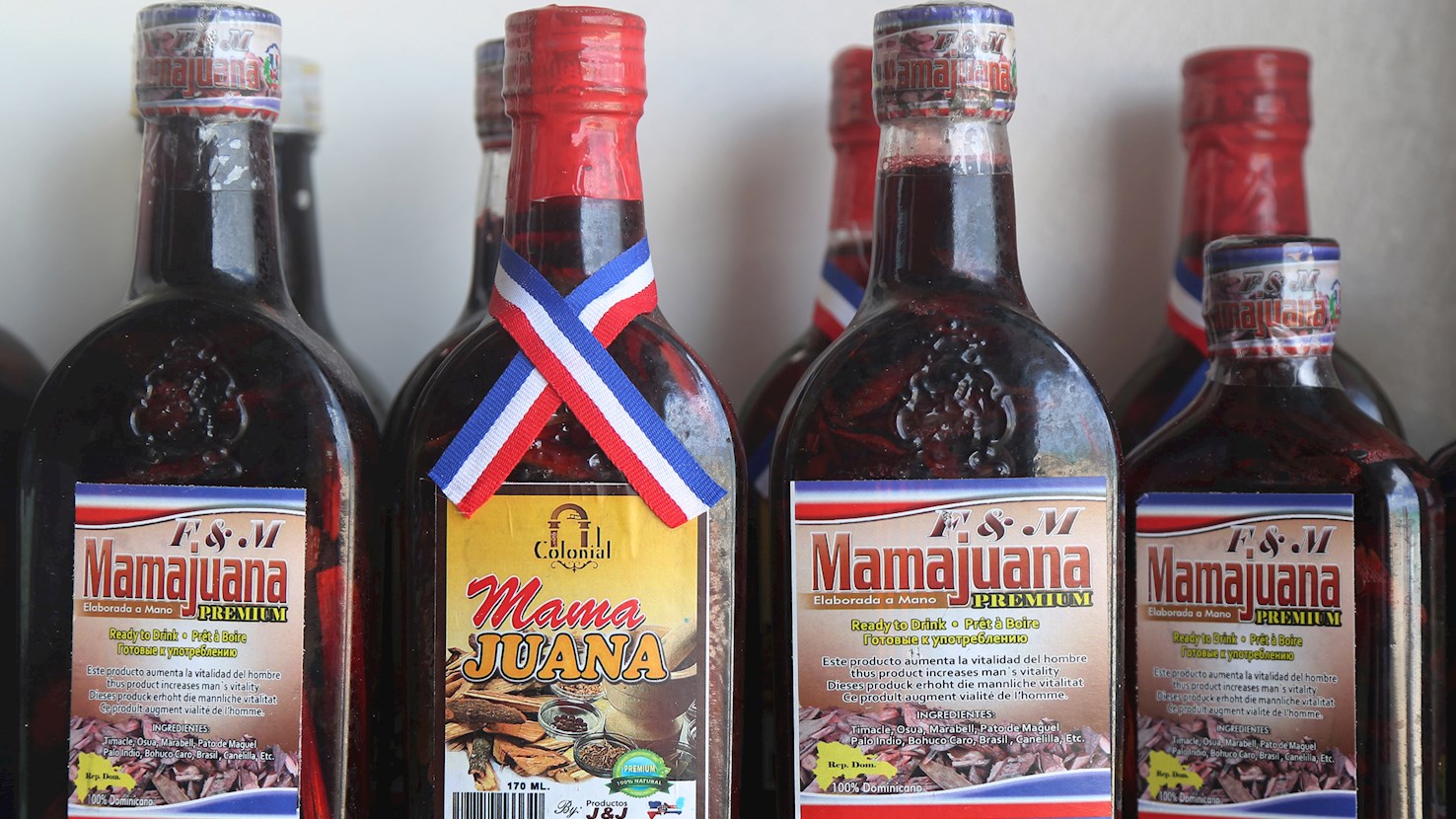
Dubbed as the national drink of the Dominican Republic, mamajuana (Mama Juana) is a herbaceous, full-bodied, and spiced alcoholic drink made with rum. It was initially invented as a medicinal tea that was often lauded as a libido booster. The beverage has ancient origins, and it was probably created by the native Taíno people. Original versions were was later laced with alcohol to create modern interpretations of the drink. Despite numerous variations, the base is usually made with rum, red wine, and honey, while the additions include a variety of botanicals and tree bark. Often, herb blends are sold separately and are then macerated in alcohol. There are also several refined versions, which are already filtered and bottled, available on the market. Mamajuana is usually enjoyed neat, but it also works well as a cocktail ingredient. The origin of its unusual name is not entirely clear. The most common explanation says that it is a complicated derivation from the French dame-jeanne—a type of a glass container known as demijohn or carboy.

03

Angostura Orange Bitters

3 ·

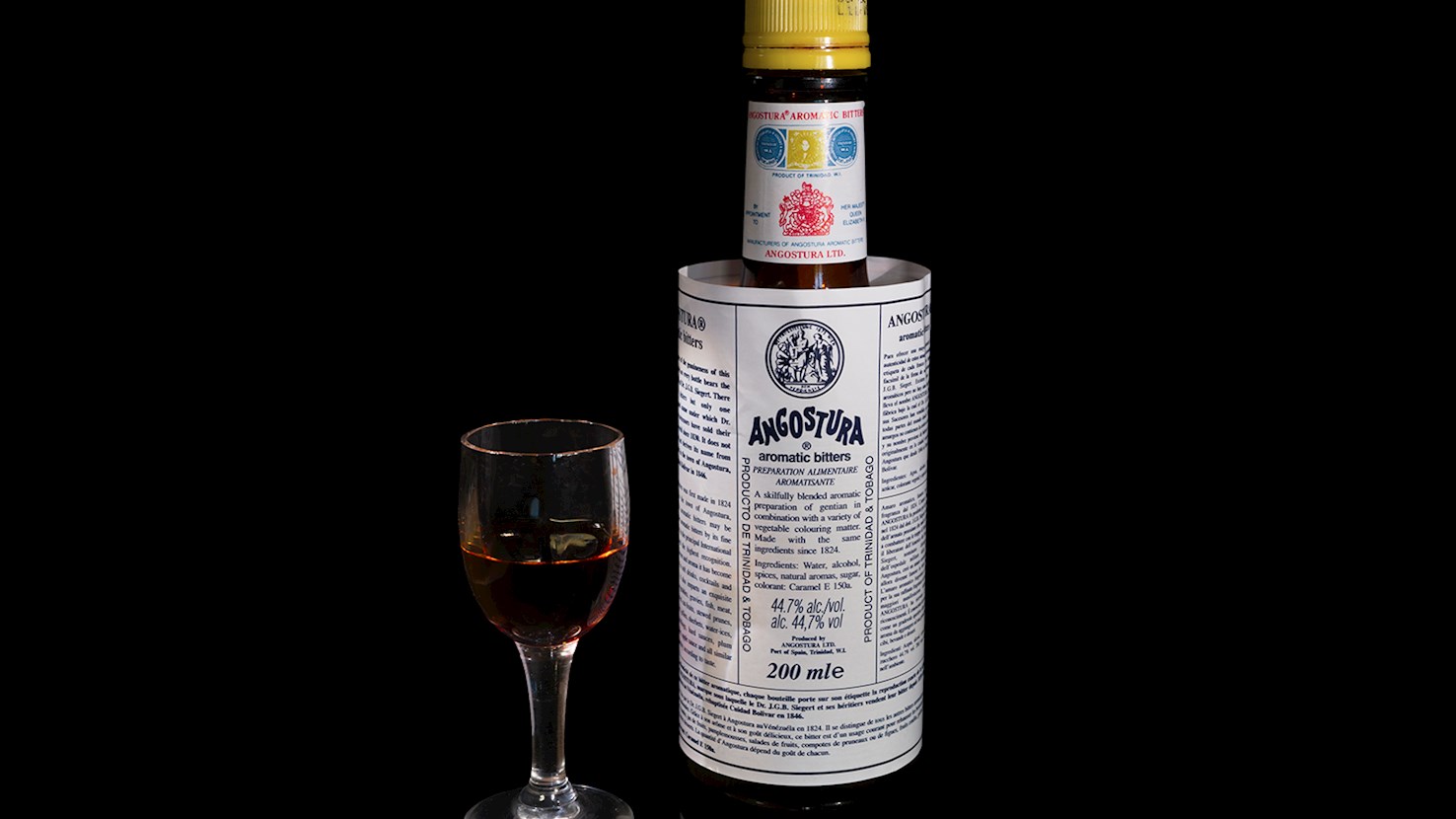
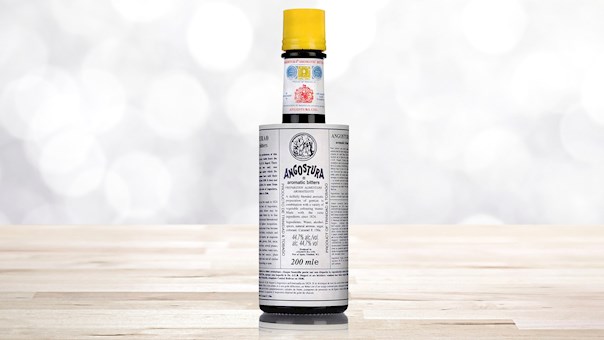
Angostura Orange Bitters is a bitter made with a secret blend of oils from bitter and sweet oranges, herbs, and spices. It was released in 2007, and it was the first new label by Angostura in almost 200 years. The aromatic profile is dominated by orange flavor and aroma, accompanied by herbal and spicy notes. It is usually used as a cocktail ingredient that best pairs with gin, vodka, rum, or whiskey, but it also works well as an ingredient in sauces or desserts. Angostura's story started in the Venezuelan city of Angostura (Ciudad Bolivar), but the production was later moved to Trinidad and Tobago, where it still operates. Their most popular product is Angostura Aromatic Bitters—a herbal bitter made with a secret blend of herbs and spices.

04

Tia Maria

3.1 ·

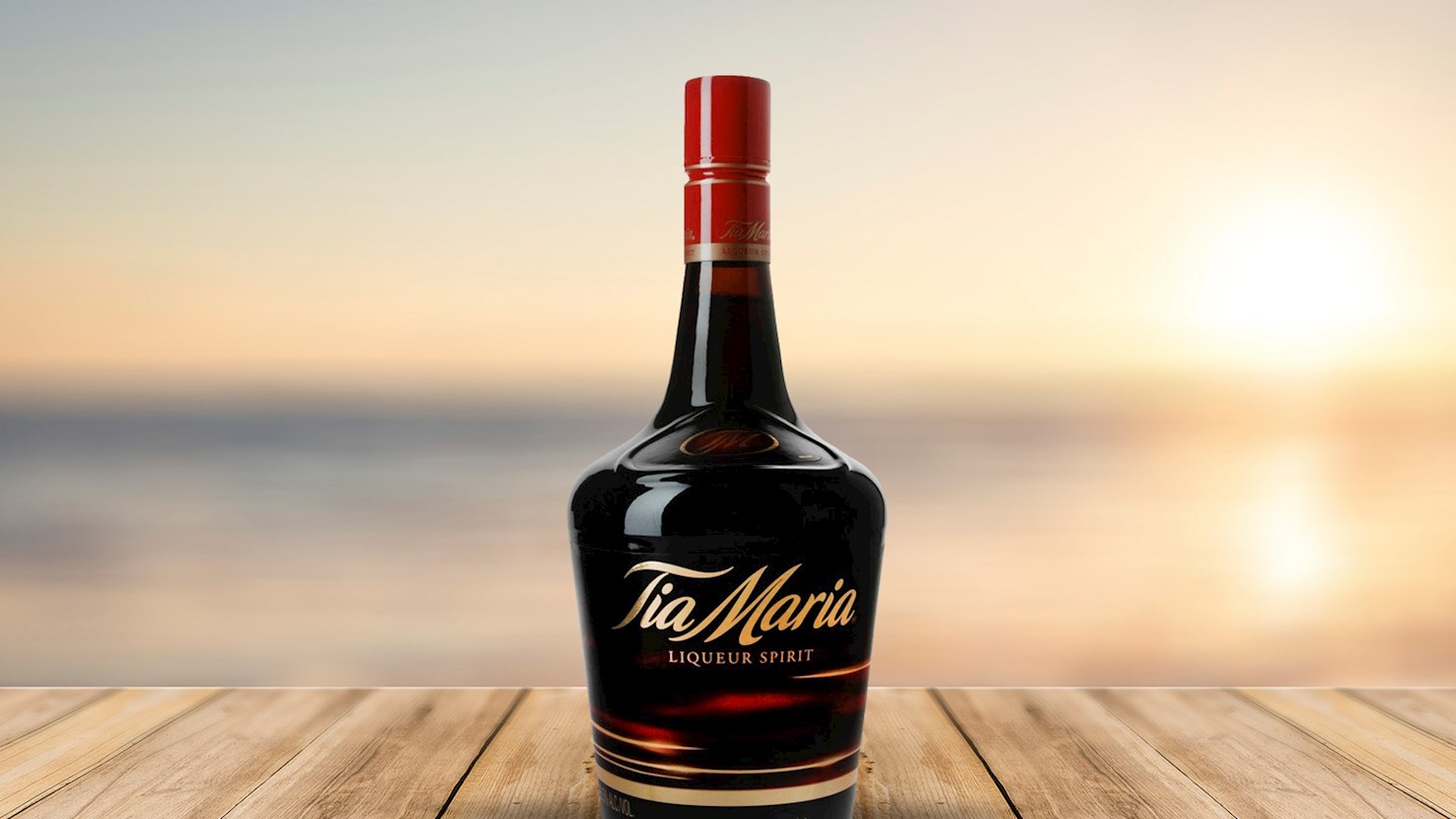
Tia Maria is a Jamaican coffee liqueur that was first introduced in the 1940s. The base is made with Jamaican rum, and the flavorings include Jamaican coffee and vanilla beans from Madagascar. The drink is smooth, fragrant, and full-bodied while the usual notes include aromas of vanilla and coffee. Although Dr. Kenneth Leigh Evans was the first to commercialize Tia Maria, it is believed that he based his recipe on an ancient Jamaican coffee liqueur which dates back to the mid-17th century. According to a legend, the recipe was owned by a young heiress who fled Jamaica to escape the war. Her maid preserved the recipe for the liqueur, and to show respect the heiress eventually named the drink after the maid. Tia Maria is bottled at 20% ABV, and though it works well mixed with cola, milk, or coffee, it is also great on its own, preferably served over ice.

05

Canchánchara

3.1 ·

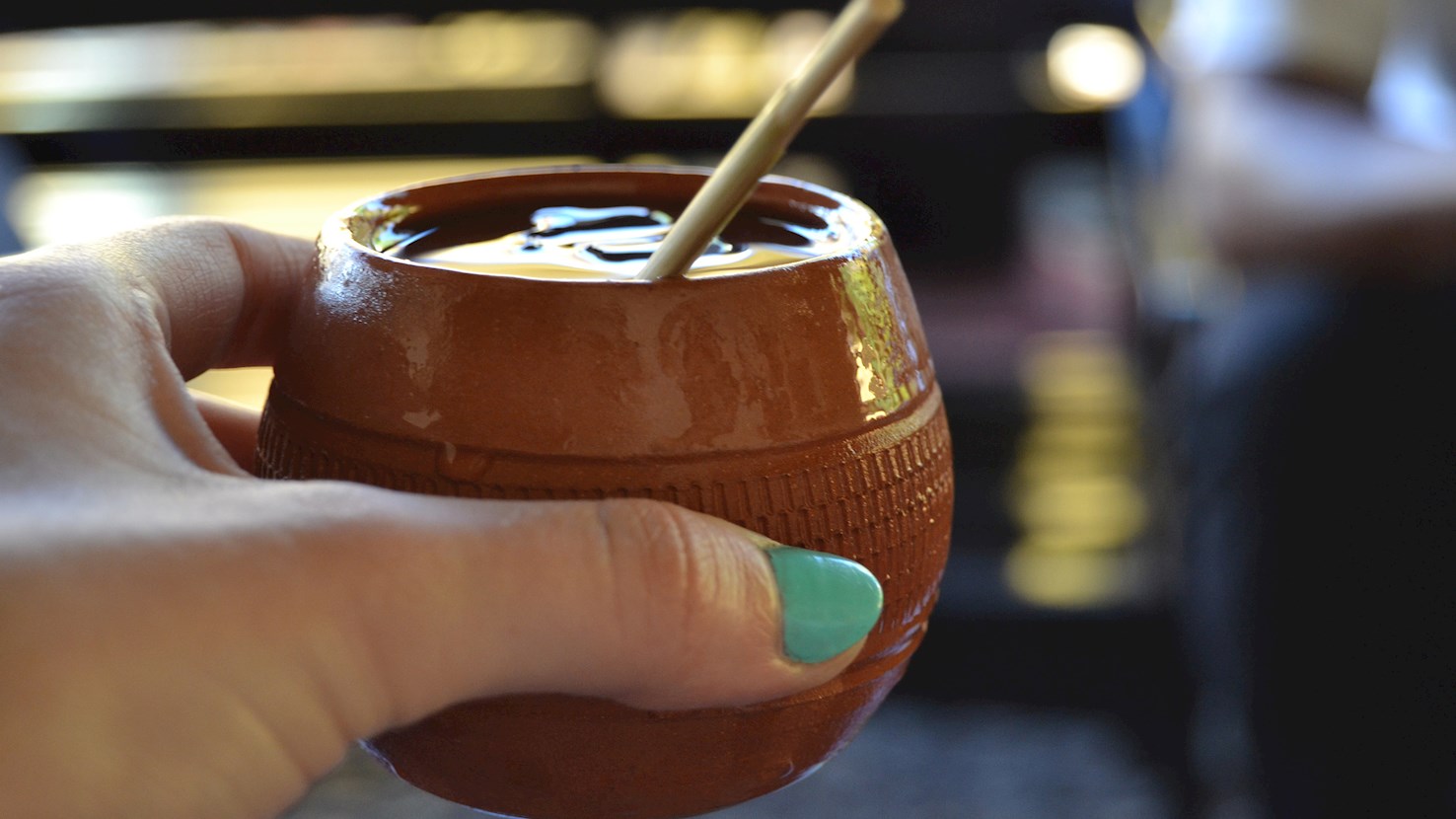
Canchánchara is often cited as the first Cuban cocktail and a predecessor to Daiquiri. It combines aguardiente de caña (cachaça)—the locally produced strong spirit made from sugar cane—lime juice and honey. The ingredients are shaken with ice, and the mix is strained into an ice-filled glass. Nowadays, most variations make honey syrup and use rum instead of aguardiente, while some recipes suggest mixing instead of shaking. It is believed that Canchánchara originated in the 1870s and that it was initially prepared by Cuban revolutionaries. The origin of its name remains unexplained, but the cocktail is mainly associated with Trinidad. It probably originated as a convenient mixed drink that used common, available ingredients. Although it is traditionally mixed in clay jugs called jícaras, modern versions are mostly served in old-fashioned glasses garnished with a lime wedge.

06

Blue Curaçao

3.2 ·

Blue Curaçao is a type of Curaçao liqueur—naturally colorless liqueur that is flavored with Laraha oranges. This variety is artificially colored to attain its distinctive, vibrant blue color. This clear drink has a typical orange flavor, though the final taste profile may vary depending on the producer. There are several manufactures on the market, but they are not necessarily located on Curaçao, and some even do not use Laraha oranges. Blue Curaçao is mostly used as a flavoring and coloring agent in cocktails.

07

Ti' Punch

3.2 ·

Ti’ Punch is a cocktail made with rum agricole, cane syrup, and a slice of lime. To prepare it, cane syrup is first poured into a glass, followed by a squeeze of lime and rum. The ingredients are stirred until the syrup dissolves, and a few cubes of ice are then added to finish the cocktail. Ti’ Punch is typically served as an aperitif before a large meal, but it can also be consumed on its own. The word Ti' in the name is just a shorter version of petite, from the cocktail’s other name, Petit Ponch.

08

Culto a la Vida

3.3 ·

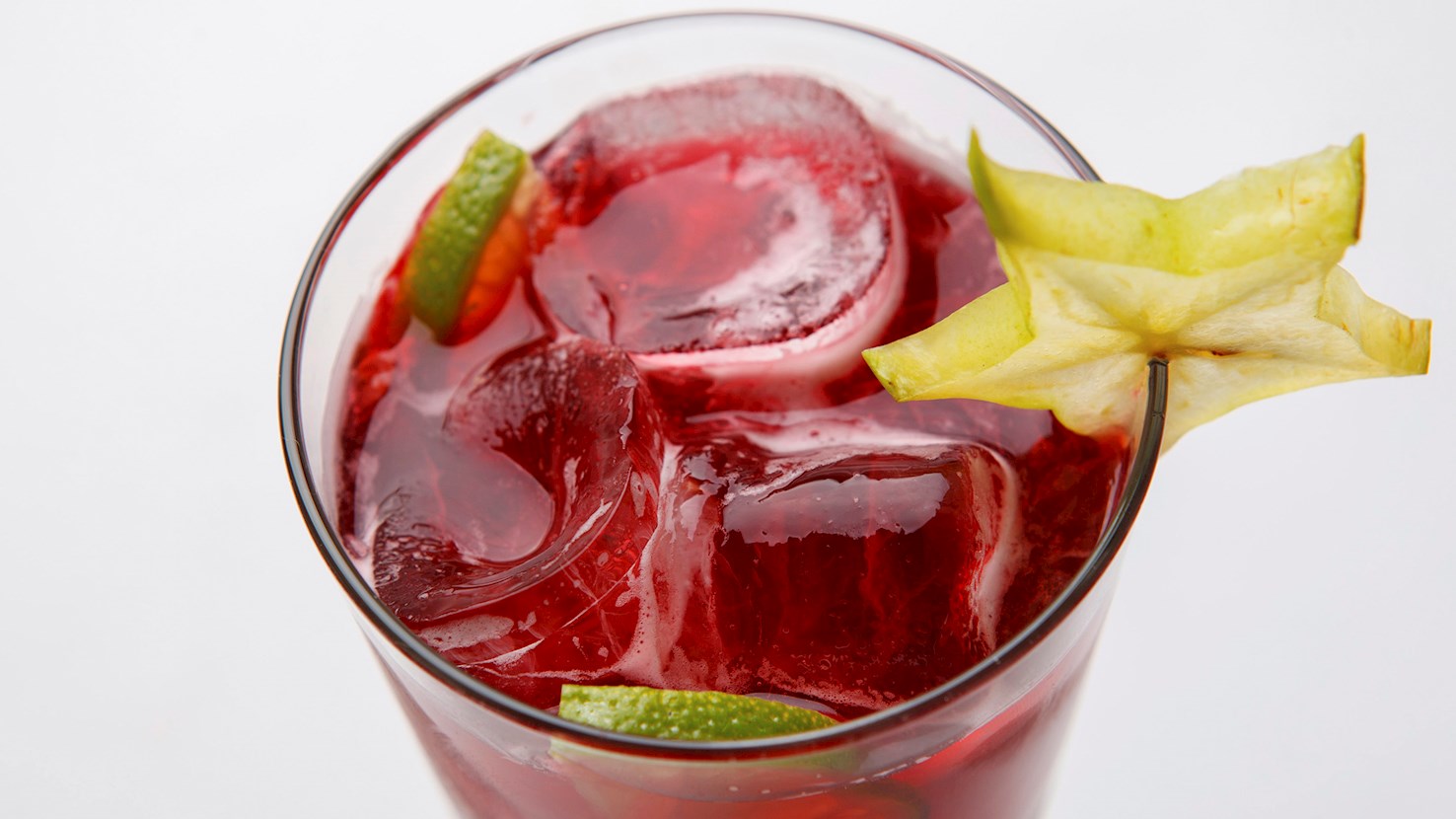
Originating from Havana, Culto a la Vida is a classic Cuban cocktail consisting of dark rum, cranberry juice, lime juice, and sugar. It is important to use dark rum instead of dry white rum because it is aged for a longer period of time, which improves the cocktail's flavors. Culto a la Vida (lit. Cult of Life) is typically made by blending and stirring the ingredients in a shaker before serving it on the rocks in a long drink glass with a lime wedge garnish.

09

Bacardi

3.3 ·

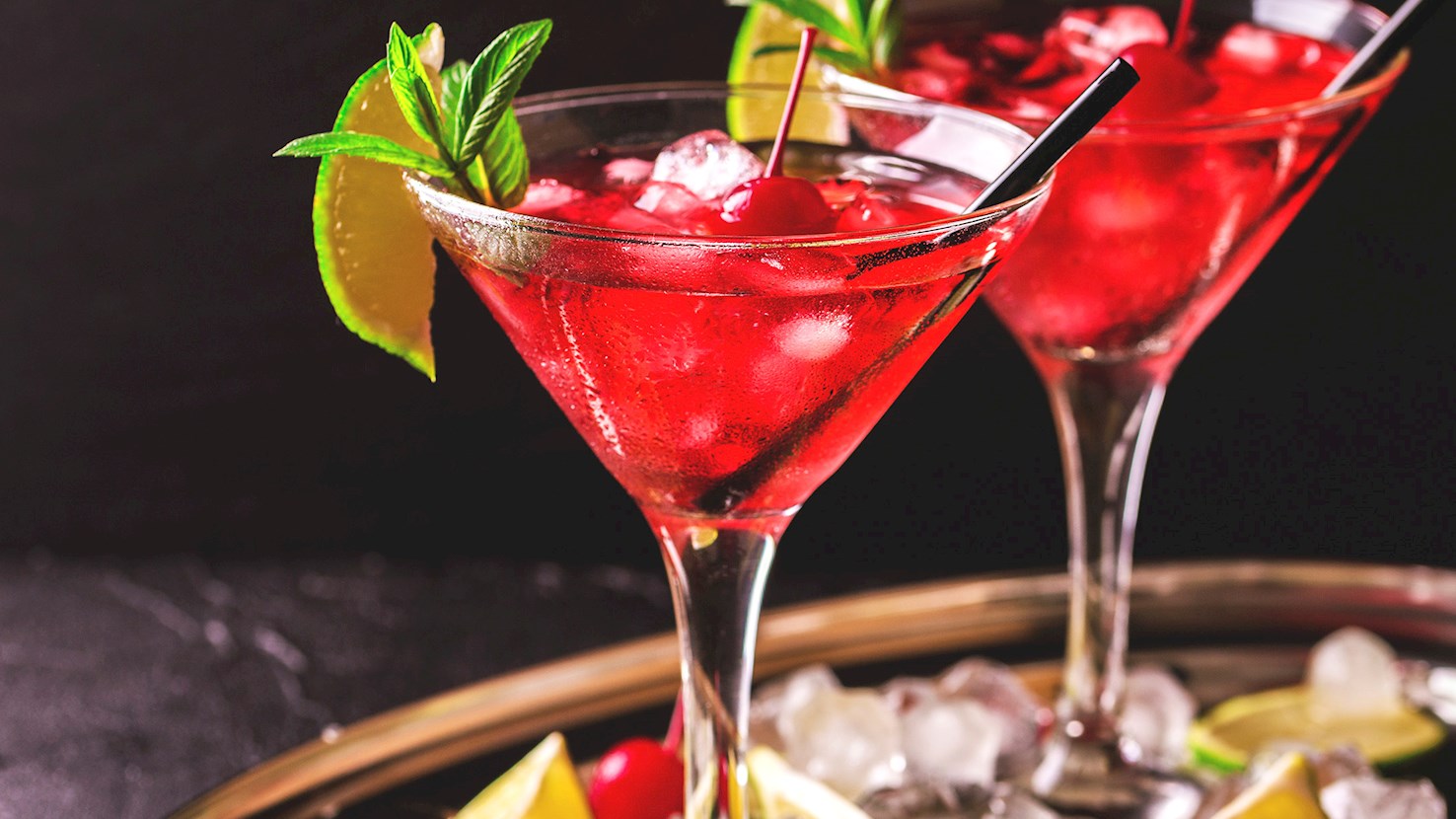
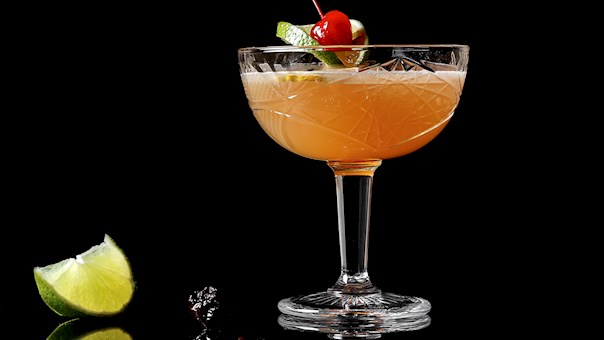
Bacardi is a classic cocktail that originated in Cuba at the beginning of the 20th century. It contains rum, freshly squeezed lime juice, rich sugar syrup, and grenadine syrup, which adds a perfect amount of sweetness to the cocktail. Prior to the addition of grenadine syrup in the combination (which is a modern version with American origins), the cocktail was considered to be a cousin of Daiquiri. However, according to the New York Supreme Court ruling from 1936, the combination must contain Bacardi Superior Rum to be a true Bacardi cocktail. Typically, the cocktail has to be shaken and served straight up in a standard cocktail glass with a lime wheel garnish.

10

White Rum

3.5 ·

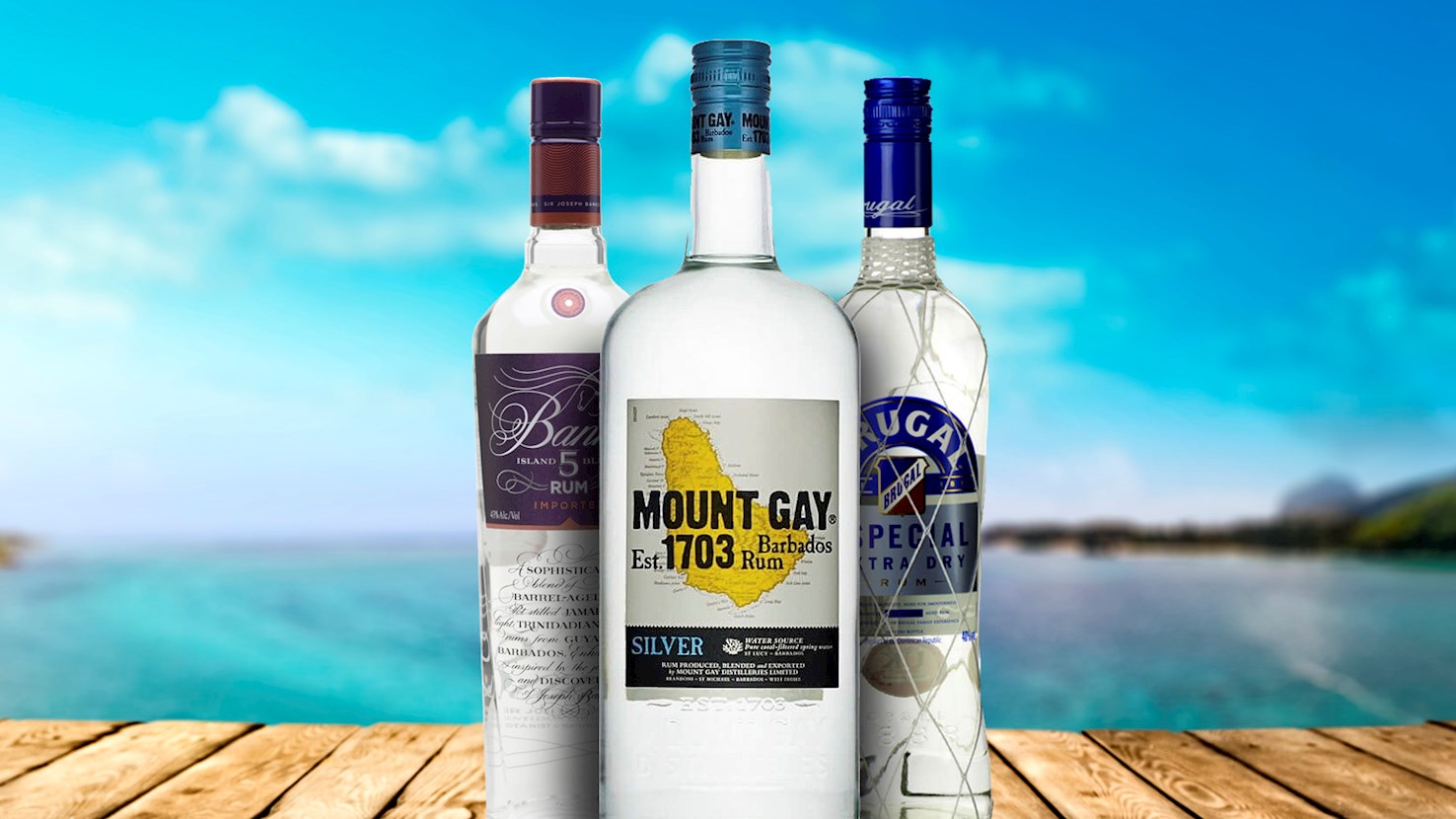
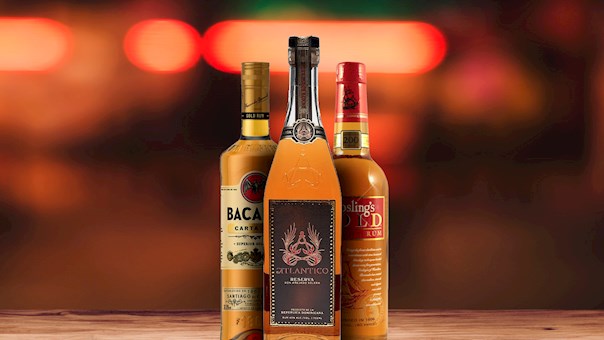
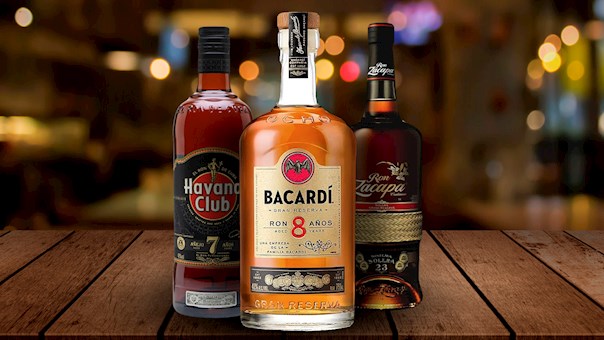
White, silver, or light rum are all used to describe a colorless type of rum that is often mistakenly thought to be un-aged. However, since rum is produced in numerous countries, the regulations are not clear-cut, and this type can be briefly aged. It is then charcoal-filtered to attain its clear, colorless appearance. White rum is typically light-bodied and milder than other varieties. Because of its light character, this type is especially suitable for cocktails and mixed drinks, but premium styles can also be enjoyed neat.

11

Cojito

3.5 ·
13

Bahama Mama

3.6 ·
14

Gold Rum

3.6 ·
16

Planter's Punch

3.7 ·
17

Goombay Smash

3.7 ·
18

Rum

3.8 ·
19

Malibu

3.8 ·
20

Piña Colada

3.9 ·
Read more
View all
View map
About this ranking

TasteAtlas food rankings are based on the ratings of the TasteAtlas audience, with a series of mechanisms that recognize real users and that ignore bot, nationalist or local patriotic ratings, and give additional value to the ratings of users that the system recognizes as knowledgeable. For the “20 Worst Rated Caribbean Alcoholic Beverages” list until May 21, 2026, 2,202 ratings were recorded, of which 1,760 were recognized by the system as legitimate. TasteAtlas Rankings should not be seen as the final global conclusion about food. Their purpose is to promote excellent local foods, instill pride in traditional dishes, and arouse curiosity about dishes you haven’t tried.

Similar lists