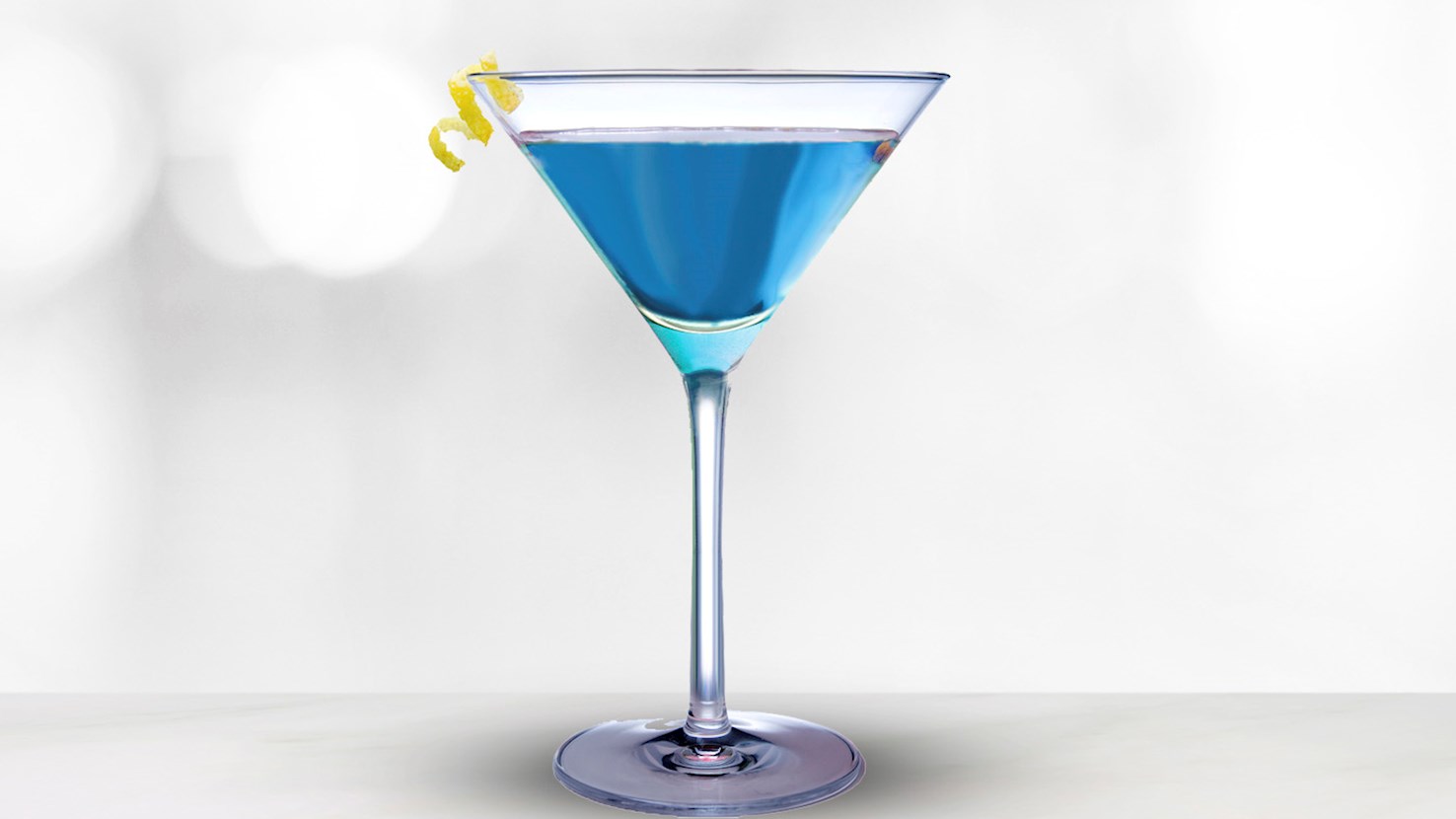
Angelo Azzurro, translated as a blue angel, is an Italian cocktail that combines gin, triple sec (Cointreau), and blue curaçao. The cocktail is made by pouring all the ingredients into a shaker filled with ice. The mix is shaken and then strained into a martini glass and garnished with a lemon twist. Lemon juice is sometimes also included. The cocktail is typically garnished with a lime or lemon twist. The origin of Angelo Azzurro is not entirely clear, but its invention is mainly associated with Giovanni Pepè. The cocktail was first introduced in Rome sometime in the 1980s, but it became incredibly popular in the 1990s. It was a trendy drink in nightclubs, and it was often associated with LGBTQ communities. The name is probably a reference to L'Angelo Azzurro, a gay nightclub in Rome. Many think that Angelo Azzurro is a variation of Blue Lagoon, which is based on vodka and blue curaçao.
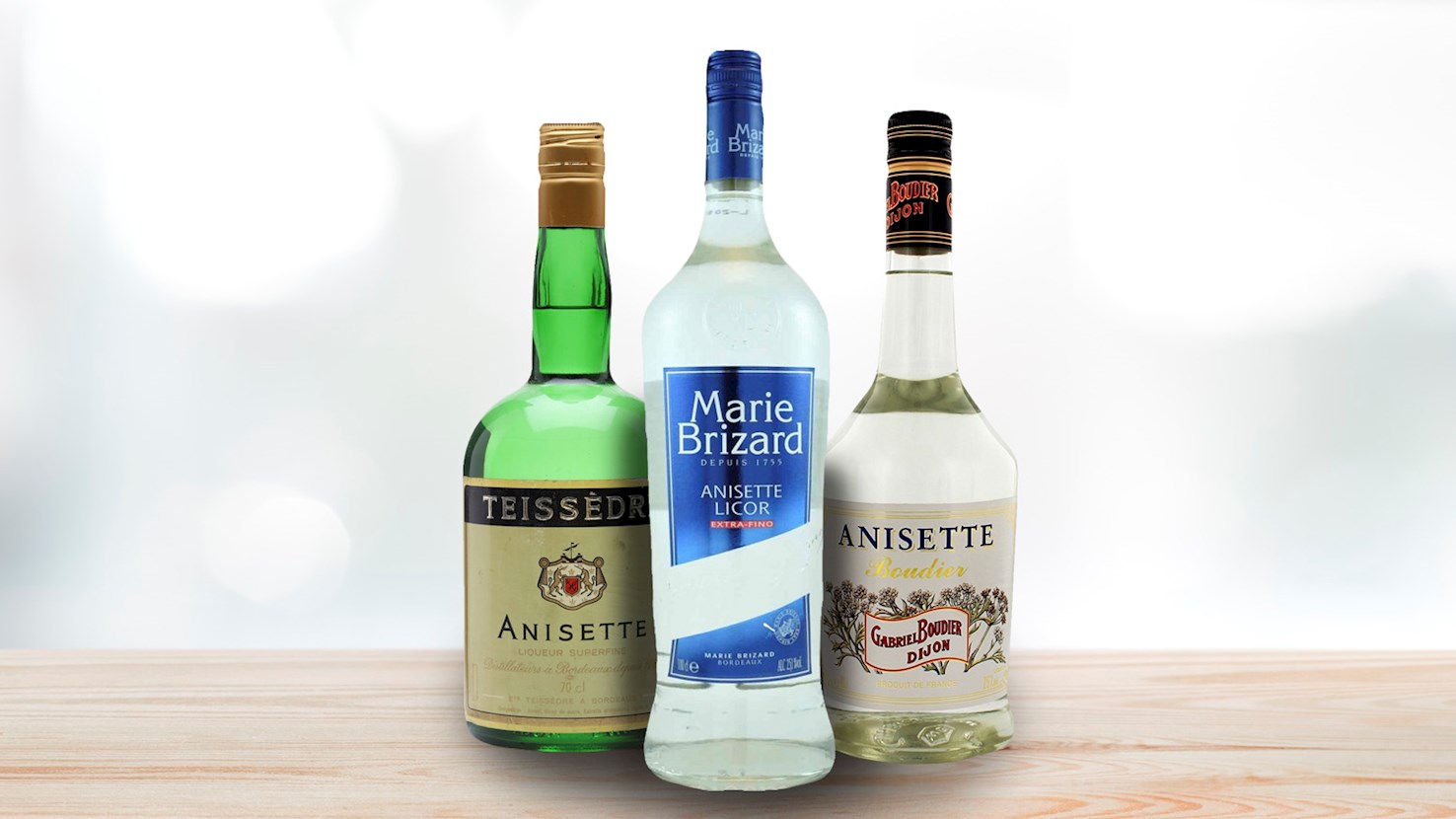
Anisette, anisetta, or simply anis is a term that encompasses various anise-based liqueurs. These types of liqueurs don’t have a single origin, but they are mostly associated with Mediterranean countries, such as Italy, Spain, France, Greece, and Turkey. The drink is mostly distilled from a base that is flavored with anise plant, sometimes together with other botanicals. The distillate is then usually sweetened or additional flavored. Most varieties range from 40 to 60% ABV. Anise liqueurs are usually enjoyed neat, mixed with water, or served over ice, but they can also be added to espresso (café corretto), or incorporated into cocktails and long drinks.
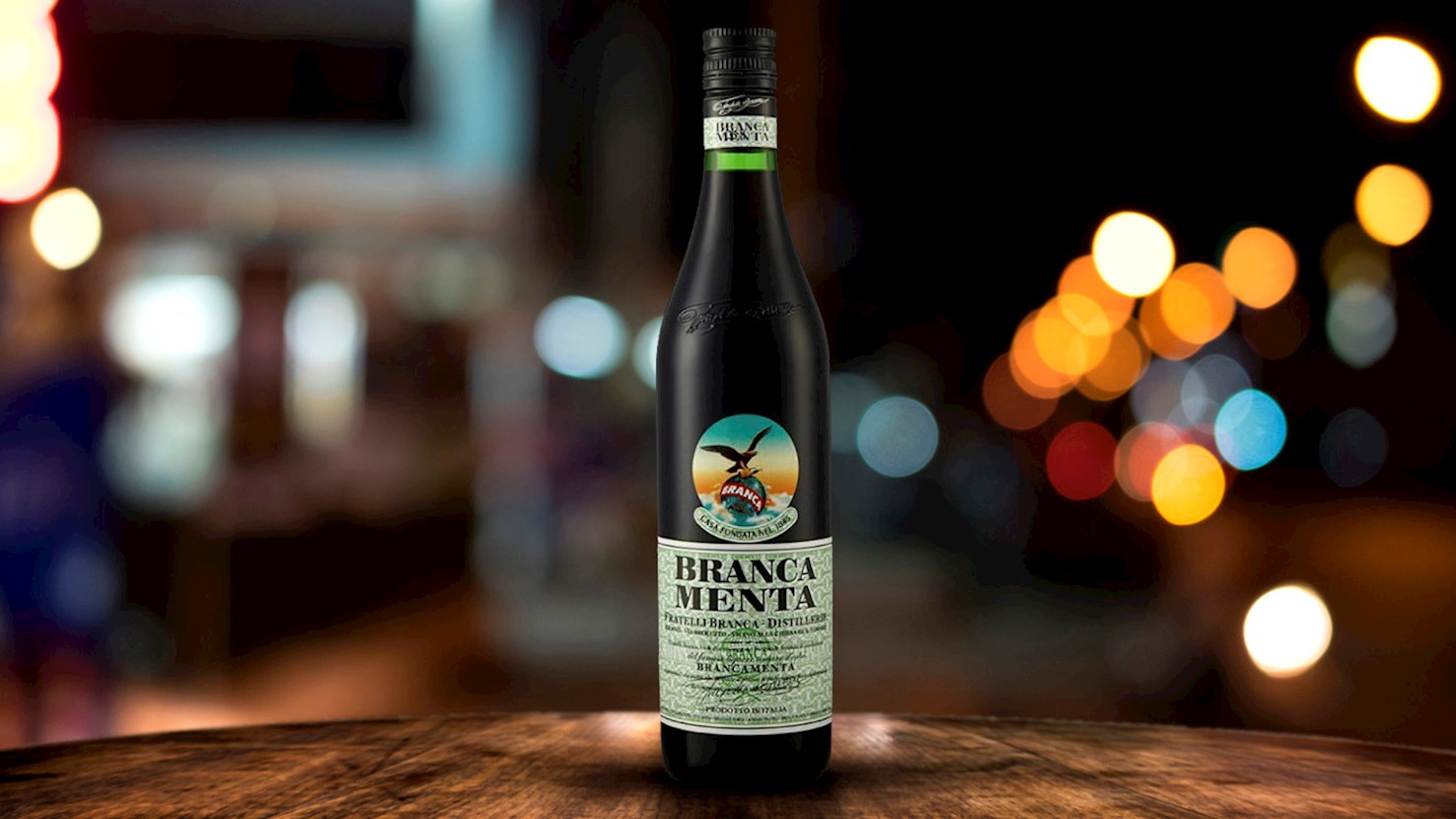
Brancamenta is a minty version of Fernet Branca—the richly flavored amaro from Milan. This liqueur is also based on more than thirty botanicals, but it also includes essential peppermint oil from Piedmont. The resulting drink is dark brown with amber highlights. The flavor is bittersweet, and the aroma is herbal and earthy with a dominant minty note. Brancamenta was released in the 1960s, and it was inspired by the famous opera singer Maria Callas. Supposedly, Callas liked to drink her Fernet Branca with mint syrup—as this would make it lighter and easier to drink. The combination became popular, inspiring Branca distillers to create a similar bottled version. Branca Menta can be enjoyed as an aperitif or a digestif. It can be served neat or on the rocks, but it should always be well chilled. Brancamenta is bottled at 28% ABV.
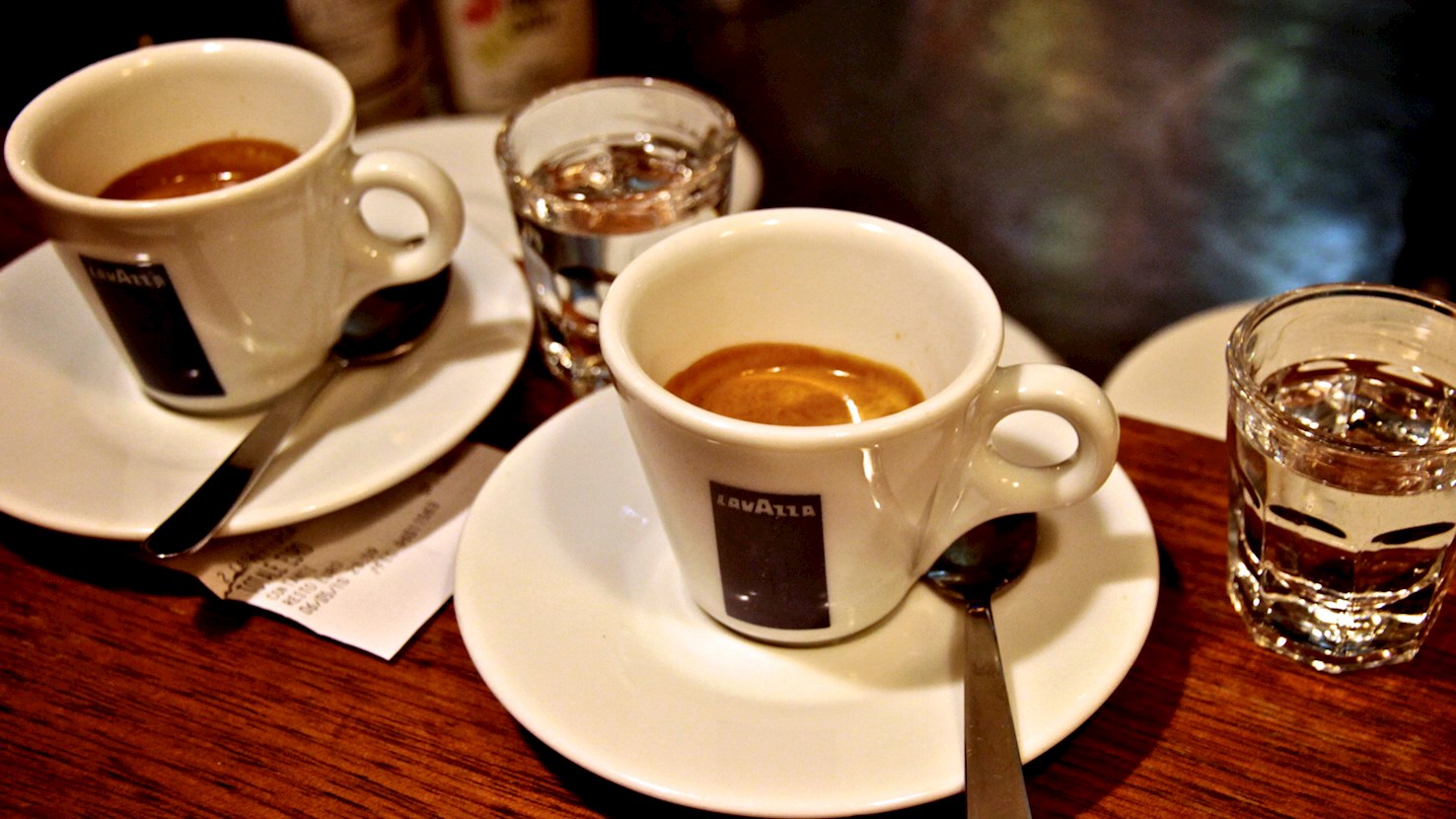
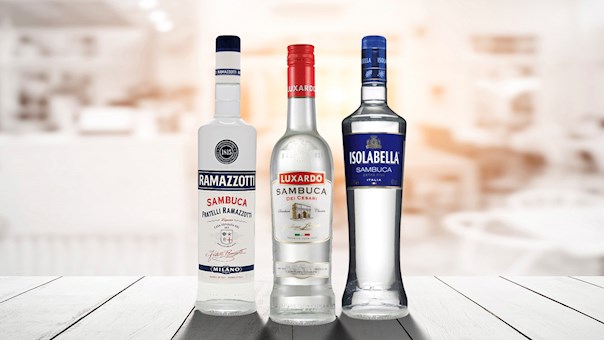
This spiked Italian coffee pairs a shot of espresso and a splash of liquor, typically different varieties of grappa, brandy, rum, mistrà, or sambuca. The drink is supposed to have a dominant, rich coffee flavor and not to be overpowered by strong liquor. Occasionally, the two drinks are served separately, allowing the guests to combine it according to their taste. In other countries, it occasionally goes under the name espresso corretto, while in Spain, a similar spiked espresso is known as carajillo.
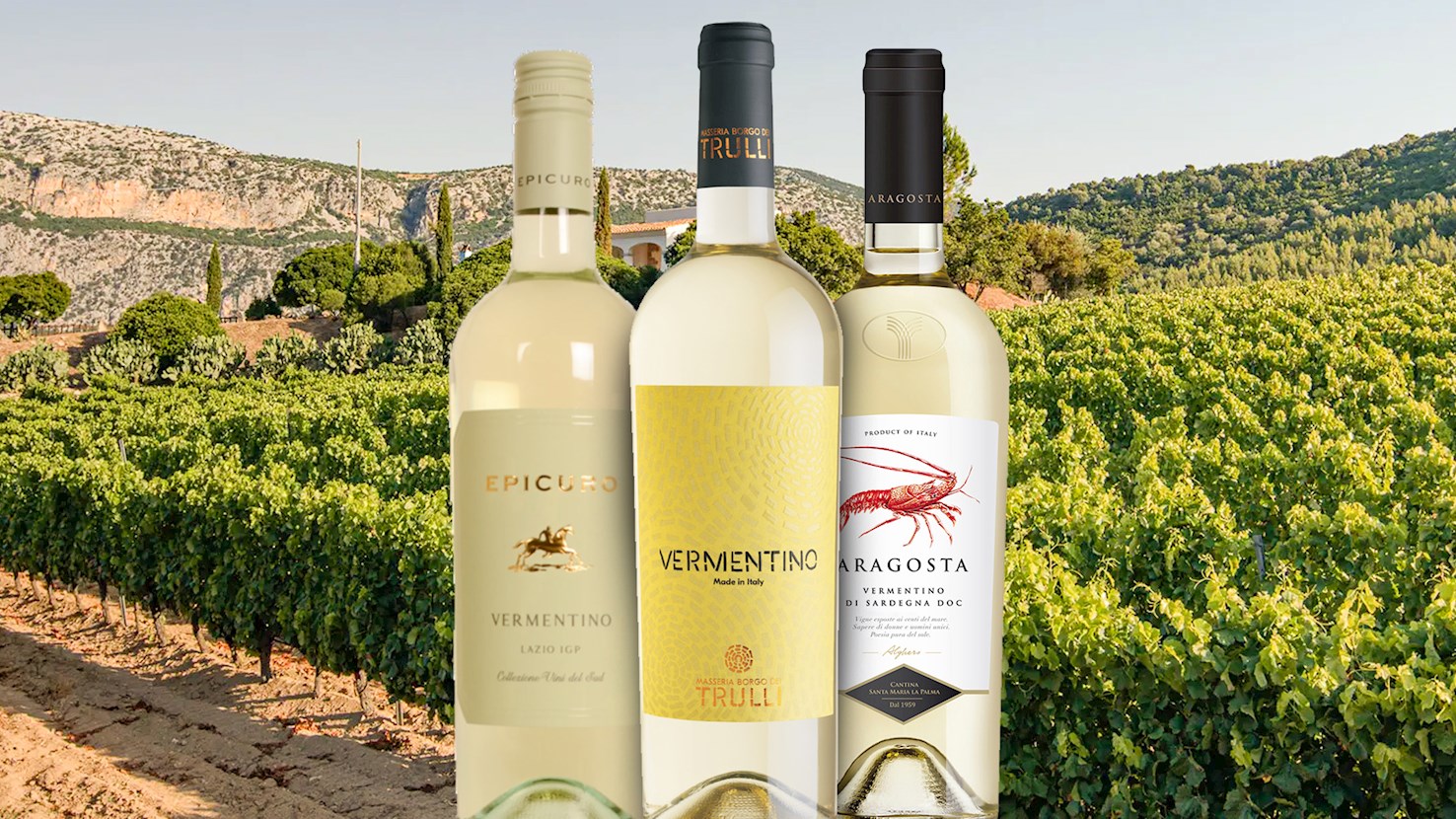
Vermentino is a white grape variety predominantly grown in several Mediterranean wine regions, especially in Northern Italy and Sardinia. It is particularly known for producing crisp, aromatic white wines. Vermentino wines are known for their vibrant acidity and crispness. They often exhibit aromatic notes of citrus (lemon, lime), green apple, pear, and stone fruits. Floral notes and hints of Mediterranean herbs are also common. The wines typically have a mineral character, sometimes with a saline quality reflecting the coastal vineyards where they are often grown. Vermentino is widely cultivated in Sardinia, Liguria, and Tuscany in Italy. In Sardinia, it is known as Vermentino di Sardegna and Vermentino di Gallura, the latter being a DOCG designation. In Liguria, it is referred to as Pigato, while in Tuscany, it is found in DOCs such as Bolgheri and Maremma Toscana. In France, it is known as Rolle and is used in both still and sparkling wines in Provence. Vermentino thrives in warm, maritime climates which help in developing its aromatic profile and maintaining good acidity levels. It is often grown in sandy, rocky, and granite soils, contributing to its minerality and complexity. The grape can be made in a variety of styles, from fresh and young wines meant to be consumed early to more complex and structured wines that can age for a few years. Some winemakers experiment with oak aging to add complexity, though this is less common. Vermentino's bright acidity and aromatic qualities make it versatile for food pairing. It pairs well with seafood dishes like grilled fish, shellfish, and seafood pasta, as well as salads, light appetizers, and Mediterranean cuisine. Its acidity can cut through richer dishes, making it a good match for creamy sauces and cheeses.
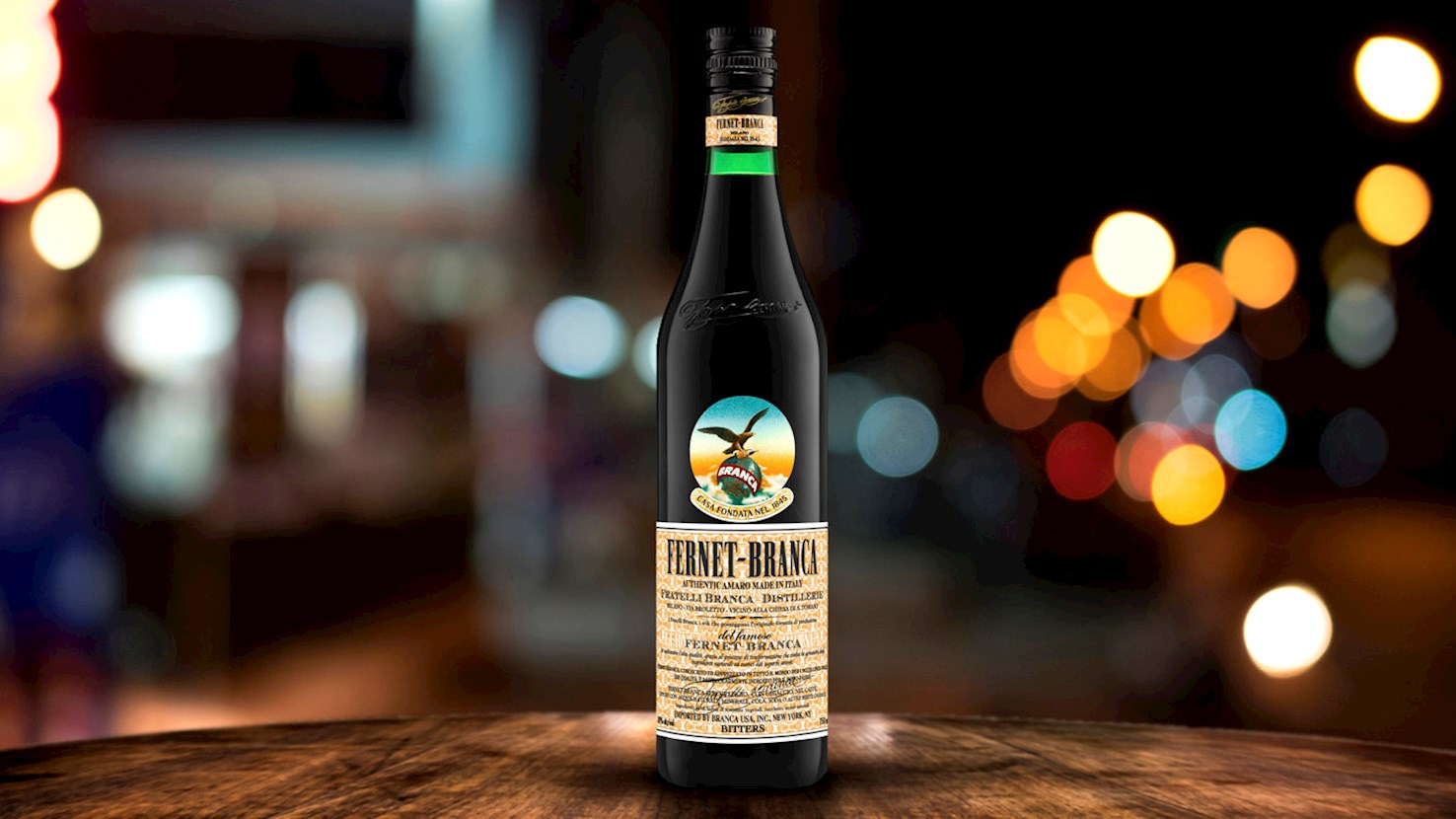
Though most brands keep their recipe secret, this Italian-style liqueur is typically made with a blend of various spices and herbs such as saffron, juniper, rhubarb, aloe, chamomile, and mint. Because of the extensive list of ingredients, Fernet is characterized by its complexity and a usually a unique, bittersweet flavor. The most popular brand is the Milan-based Fernet Branca, invented in 1845 by Bernandino Branca. The drink has been a mainstay in Italy and Argentina, and lately, it has been experiencing a somewhat of a renaissance because of its use in some of the classic cocktails such as Toronto or Hanky Panky. While Italians prefer to enjoy it as a digestif or incorporate it into café correto, in Argentina, it is mainly used alongside Coca-Cola to create the iconic Fernet-Cola.
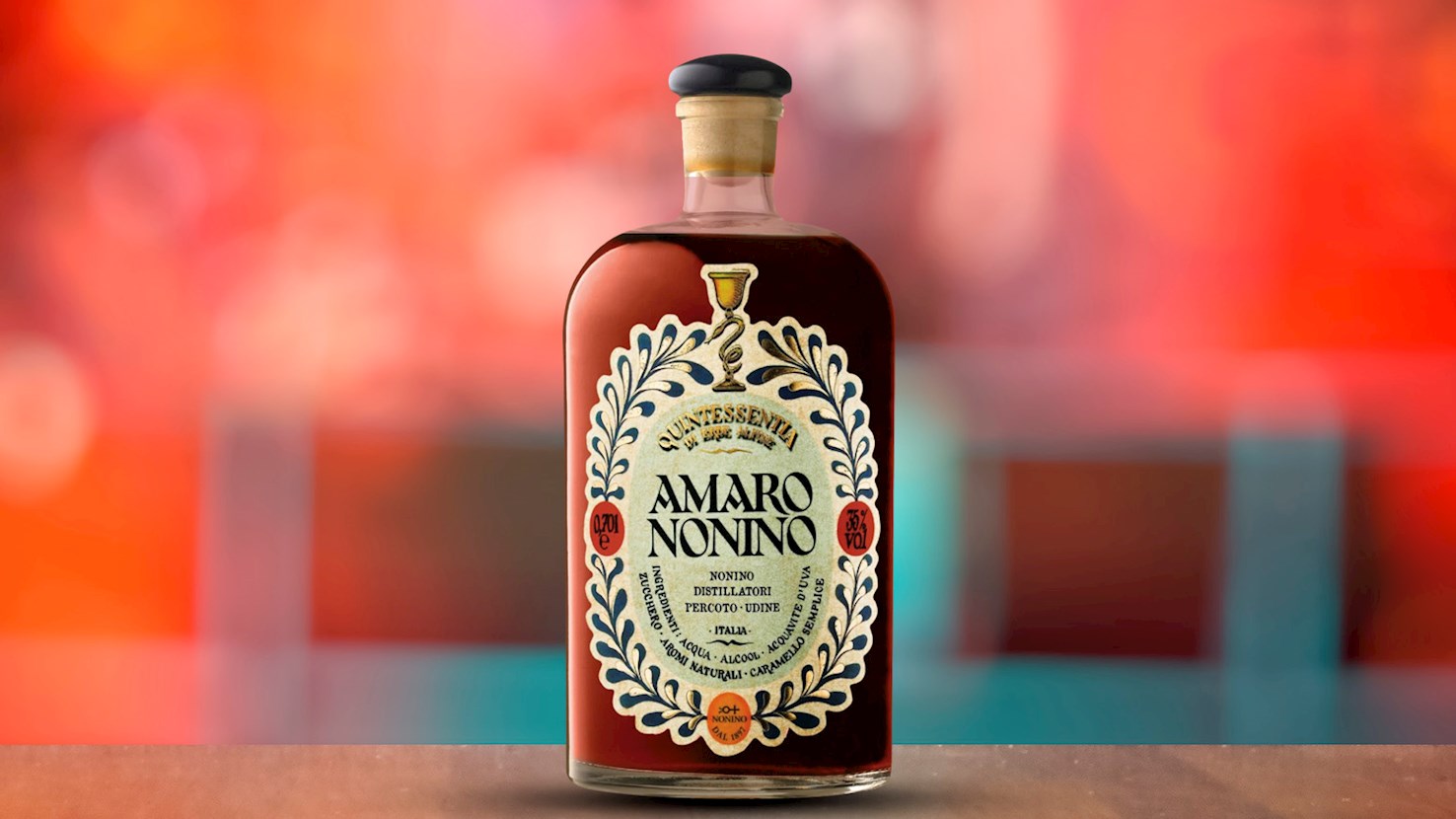
Amaro Nonino is a type of amaro made with aged grappa and a macerate that includes various botanicals. The combination is aged for a minimum of five years in Nevers, Limousin, and ex-sherry oak. The resulting drink has a warm amber color. The aroma is dominated by orange zest and complimented by apricots, toffee, subtle baking spices, and some herbal hints. The flavor is bittersweet, with jammy and spicy notes and a long, mellow finish. Although it is a rather novel Italian amaro—it was introduced in 1992—this herbal liqueur is produced by the Nonino family, who have been in the drink business since the late 19th century and have been perfecting their amaro recipe since the 1930s. The amaro is produced in Percoto, Italy. Nonino is best served as a digestif. It can be enjoyed neat or on the rocks, preferably with an orange slice.
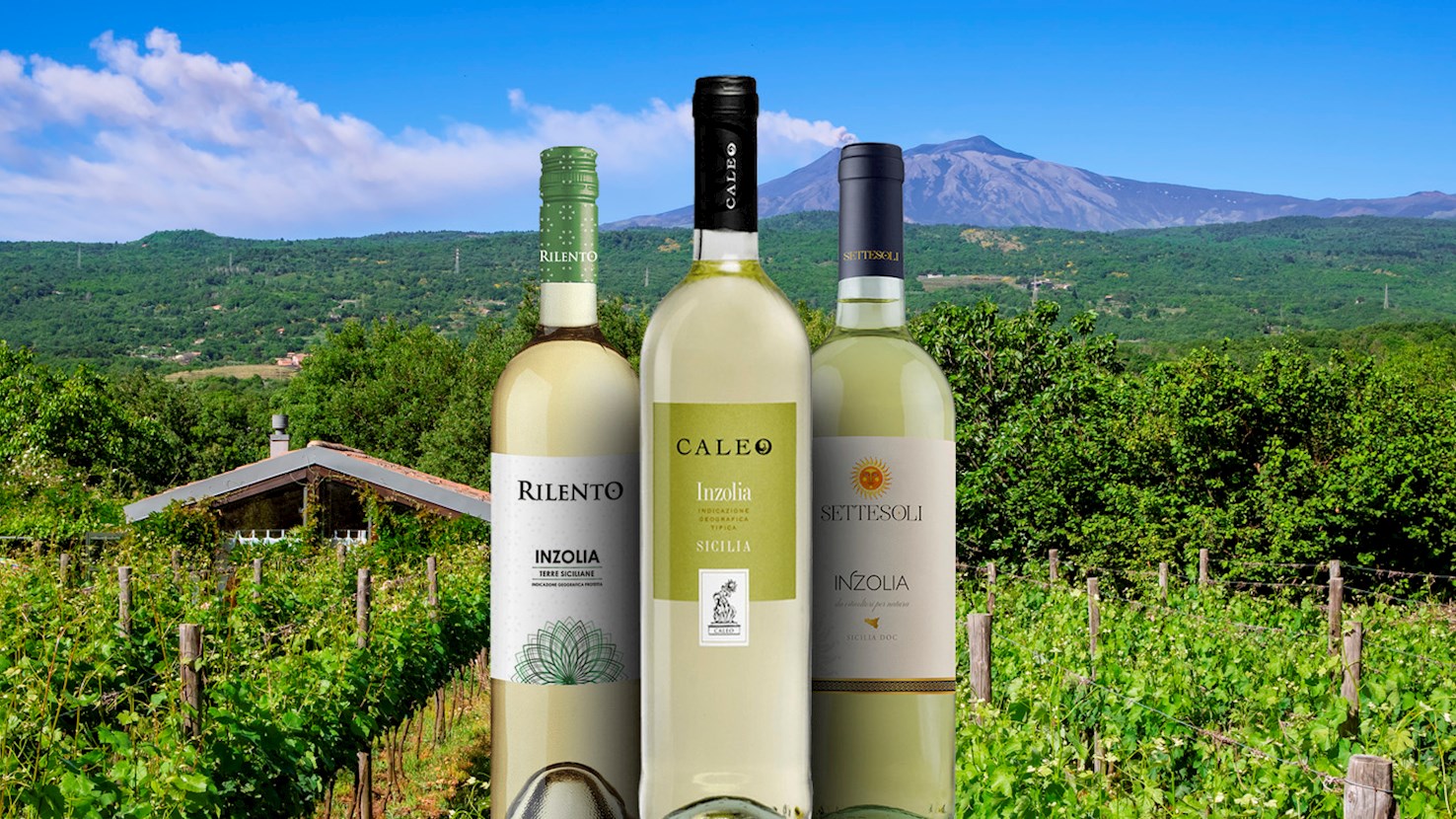
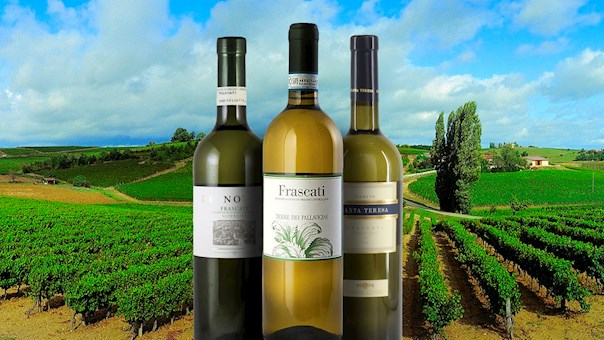
Inzolia is an Italian grape variety mainly associated with Sicily, though small amounts are also found in Tuscany (Ansonica Bianca). The grape was best known for its use in Marsala wine, but it is now often blended with the local Catarratto, and it can also produce good quality varietals. The wines produced from Inzolia are straw-colored, floral, and usually have a distinct nutty character. The aroma is typically reminiscent of mimosa, apricots, peaches, and citrus fruit. The wines are soft and round, with low to medium acidity and a subtle mineral finish. Sicilian terroir will produce fruitier wines with more structure. These wines pair with pasta dishes, fish, and white meat. They can also work as an aperitif.
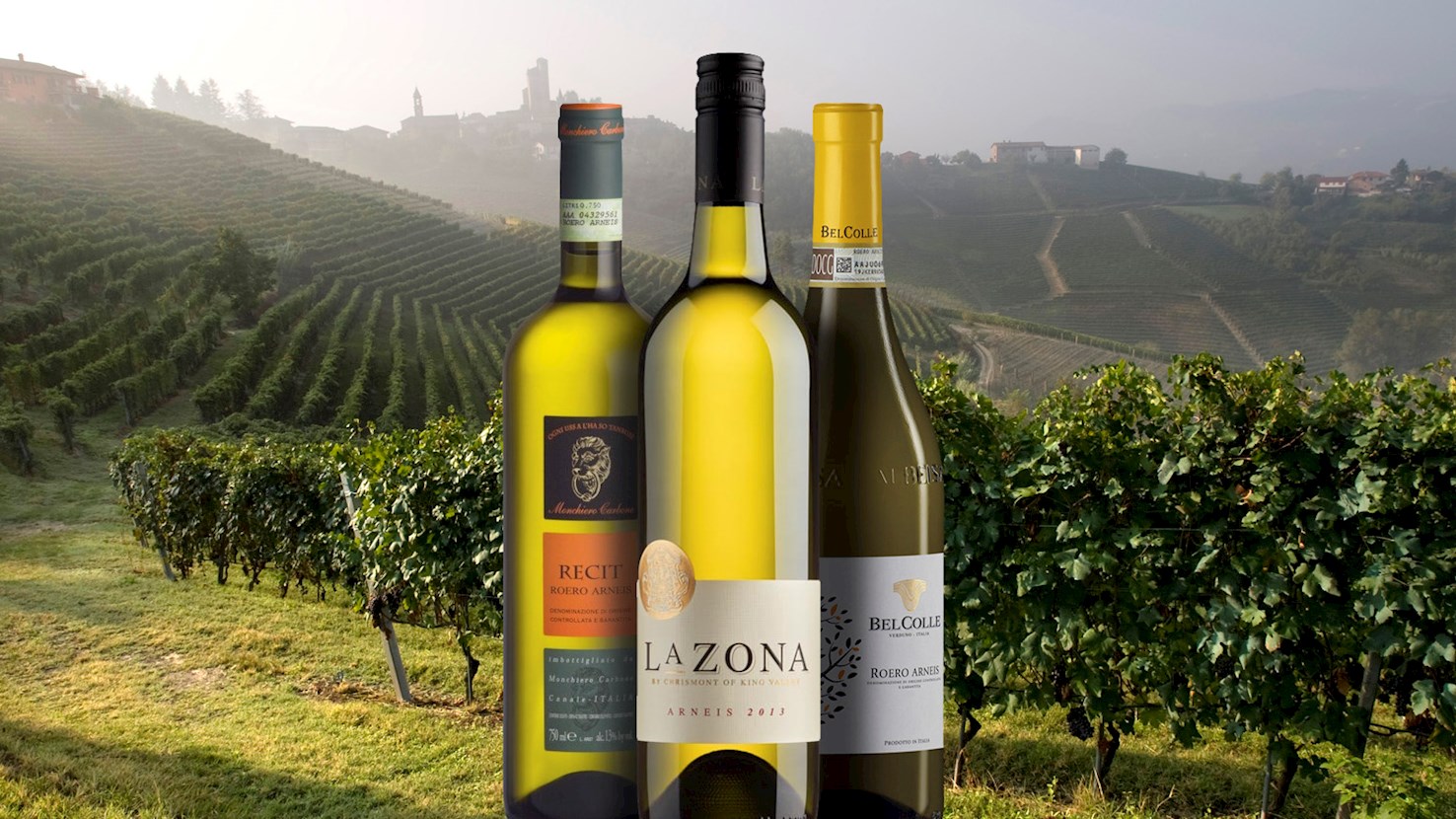
Arneis is a native grape from Piedmont that gives the best results in Roero—where it is used in the production of the famed Roero Arneis DOCG. Its exact origin is not known, but it is assumed that it has been cultivated in the area since the Roman times. Between two world wars, it was on the verge of extinction, but in the 1960s, it was reintroduced to the region as a variety that has excellent potential to produce refined dry wines of great character. The grape is also used in the production of dessert and sparkling wines. Arneis-based wines are fresh and fruity with typical notes and flavors of apples, pears, and citrus fruit, as well as herbaceous and floral nuances. They are usually medium-bodied and have well-balanced and not overpowering acidity. Arneis is best paired with lighter dishes such as risottos, pasta dishes, or seafood. It also works well as an aperitif or an accompaniment to appetizers.
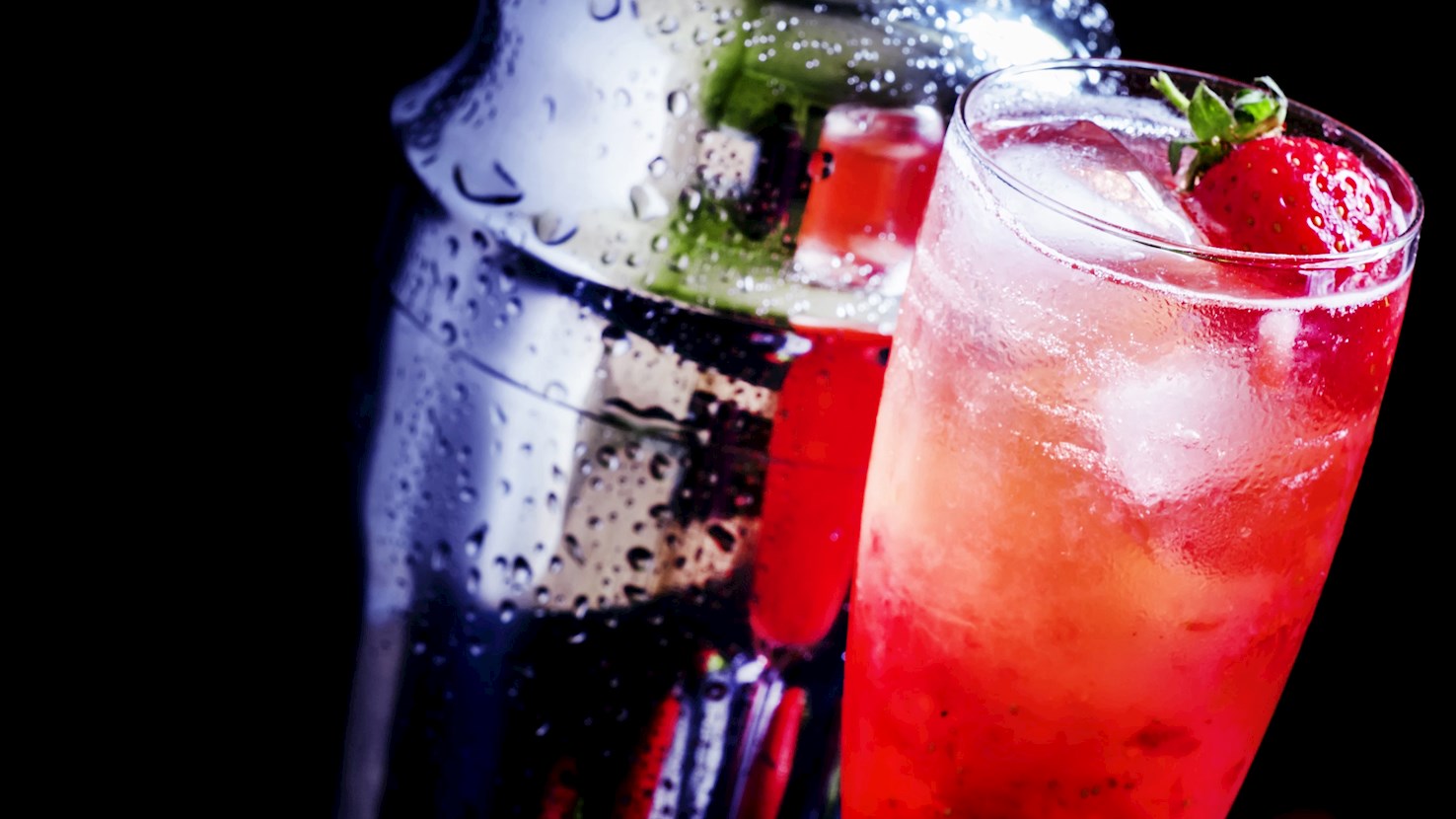
Rossini is a simple Italian cocktail made with a combination of only two ingredients - prosecco and puréed strawberries. In order to prepare it, strawberry purée is poured into a champagne flute, and it is then topped with prosecco and served with a strawberry slice garnish. The cocktail is often served at brunch, as an aperitif, or as an accompaniment to desserts. It is named after the famous 19th-century composer Gioachino Rossini.
TasteAtlas food rankings are based on the ratings of the TasteAtlas audience, with a series of mechanisms that recognize real users and that ignore bot,
nationalist or local patriotic ratings, and give additional value to the ratings of users that the system recognizes as knowledgeable.
For the “82 Worst Rated Italian Alcoholic Beverages” list until June 16, 2026, 5,450 ratings were recorded, of which 4,215 were recognized by the system as legitimate.
TasteAtlas Rankings should not be seen as the final global conclusion about food. Their purpose is to promote excellent local foods,
instill pride in traditional dishes, and arouse curiosity about dishes you haven’t tried.