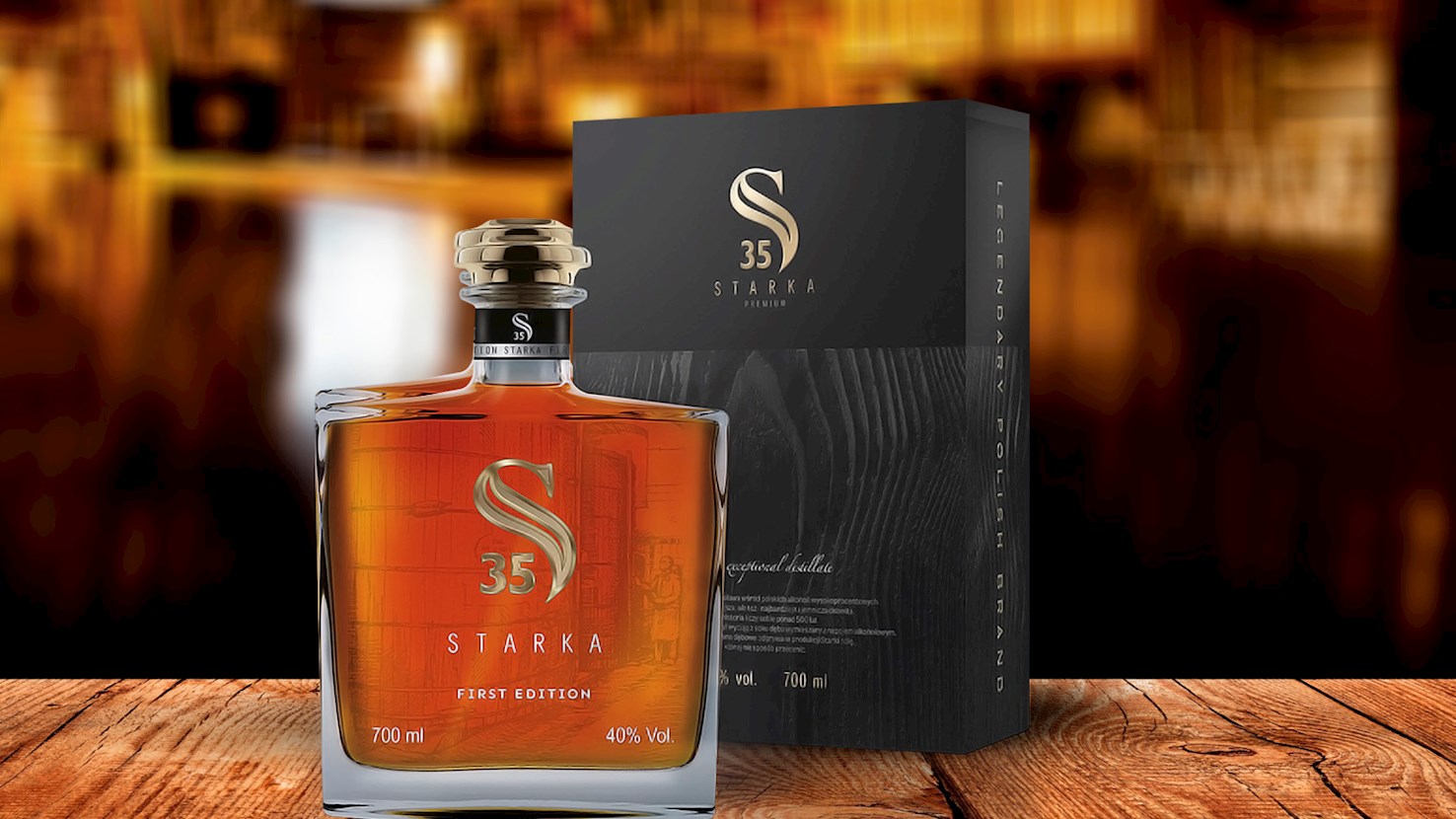
Starka is an alcoholic beverage that is usually based on rye spirit. It dates back to the 15th century, and it is traditionally associated with Poland, Lithuania, and Belarus. Its origin is mostly connected to Polish noble families who would bury and age a distillate in wooden barrels to commemorate the birth of a child. Starka was only consumed on special occasions, most commonly on the child’s wedding day. Nowadays, most varieties of this old drink are made from a rye distillate and a number of secret ingredients, while the best versions are still aged in oak barrels. The aging period can range from a couple up to several decades for the best examples. Oak-aging will give provide caramel color, and it will allow the drink to develop finer flavors, as well spicy and fruity notes reminiscent of vanilla, wood, and dried fruit. Starka is sold in various grades—which are defined by the length of maturation. It should be noted that some producers do not use traditional techniques and add flavorings to a rye distillate. This flavored version is usually of low-quality and cheaper than oak-aged varieties.
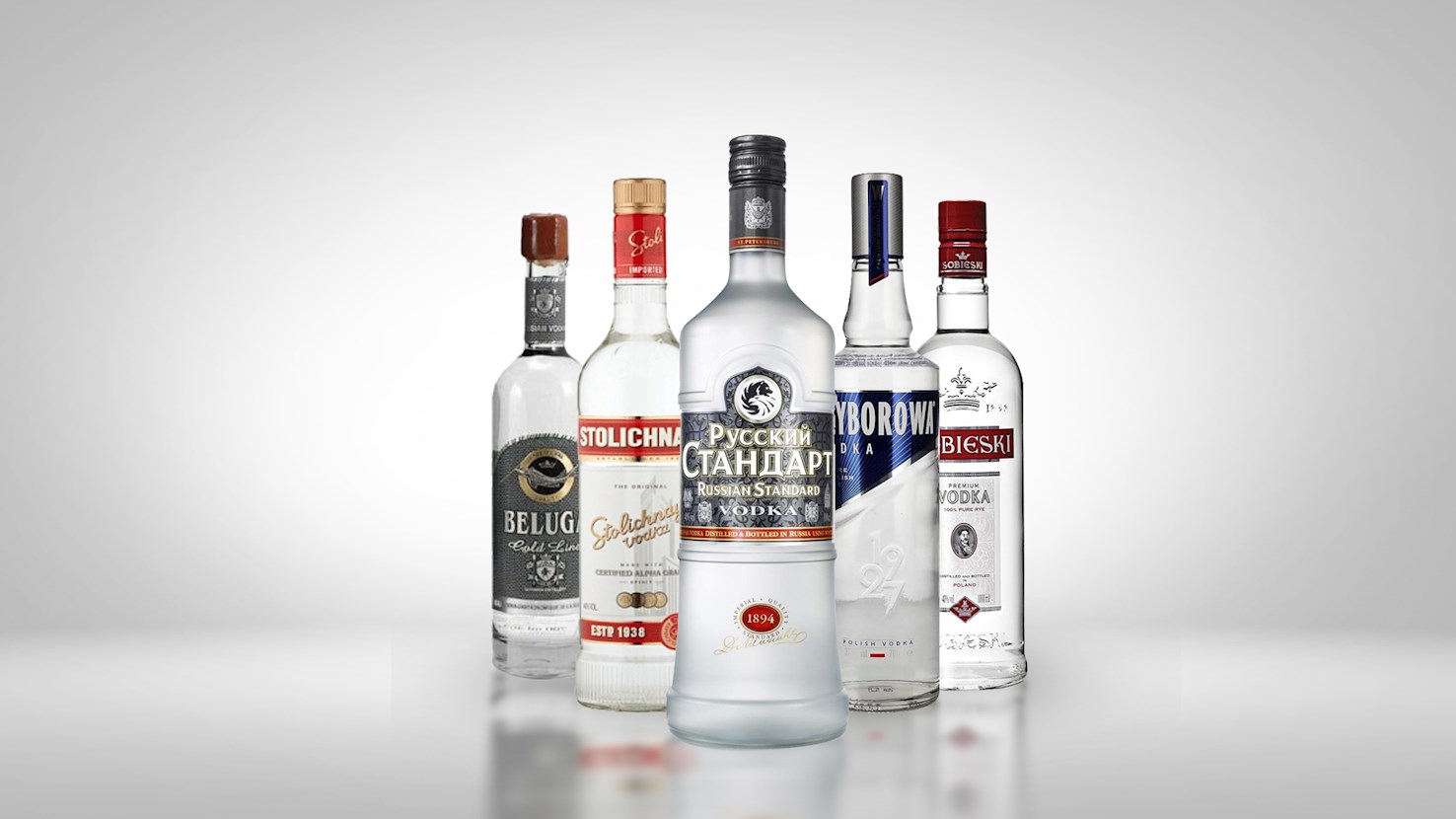
Vodka is a distillate that is mainly produced from fermented grains or potatoes, and even though many purists disagree, fruit or molasses can also be used. The base material can be distilled many times, and each distillation produces stronger and purer vodka varieties. The history of vodka remains unclear, with both Russia and Poland claiming to be the place of origin. According to some written records, the drink has been enjoyed since the 15th century, with many enthusiasts arguing that it appeared earlier, but was not known under its current name. Today it is produced worldwide, and most notable brands include Smirnoff, Belvedere, Żubrówka, Stolichnaya, Russian Standard, Finlandia, Grey Goose, and Absolut. The taste of vodka is primarily reflected in the use of the base material, but it is typically strong, with a long-lasting finish. Though it is a standard element in many classic cocktails such as Vodka martini, Vodka tonic, White Russian, and Cosmopolitan, it is usually enjoyed neat or on the rocks, and should always be well-chilled.
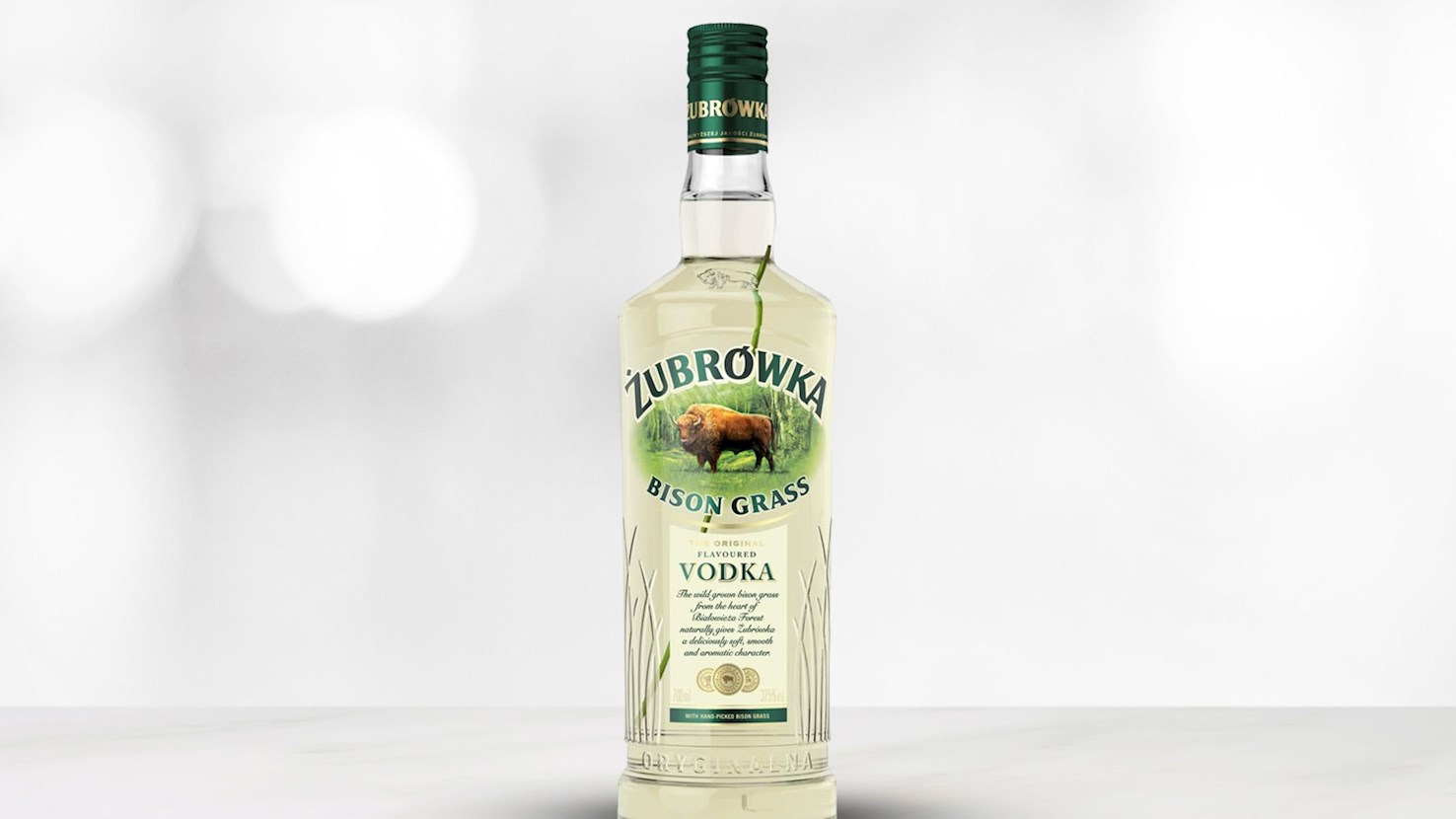
Żubrówka is a Polish vodka flavored with bison grass (Hierochloe odorata), and each bottle contains a blade of bison grass. The original recipe for this vodka allegedly dates to the 14th century, but commercial production started in 1928. It is made from a rye base and bison grass picked at the height of summer. Żubrówka is clear and has a slight green tinge. It is rounded and refreshing with subtle herbal and earthy notes and a touch of spice. The finish is soft and mellow with lingering herbal and vanilla-like nuances. Bison grass is picked in Białowieża Forest in Northern Poland. The plant has been used for various medicinal and ritual purposes, and the forest is a place where bison (buffalo) freely roam, hence the name. Żubrówka is produced by Polmos Bialystok Distillery. The brand also produces standard, non-flavored vodka. Żubrówka is best served ice-cold. It is traditionally enjoyed neat or on the rocks, and it is sometimes mixed with apple juice to make tatanka/szarlotka cocktail. Żubrówka is the third best-selling vodka in the world.
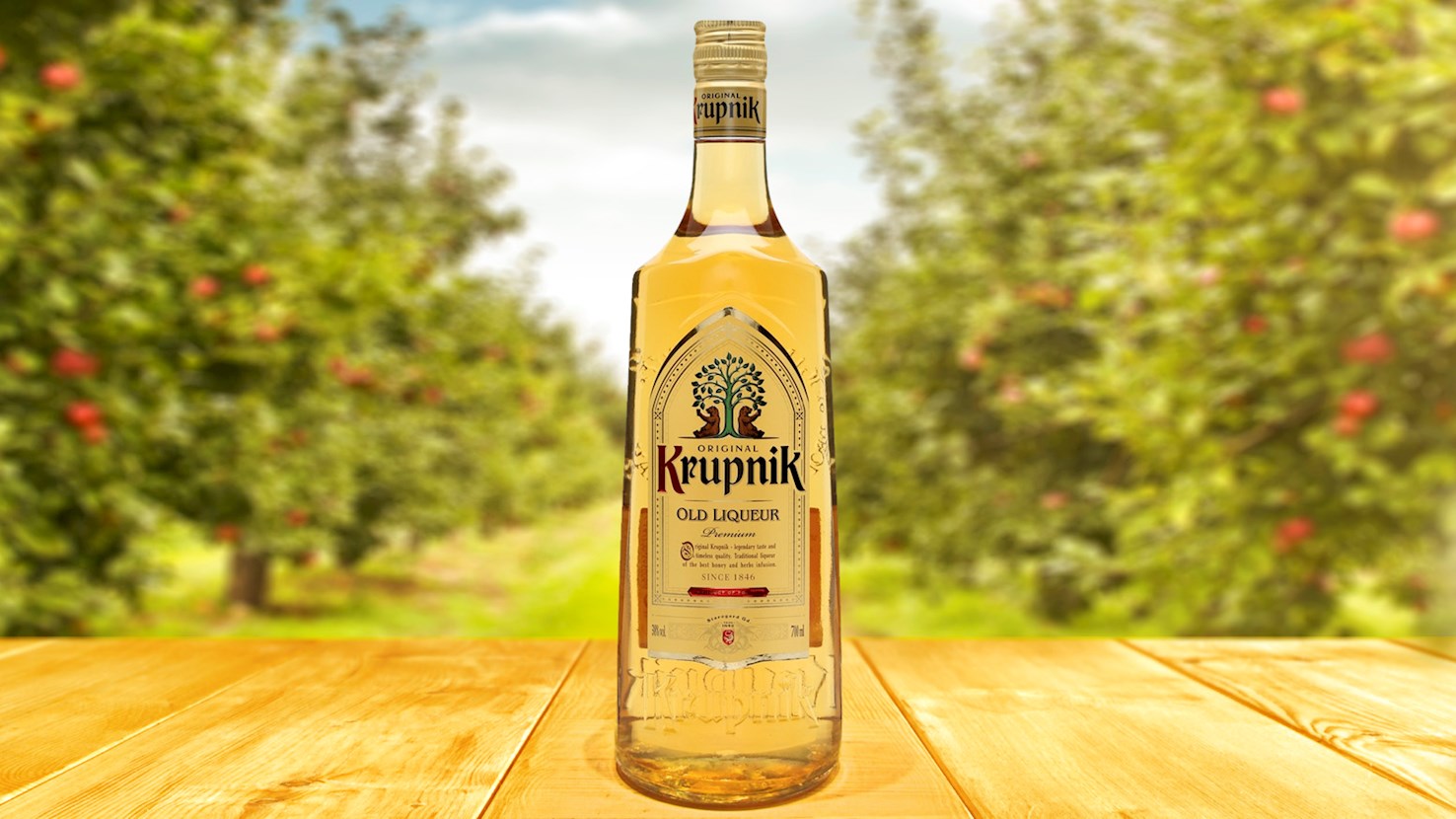
Dubbed as the favorite drink in Poland, krupnik is based on a neutral spirit, typically vodka of fruit brandy, which is enriched with honey. The drink is commonly prepared at home, but mass-produced brands are also available on the market, and each family or a producer has a unique recipe that may incorporate a variety of herbs and spices. Krupnik has been produced since the 16th century, and the legend of its creation is usually associated with the Benedictine monks at a monastery in Niaśviž. This honey-infused drink can be enjoyed neat or on the rocks, while the lightly heated version is a favorite option during wintertime. Apart from Poland, it is available in Belarus and Lithuania. Krupnik is also the name of a brand that produces various alcoholic beverages such as spirits, liqueurs, and krupnik.
IT IS ILLEGAL TO PRODUCE AND SELL TRADITIONAL HOMEMADE BIMBER DUE TO HEALTH RISKS.
Bimber is a type of Polish homemade or illicitly distilled alcohol, much like moonshine in English-speaking countries. Bimber has deep roots in Polish rural culture, where it has been produced for centuries, particularly in times of economic hardship or during periods when alcohol was heavily taxed or regulated. Historically, people in rural areas would distill their own alcohol to avoid the cost of commercial spirits. The process of making bimber was often passed down through generations, and it became a symbol of self-reliance and tradition in many communities. Bimber can be made from various ingredients, most commonly grains (such as wheat, rye, or barley), potatoes (a common base in Eastern European spirits), or fruits (such as plums, apples, or cherries). The process begins with the fermentation of these ingredients, where yeast is used to convert the sugars into alcohol. After fermentation, the mixture is distilled, often in makeshift or homemade stills. The distillation process involves heating the fermented mixture to separate the alcohol from the other components. The result is a clear, strong spirit with a high alcohol content, often reaching 40-80% alcohol by volume (ABV), depending on the number of distillations. Because bimber is typically made in unregulated settings, the equipment used and the skill of the distiller greatly influence the quality and safety of the final product. Poorly made bimber can contain harmful substances, such as methanol, which can lead to serious health risks. In Polish culture, bimber has been both romanticized and vilified. On one hand, it is seen as a symbol of resilience and independence, especially during times of political oppression, such as during World War II or the communist era, when access to commercial alcohol was restricted. On the other hand, the production and sale of bimber are illegal in most places due to the lack of safety standards and government taxation. Despite its illegal status, bimber remains popular in certain regions and among certain groups. It is often consumed during family gatherings, weddings, or other celebrations, sometimes as a point of pride for those who produce it.
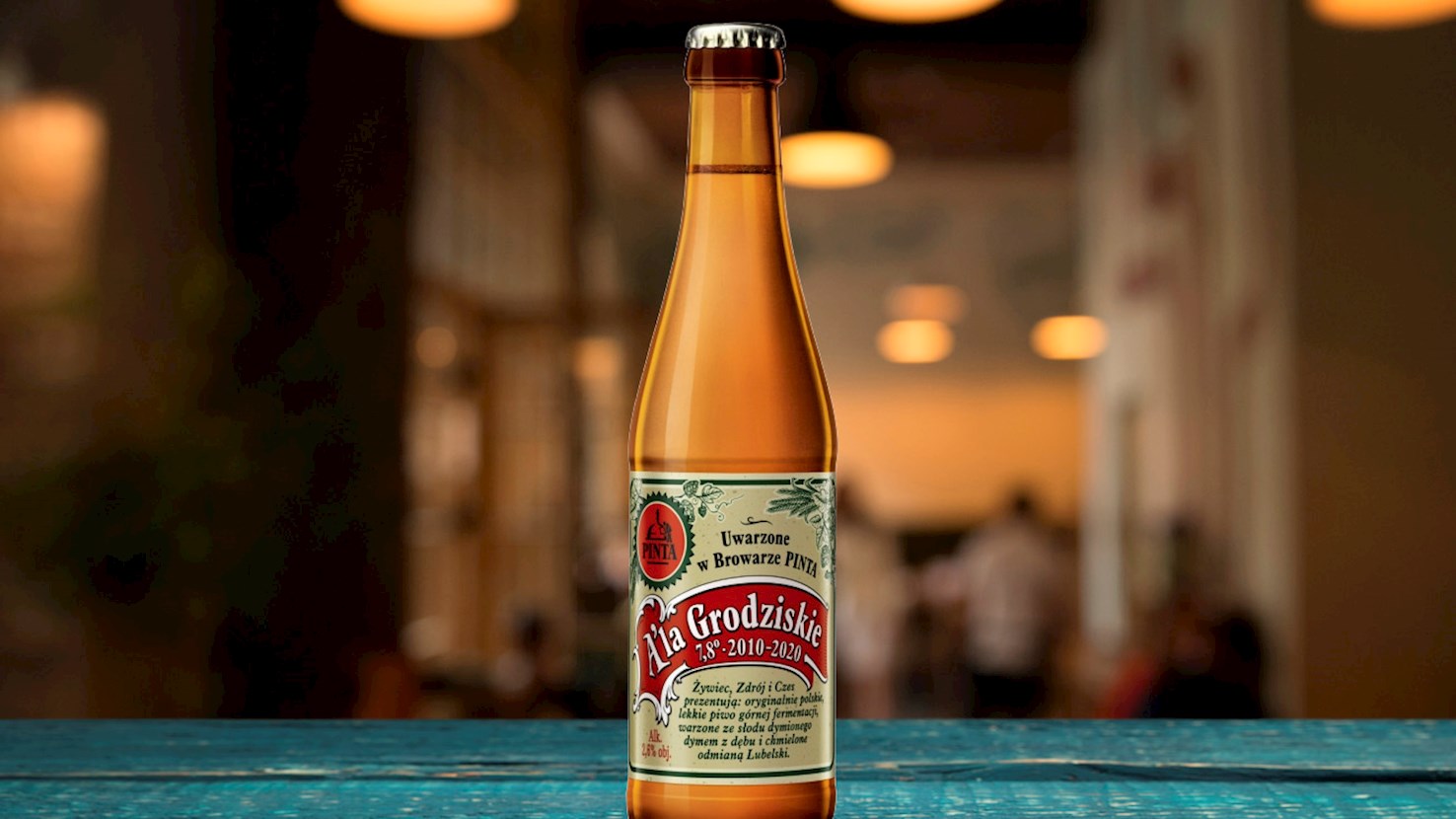
Grodziskie is a historical beer style that originated in Grodzisk. When it was under Prussian rule, the city was also known as Grätz, which is why the style is known as Grätzer. The style disappeared in the early 1990s, and though it is still rare, it was slowly reintroduced, mainly by homebrewing enthusiasts and several breweries. Grodziskie can range from light straw to golden yellow. Traditionally, this beer was brewed from oak-smoked wheat malt. It is typically a light-bodied and highly carbonated style with low alcohol content (2.5-3.3%). The aroma and the flavor display smoky oak notes that are often accompanied by herbal, floral, or spicy nuances. Bitterness is medium to high, while the finish is crisp and dry. Brewing tradition in Grodzisk started centuries ago, and mass production was introduced in the mid-16th century. By the 1700s, it enjoyed immense popularity, and in the 19th and the early 20th century, it was exported and was often praised for its exceptional quality. However, the popularity declined following WWII, and the last brewery was closed in 1993. Grodziskie style that pairs well with smoked and grilled dishes or cheese.
TasteAtlas food rankings are based on the ratings of the TasteAtlas audience, with a series of mechanisms that recognize real users and that ignore bot,
nationalist or local patriotic ratings, and give additional value to the ratings of users that the system recognizes as knowledgeable.
For the “6 Worst Rated Polish Alcoholic Beverages” list until June 16, 2026, 996 ratings were recorded, of which 863 were recognized by the system as legitimate.
TasteAtlas Rankings should not be seen as the final global conclusion about food. Their purpose is to promote excellent local foods,
instill pride in traditional dishes, and arouse curiosity about dishes you haven’t tried.