


100 Worst Rated Alcoholic Beverages
in the World

Last updated on July 16, 2026
01

Yorsh

1.5 ·

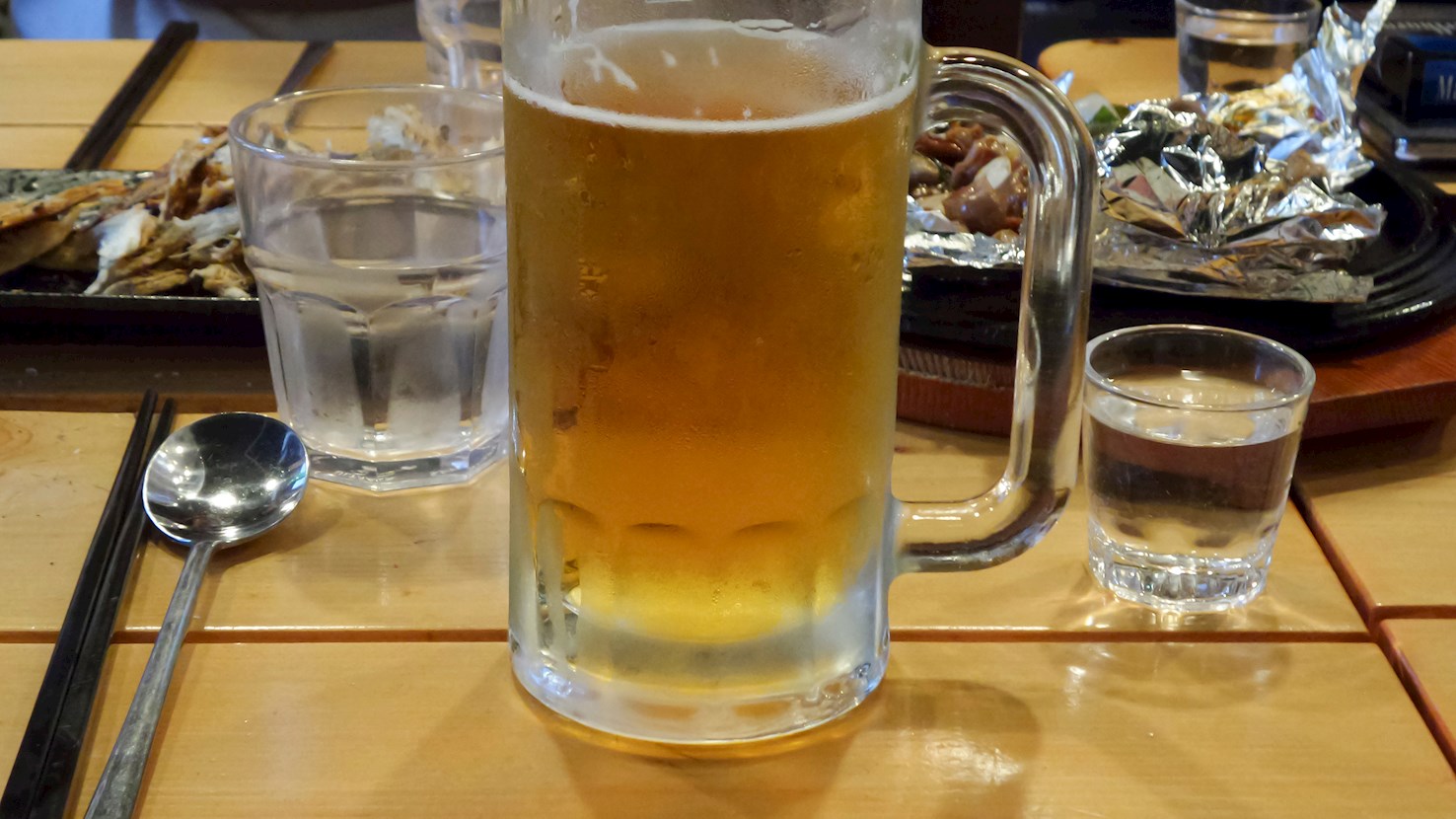
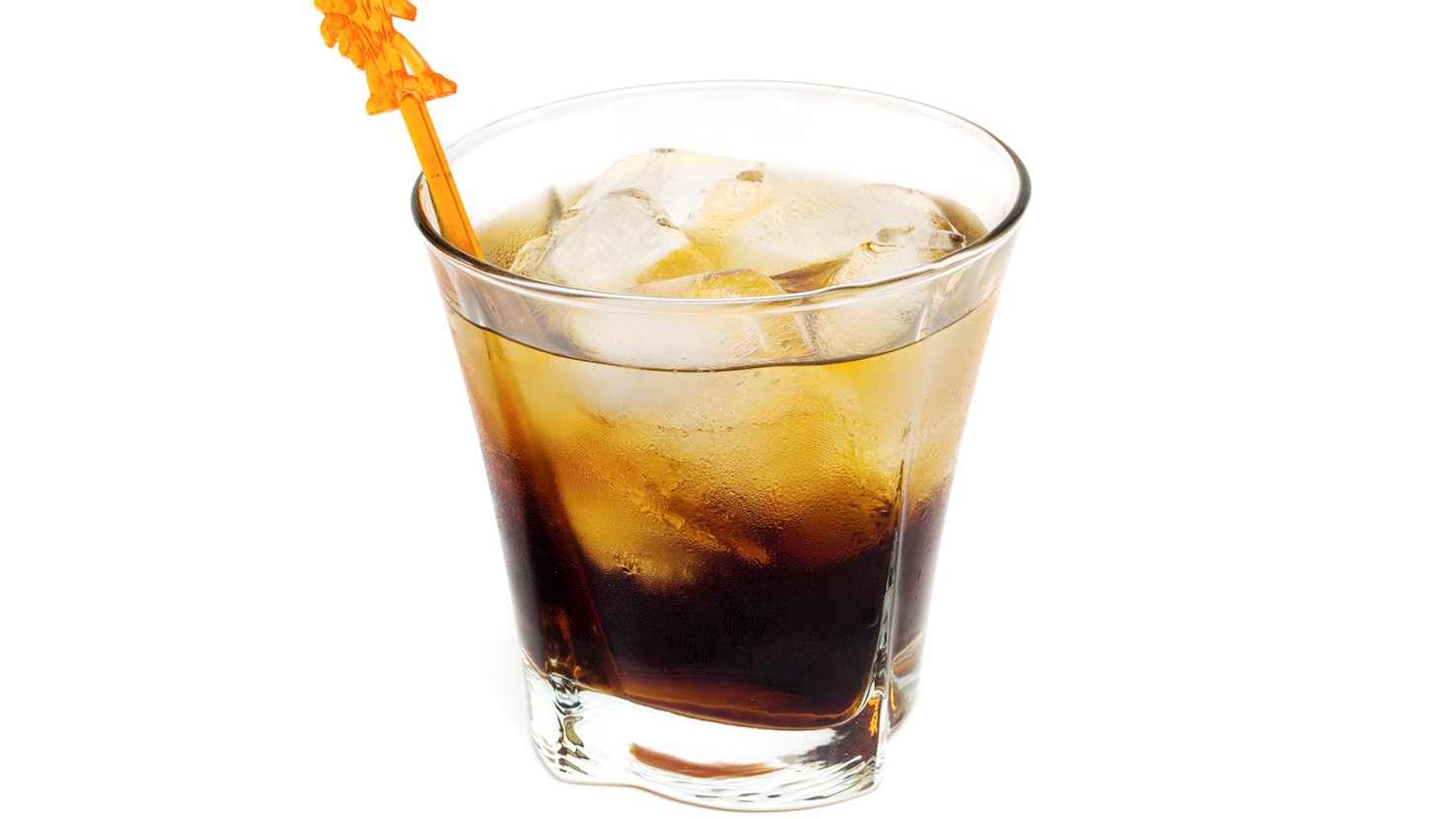
Yorsh is a popular Russian mixed beverage made with a combination of beer and vodka. The ratio of ingredients may vary depending on personal preferences. After the ingredients have been combined, it is recommended to drink the cocktail quickly, as is the custom in Russia, because Yorsh is traditionally consumed in social settings after a toast. Although vodka does not alter the flavor of beer that much, it greatly increases the alcohol content in the cocktail, so it is quite suitable if one wants to get drunk as fast as possible.

02

Malört

1.7 ·

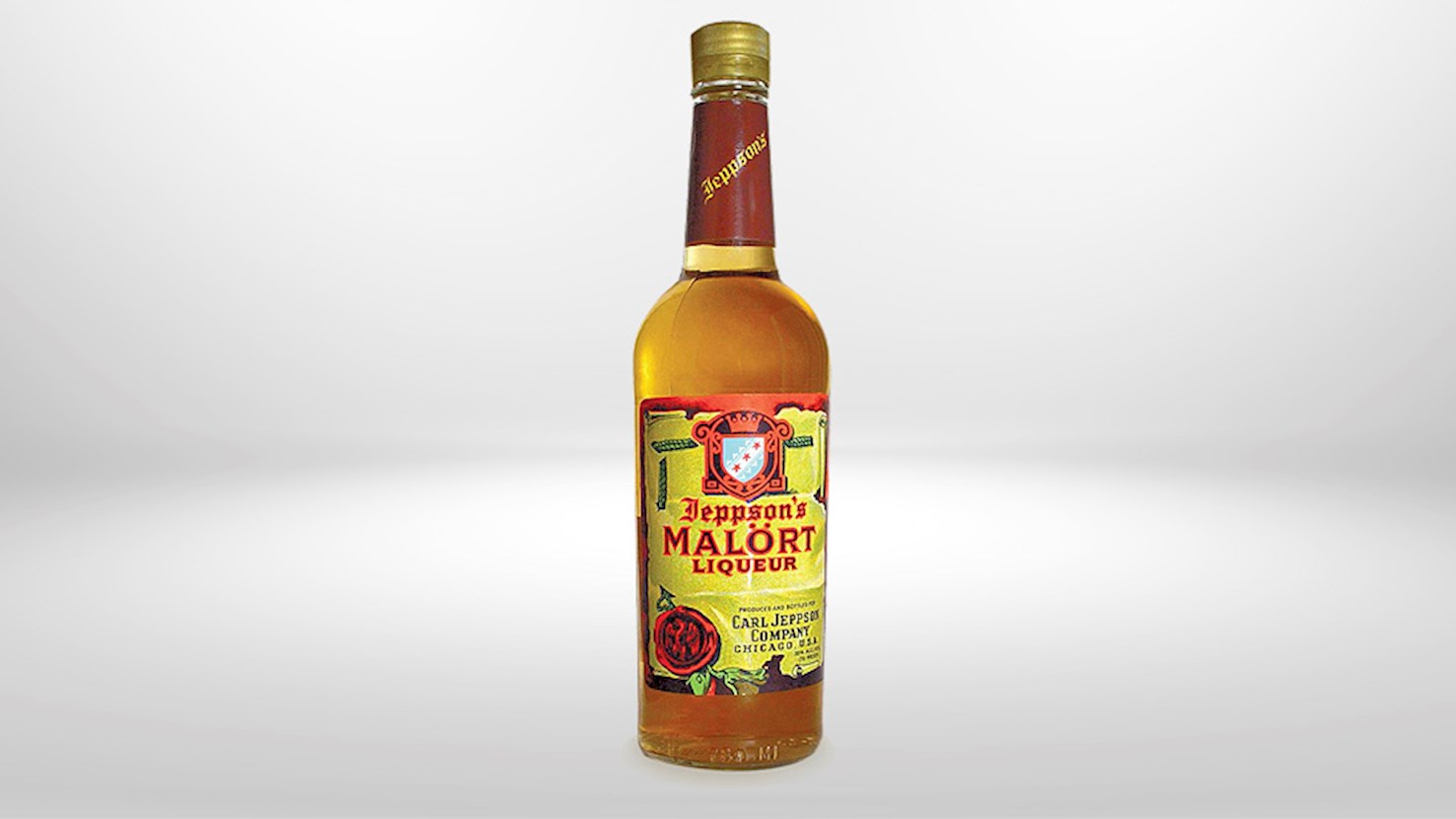
Malört is a bitter, wormwood-based liqueur that was created in the 1930s by a Swedish immigrant Carl Jeppson. The drink was first introduced in Chicago, and although it is now produced in Florida, it is still mainly associated with its place of origin, and it can rarely be found elsewhere in the United States. Malört, which is a Swedish word for wormwood, was modeled on Swedish beskbrännvin – a liquor distilled from potatoes or grains that was often infused with wormwood. The drink is characterized by its sharp flavor and a long, bitter aftertaste. Although it is recommended to drink it with a sugar cube, it is mainly served neat, and it is intended to be enjoyed as a shot.

03

Korn

2.0 ·

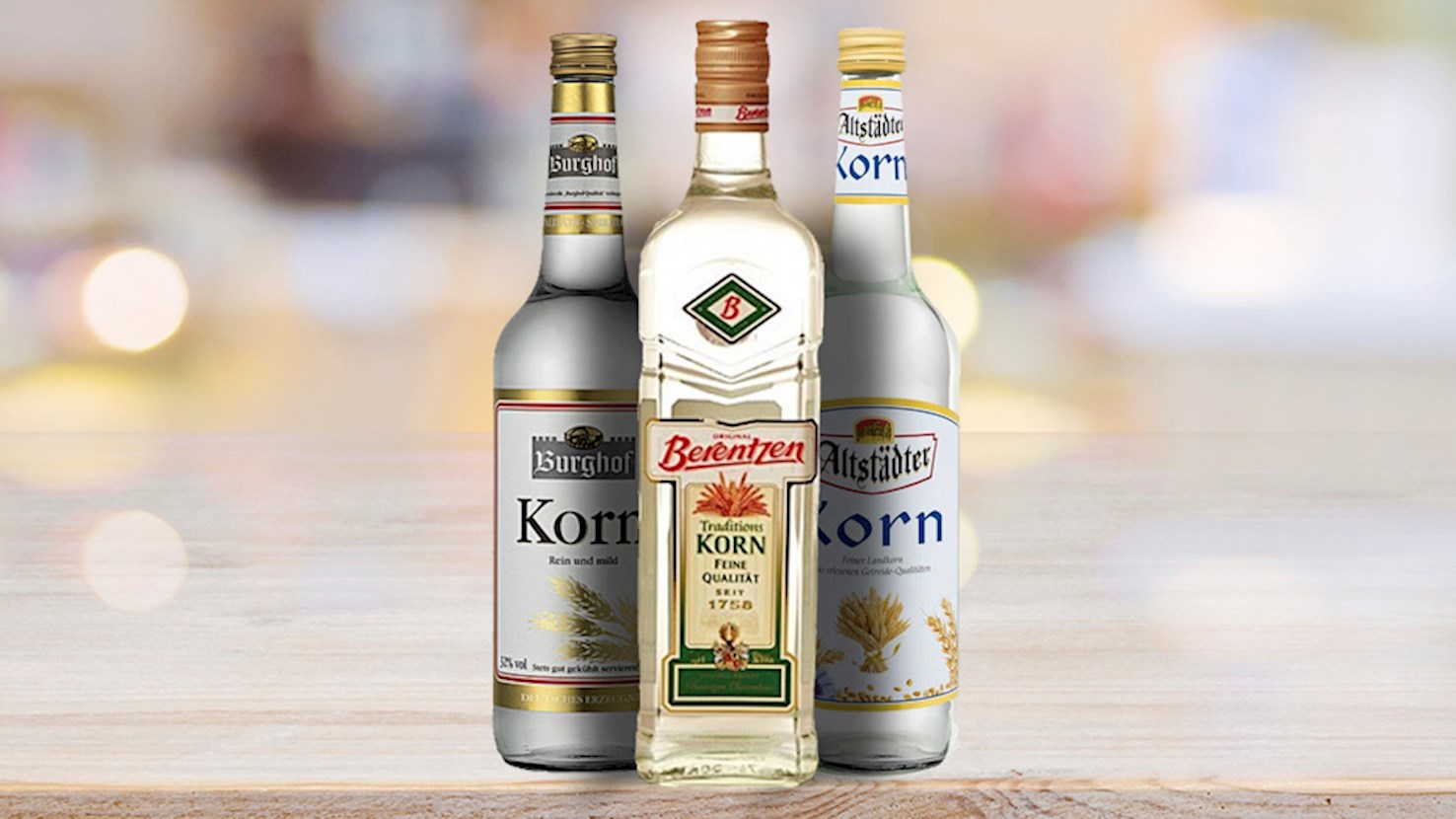
Korn is a German grain spirit that is traditionally distilled from fermented mash of wheat, rye, buckwheat, barley or oats. This strong colorless drink is never sweetened or flavored, and it has to have a minimum of 32% ABV, but if the alcohol content is higher than 37.5% the drink is named Kornbrand. It is believed that the production of Korn started in the 15th century, and although it is enjoyed throughout the country, it is especially popular in the northern parts of Germany. The drink is usually low-priced, but oak-aging may provide for more complex and better-quality expressions. Korn is mainly enjoyed straight from shot glasses, but it is also commonly combined with carbonated soft drinks, while a popular combination known as Herrengedeck (gentlemen’s menu) includes beer with a shot of Korn.

04

Carrulim

2.1 ·

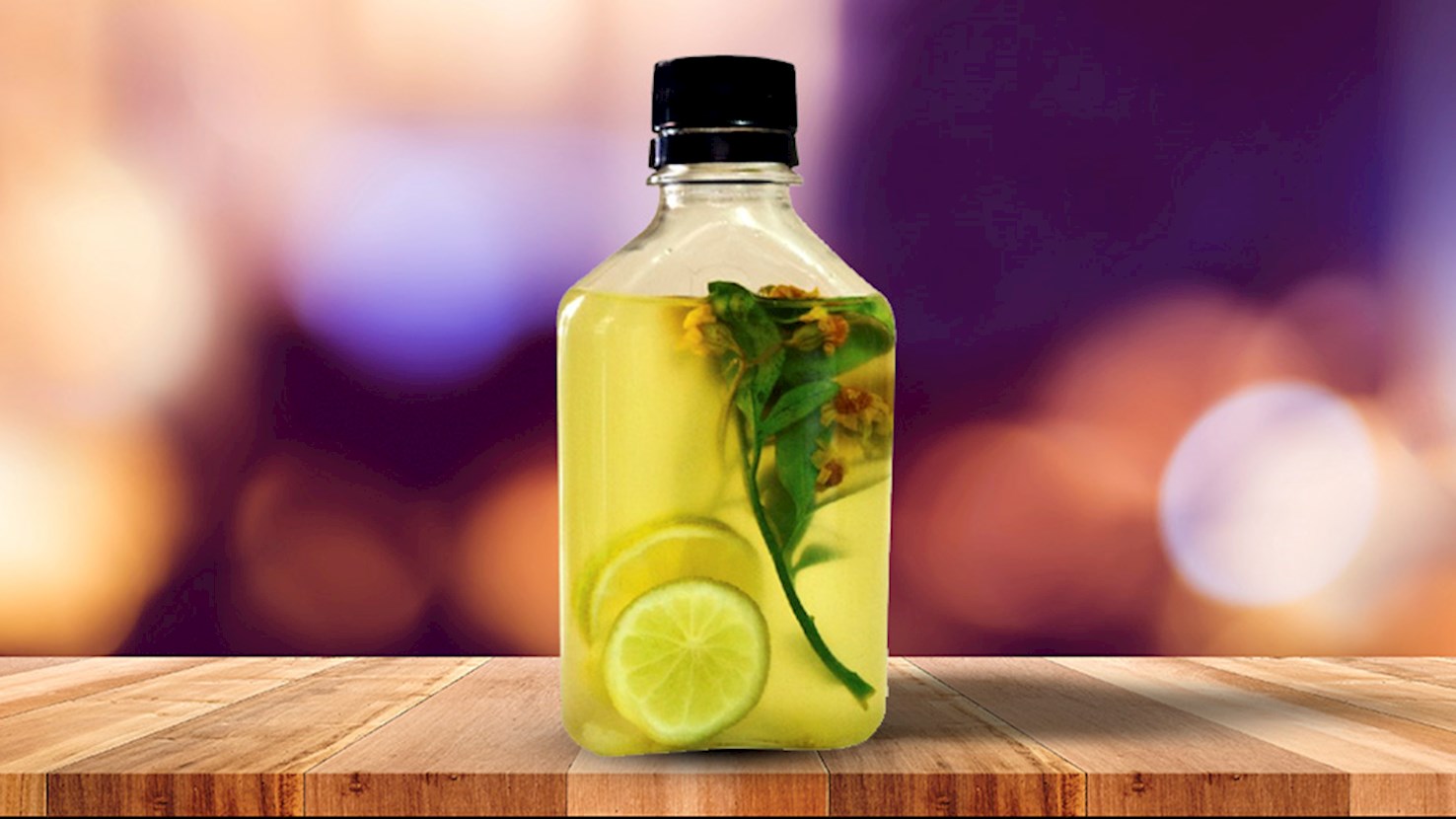
Carrulim is a traditional beverage of the Guaraní people, the largest indigenous group in Paraguay. The drink is made from sugar cane spirit, rue (Ruta graveolens), honey, and lemon. It is believed that it helps to ward off illnesses associated with August, which is one of the coldest months in Paraguay. Locals also believe that August brings misfortune and bad luck, and drinking carrulim should protect your physical health and ward off evil or misfortune. Traditionally, carrulim is enjoyed on the first day of August. It should be the first drink consumed that day. Carrulim can be prepared at home, but it is also commonly sold throughout August.

05

Oghi

2.1 ·

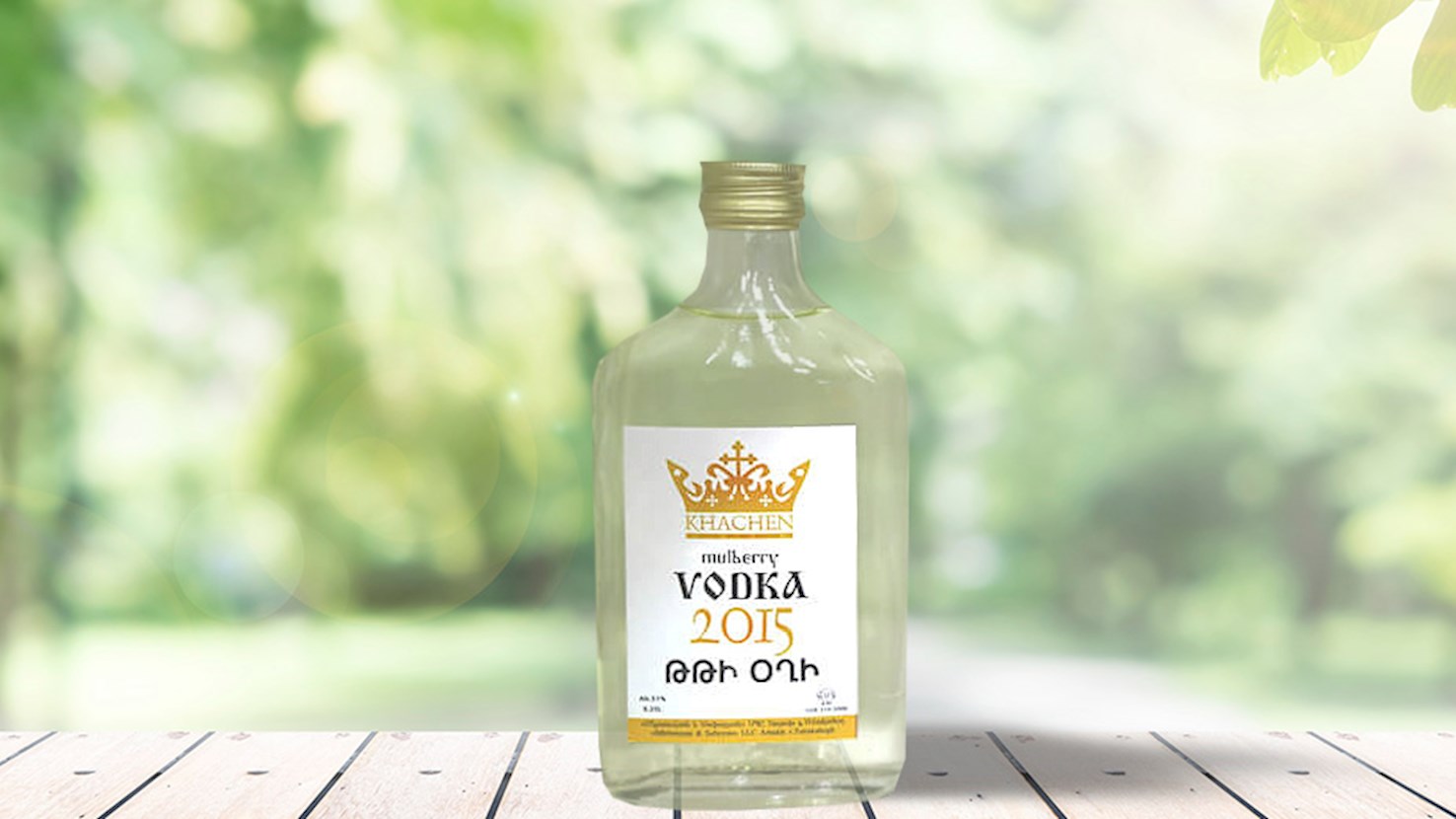
Often dubbed as Armenian vodka, oghi is a strong Armenian spirit that is distilled from various fruit and berries. The drink is traditionally produced as a local moonshine variety, with many households distilling their versions from various available fruit. Mulberries, apricots, pears, cherries, grapes, or plums can all be used in the production of oghi. The fruit is distilled to produce a clear spirit whose flavor reflects in the use of base material. Oghi is usually served in small shot glasses, and it is often enjoyed for breakfast or to accompany hearty Armenian dishes.

06

Death in the Afternoon

2.2 ·

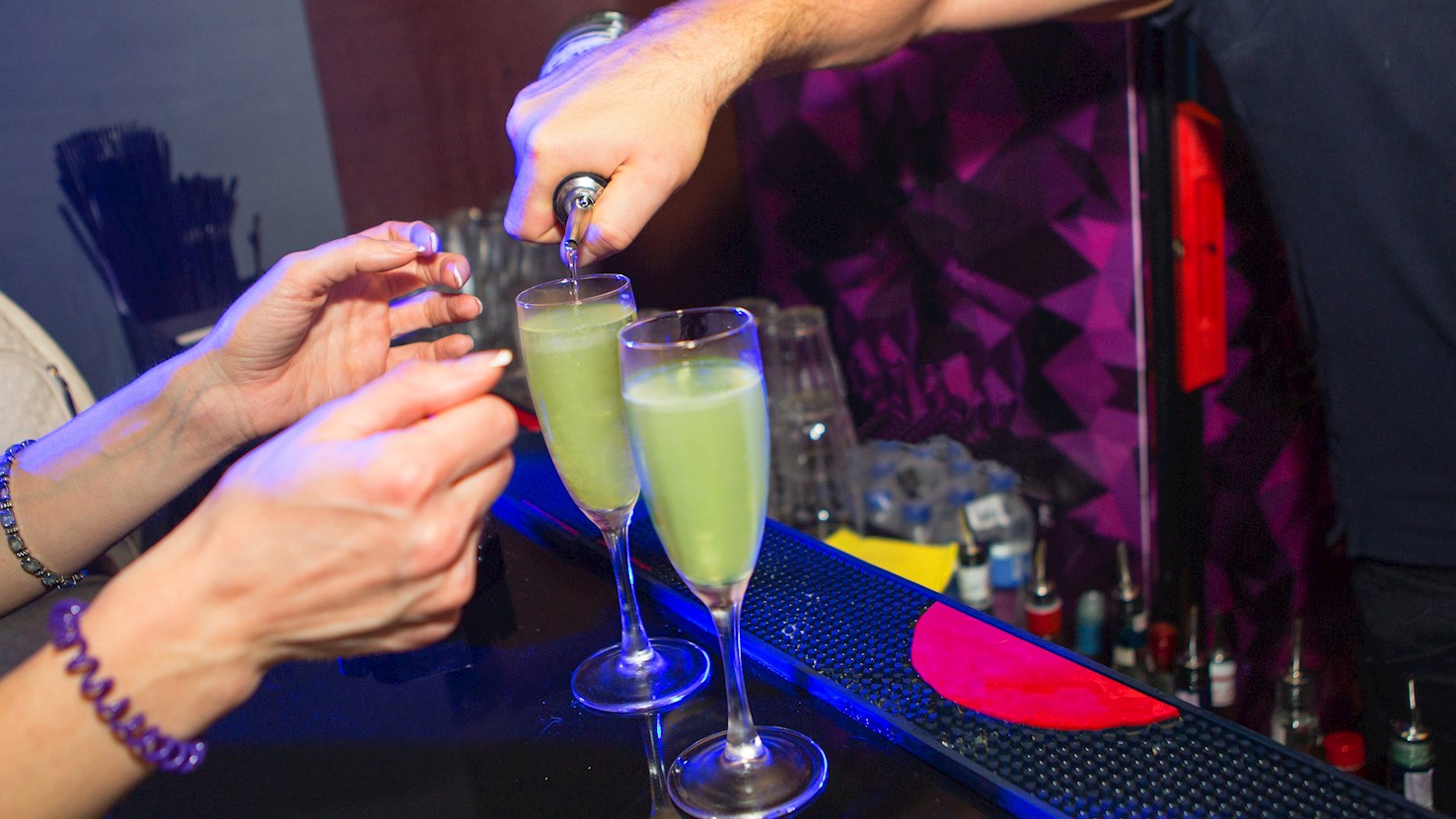
A decadent cocktail made with absinthe and champagne is known as Death in the Afternoon. Thanks to its inventor - Ernest Hemingway, it is often referred to as the Hemingway Champagne, or simply The Hemingway. The cocktail originates from 1930's Paris, when the writer spent time in the city writing and enjoying absinthe. Due to the emulsification of absinthe, the cocktail is milky in appearance, with a bubbly structure, and Hemingway’s instructions were to drink three to five of these cocktails slowly from a champagne glass.

07

Karsk

2.3 ·

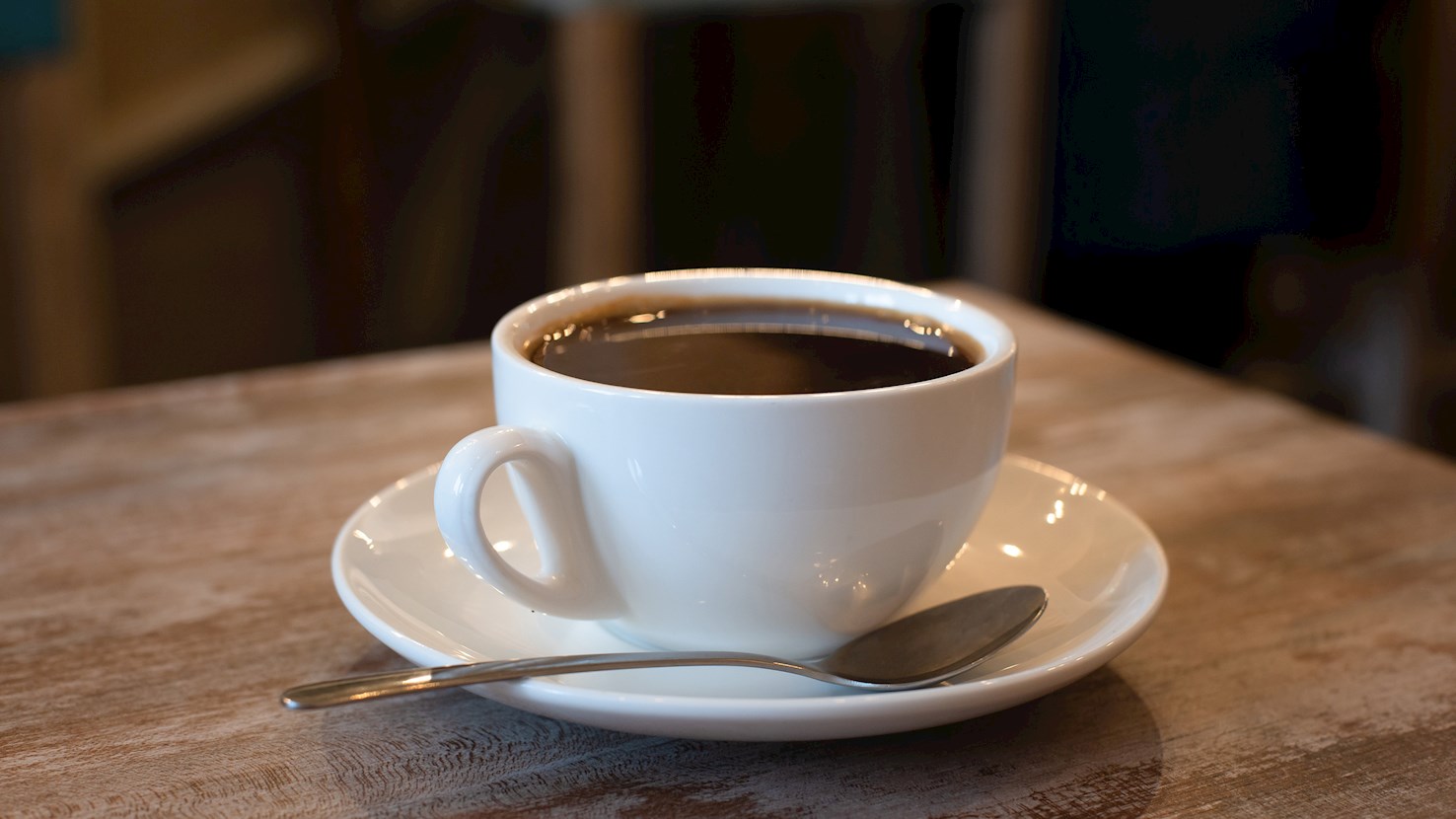
Karsk is an aromatic Norwegian cocktail that is traditionally served hot. It is made with a combination of coffee and moonshine. To prepare it, a small coin is traditionally placed on the bottom of the cup, which is then filled with strong, hot coffee until the coin is completely covered. The moonshine is then added to the cup until the coin resurfaces. There is also a variation on Karsk made with vodka instead of moonshine. The name of this cocktail is derived from the adjective karsks, which means vigorous in Old Norse. Nowadays, Karsk is also popular in bigger cities, although it is still more popular in rural areas of the country.

08

French Connection

2.4 ·

French Connection is a classic French cocktail made with a combination of only two ingredients – equal parts cognac and amaretto. In order to prepare it, the ingredients are poured into an old-fashioned glass filled with ice cubes. The concoction is then gently stirred, and the cocktail is ready to be served. French Connection is especially loved because the cognac adds warmth to the chilled drink, and the flavors pair nicely with a high-quality amaretto liqueur. It is recommended to make the cocktail with Courvoisier VSOP, Camus VSOP, or Hennessy VS.

09

Boukha

2.4 ·

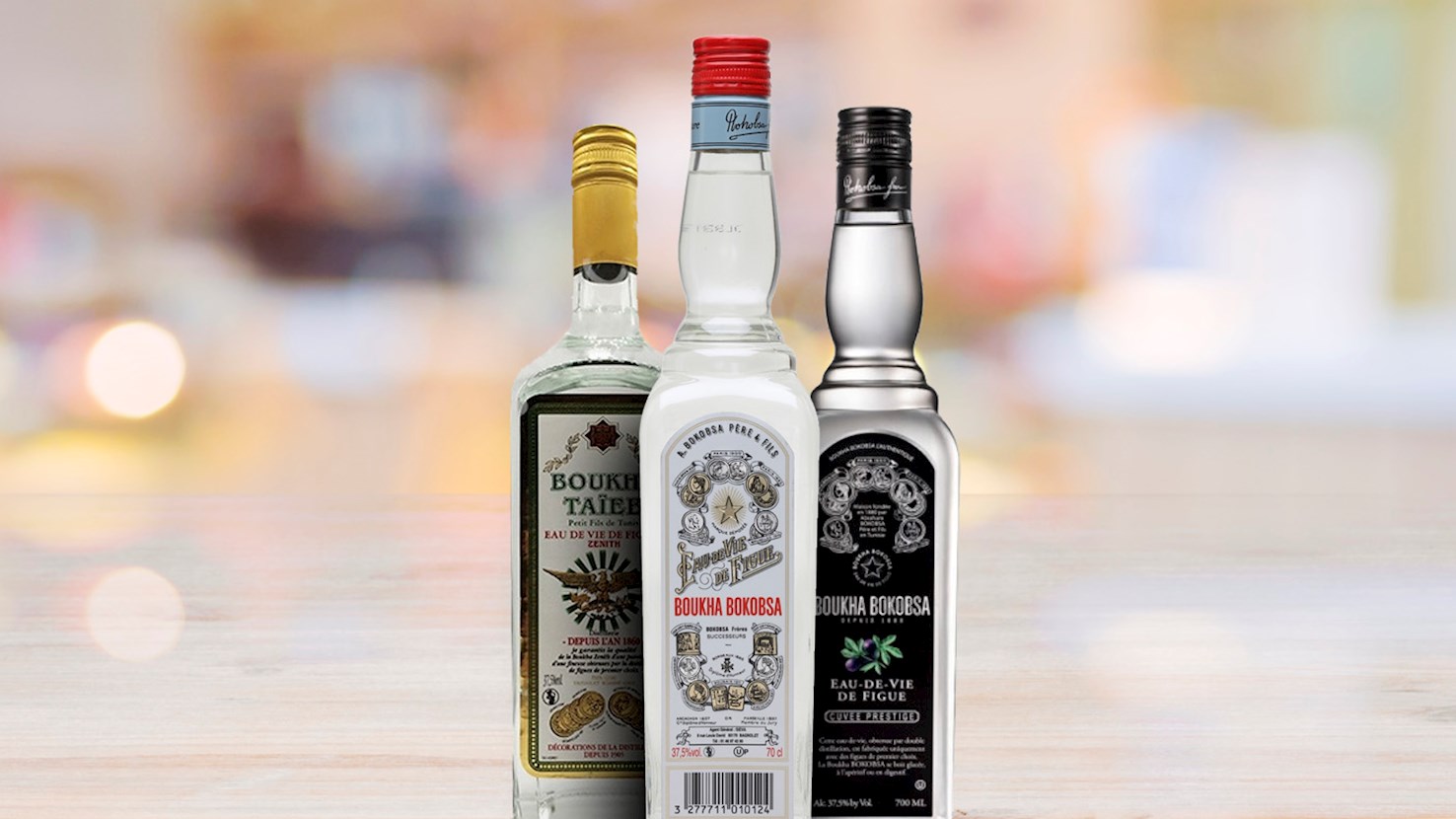
Boukha is a clear, colorless Tunisian spirit that is distilled from fermented figs. The drink was first produced in 1820 by Yaakov Bokobsa. Together with his sons, he perfected the recipe in 1870, and the drink is still produced following traditional procedures and the old, secret recipe. Boukha is a smooth and warming spirit with complex notes of raisins and spices. It can be enjoyed neat, preferably well-chilled, or as a cocktail ingredient. Boukha has an alcohol content of 37,5% ABV.

10

Bombeirinho

2.4 ·

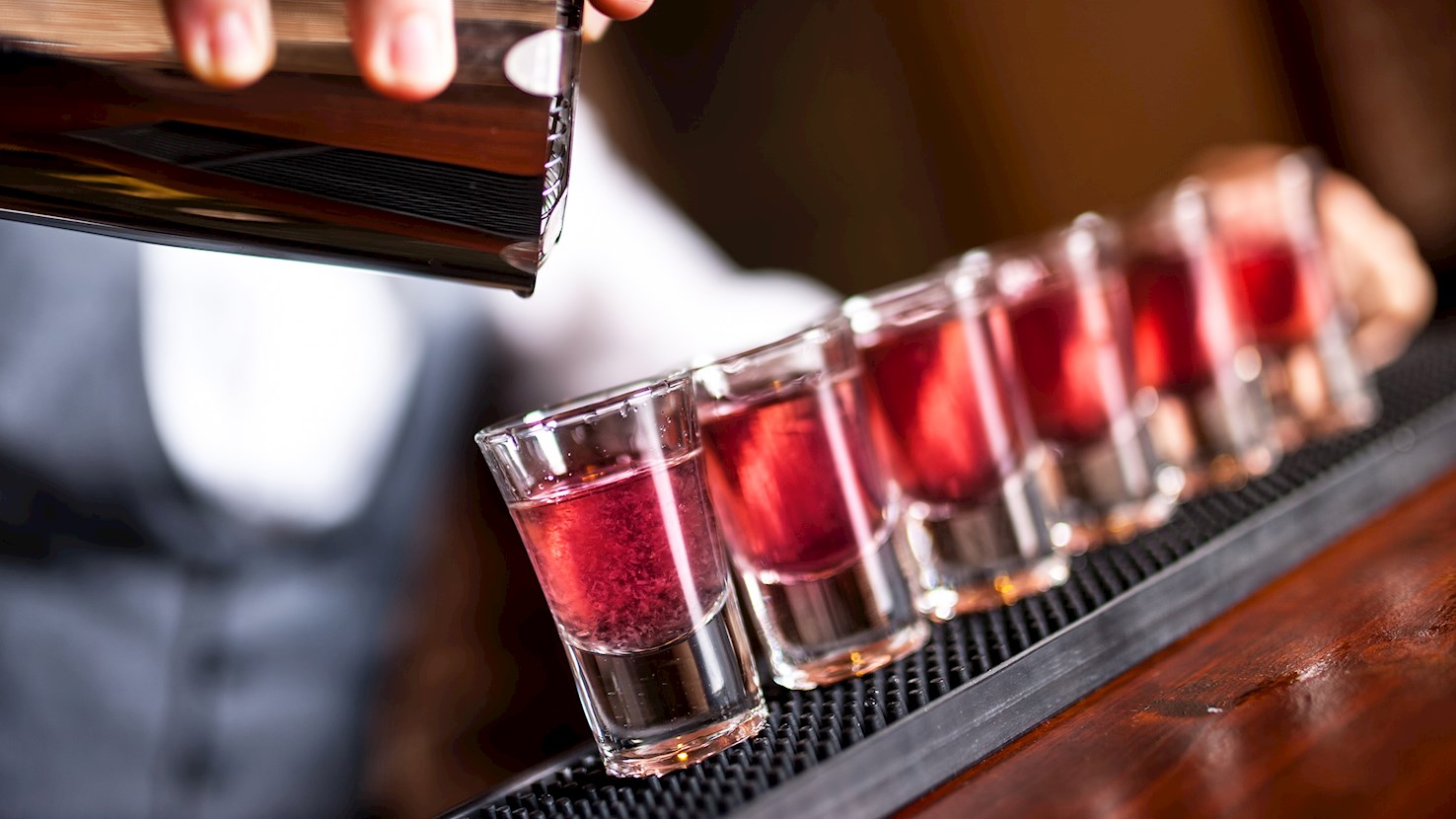
Bombeirinho is a Brazilian cocktail that is usually taken as a shot. In its basic form, the drink combines cachaça (Brazilian sugarcane spirit) and redcurrant syrup. To make the drink, a shot of cachaça is topped with a splash of syrup. Another popular variation consists of cachaça, redcurrant syrup, lime juice, and lemon juice. To prepare it, the ingredients are shaken or mixed with ice, and the combination is then strained into an ice-filled glass. Bombeirinho translates as fireman. The name probably originated as a reference to the red color of the drink that resembles firefighters' uniforms.

12

Earthquake

2.5 ·
15

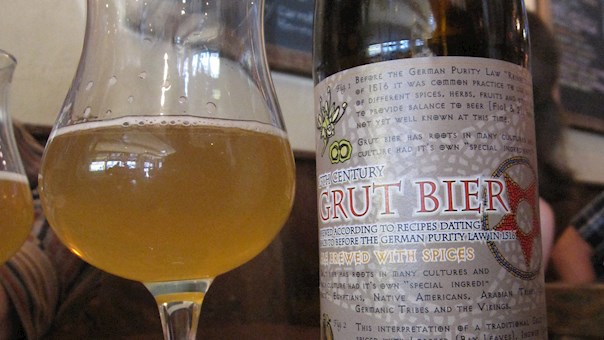
Gruit

2.5 ·
17

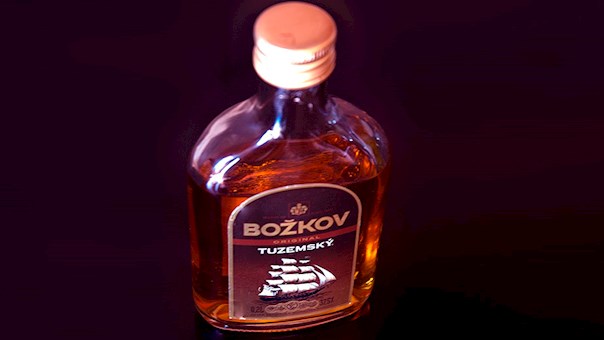
Tuzemák

2.5 ·
18

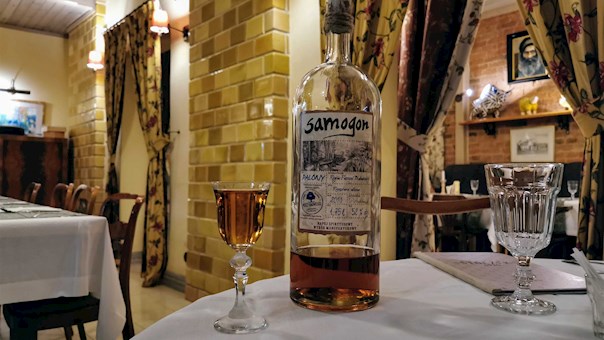
Samogon

2.5 ·
19

Snowball

2.5 ·
20

Catuaba

2.5 ·
About this ranking

TasteAtlas food rankings are based on the ratings of the TasteAtlas audience, with a series of mechanisms that recognize real users and that ignore bot, nationalist or local patriotic ratings, and give additional value to the ratings of users that the system recognizes as knowledgeable. For the “100 Worst Rated Alcoholic Beverages in the World” list until July 16, 2026, 50,349 ratings were recorded, of which 38,318 were recognized by the system as legitimate. TasteAtlas Rankings should not be seen as the final global conclusion about food. Their purpose is to promote excellent local foods, instill pride in traditional dishes, and arouse curiosity about dishes you haven’t tried.

Similar lists