

shutterstock

8 Worst Rated German Alcoholic Mixed Drinks

Last updated on July 16, 2026
01

U-Boot

2.6 ·

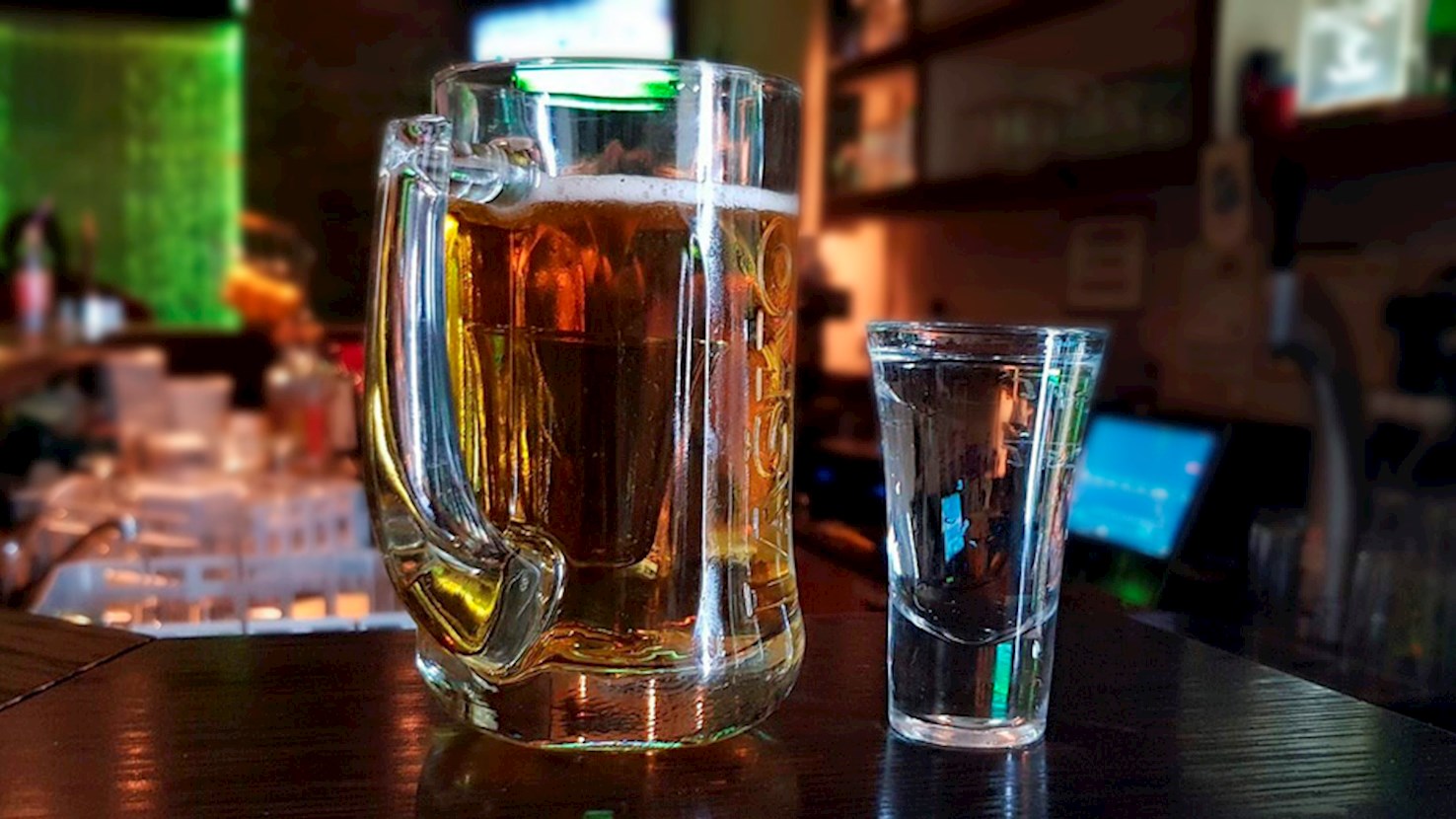
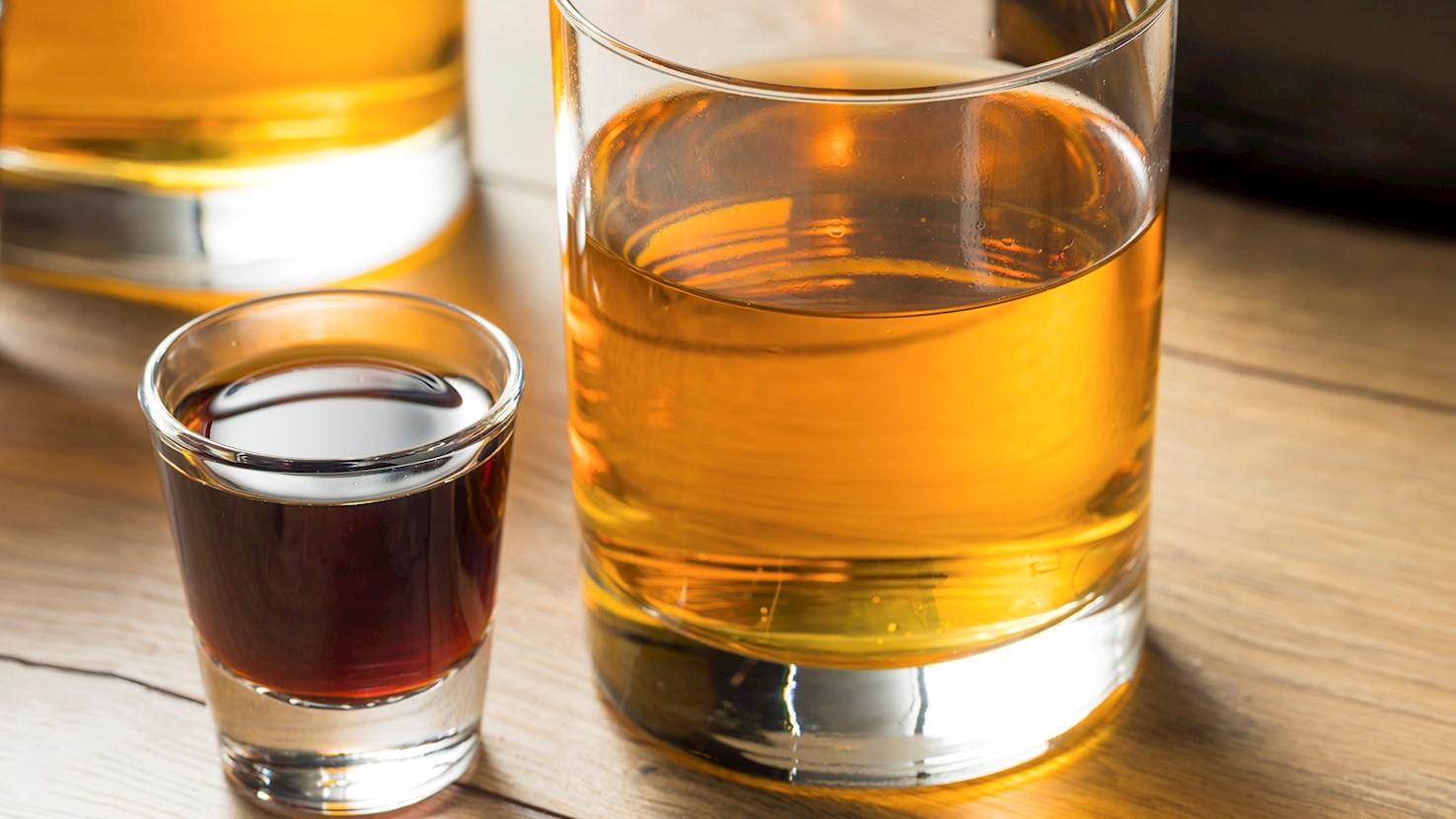
U-Boot is a German cocktail consisting of beer and a shot glass filled with vodka that is sunk into the pint glass. The shot of vodka dropped in beer resembles a submarine, hence the name of the cocktail. There are varieties of U-Boot which are popular in Poland, Netherlands (Duikboot), Macedonia (Podmornica), and Mexico (Submarino).


02

Hüttentee

3.0 ·

Jagertee is a warming combination of rum, black tea, citrus fruit, and winter spices such as cinnamon and cloves. Traditionally, the drink was made with the so-called inländer or domestic rum, which included various flavorings and colorings to imitate the flavor of genuine Caribbean rum. Apart from standard ingredients, the drink often includes fruit brandies, other spirits, and citrus zest. Jagertee is often made at home, but commercial varieties are also available, as well as the pre-made mixture of sugar and spices, which is then added to rum and tea. To prepare the drink, all ingredients are heated in a pot until the concoction simmers. It is then removed from heat and served warm. This wintertime cocktail is mostly associated with Austria and Germany, and it is a popular après-ski drink, used to warm up the people either on the slopes or at home. Because of its name—Jäger translates as hunter—many believe that the hunters were first to come up with the combination of tea, rum, and spices.

03

Glühbier

3.0 ·

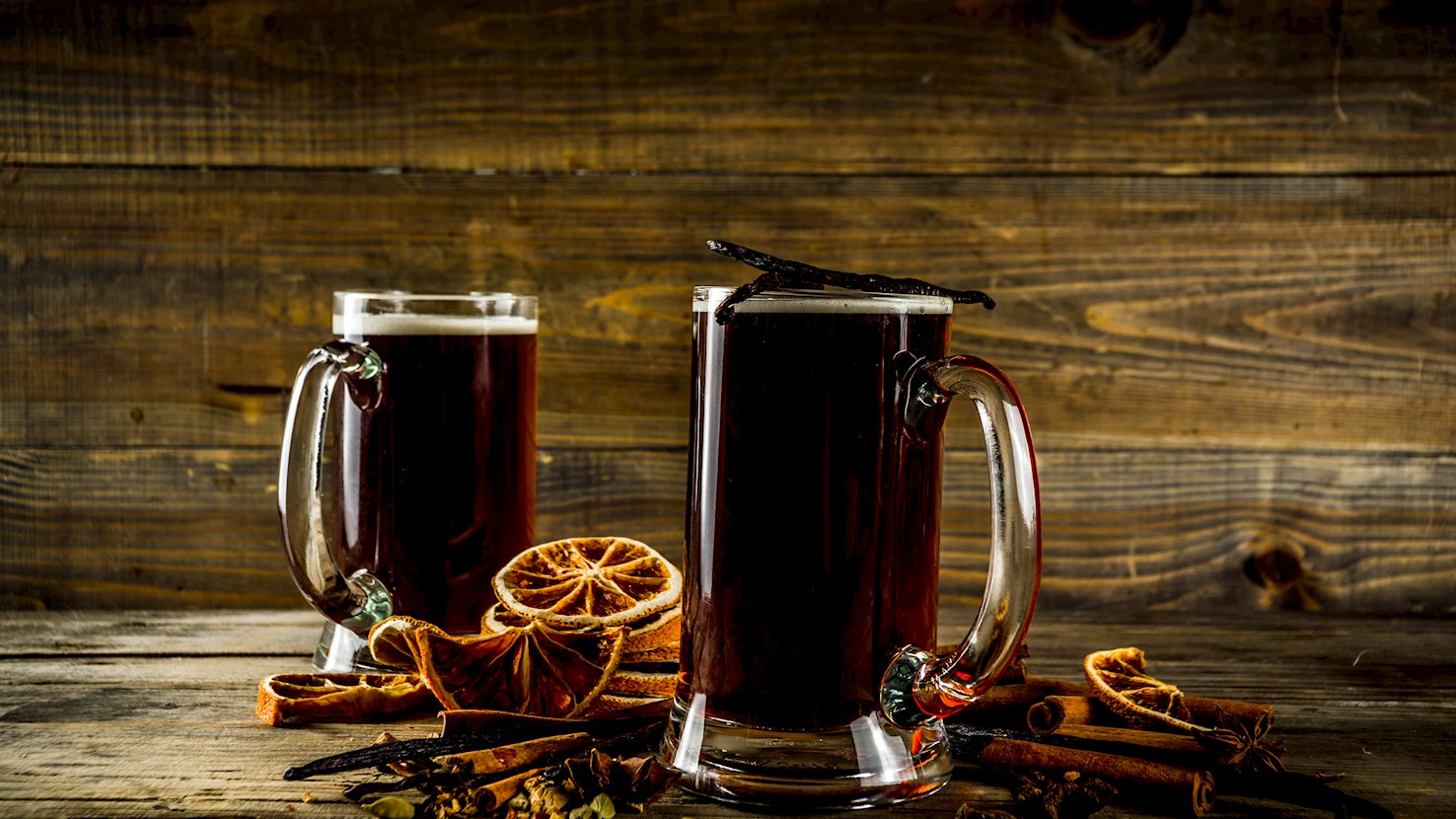
Glühbier is a German version of mulled beer. This warming, wintertime drink is typically made with some type of dark and malty beer such as Bock or Doppelbock. The base is then heated (but never boiled) before other ingredients are added. The most common additions include cinnamon, cloves, star anise, nutmeg, sugar, and usually some type of fruit juice and often a shot of some strong spirit such as rum or brandy. Although not as popular as mulled wine, this warm drink is commonly found on Central European Christmas markets, though it is still mostly associated with Germany.

04

Swimming Pool

3.2 ·

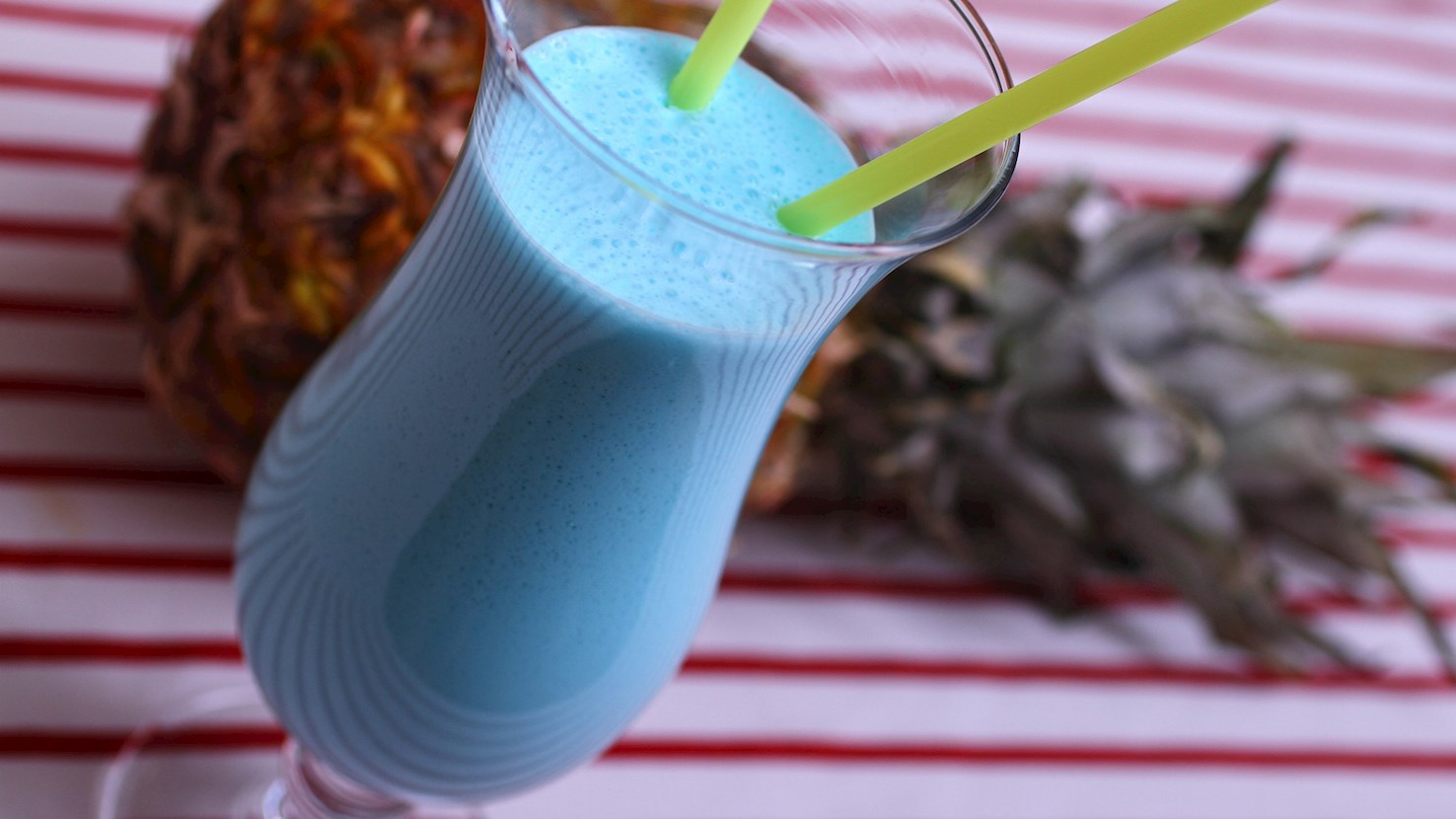
Swimming Pool is a German cocktail that is similar to Piña Colada. The cocktail combines equal parts vodka and white rum, pineapple juice, heavy cream, coconut cream, and blue Curaçao. To prepare the cocktail, all the ingredients except blue Curaçao are shaken with ice, and the mix is then poured into a glass filled with fresh crushed ice. Some versions are also blended with ice. A splash of blue Curaçao is added last, and it should only partially color the drink. Lastly, it is garnished with a pineapple wedge. Swimming Pool was created by a German bartender Charles Schumann. He probably invented it at the American Bar in Munich, and it most likely originated in the 1970s. The name of the drink is a reference to its blue color attained from blue Curaçao.

05

Jägerbomb

3.3 ·

Jägerbomb is a German mixed drink that was originally made by dropping a shot of Jägermeister into a glass of beer, but the drink has evolved, and today it is usually prepared by combining Red Bull energy drink and a shot of Jägermeister. When mixed with Red Bull, due to the effect of caffeine in the drink, there have been many reports of hospitalized people after excessive consumption of modern Jägerbombs. Nowadays, there are a few more variations on the drink, such as the Jäger-Train, the Jäger-Ring, Turbo Jägerbomb, and Atomic Jägerbomb.

06

Feuerzangenbowle

3.5 ·

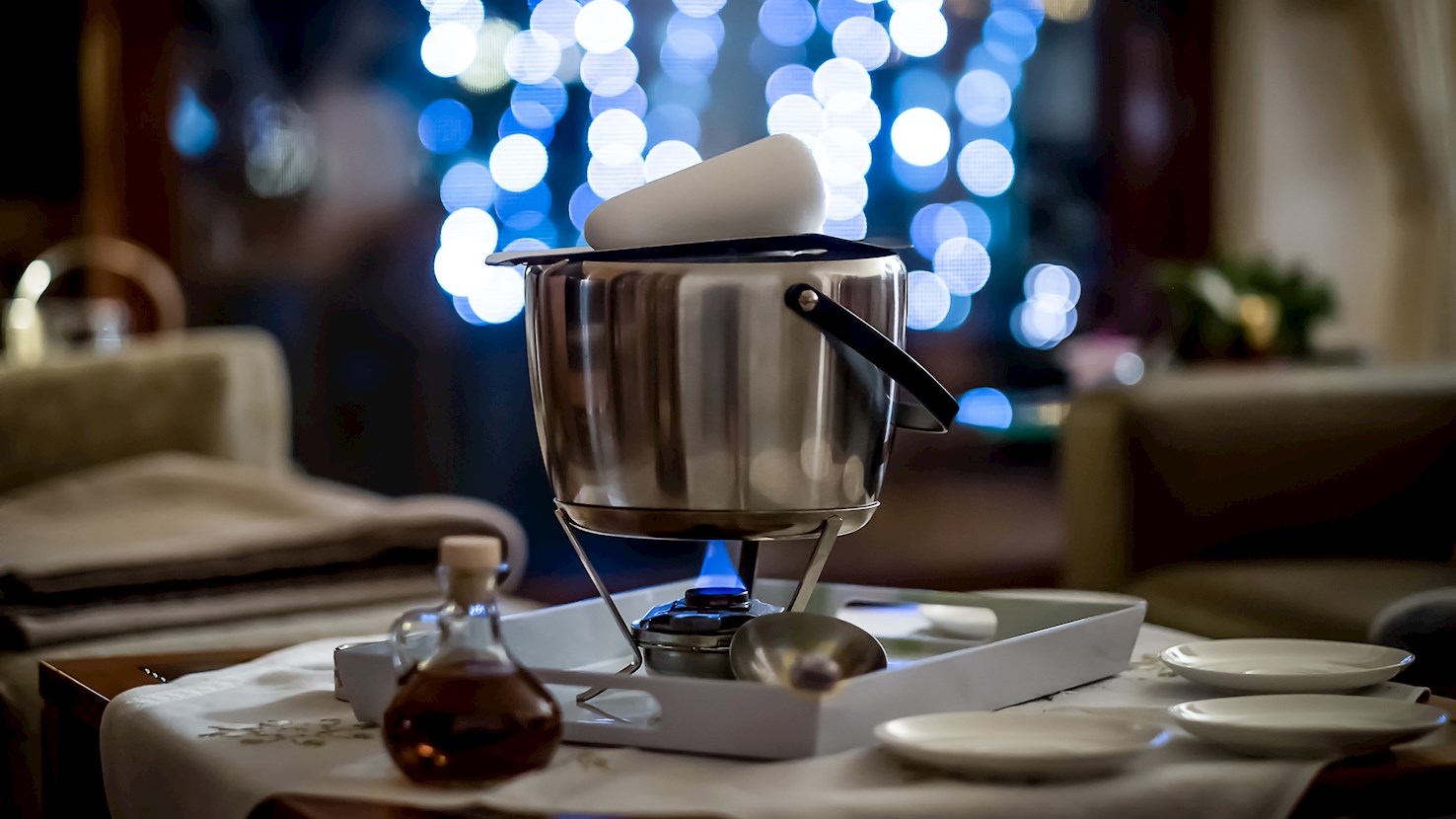
Feuerzangenbowle is a traditional Christmas beverage in which rum-soaked sugarloaf (zuckerhut) is suspended over a bowl of mulled wine (glühwein). The sugar is placed on a metal grate and is then lit on fire, slowly melting and dripping into mulled wine. The wine is usually made in a special clay or glass vessel similar to a fondue bowl and placed over a small burner. The sugarloaf has to be soaked in overproof rum (a type of rum that contains more than 50 percent alcohol by volume) so that it could be set on fire. As the sugar drips in the wine, it gives it a sweeter and somewhat caramelized flavor. Feuerzangenbowle is traditionally served at German Christmas markets. It became popular after the 1944 comedy Die Feuerzangenbowle.

07

Gin Basil Smash

3.7 ·

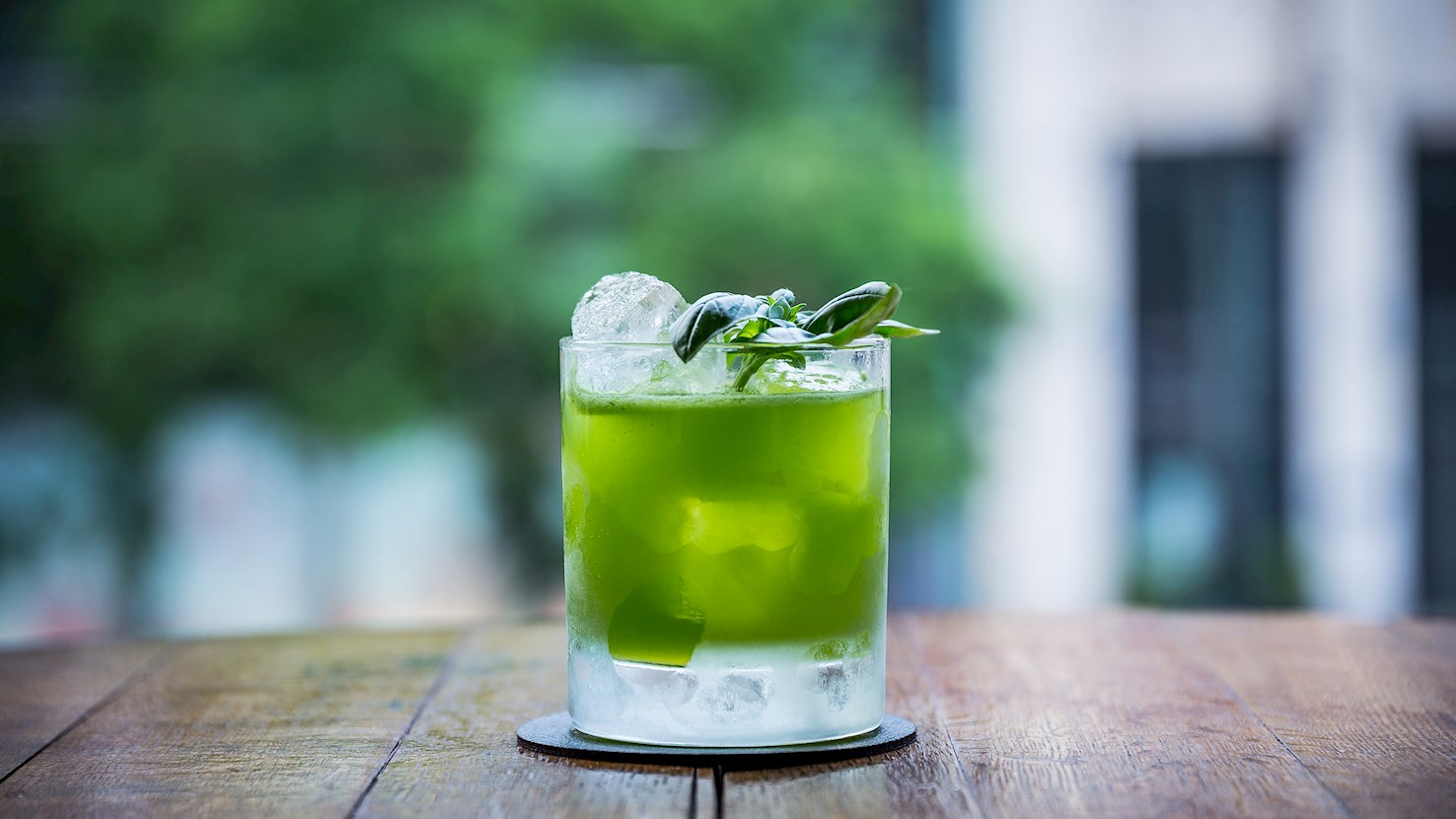
Gin Basil Smash is a contemporary classic created in 2008 by Jörg Meyer at Le Lion in Hamburg. The cocktail combines gin, basil, lemon juice, and simple syrup. To make the cocktail, basil is first muddled with lemon juice and simple syrup in a shaker. Next, gin and ice are added to the shaker, and the combination is shaken until chilled. The cocktail is then strained into an old-fashioned glass filled with fresh ice and garnished with a basil sprig. Gin Basil Smash was inspired by Dale DeGroff's Whiskey Smash, the whiskey-based cocktail from The Bartenders Guide. Meyer originally named his creation Gin Pesto, and as the drink became popular, it earned its now more popular name.

08

Glühwein

3.9 ·

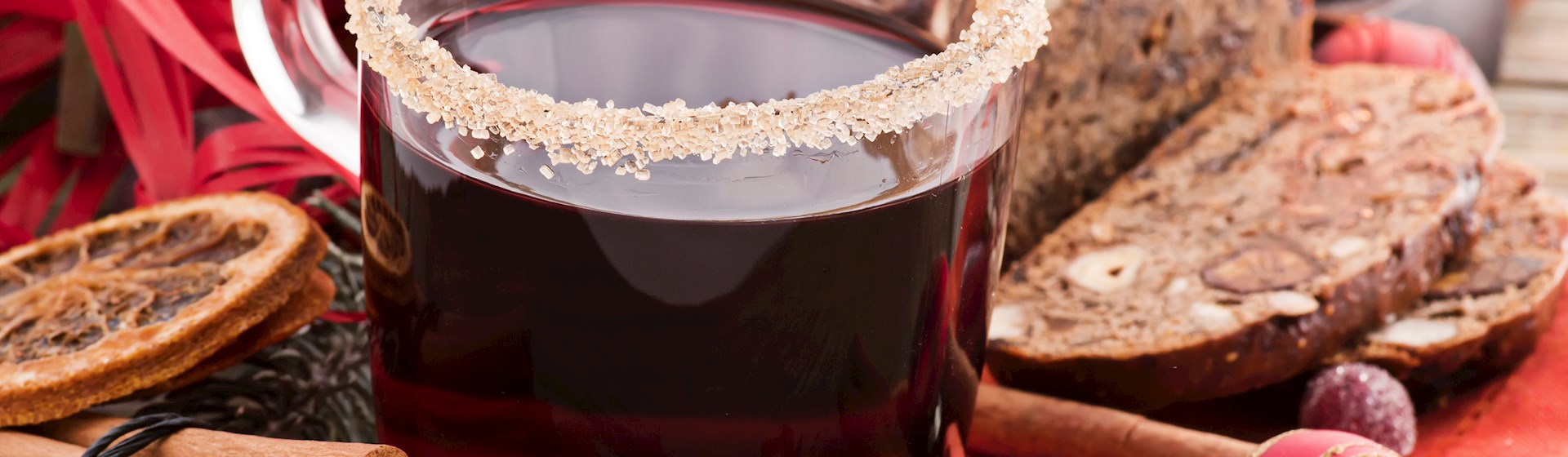
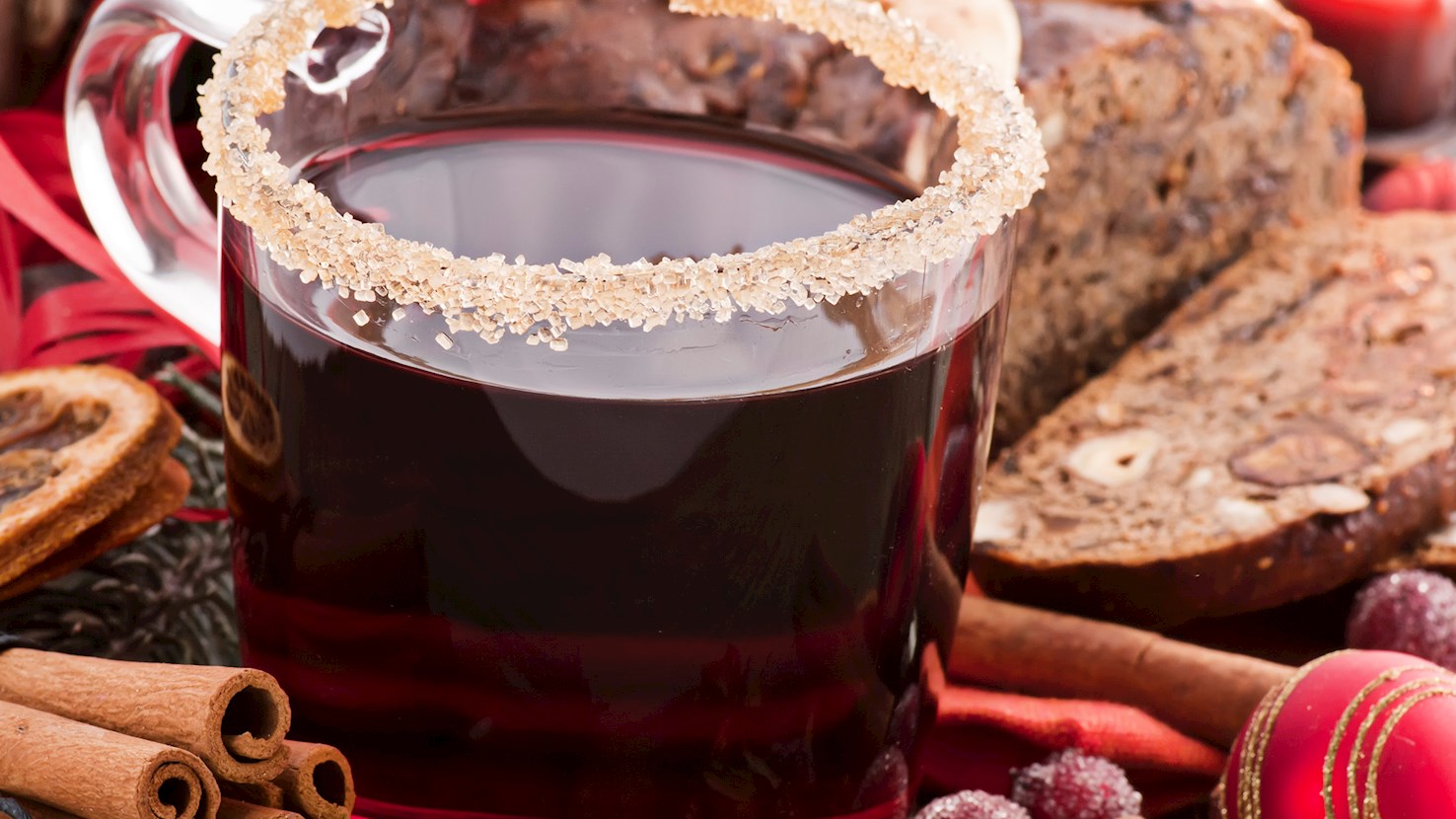
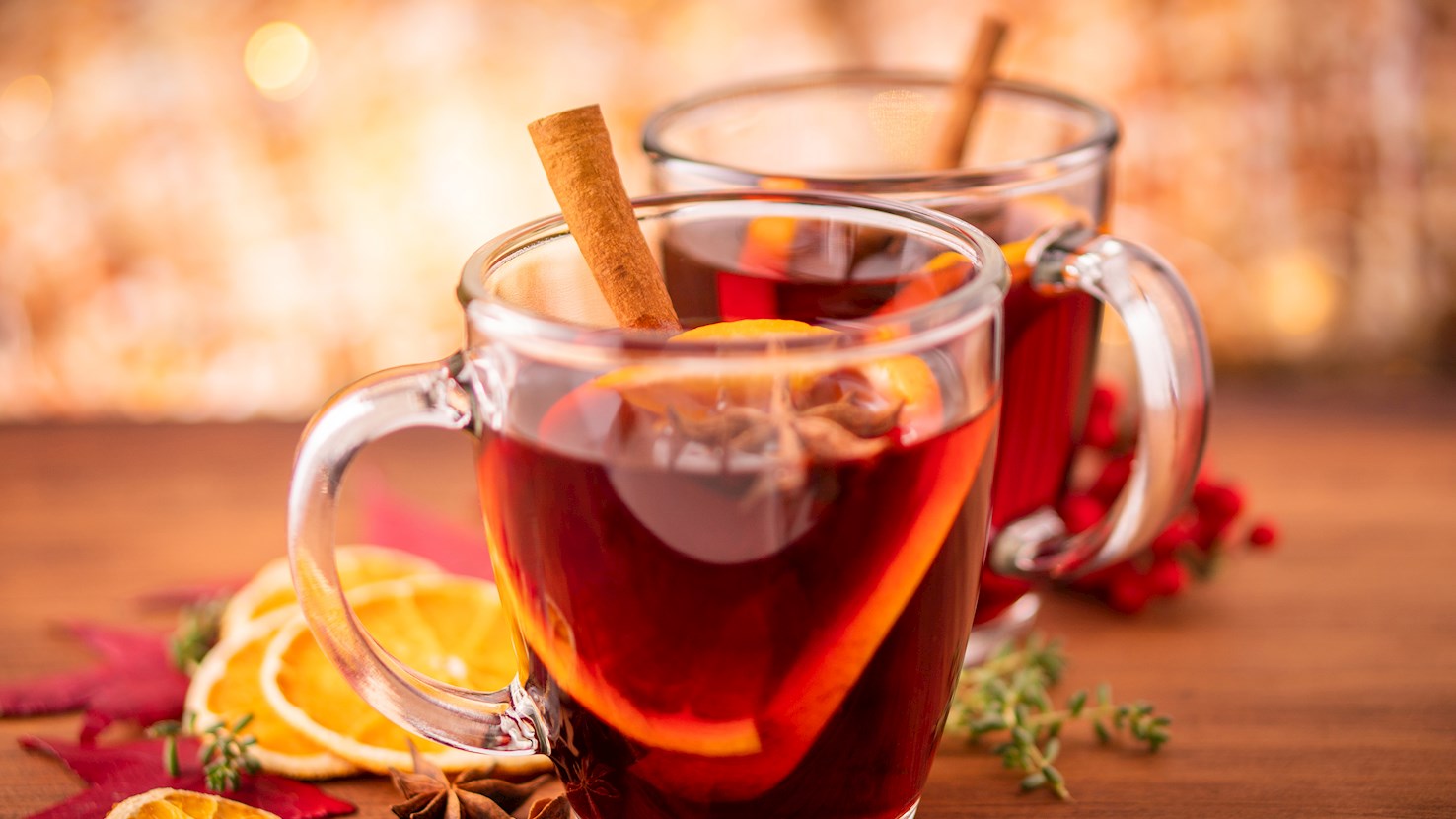
Glühwein is a type of mulled wine enjoyed in Germany, Austria, and Switzerland. It is a staple at Christmas markets and is often enjoyed as an après-ski drink. This German version is a classic, combining red wine, citrus zest, and spices such as anise, cinnamon, and cloves. It is usually sweetened to taste. The ingredients are mixed and heated and should never be boiled. Variations sometimes use white instead of red wine, and some versions come with a liquor shot (mit Schuss). First bottled versions of German mulled wine appeared in Augsburg in the 1950s, and often these pre-sweetened and pre-spiced versions are reheated and served at Glühwein stands. One of the most interesting variations of the drink is called Feuerzangenbowle. It is made with a rum-soaked sugarloaf that is suspended over mulled wine and set on fire. The sugar then melts and slowly drips into the wine.

Read more
View all
View map
About this ranking

TasteAtlas food rankings are based on the ratings of the TasteAtlas audience, with a series of mechanisms that recognize real users and that ignore bot, nationalist or local patriotic ratings, and give additional value to the ratings of users that the system recognizes as knowledgeable. For the “8 Worst Rated German Alcoholic Mixed Drinks” list until July 16, 2026, 466 ratings were recorded, of which 427 were recognized by the system as legitimate. TasteAtlas Rankings should not be seen as the final global conclusion about food. Their purpose is to promote excellent local foods, instill pride in traditional dishes, and arouse curiosity about dishes you haven’t tried.

Similar lists