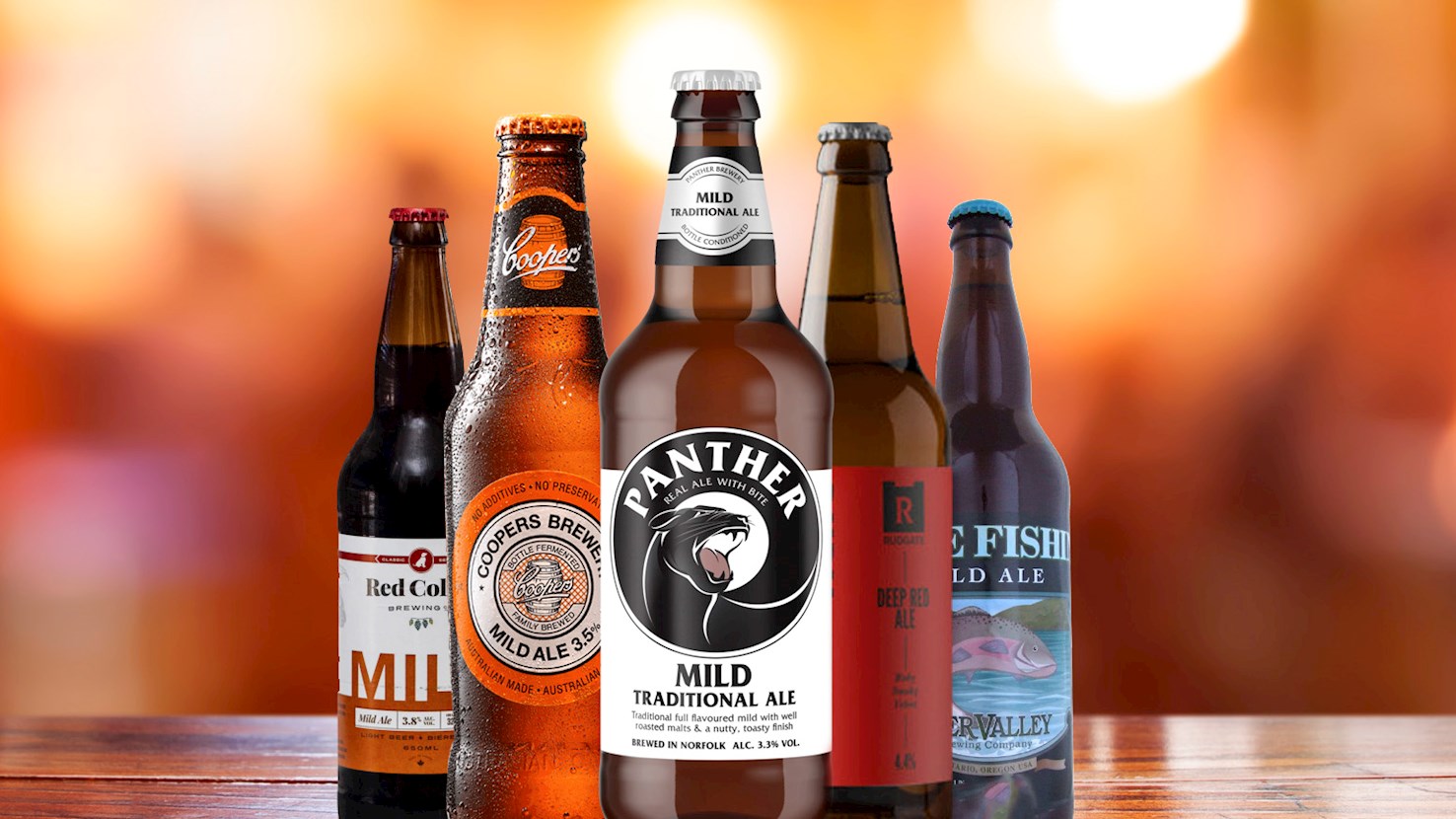
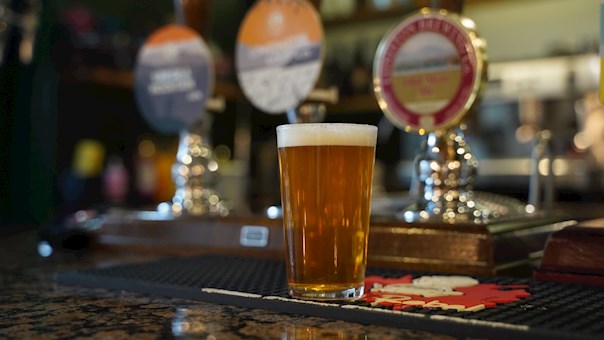
Mild ale is a British beer style that probably originated sometime in the 19th century. It comes as a traditional dark mild variety or as a less common lighter-colored version. The most distinctive feature of mild ale is its low hop bitterness, and it traditionally has a very low alcohol content that can vary from 3.0 to 5%. Mild ale has seen several reincarnations throughout the 20th century to achieve its current malt-forward character and low strength. Following the Second World War, the sales and the production of mild ale plummeted. It is still produced, but usually in low quantities.
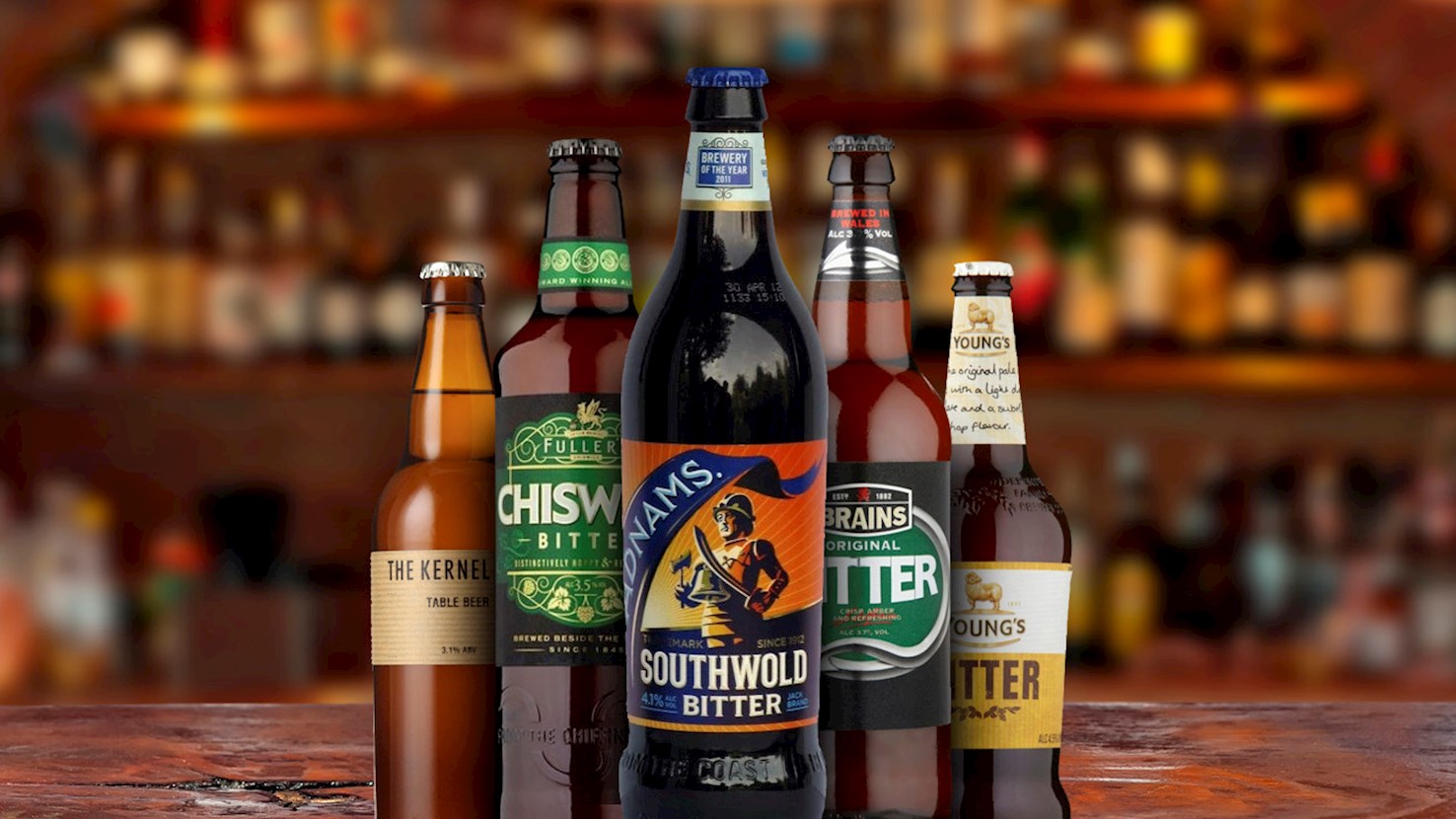
Ordinary bitter is a beer style with low carbonation and low alcohol levels. It is an easy-drinking and approachable style with gold to copper color and light to medium body. Among the bitter group, it is a version with the lowest alcohol content, typically falling between 3.2% and 3.8% ABV. Ordinary bitter has a good balance of malt sweetness and hop bitterness, and neither should be overpowering. Malt aroma often has caramel-like qualities, and most ordinary bitters will have bready, toasty, and biscuity notes, along with moderate fruitiness. These classic British brews would pair well with roasted poultry, British pub food, and cheese.
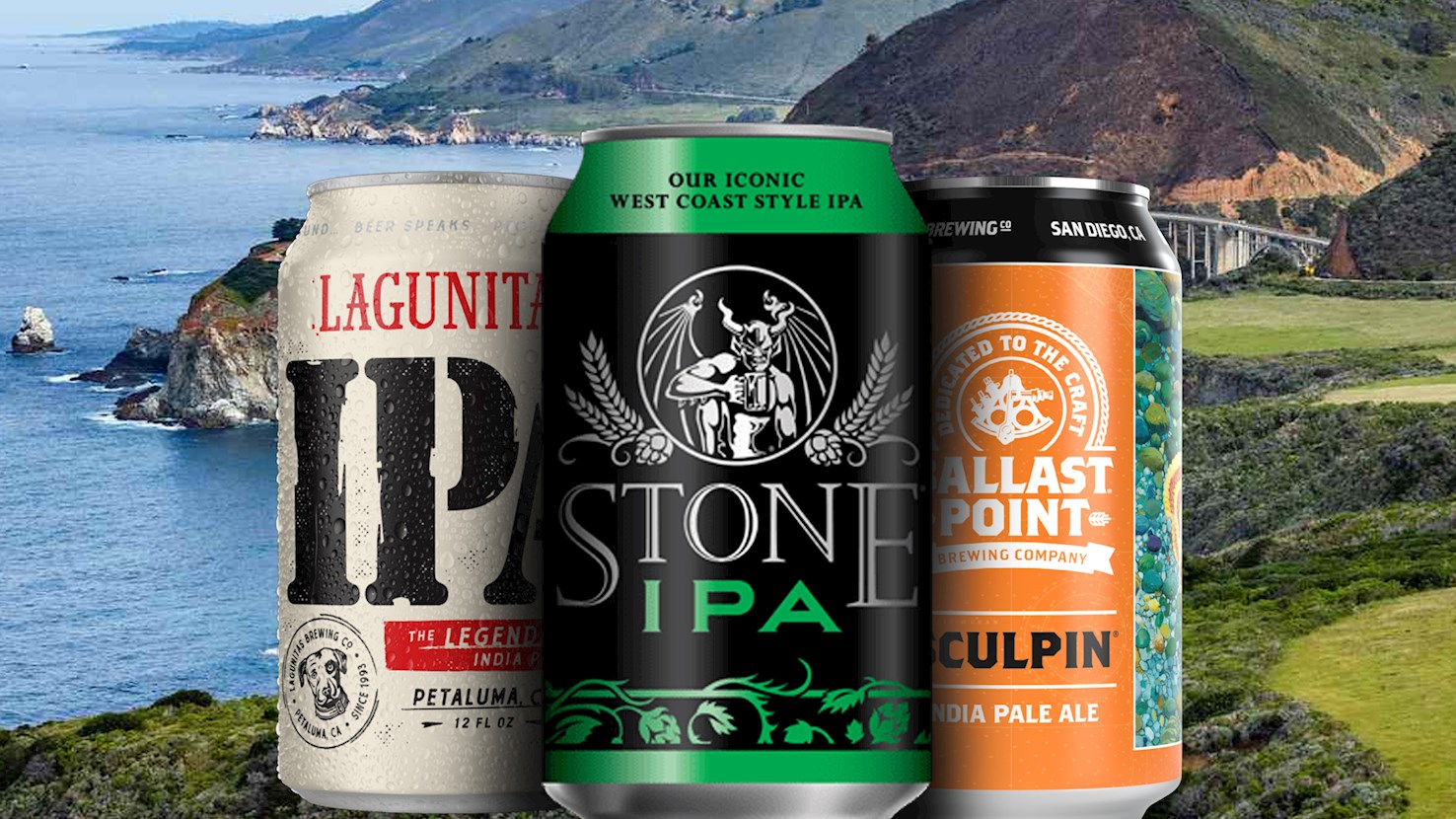
West Coast India Pale Ale is a style of craft beer that originated on the western coast of the United States, particularly in California, and has become a defining expression of American hop-forward brewing. Characterized by its clear appearance, crisp bitterness, and pronounced piney, resinous, and citrus hop aromas, this IPA style contrasts with other regional variations by emphasizing hop bitterness and dry finish rather than malt sweetness. The beer typically showcases American hop varieties such as Cascade, Centennial, and Chinook, which contribute to its distinctive bold flavor profile. The emergence of West Coast IPA dates back to the craft beer boom of the late 20th century when brewers in the Pacific Northwest and California sought to differentiate their offerings by maximizing hop character. Inspired by the English India Pale Ale but adapted to American ingredients and tastes, West Coast IPAs pushed the boundaries of bitterness and aroma, creating a clean and assertive beer that quickly gained popularity among beer enthusiasts. The style’s rise coincided with the increasing availability of American hops and the desire for beers that could stand out in a growing and competitive craft beer market. In brewing West Coast IPA, a focus is placed on multiple hop additions throughout the brewing process, including late boil, whirlpool, and dry hopping, to layer bitterness and aromatic qualities. The malt base is generally lighter and less sweet than other IPA styles, often using pale malt and minimal specialty grains to maintain a dry, crisp finish. Yeast strains that ferment cleanly and highlight hop character are preferred. The beer is usually served in a tulip or shaker glass to concentrate the aroma, best enjoyed chilled to balance its bold flavors with refreshing qualities. West Coast IPA is widely appreciated in craft beer bars, festivals, and among homebrewers, where its assertive hop profile pairs well with spicy foods, grilled meats, and rich cheeses. Its presence in the beer world reflects both a regional identity and an innovative spirit, influencing numerous brewers globally to experiment with hops and bitterness. The style remains a benchmark for American IPA and a popular choice for those seeking a bold, flavorful, and refreshing beer experience.
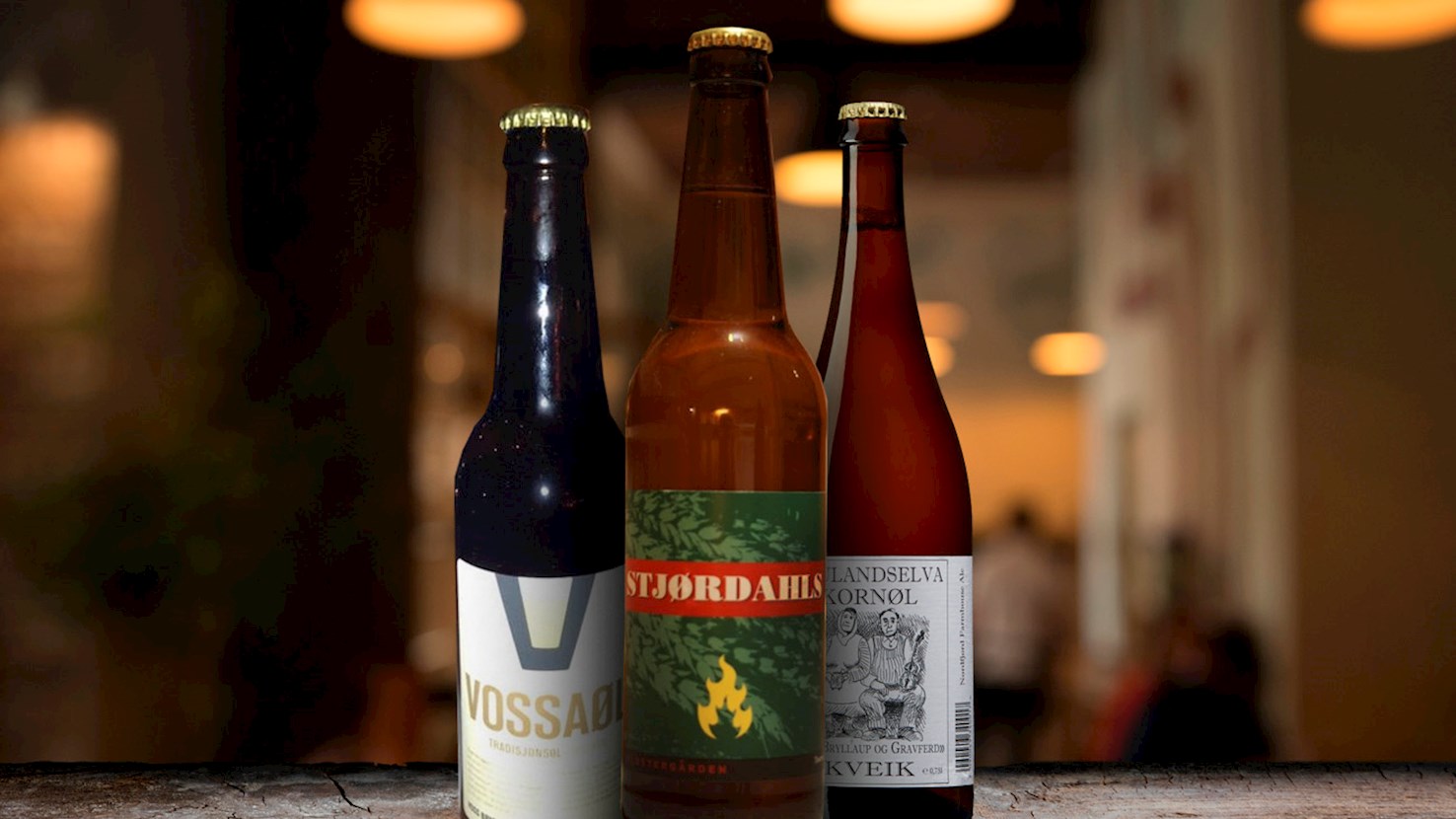
Norwegian farmhouse ale is an example of a traditional farmhouse ale—a versatile style brewed by European farmers. These beers were designed for local consumption. In Norway, they are known as maltøl, which would literally translate as malt beer. Norwegian brewing tradition is ancient, and though it has changed over time, it retained some of its unique characteristics. The entire category of farmhouse ales is incredibly versatile. The character depends on the region, brewer’s preferences, and style. Although the tradition has mainly disappeared, farmhouse ales are still brewed in several Norwegian regions, and are available in several different styles. The most popular is Stjørdalsøl, which comes from Stjørdal, the area with the highest number of traditional breweries. The beer is dark and has a smoky character. Vossaøl is clear and fruity, often flavored with juniper, while Kornøl is pale and hazy and commonly juniper-flavored.
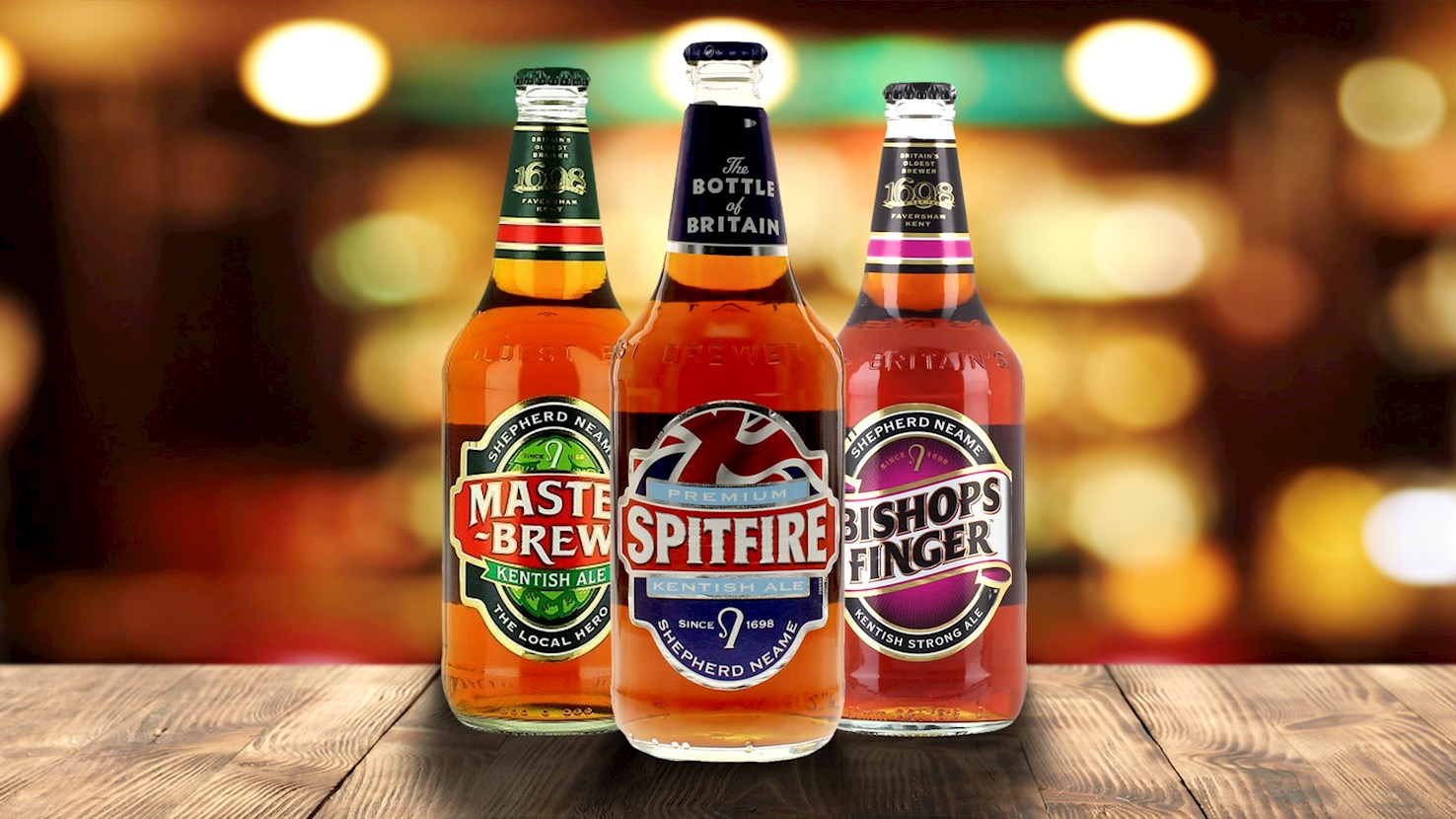
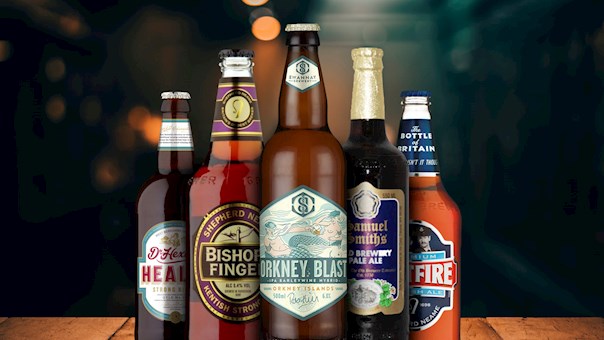
Kentish ale is a local English brew that is exclusively produced in the County of Kent. It has been produced since 1698 at the Shepherd Neame Brewery—the oldest brewery in the UK. Kentish ale is made with locally grown hops, Kentish Ale strain of yeast, and with water that is sourced from the artesian well, which is located under the brewery. The beer comes as the regular Kentish ale with the alcohol content that ranges from 3.5% to 4.8% ABV, and as a Kentish strong ale with the alcohol content from 4.8% to 7% ABV. These amber and brown colored beers are fruity and bitter with distinctive hoppy and toffee aromas. Kentish ale can be enjoyed with fish and chips, cheese, pies, and roasts.
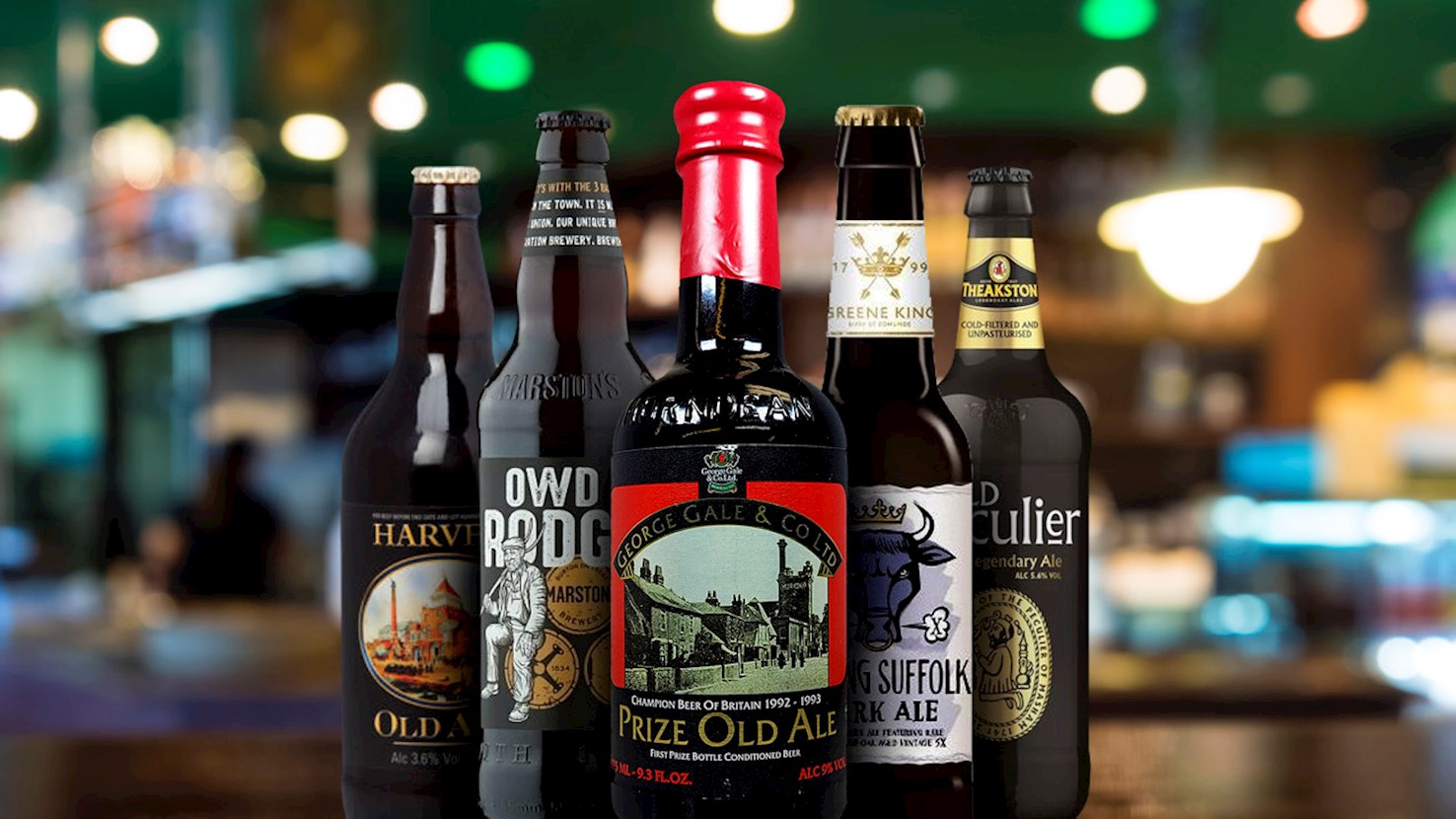
Old ale is a dark and malty English strong ale. These beers were initially aged in wooden casks, and they usually had a yellow-brown color, firm body, slight carbonation, and mellow flavor. Hop character was not present. Modern interpretations can be amber or brown, and their dominant trait is a firm malt backbone. The aroma and the flavor are reminiscent of caramel, nuts, molasses, and dried fruit. Some versions may have roasted or chocolate nuances. Alcohol content typically ranges from 6 to 9%, and they usually have little or moderate carbonation. Old ales are often compared with barley wines, and though the styles often overlap and the line is somewhat blurred, old ales will usually have less alcohol and less prominent hops. Old ales are sipping beers, but they can also pair nicely with pork, beef, game, or lamb. They even work well with cheese and desserts.
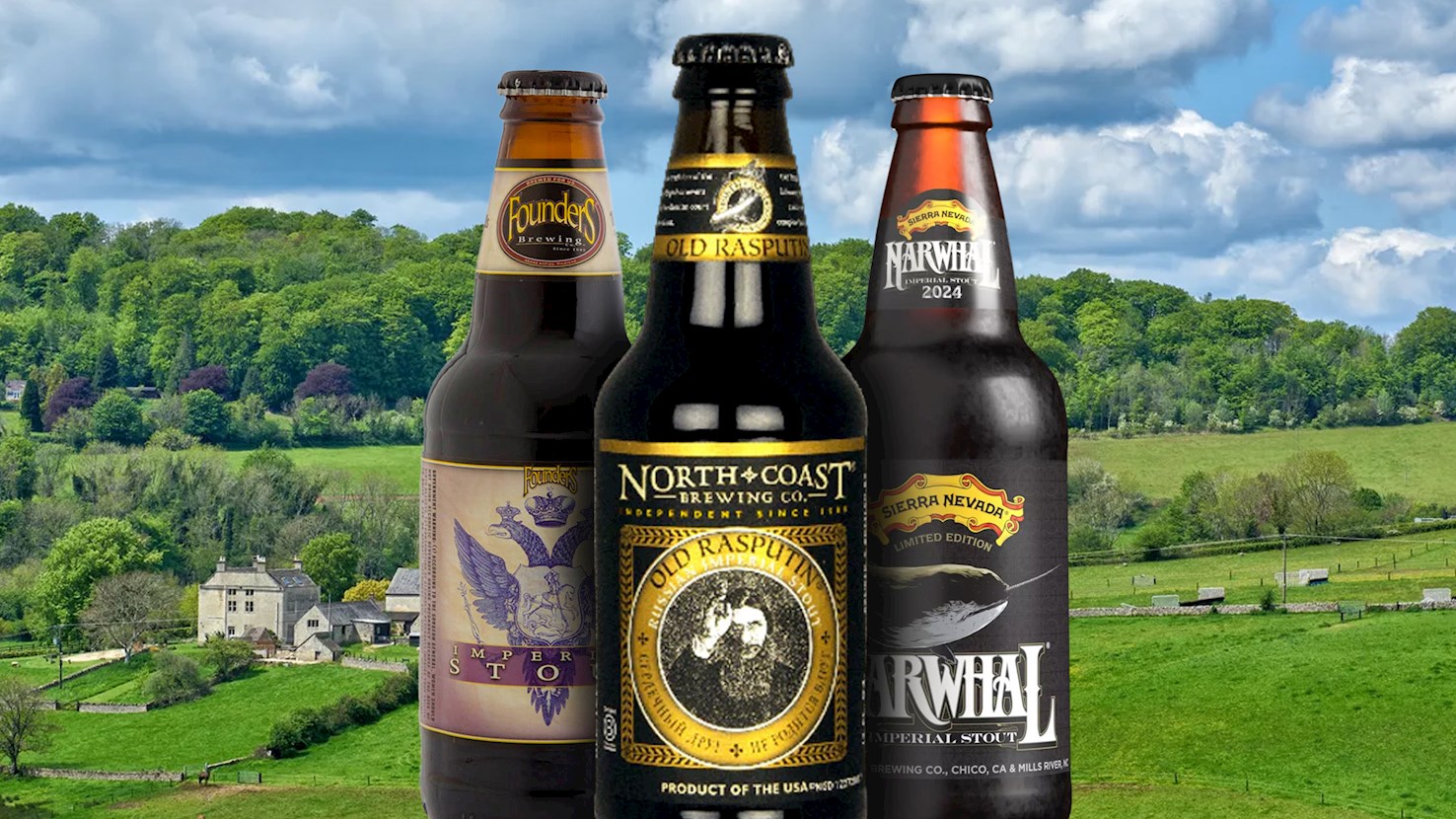
Russian Imperial Stout is a dark, robust beer style that originated in England during the 18th century, crafted specifically for export to the Russian Imperial Court. Known for its high alcohol content, intense roasted malt flavors, and full body, this stout was designed to withstand long journeys and harsh climates while appealing to the refined tastes of Russian nobility. The beer is characterized by deep, complex flavors including notes of chocolate, coffee, dark fruits, and caramel, balanced by a firm bitterness and warming finish. Its historical connection to the Russian Empire lends the style a distinguished reputation among beer enthusiasts worldwide. The origins of Russian Imperial Stout date back to British brewers seeking to supply the Russian aristocracy with a stout that could endure the rigors of transportation over long distances and remain fresh upon arrival. The elevated alcohol content and concentrated malt profile were functional as preservatives, while also catering to the preferences of a market that favored bold, warming beverages. Over time, the style evolved, and many breweries began producing versions inspired by the original, adapting recipes to modern tastes and brewing techniques while maintaining the signature richness and strength. The style experienced a resurgence in the craft beer movement, with brewers experimenting with barrel aging and adjuncts to add new dimensions to its profile. Preparation of Russian Imperial Stout involves the use of large quantities of roasted malts and often specialty grains to achieve its dark color and complex flavor profile. The brewing process is longer and more involved than lighter beers, with extended fermentation and maturation periods that allow flavors to meld and mellow. Some brewers employ barrel aging, using barrels that previously held whiskey, bourbon, or wine, to introduce subtle nuances and enhance the beer’s depth. The final product is typically served in smaller portions due to its strength, poured into glassware that concentrates aromas and showcases its dark, opaque appearance. Russian Imperial Stout is enjoyed primarily in colder climates or seasons, often savored slowly in intimate settings such as pubs, tasting rooms, and private gatherings. It pairs well with rich foods like roasted meats, stews, and chocolate desserts, complementing their flavors with its roasted bitterness and sweetness.
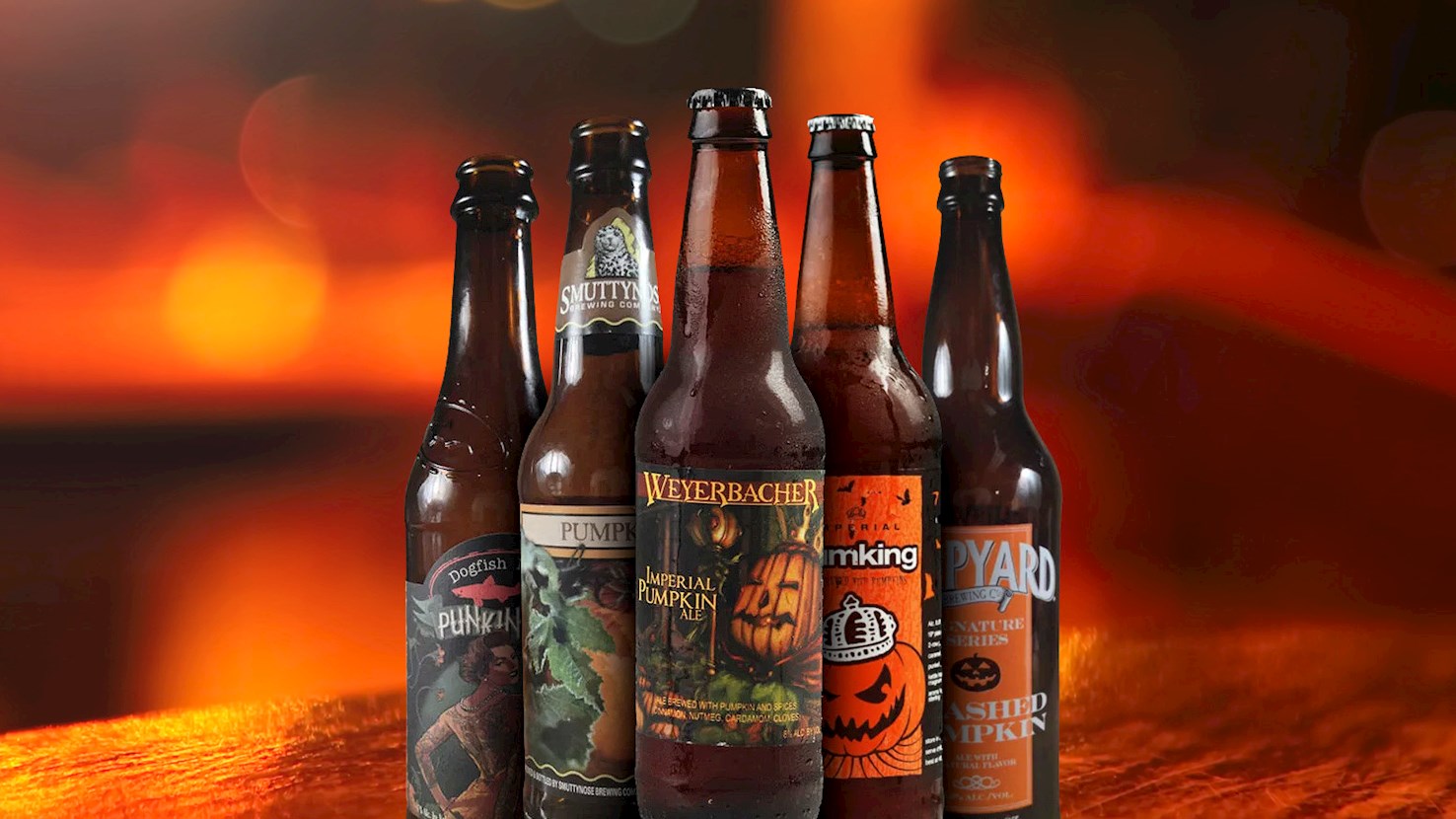
Pumpkin beer has a long history in the United States that goes back to colonial brewing, but its modern interpretation is believed to have first appeared in the 1980s, while the first commercial batch came from Buffalo Bill’s Brewery in Hayward, California. In its basic form, pumpkin beer is made with fresh, frozen, or pureed pumpkins that are fermented with malted grains. However, many producers do not even include pumpkin but opt for pumpkin-spice flavorings and spices such as cinnamon, allspice, cloves, or nutmeg. Because pumpkin cannot provide much flavor, this spice blend is mostly responsible for the distinctive character of these beers. They come in several styles, though ales are the most popular option. Although versatile, many examples feature notes of caramel and warming spices. Most pumpkin beers are released as a seasonal label, and they usually pair well with seasonal dishes, cheese, and some desserts.
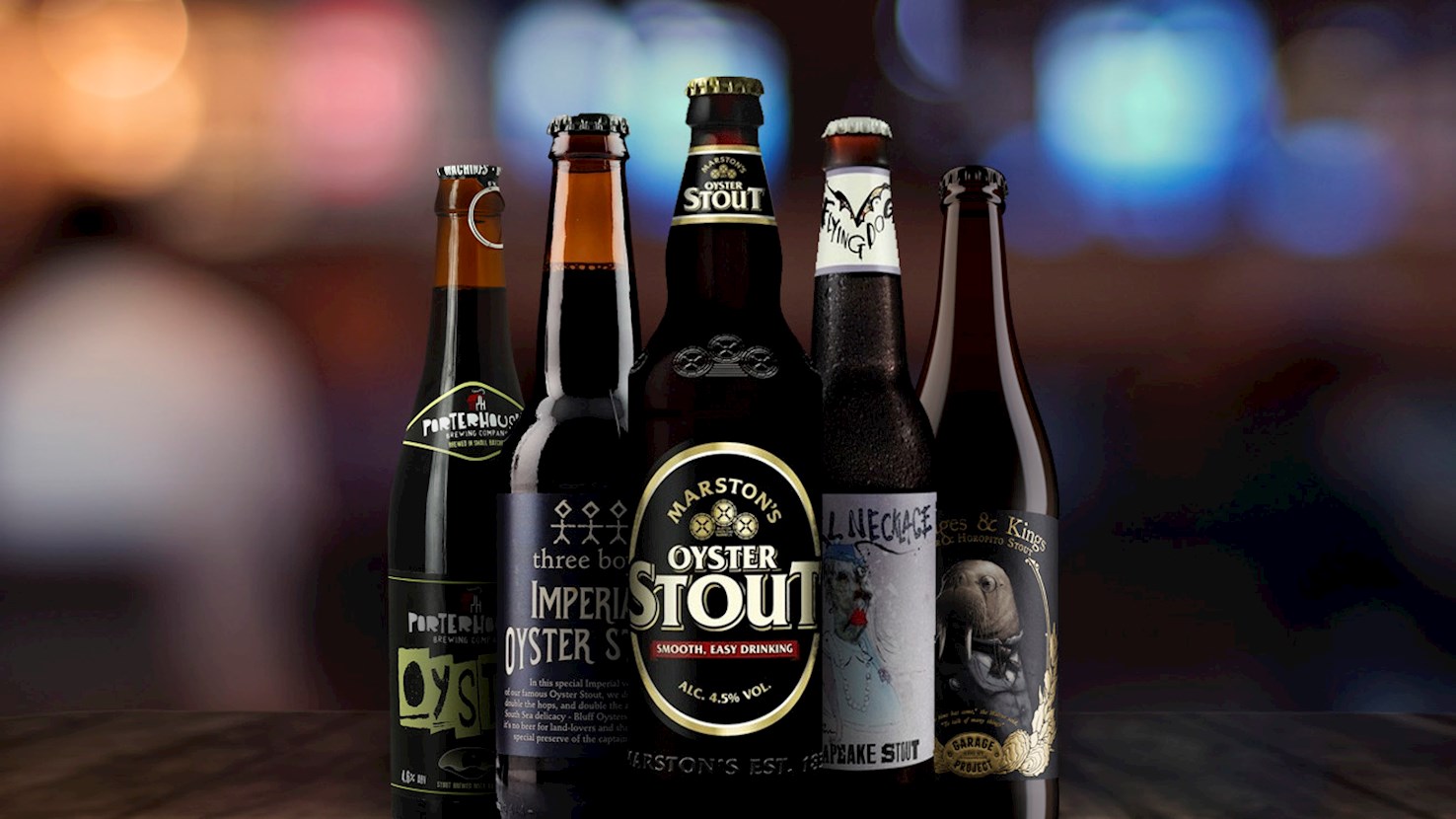
Oyster stout is a stout style brewed with oyster shells. It is not clear how it originated, but it is possible that the oysters were primarily used to clarify and improve clarity—the shells were used to help clear the impurities. Oyster stout is often classified as a sweet (milk) stout, but many consider it a separate category. Nowadays, it is mainly brewed with whole oysters. The examples are dark, smooth, and richly flavored. They often have bitter-sweet flavor, with mineral and saline character and the usual roasty notes reminiscent of cocoa and caramel. If the beer is made only with shells, it will have more subtle briny notes. Although it is unclear how and when oysters were first added during brewing, oysters and stout have a long history in the British Isles. The pubs often offered oysters on the shell, and guests would usually pair them with their favorite brew, which was often stout. This style is still rare, and it is produced only by craft breweries.
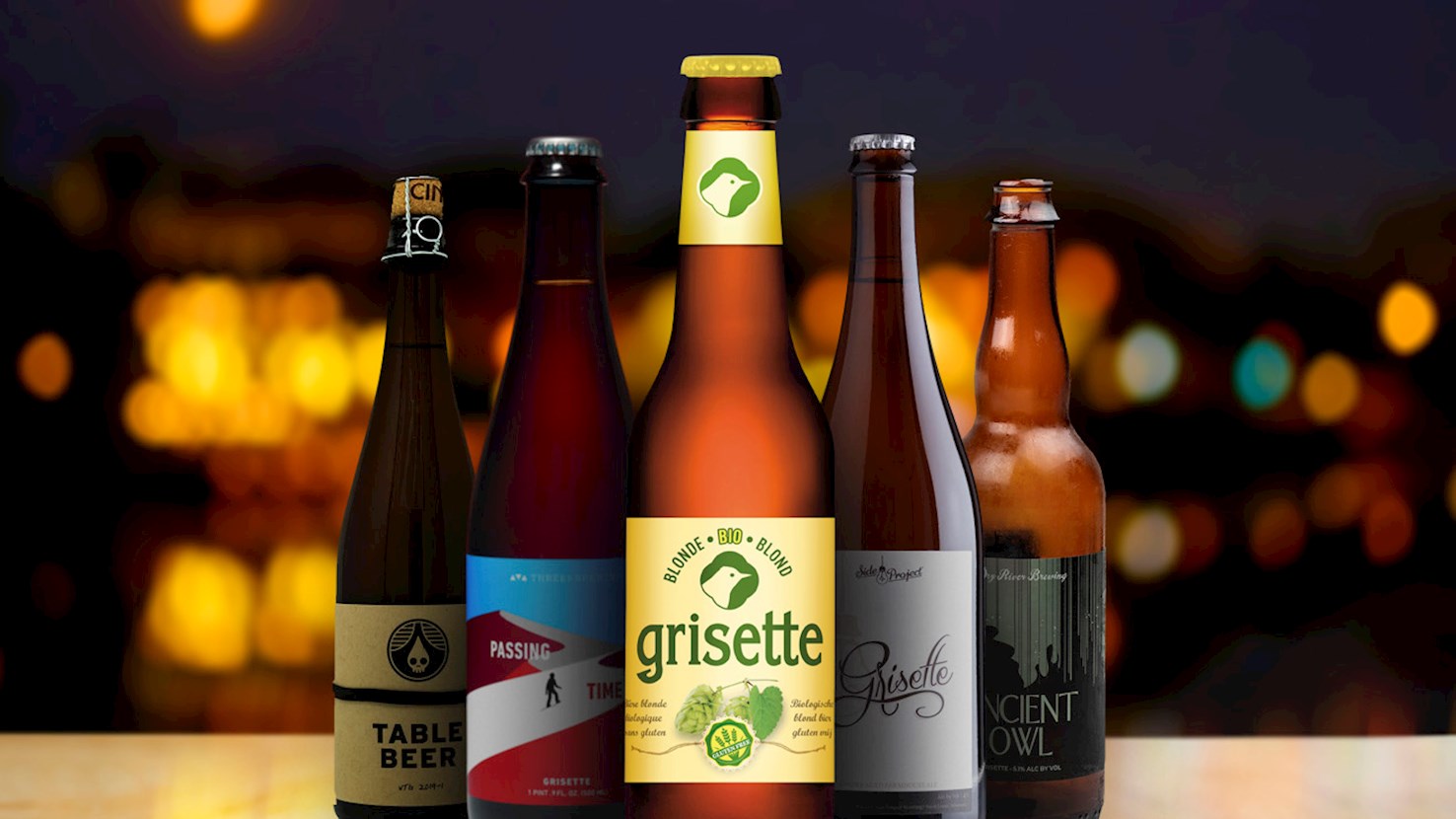
Grisette is a beer style that hails from Hainaut province in Belgium. Often compared to saison—the preferred choice among Belgian farmers—grisette was a farmhouse ale developed to satisfy the needs of the local miners. By 1960, the style disappeared, and its revival was not as big as with saison. The style was not well documented, so the exact characteristics of the original are difficult to pinpoint. The beer was most likely a refreshing and hop-forward pale ale that varied in color and strength. Modern interpretations of grisette were introduced in the 1990s, and since there was no specific historical framework, they tend to vary in character. They can be described as light, approachable, refreshing, and moderately hoppy, with low alcohol content, typically around 4% ABV. They usually have a dry finish, while some may have spicy, fruity, or funky character. It is not clear what is the origin of the name. Grisette can be translated as little gray, and while some theories claim the name was inspired by the ladies who wore gray aprons and served grisette, some suggest that it was a reference to the gray dust that the miners were covered at the end of the day.
TasteAtlas food rankings are based on the ratings of the TasteAtlas audience, with a series of mechanisms that recognize real users and that ignore bot,
nationalist or local patriotic ratings, and give additional value to the ratings of users that the system recognizes as knowledgeable.
For the “59 Worst Rated Ales in the World” list until June 16, 2026, 3,881 ratings were recorded, of which 3,613 were recognized by the system as legitimate.
TasteAtlas Rankings should not be seen as the final global conclusion about food. Their purpose is to promote excellent local foods,
instill pride in traditional dishes, and arouse curiosity about dishes you haven’t tried.