

shutterstock

6 Worst Rated American Beef Cuts
in the World

Last updated on June 16, 2026
01

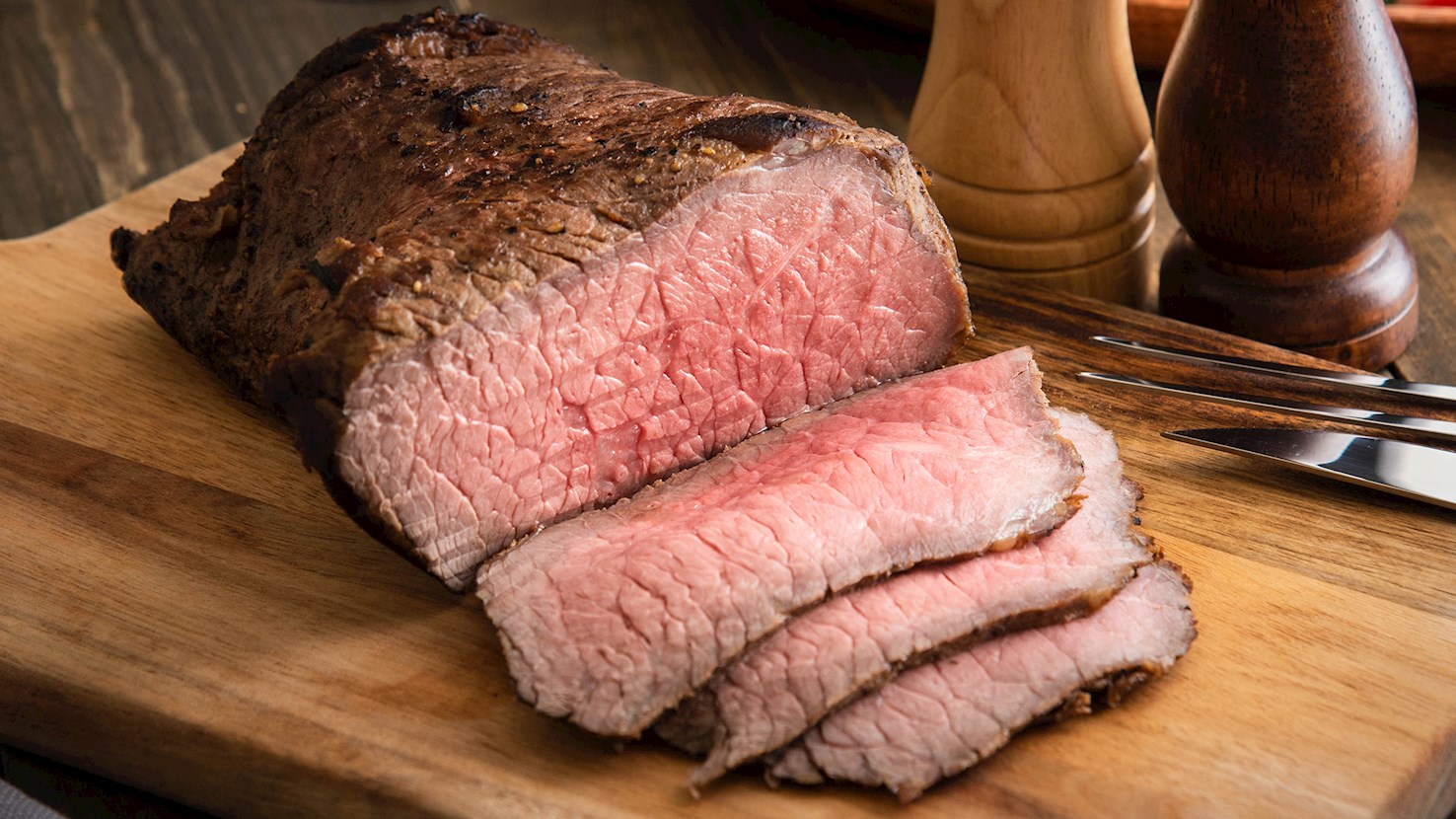
Beef round

3.2 ·

In the American system of primal beef cuts, the round is the term used to describe the hindmost part of the cow. The round is made up of the rump and the hind legs, and it's a lean, somewhat tough cut because the leg and rump muscles are used for movement. Despite its toughness, the round can yield some versatile cuts that are more affordable than the tender cuts from the front part of the animal. Here are a few specific cuts that come from the round. Like other tougher cuts of beef, the cuts from the round are often slow-cooked or braised to break down the connective tissue, or they're marinated and then cooked using high, dry heat methods like grilling or broiling.

02

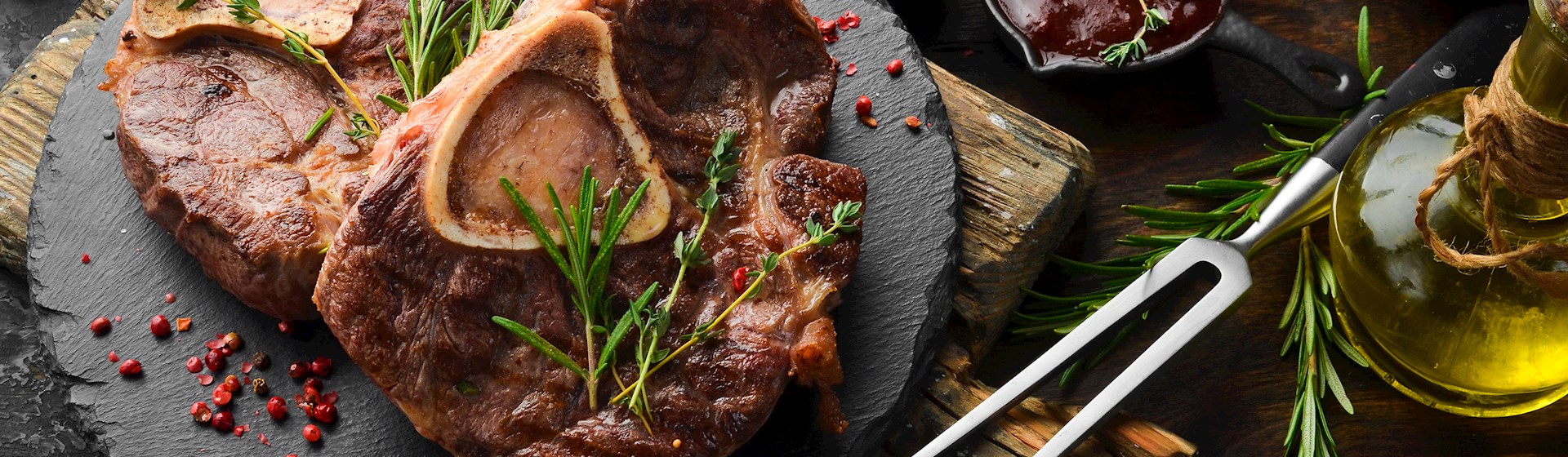
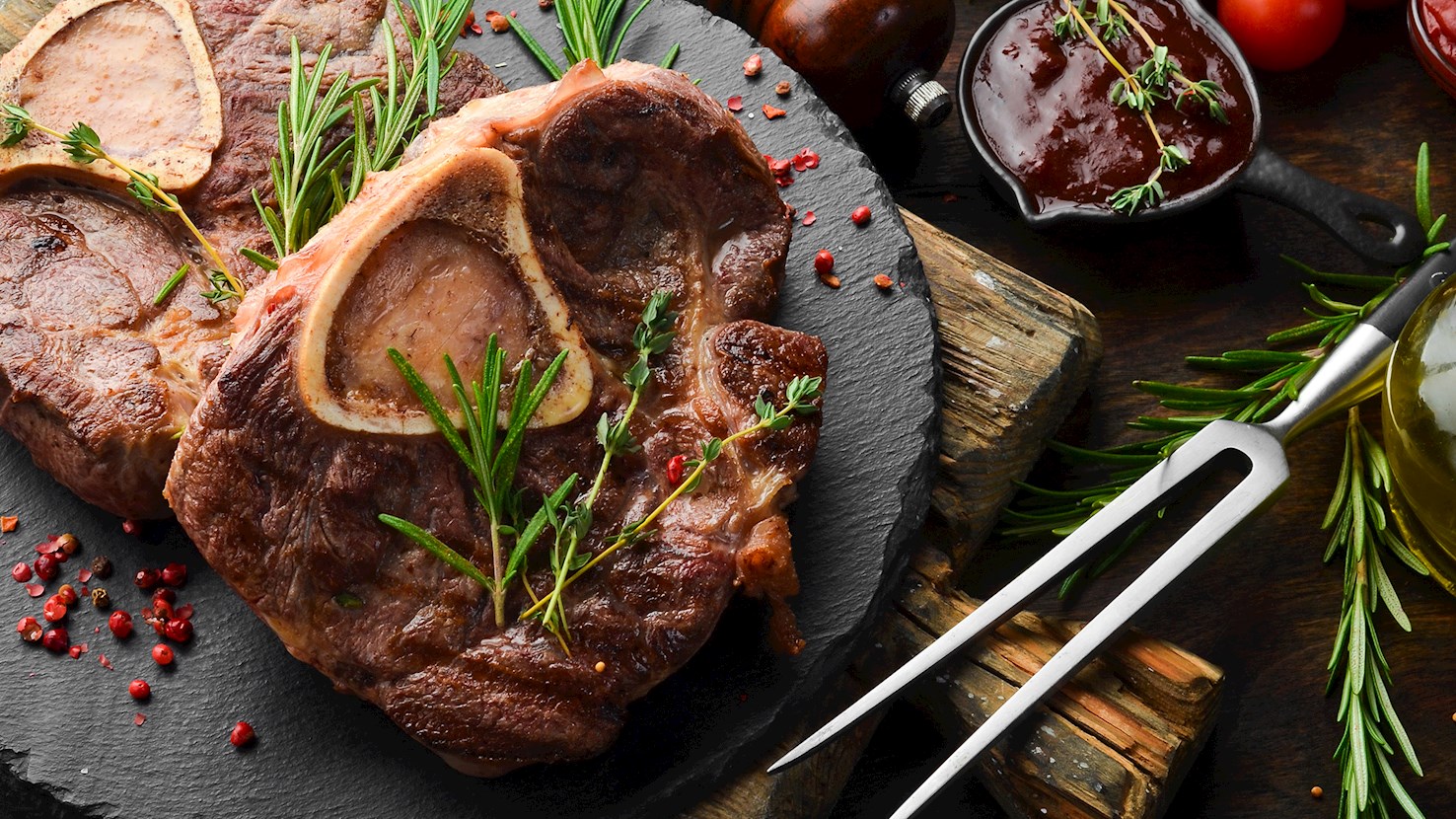
Beef shank

3.4 ·

In the American, German, and Brazilian systems of primal beef cuts, the shank (hesse, músculo) is the term used for the leg portion of the cow. There are both front and hind shanks, coming from the legs of the steer. The shank is known to be one of the toughest cuts due to the fact that it comes from a part of the animal that is heavily exercised. As such, it contains a high amount of connective tissue, which can be made tender and flavorful through slow, moist-heat cooking methods like braising. The meat from the shank is often used in dishes like soups and stews. Shank is also commonly used for making bone broths and stocks, as the bones from the shank contain marrow, which adds depth and richness to the liquid.

03

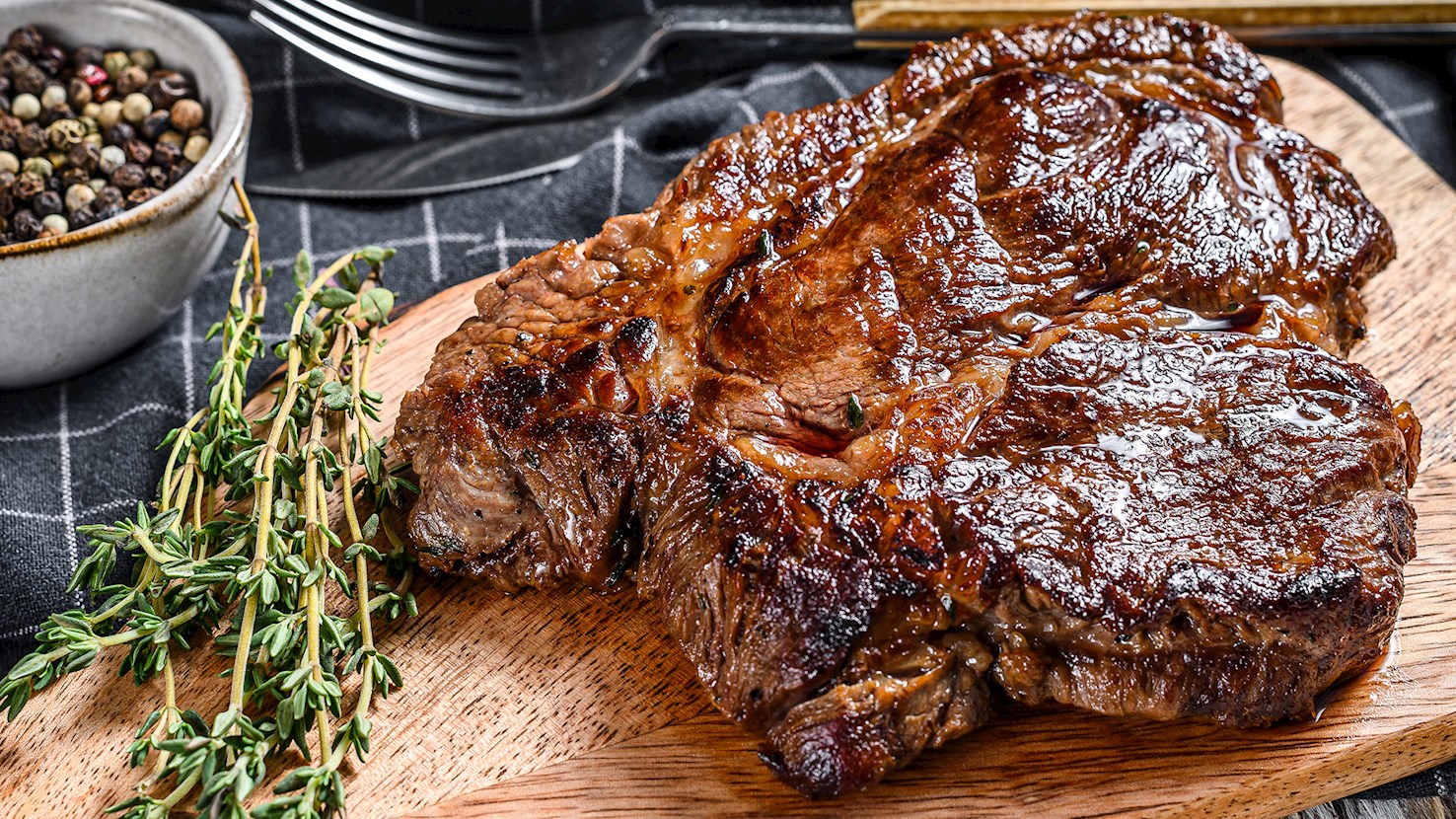
Chuck

3.6 ·

In the American system of primal beef cuts, chuck refers to the sub-primal cut from the front section of the cow's shoulder. It's one of the eight main divisions of the cow's body from which beef is cut, and it includes the neck, shoulder blade, and upper arm. Chuck is often used for roasts because it has a good amount of collagen, which can break down during slow cooking and provide a rich flavor and tender texture. Chuck roasts, also known as pot roasts, are popular for slow-cooking methods like braising. Chuck is also often ground for use in burgers or meat sauces due to its balance of meat and fat. Specific cuts from the chuck primal cut include the chuck roast, chuck eye roast, and shoulder steak, among others. The quality and texture of these cuts can vary depending on the specific part of the chuck they come from.

04

Beef flank

3.7 ·

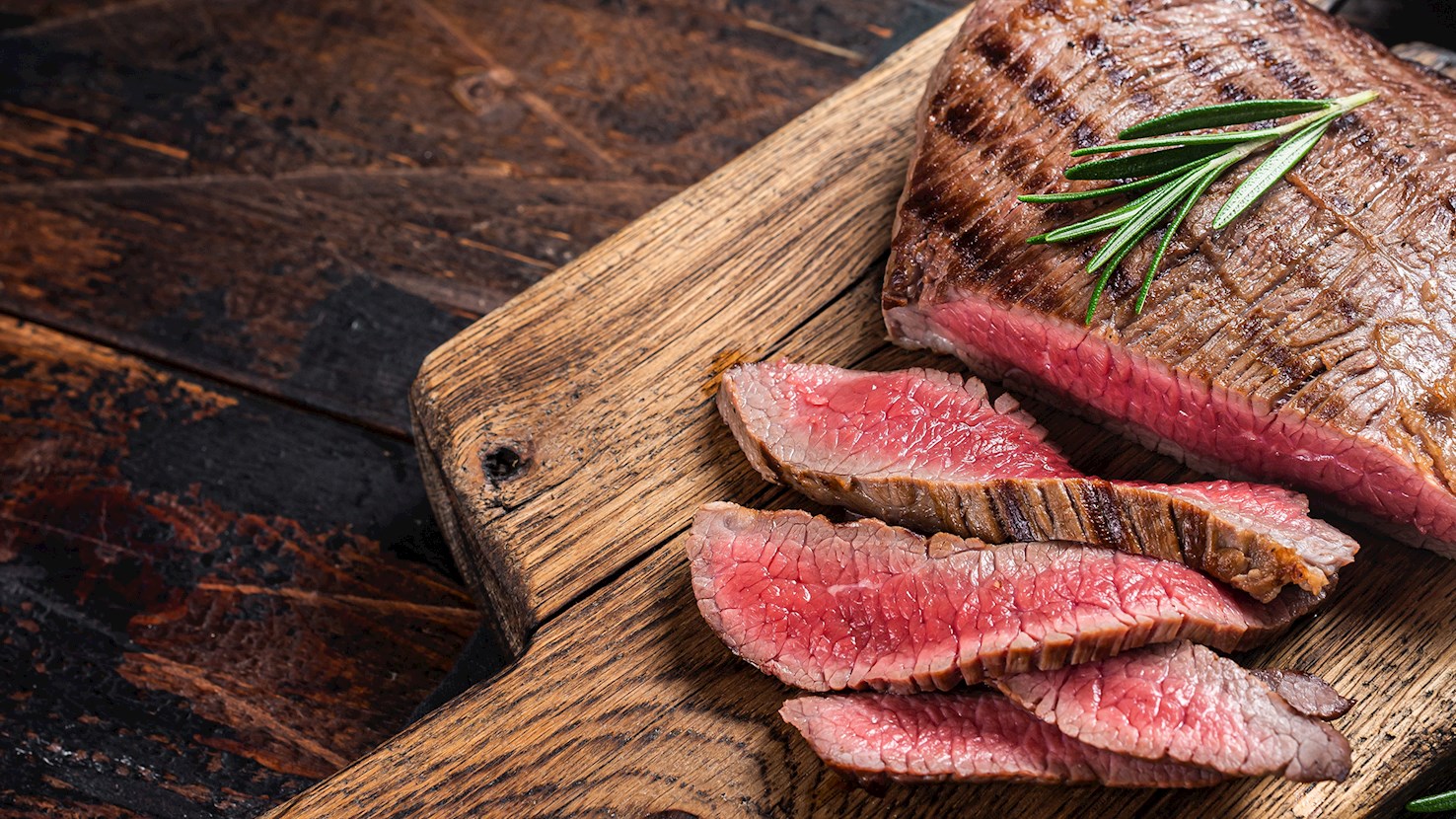
In the American system of primal beef cuts, the flank refers to the area right below the loin, and it stretches across the belly near the rear of the cow. It's a long, flat cut of beef that's very lean and contains a lot of tough fibers. Given its toughness and pronounced grain structure, flank steak is often marinated to tenderize it and then grilled or broiled quickly over high heat. It's important to slice this cut across the grain to break up the muscle fibers and make it easier to chew. Flank steak is popular in a variety of dishes, including fajitas, stir-fries, and London broil. It's also the traditional cut used for corned beef. Additionally, the flank is where "flap meat" comes from, which is a smaller cut within the flank that's often used similarly to flank steak. It's worth noting that even though flank steak is lean and tough, it's also known for its rich, deep, beefy flavor. So, despite needing some careful handling, it's a favorite for many beef lovers.

05

Beef plate

3.7 ·

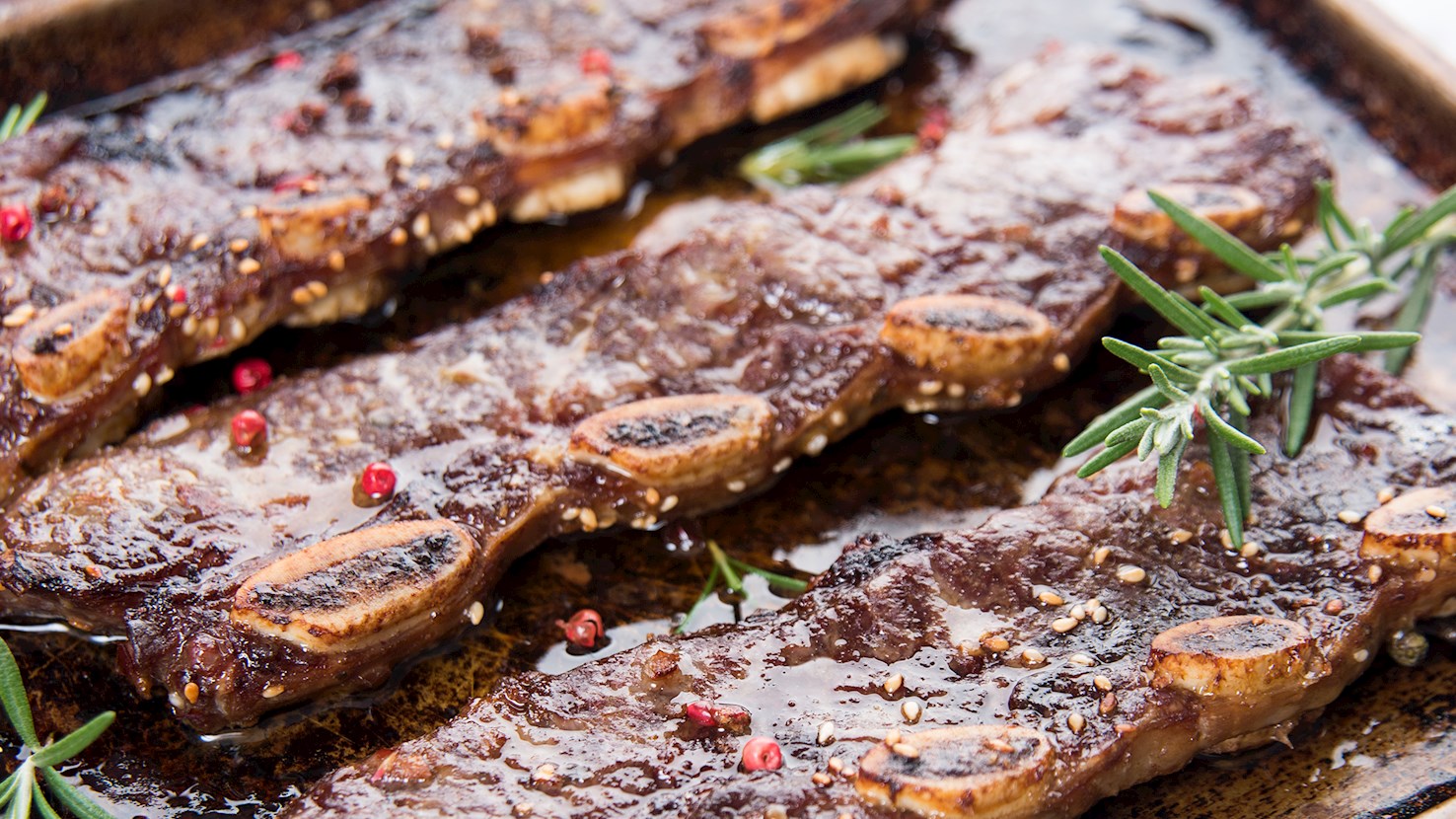
In the American system of primal beef cuts, the plate is a cut from the front belly of the cow, situated below the rib cut and between the brisket and flank. This cut is known for being quite fatty, which lends itself to certain types of cooking methods. The plate cut contains a good deal of tough connective tissue, so it is typically cooked with slow, moist-heat methods to tenderize the meat and render the fat. It can also be used in dishes where the fat content adds flavor, such as in ground beef for burgers. Some of the specific cuts that come from the plate include short ribs, skirt steak, and the hanger steak.

06

Flat iron steak

3.8 ·

Flat iron steak is a cut of beef that comes from the shoulder (or chuck) of the cow, specifically the top blade. The name "flat iron" is believed to come from the steak's shape, which somewhat resembles an old-fashioned flat iron. It's known for its rich flavor and tenderness, making it a popular choice for grilling and other cooking methods. The flat iron steak is usually well-marbled, which contributes to its flavor and tenderness. However, it has a line of tough connective tissue running through the middle, which is typically removed by butchers to make the steak more palatable. This cut is praised for being relatively affordable compared to other premium cuts like ribeye or filet mignon. It’s often used in recipes where a rich, beefy flavor is desired, and it's versatile enough to be cooked in various ways, including grilling, broiling, or pan-searing.

About this ranking

TasteAtlas food rankings are based on the ratings of the TasteAtlas audience, with a series of mechanisms that recognize real users and that ignore bot, nationalist or local patriotic ratings, and give additional value to the ratings of users that the system recognizes as knowledgeable. For the “6 Worst Rated American Beef Cuts in the World” list until June 16, 2026, 1,184 ratings were recorded, of which 1,088 were recognized by the system as legitimate. TasteAtlas Rankings should not be seen as the final global conclusion about food. Their purpose is to promote excellent local foods, instill pride in traditional dishes, and arouse curiosity about dishes you haven’t tried.

Similar lists