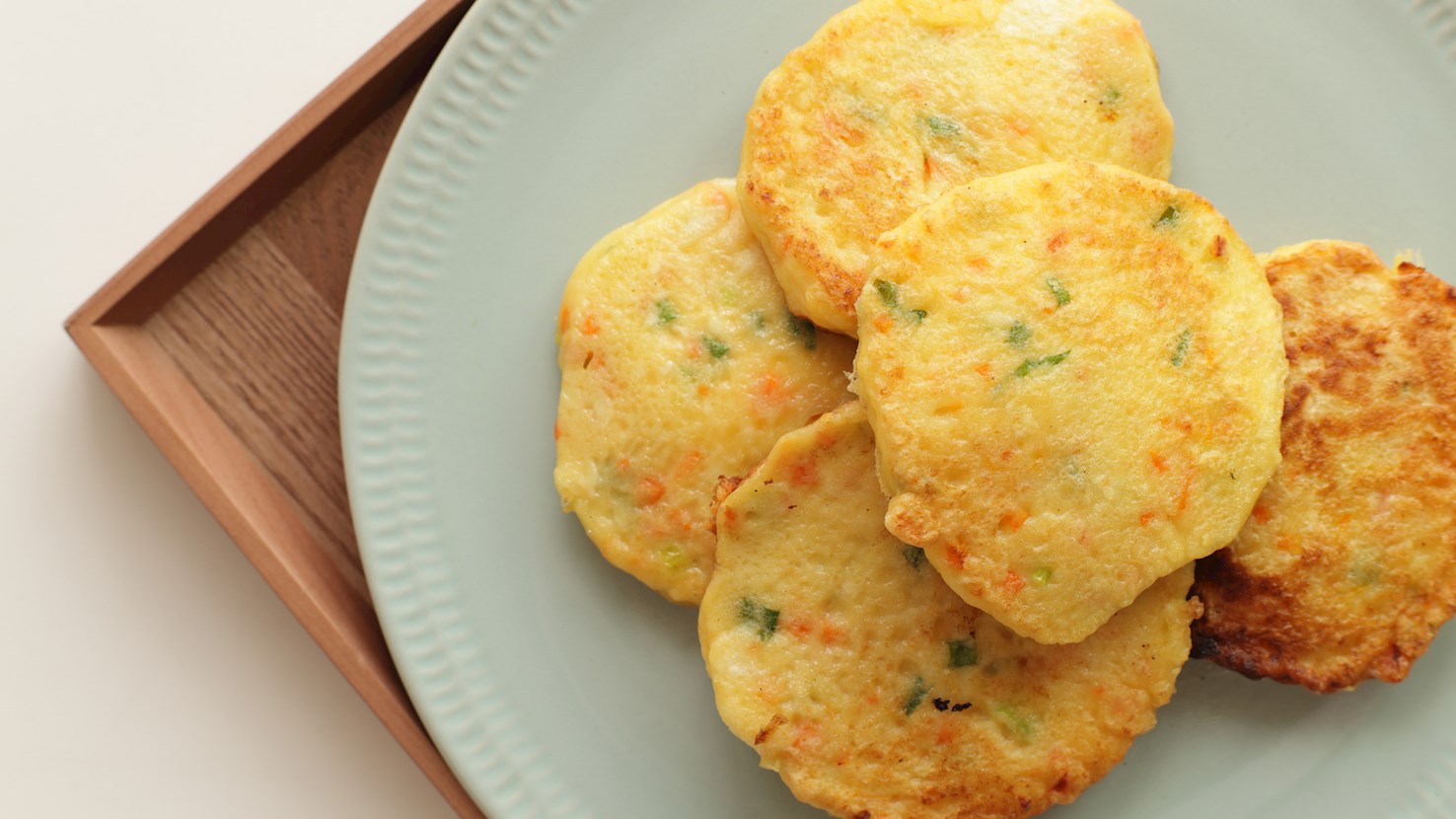
Dubujeon is a traditional dish originating from South Korea. This type of jeon (pan-fried battered food) is made with tofu. Other ingredients usually include flour, oil, eggs, scallions, salt, pepper, and vegetables such as onions and carrots. The tofu and the vegetables are chopped and mixed together with beaten eggs, flour, and salt. The mixture is divided into smaller portions and pan-fried in hot oil on both sides until golden and fully cooked. Once done, dubujeon is served hot with a dipping sauce on the side.
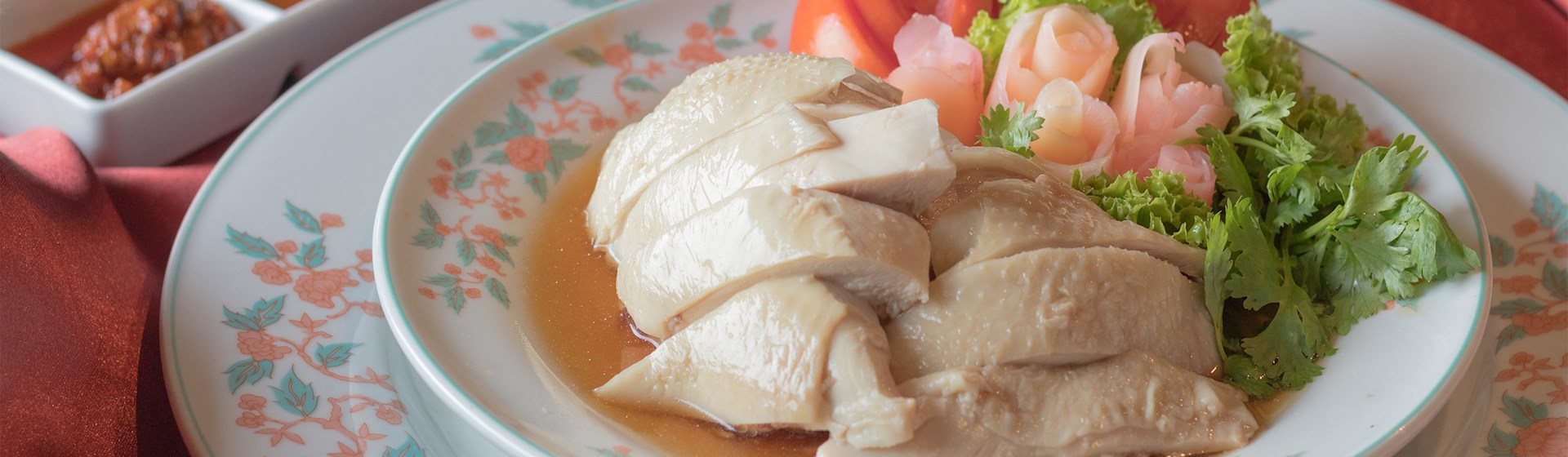
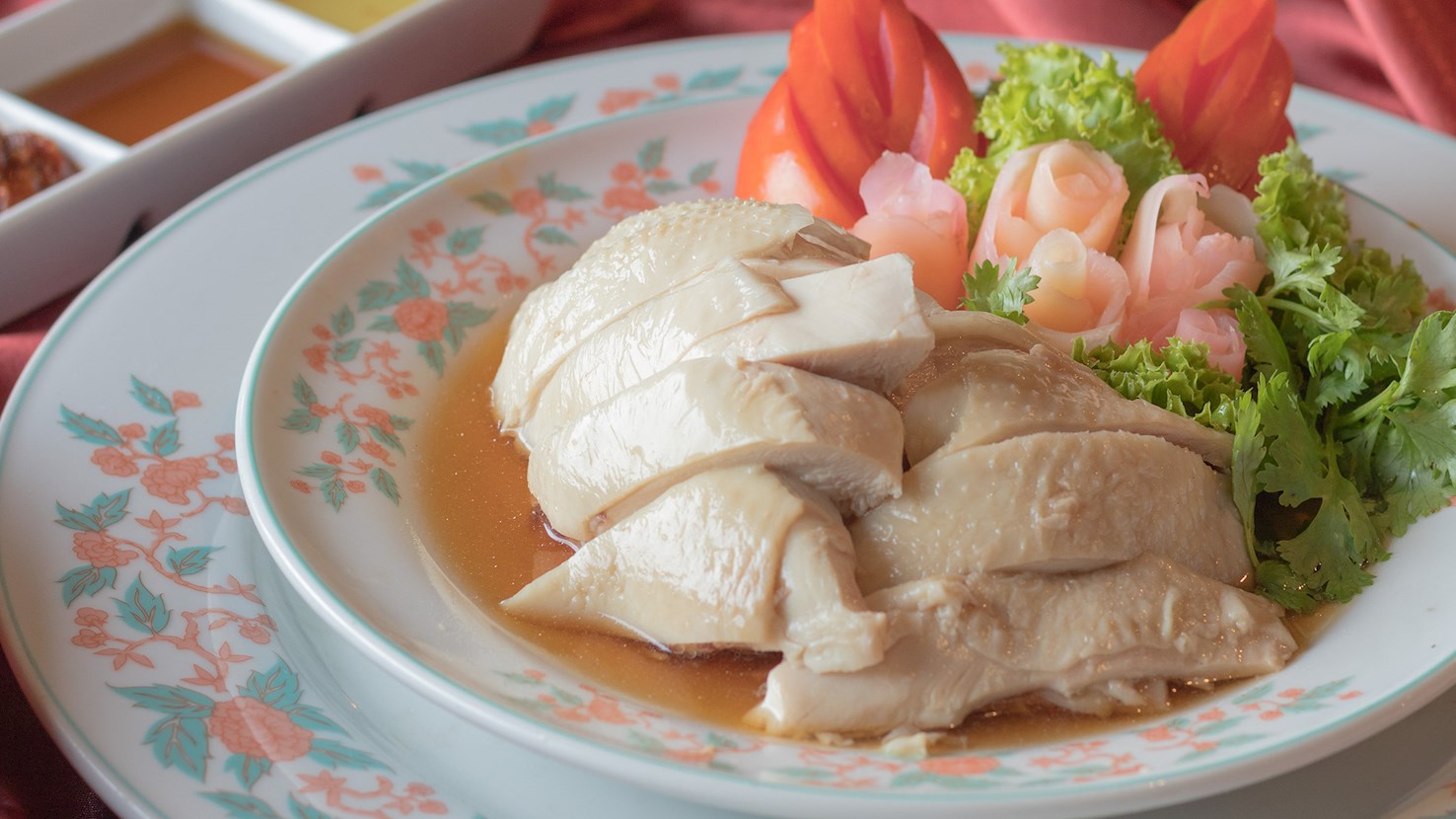
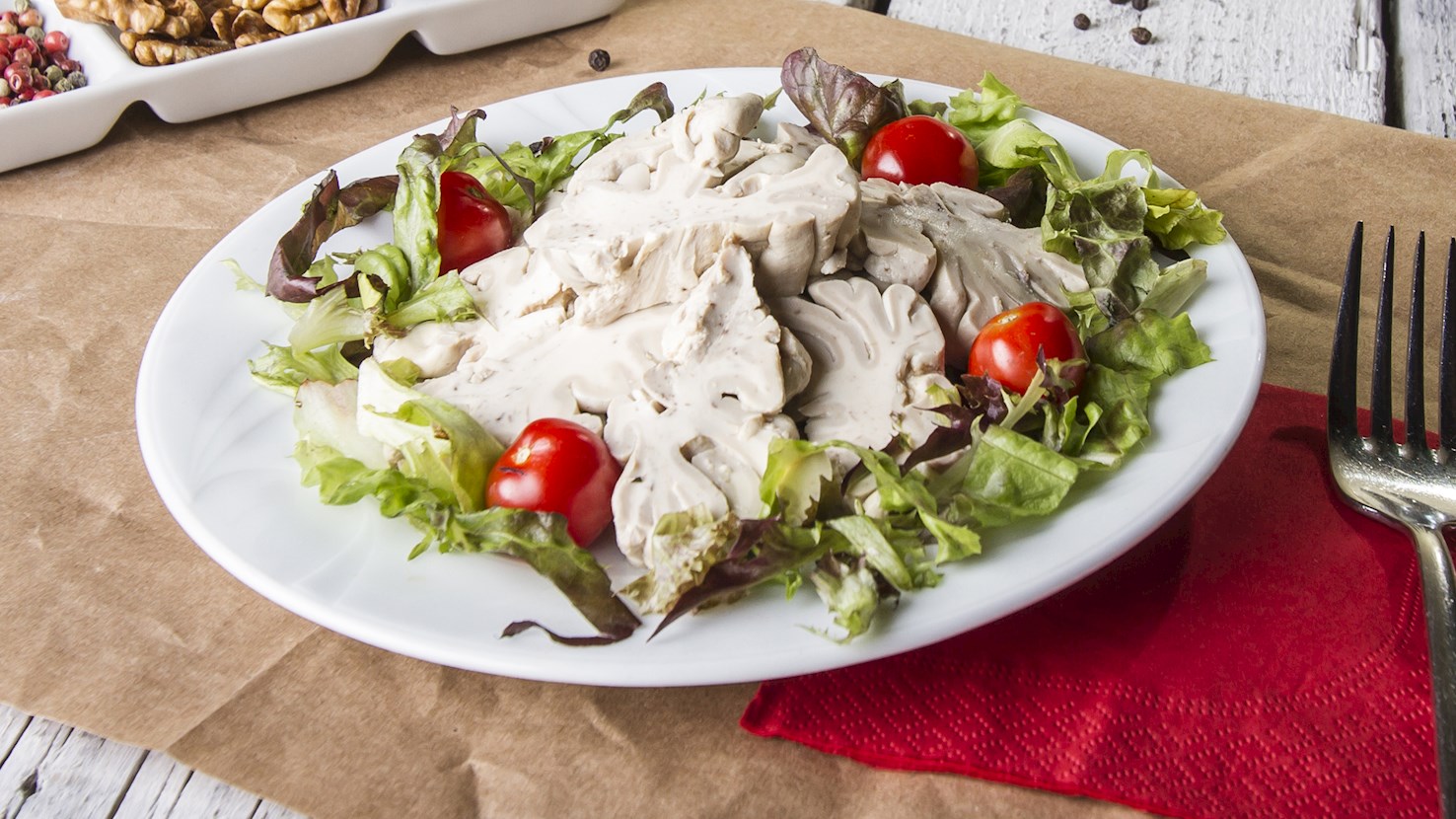
Often dubbed a Shanghainese specialty, drunken chicken is, in fact, an authentic dish originating from the Zhejiang province. The main ingredients of this chicken dish are a fresh, whole chicken and Shaoxing wine, a renowned rice wine produced in Zhejiang province. Originally, the recipe calls for a whole chicken to be cooked, chilled in ice water, and then soaked in a Shaoxing wine-based marinade, overnight, or for 2-3 days. The chilled chicken is then cut into large chunks and traditionally served cold, covered with the wine-based marinade. The dish is usually served on its own, as an appetizer, but it can also be accompanied by rice, noodles, or vegetables.
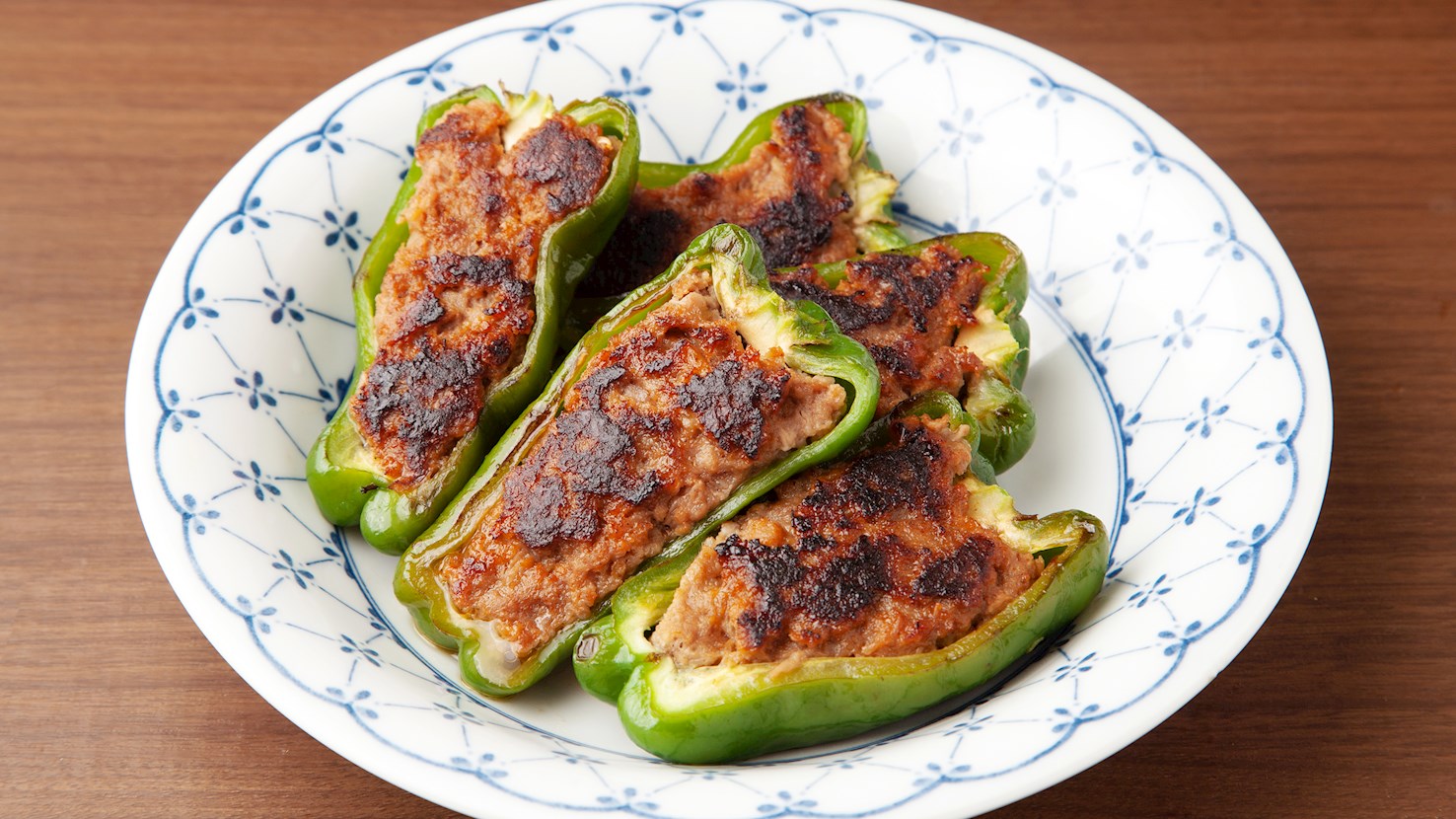
Pīman no nikuzume is a traditional kushiyaki dish. It consists of stuffed green peppers, and the list of ingredients for the filling includes ground pork, onions, eggs, and breadcrumbs. The peppers are sliced, stuffed, then grilled until well browned. Once done, the dish is usually served with rice and miso or a dipping sauce that’s served on the side. The sauce typically consists of soy sauce, mirin, dashi, and sugar or sake. Pīman no nikuzume is often prepared at izakaya bars throughout the country.
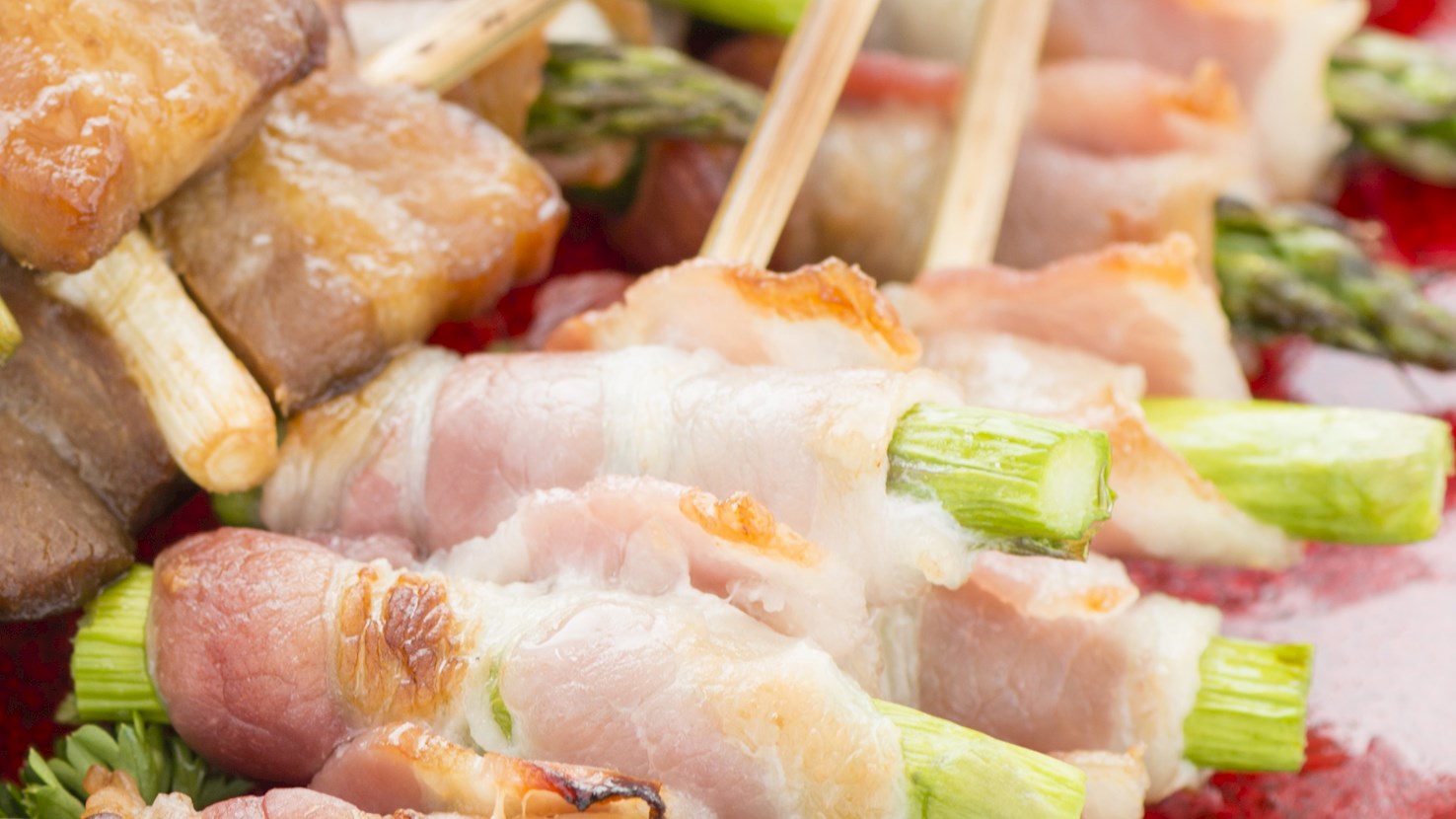
Asuparabekon is a type of Japanese kushiyaki, dishes that are skewered and grilled. This type of kushiyaki consists of two simple ingredients – asparagus and bacon. The asparagus are wrapped in bacon, then placed on bamboo skewers and seasoned with salt or tare sauce. The dish is served immediately after it's been grilled. Typical accompaniments for kushiyaki dishes include salads, pickles, or edamame.
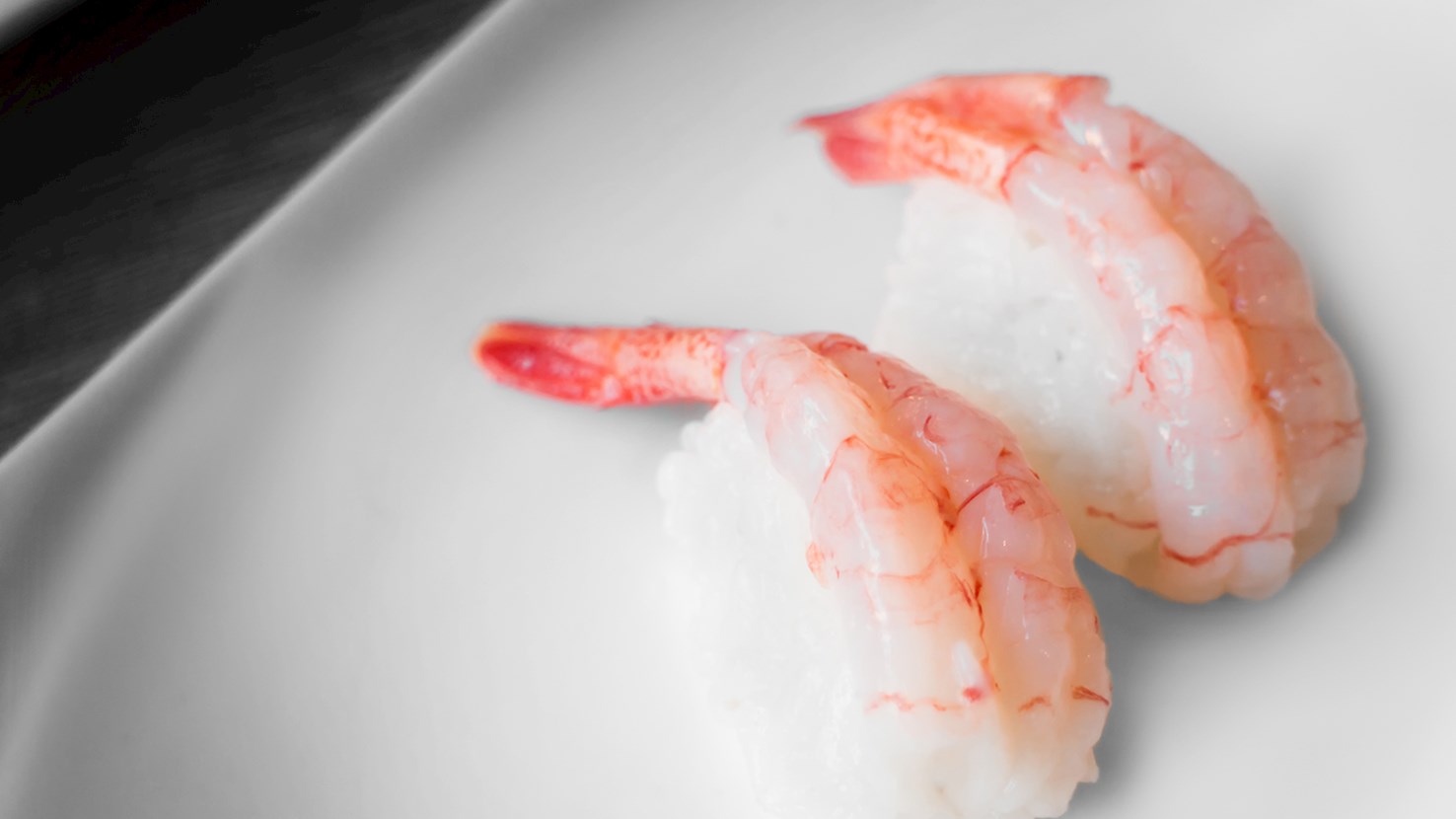
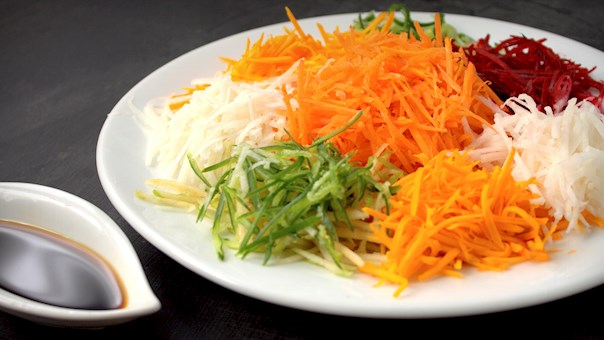
Odori ebi is a traditional sashimi dish prepared with live baby shrimps. A live shrimp is first shelled, its head removed, and it's then served to diners while it's still twitching. The dish is very expensive because it requires skillful and quick preparation. The shell and head of the shrimp are often deep-fried, then served on the side. The shrimp is typically dipped into sake, then into a dipping sauce before consumption (chewing). Funnily enough, the name of the dish, odori ebi, means dancing shrimp.
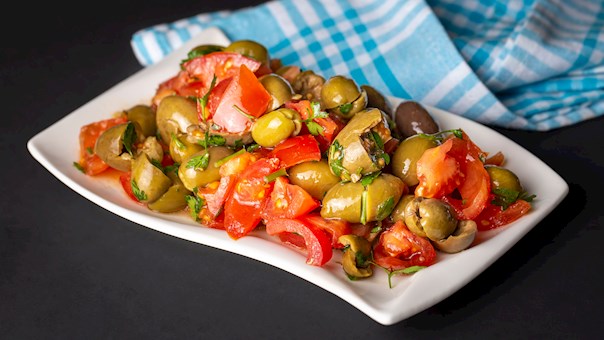
Beyin salatasi is a traditional salad originating from Türkiye. The main ingredient is an unusual one – the salad is made with lamb brain. Other ingredients include tomatoes, lemon juice, olives, parsley, and olive oil. The brains are boiled in salted water and vinegar, cooled, chopped, then mixed with the remaining ingredients. The salad is dressed with olive oil, seasoned with salt, then served, usually as part of a meze platter.
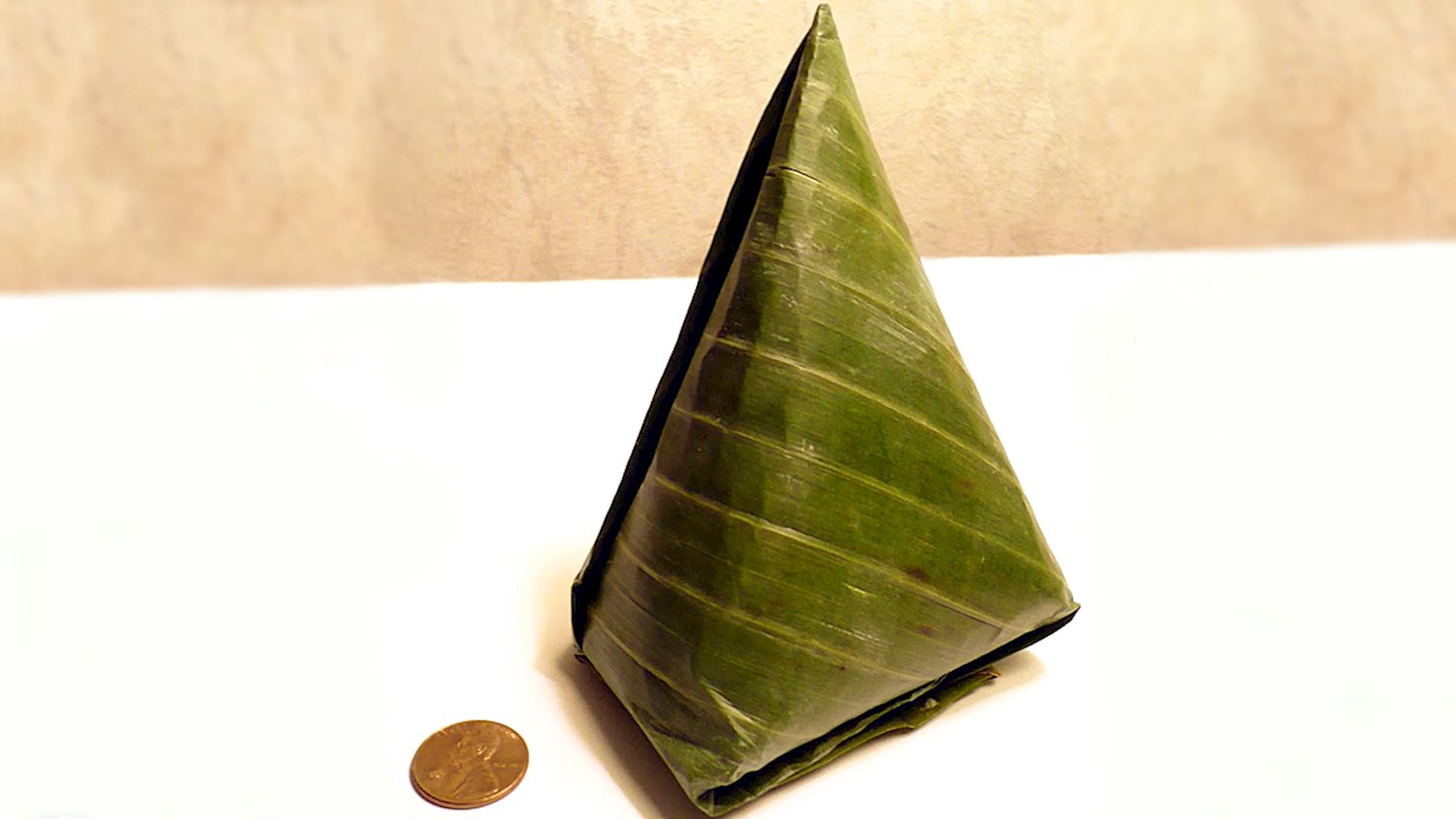
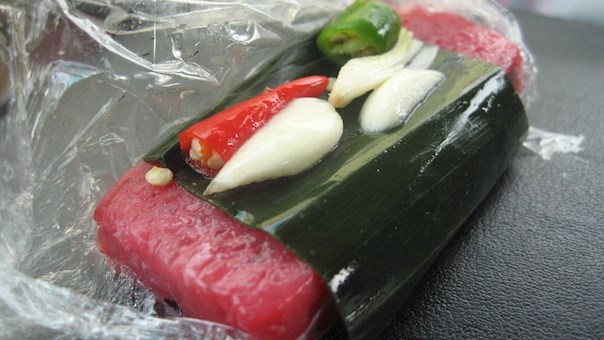
Bánh ít is a traditional dish of steamed sticky rice cakes. The cakes are usually made from glutinous rice flour, while the fillings vary depending on the recipe, but pork, steamed mung beans, and shrimps are some of the most common ingredients for the filling. Once prepared, the rice cakes are wrapped in banana leaves, then steamed until tender. Bánh ít is often served as a snack or appetizer with a dipping sauce on the side that's usually based on vinegar or pineapple.
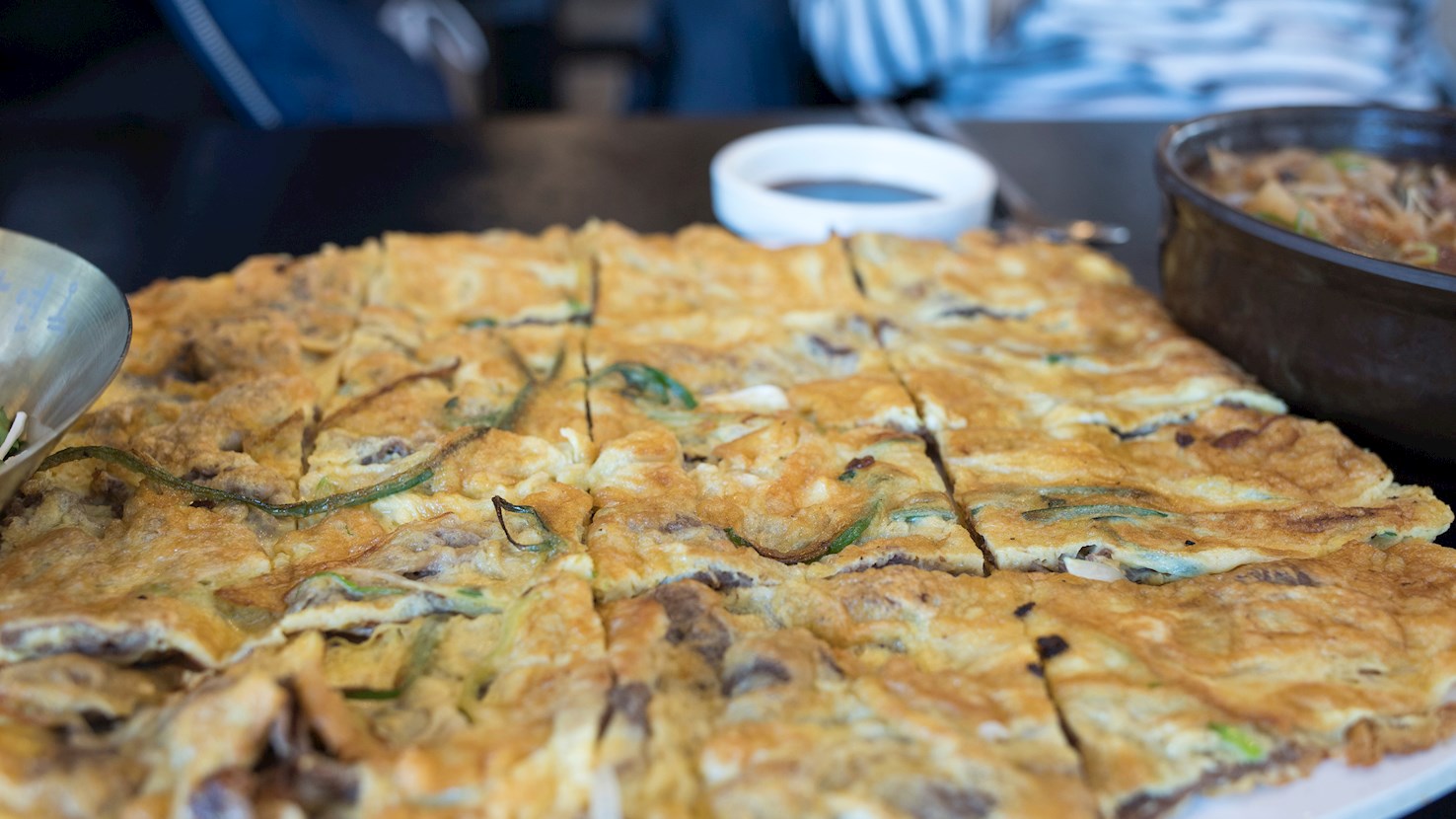
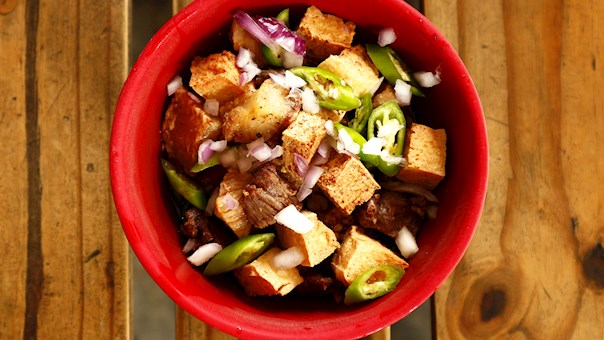
Yukjeon is a traditional dish originating from South Korea. This type of jeon (pan-fried battered food) is usually made with thinly sliced battered beef. The beef is marinated in a soy-based sauce, and it's then coated with rice flour or eggs and flour before it's pan-fried in oil. The marinade often consists of soy sauce, rice wine, sesame oil, sugar, garlic, and pepper. Once fried, yukjeon is garnished with scallions and served warm with a dipping sauce on the side. If properly prepared, the meat should be very thin and extra tender.
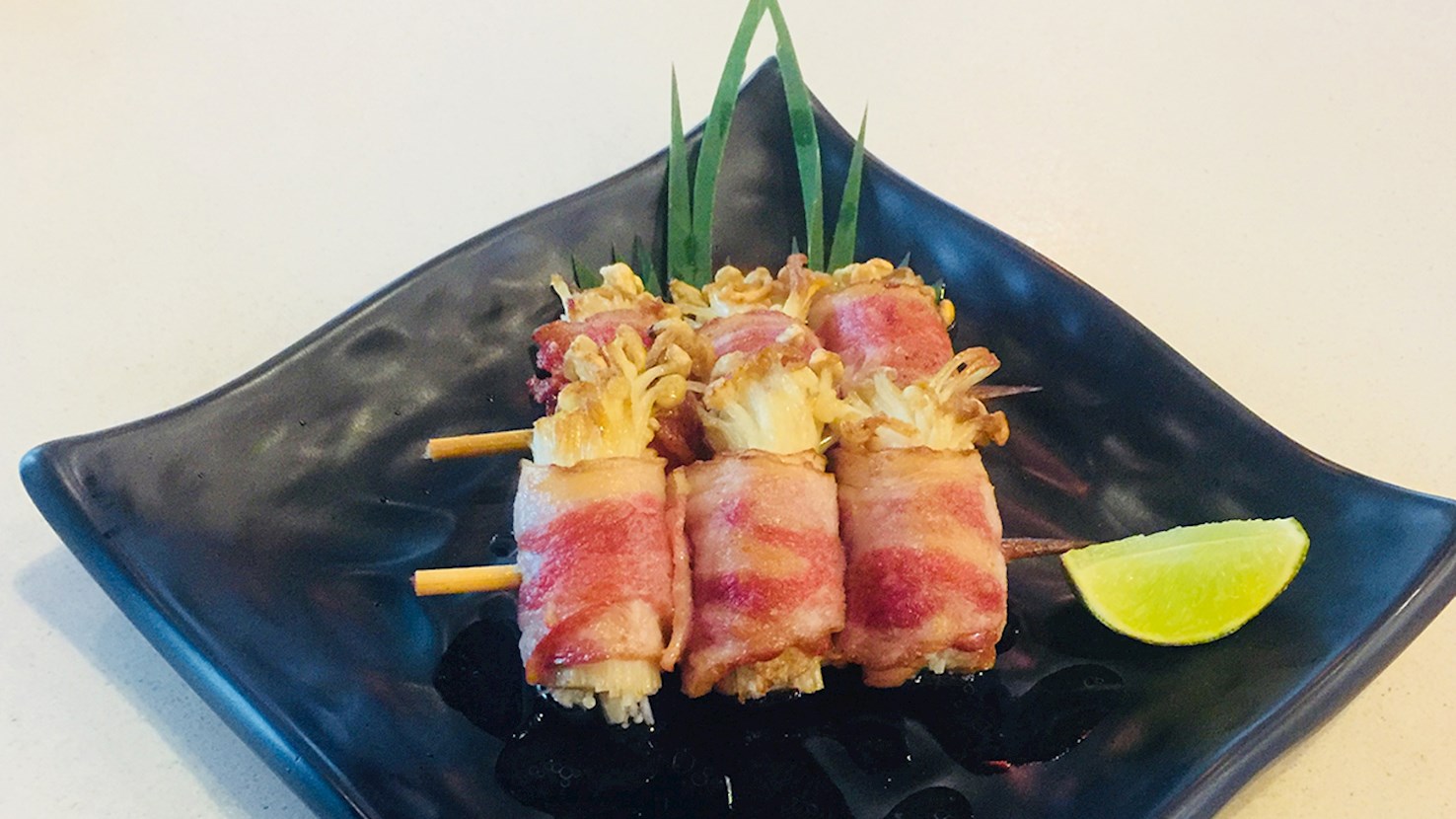
Enoki maki is a traditional dish consisting of enoki mushrooms that are wrapped and rolled in thinly sliced beef. The meat should always be marinated and tender. The marinade usually consists of sake, garlic, ginger, mirin, and soy sauce. After the mushrooms have been wrapped in sliced and marinated beef, the combination is shortly grilled before serving. The grilling process of this appetizer makes it a typical kushiyaki dish. Enoki maki can also be found at many yakitori bars in Japan.
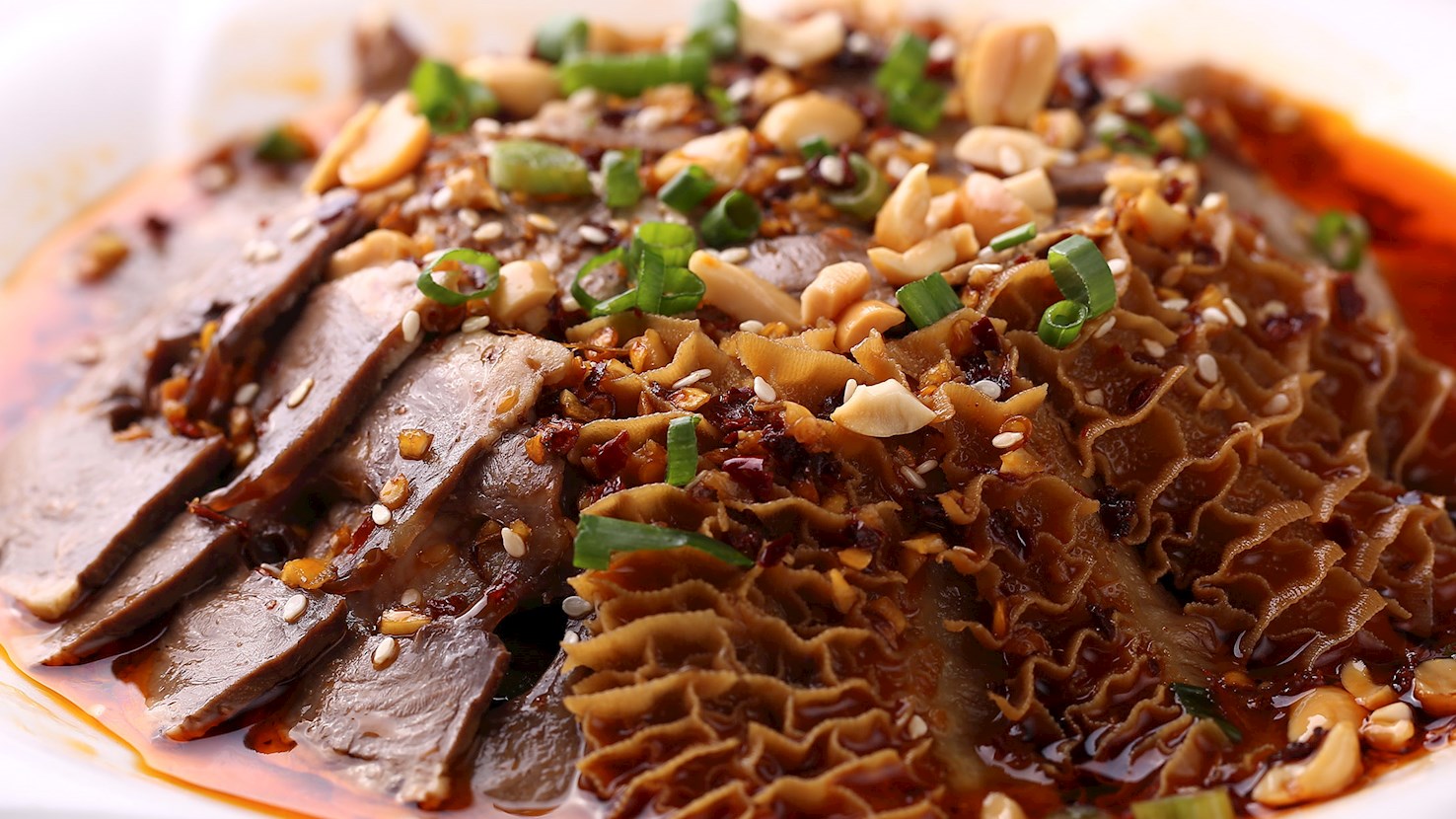
Fūqī fèipiàn is a Sichuanese cold dish made from thinly sliced beef and offal dressed in a fragrant, spicy sauce. The dish gained its distinctive name, meaning “husband and wife slices,” from a couple in Chengdu, Guo Chaohua and Zhang Tianzheng, who became famous in the early twentieth century for their exceptional version sold at street stalls. Their skill in seasoning and preparation turned what began as a humble vendor’s snack into one of the most recognizable representatives of Sichuan cuisine. Over time, the name stuck, spreading beyond Chengdu until it became synonymous with this particular style of seasoned beef. Preparation begins with beef heart, tongue, and tripe simmered in a lightly spiced broth until tender, then cooled and sliced thin to achieve a uniform texture. The sauce is what defines the dish: chili oil blended with Sichuan peppercorn, garlic, soy sauce, vinegar, sugar, and sesame paste, each component calibrated to strike a balance between numbing, heat, salt, and subtle sweetness. Once mixed, the sliced meat is coated thoroughly, allowing the oil to glisten over the surface and carry the fragrance of pepper and spice. Peanuts, sesame seeds, and fresh cilantro are often sprinkled on top, adding crispness and color. The result is both rich and precise, with the coolness of the meat offset by the warmth and sting of the dressing. Fūqī fèipiàn is served widely in Sichuan restaurants and across China, often as an appetizer or part of a shared spread. It pairs naturally with plain rice or light noodles that absorb its sauce without dulling its sharpness. Many people enjoy it with cold beer or mild grain spirits, as the drink’s crispness refreshes the palate between bites.
TasteAtlas food rankings are based on the ratings of the TasteAtlas audience, with a series of mechanisms that recognize real users and that ignore bot,
nationalist or local patriotic ratings, and give additional value to the ratings of users that the system recognizes as knowledgeable.
For the “89 Worst Rated Asian Appetizers” list until June 16, 2026, 25,200 ratings were recorded, of which 13,049 were recognized by the system as legitimate.
TasteAtlas Rankings should not be seen as the final global conclusion about food. Their purpose is to promote excellent local foods,
instill pride in traditional dishes, and arouse curiosity about dishes you haven’t tried.