Bundás csiperkegomba is a Hungarian culinary preparation consisting of breaded and deep-fried button mushrooms, typically served as a hot appetizer or a vegetarian main course. The emergence of breaded and fried vegetables in Hungarian cuisine is linked to the historical influence of the Austro-Hungarian Empire, specifically the adaptation of the Viennese Schnitzel technique to local produce. By the late 19th and early 20th centuries, as commercial mushroom cultivation became more prevalent in Central Europe, the application of the rántott (breaded) method to the csiperke (button mushroom) became a standard offering in urban taverns and family kitchens across Hungary. Preparation of bundás csiperkegomba begins with cleaning fresh button mushrooms, which are often peeled or briefly blanched in water seasoned with lemon juice to maintain their white color and remove surface impurities. The mushrooms are then subjected to a standard coating sequence: they are first dredged in wheat flour, dipped into beaten eggs seasoned with salt and black pepper, and finally rolled in fine breadcrumbs. In some variations, a thicker "coat" (bunda) is created using a batter of flour, eggs, and occasionally beer or sparkling water to increase the aeration and crispness of the shell. The prepared mushrooms are submerged in hot vegetable oil or lard at approximately 180°C and fried for two to three minutes until the breading reaches a rigid, golden-brown state. A specific technical attribute of this dish is the internal steaming effect; the moisture trapped within the mushroom cap vaporizes during frying, resulting in a tender, succulent texture that contrasts with the dry, crunchy exterior. Bundás csiperkegomba is eaten as a standalone snack, a starter, or a main dish when accompanied by sides, and it is universally available in Hungarian étkezdék (canteens) and restaurants. It is consumed with a knife and fork and is almost exclusively served with tartar sauce (tartármártás), a cold condiment based on mayonnaise, sour cream, and mustard, which provides a creamy and acidic counterpoint to the fried breading. For a complete meal, it is paired with steamed jasmine rice or parsley potatoes. In terms of beverage pairings, it is served with crisp, dry white wines such as Olaszrizling or Cserszegi Fűszeres, as their high acidity and citrus notes cut through the richness of the fried coating. For non-alcoholic options, a soda water with lemon or a lightly hopped pilsner is utilized to refresh the palate between bites of the savory, earth-flavored mushrooms.
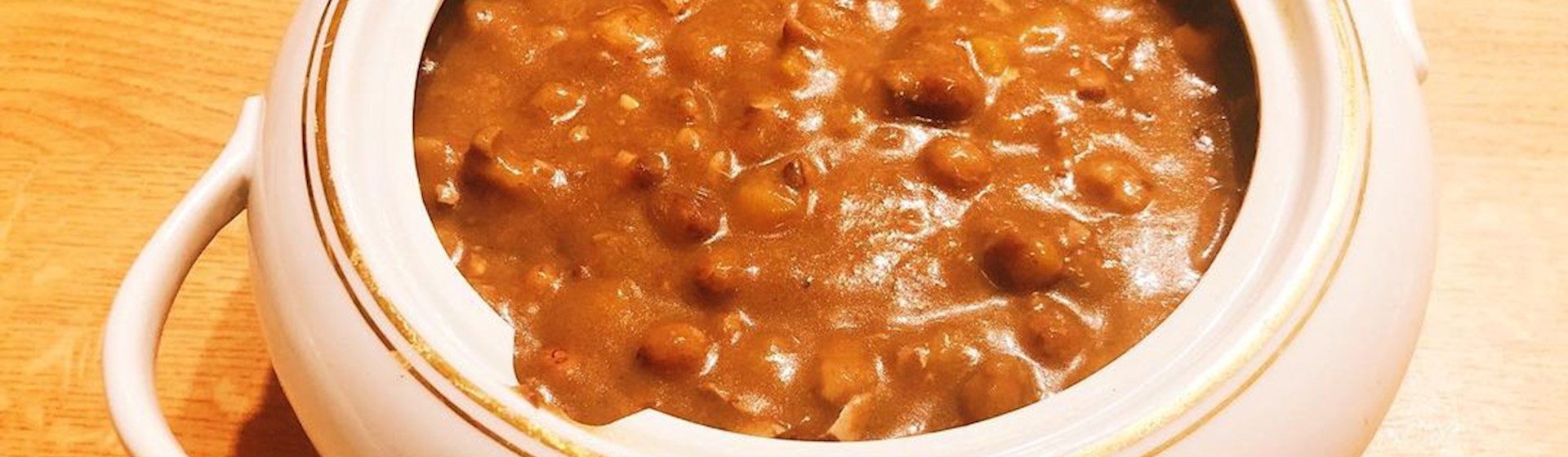
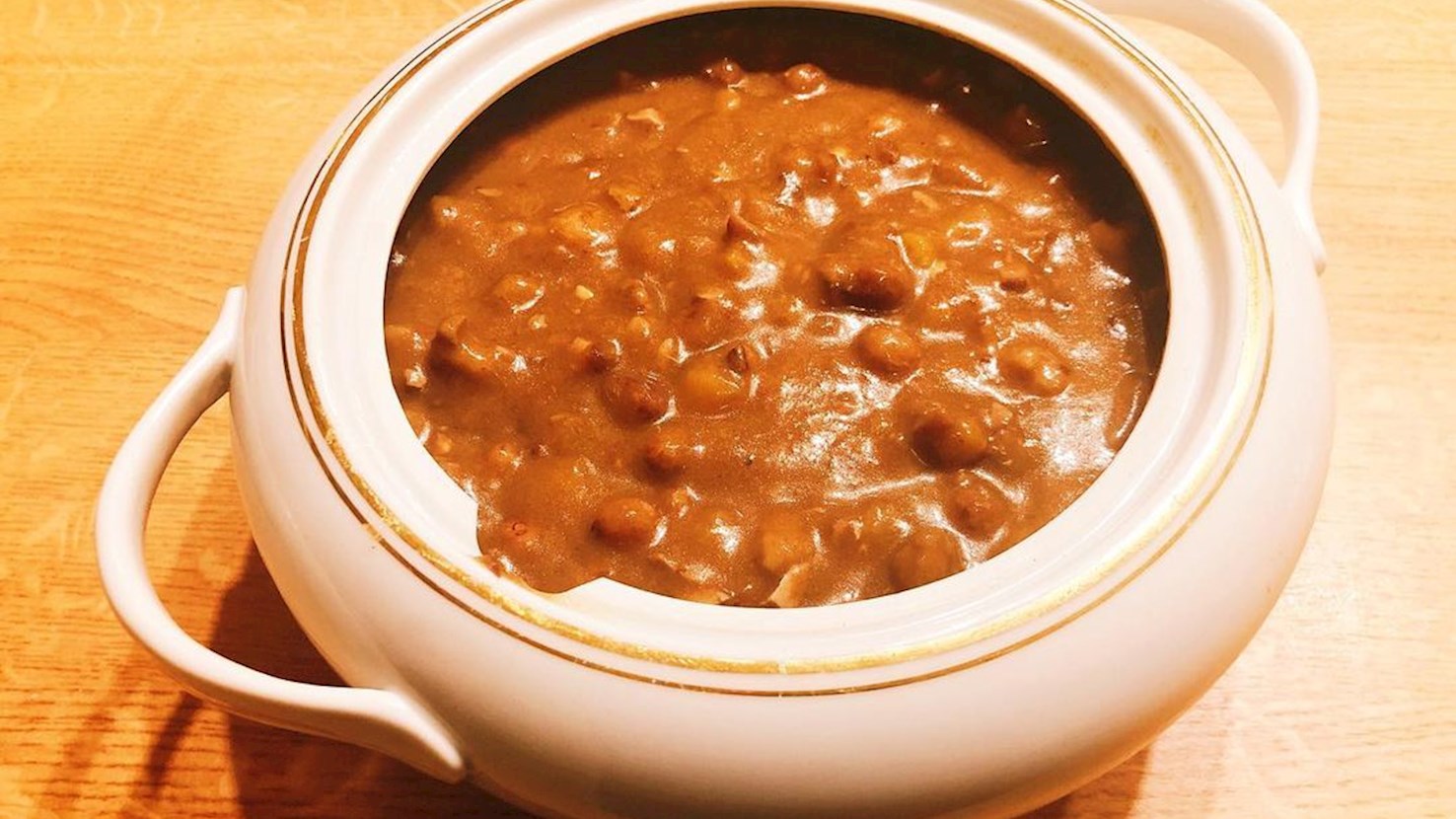
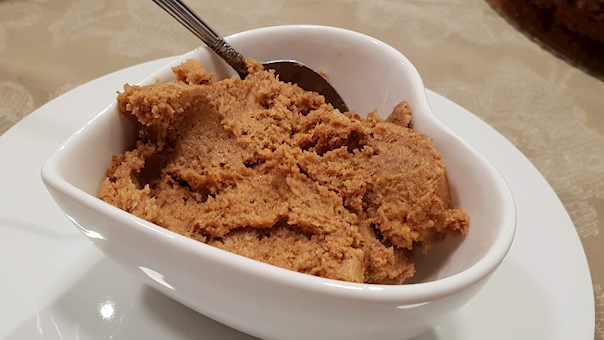
Moczka is a traditional dish originating from Upper Silesia. This dish has so many versions that it's sometimes treated as a dessert and other times as an appetizer. The sweet soup is made with gingerbread that's soaked in dark beer, water, or stock alongside nuts such as almonds, walnuts, or hazelnuts and dried fruit such as raisins, prunes, apricots, figs, dates, or pears. Dark chocolate, butter, and flour are also sometimes added to the sweet soup. Moczka is traditionally prepared during the festive Christmas season and it can be served warm or cold.
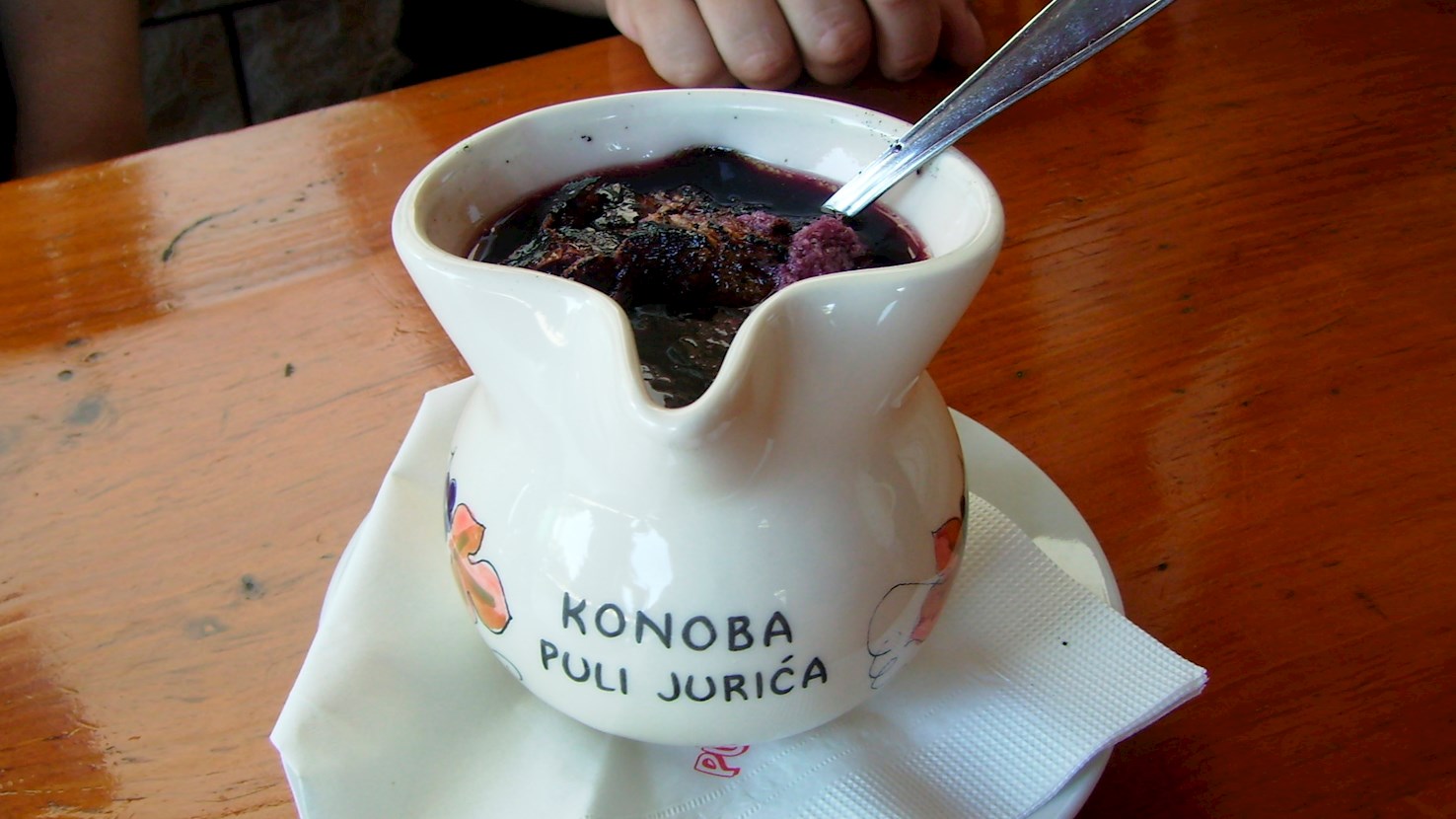
Though it is incorrectly translated as Istrian soup, this unusual combination of ingredients does not have much in common with the traditional concept of what constitutes a classic soup. The dish is prepared in a clay jug called bukaleta and combines spices, olive oil, and warmed red wine, preferably the local teran variety. Supa is completed with the addition of grilled slices of bread that are left to soak in the flavorful base. When served, the wine is slowly sipped, while the bread is usually eaten with a spoon. Once a popular dish that was mainly used as a way to warm up during winter, istarska supa is nowadays considered one of the authentic delicacies of the area. The word supa in the name stems from the verb supati, referring to the practice of dunking the bread in the jug.
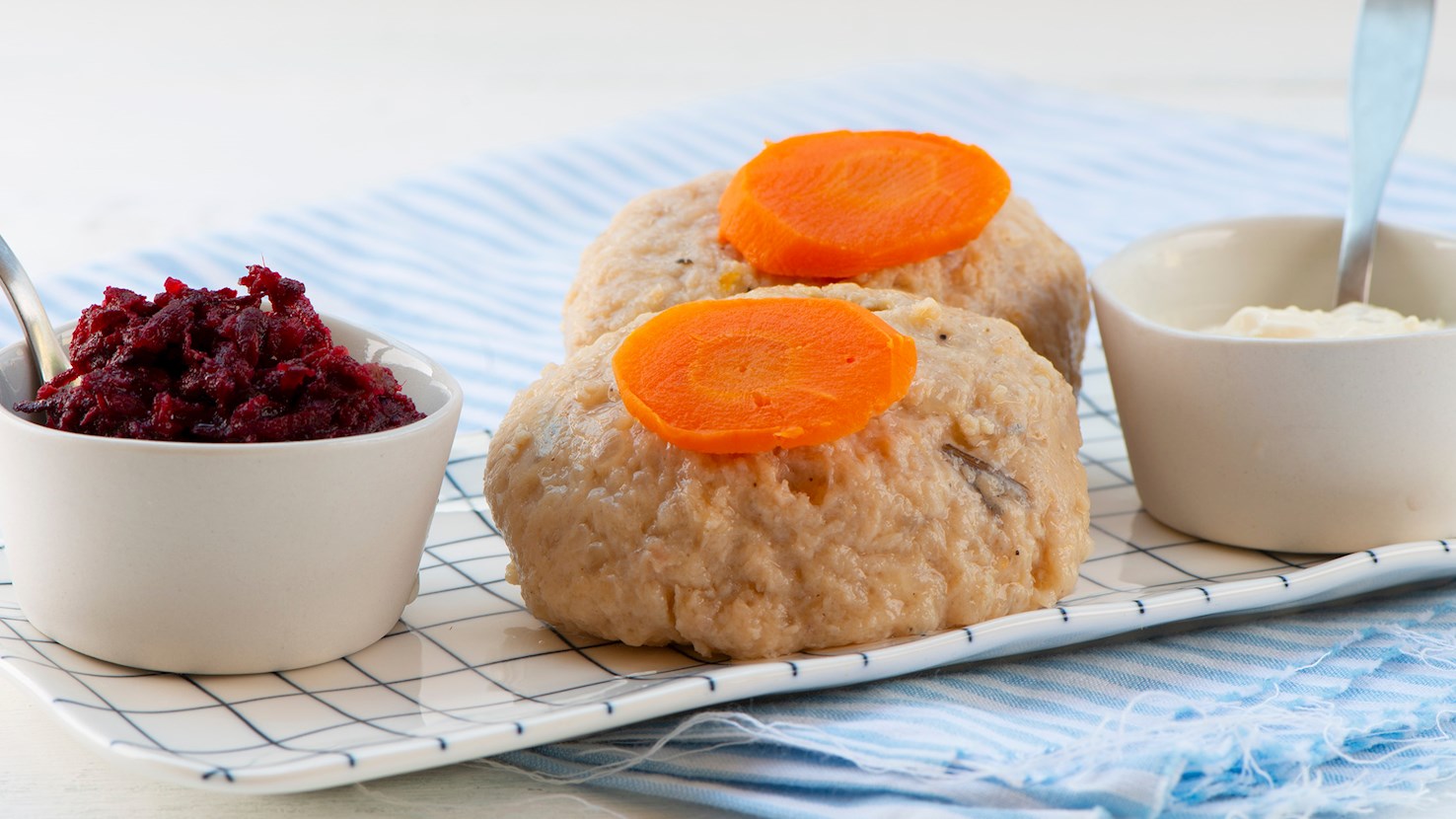
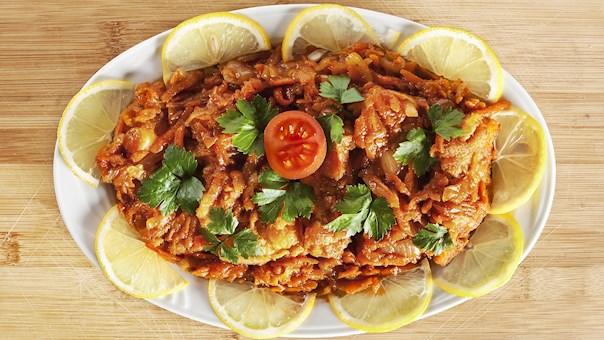
Gefilte fish, or stuffed fish (from gefilte, which means filled or stuffed in Yiddish), is a ubiquitous Jewish appetizer that is based on chopped or ground fish. This dish is typically prepared with ground carp, pike, or whitefish that is combined with a variety of other ingredients before it is shaped into balls or oval patties, which are then usually simmered in fish stock. Typical ingredients that go into gefilte fish include matzo meal, eggs, onions, carrots, leeks, parsley, goose fat or oil, and various seasonings and spices such as salt, pepper, allspice, sugar, cinnamon, or bay leaves. Gefilte fish may be more on the savory side, with a distinctive peppery flavor, as it is usually prepared in countries such as Lithuania and Russia, or sweet, a version that is typical of Polish cuisine. Believed to date back to medieval Germany, this specialty has been attributed to the Ashkenazi Jews, and despite the many different theories regarding its creation, the dish has most likely been invented out of poverty and the need to feed many people with as little expense as possible. Today, gefilte fish balls or patties are available in jarred or frozen versions, though many people prefer the homemade versions over the store-bought ones as these are almost always rather bland-tasting and unappetizing. The dish is usually enjoyed chilled or at room temperature, topped with boiled carrots and onions, and accompanied by a side of chrain (ground horseradish, often mixed with beets). Gefilte fish has been traditionally consumed for Shabbat, although it is also eaten for a number of Jewish holidays such as Passover Seder and Rosh Hashanah, the Jewish New Year.
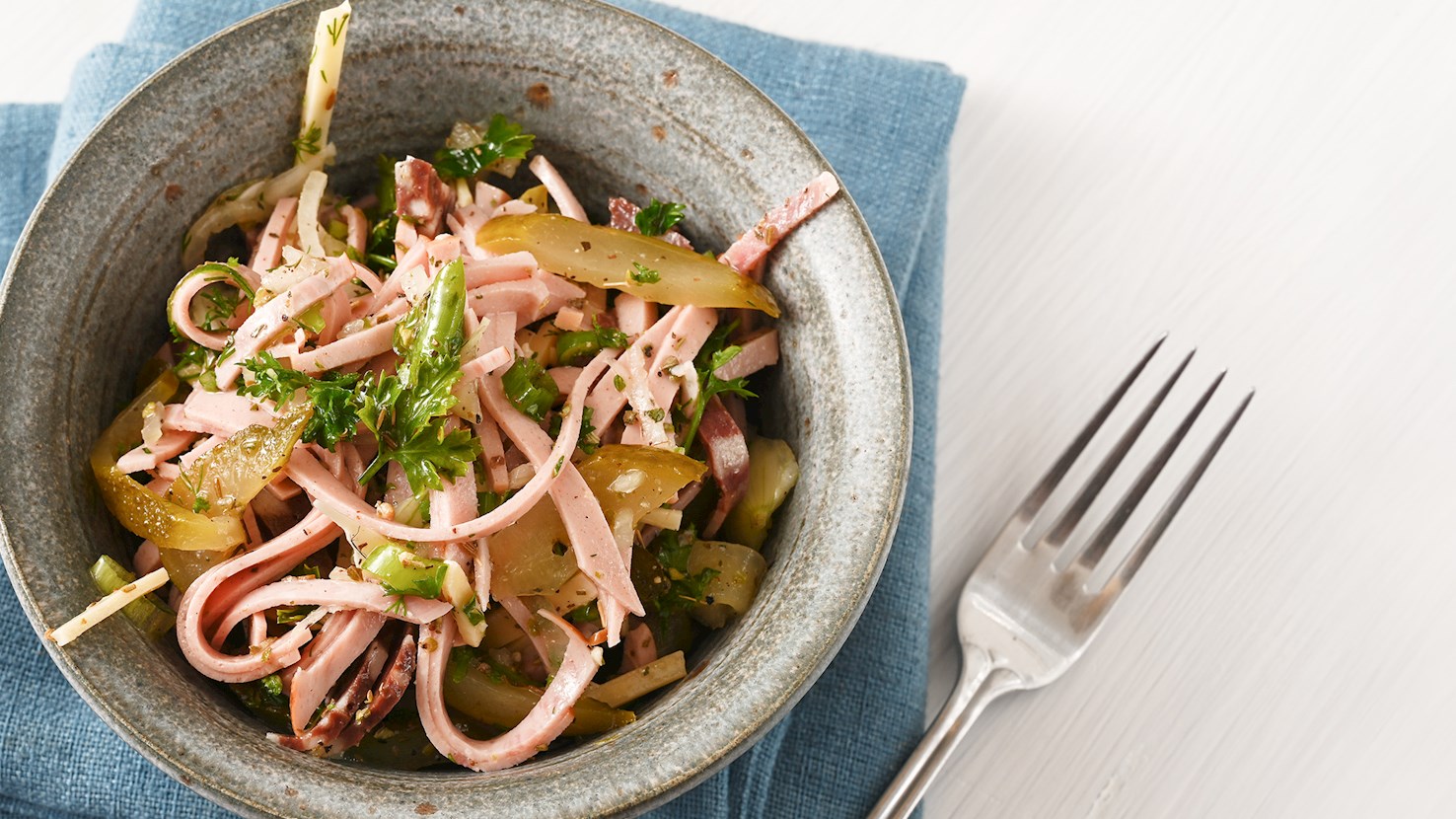
Bayerischer Wurstsalat is a traditional salad originating from Bavaria. It's made with Regensburger knockwurst sausage, diced onions, olive oil, wine vinegar, salt, pepper, and paprika. The wurst is peeled and sliced thinly, then tossed with the onions, olive oil, vinegar, and seasonings. Before serving, it's chilled, then dusted with paprika on top. The salad is sometimes also served as an appetizer, and it's recommended to serve it with beets, pickles, bread rolls, and butter.
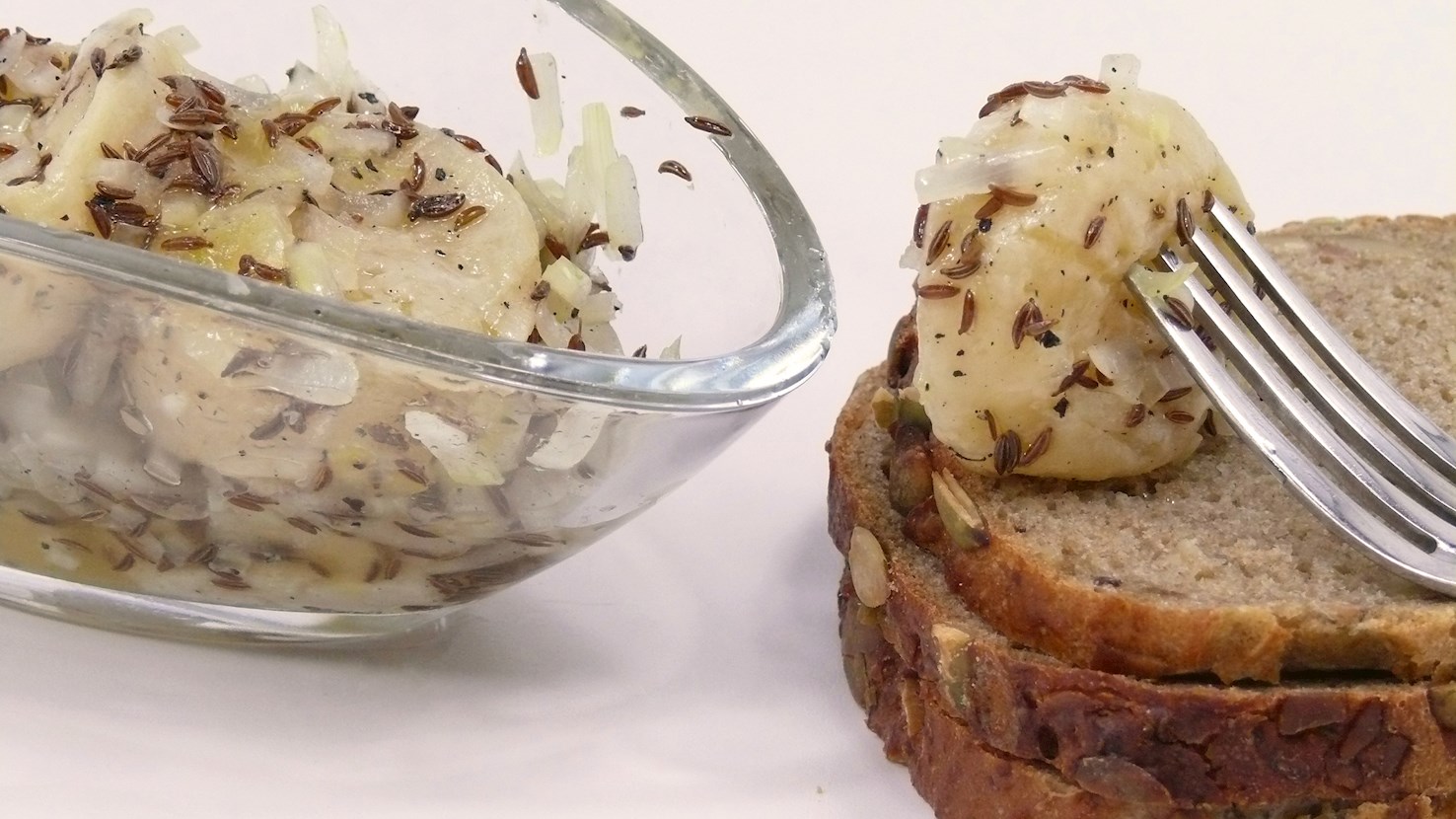
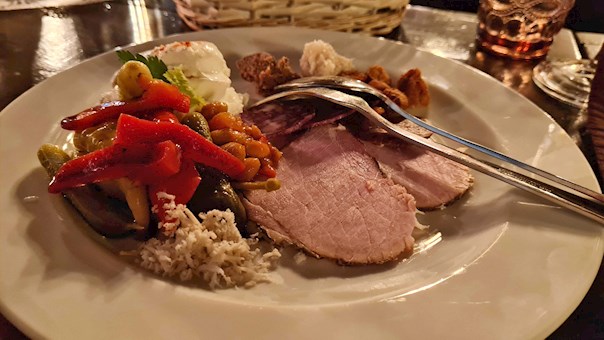
Handkäse mit Musik is a German dish originating from Hesse. It consists of hand-formed handkäse (sour milk cheese) that's topped with raw onion vinaigrette. The onion marinade stands for music (Musik) from the name, which comes in the form of flatulence caused by consuming raw onions. However, the real reason why it has music in its name is because in the past, the onions were served on the side, while vinegar and oil were served in tiny jars that made music while the servers carried them on a plate. The dish is often served only with a knife, and it's typically accompanied by bread, caraway seeds, and apfelwein (apple cider) on the side.
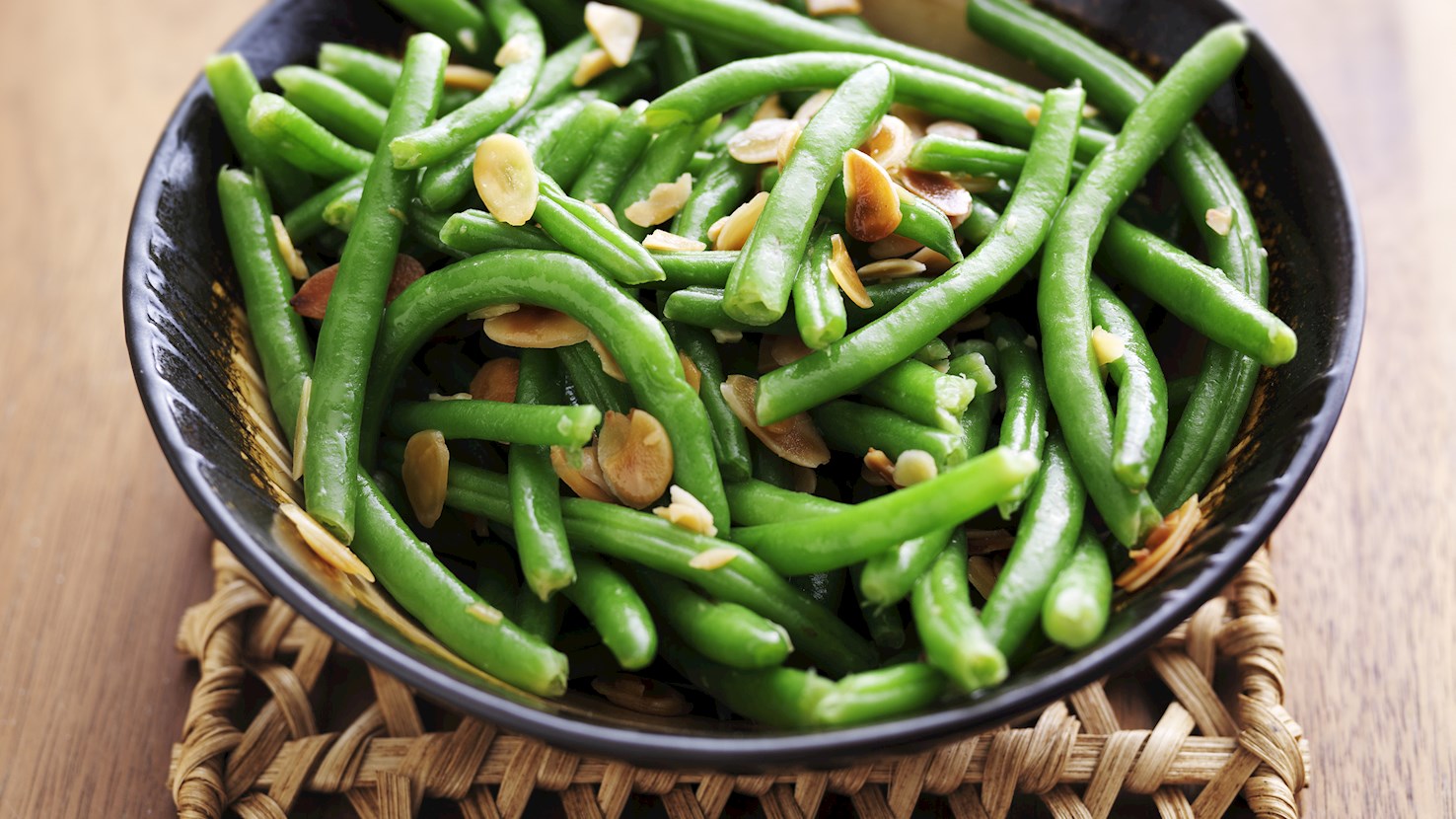
A simple combination of green beans with almonds, fasolka z migdałami is a variation of the classic Polish green beans with breadcrumbs. It consists of steamed or boiled green beans and chopped almonds that are roasted or fried in butter. With an excellent combination of flavors, the dish makes a great vegetarian main course. It can also be served as an appetizer or a side to meat and fish dishes.
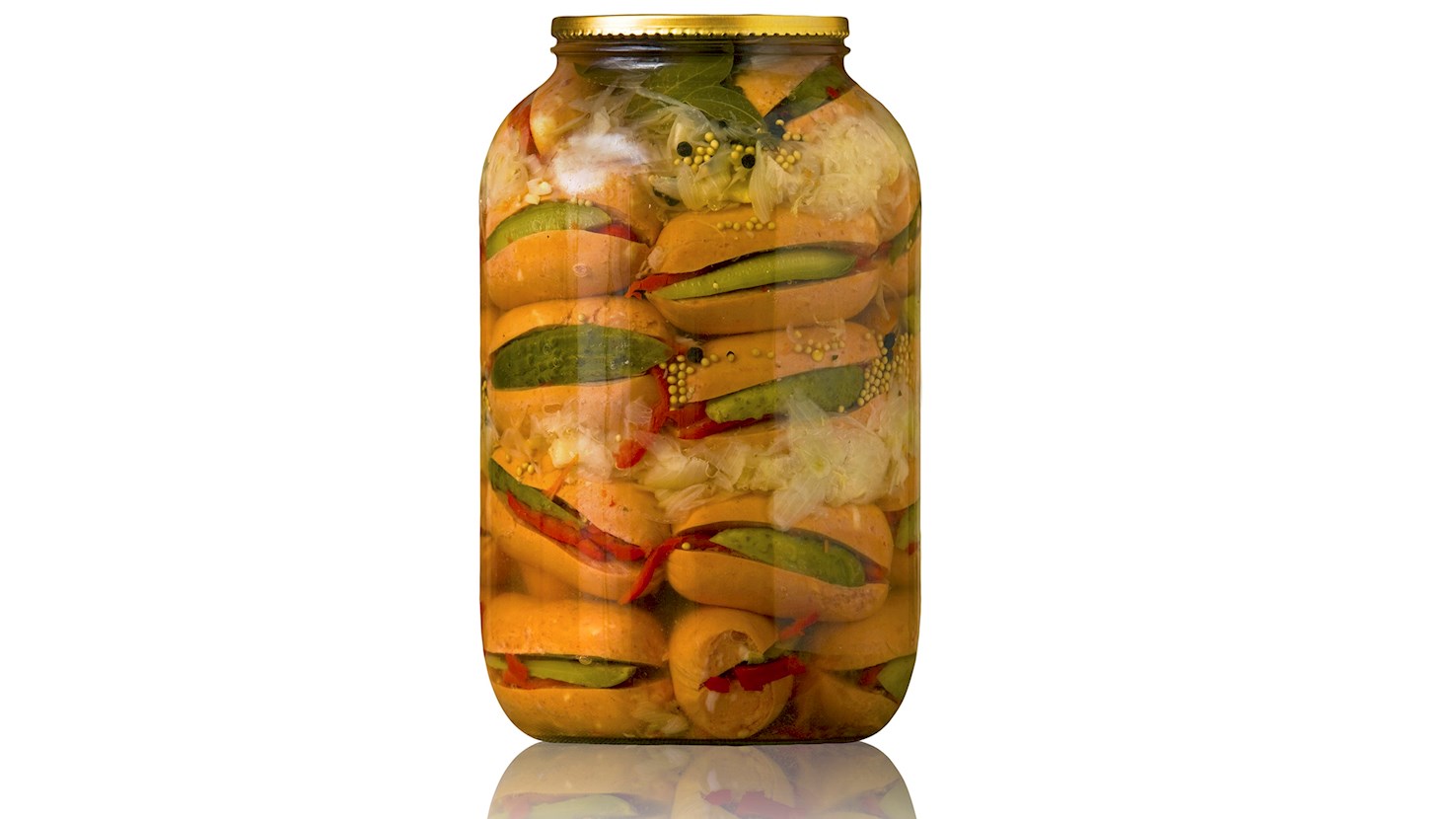
Utopenci is a popular Czech dish that is commonly served in pubs and bars as a snack. It consists of sausages that are pickled in a tangy marinade with bay leaves, onions, black pepper, and other spices. The dish is traditionally eaten cold with white bread. The name utopence is translated to drowned men due to a belief that the inventor of the dish drowned while he was working on his mill. Others believe that the name comes from the fact that the sausages are drowned in the marinade. One can find utopenci throughout the Czech Republic, in bars, homes, and even in some restaurants.
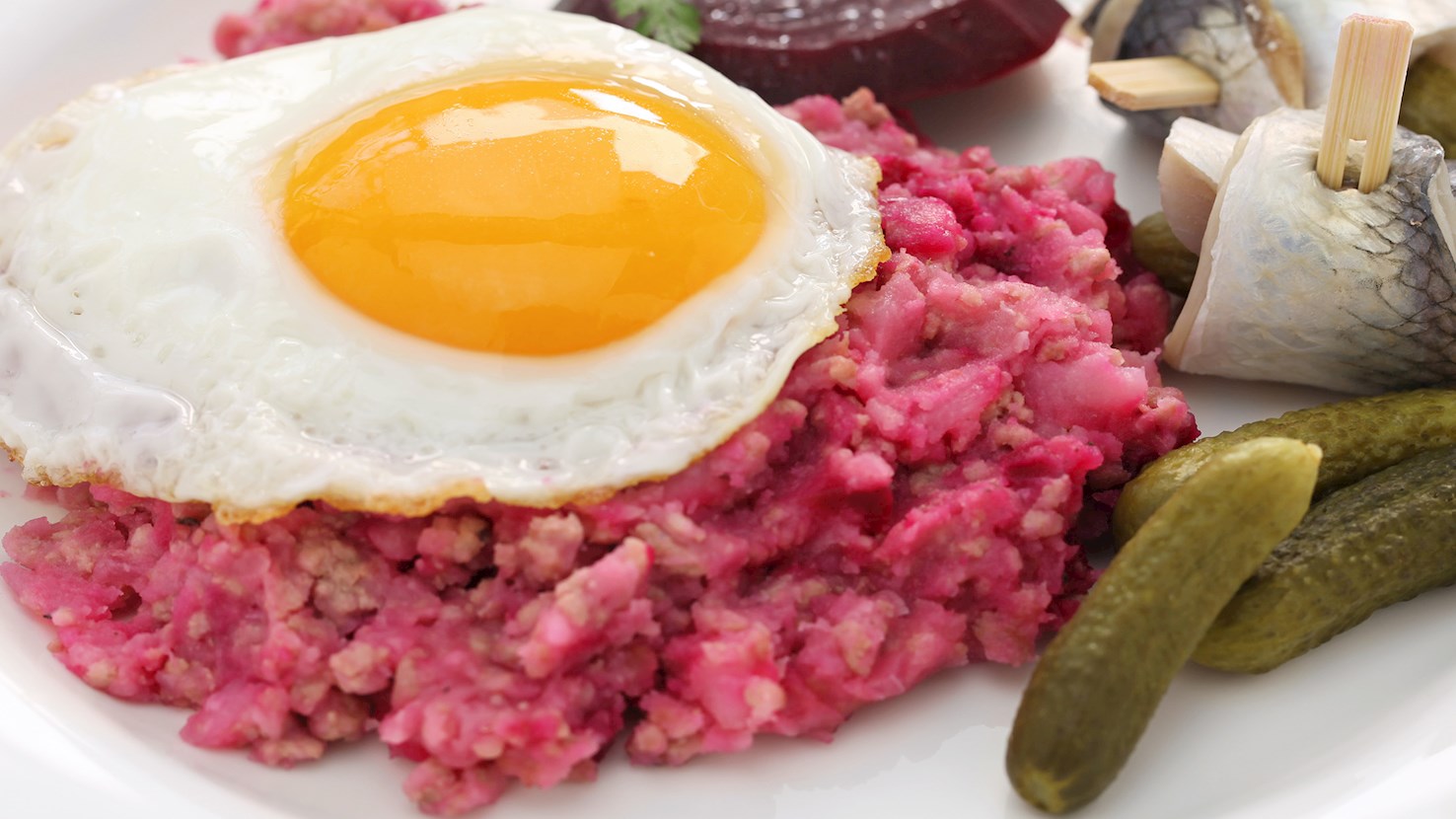
Labskaus is a dish from northern Germany consisting of corned beef, mashed potatoes, and beets, with additional ingredients such as fried eggs, pickles, and rollmops—a pickled, rolled herring. Although its origins are somewhat murky, the dish was most probably invented in the 16th century, when it was typically eaten by poor people, sailors, and seamen, due to the fact that pickled and canned foods were inexpensive and could last during long travels. Although the dish is particularly popular in the cities of Hamburg, Bremen, and Lübeck, variations of labskaus are prepared and consumed throughout northern Europe.
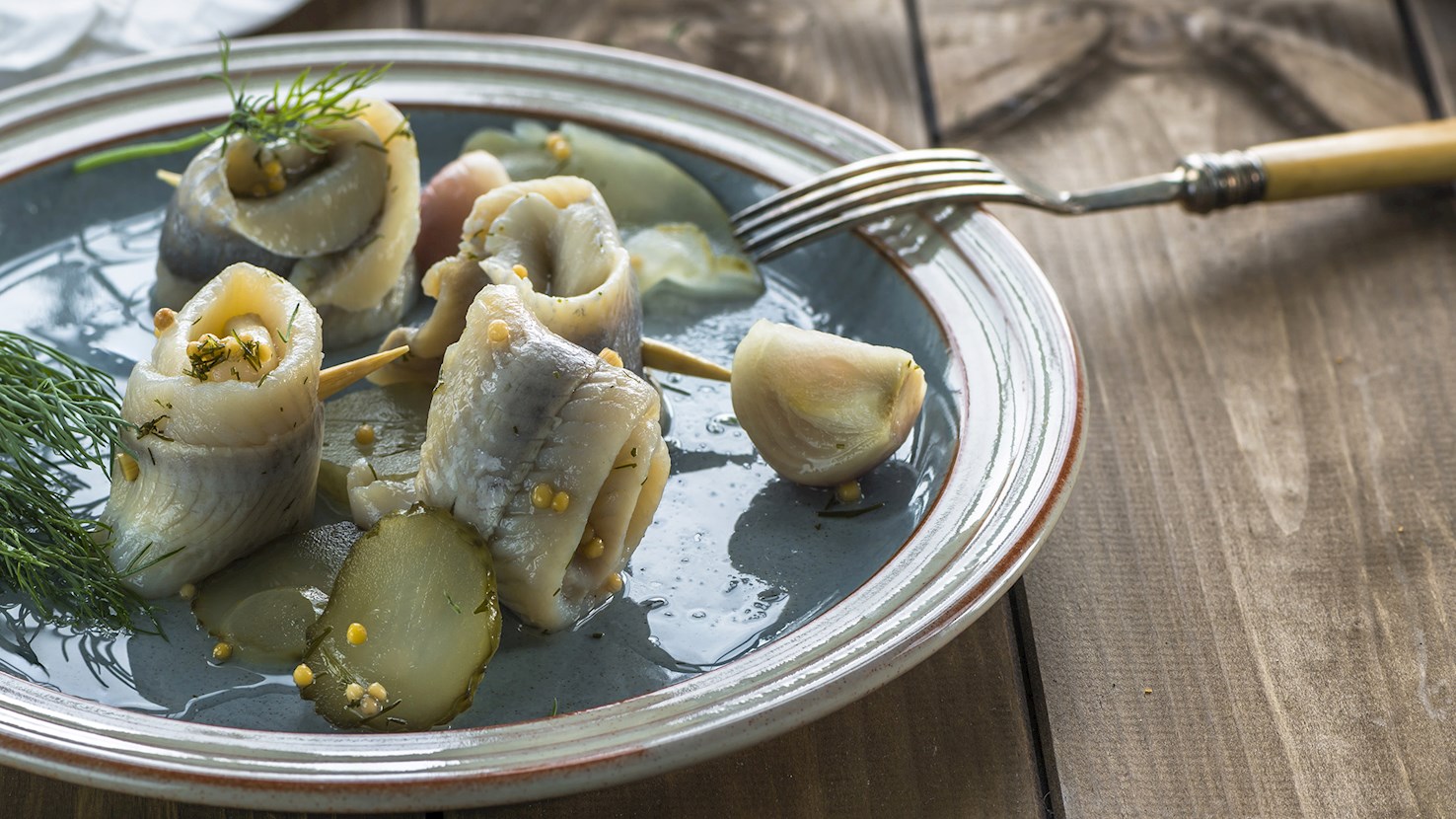
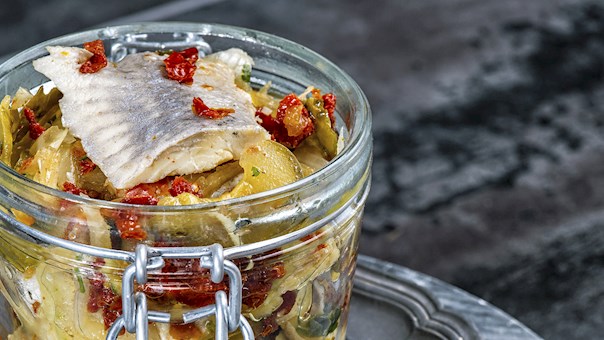
Rollmops is a German dish consisting of pickled herring fillets that are wrapped around ingredients such as gherkins, onion rings, or green olives. The combination is then usually skewered with a cocktail skewer. The dish is traditionally eaten cold, on its own or with bread. It grew in popularity in 19th-century Berlin, and it was a common pub food in the city. Aside from Germany, rollmops are also popular in England and Poland, especially during the Christmas season.
TasteAtlas food rankings are based on the ratings of the TasteAtlas audience, with a series of mechanisms that recognize real users and that ignore bot,
nationalist or local patriotic ratings, and give additional value to the ratings of users that the system recognizes as knowledgeable.
For the “29 Worst Rated Central European Appetizers” list until October 15, 2026, 3,858 ratings were recorded, of which 2,832 were recognized by the system as legitimate.
TasteAtlas Rankings should not be seen as the final global conclusion about food. Their purpose is to promote excellent local foods,
instill pride in traditional dishes, and arouse curiosity about dishes you haven’t tried.








What People Say