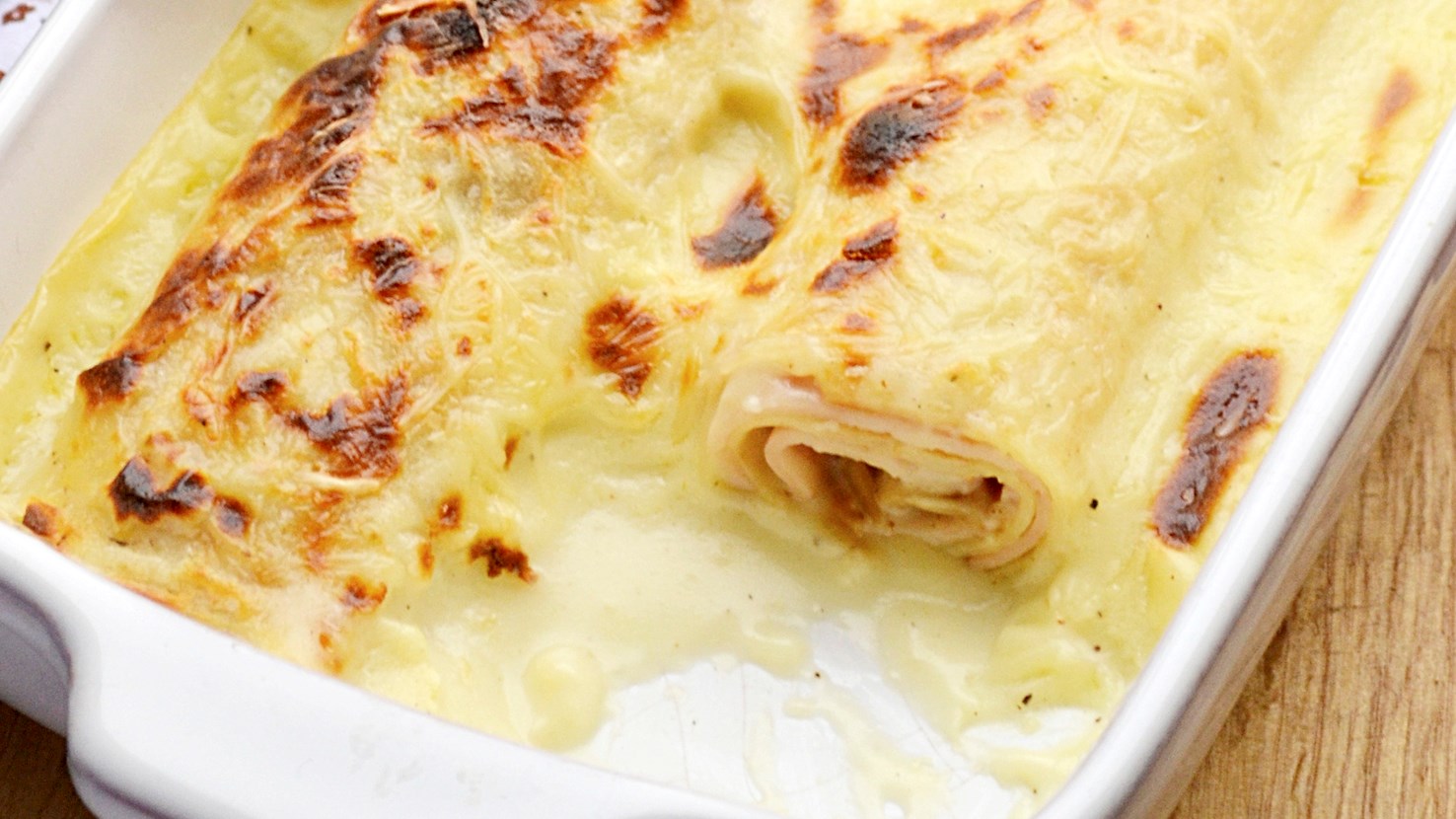
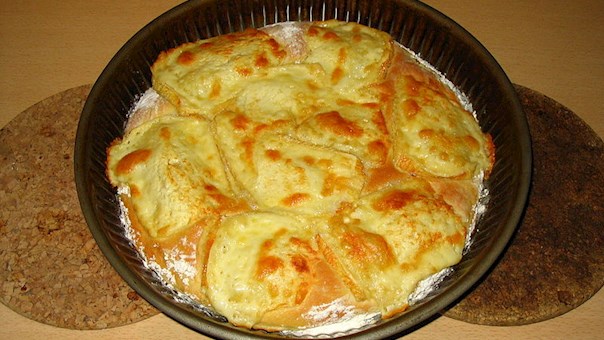
Ficelle picarde or Picardy string is a traditional dish from the French region of Picardy, a simple and easy entrée that can be found on the menus of numerous restaurants across northern France. The dish consists of a savory pancake that is filled with ham, cheese, and mushrooms. The pancake is often topped with grated cheese, and it is sometimes baked in the oven. Although it is a representative of the Picardy region, it was actually invented in the city of Amiens in the 1950s, when it was served to notable locals attending the Hotoie Exhibition. Amiens' leading chefs had to invent new, imaginative dishes for the event, and as a result, a chef named Marcel Lefévre created the ficelle picarde.
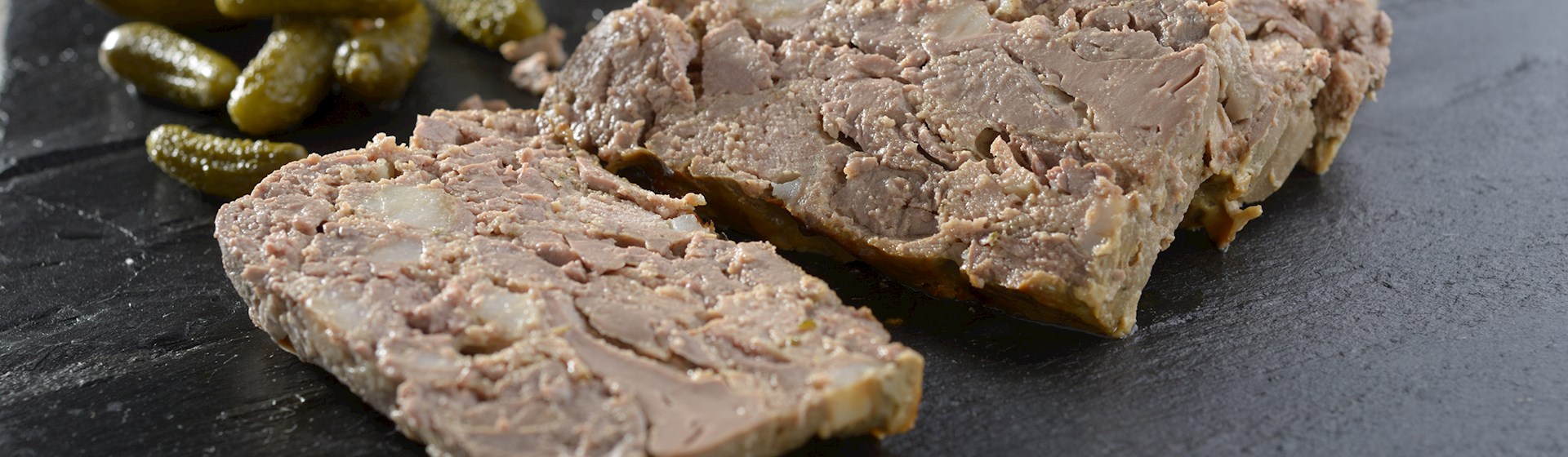
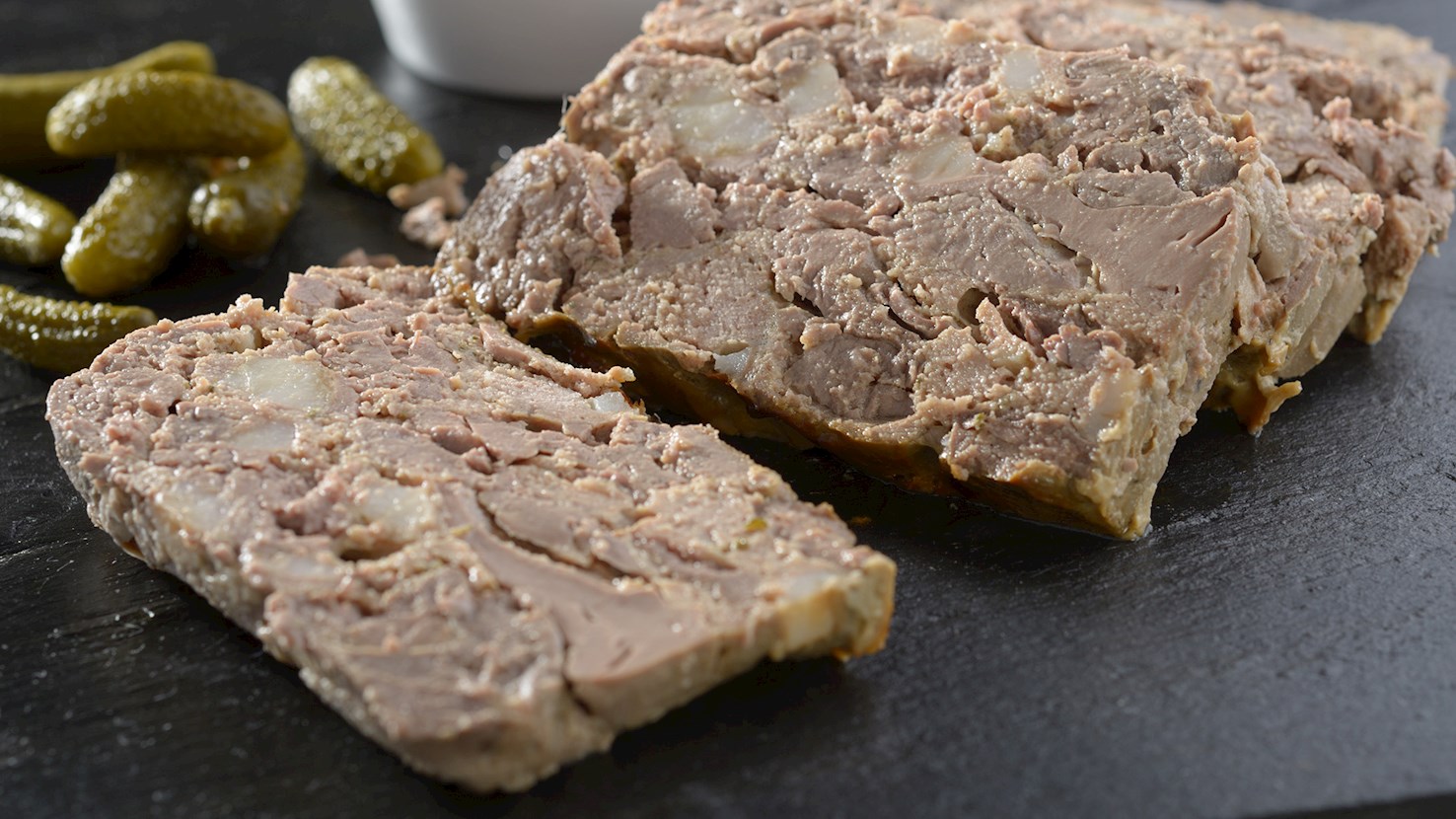
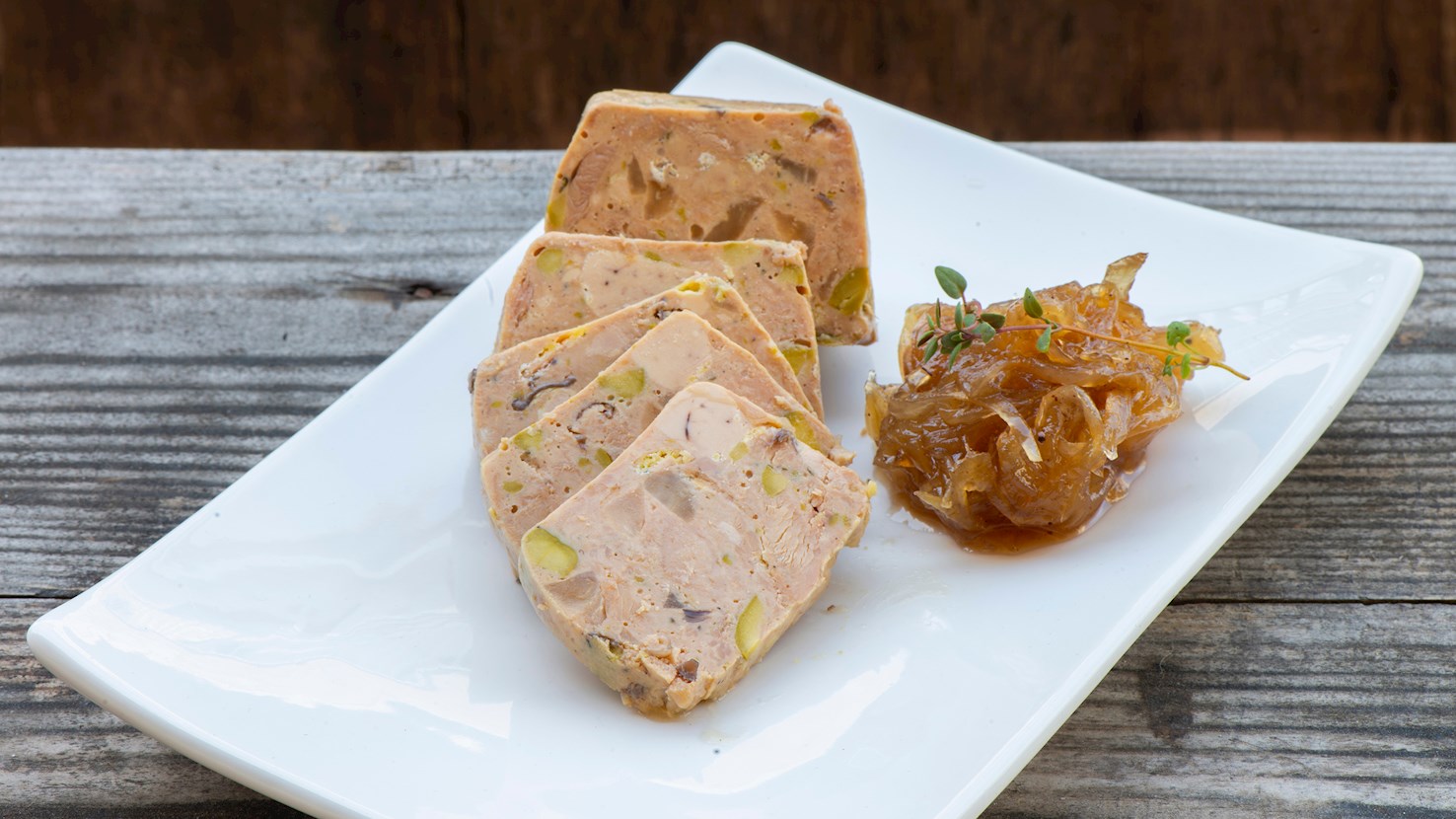
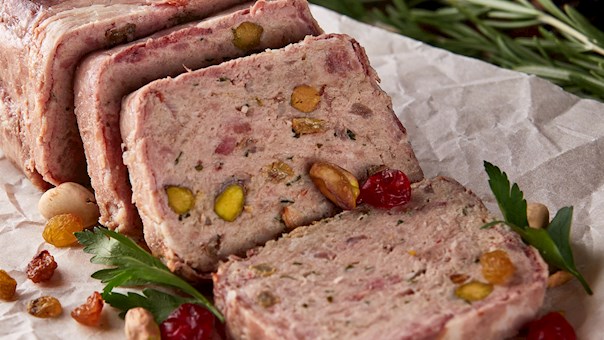
This specialty is a variation of the French terrine, a type of meat loaf that is prepared with rabbit (called lapin in French) meat. Terrine de lapin is typically made with a combination of coarsely chopped or ground rabbit meat (farm-raised or wild), fat, and a variety of spices such as thyme, rosemary, pepper, bay leaves, juniper berries, allspice, ginger, and savory. Ground pork, pork belly, poultry, or even veal shoulder are commonly added to the combination, and the meat mixture is usually flavored with shallots, parsley, and a splash of alcohol such as sherry or brandy. Other common ingredients used for the preparation of a rabbit terrine include eggs, pistachios, olives, meat stock, mushrooms, and lemon or orange zest. Traditionally, the dish is cooked in a special earthenware vessel called a terrine dish, which is usually lined with thin slices of bacon, ham, pancetta, caul fat, or fresh fatback. Once assembled, the terrine is typically baked in a water bath, then chilled and refrigerated for a couple of days before consumption. During the time spent in the refrigerator, the terrine is typically weighed down with a heavy object so that the flavors meld nicely and the dish gets its characteristic shape. Slices of rabbit terrine are usually enjoyed at room temperature as an entrée, often accompanied by crusty bread or toasted bread and gherkins.
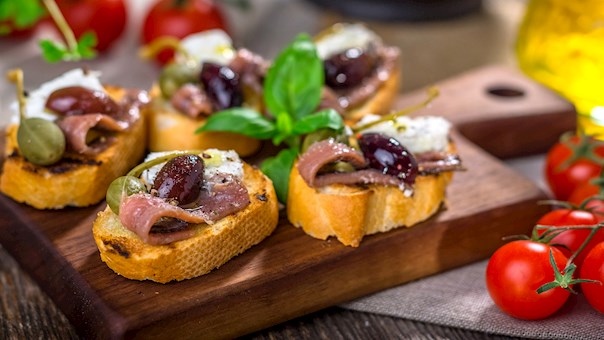
Anchoïade is a traditional dip originating from Provence. It consists of anchovies which have been packed in oil, red wine vinegar, minced garlic, and olive oil. The anchovies and garlic are ground into a paste, and it's then combined with vinegar and olive oil, which should be whisked in bit by bit until the desired consistency has been reached. Anchoïade is often slathered on grilled bread as a spread, used as a dip with crudités, or as a dressing for salads. However, it's most commonly used with crudités, so make sure you have an assortment of vegetables prepared for dipping, such as celery stalks, thinly sliced black radishes, or florets of broccoli romanesco.
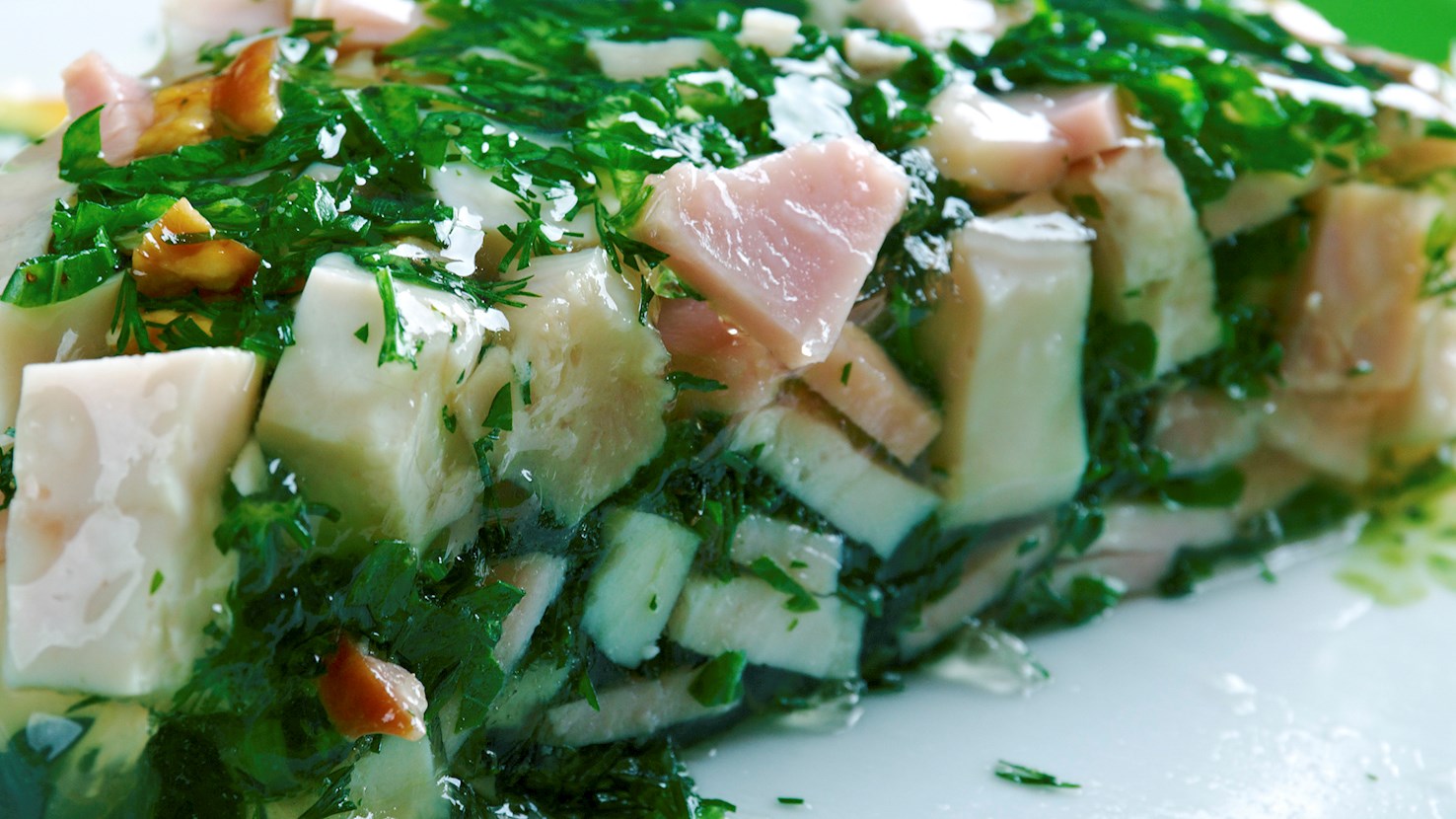
Jambon persillé is a charcuterie delicacy originating from Burgundy, made with tender, slow-simmered chunks of cured ham suspended in a savory, garlic-and-parsley-flecked white wine aspic. Tracing its roots back to the Middle Ages, this visually striking terrine was traditionally prepared to celebrate Easter, symbolizing the end of Lent and ingeniously using up the last of winter's cured pork. The key ingredient of jambon persillé is a high-quality cured ham—often the shoulder—which is soaked to draw out excess salt before being gently simmered for hours in a collagen-rich broth fortified with calves' feet or pig's trotters, aromatic vegetables, and a generous pour of a crisp, acidic Burgundian white wine such as Aligoté. Once the meat reaches an impossibly tender state and can be effortlessly pulled apart into rustic, bite-sized flakes, it is carefully layered into a terrine mold or a deep, rounded bowl. The heavily reduced cooking liquid is then strained, occasionally clarified, and vigorously whisked with a generous amount of finely chopped flat-leaf parsley, crushed garlic, and often a splash of white wine vinegar, creating a vibrant, emerald-hued liquid that is poured over the pork to fill every crevice. As the terrine chills overnight, the natural gelatin from the trotters solidifies the broth into a shimmering, herbaceous jelly that perfectly binds the meat, resulting in a stunning, mosaic-like cross-section of rosy-pink ham encased in bright green aspic when sliced. Enjoyed cold and typically served alongside a crusty baguette, pungent Dijon mustard, and tart cornichons, jambon persillé is a brilliant balancing act of deep, salty, porky richness and the bright, palate-cleansing bite of fresh herbs and wine.
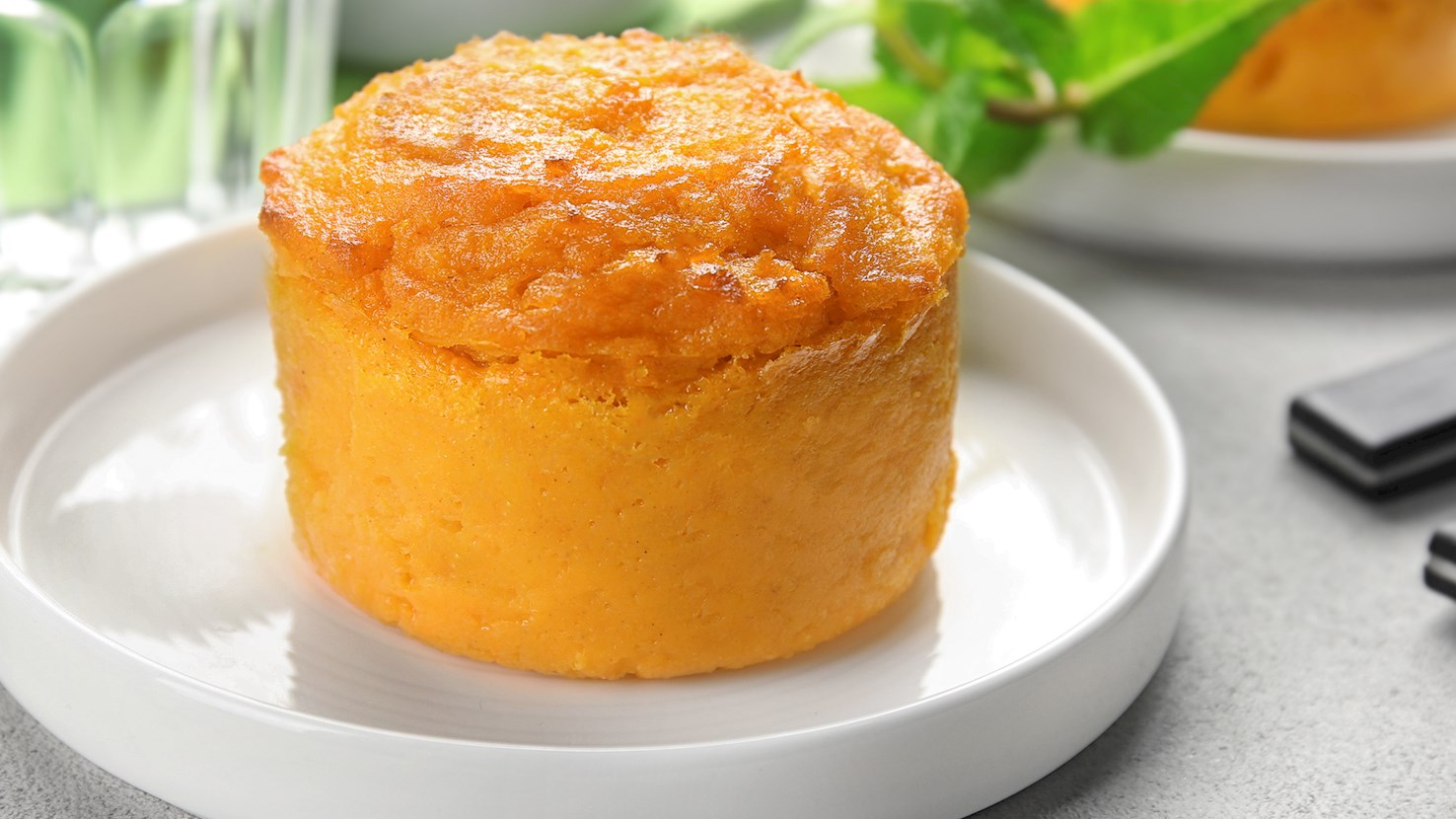
Carrot soufflé is a vegetable soufflé that is based on carrots, and it can be made in sweet or savory versions. Apart from mashed carrots, other typical ingredients used in the soufflé base include butter, flour, and eggs. The dish is then sweetened with sugar and flavored with aromatic spices such as vanilla, cinnamon, and nutmeg. Baking powder is usually added to make the soufflé swell, but it can also be prepared in a traditional way by whipping egg whites until frothy before mixing them in the soufflé base. Other typical ingredients include cheese, chicken broth, onions, milk, black pepper, and allspice. Crispy on the outside and creamy on the inside, this carrot soufflé is an ideal accompaniment to various meat and seafood dishes. The soufflé can also be enjoyed as a dessert if it errs on the sweeter side, or as a light vegetarian meal paired with a green salad on the side.
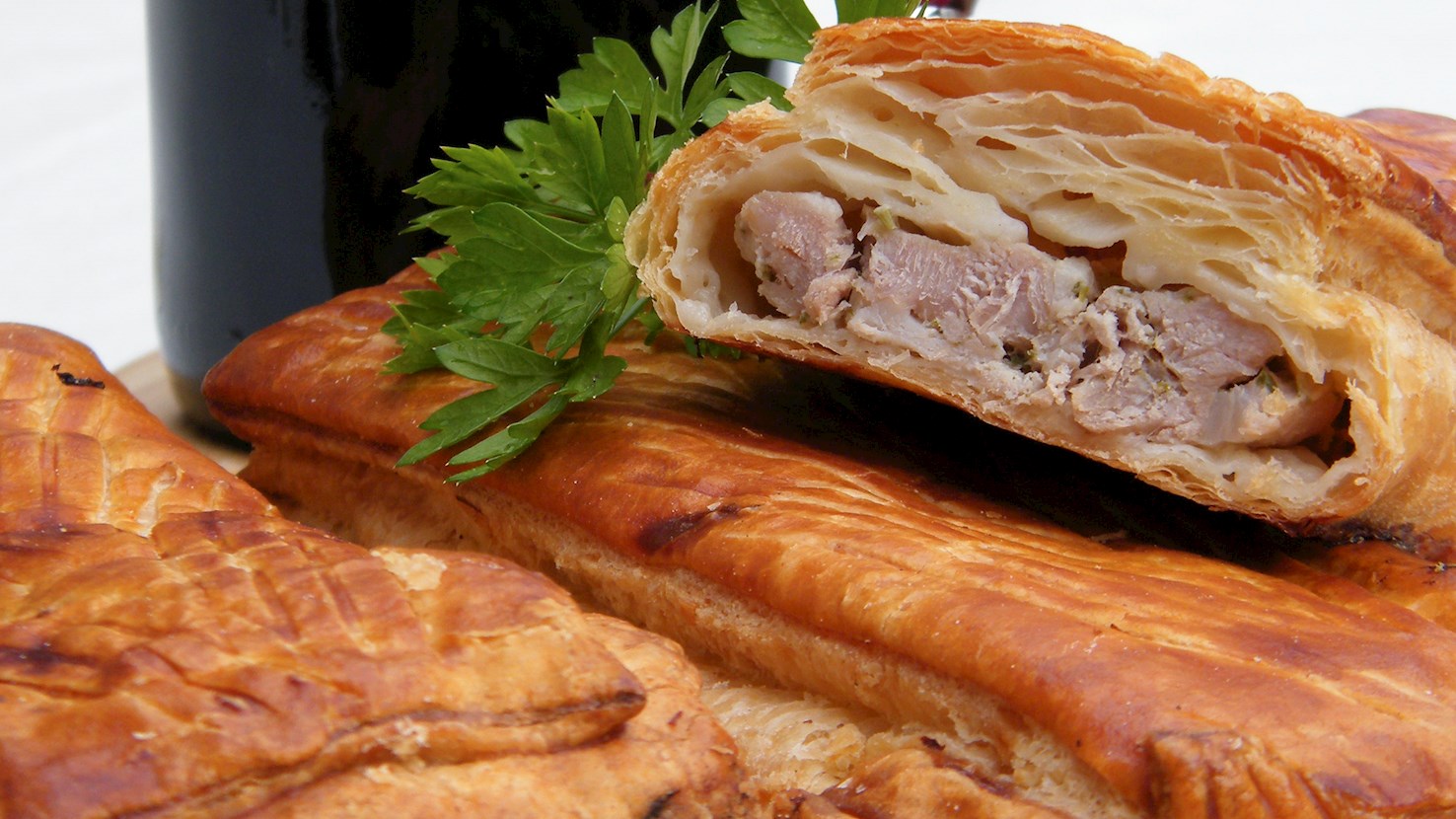
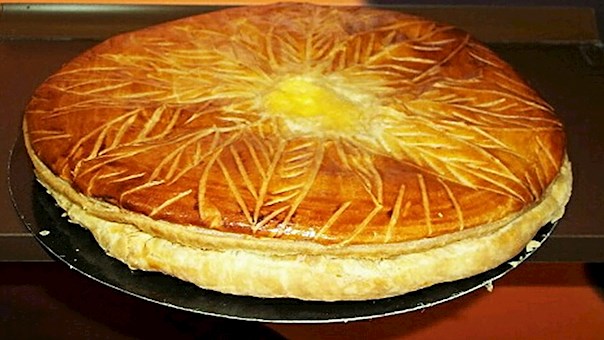
Pâté Lorrain has finely chopped, marinated pork and veal completely encased within a golden, flaky rectangular puff pastry. It holds the distinction of being one of the oldest recorded regional dishes in French gastronomy, with its earliest written recipe appearing in the 14th-century cookbook "Le Viandier" by Guillaume Tirel, famously known as Taillevent. Originally developed as a rustic, practical method for preserving and transporting meat during long workdays, it eventually evolved into a celebrated staple of regional bakeries and charcuteries across northeastern France. The making of pâté Lorrain begins a full day before baking, requiring the meat—traditionally an equal mixture of pork shoulder and veal—to be cut into small, uniform cubes rather than ground into a paste, which provides its signature rustic texture. This coarsely chopped meat is submerged in a highly aromatic marinade composed of dry local white wine, such as Gris de Toul or Riesling, alongside minced shallots, garlic, fresh parsley, thyme, bay leaves, salt, and cracked black pepper. After resting in a cold environment for 12 to 24 hours to develop flavor and tenderize the proteins, the meat is thoroughly drained to prevent the pastry from becoming soggy with excess moisture. The marinated meat is then mounded onto a sheet of dough, wrapped into a neat rectangular parcel, and brushed with an egg wash to achieve a deep golden sheen. The baker typically scores the top to create a decorative pattern and cuts small ventilation holes, or "chimneys," to allow steam to escape during baking, ensuring the puff pastry crust rises perfectly crisp and shatters upon cutting. While the pork and veal blend represents the standard, notable variations exist across the region, including purely pork-based versions for a richer flavor profile, occasional substitutions of rabbit or poultry, and a sturdier shortcrust pastry base to better support the heavy meat filling. As a cornerstone of Lorraine's culinary identity, the dish is traditionally served warm, never piping hot, allowing the meat's juices to settle and the complex flavors of the wine marinade to fully emerge. It is almost universally presented as a hearty appetizer or a light main course, accompanied simply by a crisp green salad tossed with a sharp, acidic vinaigrette that expertly cuts through the rich, buttery density of the pastry and the savory depth of the meat.
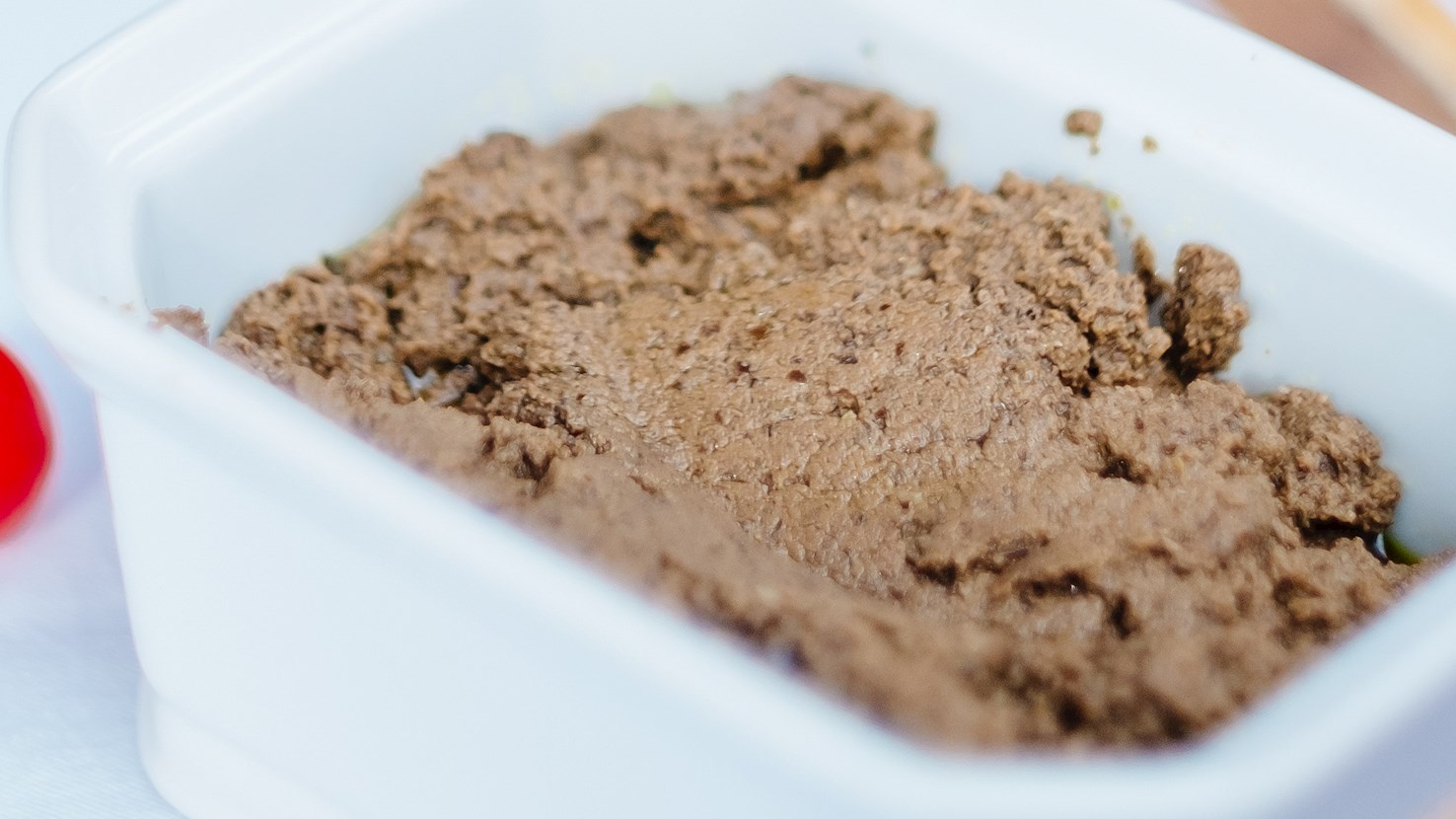
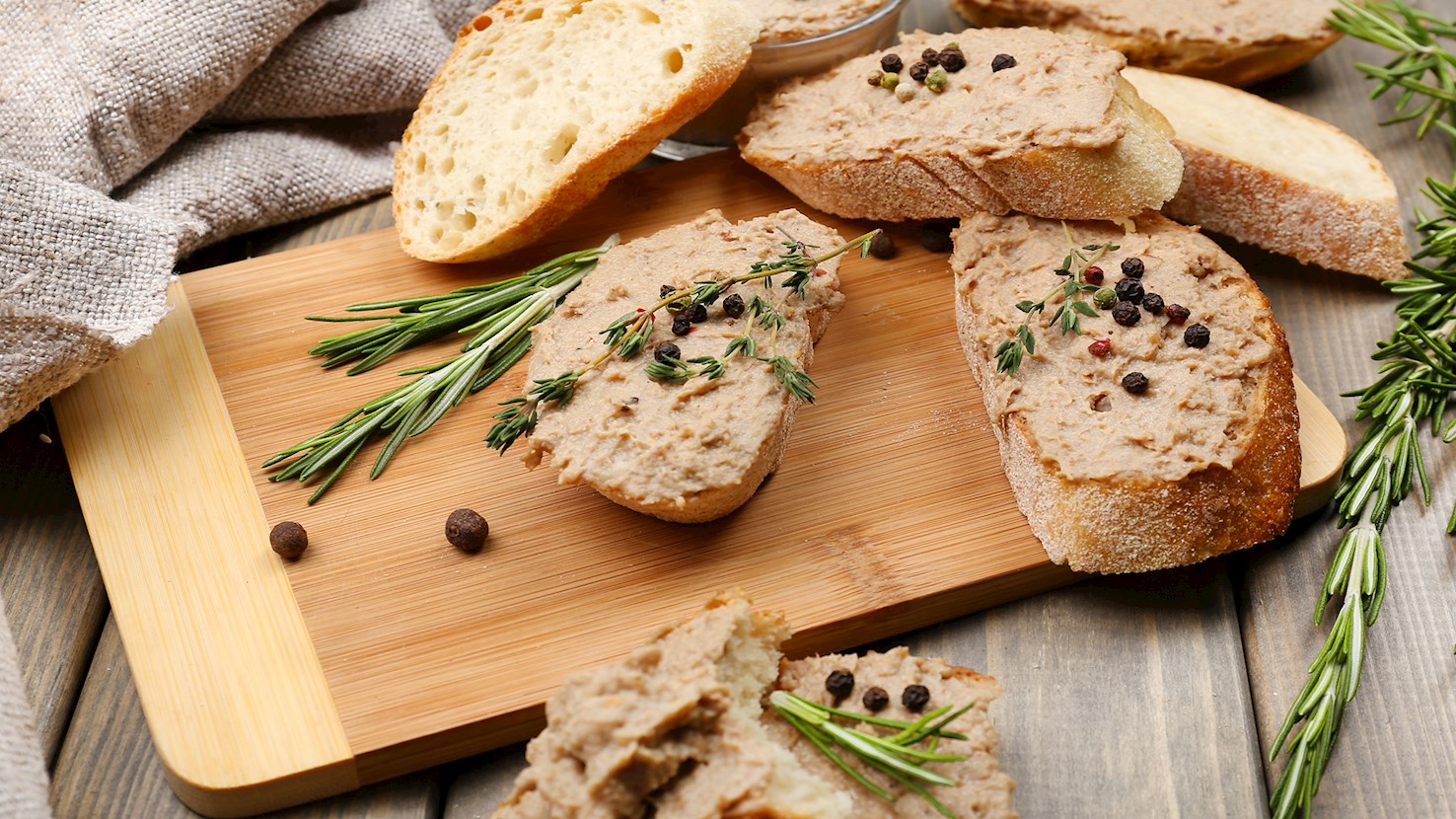
This French classic combines duck liver, eggs, butter and milk into a creamy mixture that is infused with Port wine. The combination is vigorously mixed until it turns into a delicate, airy foam that is later cooked over a bain-marie bath. To preserve it, the mousse is topped with a thick layer of fat. Always served well chilled, mousse de foie de canard au Porto is mainly enjoyed as an appetizer accompanied by crispy, rustic bread, and it pairs best with light-bodied red wines or medium-bodied dry white wines.
This French dish consisting of coarsely chopped meat and fat is similar to a meat loaf. The name terrine also refers to the earthenware vessel used to cook it, which also serves as a mold. The combination of meat (often goose or duck liver, pork, deer, or boar) is usually marinated in a mixture of herbs and wine before it is left to cool, when a flavorful jelly develops in the dish. Although it was originally invented as a hearty and substantial food for French peasants, today it has evolved into an elegant appetizer that commonly appears on the menus of many upscale restaurants.
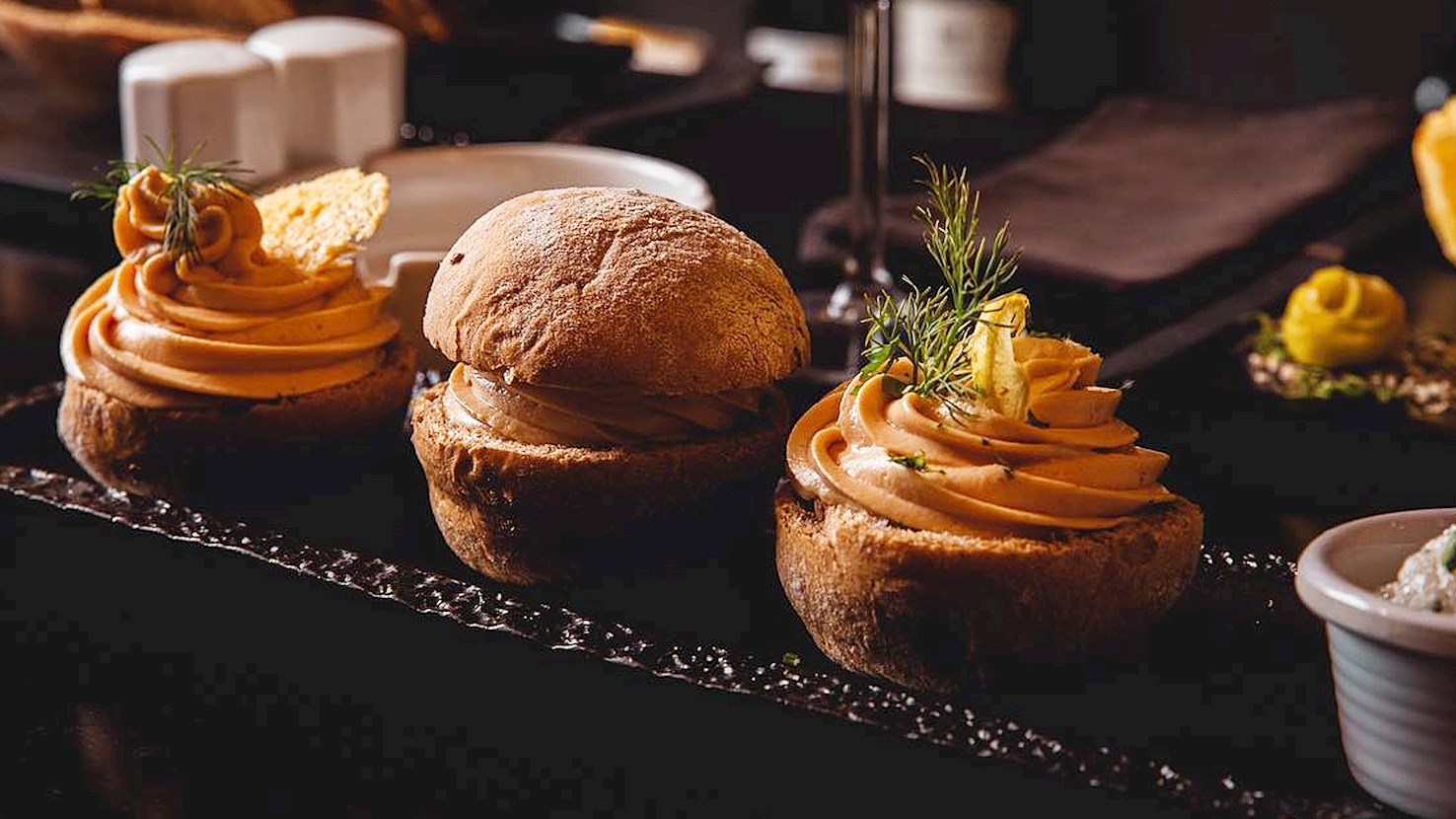
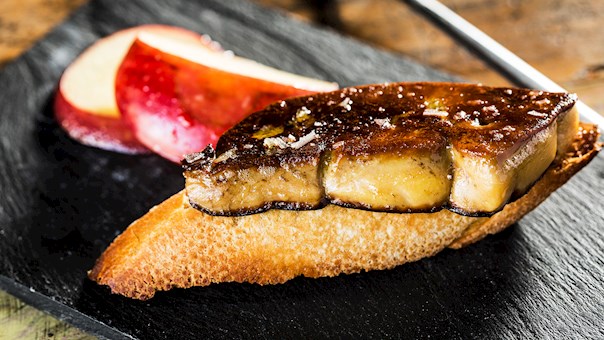
Mousse de foie gras is a French delicacy made with slices of sautéed duck or goose foie gras that are processed into a smooth, light, and spreadable paste with ingredients such as softened butter, béchamel sauce, or crème fraiche (a thick, slightly sour cream). This dish typically uses the cheaper (grade B or C) foie gras, and it is usually seasoned with salt and black pepper and flavored with the tart Pomme de Vie apple brandy, orange-flavored Grand Marnier, or port wine. A simple, yet elegant appetizer, foie gras mousse is incredibly versatile. It can be enjoyed as a canapé spread, on top of slices of soft brioche, toast, vol-au-vent puff pastries, or tart shells, but it can also be used as a garnish for salads or soups or as a filling for choux pastries.
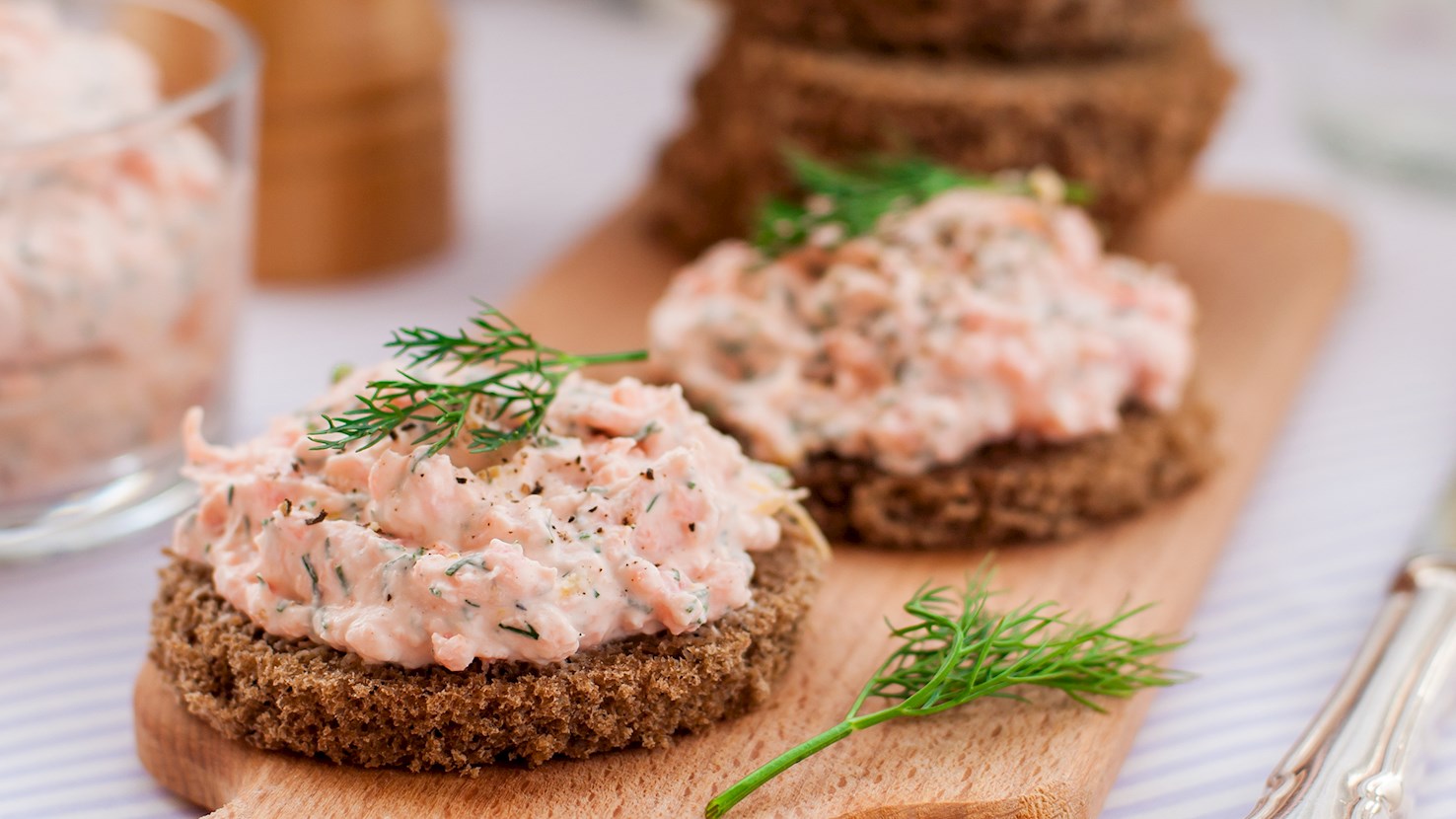
Whether served on simple toast crackers, baguette slices, pumpernickel bread, or cucumber slices, the smoked salmon mousse is one of the most popular canapé topping choices. Made by adding either cream, ricotta, or sour cream into it, the mousse is seasoned only with lemon juice, salt, and pepper. For a more visually appealing presentation, the mousse is often piped on the base.
TasteAtlas food rankings are based on the ratings of the TasteAtlas audience, with a series of mechanisms that recognize real users and that ignore bot,
nationalist or local patriotic ratings, and give additional value to the ratings of users that the system recognizes as knowledgeable.
For the “40 Worst Rated French Appetizers” list until July 16, 2026, 4,284 ratings were recorded, of which 3,568 were recognized by the system as legitimate.
TasteAtlas Rankings should not be seen as the final global conclusion about food. Their purpose is to promote excellent local foods,
instill pride in traditional dishes, and arouse curiosity about dishes you haven’t tried.