




shutterstock

40 Worst Rated Spanish Appetizers

Last updated on July 16, 2026
01

Esgarrat

2.7 ·

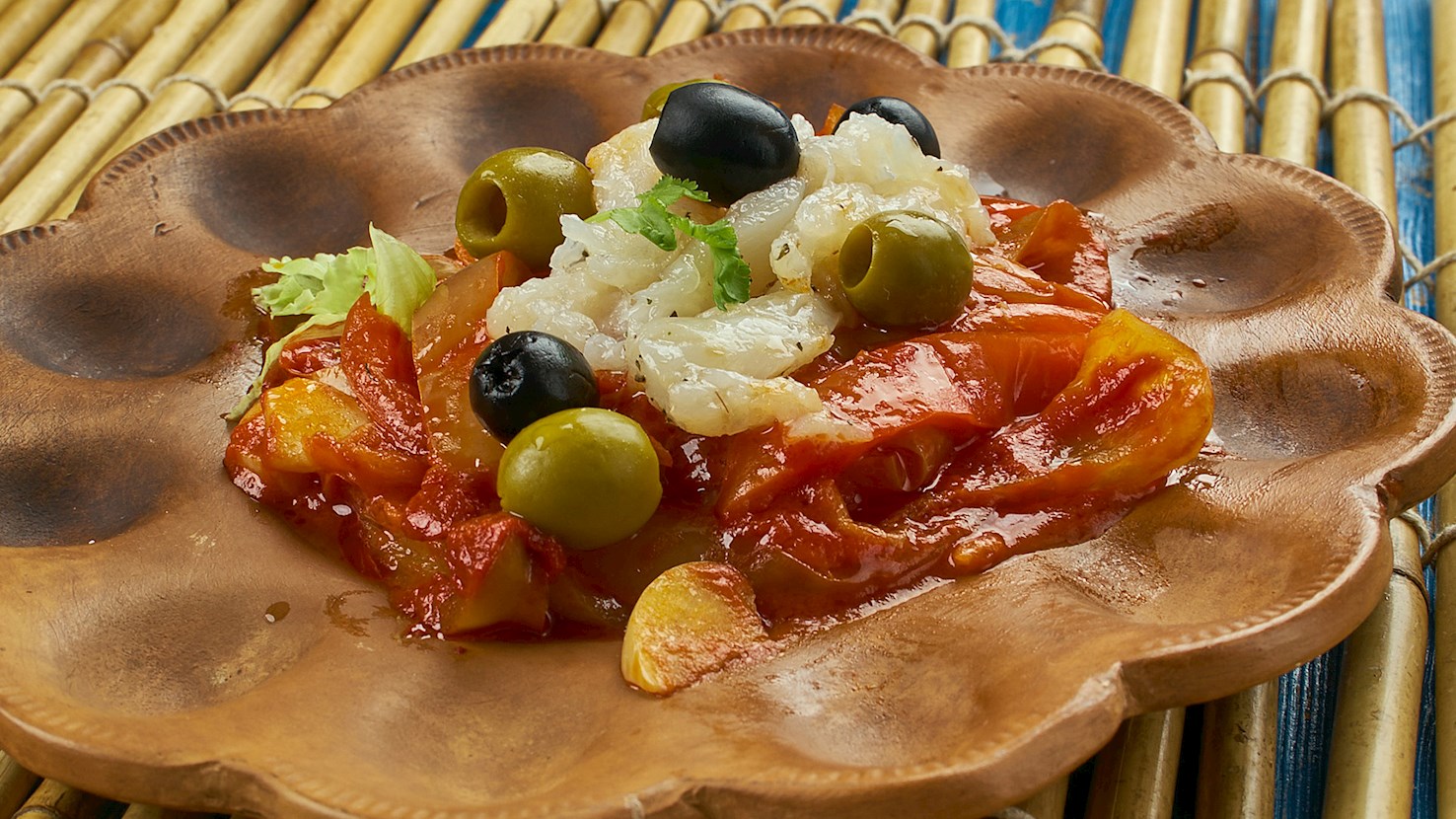
Esgarrat is a traditional dish originating from Valencia. It's made with red peppers, cod, garlic, olive oil, and salt. This simple appetizer is prepared by roasting the peppers and the cod on a grill. The skin is then peeled off the peppers and ripped into irregular strips by hand. The cod is also ripped into strips, and it's then placed on top of the peppers. The dish is seasoned with garlic, salt, and lots of olive oil. The name of the dish refers to the method of preparation, meaning that the ingredients must be ripped or torn. Esgarrat is often served at bars, where it's mopped up with bread. In the past, the dish used to be a staple of hungry fishermen. There are also other varieties, and most of them incorporate black olives in the dish.

02

Gazpacho de mango

2.8 ·

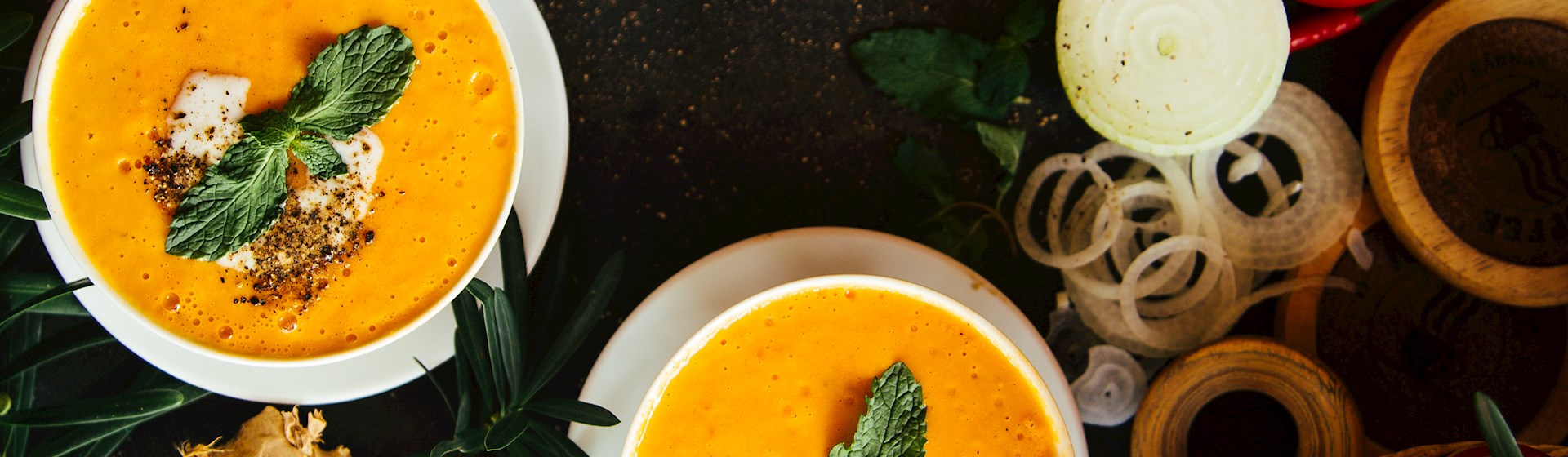
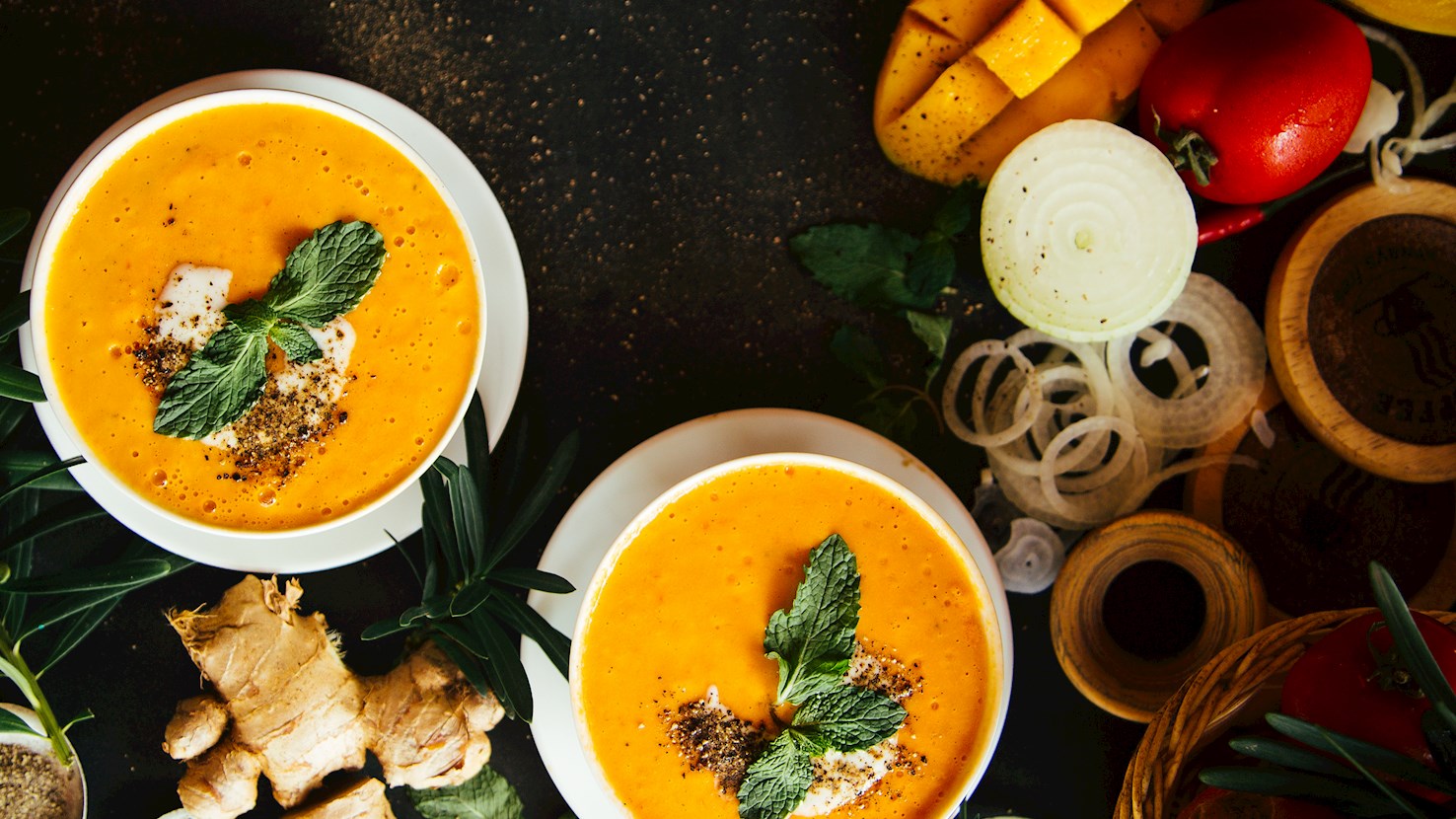
Gazpacho de mango or mango gazpacho is a variety of Spanish gazpacho, a refreshing soup that’s traditionally enjoyed cold. As the name suggests, this version is based on mangoes, which are combined with other ingredients such as cucumbers, tomatoes, peppers, jalapeño peppers or chili, onions, shallots, and garlic. All the ingredients are peeled and diced before they’re blended with cold water and olive oil into a mixture with a smooth consistency and a silky texture. Orange juice, lime juice, or vinegar are usually added to the combination to add the necessary acidity, and the soup is typically flavored with spices and herbs such as cilantro, basil, or tarragon. With a subtle sweet and savory flavor, mango gazpacho is traditionally enjoyed well-chilled alongside salads, grilled meat or seafood, skewered vegetables, and crusty bread. This simple soup makes for a great summer appetizer due to its refreshing nature, although it is also commonly eaten as a light meal for lunch or dinner.

03

Xató (salad)

2.8 ·

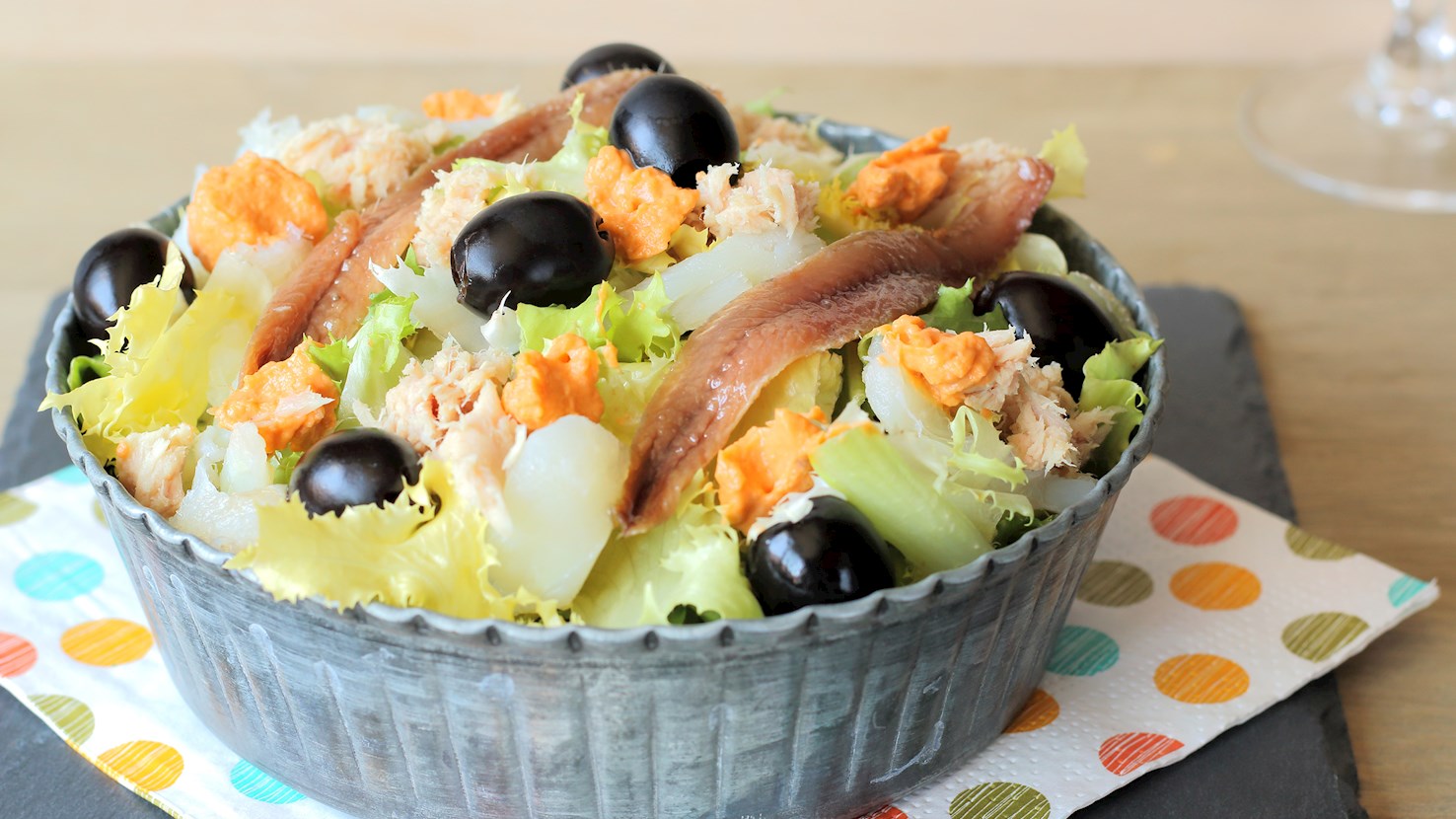
Xato is a traditional salad originating from Catalonia. It's made with a combination of endive leaves, anchovies, Arbequina olives, salt cod, and tuna. This traditional salad is dressed with the eponymous sauce consisting of breadcrumbs, garlic, hazelnuts, almonds, vinegar, olive oil, salt, and dried nyora peppers. The dressing is typically ground with a pestle in a mortar. This salad is often served as an appetizer before grilled meat dishes or botifarra sausage.

04

Croquetas con cecina

2.8 ·

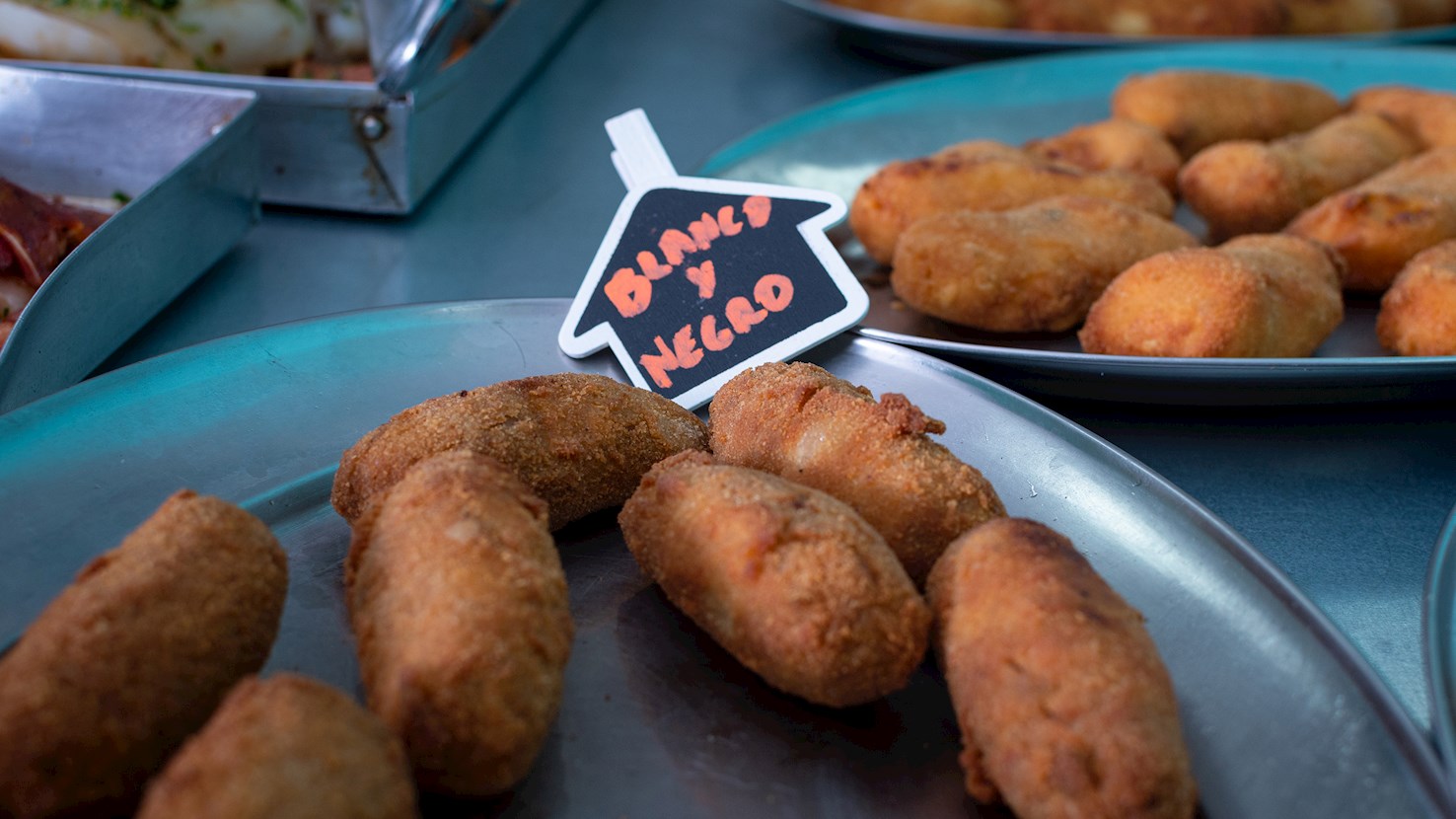
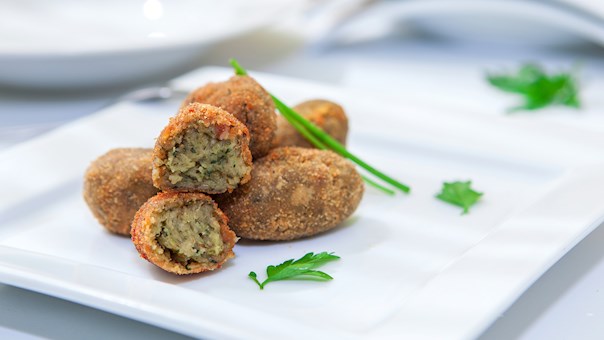
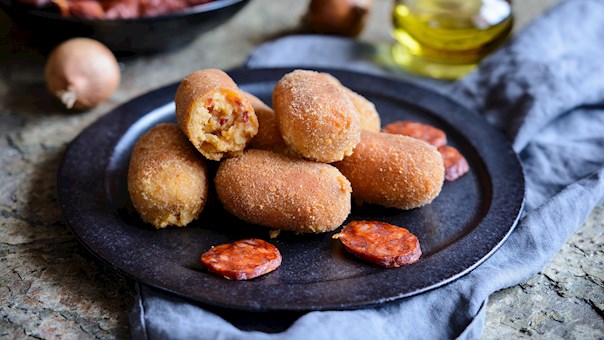
Croquetas con cecina is a traditional croquette variety. It's usually made with a combination of butter, leeks, cecina (air-dried beef), milk, flour, salt, pepper, nutmeg, eggs, breadcrumbs, and olive oil. The leeks and cecina are sautéed in butter, seasoned with salt and pepper, and then mixed with a bechamel sauce consisting of flour, butter, milk, salt, pepper, and nutmeg. The mixture is chilled, shaped into croquetas, dipped in eggs, rolled in breadcrumbs, and then fried in olive oil until golden brown.

05

Pincho de huevo y gamba

2.8 ·

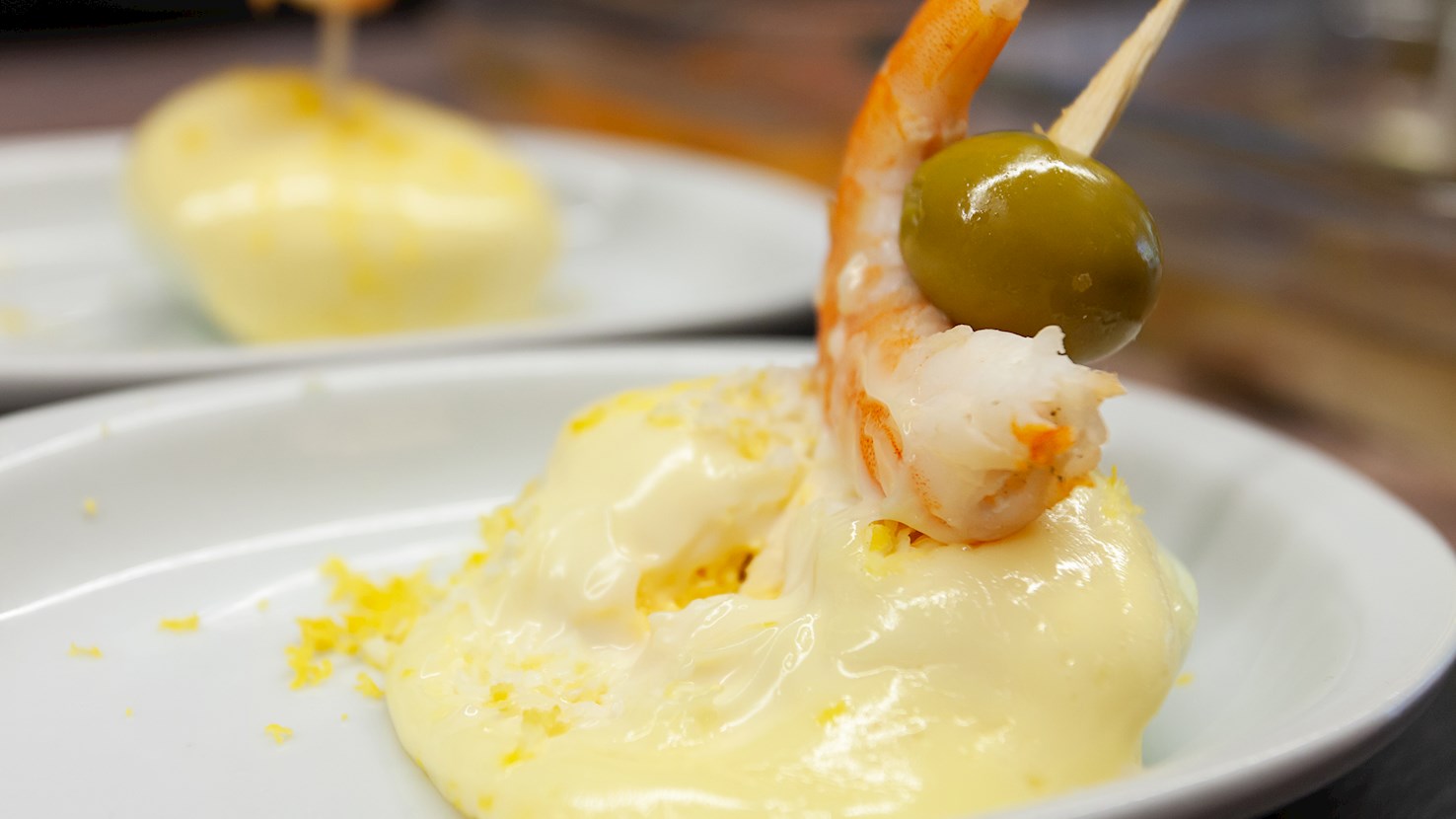
Pincho de huevo y gamba is a traditional pincho originating from Basque Country. This bar snack is made with hard-cooked eggs, cooked shrimp, and mayonnaise. The eggs are peeled, sliced in half lengthwise, then topped with a shrimp and a teaspoon of mayonnaise, which can be homemade or store-bought. Each pincho is skewered with a toothpick, and the bite is served immediately. This pincho can be found in most bars in the Basque Country, both during the day and in the evening.

06

Alcachofas con jamón

2.9 ·

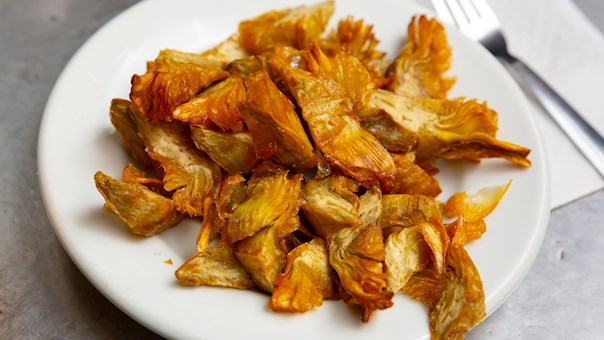
Alcachofas con jamón is a traditional dish that's usually served as a tapa. The dish is usually made with a combination of artichokes, olive oil, tomato juice, sugar, salt, white wine, jamón serrano, bay leaves, and parsley. The artichokes are trimmed and placed in cold water with parsley. The tomato juice and sugar are simmered in olive oil, then mixed with the artichokes, white wine, jamón, and bay leaves. The dish is cooked until the artichokes become tender. Before serving, this tapa is seasoned with salt, drizzled with olive oil, and sprinkled with chopped parsley.

07

Pincho ensaladilla rusa

3.0 ·

Pincho ensaladilla rusa is a traditional appetizer or bar snack originating from the Basque Country. These pinchos are made with ensaladilla rusa (Russian salad), which is prepared by mixing boiled potatoes, boiled carrots, bonito del norte (Albacore tuna), manzanilla olives, boiled eggs, and mayonnaise. The mixture is spooned onto a piece of baguette and, optionally, topped with an anchovy. Depending on the bar, the pincho may come with a toothpick through it. This classic pincho has a few variations, so it's not uncommon to see it prepared with slightly different ingredients.

08

Soldaditos de Pavía

3.0 ·

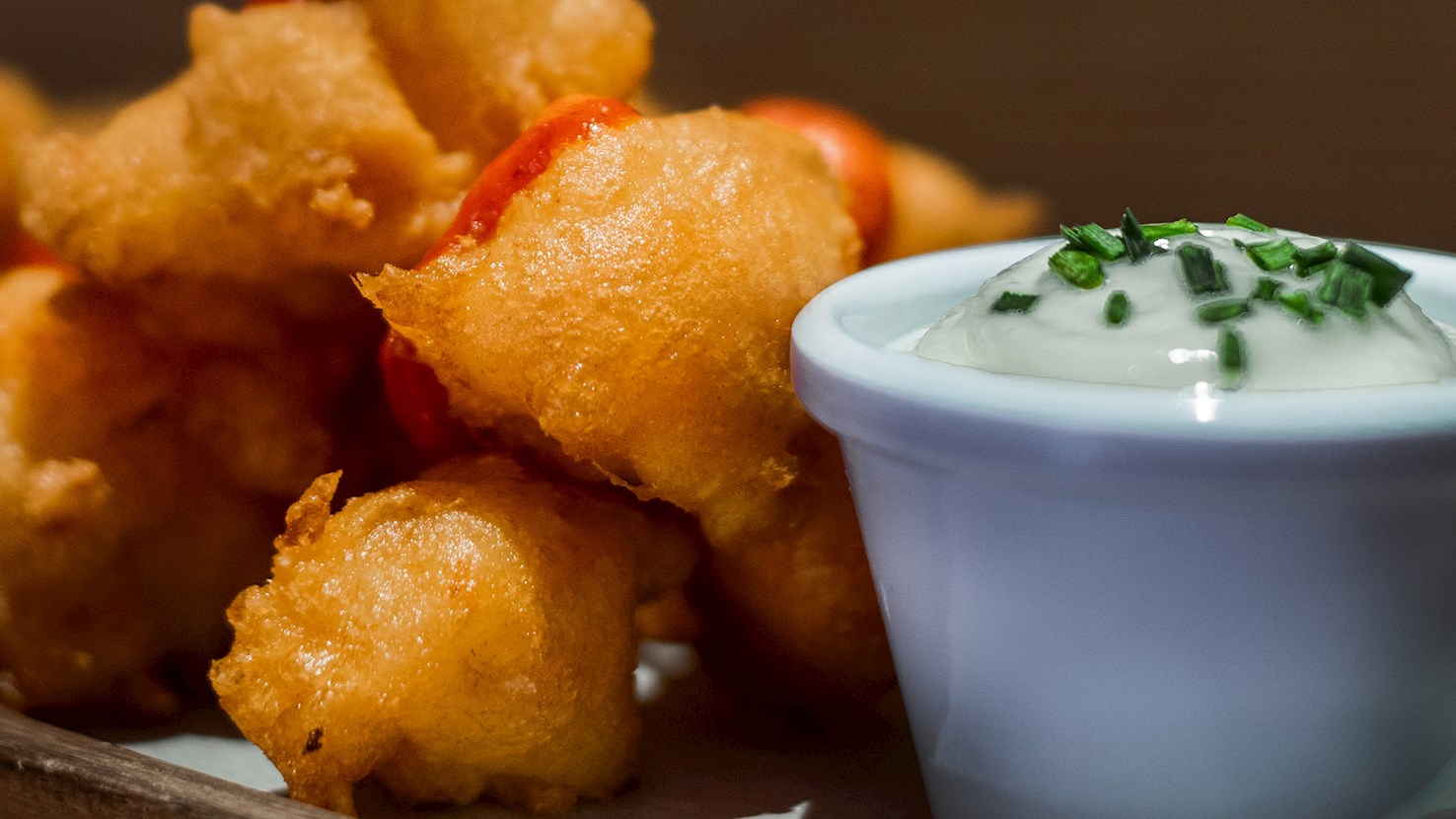
Soldaditos de Pavía is a traditional dish that's a staple of Madrid's tapa bars, but it's also often found in Andalusia. The dish consists of strips of battered and deep-fried cod that are served with a strip of roasted red pepper wrapped around them. Before the frying, the cod is typically marinated in a combination of pimentón and lemon juice. The name of the dish means soldiers of Pavía, referring to the fact that the dish resembles the orange-red uniforms worn by the Hussars of Pavía regiment.

Best restaurants
09

Hornazo

3.2 ·

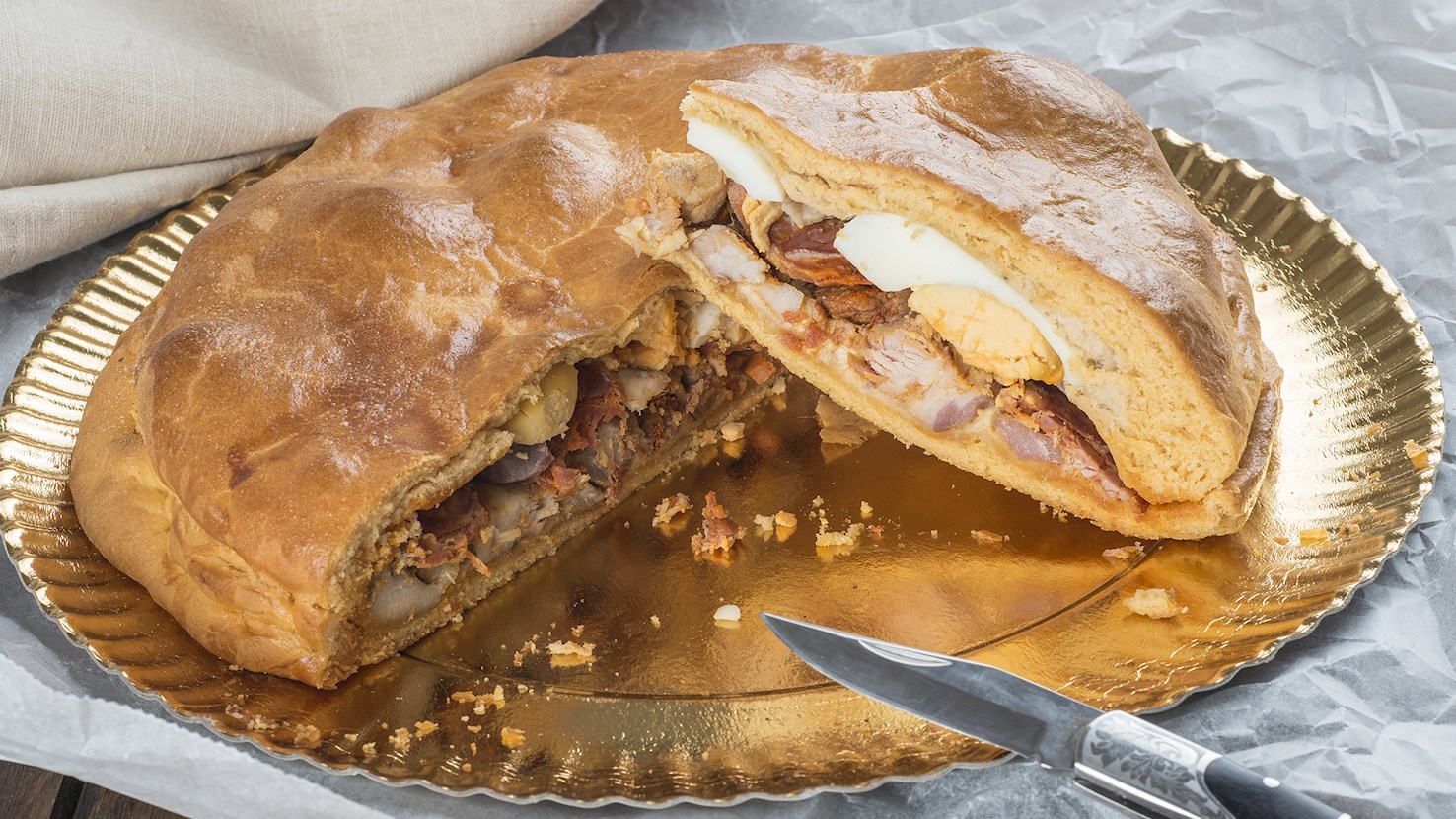
Hornazo is a traditional delicacy made by stuffing bread with pork loin, hard-boiled eggs, and chorizo. The bread is made with flour and yeast, and the top is usually nicely decorated with various shapes made from the same dough. It has origins in Salamanca, and it is often prepared for Lunes de Aguas festival, celebrated annually on Easter Monday. Nowadays, there are many variations on this festive bread, so it can be stuffed with anything from ham and cheese to tuna and smoked salmon.

10

Espinacas a la catalana

3.2 ·

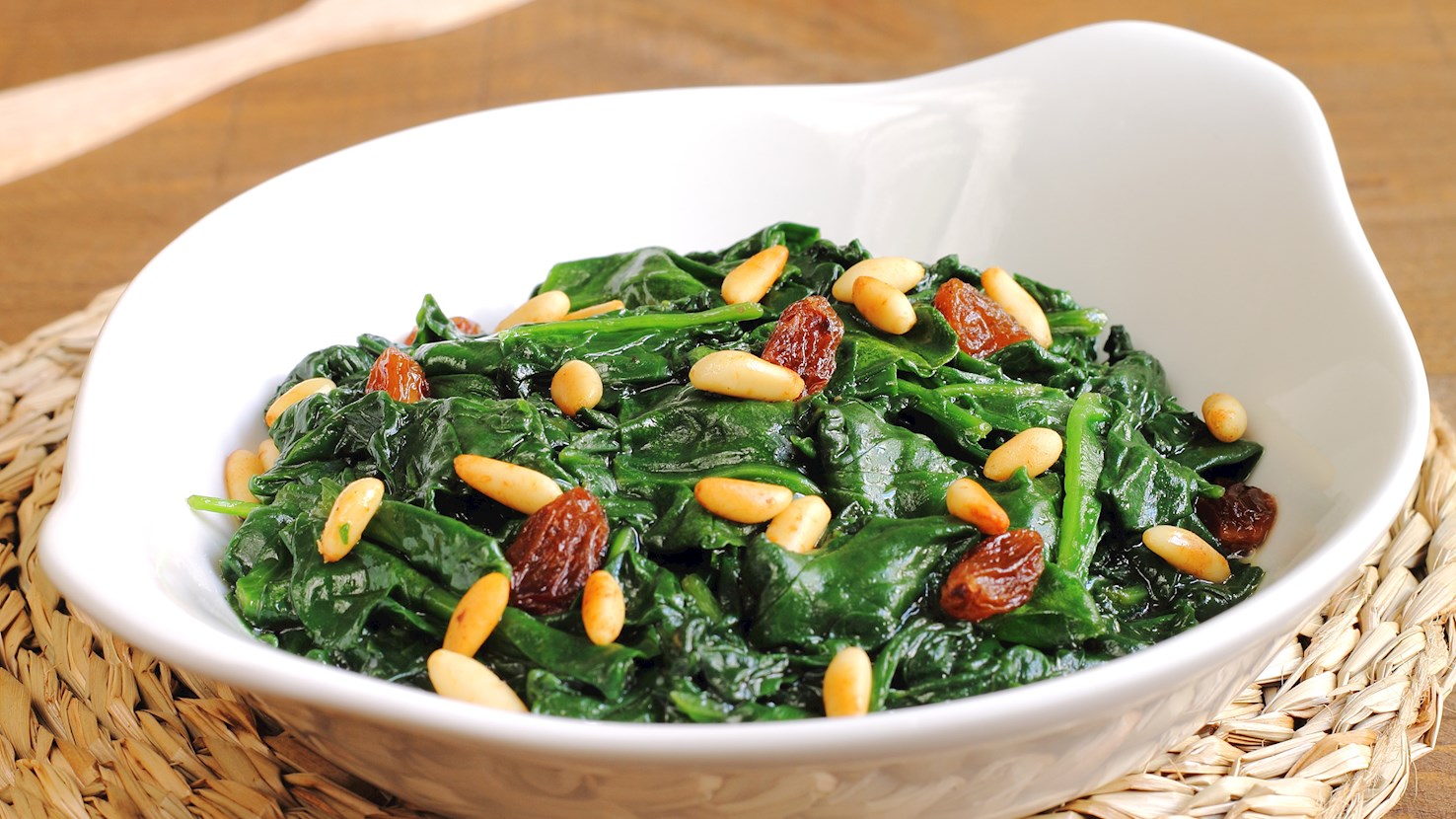
Espinacas a la catalana is a traditional dish originating from Catalonia. It's usually made with a combination of spinach, raisins, olive oil, salt, pepper, garlic, and pine nuts. The spinach is blanched, drained, and chopped. The garlic and pine nuts are sautéed in olive oil and the garlic is then removed. The raisins and spinach are added to the pan, seasoned with salt and pepper, and then fried for a few more minutes. The dish is served on small plates, and it's often accompanied by bread and ham on the side.

Read more
View all
View map
About this ranking

TasteAtlas food rankings are based on the ratings of the TasteAtlas audience, with a series of mechanisms that recognize real users and that ignore bot, nationalist or local patriotic ratings, and give additional value to the ratings of users that the system recognizes as knowledgeable. For the “40 Worst Rated Spanish Appetizers” list until July 16, 2026, 5,828 ratings were recorded, of which 4,615 were recognized by the system as legitimate. TasteAtlas Rankings should not be seen as the final global conclusion about food. Their purpose is to promote excellent local foods, instill pride in traditional dishes, and arouse curiosity about dishes you haven’t tried.

Similar lists