Aginares salata is a traditional salad originating from Crete. Although there are variations, the salad is usually made with a combination of young and tender artichokes, lemon, lemon juice, olive oil, mustard, garlic, dill, salt, and pepper. The artichokes are trimmed and boiled in a mixture of water and lemon juice. The artichokes are quartered and cut in half, rubbed with lemon, and placed on a platter. A dressing consisting of lemon juice, olive oil, mustard, and garlic is then poured over the artichokes, and the salad is sprinkled with chopped dill, seasoned with salt and pepper, tossed, and served immediately. Aginares salata can be found only in the early spring, on the first days of Lent, when it's typically served with taramosalata and rengosalata as an appetizer.
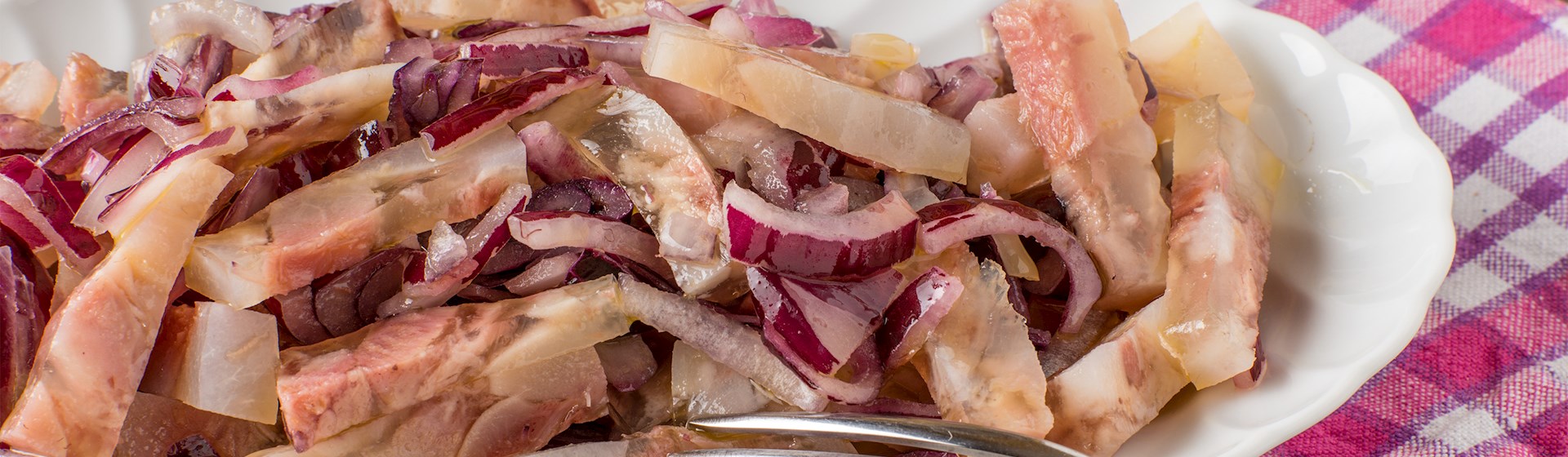
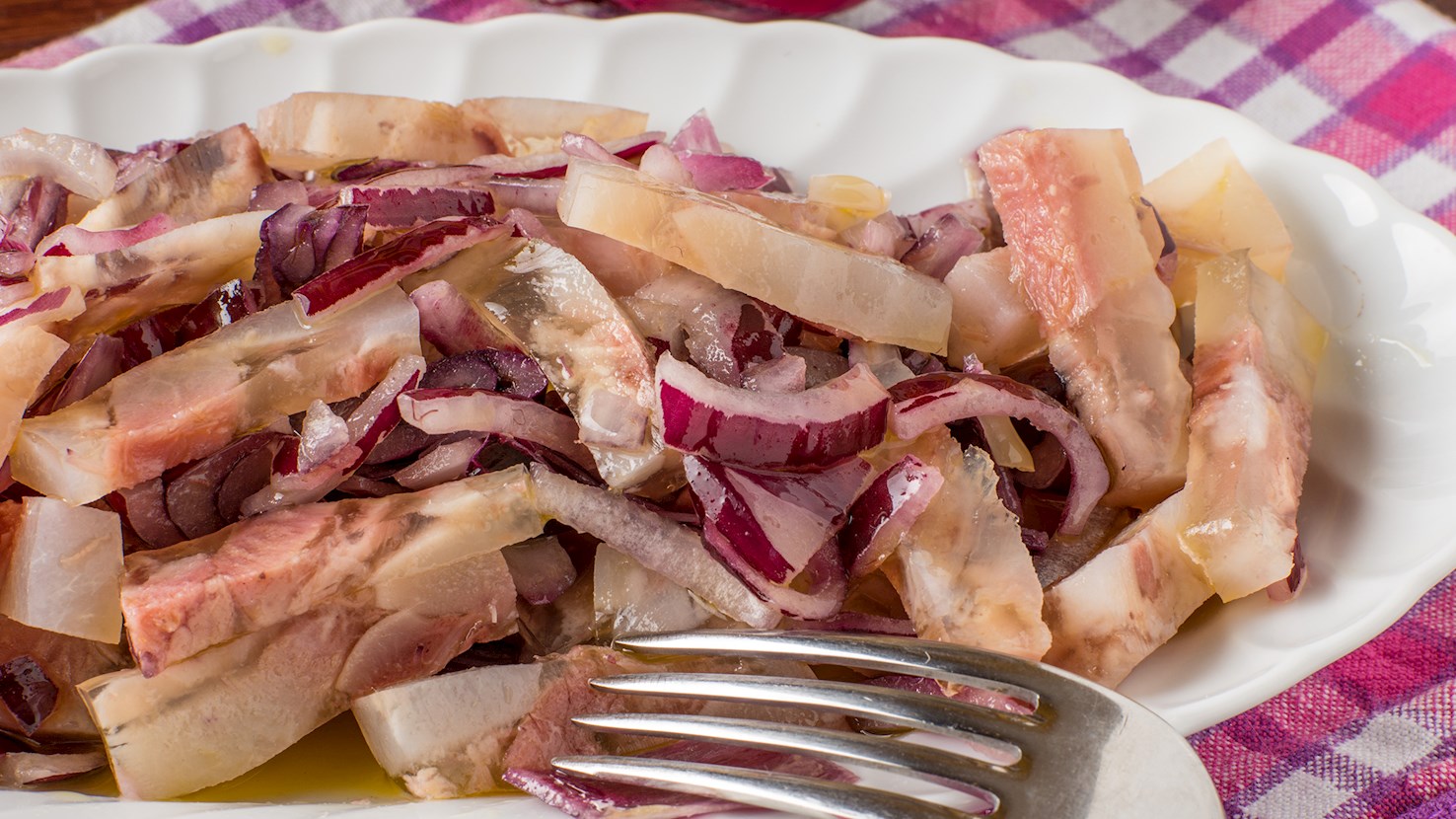
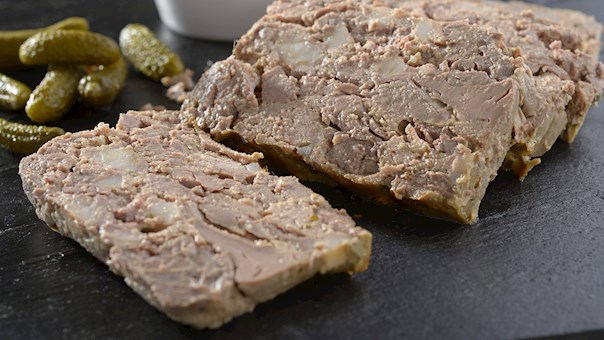
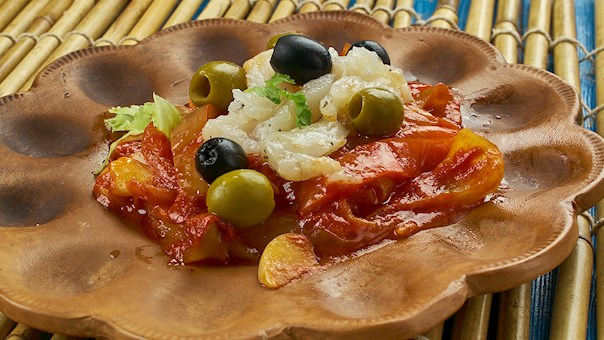
Often referred to as nervetti in insalata, this classic northern Italian dish consists of meat, cartilage, and tendons from beef shank that are cooked on the bone. When tender, all of the elements are removed from the bones and left to set, allowing the gelatinous properties to create a firm, jelly-like treat. Though it is often prepared plain, various ingredients such as olives, onions, or peppers are occasionally added to the mixture. Nervetti is always served well-chilled, thinly sliced, and is mainly combined with various vegetables. The whole combination is seasoned and served in the form of a salad that is usually enjoyed as a cold appetizer.
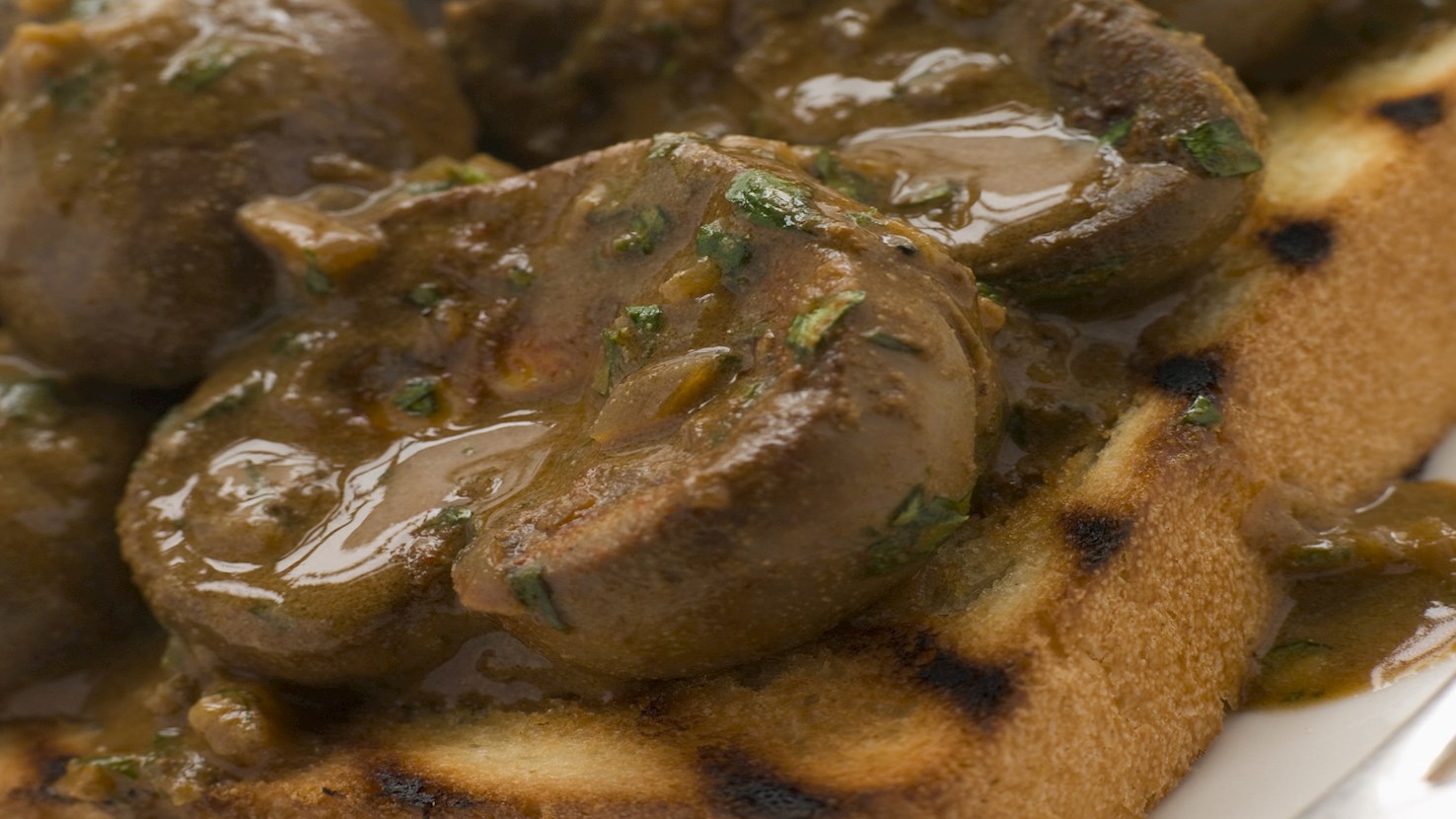
What was once a popular Victorian breakfast is nowadays a light lunch or a flavorful appetizer: the dish is called devilled kidneys, made by frying lamb kidneys in a rich, spicy sauce made with vinegar, mustard, Worcestershire sauce, a pinch of cayenne pepper, and sometimes a bit of fruit jelly. It is usually garnished with freshly chopped parsley and served with fried white or sourdough bread. The dish first appeared during the 18th century, but it grew in popularity during the 19th and the 20th century.
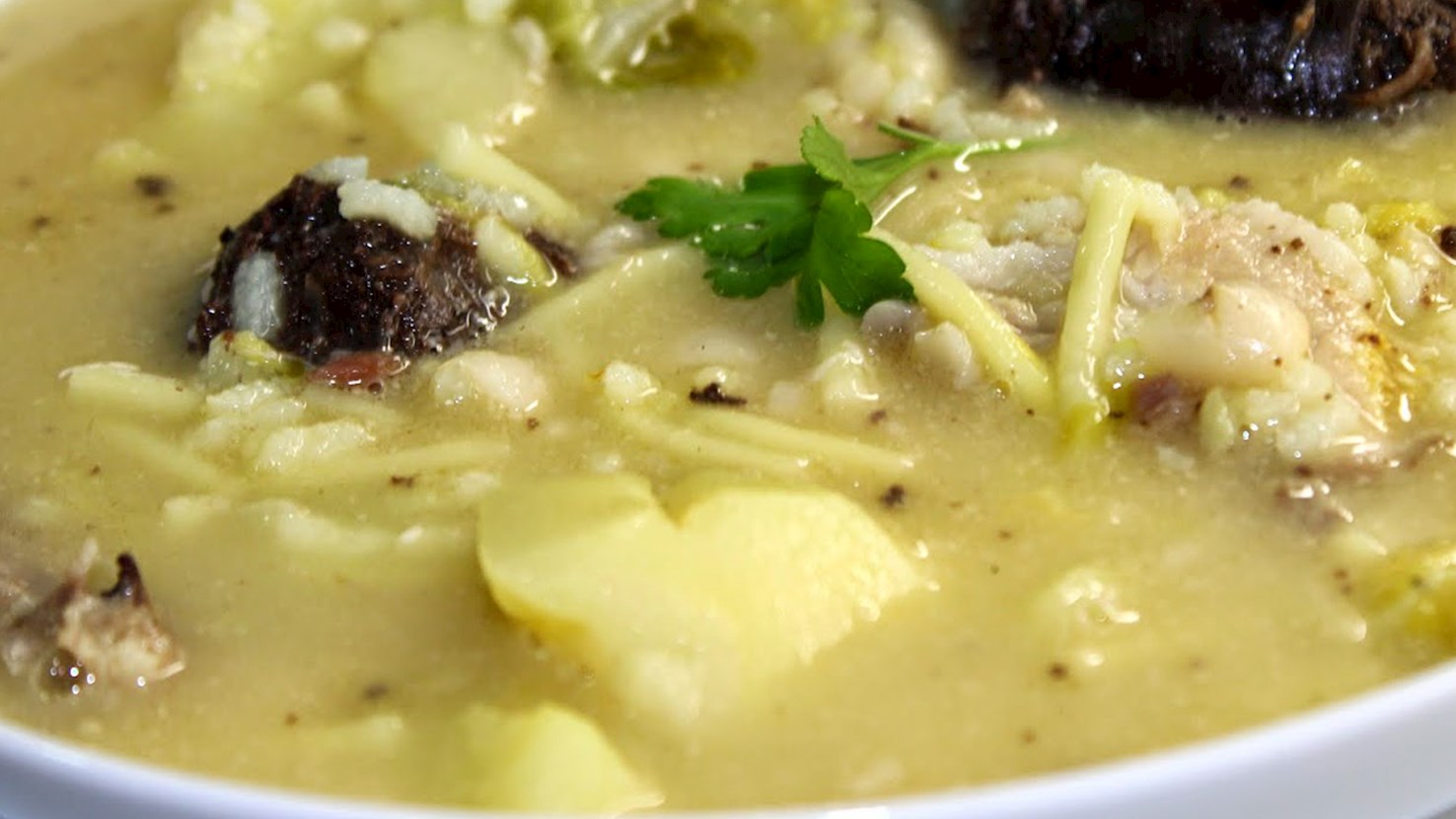
Escudella de pagès is a rustic Catalan and Valencian soup and stew made by simmering a mixture of meats, bones, and seasonal winter vegetables to produce a hearty broth, which is then mixed with pasta or rice. The name translates to "peasant soup" and reflects its origins as an economical daily meal in rural communities, where farming families used local livestock and available garden produce. Historical records show that people in the region consumed a version of this meal every day as far back as the fourteenth century, according to writings by Francesc Eiximenis. Culinary evolution shaped this hearty meal over a thousand years, and its cooking methods appeared in the 1520 Spanish cookbook Libre del Coc. Building the rich liquid base requires boiling pork cuts such as pig's trotters, bacon, and salt pork with beef bones, veal, or chicken. These animal proteins slowly release marrow and gelatin into the water, creating a thick, savory stock. Smoked sausages, specifically the local botifarra, provide a distinct flavor to the simmering pot. A massive spiced meatball called a pilota, formed from minced veal or pork mixed with egg, breadcrumbs, garlic, and parsley, goes into the broth as a defining protein element. Vegetable additions depend heavily on the season, but a standard pot includes chunks of carrots, celery, leeks, turnips, cabbage, and potatoes. These vegetables release their natural sweetness into the liquid. Legumes like soaked chickpeas often join the boiling mixture for added earthiness and sustenance. The final stage of the process involves cooking starches directly in the savory liquid. Adding both rice and pasta, such as snail-shaped galets or smaller shells, creates a thick consistency that blurs the line between a liquid soup and a solid stew. In formal settings, the clear broth and solid meats are served in two courses known as escudella and carn d'olla, but the pagès variation combines everything in one large bowl for a simple, warming winter meal. A crusty loaf of bread often accompanies the hot bowl, soaking up the flavorful broth.
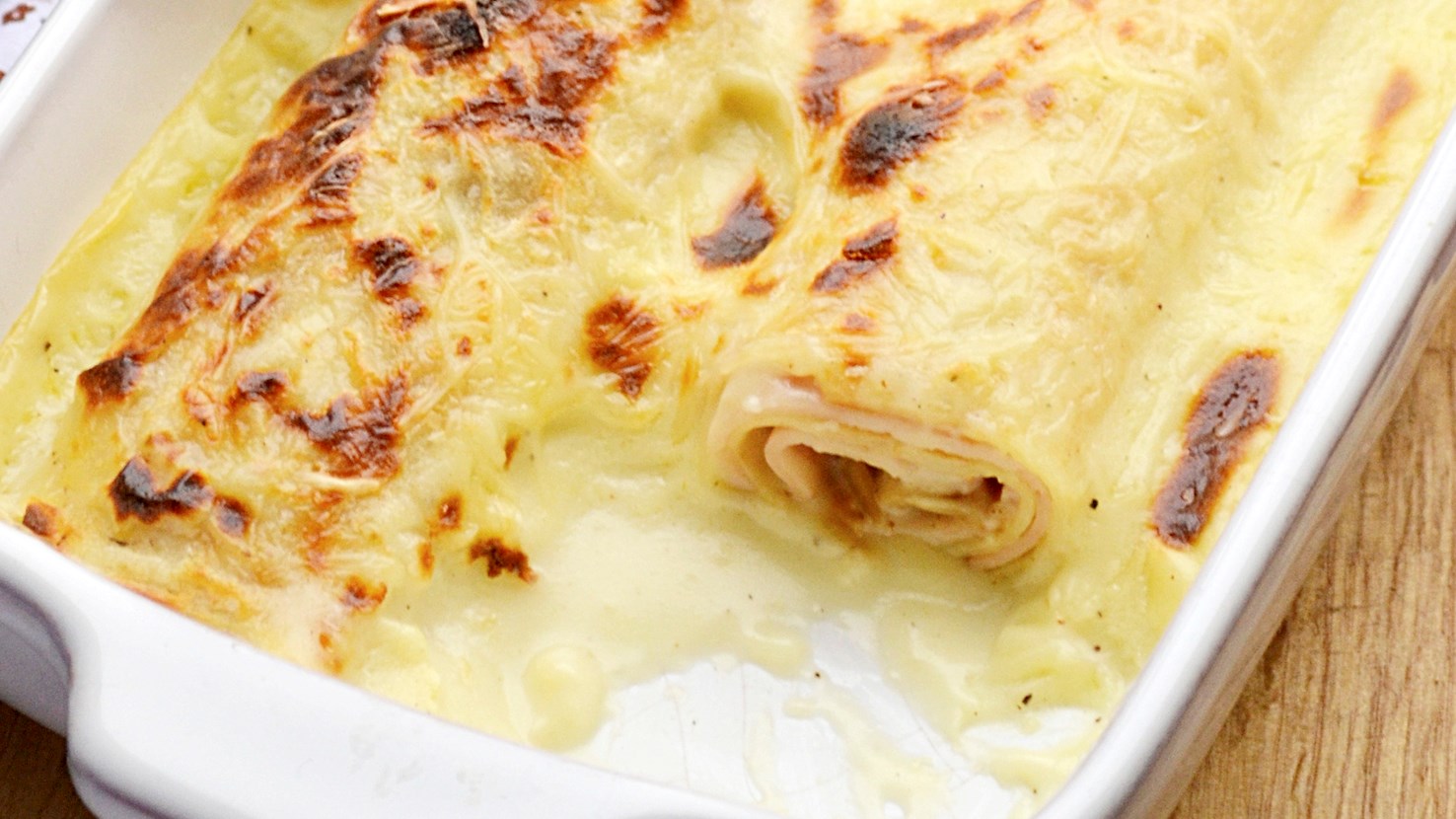
Ficelle picarde or Picardy string is a traditional dish from the French region of Picardy, a simple and easy entrée that can be found on the menus of numerous restaurants across northern France. The dish consists of a savory pancake that is filled with ham, cheese, and mushrooms. The pancake is often topped with grated cheese, and it is sometimes baked in the oven. Although it is a representative of the Picardy region, it was actually invented in the city of Amiens in the 1950s, when it was served to notable locals attending the Hotoie Exhibition. Amiens' leading chefs had to invent new, imaginative dishes for the event, and as a result, a chef named Marcel Lefévre created the ficelle picarde.
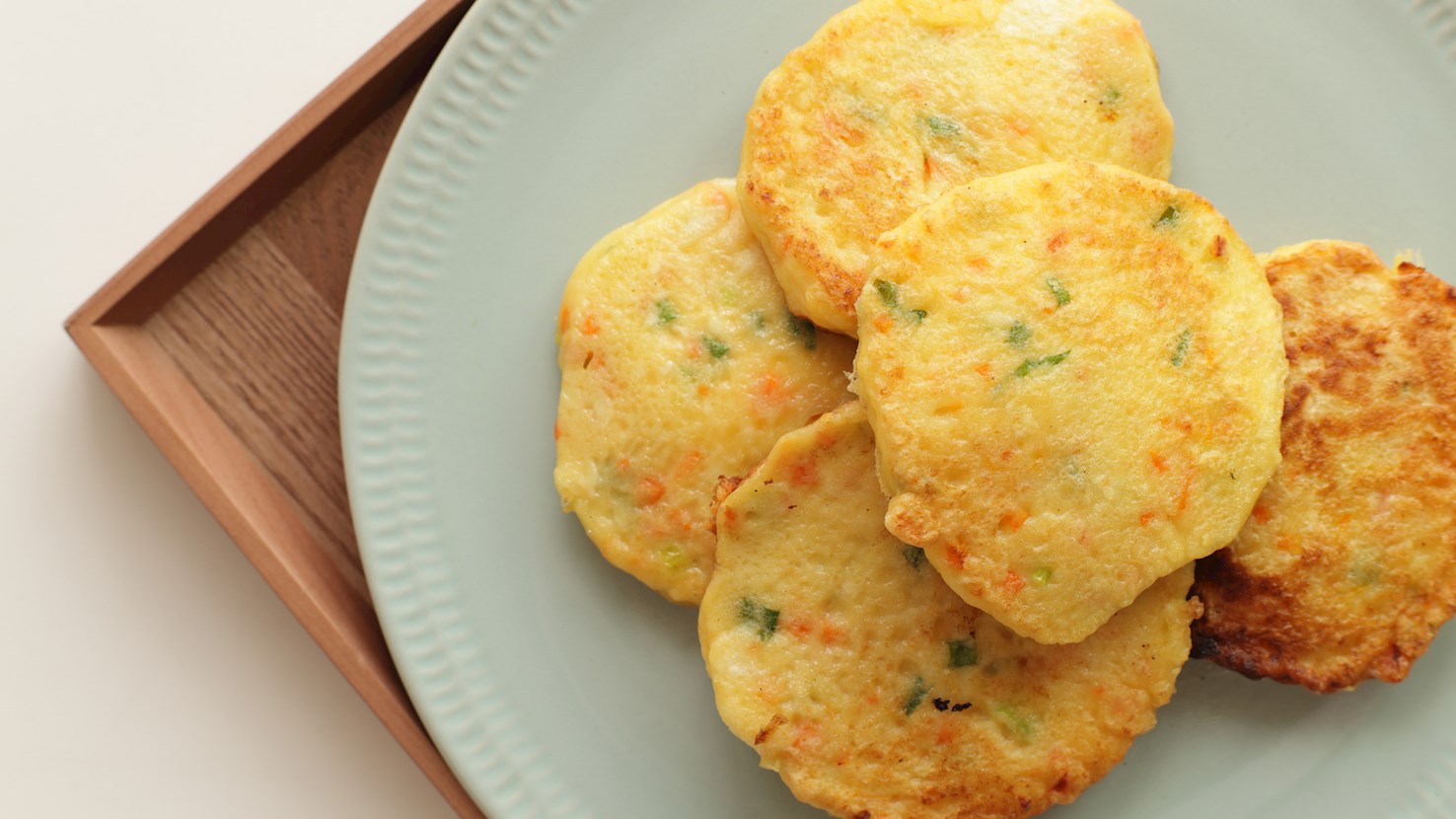
Dubujeon is a traditional dish originating from South Korea. This type of jeon (pan-fried battered food) is made with tofu. Other ingredients usually include flour, oil, eggs, scallions, salt, pepper, and vegetables such as onions and carrots. The tofu and the vegetables are chopped and mixed together with beaten eggs, flour, and salt. The mixture is divided into smaller portions and pan-fried in hot oil on both sides until golden and fully cooked. Once done, dubujeon is served hot with a dipping sauce on the side.
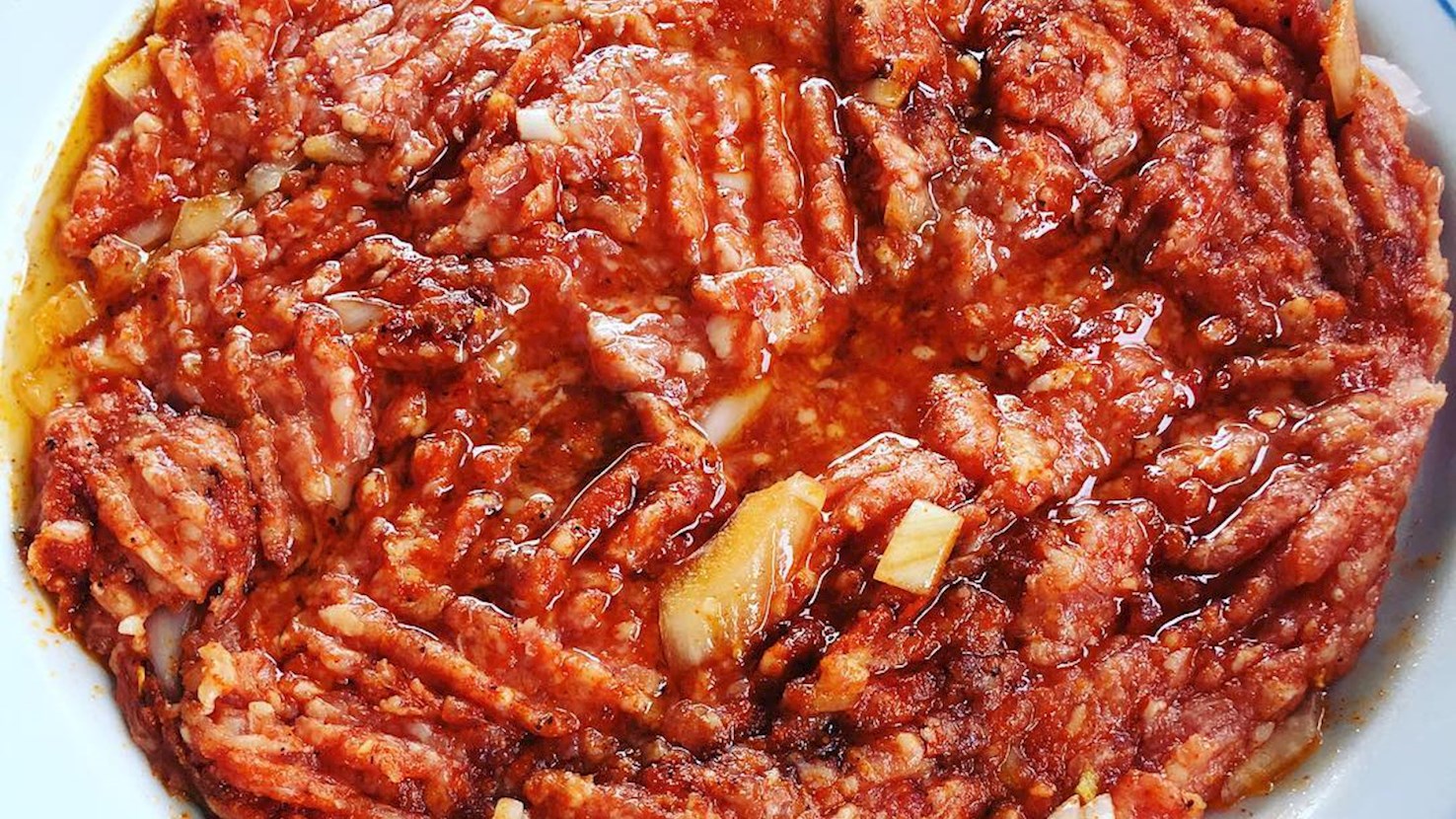
Živa pljeskavica is an appetizer made with ground veal, salt, pepper, smoked paprika, paprika flakes, Vegeta, oil, and chopped onion. The meat and spices are placed on a large plate and mixed with a fork until they form a homogenous mass that is then shaped into a patty. The dish was created at the restaurant Kod Bore in Sedlari near Valjevo in Serbia, and it's a take on a dish eaten by hospitality workers in state-owned restaurants in the former Yugoslavia. Because they were pressed for time, they would typically eat a raw meat patty tucked into a warm lepinja flatbread for lunch. Živa pljeskavica is served with grilled bread or lepinja flatbread and salt and paprika for seasoning and is usually consumed while waiting for one's order of grilled and barbecued meats to arrive.
Bundás csiperkegomba is a Hungarian culinary preparation consisting of breaded and deep-fried button mushrooms, typically served as a hot appetizer or a vegetarian main course. The emergence of breaded and fried vegetables in Hungarian cuisine is linked to the historical influence of the Austro-Hungarian Empire, specifically the adaptation of the Viennese Schnitzel technique to local produce. By the late 19th and early 20th centuries, as commercial mushroom cultivation became more prevalent in Central Europe, the application of the rántott (breaded) method to the csiperke (button mushroom) became a standard offering in urban taverns and family kitchens across Hungary. Preparation of bundás csiperkegomba begins with cleaning fresh button mushrooms, which are often peeled or briefly blanched in water seasoned with lemon juice to maintain their white color and remove surface impurities. The mushrooms are then subjected to a standard coating sequence: they are first dredged in wheat flour, dipped into beaten eggs seasoned with salt and black pepper, and finally rolled in fine breadcrumbs. In some variations, a thicker "coat" (bunda) is created using a batter of flour, eggs, and occasionally beer or sparkling water to increase the aeration and crispness of the shell. The prepared mushrooms are submerged in hot vegetable oil or lard at approximately 180°C and fried for two to three minutes until the breading reaches a rigid, golden-brown state. A specific technical attribute of this dish is the internal steaming effect; the moisture trapped within the mushroom cap vaporizes during frying, resulting in a tender, succulent texture that contrasts with the dry, crunchy exterior. Bundás csiperkegomba is eaten as a standalone snack, a starter, or a main dish when accompanied by sides, and it is universally available in Hungarian étkezdék (canteens) and restaurants. It is consumed with a knife and fork and is almost exclusively served with tartar sauce (tartármártás), a cold condiment based on mayonnaise, sour cream, and mustard, which provides a creamy and acidic counterpoint to the fried breading. For a complete meal, it is paired with steamed jasmine rice or parsley potatoes. In terms of beverage pairings, it is served with crisp, dry white wines such as Olaszrizling or Cserszegi Fűszeres, as their high acidity and citrus notes cut through the richness of the fried coating. For non-alcoholic options, a soda water with lemon or a lightly hopped pilsner is utilized to refresh the palate between bites of the savory, earth-flavored mushrooms.
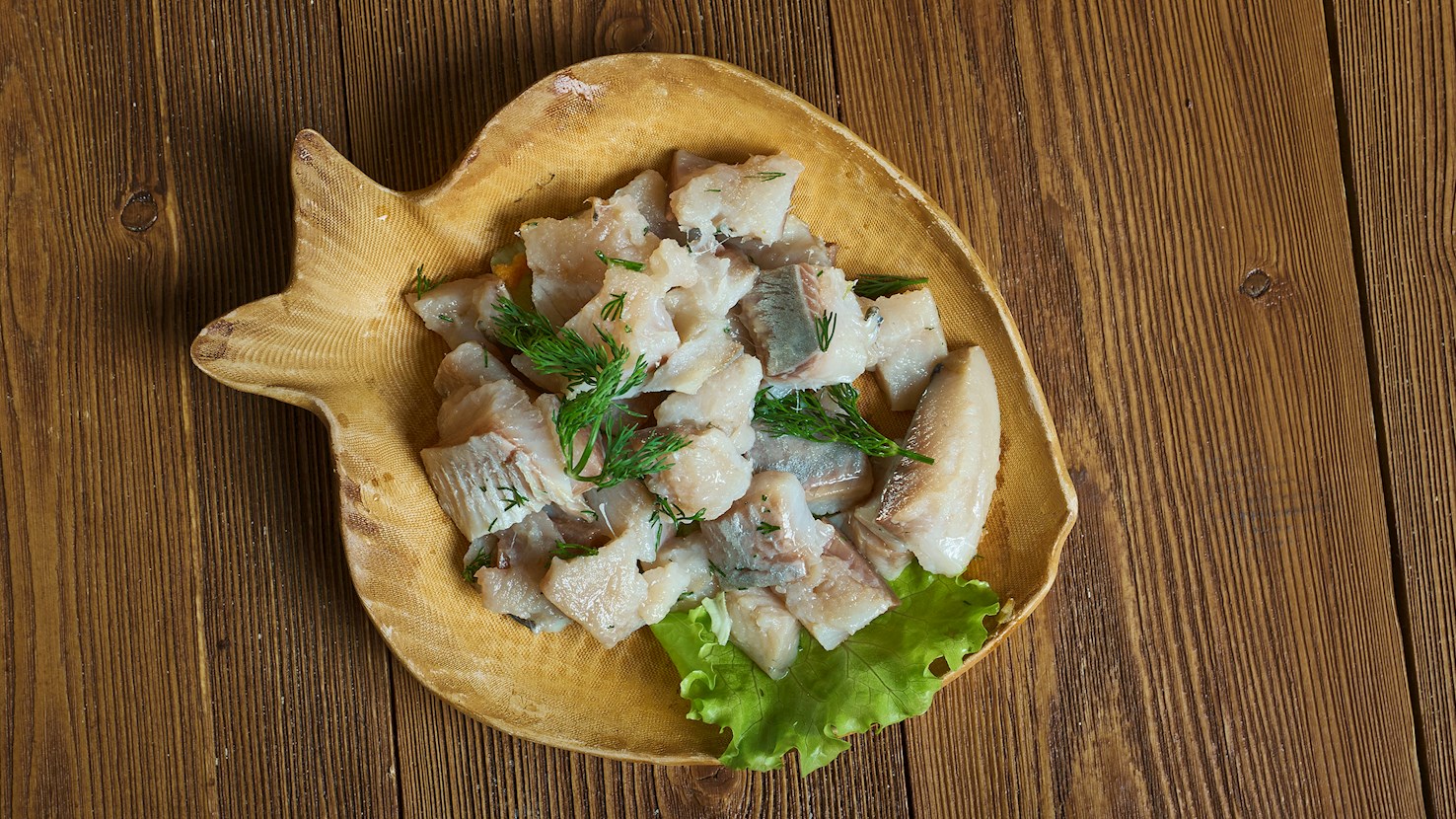
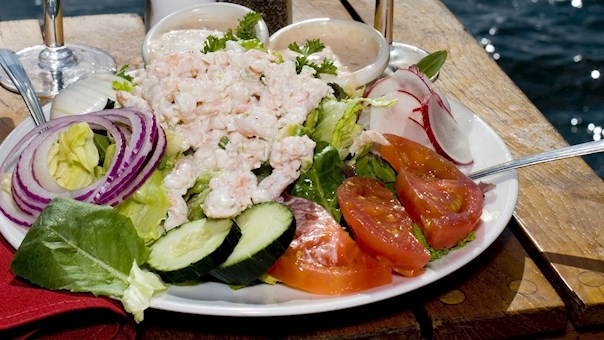
Indigirka is a Russian fish salad that has its origins in Yakutia (Sakha). It consists of diced frozen fish that is combined with onions, oil, salt, and pepper. The salad is typically made from whitefish such as broad whitefish (also known as chir), nelma, and muksun, and it is traditionally served in ice bowls. Indigirka salad first appeared in the middle of the 20th century and was named after the Indigirka River, one of the major Yakutian rivers. It is believed it was created by chef Innokenty Tarbakhov, who based it on a similar ethnic Yakutian dish made with raw fish called raw in the Yakut language or five minutes in Russian. The salad is occasionally accompanied by lemon wedges, but modern variations may include fish roe, fennel, as well as various dressings. This well-chilled appetizer ideally pairs with vodka.
Ceviche de chochos is a traditional and Ecuatorian dish in made with chochos or tarwi (lupini beans) as the primary ingredient. These beans have a unique, slightly bitter flavor that pairs well with the acidic components of the dish. The chochos are mixed with ingredients typical of ceviche preparations, like tomatoes, onions, coriander, lime juice, and usually aji peppers. The mix is left to marinate, allowing the flavors to meld. Often, ceviche de chochos is garnished with toasted corn (maiz tostado), chifles (thin plantain chips), or avocado slices. The combination of textures – the softness of the beans, the crunch of the corn, and the creaminess of the avocado – adds to the appeal of the dish.
TasteAtlas food rankings are based on the ratings of the TasteAtlas audience, with a series of mechanisms that recognize real users and that ignore bot,
nationalist or local patriotic ratings, and give additional value to the ratings of users that the system recognizes as knowledgeable.
For the “100 Worst Rated Appetizers in the World” list until September 15, 2026, 82,184 ratings were recorded, of which 50,320 were recognized by the system as legitimate.
TasteAtlas Rankings should not be seen as the final global conclusion about food. Their purpose is to promote excellent local foods,
instill pride in traditional dishes, and arouse curiosity about dishes you haven’t tried.














What People Say