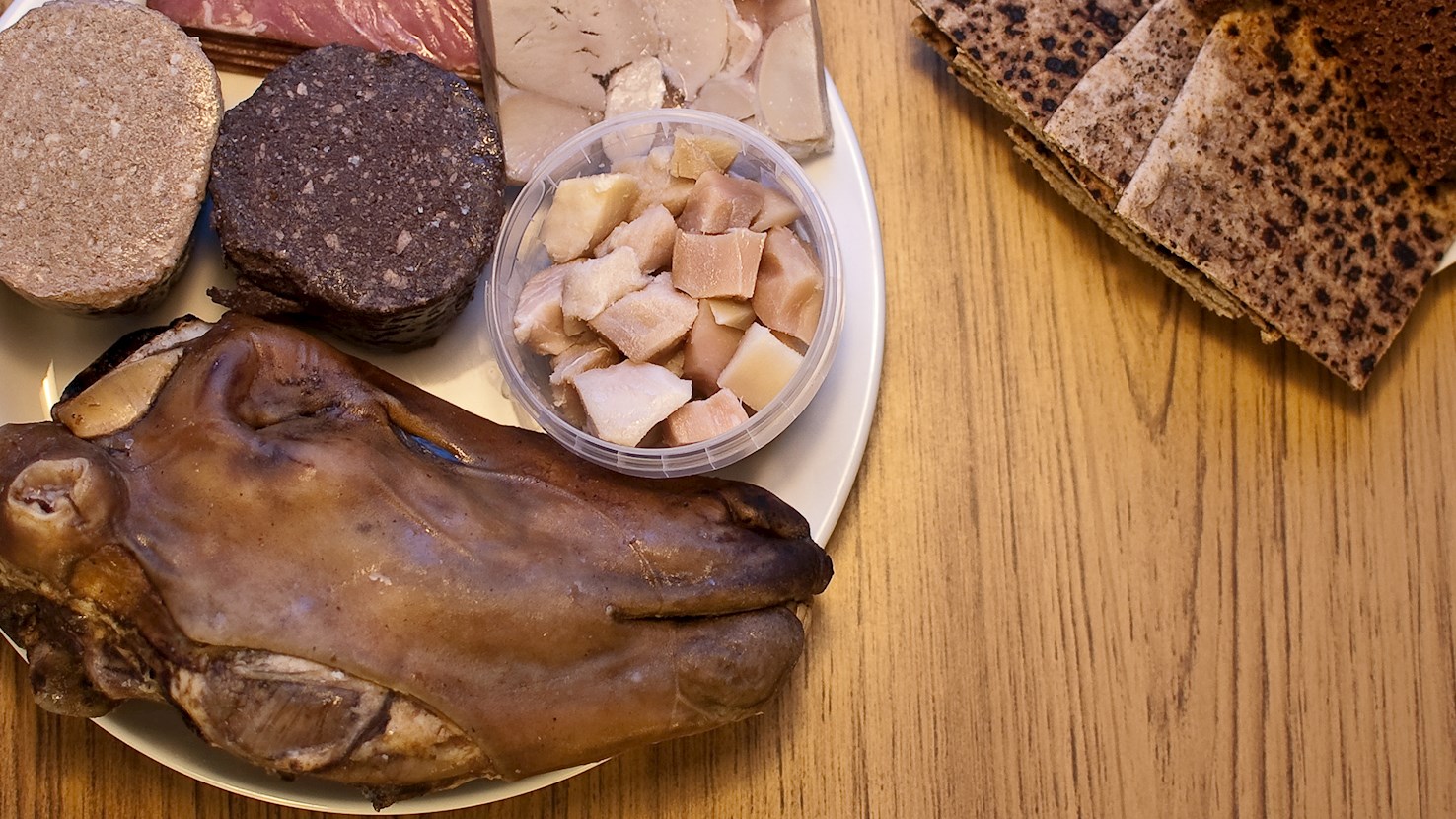
Thorramatur is a selection of traditional Icelandic foods consumed predominantly during the Nordic month of Þorri, taking place from mid-January to mid-February each year. Cured fish and meat products are cut into slices or bite-sized pieces and served alongside rúgbrauð and butter on numerous buffet tables. The standard choice includes specialties like fermented shark meat, smoked lamb, seared lamb head, blood sausages, and much more, all of which can be additionally soured according to personal preferences. Typical accompaniments include brennivín, Iceland's flavored spirit drink, and seasonal Þorri beer that is traditionally produced by local breweries specifically for the occasion.
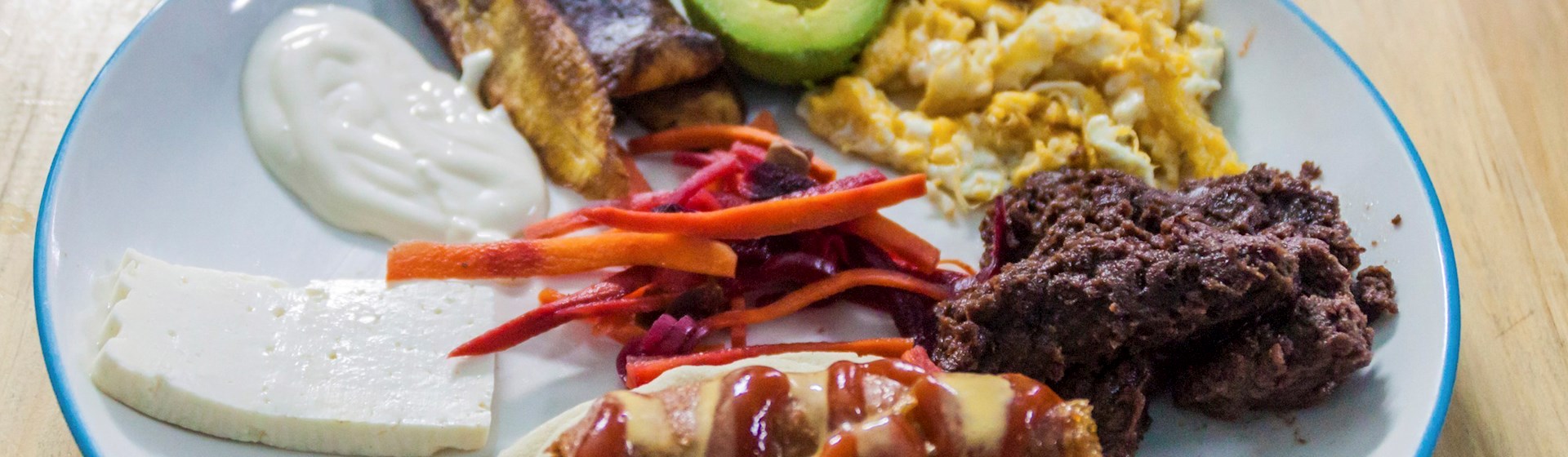
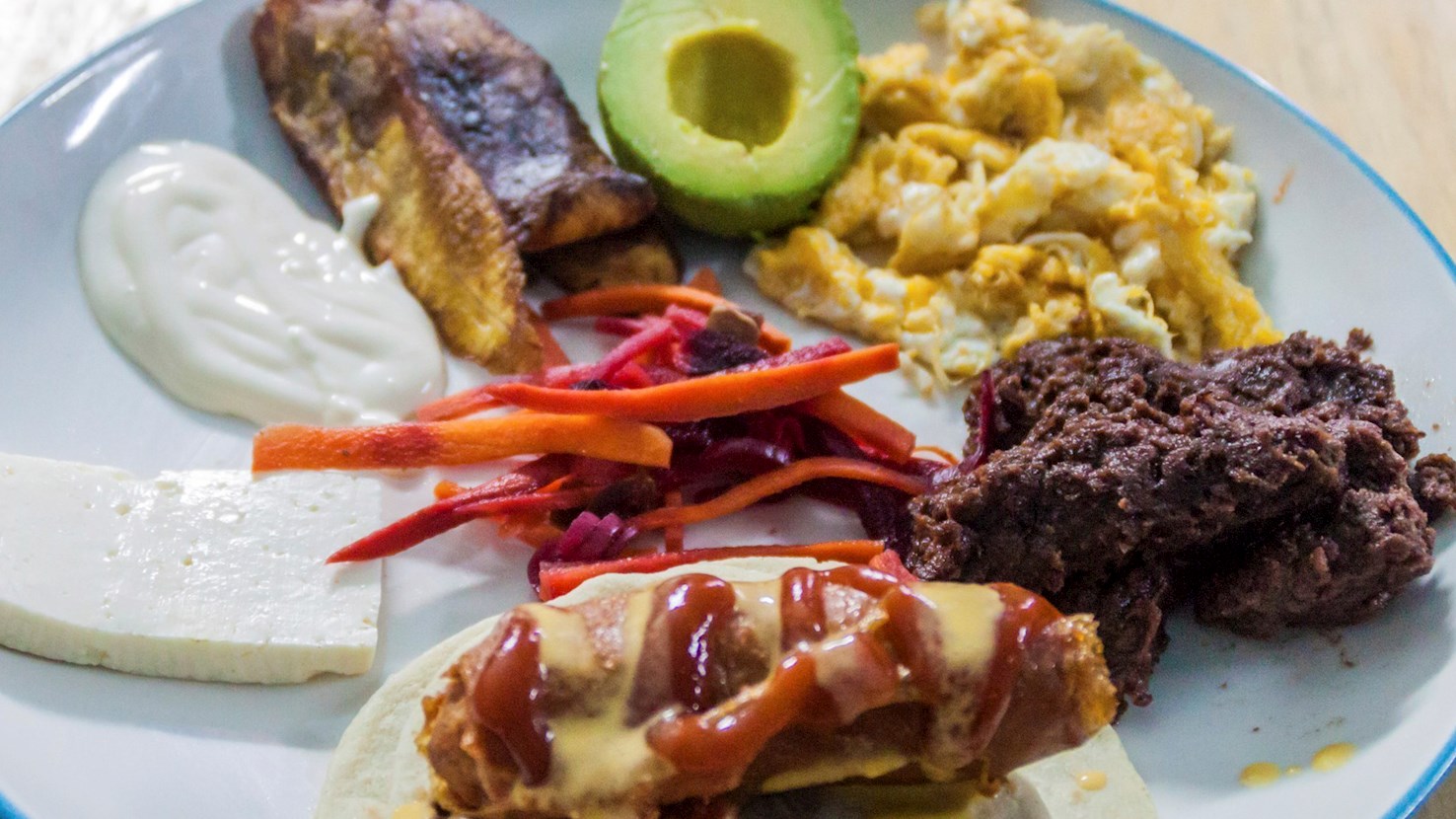
Honduran food is typically neither hot nor spicy, although the people there use lots of spices and fresh herbs such as oregano, coriander, cumin, and lime juice, as they wish their food to be full of flavor. That is also true of plato típico (typical dish), a national dish including a variety of foods prepared separately, but forming a complete meal in the end. The dish consists of marinated and grilled beef, pork sausages and cracklings, fried plantain (a starchy, banana-like vegetable), stewed or refried beans, and rice. Traditionally, the dish is accompanied by sour cream, fresh white cheese, avocado slices, marinated cabbage, lime juice and lots of small tortillas. Additionally, chimol can also be served on the plate - a tomato-based salsa with corn, finely chopped green onions, and jalapeños.
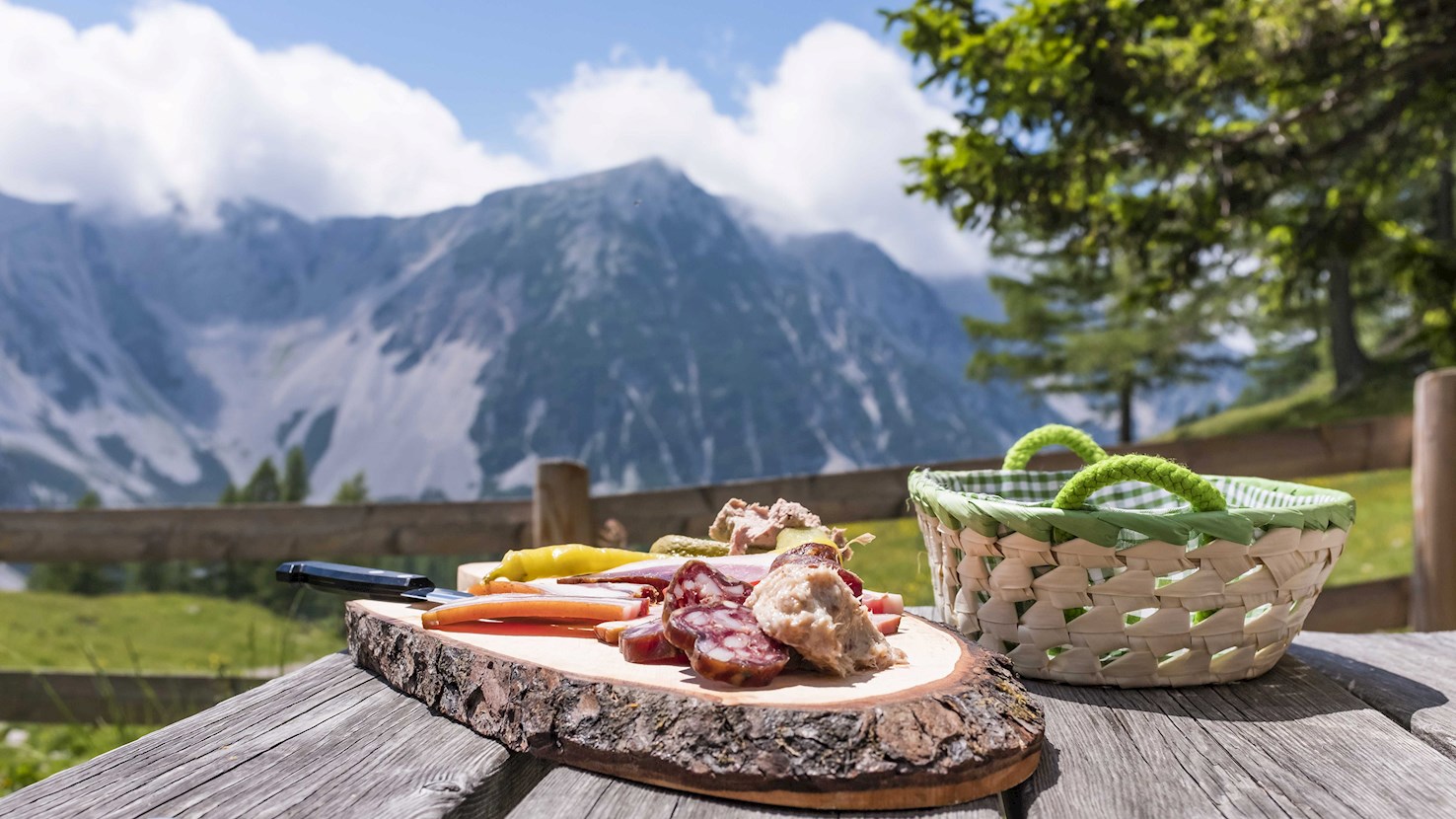
Brettljause is a traditional appetizer course akin to a platter or charcuterie board that typically includes a variety of cold cuts, cheeses, pickled vegetables, and spreads served on a wooden board. It is particularly popular in rural regions and often served in wine taverns known as heurigers. The exact composition can vary based on the region and individual preferences. Cold cuts might include speck (a type of smoked ham), various types of sausage, and sometimes even head cheese or liver pâté. Cheeses are usually local, depending on the region. Dark, hearty breads, such as rye or pumpernickel, are commonly served with brettljause. They provide a base for various spreads and other components. Additional items might include boiled eggs, radishes, and tomatoes for a bit of freshness. The act of eating brettljause is also a social affair. It's typically enjoyed in a communal setting, where people gather around to share the platter.
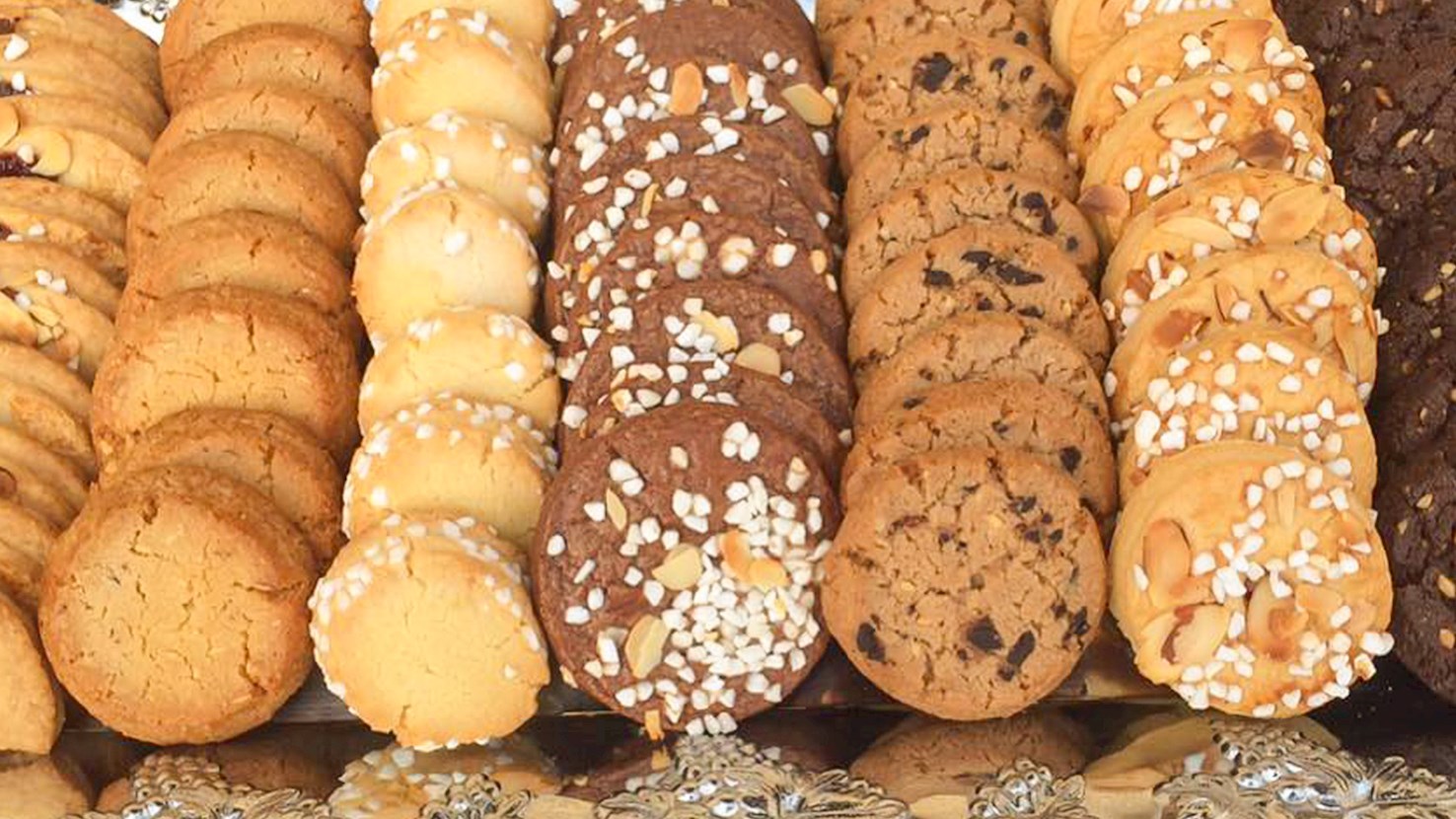
Sju sorters kakor is a Swedish phrase that translates to seven kinds of cookies. It's a tradition deeply rooted in Swedish culture, particularly when it comes to coffee gatherings known as fika. The tradition goes back several generations when it was believed to be courteous and almost expected to offer at least seven types of cookies (among them drömmar, hallongrotta, brysselkex, etc.) when you had guests over for coffee. Offering fewer might be perceived as impolite or an indication of not being well-prepared for guests. Today, while many might not strictly adhere to the rule of seven, the phrase remains a popular representation of Swedish hospitality. Over the years, the concept has expanded from cookies to cakes and pastries. The phrase also became the title of a popular Swedish baking book first published in the 1940s. "Sju sorters kakor" was a compilation of recipes gathered from a nationwide contest, and the book has been reprinted numerous times since, becoming something of a staple in Swedish kitchens.
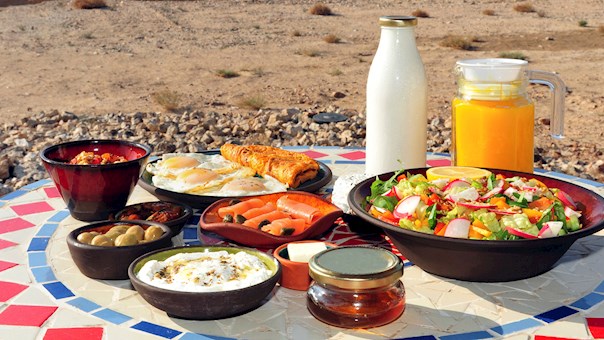
Salatim refers to a varied group of small salads and spreads served at the beginning of meals in Israel and in many Middle Eastern Jewish households and restaurants. The term comes from the Hebrew plural of “salad,” and it is used to describe an assortment rather than a single recipe, usually arranged together on the table before the main dishes arrive. The practice developed from a combination of regional influences brought by Jewish communities from North Africa, the Levant, and parts of the Mediterranean, each contributing salads made from vegetables, legumes, herbs, or cooked ingredients. As these communities settled in Israel during the twentieth century, their culinary habits merged, and the serving of numerous small plates became a characteristic opening course in home meals, market eateries, and grill restaurants. Preparation depends entirely on the type of salad being made. Common components include eggplant cooked in various methods, chopped vegetable salads with tomato and cucumber, tahini-based spreads, carrot salads seasoned with cumin, beet purées, spicy pepper mixes such as matboucha, and chickpea or bean salads. Many salatim rely on simple techniques such as roasting, boiling, chopping, or marinating, and they are seasoned with lemon juice, vinegar, olive oil, garlic, herbs, and mild or hot spices depending on regional style. The variety is central to the concept, and the selection often changes according to season, availability of produce, and the preferences of the cook. A noteworthy point is that salatim are served simultaneously, allowing diners to mix flavors freely, and the assortment often includes both cooked and raw items, as well as spicy and mild plates arranged together. Salatim are eaten throughout Israel in home kitchens, hummus shops, grill restaurants, and cafés, and they appear at festive meals as well as everyday lunches. They are typically eaten with pita, laffa, or other flatbreads used to scoop the salads, and they accompany grilled meats, fish, falafel, schnitzel, or vegetarian dishes. Beverages that pair well with salatim include lemonade, soda water, arak-based drinks, dry white wine, and light beers, all of which complement the varied flavors without overwhelming them.
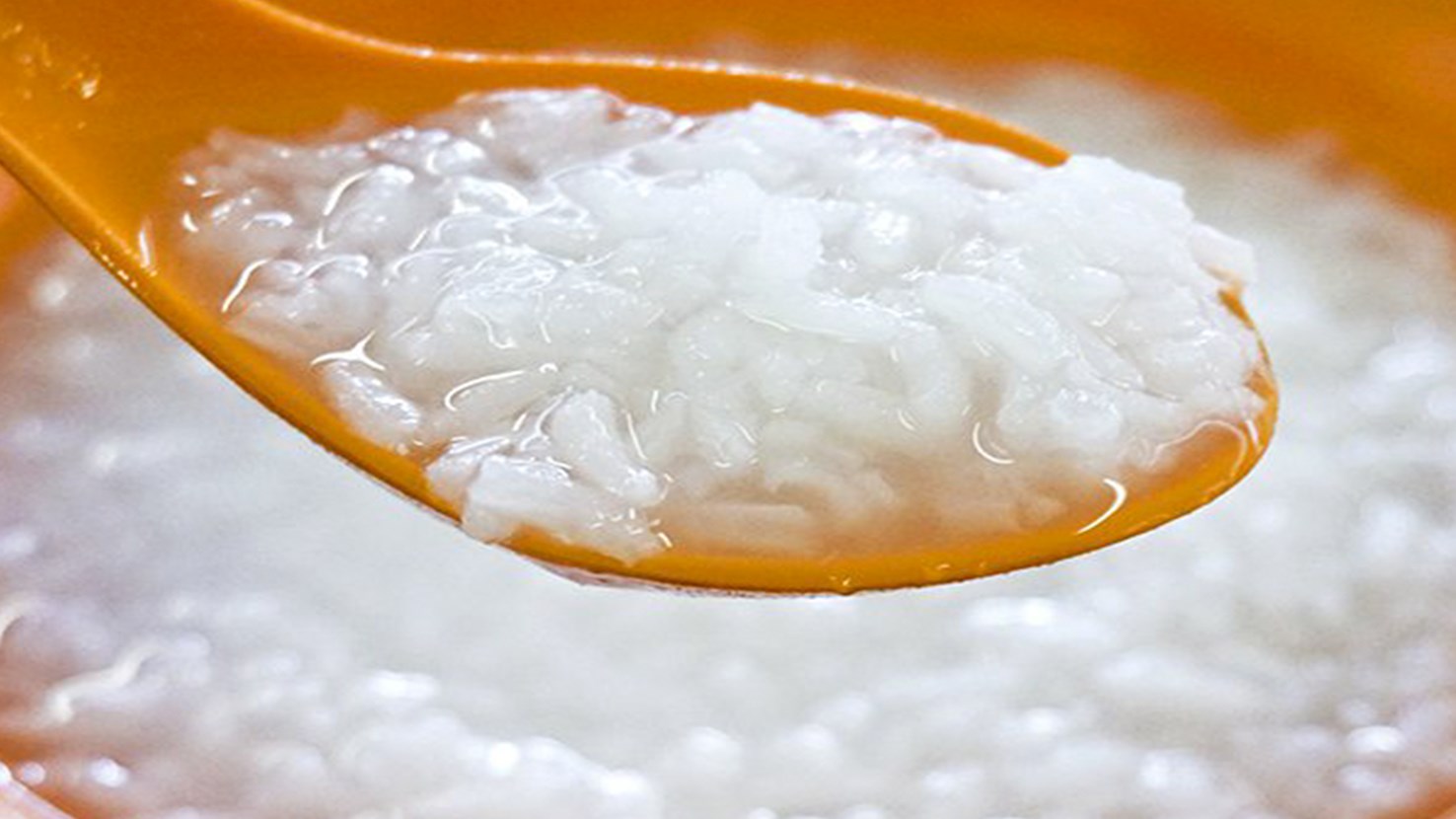
Teochew porridge is a banquet-style meal where bowls of plain white rice porridge are served accompanied by a variety of side dishes – from meats and fish to eggs and vegetables. The porridge is typically prepared with firmer rice grains which are quickly boiled. Due to its bland flavor, the porridge goes well with a variety of salty side dishes – and there is no fixed list of those, so you can find wildly different side dishes from one stall to the next. Teochew porridge is most commonly consumed as comfort food for breakfast or dinner.
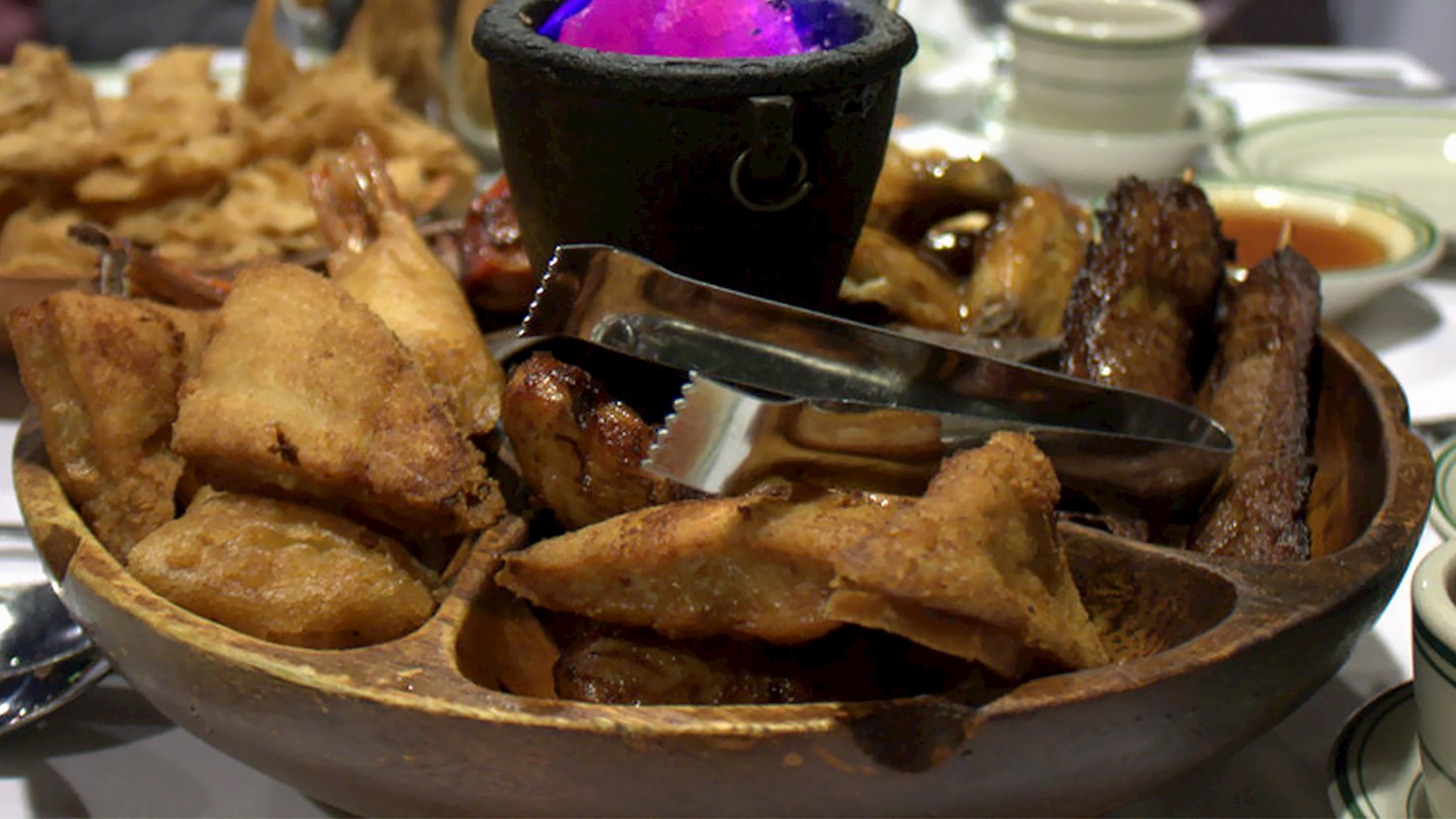
Pu pu platter is a staple of American Chinese restaurants, consisting of a platter filled with a variety of small dishes and appetizers. This platter is believed to have been introduced to North America from Hawaii via Don the Beachcomber and Trader Vic during the 1940s and 1950s. A typical pu pu platter often includes spare ribs, chicken wings, egg rolls, fried wontons, crab rangoon, skewered beef, fried shrimp, and beef teriyaki. At the center of the platter, there is a small hibachi grill, and the fire can be used to reheat individual appetizers or make them more well-done. Everything needs to be cooked before, because the grill can only do so much. The name pū-pū is a Hawaiian word for appetizer.
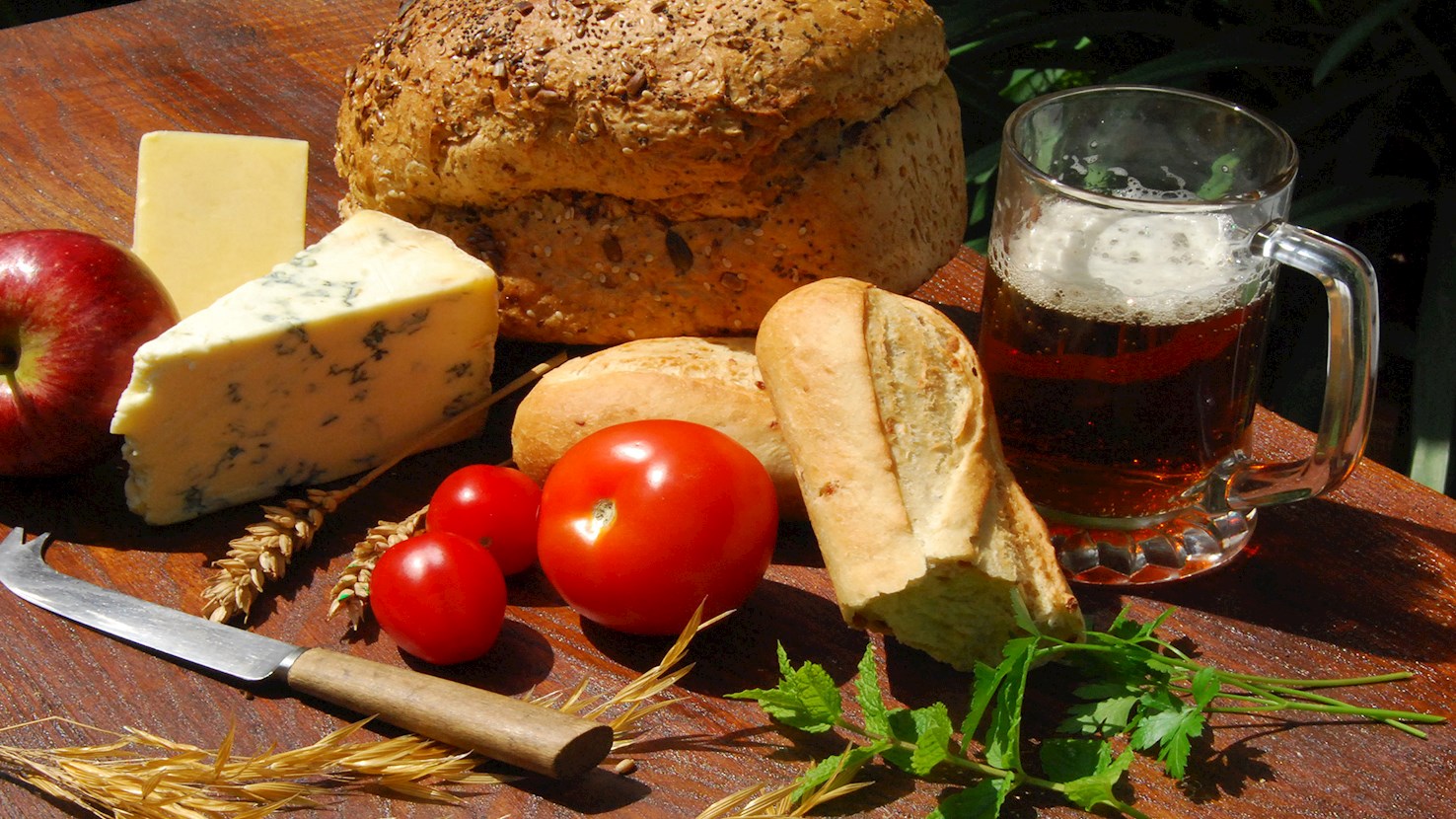
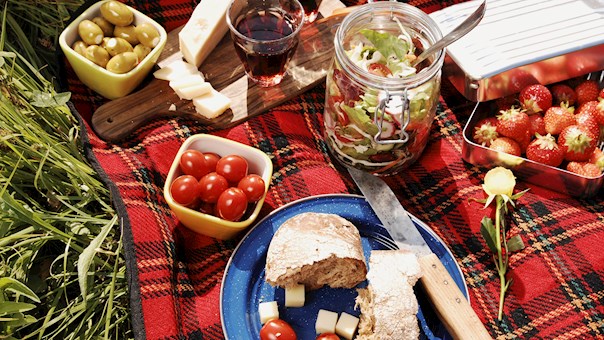
Ploughman's lunch is an English meal consisting of bread, cheese, and pickles, with the occasional addition of sliced ham. The meal is often served on a wooden board in many British pubs and bars. The name of the meal originates from the 1960s, when the Milk Marketing Board started promoting it throughout the country. It is recommended to pair the meal with a glass of beer.
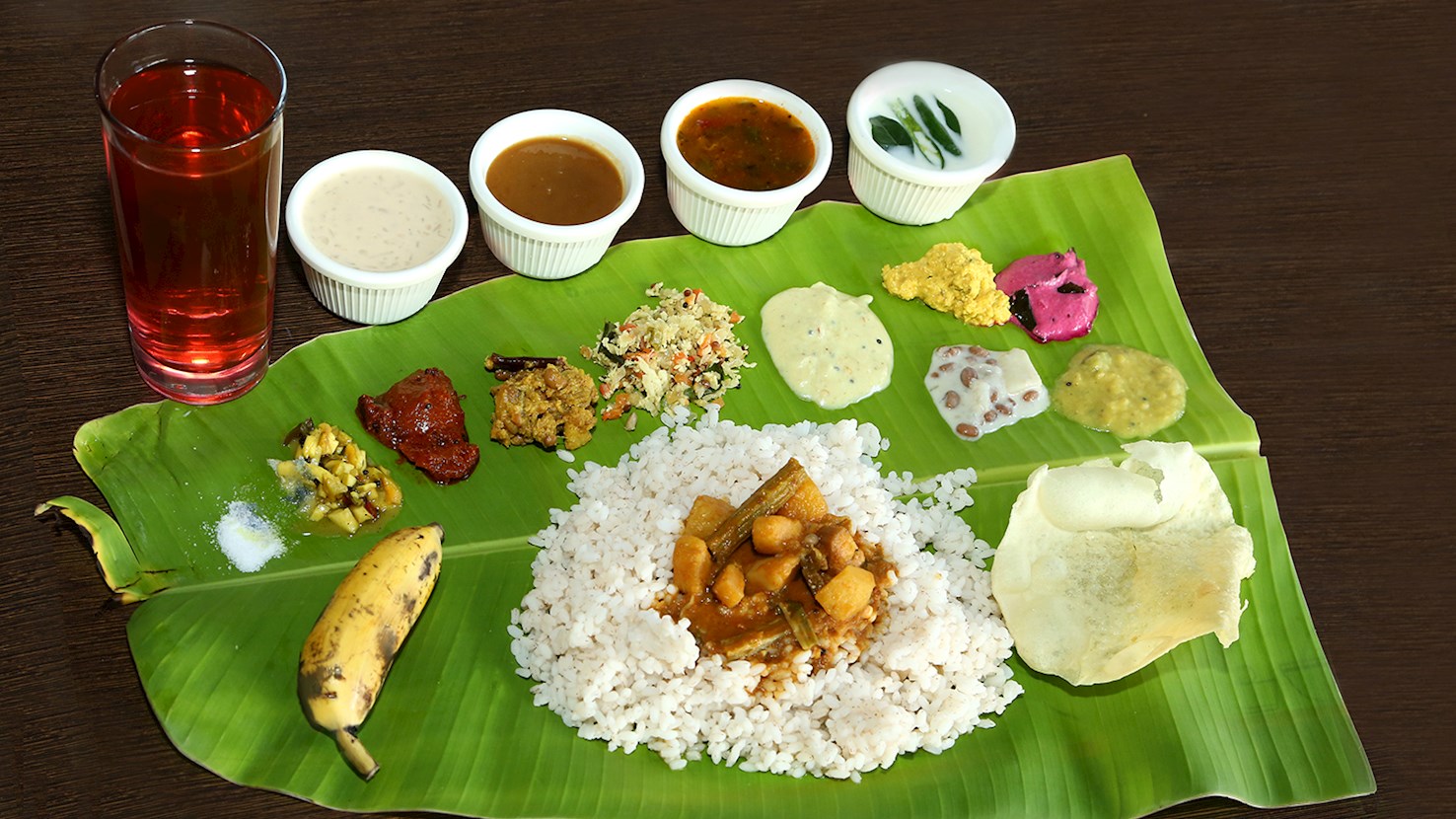
Sadhya is a traditional feast originating from the state of Kerala. All of the small dishes are vegetarian, and one sadhya feast can contain up to 28 dishes at a time, all of them traditionally served on banana leaves and meant to be eaten with hands. This feast is typically served for Onam, the state festival of Kerala. Rice is usually served on the lower side of the leaf as the main dish, and the first dish after the rice is parippu – a curry made from ghee and small gram. It's followed by sambar, a stew of vegetables cooked in gravy of onions, chilis, coriander, lentils, and turmeric. Among a huge variety of dishes, some of them include upperi (banana chips), sharkara varatti (sweet jaggery chunks), naranga curry, elisheri (stewed pumpkin, red beans, and coconut), kaalan (yogurt, coconut, and banana or yam), inji curry, parripu curry, sambhar, pappadam, kichadi, kootu curry, and rasam (tamarind soup), while the last dish is usually payasam, a traditional dessert that's similar to a pudding. This huge feast is usually served for lunch.
Although it is translated as cold buffet, Danish koldt bord is a traditional meal in which a variety of cold and warm dishes are served buffet-style. Danish tradition suggests that every buffet should have a serving of meat, cold cuts, seafood, cheese, bread, sandwiches, pickles, and desserts, but there are no strict rules concerning the choice of food. Many luncheon restaurants include koldt bord as part of their regular service, and traditional Christmas or Easter lunch in Denmark is often served in a similar manner.
TasteAtlas food rankings are based on the ratings of the TasteAtlas audience, with a series of mechanisms that recognize real users and that ignore bot,
nationalist or local patriotic ratings, and give additional value to the ratings of users that the system recognizes as knowledgeable.
For the “14 Worst Rated Assorted Small Dishes or Rituals in the World” list until June 16, 2026, 2,681 ratings were recorded, of which 2,056 were recognized by the system as legitimate.
TasteAtlas Rankings should not be seen as the final global conclusion about food. Their purpose is to promote excellent local foods,
instill pride in traditional dishes, and arouse curiosity about dishes you haven’t tried.