

shutterstock

6 Worst Rated Bananas
in the World

Last updated on May 21, 2026
01

Matoke

3.1 ·

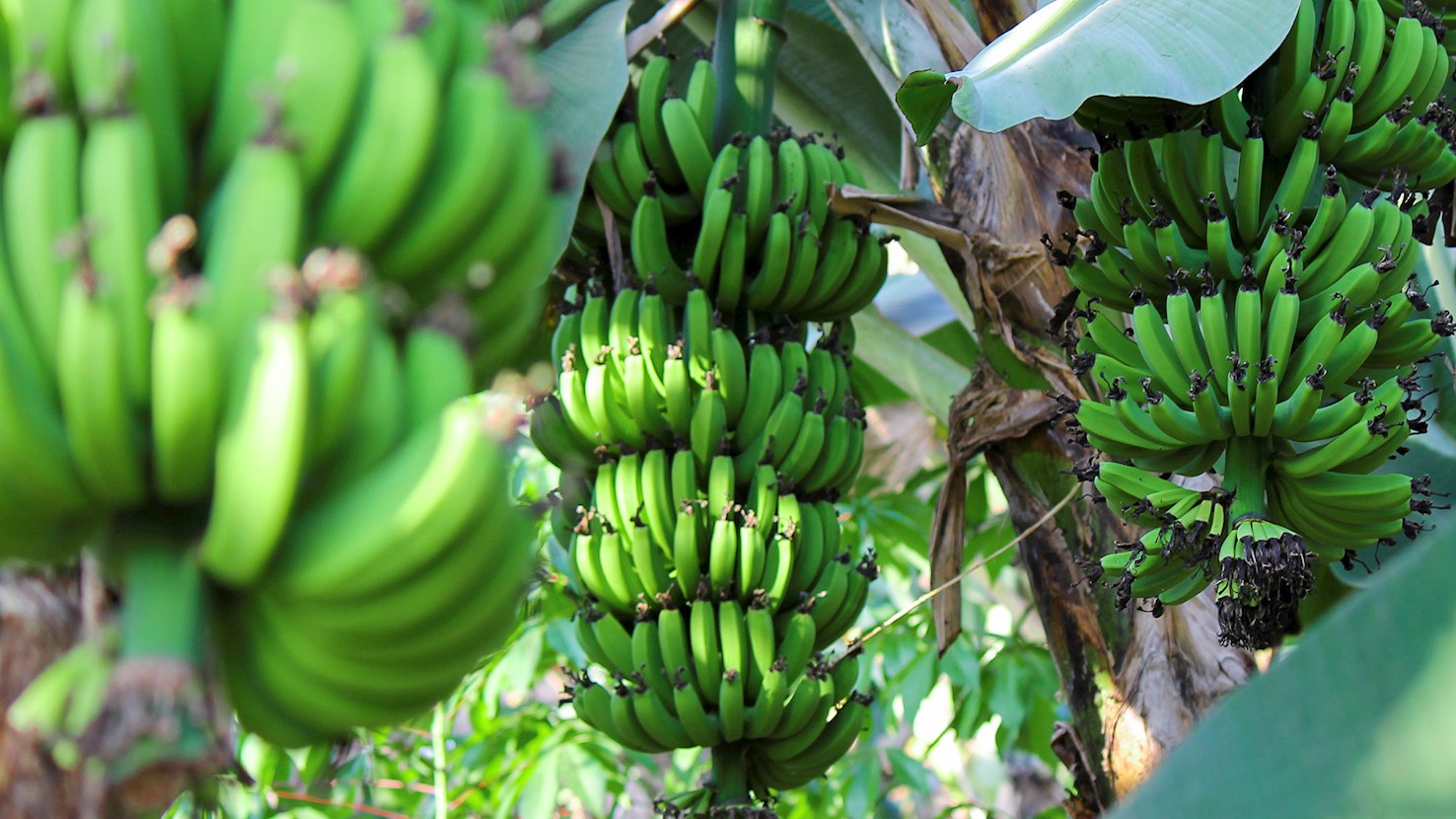
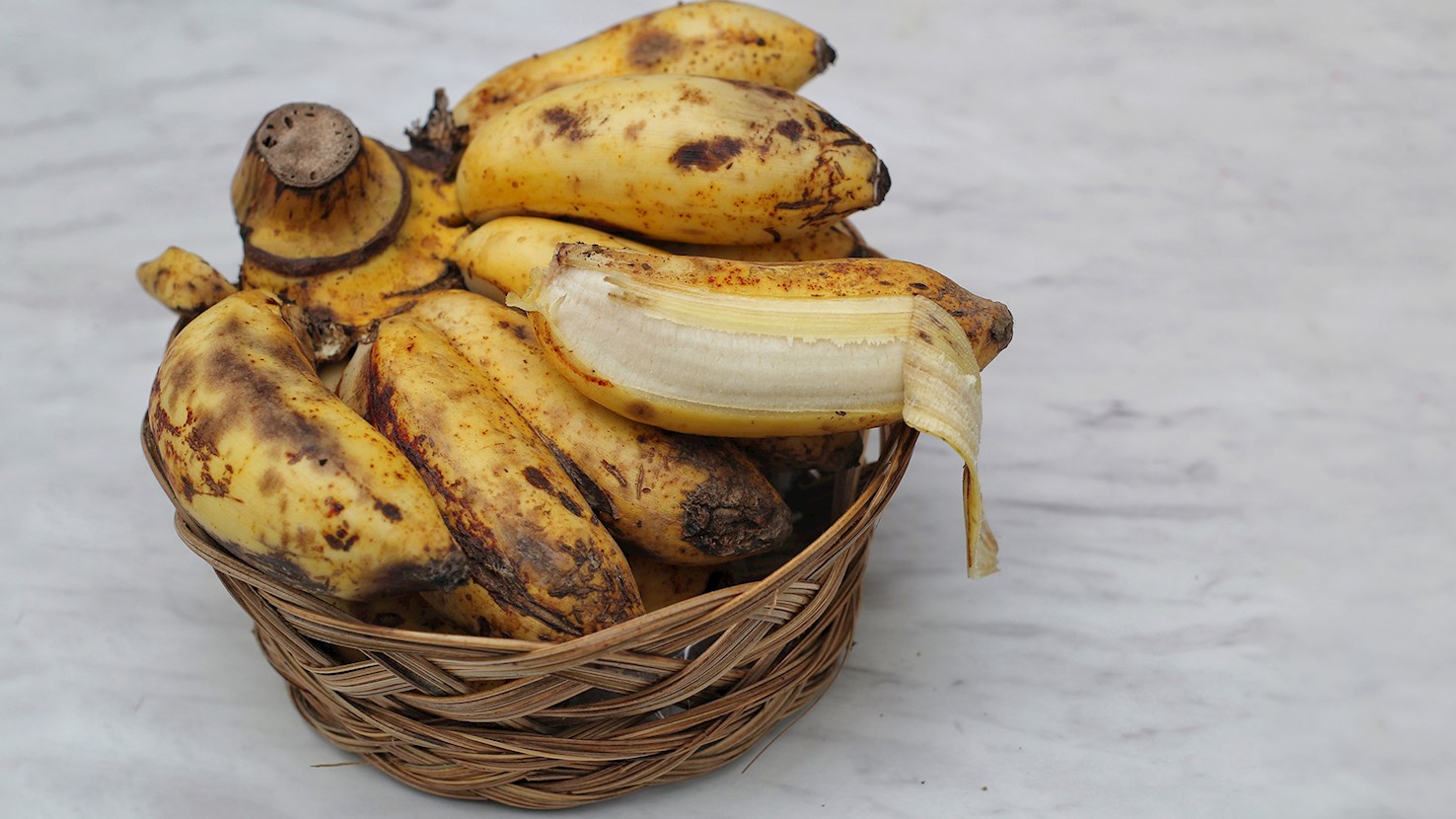
Matoke is a banana variety that is indigenous to Uganda. There are about 50 different types, and most have subtypes. They are shorter than regular bananas and are somewhat thicker at the mid section as a result. Due to the high starch content, the flesh of unripe matoke bananas is especially hard, so they need to be boiled, steamed, or roasted before consumption. If the bananas are fully ripe, they can be consumed as normal fruit, but it is considered a waste since matoke is known as a green cooking banana. These bananas are typically mashed and paired with vegetable sauces, ground peanuts, or meat such as beef and goat, and the full dish is then also called matoke or matooke.

02

Lal kela (Red banana)

3.5 ·

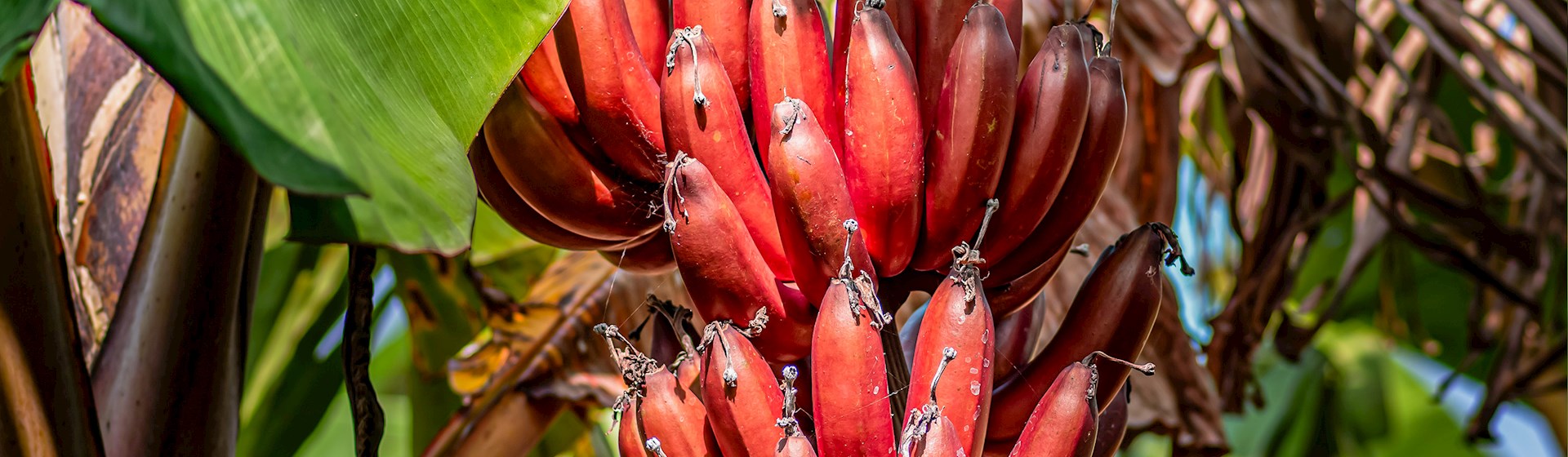
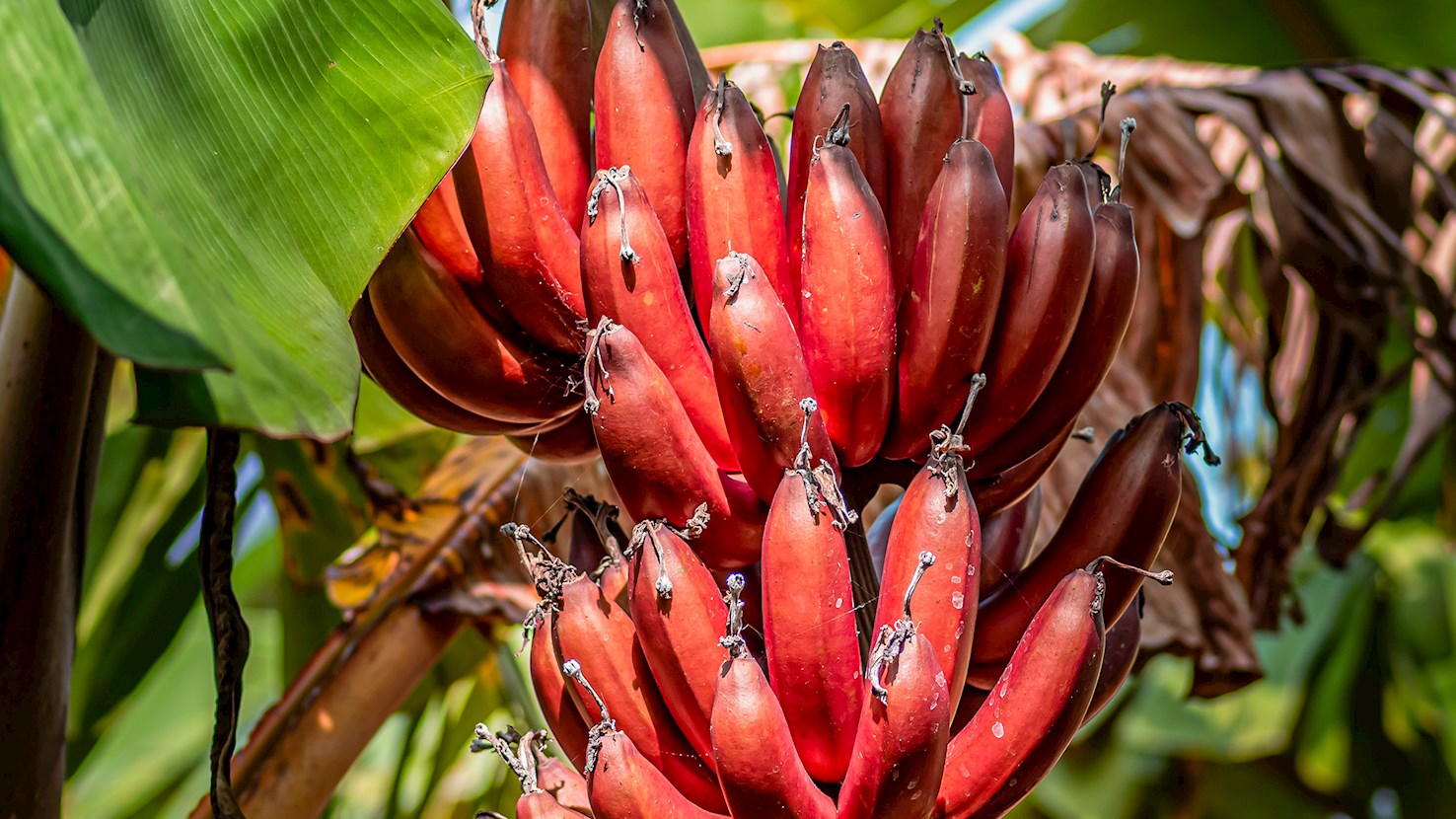
Red banana (lat. Musa acuminata var. 'Red') is a variety of banana with a distinctive red or purple skin, setting it apart from the more common yellow bananas. This variety is smaller, plumper, and has a creamier texture compared to the more widely known Cavendish banana. When ripe, the flesh of the Red banana is soft and sweet, with a flavor that hints at raspberry in addition to the traditional banana taste. Red bananas are believed to originate in India, but may be native to Southeast Asia and the Pacific Islands and are now grown in many tropical and subtropical regions around the world, including parts of East Africa, South America, and the United Arab Emirates. They require a warm climate to thrive and are more sensitive to cold weather than their yellow counterparts. Nutritionally, red bananas offer a range of benefits. They are rich in vitamin C, vitamin B6, and potassium. They also contain a higher content of beta-carotene and vitamin D than yellow bananas, which gives them their unique color and contributes to their nutritional profile. In terms of culinary use, red bananas are versatile and can be enjoyed raw or used in cooking. Their sweet flavor makes them an excellent choice for desserts, smoothies, and baking. Because of their sweetness and moisture, they can add a unique flavor and texture to a variety of dishes.

03

Manzano banana

3.8 ·

Manzano banana, also known as the "Apple banana," is a small, chubby variety of banana that stands out for its sweet, fruity flavor, which has hints of apple or strawberry. Its scientific name is Musa acuminata (AA Group) 'Manzano'. This variety is shorter and thicker than the common Cavendish banana. It's skin is thin and turns a deep yellow with black spots when ripe. Originating from Central America, the Manzano banana is grown in tropical regions around the world. It is particularly popular in the Caribbean, Central and South America, and some parts of Africa and Asia. The fruit is known for its resilience against cooler temperatures, similar to the Blue Java banana, making it suitable for growth in a wider range of tropical environments. The flesh of the Manzano banana is creamy and has a rich, sweet flavor that is more complex than that of the more widely known Cavendish variety. Its unique taste and texture make it a favorite for eating fresh out of hand, though it can also be used in cooking, especially in desserts and smoothies, where its distinctive flavor can shine.

04

Pisang raja

3.8 ·

Pisang raja (lat. Musa paradisiaca var. Raja) is a highly prized variety of banana in Indonesia and other parts of Southeast Asia. The name pisang raja literally translates to "king of bananas" in Indonesian, reflecting its esteemed status among banana varieties due to its superior taste and texture. Pisang raja bananas are known for their delightful sweetness, creamy texture, and a slight hint of citrus. This makes them highly sought after for both fresh consumption and culinary use. Characteristically, pisang raja bananas have a long and slightly curved shape, with a thick skin that turns a deep yellow with slight green tips when fully ripe. The flesh of the banana is dense, yet it melts in the mouth, offering a burst of rich, sweet flavor with nuances that some describe as similar to honey or vanilla. Pisang raja is especially popular for traditional desserts and culinary preparations. In Indonesia, it is often used in the making of pisang goreng (fried bananas), a popular snack where the bananas are coated in batter and deep-fried until golden brown. The variety's natural sweetness and firm texture make it ideal for cooking, as it holds its shape well and enhances the flavor of the dishes.

05

Cavendish banana

3.9 ·

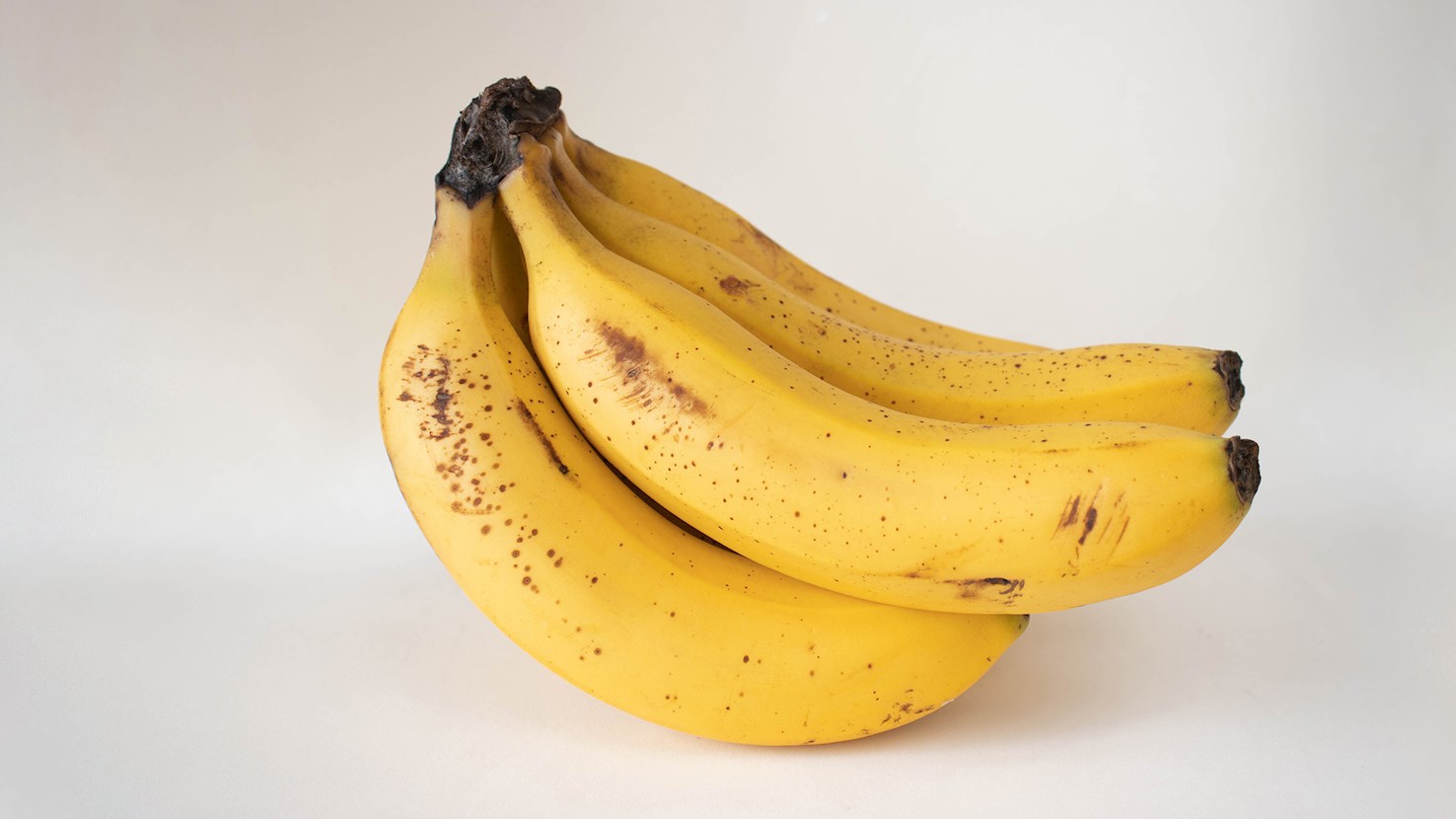
Cavendish banana is the most widely grown and consumed type of banana in the world today. Named after William Cavendish, the 6th Duke of Cavendish, who is credited with having propagated the plant from cuttings in his greenhouse in England in the 19th century, the variety itself originated from Southeast Asia. It was introduced to other parts of the world, including the Canary Islands, from where it was later exported to the Americas and became a staple in global agriculture. Cavendish bananas are known for their distinct features: they are medium-sized, have a thick, bright yellow skin when ripe, and are sweet with a creamy texture. This variety of banana is especially favored for its resistance to diseases that affected previous staple banana cultivars, like the Gros Michel, which was devastated by Panama disease in the mid-20th century. Despite its current dominance and popularity, the Cavendish banana is not without its challenges. It is susceptible to a strain of Panama disease called Tropical Race 4 (TR4), which threatens its production globally. The monoculture farming practices associated with Cavendish bananas also raise concerns about biodiversity, as reliance on a single variety increases vulnerability to pests and diseases.

06

Latundan banana

3.9 ·

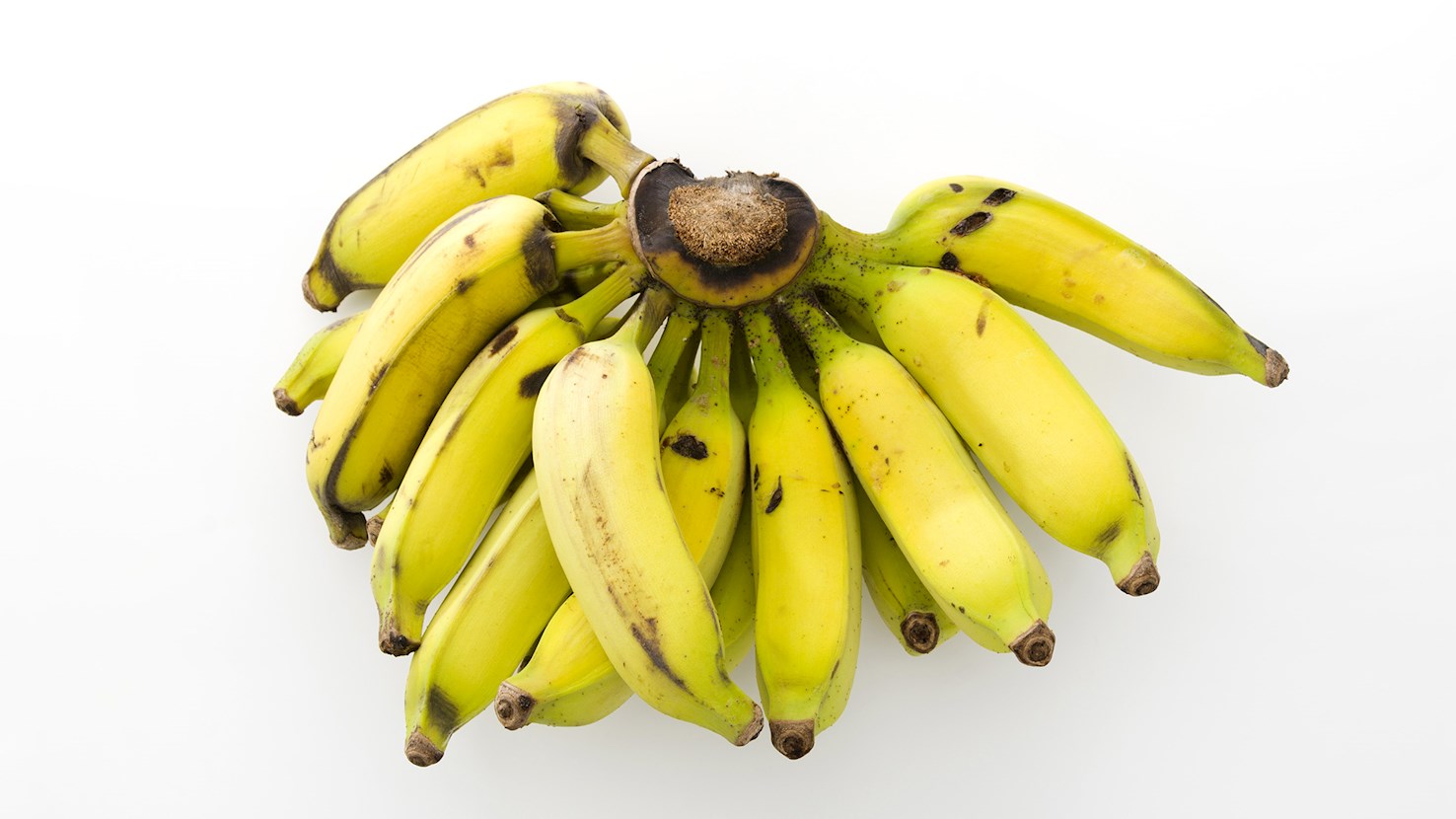
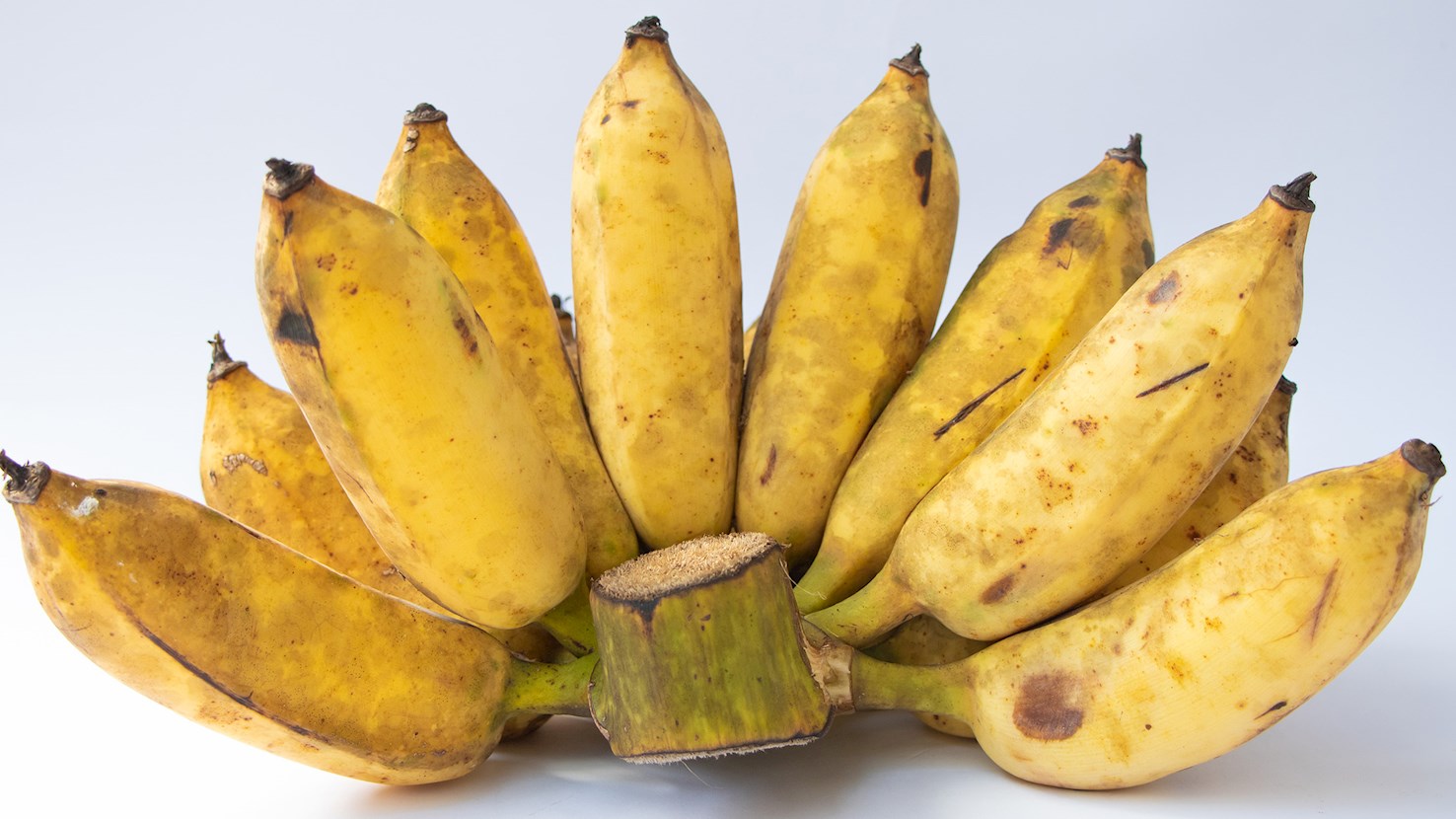
The Latundan banana (lat. Musa acuminata × Musa balbisiana) is a triploid hybrid of the banana cultivar, originating in the Philippines, but also popular in other parts of Southeast Asia and India. Latundan bananas are smaller than the more widely known Cavendish bananas, and have a thinner peel. They typically range in length from 4 to 5 inches (about 10 to 12.5 cm). One of the defining characteristics of the Latundan banana is its texture and flavor. The flesh is soft and creamy, and it has a sweet taste with hints of apple and strawberry, which is why it's sometimes referred to as the "apple banana". Latundan bananas are rich in vitamins and minerals, including vitamin C, potassium, and dietary fiber, making them a nutritious snack option. They are often eaten fresh as a dessert banana but can also be used in cooking, particularly in desserts and sweet dishes where their unique flavor can shine.

About this ranking

TasteAtlas food rankings are based on the ratings of the TasteAtlas audience, with a series of mechanisms that recognize real users and that ignore bot, nationalist or local patriotic ratings, and give additional value to the ratings of users that the system recognizes as knowledgeable. For the “6 Worst Rated Bananas in the World” list until May 21, 2026, 246 ratings were recorded, of which 201 were recognized by the system as legitimate. TasteAtlas Rankings should not be seen as the final global conclusion about food. Their purpose is to promote excellent local foods, instill pride in traditional dishes, and arouse curiosity about dishes you haven’t tried.

Similar lists