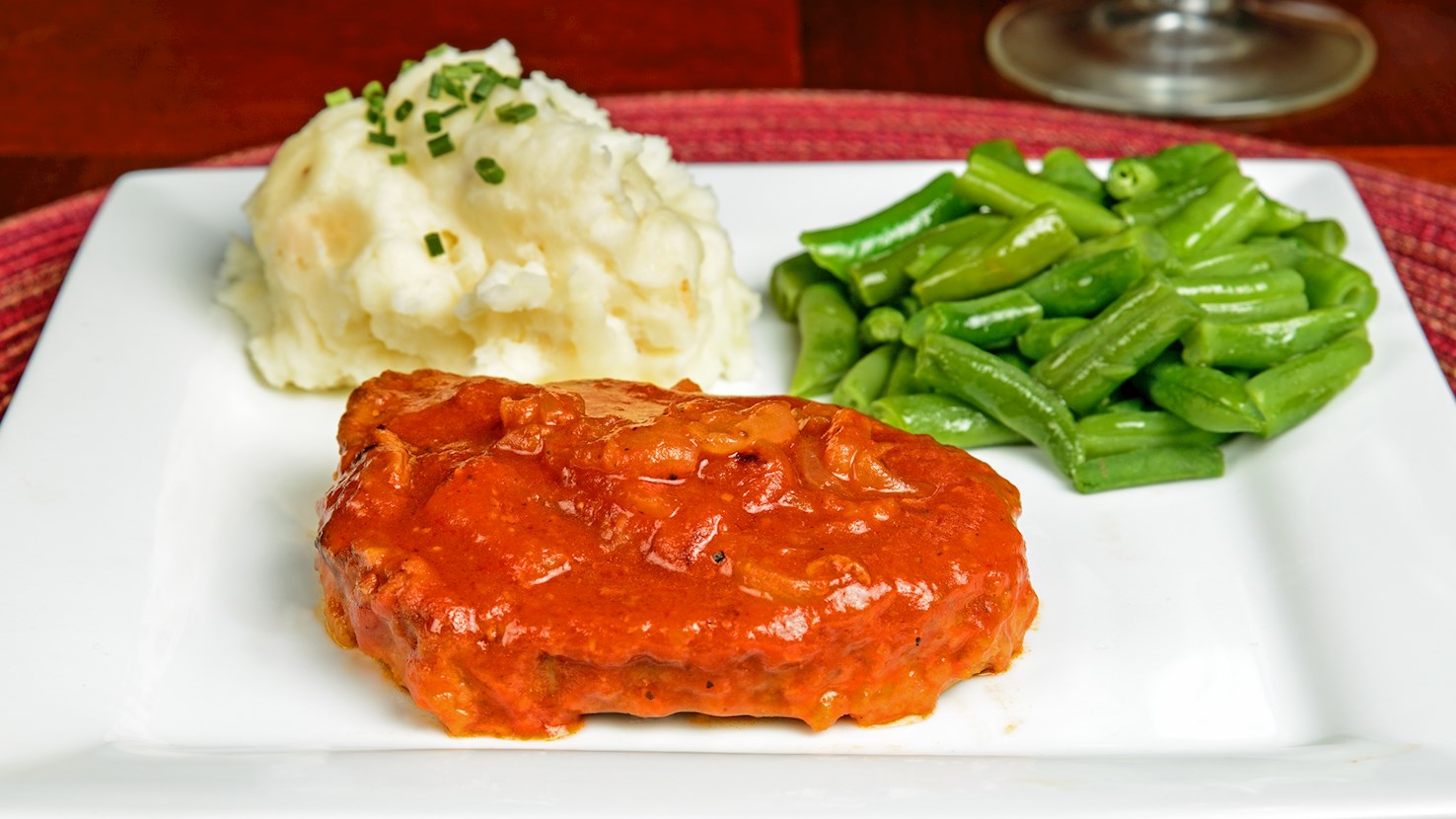
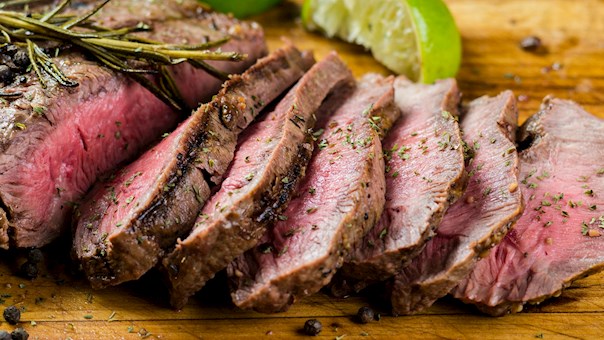
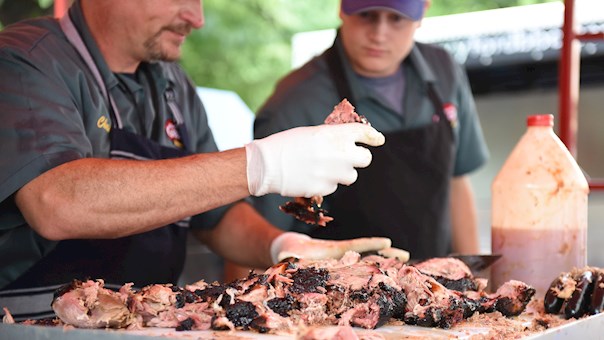
Swiss steak is a popular American dish consisting of a round or rump steak that has been swissed, which is a technique of tenderizing the meat by pounding it. The steak is usually braised in a tomato or chile sauce, although there are numerous variations on the dish. It is often served with mashed potatoes and gravy on the side. Because of its affordable price, Swiss steak is a staple of all-you-can-eat buffets or school and hospital cafeterias.
In the American system of primal beef cuts, the round is the term used to describe the hindmost part of the cow. The round is made up of the rump and the hind legs, and it's a lean, somewhat tough cut because the leg and rump muscles are used for movement. Despite its toughness, the round can yield some versatile cuts that are more affordable than the tender cuts from the front part of the animal. Here are a few specific cuts that come from the round. Like other tougher cuts of beef, the cuts from the round are often slow-cooked or braised to break down the connective tissue, or they're marinated and then cooked using high, dry heat methods like grilling or broiling.
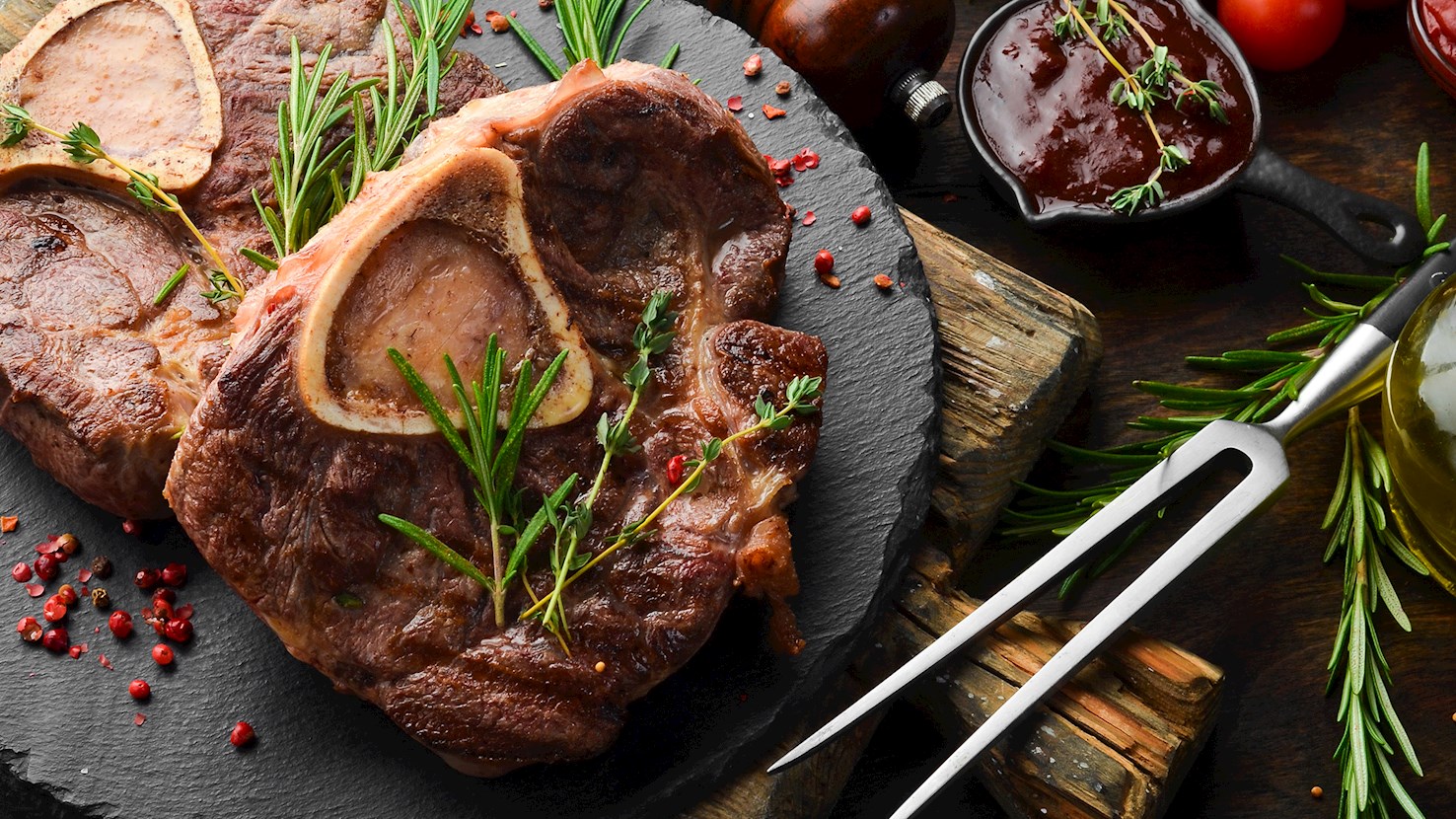
In the American, German, and Brazilian systems of primal beef cuts, the shank (hesse, músculo) is the term used for the leg portion of the cow. There are both front and hind shanks, coming from the legs of the steer. The shank is known to be one of the toughest cuts due to the fact that it comes from a part of the animal that is heavily exercised. As such, it contains a high amount of connective tissue, which can be made tender and flavorful through slow, moist-heat cooking methods like braising. The meat from the shank is often used in dishes like soups and stews. Shank is also commonly used for making bone broths and stocks, as the bones from the shank contain marrow, which adds depth and richness to the liquid.
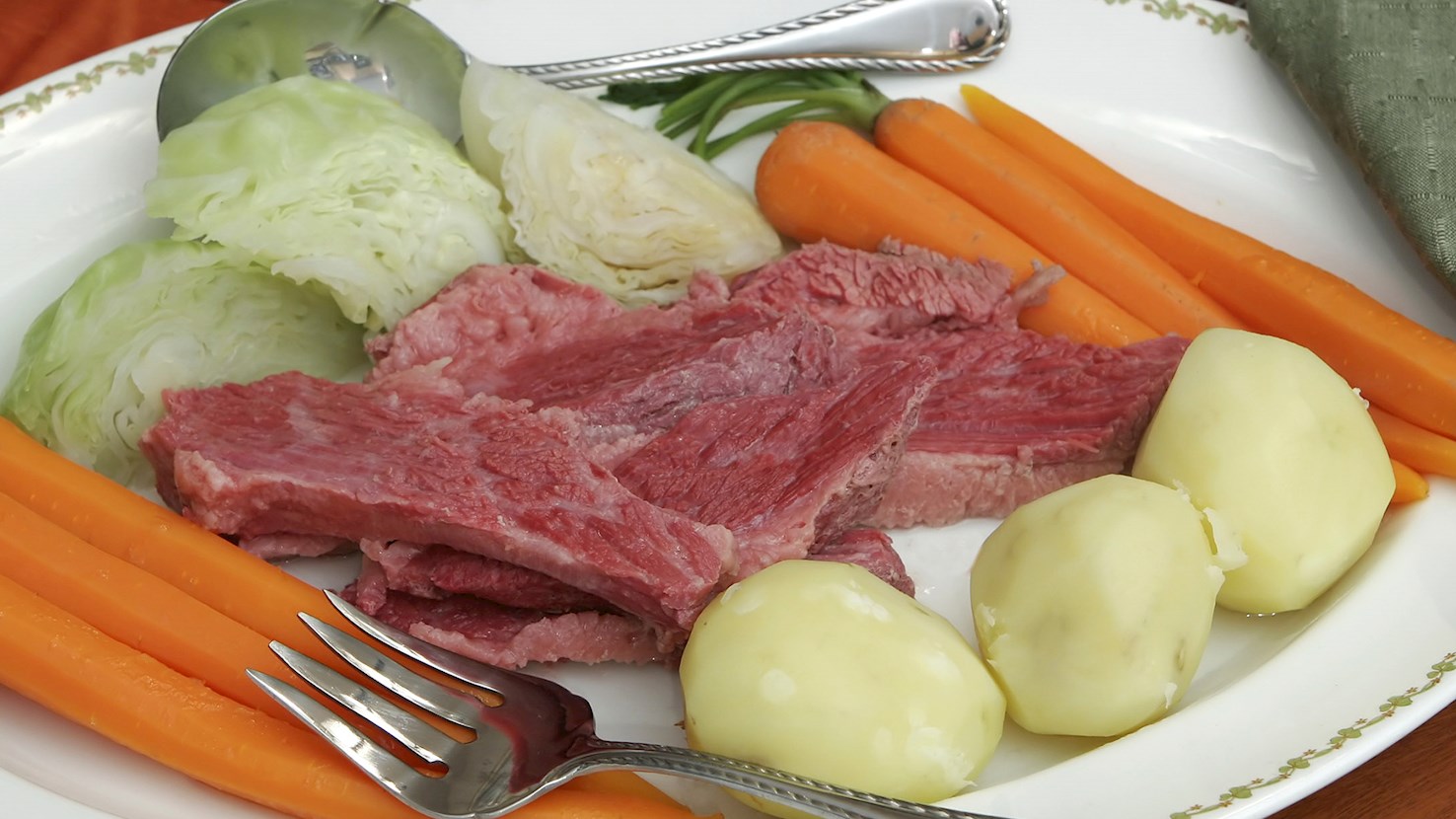
Boiled dinners are simple dishes that have been a staple of New England's cuisine for a long time. It consists of corned beef and root vegetables such as carrots, onions, celery, turnips, and cabbage, cooked together in boiling water until tender. From preparation to presentation, everything is as simple as it can be, and there is no gravy nor condiments to accompany the meat and vegetables. Its origins are unclear, but the existence of the dish has been noted by historians since the 1660s. In the times before refrigeration, boiled dinner was a kind of a survival strategy, and because the cuts of meat needed to be cooked for a long time, one could do other things while the dish was cooking. Despite being easy, inexpensive and nutritious, New England boiled dinner has fallen slightly out of favor today, but there is one day of the year when the dish is wildly popular throughout the state, especially in the Irish community - March 17th, known as St. Patrick's Day.
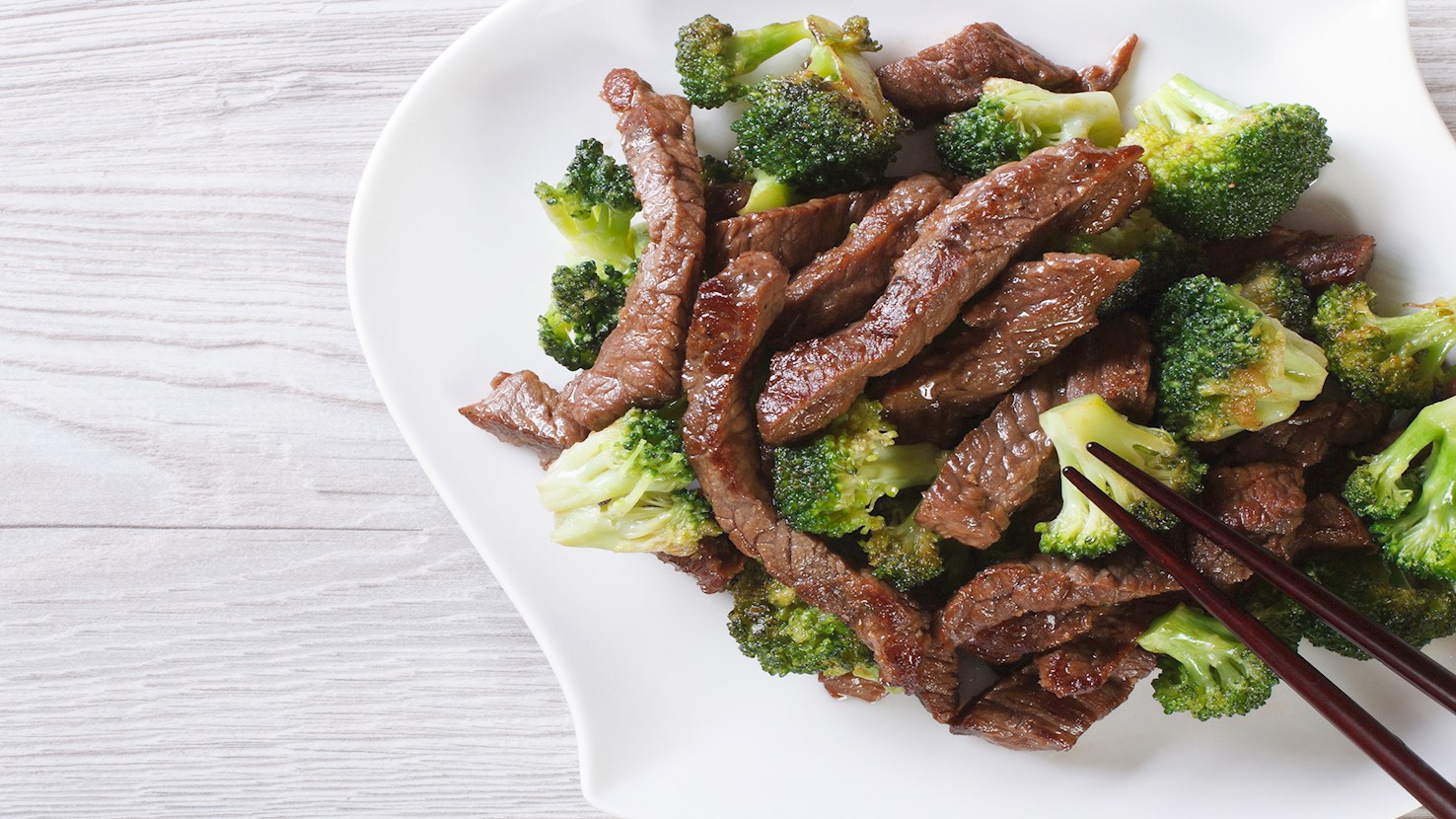
Beef & broccoli is an American dish consisting of pieces of flank steak that are stir-fried with broccoli and seasoned with a Chinese-style sauce made with oyster sauce, soy sauce, and cornstarch. The dish has Chinese influences, although it is not originally Chinese, but it is believed that the first versions of the dish were prepared by Chinese immigrants who had settled in San Francisco. The original version included Chinese broccoli called gai lan, which is more bitter and stronger in flavor than the usual broccoli we have grown accustomed to in the West.
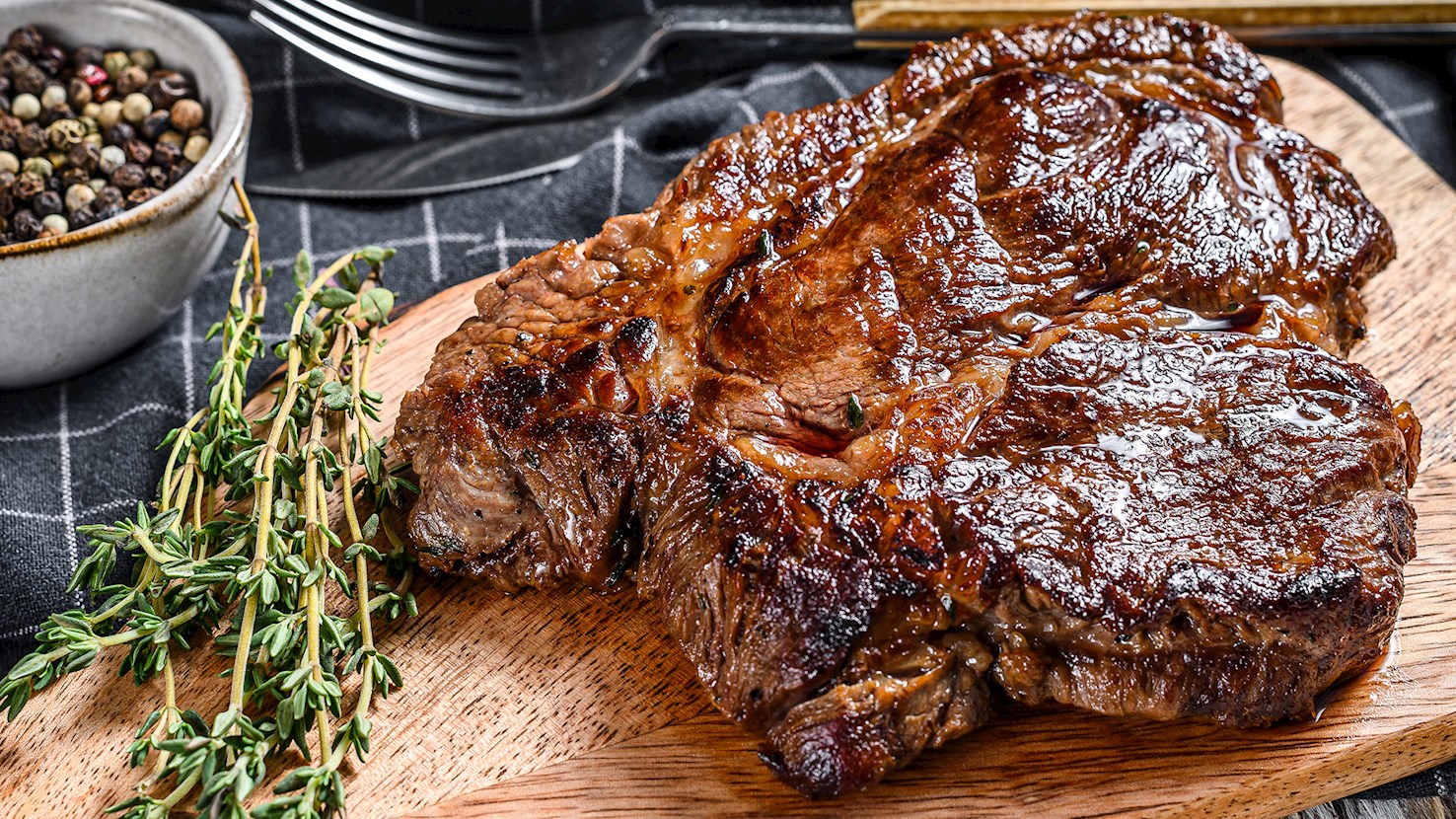
In the American system of primal beef cuts, chuck refers to the sub-primal cut from the front section of the cow's shoulder. It's one of the eight main divisions of the cow's body from which beef is cut, and it includes the neck, shoulder blade, and upper arm. Chuck is often used for roasts because it has a good amount of collagen, which can break down during slow cooking and provide a rich flavor and tender texture. Chuck roasts, also known as pot roasts, are popular for slow-cooking methods like braising. Chuck is also often ground for use in burgers or meat sauces due to its balance of meat and fat. Specific cuts from the chuck primal cut include the chuck roast, chuck eye roast, and shoulder steak, among others. The quality and texture of these cuts can vary depending on the specific part of the chuck they come from.
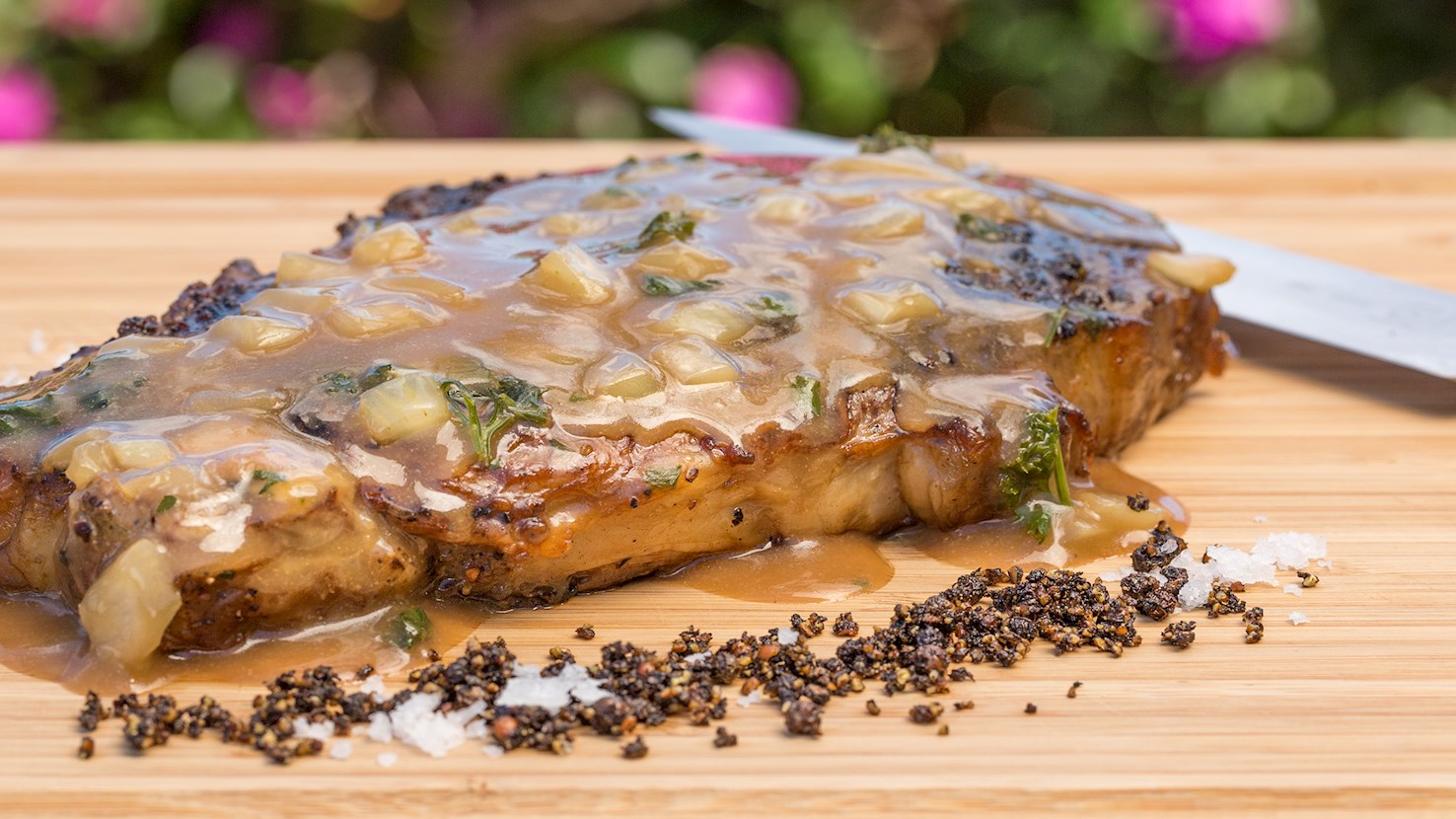
Although the dish has numerous varieties, steak Diane generally consists of a tender piece of beef such as tenderloin or strip steak that is pan-fried and served with a sauce made with pan juices, shallots, Dijon mustard, Worcestershire sauce, butter, and beef or veal stock. The dish is traditionally prepared tableside, and cognac is flambéed when added to the sauce, intensifying its flavors. Steak Diane was at the peak of its popularity in the 1950s and the early 1960s, especially in New York, where it was supposedly created, although it is yet unclear which establishment was the first to serve it – the Drake Hotel, the Sherry-Netherland Hotel, or the Colony restaurant.
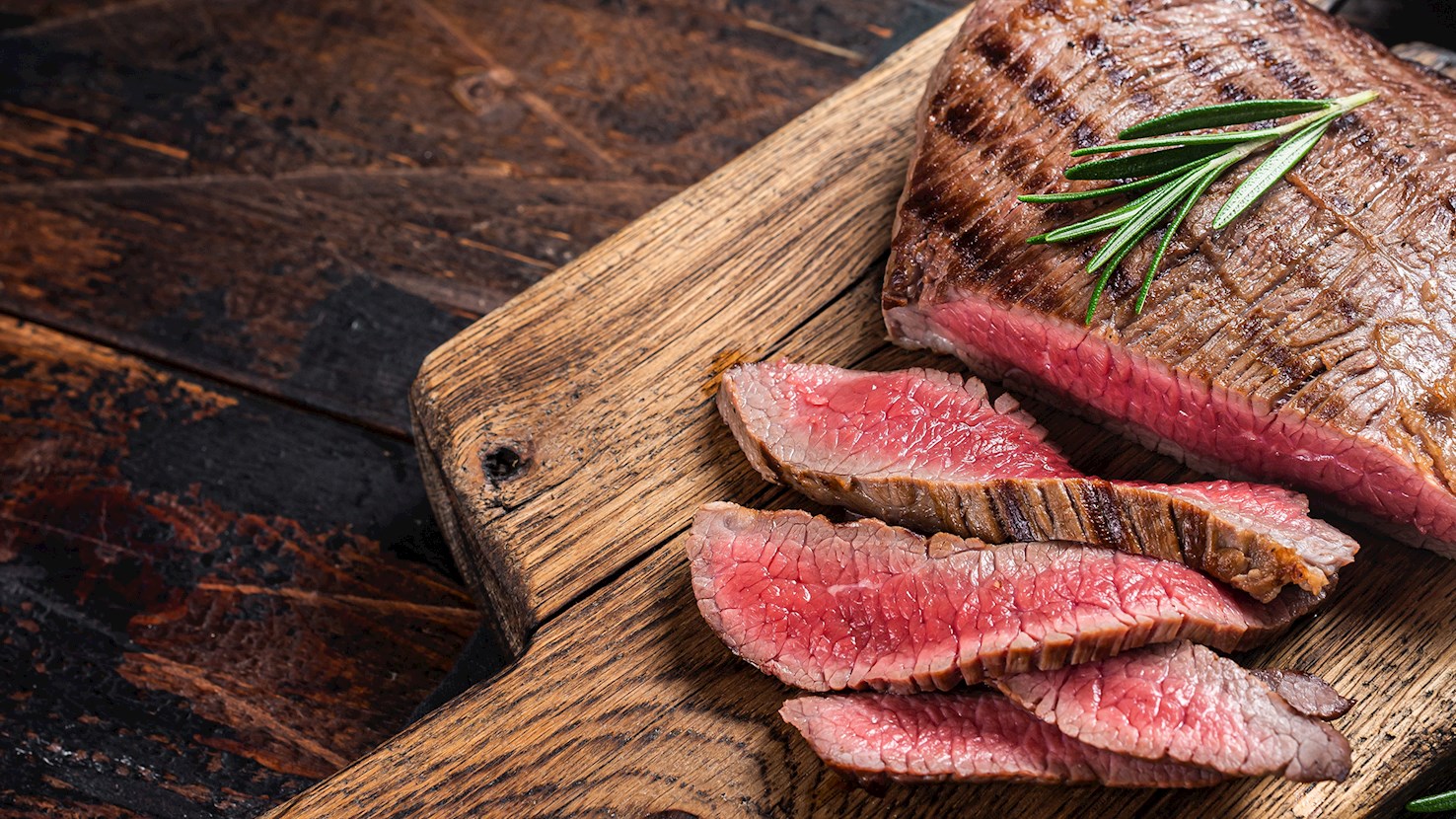
In the American system of primal beef cuts, the flank refers to the area right below the loin, and it stretches across the belly near the rear of the cow. It's a long, flat cut of beef that's very lean and contains a lot of tough fibers. Given its toughness and pronounced grain structure, flank steak is often marinated to tenderize it and then grilled or broiled quickly over high heat. It's important to slice this cut across the grain to break up the muscle fibers and make it easier to chew. Flank steak is popular in a variety of dishes, including fajitas, stir-fries, and London broil. It's also the traditional cut used for corned beef. Additionally, the flank is where "flap meat" comes from, which is a smaller cut within the flank that's often used similarly to flank steak. It's worth noting that even though flank steak is lean and tough, it's also known for its rich, deep, beefy flavor. So, despite needing some careful handling, it's a favorite for many beef lovers.
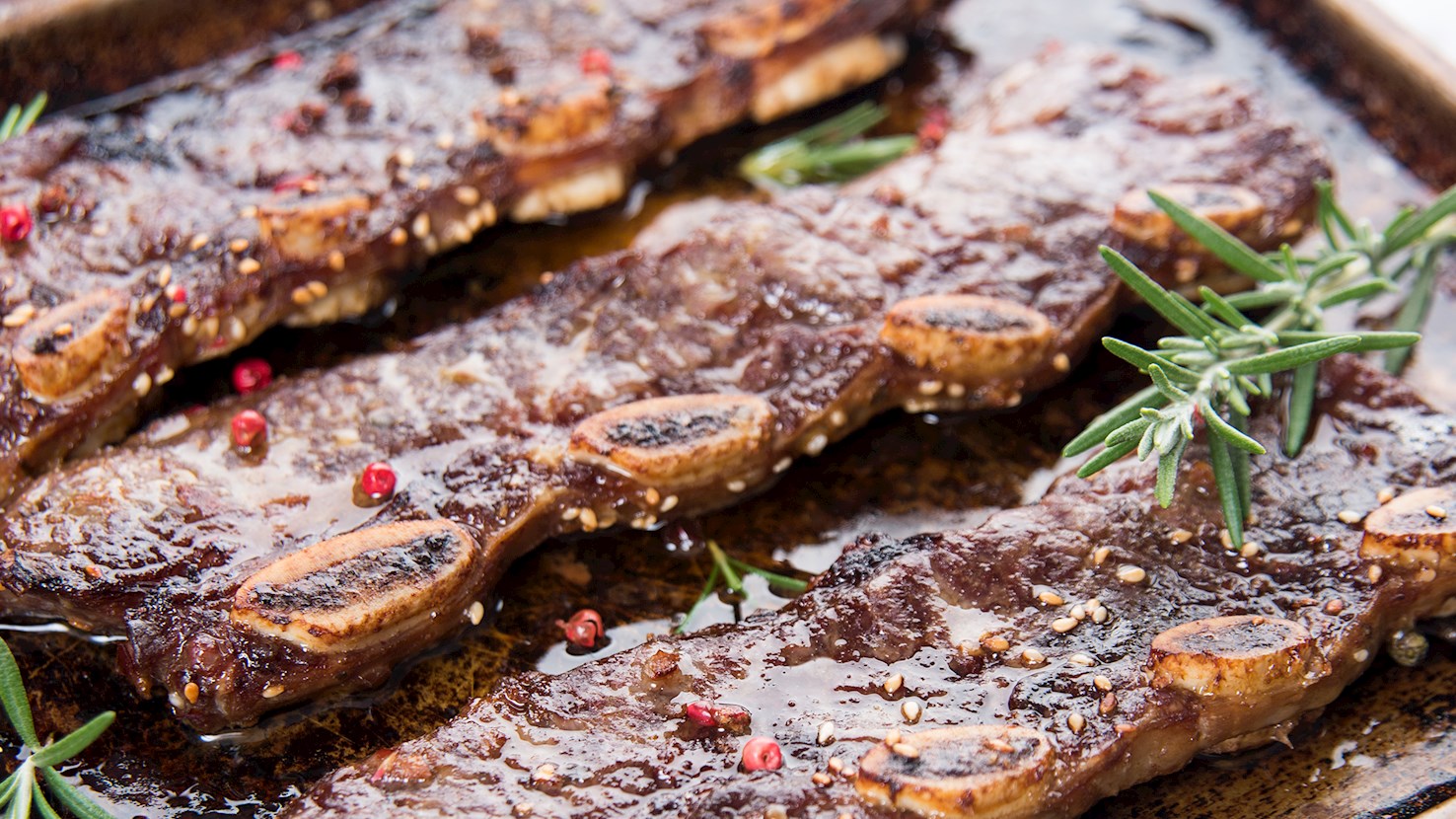
In the American system of primal beef cuts, the plate is a cut from the front belly of the cow, situated below the rib cut and between the brisket and flank. This cut is known for being quite fatty, which lends itself to certain types of cooking methods. The plate cut contains a good deal of tough connective tissue, so it is typically cooked with slow, moist-heat methods to tenderize the meat and render the fat. It can also be used in dishes where the fat content adds flavor, such as in ground beef for burgers. Some of the specific cuts that come from the plate include short ribs, skirt steak, and the hanger steak.
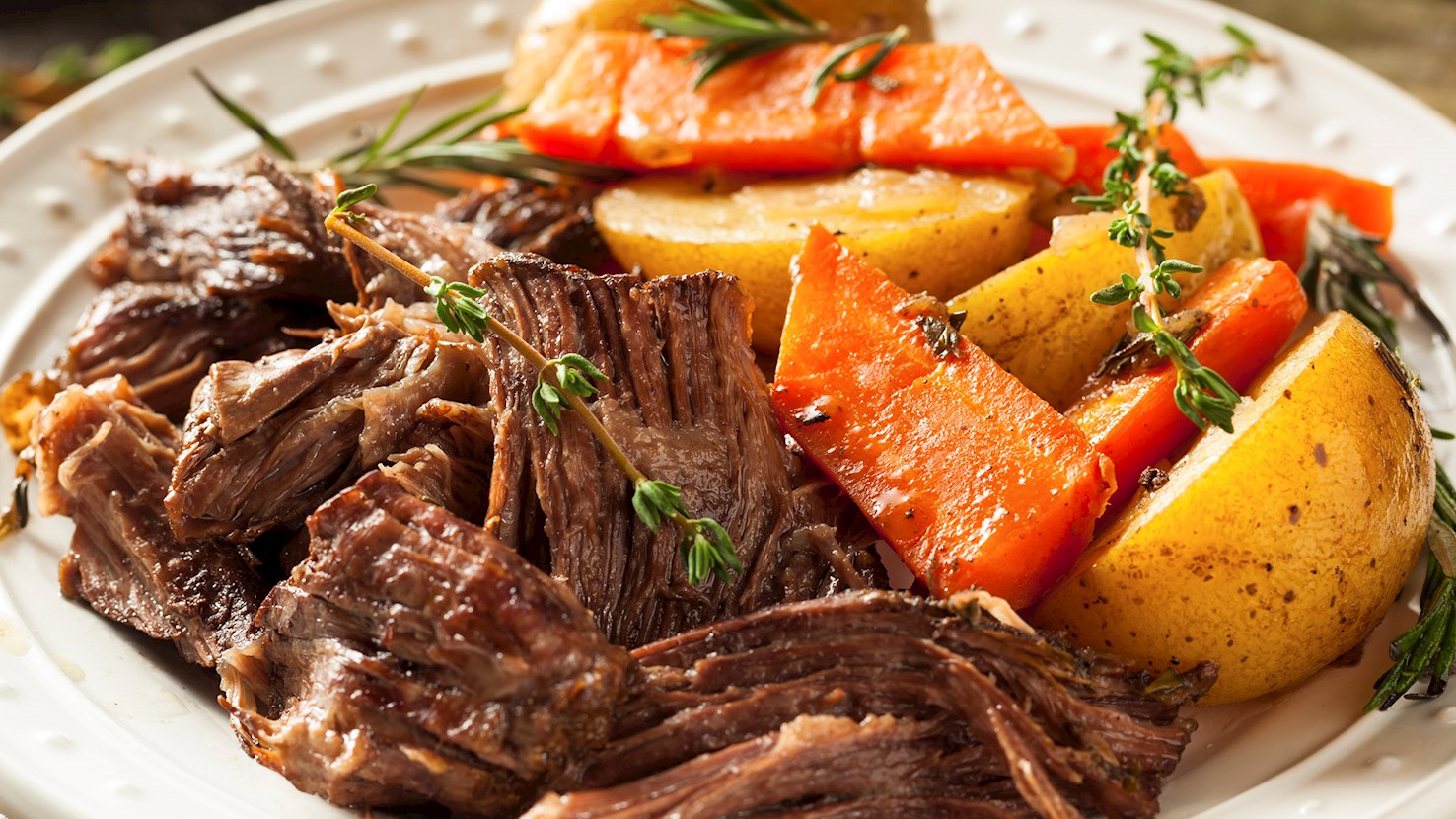
Pot roast, also known as Yankee pot roast, is a slow-braised beef-and-root-vegetable dish that transforms tough, inexpensive cuts of meat into meltingly tender New England comfort food. It is a masterclass in culinary alchemy that evolved from the colonial "New England Boiled Dinner," in which cooks prepared entire meals in a single cauldron over an open hearth. The "Yankee" moniker is a direct nod to famous New England frugality. Early settlers couldn't afford to waste anything, so they adopted European braising techniques—brought over by French and German immigrants—to tenderize heavily worked beef. Unlike European braises that lean on heavy wine reductions and delicate mushrooms, the original Yankee version was strictly utilitarian. It relied on hearty cellar-stored root vegetables, simple beef broth, and whatever herbs were on hand, built to feed a crowd and warm you to the bone during brutal Northeast winters. A true Yankee pot roast isn't about fancy ingredients; it's about combining the right structural components and relying on the magic of braising. The foundation is the meat, typically a three to four-pound chuck roast, brisket, or bottom round. These cuts are high in connective tissue, which might seem tough initially, but during a long cook, that collagen melts into gelatin, creating a silken texture. Before cooking, the beef is generously salted and aggressively seared on all sides in a heavy Dutch oven over medium-high heat. This crucial step creates the Maillard reaction, building the deep, savory flavor profile of the final gravy. Once browned, the meat is set aside while coarsely chopped aromatics like onions and garlic are sautéed until translucent. A splash of broth or red wine is then used to deglaze the pot, scraping up all the caramelized brown bits from the bottom to ensure no flavor is lost. With the savory base built, the beef is returned to the pot along with herbs like fresh thyme and a bay leaf. The braising liquid—usually a mix of beef stock and crushed tomatoes—is poured in just until it comes about halfway up the sides of the meat. It is essential not to submerge the beef entirely, as the goal is to create a moist, low-temperature environment that gently breaks down the tough fibers. The pot is covered tightly and left to simmer gently on the stovetop for several hours. Timing the addition of the root vegetables is the secret to a perfect roast; adding them at the beginning will cause them to disintegrate into mush. Instead, wait until the beef is about an hour away from being fork-tender before tucking large chunks of carrots, potatoes, celery, and turnips around the meat. Once both the meat and vegetables are meltingly soft, they are removed to a platter where the beef can be sliced against the grain or pulled apart with forks. The remaining liquid in the pot, infused with rich beef fat and sweet vegetables, can be skimmed and served as a pan sauce or thickened with a flour slurry to create a hearty gravy, completing a timeless New England feast.
TasteAtlas food rankings are based on the ratings of the TasteAtlas audience, with a series of mechanisms that recognize real users and that ignore bot,
nationalist or local patriotic ratings, and give additional value to the ratings of users that the system recognizes as knowledgeable.
For the “13 Worst Rated American Beef Cuts and Dishes” list until June 16, 2026, 2,209 ratings were recorded, of which 2,044 were recognized by the system as legitimate.
TasteAtlas Rankings should not be seen as the final global conclusion about food. Their purpose is to promote excellent local foods,
instill pride in traditional dishes, and arouse curiosity about dishes you haven’t tried.