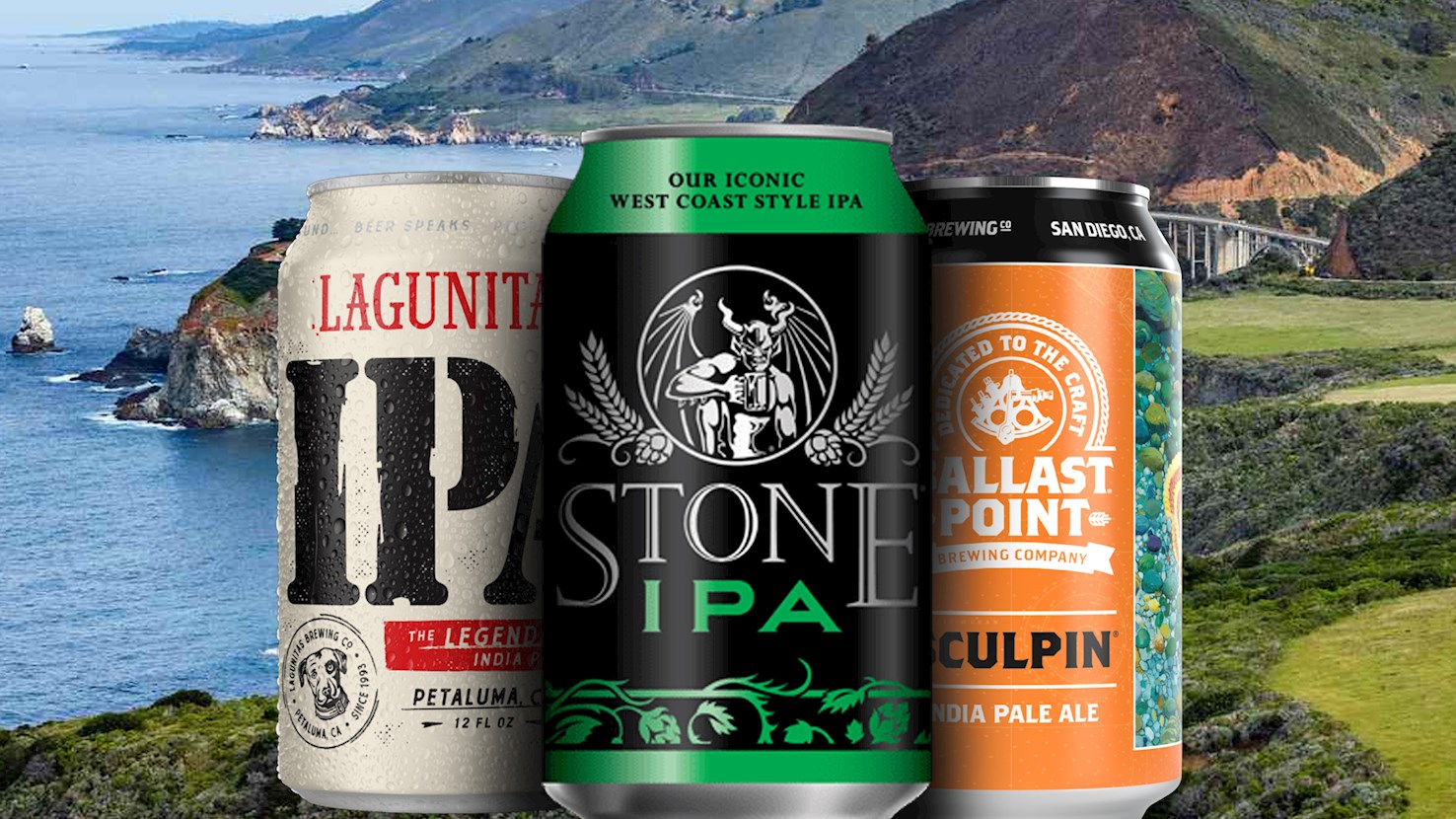
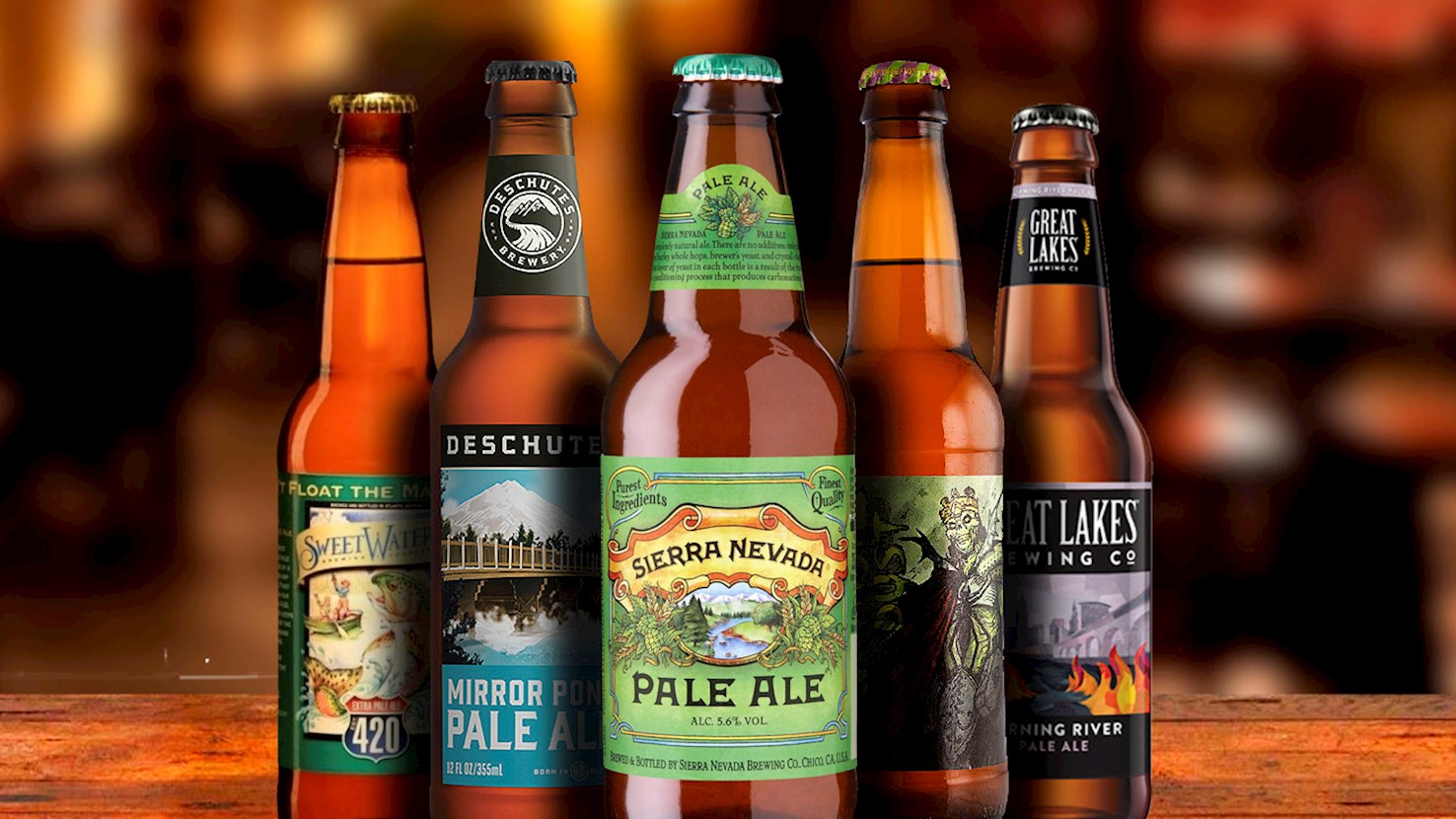
West Coast India Pale Ale is a style of craft beer that originated on the western coast of the United States, particularly in California, and has become a defining expression of American hop-forward brewing. Characterized by its clear appearance, crisp bitterness, and pronounced piney, resinous, and citrus hop aromas, this IPA style contrasts with other regional variations by emphasizing hop bitterness and dry finish rather than malt sweetness. The beer typically showcases American hop varieties such as Cascade, Centennial, and Chinook, which contribute to its distinctive bold flavor profile. The emergence of West Coast IPA dates back to the craft beer boom of the late 20th century when brewers in the Pacific Northwest and California sought to differentiate their offerings by maximizing hop character. Inspired by the English India Pale Ale but adapted to American ingredients and tastes, West Coast IPAs pushed the boundaries of bitterness and aroma, creating a clean and assertive beer that quickly gained popularity among beer enthusiasts. The style’s rise coincided with the increasing availability of American hops and the desire for beers that could stand out in a growing and competitive craft beer market. In brewing West Coast IPA, a focus is placed on multiple hop additions throughout the brewing process, including late boil, whirlpool, and dry hopping, to layer bitterness and aromatic qualities. The malt base is generally lighter and less sweet than other IPA styles, often using pale malt and minimal specialty grains to maintain a dry, crisp finish. Yeast strains that ferment cleanly and highlight hop character are preferred. The beer is usually served in a tulip or shaker glass to concentrate the aroma, best enjoyed chilled to balance its bold flavors with refreshing qualities. West Coast IPA is widely appreciated in craft beer bars, festivals, and among homebrewers, where its assertive hop profile pairs well with spicy foods, grilled meats, and rich cheeses. Its presence in the beer world reflects both a regional identity and an innovative spirit, influencing numerous brewers globally to experiment with hops and bitterness. The style remains a benchmark for American IPA and a popular choice for those seeking a bold, flavorful, and refreshing beer experience.
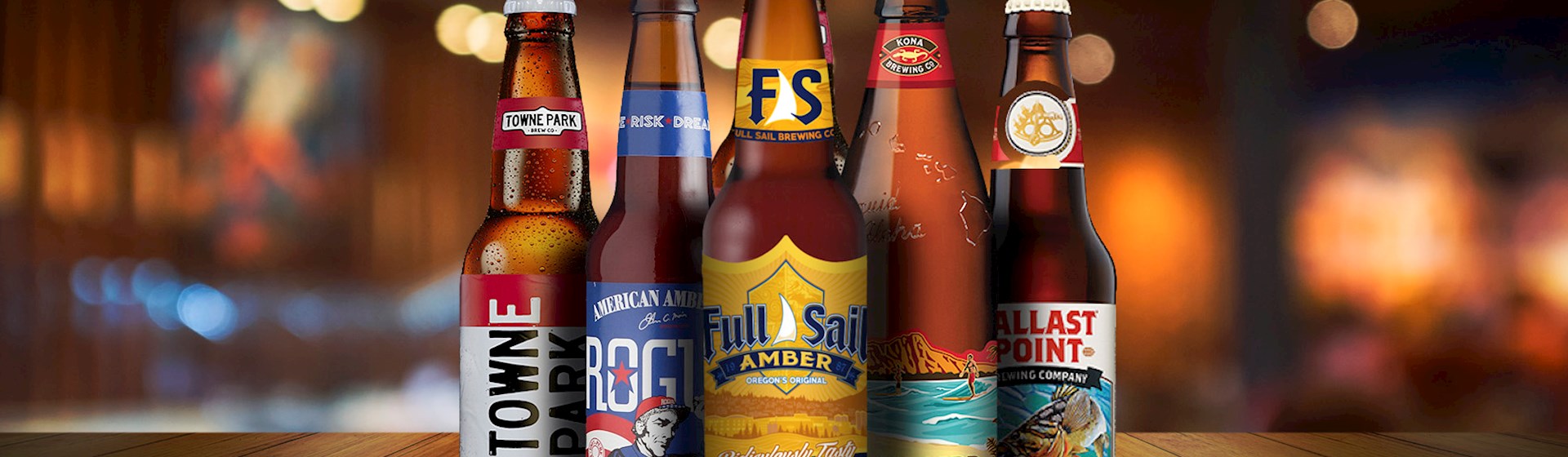
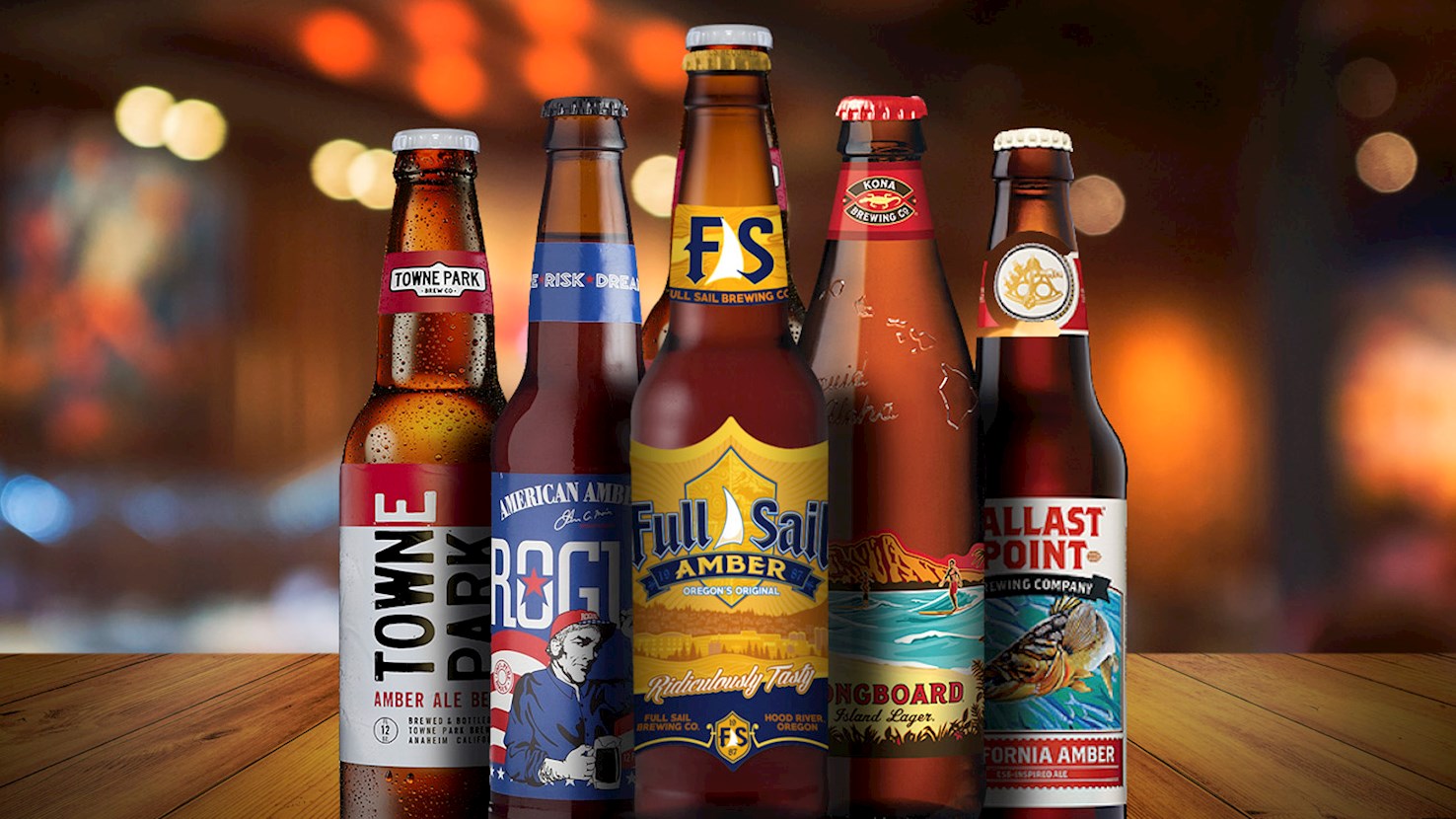
American amber ale originates from California and the Pacific Northwest, where it appeared in the 1980s. The style was modeled on pale ales and strong bitters, but it eventually grew as a separate and distinctive category. Amber ales are brewed with crystal malts, which provide toasty and toffee flavors. The color of these medium-bodied beers may range from amber to copper or deep red. They are characterized by moderate to strong malt sweetness, while the use of American hops occasionally provides for citrusy and piney aromas. Although they often resemble American pale ales, amber ale should typically have more body and more pronounced caramel flavors. These beers are an excellent match with classic American cuisine, barbecued dishes, hamburgers, spicy dishes, chicken, beef, and seafood.
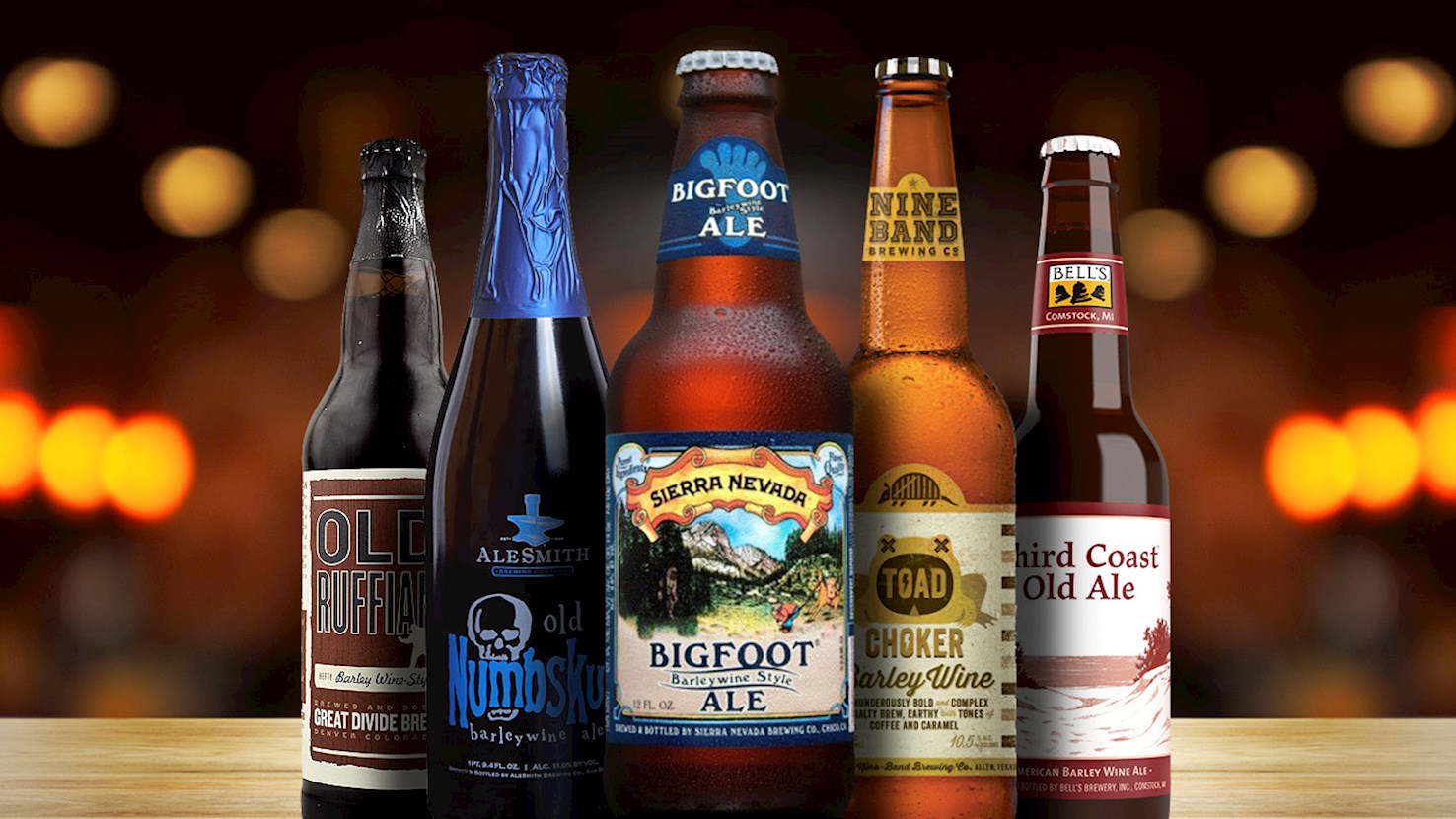
American barley wine originated from the original British style of barley wines—bold brews with strong malty flavors. The first examples of American-style barley wines appeared in 1975 with the first version that was released by Anchor Brewing Co., which was then followed by Sierra Nevada Brewing’s Bigfoot. The American version is also characterized by intense malt character, but unlike the British counterparts, American versions will usually have more assertive hop flavors. The beers that fall into this style are typically rich, full-bodied, light amber to medium copper, and luscious. They usually have a long finish and evident bitterness, while the aromas often include citrus, pine, or resin, as well as typical bread and caramel notes. They are usually aged and high in alcohol, but alcohol strength should never be too harsh or dominant. These beers are mainly associated with winter and holiday season. They are best served in a snifter glass, and though they can be enjoyed on their own, these beers can also work well with hearty dishes, rich desserts, and blue cheese varieties.
American pale ale was developed in the 1980s as an American counterpart to British pale ales and bitters. These beers are typically clean and crisp, and they will have more hop character than their British equivalents as well as higher alcohol content, usually around 4.4–6.0% ABV. The use of American hops, primarily Cascade, will give these beers distinctive citrus and piney aromas. Their color may range from dark gold to amber and copper. They are usually medium-bodied and have a subtle bitter finish. Sierra Nevada Brewery produced the prototype of American pale ale, and their version was a model on which other breweries mainly relied in production of American pale ale style. These beers are an excellent match to hard cheese varieties, hamburgers, poultry, roasted or grilled meat, and meat pies.
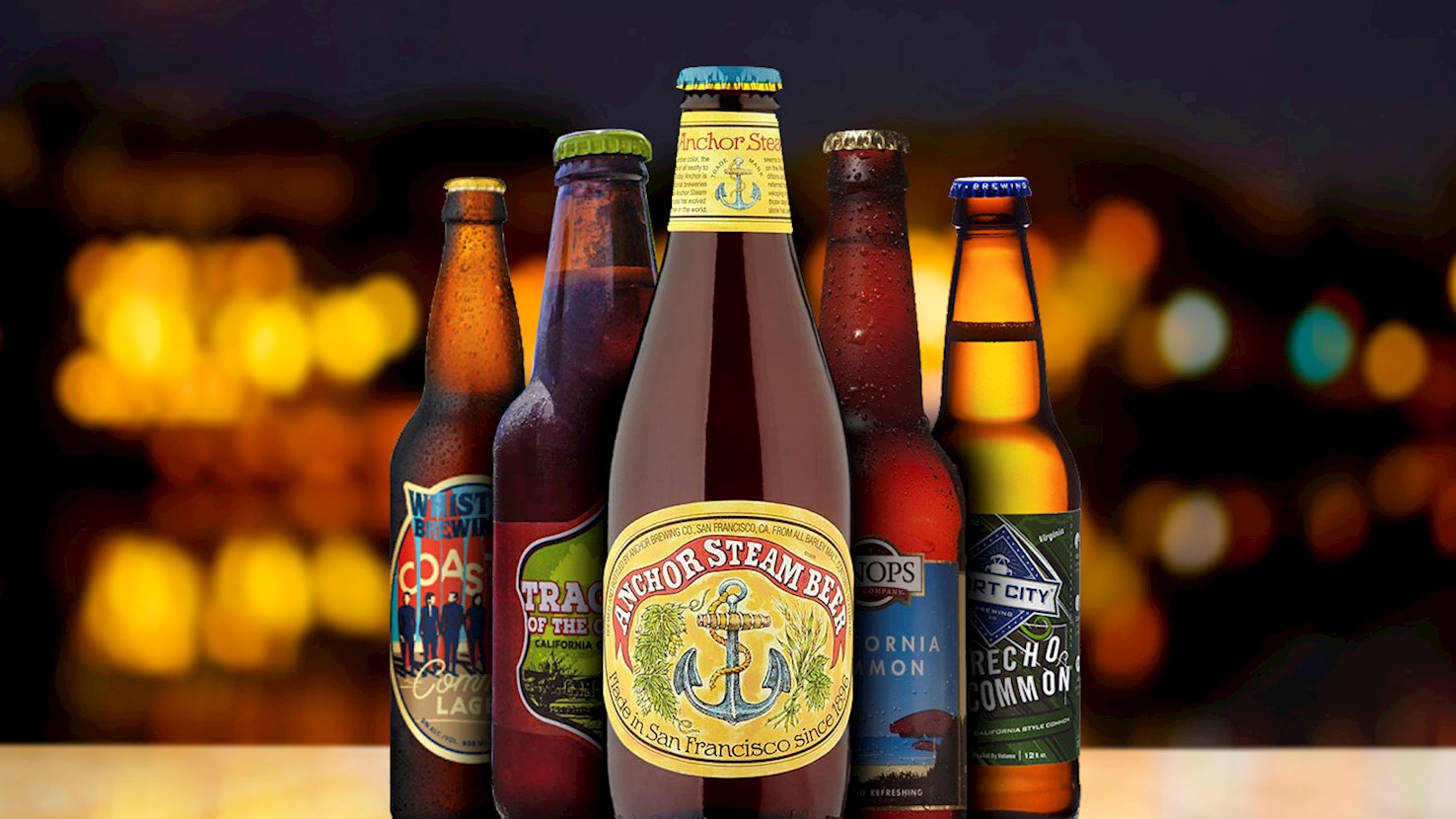
California common is a hybrid beer style that is brewed with lager yeast but is then fermented at ale temperatures. Modern interpretations were made to reflect historical steam beer that first appeared on the West Coast during the Gold Rush era. It was an improvised and somewhat rustic style that grew out of necessity. This upgraded modern version was introduced in the 1970s by the Anchor Brewing Company in San Francisco. Anchor protected the label steam beer, while California common is used for other examples of the style. These beers are usually moderately malty with toasty and grainy flavors and aromas. Their hop character is reminiscent of traditional, rustic American hops, which may come as woody and minty. The beers are crisp and usually have a dry finish. They pair well with grilled or roasted meat and spicy Mexican, Cajun, or Thai dishes.
TasteAtlas food rankings are based on the ratings of the TasteAtlas audience, with a series of mechanisms that recognize real users and that ignore bot,
nationalist or local patriotic ratings, and give additional value to the ratings of users that the system recognizes as knowledgeable.
For the “5 Worst Rated Western American Beer Styles” list until June 16, 2026, 241 ratings were recorded, of which 229 were recognized by the system as legitimate.
TasteAtlas Rankings should not be seen as the final global conclusion about food. Their purpose is to promote excellent local foods,
instill pride in traditional dishes, and arouse curiosity about dishes you haven’t tried.