



42 Worst Rated Central European Beers

Last updated on June 16, 2026
01

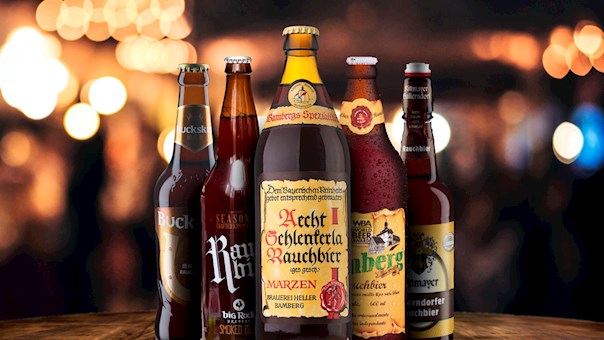
Roggenbier

2.7 ·

Roggenbier is a historical rye beer style that hails from Bavaria. Although it is rarely produced these days, it was commonly brewed before the introduction of the German Beer Purity Law in 1516. The law said that only water, barley, and hops might be used to brew beer, creating unfavorable conditions for rye beers, which mainly disappeared after that. The style was reintroduced in Germany sometime in the 1980s. Although it is not available on a wider scale, some breweries offer it as a standard or a seasonal label. Roggenbier is a beer style in which malted rye is dominant or makes at least 50%. Rye beers are typically dark and medium to full-bodied. They usually have a spicy, rye-like aroma with some fruity, tart nuances attained from weizen yeast. The beers are moderately bitter, with some malt sweetness and low hop flavor. They are not heavy or overpowering and usually result in light and dry examples with an alcohol content of 5%. They can be filtered or unfiltered.

02

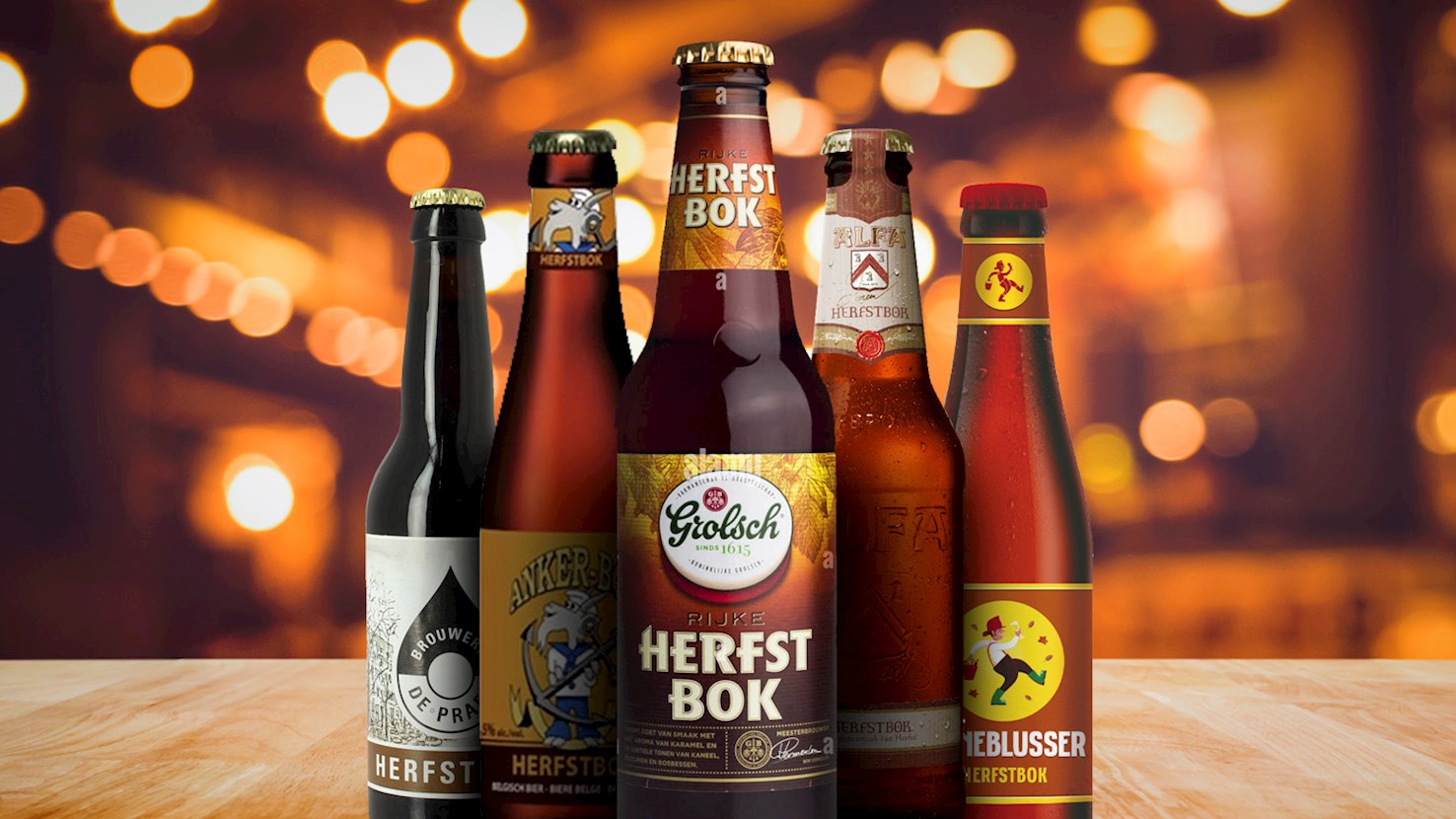
Herfstbok

2.9 ·

Herfstbok is often called autumn bock bier. The style was modeled on bock bier—a type of strong and dark lager that originated in Germany. Dutch bock beers grew into a distinct style, and herfstbok is one of the seasonal varieties released by major and microbreweries. Although it is not a mainstream style or available year-round, it is becoming increasingly popular. Herfstbok is now produced as top (ale) or bottom-fermenting (lager), and it is generally a broad category that does not have set guidelines. Most examples are dark beers with a dominant malty character. Their color ranges from amber to almost black, while the flavor is typically balanced between sweetness and bitterness. Their alcohol content typically falls between 5 and 7 percent. Herfstbok is usually served in a tulip glass.

03

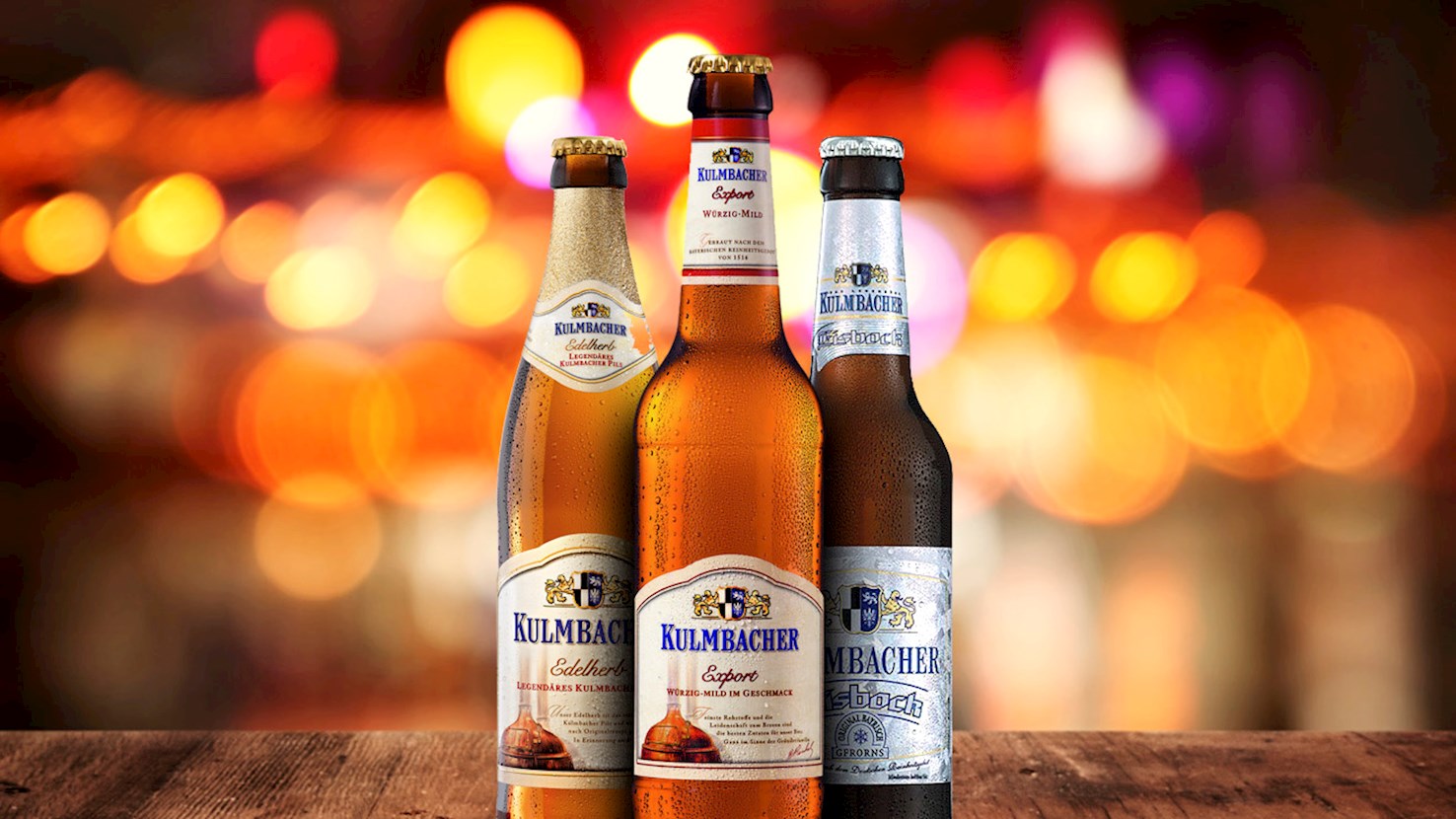
Kulmbacher Bier

3.0 ·

Kulmbacher Bier is brewed following centuries-old traditional brewing techniques. The first monastic brewery appeared in 1349, but it is believed that communal breweries existed before that. This local beer must be brewed under German Beer Purity Law (Reinheitsgebot), and it can only be made with malt, hops, yeast, and soft, locally-sourced spring water. Various styles are available in Kulmbach, including Eisbock, Export, Pils, Festbier, and Hefeweizen. Kulmbacher Bier must be produced within the administrative borders of Kulmbach.

04

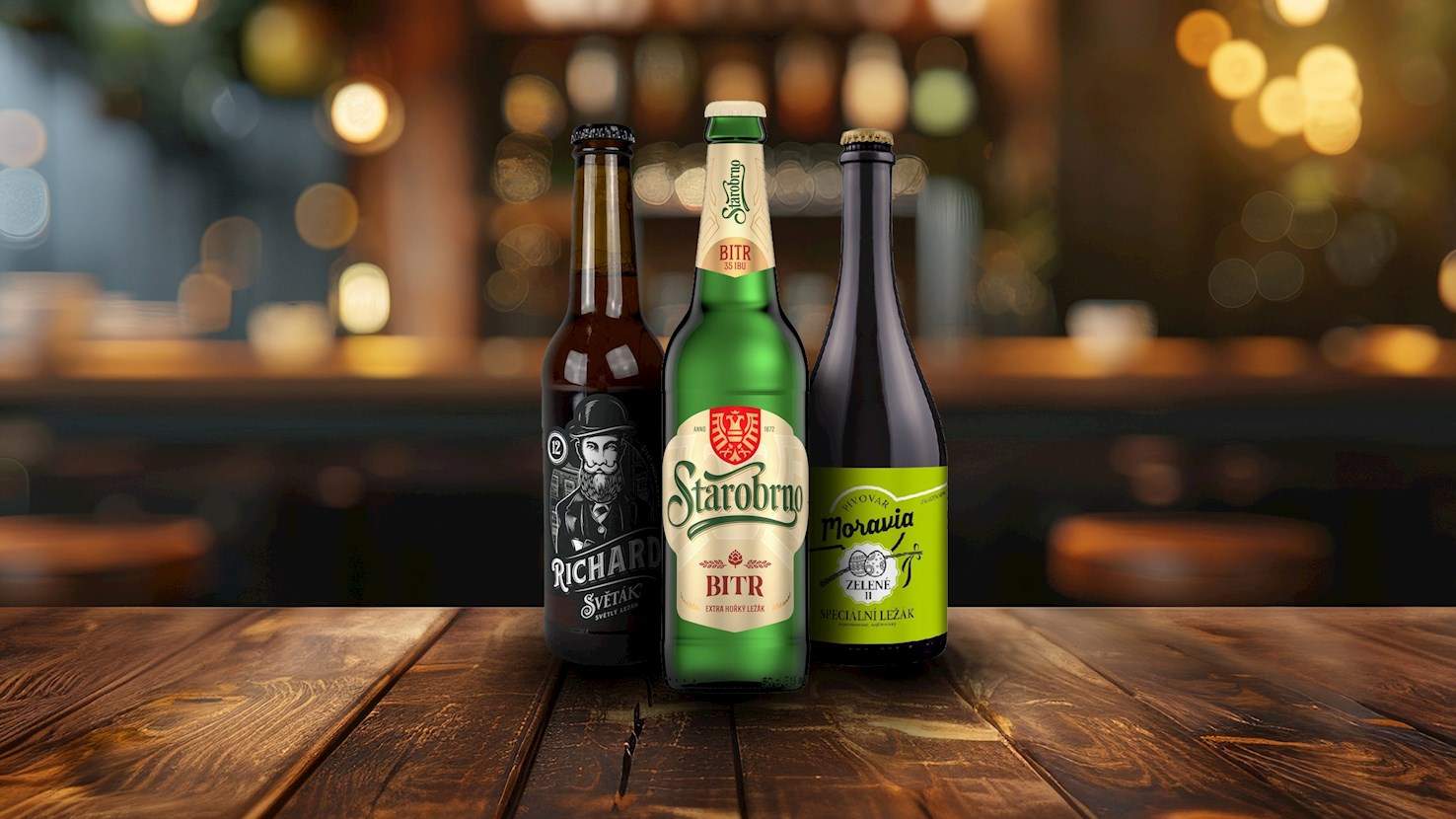
Brněnské pivo

3.1 ·

Brněnské pivo refers to beer from Brno, the second-largest city in the Czech Republic, located in the South Moravian region. The term is a general designation for beers brewed in Brno, a city with a brewing tradition dating back to the 13th century. Brněnské pivo is a reflection of Brno’s deep-rooted brewing tradition, characterized by its high-quality lagers, rich flavors, and smooth drinkability. The beer from Brno is predominantly Czech-style pale lager (světlý ležák), brewed using Moravian barley, Saaz hops, soft water, and traditional bottom-fermentation methods that create a crisp, refreshing taste with a perfect balance of malt sweetness and hop bitterness. While it is not a specific brand, Brněnské pivo is often associated with local breweries, particularly Pivovar Starobrno, the most famous brewery in the city, founded in 1872, but with brewing roots stretching back to 1325. Other notable breweries in Brno include Pivovar Hauskrecht, known for its unfiltered traditional Czech lagers, and Pivovar Moravia, a revived historical brewery producing classic Czech lagers and specialty beers.

05

Maibock

3.2 ·

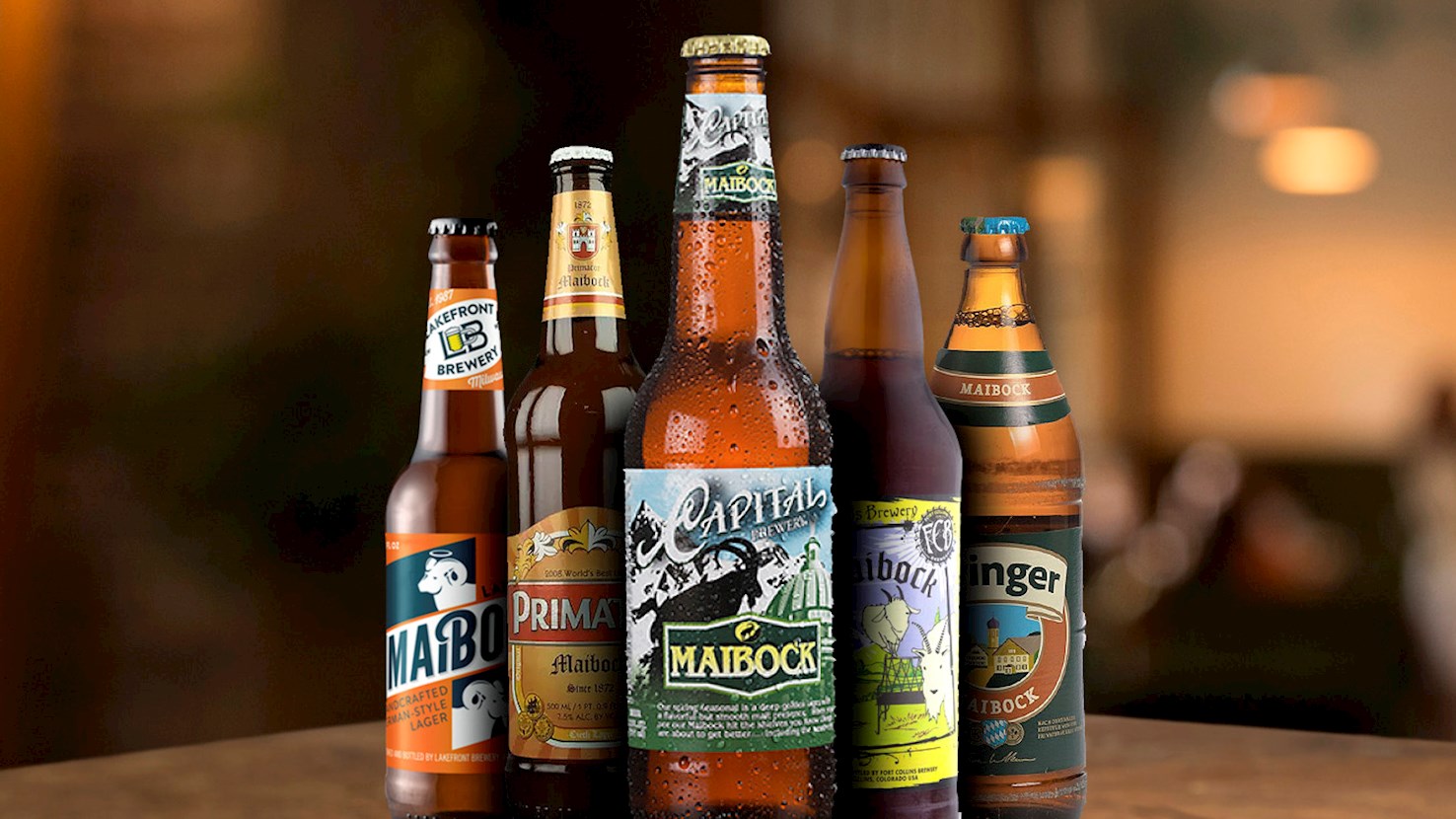
Maibock is a Bavarian lager style that first appeared as a special brew to celebrate the beginning of the garden season—hence the name Mai, which translates as May. Falling in the category of Bock styles, these golden to light amber beers usually have a medium body, clean and smooth malt flavors, and grainy, lightly toasted aromas with hints of spices and herbs. They typically range from 6 to 8 % ABV, and they tend to be drier and have more pronounced hop flavors and aromas than other Bocks. Maibock is meant to be a transitional style that falls somewhere between rich winter brews and light summer versions. The prototype is believed to have been coined by Hofbräuhaus brewery, though the style has slightly diverged from its original. Maibock beers pair well with traditional German fare, spicy dishes, and alpine or creamy cheese varieties.

06

Grisette

3.2 ·

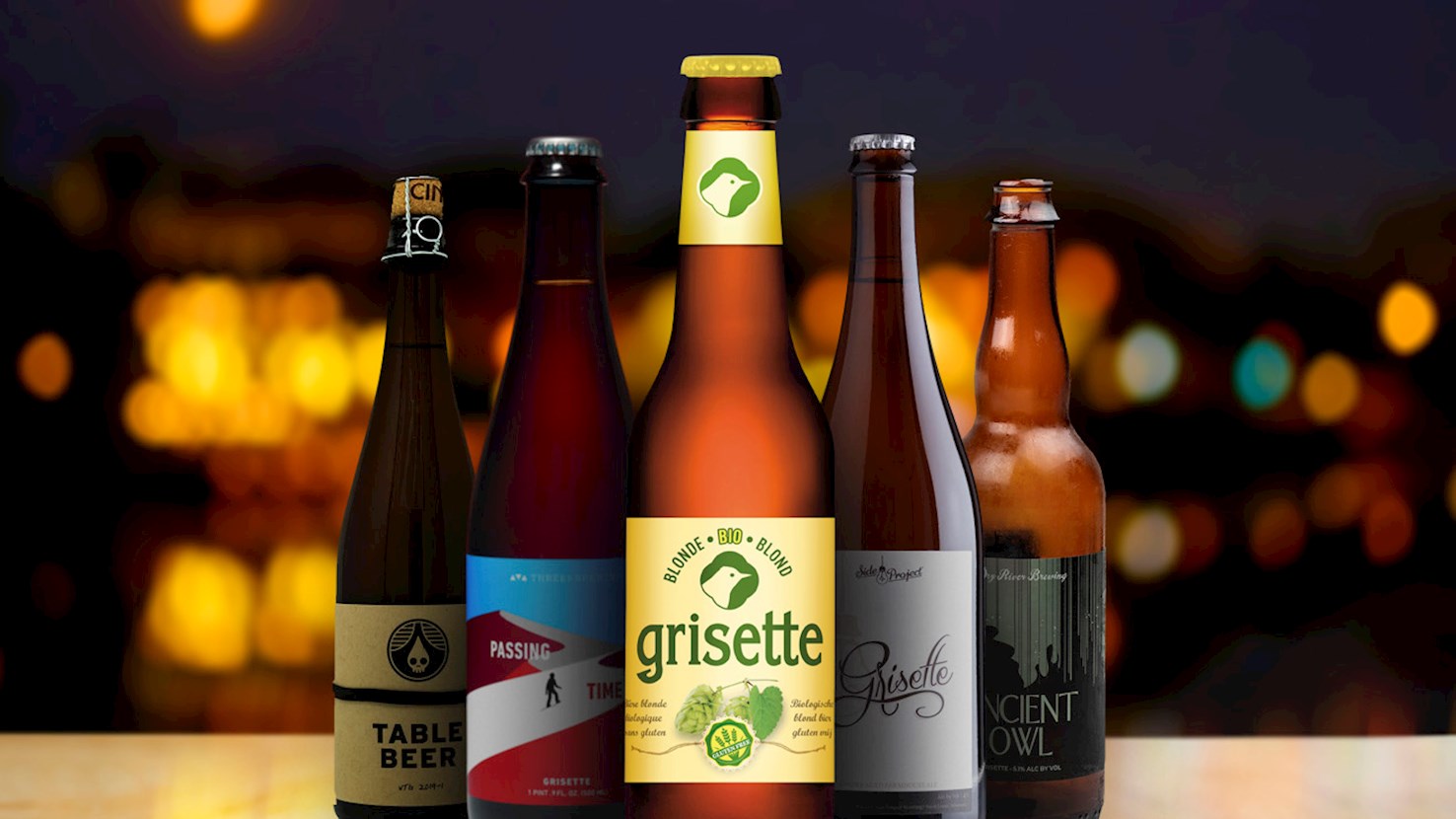
Grisette is a beer style that hails from Hainaut province in Belgium. Often compared to saison—the preferred choice among Belgian farmers—grisette was a farmhouse ale developed to satisfy the needs of the local miners. By 1960, the style disappeared, and its revival was not as big as with saison. The style was not well documented, so the exact characteristics of the original are difficult to pinpoint. The beer was most likely a refreshing and hop-forward pale ale that varied in color and strength. Modern interpretations of grisette were introduced in the 1990s, and since there was no specific historical framework, they tend to vary in character. They can be described as light, approachable, refreshing, and moderately hoppy, with low alcohol content, typically around 4% ABV. They usually have a dry finish, while some may have spicy, fruity, or funky character. It is not clear what is the origin of the name. Grisette can be translated as little gray, and while some theories claim the name was inspired by the ladies who wore gray aprons and served grisette, some suggest that it was a reference to the gray dust that the miners were covered at the end of the day.

Best producers
07

Březnický ležák

3.2 ·

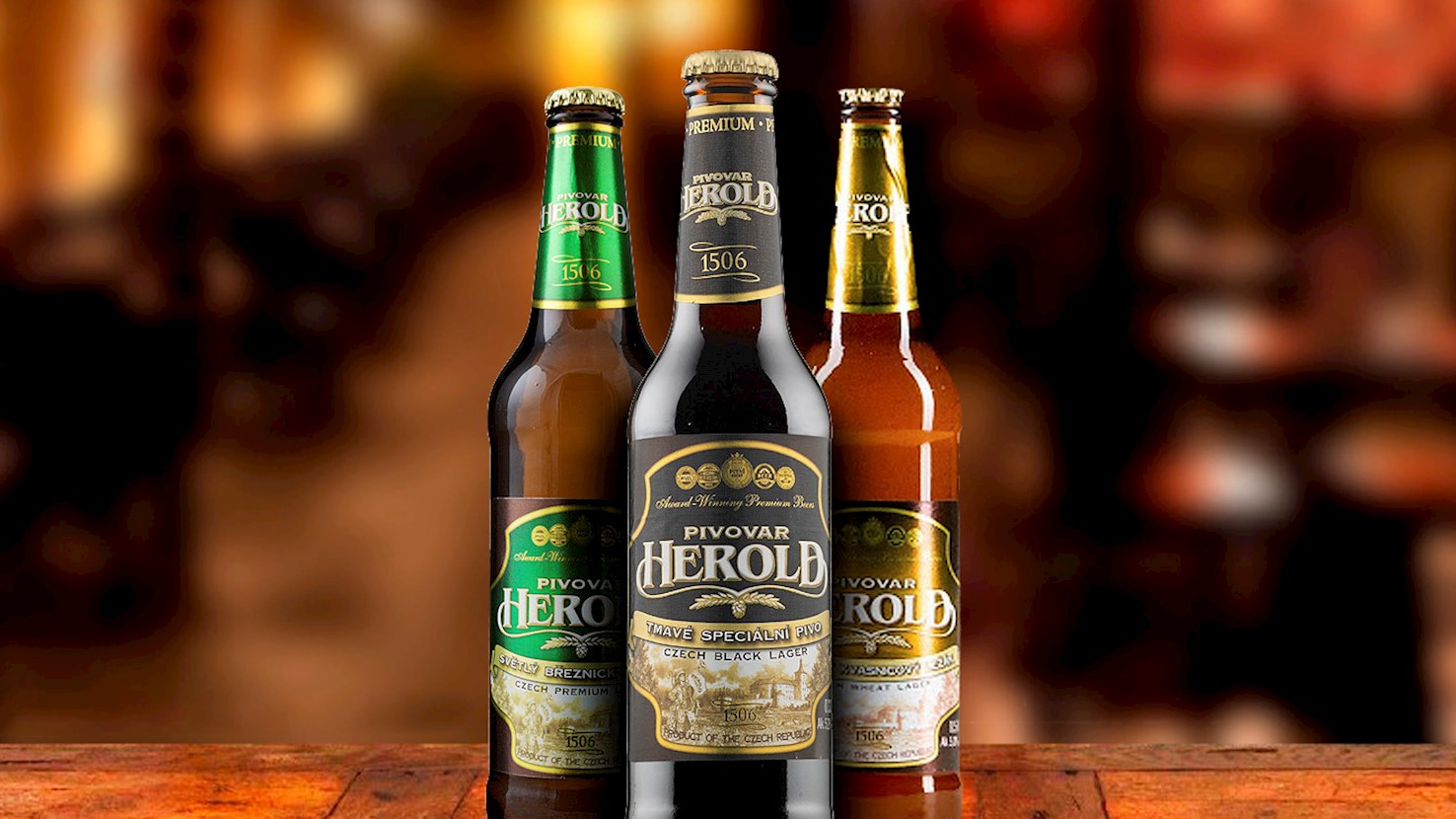
Březnický ležák is a Czech-style pilsner that is produced in the Municipality of Březnice. It is a golden-colored beer with an alcohol content that ranges from 4.69 to 5.53% ABV. The taste is delicate and typically bitter, with a clean hoppy aroma and crisp flavor. The beer is made from malt, granulated hops of the Žatecký poloraný červeňák variety, hop extract, sugar, and water from local natural wells. The only current producer of this beer is the company called Pivovar Herold Březnice, which has been brewing it since 1999. Due to the high-quality spring water in the area, this beer is of exceptional quality and taste and cannot be compared to any other beer from the region. Březnický ležák would pair well with chicken, seafood, and cheese.

08

Bière brut

3.3 ·

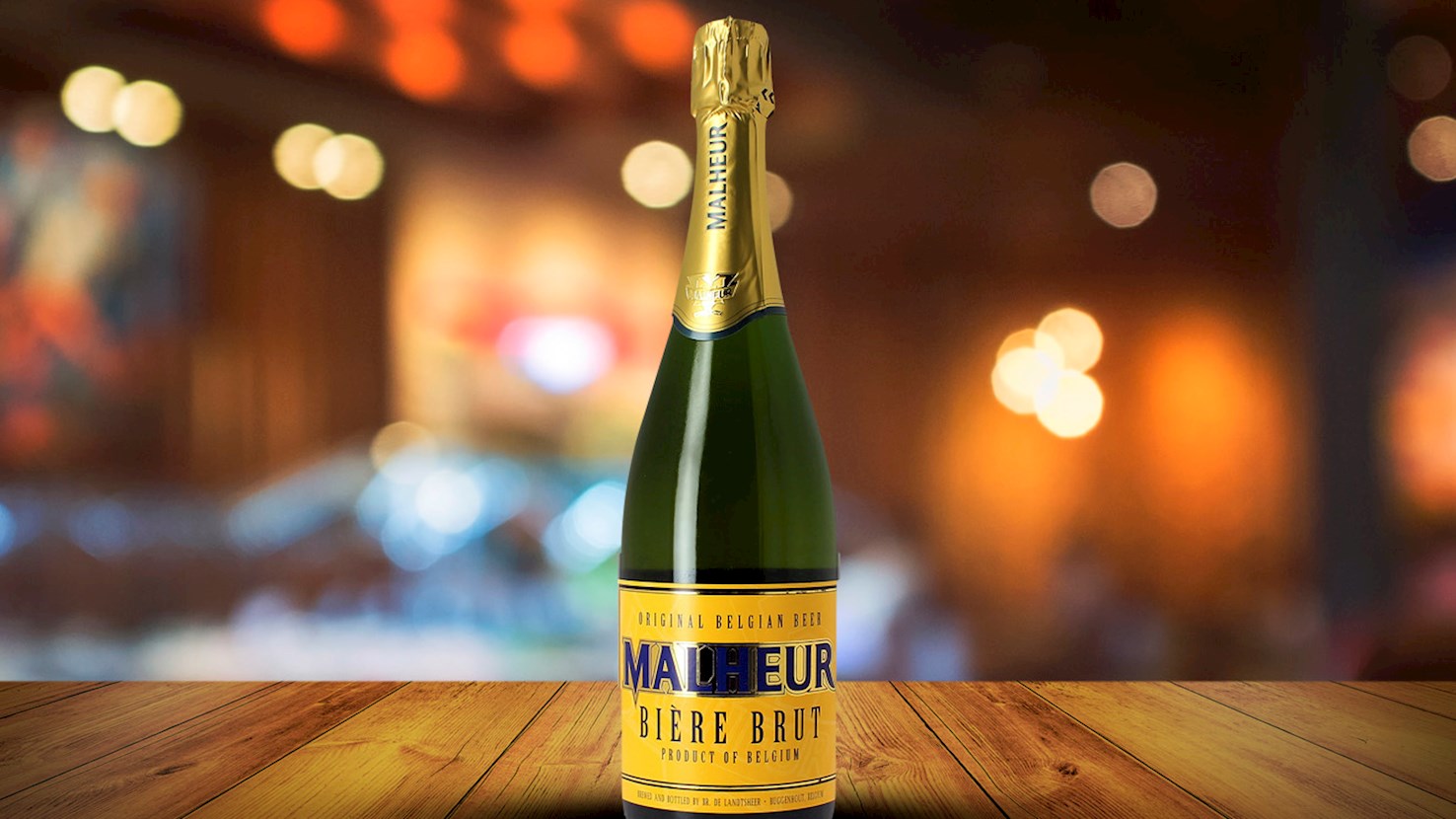
Bière brut, also known as bière de Champagne, is a somewhat new beer style that was first introduced in Belgium in the early 2000s. The beers are top-fermented and then allowed to mature in the bottle with Champagne yeast cultures. These beers are dry, clean, bubbly, light-bodied, and refreshing. They can range from very pale gold to pale amber. Their alcohol content is higher than in most beers, typically around 8% ABV. They are usually bottled in 750-milliliter champagne-style bottles that are corked and caged. Bière brut style is mainly defined by its production technique. The beer is bottle-conditioned to create a secondary fermentation within the bottle. After aging, the beer is riddled and disgorged (remuage and dégorgement). These are traditional Champagne methods in which the bottles are turned to move the sediment to the cork, and the yeasty sediment is then removed after the second fermentation. Bière brut is not your everyday beer style. Because of the time-consuming production process, it is rare and usually expensive. Because of its light character, this beer would pair well with shellfish, salads, and citrus flavors. It can also be enjoyed as an aperitif.

09

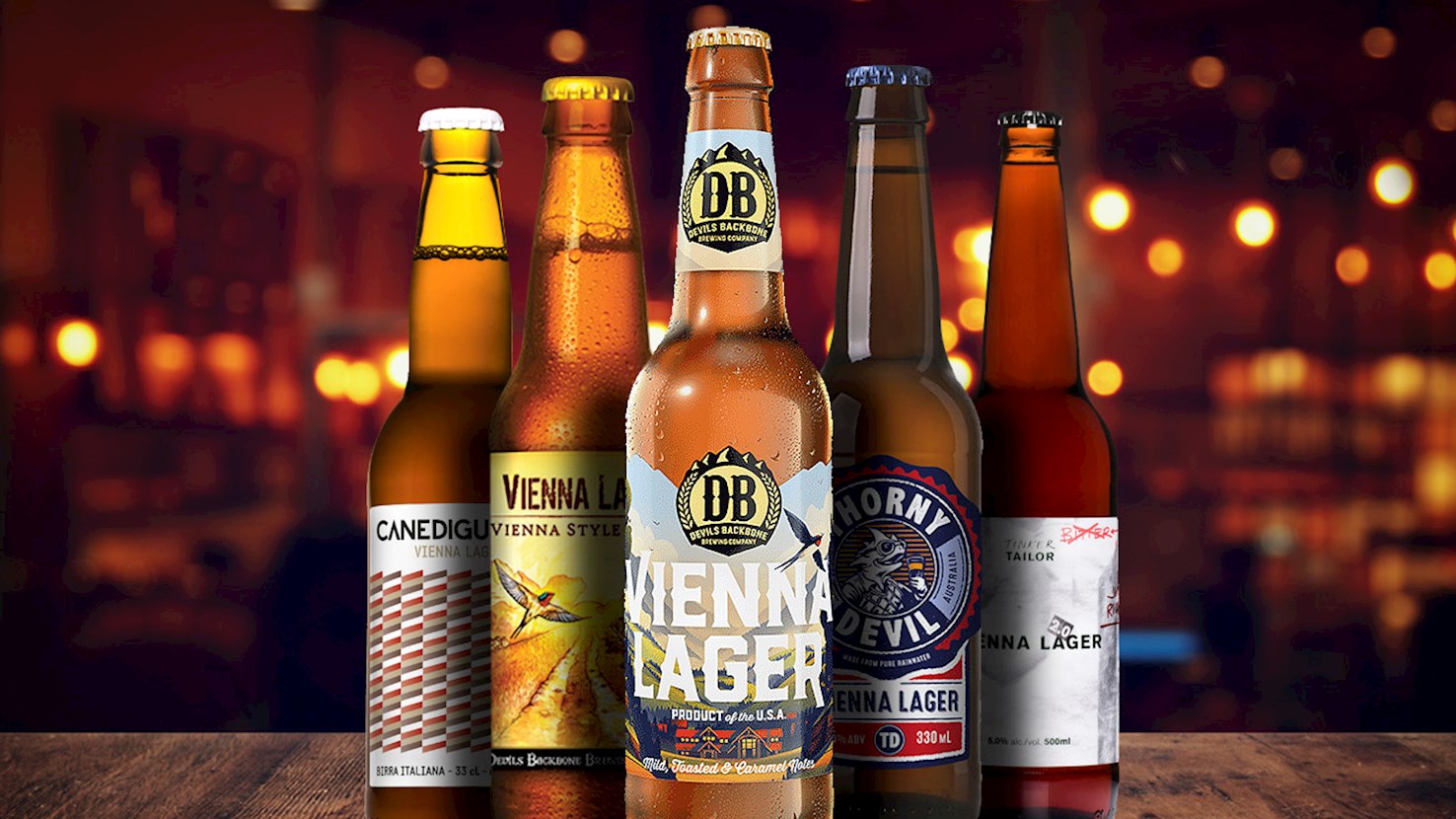
Vienna lager

3.4 ·

Vienna-style lager originated in 1841 when Anton Dreher experimented with the new British tradition of drying malt without the use of direct heat—creating pale malt which would later influence the rise of pale ale style. Dreher combined the practice with lager yeasts to create reddish-copper brew which he released under the name lager Vienna type. This style is typically creamy, crisp, and smooth with toasty and bready malt aromas. It is usually medium to light-bodied, while the finish is dry and typically has subtle hop bitterness. Following the First World War, the style became almost extinct in its place of origin. However, Vienna lagers are prominent in Mexico—where they were introduced by 19th-century brewers who emigrated from Austria. The style was also embraced by several American craft breweries. Vienna lagers share many similarities with the golden-amber Märzen style from Bavaria. The resemblance is not accidental since Dreher went to investigate British brewing practices together with Gabriel Sadlmayer, a Munich native, who later developed the Märzen style. Vienna lagers can match hearty and spicy dishes, including sausages, grilled and fried meat, or spicy chicken wings. They can also pair well with grilled vegetables and semi-hard or hard cheese varieties.

10

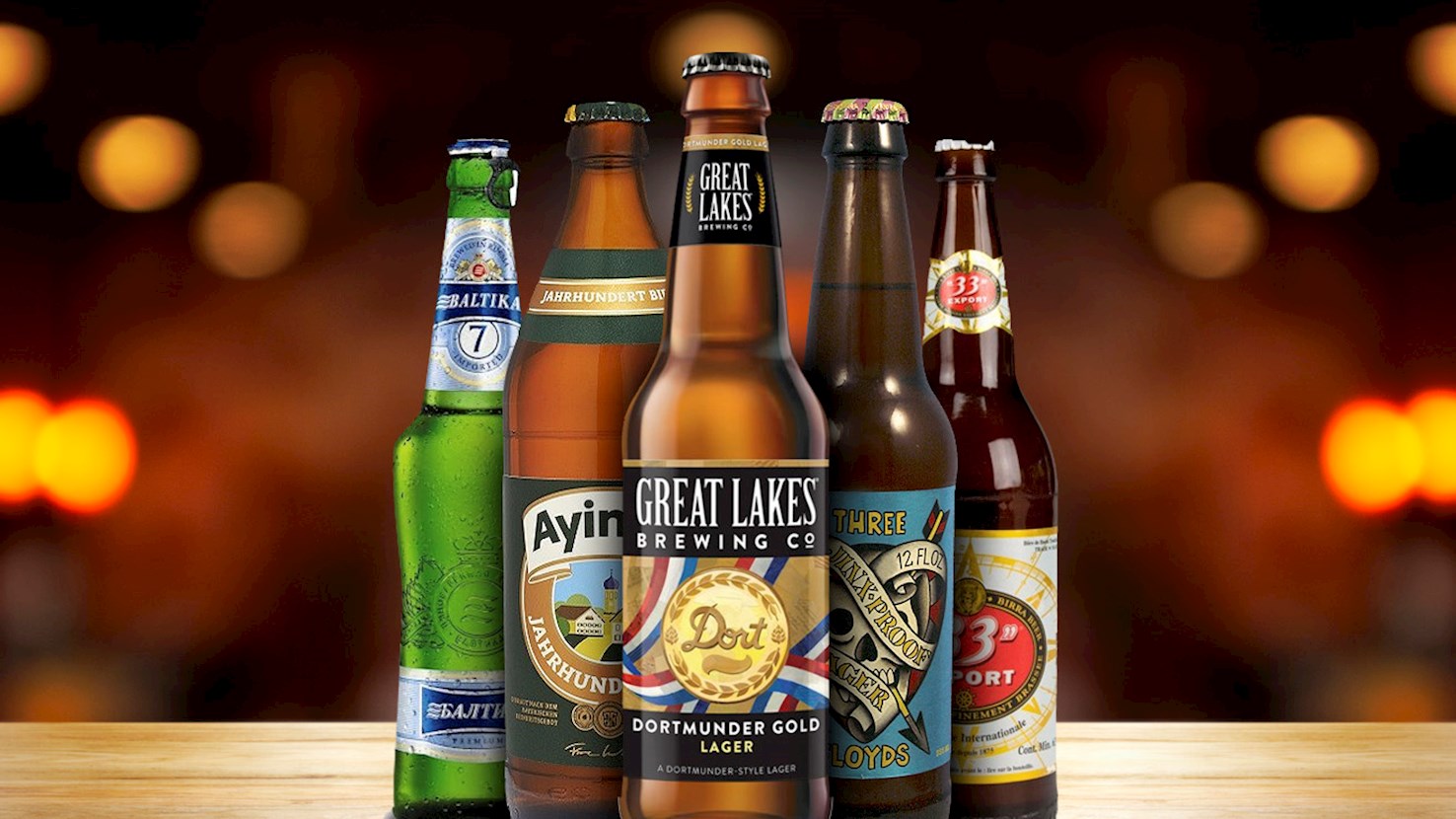
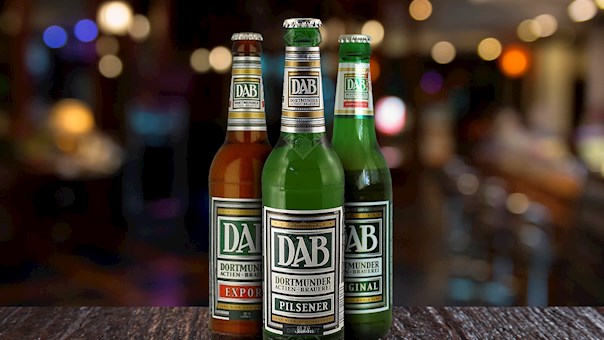
Dortmunder Export

3.4 ·

Dortmunder Export is a German beer style that was first brewed in the late 19th century. Named after the city where it originated, this beer style was modeled on pilsners, and it was primarily invented as a thirst-quenching brew for local industrial workers. Dortmunder is a pale and clear lager that has a bitter base and a good balance of malty sweetness and hop flavors. These beers come off smooth and malty, but at the same time, they remain crisp, easy-drinking, and refreshing. They typically range from 5 to 6% ABV. Serve them with pork, salads, seafood, or spicy dishes.

Best producers
11

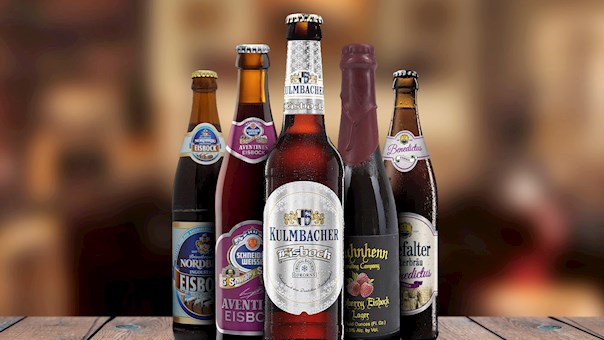
Eisbock

3.4 ·
12

Belgian brown ale

3.4 ·
13

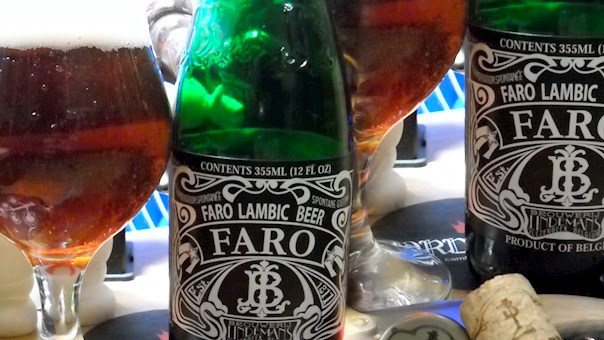
Faro

3.5 ·
14

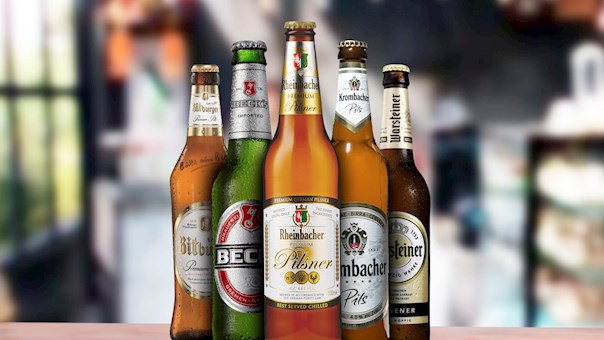
German Pilsner

3.6 ·
17

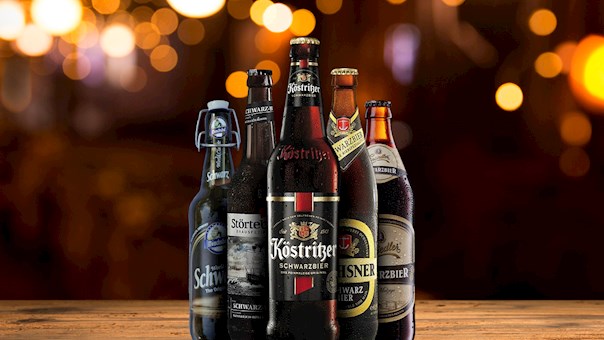
Schwarzbier

3.6 ·
18

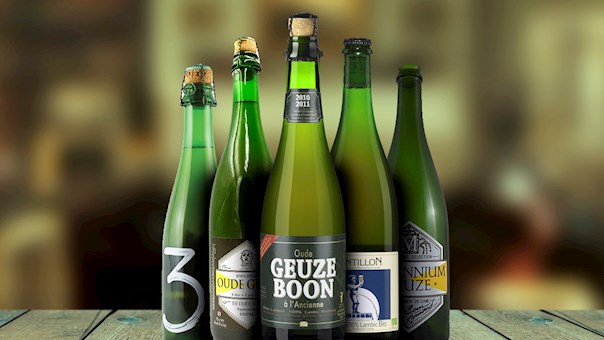
Gueuze

3.6 ·
20

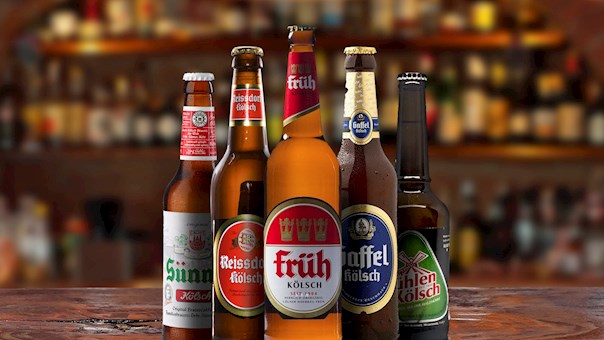
Kölsch

3.7 ·
Read more
View all
View map
About this ranking

TasteAtlas food rankings are based on the ratings of the TasteAtlas audience, with a series of mechanisms that recognize real users and that ignore bot, nationalist or local patriotic ratings, and give additional value to the ratings of users that the system recognizes as knowledgeable. For the “42 Worst Rated Central European Beers” list until June 16, 2026, 4,507 ratings were recorded, of which 4,053 were recognized by the system as legitimate. TasteAtlas Rankings should not be seen as the final global conclusion about food. Their purpose is to promote excellent local foods, instill pride in traditional dishes, and arouse curiosity about dishes you haven’t tried.

Similar lists