


6 Worst Rated Czech Beers

Last updated on June 16, 2026
01

Brněnské pivo

3.1 ·

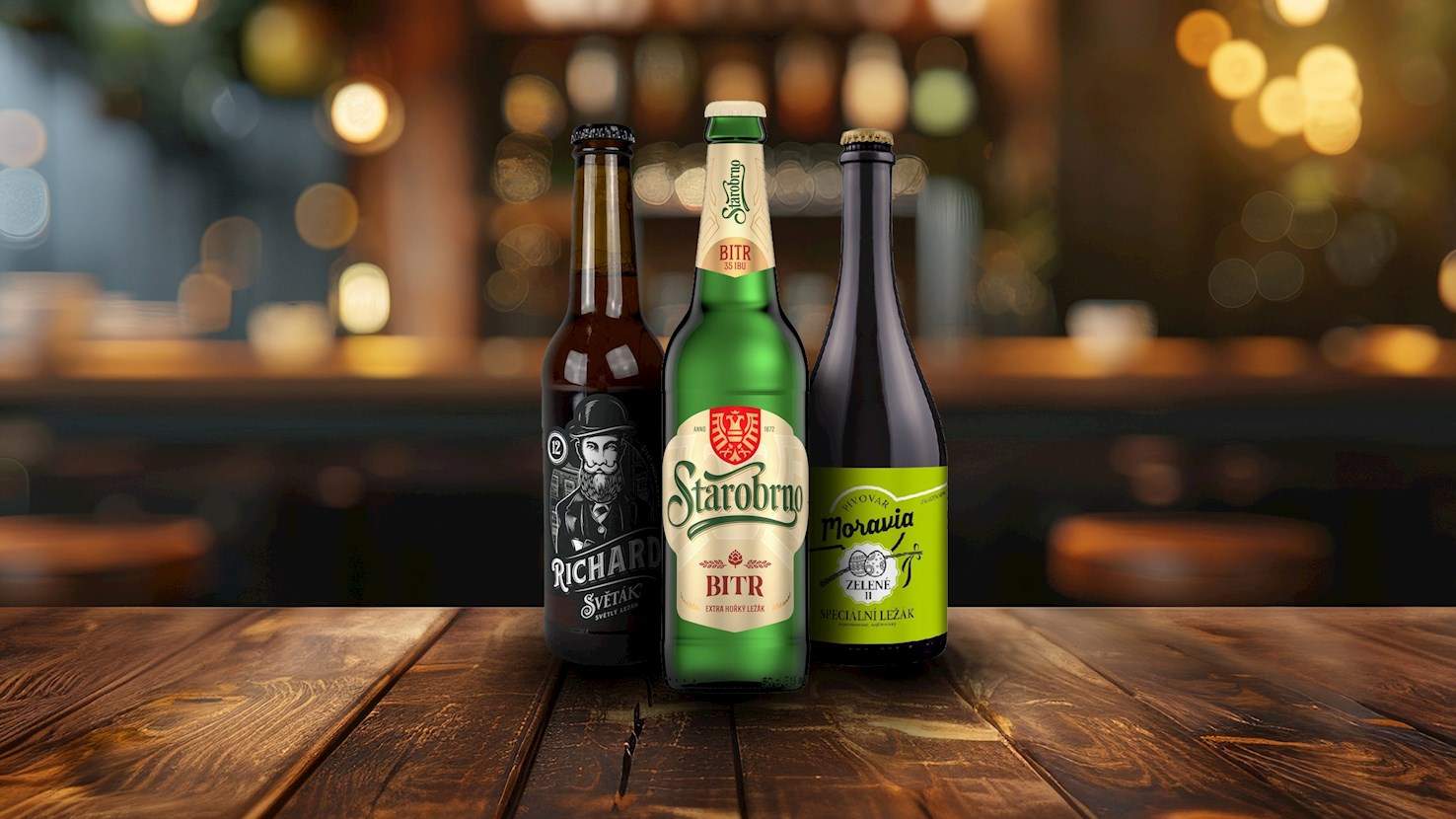
Brněnské pivo refers to beer from Brno, the second-largest city in the Czech Republic, located in the South Moravian region. The term is a general designation for beers brewed in Brno, a city with a brewing tradition dating back to the 13th century. Brněnské pivo is a reflection of Brno’s deep-rooted brewing tradition, characterized by its high-quality lagers, rich flavors, and smooth drinkability. The beer from Brno is predominantly Czech-style pale lager (světlý ležák), brewed using Moravian barley, Saaz hops, soft water, and traditional bottom-fermentation methods that create a crisp, refreshing taste with a perfect balance of malt sweetness and hop bitterness. While it is not a specific brand, Brněnské pivo is often associated with local breweries, particularly Pivovar Starobrno, the most famous brewery in the city, founded in 1872, but with brewing roots stretching back to 1325. Other notable breweries in Brno include Pivovar Hauskrecht, known for its unfiltered traditional Czech lagers, and Pivovar Moravia, a revived historical brewery producing classic Czech lagers and specialty beers.

02

Březnický ležák

3.2 ·

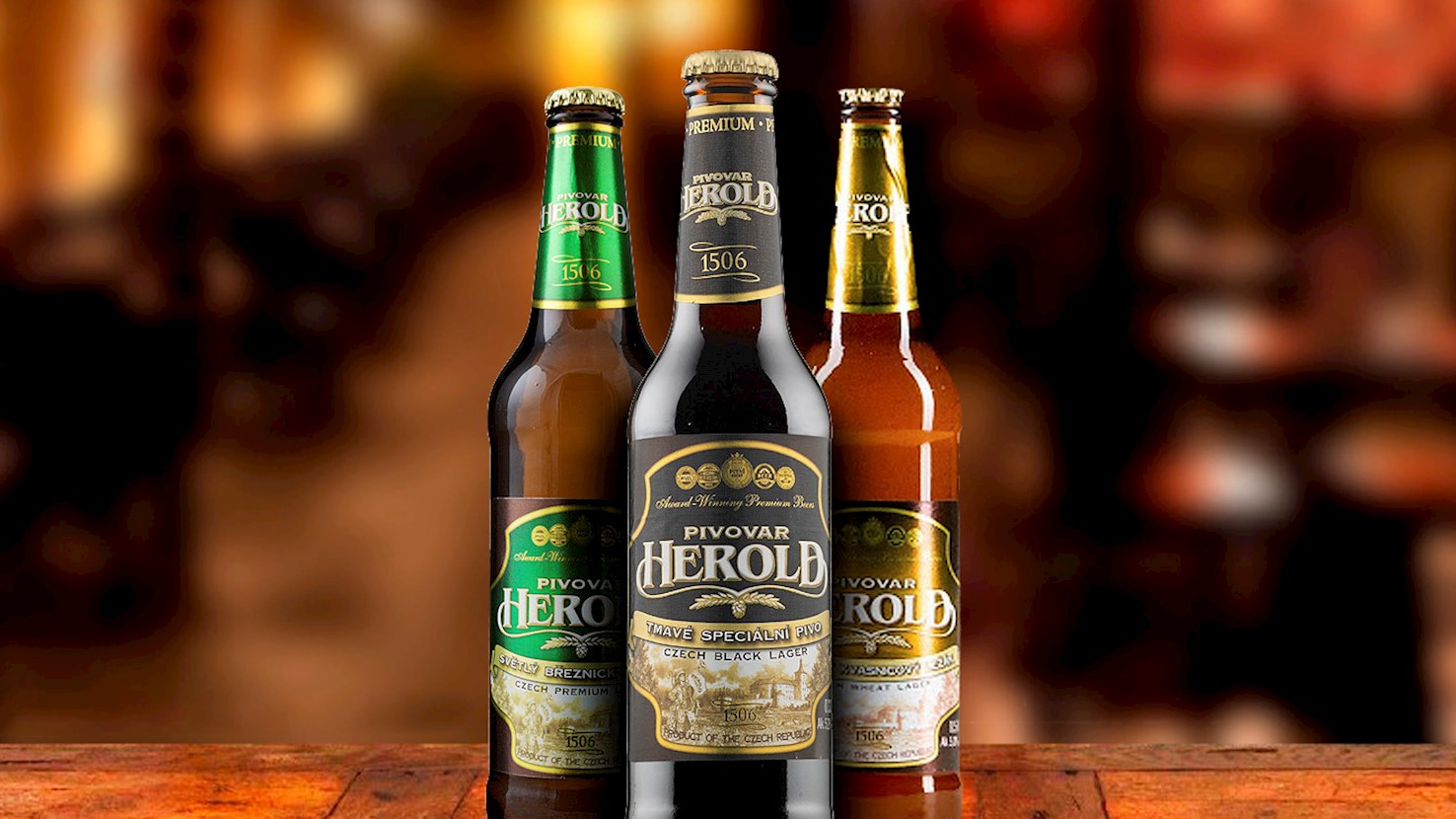
Březnický ležák is a Czech-style pilsner that is produced in the Municipality of Březnice. It is a golden-colored beer with an alcohol content that ranges from 4.69 to 5.53% ABV. The taste is delicate and typically bitter, with a clean hoppy aroma and crisp flavor. The beer is made from malt, granulated hops of the Žatecký poloraný červeňák variety, hop extract, sugar, and water from local natural wells. The only current producer of this beer is the company called Pivovar Herold Březnice, which has been brewing it since 1999. Due to the high-quality spring water in the area, this beer is of exceptional quality and taste and cannot be compared to any other beer from the region. Březnický ležák would pair well with chicken, seafood, and cheese.

03

Znojemské pivo

3.7 ·

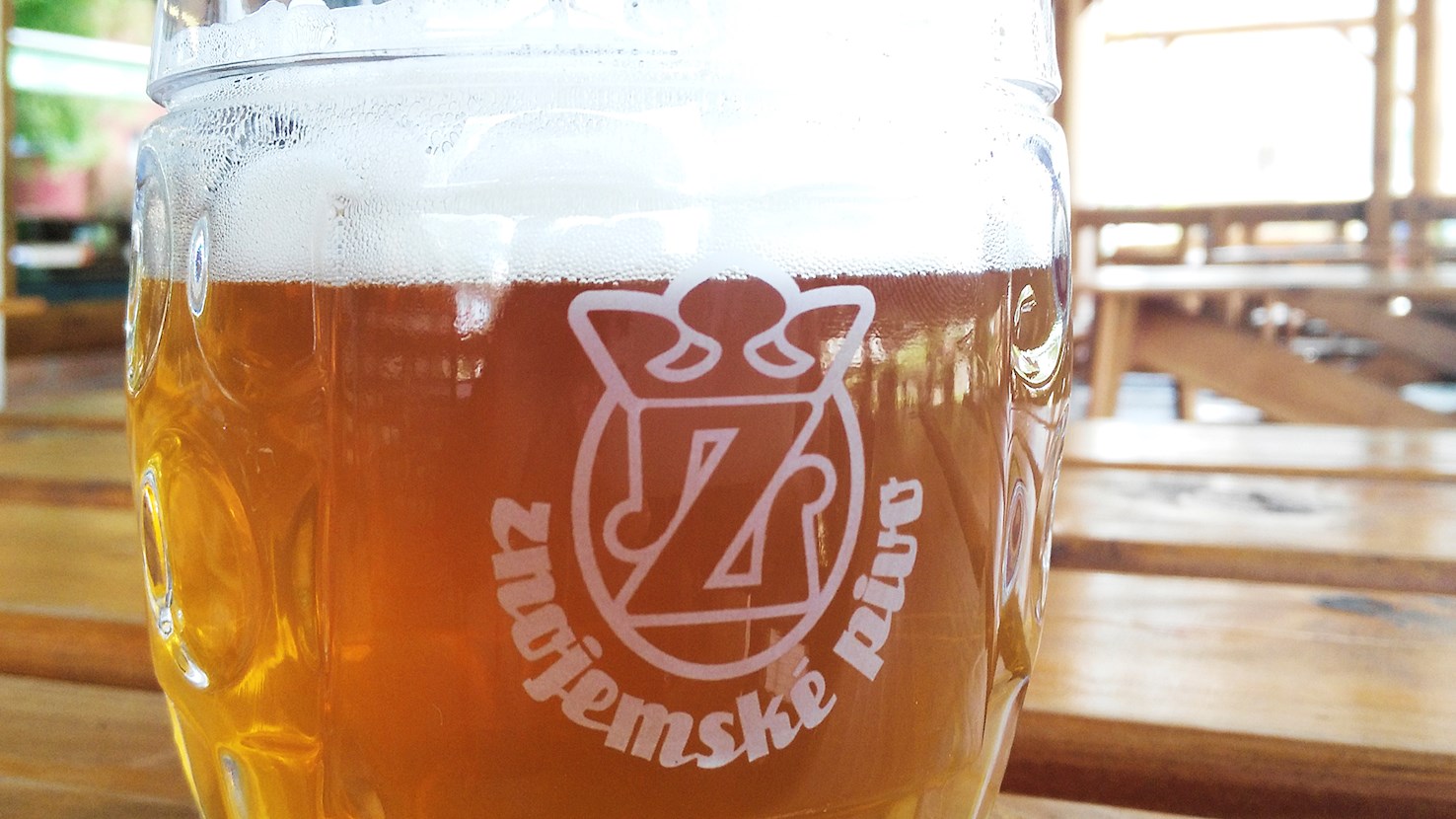
Znojemské pivo is a beer produced in several varieties in the Znojmo area in the Czech Republic. It can be produced as a light or dark draught beer and a lager. Only three ingredients are used in the production process – barley malt, water, and hops. The water is provided by the city's supply system, while the hops are of the Žatecký poloraný červeňák and Magnum Hallertau varieties. The alcohol content varies depending on the style; light draughts range from 3,2 to 4,0%, dark draughts from 3,8 to 4,0%, and lagers from 4,5 to 5,0% ABV. Light draught beers are balanced and hoppy with medium to strong bitterness, while dark draughts are less bitter and have a malty, caramel-like flavor and aromas. The lagers are full-flavored, clean, sharp, and well-balanced. The first written reference of brewing in Znojmo dates from 1278, and the beer is still produced following the centuries-old local brewing tradition.

04

Pilsner

3.9 ·

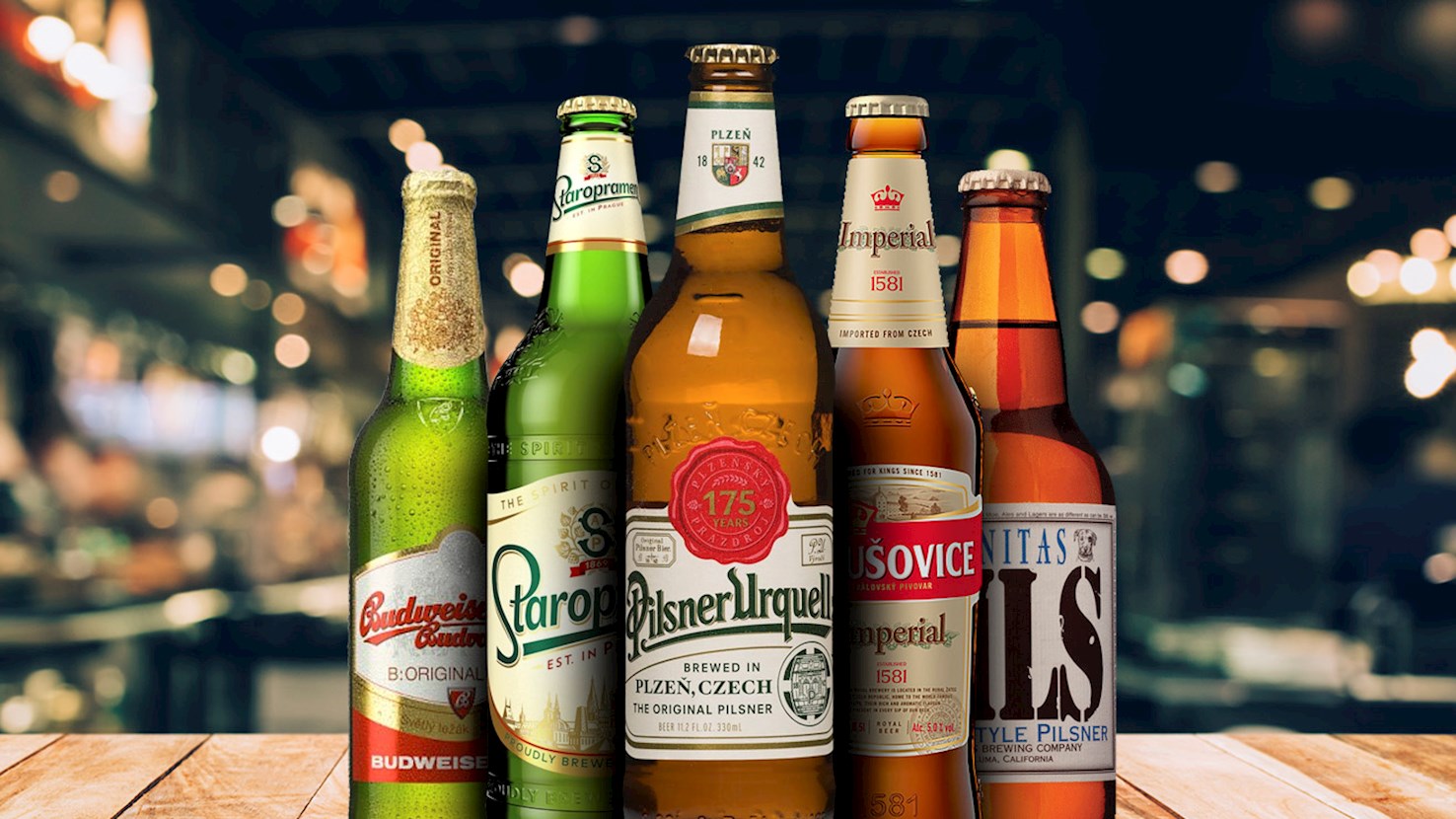
Pilsner is a beer style that originated in Pilsen (Plzeň), a city in western Bohemia. It was first brewed in 1842, making it one of the youngest beer styles to appear in modern brewing. The style originated when the citizens of Pilsen, who grew unhappy with the quality of the beer, decided to build Bürger Brauerei (Citizens’ Brewery), which would later become Pilsner Urquell. They eventually brought a Bavarian brewmaster Josef Groll—who went to create the first pilsner brew. Although the initial idea was to create a Bavarian-style lager, the use of Czech ingredients influenced the emergence of a new style. The original pilsner, which was one of the first versions of a clear, light-colored beer, was made with light malted barley from Moravia and Saaz hops. The style was soon imitated across the world, with varying results. Nowadays, the official classifications divide the style into two main regional categories: Bohemian and German pilsner. Despite slight differences in style and numerous imitations around the world, the best pilsner examples will be crisp and refreshing, with a dominant hop character. In the Czech Republic, only beer from Pilsen is referred to as pilsner, while in Germany, the name that is most commonly used for pilsner brews is pils.

05

Českobudějovické pivo

3.9 ·

Českobudějovické pivo is a moderately bitter beer produced in the Czech Republic. The water used in the preparation process must come from the underground lake of the České Budějovice Basin, the hops come from the Žatec area, and the malting barley is grown in the Moravia region. It comes as a lightly malty pale beer and as an intense dark version that has dominant roasted aromas. Due to the use of Žatec hops, the beer has a unique and pleasant taste, making it a very popular alcoholic drink in the country. The beer comes in five varieties: pale lager, Kräusened pale lager, pale draught, special beer, non-alcoholic beer, and dark lager. It has been brewed in the city of Ceské Budejovice since the 13th century and is best when paired with local Czech dishes such as sausages, sauerkrauts, and soups.

06

Chodské pivo

3.9 ·

Chodské pivo has been produced in the historic Chodsko region (Plzeň) since the 12th century. It is made from locally sourced water with low mineral content, hops, malt, and yeast. Only Žatecký poloraný červeňák, Sládek, and Premiant hop varieties can be used in its production. Due to the two-stage fermentation process, lengthy maturation, and the choice of specific raw materials, Chodské pivo is golden, rich, and malty, while its flavor is slightly bitter and strong. This beer is held in high regard, and it was even supplied to the royal courts of Prague and Bavaria. The beer is bottled and casked with no artificial carbonation, and the entire production must be performed in the designated region. Chodské pivo has won many awards, and apart as an alcoholic beverage, it is also used in wellness tourism.

Read more
View all
View map
About this ranking

TasteAtlas food rankings are based on the ratings of the TasteAtlas audience, with a series of mechanisms that recognize real users and that ignore bot, nationalist or local patriotic ratings, and give additional value to the ratings of users that the system recognizes as knowledgeable. For the “6 Worst Rated Czech Beers” list until June 16, 2026, 660 ratings were recorded, of which 561 were recognized by the system as legitimate. TasteAtlas Rankings should not be seen as the final global conclusion about food. Their purpose is to promote excellent local foods, instill pride in traditional dishes, and arouse curiosity about dishes you haven’t tried.

Similar lists