

shutterstock

12 Worst Rated Indian Beverages

Last updated on June 16, 2026
01

Bhang lassi

2.6 ·

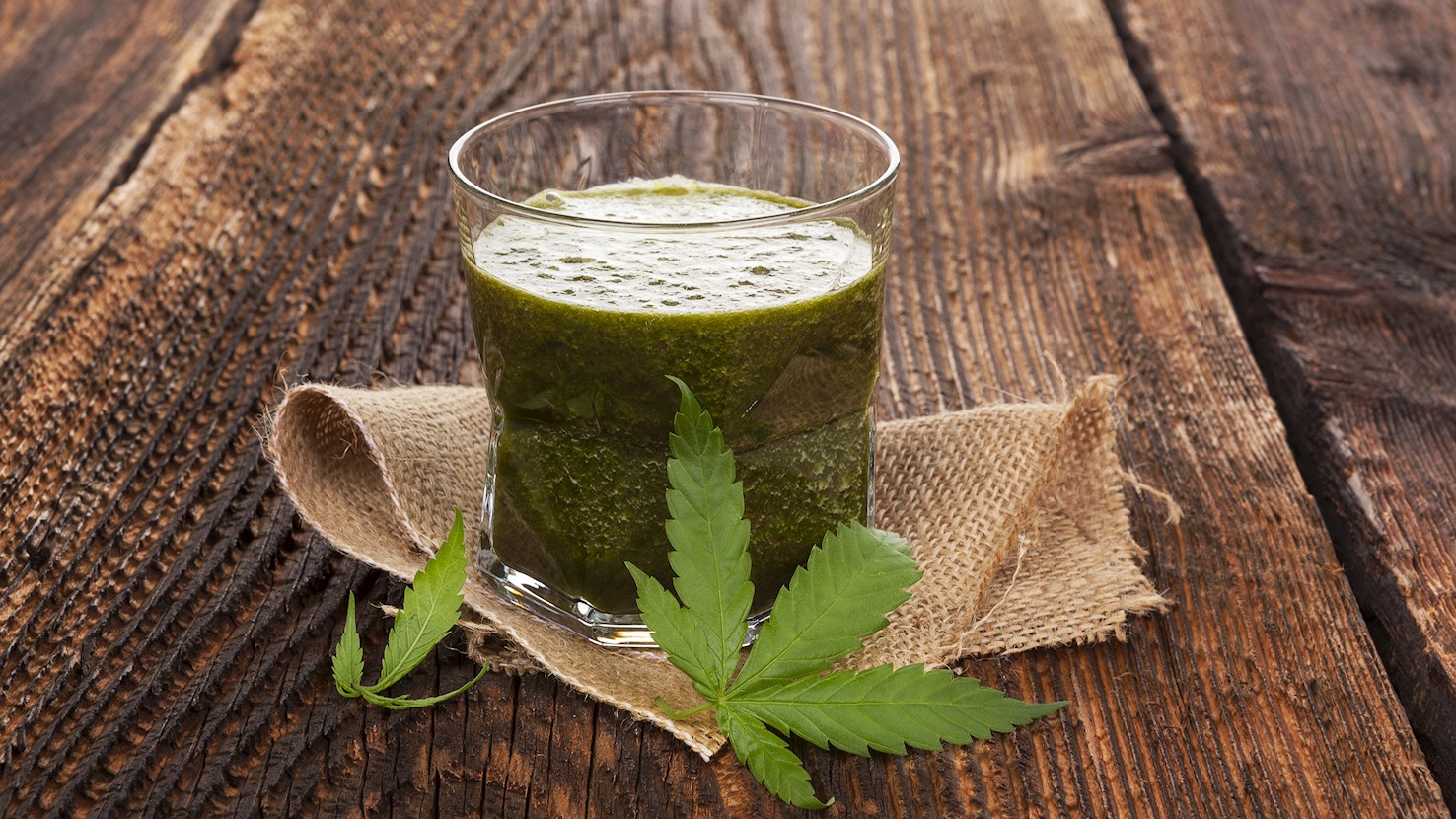
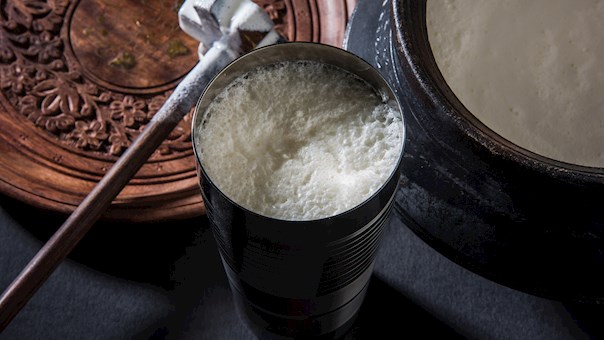
WARNING: It should be noted that bhang lassi is a potent beverage and that there are several claims that its consumption can lead to psychosis and hallucinations, or cause psychosis-like symptoms. It is highly recommended to purchase it only from licensed shops. Bhang lassi is a variety that is laced with cannabis. It is a traditional drink prepared by crushing cannabis plant into a paste (bhang) that is then combined with dahi and usually spices and nuts. Bhang lassi comes in many variations, and it became especially popular during the 1970s. It is traditionally associated with Rajasthan and Uttar Pradesh. Bhang (a paste made with leaves and sometimes the buds of the cannabis plant) is deeply rooted in Indian tradition, religion, and culture. It is usually associated with Hinduism, and it is mentioned in ancient Hindu texts. One of the best-known legends says that it saved Shiva after drinking poison. Monks and holy men mostly consume it during meditation, and it is commonly enjoyed during religious festivals such as Holi and Shivratri. Many people believe it has medicinal properties and often take it as a folk remedy. Although cannabis and its various forms are illegal, interestingly, bhang is excluded from this regulation, and many states permit the sale. However, it is stipulated that it is legal only if it is only made with the leaves of the cannabis plant, while the use of flowering tops or resin is not permitted.

02

Jal jeera

2.8 ·

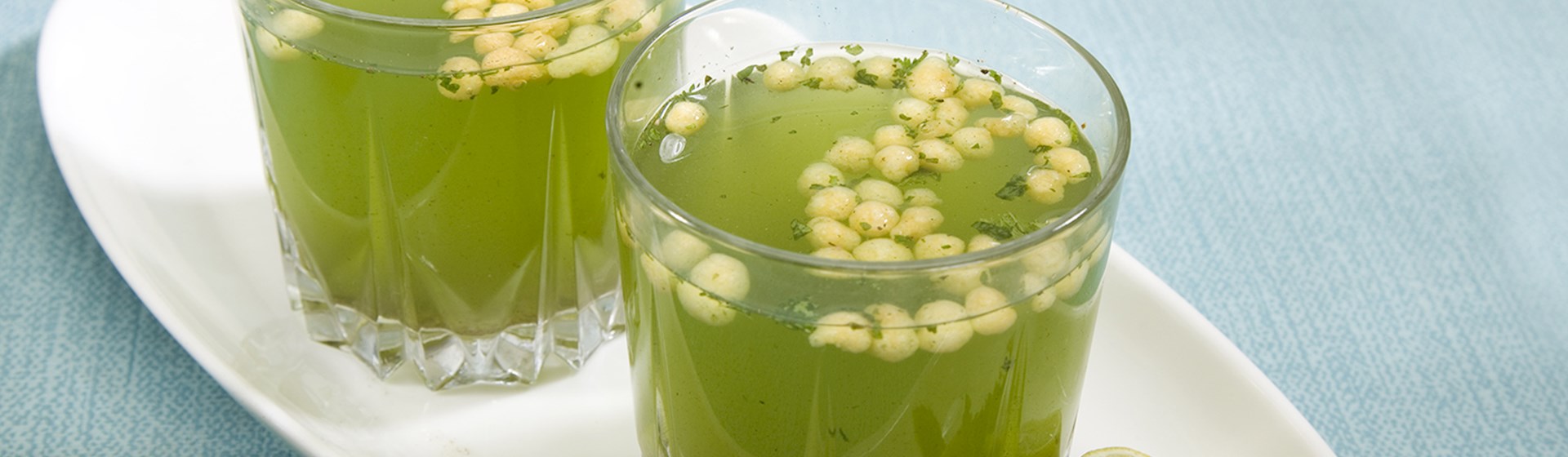
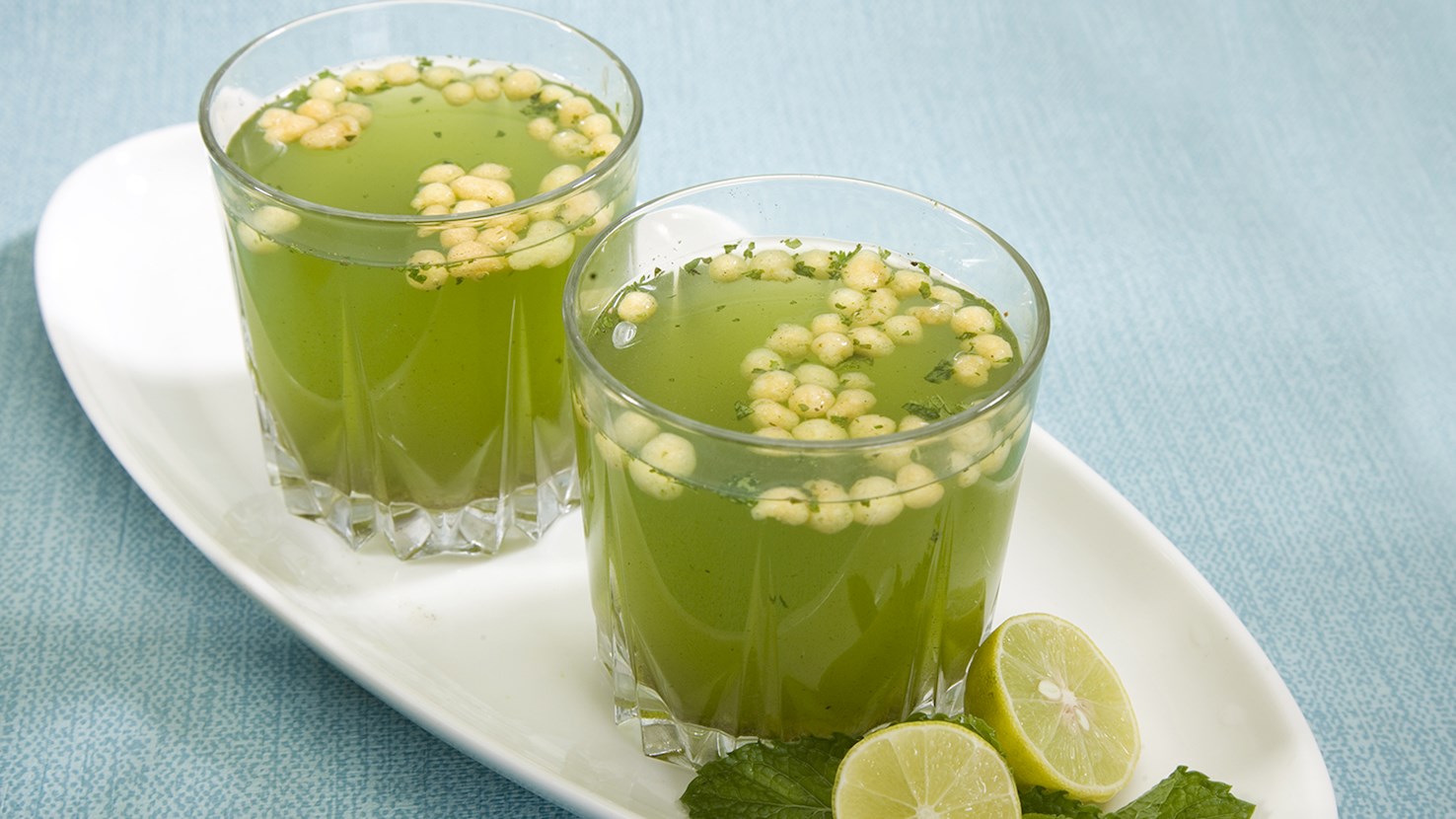
Jal jeera is a refreshing and thirst-quenching non-alcoholic drink that hails from India. The drink is quite versatile, but it usually includes a combination of herbs and spices such as cumin seeds, fresh coriander leaves, mint, salt, and pepper. It can also have some dried mango powder, citrus zest, ginger, or tamarind pulp. The ingredients are usually made into a paste that is then combined with water. The drink is usually served with ice, and it can also include boondi (fried gram flour balls). It is typically enjoyed before, during, or after meals, and it is sometimes offered as a welcome drink. Jal jeera is often said to have beneficial health effects, primarily to boost digestion.

03

Thandai

2.8 ·

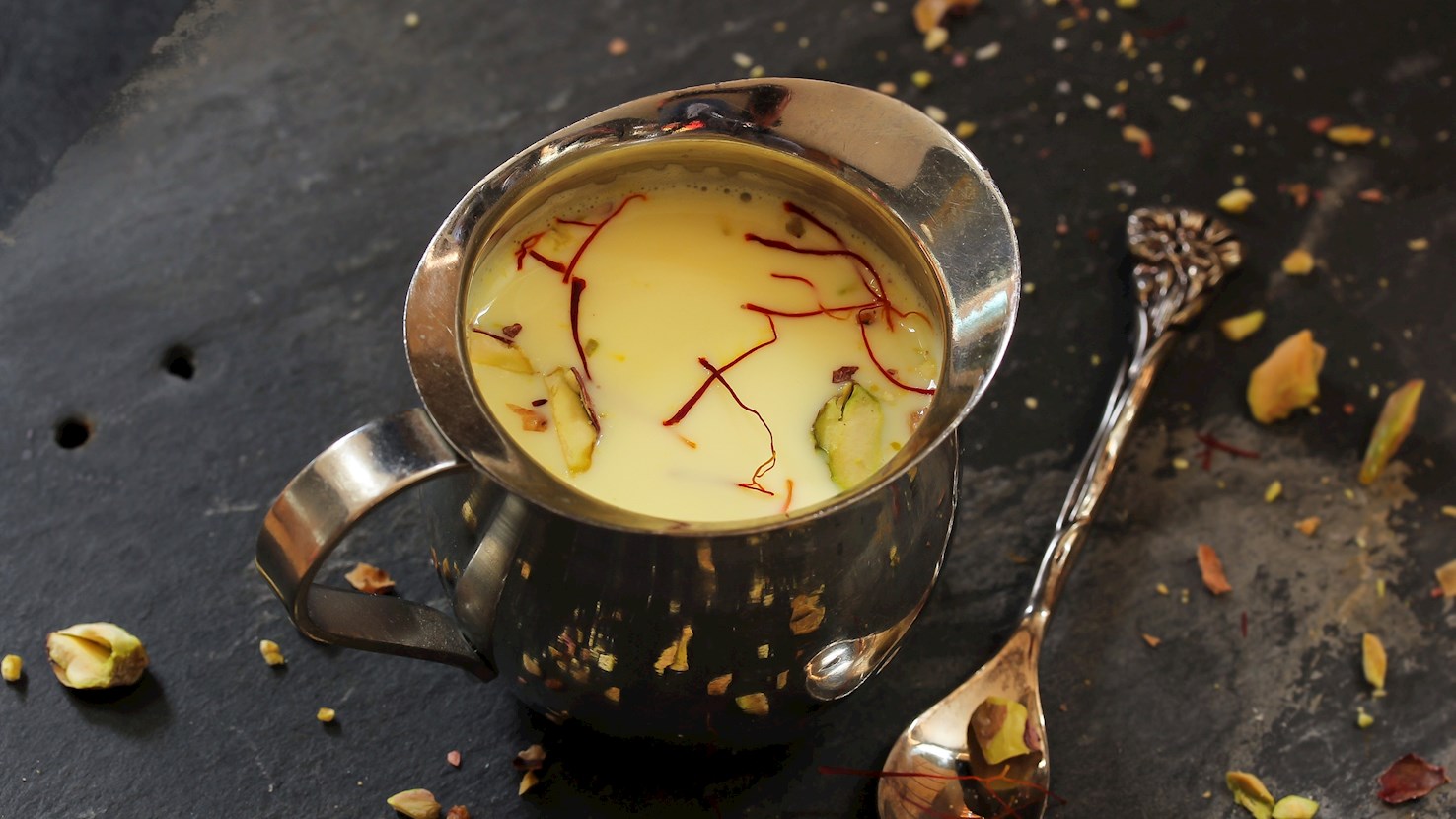
Thandai is a North Indian milk-based beverage that incorporates nuts, seeds, and various spices. The preparation starts with a thick paste that is usually made with a different combination of nuts and spices such as cashews, almonds, cardamom, peppercorns, poppy seeds, and fennel seeds. The milk is combined with sugar and saffron, sometimes with the addition of rose water, before it is mixed with the nut and spice paste. The combination is then left to set before it is strained. Thandai should always be served well-chilled and typically comes garnished with slivered nuts and saffron threads. It is traditionally prepared and enjoyed during Holi and Maha Shivratri festivals. There are several variations of thanadai, such as bhang thandai laced with cannabis, mango thandai, and rose thandai.

04

Haldi doodh

2.9 ·

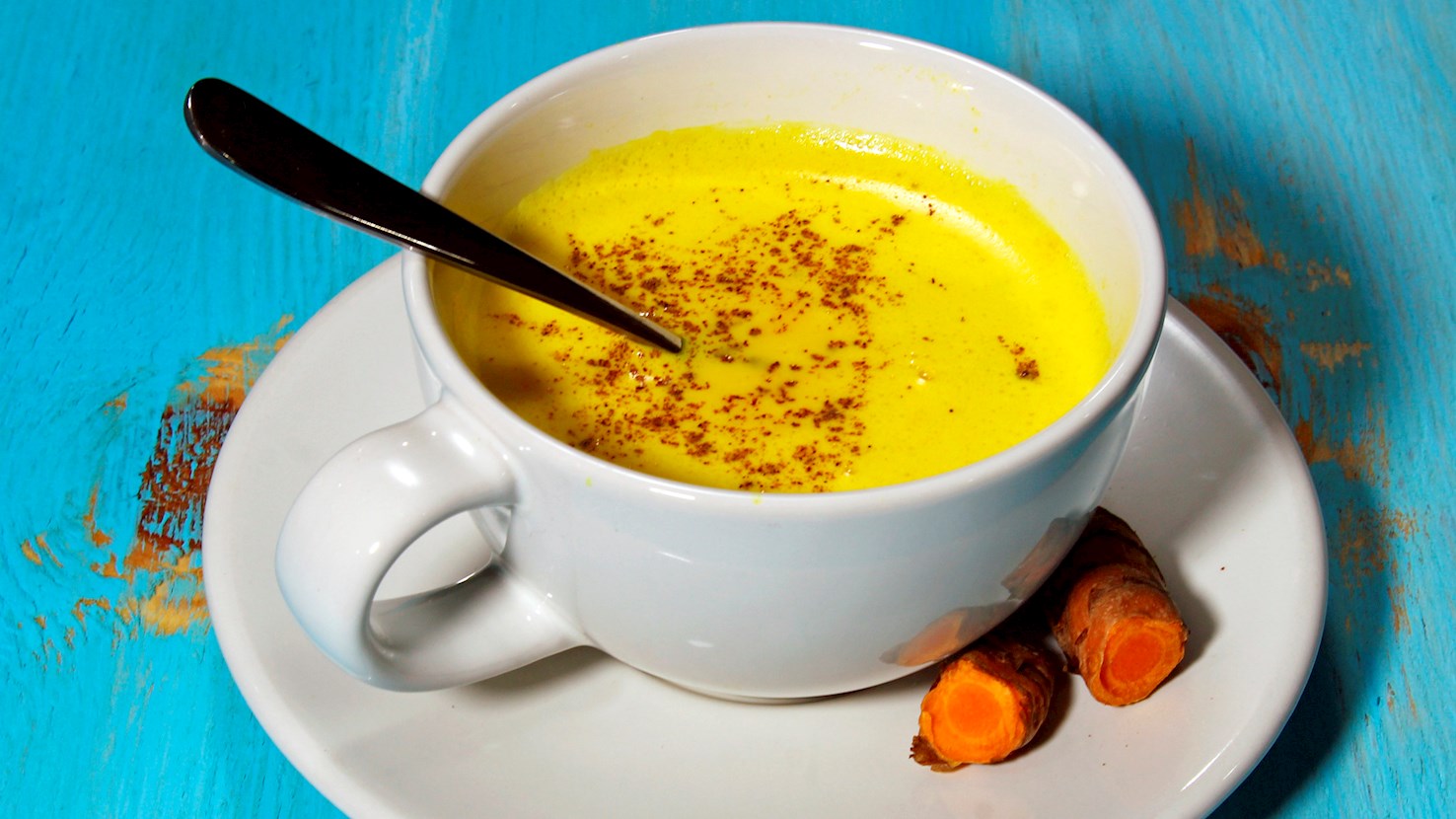
Haldi doodh or turmeric milk is an Indian beverage that is especially popular during the cold winter months. The basic version is prepared by simply combining turmeric with heated milk, but it can be elevated with the addition of spices such as cardamom, black pepper, ginger, cloves, and allspice, along with ingredients such as honey and coconut oil. Haldi doodh has numerous health benefits – it boosts immunity, detoxifies the liver, improves digestion, promotes weight loss, and helps to relieve muscle pain.

05

Mango mastani

3.1 ·

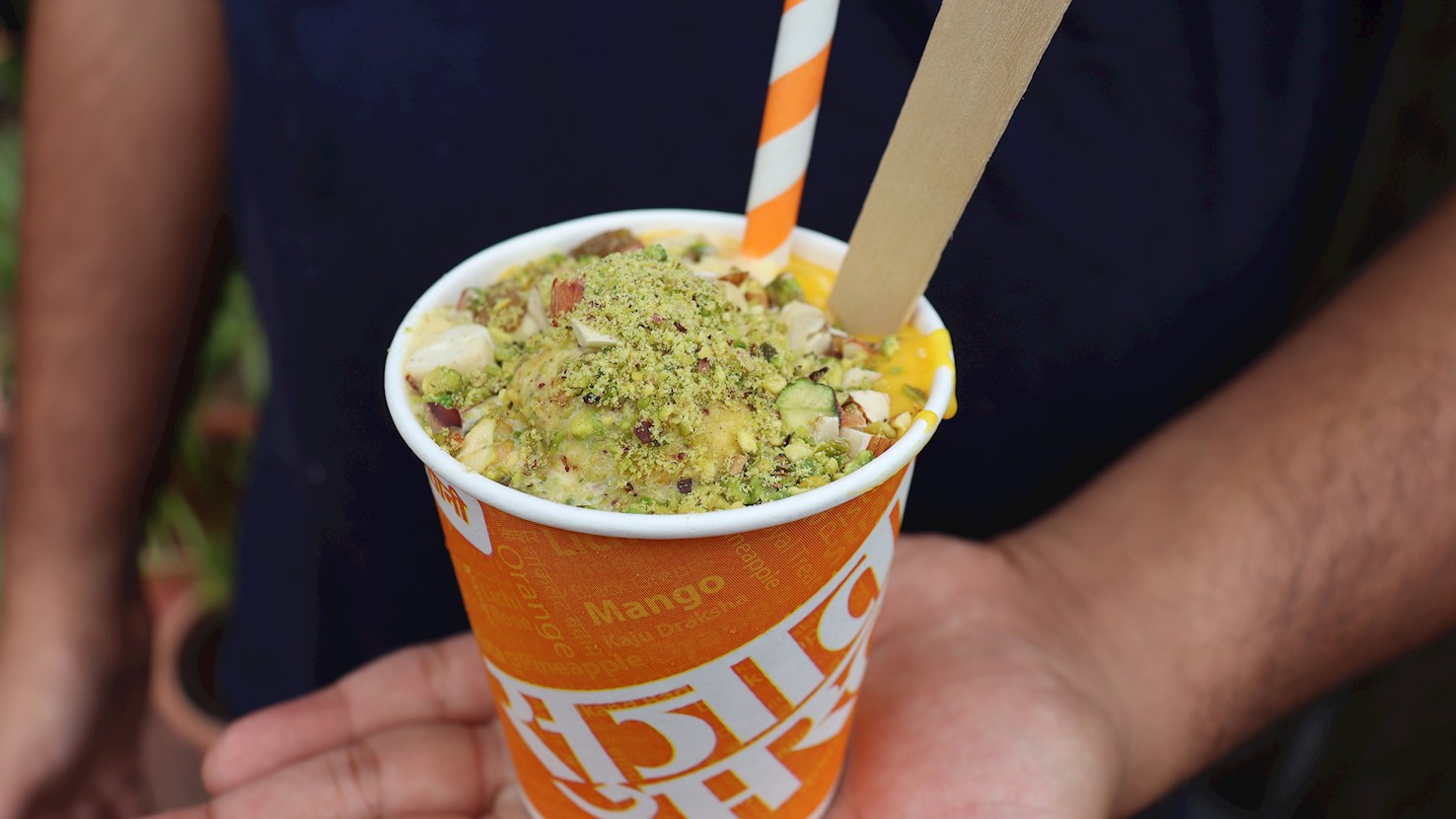
Mango mastani is a local beverage hailing from Pune that blends mangoes and chilled milk. It can be made with fresh mangoes or mango puree. The drink is typically garnished with slivered nuts and often comes topped with a scoop of ice cream. It should be thick and creamy, and it usually comes served in a tall glass. This refreshing mango version is only one of the mastani varieties—a drink that supposedly originated in Pune, and that was allegedly named after the princess Mastani.

06

Badam doodh

3.2 ·

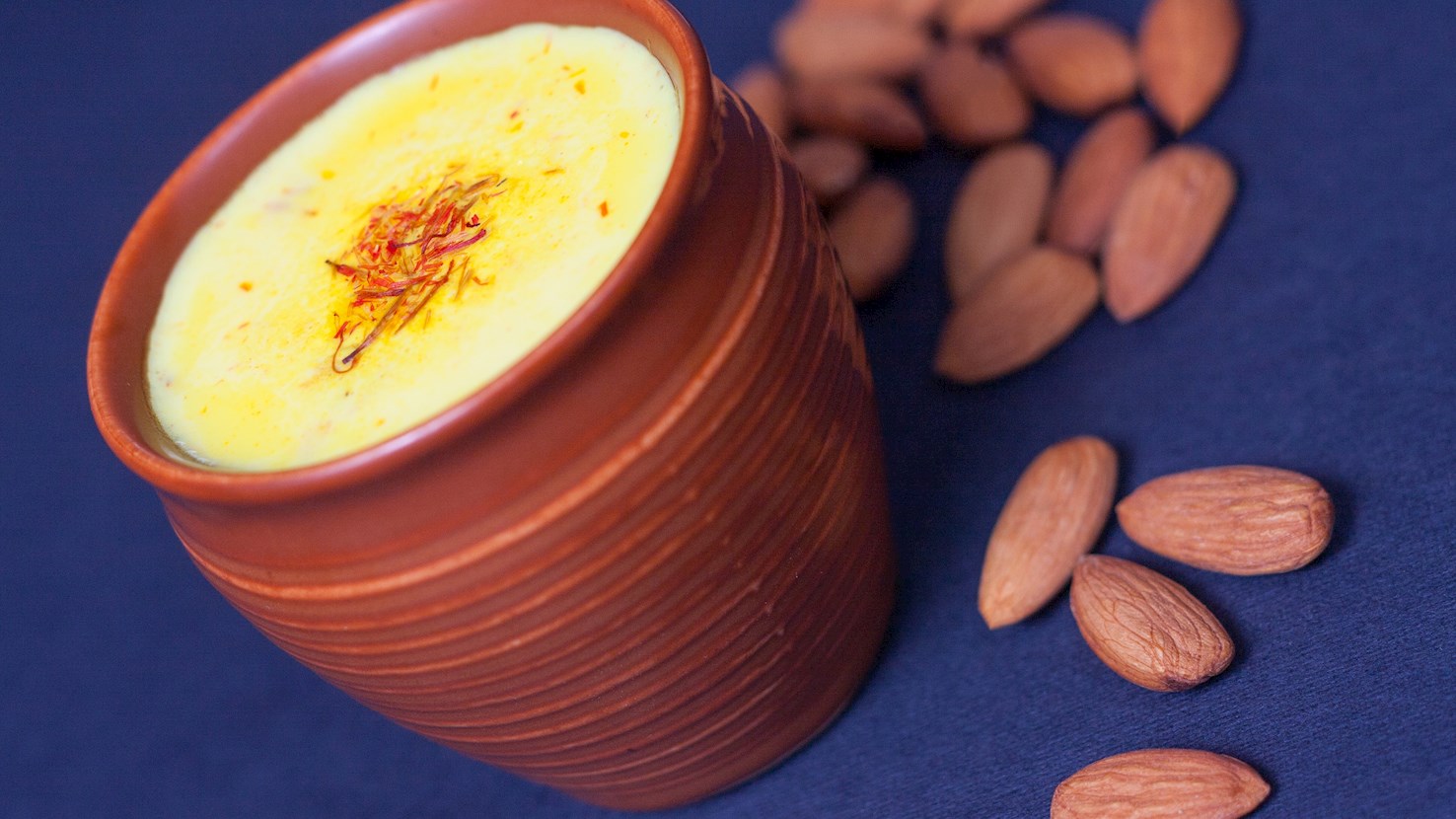
Badam doodh is an almond-based beverage that hails from India. The drink is made with almond paste—consisting of ground almonds—which is combined with warm milk, sugar, and spices. Cardamom and saffron are often added as flavorings, but some varieties may also use rosewater. Badam is mostly enjoyed on special occasions, such as religious ceremonies or weddings. It can be served warm or chilled and garnished with slivered almonds, rose petals, or saffron strands.

07

Arrack

3.2 ·

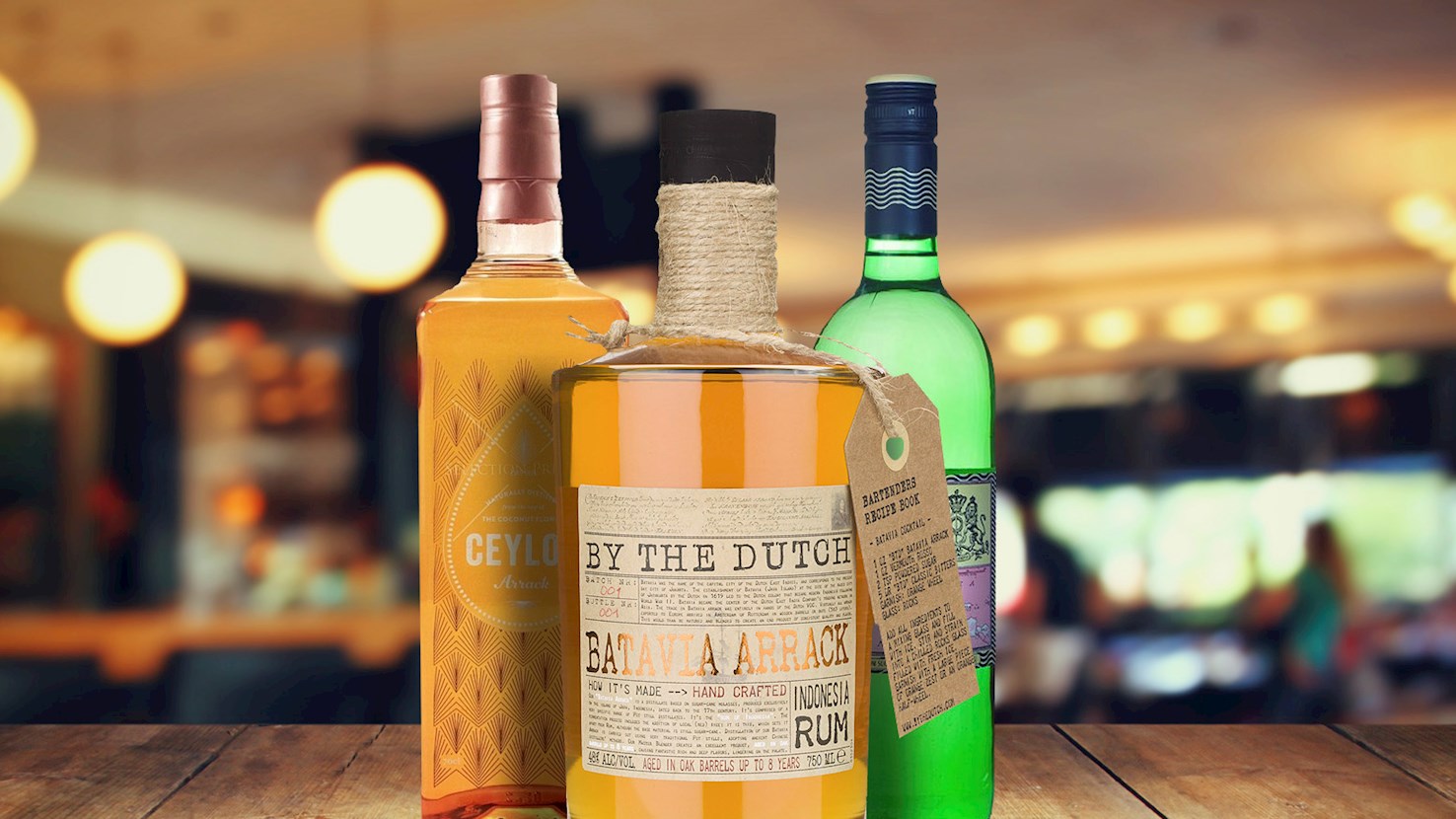
Arrack is a generic term used for a variety of distilled spirits that are often unrelated and can be made from different ingredients. They are found throughout East Indies—predominantly India, Sri Lanka, Indonesia, and the Philippines. The two dominant varieties include Ceylon arrack that is distilled from fermented juice of the coconut palm and Batavian arrack that is made from molasses. The origin of arrack is vague, and though it cannot be precisely stated when and where it was exactly invented, some of the oldest references date back to the 15th century. The reports mention various distillates which were collectively known as arrack. This makes arrack one of the oldest distillates in the world, and certainly a predecessor to all new world spirits such as gin, whisky, or brandy. The etymology of the word is believed to stem from the Arabic arak (perspiration) or areca, a nut from which arrack was produced in India. Although it is not clear, it is presumed that arrack originated in India, which was a result of contact with Arabic or Chinese distillation techniques. Depending on the main ingredients from which it is distilled, arrack can significantly differ in character and style. However, it should not be confused with arak—the anise-flavored distillate usually found in the Middle East.

08

Feni

3.3 ·

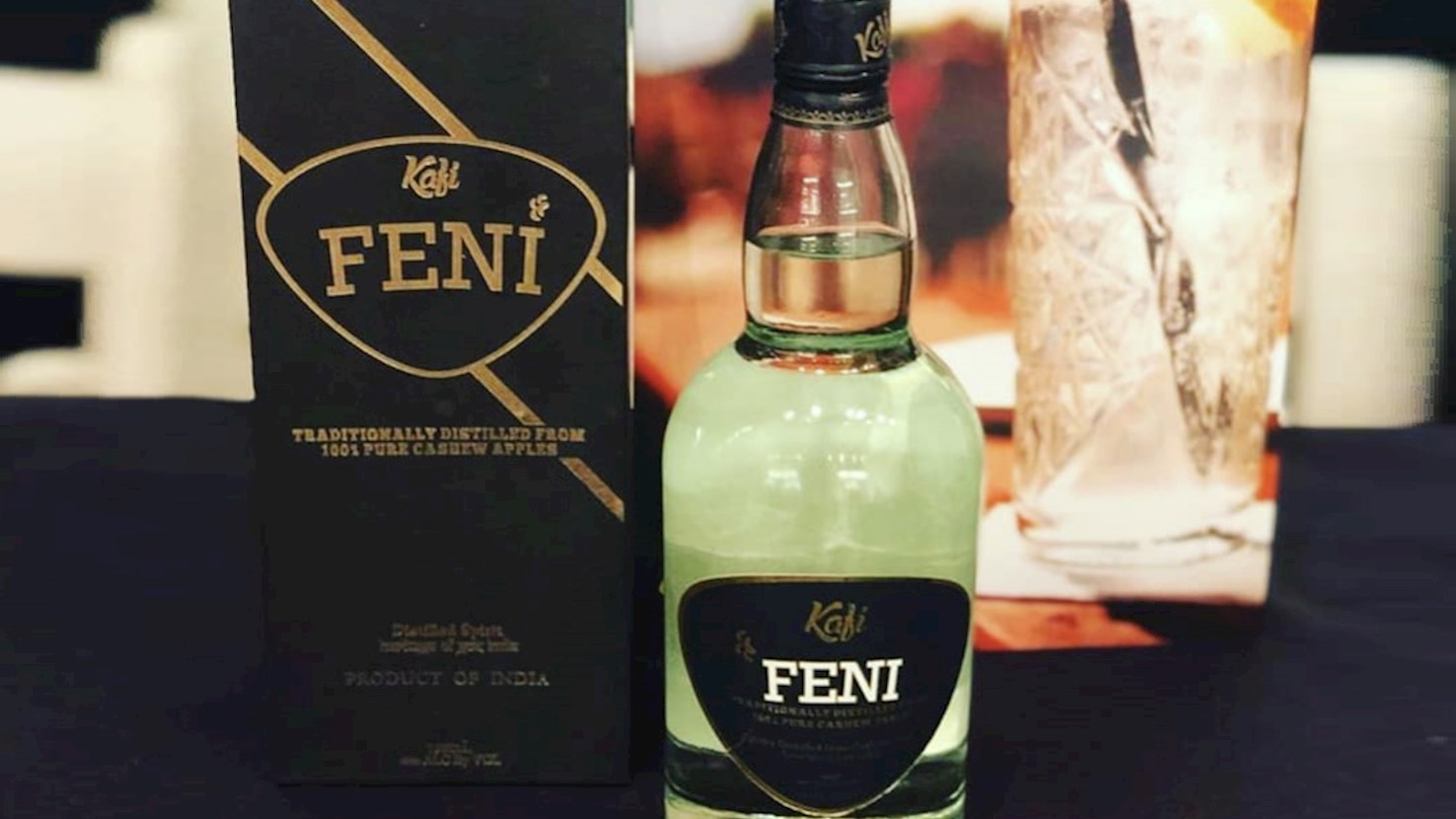
This strong Indian spirit is made with second or third distillation of the cashew fruit. Although there are two types of feni—one distilled from cashew fruit and one from fermented toddy of the coconut palm—cashew variety is praised for its quality and has also been awarded Geographical Indication, which specifies that it can only be produced in Goa. Cashew feni is a potent, fruity spirit that has a distinctive, subtly sweet aroma with hints of citrus and tropical fruit. Although it is traditionally enjoyed as a shot, to get used to its acquired taste it is best to incorporate it into lemon-based long drinks.

09

Nimbu pani

3.6 ·

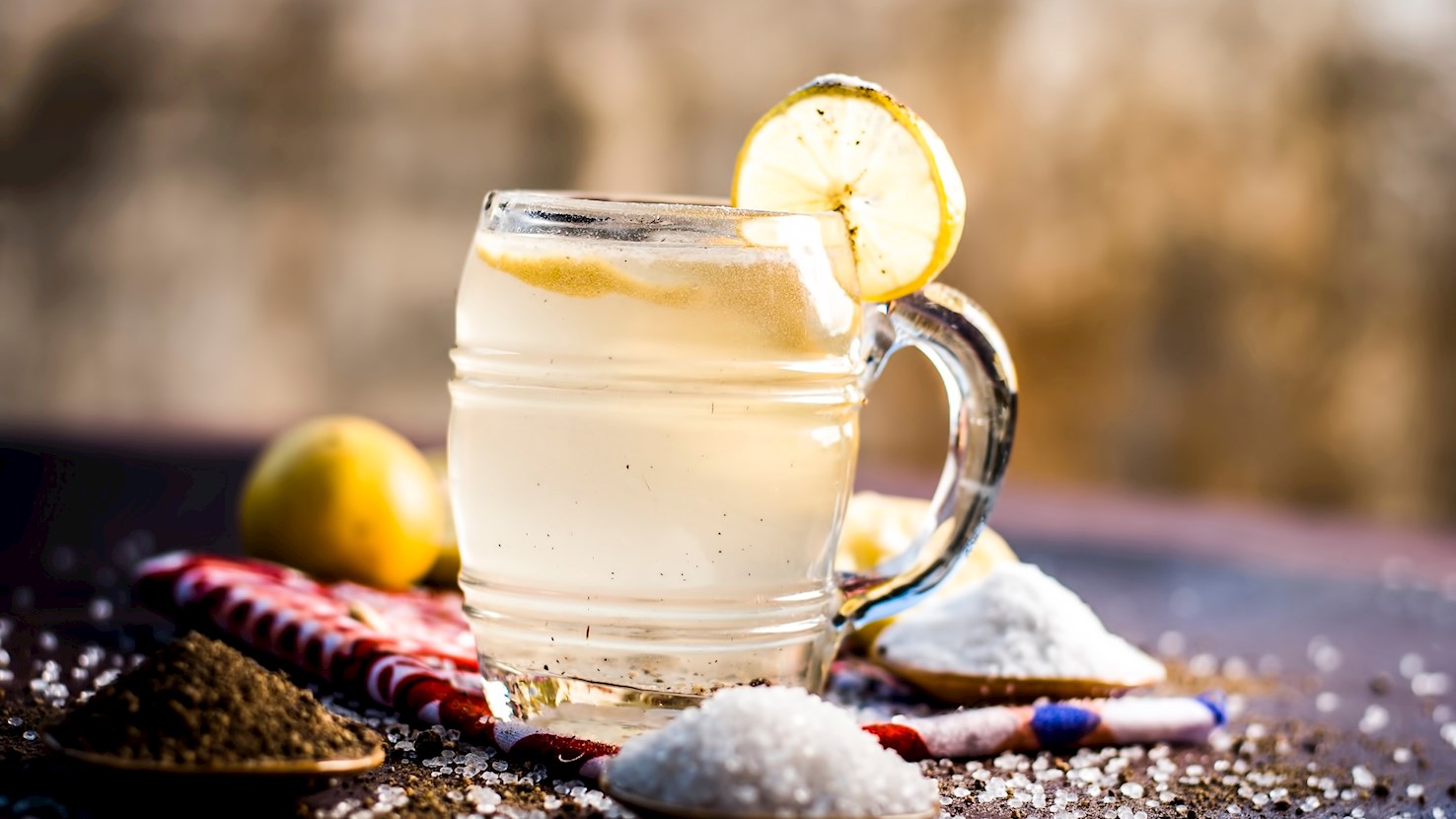
Nimbu pani or shikanjvi is a type of spiced lemonade that hails from North India. It is usually prepared with freshly-squeezed lemon or lime juice, kala namak (black salt), still or soda water, and cumin, but the ingredients can significantly vary depending on the region. Most varieties are sweetened, and the list of optional ingredients is vast and includes a wide array of additions and spices such as pepper, turmeric, jaggery, ginger, and many more. Nimbu pani is a refreshing, thirst-quenching drink that is typically enjoyed in summer. It is usually sold by street vendors, but it is also easily made at home.

10

Aam panna

3.7 ·

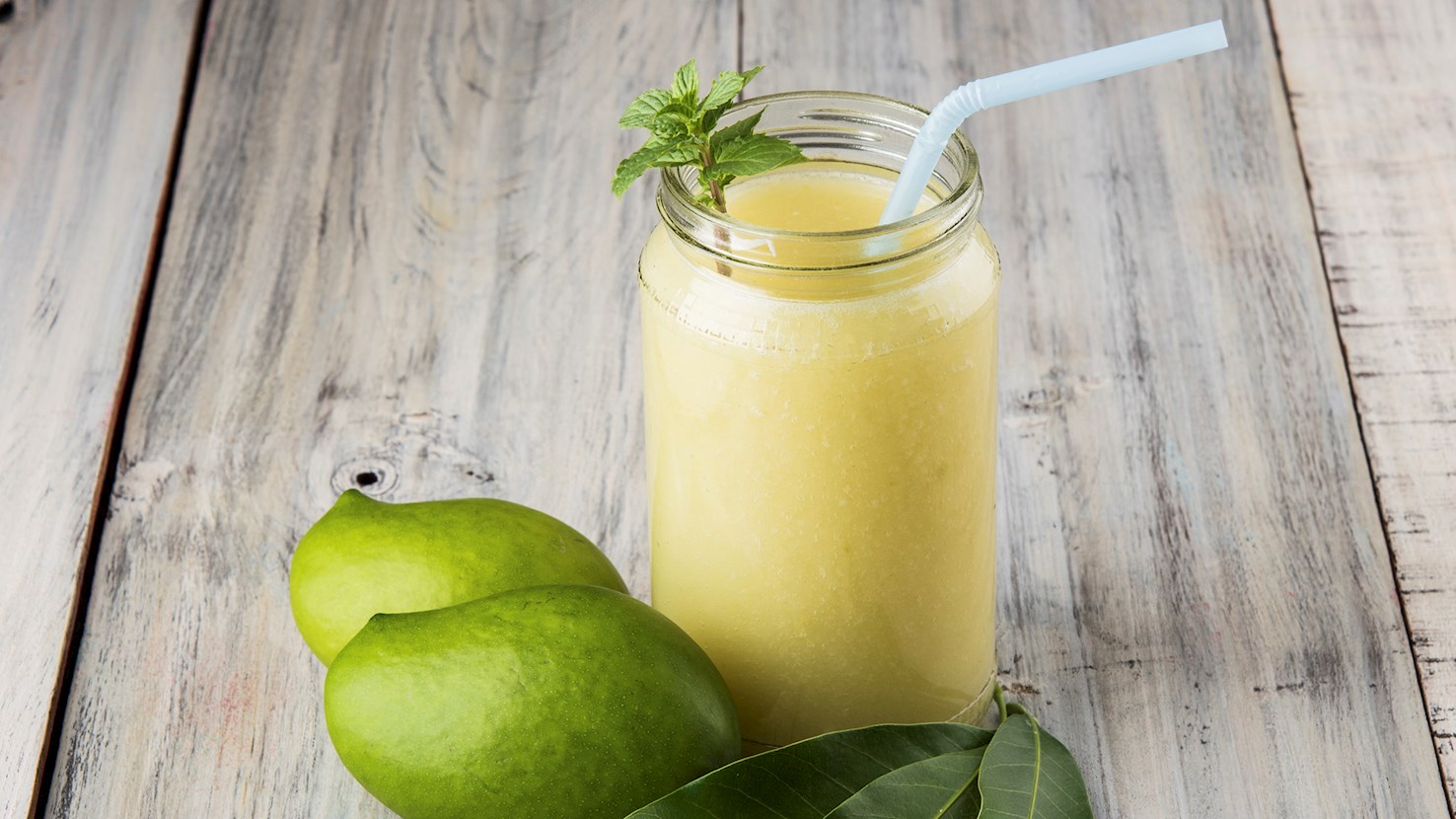
Aam Panna is a healthy, refreshing drink popular in the northern parts of India. It is prepared in the summer when mangos are in season, with the addition of water, mint, and toasted cumin. The mangos give it a refreshing, tangy flavor and a light green color. Aam Panna is a good source of vitamins B1 and B2, niacin, and vitamin C, and it prevents excessive loss of iron and sodium chloride in hot weather due to sweating.

Read more
View all
View map
About this ranking

TasteAtlas food rankings are based on the ratings of the TasteAtlas audience, with a series of mechanisms that recognize real users and that ignore bot, nationalist or local patriotic ratings, and give additional value to the ratings of users that the system recognizes as knowledgeable. For the “12 Worst Rated Indian Beverages” list until June 16, 2026, 1,670 ratings were recorded, of which 1,276 were recognized by the system as legitimate. TasteAtlas Rankings should not be seen as the final global conclusion about food. Their purpose is to promote excellent local foods, instill pride in traditional dishes, and arouse curiosity about dishes you haven’t tried.

Similar lists