Yorsh is a popular Russian mixed beverage made with a combination of beer and vodka. The ratio of ingredients may vary depending on personal preferences. After the ingredients have been combined, it is recommended to drink the cocktail quickly, as is the custom in Russia, because Yorsh is traditionally consumed in social settings after a toast. Although vodka does not alter the flavor of beer that much, it greatly increases the alcohol content in the cocktail, so it is quite suitable if one wants to get drunk as fast as possible.
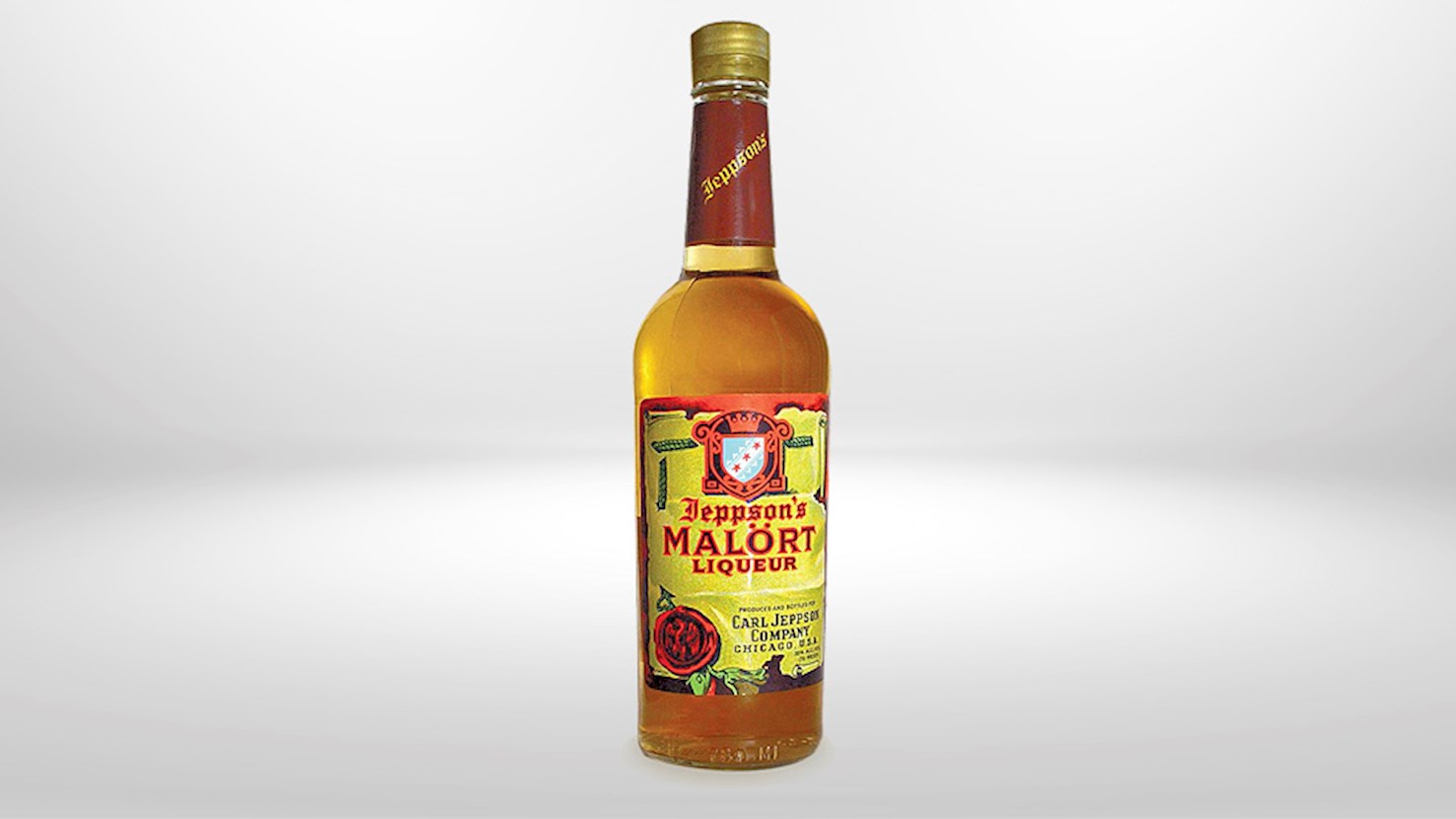
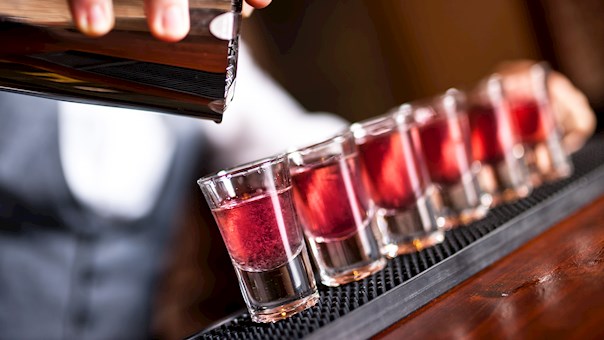
Malört is a bitter, wormwood-based liqueur that was created in the 1930s by a Swedish immigrant Carl Jeppson. The drink was first introduced in Chicago, and although it is now produced in Florida, it is still mainly associated with its place of origin, and it can rarely be found elsewhere in the United States. Malört, which is a Swedish word for wormwood, was modeled on Swedish beskbrännvin – a liquor distilled from potatoes or grains that was often infused with wormwood. The drink is characterized by its sharp flavor and a long, bitter aftertaste. Although it is recommended to drink it with a sugar cube, it is mainly served neat, and it is intended to be enjoyed as a shot.
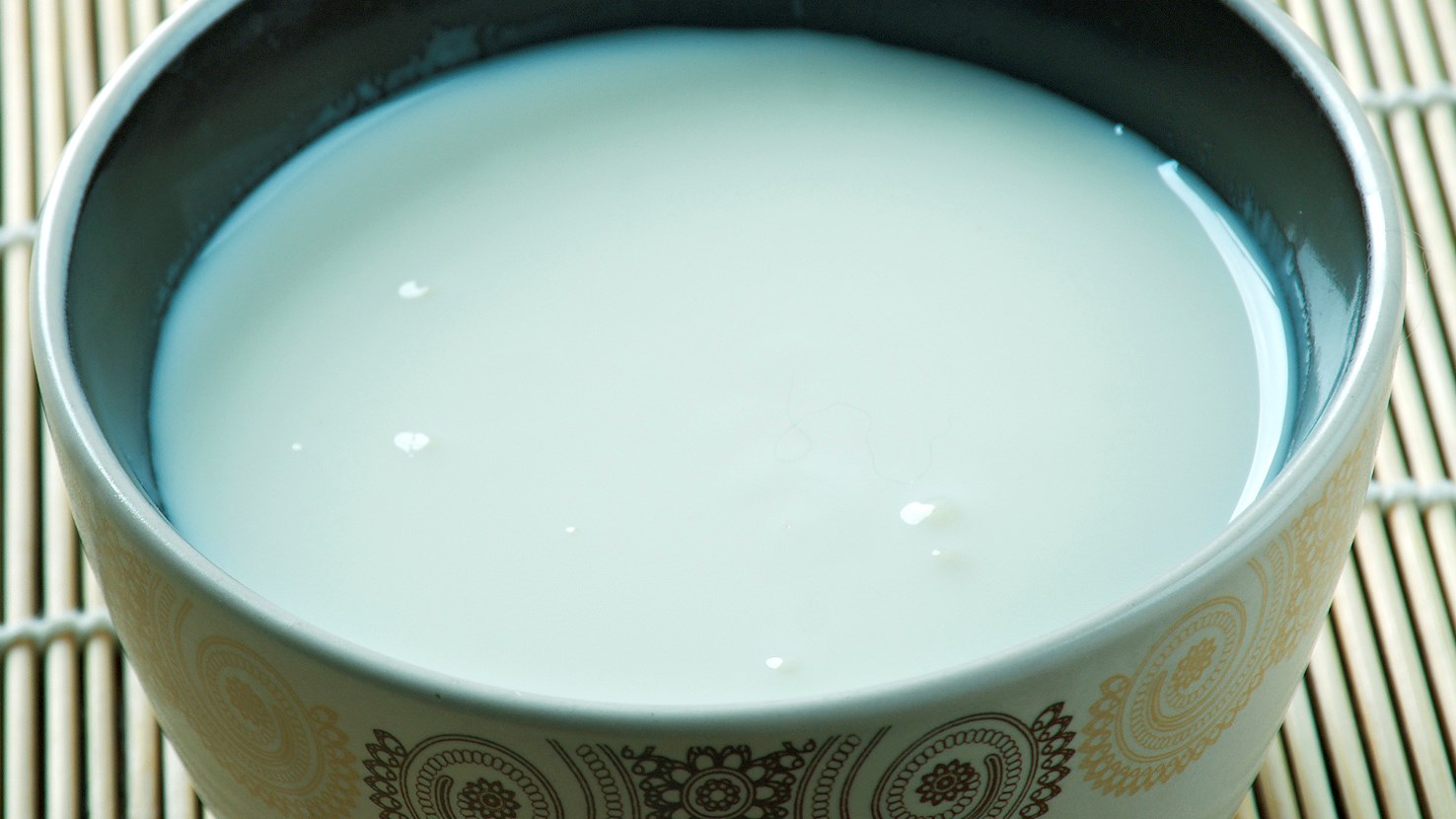
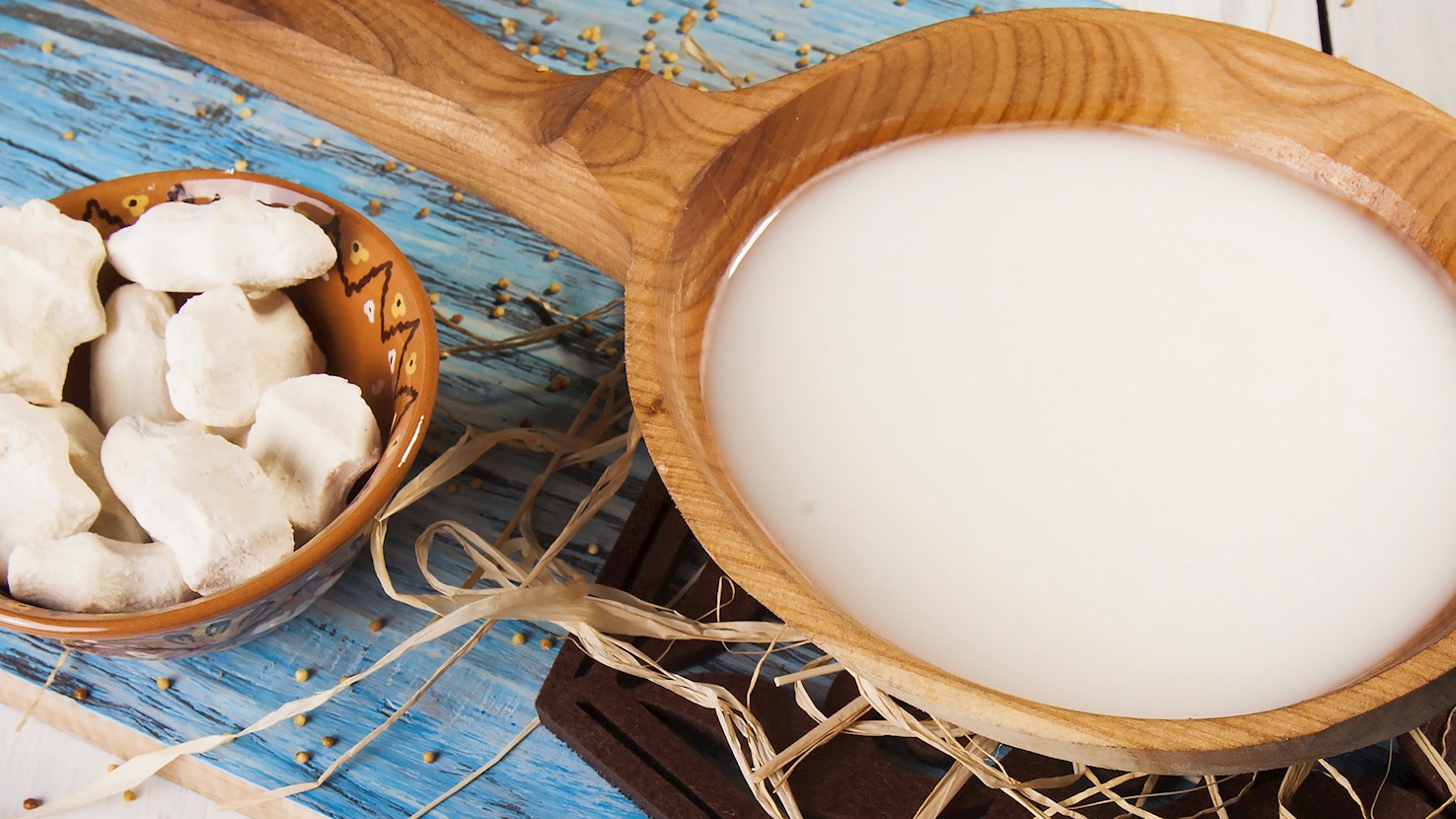
Chal, also known as shubat, is a fermented beverage made from camel milk primarily consumed in Turkmenistan, Kazakhstan, and Uzbekistan. The item is characterized by its sparkling, acidic profile and a distinct white, frothy consistency that results from the natural fermentation of raw camel milk. Its usage developed among nomadic pastoralist groups in the Central Asian steppes as a means of preserving highly perishable camel milk in arid, high-temperature environments. Historically, the process relied on the specific microbial flora present in the wooden vessels used by these nomads, which facilitated a symbiotic fermentation of lactic acid bacteria and yeast. The drink is light, frothy, and refreshing, and it is beloved due to its low caloric content and the presence of iron, magnesium, calcium, and zinc. Preparation begins by inoculating fresh, raw camel milk with a portion of previously fermented chal, which acts as a starter culture. The mixture is kept in a leather or ceramic container at a temperature between 25°C and 30°C for approximately three to four hours to initiate the souring process. A specific technical requirement involves the regular addition of fresh milk to the fermenting batch over several days to maintain the vitality of the yeast and manage the acidity levels. During this period, the milk separates into a thick top layer known as agaran and a thinner liquid below; these are subsequently blended back together before consumption to ensure a uniform texture. A unique property of chal is its shelf life, as the increasing acidity creates a natural barrier against pathogenic bacteria, allowing it to remain potable for several days without refrigeration. The drink is served chilled and is typically poured into large ceramic bowls called pialas. It is consumed primarily during the summer months due to its physiological cooling effect and high concentration of vitamins and minerals. In Central Asian cuisine, it is eaten as a digestive aid alongside heavy, fat-rich dishes like mutton-based plov, shurpa, or boiled dough products like beshbarmak. Because it is a complete beverage, it is rarely paired with other drinks, although it is sometimes consumed with dried fruits or nuts to balance its sharp sourness.
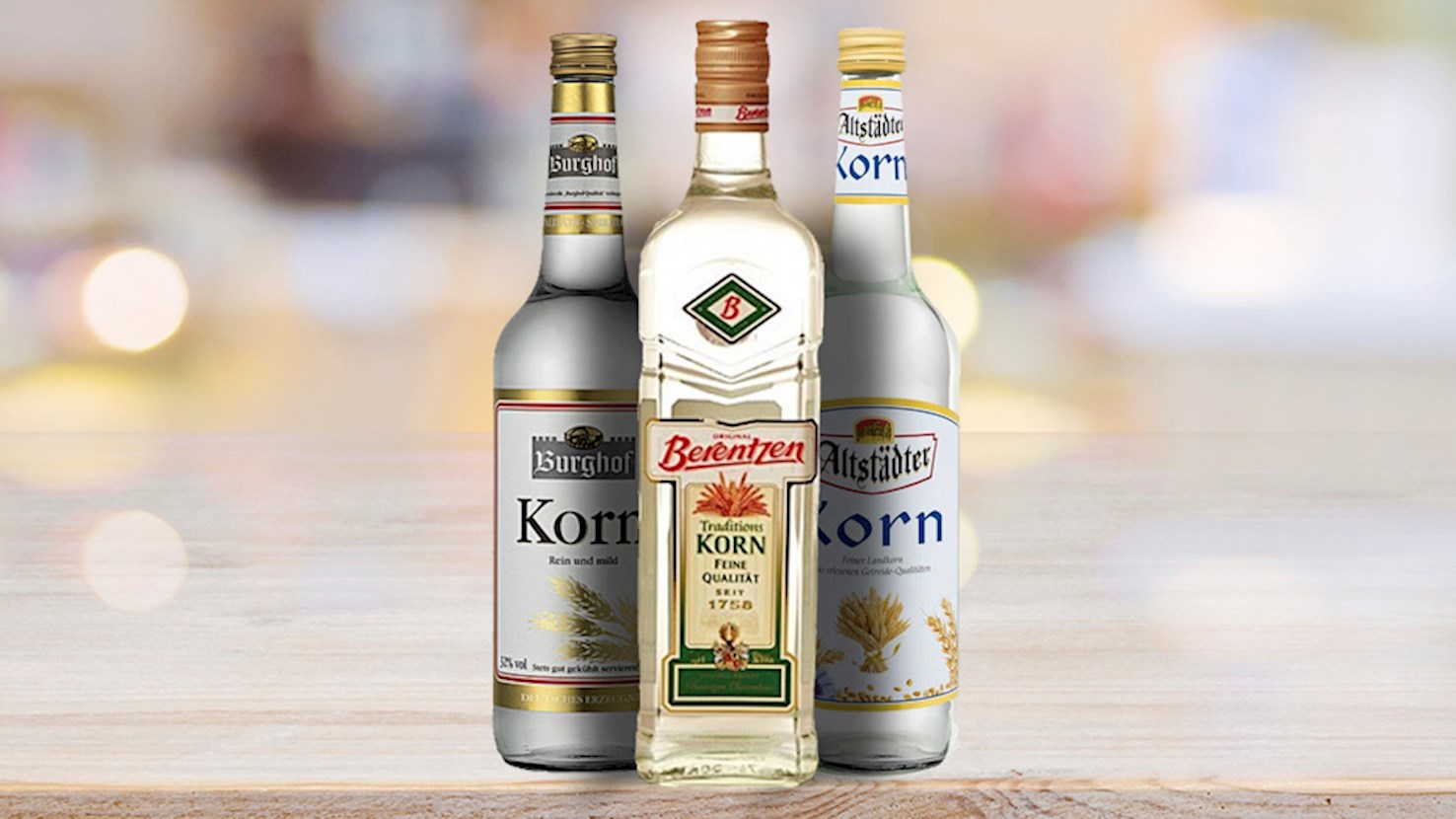
Korn is a German grain spirit that is traditionally distilled from fermented mash of wheat, rye, buckwheat, barley or oats. This strong colorless drink is never sweetened or flavored, and it has to have a minimum of 32% ABV, but if the alcohol content is higher than 37.5% the drink is named Kornbrand. It is believed that the production of Korn started in the 15th century, and although it is enjoyed throughout the country, it is especially popular in the northern parts of Germany. The drink is usually low-priced, but oak-aging may provide for more complex and better-quality expressions. Korn is mainly enjoyed straight from shot glasses, but it is also commonly combined with carbonated soft drinks, while a popular combination known as Herrengedeck (gentlemen’s menu) includes beer with a shot of Korn.
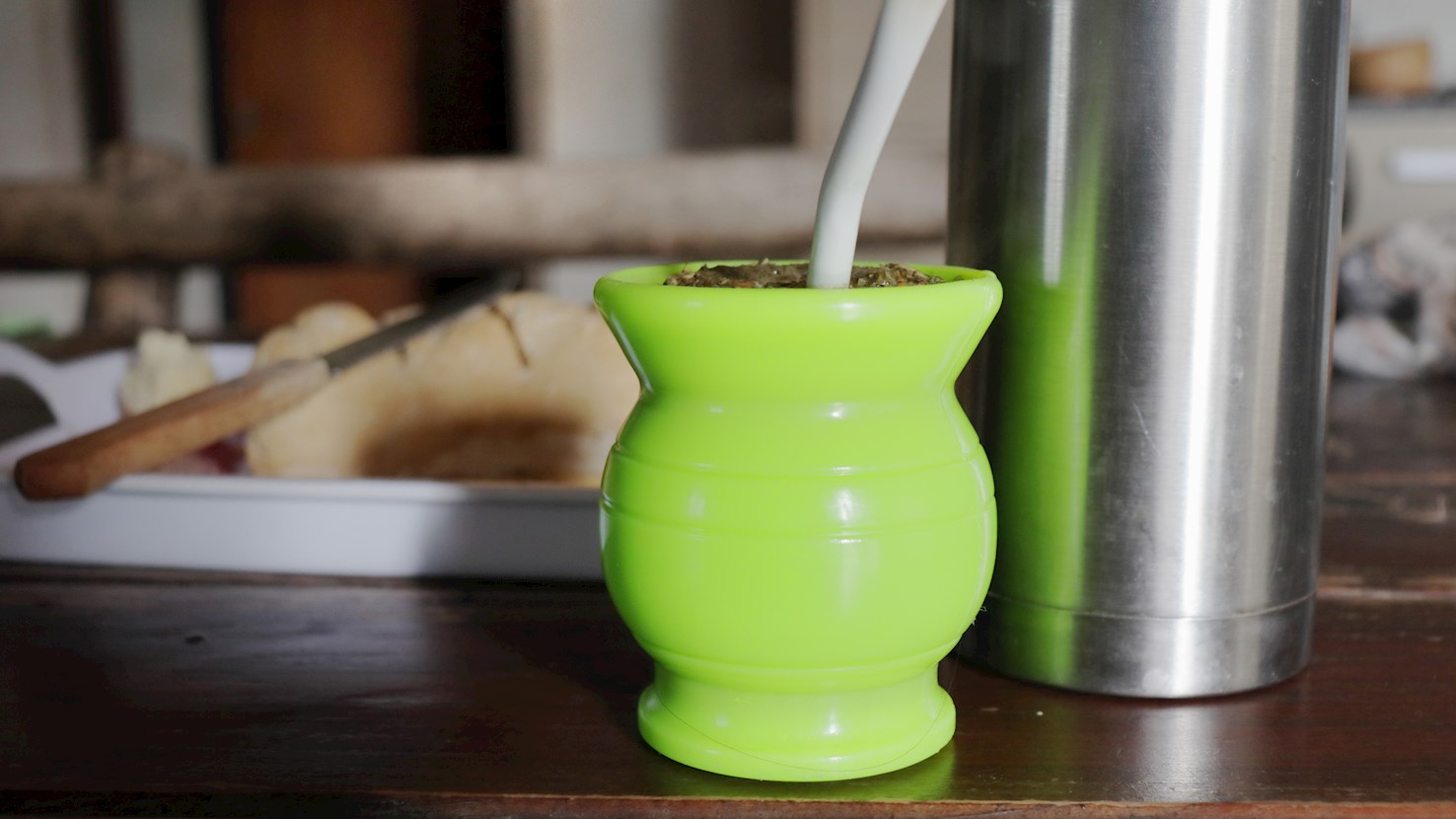
Mate con leche is an infusion prepared with the leaves of the yerba mate plant and milk. Traditionally, mate is prepared with water, but this version entirely replaces water with milk. The drink is prepared by adding warm milk to dry mate leaves. It results in a creamier and less bitter version than the standard mate. Mate con leche can be enjoyed plain, but it is also commonly sweetened with sugar or honey, and it sometimes may include spices. This version is also prepared and served in a hollowed gourd, together with a bombilla—a specialized metal straw that also functions as a sieve.
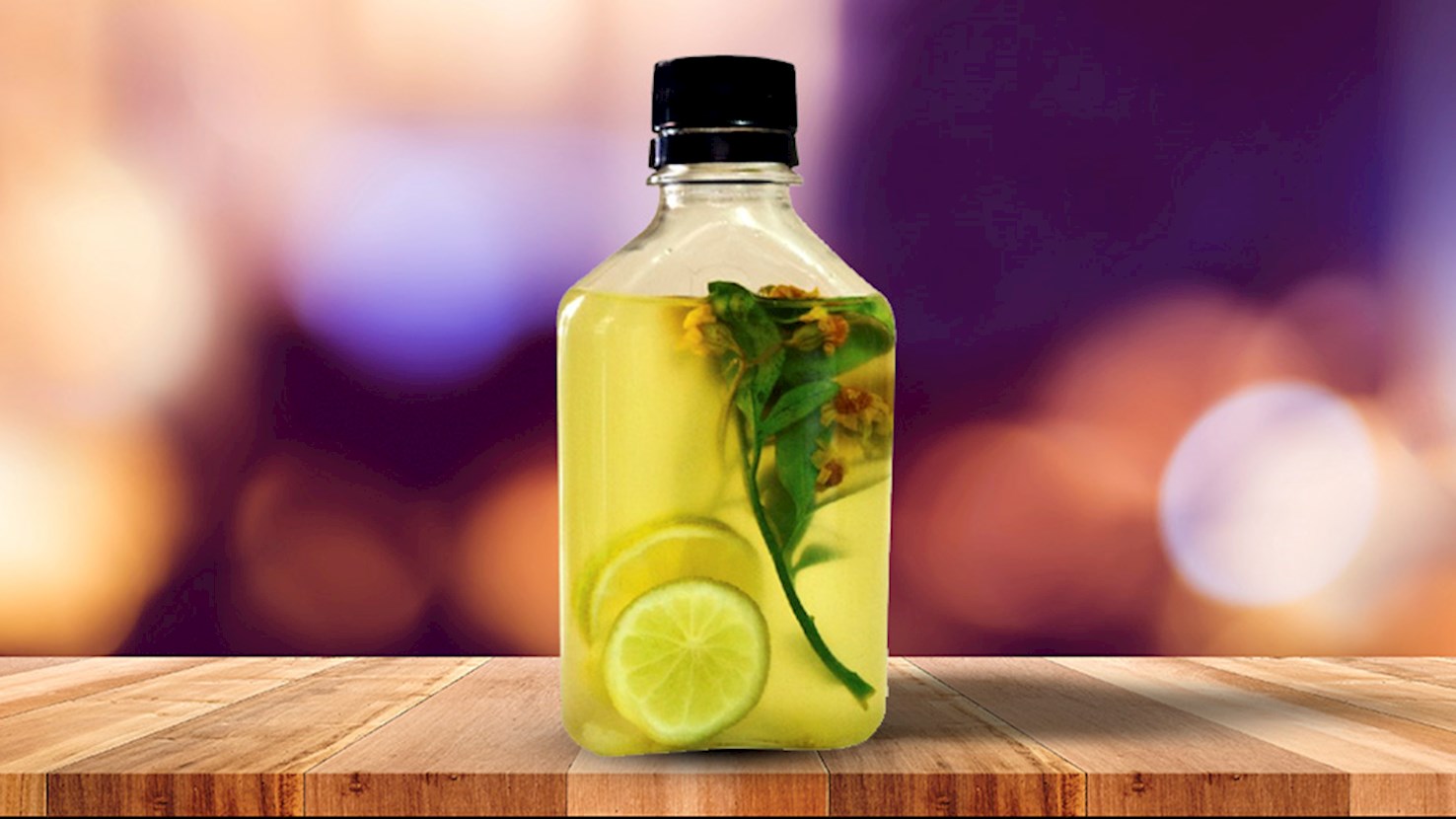
Carrulim is a traditional beverage of the Guaraní people, the largest indigenous group in Paraguay. The drink is made from sugar cane spirit, rue (Ruta graveolens), honey, and lemon. It is believed that it helps to ward off illnesses associated with August, which is one of the coldest months in Paraguay. Locals also believe that August brings misfortune and bad luck, and drinking carrulim should protect your physical health and ward off evil or misfortune. Traditionally, carrulim is enjoyed on the first day of August. It should be the first drink consumed that day. Carrulim can be prepared at home, but it is also commonly sold throughout August.
Airag is fermented mare’s-milk drink, known for its tart flavor, light natural fizz, and low alcohol content. It belongs to the same wider family as kumis, qymyz, and kymyz elsewhere in Central Asia, but in Mongolia it has its own name, production method, and social role. Fermented mare’s milk has been part of Mongolian pastoral life for centuries. One of the clearest early descriptions comes from the Franciscan traveler William of Rubruck, who visited the Mongol Empire in the 13th century and described mare’s milk being collected in a skin vessel and churned until it became sour and mildly intoxicating. His account shows that the basic method was already well established by that period. Airag is mainly made during summer, when mares are lactating. Because a mare yields relatively little milk at one time, milking is repeated several times during the day while the foal continues to nurse. Fresh milk is cooled and added to a portion of already fermented airag, which acts as the starter for the next batch. The vessel most closely associated with the drink is the khokhuur, a large container made from prepared cowhide. The milk is repeatedly stirred with a wooden paddle called a buluur, often hundreds or thousands of times over the course of fermentation. This keeps the milk and starter well mixed and helps produce the drink’s characteristic light foam and even texture. The fermentation is carried out by both lactic-acid bacteria and yeasts. Mare’s milk is particularly suited to the process because it contains more lactose and less fat than cow’s milk. The finished drink remains fluid rather than becoming thick like yogurt, and its flavor can range from mildly sour to quite sharp depending on temperature, fermentation time, and the strength of the starter. Alcohol levels are usually low, commonly around 1–3%. Preparing and maintaining a khokhuur requires its own set of skills. The hide is cleaned, treated, shaped, dried, and smoked before use, and the vessel itself can influence the character of the final drink. Modern households may also ferment airag in plastic or metal containers, but the cowhide khokhuur remains the form most strongly linked with Mongolian pastoral practice. Airag has an important place in summer gatherings, family events, and major celebrations such as Naadam. It is commonly offered to guests in a bowl and may also be used in blessings and libations. In 2019, UNESCO inscribed the technique of making airag in a khokhuur and its associated customs on the Representative List of the Intangible Cultural Heritage of Humanity. Some central provinces, especially Bulgan, Arkhangai, and Övörkhangai, are particularly well known for airag. Differences between local versions can come from pasture conditions, the composition of the herd, the age of the starter, and household technique rather than from fixed regional recipes. Airag is usually drunk fresh during the warmer months, either on its own or with food. Its acidity works particularly well with rich Mongolian dishes such as boiled mutton and khuushuur, while boortsog is a common simpler accompaniment. At gatherings it is often consumed repeatedly over the course of the visit rather than served as a single drink with one specific course.
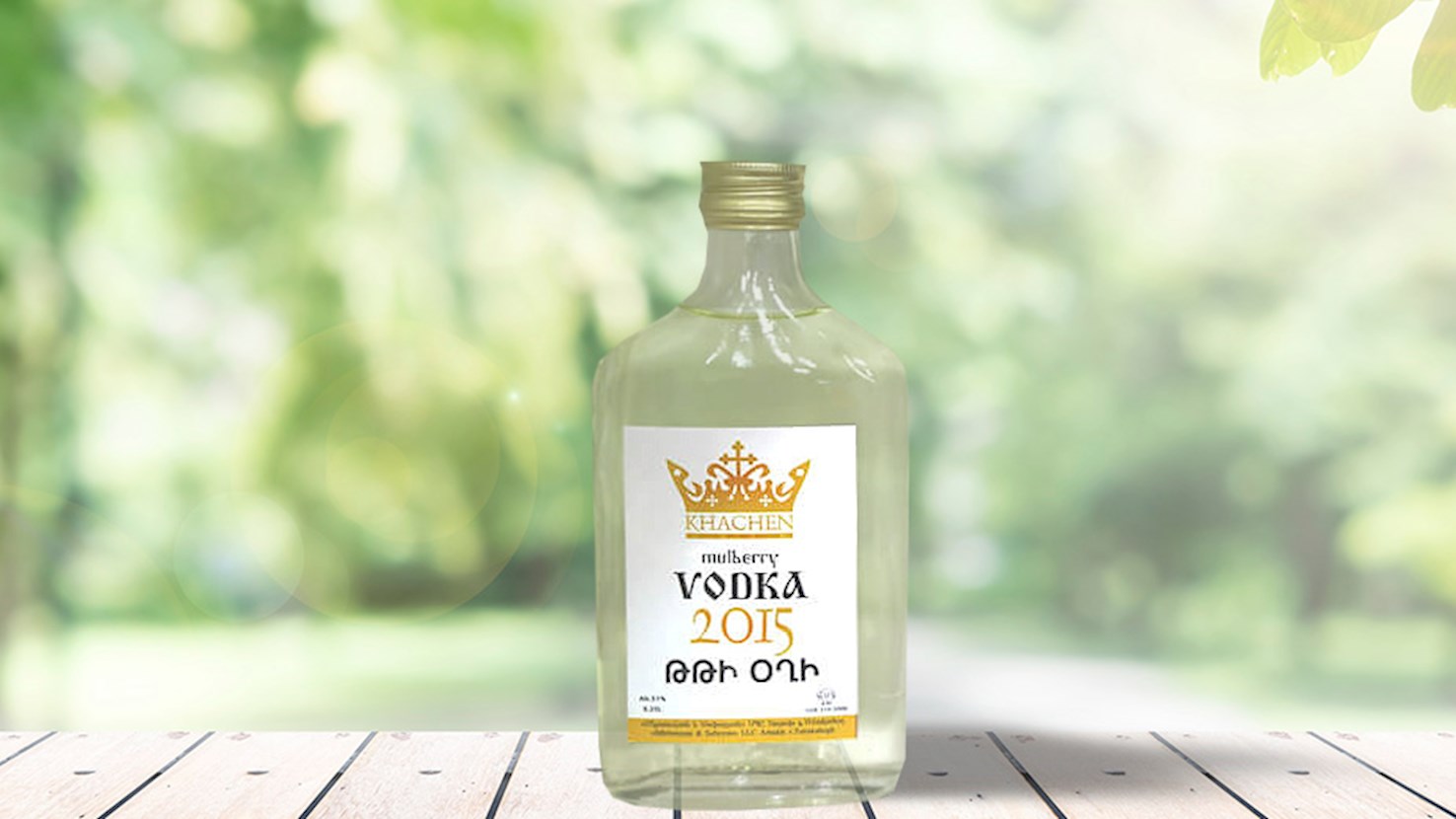
Often dubbed as Armenian vodka, oghi is a strong Armenian spirit that is distilled from various fruit and berries. The drink is traditionally produced as a local moonshine variety, with many households distilling their versions from various available fruit. Mulberries, apricots, pears, cherries, grapes, or plums can all be used in the production of oghi. The fruit is distilled to produce a clear spirit whose flavor reflects in the use of base material. Oghi is usually served in small shot glasses, and it is often enjoyed for breakfast or to accompany hearty Armenian dishes.
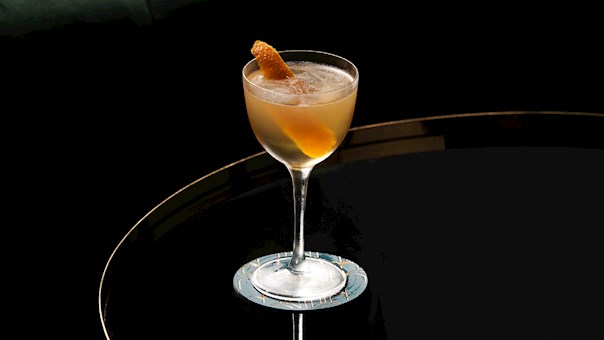
A decadent cocktail made with absinthe and champagne is known as Death in the Afternoon. Thanks to its inventor - Ernest Hemingway, it is often referred to as the Hemingway Champagne, or simply The Hemingway. The cocktail originates from 1930's Paris, when the writer spent time in the city writing and enjoying absinthe. Due to the emulsification of absinthe, the cocktail is milky in appearance, with a bubbly structure, and Hemingway’s instructions were to drink three to five of these cocktails slowly from a champagne glass.
Karsk is an aromatic Norwegian cocktail that is traditionally served hot. It is made with a combination of coffee and moonshine. To prepare it, a small coin is traditionally placed on the bottom of the cup, which is then filled with strong, hot coffee until the coin is completely covered. The moonshine is then added to the cup until the coin resurfaces. There is also a variation on Karsk made with vodka instead of moonshine. The name of this cocktail is derived from the adjective karsks, which means vigorous in Old Norse. Nowadays, Karsk is also popular in bigger cities, although it is still more popular in rural areas of the country.
TasteAtlas food rankings are based on the ratings of the TasteAtlas audience, with a series of mechanisms that recognize real users and that ignore bot,
nationalist or local patriotic ratings, and give additional value to the ratings of users that the system recognizes as knowledgeable.
For the “100 Worst Rated Beverages in the World” list until September 16, 2026, 73,934 ratings were recorded, of which 54,138 were recognized by the system as legitimate.
TasteAtlas Rankings should not be seen as the final global conclusion about food. Their purpose is to promote excellent local foods,
instill pride in traditional dishes, and arouse curiosity about dishes you haven’t tried.














What People Say