


7 Worst Rated Central European Blood Sausages

Last updated on August 16, 2026
01

Żymlok

2.1 ·

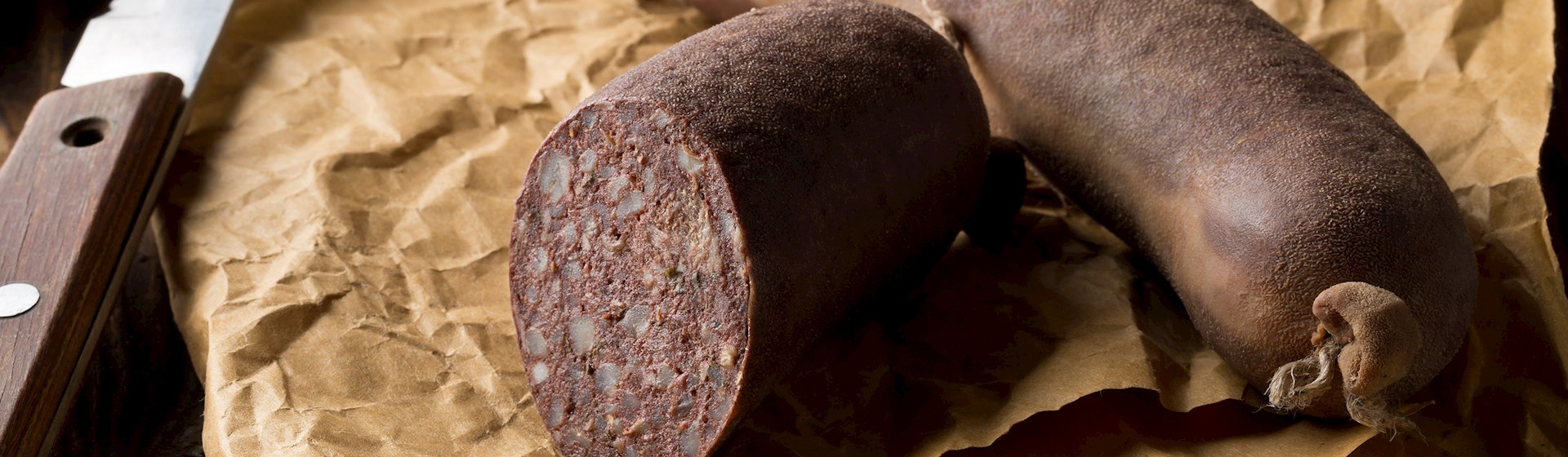
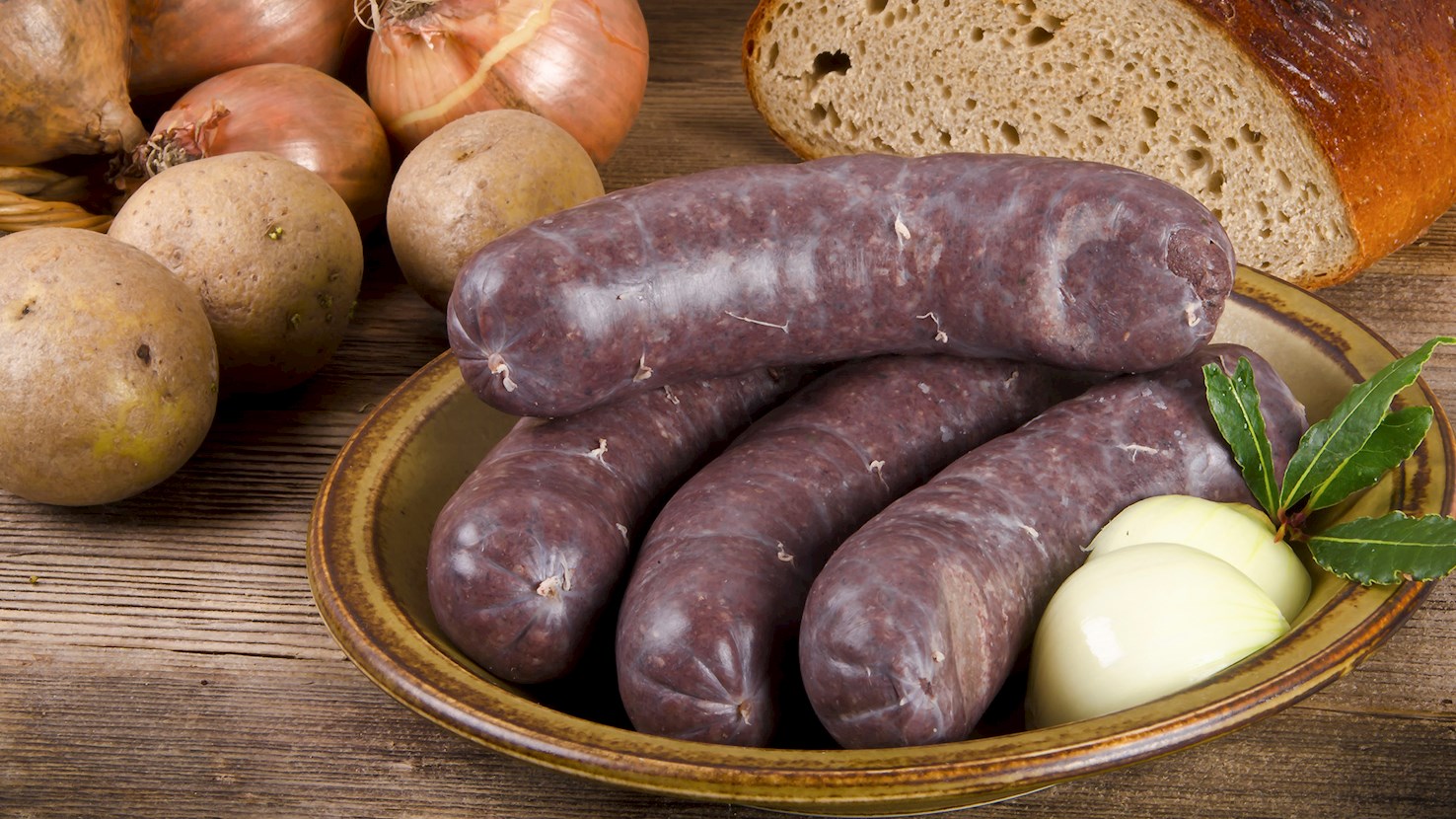
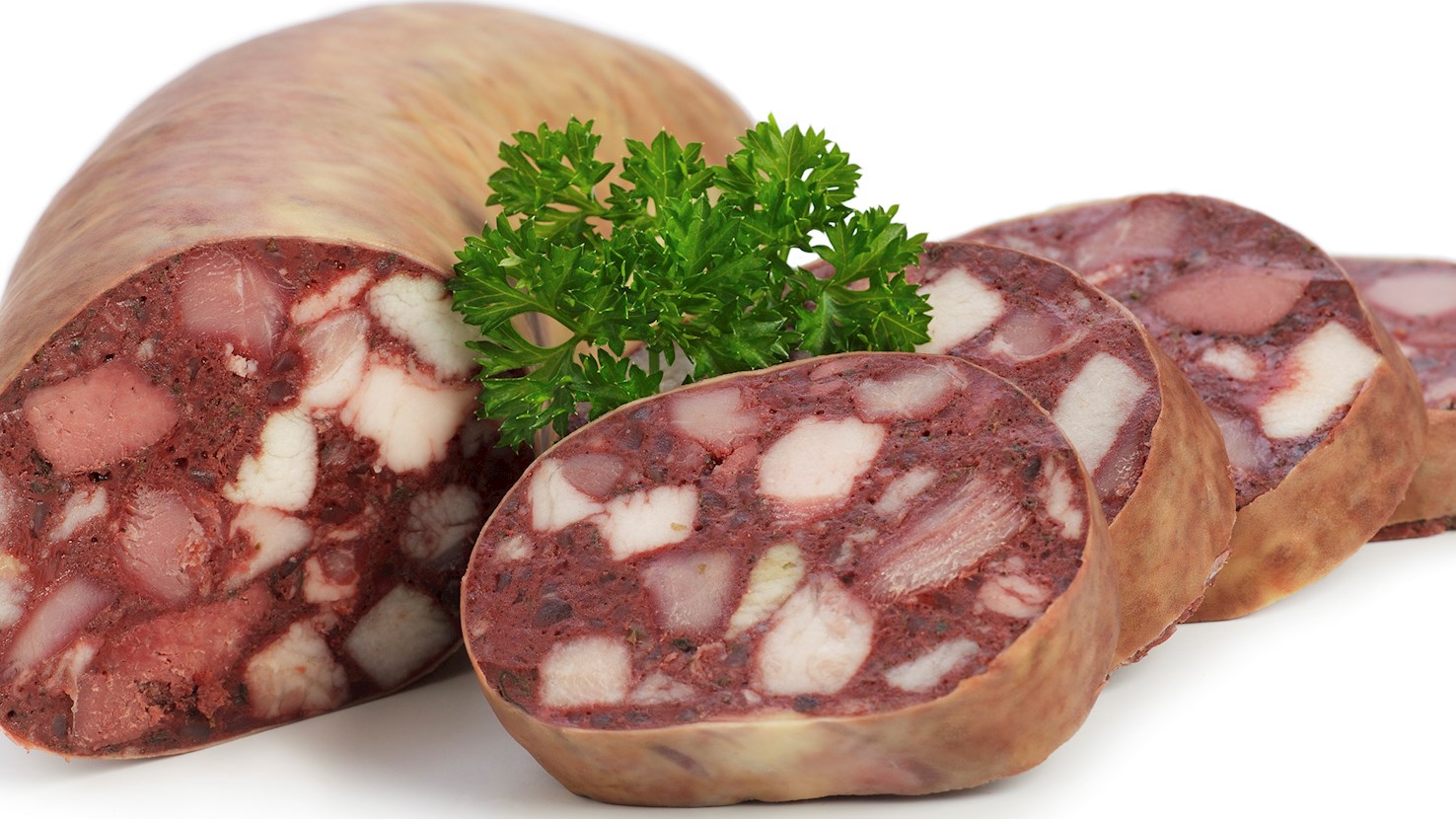
Żymlok is a traditional Silesian blood sausage consisting of a mixture of pork blood, bread rolls, ground pork offal, onions, spices, and seasonings stuffed into intestines. The ground meat is cooked in meat broth and the bread rolls are soaked in the same broth before they are combined and added to the intestines. Bread rolls are called żymła in Silesian and bułka in Polish, hence the name of this sausage. Żymlok is usually flavored with aromatic spices such as marjoram, nutmeg, black pepper, bay leaves, allspice, and juniper berries. Although it appears to be a regular sausage, its consistency is similar to black pudding. It used to be traditionally prepared after St. Martin’s Day, when pigs were slaughtered, and it was then served at various festivities. Not as popular as it once used to be, the sausage can be consumed hot or chilled, typically accompanied by caramelized onions and slices of bread.

02

Blutwurst

2.9 ·

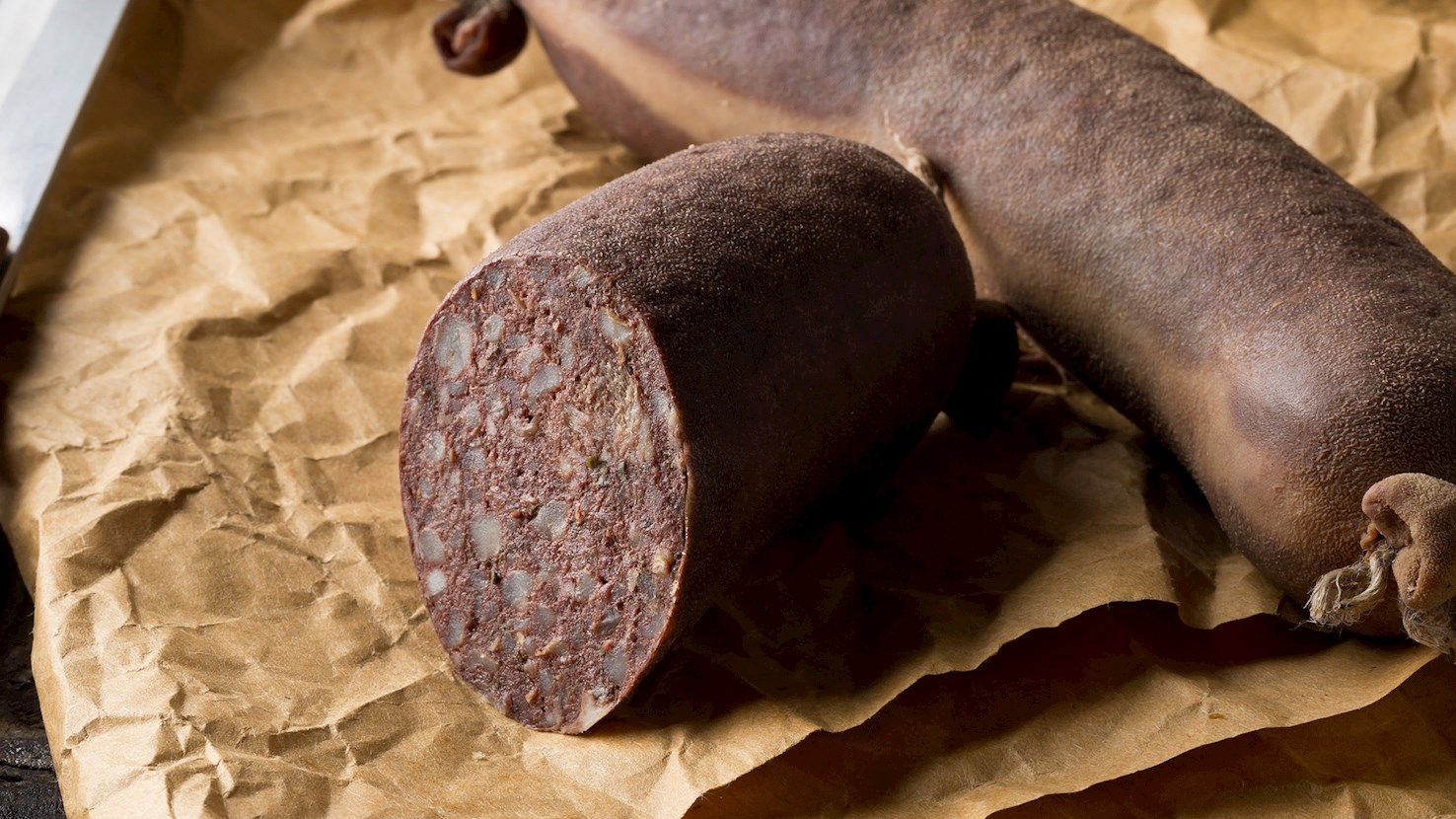
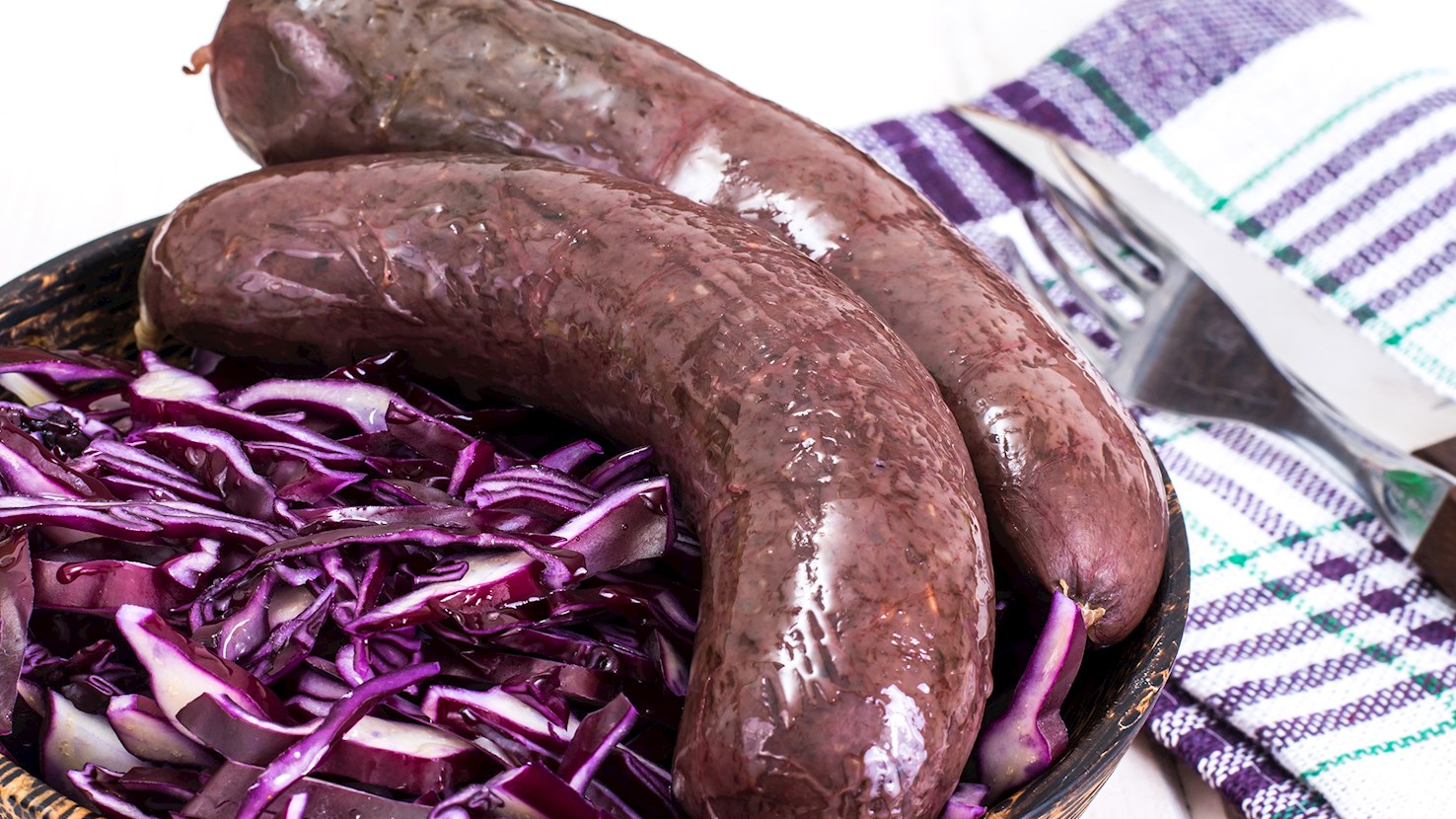
Belonging to the category of cooked sausages, blutwurst is a famous German blood sausage with many regional varieties. It is predominantly made with pork and incorporates animal blood, fat, and meat, next to a wide variety of seasonings such as marjoram, allspice, and thyme. Blutwurst comes in various sizes, and many regional versions include barley, oats, or bread, while some varieties may even consist of diced bacon or innards. Since this blood sausage is typically cooked, it has a firm consistency and is commonly enjoyed as an appetizer alongside other cold cuts. It is usually shortly boiled or fried and served warm, often complemented by mashed potatoes or sauerkraut on the side.

03

Krvavice

3.0 ·

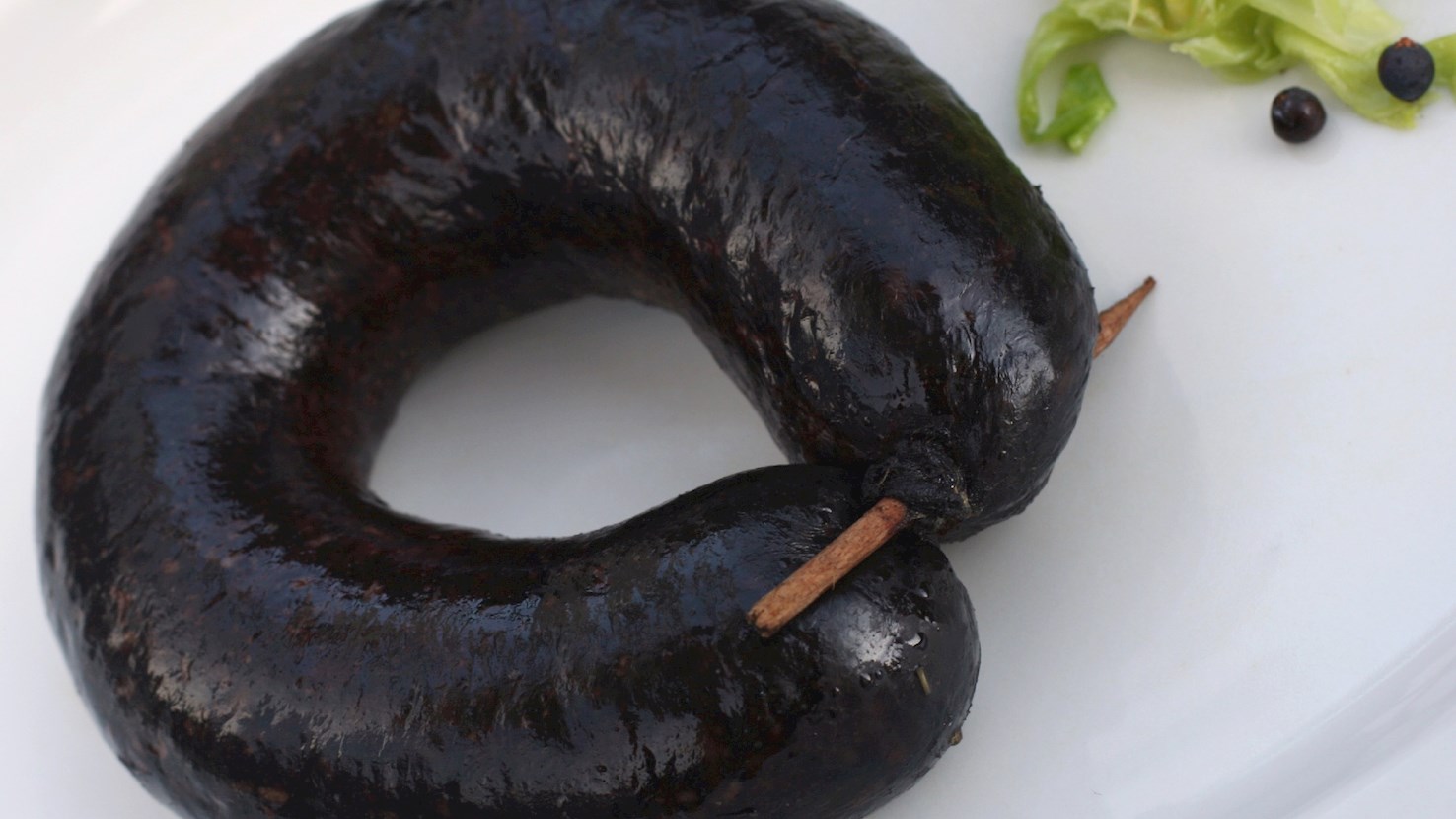
Krvavice are blood sausages produced mostly throughout continental Croatia, especially in the regions of Zagorje, Istria, Dalmatia, and Slavonija-Baranja. Apart from Croatia, the sausages are also commonly consumed in Slovenia and Serbia. They're made by cooking pork blood, skin, and offal with rice and either buckwheat, barley, or cornflour, unlike most other European blood sausages that use oats or oatmeal as fillers. However, there are numerous varieties of krvavice and every cook has his own recipe, so the ingredients may vary. The names also vary, and they're also called divenice, devenice, or kulenice. These sausages are traditionally consumed during winter when they are often accompanied by sauerkraut and a combination of boiled potatoes and sautéed onions known as restani krumpir.

04

Kaszanka

3.2 ·

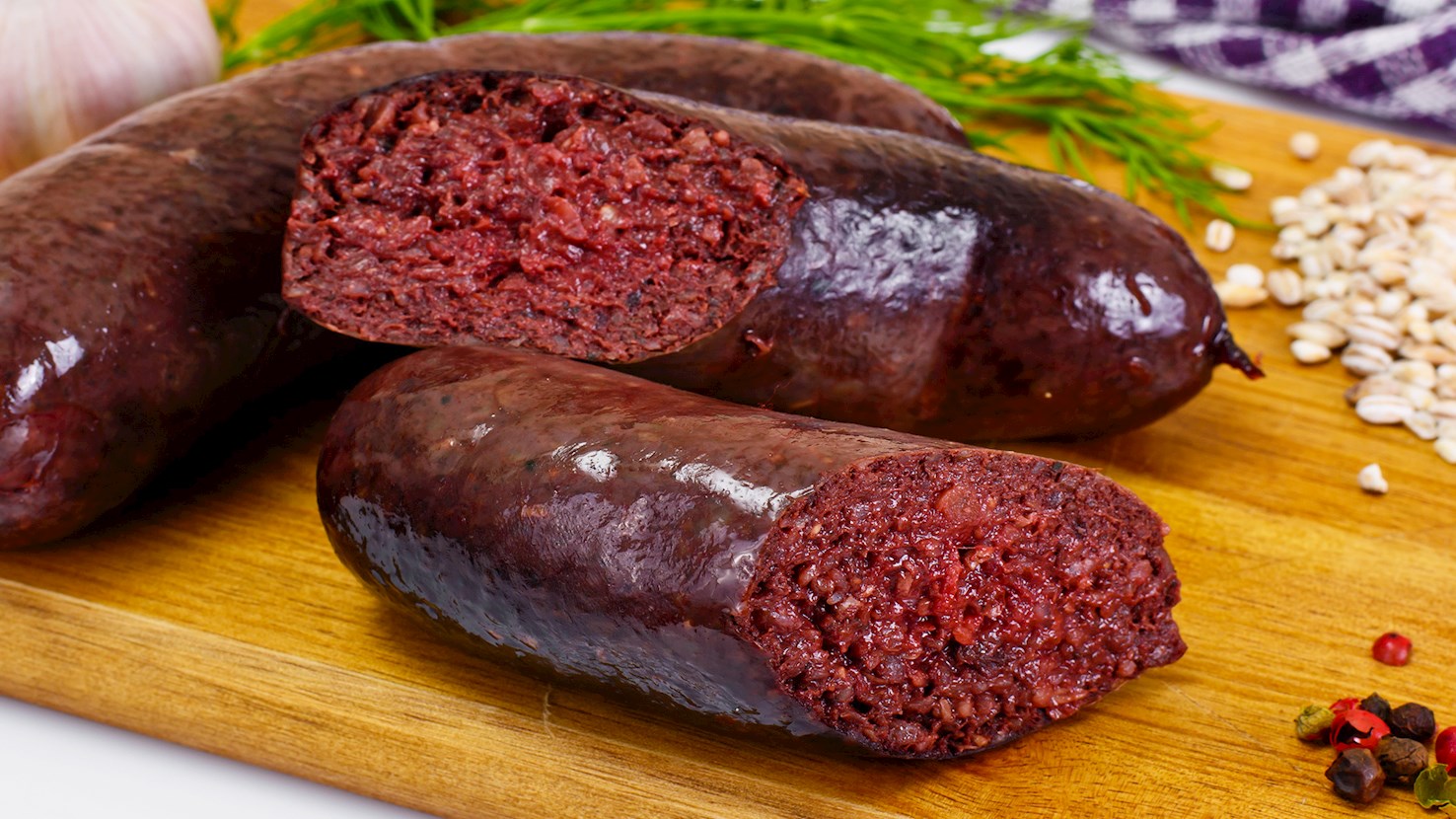
Even though there are numerous regional varieties of this famous Polish blood sausage, it typically consists of pork offal, animal’s blood, barley or buckwheat, and a variety of spices and fresh herbs. Kaszanka was probably created under the influence of German and Danish culinary traditions and was primarily enjoyed by the noblemen. The modern variety of kaszanka appeared later, and today, it is one of the most commonly consumed Polish sausages. Whether grilled, fried, or cooked, it is usually served alongside caramelized onions, potatoes, or sauerkraut.

05

Krupnioki śląskie

3.2 ·

One of the staples of traditional Polish cuisine, krupnioki śląskie is a blood sausage made with smoked pork, pig's blood, and buckwheat, combined with salt, pepper, allspice, onions, garlic, and marjoram. The origins of this prized Silesian delicacy can be traced back to the late 18th century. Once enjoyed only on special occasions, the krupnioki blood sausages are nowadays available throughout the year and found in every Polish delicatessen. They are traditionally served hot, accompanied by bread, mustard, pickled vegetables, and a glass of strong Polish beer.

06

Thüringer Rotwurst

3.2 ·

This is a specialty blood sausage made from pork, a small amount of pork liver, and spices and seasonings such as salt, black pepper, marjoram, allspice, cloves, and onions. It can often be found in butcher shops throughout Thuringia, and it has been prepared and consumed for centuries at farm slaughter festivals. Today, it is produced all over Thuringia by several major producers. Thüringer Rotwurst is known in the region as the "queen of black pudding".

07

Jelita (Czech blood sausage)

3.3 ·

Jelito is a traditional blood sausage. Prepared with pig’s blood and ground pork meat (mainly head, belly, and offal) it incorporates lard and various spices such as marjoram and cumin. Many jelito variations also consist of grains or plain white buns, which provide a more compact consistency. Since it is a non-smoked sausage, it is traditionally boiled or fried before it is served alongside pungent mustard, horseradish, and cabbage.

About this Ranking

TasteAtlas food rankings are based on the ratings of the TasteAtlas audience, with a series of mechanisms that recognize real users and that ignore bot, nationalist or local patriotic ratings, and give additional value to the ratings of users that the system recognizes as knowledgeable.

TasteAtlas Rankings should not be seen as the final global conclusion about food. Their purpose is to promote excellent local foods, instill pride in traditional dishes, and arouse curiosity about dishes you haven’t tried.

What People Say

Similar Lists