

AMTirol

5 Worst Rated Central European Bloomy Rind Cheeses

Last updated on June 16, 2026
01

Bouquet des Moines

2.9 ·

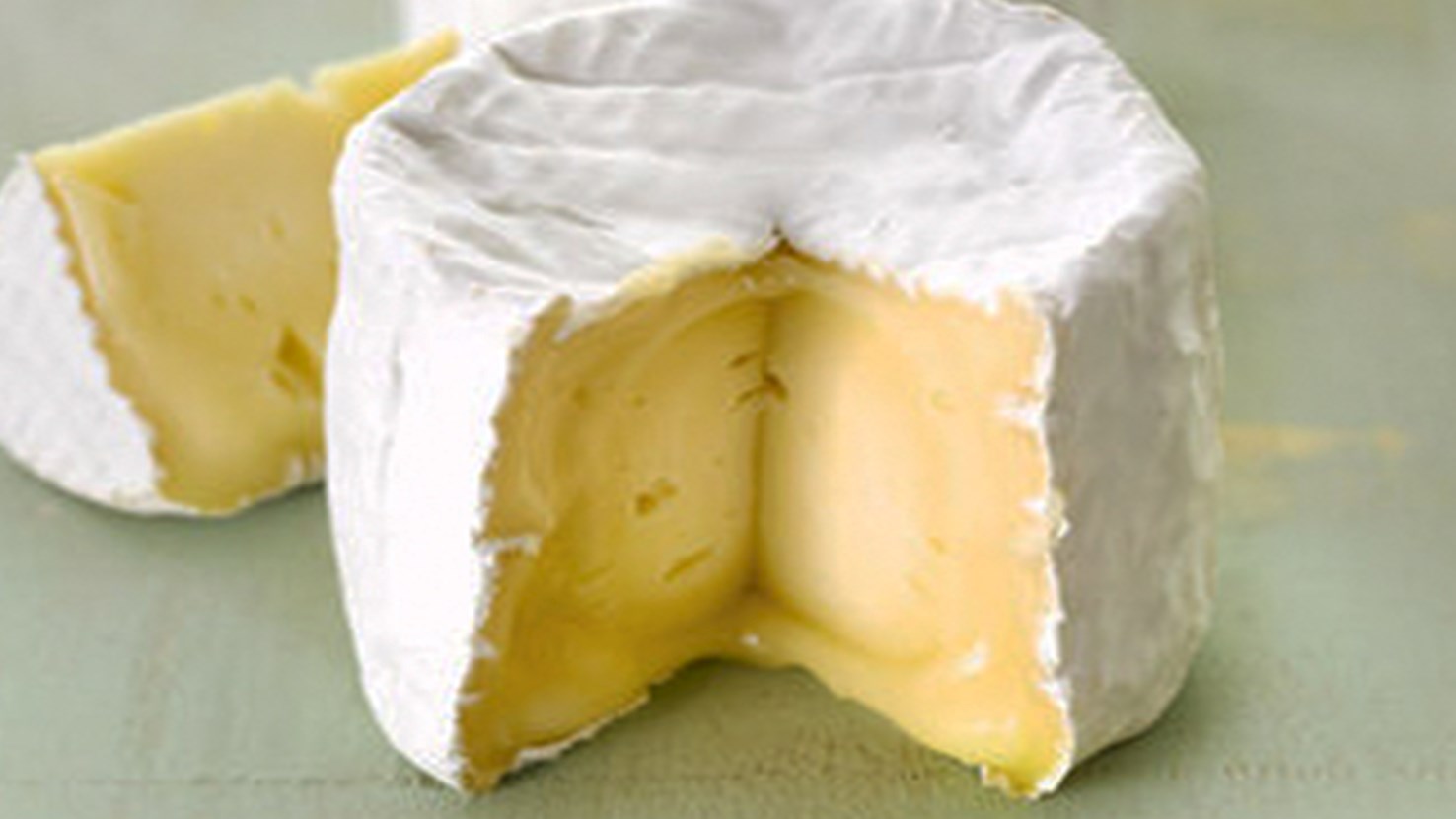
Originating from the Val-Dieu Abbey in Belgium, Bouquet des Moines is a semi-soft cheese made from pasteurized cow’s milk. Underneath its bloomy white rind, it hides a delicately creamy texture. The cheese is characterized by its unusual shape, similar to an upside-down flower pot, and during the maturation period, it gradually ripens towards its center. It can be consumed melted, grilled, or as it is from a cheese platter.

02

Tiroler Graukäse

3 ·

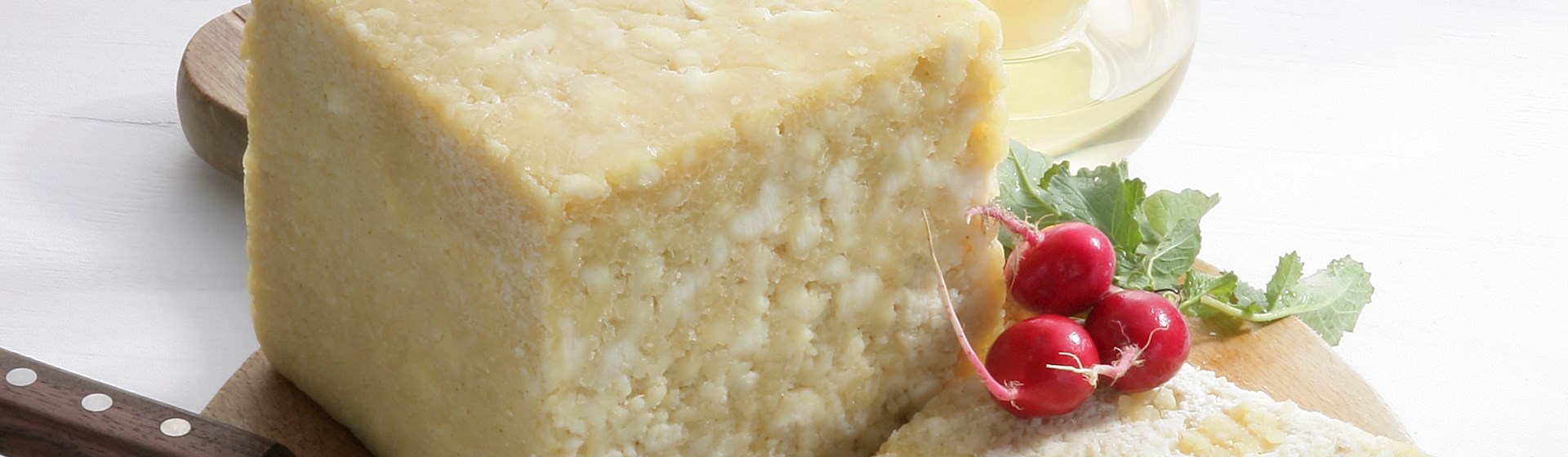
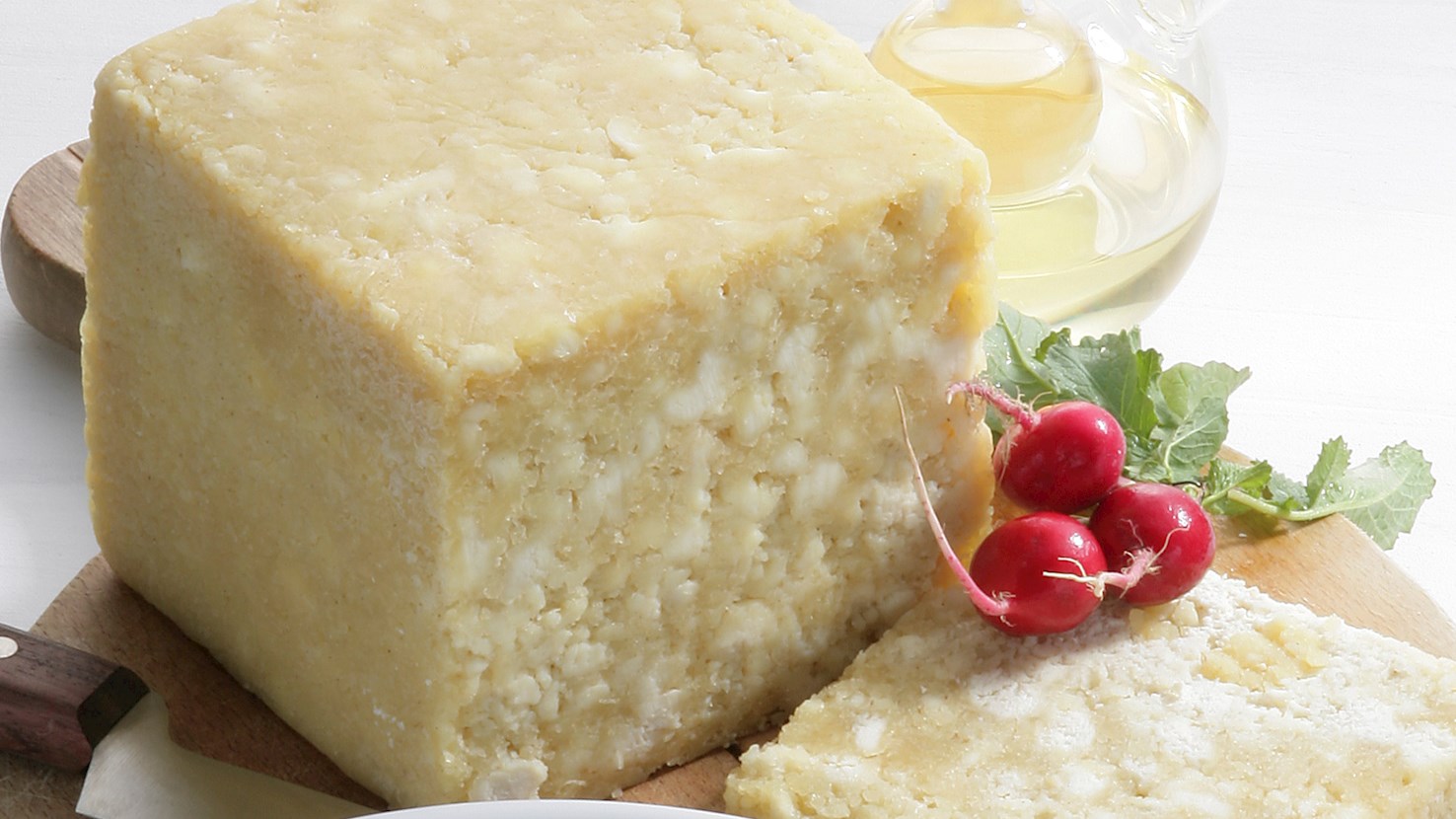
Tyrolean grey cheese is a variety of sour cow's milk cheese, traditionally made on lush Austrian pastures from skimmed milk which was previously left to curdle for several days. This cheese is extremely low in fat, it has a thin crackled rind and a crumbly texture. Named after the grey colored mold which emerges on the surface right after maturation, Tiroler Graukäse exudes a strong, pungent aroma. It is typically crumbled over buttered wholemeal bread, but it is also an essential ingredient in many traditional Tyrolean dishes such as nettle soup with Kaspressknödeln, a variety of cheese dumplings, or Zillertal donuts. Interestingly, there is also an Italian variety of Gräukase from South Tyrol and it's protected by a PAT designation.

03

Tomme Vaudoise

3.6 ·

Tomme Vaudoise is a traditional cheese hailing from Switzerland. The cheese is made from raw cow's milk and it's left to mature for 8 weeks. Underneath its highly aromatic bloomy rind that's marked with tiny indentations from aging on racks, the texture is rich, yielding, and oozy. The aromas are fresh, while the flavors are fresh, grassy, and slightly tangy. It's recommended to pan-fry the cheese and place it on top of a salad, use it in pasta dishes, and pair it with a glass of dry white wine.

04

Altenburger Ziegenkäse

3.7 ·

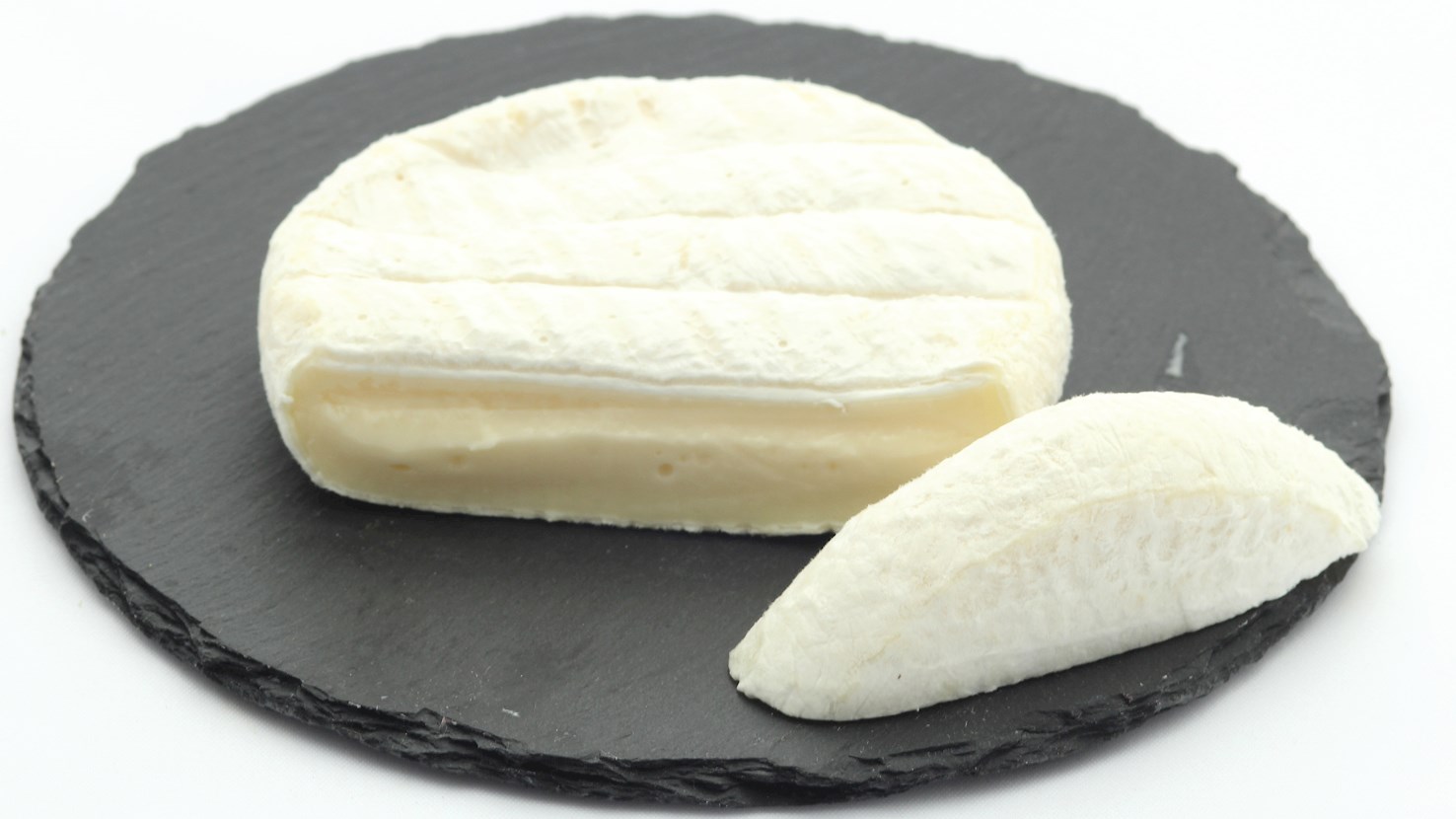
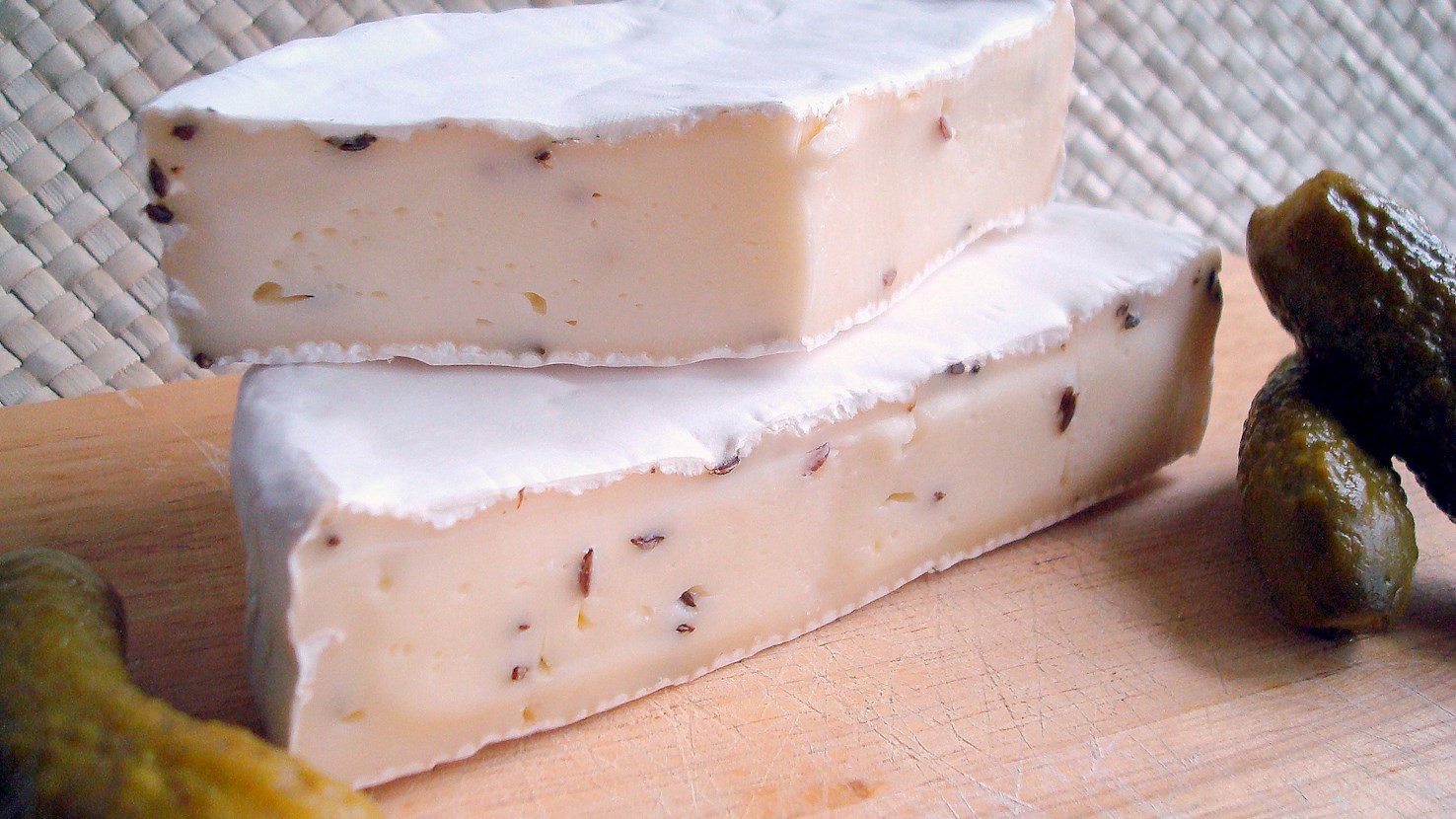
This soft cheese is produced between Saxony and Thuringia in Germany. Although the name suggests differently, Altenburger Ziegenkäse is not a pure goat's cheese – it is made with cow's milk and a small amount of goat's milk flavored with caraway. The cheese is coated with white mold and resembles Camembert. It has a relatively mild taste, becoming more aromatic and piquant as it matures. For a hearty snack, Altenburger Ziegenkäse is typically served on bread with pickled vegetables.

05

Cambozola

3.9 ·

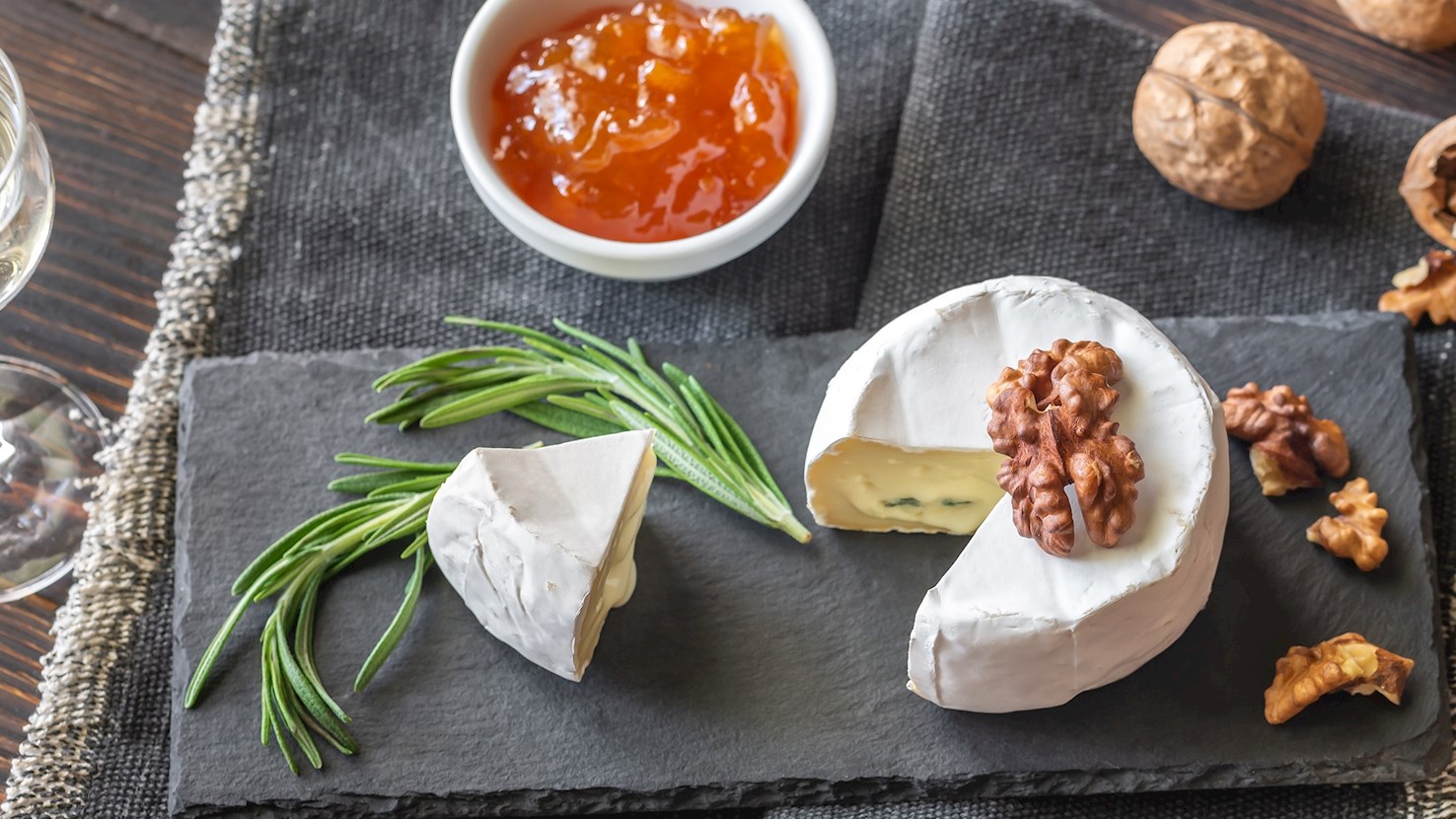
Cambozola is an unusual German triple-cream cheese made from cow's milk. The cheese is produced in the region of Allgäu since the early 1970s by Käserei Champignon, although it first appeared in the 1900s. This cross between Camembert and Gorgonzola (hence the name) has a bloomy rind that hides a creamy and smooth texture of the paste underneath. On the exterior, grey mold is clearly visible, and on the inside, there are pockets of blue veins. The aroma is strong, while the flavors are sharp, nutty, and slightly sweet. It's recommended to pair Cambozola with a glass of Chardonnay and serve it with honey, crackers, and fruit.

Read more
View all
View map
About this ranking

TasteAtlas food rankings are based on the ratings of the TasteAtlas audience, with a series of mechanisms that recognize real users and that ignore bot, nationalist or local patriotic ratings, and give additional value to the ratings of users that the system recognizes as knowledgeable. For the “5 Worst Rated Central European Bloomy Rind Cheeses” list until June 16, 2026, 212 ratings were recorded, of which 185 were recognized by the system as legitimate. TasteAtlas Rankings should not be seen as the final global conclusion about food. Their purpose is to promote excellent local foods, instill pride in traditional dishes, and arouse curiosity about dishes you haven’t tried.

Similar lists