

shutterstock

7 Worst Rated Central European Bread Rolls

Last updated on June 16, 2026
01

Schlumbergerli

3.1 ·

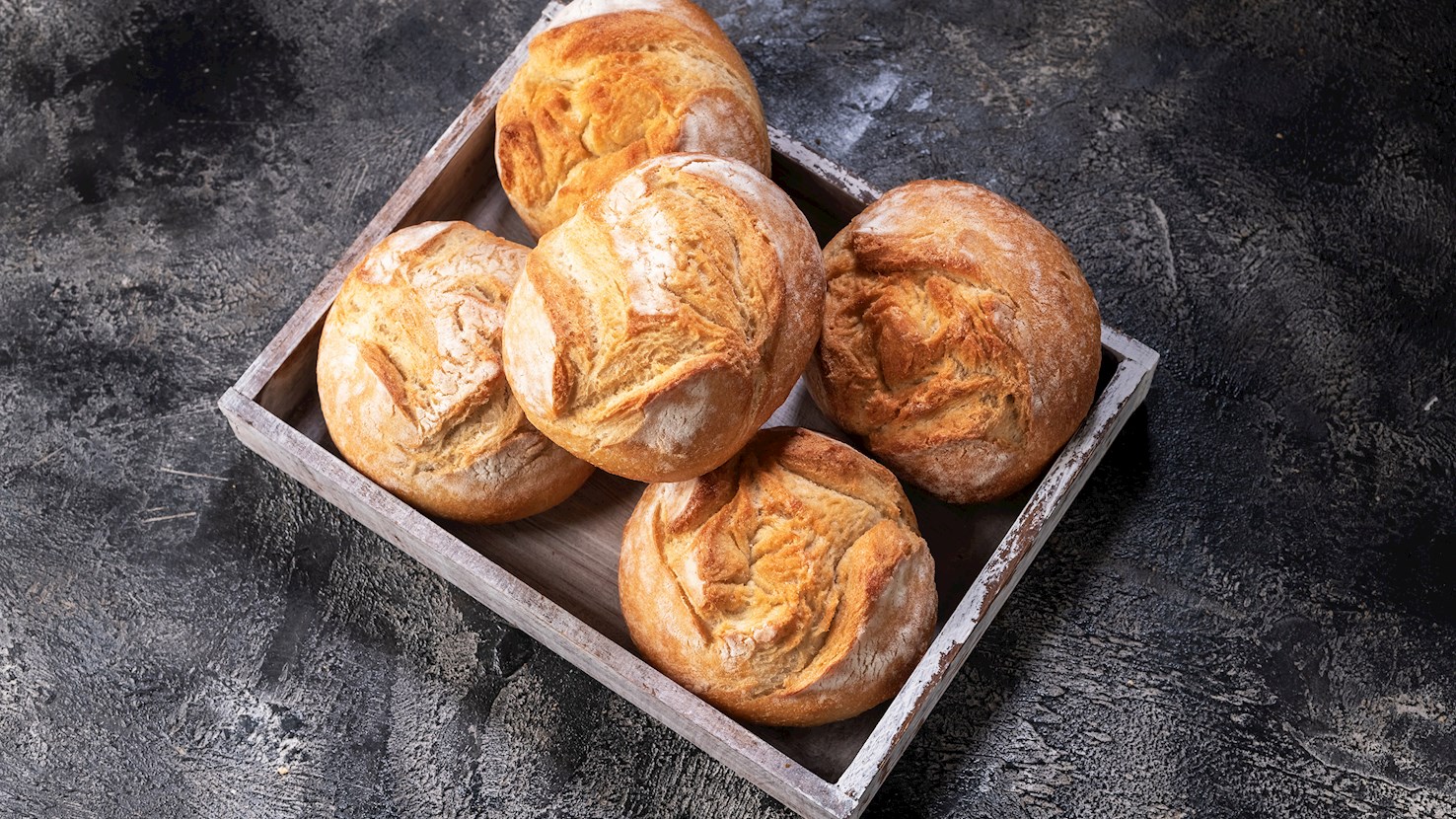
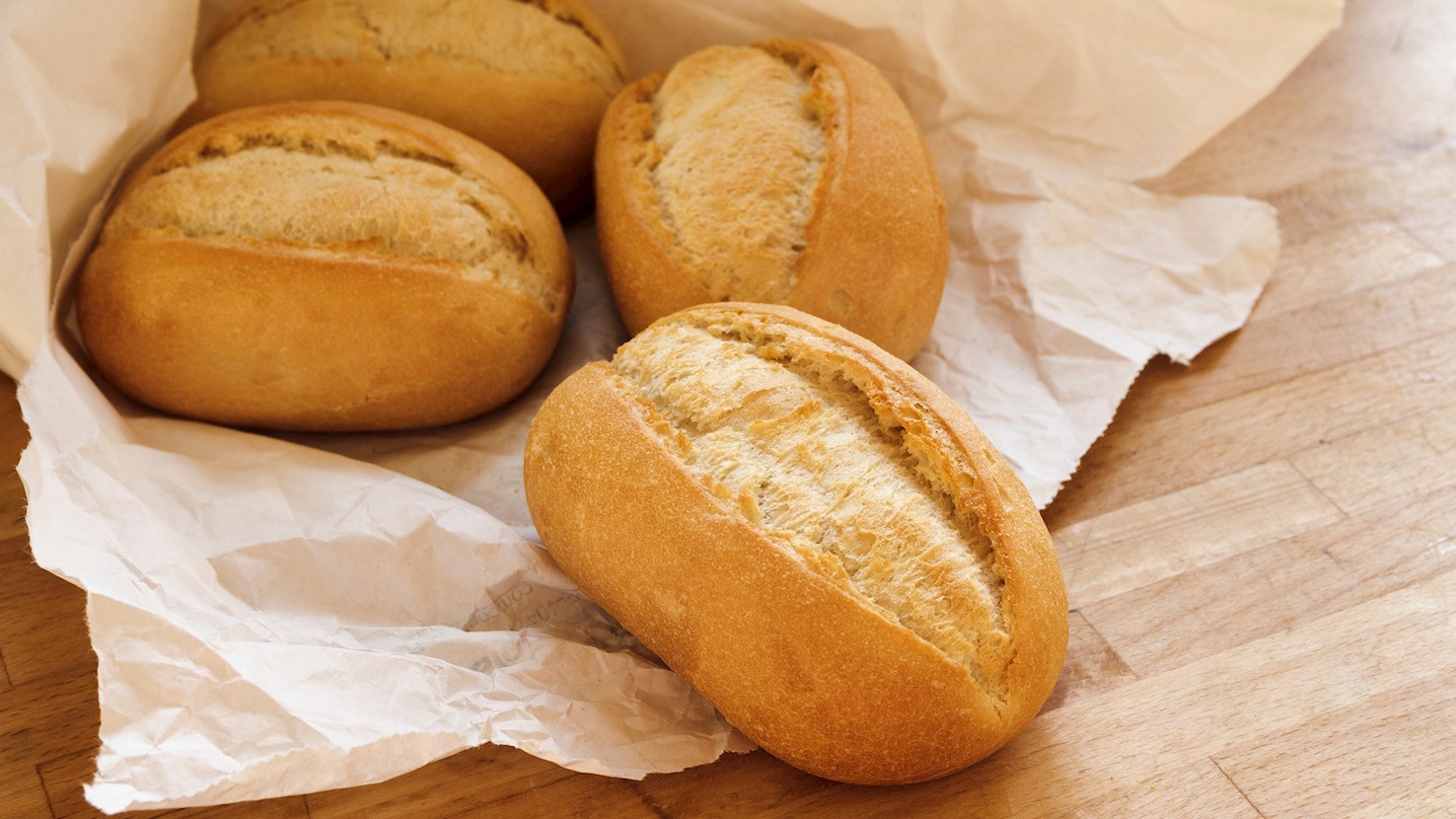
Schlumbergerli is a traditional bread roll originating from Basel and it can be traced back to 1872. The rolls are made with a combination of flour, yeast, salt, and honey. The dough is sprayed with water and baked until golden. If properly prepared, the irregularly-cracked crust should be delicate and crisp, but still soft. These bread rolls are named after Amedée Schlumberger, a banker from France who moved to Basel and started to miss a particular French bread, so Basel bakers made him something similar, and Schlumbergerli was born. The bread is eaten for breakfast, as an accompaniment to main dishes, or on its own with sweet or savory fillings such as butter or fruit jam.

02

Mohnflesserl

3.4 ·

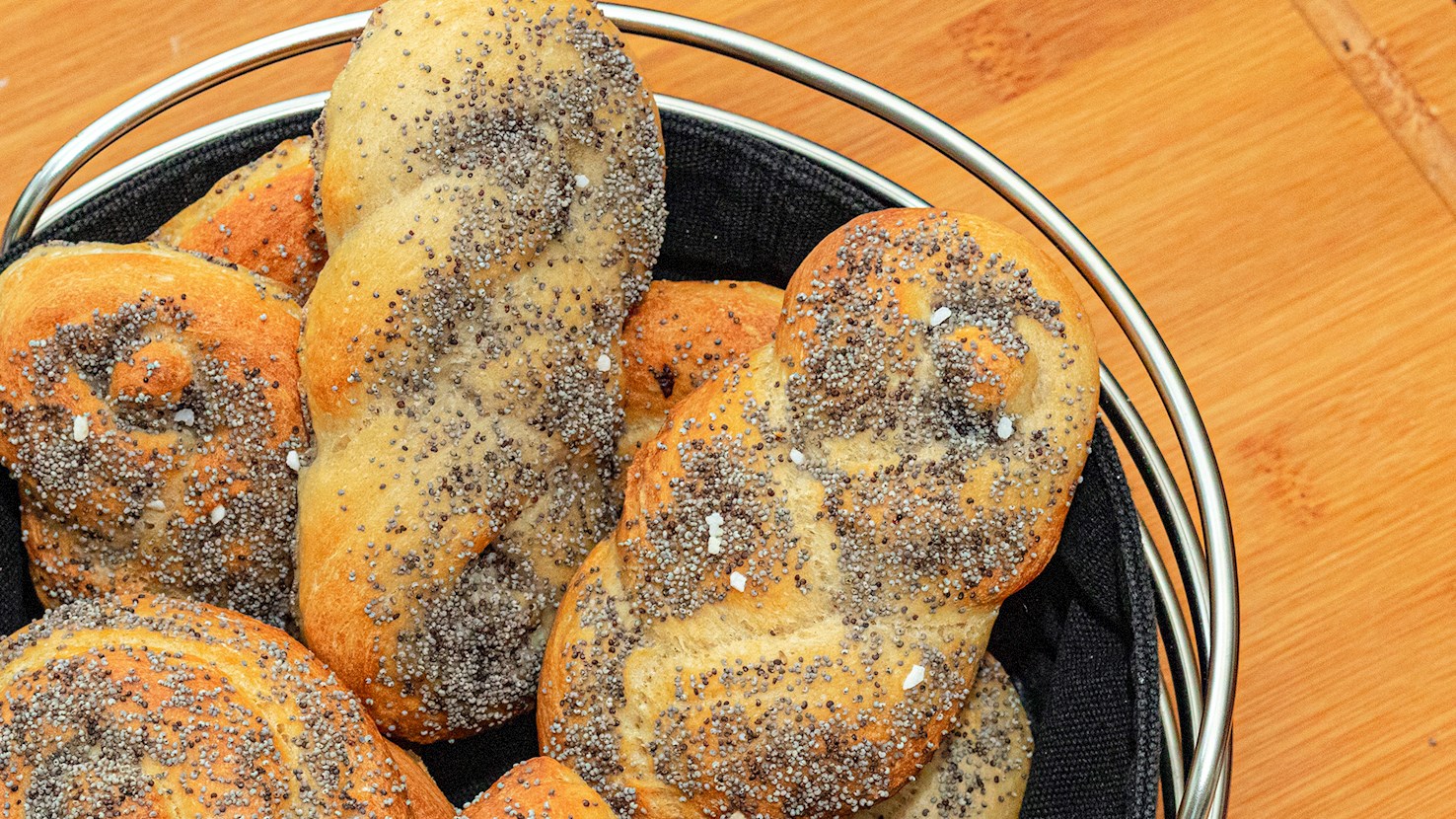
Mohnflesserl or Mohnstriezerl is a type of Austrian bread roll made with a braided or twisted shape and coated with poppy seeds ("mohn" in German). Commonly found in Austrian bakeries, Mohnflesserl rolls are known for their soft, airy interior and slightly crunchy crust. The dough is typically enriched with milk, butter, and sometimes a touch of sugar, creating a tender, mildly sweet flavor that complements the nutty, earthy taste of poppy seeds. Mohnflesserl is popular as a breakfast or snack bread, often enjoyed with butter, jam, or cheese. The twisting or braiding technique gives it a distinct appearance, resembling a small, elegant loaf, which is characteristic of Austrian and Bavarian bread-making traditions. This bread roll has become a staple in Austrian bakery culture and is widely enjoyed across the region.

03

Houska

3.7 ·

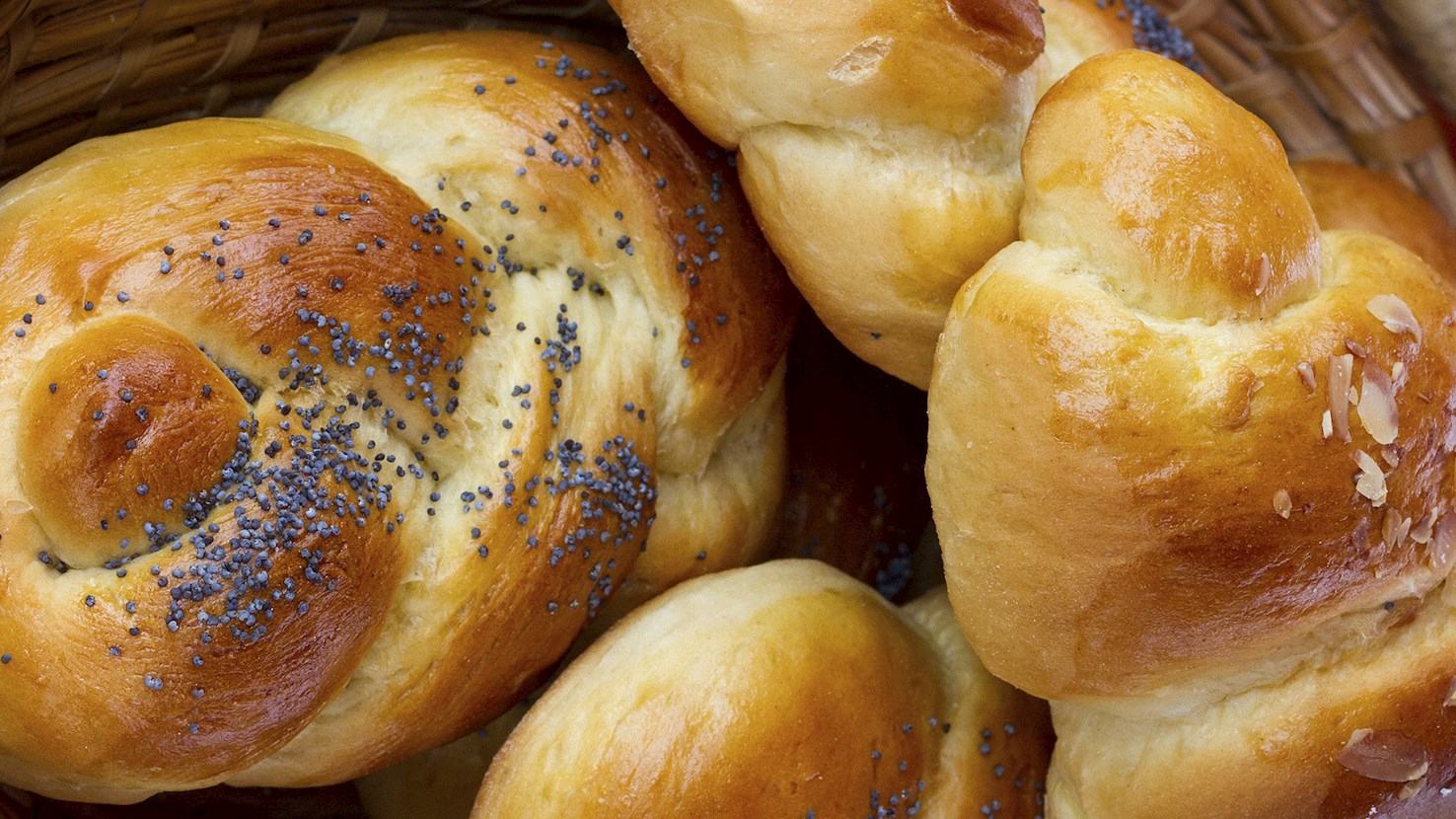
Houska is a popular Czech bread roll, simple and small in size. It is made with plain wheat flour, milk, yeast, salt, and, occasionally, eggs. Before baking, it is usually braided and shaped into a plump circular form resembling a knot. The top is sprinkled with coarse sea salt, and either caraway or poppy seeds. Baked houska is light in color; it has a crispy exterior and a light, soft center. The roll can be bought in most Czech supermarkets and bakeries. It is often consumed for breakfast, when it is served alongside a variety of sweet and savory spreads, butter, or marmalade. The name houska might also refer to another type of bread that is sweet, rich, and filled with raisins, candied fruit, and almonds, typically served for Christmas and Easter. It is more similar to challah or brioche and was originally named vánočka.

04

Berliner Knüppel

3.8 ·

Berliner knüppel is a traditional bread roll originating from Berlin. The bread rolls are usually made with a combination of water, flour, milk, yeast, and salt. The ingredients are mixed, the dough is kneaded, and it's then left to rest for a while. The balls of dough are pressed into disks that are folded into a halfcircle, and the dough is then rolled into a short and oblong log. The rolls are baked seam-side up in an oven with steam until golden brown. If properly baked, the crumb should be soft and fluffy, and the crust should be slightly crusty. Berliner knüppel rolls are traditionally served with ground meat patties known as buletten.

05

Kaisersemmel

3.9 ·

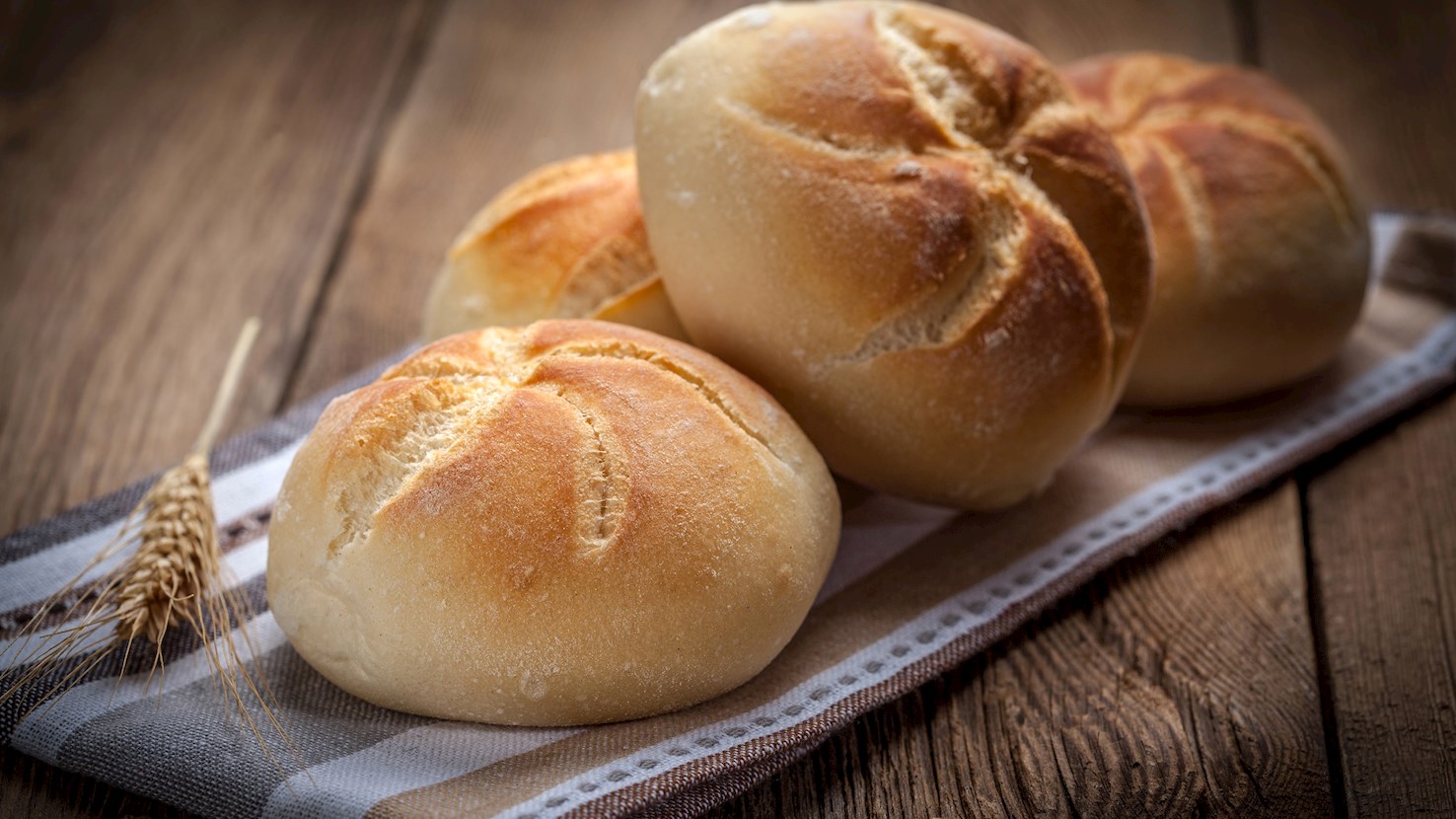
Kaisersemmel is a traditional bread roll originating from Austria. Also known as kaiser roll, it's usually made with a combination of flour, yeast, salt, sugar, and sometimes butter. The dough is shaped into rounds, and the top is divided into five segments so that the overlapping incisions form a crown. Once baked, the rolls should be crusty on the outside and fluffy on the inside. It is believed that they were named after Emperor Franz Joseph I of Austria. Nowadays, kaiser rolls are often topped with sesame seeds, sunflower seeds, poppy seeds, or linseed. They're traditionally eaten for breakfast with jam and butter, but the rolls can also be split open in order to make sandwiches, often with leberkäse in Germany and Austria.

06

Żymła

3.9 ·

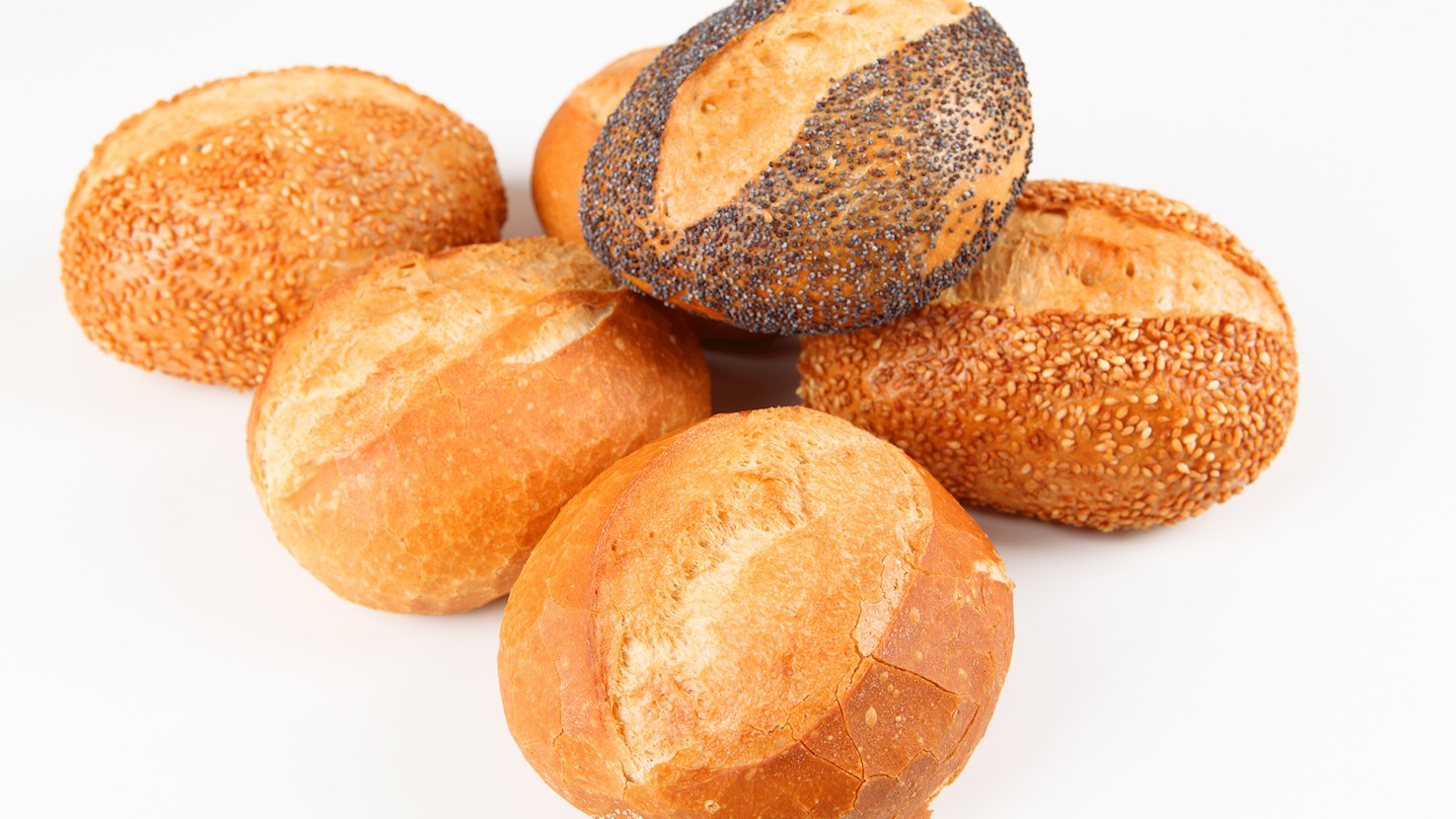
Żymła is the Silesian name for a traditional white bread roll. Known as bułka in Polish, the bread roll typically has an oval shape and is often sprinkled with poppy seeds on top before baking. Apart from its everyday consumption, this bread roll is also an essential ingredient used in the preparation of the traditional Upper-Silesian blood sausage called żymlok.

07

Proziaki

3.9 ·

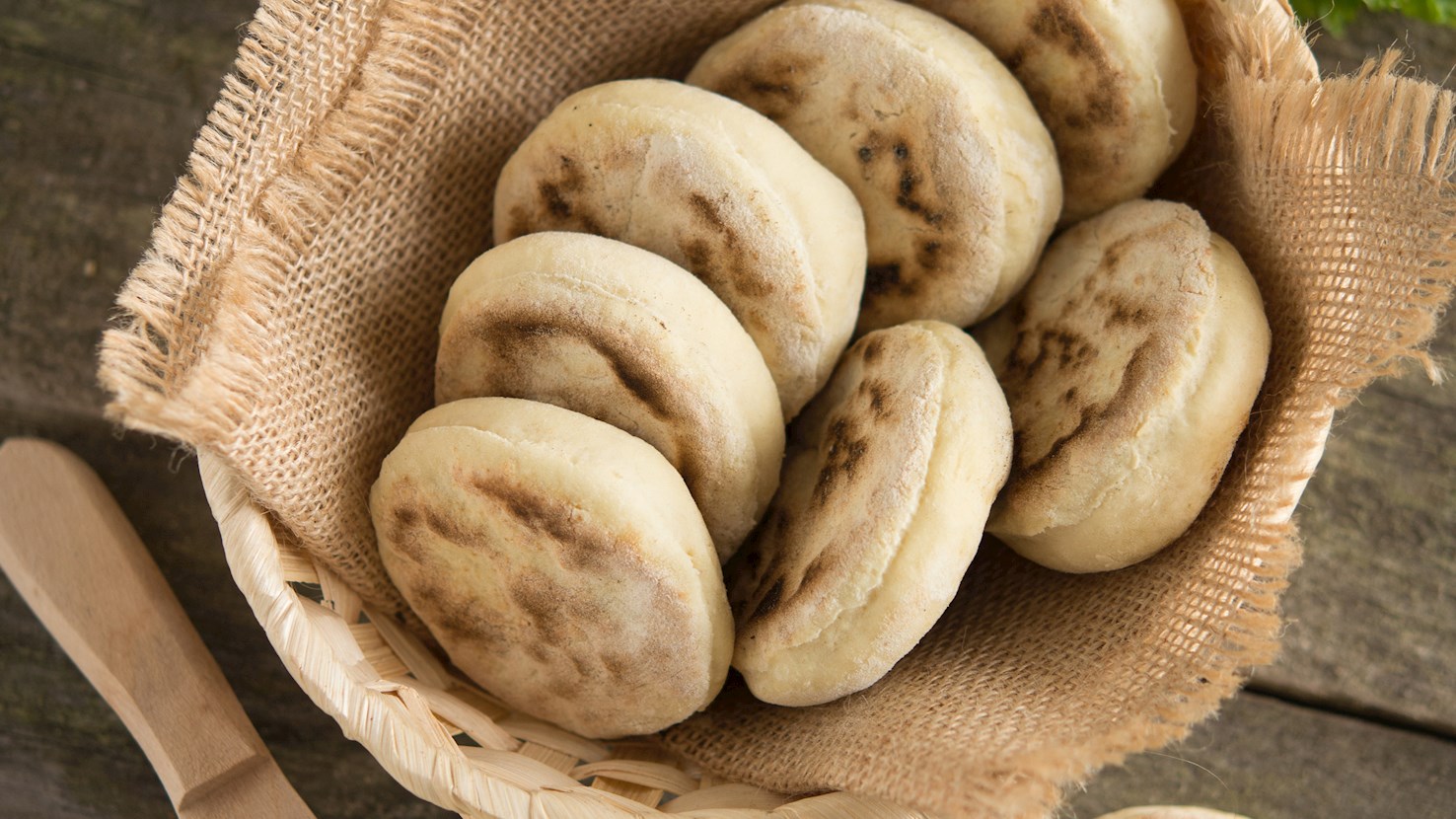
Incredibly similar to Irish soda bread, the soft proziaki are traditional Polish bread rolls that originally hail from the Subcarpathian region and date back to the 19th century. Though the recipes vary across the region, they typically consist of flour, baking soda (proza), and the choice of milk, sour milk, water, sour cream, buttermilk, or kefir. In the past, they were baked on old-fashioned stove tops, but nowadays they are commonly dry-baked on classic pans. Proziaki can be paired with sweet or savory ingredients such as butter, cheese, or marmalades.

Read more
View all
View map
About this ranking

TasteAtlas food rankings are based on the ratings of the TasteAtlas audience, with a series of mechanisms that recognize real users and that ignore bot, nationalist or local patriotic ratings, and give additional value to the ratings of users that the system recognizes as knowledgeable. For the “7 Worst Rated Central European Bread Rolls” list until June 16, 2026, 449 ratings were recorded, of which 383 were recognized by the system as legitimate. TasteAtlas Rankings should not be seen as the final global conclusion about food. Their purpose is to promote excellent local foods, instill pride in traditional dishes, and arouse curiosity about dishes you haven’t tried.

Similar lists