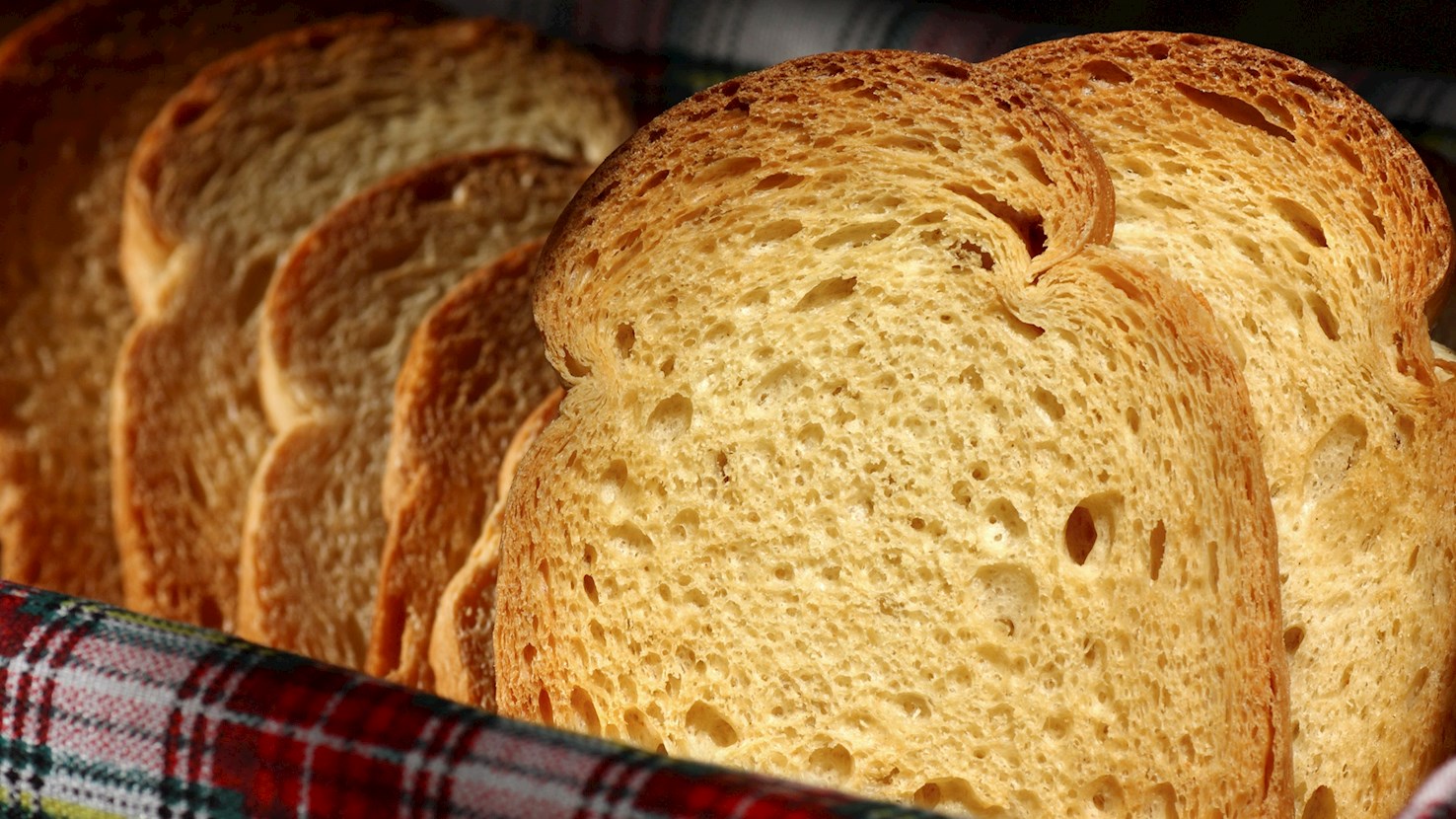
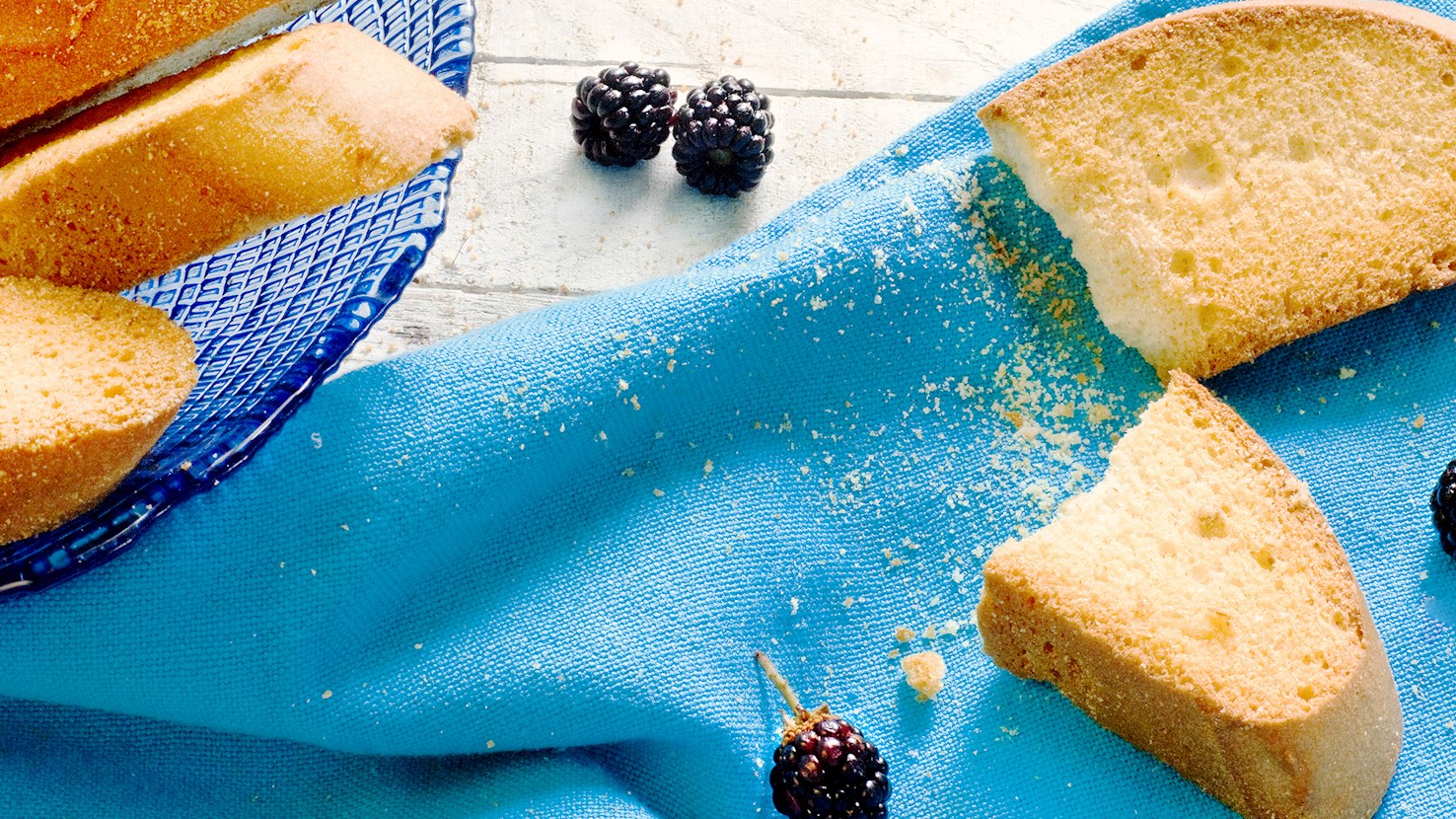
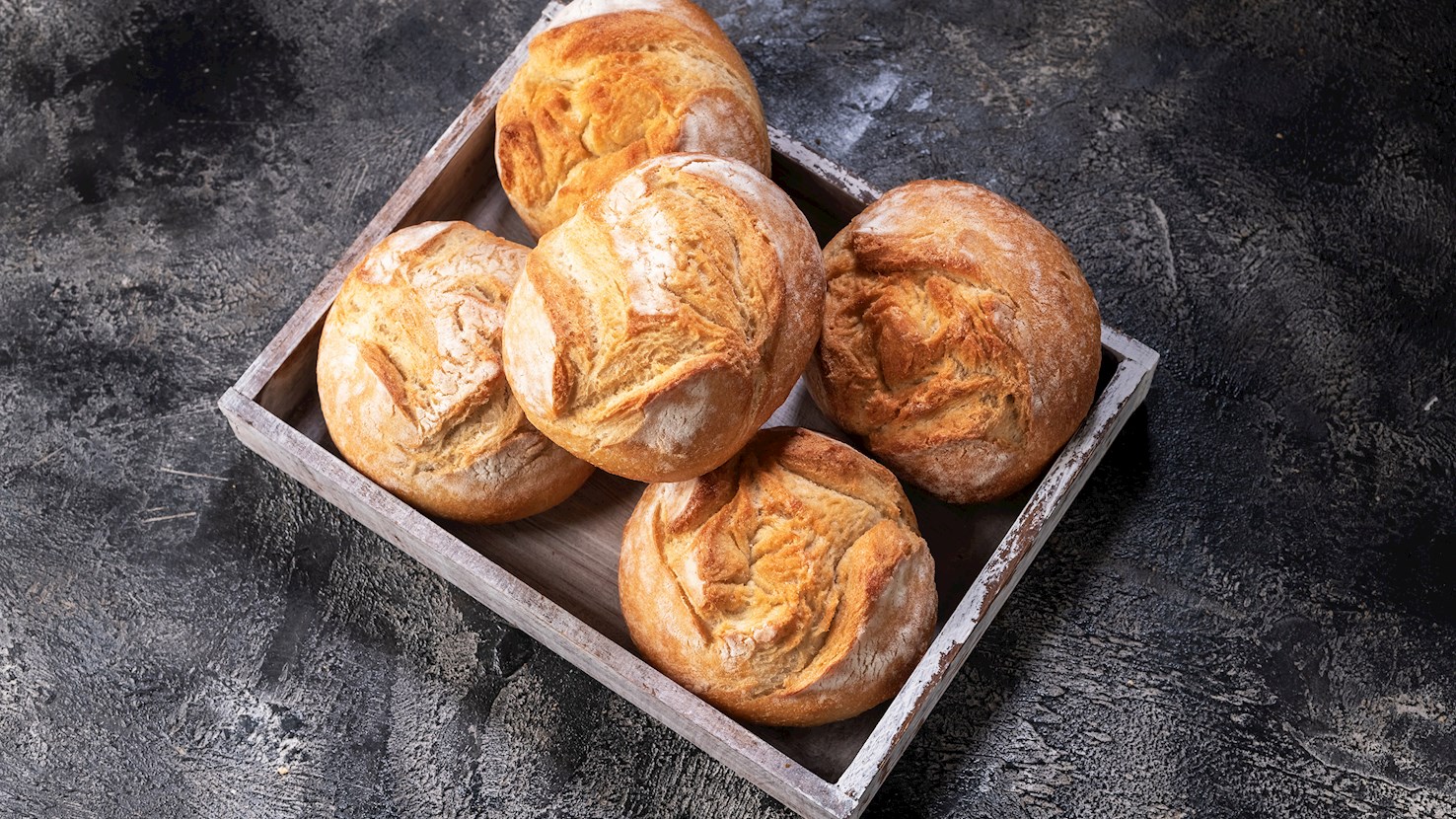
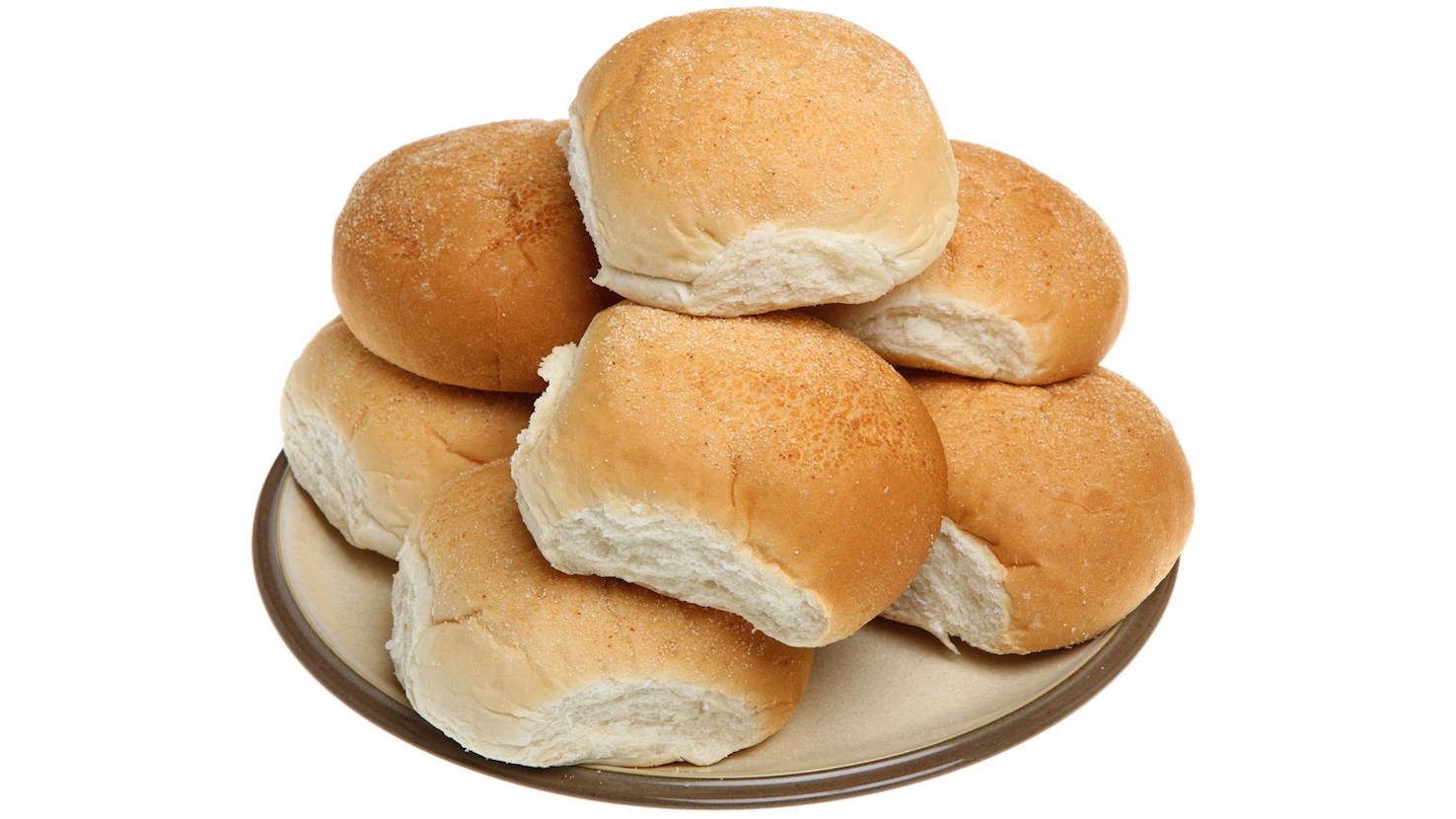
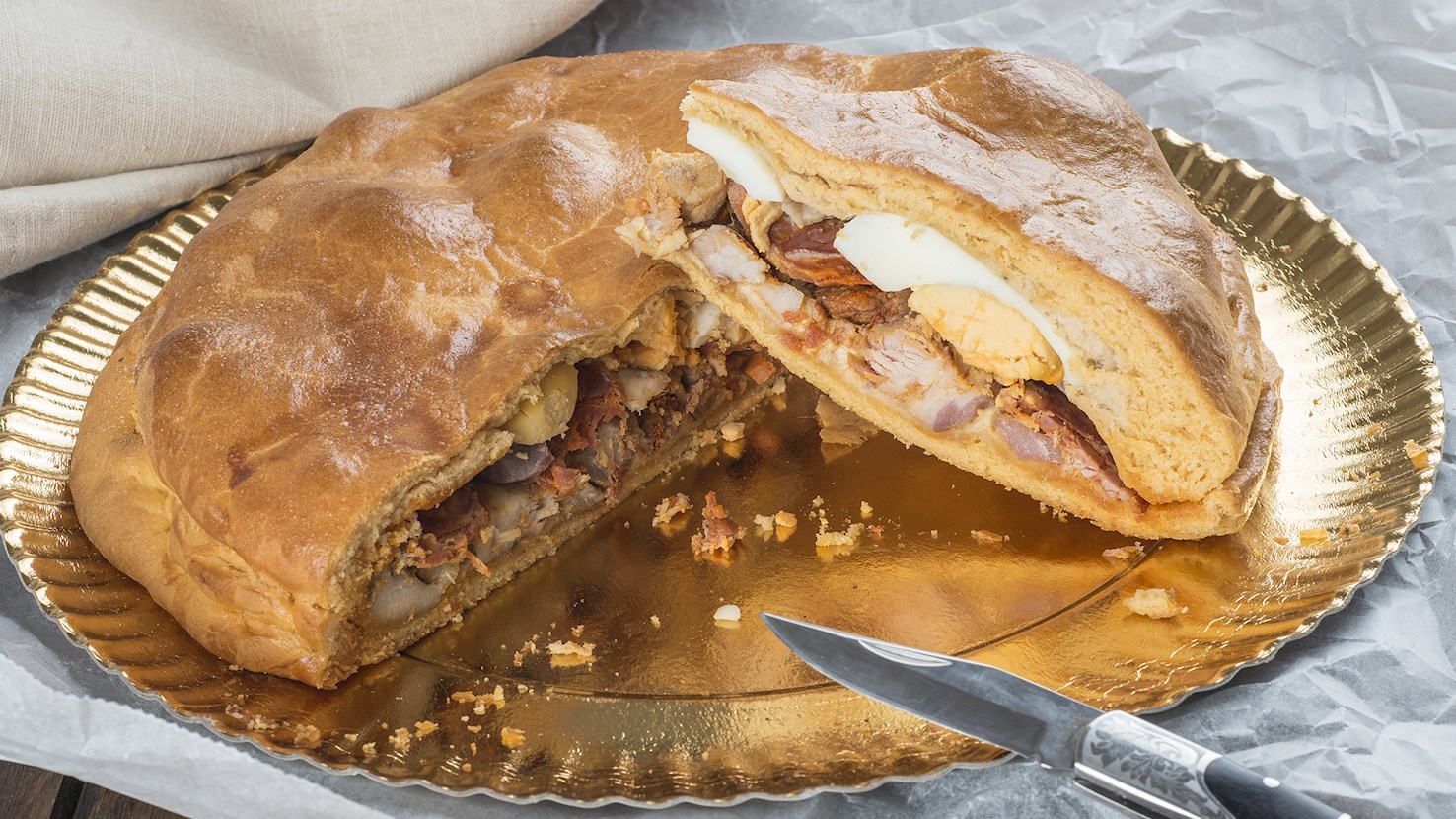
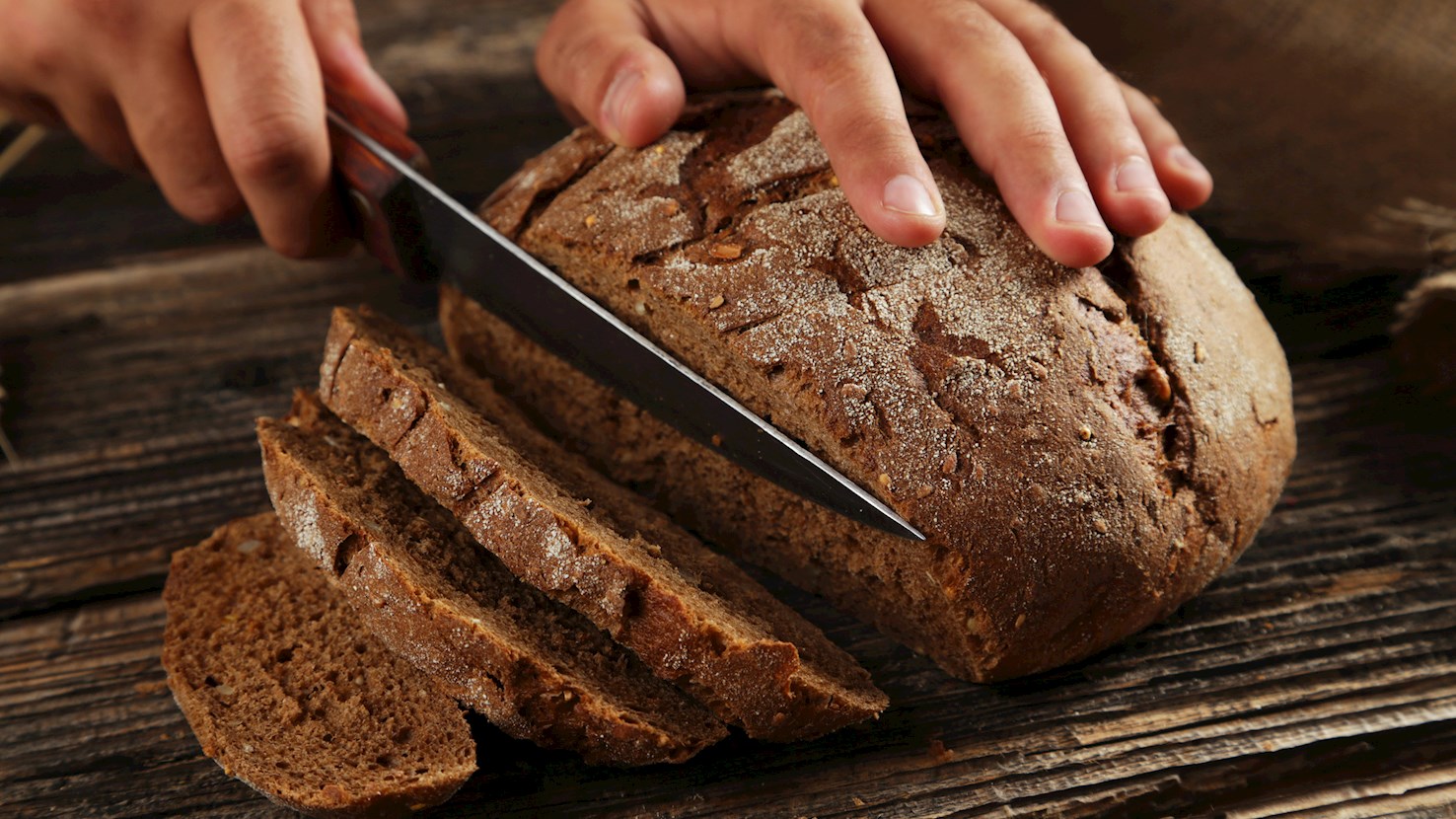
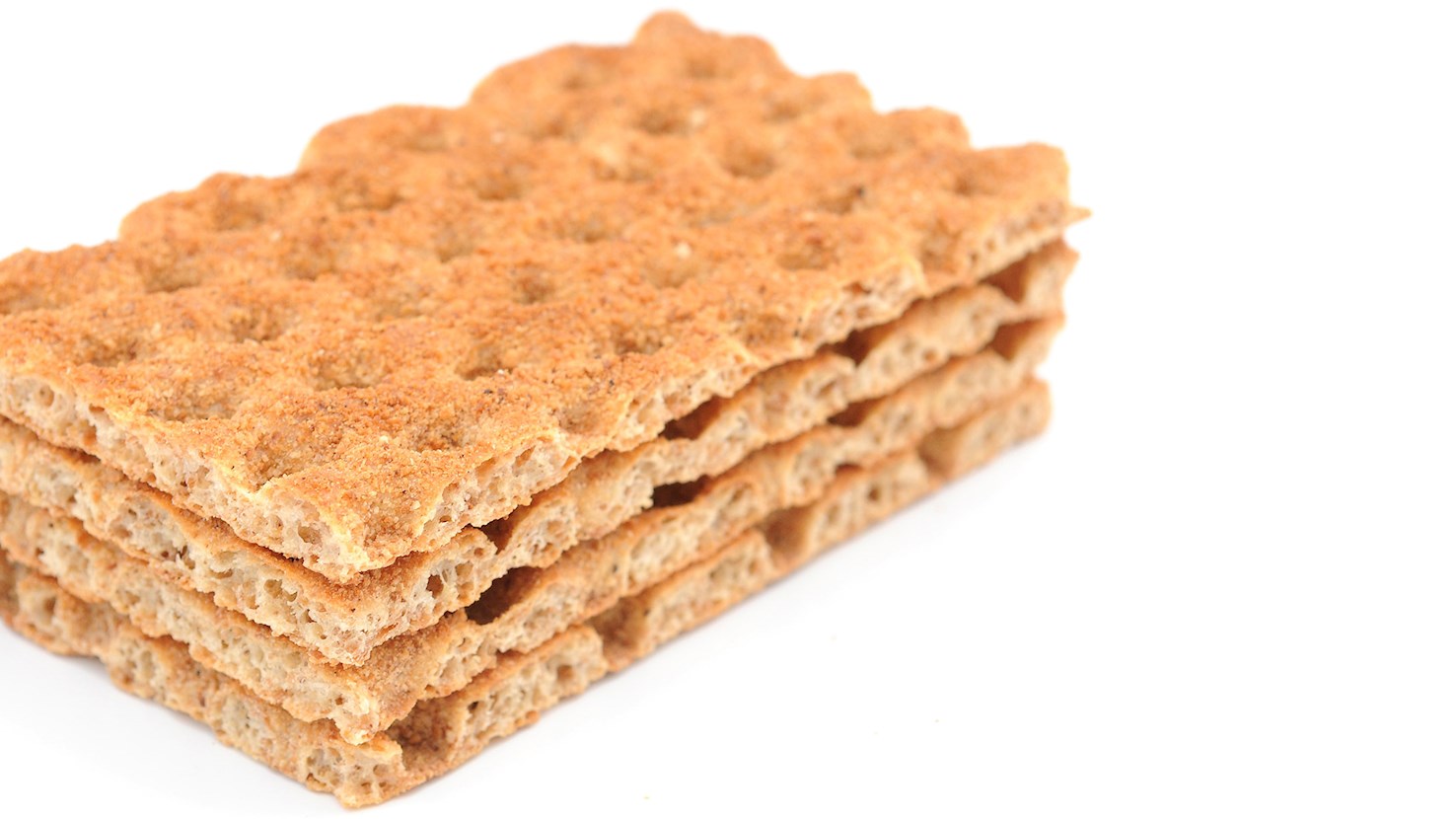
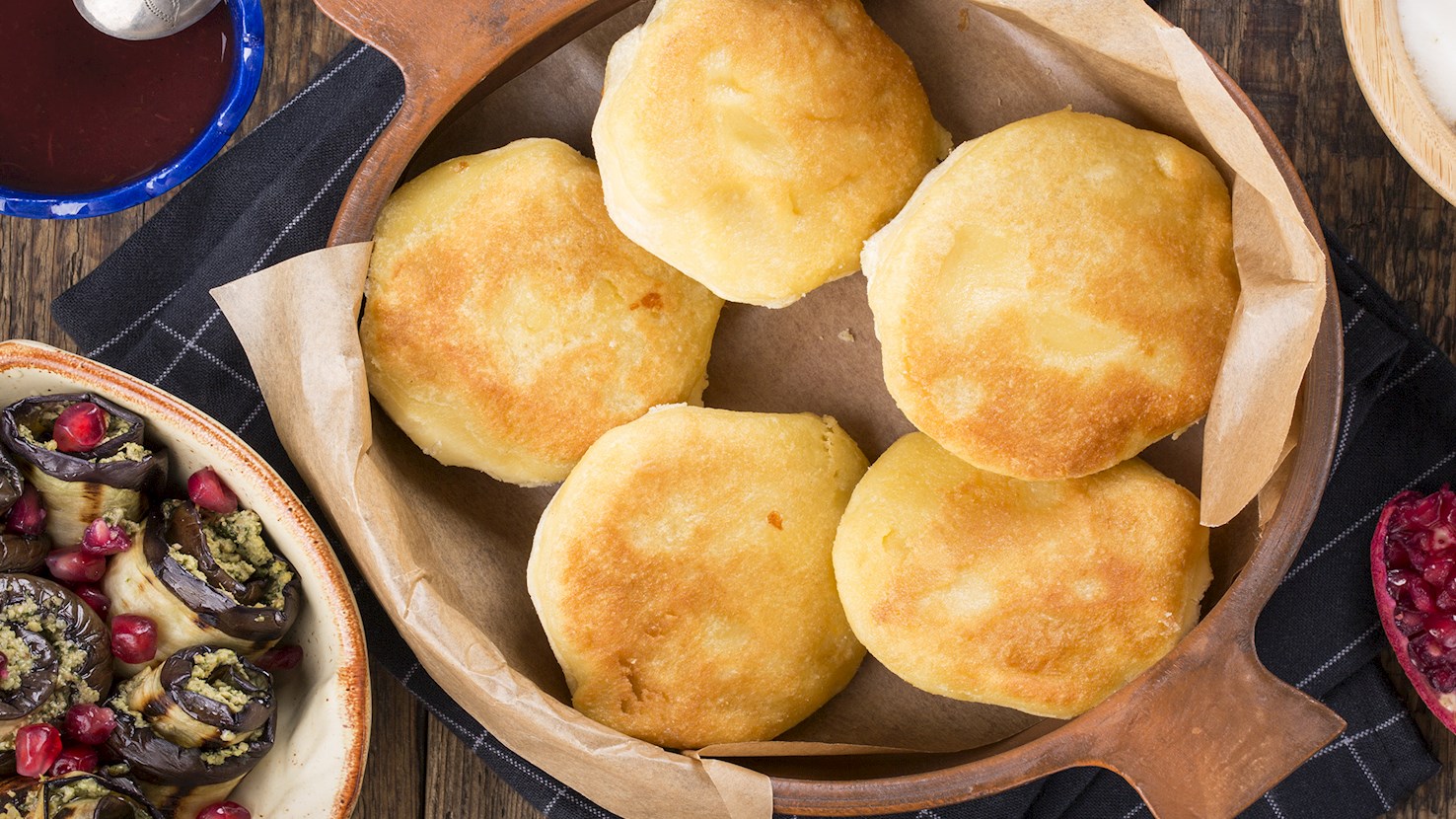
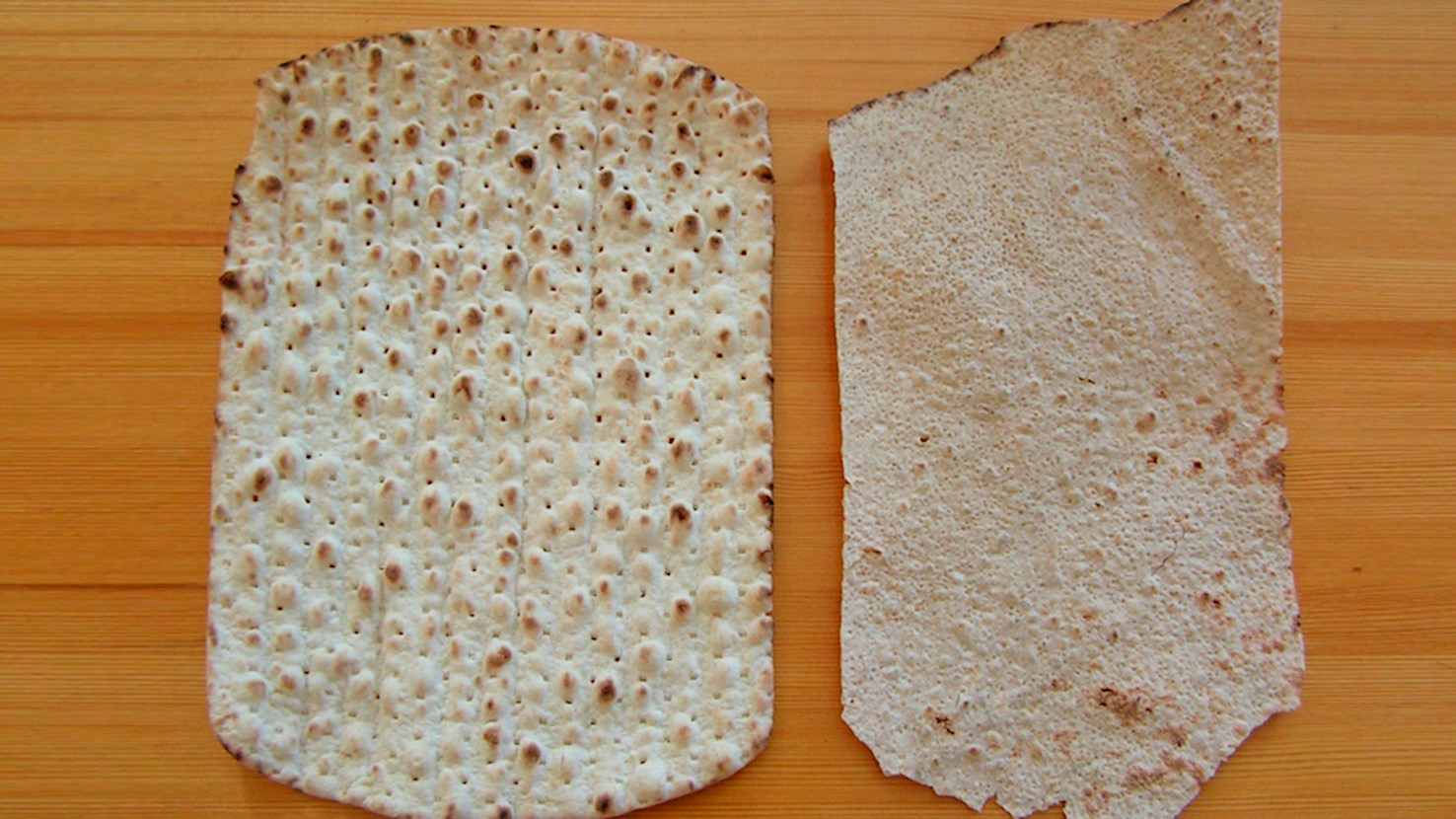
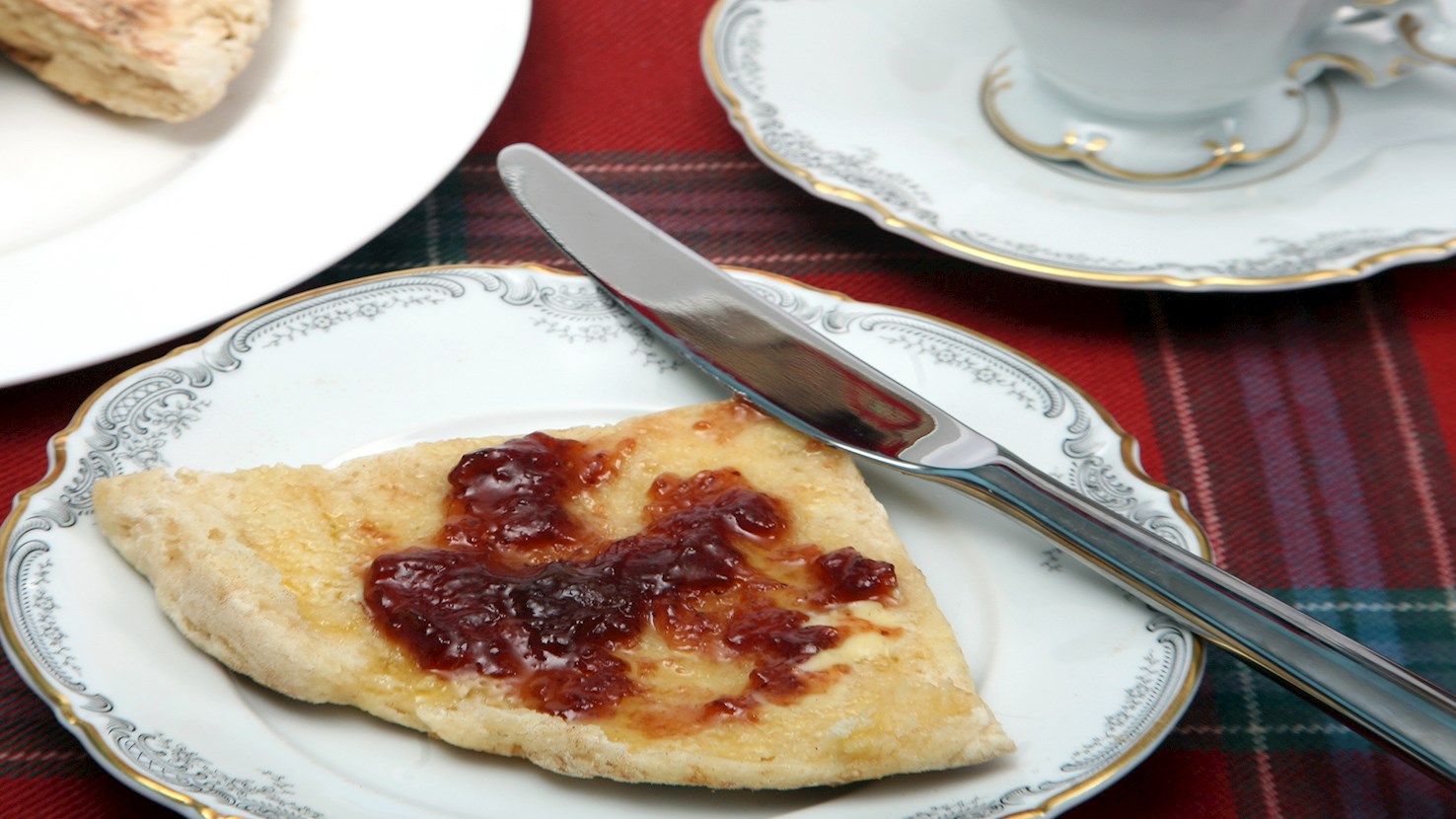
Karlovarský suchar is a rusk, a toasted bread cut in thin slices from a whole load, produced in the Karlovy Vary region in the Czech Republic. There are two varieties of the bread - special and diet versions. The bread is well baked and dried, clean, crisp and uniformly porous. It is golden brown in color, with a delicate scent of bakery goods. The taste is that of baked bread. Both versions of the bread must contain Karlovy Vary spring water. The special variety is made from wheat flour, spring water, sugar, yeast, salt, egg yolk, and flour improver. The diet version is made from the same ingredients, but sugar, egg yolks and salt are removed from the mix. When the bread is toasted, it is left to cool and sold in packs of 200 grams, ready to be enjoyed with fruit jams, butter, and tea.
Kneippbrød is a traditional bread originating from Norway that's named after Sebastian Kneipp, a 19th-century Bavarian priest, who is credited with being the first person to use the whole grain (shell, kernel, and germ) when making bread. Although there are many variations on the bread, it's usually made with 100% whole wheat flour, yeast, salt, milk, water, and rapeseed oil. The smooth and firm dough is proofed and baked in buttered loaf pans until golden brown. The bread came to Norway in 1895, and nowadays it's one of the most popular types of bread in the country.
Fastenwähe is a type of small Swiss bread, carnival treat, and snack originating from Basel. The dough is usually made with a combination of flour, yeast, salt, sugar, milk, eggs, caraway seeds, and butter. Once the dough has rested and doubled in size, it's divided and shaped into ovals. A knife is used to cut four slits into each piece of dough, which is then carefully stretched in order to create a shape that's similar to a cross in the middle of the dough. The dough is brushed with beaten egg yolks, sprinkled with caraway seeds, and baked until golden. Fastenwähe is especially popular during the Fasnacht (the biggest carnival in Switzerland) celebration, and it was originally enjoyed only during Lent.
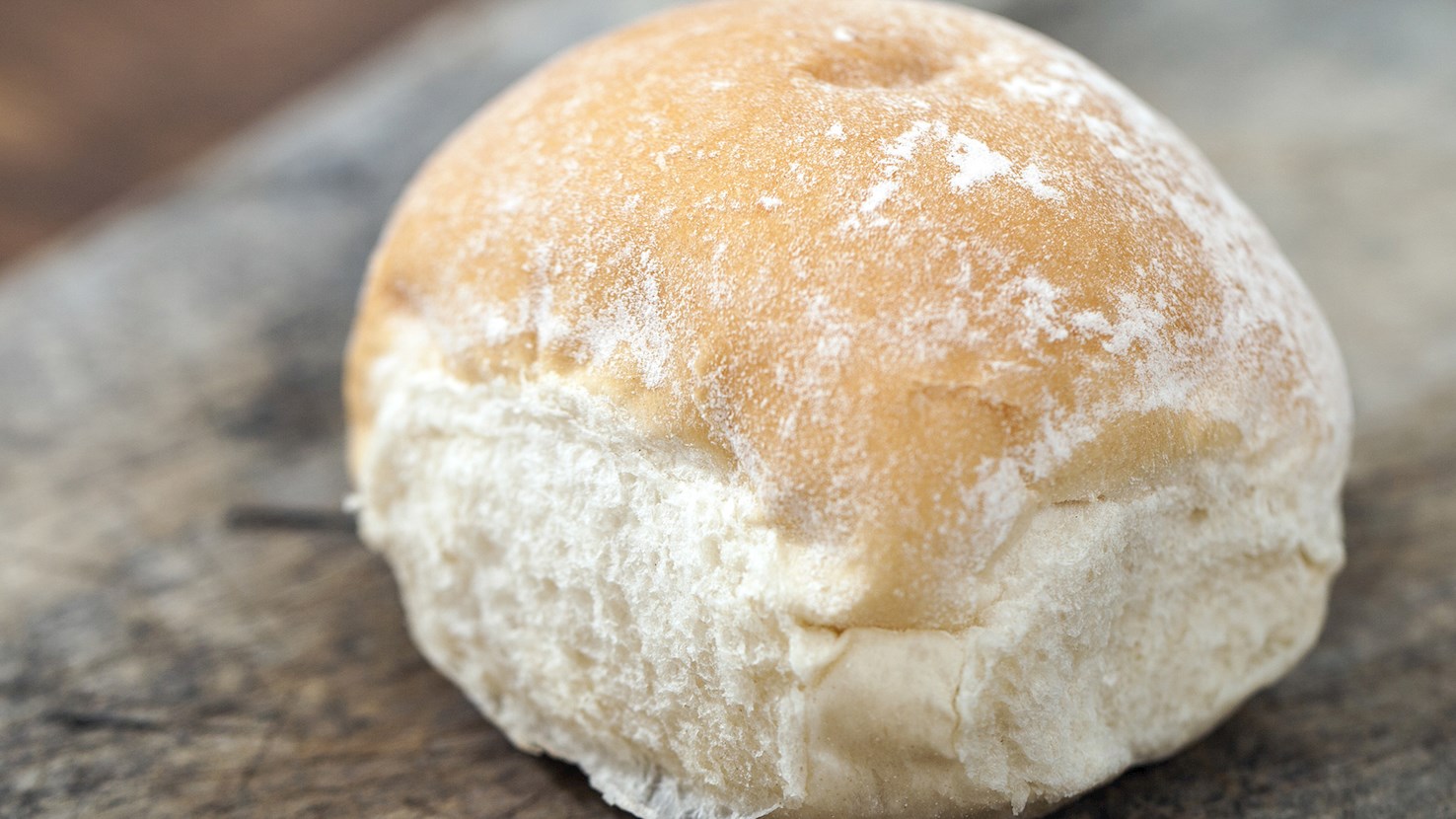
Waterford blaa is a soft, white bread roll from Waterford, known for its light texture, flour-dusted crust and slightly chewy interior. It is deeply woven into the city’s baking heritage and reflects centuries of European influence on Irish food culture. The roll’s origins can be traced back to the 17th century, when French Huguenots fleeing religious persecution settled in Waterford and brought with them their baking skills and techniques. Over time, local bakers adapted these methods to Irish ingredients and tastes, creating the distinctively airy yet hearty bread that became a daily staple for the region’s working population. The process of making blaas is simple but precise. A soft dough is prepared from white flour, water, yeast and salt, then allowed to rise slowly before being shaped into rounds. They are proofed closely together on large trays so that they bake with soft sides, while the tops are liberally dusted with flour, forming a delicate crust that cracks slightly as they cool. The result is a roll with a pillowy interior and a mild, yeasty flavor that makes it versatile for both savory and sweet fillings. Blaas are usually best eaten fresh, often on the same day they are baked, as their soft texture and delicate crust are at their peak then. Nowadays, there are only four bakeries left that still produce this bread roll which was awarded a Protected Geographical Indication status by the European Commission in 2013. Blaas are most often enjoyed as part of breakfast or lunch in Waterford, typically split and filled with butter, sausages, bacon or cold meats. They also serve as an ideal base for simple sandwiches or to accompany hearty stews and soups.
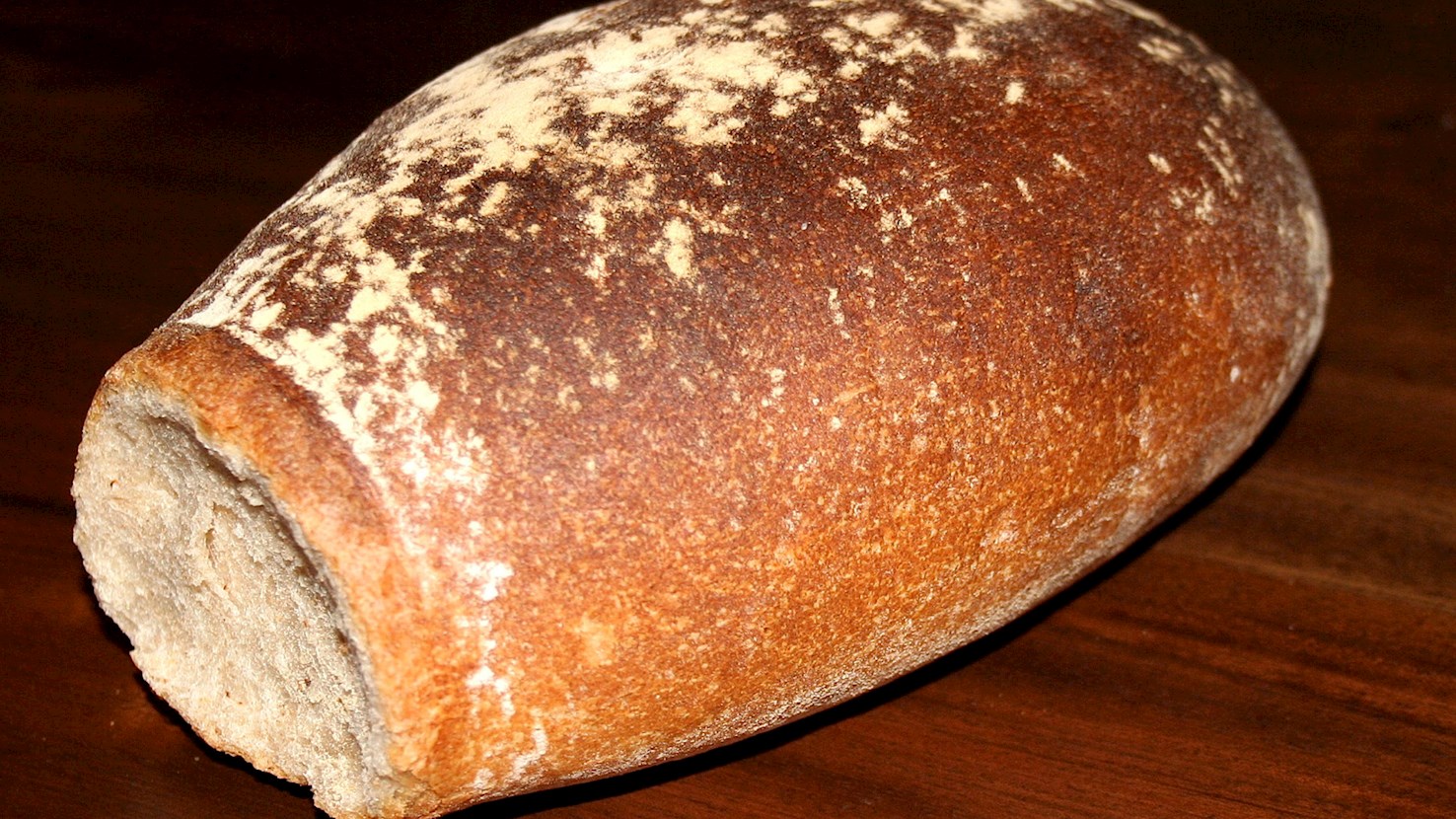
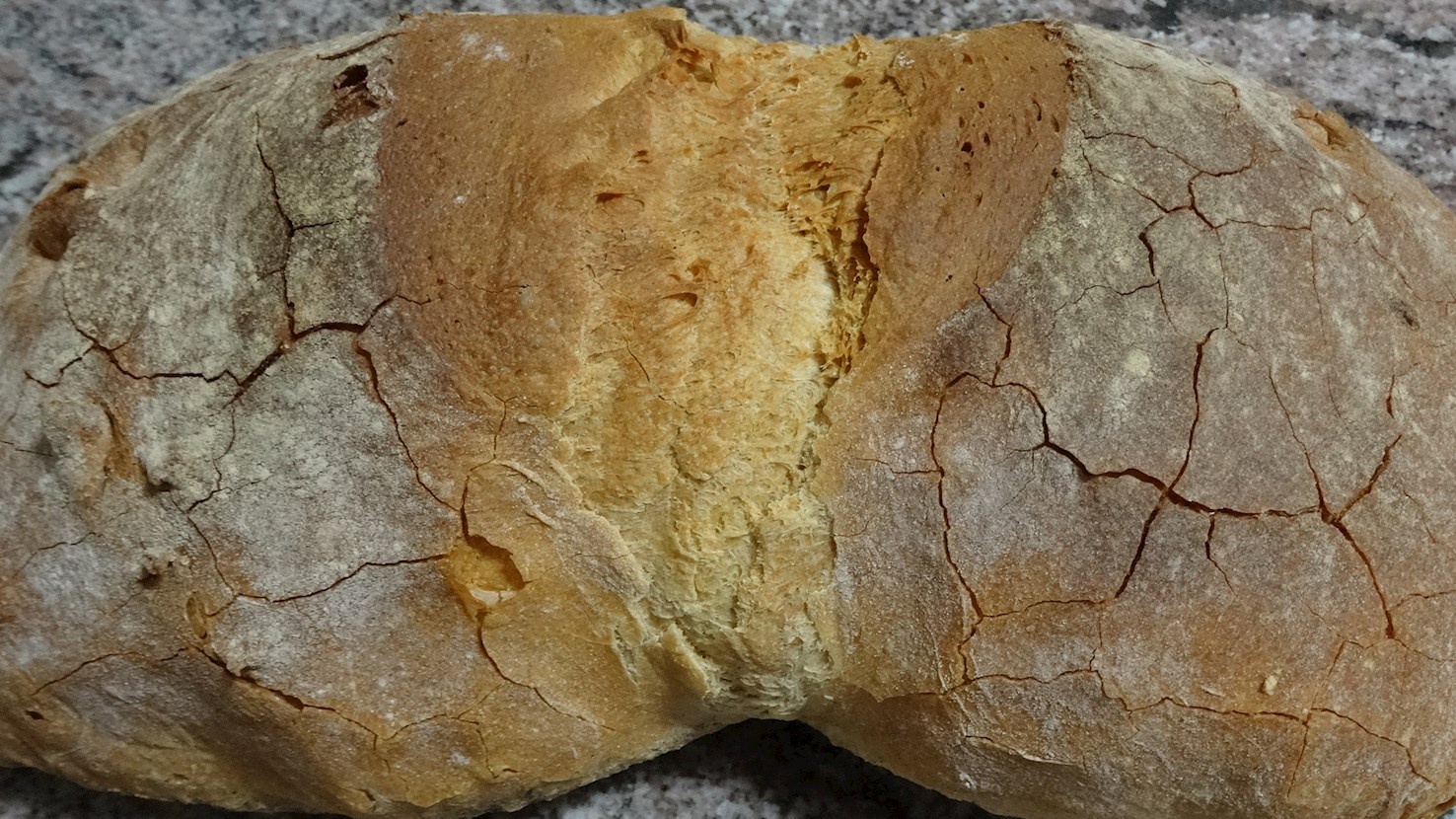
Basler brot is a traditional bread originating from Basel. It is made with a starter, resulting in light and airy bread with a distinctive flavor. Other ingredients include wholegrain flour or half dark and half white flour, water, and salt. It is characterized by an aromatic crumb, high water content, and high baking temperatures. Visually, the bread is oblong, and it consists of two round loaves of bread that are combined together at the ends. The two pieces represent two Cantons – Basel countryside and Basel the city. It was first mentioned in Eugen A. Meiers 1792 book Das süsse Basel.
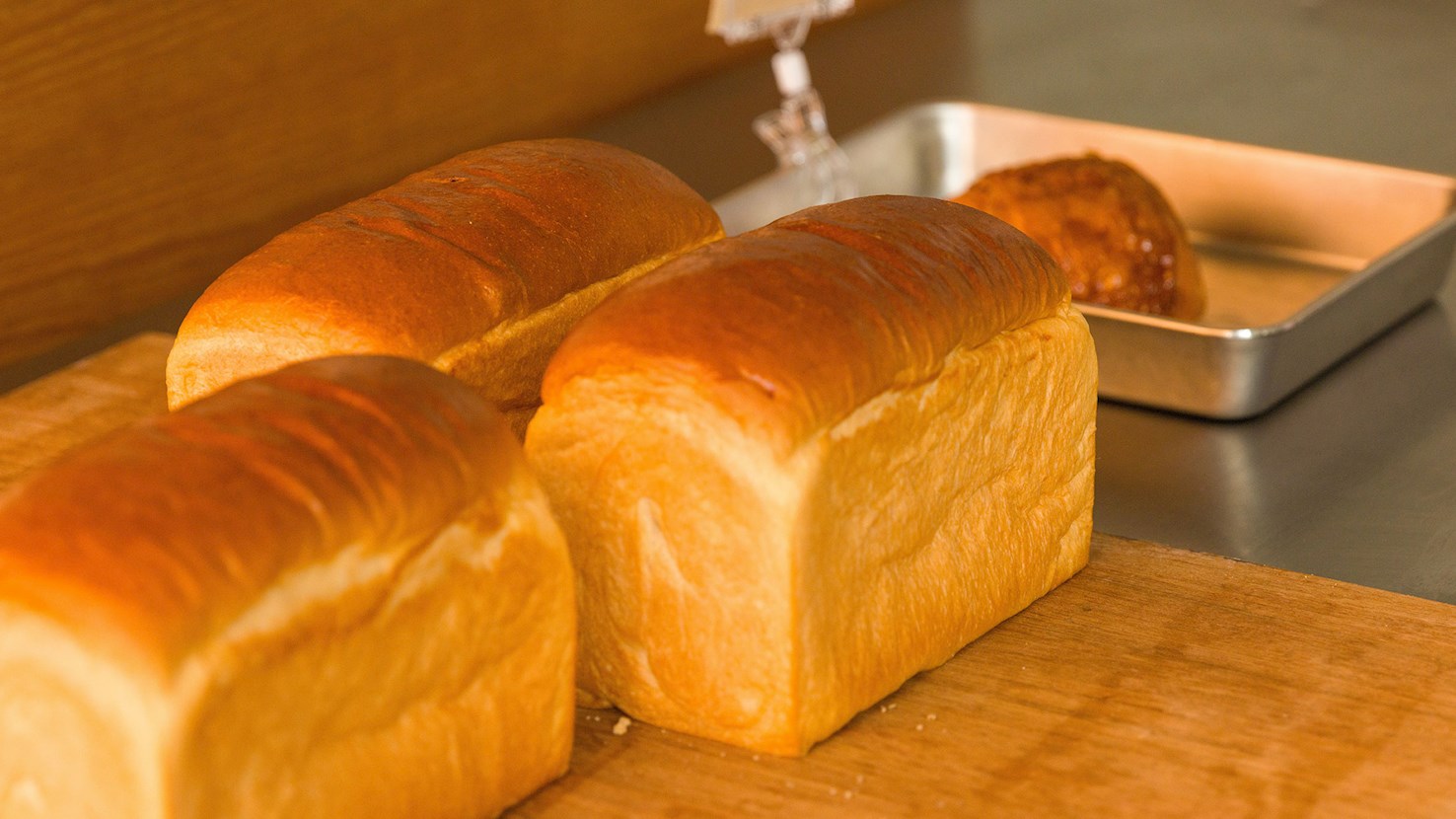
An approximate translation of the name of this popular French bread is “crustless bread”, referring to its thin layer of crust and thick white interior. The bread is made with wheat flour, water, salt, milk, sugar, and yeast. Although it is usually made industrially and sold sliced and packaged in supermarkets, it can also be made easily at home. Pain de mie is typically baked in square or rectangular covered pans, which ensure its characteristic shape. The cover prevents the bread from rising fully, resulting in a fine, compact crumb. The French use it most often for toasting, while its thickness and shape make it ideal for the preparation of the classic French sandwich croque-monsieur. A more recent, industrial version of the bread is called pain de mie 100%, which is a sliced loaf of pain de mie with the crust removed entirely. Pain de mie stays fresh for a long time due to the shortening used in the preparation process, which other French breads typically lack.
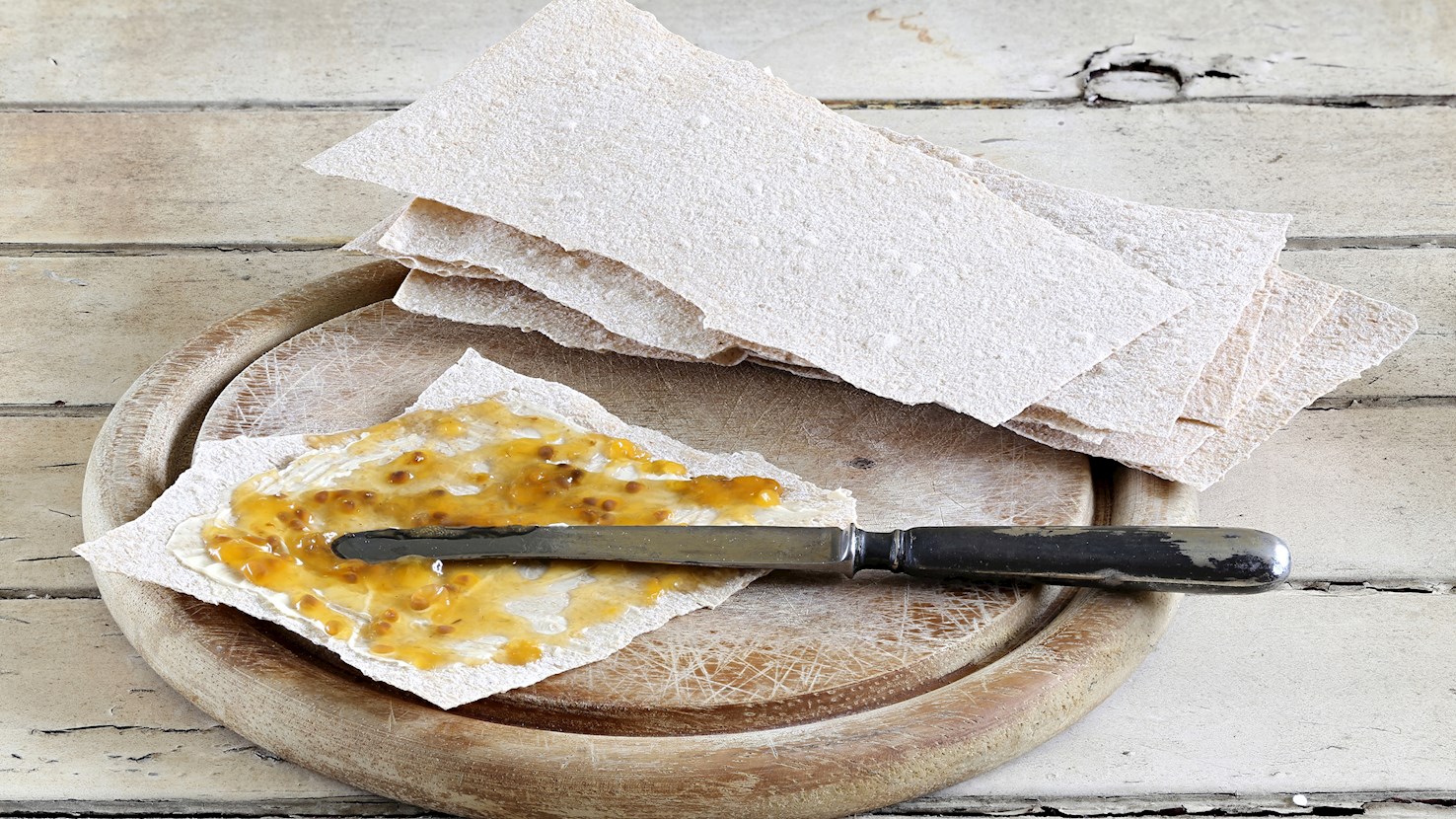
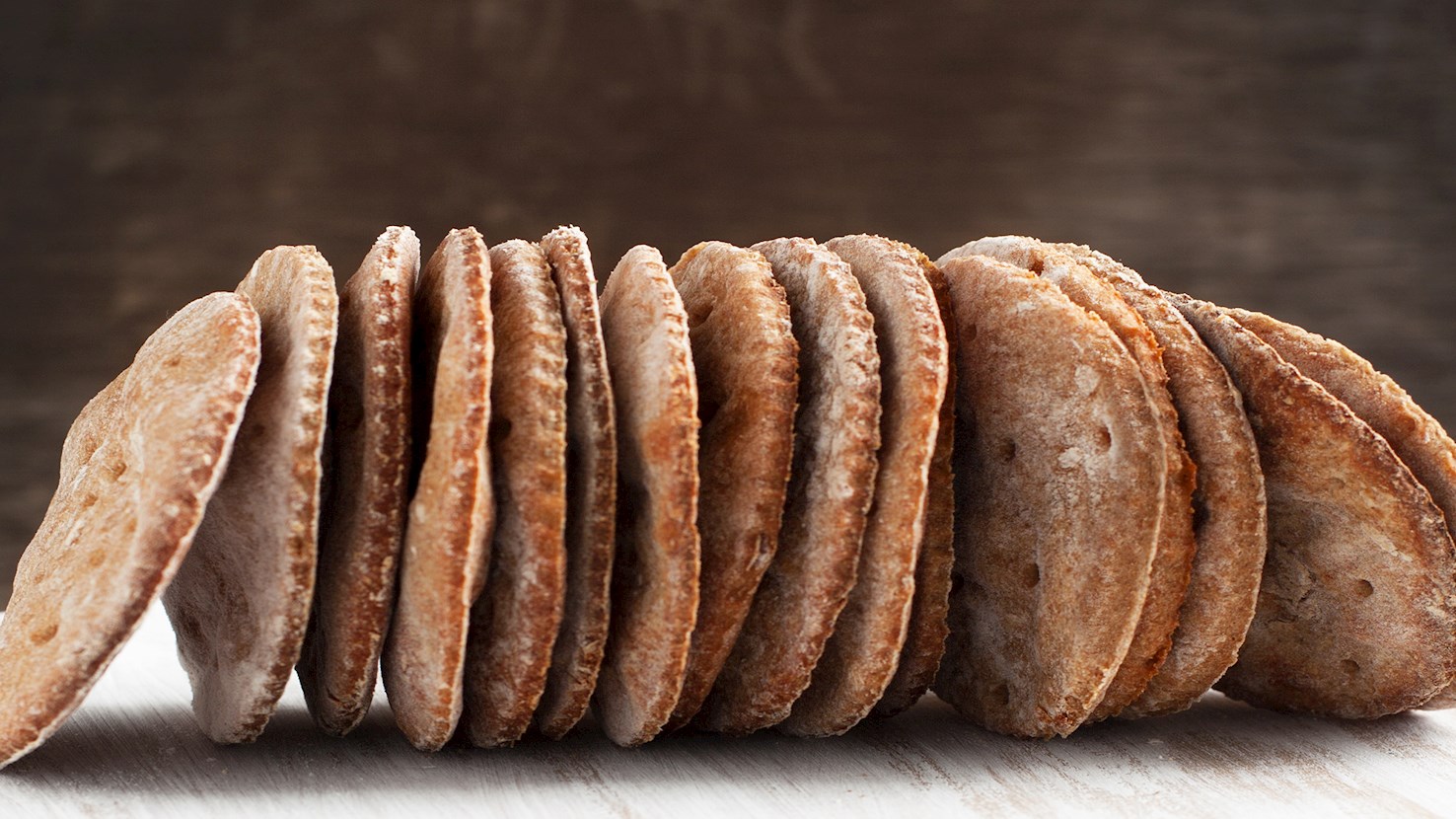
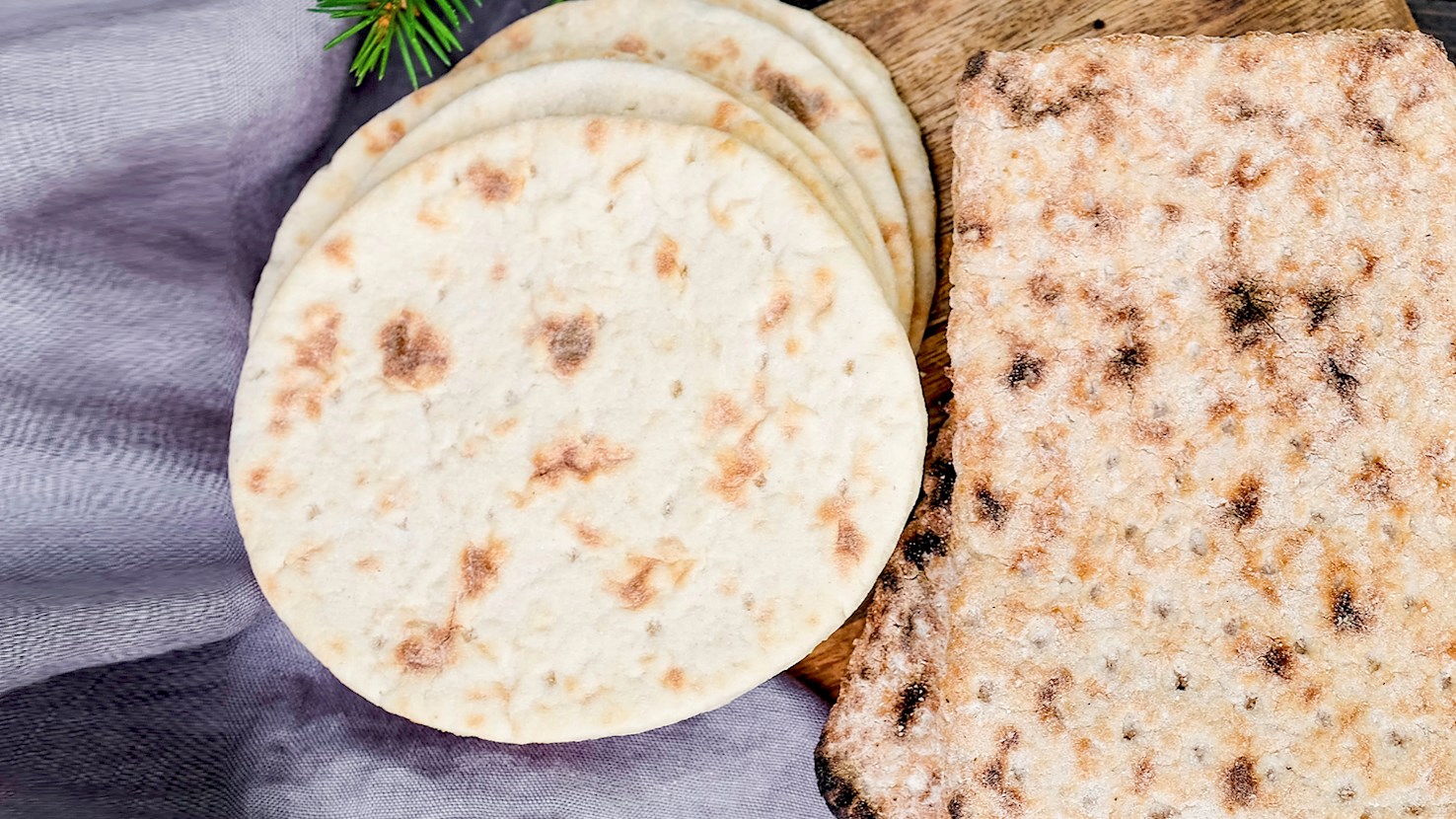
Flatbrød is a traditional unleavened flatbread. Although there are many varieties, this very thin and crisp bread is usually made with a combination of barley flour, salt, and water. Some people use sour milk instead of water, or a mixture of dark and white flour instead of barley flour. The dough is rolled flat and cooked in a pan on both sides until it hardens. Once prepared, it's enjoyed with a wide array of sweet and savory toppings such as strawberry jam, double cream, smoked salmon, and soft cheese. Flatbrød is often served as an accompaniment to soups, stews, meat, and fish dishes. It is believed that this flatbread dates back to Viking times.
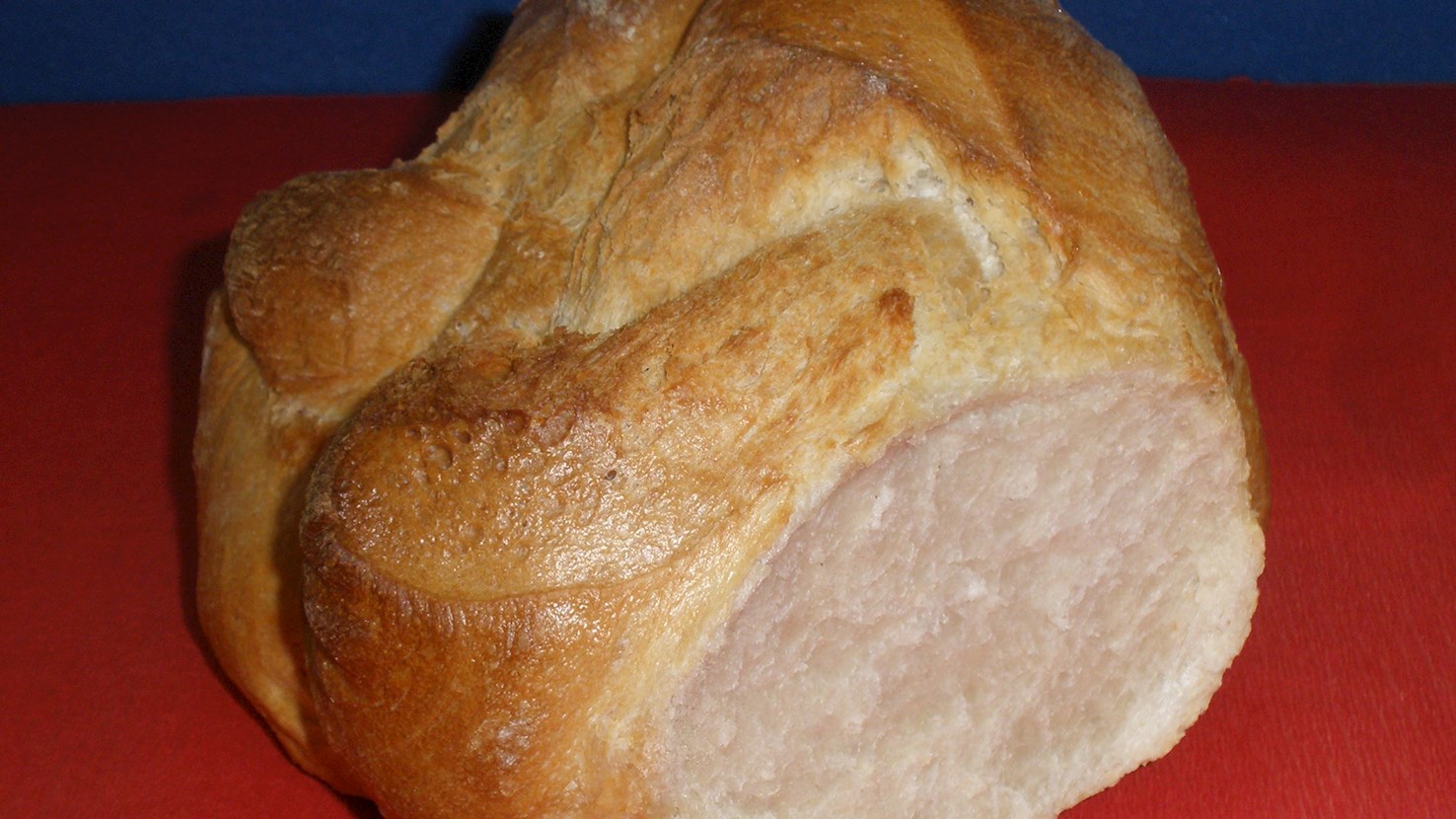
Shaped like a double twisted loaf, this traditional bread is prepared with flour, pork lard, extra-virgin olive oil, sourdough, salt, water, and malt. Characterized by its golden color and a distinctive taste, coppia is a signature dish of Ferrara that evolved from the original versions of pane intorto (lit. twisted bread), which dates back to the 12th century. Because of its distinctive shape, it is recommended to consume the elongated parts first, while the center can keep fresh for a longer time. In 2001, coppia was registered as a Protected Geographical Indication.
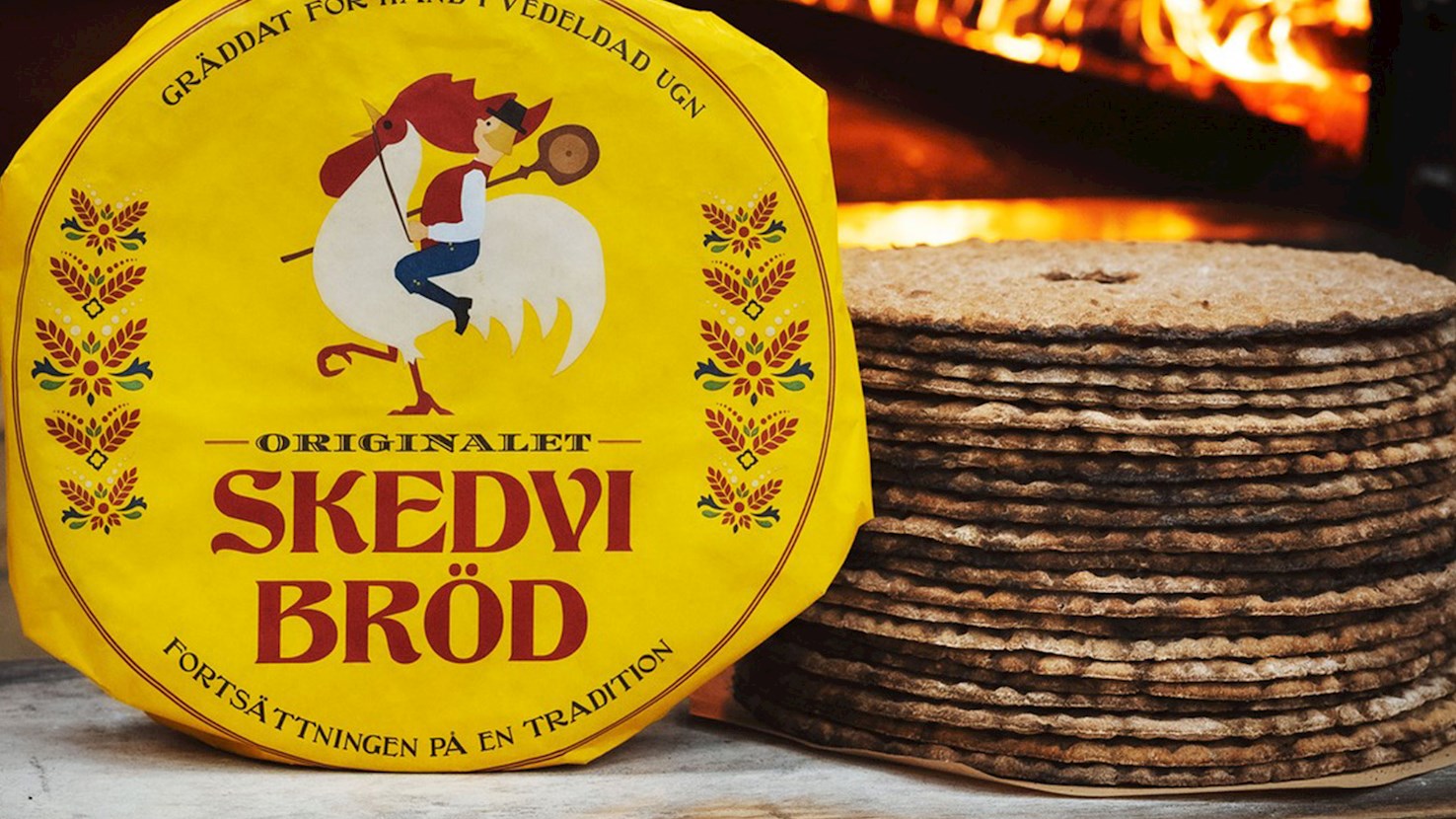
Skedvi Bröd is a traditional Swedish crispbread, known for its distinctive taste and texture. Originating from the region of Dalarna in Sweden, this crispbread is made from simple ingredients, primarily whole grain rye flour. The dough is typically rolled out thinly and then baked on a griddle, resulting in flat, hard bread with a distinctive crispiness. The process of making Skedvi Bröd often involves using a special rolling pin with deep grooves, which creates a unique pattern on the bread. This pattern not only gives skedvi bröd its characteristic appearance but also helps in cooking it evenly. The bread is usually circular and can vary in size. Skedvi bröd is often enjoyed as part of a traditional Swedish meal or snack. It can be eaten plain, or topped with various spreads, cheese, or cold cuts. Its crunchy texture and wholesome rye flavor make it a popular choice for those looking for a hearty, rustic bread option.
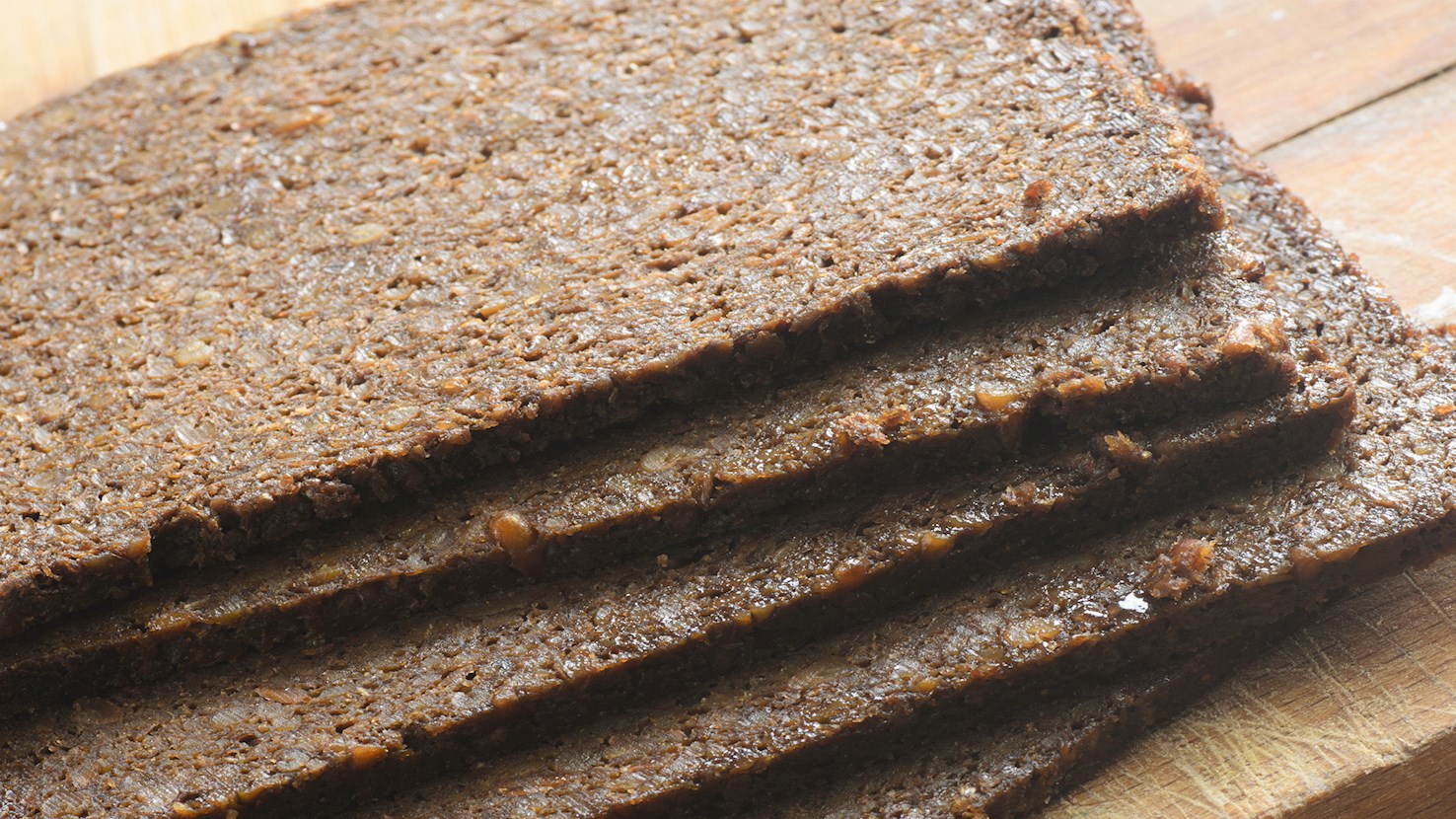
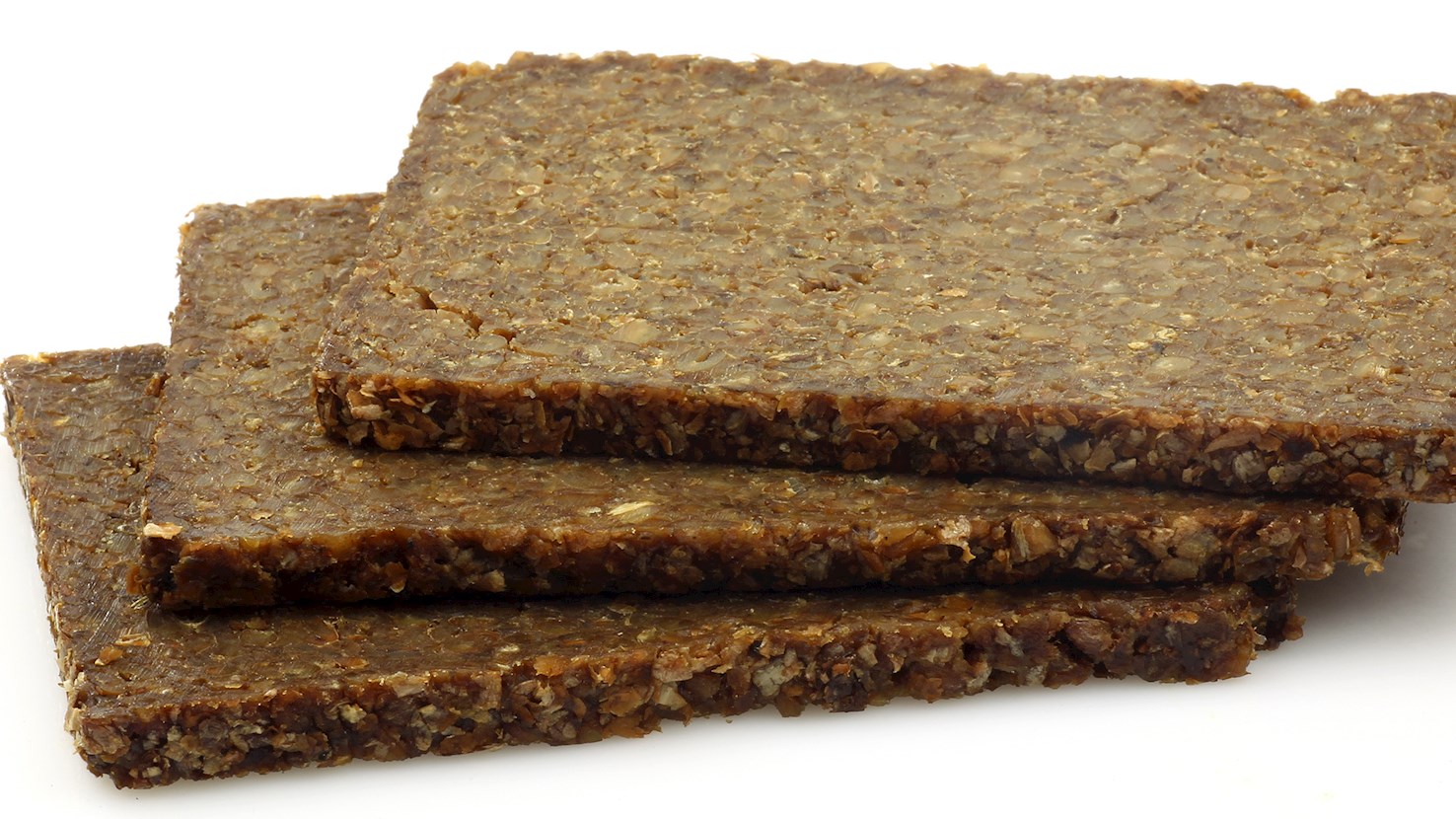
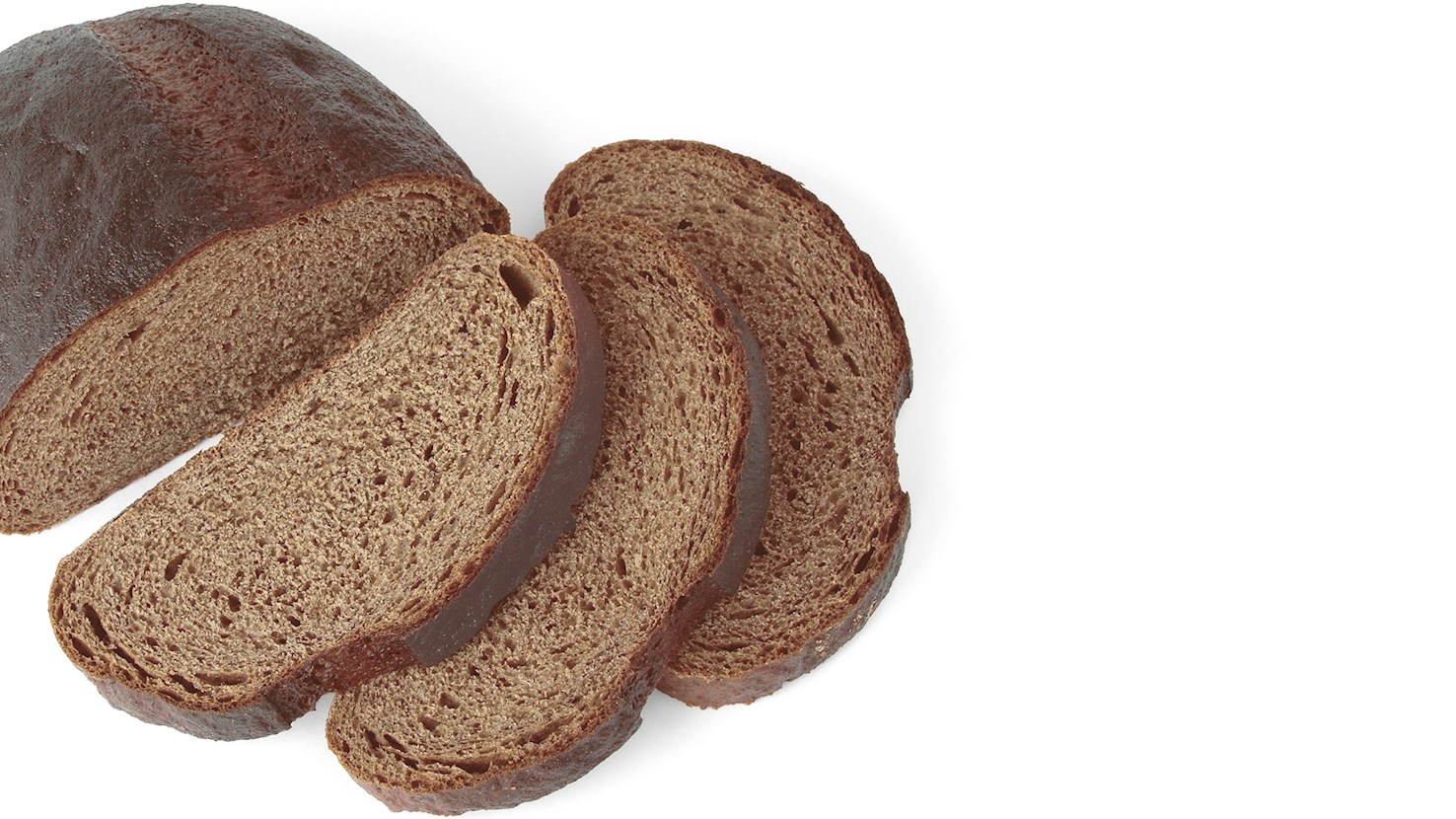
This heavy and slightly sweet rye bread is made from a sourdough starter and coarsely ground rye with whole rye berries as its base. Its name comes from the German pumpern, a synonym for being flatulent, and the male given name Nickel—a form of the name Nicholas—which was commonly associated with the devil in New High German vernacular. Thus, pumpernickel literally translates to "devil’s fart," which is a definition accepted by most publishers and dictionaries, however strange it may sound. The traditional German pumpernickel contains no coloring agents, but instead relies on the Maillard reaction to impart a deep brown color and a sweet, almost chocolatey and earthy flavor and aroma. Apart from being delicious, pumpernickel is rich in resistant starch which is known to aid digestion and benefit blood sugar regulation.
Fries roggebrood is a popular rye bread that is a specialty of the Dutch province of Friesland. Its flavor is slightly sweet and sour, similar to pumpernickel bread, while the texture is moist and dense, and its color is dark brown, almost black. Traditionally, Frisian rye bread is sliced very thinly, and in the past, it used to be paired with cheese, butter, or sugar. Today, it is typically paired with the famous Dutch pea soup called snert. It is said that the bread will keep almost indefinitely if wrapped in plastic, but it can also be sliced and frozen for even further use.
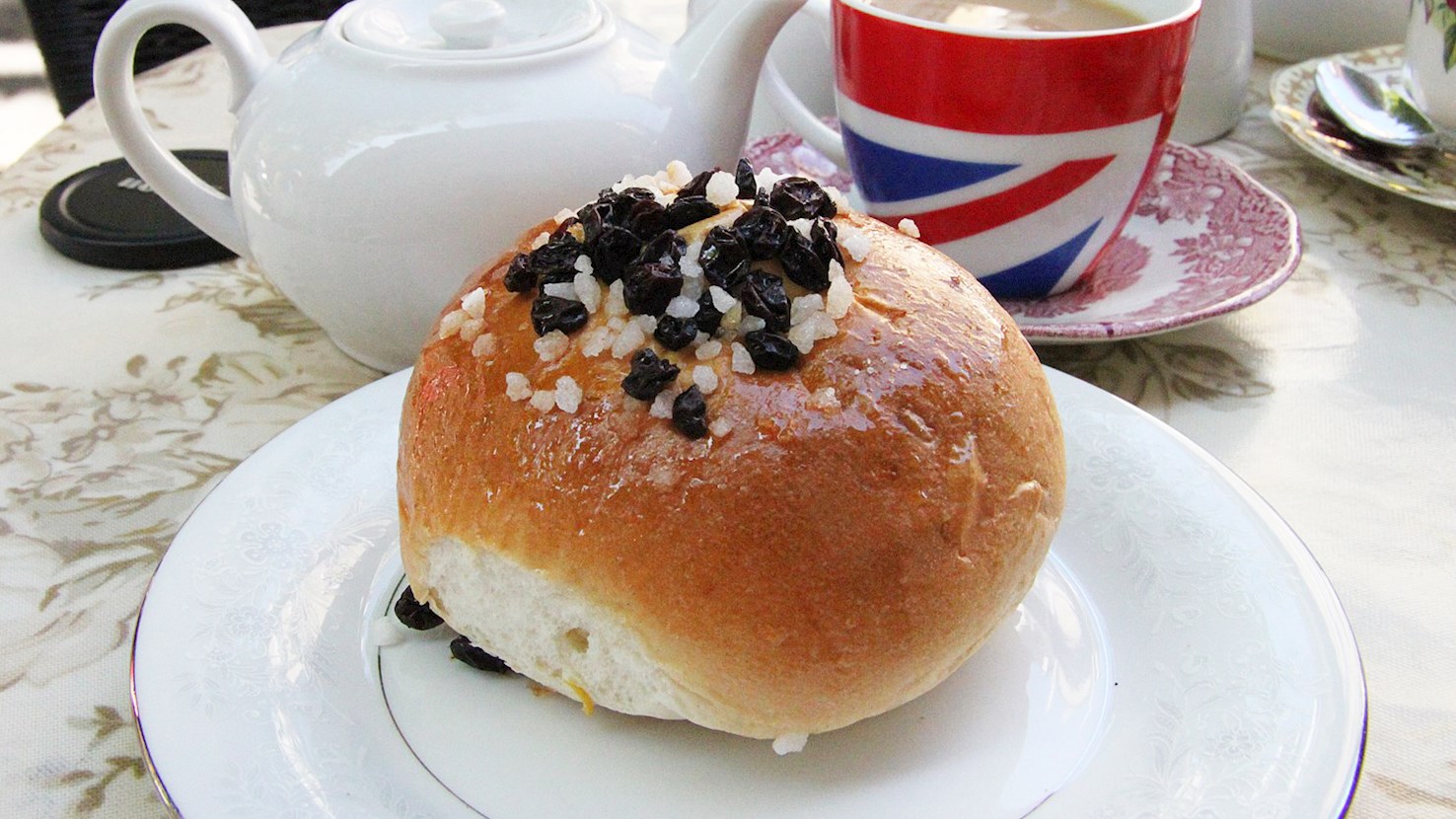
Bath bun is a traditional sweet bread roll originating from Bath. The buns are circular, with nib sugar and caraway seeds on top of their highly glazed exterior. The texture is dense and close, while the flavor is lightly spiced and sweetened, with lump sugar underneath. The milk-based yeasted dough for Bath buns is usually based on plain brioche dough or rich egg and butter dough with caraway seeds. Although there are disputes about the origins of these buns, the ones made from a recipe dating back to 1679 are still available in the town of Bath.
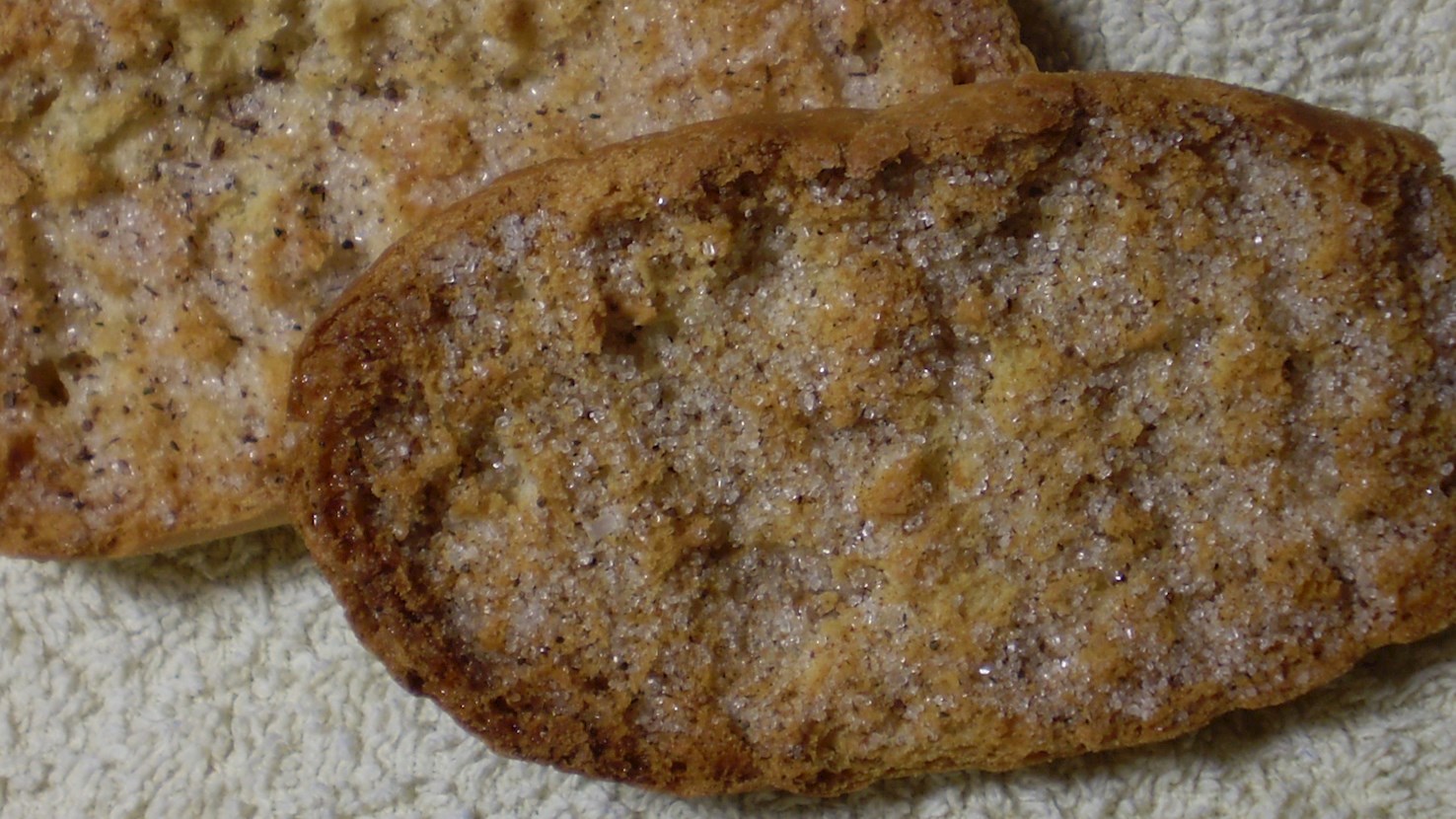
This traditional Finnish delicacy is best described as a rusk—the crispy, twice-baked bread. It is usually prepared with various types of bread rolls or the sweet, cardamom-spiced pulla bread. Korppu comes in numerous sweet or savory versions, but it is traditionally thinly sliced, dusted with cinnamon sugar, and baked until crispy. Sweet versions are often enjoyed as an accompaniment to coffee or tea.
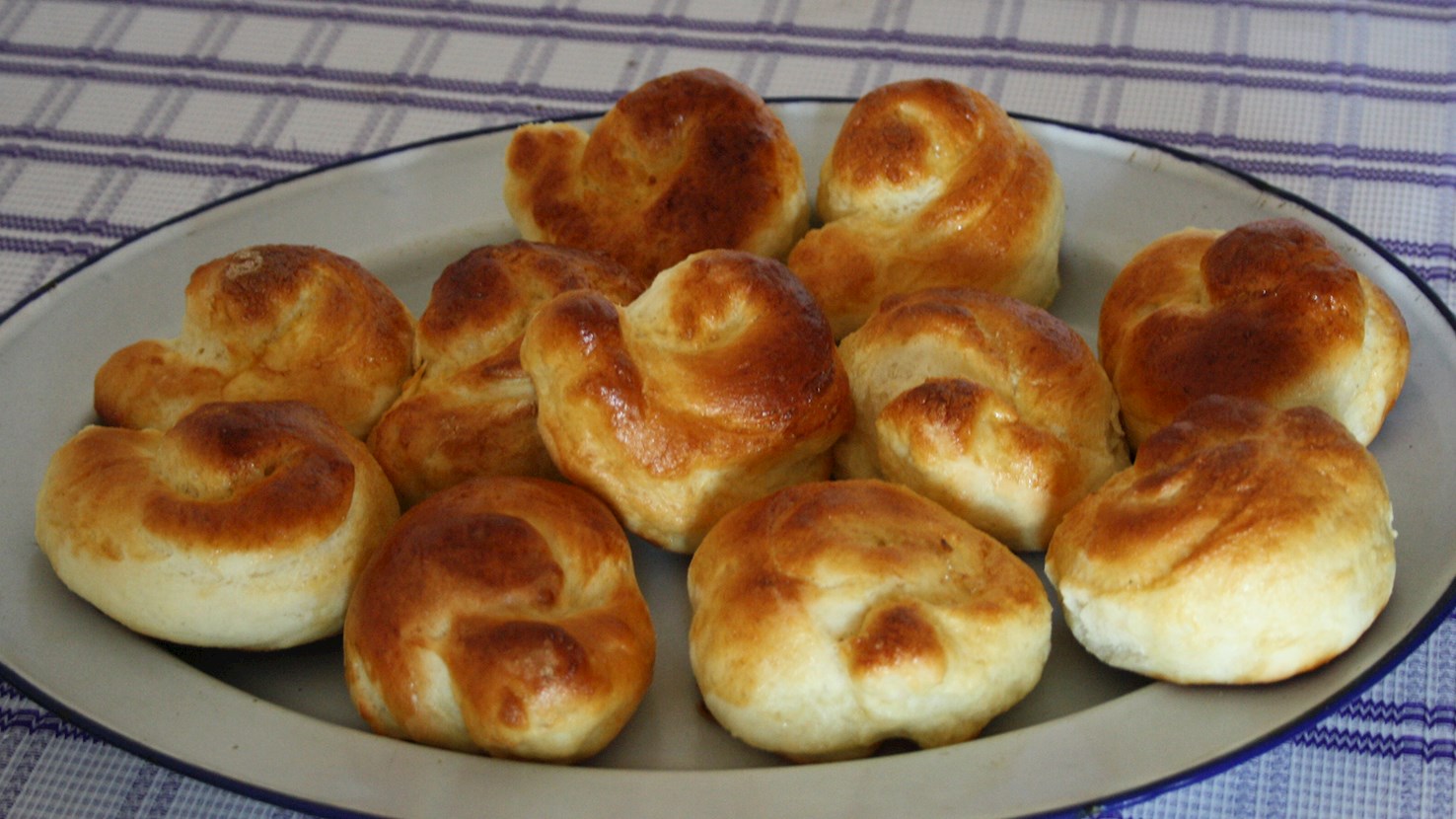
Jidáše or Judas bun is a traditional Easter bread that's shaped into a rolled rope or a noose as a reference to Judas who hanged himself after he had betrayed Jesus. They're made with a combination of flour, butter, egg yolks, cream, sugar, honey, yeast, salt, lemon zest, and sometimes nutmeg. After they've been baked, the buns are usually brushed with a glaze consisting of honey, butter, and lemon juice, and the buns are then typically eaten cold. According to local beliefs, if you eat one jidáše during the sunrise on Maundy Thursday, you'll be protected from bee stings, snake bites, and human betrayal for the whole following year.
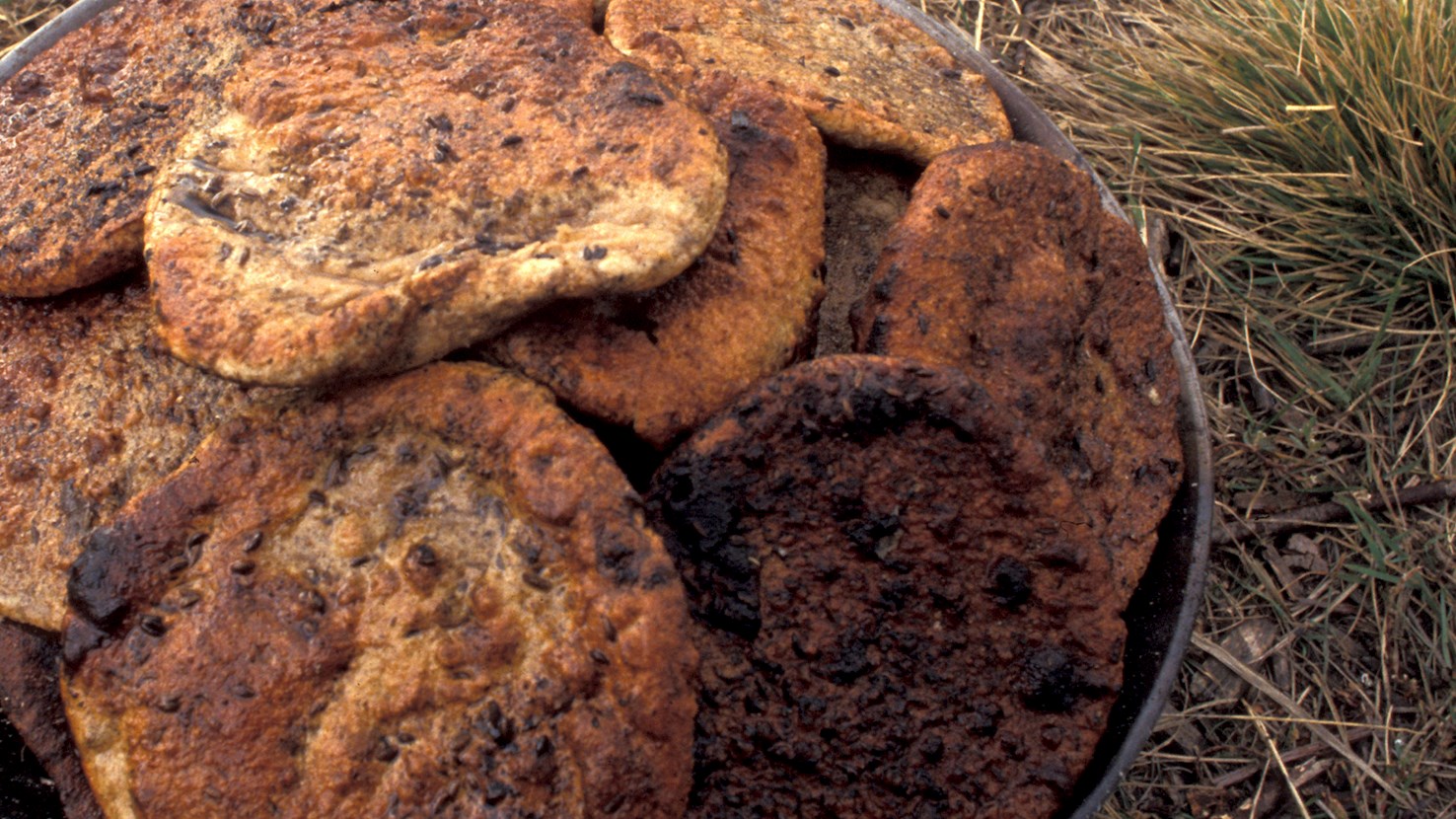
This griddle-baked unleavened flatbread hails from the Highlands of Scotland, where it is traditionally made with a single type of grain - whether barley, beremeal, oats, wheat, rye, or even peasemeal - with the addition of water or buttermilk. Bannock made from a mixture of different flours is known as mashlum or meslin bannock. This flatbread was once an essential part of everyday life and various festivities in the Highlands, especially during the celebration of the quarter days, and each variety of bannock was given a different name depending on which of the old Gaelic seasonal festivals it was made for. Prior to the 19th century, bannock bread was baked on a bannock stane - a flat stone placed on embers to be used as a cooking surface. Today, they are mainly made on the griddle, and there are numerous regional variations that diverge from its simple origins: for instance, the Selkirk bannock is more like a lardy, raisin-studded fruitcake, while the Pitcaithly bannock is a rich shortbread with candied fruit peel.
Categorized somewhere between a cookie and a rusk, biscotti del Lagaccio are named after a Genovese quarter where they were allegedly invented around 1593. In the beginning, they were simple double-baked biscuits made only with flour, butter, yeast, and sugar, but over time, the basic recipe was changed with the addition of wild fennel seeds and a few drops of anise liqueur, giving them their typical flavor. Delicately sweet, biscotti del Lagaccio make a perfect breakfast or an afternoon snack, especially if paired with a cup of caffè latte or tea.
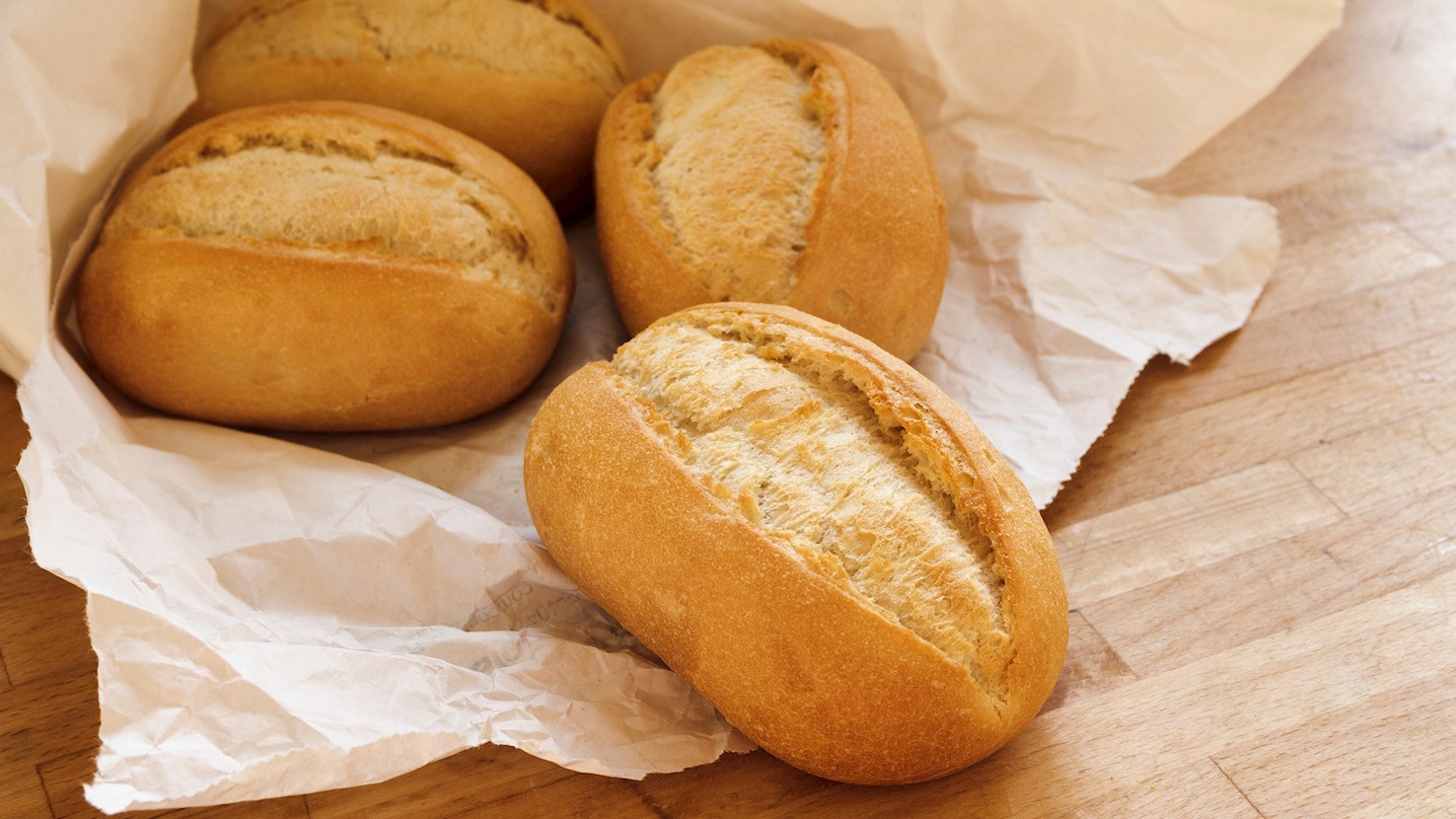
Schlumbergerli is a traditional bread roll originating from Basel and it can be traced back to 1872. The rolls are made with a combination of flour, yeast, salt, and honey. The dough is sprayed with water and baked until golden. If properly prepared, the irregularly-cracked crust should be delicate and crisp, but still soft. These bread rolls are named after Amedée Schlumberger, a banker from France who moved to Basel and started to miss a particular French bread, so Basel bakers made him something similar, and Schlumbergerli was born. The bread is eaten for breakfast, as an accompaniment to main dishes, or on its own with sweet or savory fillings such as butter or fruit jam.
Mavragani is a type of bread that is prepared on the island of Lemnos. It's named after a local wheat variety called mavragani, meaning black awn, which has been grown on the island since ancient times. The grains of this wheat variety are processed into flour that is used for making the bread and other local specialties such as flomaria, a type of egg pasta used in many traditional dishes. Mavragani bread can be bought from any local bakery or market on the island, and it is considered to be highly nutritious. Slices of this bread are typically enjoyed for breakfast, slathered with local thyme honey or marmalade, or accompanied by fresh or grilled local cheese (such as melichloro cheese), Greek yogurt, cold cuts, butter, and eggs on the side.
Barm cake is a traditional bread roll originating from North West England. These soft rolls are usually topped with flour before baking, and in the past, they were usually leavened with barm, the residue that forms during yeast fermentation when making lager or ale. Nowadays, most barm cakes are made with regular yeast, flour, milk, water, salt, and sometimes lard. Barm cakes are often filled with chips or served as an accompaniment to fish and chips. They can be found in most fish and chip shops in the region.
Hornazo is a traditional delicacy made by stuffing bread with pork loin, hard-boiled eggs, and chorizo. The bread is made with flour and yeast, and the top is usually nicely decorated with various shapes made from the same dough. It has origins in Salamanca, and it is often prepared for Lunes de Aguas festival, celebrated annually on Easter Monday. Nowadays, there are many variations on this festive bread, so it can be stuffed with anything from ham and cheese to tuna and smoked salmon.
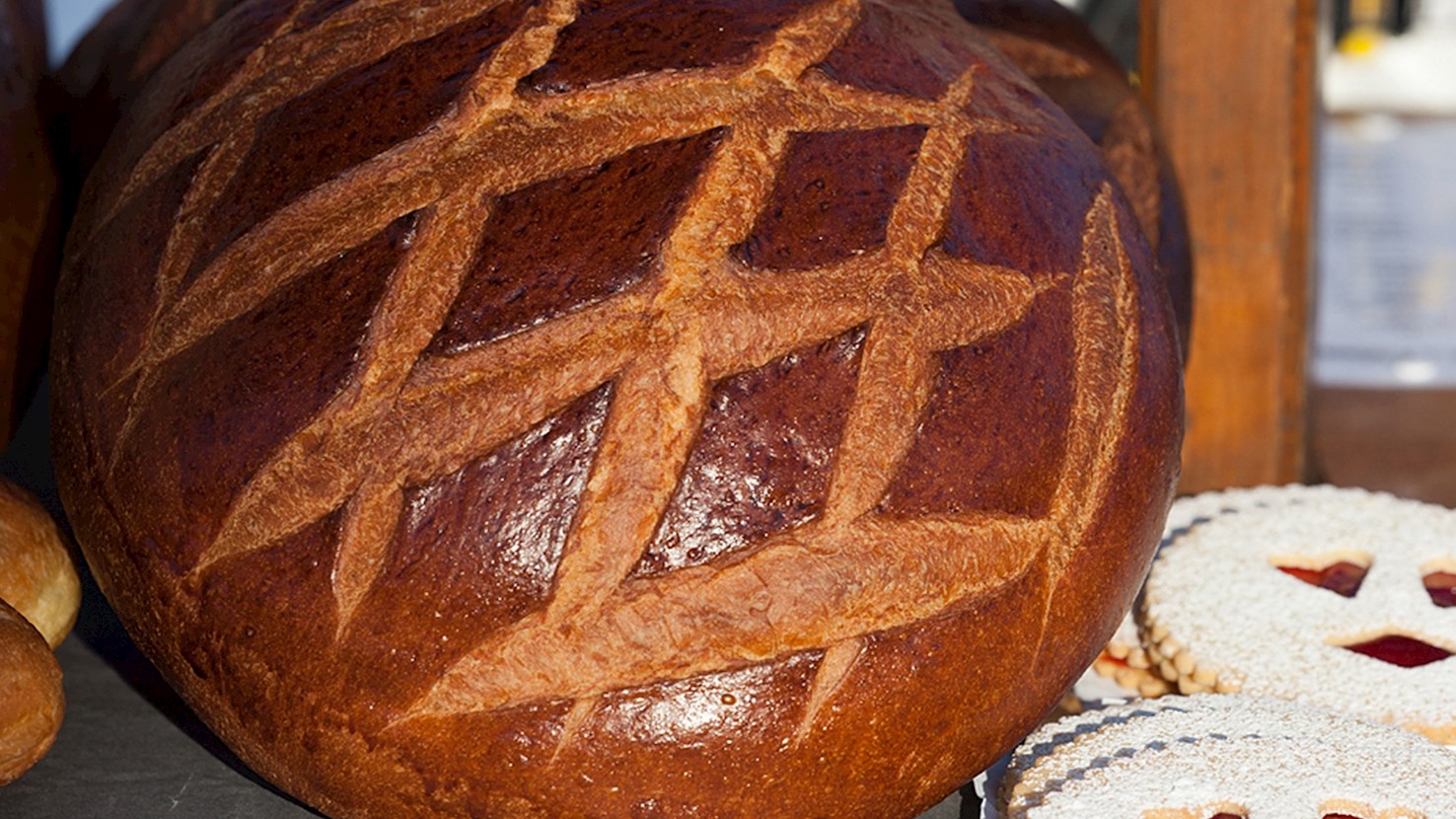
Burebrot is a Swiss bread made with a combination of rye flour, wheat flour, yeast, water, and milk. The round-shaped dough is typically cut with a knife before baking in order to create a rhombus pattern on top. The dough is first baked at a high temperature, then at a moderate temperature, creating a nice crunchy crust in the process. It is believed that burebrot was invented in 1955 by the Professional School of Richemont and Swiss Bakers’ Association as a way to use leftover milk.
Ftira tar-randan is a Maltese bread made with flour, water, salt, yeast, and olive oil. The dough is traditionally shaped into balls which are then fried in a pan until golden brown. The bread is often drizzled with honey on top, then served while still warm. Ftira tar-randan is especially popular during the month of Ramadan.
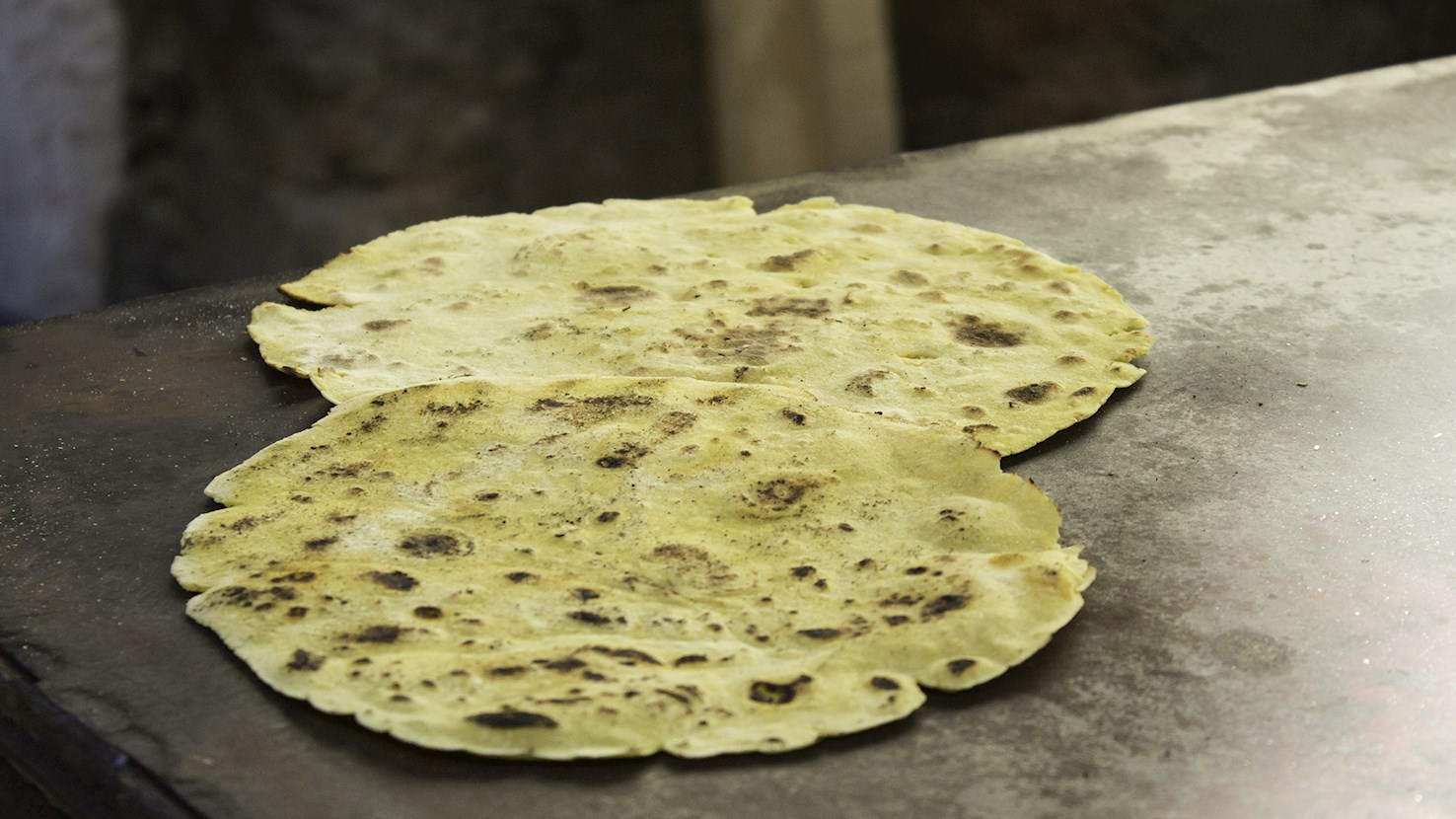
Ohrarieska is a traditional unleavened barley flatbread that is characterized by its circular form and dense texture. It is usually prepared with a combination of barley flour and buttermilk, but it appears in different versions that often employ eggs or sour milk. The flatbread is traditionally accompanied by butter and is usually enjoyed as a light, nutritious snack.
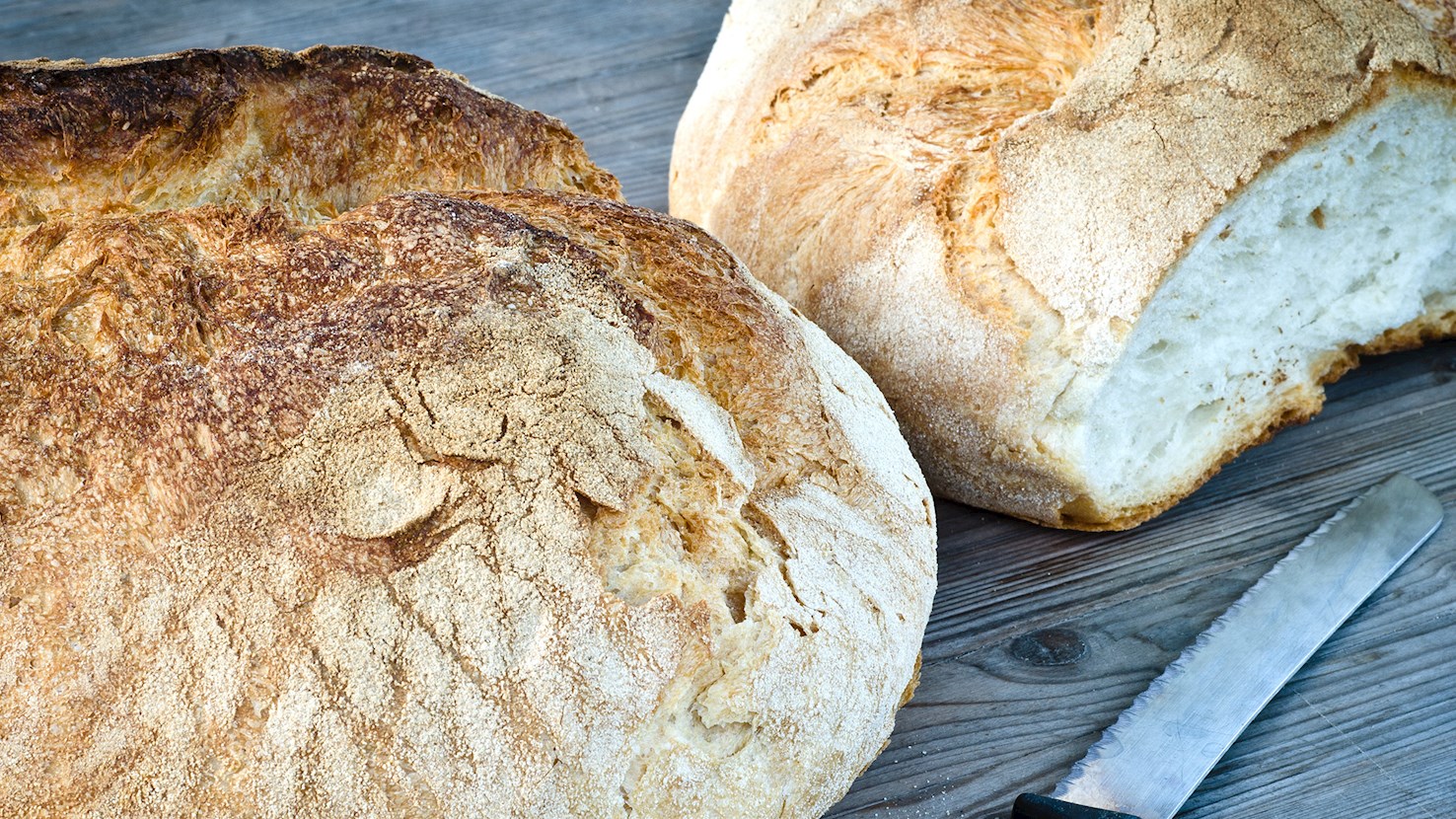
Pa de Pagès Català is a type of round bread traditionally made by hand and baked in bread ovens, in the Autonomous Community of Catalonia. This bread has a crisp golden crust and is spongy and soft on the inside. It is usually made using white flour, and during the slow fermentation and baking, it develops characteristic large irregular air holes that give it springy consistency. Another unique characteristic is its ability to retain freshness longer than other types of white bread. The quality of this artisan bread depends mostly on the bakers' expertise and experience. Pa de Pagès Català is a high quality, aromatic bread with pleasant acidity and a complex flavor. It is sold in loaves weighing approximately 1 kg.
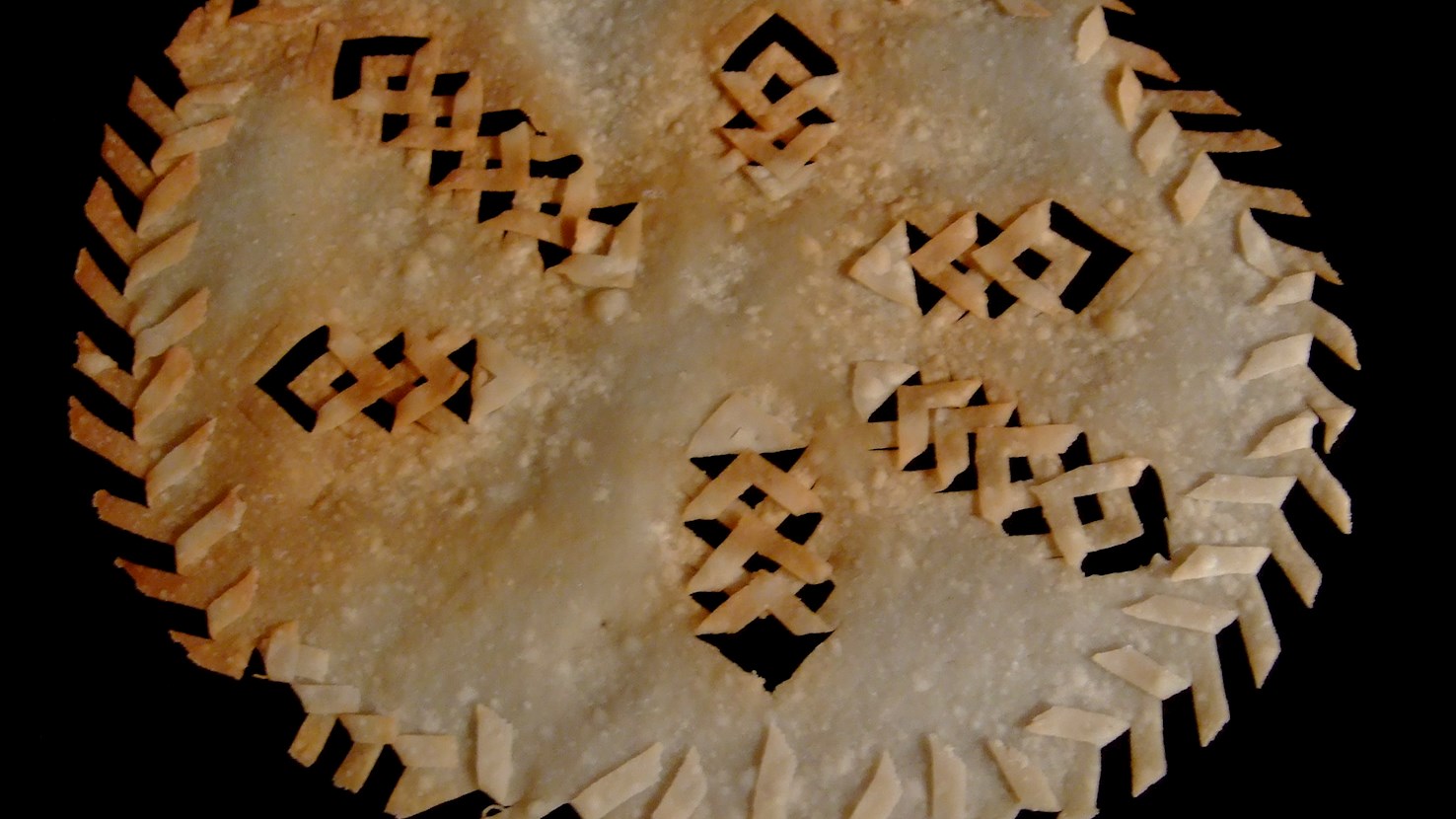
Translated as leaf bread, this classic flatbread is a Christmas staple in Iceland that was first mentioned in writing in 1736. It is prepared with a basic dough that incorporates flour, butter, sugar, milk, and is typically enriched with caraway. The dough is rolled into a thin, round sheet, which is then decorated with leaf-like, geometric patterns before it is shortly fried. In the past, the decorations were incised by hand, using a small pocket knife but nowadays it is mostly done with the help of a small brass iron. Laufabrauð is usually enjoyed alongside potatoes, peas, cabbage, and hangikjöt - Icelandic smoked lamb. Although it is believed to have originated in the north, the bread is prepared and enjoyed throughout the country.
St. Galler brot is a traditional bread loaf that is shaped into a round knot with a torn front. It consists of yeast, salt, water, and either strong white flour or dark wheat flour. In order to get a shiny crust, the bread is brushed with water immediately after it is taken out of the oven. This dense, dark-crusted bread usually comes in two varieties – ruch (dark bread) or halbweiss (a combination of dark and white flour). It is recommended to serve it with butter or homemade fruit jam.
Pan de Cea is a traditional type of bread made in the Municipality of San Cristovo de Cea, in the north-west of the Province of Ourense. It is made by kneading wheat flour, water, salt and masa madre, the previously fermented yeast dough, into an elastic and tough dough. The bread dough is then left to ferment, or rest, for 45 to 60 minutes. The bread is then kneaded once more and baked in special, wood-burning granite ovens. These ovens are the characteristic feature of the production of this bread and are specially shaped to ensure uniform baking.
A real Tuscan specialty originating from the historical region of Garfagnana, schiacciata con ciccioli, locally known as ciaccia coi ciccioli, is a type of focaccia-style flatbread studded with crunchy pork cracklings. Its name stems from the Italian schiacciare which means "to press" or "to flatten". In the past, this flavorful oven-baked delicacy was a staple food and the traditional primo colazione or the first morning meal of Tuscan farmers who used to enjoy their ciaccia with a glass of hearty red wine. Today, ciaccia coi ciccioli can be found in bakeries throughout Tuscany; it is freshly baked and dished up all day long, not just for breakfast.
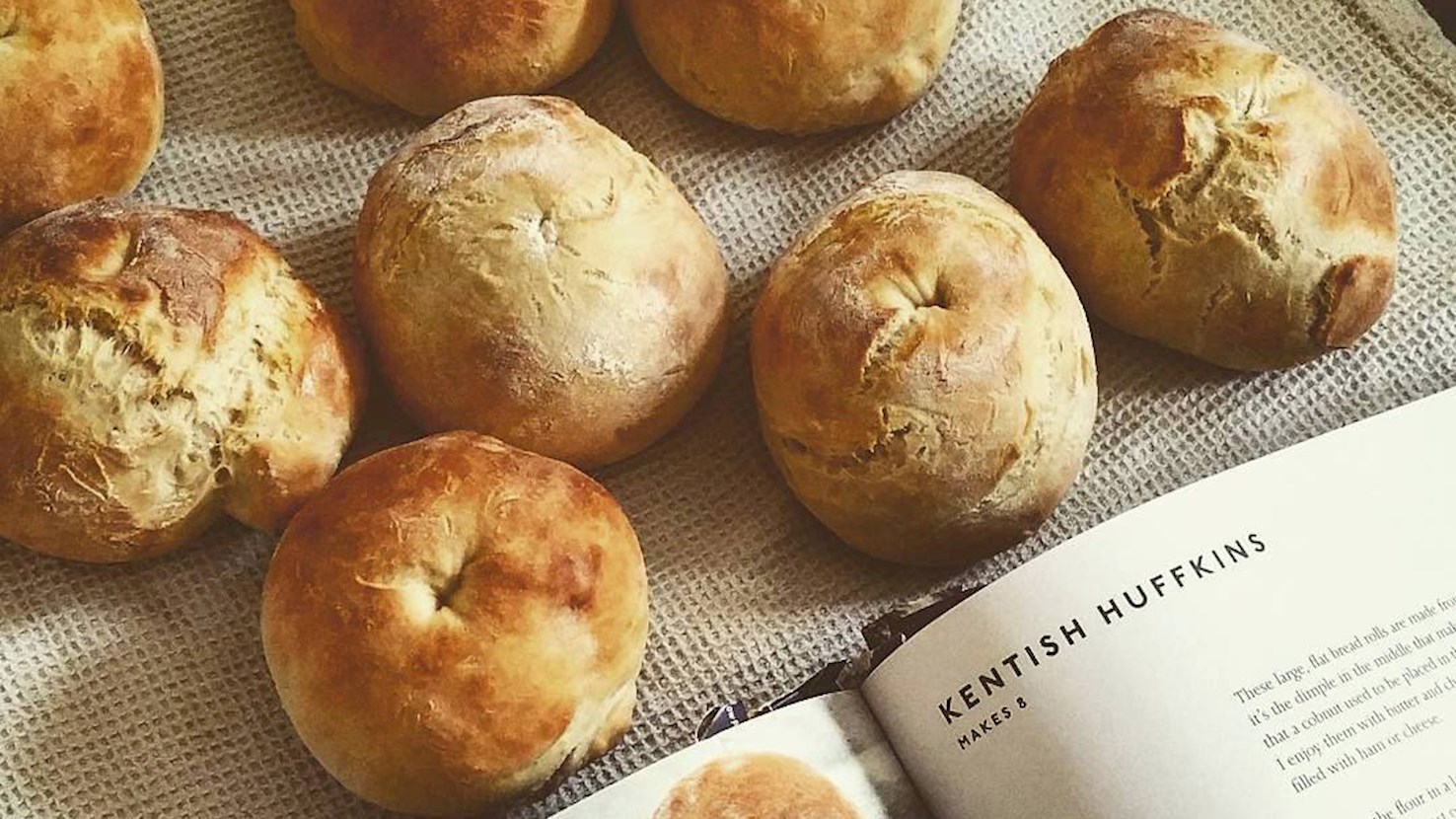
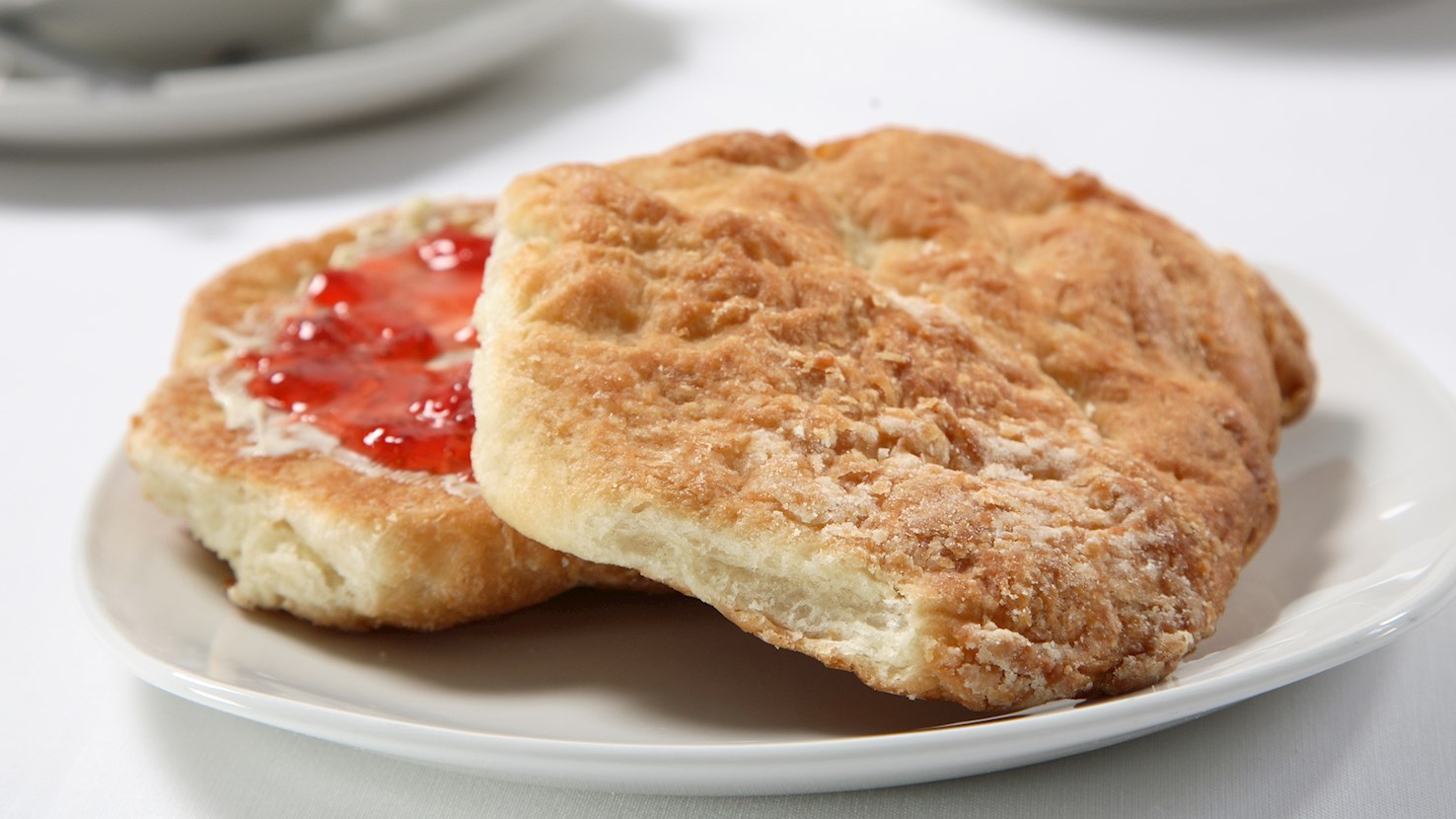
Huffkins are traditional English bread rolls originating from Kent. These rolls are flat, circular to oval, with a dimple in the center. They're made with flour, water, yeast, and a bit of lard, although modern recipes sometimes call for the addition of milk powder. Once baked, the rolls develop a pale crust, white crumb, thin crust, and a light and open texture. After baking, the huffkins are traditionally wrapped in a cloth in order to prevent the crust from hardening. It's recommended to fill the hole on top with cherries or jam.
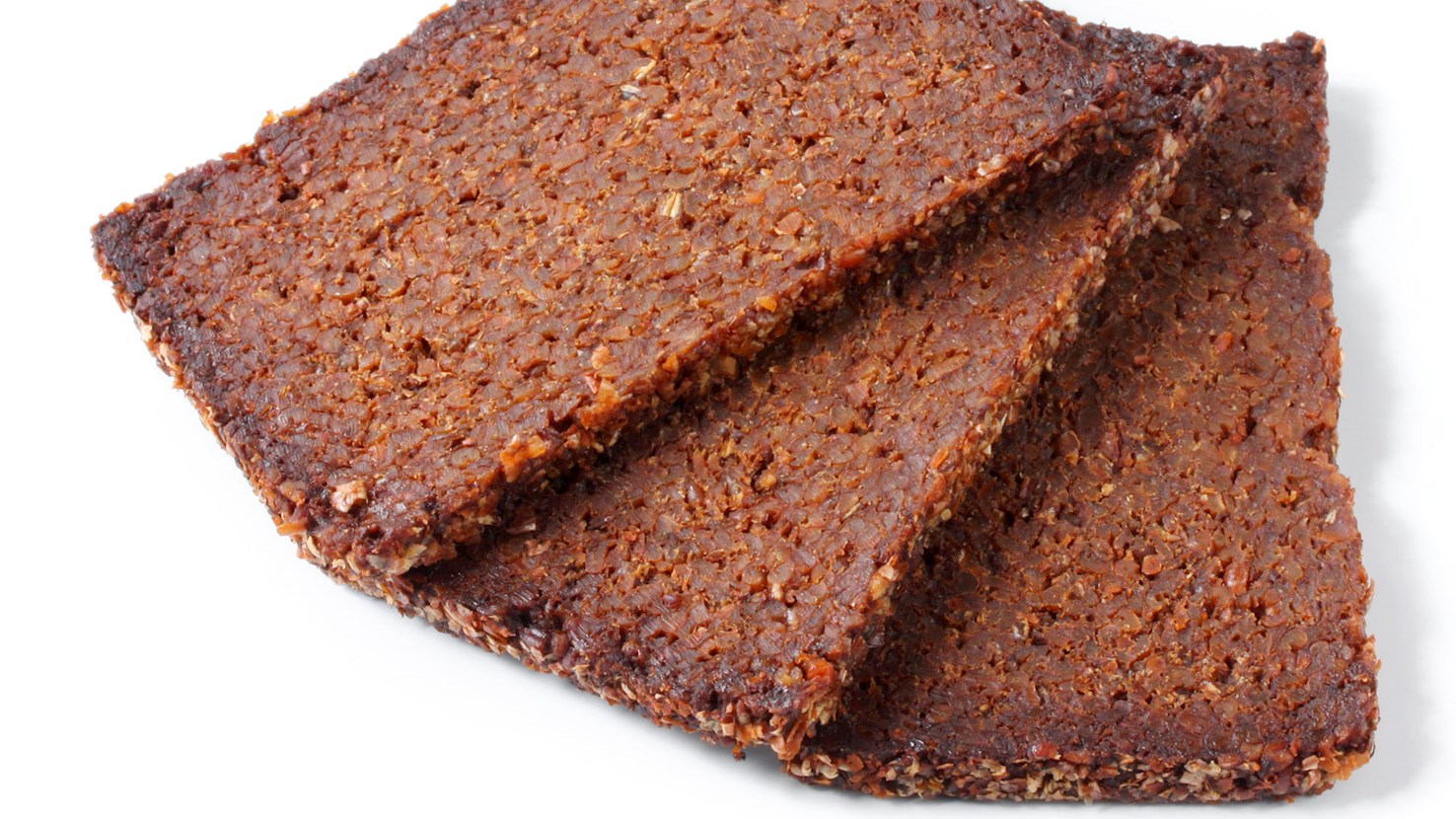
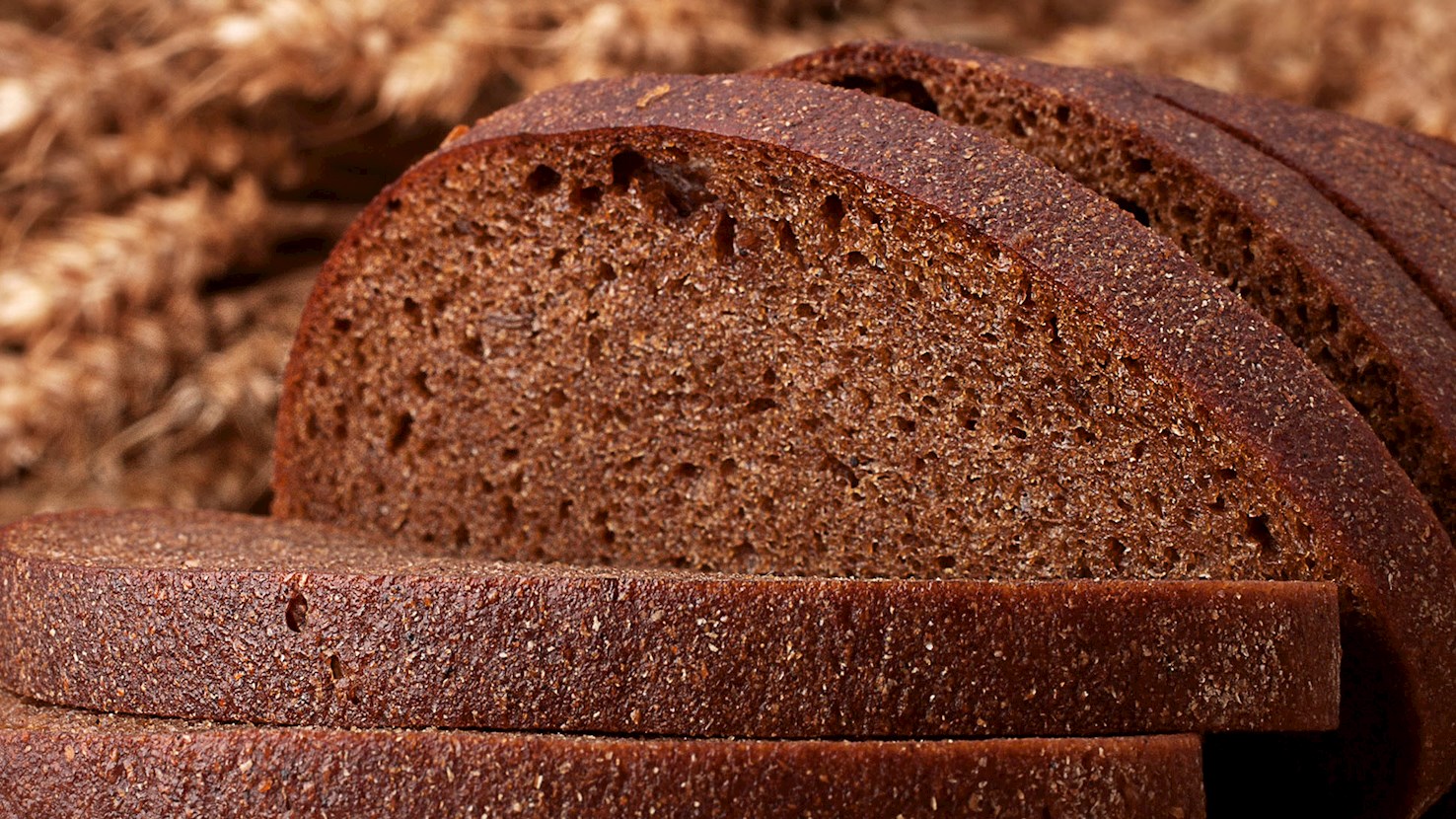
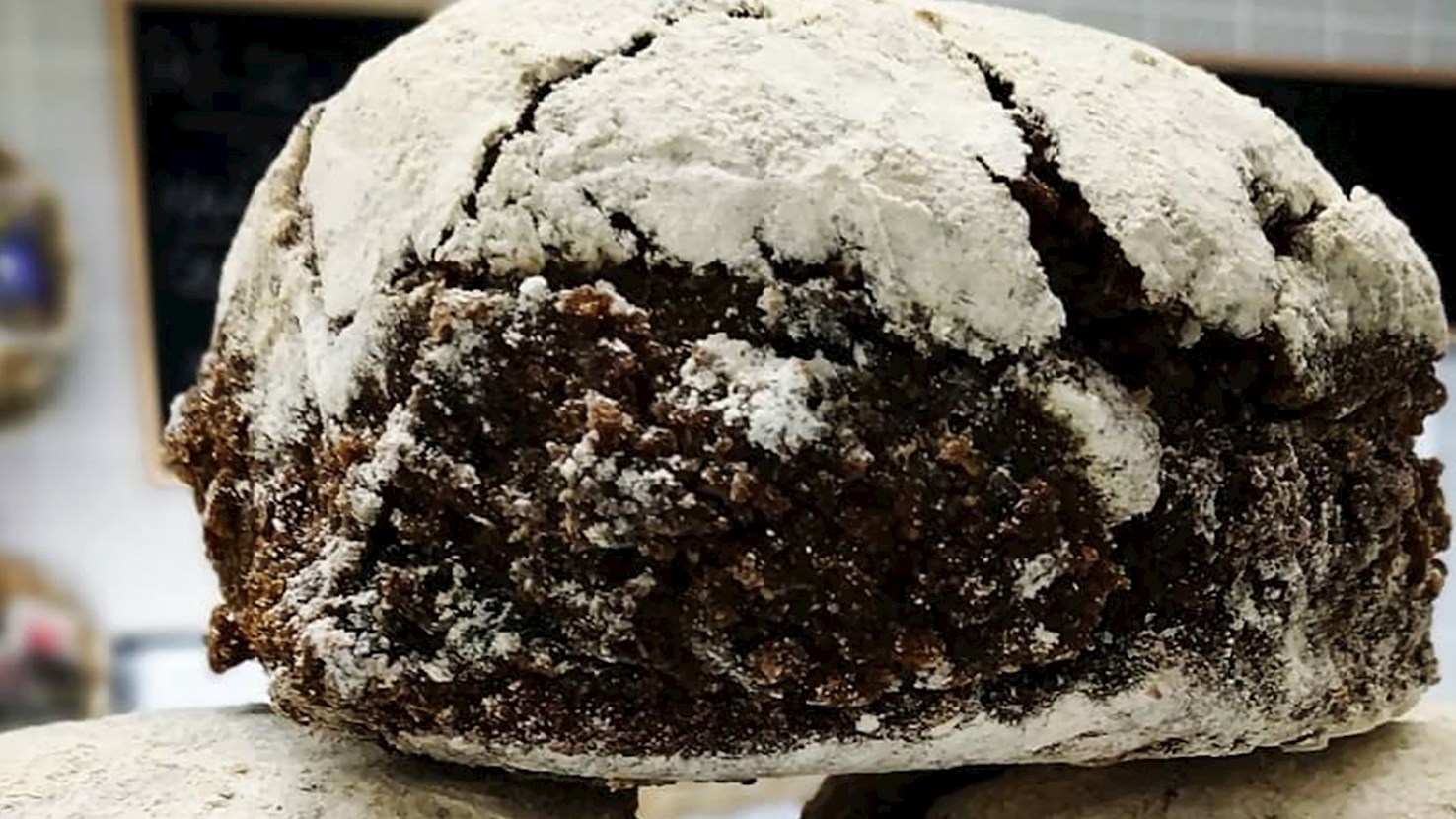
First described in 1450 as the black bread of Westphalia, the famous Westfälischer Pumpernickel is a traditional all-rye bread made with either coarsely ground rye meal or a combination of rye flour and whole rye kernels. It can also be flavored with malt or sugar beet syrup. The loaves are placed in lidded pans and baked slowly at a low temperature in steam-filled ovens for anywhere from 16 to 24 hours, which gives pumpernickel its characteristic deep brown, almost black color. Pumpernickel has little or no crust, a pronounced earthy aroma, and a distinctive bittersweet flavor. It is quite dense and moist, and it has an extremely long shelf-life – when shrink-wrapped, it stays fresh for months, while canned pumpernickel can be stored for as long as two years. Even though the unique flavor and texture of pumpernickel goes well with both sweet and savory spreads, the Westphalians typically enjoy it with a thick smear of butter and a topping of ham or liver sausage.
Traditionally made since the Middle Ages, pane Toscano or pane sciocco is a variety of bread commonly found in the central Italian regions of Tuscany, Umbria, and the Marches. Back then, to show their displeasure with the imposed regulations and high taxes on salt, the Tuscans started baking their bread without salt, hence the name pane sciocco (lit. tasteless bread). Due to its bland taste, the salt-free Tuscan bread is not quite intended for eating on its own, so it is typically served fresh from wood-fired ovens with cured meat products such as prosciutto, salami, or strong cheeses in order to balance out their saltiness and intense flavors. Drizzled with olive oil and smeared with mashed garlic, pane Toscano also makes for a delicious fettunta (similar to an untopped bruschetta), but it is more often used in various soups and stews such as zuppa di pane Toscana.
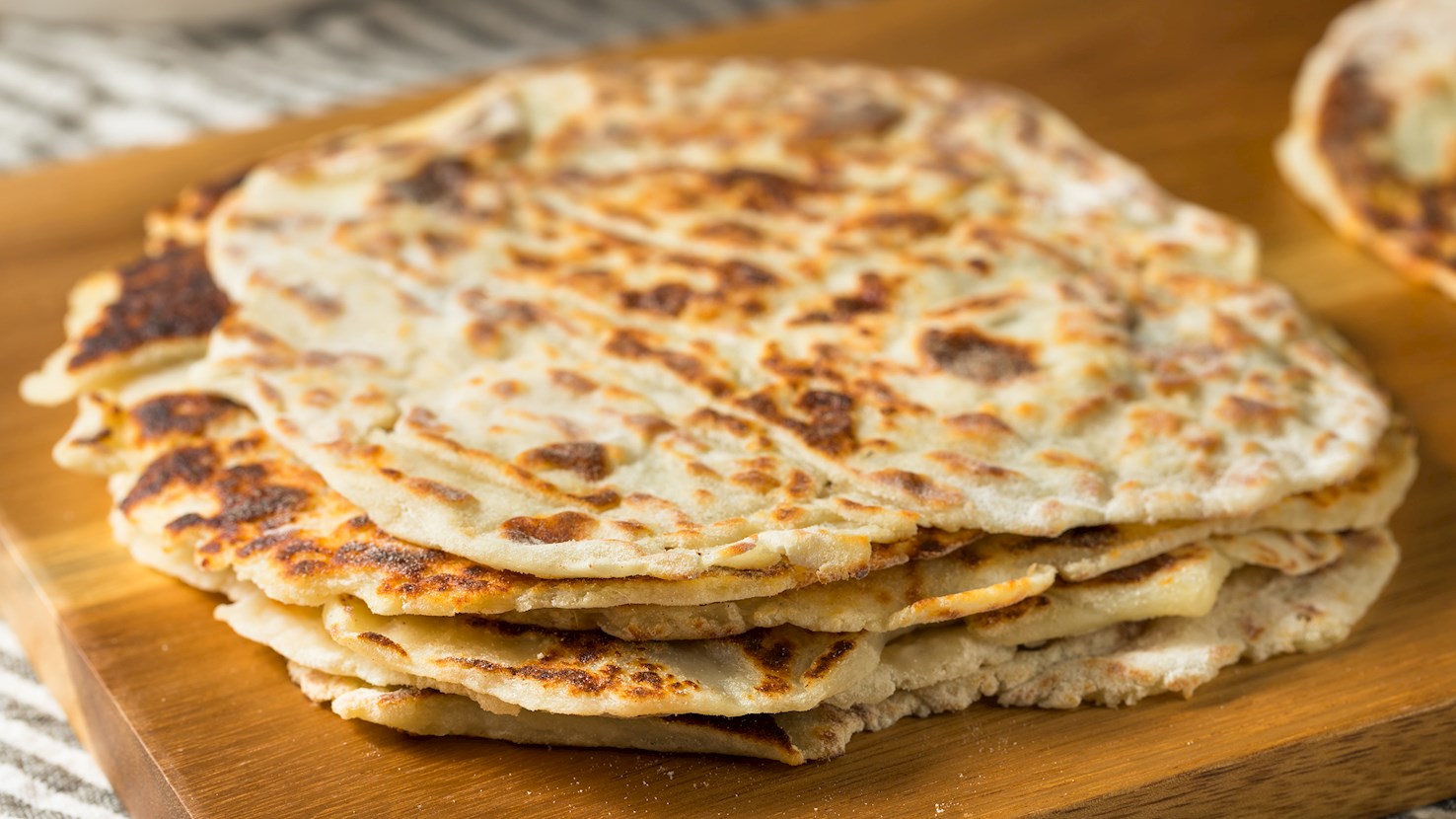
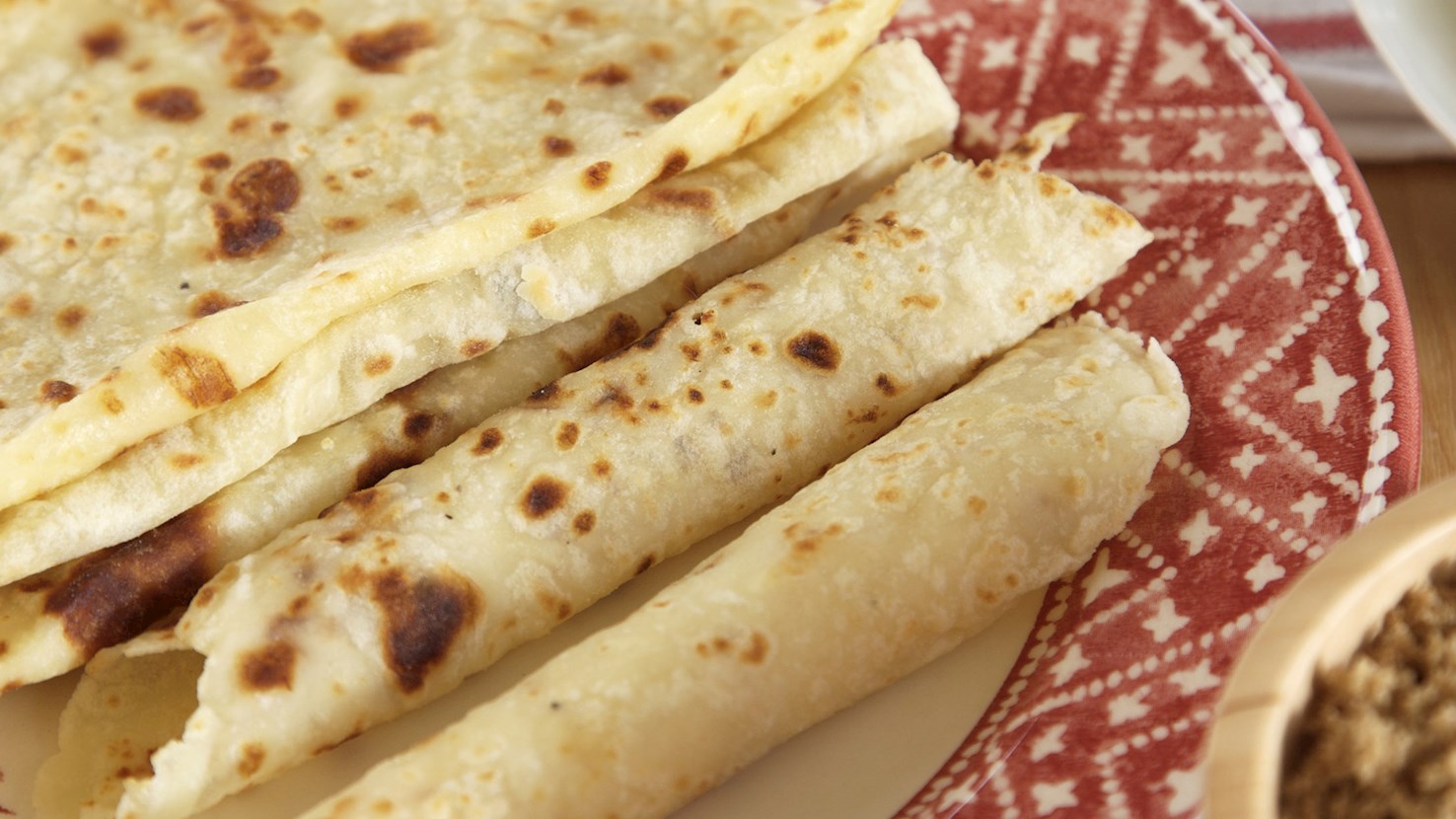
Lomper is a traditional flatbread originating from Norway. The flatbread is made with potatoes, salt, and flour, and it's similar to the more famous lefse flatbread. However, lomper is usually smaller in diameter than lefse and it's most commonly used for wrapping hot dogs (pølser) into it. Lomper can also be filled with various ingredients. Once rolled, the dough is cooked over medium-high heat in a frying pan or directly on a stove. If properly cooked, both sides of the flatbread should be golden brown.
Schüttelbrot is a traditional flatbread originating from South Tyrol, or to be precise, the Isarco valley, in particular in Fiè allo Sciliar. It's usually made with a combination of rye flour, wheat flour, yeast and sugar, salt, oil, and herbs and spices such as fennel, cumin, and fenugreek. The seeds are crushed or pounded in a mortar, then kneaded into the dough. The dough is rolled flat – either paper-thin or a bit thicker – and it's then baked until crunchy and golden brown. If desired, whole rye kernels can also be added to the dough before baking, but the kernels should always be pre-soaked in warm water. Once baked, schüttelbrot is typically served with cheeses and sliced smoked ham or similar cold cuts. This flatbread keeps very well, so it's recommended to store it in a tightly closed container.
Prepared with a base of mashed potatoes and various types of flour, this traditional, unleavened Finnish flatbread is characterized by its round shape and a golden, crispy crust. Best served fresh from the oven, it is usually enjoyed as a light snack or breakfast, complemented with various spreads, butter, or smoked salmon.
Daktyla is a rustic Greek bread made with a combination of cornmeal, plain flour, and whole wheat flour, resulting in a light yellow color of the bread's center. It is traditionally sprinkled with sesame and nigella seeds. The name of the bread can be translated to finger bread, because it is usually torn apart and broken into pieces reminiscent of fingers. It is recommended to pair daktyla with yogurt or soft cheeses.
Seele is a traditional bread originating from Baden-Württemberg. The bread is usually made with a combination of wheat flour, spelt flour, yeast, salt, and water, without any additives or baking aids. Over the course of 24 hours, the dough is worked by hand several times. The small and oblong hand-shaped loaves are placed on the oven floor and the bread is baked until the crumb is moist and the crust is crisp. The crust is sprinkled with caraway seeds and coarse salt. Nowadays, only a few artisanal bakeries in the area still bake the bread using this traditional method that results in toasted aromas of the bread. Many bakeries use modern methods – the loaves are processed by machines, and the bread is less moist, while the crust is less crisp. The name seele means souls, and although the origin of the name is unclear, it's believed that it comes from the Christian All Souls' Day, when bread was given to poor people (souls) in need.
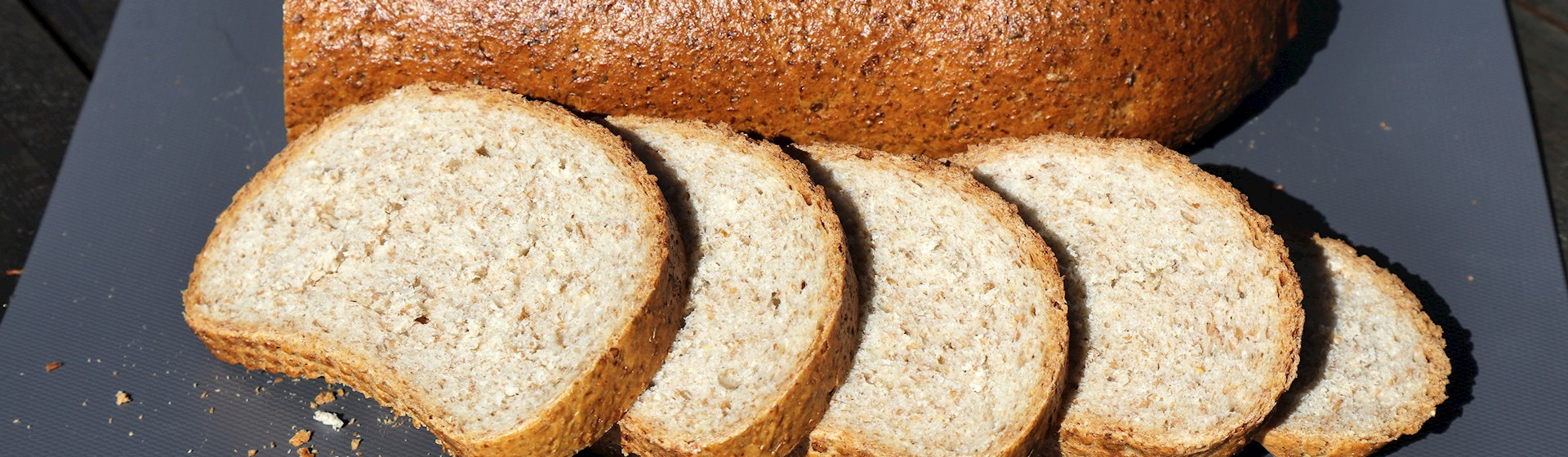
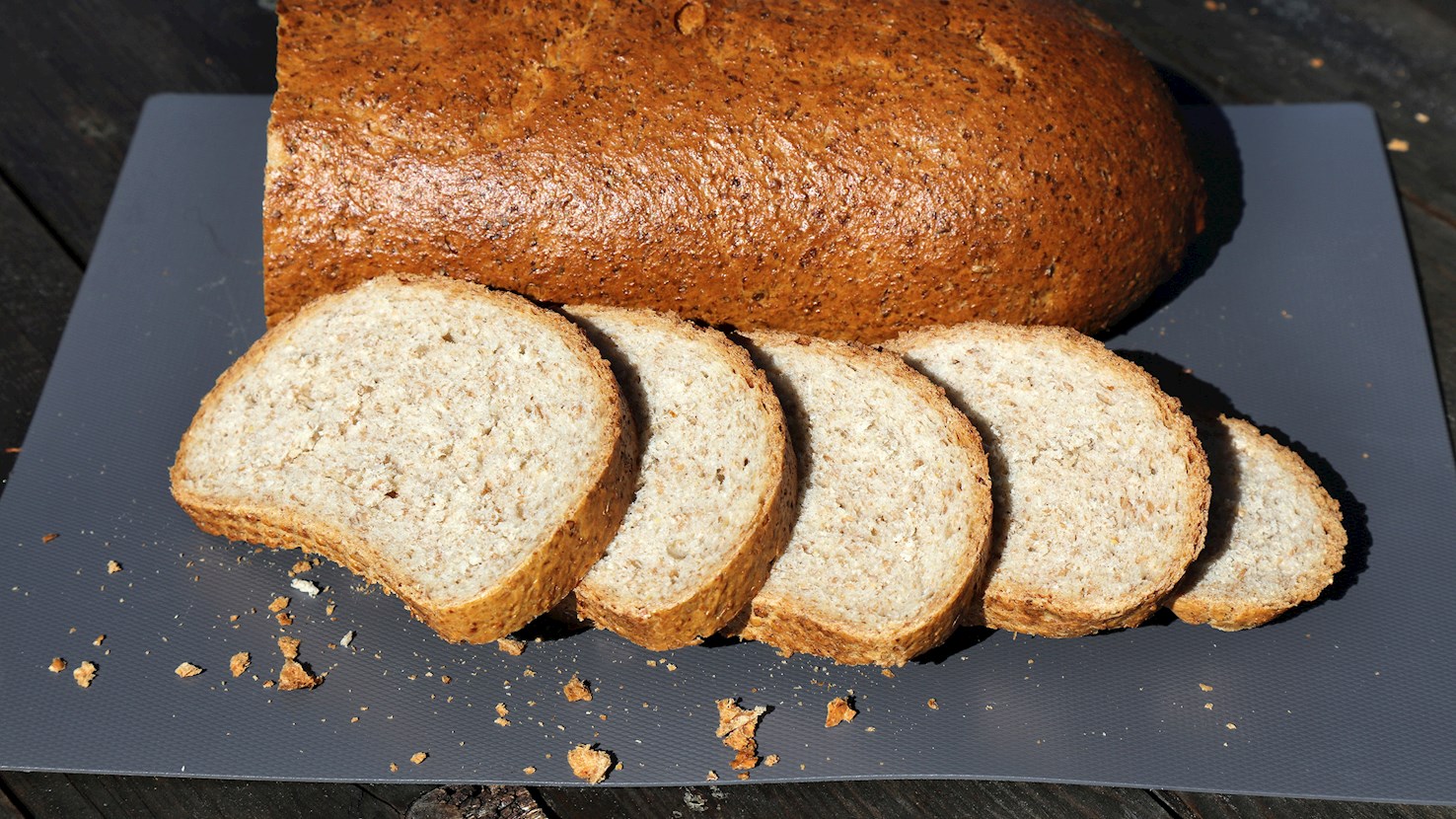
Walliser roggenbrot is a Swiss rye bread produced in the Valais region. The rustic loaf with a dense crumb must contain at least 90% whole rye flour, and it is typically made with a sourdough starter. The bread keeps for a long time, and traditionally, it used to be baked in village ovens which were fired only a few times per year, so it was quite important that the bread lasted for a few months. Nowadays, walnuts and dried fruits can be added to the bread, if desired. When consumed, the bread is thinly sliced, and it is recommended to serve it with cheese, cold cuts, and gherkins.
Knäckebröd is the original name of this famous Swedish crispbread. Even though it is regarded as a bread variety, its crunchy texture and thin form have more similarities to crackers. The key ingredient is rye flour, which was the main element in the original version. Today, a variety of seeds such as sesame, sunflower, pumpkin, or flax seeds are used to create different versions of this crispy bread. The tradition of preparing knäckebröd in Sweden appeared in a time of hardship, approximately 500 years ago, when bread was considered a rare and luxurious food item. This way of preparation, which uses a small percentage of water, allows the bread to stay crispy and fresh for a longer period of time. Today, most of these crackers are factory-produced, but easy preparation and convenient storing make it a standard homemade option. Light, easy to crack and to handle, it is a perfect accompaniment that is served alongside a variety of appetizers, dips, sauces, cold meat cuts, smoked salmon, cheese, and fruit spreads. In Sweden, it is a staple breakfast ingredient that is also commonly consumed as a snack or a light dinner.
Mchadi is a popular, traditional Georgian bread consisting of cornmeal, salt, and water. The dough is usually fried in hot oil until golden brown. It is recommended to serve mchadi warm with kidney beans and cheese on the side.
Tunnbröd (lit. thin bread) is a traditional flatbread. Since it could be stored for longer periods, it was created out of necessity. Nowadays, it comes in many forms, which may employ different combinations of wheat, barley, and rye, or various seeds. The primary distinction is made between the soft varieties, which are usually used as wrappers, and hard and crispy types that often form the base of various Swedish snacks.
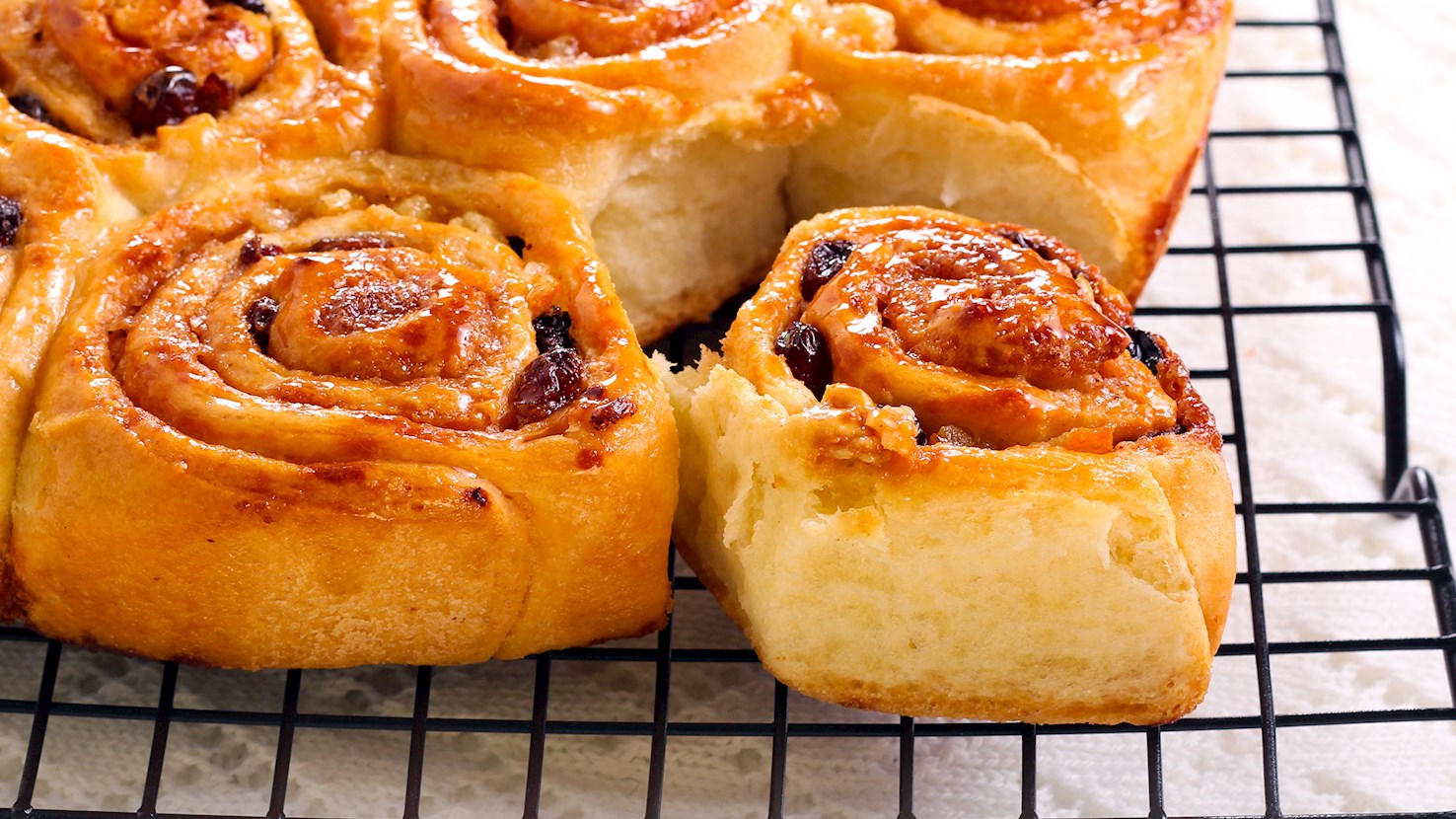
It is believed that this classic English dessert was invented at the London's Chelsea Bun House in the 18th century. The bun is made with a rich egg-based yeast dough flavored with lemon peel, and either cinnamon or mixed spice. Before baking, the dough is smeared with a combination of butter, brown sugar and currants. A perfect tea-time treat, Chelsea bun is typically enjoyed warm, cut into slices and smeared with even more butter.
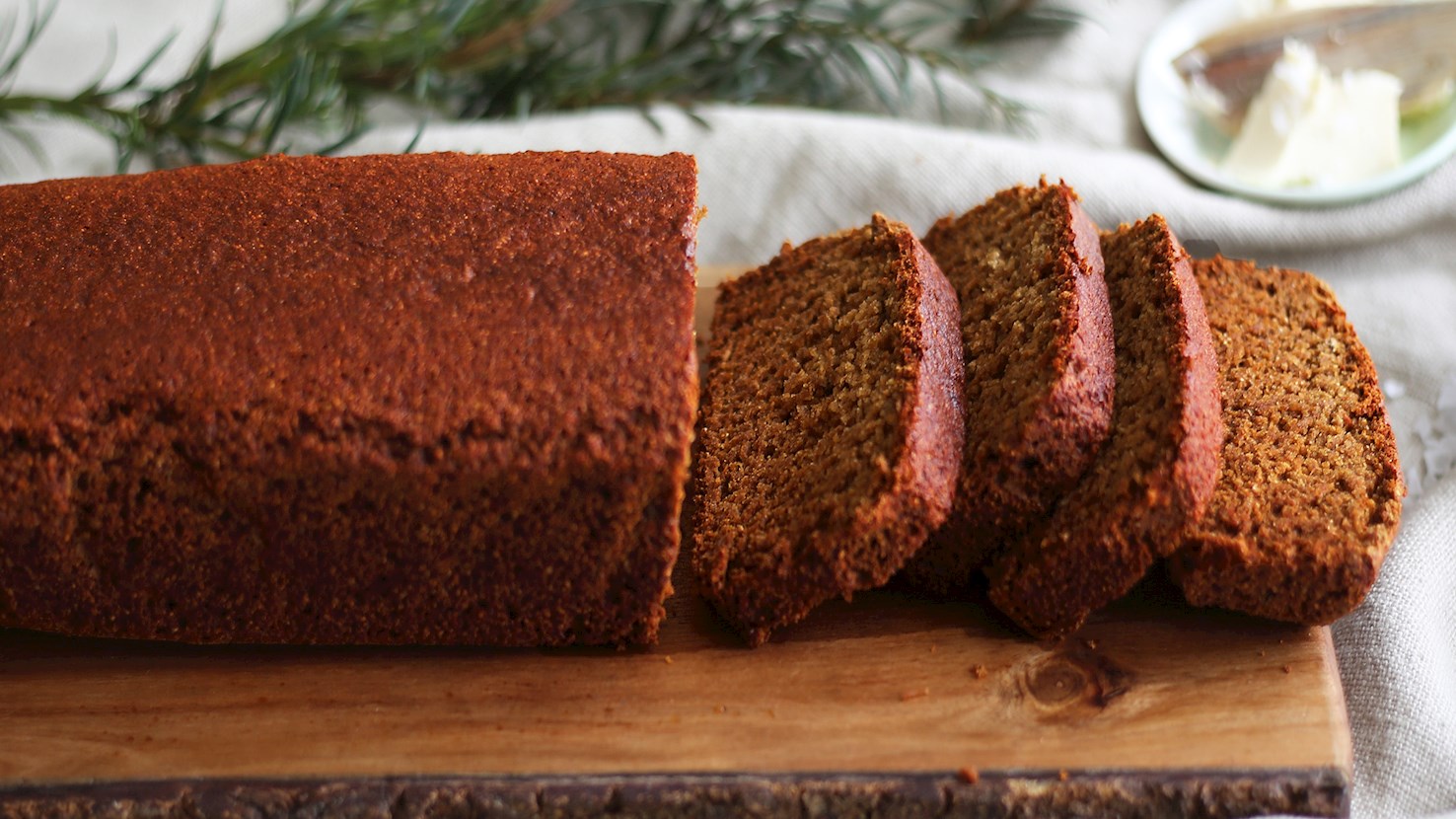
Kavring is a classic Swedish bread that started by traveling through the Nordic countries. It originated as a crisp rye bread in Norway, and then, in the late 1800s, it evolved into a slightly sweet, tender, and fragrant loaf in southern Sweden. The bread is typically made with a combination of plain flour, rye flour, salt, dark treacle syrup, baking powder, fennel, and caraway seeds. Traditionally, it is consumed at Midsommar, Easter, or Christmas with gravlax, pickled herring, Christmas ham, pickles, or hard-boiled eggs. On regular days, it is often consumed for breakfast with butter, cheese, or fruit jams, but it is also used for a variety of delicious sandwiches.
Papo secos, also known as Portuguese rolls, are light and airy bread rolls popular in Portuguese cuisine. These rolls are made from common bread ingredients including yeast, sugar, flour, salt, water, and butter, with a little milk brushed on top before baking. In Portugal, these rolls are ubiquitous in bakeries and homes and are often referred to as carcaça. They are distinguished by their oblong shape and a characteristic crease down the middle, making them perfect for sandwiches, toasties, or as a delicious accompaniment to meals, especially the famous bifanas, which is a type of Portuguese sandwich.
Also known as Aberdeen butteries, butterie rowies, or simply rowies, these small breakfast rolls are a popular choice for starting the day all over Scotland. The rolls feature a decadently high proportion of butter to flour, which makes them particularly flaky and tender. In northeastern Scotland, where these morning rolls enjoy a very special status, it is often said that the honor of a traditional Scottish breakfast goes not to porridge but to "a rou an' a cuppa tea." Butteries are best enjoyed fresh from the bakery, piping hot, and spread with some more butter and marmalade.
Named after an ancient city and the province of its origin, pane di Matera is a country-style sourdough bread made with semolina dough, natural yeast, salt, and water. Due to special kneading methods and the use of a local wheat variety called Senatore Cappelli, the unusually-shaped Matera bread will stay fresh for up to a week or sometimes even longer, keeping its unmistakable flavor and aroma. It is especially good when combined with local cheese and charcuterie products, but it can also be used for bruschettas, or as an ingredient in various dishes such as the rustic cialledda Materana, a local specialty made with onions, tomatoes, and soaked Matera bread, altogether flavored with oregano and olive oil.
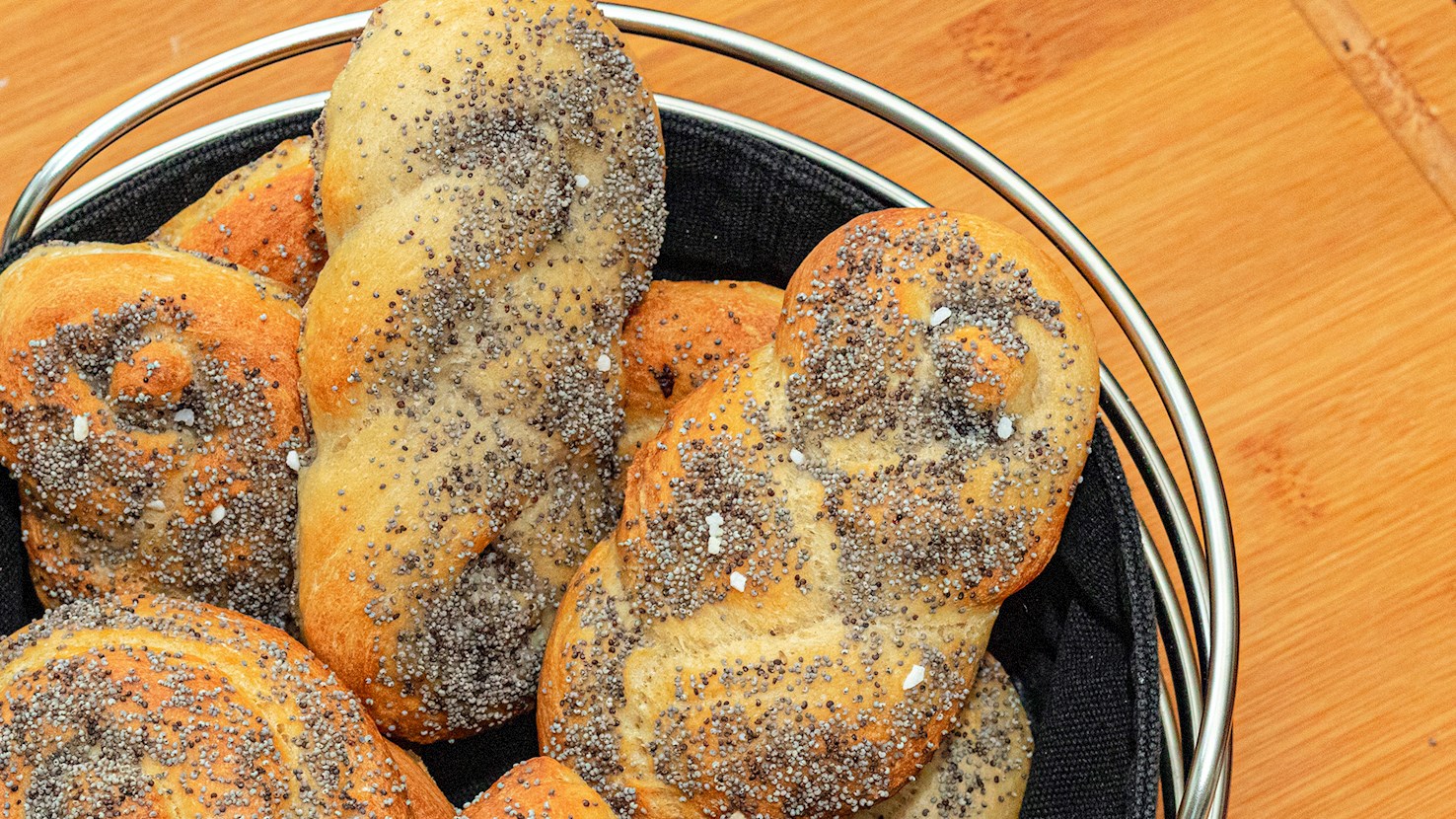
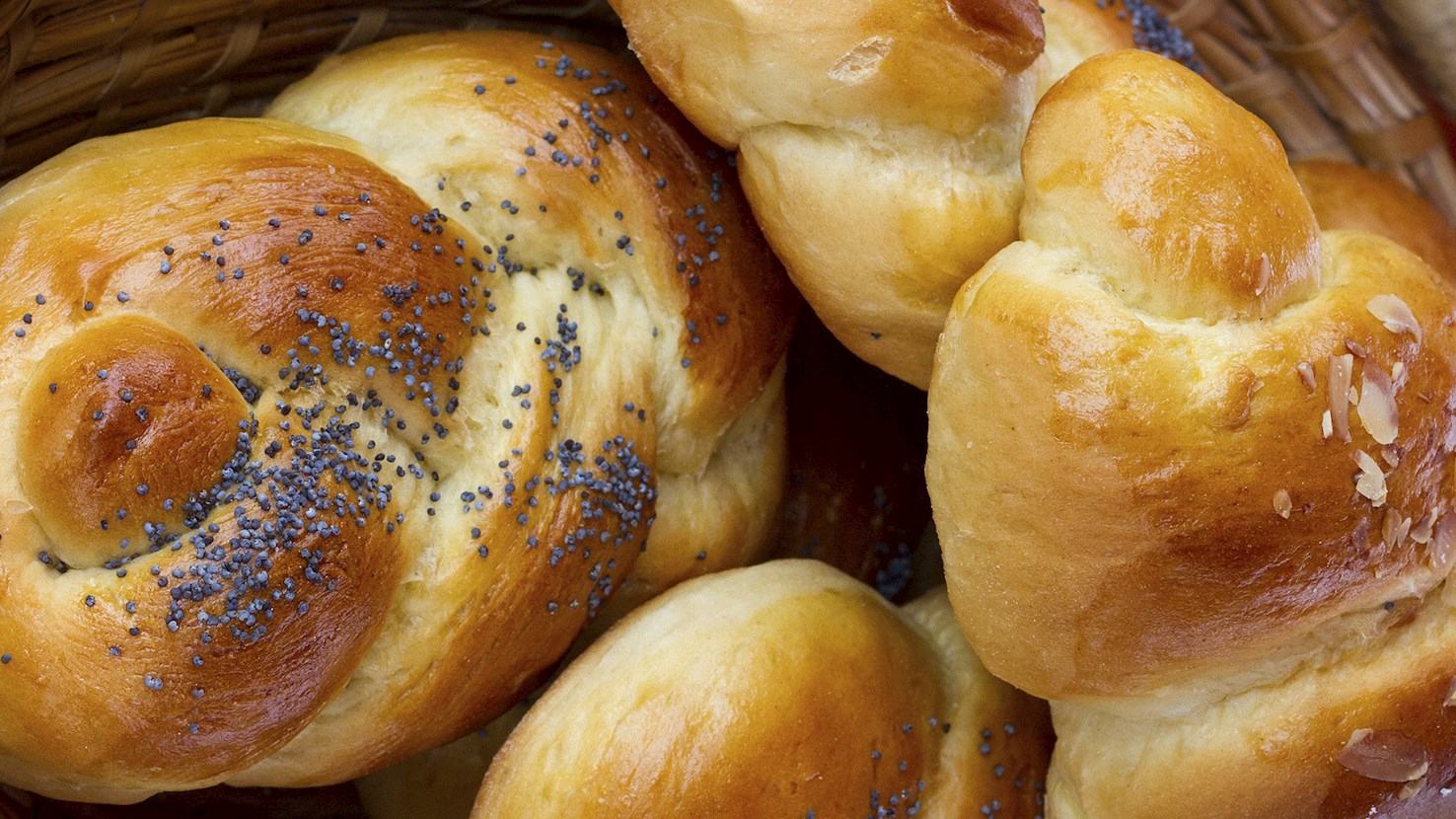
Mohnflesserl or Mohnstriezerl is a type of Austrian bread roll made with a braided or twisted shape and coated with poppy seeds ("mohn" in German). Commonly found in Austrian bakeries, Mohnflesserl rolls are known for their soft, airy interior and slightly crunchy crust. The dough is typically enriched with milk, butter, and sometimes a touch of sugar, creating a tender, mildly sweet flavor that complements the nutty, earthy taste of poppy seeds. Mohnflesserl is popular as a breakfast or snack bread, often enjoyed with butter, jam, or cheese. The twisting or braiding technique gives it a distinct appearance, resembling a small, elegant loaf, which is characteristic of Austrian and Bavarian bread-making traditions. This bread roll has become a staple in Austrian bakery culture and is widely enjoyed across the region.
Viena andaluza is a traditional bread roll hailing from Andalusia. The bread roll is usually made from wheat flour, and the dough is formed into an oval shape. Once baked, these rolls should be golden and crusty, with a soft, fluffy, white crumb and a pleasant, characteristic aroma. Viena andaluza is often used to make sandwiches such as bocadillo serranito due to its softness and its thin and elastic crust.
Eptazimo is a traditional bread with a unique preparation method, where the dough is kneaded seven times (the name "eptazimo" comes from the Greek word "epta" - seven) before baking. What also sets eptazimo apart from other breads is that it is leavened without yeast. Instead, it relies on a natural fermentation process od chickpeas to create a leavening effect. The dough is often flavored with aromatic ingredients such as anise and ouzo, giving it a distinctive, slightly sweet, and fragrant taste. Eptazimo is known for its dense texture and is considered a rare, ancient bread recipe that has its roots in Byzantine culinary traditions.
Filone is a traditional bread from Tuscany, visually similar to the famous French baguette, consisting of flour, olive oil, yeast, water, and salt. The bread has a hard, crispy crust on the exterior, and a light, airy crumb on the interior. The name filone is derived from the Italian word filo, which means line, referring to the shape of the bread.
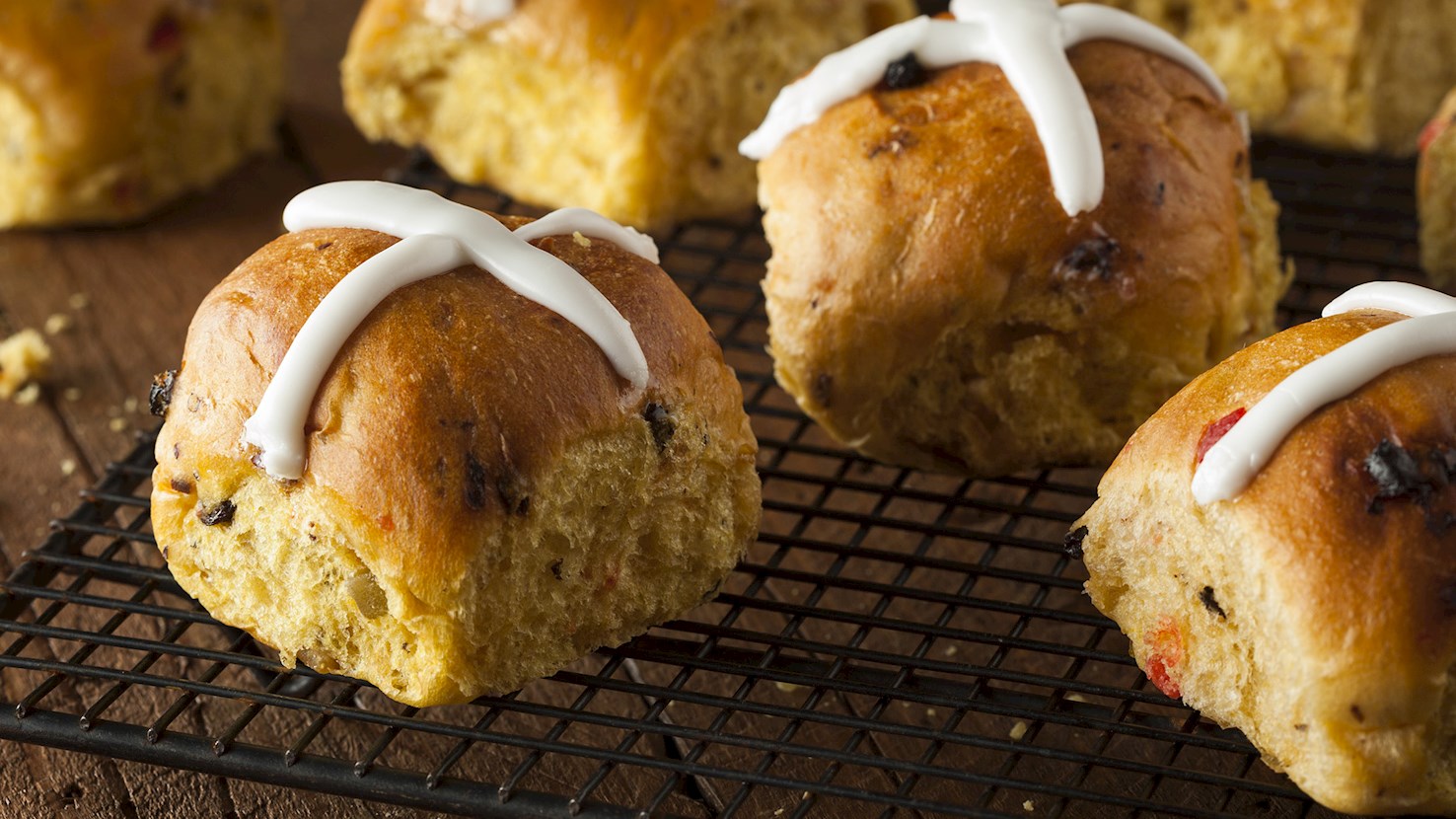
Traditionally prepared and eaten on Good Friday and during Lent, hot cross buns are subtly sweet spiced buns made with a rich yeast dough that is studded with dry fruit. The top of each bun is marked with a cross, typically made with shortcrust pastry, a mixture of flour and water, or icing sugar. Although theories abound, the exact origin of hot cross buns is shrouded in mystery. They are sometimes associated with Romans and Saxons, who made similar cross-marked buns to commemorate Eostre—the goddess of light. However, they are mostly linked to Christian folklore. Apart from the cross symbolizing crucifixion, it is often said that the hefty use of spices signifies the ingredients used to embalm Christ after his death. What is certain is that the buns already enjoyed immense popularity by the 16th century, when Queen Elizabeth I restricted their sale solely to Christmas, Easter, and Good Friday as it was believed that the buns had healing properties. The restriction had little effect and was soon revoked. Nowadays, hot cross buns are world-famous and enjoyed all year round. The traditional version is dotted with currants and spiced with cinnamon, nutmeg, and allspice, but it is easily modified and adjusted to taste. The buns can be enjoyed as a sweet or savory treat. They can be served plain or toasted, with butter, jam, or any other optional topping.
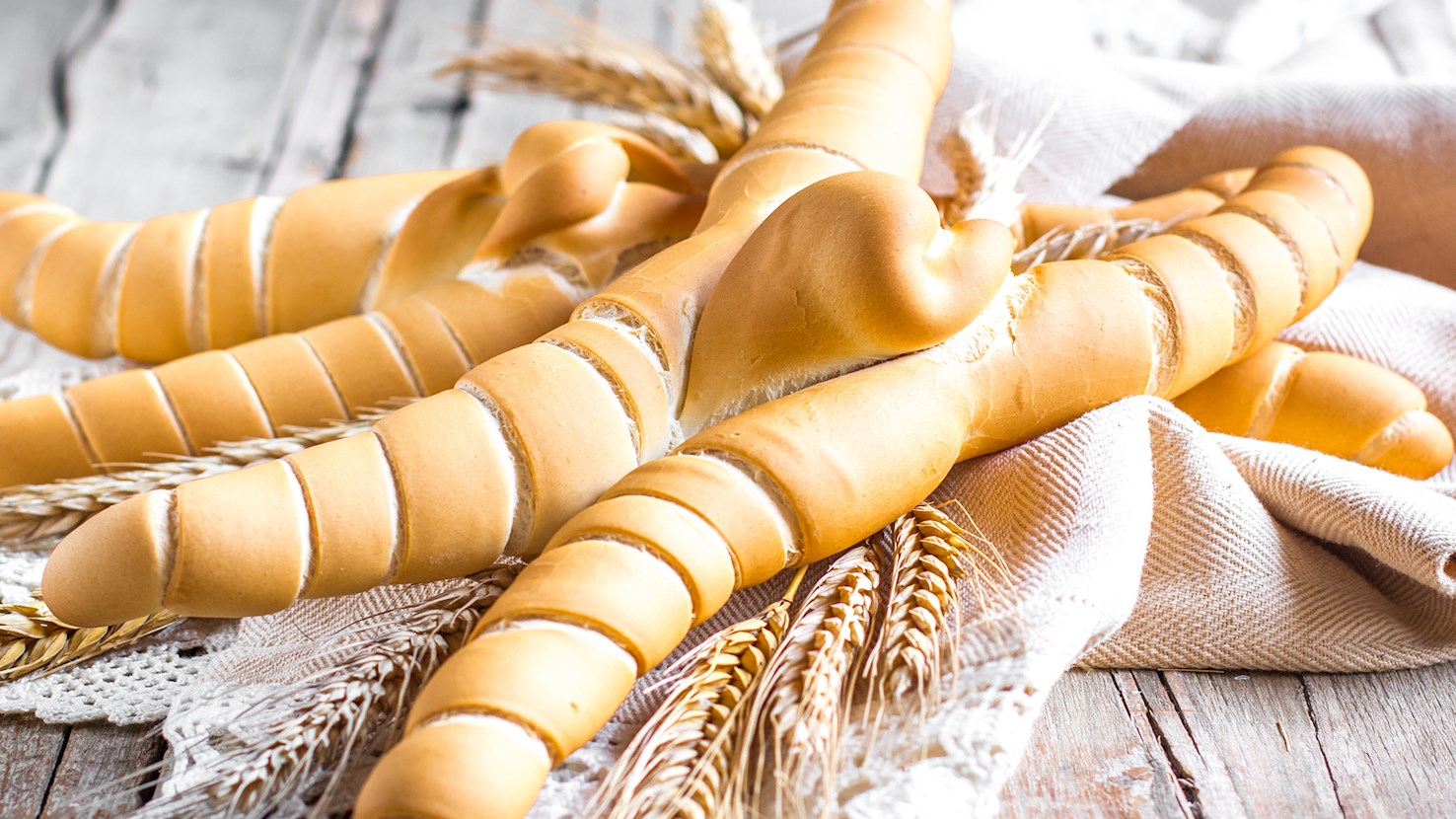
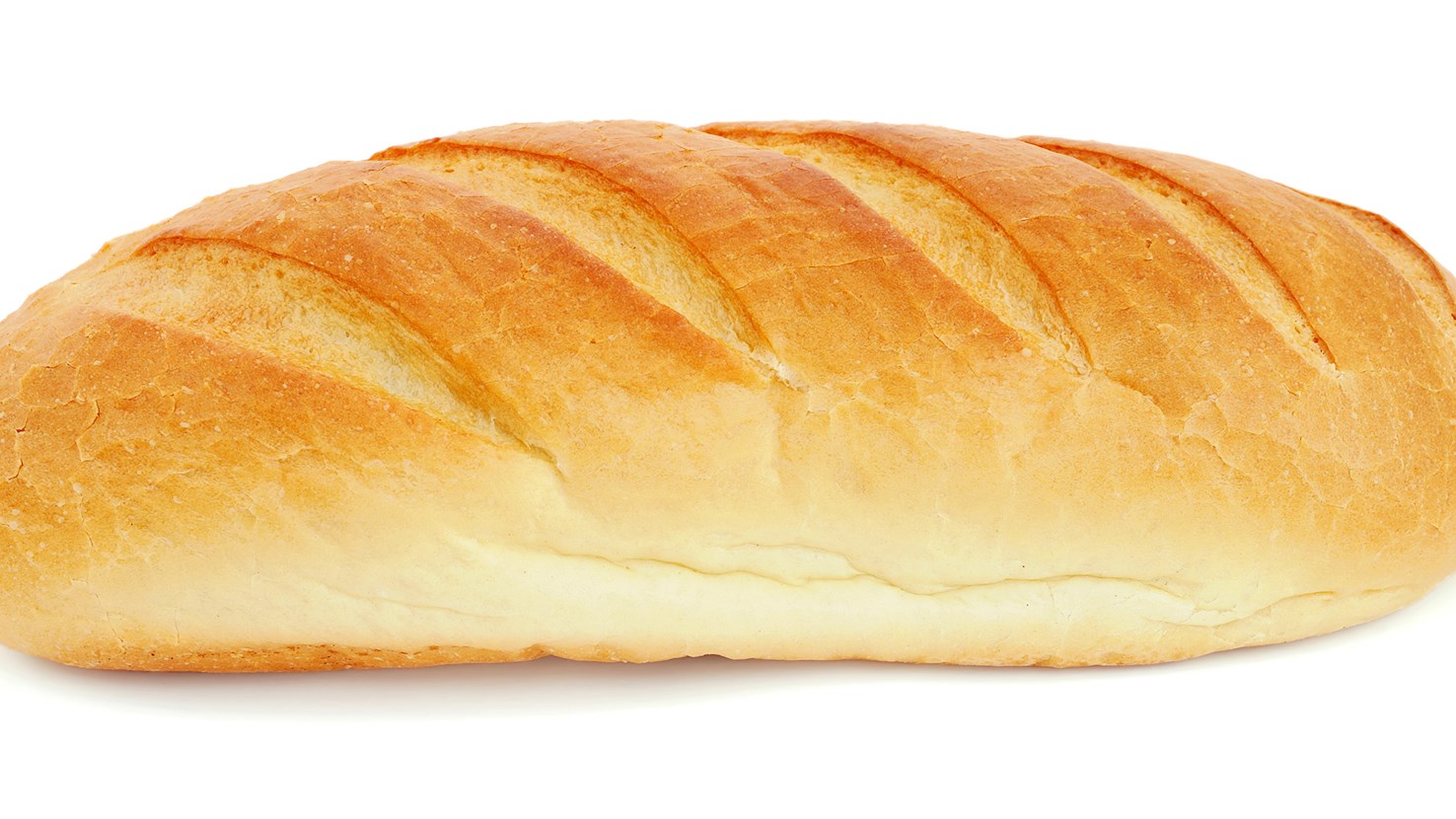
Veka is a white bread variety that is similar to the famous French baguette, commonly found in Czech, Slovak, and Polish cuisines. Made with yeasted wheat dough, it is usually shaped into small loaves, shorter and wider than the traditional baguette. When baked, the loaves attain a golden-brown crust, while the center stays soft and airy. It appears under various names and it is one of the most common bread varieties found in many Central and Eastern European countries. In the Czech Republic, it is usually used as a base for the open-faced chlebíčky sandwiches, when the slices are topped with various condiments and then served as a quick buffet snack.
Finnish näkkileipä is a crispy, thick flatbread that is usually prepared with rye flour and closely resembles Swedish knäckebröd. It was traditionally round, but today it appears in various forms and can be prepared with seeds and different types of flour. Nowadays it is mainly factory-produced and makes a convenient, quick snack that is often paired with creamy spreads and various toppings.
Michetta is a traditional white bread characterized by its round and bulbous shape, hard crust, and an airy, slightly hollow texture of the interior. It is believed that michetta was invented in Lombardy during the period of the Austrian rule. At the time, the officials who were located in Lombardy brought with them traditional Austrian dishes, including Kaisersemmel—a crusty round bread roll. The bread proved to be too soft and rubbery for the locals, who then tried to create a similar roll with a slightly hollow center which would remain crispy for longer. The name michetta, which initially meant crumb, is believed to stem from micca, a local term that was once used for Kaisersemmel. The bread is best served fresh, and it is typically filled and enjoyed as a sandwich. It can be paired with anything from pesto and mozzarella to prosciutto. Versions of michetta are sometimes referred to as bignè, rosetta, or stellina. In 2007, michetta was officially granted a municipal designation of origin which categorized it as a traditional gastronomic item of the region.
Daujėnų naminė duona is a traditional, homemade rye bread produced in the Daujėnai civil parish in Lithuania since the 17th century. The bread is quite big and comes in either oval loaves weighing from 4 to 4,5 kilograms, or rectangular loaves weighing from 4,5 to 10 kilograms. Rye flour dough is fermented in oak troughs, after which it is baked in a hearth oven or over coals. The loaves have a smooth dark and delicate surface and a pleasant flavor typical of rye bread, with a sweet and sour taste and a rich aroma. Only caraway seeds are added to the flour, water, sugar and salt mixture. The bread has a relatively long shelf life of two weeks and is highly praised by consumers; served at fairs, festivals, weddings and christenings where it is sometimes decorated with ornaments or symbols of strength, fidelity and humility.
Bap is a soft bread roll that’s enjoyed throughout the United Kingdom, but its origins are Scottish. This bread roll is often made with a combination of flour, milk, sugar, salt, yeast, and vegetable oil or butter (or lard). In Scotland, a bap is a favorite morning bread roll. Baps look similar to hamburger buns, and they’re used in a similar manner. The bread roll is ideal for sandwich fillings such as sausages, bacon, or boiled beef. Generally, baps taste the best when buttered or topped with meat. In Scottish pubs, baps are often served with Lincolnshire sausages and caramelized onions. There’s also a popular fish filling – battered and fried mackerel fillets are served in a bap with tartare sauce for a sandwich called mackerel bap, but beware – mackerel is no longer considered sustainable, so decide for yourself if you want to indulge in it or not.
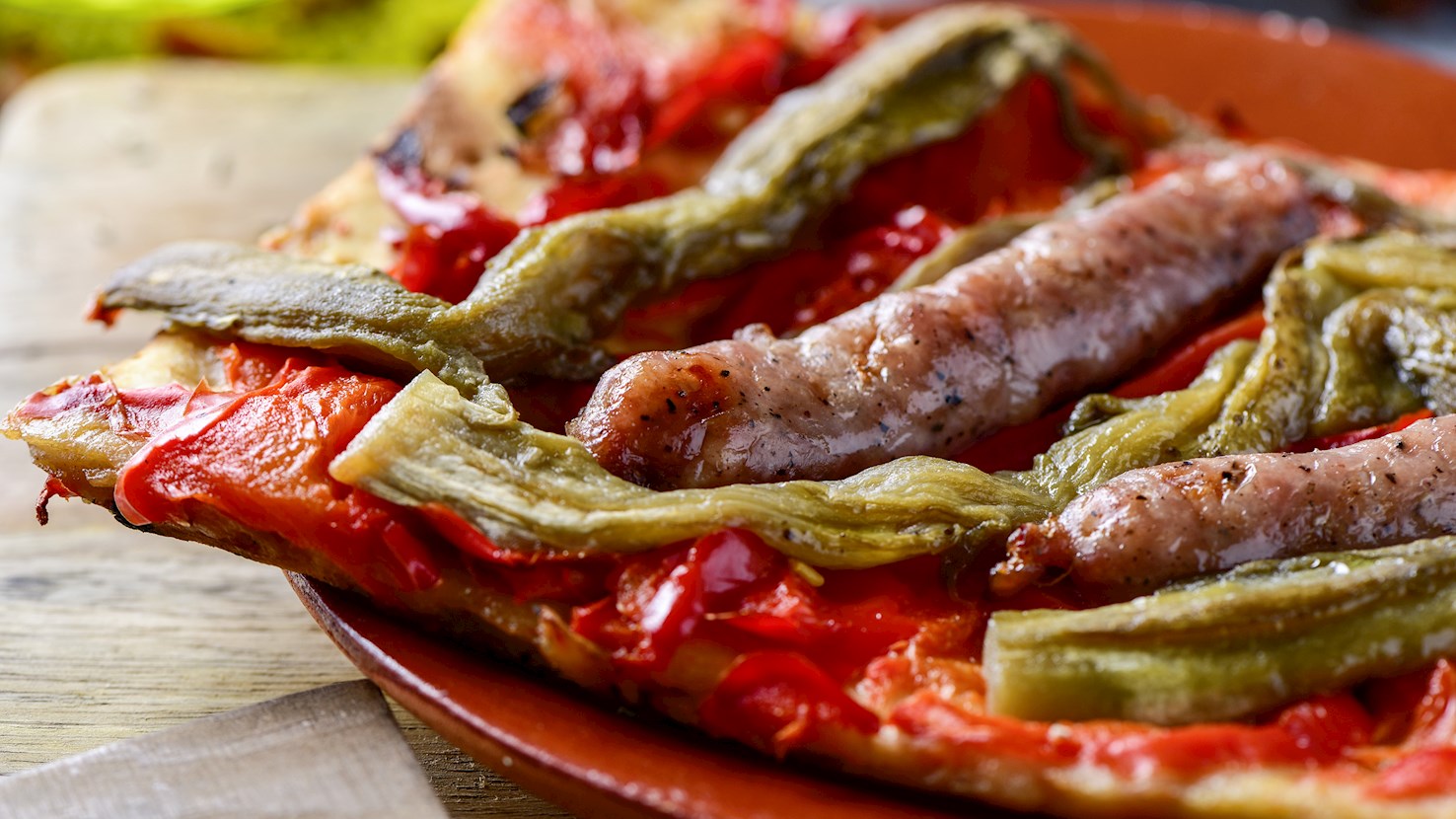
Coca de recapte is a traditional coca variety that's commonly found in Catalonia and Valencia. In Catalonia, this is the most common coca variety which is often sold in bakeries. It consists of a thin bread-dough base that's topped with eggplants and roasted peppers (known as escalivada) in addition to tomatoes and onions. The locals claim that this coca variety was invented in the area of Tarragona and Lleida. Coca de recapte is traditionally eaten cold, and the word recapte in the name of the dish means something like what you have in stock, referring to the fact that the cooks add ingredients which are usually staples of Catalan kitchens. The dough is made with flour, salt, olive oil, yeast, sugar, and warm water, while the topping is made with a combination of eggplants, red bell peppers, onions, olive oil, tomatoes, salt, and sugar. Sometimes, fish such as sardines are added to coca de recapte for even more texture and flavor than it already has.
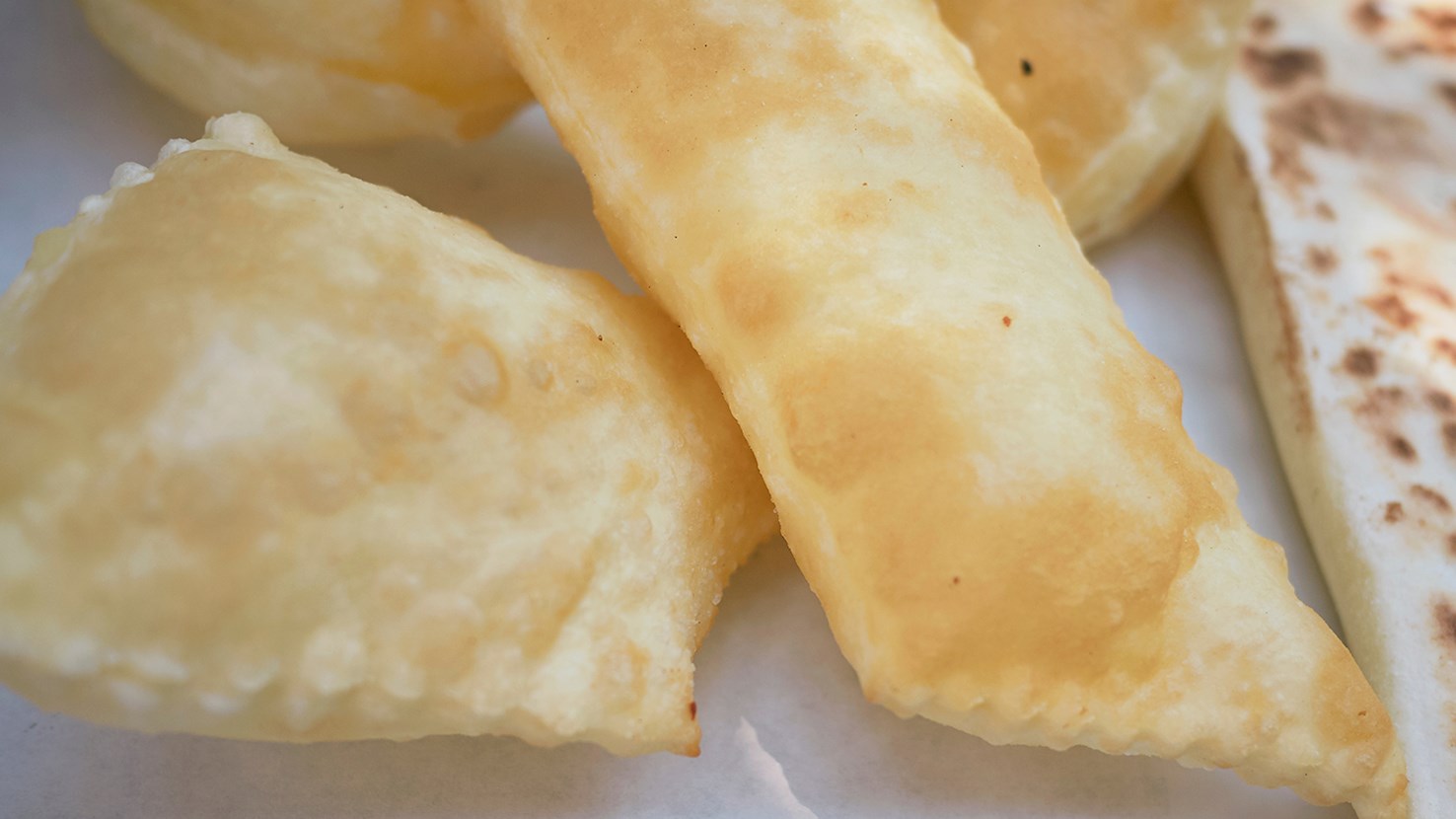
Piadina fritta, also called piè fretta, sometimes even pizza fritta, is a thin, golden-brown fried bread prepared alongside Santerno Valley in the Italian region of Emilia-Romagna. A very simple dough made with water, flour, salt, lard or olive oil, and yeast is first left to rise, and it is then shaped into thin round discs and deep-fried in oil. It can be enjoyed in both sweet or savory versions. The sweet piadina fritta can be served dusted with sugar, but it is often topped with jams or chocolate cream, while the savory version is usually lightly sprinkled with salt and enjoyed on its own or paired with different cold cuts and cheese. Since 1957, every year on Easter Monday, the Festival of Piè Fritta is held in Fontanelice - it is a great opportunity to try all the possible varieties of this simple, yet extremely versatile and delicious dish.
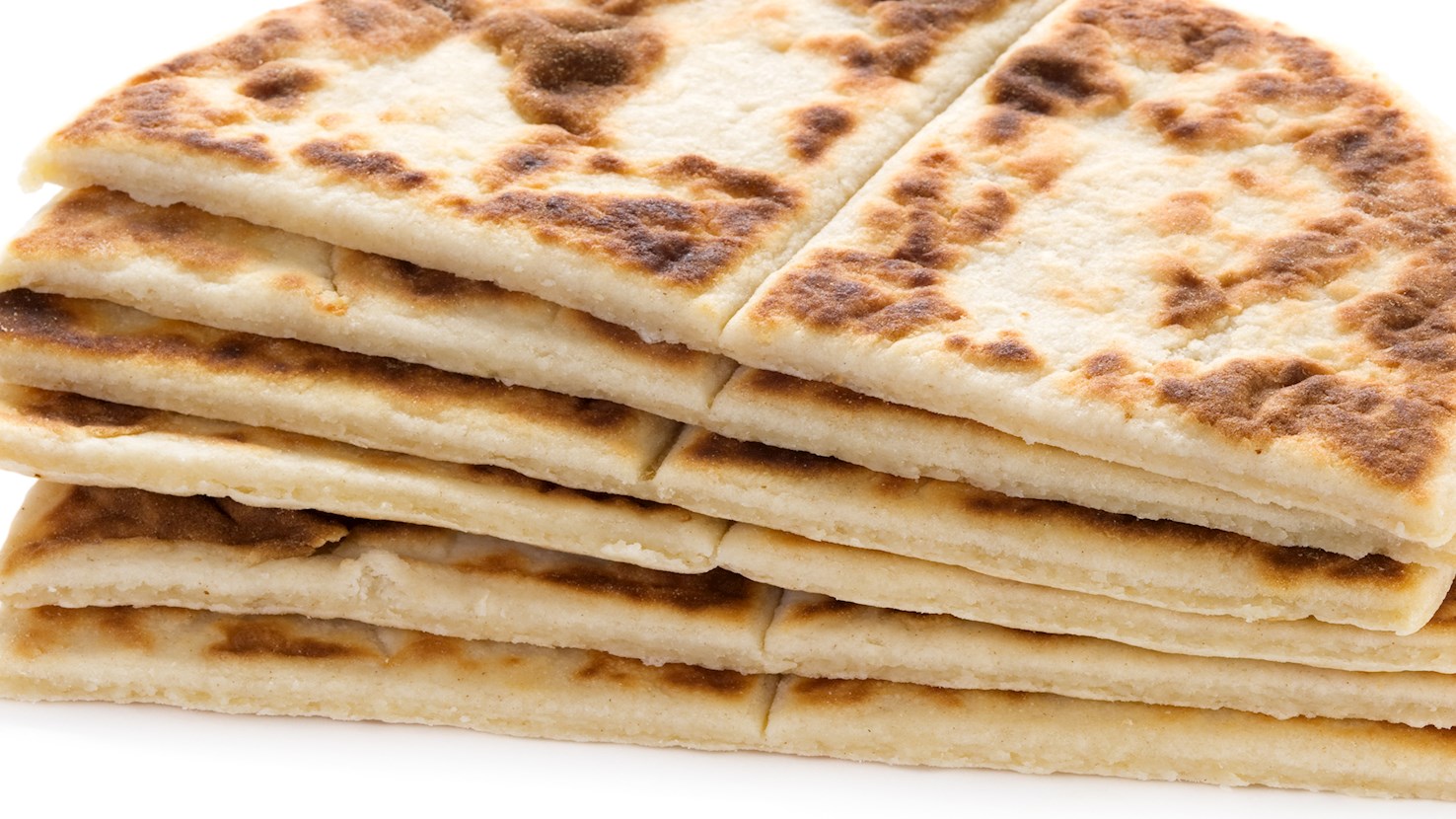
Flatkaka, meaning flat cake, is a traditional rye bread characterized by its flat appearance and fork prick marks on its surface. The flatbread is unleavened and baked in a pan, then served cut into quarters or halves. In the past, it was baked on hot stones, but today people even make them at home on electric hot plates. The bread is usually topped with butter, smoked salmon, smoked lamb, or pickled herring. Due to the fact that flatkaka is light, yet packed with energy, it is a quintessential hiking snack in Iceland.
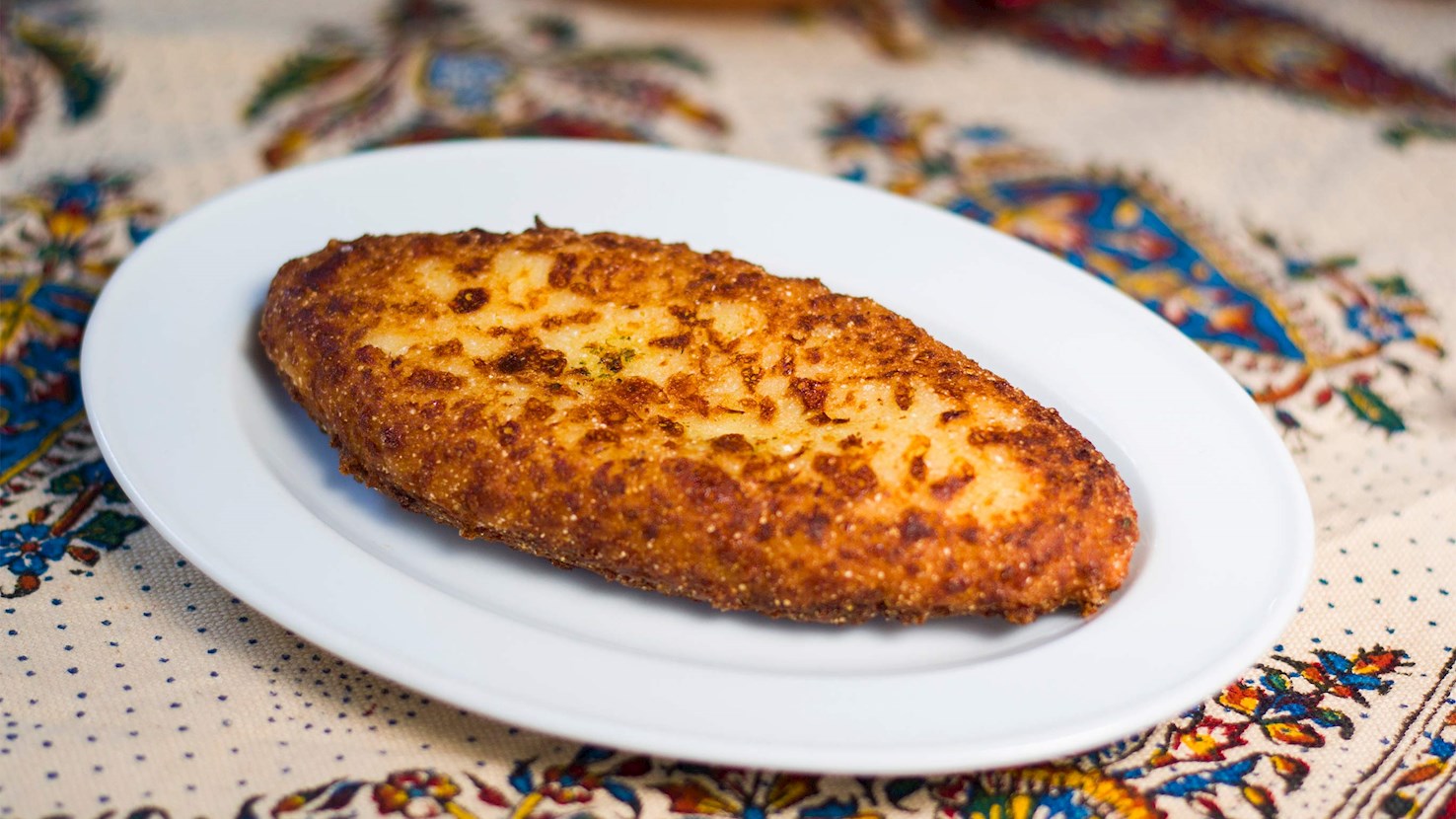
Chvishtari is a traditional cornbread originating from Svaneti. It's usually made with a combination of cornflour, milk, eggs, oil, salt, and sulguni cheese. The dough is kneaded with the cheese until it becomes firm and smooth. It is then flattened and cooked on both sides in a greased frying pan over medium heat until lightly golden. It's recommended to eat chivshtari on the same day that it was made, preferably while still hot.
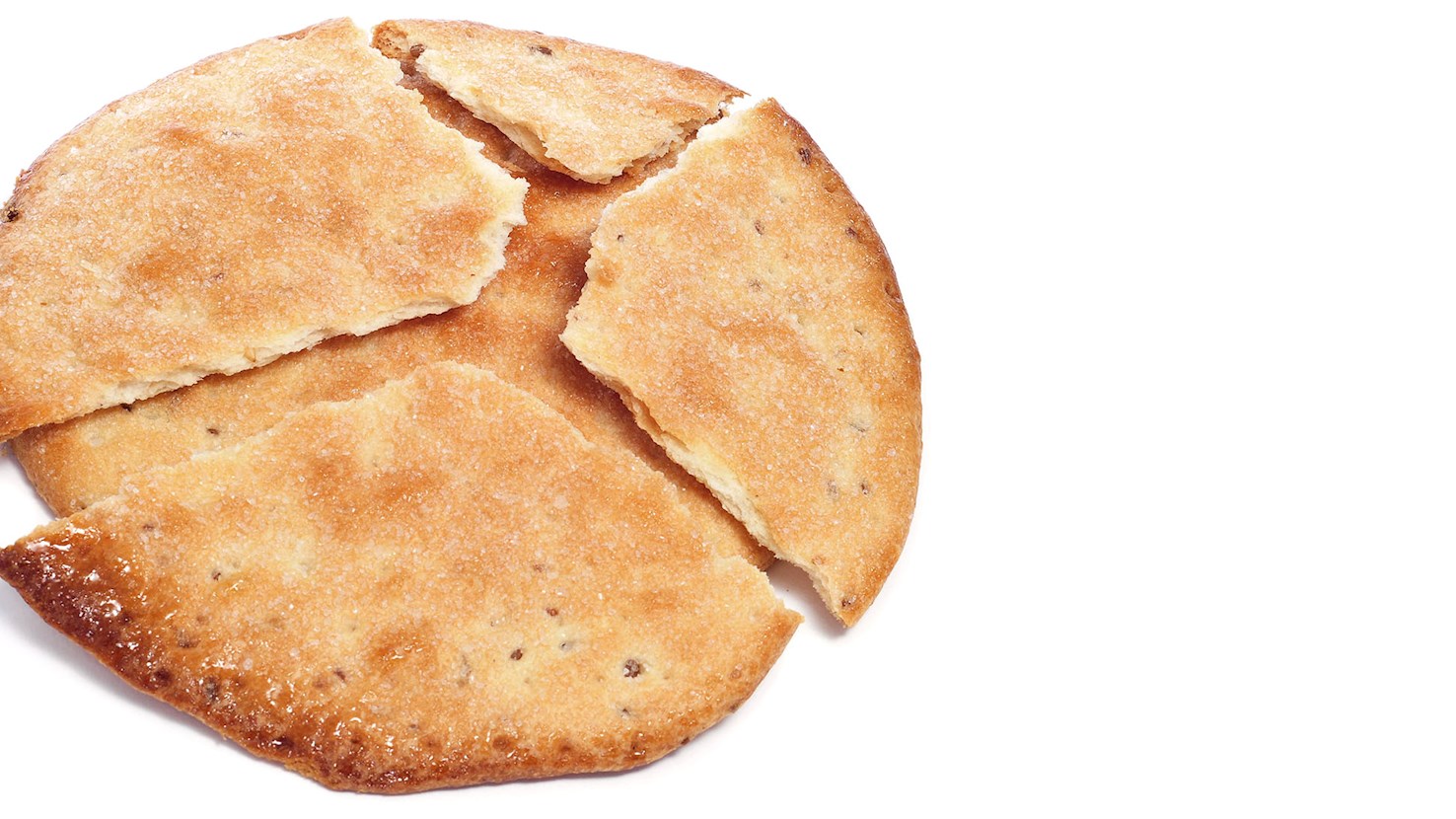
Tortas de aceite de Castilleja de la Cuesta is a pastry made with extra virgin olive oil, flour, wheat, sugar, seeds, yeast, sesame, aniseed, salt, anise essence, and, if desired, ground almonds. Mrs. Inés Rosales rescued a family recipe in 1910 and started producing and marketing these tasty crispbreads with the help of other women from the area at the crossroads and in the old train station in Seville. The secret behind tortas de aceite is in the preparation, it must be made by hand, because otherwise, the oil would not remain in the dough. The baking takes only a couple of minutes, and the result is a sweet, firm and crumbly crispbread. It has a light and flaky texture and a flavor and fragrance of olive oil and aniseed.
Talo is a traditional flatbread made with corn flour and water. It is one of the most popular street foods in Basque, usually filled with txistorra sausage, although one can find talo topped with bacon, cheese, and even chocolate. Originally, it was used as bread in Basque houses, but today it is prepared at home only for special occasions.
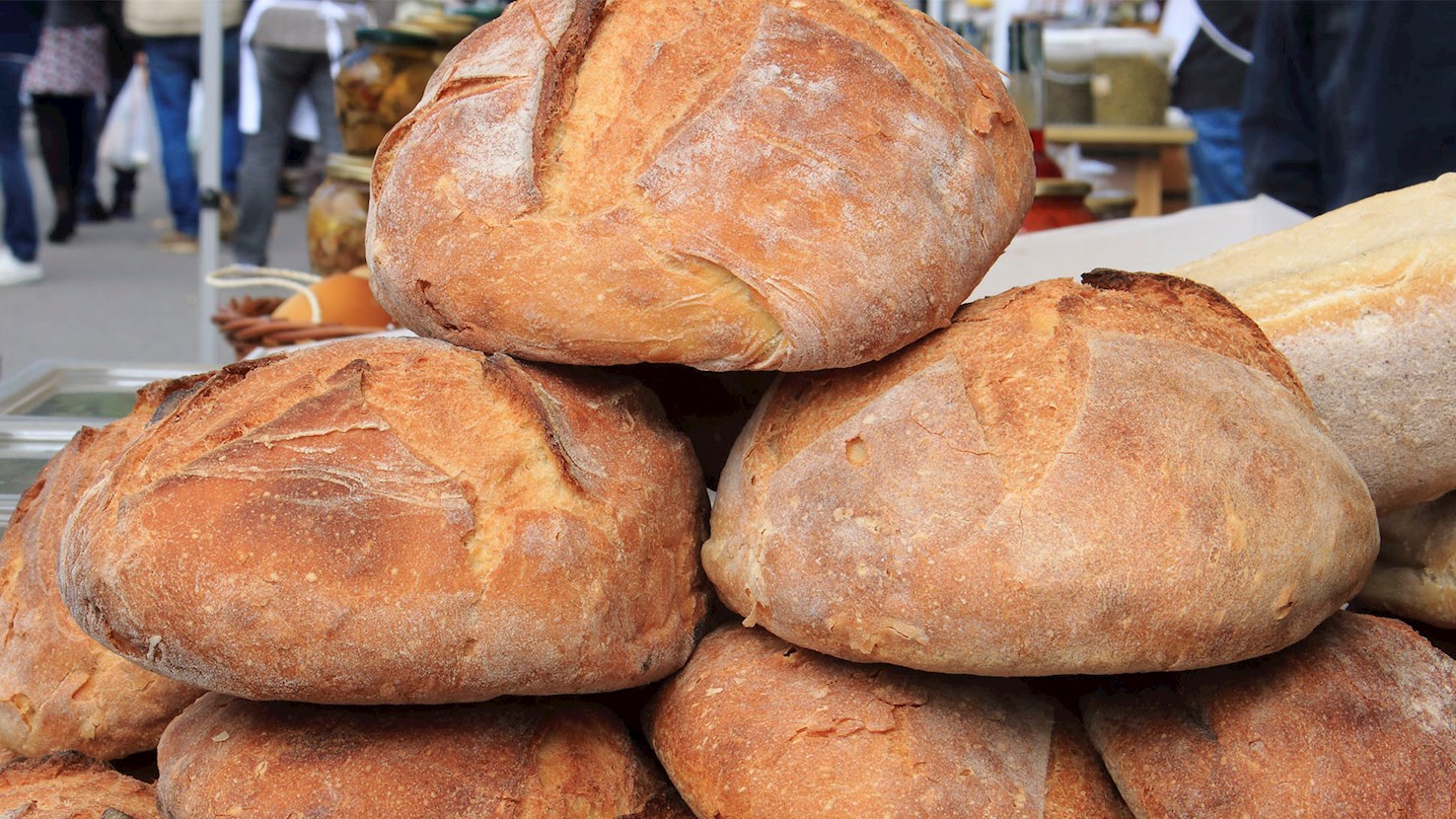
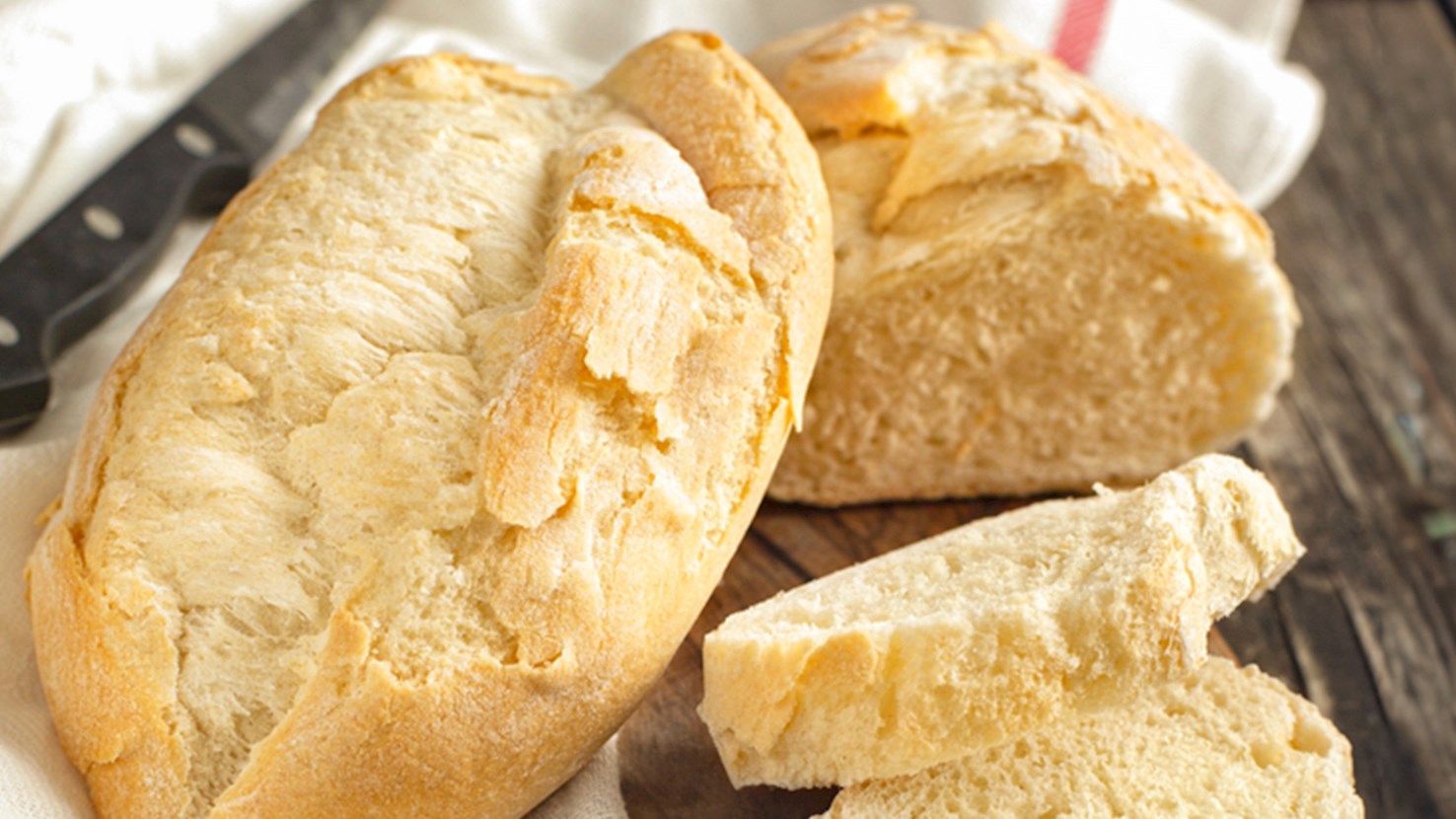
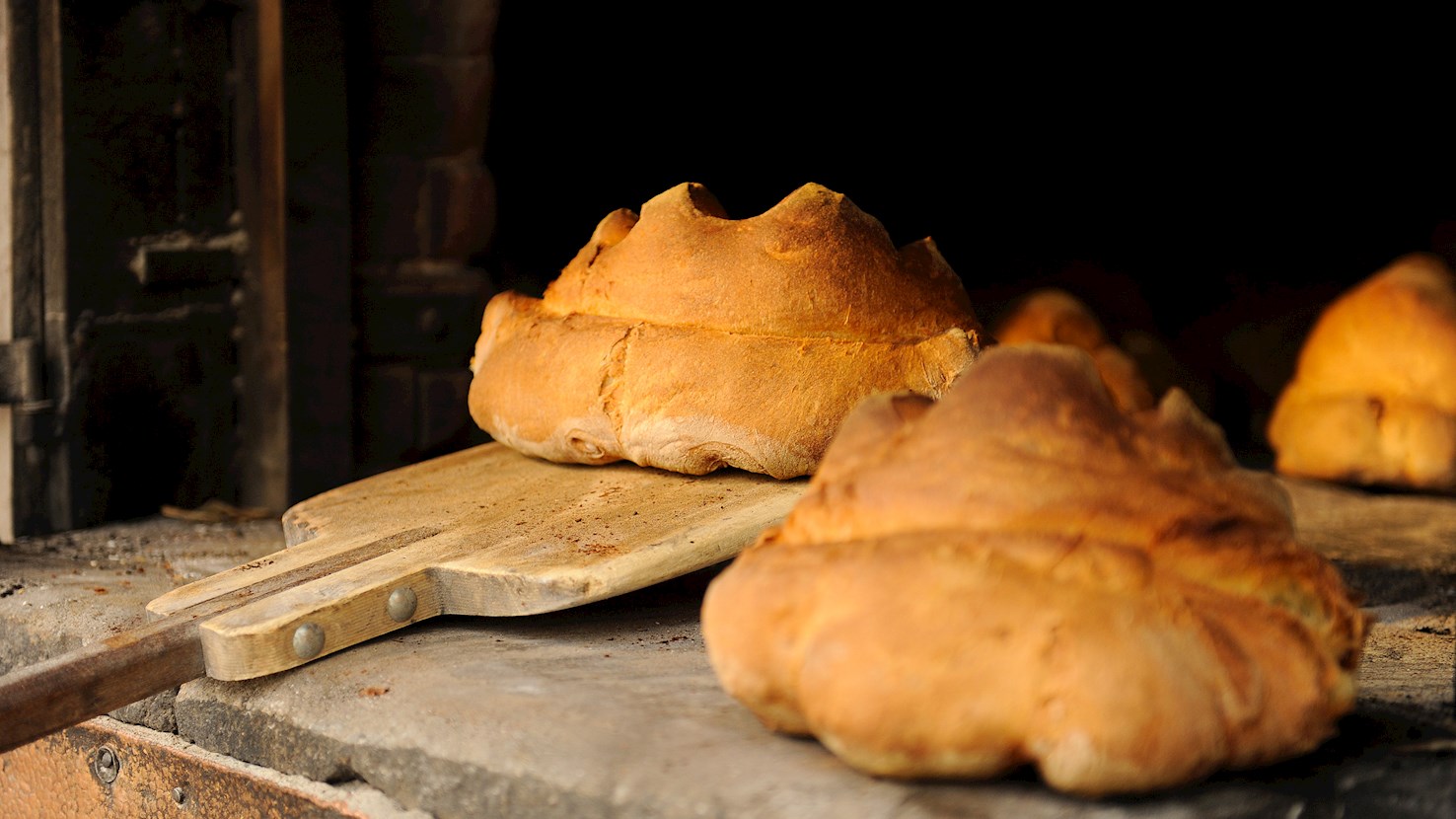
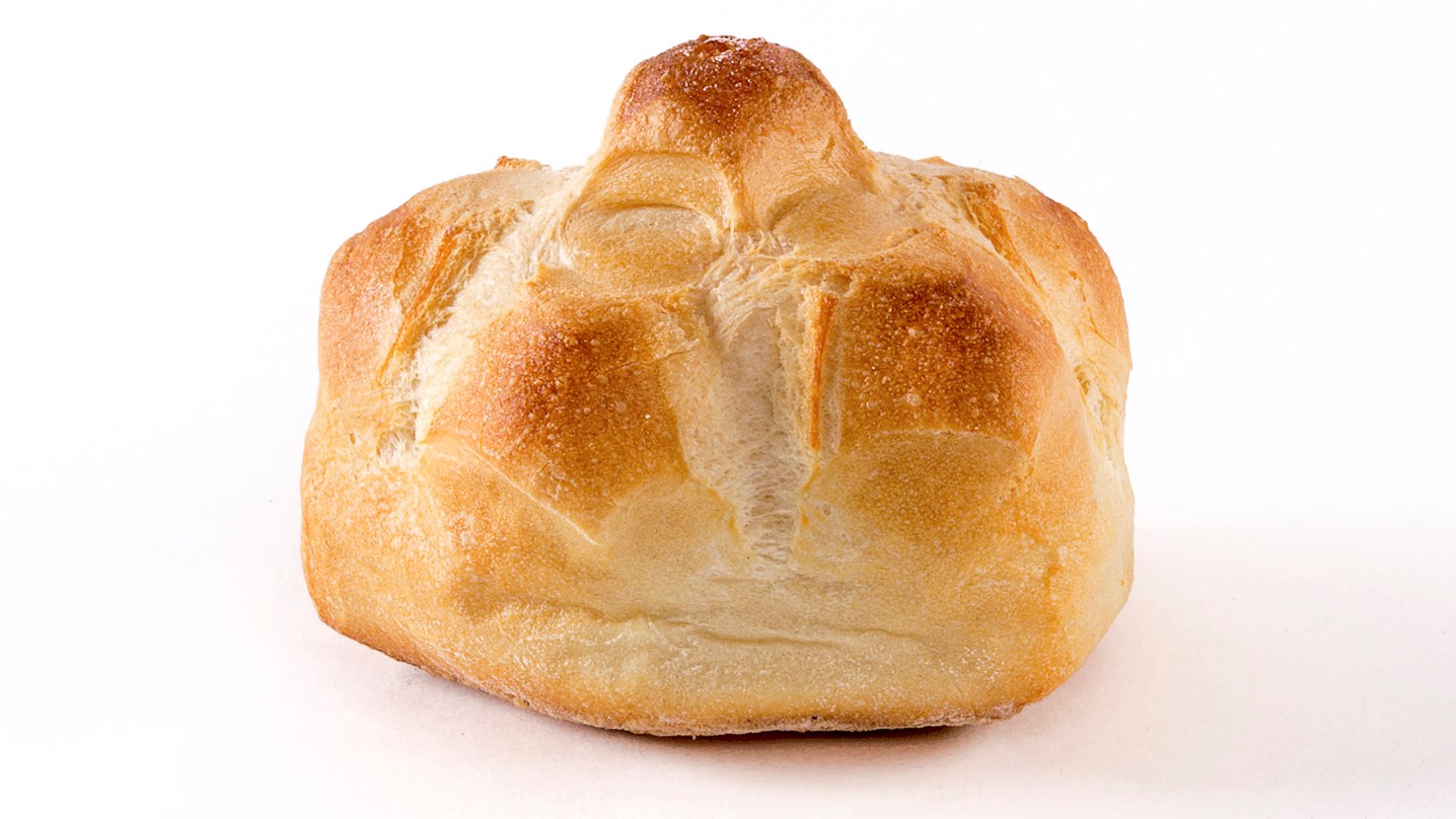
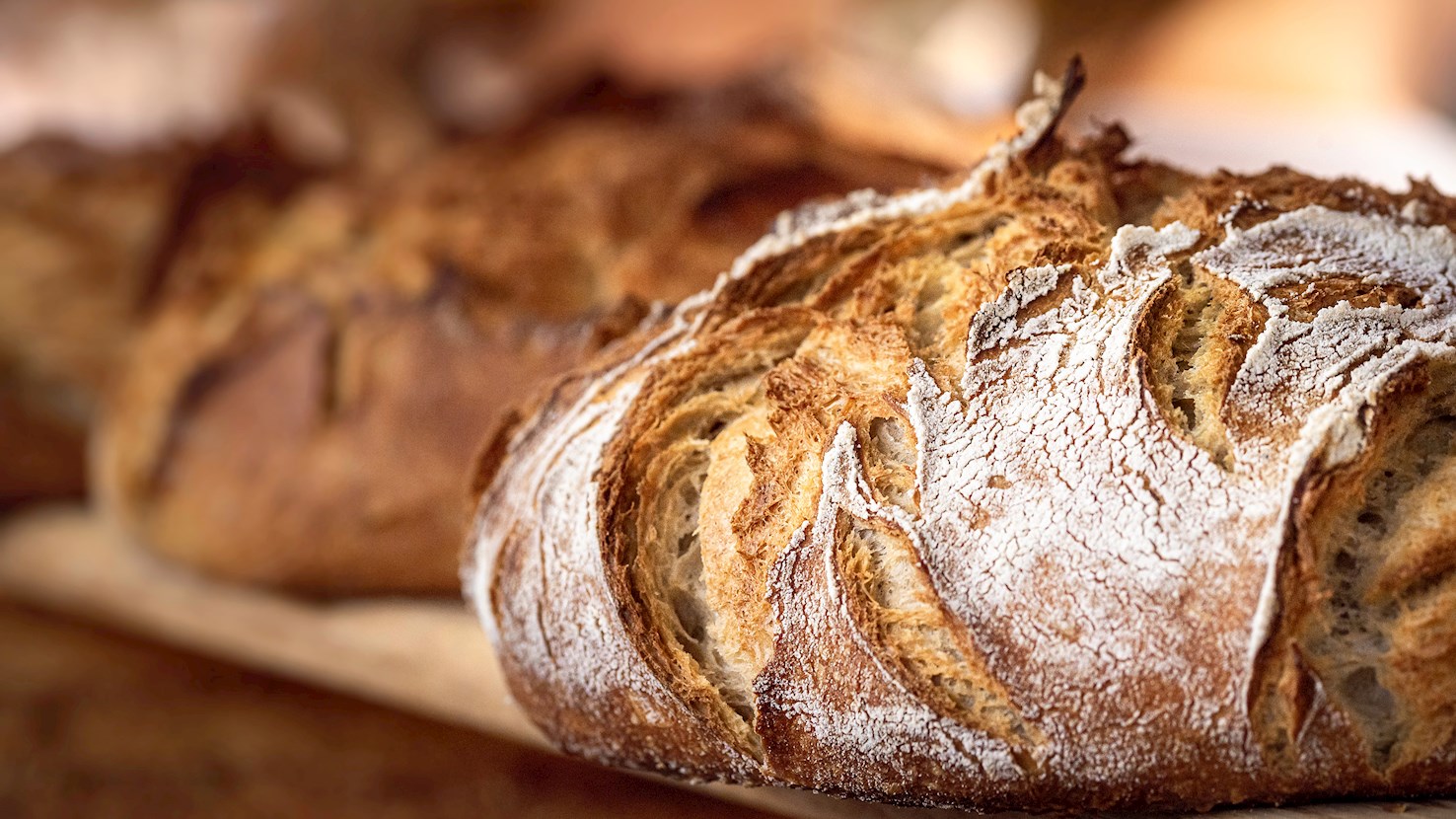
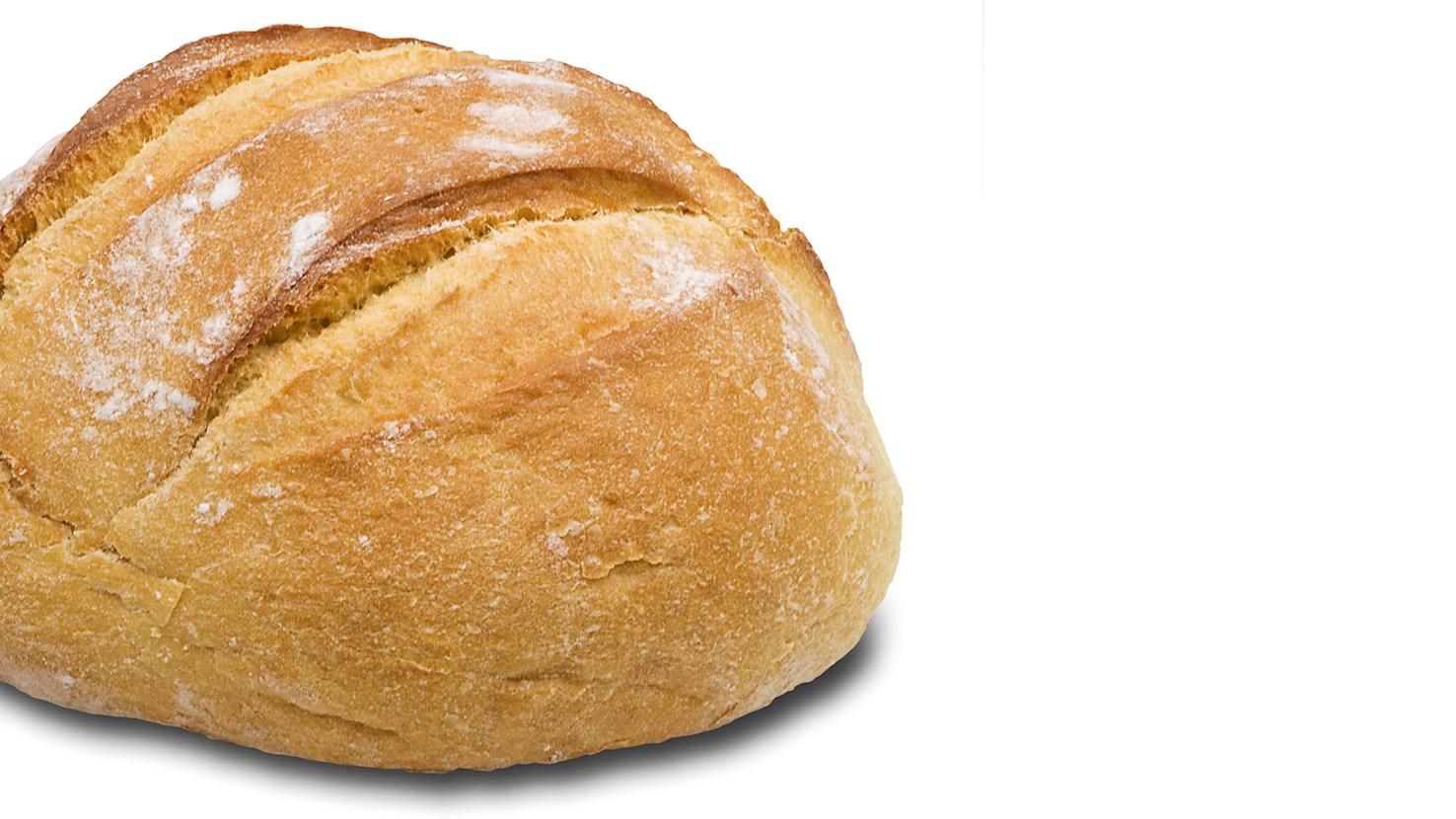
Pagnotta is a traditional round loaf of bread, known for its rustic appearance and crusty exterior. It is typically made with wheat flour, water, yeast, and salt, resulting in a soft, airy crumb inside. Pagnotta is often baked in a wood-fired oven, giving it a distinct smoky flavor and a thick, crispy crust. It is versatile and commonly served with meals, used for sandwiches, or enjoyed with olive oil and other toppings. Pagnotta is popular in various regions of Italy, especially in rural areas.
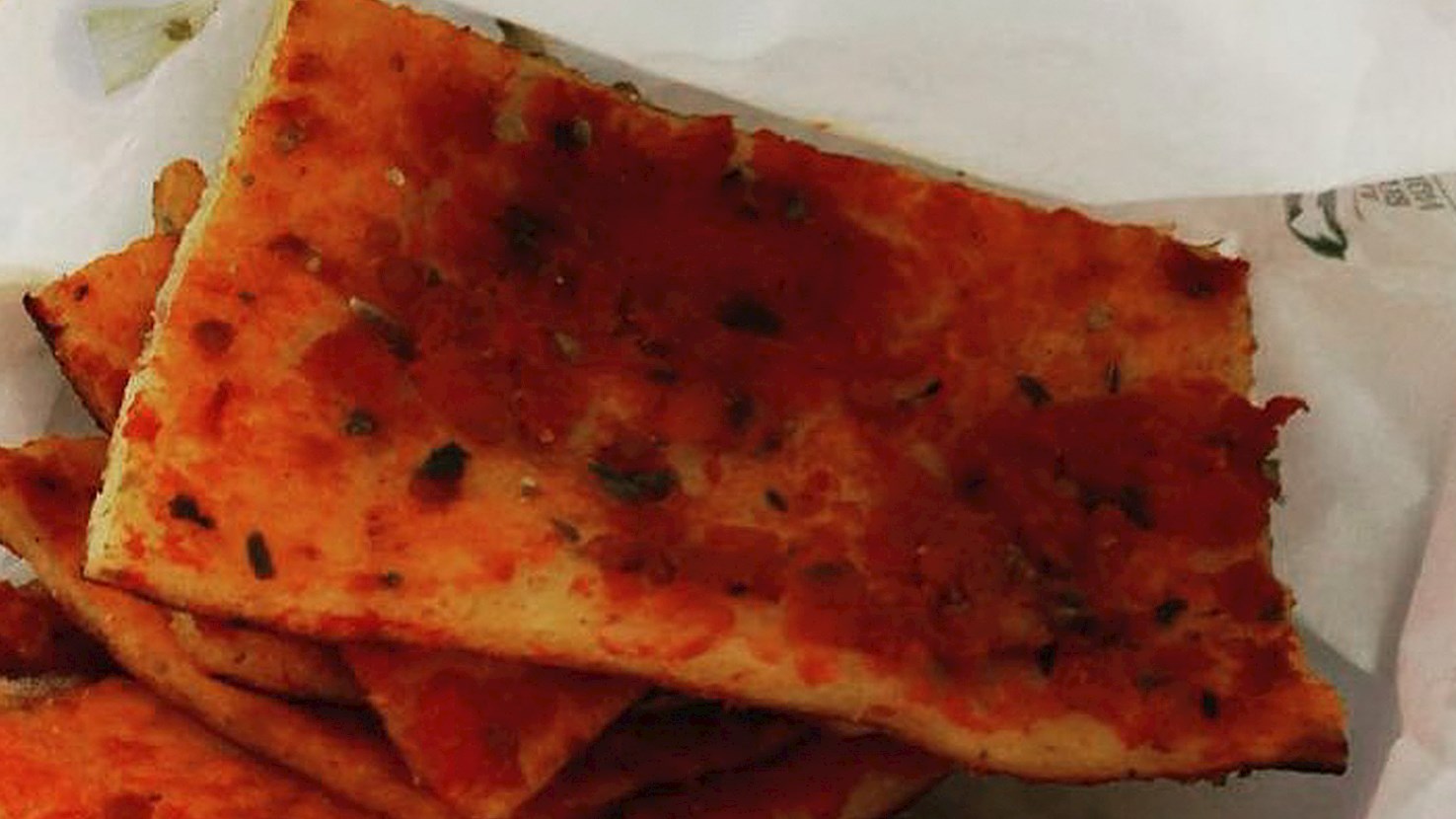
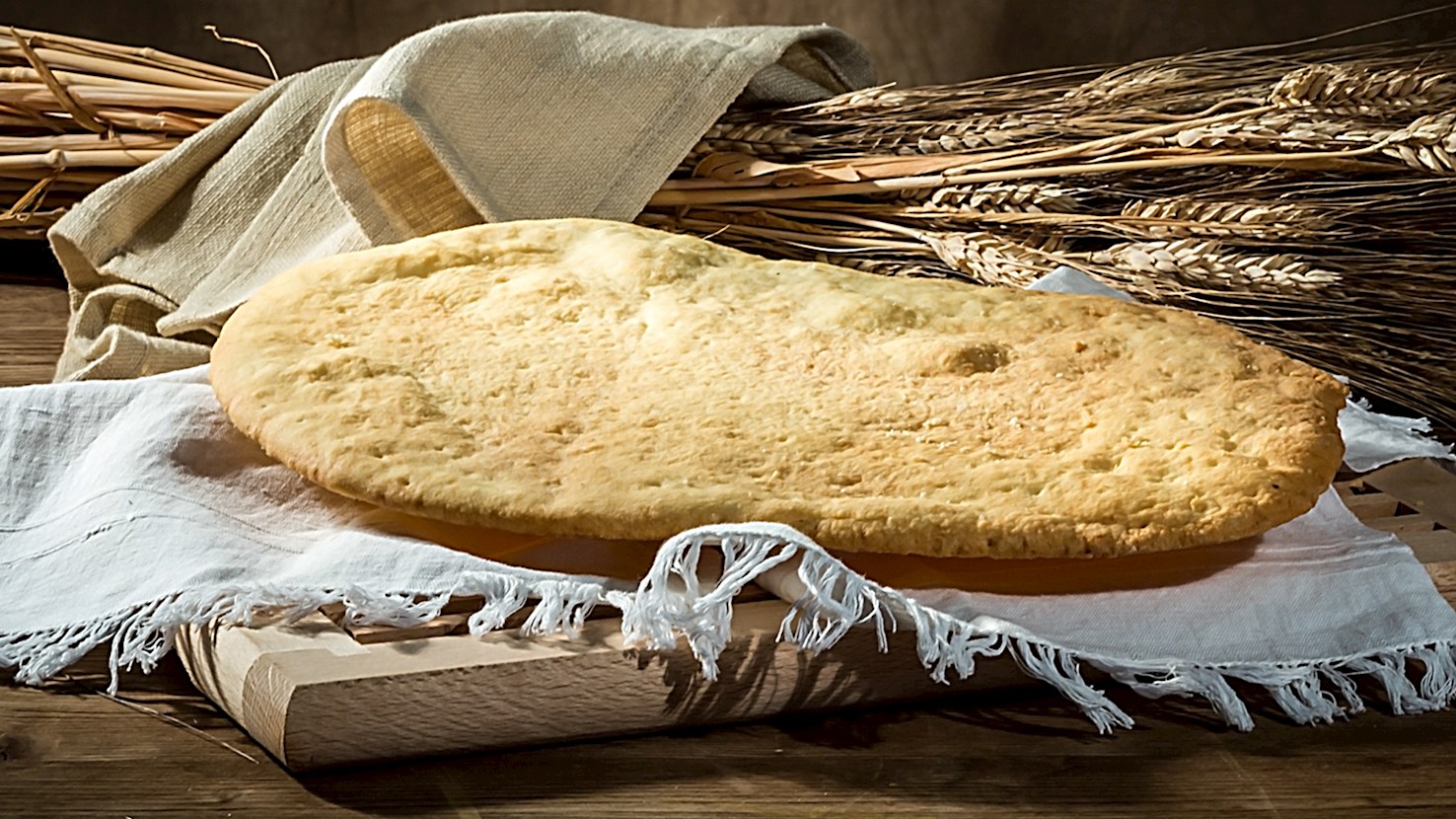
Pizza secca, meaning dry pizza, derives its name from the crunchy, crispy texture it develops once it’s baked. It is not a regular pizza but a type of schiacciatina, a very thin flatbread with a topping that resembles a pizza in visual appearance and flavor. Consisting of flour, water, olive oil, salt, and (sometimes) yeast, the dough is rolled out very thinly before it is cut into rectangular or square-shaped slices and brushed with a combination of tomato sauce, oregano, salt, and olive oil. The topping can also be enriched with other ingredients such as finely sliced onions, olives, eggplants, dry salami, or marinara sauce, while some versions may omit the tomato sauce altogether. Pizza secca is a specialty of the Sicilian town of Catania and the surrounding area, where it is available in almost every local bakery at any time of the day. Slices of this crunchy, pizza-like flatbread make for an excellent snack or an appetizer that can be enjoyed warm or chilled.
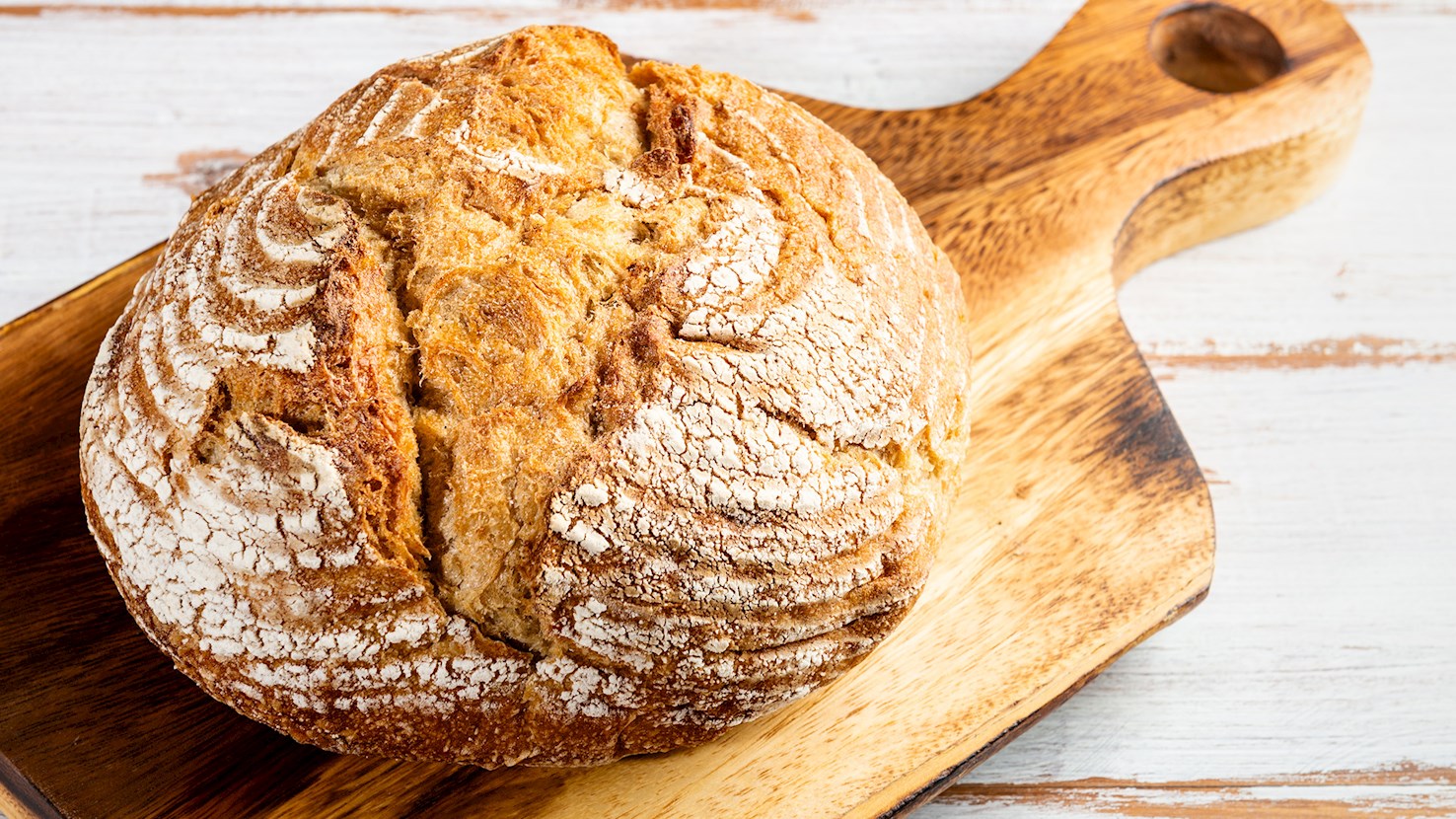
Pane Valle Maggia is a traditional bread originating from Lugano in Switzerland. The dough is prepared with a combination of water, yeast, rye flour, wheat flour, sourdough starter, and sea salt. The dough is shaped into a boule and it's then baked until it develops a crispy crust. The crumb should not be very open, but not too dense either. It's recommended to cut the bread into thick slices and serve it with cold cuts and olives on the side.
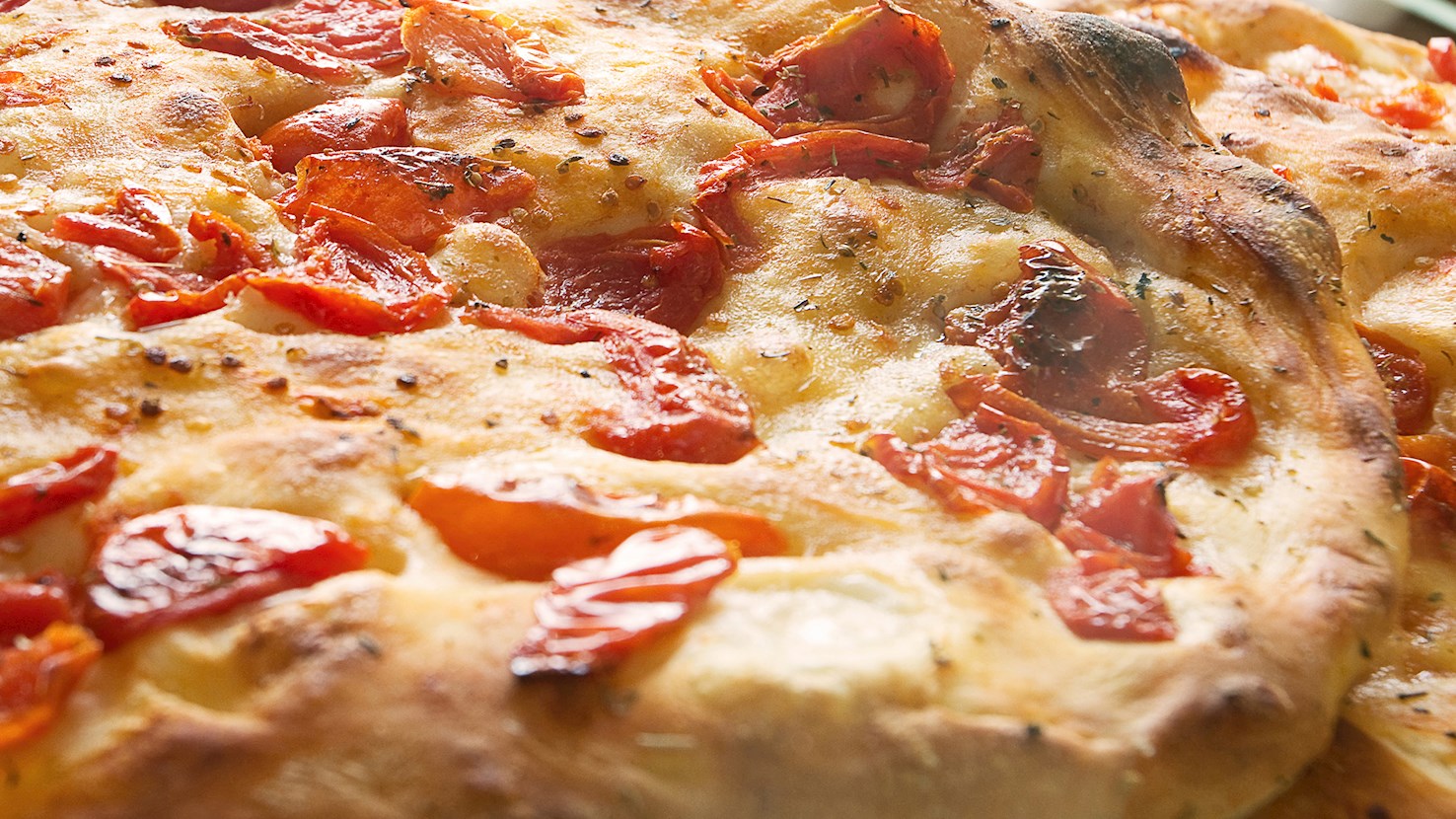
Puddica, a simple Italian flatbread from Puglia consists of a dough (made with flour, yeast, salt, sugar, water, and olive oil) that is traditionally topped with ripe tomatoes and sprinkled with oregano in the classic version. However, there are varieties with added capers, onions, prosciutto, black olives, and hot peppers. The flatbread is placed into a deep dish, then baked until it develops a nice golden brown color. Puddica is especially popular in Brindisi, where it's considered a local specialty that is consumed either as a light lunch with cheese or as a tasty afternoon snack.
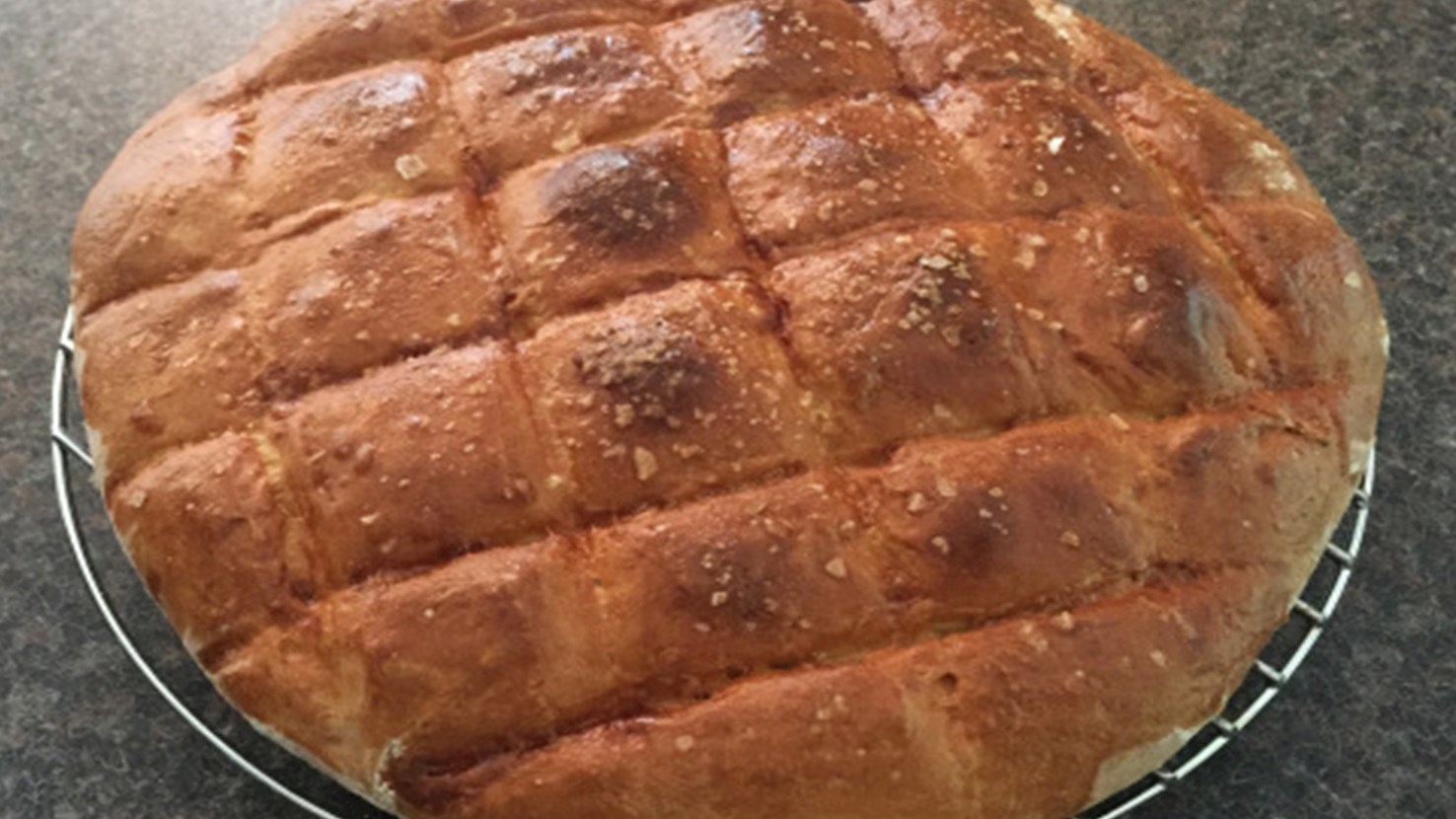
Made with only four basic ingredients, this variety of flatbread is a typical product of the White Carniola region and was brought there in the 15th or the 16th century by Uskoks, Balkan migrants who settled in the highlands of southeastern Slovenia. However, it was first mentioned in Bajke in Povesti o Gorjancih, a 1882 book by Janez Trdina, a renowned Slovene historian, folk collector, author and traveler. Belokranjska pogača is about 3-4 centimeters thick, round in shape, with its surface sliced in a cross-hatched pattern. It is glazed with egg wash, generously sprinkled with coarse salt and cumin, and baked to a golden or light brown color. Freshly baked Belokranjska pogača exudes a delightful aroma of cumin and it is best enjoyed while it's still warm, broken by hand, and consumed in bite-size squares. Traditionally, this authentic Slovenian flatbread is prepared for special occasions such as the Feast of St. Martin, religious holidays, and other similar festivities.
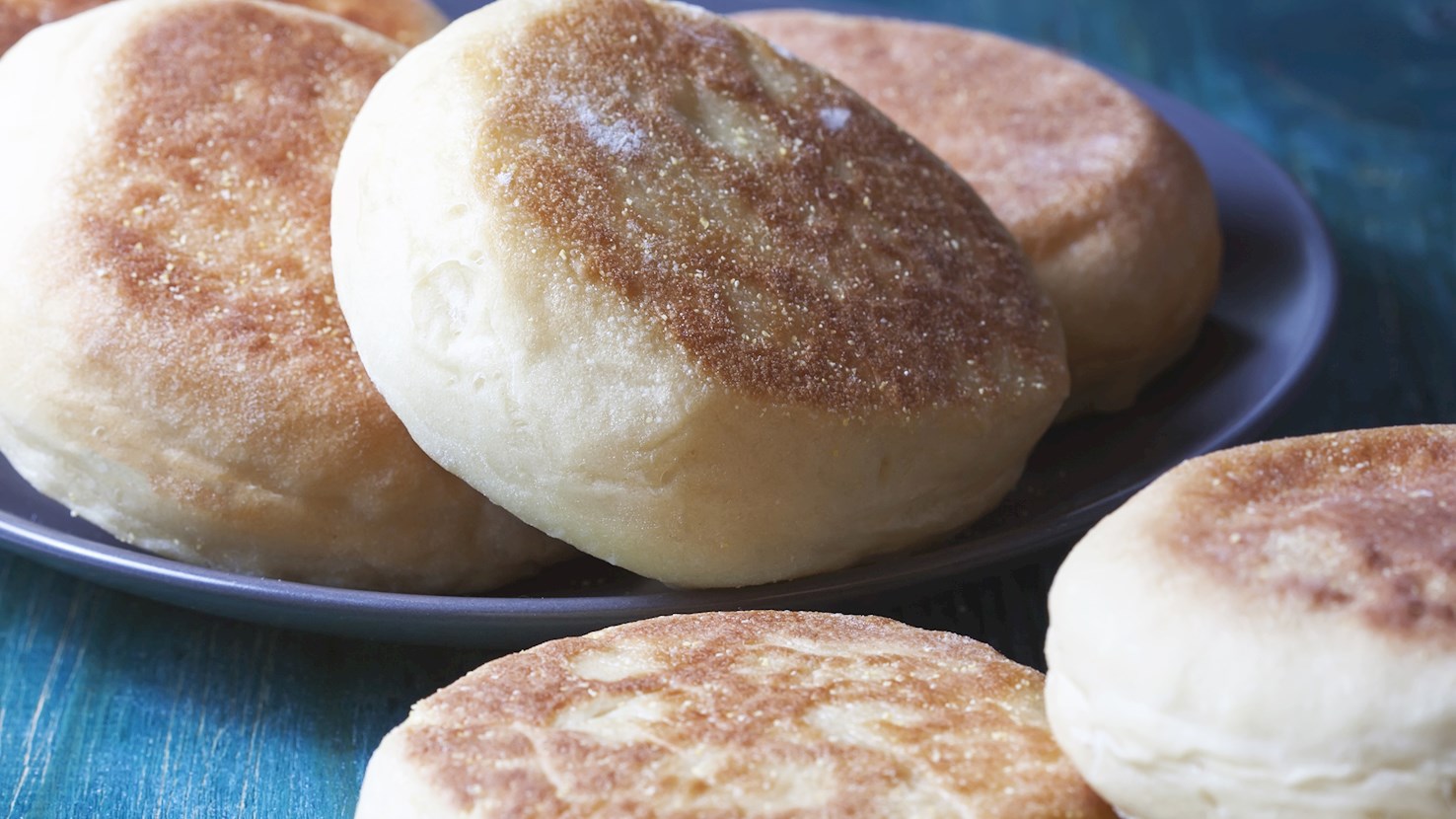
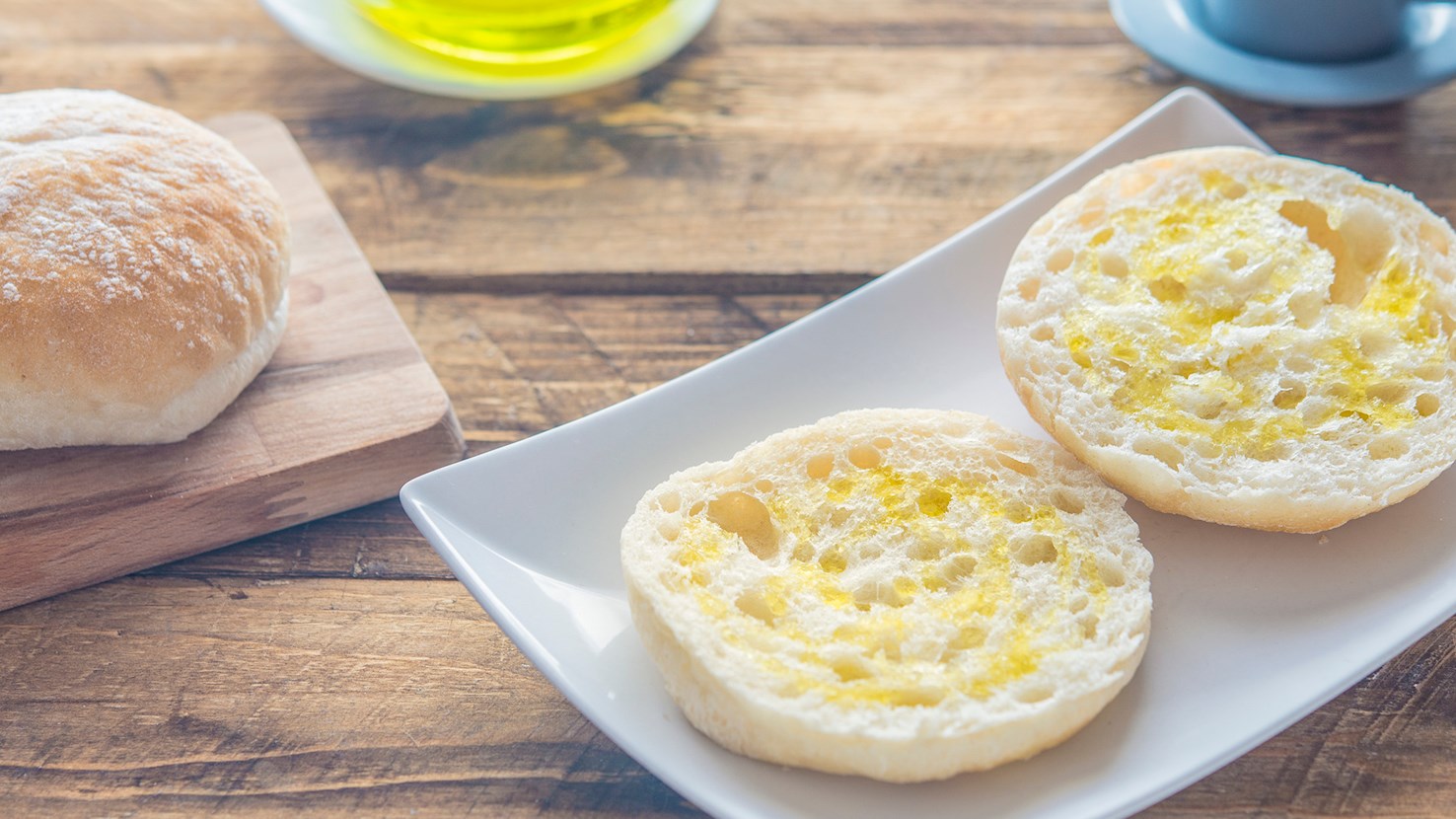
English muffin is a small, round, and flat bread that's made from a soft yeasted dough. Once shaped into rounds, either by hand or with crumpet rings, the English muffin is baked on a griddle. Before toasting, they are halved, and once toasted, they're buttered, then served for breakfast with sweet or savory toppings. These muffins are an essential part of eggs Benedict. It's not recommended to use a knife to cut them in half – most cooks agree that they should be split with a fork and gently pulled apart in order to create a surface with small peaks and craters, which gives them a crunchy texture and provides many pockets for jam and butter. The muffins can be made at home or bought in stores, where they are available in various flavors including cornmeal, cinnamon, whole wheat, raisin, and sourdough. It is believed that the first English muffin was invented in 1894 by a British immigrant to New York, Samuel Bath Thomas.
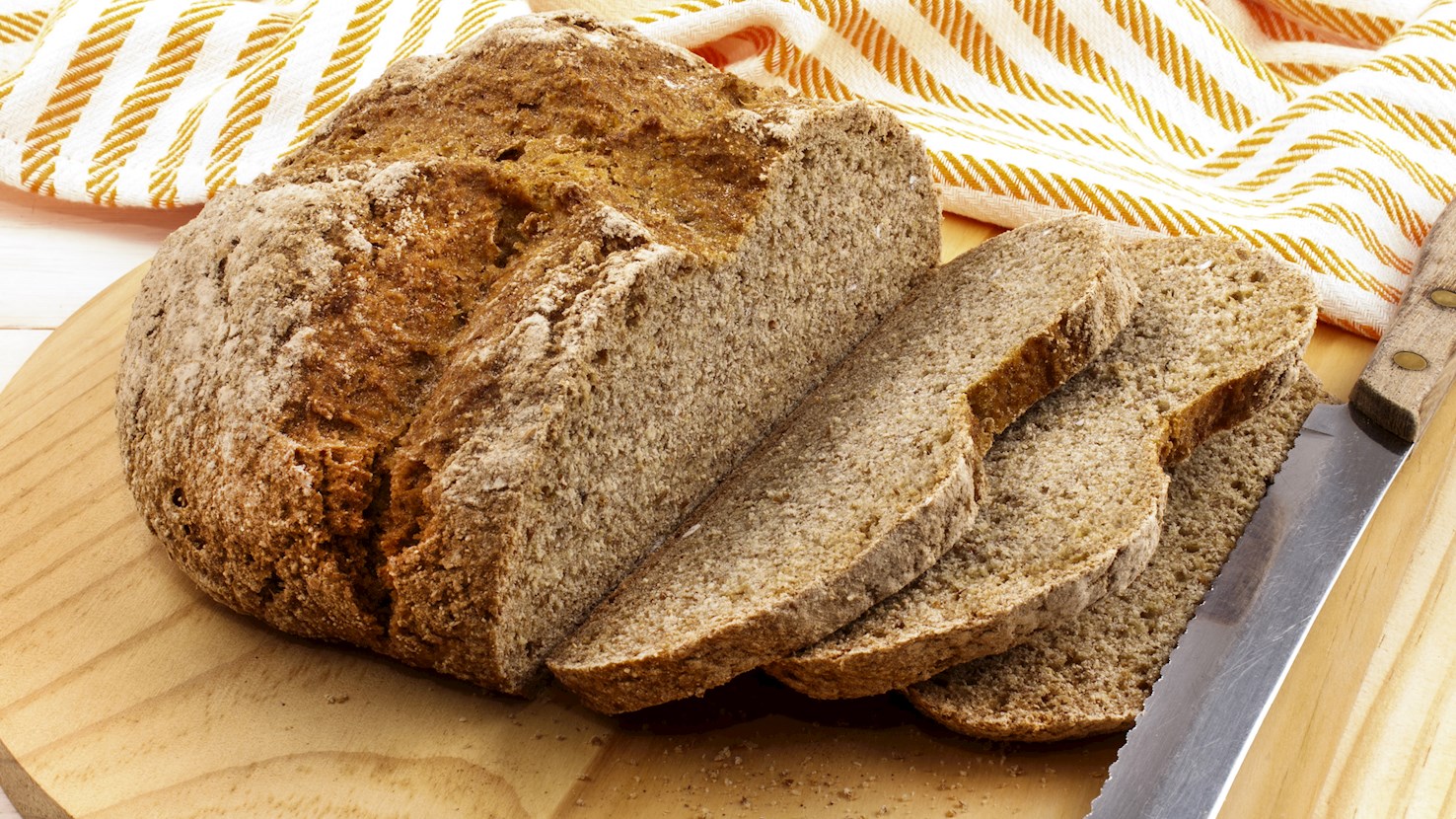
Soda bread is a type of quick bread from Ireland that is made without yeast, relying instead on the reaction between baking soda and acidic buttermilk to create its rise. Although this type of bread has been known for centuries and was first invented by Native Americans, it was not until the 19th century that soda bread as we know it today became commonplace in Ireland. As a result of the potato famine, as well as Ireland's weather and geographical conditions, which allowed only the production of soft wheat that had low protein content, the Irish turned to soda bread as their main source of nutrition. It quickly spread across rural Ireland because it required only basic ingredients (flour, salt, baking soda, and buttermilk) making it practical in homes where ovens were uncommon and bread was often baked on griddles or in iron pots over open fires. The preparation is straightforward, with the dry ingredients mixed together and then combined with buttermilk until a soft dough forms. It is shaped into a round and often scored with a cross before baking, which allows heat to penetrate evenly and helps the loaf expand without splitting unevenly. The resulting bread has a dense crumb with a tender texture and a distinct tang from the buttermilk. Variations emerged over time, with some versions enriched with butter, sugar, or eggs, while others incorporated raisins, caraway seeds, or oats. In some regions, the bread is made with wholemeal flour, producing a heartier loaf known as brown soda bread. Soda bread is eaten throughout Ireland and is also widely recognized abroad, particularly in Irish communities. It is usually served alongside soups and stews, where its dense texture is ideal for soaking up broths, or simply enjoyed with butter and jam for breakfast or tea. It pairs naturally with strong cheeses, smoked salmon, and hearty meat dishes, and is sometimes used as a base for open sandwiches.
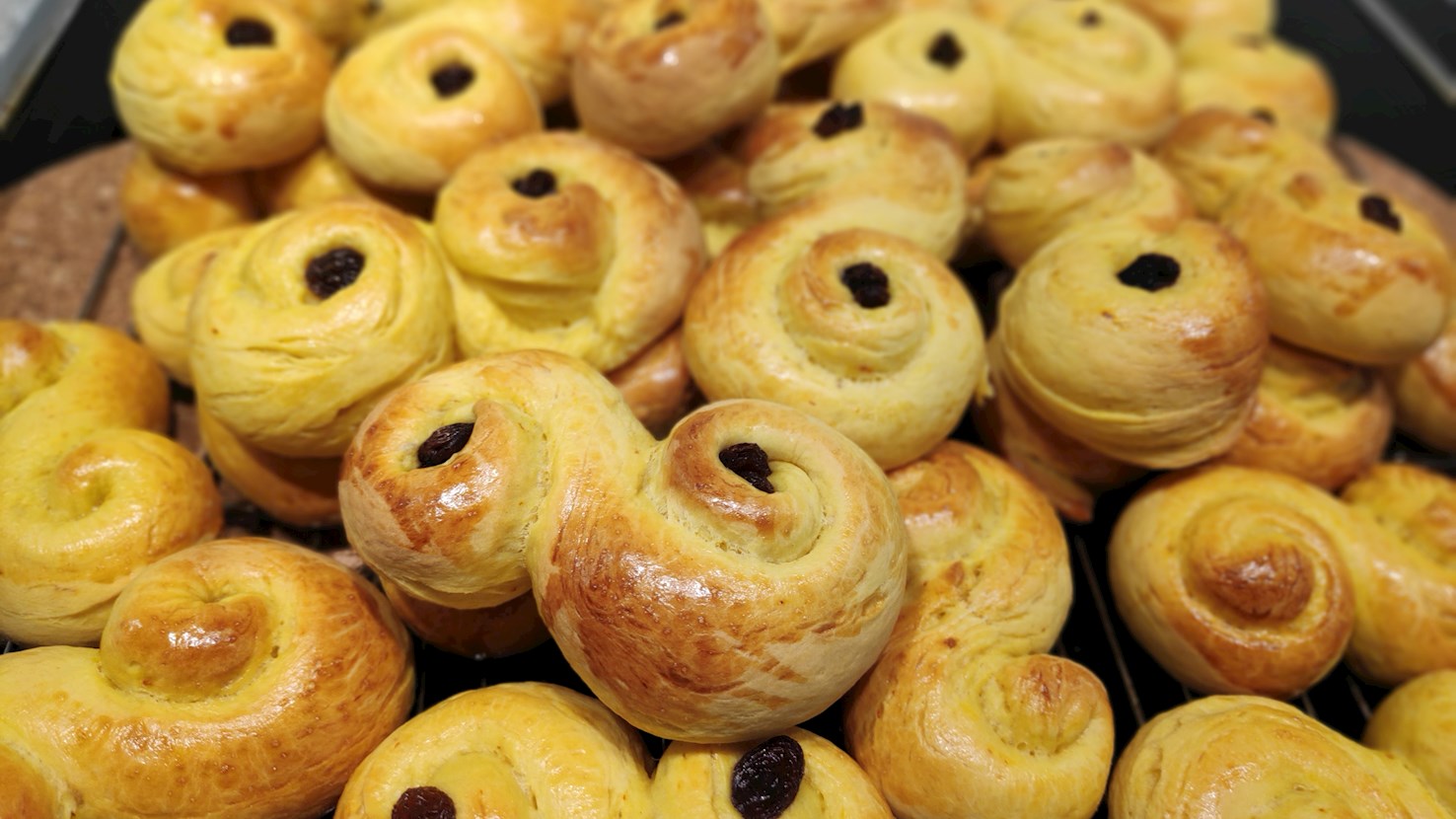
Saffransbullar is the Swedish version of a yellow, saffron-infused bun that is prepared with buttery yeasted dough and is often enriched with raisins or almond paste. The most popular version is known as lussekatt bun, a variety closely associated with St. Lucia’s Day, celebrated on December 13. Their name translates as St. Lucia’s cats, because the spiraled shape is reminiscent of curled cats. Various versions of saffron buns are typically enjoyed during Advent, and they perfectly pair with coffee or glögg - the Swedish version of spiced mulled wine.
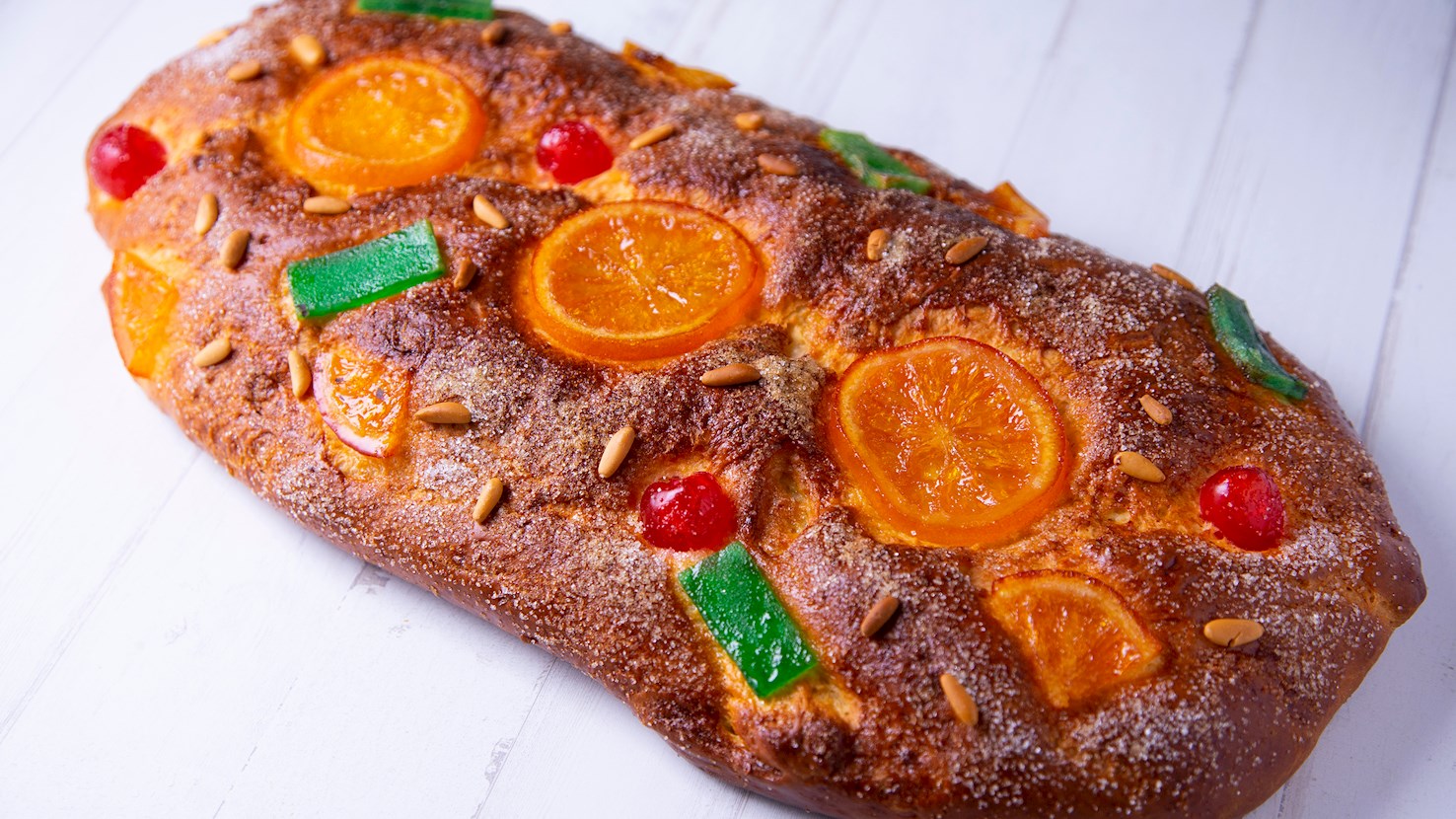
Considered the star of Catalan baked goods, coca is a traditional pastry prepared in a few varieties: sweet, savory, open, and closed. Depending on the variety, coca may take on various shapes and forms and resemble a flatbread, a pizza, or even a cake. The sweet variety usually consists of flour, sugar, butter, and eggs, and it is typically topped or filled with candied fruit, marzipan, cream, or pine nuts. The savory variety is prepared in the same way, but sugar and eggs are replaced by yeast and salt. A wide range of ingredients may go on top or inside savory cocas, including vegetables, fish, meat, and mushrooms, among others. Savory varieties include pizza-like cocas or coques as they’re called in Catalan, such as coca de recapte (topped with vegetables and fish) and coca de xulla (with bacon and other meat). There is also a variety that combines sweet and savory flavors such as coca de llardons, a flat coca which is made with pork cracklings, pine nuts, and sugar. In Spain, special varieties of coca are prepared for almost all important festivities and celebrations, and even national holidays such as La Mercè (Festival of the Virgin of Mercy) and La Diada de Cataluña (National Day of Catalonia) have their own unique cocas. Some of these include coca de San Juan (a sweet cake for the eve of St. John’s Day), mona de Pascua (an Easter cake eaten during the Semana Santa), and coca de reyes (a sweet Christmas cake for the Day of the Kings).
Mollete is a traditional bread hailing from Antequera. It's made with a combination of yeast, plain flour, whole-wheat flour, salt, sugar, milk, and olive oil. The dough is rolled into oval-shaped disks, and it's then baked until golden brown. Traditionally, molletes are sliced into halves, toasted, drizzled with extra virgin olive oil, and topped with sliced tomatoes and a pinch of salt. In Andalusia, molletes are usually served for breakfast.
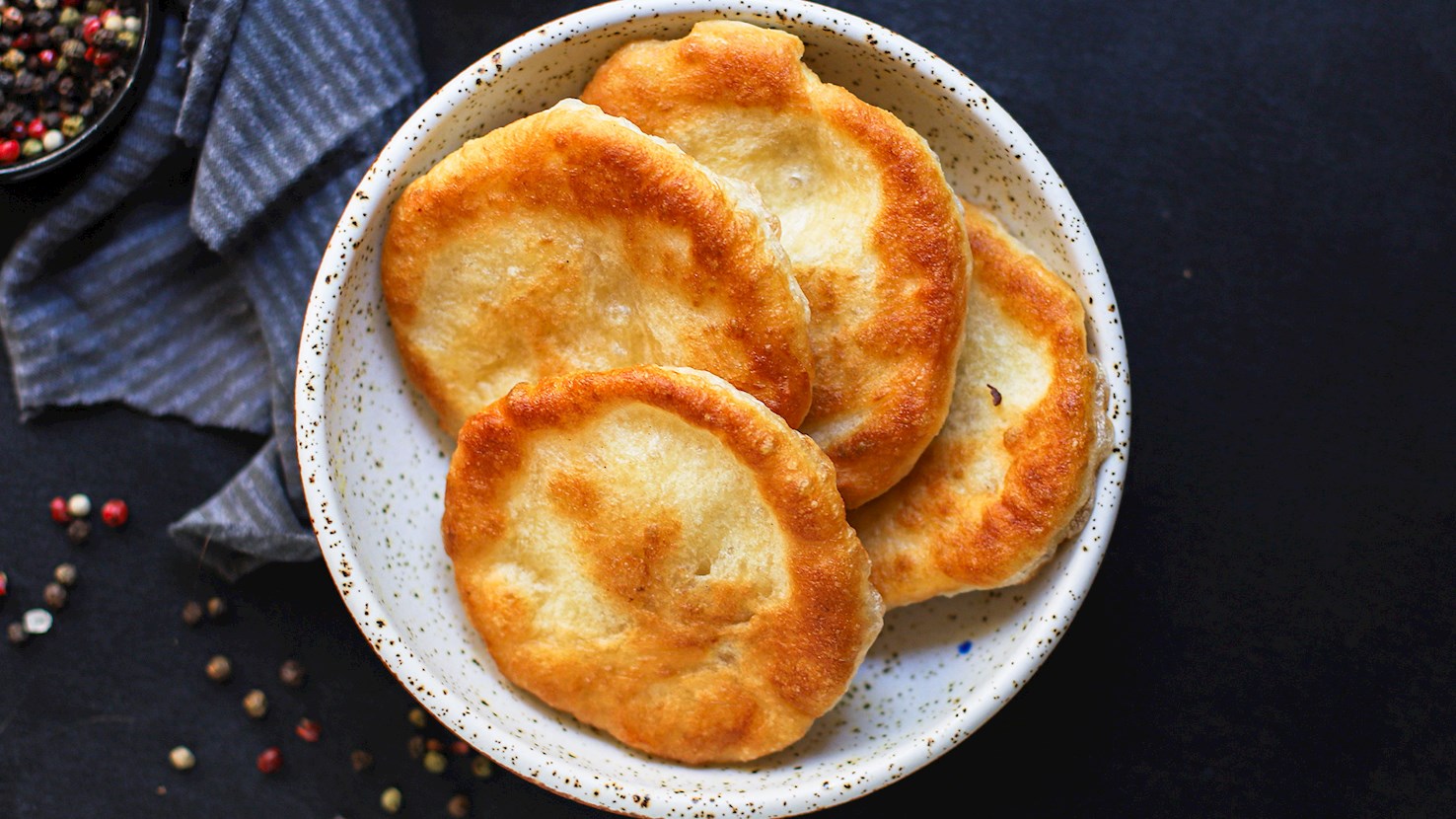
Scovergi is a traditional fried flatbread. Similar to the Hungarian lángos, the Romanian scovergi is usually made with a combination of flour, yogurt, yeast, eggs, salt, and oil. The flour, yogurt, eggs, salt, water, and yeast are mixed into a sticky dough that's left to rest in the fridge before it's rolled into circles and fried in hot oil on both sides over medium heat until golden. The flatbreads are then typically arranged on a plate and covered with kitchen paper or cloth before serving so that they don't dry out and become too crisp. Scovergi are usually enjoyed as a snack, and they can also be sprinkled with grated cheese, if desired.
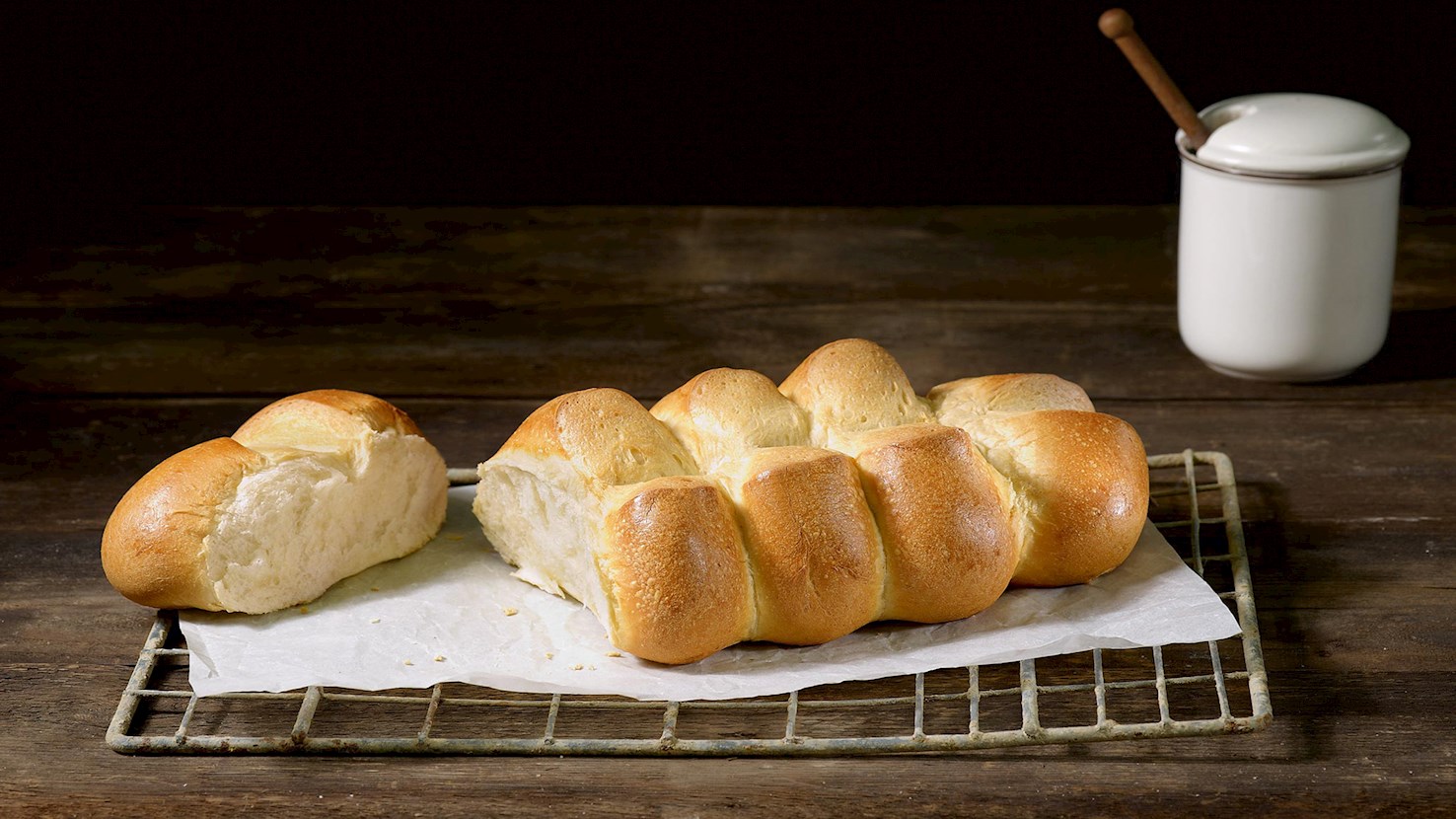
A loaf of this traditional Ticino bread usually consists of five sections which are meant to be broken apart with your hands and shared. It is traditionally made with flour, water, yeast, salt, and oil. Before baking, the dough is often brushed with milk or egg wash, resulting in a nice golden brown crust once baked. It is believed that the shape of this bread was brought over to Ticino from Italy, but it became popular throughout Switzerland in the 1950s.
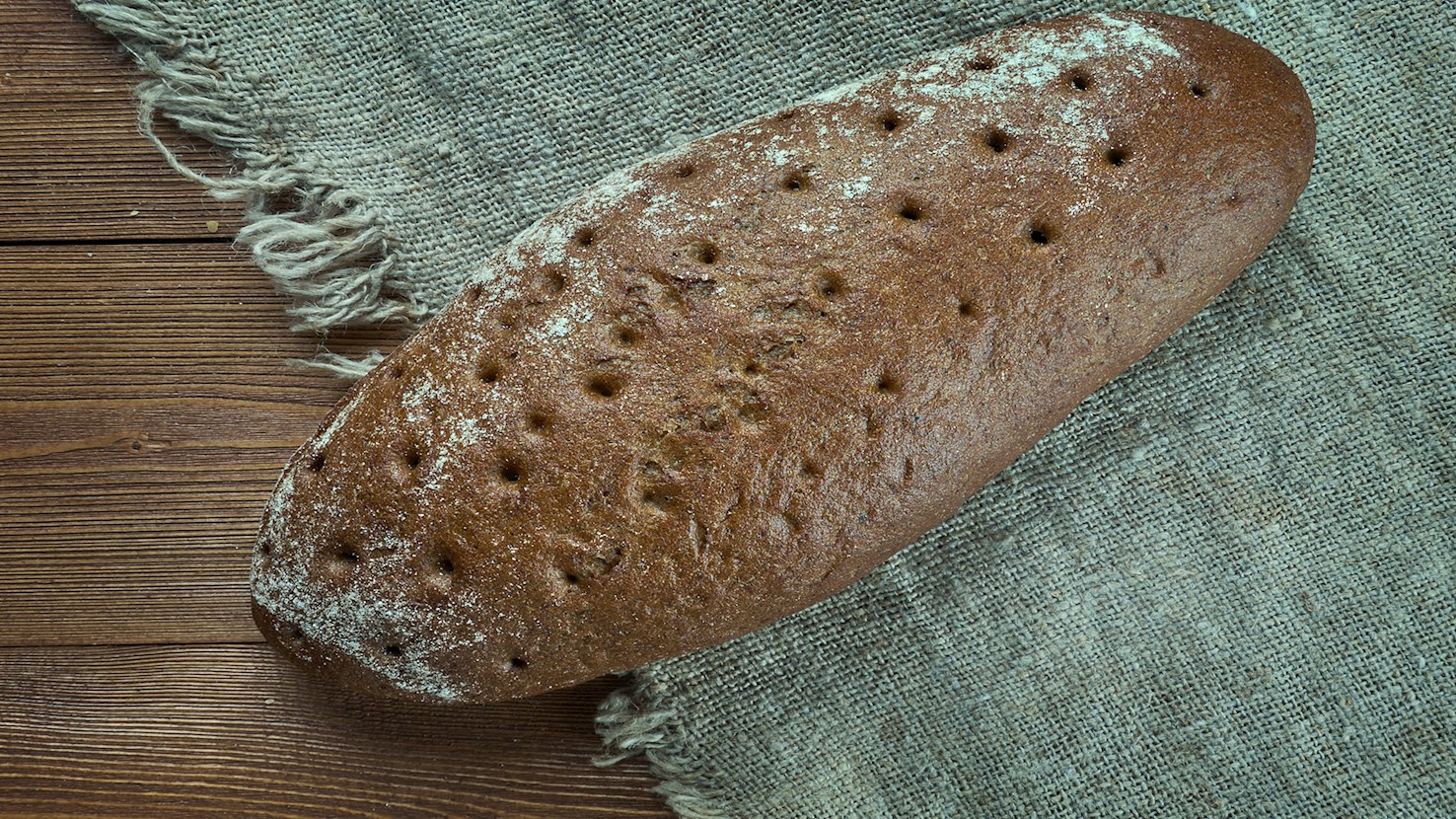
Salinātā rudzu rupjmaize is a bread baked in Latvia from rye flour. It owes its distinctiveness to the traditional recipe and techniques used for its production. The recipe does not allow the baker to use yeast but requires the caraway seeds to be added to the mixture. Before the preparation of the dough, around 30% of the rye flour has to 'be sweetened' then set aside and fermented for at least 12 hours. The distinct sweet taste of Salinata bread comes from breaking down the starch into sugars by the malt, and the sour taste is formed during the fermentation of lactic acid. It is easily distinguished by its hand shaped elongated form with rounded ends, its smooth and glossy dark brown crust that is coated with starch paste, and its aromatic crumb. It is traditionally baked on a hot hearth without using baking trays or moulds. It is a very famous bread that can be found in many cookbooks and publications that describe traditional Latvian dishes since it is considered to be a significant component of Latvian national identity.
Broa de Avintes is a dark Portuguese bread with a dense texture and an intense, bittersweet flavor. It consists of white corn flour, yellow corn flour, rye flour, malt flour, hot water, yeast, and salt. The bread is considered to be a comfort food staple in the north of Portugal, and it is often served with sweet jams, soups, and grilled fish dishes.
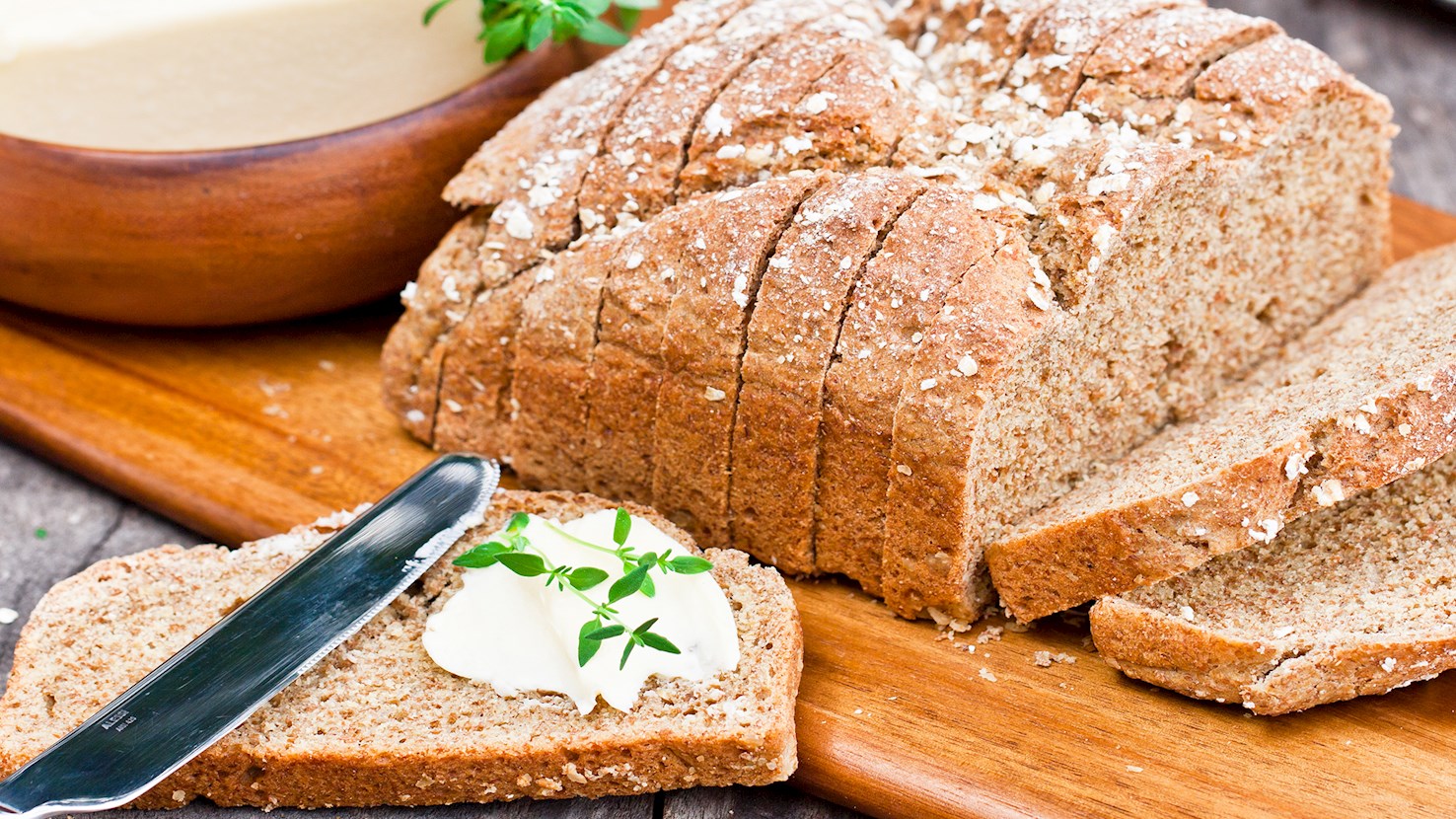
Wheaten bread is the name that Northern Irish people use for brown soda bread. Interestingly, this bread is made without yeast and consists of wholewheat flour, plain flour, salt, soda bicarbonate, butter, sugar, buttermilk, and a bit of rolled oats for sprinkling the top of the bread. When taken out of the oven, it can be smeared with butter and jam, but wheaten bread is also a good accompaniment to soups, cold cuts, or smoked salmon. It is believed that the bread dates back to 1840 when soda bicarbonate was first introduced to the country.
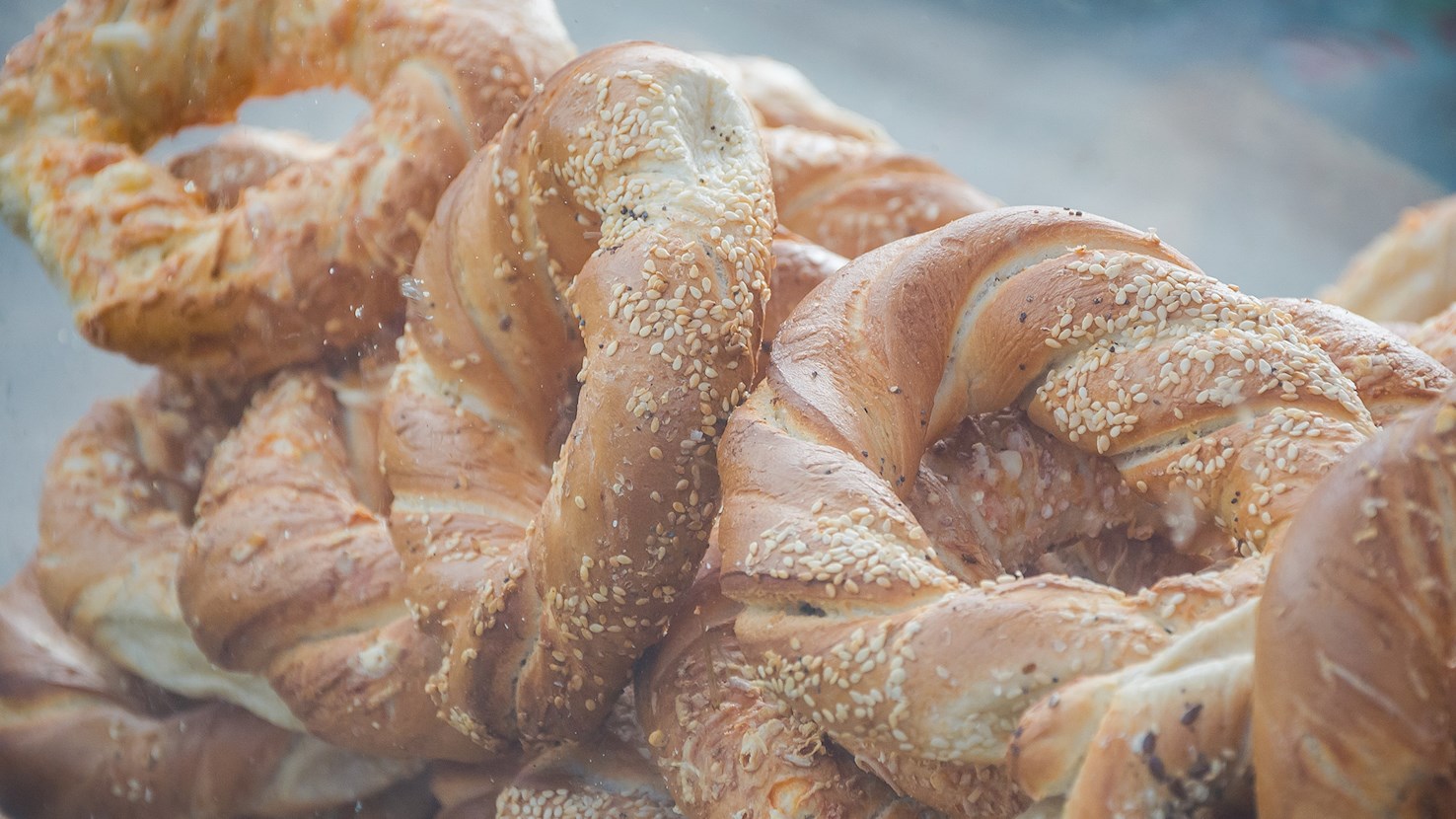
Obwarzanek krakowski is a traditional, baked pastry product shaped like a ring and produced in the Malopolskie Province, districts of Kraków and Wieliczka in Poland. Obwarzanek whose name comes from the Polish word for 'boiled', is not just any regular bagel. It is bigger than the standard bagels and is woven from two strands of dough instead of just one. Before being baked, it is boiled and can be additionally sprinkled with poppy or sesame seeds, herbs, spices, cheese, salt or onions. It has a sweetish taste and a dense, chewy texture. On the exterior, it is light or dark golden to light brown, with a glossy shade. Unlike other bagels, it is not cut in half or toasted to make sandwiches but is instead regularly eaten on its own. They are so popular that they are sold on every other street corner in Kraków, and have become an unofficial symbol of the city.
Houska is a popular Czech bread roll, simple and small in size. It is made with plain wheat flour, milk, yeast, salt, and, occasionally, eggs. Before baking, it is usually braided and shaped into a plump circular form resembling a knot. The top is sprinkled with coarse sea salt, and either caraway or poppy seeds. Baked houska is light in color; it has a crispy exterior and a light, soft center. The roll can be bought in most Czech supermarkets and bakeries. It is often consumed for breakfast, when it is served alongside a variety of sweet and savory spreads, butter, or marmalade. The name houska might also refer to another type of bread that is sweet, rich, and filled with raisins, candied fruit, and almonds, typically served for Christmas and Easter. It is more similar to challah or brioche and was originally named vánočka.
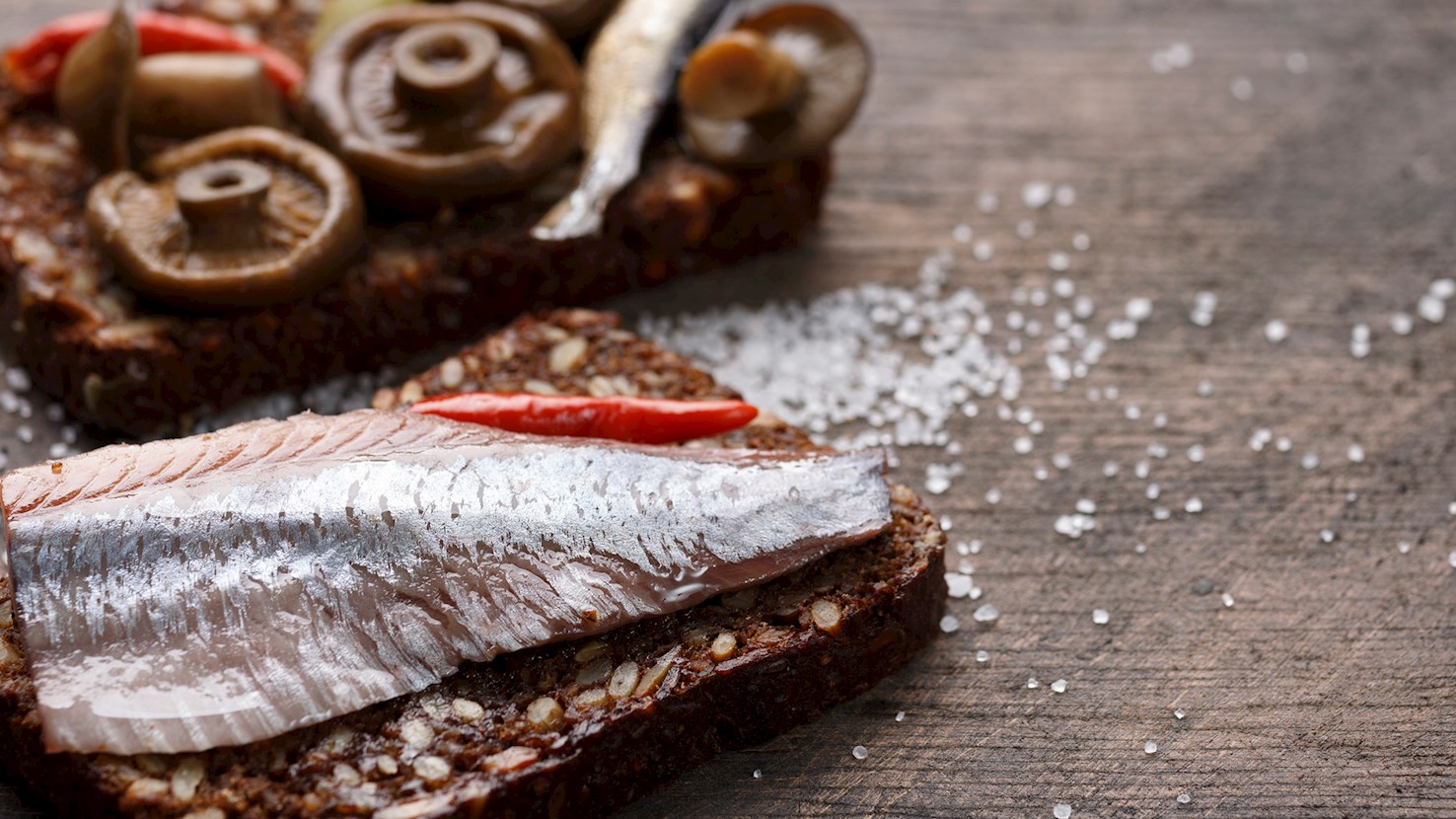
Rugbrød is a brown rye bread from Denmark, typically used as a base for popular Danish open sandwiches. Usually, it is sliced thinly, buttered, and topped with ingredients such as smoked fish, shrimp, boiled eggs, liver pate, cucumbers, or mayonnaise. The bread is popular for being low in fat, containing no sugar or oil, and it is also very rich in dietary fiber and whole grains. It can be found at most Danish supermarkets or baked at home, and it comes in a few popular varieties: light rye bread, dark rye bread, sourdough rye bread, and coarse rye bread. Although it is a staple at most Danish tables, rye bread in its numerous varieties is also very popular in Finland, Russia, Iceland, Estonia, Germany, and Latvia.
An essential part of every full Scottish breakfast, potato scone - or tattie scone, as they call it in Scotland - is a regional variant of the savory griddle scone made with mashed potatoes, butter, and flour. Even though tattie scones are most often served with fried eggs, porridge, bacon, sliced sausage, or the oat-studded black pudding, they can alternatively be enjoyed with jam and a cup of tea. These breakfast staples are traditionally eaten hot, while the cold ones are usually reheated either by toasting or frying.
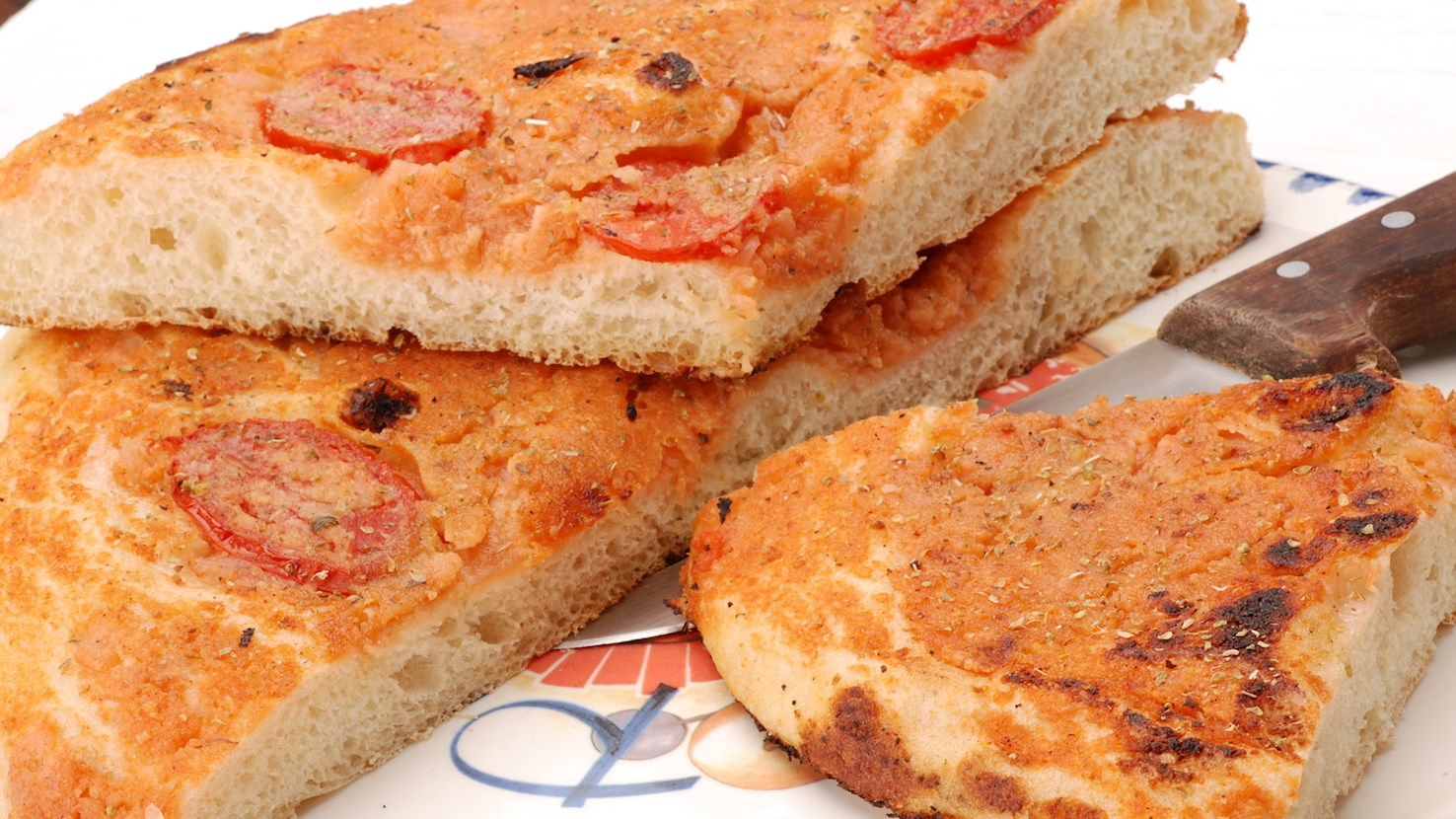
This traditional Sicilian focaccia is an oven-baked flatbread topped with an oregano-flavored tomato sauce made with the addition of onions, anchovies, breadcrumbs, and local cheeses such as caciocavallo, provolone, tuma, or ricotta. Sfincione is one of the island's favorite street foods, especially in Palermo, where street vendors are often seen driving around in their three-wheeled Piaggio Ape food trucks shouting "Scairsu r'uogghiu e chin'i pruvulazzu" (lit. little oil and lots of dust), referring to the crusty breadcrumb topping. The name sfincione is derived from the Arab word asfanaj and Greek sfoungári, both meaning sponge, which this flatbread resembles in appearance and texture.
Rupjmaize is a traditional bread consisting of whole-grain rye, baked in a hearth oven and shaped into an elongated loaf. It has a unique flavor that is both sour and sweet. The bread pairs well with smoked fish, cold cuts, and strong, pungent cheeses such as Roquefort.
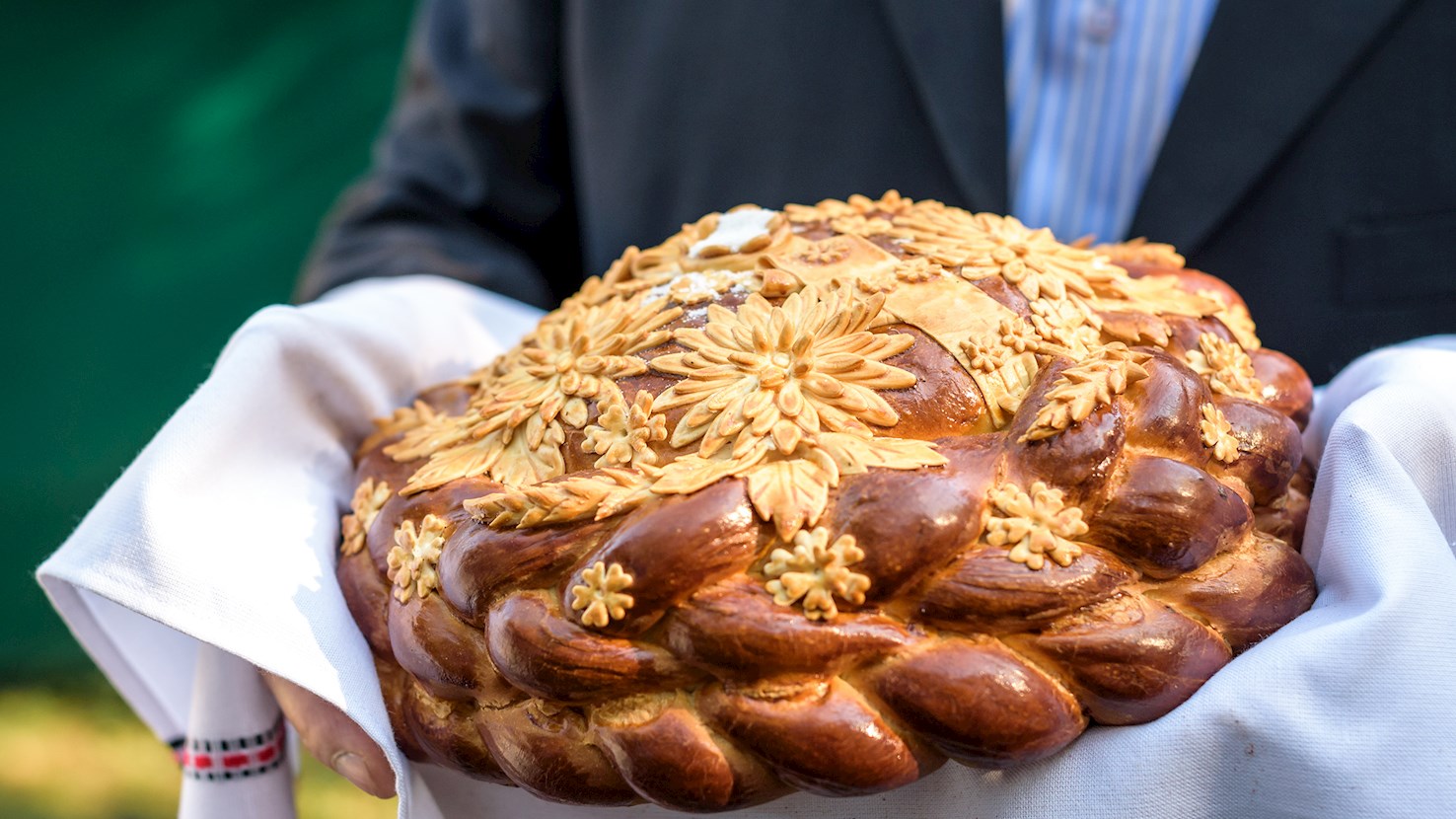
Korovai is a traditional wedding bread that is also popular in countries such as Poland, Bulgaria, Romania, and Russia. Instead of a cake, Ukrainians bake this massive, lavishly decorated bread that is often made by seven married women from seven different places. Participation of widows in the bread-making process is forbidden, since it is believed that a piece of their fate will be forwarded to the prospective couple. There are many superstitions and rituals connected to korovai – for example, if the bread cracks in the oven, the marriage will be doomed. After the wedding ceremony, korovai is cut and shared among guests.
Rieska is a Finnish unleavened flatbread that has been prepared across the country since ancient times. At its simplest, the bread consists of flour, water, and salt, although the ingredients for its preparation vary from one region to another, as do its texture and thickness, ranging from thin, crispy and cracker-like, to thick, dense, and bready. The most common type of flour used for the preparation of this flatbread is barley (which makes barley rieska or ohrarieska in Finnish), but rye (ruisrieska), oats, or mashed potatoes (perunarieska) are also often used instead of barley. Some versions use sour milk or buttermilk for the dough, while one variation known as maitorieska calls for using milk. Although the flatbread traditionally contains no leavening agents, yeast, baking powder, and baking soda are also used in some versions. In the past, rieska flatbread formed a staple in the Finnish diet throughout the country, and it used to be baked on hot stones, which were later replaced with hot ovens. Its status changed, however, with the introduction of leavened bread, and even though rieska is still a staple in northern Finland, people in the south-east and south-west prepare it only on weekends or in case of unexpected guests. This flatbread is typically enjoyed fresh and warm, and it is recommended to serve it with accompaniments such as butter, jam, honey, cheese, milk, and gravlax (salt-cured salmon).
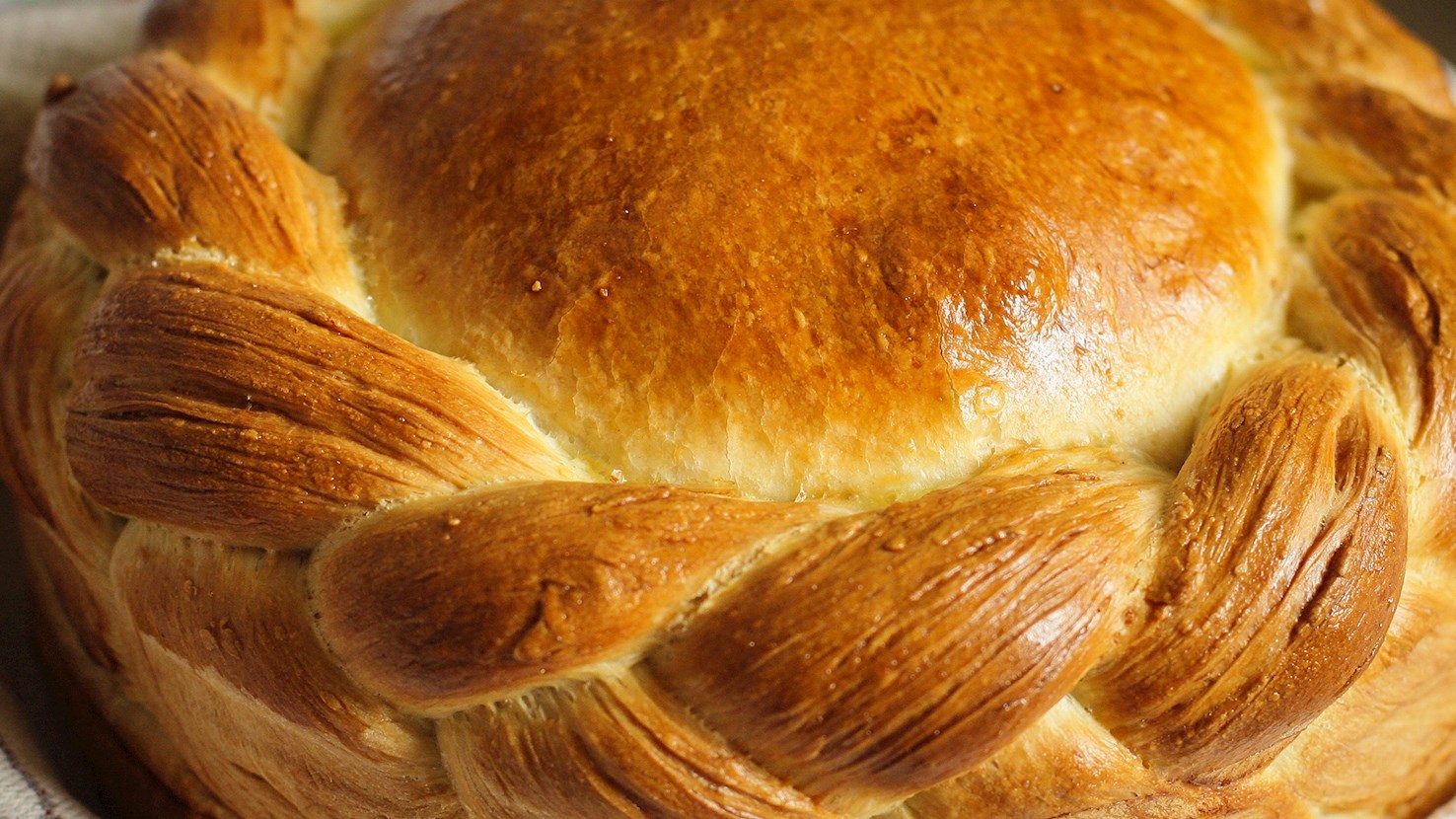
Česnica is a Serbian round-shaped bread consisting of flour, salt, water, and yeast. Traditionally, it is prepared on Christmas Eve, with a coin baked inside the loaf. The name of the bread is derived from the word čest, meaning to share, referring to the fact that it is shared communaly on Christmas morning. The bread is typically rotated three times counterclockwise before each consumer is allowed to tear of a piece and consume it.
Soda bread farl is an Irish griddle bread that is also a staple of the traditional Irish breakfast known as Ulster Fry. It consists of flour, salt, baking soda, and buttermilk. Just like any soda bread, it doesn't contain any yeast. In the past, soda bread farls were prepared as a quick and easy snack for unexpected guests. The word farl in its name refers to the process of rolling the dough into a flat circle, then dividing it into four pieces. Apart from the Ulster Fry, these farls can also be served with butter and homemade jam or with savory ingredients such as fried eel, bacon, and smoked salmon.
The crunchy-crusted pane Pugliese, a porous rustic bread whose origins can be traced to the 15th century, is said to be a legacy of the brown country bread which was brought to Apulia by the Turks who ruled the south of Italy at the time. This delicious peasant-style sourdough bread is made with only flour, water, and yeast, but the secret to making a perfect, slightly domed Pugliese loaf is in the kneading technique, namely the wet dough folding method. Even though the slack dough is very hard to work with, it produces a wonderful, airy texture, while long fermentation enhances the rich flavors of this bread. Pane Pugliese makes for an excellent bruschetta, but it is also enjoyed as an accompaniment to various soups and stews.
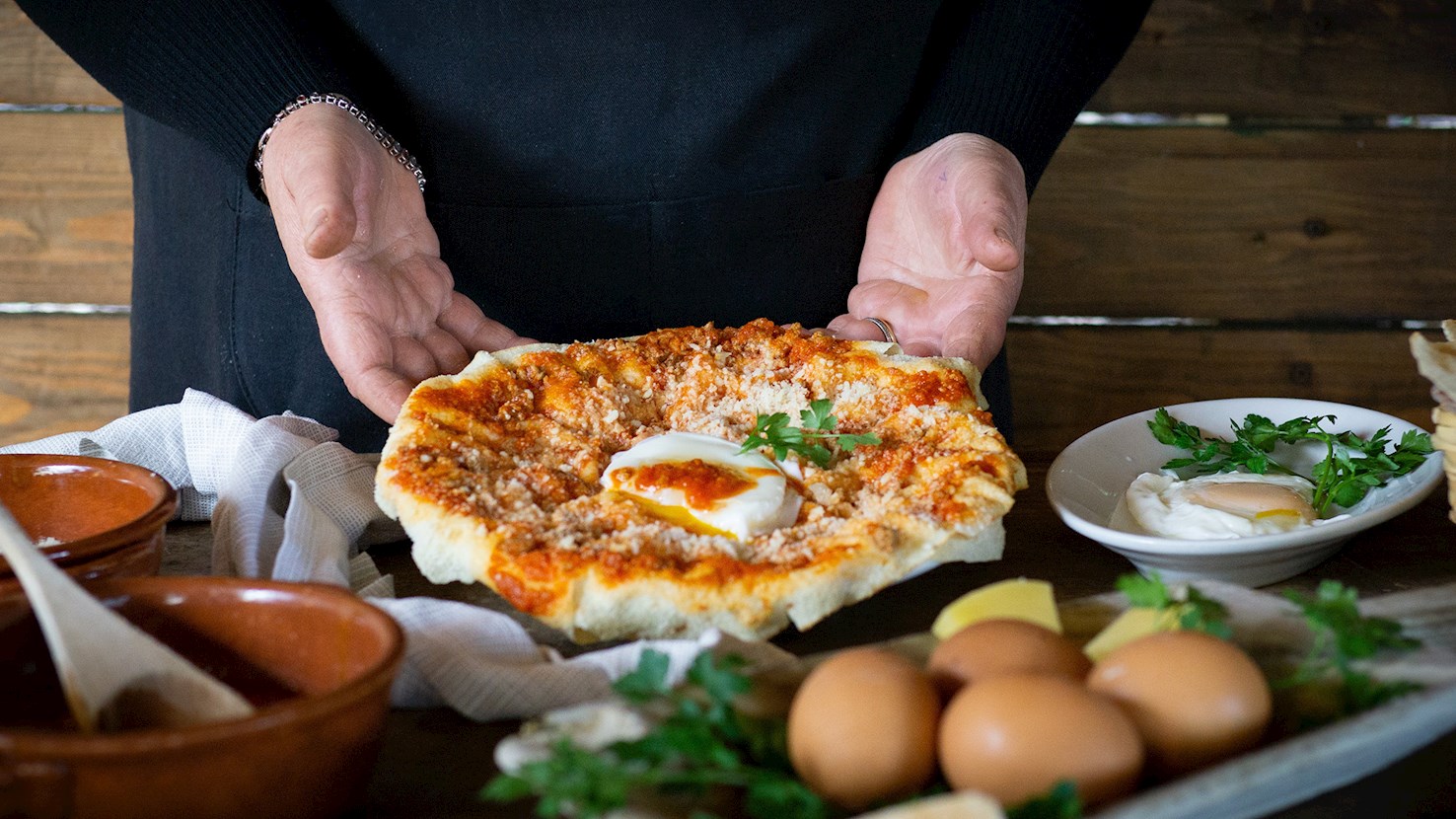
Pane frattau is a traditional Sardinian dish that was originally invented by local farmers as a way to use up old bread. It consists of the wafer-thin and crispy pane carasau flatbread which is first dunked in hot broth, then topped with tomato sauce, grated Pecorino cheese, and a poached egg. The locals say that pane frattau is an alternative to a dish of pasta because it's easier and quicker. The ingredients may vary from area to area, so tomato sauce might be replaced by sheep broth or water, while the poached eggs are not mandatory. It's recommended to serve the dish with Cannonau, a bold red wine.
Schiacciatina Mantovana (also known as chisolina) is a type of crunchy, rectangular or square-shaped flatbread from Mantua, with an ancient history – under the name schizzadas, they were even known during the rule of Gonzaga family, a famous Italian dynasty whose heads ruled Mantua from the 14th to the 18th century. Back in those days, it was an ancient bread of the farmers, who used to eat it when they went out to work in the countryside. Made with flour, water, yeast, lard, salt, and olive oil, schiacciatina can be enriched with onions, rosemary, or pork cracklings. Schiacciatina mantovana can be enjoyed on its own, served as a snack and accompanied by a glass of dry white wine, but it tastes even better when used as a vessel for local cold cuts and cheeses.
This round bread comes from Sardinia. It is usually made with a combination of regular flour and semolina flour, water, salt, and yeast. The crust is crispy, while the interior is slightly yellow and tender. In the past, it used to be made once a week in the early morning, and it was then kept in cellars, where it was wrapped in cloths. Civraxiu is best enjoyed warm as an appetizer, dipped in olive oil or the drippings of roasted meat, but it is also often used in the preparation of bruschettas.
Cuchaule is a Swiss brioche-type bread with an amber color and a unique flavor. This specialty of the Fribourg region is made with flour, milk, sugar, butter, yeast, salt, eggs, and a pinch of saffron. It is typically baked for the Bénichon harvest festival, when it is traditionally spread with Bénichon mustard and butter. The mustard is made with candied sugar, vin cuit, and spices such as cinnamon, cloves, and star anise. However, cuchaule can be consumed with anything sweet or savory – from jams and honey to cheese and peanut butter.
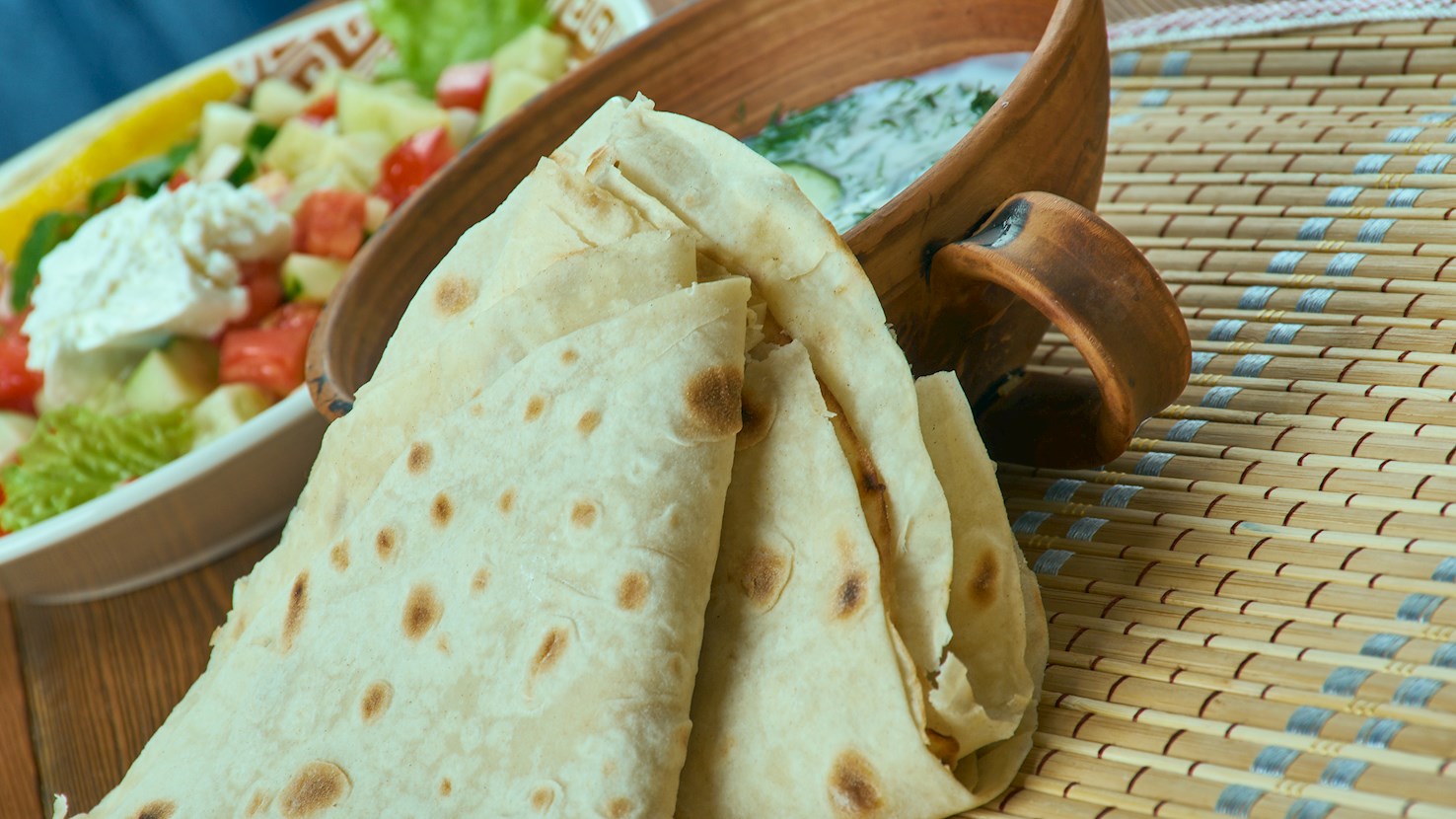
Lefse is a traditional flatbread, visually looking like a huge, round tortilla. It comes in many varieties such as plain, sweet, thin, or thick. There is also a popular version of lefse with potatoes incorporated in the dough, and it is a favorite of the Telemark region. Originally, potatoes were not included in the flatbread since potatoes were introduced to Norway just about 250 years ago. Today, lefse is usually dipped into a bowl of water to absorb it, and is then consumed with butter, cinnamon, and sugar. For serving, it is recommended to roll the flatbread and cut it at an angle. All of the lefse varieties can also be used to make appetizers or sandwiches, when they are filled with cheese, salad, seafood, or meat. Potato lefse is especially good for canapés due to its unique flavor. In Norway, lefse can be bought at most supermarkets or baked at home, and it is also popular in the United States of America, in cities with high percentages of Norwegian ancestors such as Minnesota, North Dakota, and Seattle.
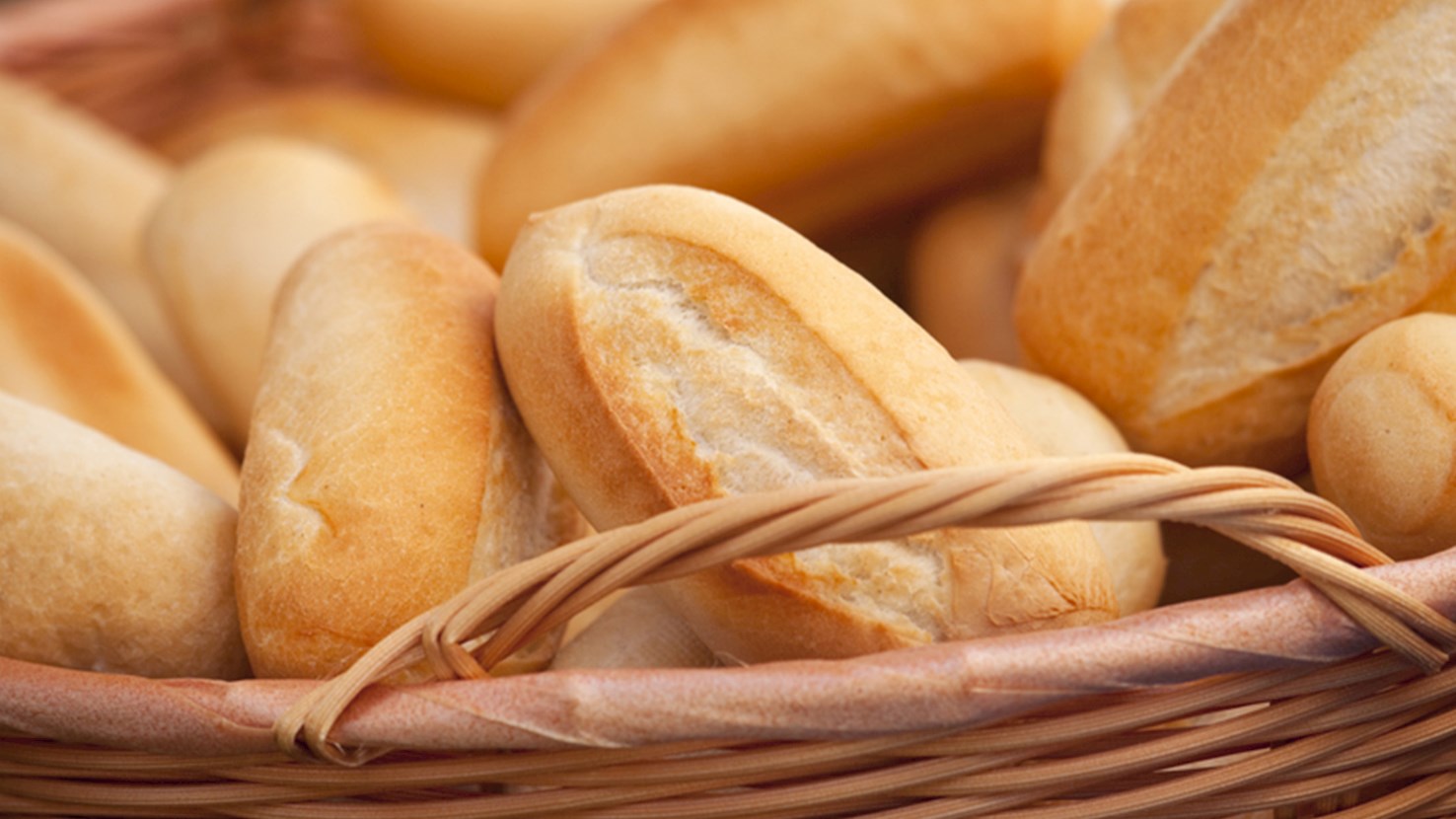
French roll is a type of bread roll that is typically long and slender in shape, resembling a smaller version of a baguette. Usually, it has a crisp crust and a soft, chewy interior. French rolls are commonly associated with French cuisine and are a popular bread option for sandwiches and burgers. They can be sliced horizontally and filled with various ingredients such as cold cuts, cheese, vegetables, and spreads to make a flavorful sandwich. The preparation of French rolls involves using a dough made with flour, water, yeast, salt, and sometimes additional ingredients like olive oil or sugar. The dough is shaped into long, thin rolls and allowed to rise before being baked until golden brown. The crust of a French roll is typically crisp and can have a slightly chewy texture, while the inside is airy and soft. French rolls are versatile and can be found in different variations and sizes depending on regional preferences and personal taste. They are enjoyed in many countries around the world, not just in France, and are a popular choice for creating delicious sandwiches and sliders.
Berliner knüppel is a traditional bread roll originating from Berlin. The bread rolls are usually made with a combination of water, flour, milk, yeast, and salt. The ingredients are mixed, the dough is kneaded, and it's then left to rest for a while. The balls of dough are pressed into disks that are folded into a halfcircle, and the dough is then rolled into a short and oblong log. The rolls are baked seam-side up in an oven with steam until golden brown. If properly baked, the crumb should be soft and fluffy, and the crust should be slightly crusty. Berliner knüppel rolls are traditionally served with ground meat patties known as buletten.
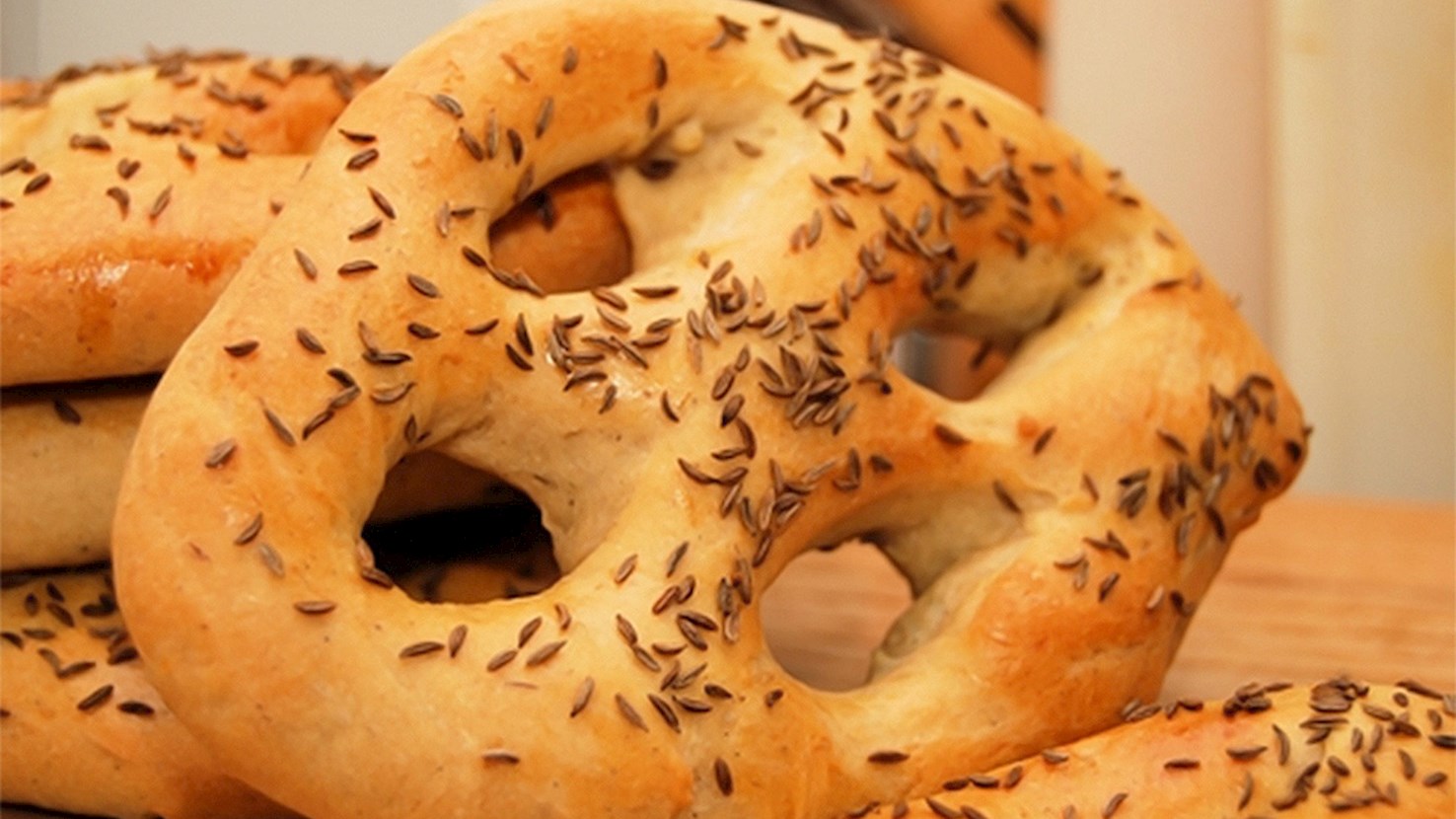
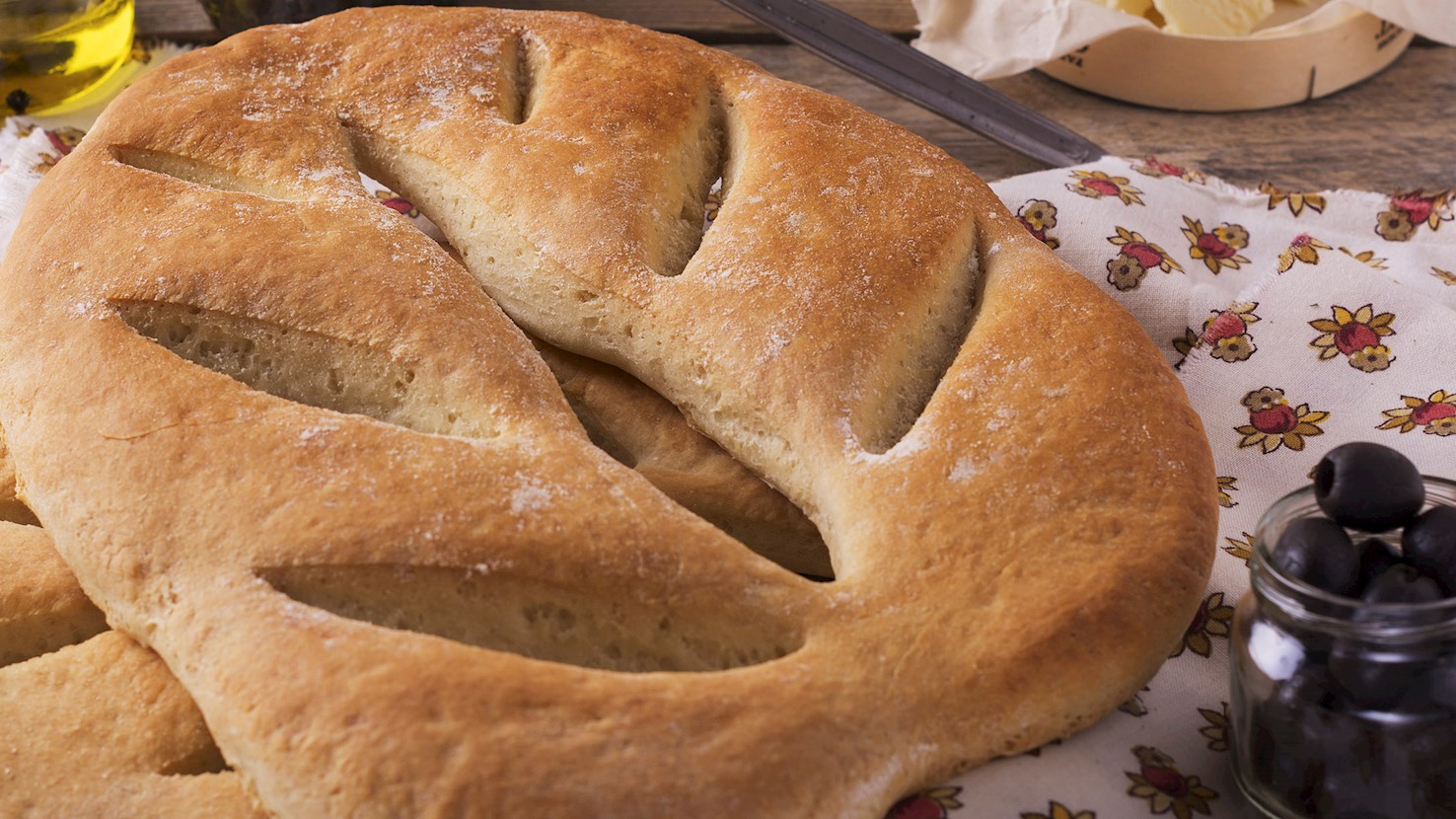
Fougasse is a flatbread that is typically sweetened with sugar and orange-flavored water. It can commonly be found in Provence and throughout southern France, and it is easily recognizable by its shape. Fougasse is usually shaped like a wheat grain, with cuts that form a veiny, leafy outline. Originally, this bread has been baked since Roman times, and it was mainly used to test the temperature of the oven. Today, there are several variations of the bread, while olives, cheese, and figs are often incorporated into the dough. It provides a perfect accompaniment to a number of dishes, but it can also be used to make a variety of sandwiches.
Podpłomyk is a traditional flatbread originating from Poland. This simple unyeasted flatbread is usually made with a combination of flour, water, and salt. In the past, the flatbread was made on fire-heated stones, but nowadays it's usually made on the stovetop or cooked in a pan, especially ever since the popularization of interest in premedieval everyday life. Once baked, podpłomyk is typically enjoyed with honey or different types of jam called konfitury. Some people serve it with stews or use it as a tortilla would be used.
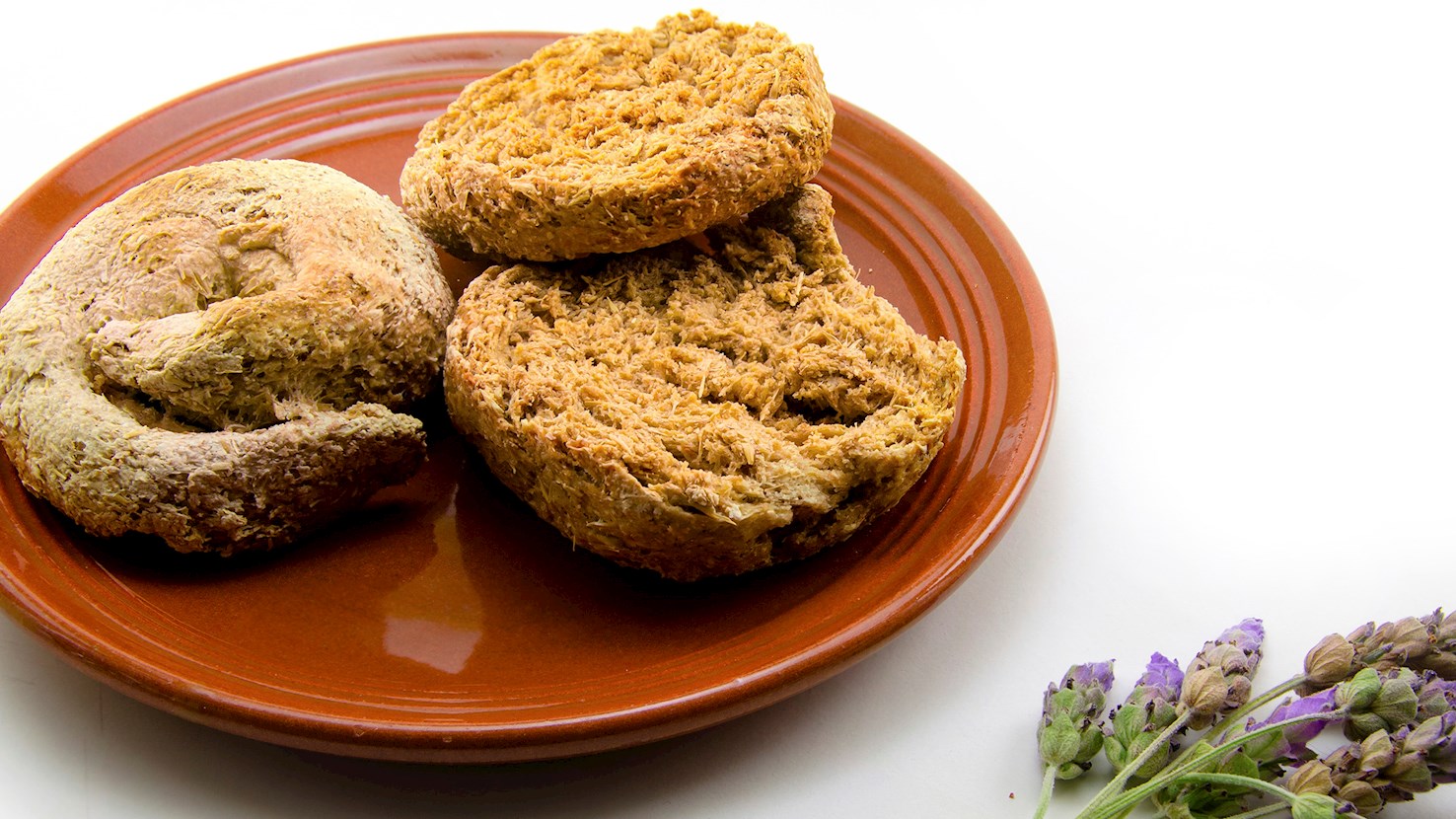
Also known as the Cretan biscuit, Kritiko paximadi is a bread product made with either wholemeal barley flour or a combination of barley, wheat, and oat flour. The origins of paximadi can be traced to the ancient times when barley rusks were the staple of farmers, shepherds and Cretan sailors. Being twice-baked, these rusks could be preserved for long periods of time without losing their quality and for this reason paximadi became the daily bread of families that could not bake on a regular basis. Kritiko paximadi is still the base of Greek and Mediterranean diet, and it is usually softened with water, wine, or olive oil before consumption. This traditional barley rusk is typically used for preparing dakos, a popular Cretan meze made with crumbled feta or mizithra cheese and chopped tomatoes, but it is also ideal for other types of Greek salads, appetizers, and light, healthy meals.
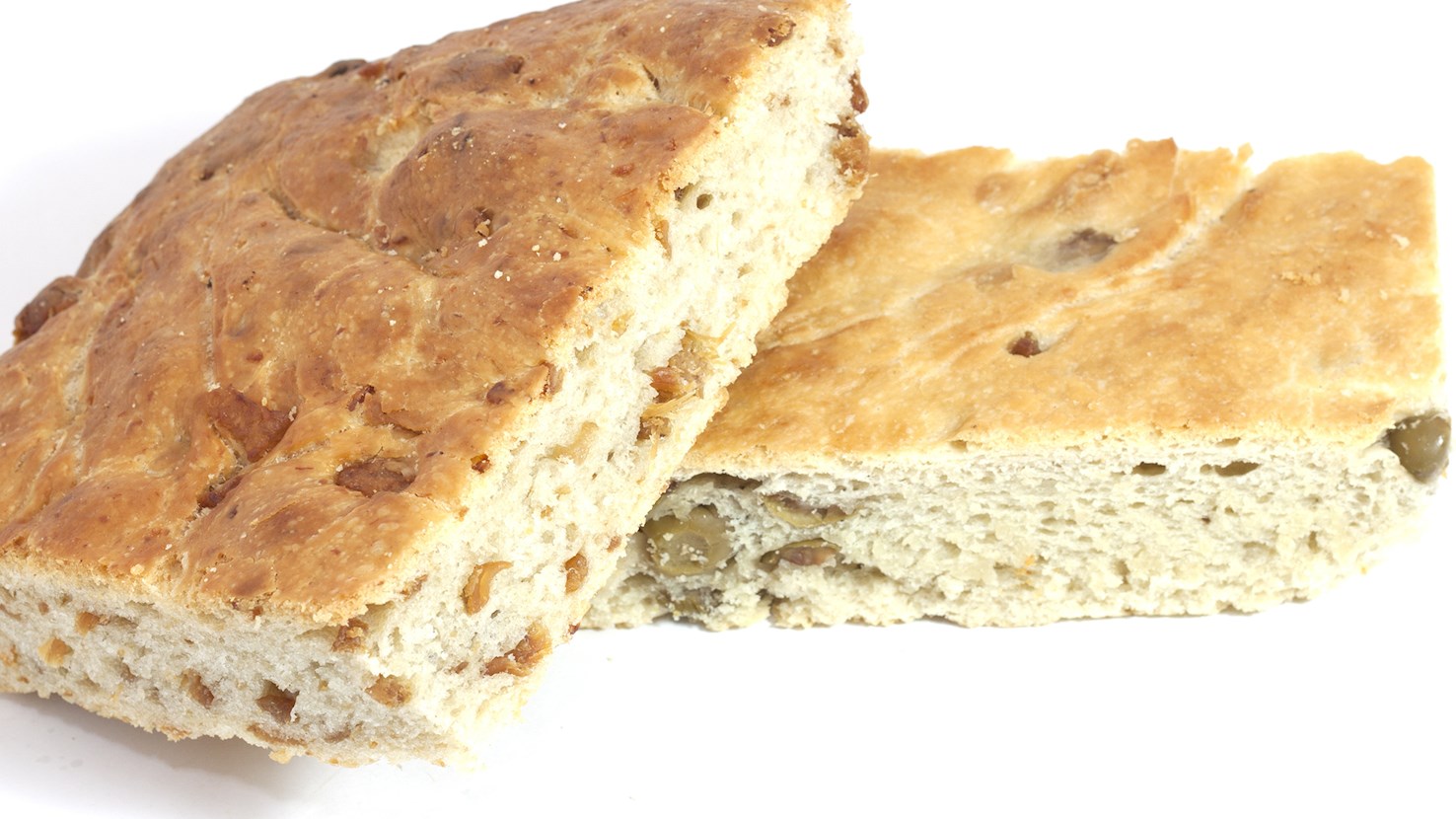
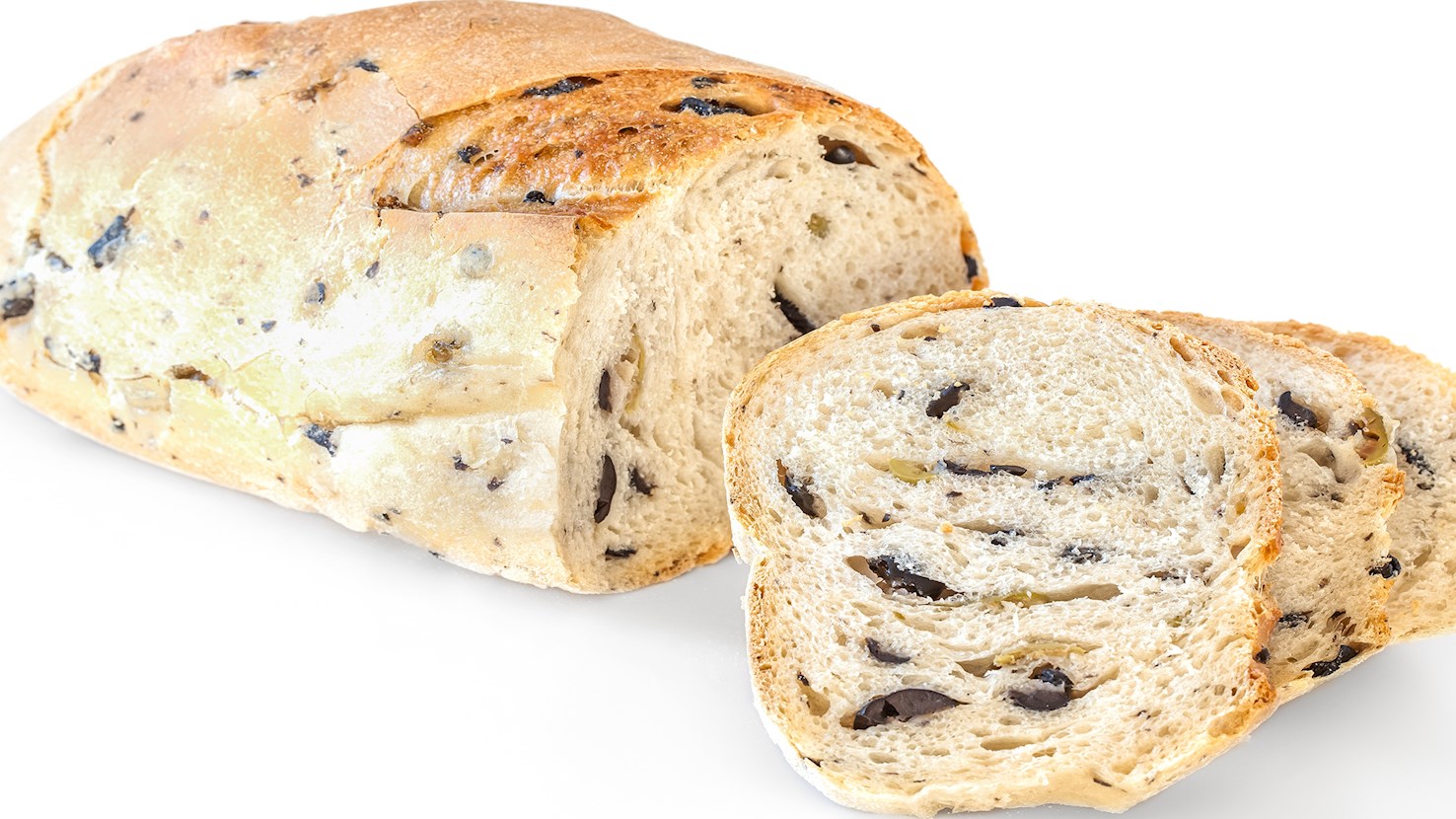
Eliopsomo is a traditional bread made with flour, water, yeast, salt, black olives, and flavorings such as honey and rosemary. The saltiness of the olives pairs extremely well with the slightly sweet honey bread dough. The bread can be used for the preparation of sandwiches, paired with feta cheese and olive oil, or it can be used for dipping it into a combination of olive oil, oregano, salt, and pepper.
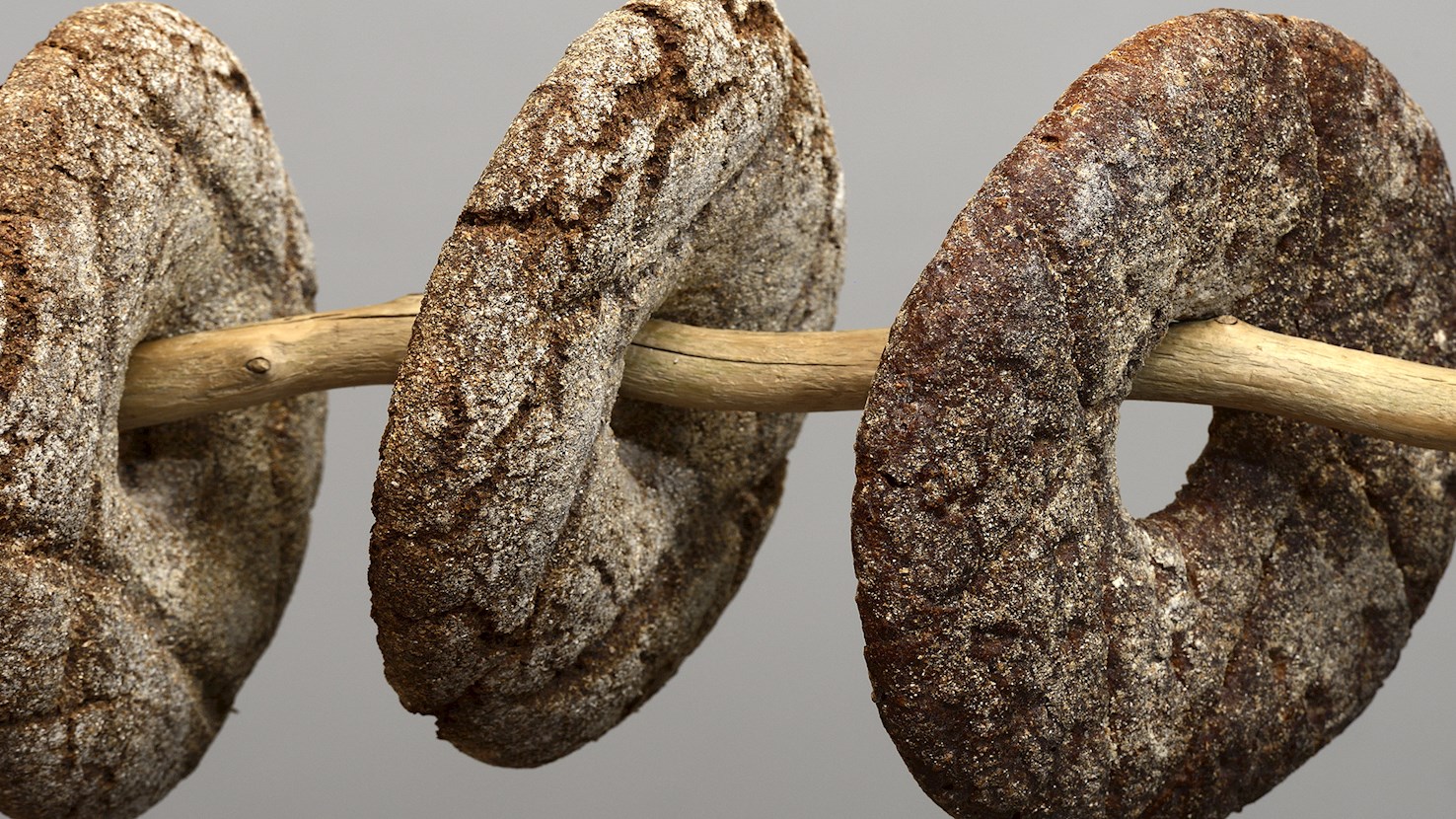
Usually associated with Western Finland, ruisreikäleipä is one of many rye bread varieties present in traditional Finnish cuisine. This dense, rustic bread is traditionally baked in the form of a flat, round loaf with a hole in the middle. The hole was used to hang the bread on a pole, usually above the oven, allowing it to mature in a warm environment. With its pleasant sweet and sour flavors, it is a perfect accompaniment to hearty Finnish dishes and a common snack that is usually complemented by butter.
Characterized by its dark brown color, rúgbrauð is a rich and dense Icelandic bread that was initially prepared solely with rye flour. It was traditionally steamed in underground pits that were located near numerous Icelandic geysers, and which provided heat for steaming. Nowadays, the somewhat heavy rye flour is usually combined with other flour types, buttermilk, and molasses to produce a lighter version of this classic. Often combined with various spreads and toppings, this subtly sweet bread is also blended with milk or buttermilk and enjoyed as a porridge or a nutritious dessert.
TasteAtlas food rankings are based on the ratings of the TasteAtlas audience, with a series of mechanisms that recognize real users and that ignore bot,
nationalist or local patriotic ratings, and give additional value to the ratings of users that the system recognizes as knowledgeable.
For the “100 Worst Rated European Breads and Flatbreads” list until July 16, 2026, 15,362 ratings were recorded, of which 11,566 were recognized by the system as legitimate.
TasteAtlas Rankings should not be seen as the final global conclusion about food. Their purpose is to promote excellent local foods,
instill pride in traditional dishes, and arouse curiosity about dishes you haven’t tried.