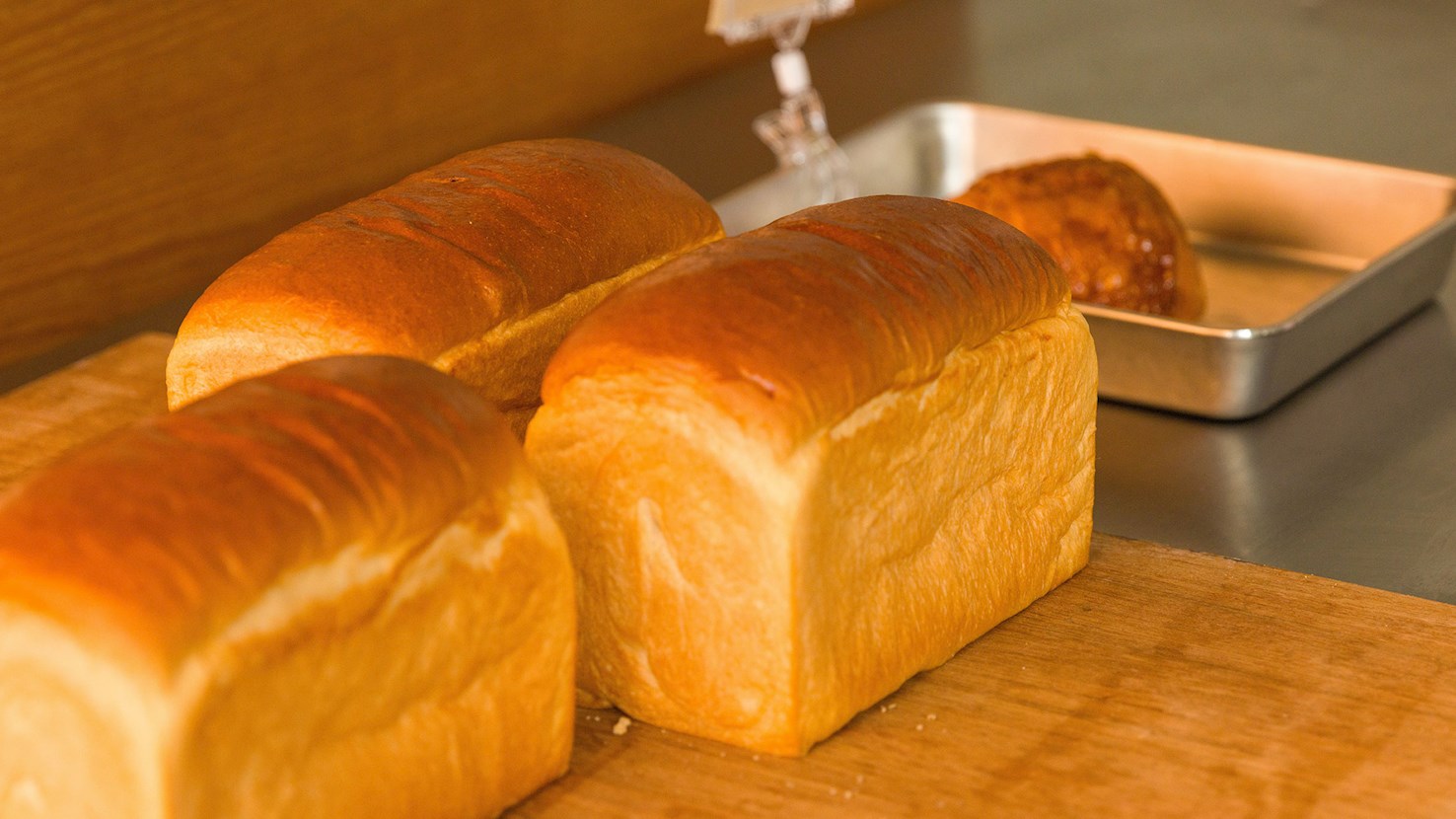
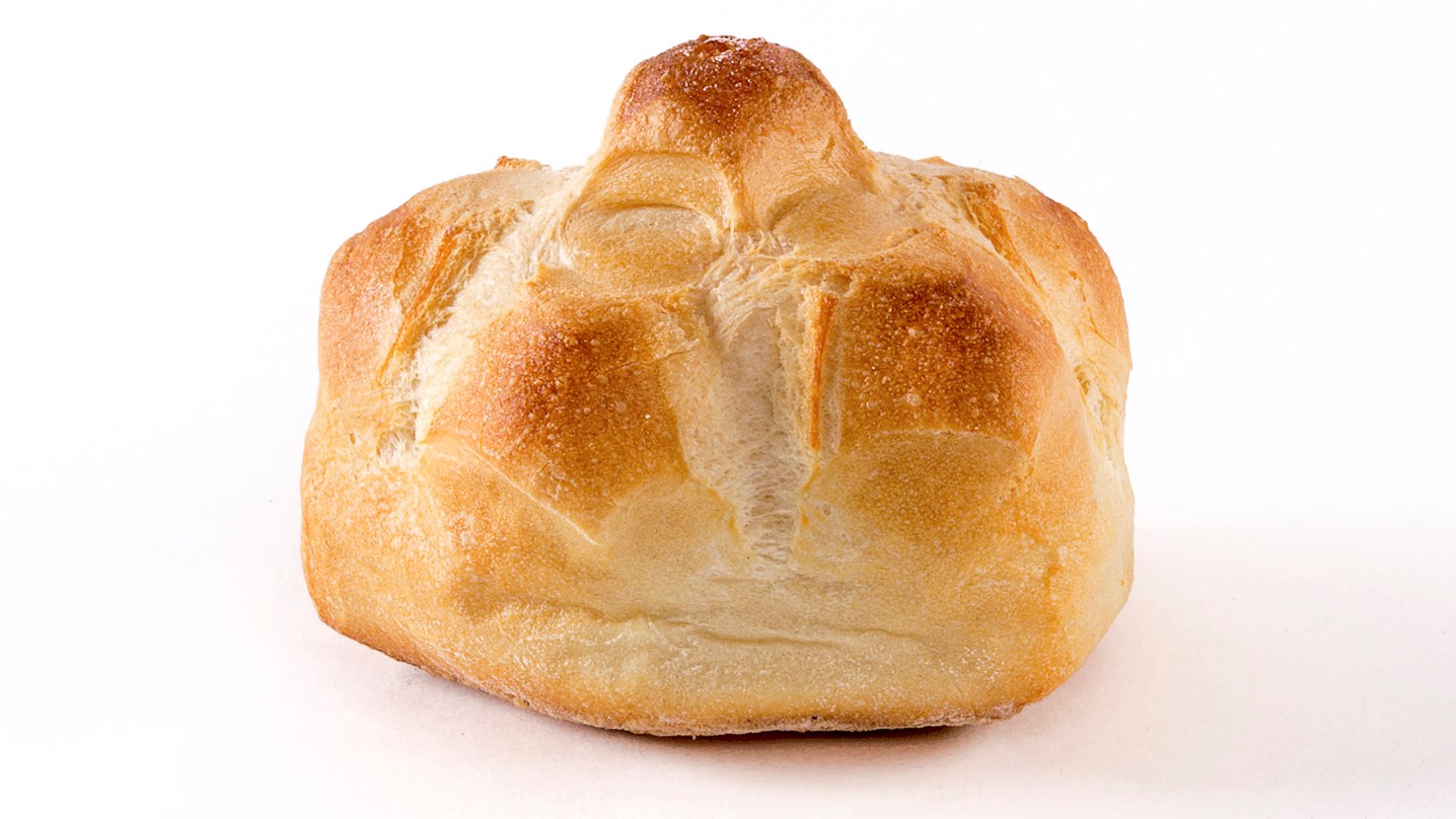
An approximate translation of the name of this popular French bread is “crustless bread”, referring to its thin layer of crust and thick white interior. The bread is made with wheat flour, water, salt, milk, sugar, and yeast. Although it is usually made industrially and sold sliced and packaged in supermarkets, it can also be made easily at home. Pain de mie is typically baked in square or rectangular covered pans, which ensure its characteristic shape. The cover prevents the bread from rising fully, resulting in a fine, compact crumb. The French use it most often for toasting, while its thickness and shape make it ideal for the preparation of the classic French sandwich croque-monsieur. A more recent, industrial version of the bread is called pain de mie 100%, which is a sliced loaf of pain de mie with the crust removed entirely. Pain de mie stays fresh for a long time due to the shortening used in the preparation process, which other French breads typically lack.
Shaped like a double twisted loaf, this traditional bread is prepared with flour, pork lard, extra-virgin olive oil, sourdough, salt, water, and malt. Characterized by its golden color and a distinctive taste, coppia is a signature dish of Ferrara that evolved from the original versions of pane intorto (lit. twisted bread), which dates back to the 12th century. Because of its distinctive shape, it is recommended to consume the elongated parts first, while the center can keep fresh for a longer time. In 2001, coppia was registered as a Protected Geographical Indication.
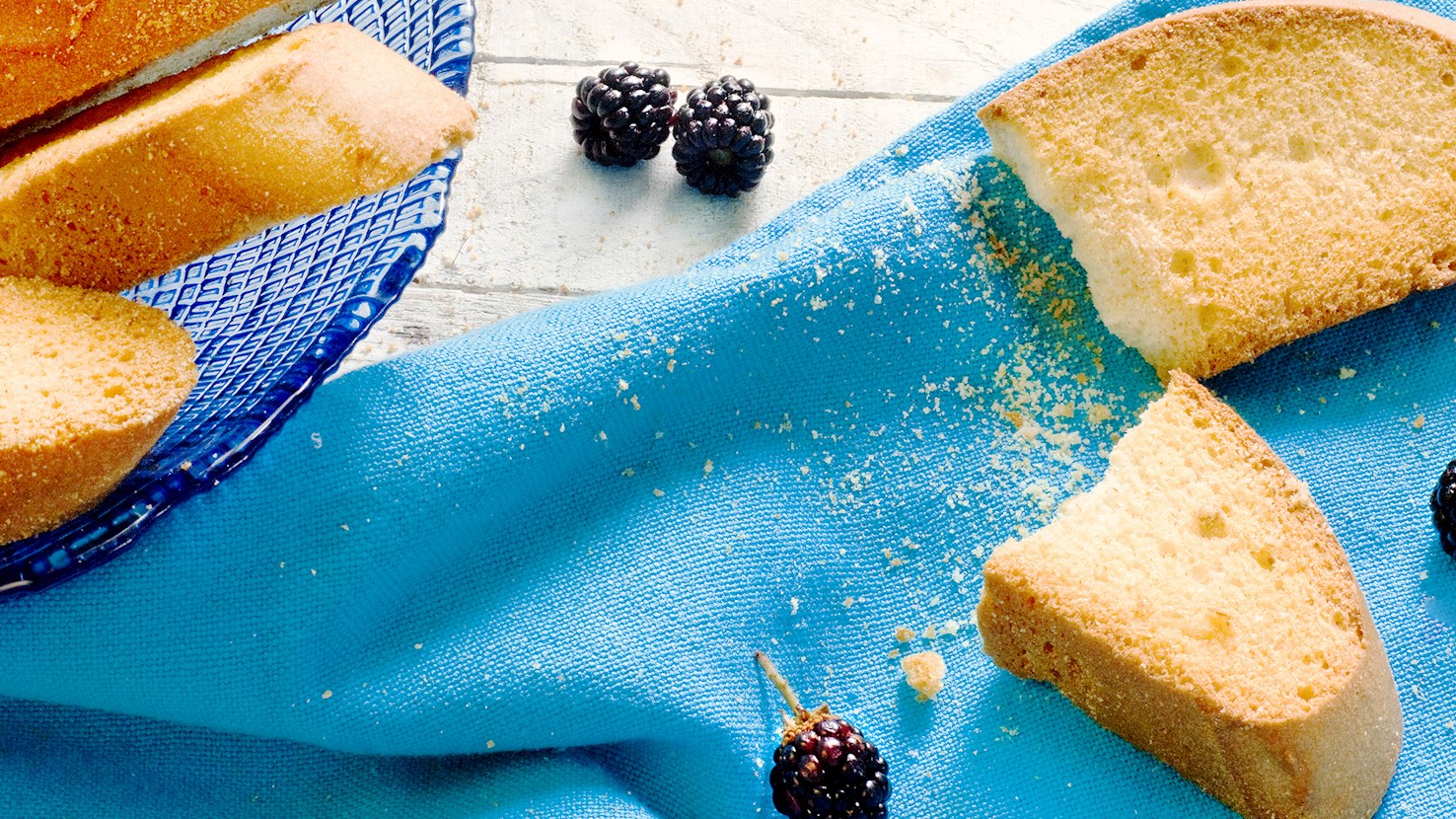
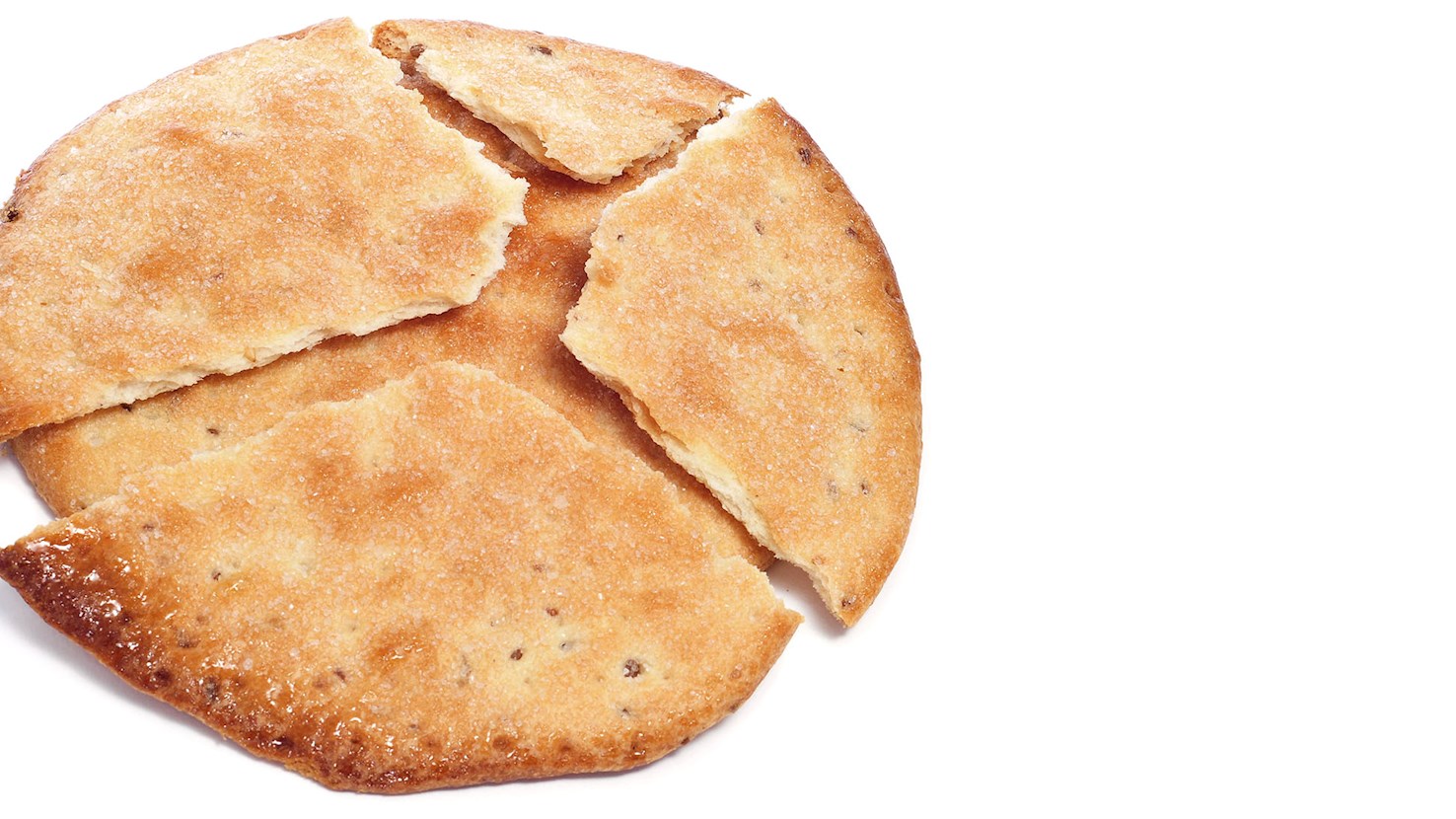
Categorized somewhere between a cookie and a rusk, biscotti del Lagaccio are named after a Genovese quarter where they were allegedly invented around 1593. In the beginning, they were simple double-baked biscuits made only with flour, butter, yeast, and sugar, but over time, the basic recipe was changed with the addition of wild fennel seeds and a few drops of anise liqueur, giving them their typical flavor. Delicately sweet, biscotti del Lagaccio make a perfect breakfast or an afternoon snack, especially if paired with a cup of caffè latte or tea.
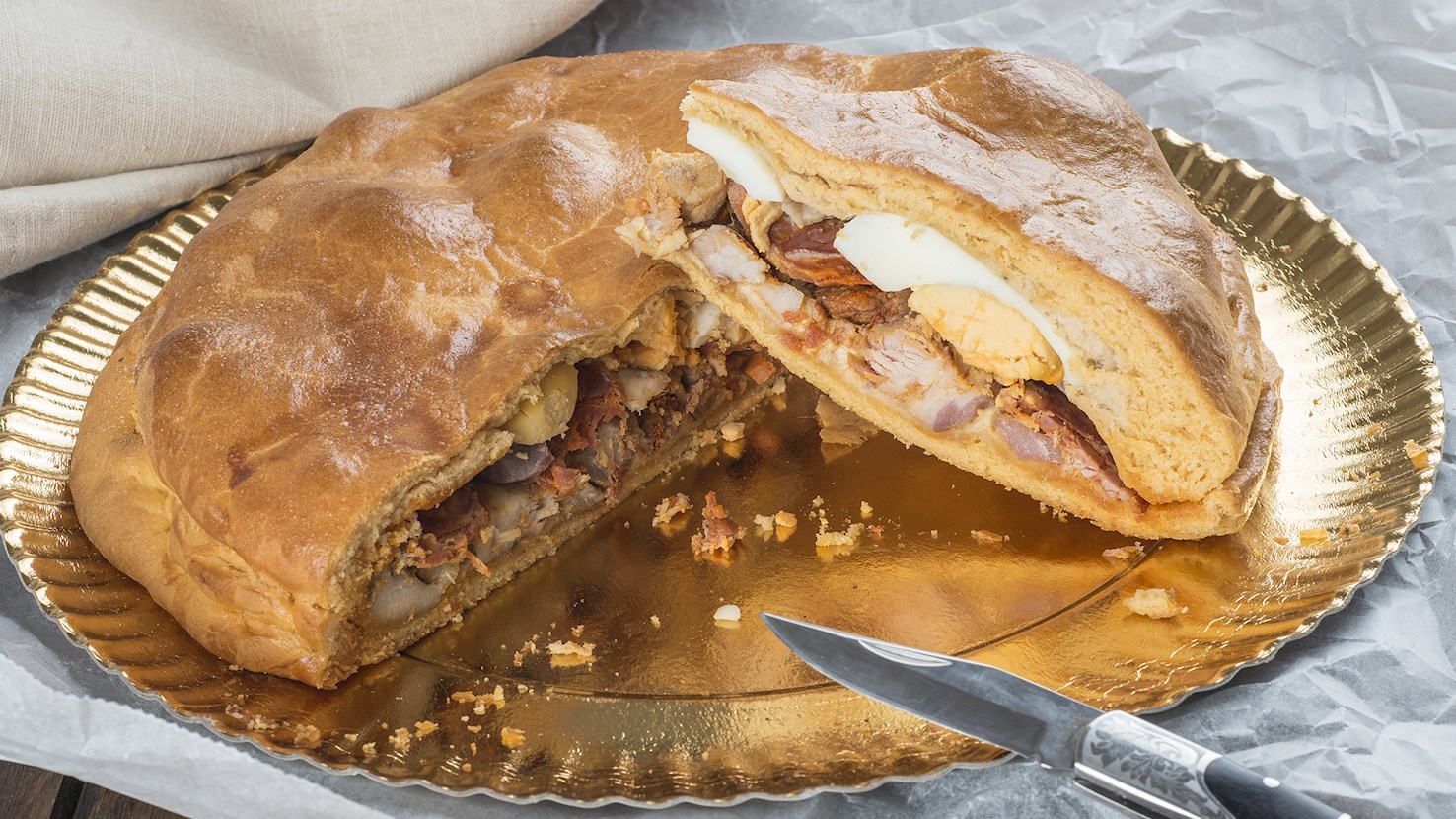
Hornazo is a traditional delicacy made by stuffing bread with pork loin, hard-boiled eggs, and chorizo. The bread is made with flour and yeast, and the top is usually nicely decorated with various shapes made from the same dough. It has origins in Salamanca, and it is often prepared for Lunes de Aguas festival, celebrated annually on Easter Monday. Nowadays, there are many variations on this festive bread, so it can be stuffed with anything from ham and cheese to tuna and smoked salmon.
Ftira tar-randan is a Maltese bread made with flour, water, salt, yeast, and olive oil. The dough is traditionally shaped into balls which are then fried in a pan until golden brown. The bread is often drizzled with honey on top, then served while still warm. Ftira tar-randan is especially popular during the month of Ramadan.
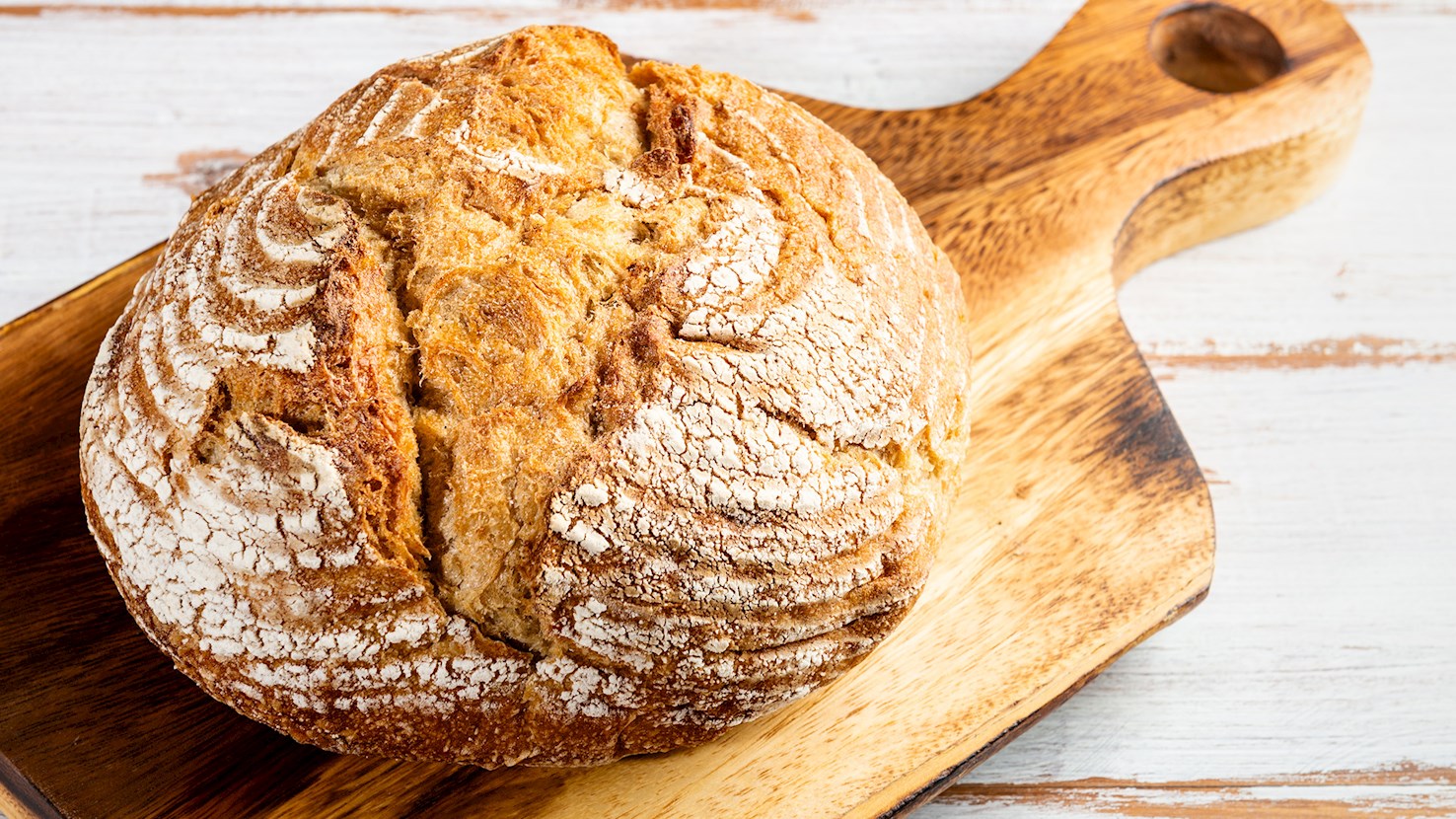
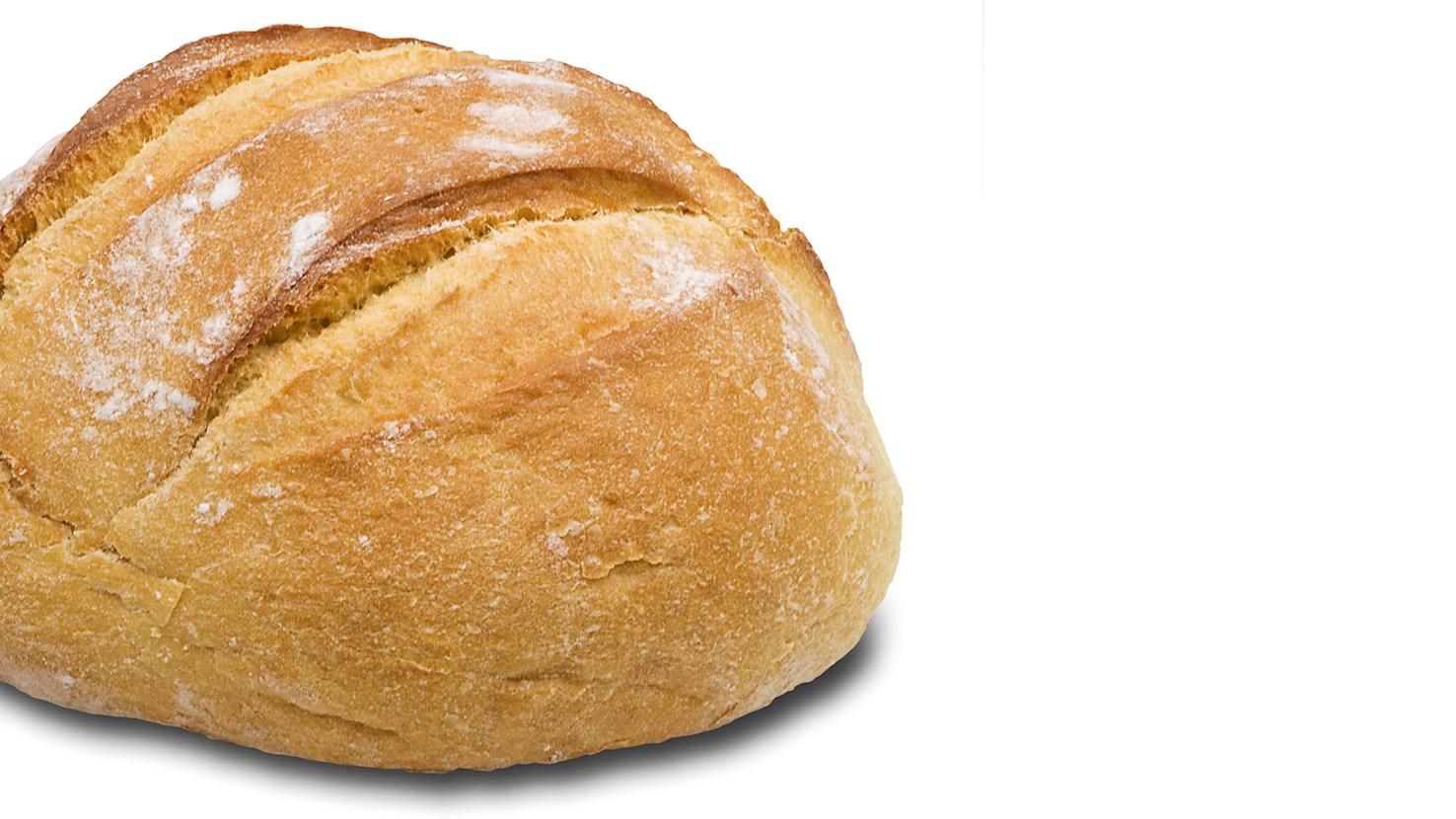
Pa de Pagès Català is a type of round bread traditionally made by hand and baked in bread ovens, in the Autonomous Community of Catalonia. This bread has a crisp golden crust and is spongy and soft on the inside. It is usually made using white flour, and during the slow fermentation and baking, it develops characteristic large irregular air holes that give it springy consistency. Another unique characteristic is its ability to retain freshness longer than other types of white bread. The quality of this artisan bread depends mostly on the bakers' expertise and experience. Pa de Pagès Català is a high quality, aromatic bread with pleasant acidity and a complex flavor. It is sold in loaves weighing approximately 1 kg.
Pan de Cea is a traditional type of bread made in the Municipality of San Cristovo de Cea, in the north-west of the Province of Ourense. It is made by kneading wheat flour, water, salt and masa madre, the previously fermented yeast dough, into an elastic and tough dough. The bread dough is then left to ferment, or rest, for 45 to 60 minutes. The bread is then kneaded once more and baked in special, wood-burning granite ovens. These ovens are the characteristic feature of the production of this bread and are specially shaped to ensure uniform baking.
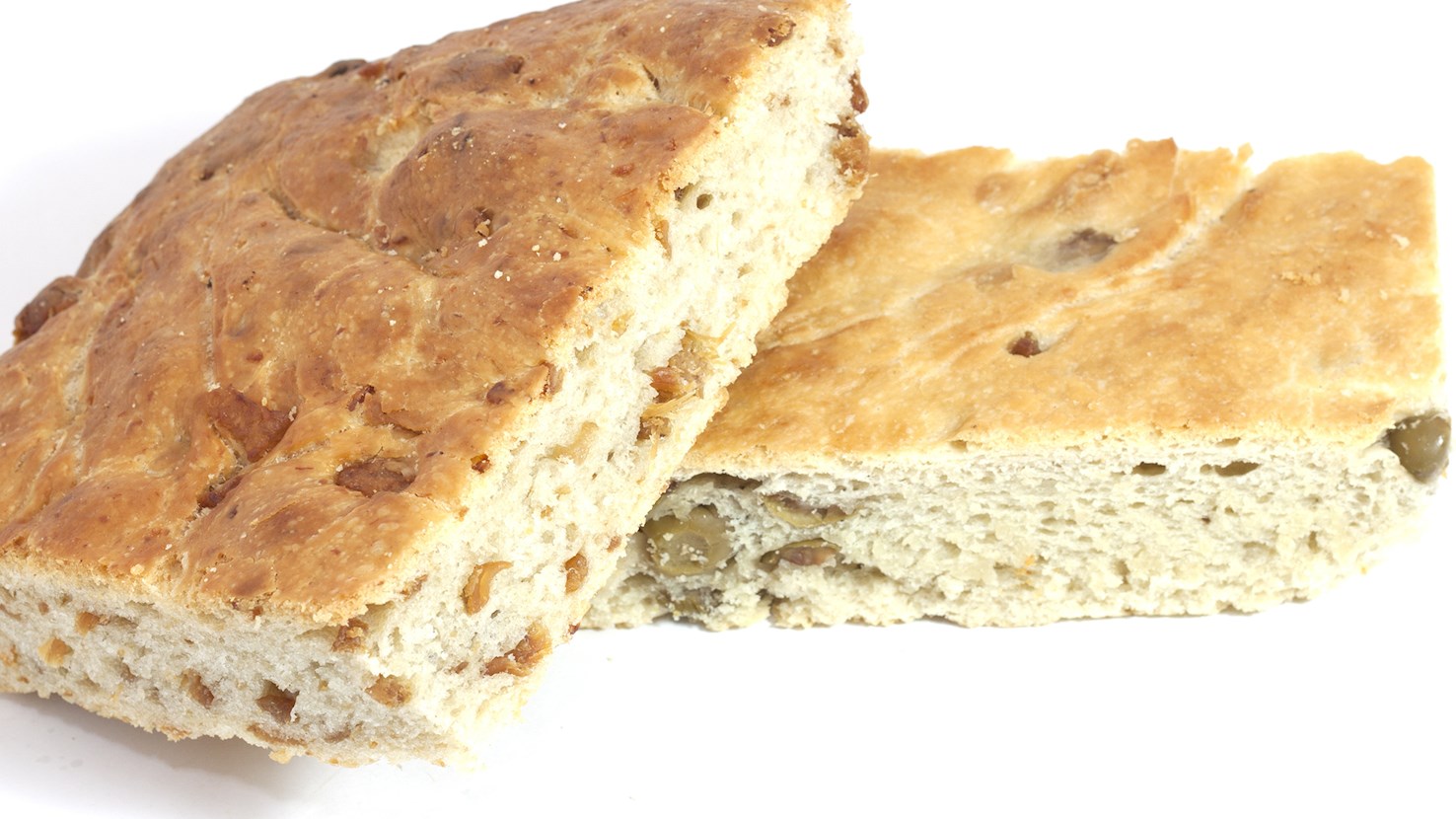
A real Tuscan specialty originating from the historical region of Garfagnana, schiacciata con ciccioli, locally known as ciaccia coi ciccioli, is a type of focaccia-style flatbread studded with crunchy pork cracklings. Its name stems from the Italian schiacciare which means "to press" or "to flatten". In the past, this flavorful oven-baked delicacy was a staple food and the traditional primo colazione or the first morning meal of Tuscan farmers who used to enjoy their ciaccia with a glass of hearty red wine. Today, ciaccia coi ciccioli can be found in bakeries throughout Tuscany; it is freshly baked and dished up all day long, not just for breakfast.
Traditionally made since the Middle Ages, pane Toscano or pane sciocco is a variety of bread commonly found in the central Italian regions of Tuscany, Umbria, and the Marches. Back then, to show their displeasure with the imposed regulations and high taxes on salt, the Tuscans started baking their bread without salt, hence the name pane sciocco (lit. tasteless bread). Due to its bland taste, the salt-free Tuscan bread is not quite intended for eating on its own, so it is typically served fresh from wood-fired ovens with cured meat products such as prosciutto, salami, or strong cheeses in order to balance out their saltiness and intense flavors. Drizzled with olive oil and smeared with mashed garlic, pane Toscano also makes for a delicious fettunta (similar to an untopped bruschetta), but it is more often used in various soups and stews such as zuppa di pane Toscana.
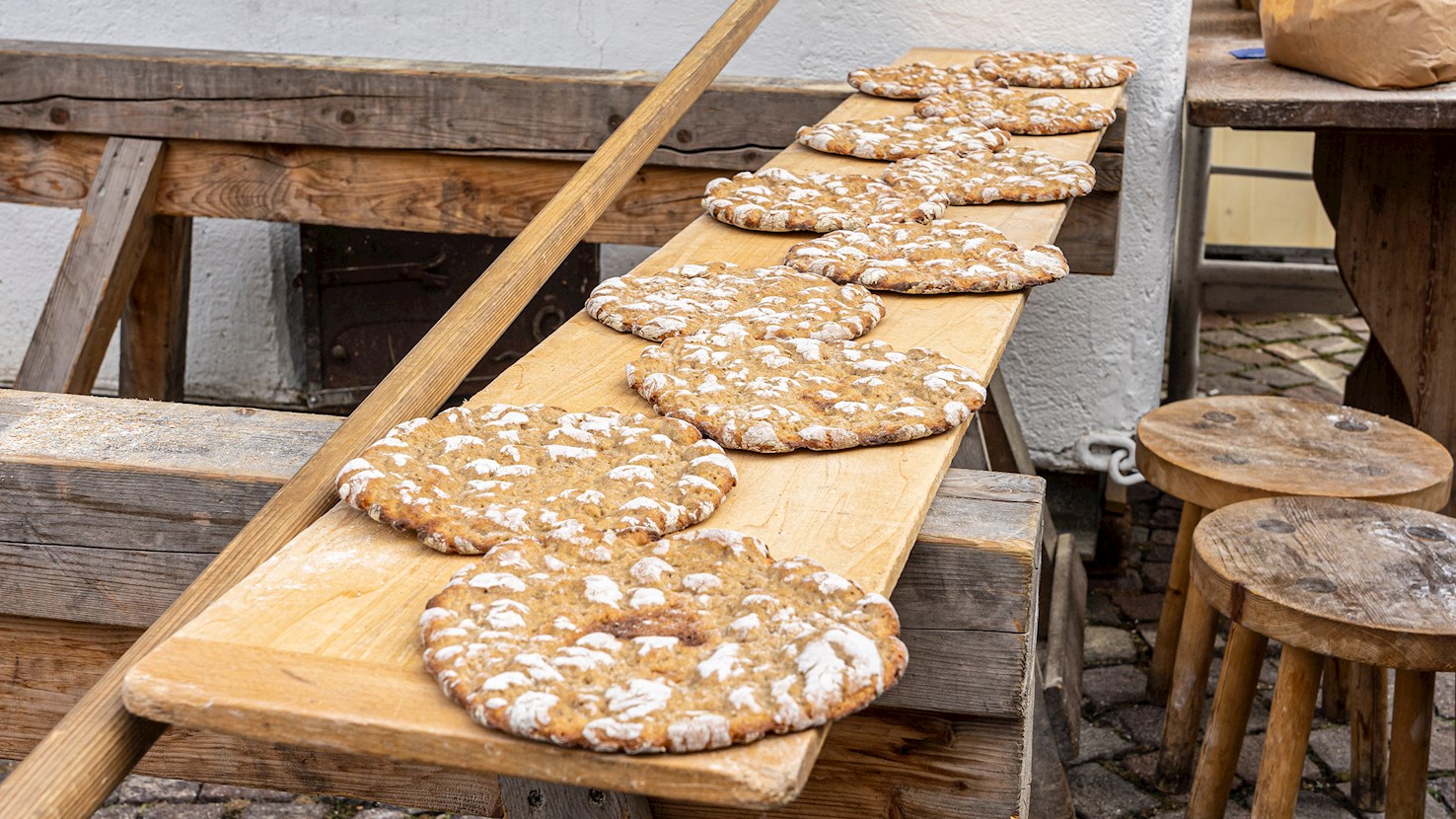
Schüttelbrot is a traditional flatbread originating from South Tyrol, or to be precise, the Isarco valley, in particular in Fiè allo Sciliar. It's usually made with a combination of rye flour, wheat flour, yeast and sugar, salt, oil, and herbs and spices such as fennel, cumin, and fenugreek. The seeds are crushed or pounded in a mortar, then kneaded into the dough. The dough is rolled flat – either paper-thin or a bit thicker – and it's then baked until crunchy and golden brown. If desired, whole rye kernels can also be added to the dough before baking, but the kernels should always be pre-soaked in warm water. Once baked, schüttelbrot is typically served with cheeses and sliced smoked ham or similar cold cuts. This flatbread keeps very well, so it's recommended to store it in a tightly closed container.
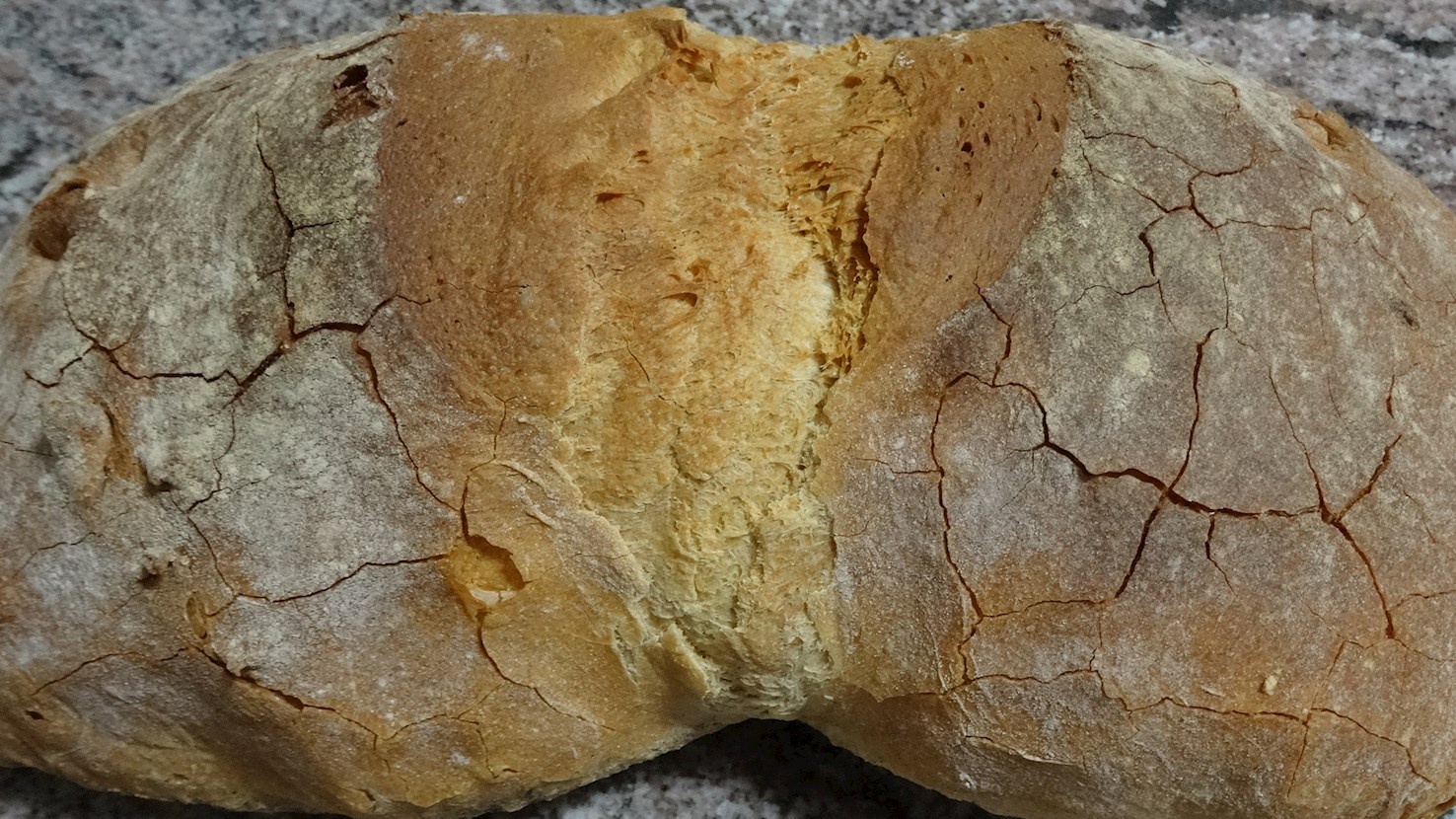
Papo secos, also known as Portuguese rolls, are light and airy bread rolls popular in Portuguese cuisine. These rolls are made from common bread ingredients including yeast, sugar, flour, salt, water, and butter, with a little milk brushed on top before baking. In Portugal, these rolls are ubiquitous in bakeries and homes and are often referred to as carcaça. They are distinguished by their oblong shape and a characteristic crease down the middle, making them perfect for sandwiches, toasties, or as a delicious accompaniment to meals, especially the famous bifanas, which is a type of Portuguese sandwich.
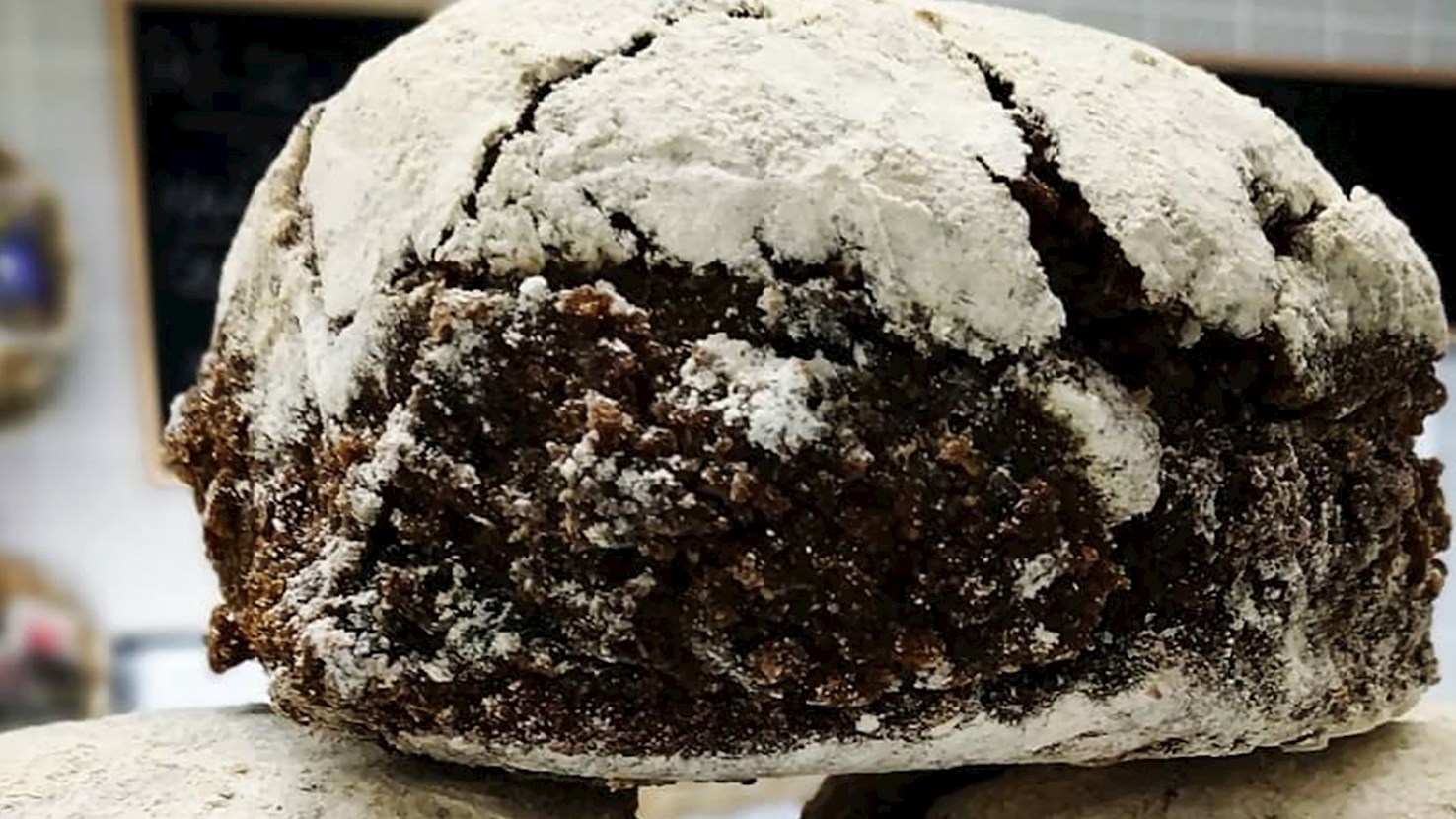
Named after an ancient city and the province of its origin, pane di Matera is a country-style sourdough bread made with semolina dough, natural yeast, salt, and water. Due to special kneading methods and the use of a local wheat variety called Senatore Cappelli, the unusually-shaped Matera bread will stay fresh for up to a week or sometimes even longer, keeping its unmistakable flavor and aroma. It is especially good when combined with local cheese and charcuterie products, but it can also be used for bruschettas, or as an ingredient in various dishes such as the rustic cialledda Materana, a local specialty made with onions, tomatoes, and soaked Matera bread, altogether flavored with oregano and olive oil.
Viena andaluza is a traditional bread roll hailing from Andalusia. The bread roll is usually made from wheat flour, and the dough is formed into an oval shape. Once baked, these rolls should be golden and crusty, with a soft, fluffy, white crumb and a pleasant, characteristic aroma. Viena andaluza is often used to make sandwiches such as bocadillo serranito due to its softness and its thin and elastic crust.
Filone is a traditional bread from Tuscany, visually similar to the famous French baguette, consisting of flour, olive oil, yeast, water, and salt. The bread has a hard, crispy crust on the exterior, and a light, airy crumb on the interior. The name filone is derived from the Italian word filo, which means line, referring to the shape of the bread.
Michetta is a traditional white bread characterized by its round and bulbous shape, hard crust, and an airy, slightly hollow texture of the interior. It is believed that michetta was invented in Lombardy during the period of the Austrian rule. At the time, the officials who were located in Lombardy brought with them traditional Austrian dishes, including Kaisersemmel—a crusty round bread roll. The bread proved to be too soft and rubbery for the locals, who then tried to create a similar roll with a slightly hollow center which would remain crispy for longer. The name michetta, which initially meant crumb, is believed to stem from micca, a local term that was once used for Kaisersemmel. The bread is best served fresh, and it is typically filled and enjoyed as a sandwich. It can be paired with anything from pesto and mozzarella to prosciutto. Versions of michetta are sometimes referred to as bignè, rosetta, or stellina. In 2007, michetta was officially granted a municipal designation of origin which categorized it as a traditional gastronomic item of the region.
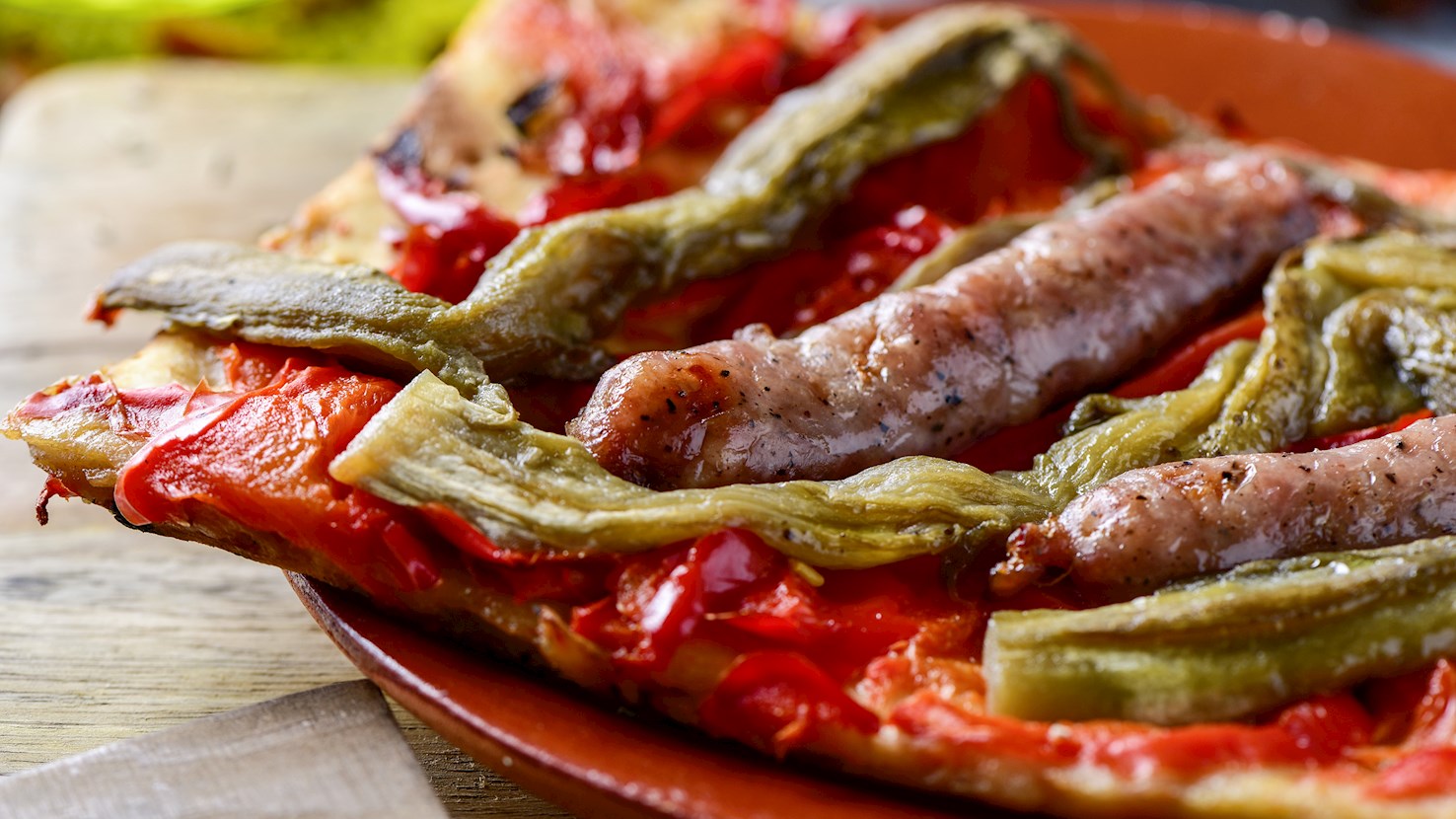
Coca de recapte is a traditional coca variety that's commonly found in Catalonia and Valencia. In Catalonia, this is the most common coca variety which is often sold in bakeries. It consists of a thin bread-dough base that's topped with eggplants and roasted peppers (known as escalivada) in addition to tomatoes and onions. The locals claim that this coca variety was invented in the area of Tarragona and Lleida. Coca de recapte is traditionally eaten cold, and the word recapte in the name of the dish means something like what you have in stock, referring to the fact that the cooks add ingredients which are usually staples of Catalan kitchens. The dough is made with flour, salt, olive oil, yeast, sugar, and warm water, while the topping is made with a combination of eggplants, red bell peppers, onions, olive oil, tomatoes, salt, and sugar. Sometimes, fish such as sardines are added to coca de recapte for even more texture and flavor than it already has.
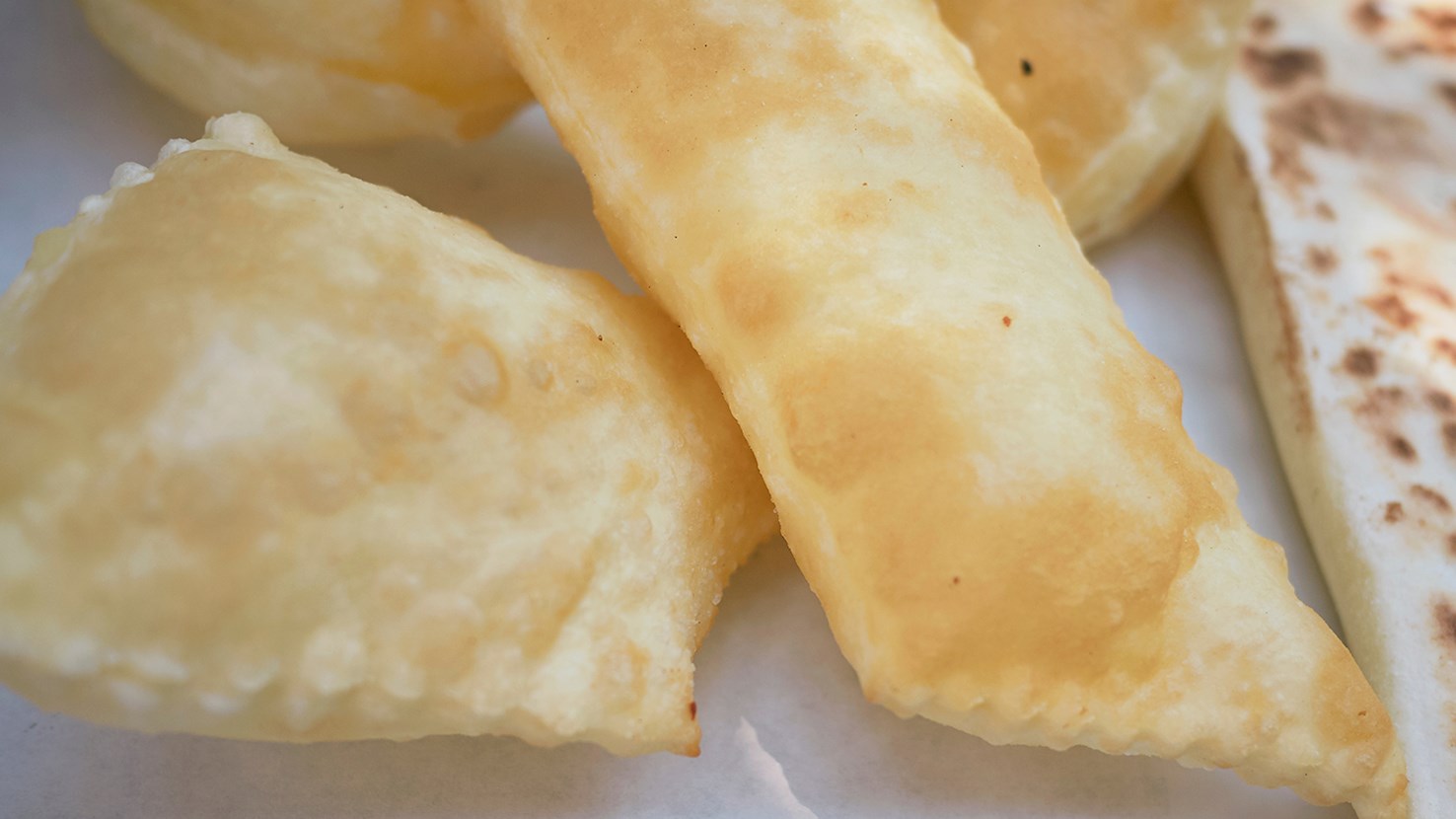
Piadina fritta, also called piè fretta, sometimes even pizza fritta, is a thin, golden-brown fried bread prepared alongside Santerno Valley in the Italian region of Emilia-Romagna. A very simple dough made with water, flour, salt, lard or olive oil, and yeast is first left to rise, and it is then shaped into thin round discs and deep-fried in oil. It can be enjoyed in both sweet or savory versions. The sweet piadina fritta can be served dusted with sugar, but it is often topped with jams or chocolate cream, while the savory version is usually lightly sprinkled with salt and enjoyed on its own or paired with different cold cuts and cheese. Since 1957, every year on Easter Monday, the Festival of Piè Fritta is held in Fontanelice - it is a great opportunity to try all the possible varieties of this simple, yet extremely versatile and delicious dish.
Tortas de aceite de Castilleja de la Cuesta is a pastry made with extra virgin olive oil, flour, wheat, sugar, seeds, yeast, sesame, aniseed, salt, anise essence, and, if desired, ground almonds. Mrs. Inés Rosales rescued a family recipe in 1910 and started producing and marketing these tasty crispbreads with the help of other women from the area at the crossroads and in the old train station in Seville. The secret behind tortas de aceite is in the preparation, it must be made by hand, because otherwise, the oil would not remain in the dough. The baking takes only a couple of minutes, and the result is a sweet, firm and crumbly crispbread. It has a light and flaky texture and a flavor and fragrance of olive oil and aniseed.
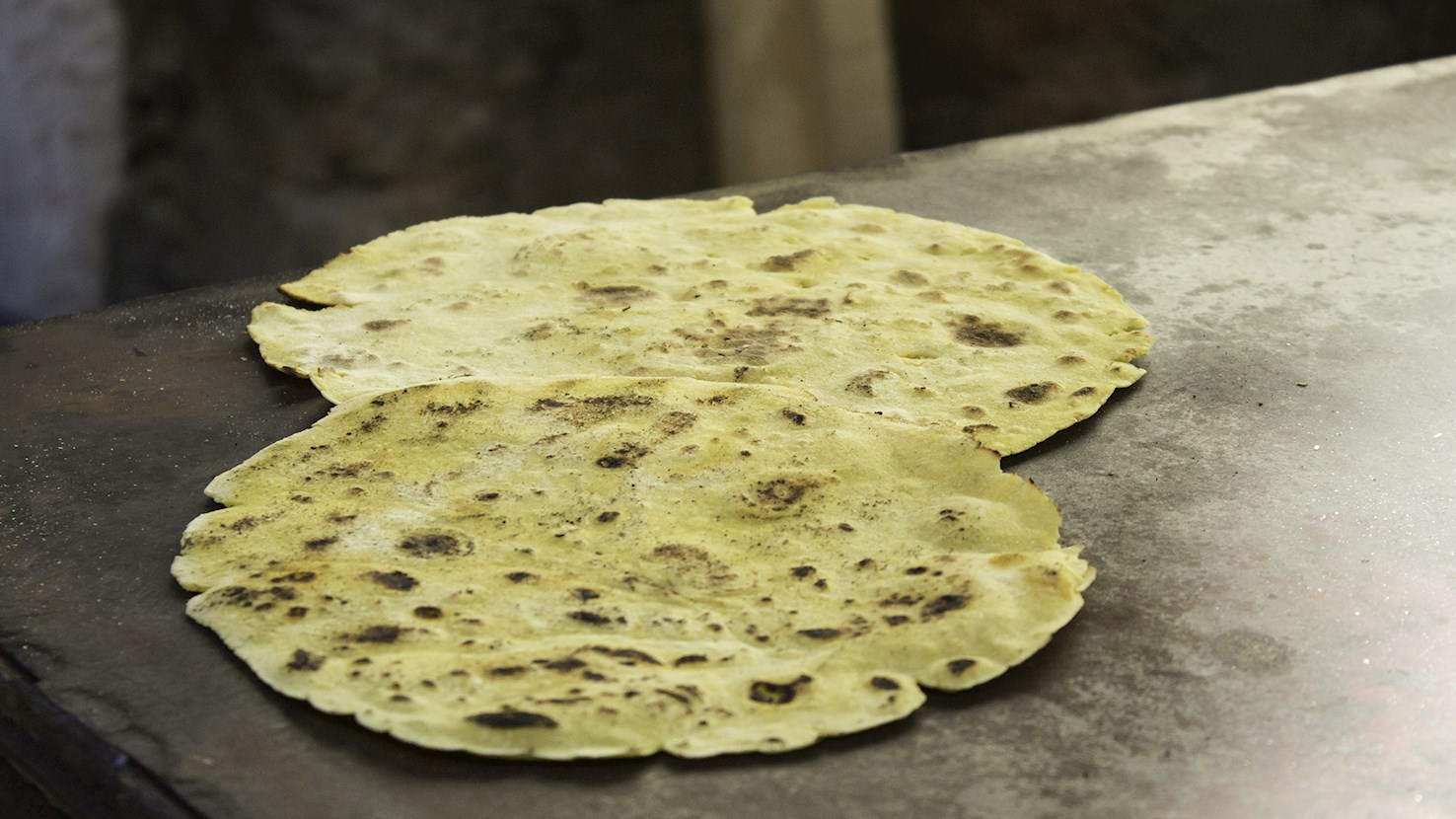
Talo is a traditional flatbread made with corn flour and water. It is one of the most popular street foods in Basque, usually filled with txistorra sausage, although one can find talo topped with bacon, cheese, and even chocolate. Originally, it was used as bread in Basque houses, but today it is prepared at home only for special occasions.
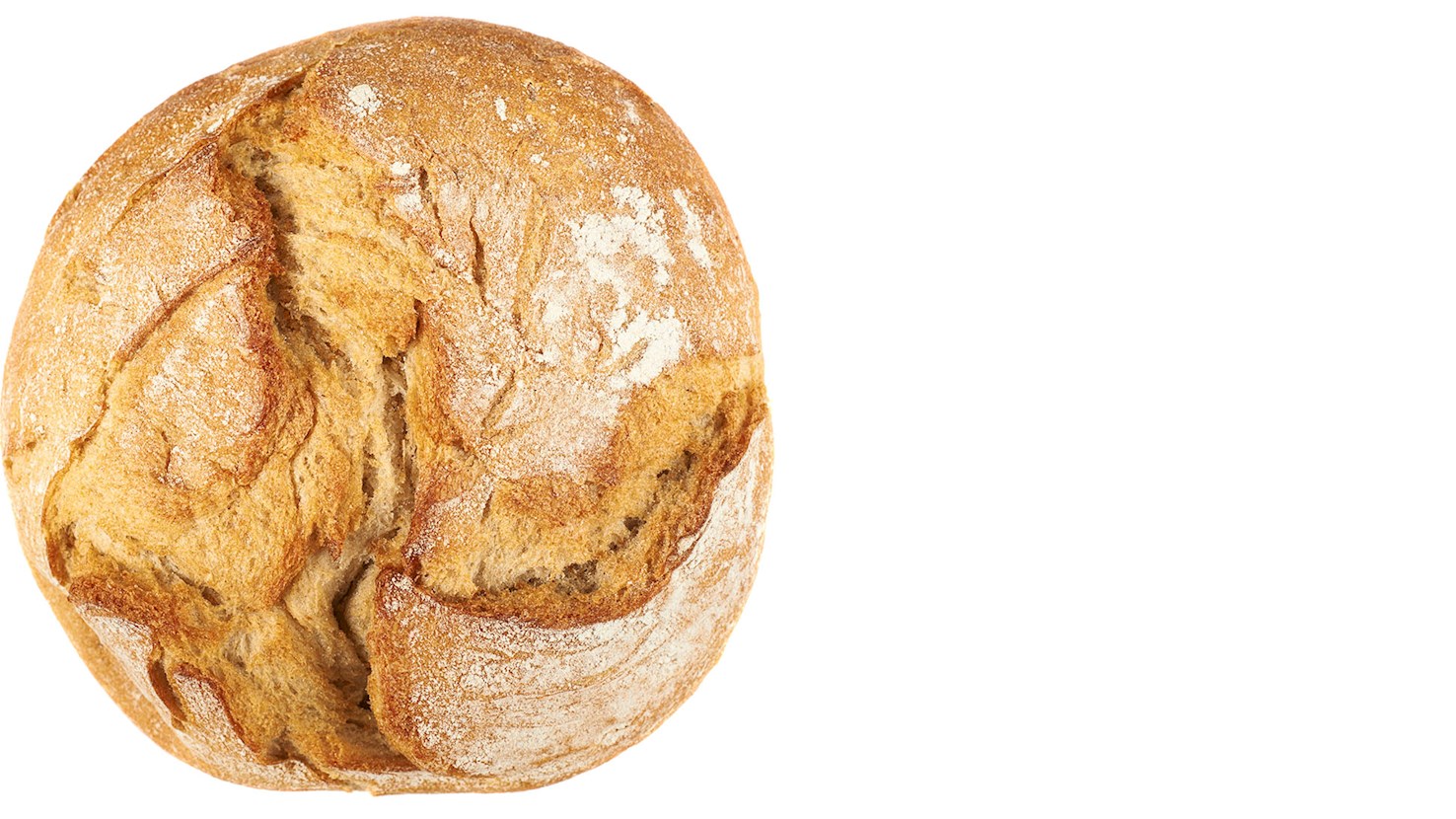
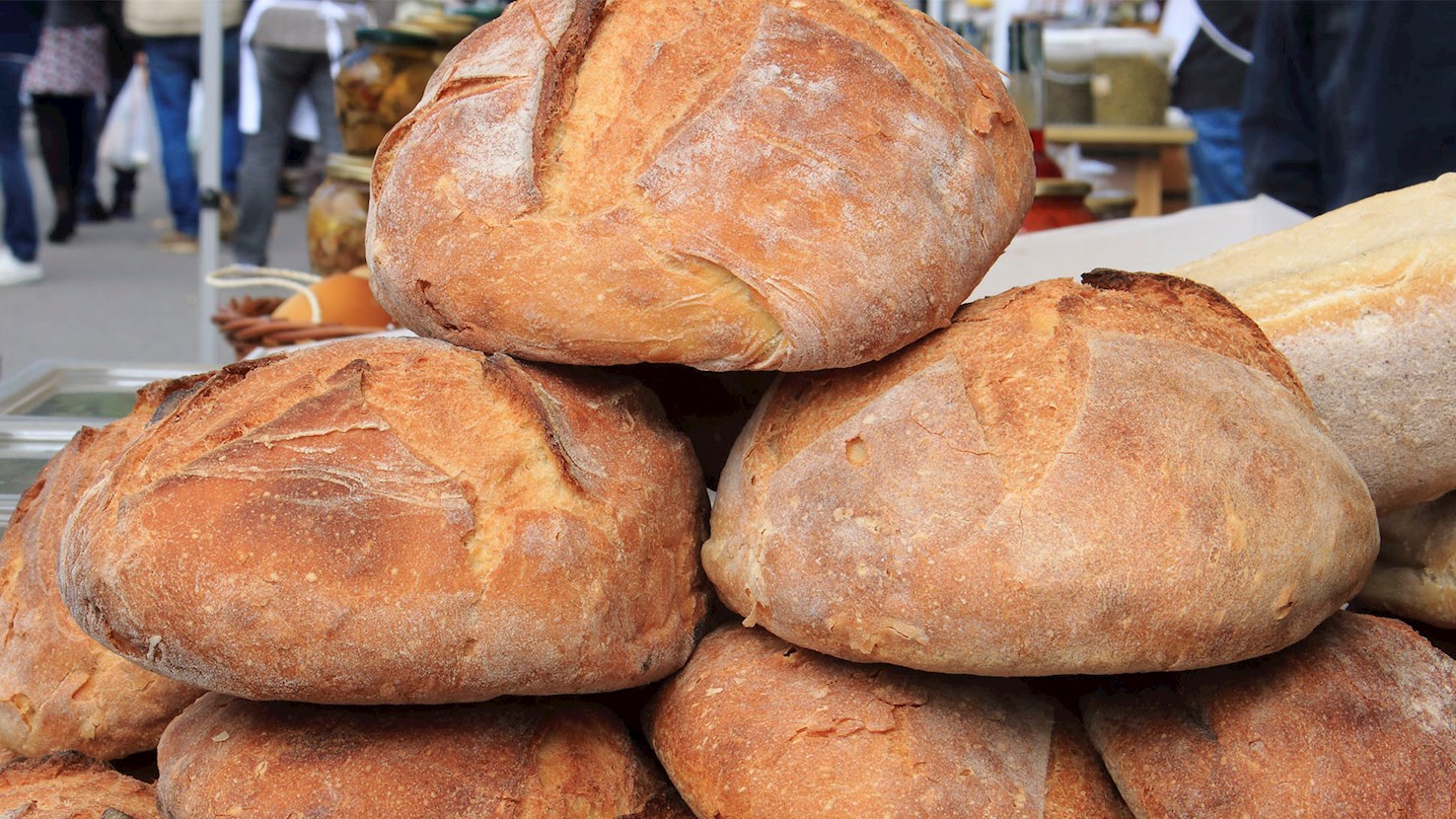
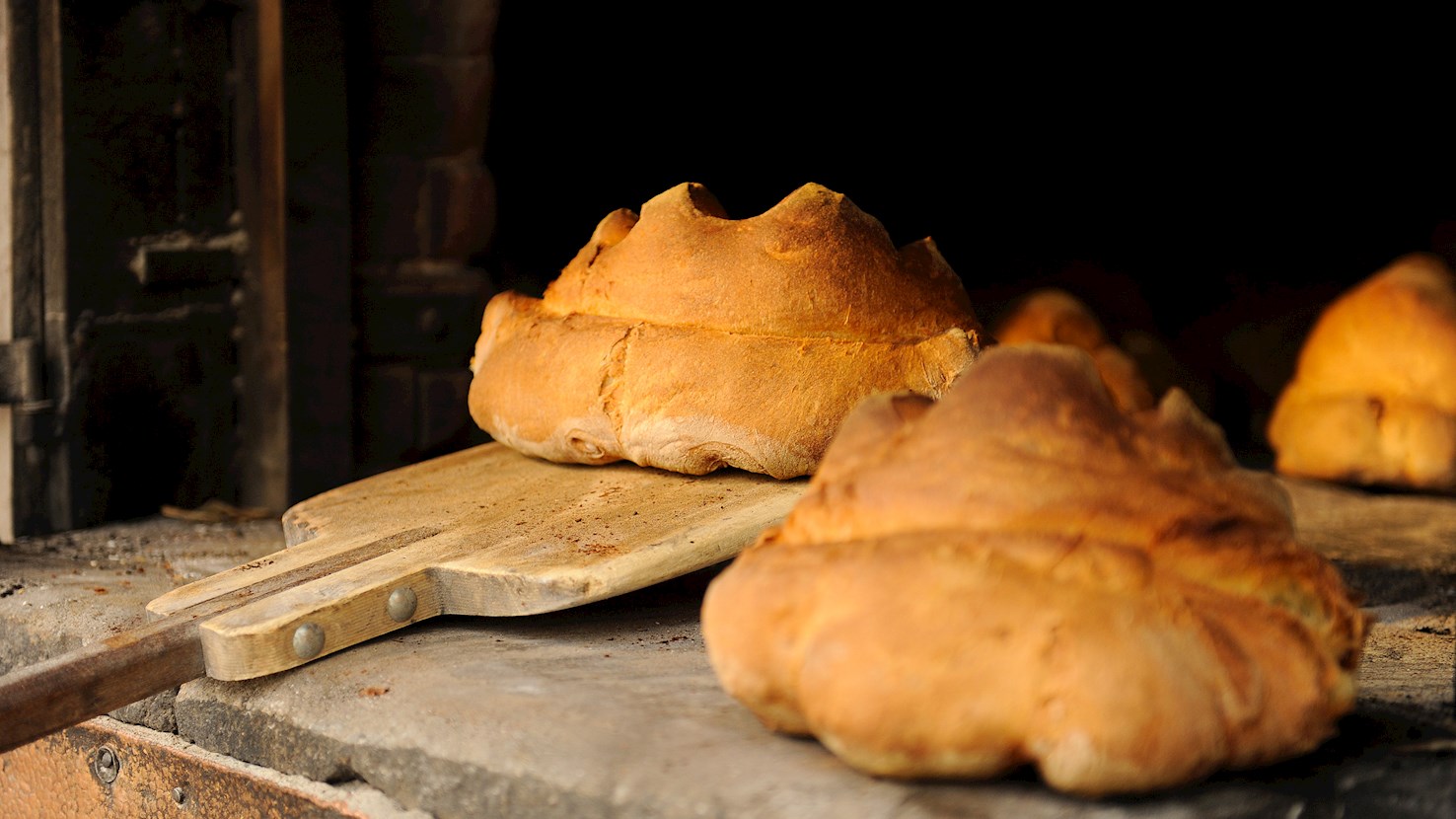
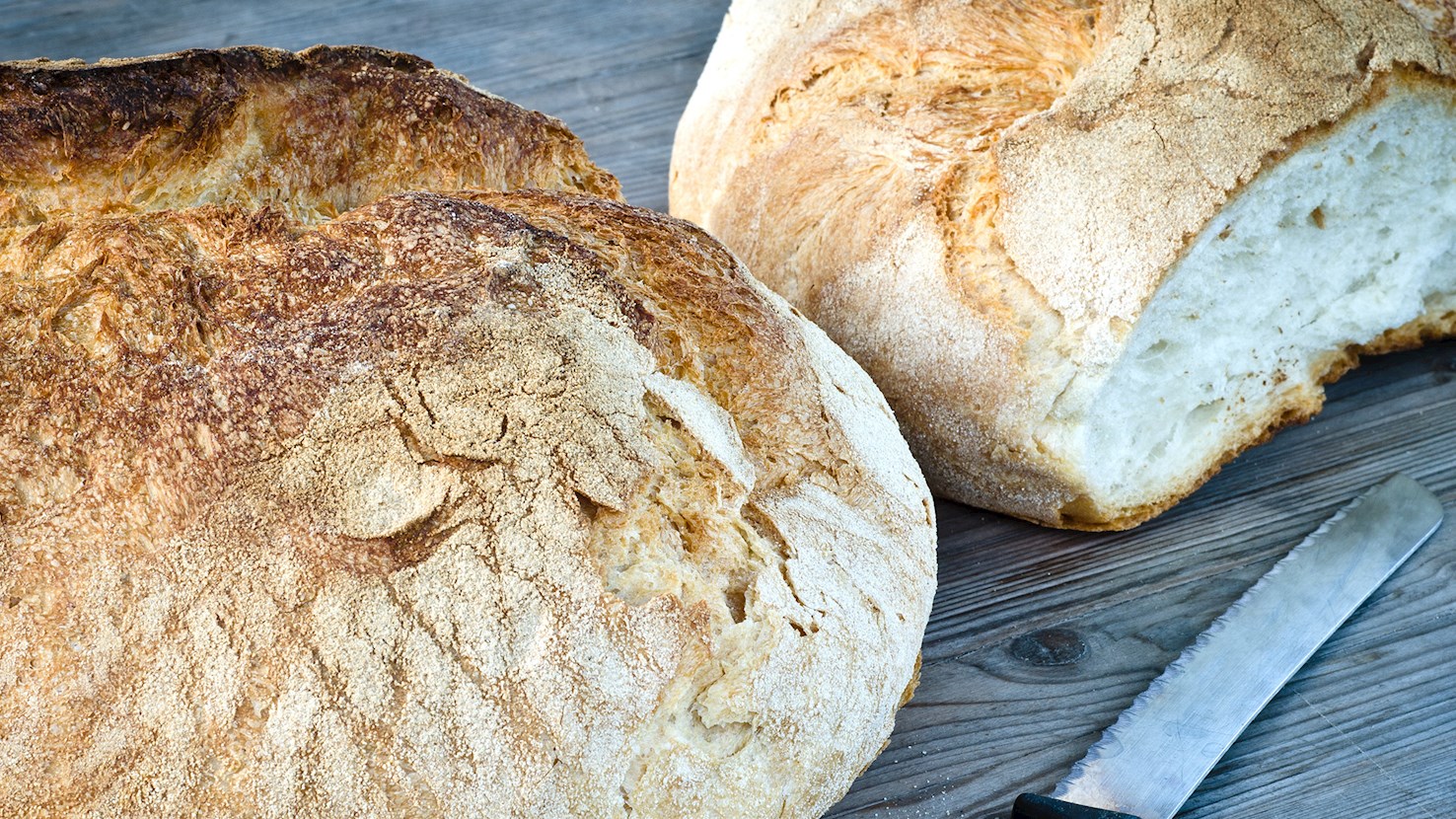
Pagnotta is a traditional round loaf of bread, known for its rustic appearance and crusty exterior. It is typically made with wheat flour, water, yeast, and salt, resulting in a soft, airy crumb inside. Pagnotta is often baked in a wood-fired oven, giving it a distinct smoky flavor and a thick, crispy crust. It is versatile and commonly served with meals, used for sandwiches, or enjoyed with olive oil and other toppings. Pagnotta is popular in various regions of Italy, especially in rural areas.
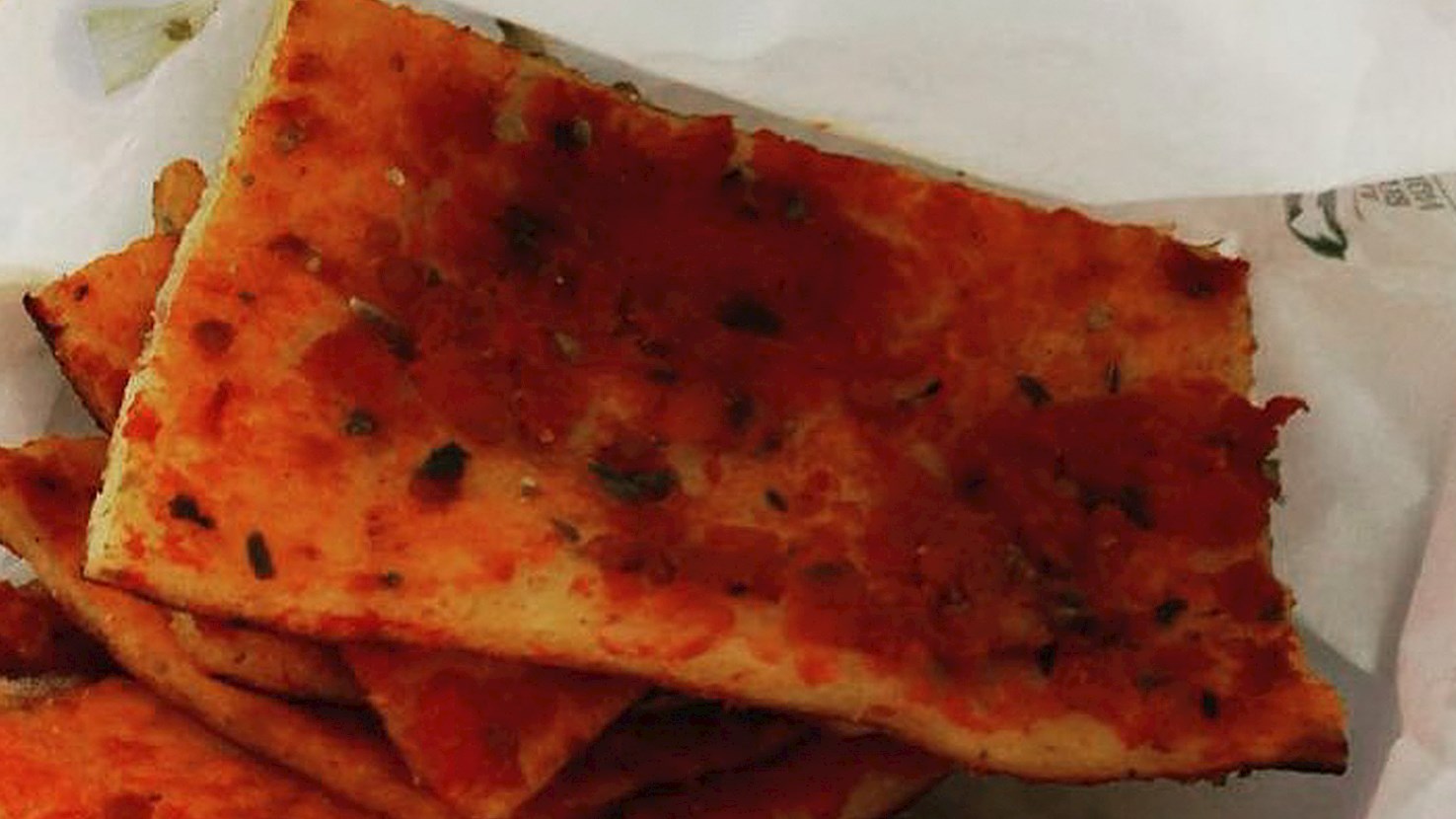
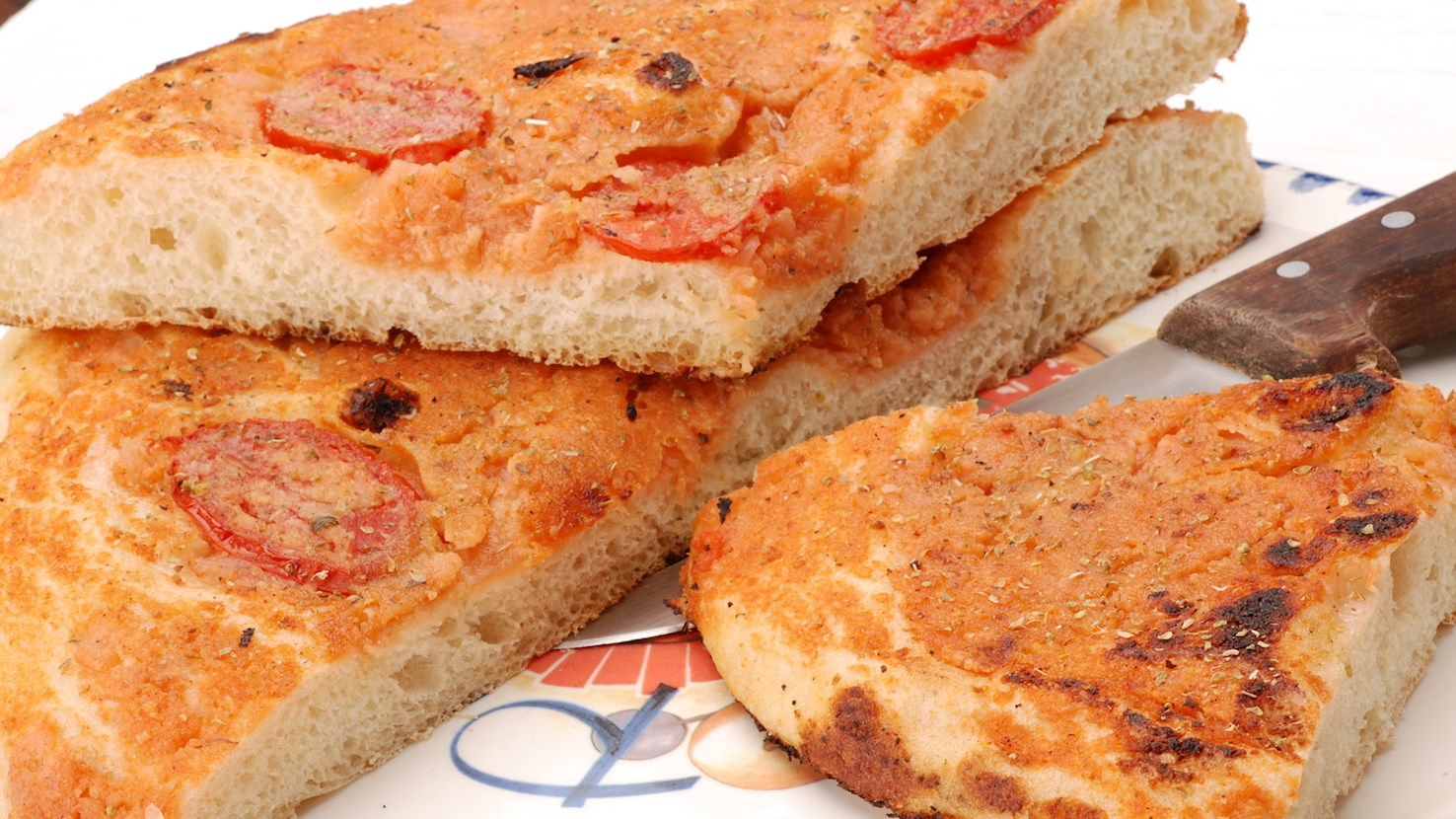
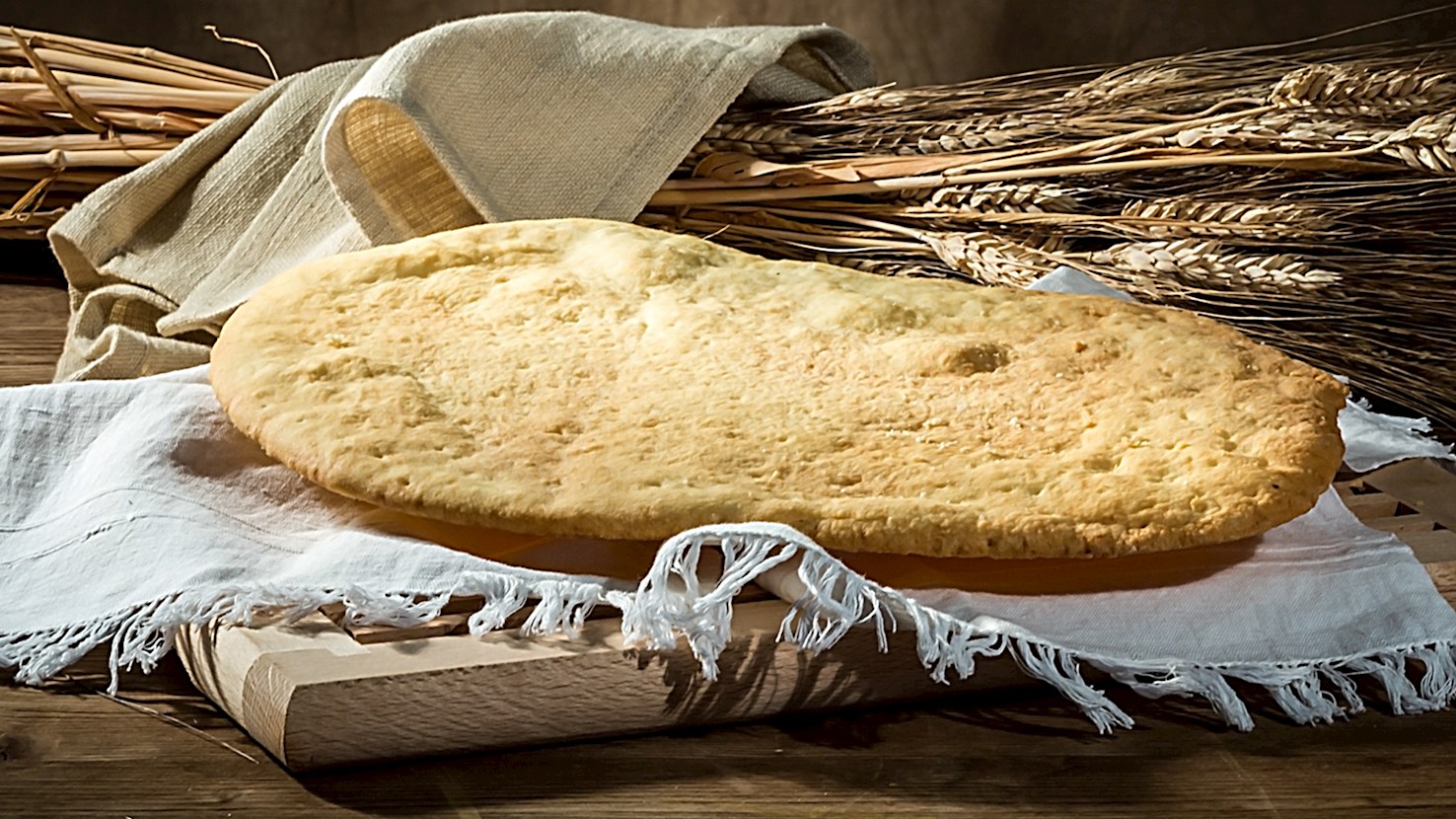
Pizza secca, meaning dry pizza, derives its name from the crunchy, crispy texture it develops once it’s baked. It is not a regular pizza but a type of schiacciatina, a very thin flatbread with a topping that resembles a pizza in visual appearance and flavor. Consisting of flour, water, olive oil, salt, and (sometimes) yeast, the dough is rolled out very thinly before it is cut into rectangular or square-shaped slices and brushed with a combination of tomato sauce, oregano, salt, and olive oil. The topping can also be enriched with other ingredients such as finely sliced onions, olives, eggplants, dry salami, or marinara sauce, while some versions may omit the tomato sauce altogether. Pizza secca is a specialty of the Sicilian town of Catania and the surrounding area, where it is available in almost every local bakery at any time of the day. Slices of this crunchy, pizza-like flatbread make for an excellent snack or an appetizer that can be enjoyed warm or chilled.
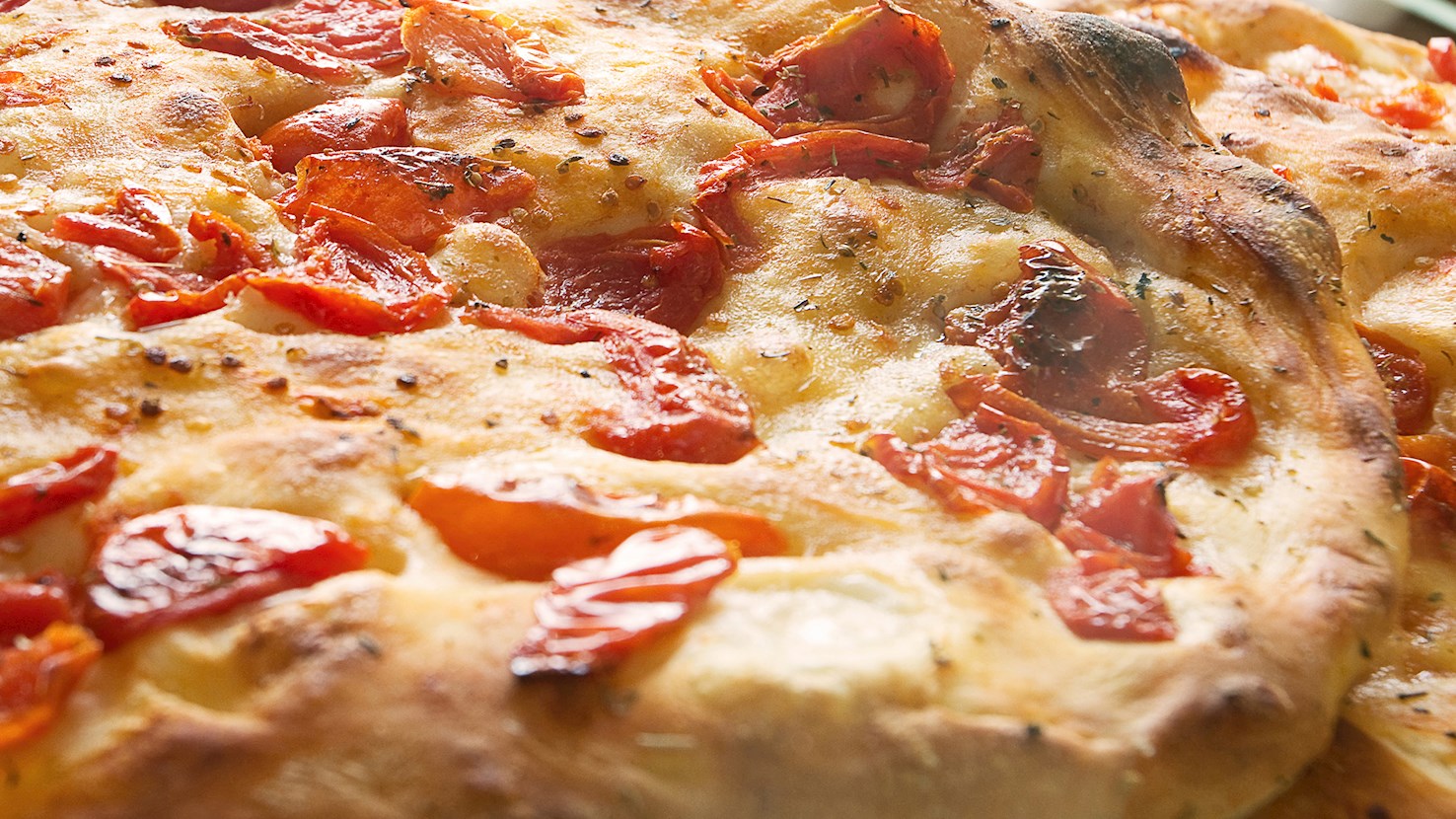
Puddica, a simple Italian flatbread from Puglia consists of a dough (made with flour, yeast, salt, sugar, water, and olive oil) that is traditionally topped with ripe tomatoes and sprinkled with oregano in the classic version. However, there are varieties with added capers, onions, prosciutto, black olives, and hot peppers. The flatbread is placed into a deep dish, then baked until it develops a nice golden brown color. Puddica is especially popular in Brindisi, where it's considered a local specialty that is consumed either as a light lunch with cheese or as a tasty afternoon snack.
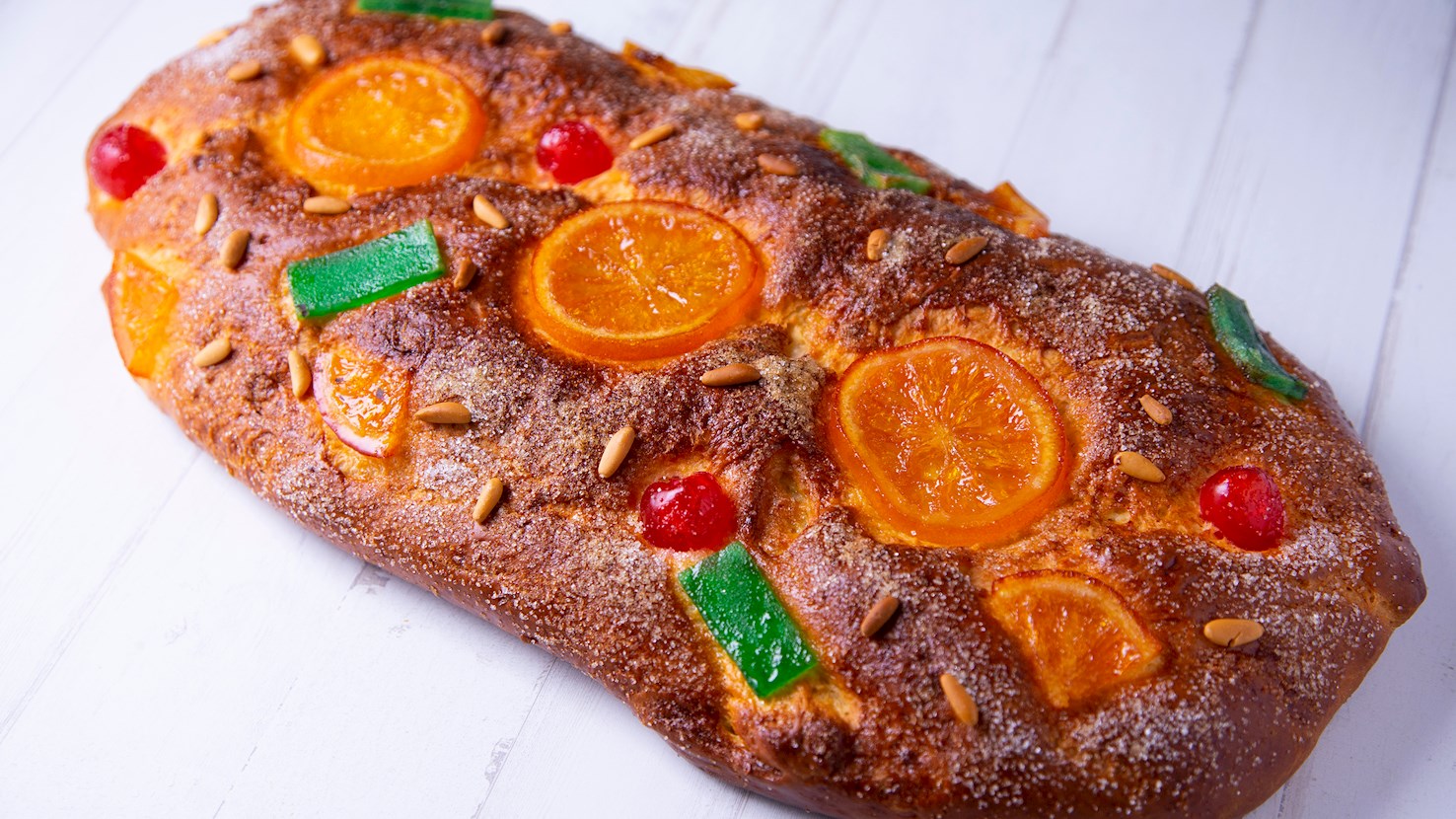
Considered the star of Catalan baked goods, coca is a traditional pastry prepared in a few varieties: sweet, savory, open, and closed. Depending on the variety, coca may take on various shapes and forms and resemble a flatbread, a pizza, or even a cake. The sweet variety usually consists of flour, sugar, butter, and eggs, and it is typically topped or filled with candied fruit, marzipan, cream, or pine nuts. The savory variety is prepared in the same way, but sugar and eggs are replaced by yeast and salt. A wide range of ingredients may go on top or inside savory cocas, including vegetables, fish, meat, and mushrooms, among others. Savory varieties include pizza-like cocas or coques as they’re called in Catalan, such as coca de recapte (topped with vegetables and fish) and coca de xulla (with bacon and other meat). There is also a variety that combines sweet and savory flavors such as coca de llardons, a flat coca which is made with pork cracklings, pine nuts, and sugar. In Spain, special varieties of coca are prepared for almost all important festivities and celebrations, and even national holidays such as La Mercè (Festival of the Virgin of Mercy) and La Diada de Cataluña (National Day of Catalonia) have their own unique cocas. Some of these include coca de San Juan (a sweet cake for the eve of St. John’s Day), mona de Pascua (an Easter cake eaten during the Semana Santa), and coca de reyes (a sweet Christmas cake for the Day of the Kings).
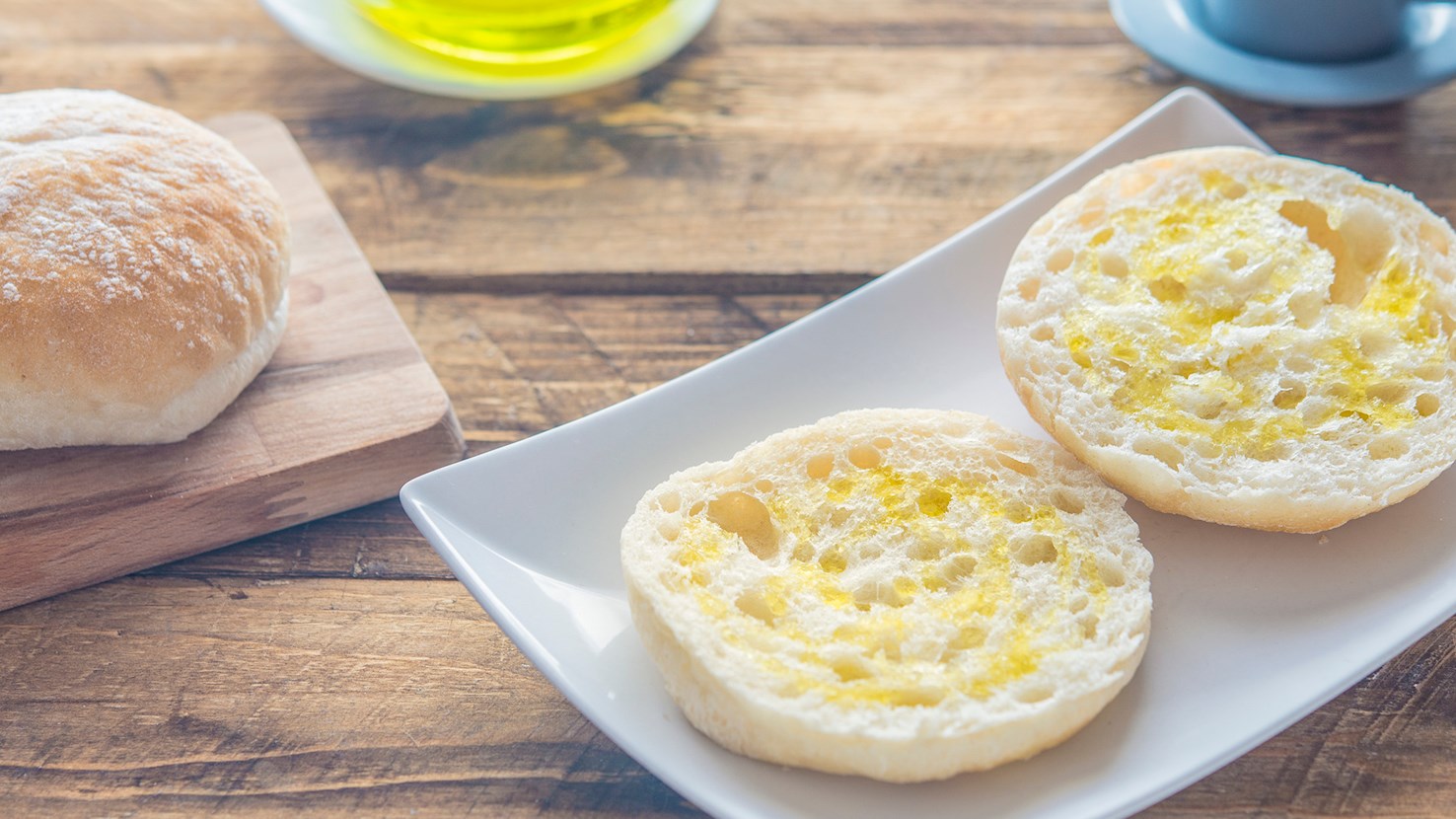
Mollete is a traditional bread hailing from Antequera. It's made with a combination of yeast, plain flour, whole-wheat flour, salt, sugar, milk, and olive oil. The dough is rolled into oval-shaped disks, and it's then baked until golden brown. Traditionally, molletes are sliced into halves, toasted, drizzled with extra virgin olive oil, and topped with sliced tomatoes and a pinch of salt. In Andalusia, molletes are usually served for breakfast.
Broa de Avintes is a dark Portuguese bread with a dense texture and an intense, bittersweet flavor. It consists of white corn flour, yellow corn flour, rye flour, malt flour, hot water, yeast, and salt. The bread is considered to be a comfort food staple in the north of Portugal, and it is often served with sweet jams, soups, and grilled fish dishes.
This traditional Sicilian focaccia is an oven-baked flatbread topped with an oregano-flavored tomato sauce made with the addition of onions, anchovies, breadcrumbs, and local cheeses such as caciocavallo, provolone, tuma, or ricotta. Sfincione is one of the island's favorite street foods, especially in Palermo, where street vendors are often seen driving around in their three-wheeled Piaggio Ape food trucks shouting "Scairsu r'uogghiu e chin'i pruvulazzu" (lit. little oil and lots of dust), referring to the crusty breadcrumb topping. The name sfincione is derived from the Arab word asfanaj and Greek sfoungári, both meaning sponge, which this flatbread resembles in appearance and texture.
The crunchy-crusted pane Pugliese, a porous rustic bread whose origins can be traced to the 15th century, is said to be a legacy of the brown country bread which was brought to Apulia by the Turks who ruled the south of Italy at the time. This delicious peasant-style sourdough bread is made with only flour, water, and yeast, but the secret to making a perfect, slightly domed Pugliese loaf is in the kneading technique, namely the wet dough folding method. Even though the slack dough is very hard to work with, it produces a wonderful, airy texture, while long fermentation enhances the rich flavors of this bread. Pane Pugliese makes for an excellent bruschetta, but it is also enjoyed as an accompaniment to various soups and stews.
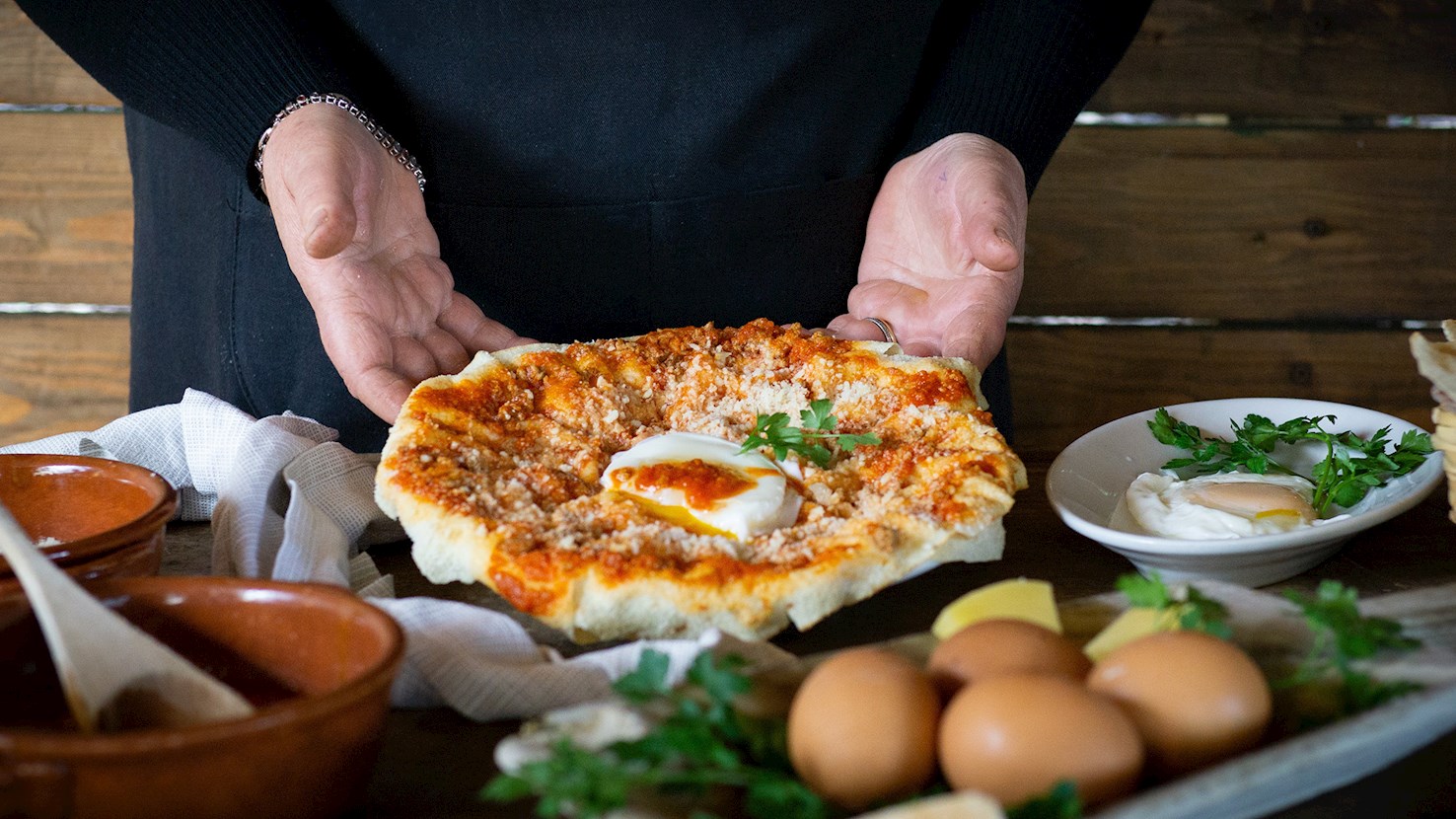
Pane frattau is a traditional Sardinian dish that was originally invented by local farmers as a way to use up old bread. It consists of the wafer-thin and crispy pane carasau flatbread which is first dunked in hot broth, then topped with tomato sauce, grated Pecorino cheese, and a poached egg. The locals say that pane frattau is an alternative to a dish of pasta because it's easier and quicker. The ingredients may vary from area to area, so tomato sauce might be replaced by sheep broth or water, while the poached eggs are not mandatory. It's recommended to serve the dish with Cannonau, a bold red wine.
Schiacciatina Mantovana (also known as chisolina) is a type of crunchy, rectangular or square-shaped flatbread from Mantua, with an ancient history – under the name schizzadas, they were even known during the rule of Gonzaga family, a famous Italian dynasty whose heads ruled Mantua from the 14th to the 18th century. Back in those days, it was an ancient bread of the farmers, who used to eat it when they went out to work in the countryside. Made with flour, water, yeast, lard, salt, and olive oil, schiacciatina can be enriched with onions, rosemary, or pork cracklings. Schiacciatina mantovana can be enjoyed on its own, served as a snack and accompanied by a glass of dry white wine, but it tastes even better when used as a vessel for local cold cuts and cheeses.
This round bread comes from Sardinia. It is usually made with a combination of regular flour and semolina flour, water, salt, and yeast. The crust is crispy, while the interior is slightly yellow and tender. In the past, it used to be made once a week in the early morning, and it was then kept in cellars, where it was wrapped in cloths. Civraxiu is best enjoyed warm as an appetizer, dipped in olive oil or the drippings of roasted meat, but it is also often used in the preparation of bruschettas.
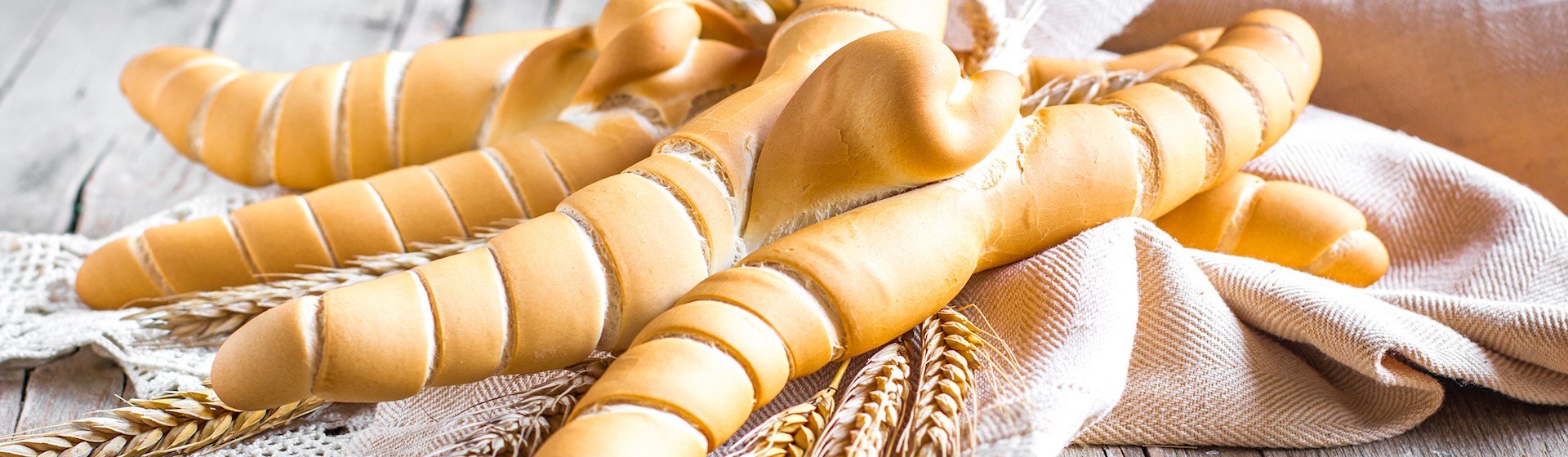
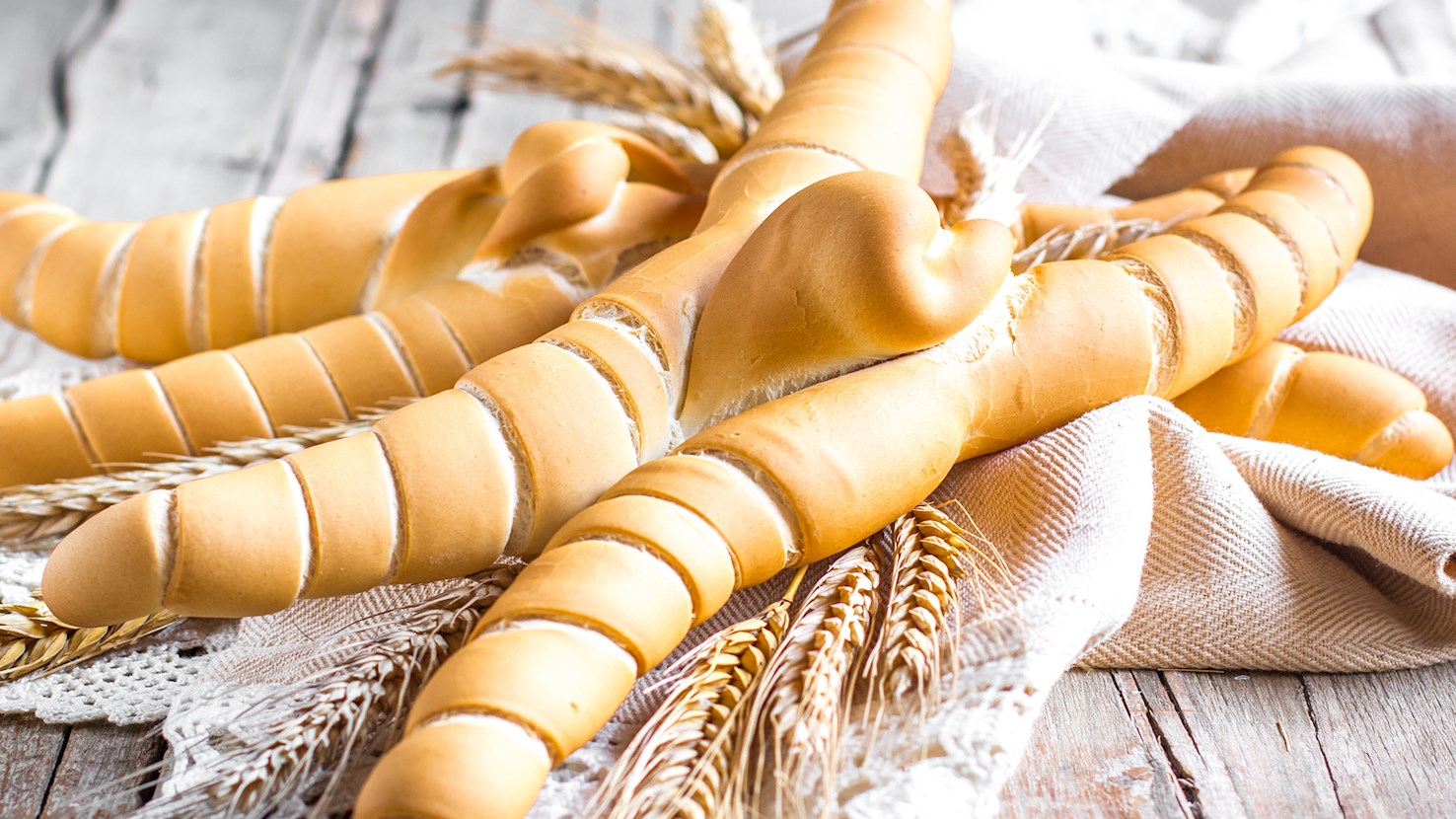
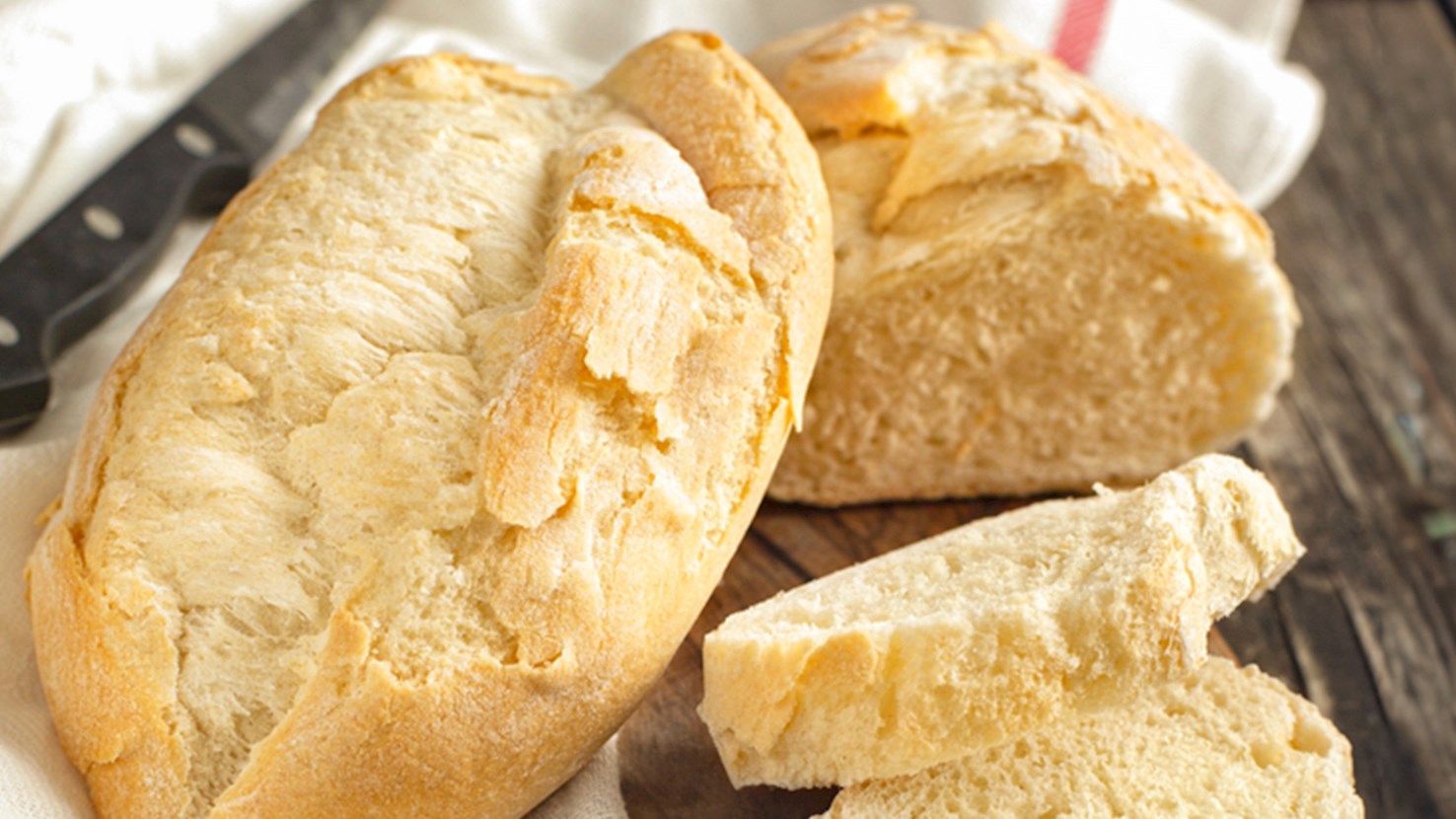
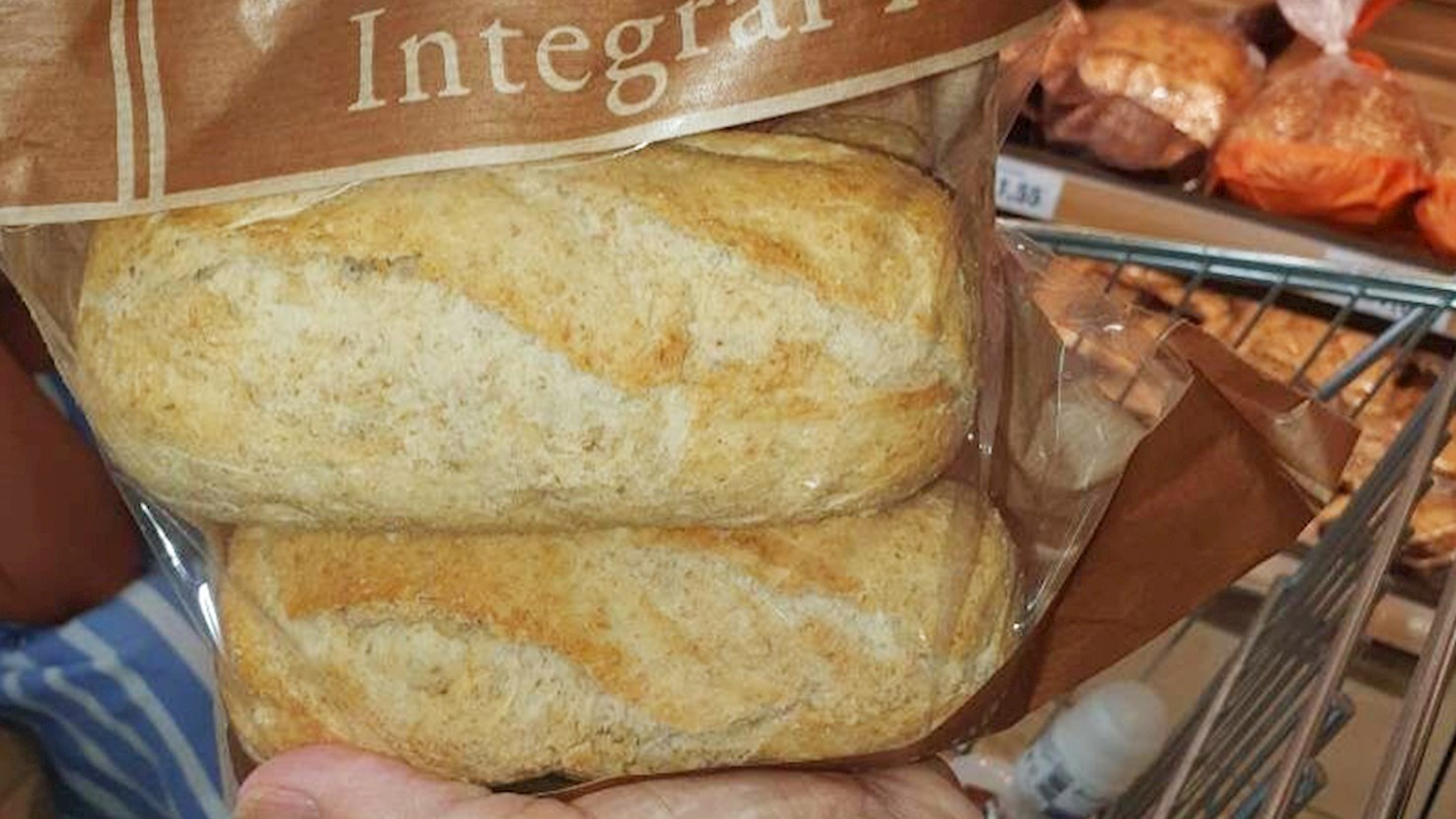
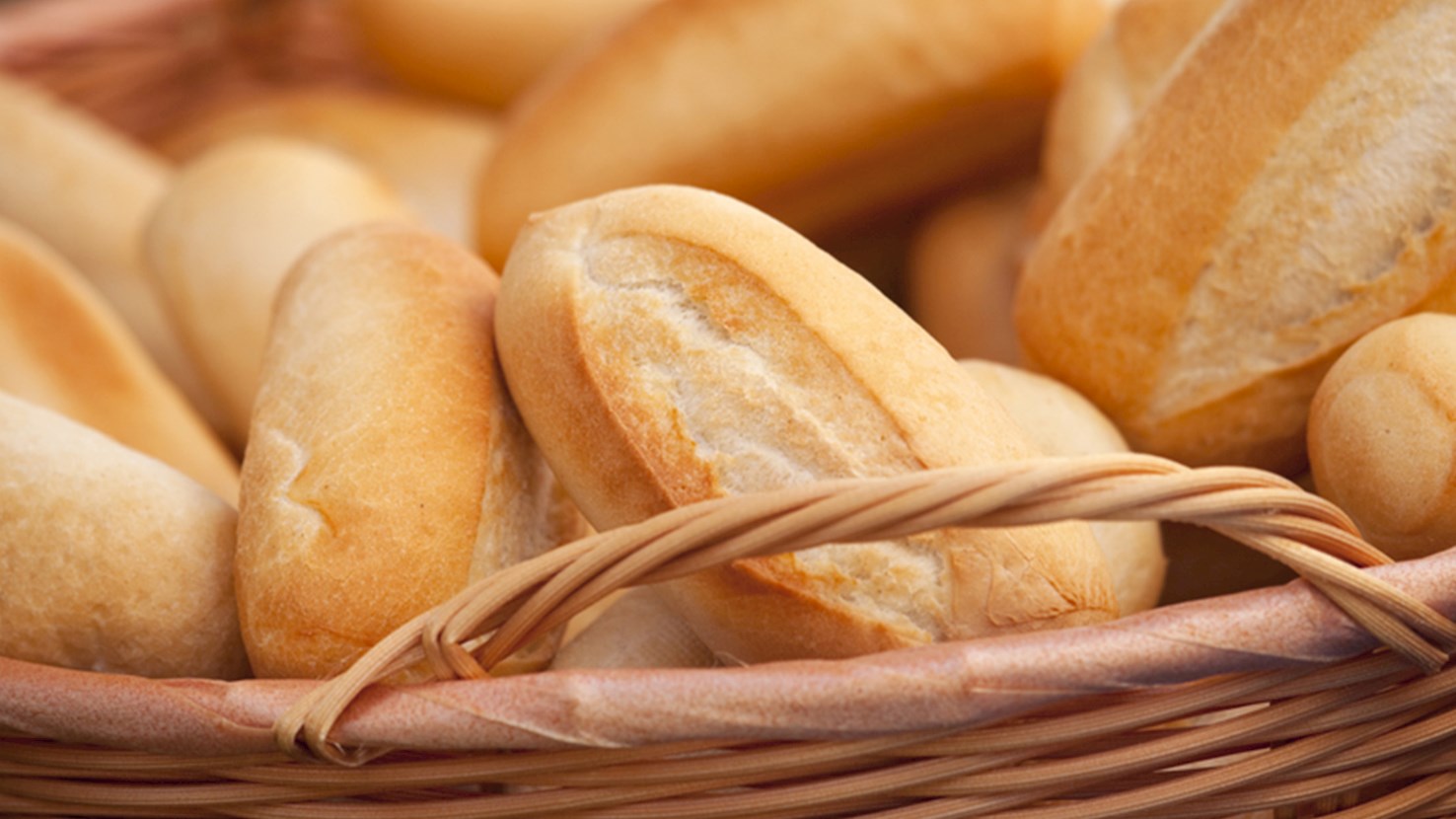
French roll is a type of bread roll that is typically long and slender in shape, resembling a smaller version of a baguette. Usually, it has a crisp crust and a soft, chewy interior. French rolls are commonly associated with French cuisine and are a popular bread option for sandwiches and burgers. They can be sliced horizontally and filled with various ingredients such as cold cuts, cheese, vegetables, and spreads to make a flavorful sandwich. The preparation of French rolls involves using a dough made with flour, water, yeast, salt, and sometimes additional ingredients like olive oil or sugar. The dough is shaped into long, thin rolls and allowed to rise before being baked until golden brown. The crust of a French roll is typically crisp and can have a slightly chewy texture, while the inside is airy and soft. French rolls are versatile and can be found in different variations and sizes depending on regional preferences and personal taste. They are enjoyed in many countries around the world, not just in France, and are a popular choice for creating delicious sandwiches and sliders.
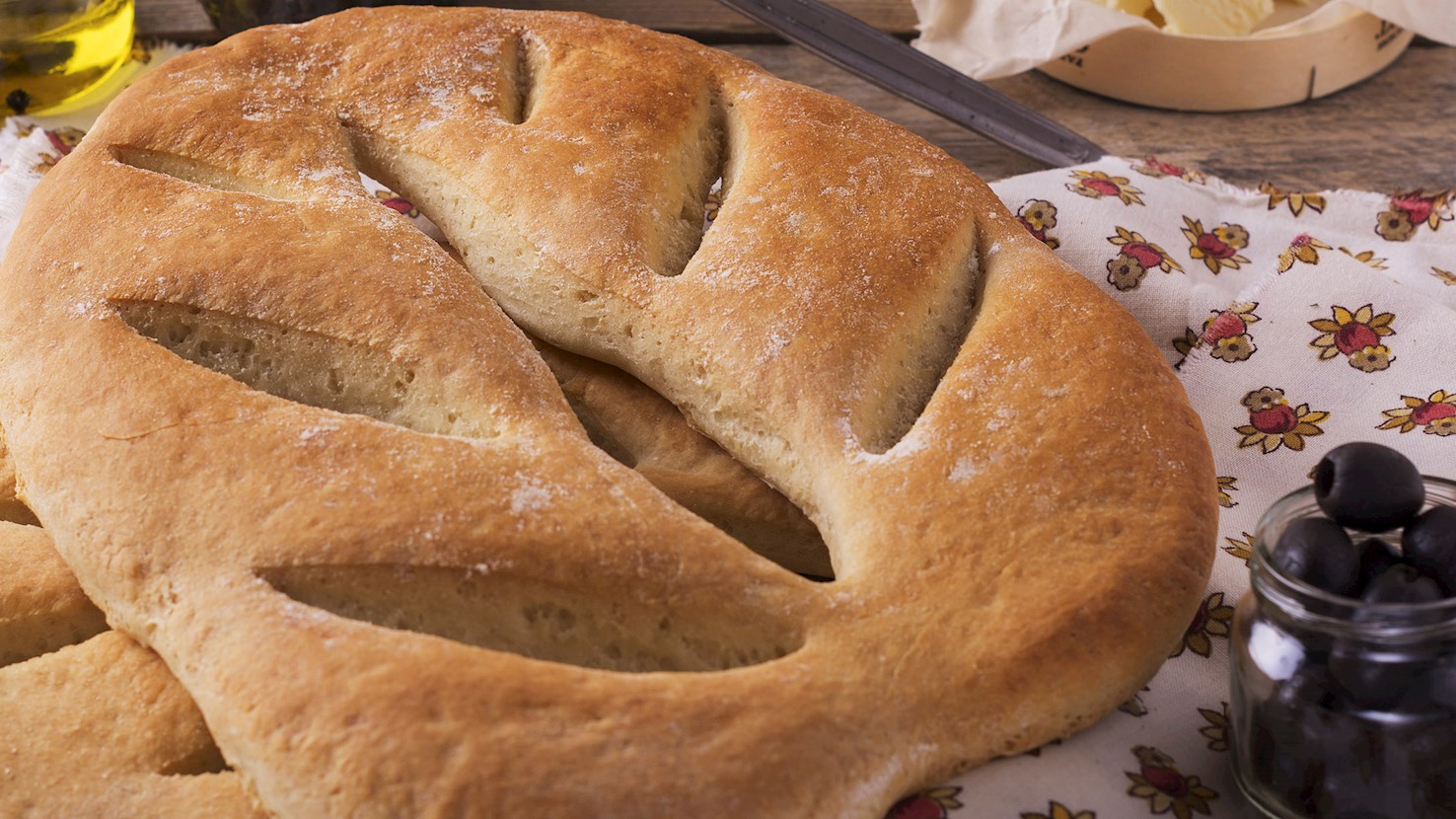
Fougasse is a flatbread that is typically sweetened with sugar and orange-flavored water. It can commonly be found in Provence and throughout southern France, and it is easily recognizable by its shape. Fougasse is usually shaped like a wheat grain, with cuts that form a veiny, leafy outline. Originally, this bread has been baked since Roman times, and it was mainly used to test the temperature of the oven. Today, there are several variations of the bread, while olives, cheese, and figs are often incorporated into the dough. It provides a perfect accompaniment to a number of dishes, but it can also be used to make a variety of sandwiches.
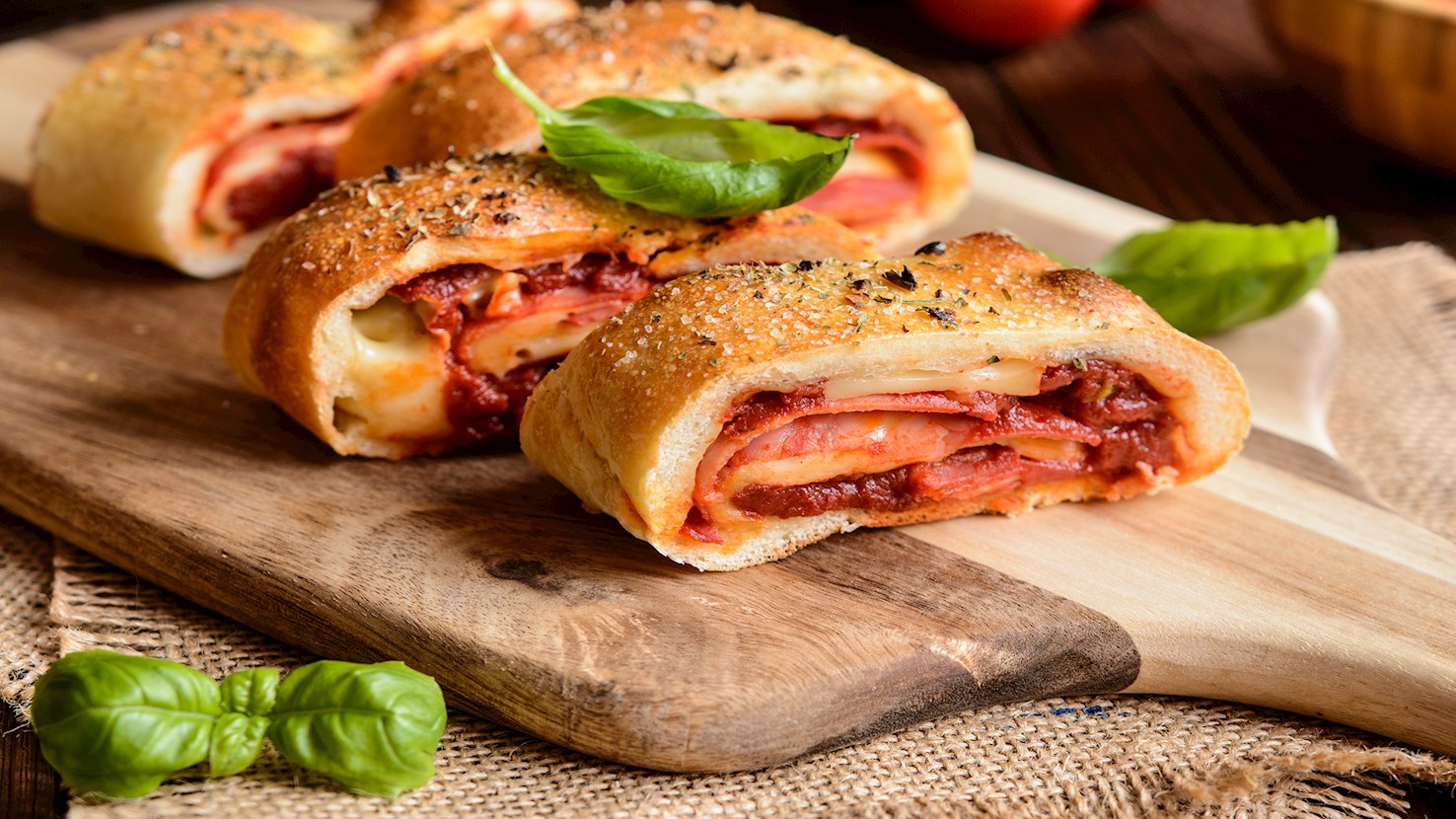
Scaccia is a unique dish from the Sicilian province of Ragusa that can either be described as a cross between lasagna and calzone pizza or a stuffed flatbread. It's prepared by topping the thinly rolled dough with various ingredients, then folding it over itself so that it resembles a strudel. These long, rectangular stuffed flatbreads are traditionally sliced in pieces, revealing the flavorful layers of dough, sauce, and cheese. There are several regional varieties of scaccia, so in some places it is topped only with sauce and cheese, while in other places it is topped with potatoes, cottage cheese, sausages, and different vegetables.
Prepared in many shapes and in numerous local variations, this sourdough bread is a staple of almost every Maltese kitchen. It is typically baked in wood-fired ovens and consists of flour, yeast, water, and salt. The bread is usually served as an accompaniment to a variety of dishes, but the most popular way of consuming it is to rub it with tomatoes, drizzle it with olive oil, and top it with ingredients such as cheese, olives, capers, onions, or fish.
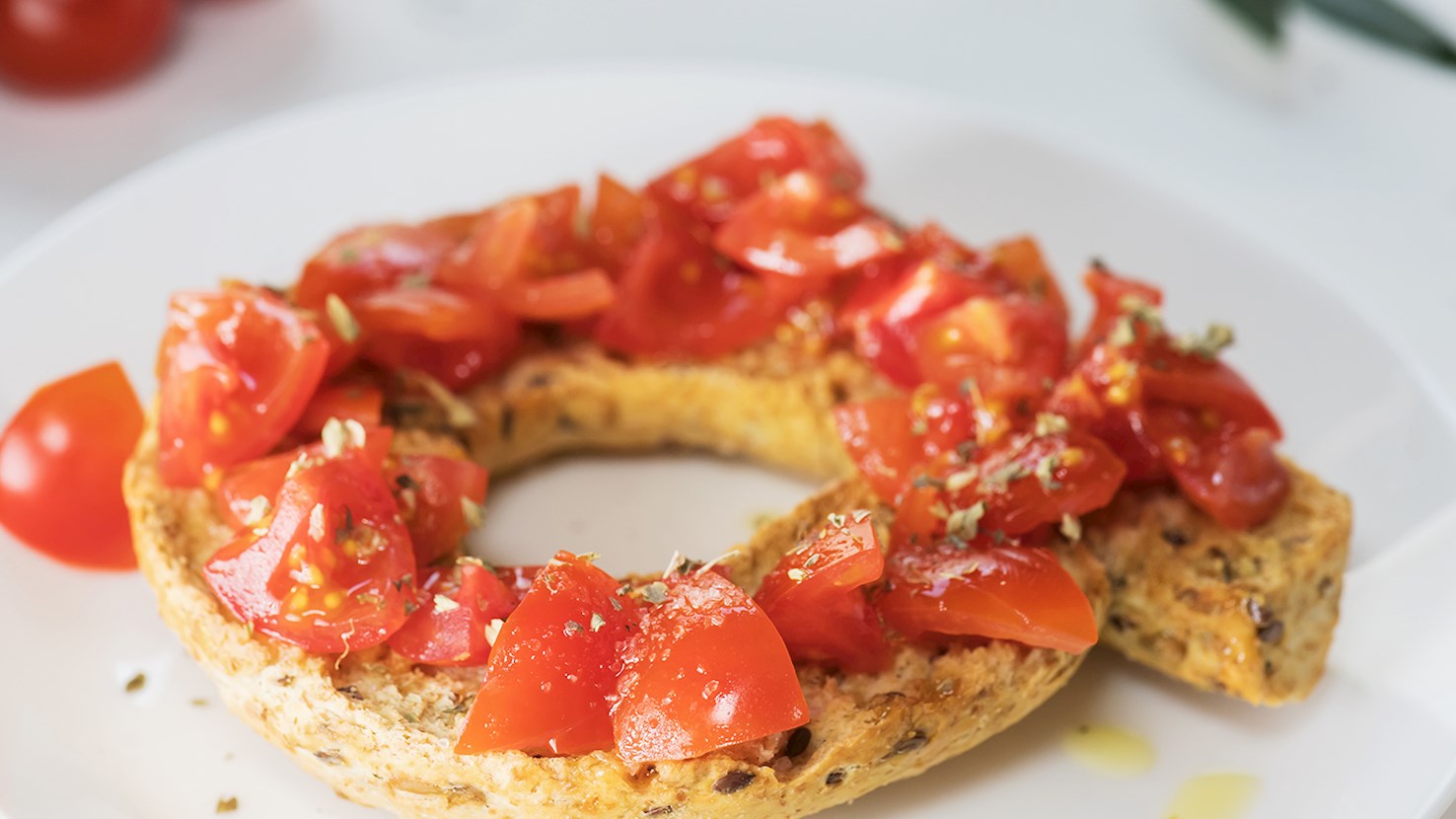
Frisele or frise is a traditional rusk originating from Puglia. It's made with a combination of plain flour, semolina flour, sea salt, yeast, and water. The rusks are double-baked, which greatly improves their shelf life. In the past, they were ideal for field workers or fishermen going out to sea. When served, friselle are usually soaked in seawater or springwater. If the rusks are topped with fresh tomatoes, they are then known as friselle Salentina, a specialty of Salento.
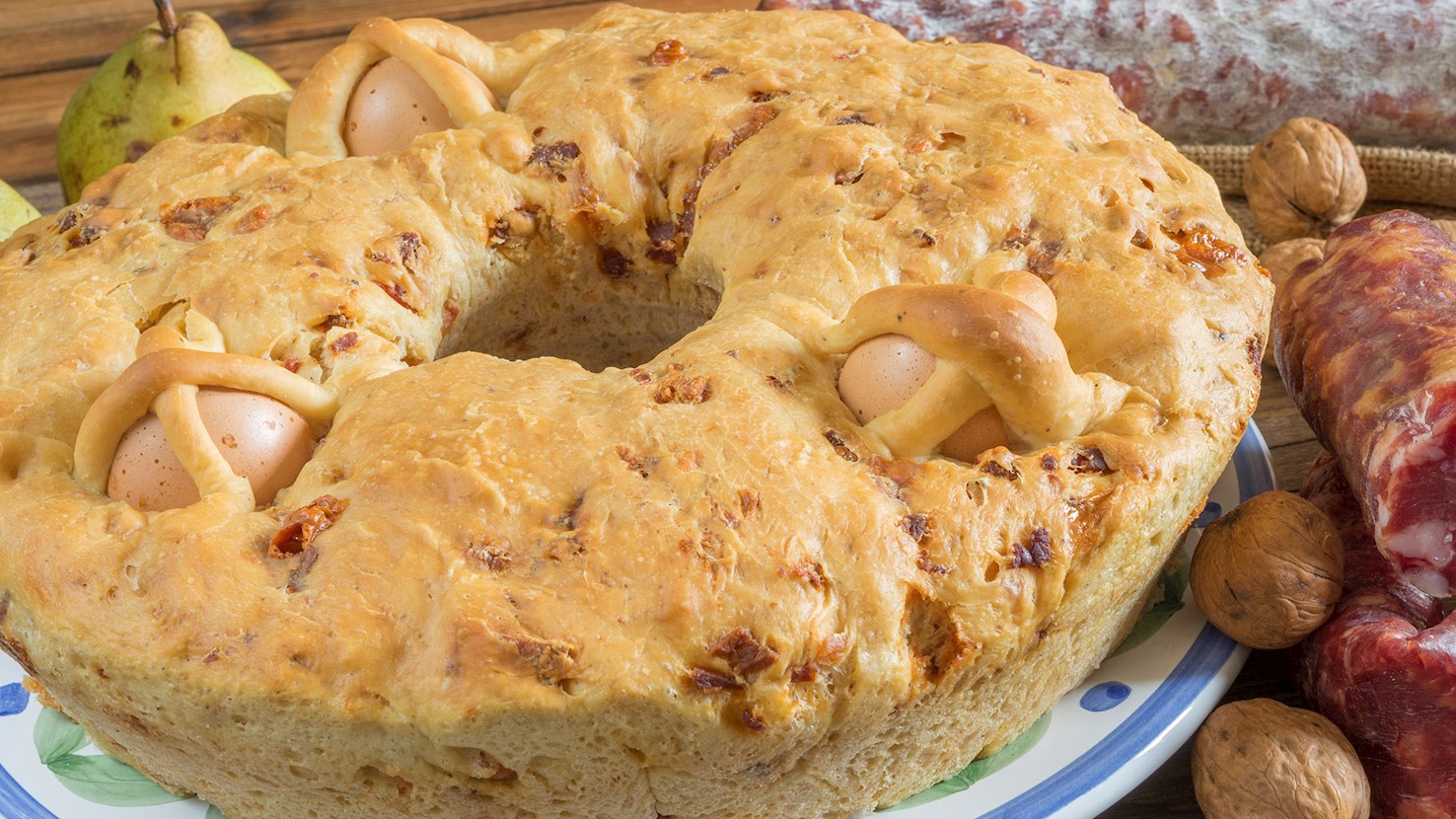
Decorative casatiello is a traditional Easter bread. It is prepared with leavened dough, made with lard or olive oil, which is then filled with meat and cheese, rolled, and baked in a large ring mold. The stuffing is made with pork salumi, Italian-style cured meat, and diced semi-hard cheese. Although the choice of meat is variable, Neapolitan salami, ham, prosciutto, and pancetta are the most common varieties. Before baking, casatiello is decorated with hard-boiled eggs which are put on top of the bread, then adorned with cross-shaped strips of dough. This rustic bread is usually prepared for Easter and has a strong symbolic and religious importance for the Italians. The use of leavened bread symbolizes new life, the shape of the bread is a symbol of the crown of thorns, while the eggs illustrate the act of rebirth. The tradition of preparing casatiello comes from Naples, but today, this authentic Italian creation is usually sold during Easter in bakeries across Italy. It is usually served warm or at room temperature, most commonly as an appetizer during Easter dinner.
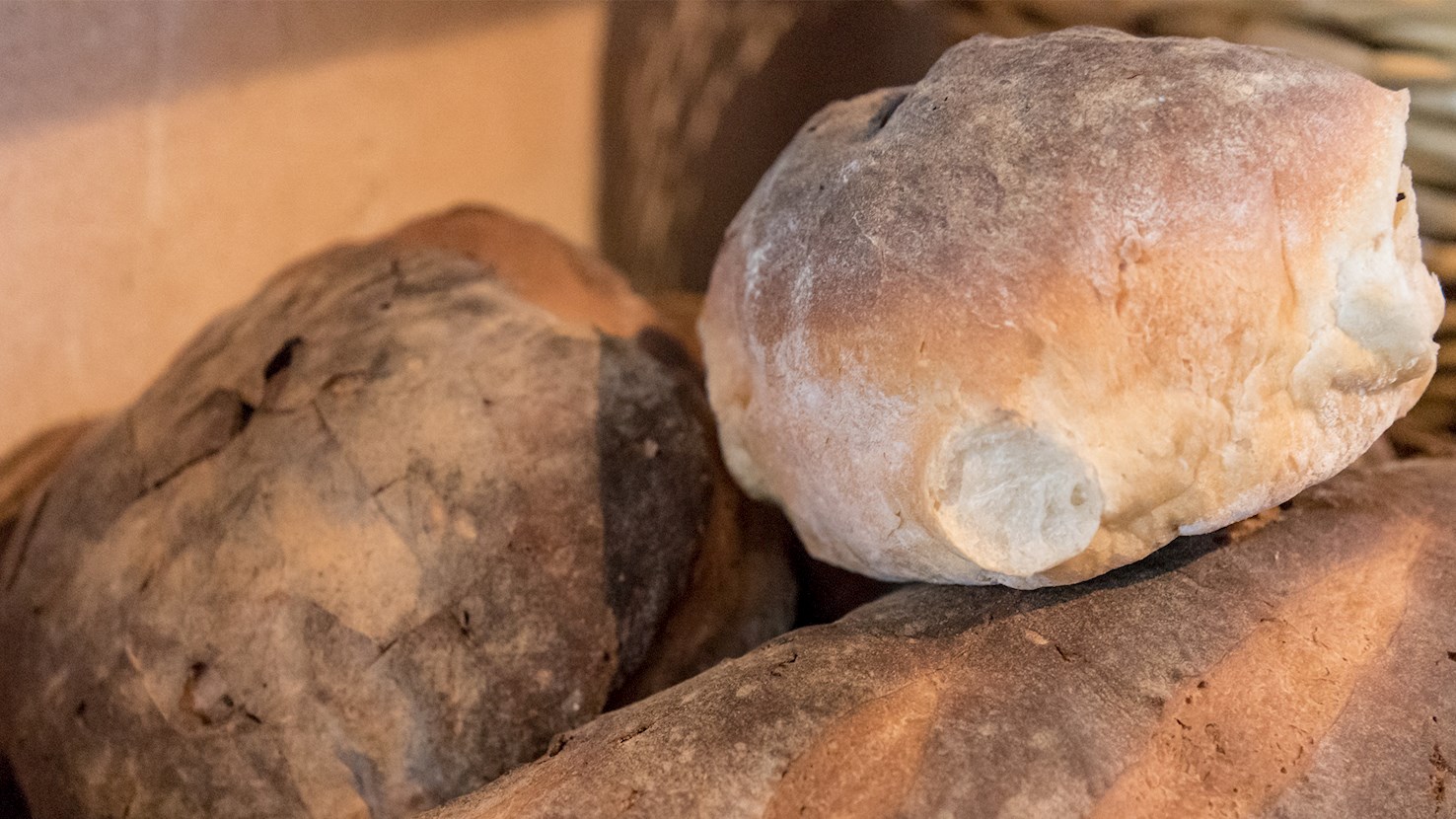
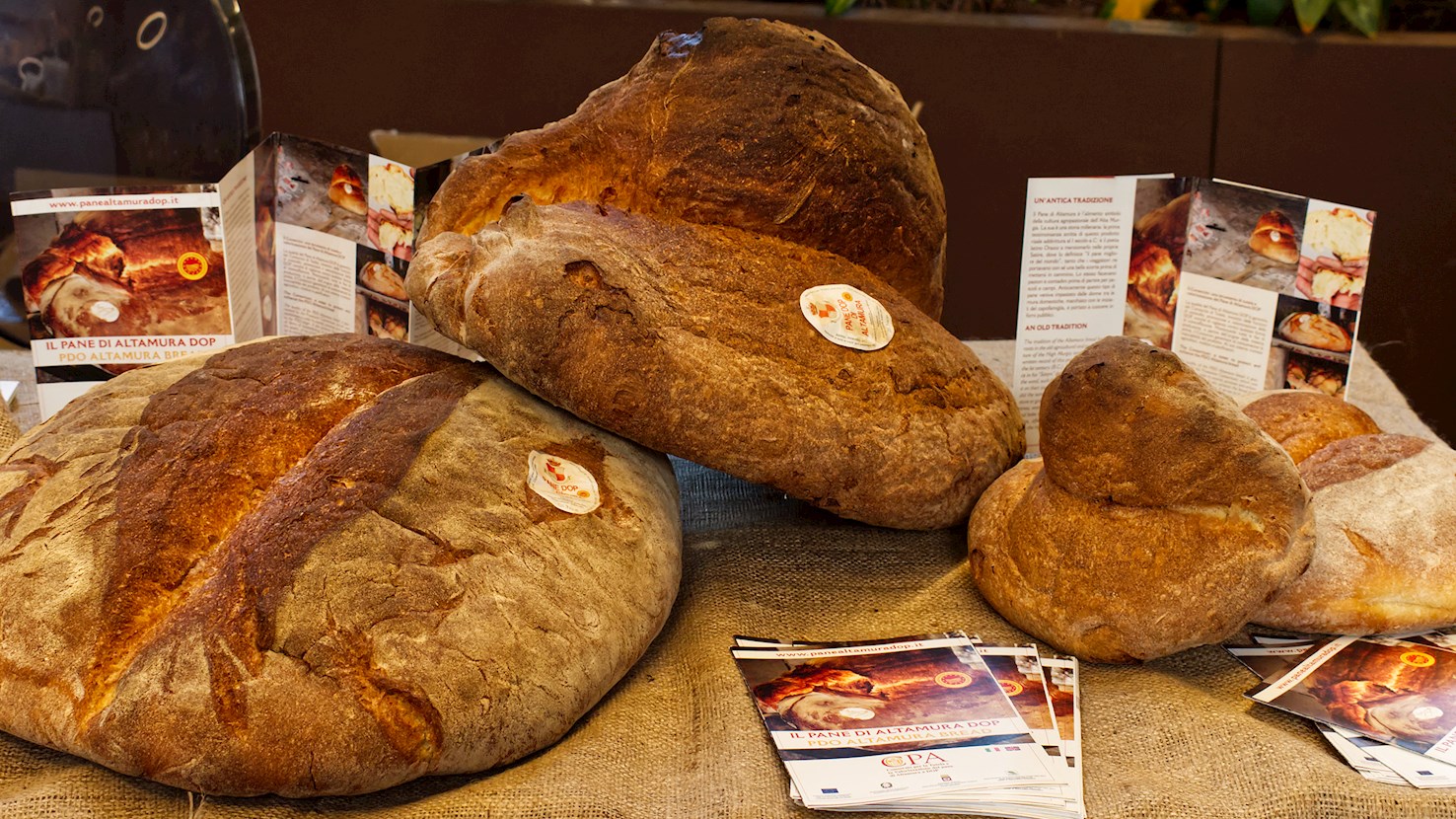
Named after a town settled on one of the Murge plateau hills, pane di Altamura is a country-style sourdough bread that has been traditionally produced in the provinces of Bari and Barletta-Andria-Trani for centuries. It is made only with durum wheat dough, natural yeast, salt, and water. Once the staple food of Murge people, these large loaves of bread were kneaded in Altamura's households, branded with the family name, then baked in community ovens. Since the loaves were supposed to feed whole families for one or even two weeks, the bread of Altamura had to be very durable, which is, even today, one of its most prized features. For a simple snack, pane di Altamura is simply drizzled with extra virgin olive oil and sprinkled with salt or smeared with tomato or olive tapenade. It is also an essential ingredient in many traditional recipes such as the zuppa povera, an aromatic tomato soup with toasted cubes of Altamura bread.
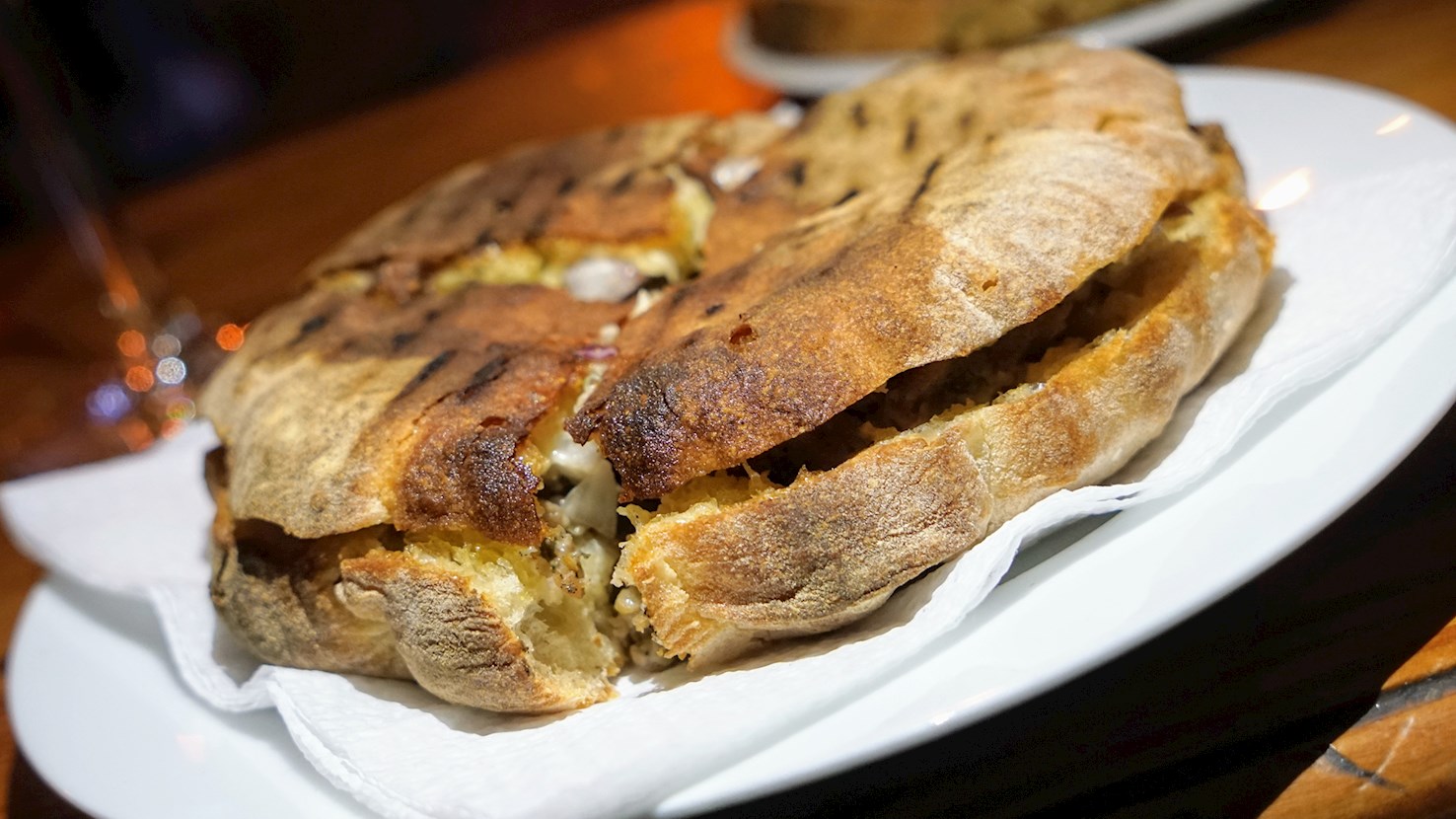
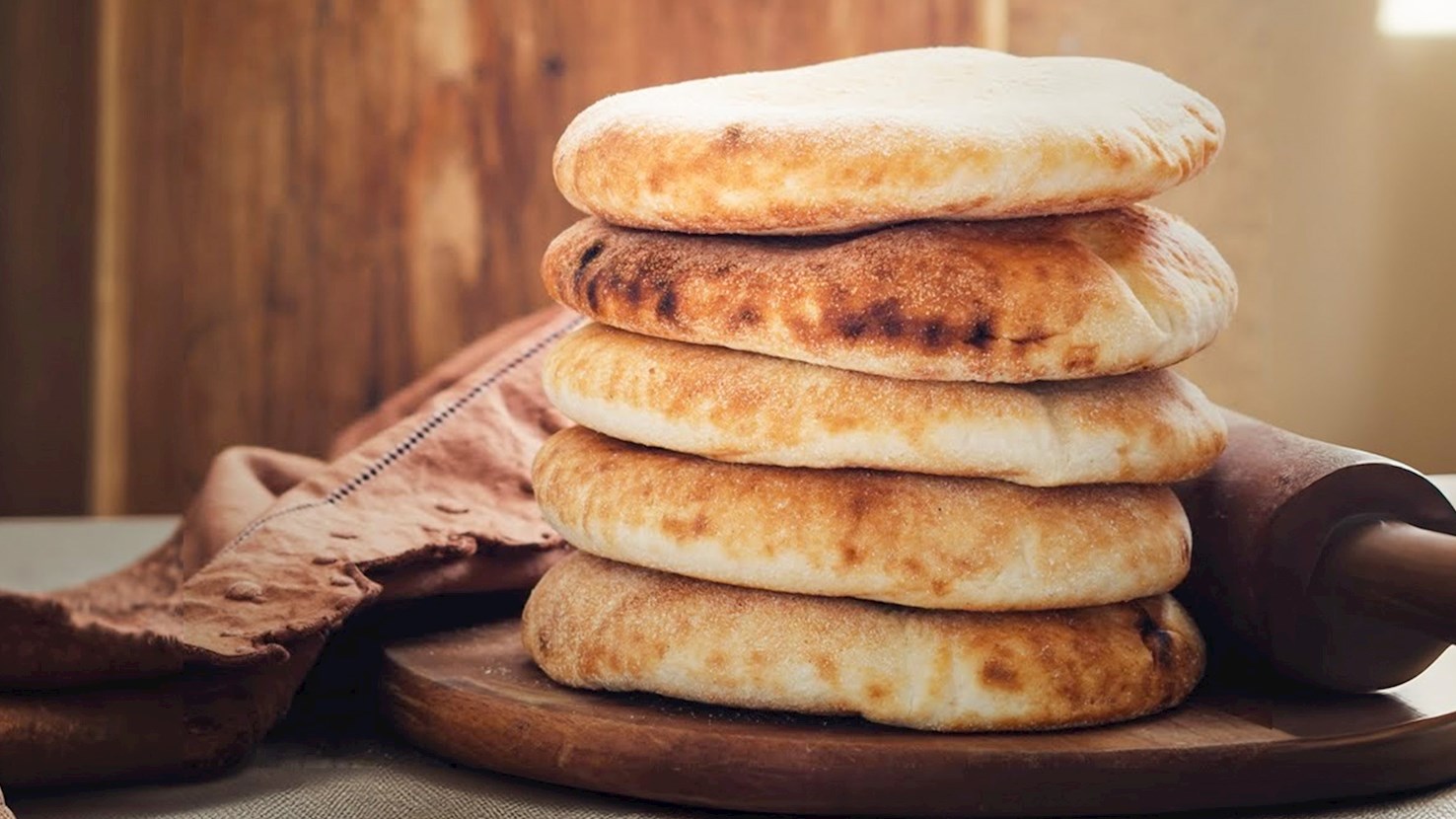
Puccia (pucce) bread is a traditional bread from the Puglia region, known for its soft, chewy texture and round shape reaching up to 20 cm (8") in diameter. It is typically made from durum wheat flour, baked in a wood-fired oven, very hollow with very little crumb. Puccia can be eaten plain or stuffed with a variety of fillings, including cured meats, cheeses, and vegetables, making it a versatile sandwich bread. The bread is especially popular during festivals in Puglia and is similar to pita in that it can be split and filled with ingredients. Salento and Taranto are the regions where this bread can be most often seen.
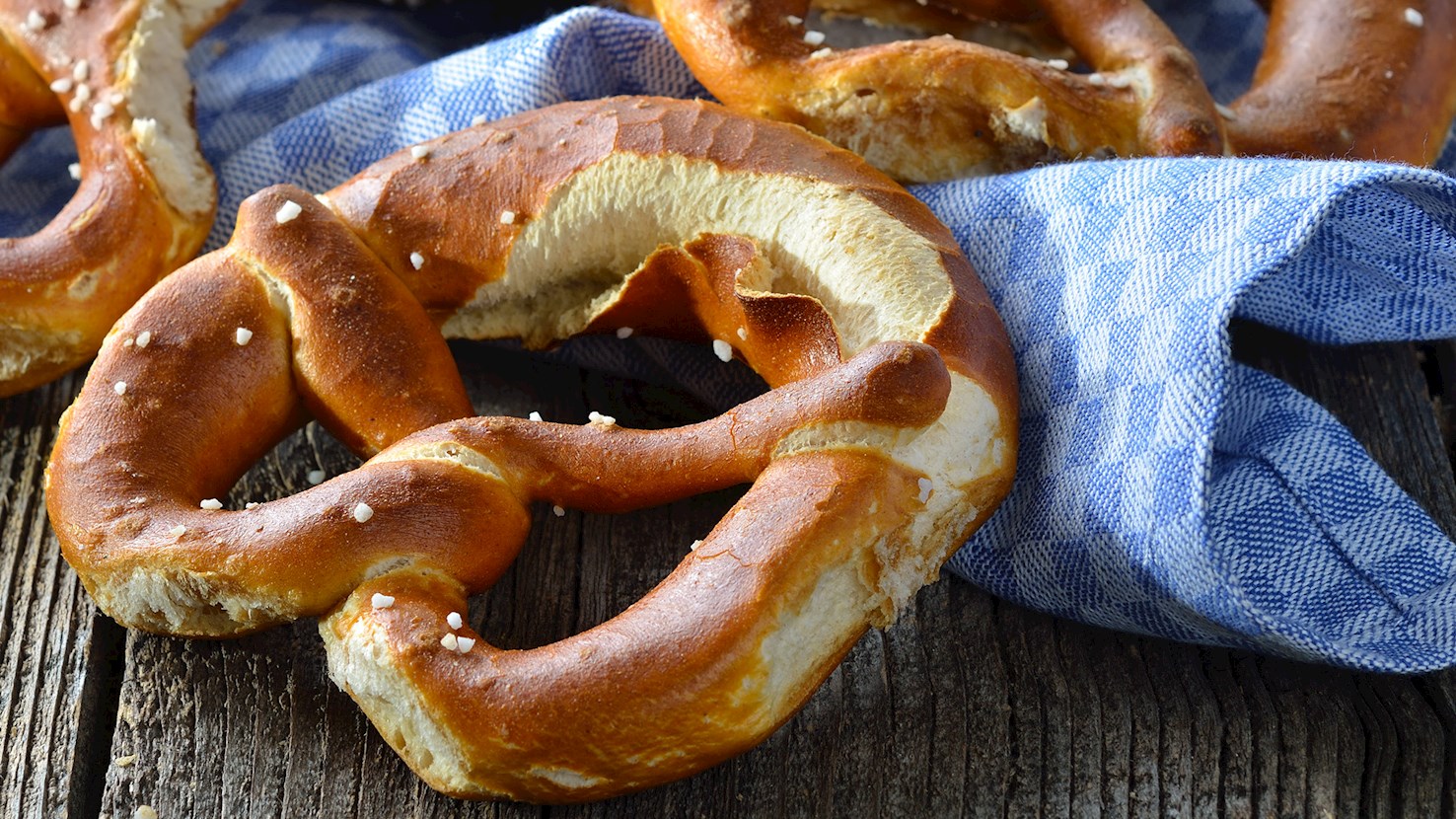
Considered an iconic symbol of Germany, the pretzel is a type of traditional baked good that is made by combining flour, salt, malt, yeast, and water. The resulting dough is then shaped into a well-known knotted shape of a pretzel before it is baked. Pretzels are often dipped in a lye solution (natronlauge in German) before they are baked, and then they are called laugenbrezel, a Bavarian-style pretzel distinguished by a nice, brown, and crispy exterior that surrounds the soft interior. Coarse salt is usually sprinkled over the surface of the pretzels, but other toppings may also be used, including sesame, pumpkin, sunflower, or poppy seeds. Regional variations of the pretzel abound, with some of them using fat to obtain a softer dough and others calling for different types of flour such as whole wheat flour or spelt flour. German pretzels come in both sweet and savory versions, and their texture may range from soft to hard. They are usually enjoyed warm as a snack with butter or along with German wurst sausages and a cold German beer on the side for an authentic German experience. The pretzel is a favorite street snack and a staple at any festival, holiday, and Christmas market in the country. Its versatile nature has given rise to numerous variations including New Year’s pretzels (neujahrbrezel), Oktoberfest pretzels (also called wiesnbrezn), and Lent pretzels (fastenbrezeln), among many others. In Alsace, France, the pretzel is known as bretzel d'Alsace.
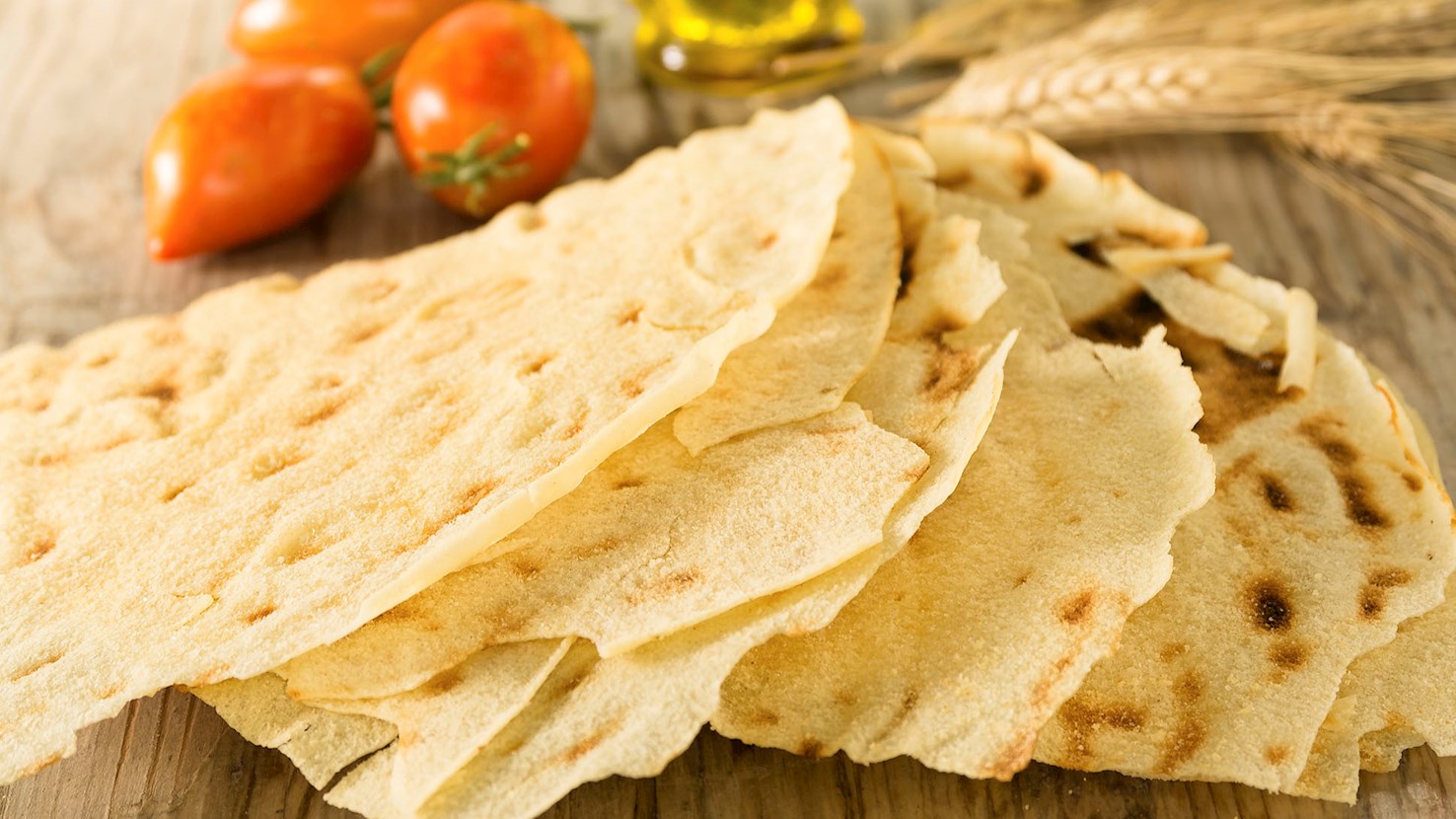
Popularly called carta musica, due to its resemblance to an old music sheet parchment, pane carasau is a traditional Sardinian flatbread whose origins have been traced to the Nuragic Age, circa 1900-730 BCE. Because of its long storage life, pane carasau was once a staple food of Sardinian shepherds during their trips to mountain pastures. This artisan Italian bread is made with durum wheat flour, water, yeast, and salt; it is extremely thin and twice-baked for extra crispness. With quite a unique flavor and a heavy aroma of cereals, barn, and wood-burning ovens, this flatbread is delicious as a cracker and is typically enjoyed as an accompaniment to various snacks, cheeses, appetizers, and soups. Pane carasau is also used for preparing another classic of Sardinian cuisine called pane frattau, a lasagna-style dish made with crispy sheets of carasau that are soaked in hot water, then layered with tomato sauce and pecorino Sardo cheese.
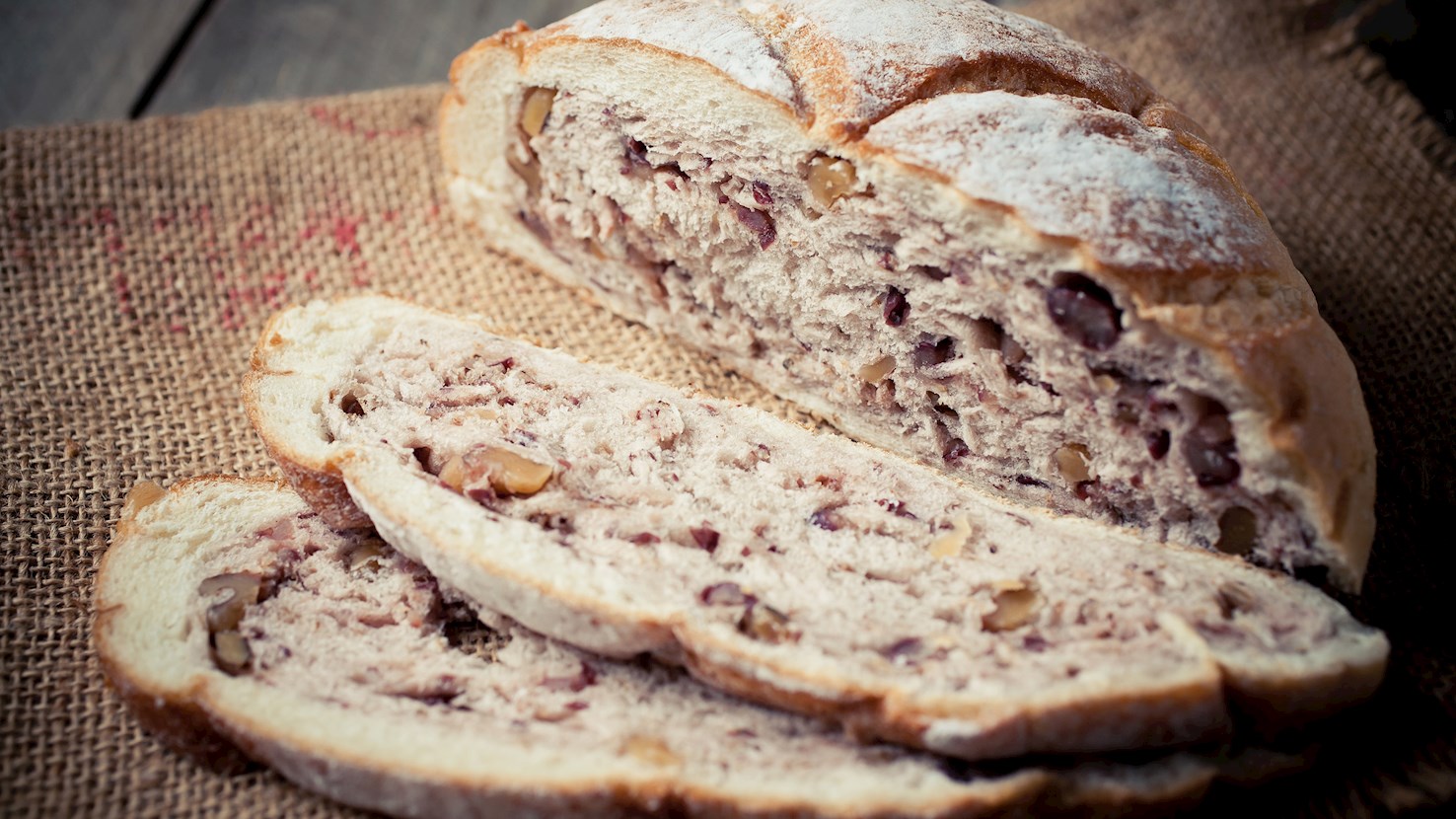
This French-style yeasted bread is traditionally prepared with wheat or whole wheat flour and coarsely chopped walnuts that are kneaded in the dough, while some varieties may also incorporate other nuts, typically coarsely chopped hazelnuts. It is usually shaped into plain or round loaves and is characterized by its dark brown crust and a light brown interior which is dotted with walnut kernels. For the best results, make sure to use whole wheat flour and the sweet and meaty French walnuts, if available. Due to its rich and complex flavors, the bread pairs well with butter, soft cheeses, charcuterie, savory spreads, or sweet toppings such as honey or fruit jams.
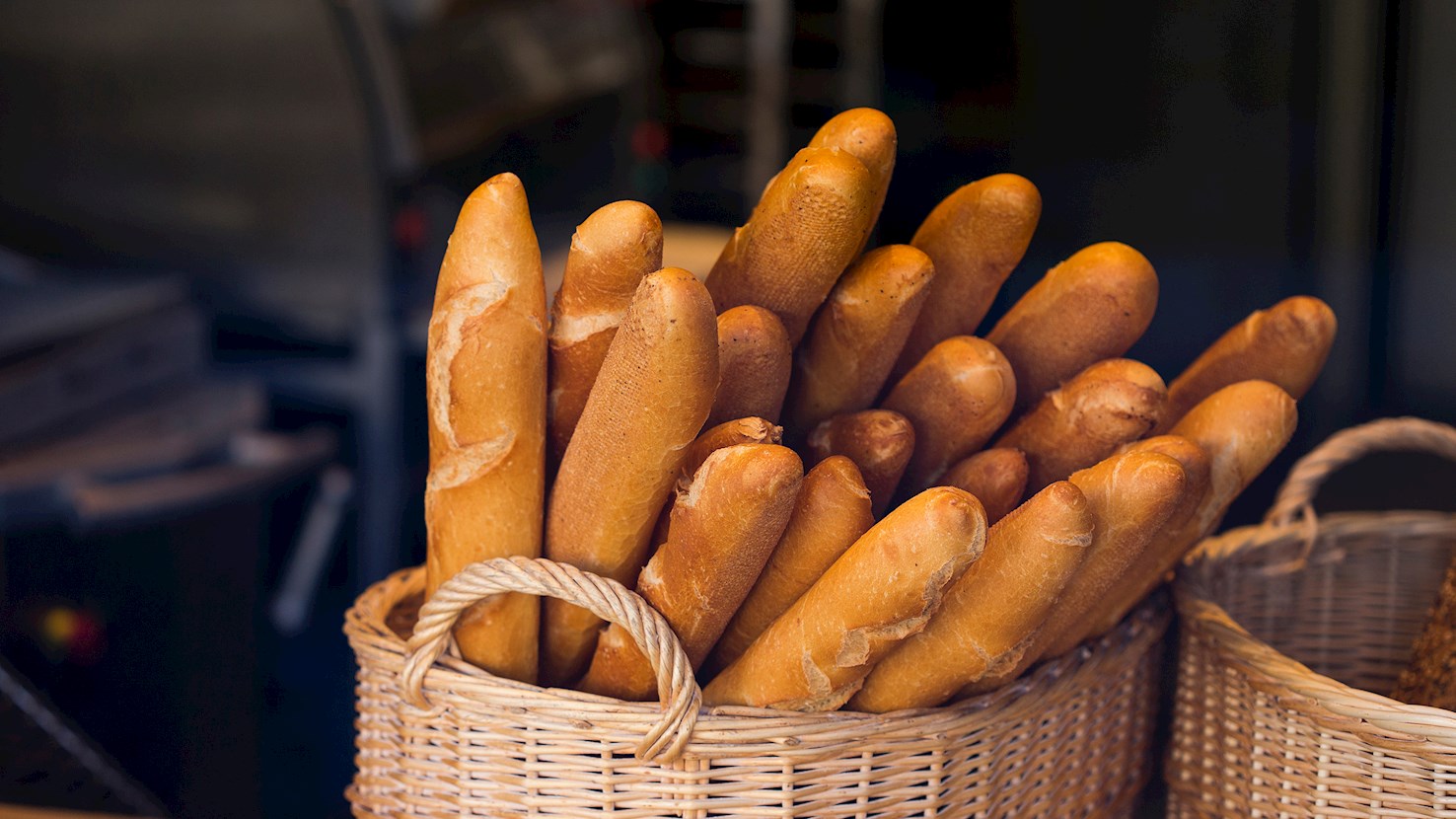
Pan de barra is a Spanish-style baguette, a rustic bread loaf that’s made with a simple dough consisting of flour, water, yeast, and salt. The dough is shaped into a long, thin loaf, and it is then allowed to rise before it’s slashed on the surface and baked until crispy and nicely browned. Although it resembles the French baguette, pan de barra typically has a harder and drier texture, which makes it an excellent base for sandwiches. In the past, there were slightly different versions of the bread in different parts of Spain, although they all shared the same long, cylindrical shape. In Madrid, the bread used to be distinguished by a denser texture, while those prepared in Galicia tended to be lighter and fluffier. This bread is consumed everywhere throughout Spain, and it’s the most popular choice of bread used for making Spanish bocadillos, delicious sandwiches that are staples of Spanish cuisine.
TasteAtlas food rankings are based on the ratings of the TasteAtlas audience, with a series of mechanisms that recognize real users and that ignore bot,
nationalist or local patriotic ratings, and give additional value to the ratings of users that the system recognizes as knowledgeable.
For the “42 Worst Rated Western European Breads and Flatbreads” list until July 16, 2026, 6,636 ratings were recorded, of which 5,468 were recognized by the system as legitimate.
TasteAtlas Rankings should not be seen as the final global conclusion about food. Their purpose is to promote excellent local foods,
instill pride in traditional dishes, and arouse curiosity about dishes you haven’t tried.