

shutterstock

4 Worst Rated Norwegian Breads

Last updated on May 21, 2026
01

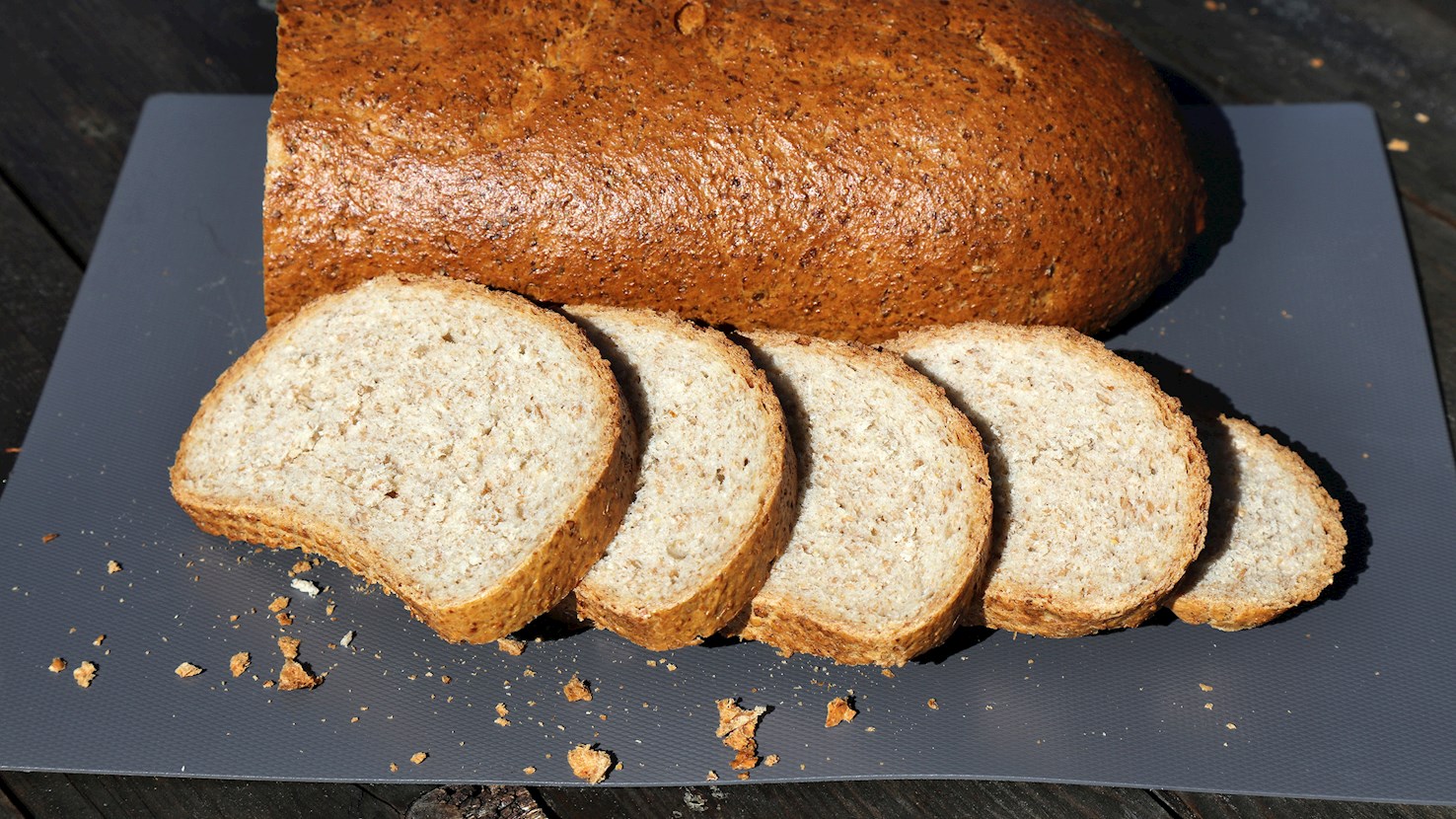
Kneippbrød (Kneipp Bread)

2.5 ·

Kneippbrød is a traditional bread originating from Norway that's named after Sebastian Kneipp, a 19th-century Bavarian priest, who is credited with being the first person to use the whole grain (shell, kernel, and germ) when making bread. Although there are many variations on the bread, it's usually made with 100% whole wheat flour, yeast, salt, milk, water, and rapeseed oil. The smooth and firm dough is proofed and baked in buttered loaf pans until golden brown. The bread came to Norway in 1895, and nowadays it's one of the most popular types of bread in the country.

02

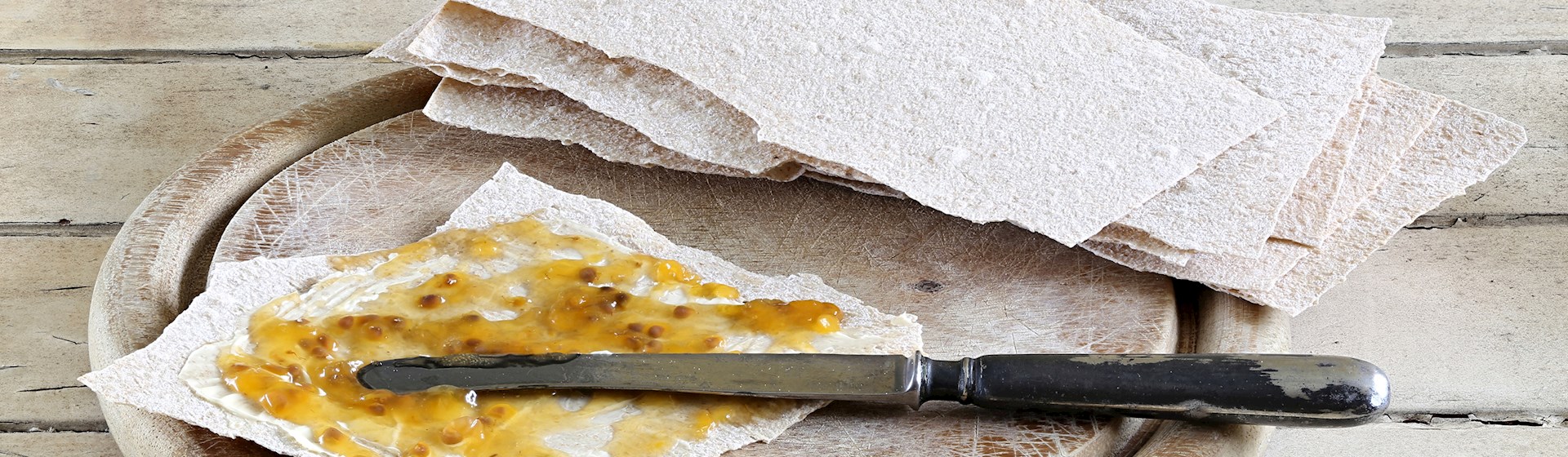
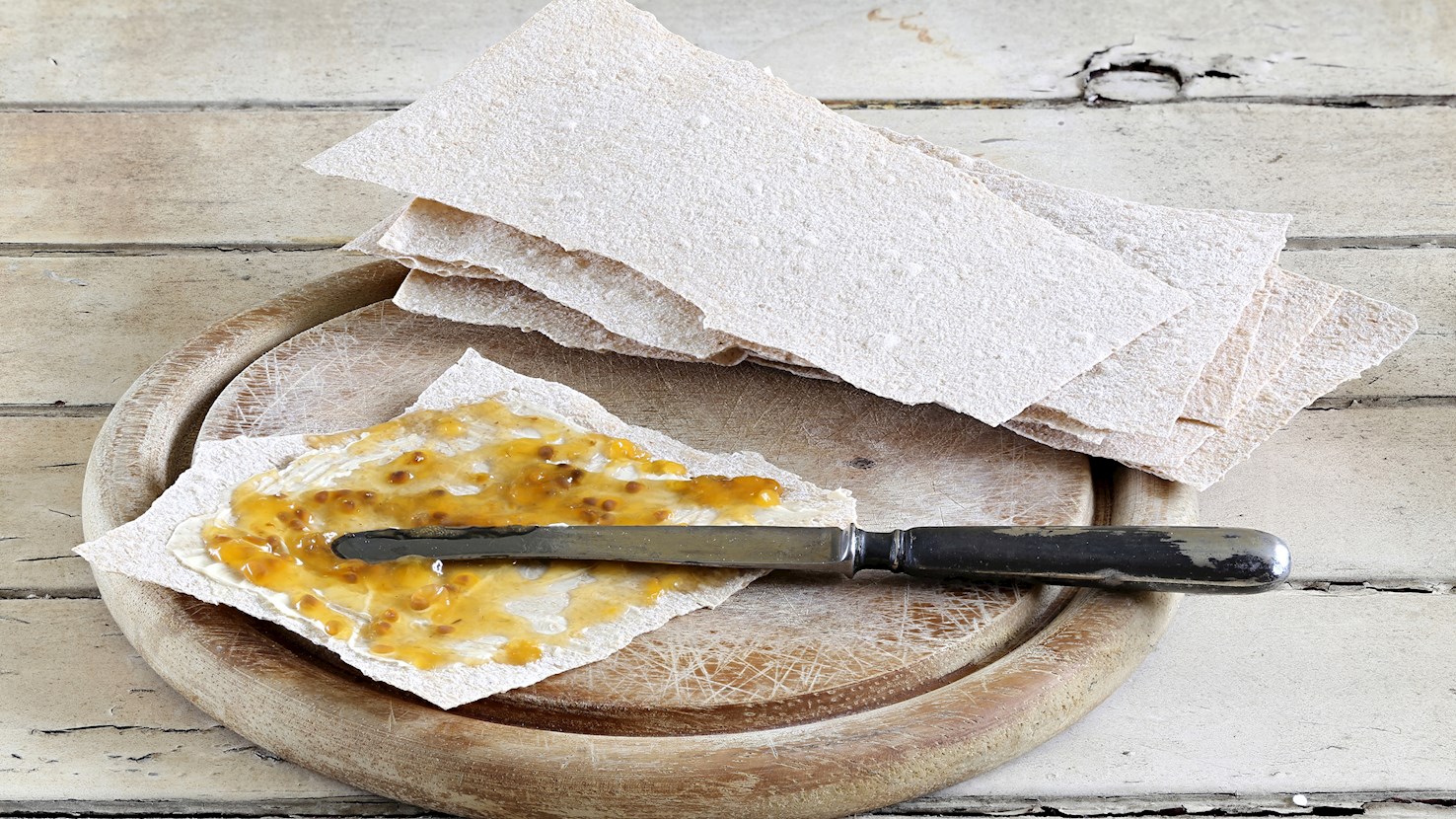
Flatbrød

3 ·

Flatbrød is a traditional unleavened flatbread. Although there are many varieties, this very thin and crisp bread is usually made with a combination of barley flour, salt, and water. Some people use sour milk instead of water, or a mixture of dark and white flour instead of barley flour. The dough is rolled flat and cooked in a pan on both sides until it hardens. Once prepared, it's enjoyed with a wide array of sweet and savory toppings such as strawberry jam, double cream, smoked salmon, and soft cheese. Flatbrød is often served as an accompaniment to soups, stews, meat, and fish dishes. It is believed that this flatbread dates back to Viking times.

03

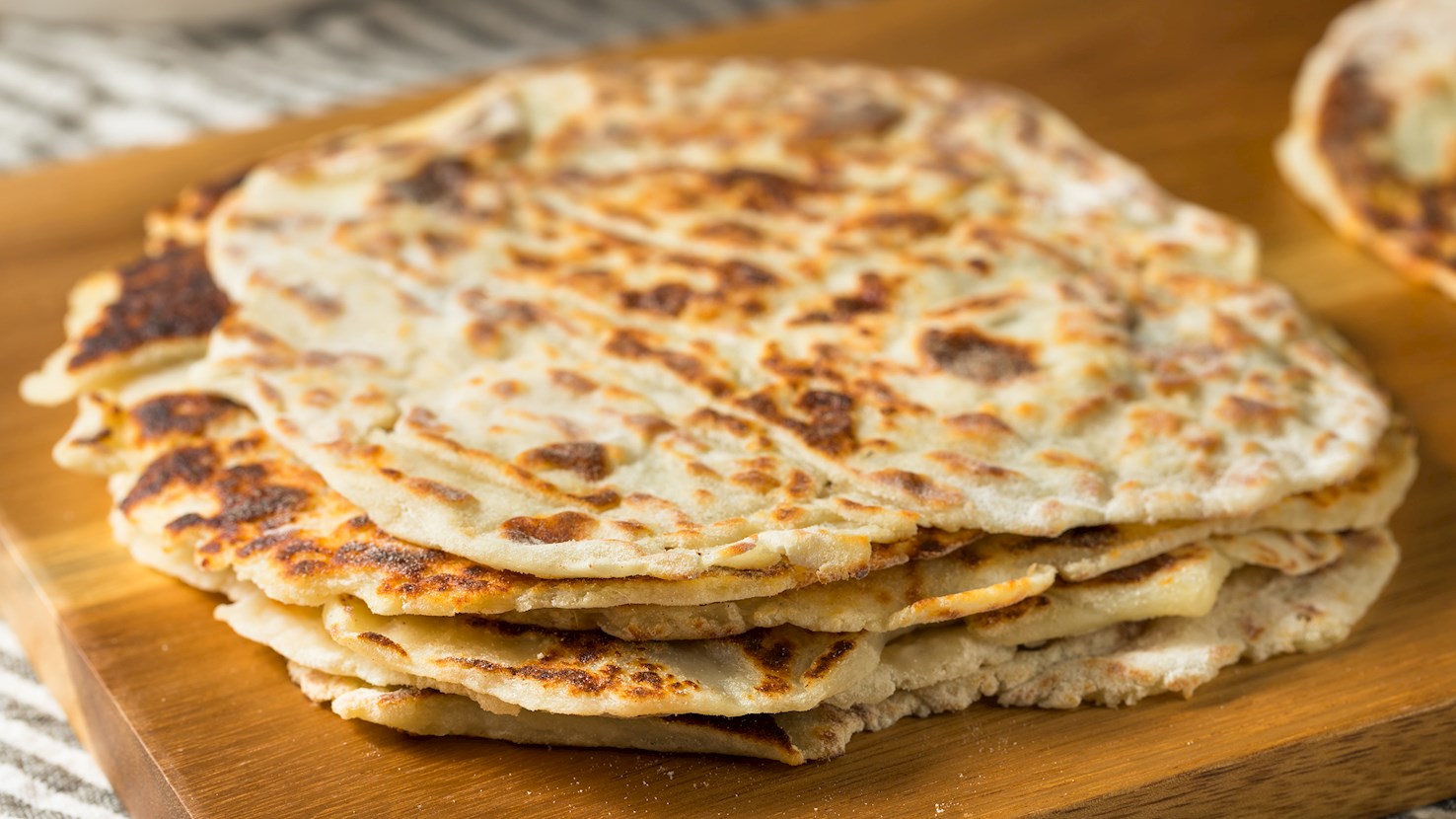
Lomper

3.3 ·

Lomper is a traditional flatbread originating from Norway. The flatbread is made with potatoes, salt, and flour, and it's similar to the more famous lefse flatbread. However, lomper is usually smaller in diameter than lefse and it's most commonly used for wrapping hot dogs (pølser) into it. Lomper can also be filled with various ingredients. Once rolled, the dough is cooked over medium-high heat in a frying pan or directly on a stove. If properly cooked, both sides of the flatbread should be golden brown.

04

Lefse

3.8 ·

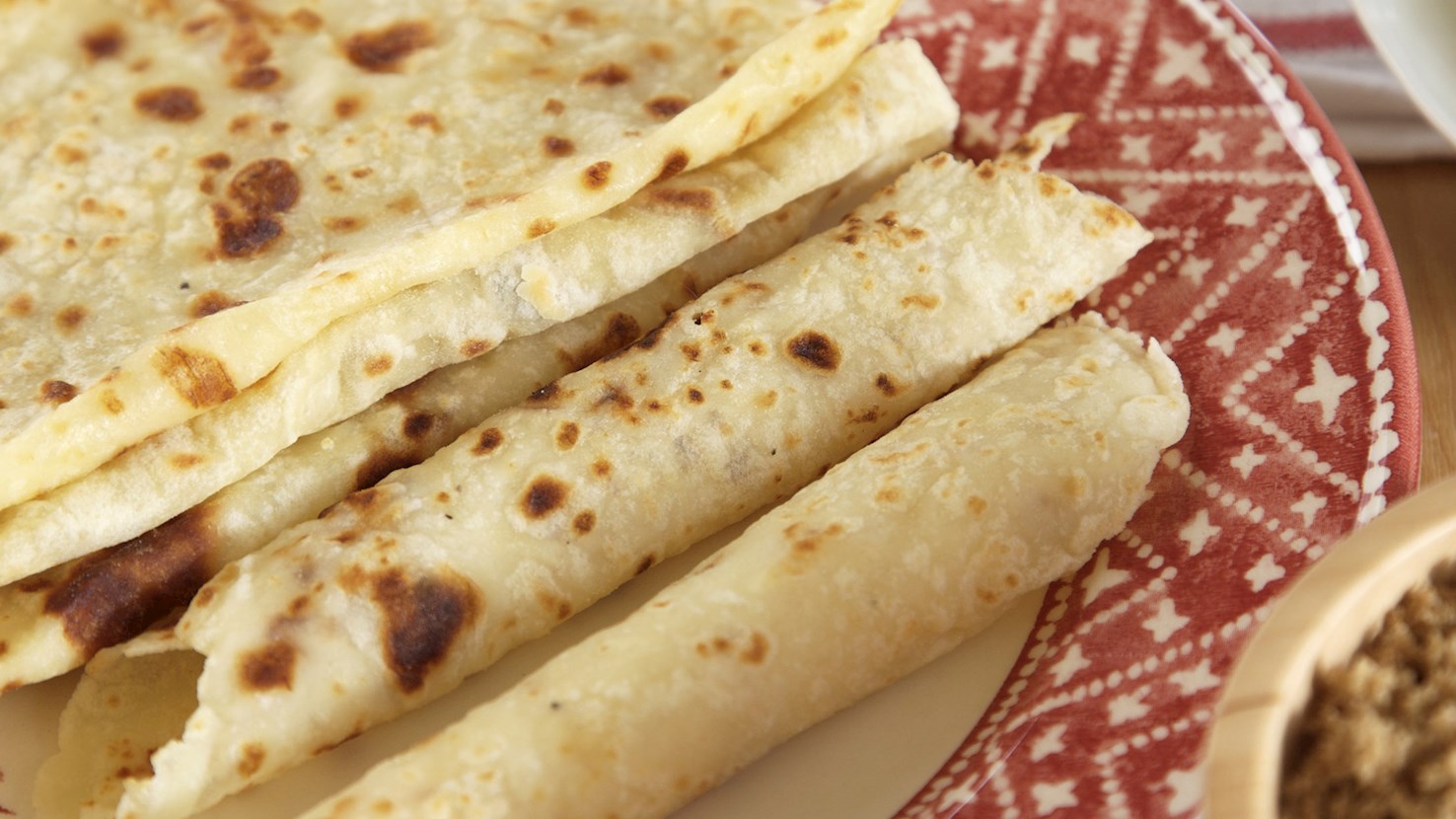
Lefse is a traditional flatbread, visually looking like a huge, round tortilla. It comes in many varieties such as plain, sweet, thin, or thick. There is also a popular version of lefse with potatoes incorporated in the dough, and it is a favorite of the Telemark region. Originally, potatoes were not included in the flatbread since potatoes were introduced to Norway just about 250 years ago. Today, lefse is usually dipped into a bowl of water to absorb it, and is then consumed with butter, cinnamon, and sugar. For serving, it is recommended to roll the flatbread and cut it at an angle. All of the lefse varieties can also be used to make appetizers or sandwiches, when they are filled with cheese, salad, seafood, or meat. Potato lefse is especially good for canapés due to its unique flavor. In Norway, lefse can be bought at most supermarkets or baked at home, and it is also popular in the United States of America, in cities with high percentages of Norwegian ancestors such as Minnesota, North Dakota, and Seattle.

Read more
View all
View map
About this ranking

TasteAtlas food rankings are based on the ratings of the TasteAtlas audience, with a series of mechanisms that recognize real users and that ignore bot, nationalist or local patriotic ratings, and give additional value to the ratings of users that the system recognizes as knowledgeable. For the “4 Worst Rated Norwegian Breads” list until May 21, 2026, 182 ratings were recorded, of which 153 were recognized by the system as legitimate. TasteAtlas Rankings should not be seen as the final global conclusion about food. Their purpose is to promote excellent local foods, instill pride in traditional dishes, and arouse curiosity about dishes you haven’t tried.

Similar lists