

shutterstock

6 Worst Rated Polish Breads

Last updated on June 16, 2026
01

Bułka paryska

3.5 ·

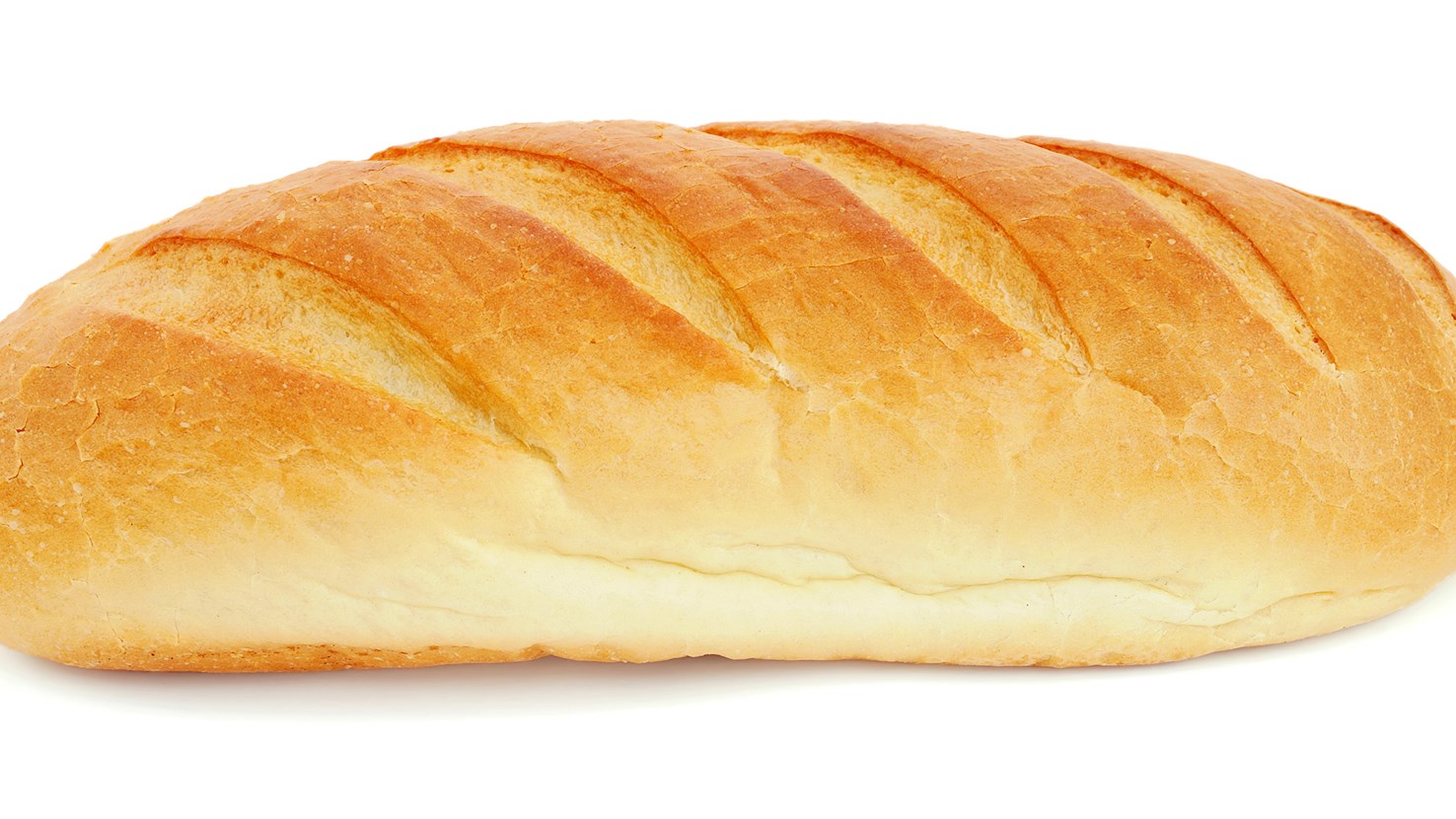
Veka is a white bread variety that is similar to the famous French baguette, commonly found in Czech, Slovak, and Polish cuisines. Made with yeasted wheat dough, it is usually shaped into small loaves, shorter and wider than the traditional baguette. When baked, the loaves attain a golden-brown crust, while the center stays soft and airy. It appears under various names and it is one of the most common bread varieties found in many Central and Eastern European countries. In the Czech Republic, it is usually used as a base for the open-faced chlebíčky sandwiches, when the slices are topped with various condiments and then served as a quick buffet snack.

02

Obwarzanek krakowski

3.7 ·

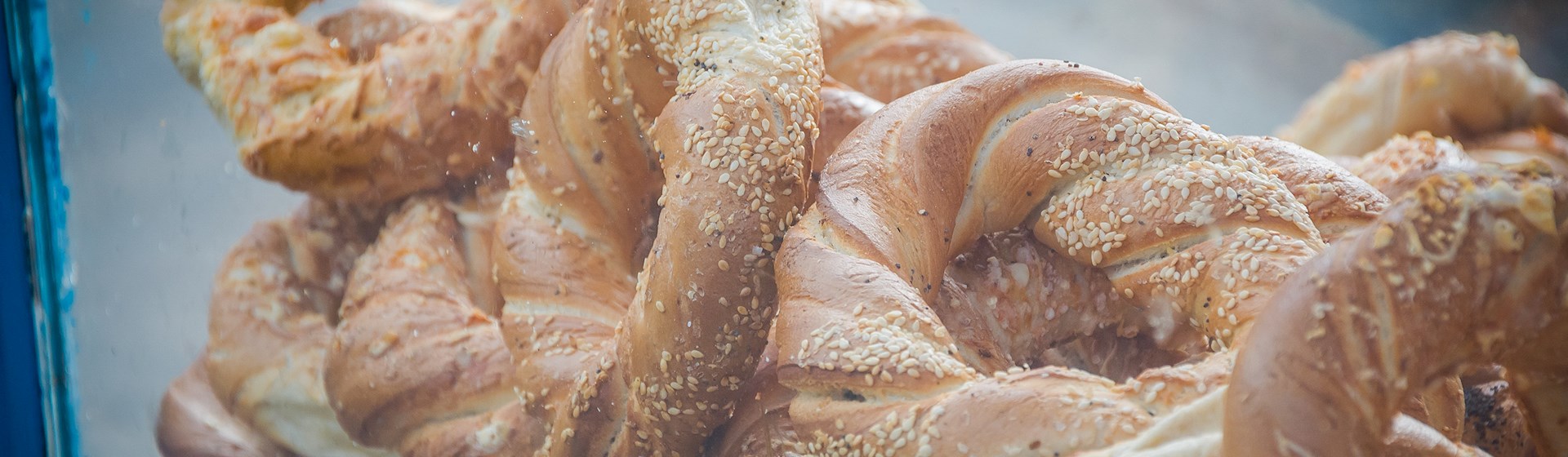
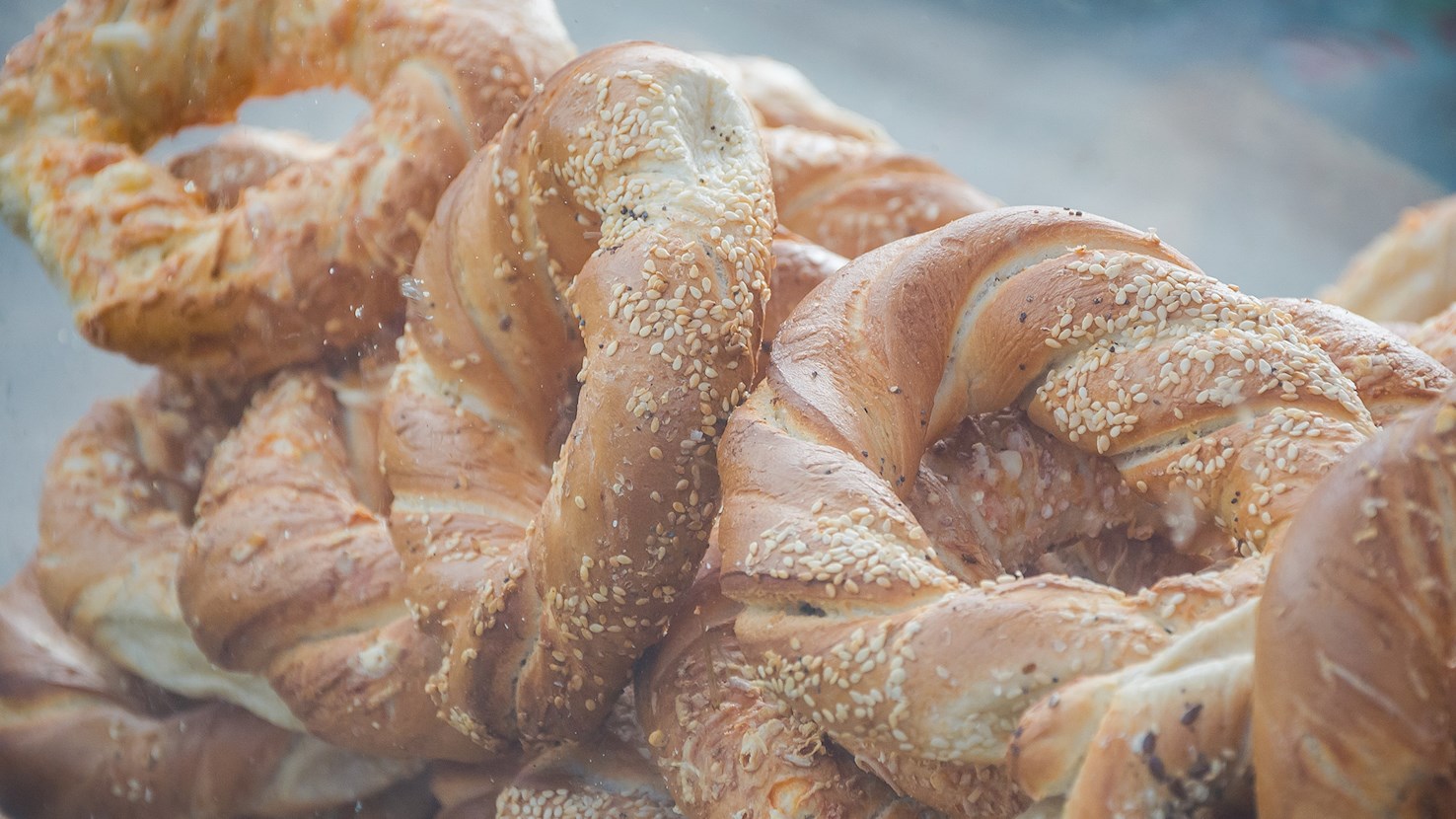
Obwarzanek krakowski is a traditional, baked pastry product shaped like a ring and produced in the Malopolskie Province, districts of Kraków and Wieliczka in Poland. Obwarzanek whose name comes from the Polish word for 'boiled', is not just any regular bagel. It is bigger than the standard bagels and is woven from two strands of dough instead of just one. Before being baked, it is boiled and can be additionally sprinkled with poppy or sesame seeds, herbs, spices, cheese, salt or onions. It has a sweetish taste and a dense, chewy texture. On the exterior, it is light or dark golden to light brown, with a glossy shade. Unlike other bagels, it is not cut in half or toasted to make sandwiches but is instead regularly eaten on its own. They are so popular that they are sold on every other street corner in Kraków, and have become an unofficial symbol of the city.

03

Podpłomyk

3.8 ·

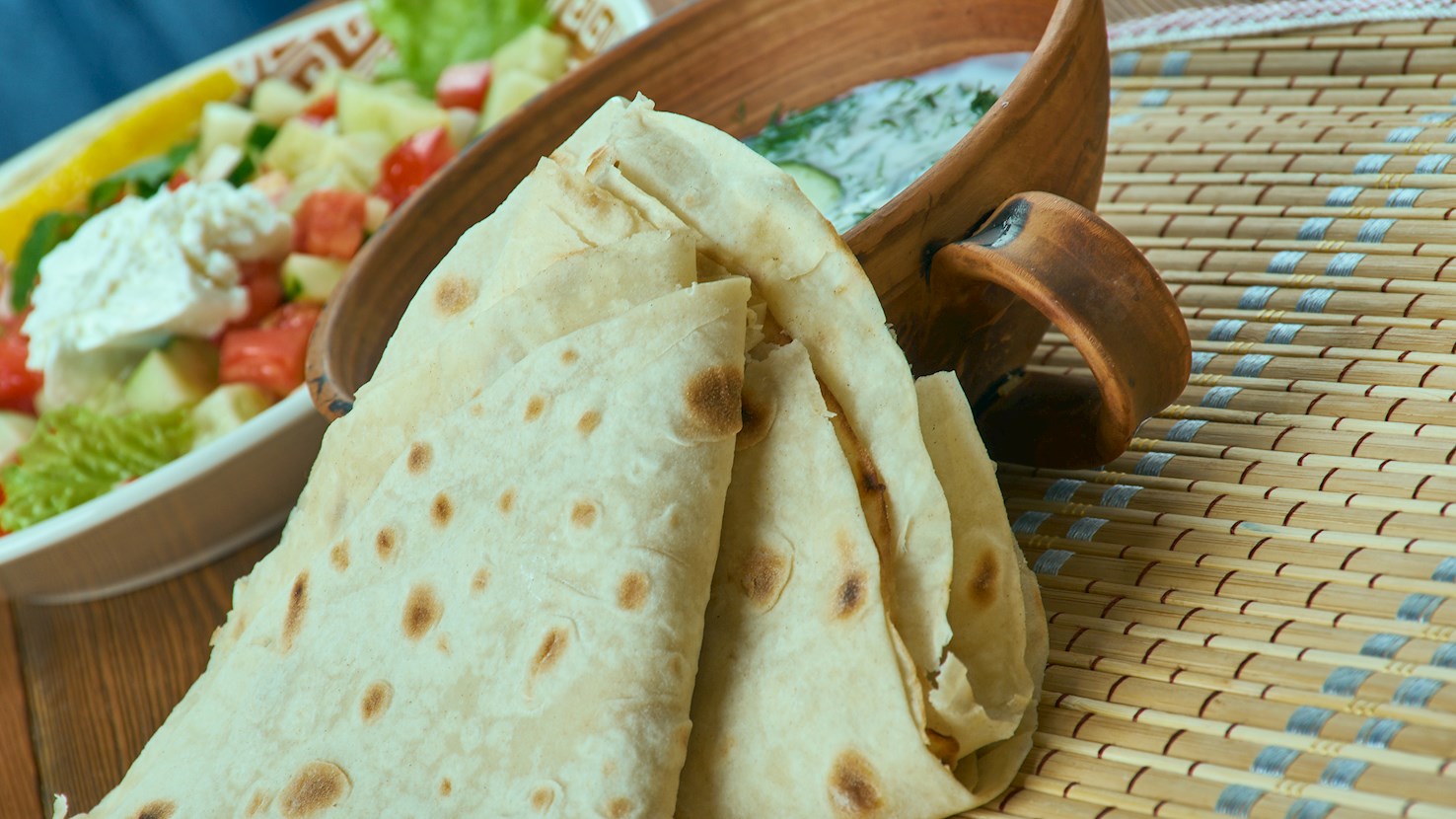
Podpłomyk is a traditional flatbread originating from Poland. This simple unyeasted flatbread is usually made with a combination of flour, water, and salt. In the past, the flatbread was made on fire-heated stones, but nowadays it's usually made on the stovetop or cooked in a pan, especially ever since the popularization of interest in premedieval everyday life. Once baked, podpłomyk is typically enjoyed with honey or different types of jam called konfitury. Some people serve it with stews or use it as a tortilla would be used.

04

Cebularz Lubelski

3.9 ·

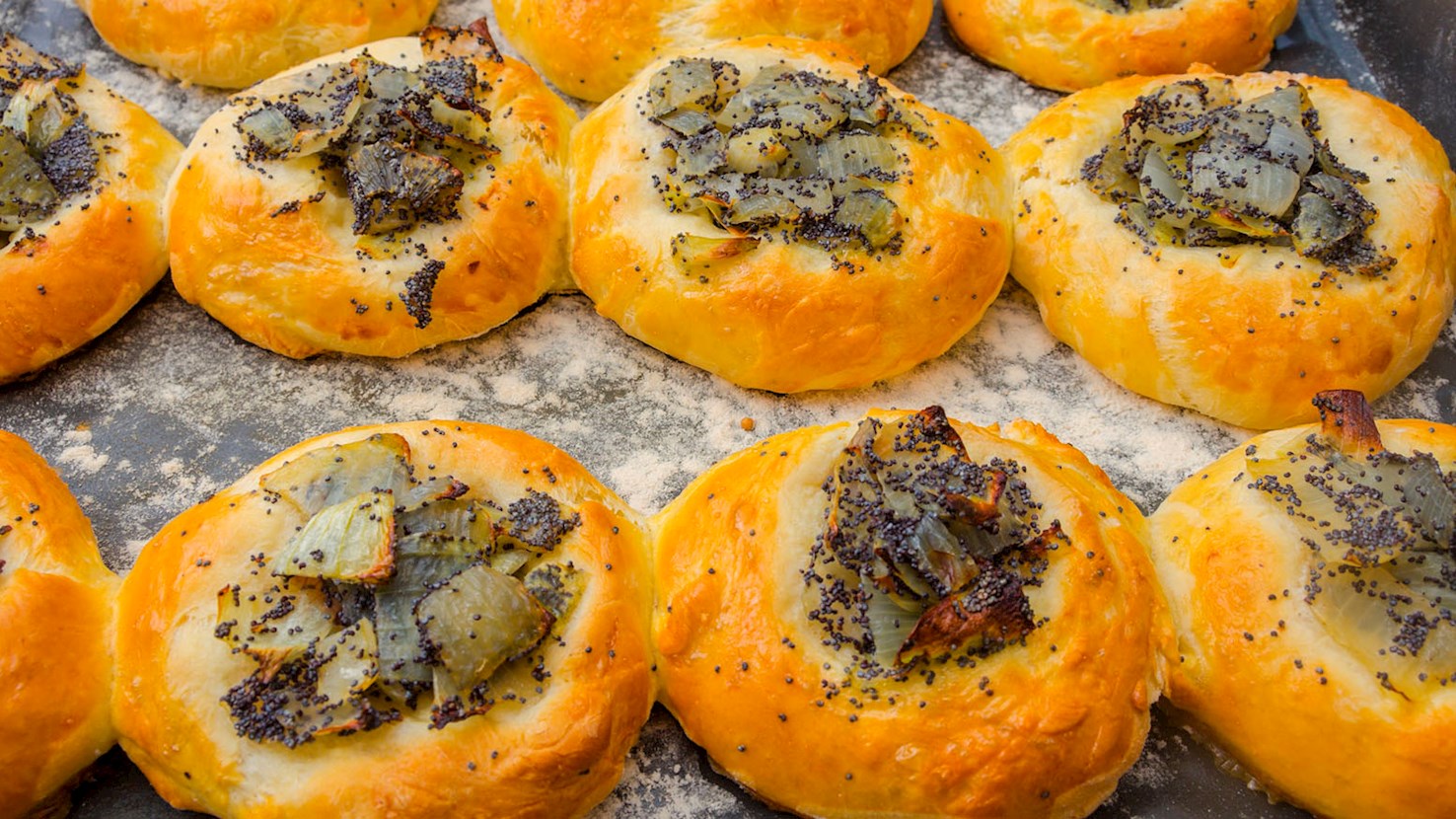
Cebularz lubelski is a round-shaped flatbread with a thickness of about 1,5 centimeters. It is produced in the Lublin Province in Poland, and only 24 bakeries make this unique product that should be eaten fresh, as it must be consumed within 48 hours of being baked. It is made with high-quality flour dough that contains twice as much sugar and margarine or butter compared to the ordinary wheat dough. The flatbread is topped with diced onions, salt, and poppy seeds, baked until it develops a golden color and an aroma characteristical of freshly fried onions. This product has Jewish origins and it was first made in the 19th century by Jews from Lublin, Kazimierz Dolny, and Zamość, but later it has spread and became popular among Poles. It currently holds a strong reputation and is often served at gatherings, events and family picnics.

05

Żymła

3.9 ·

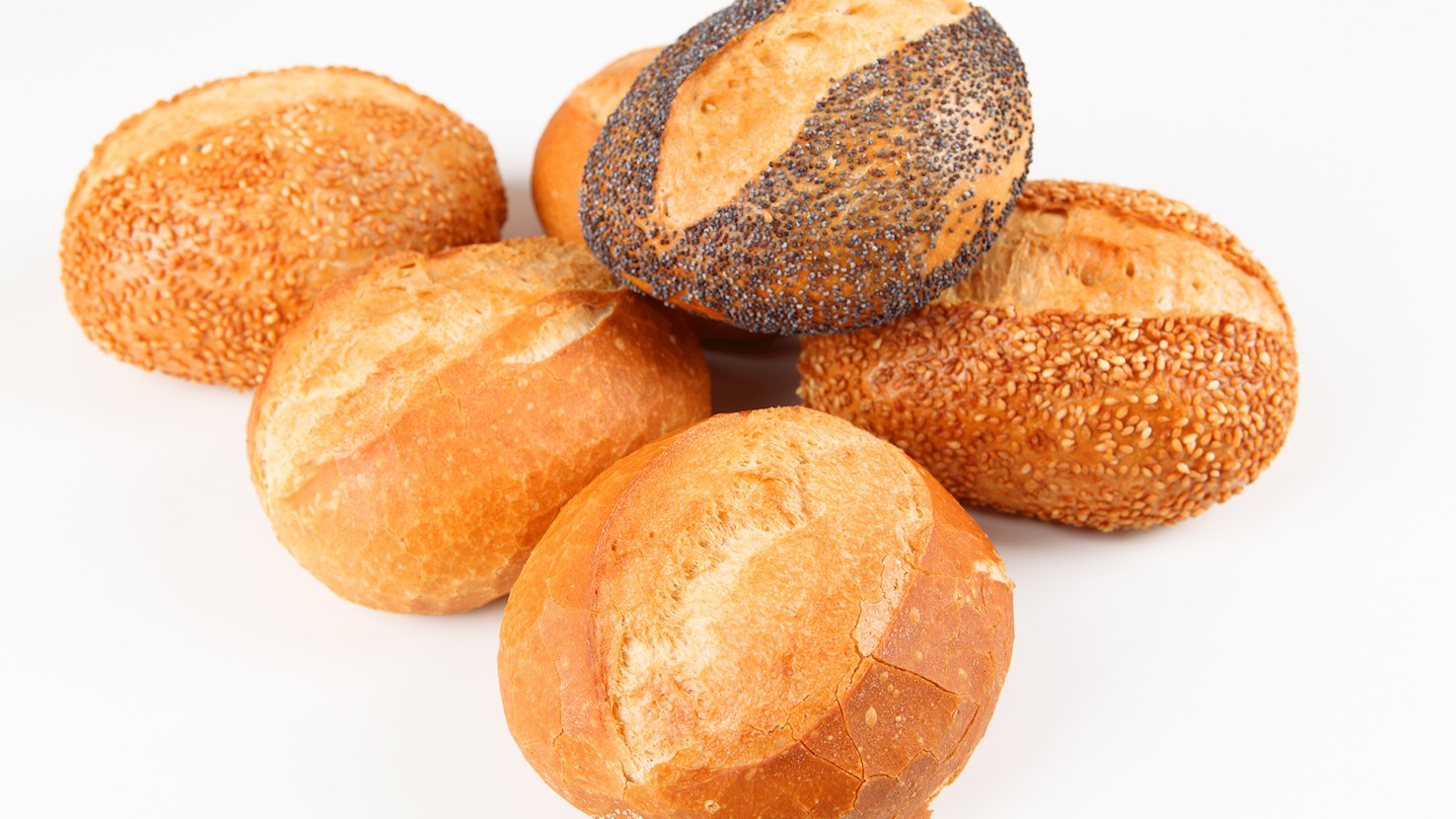
Żymła is the Silesian name for a traditional white bread roll. Known as bułka in Polish, the bread roll typically has an oval shape and is often sprinkled with poppy seeds on top before baking. Apart from its everyday consumption, this bread roll is also an essential ingredient used in the preparation of the traditional Upper-Silesian blood sausage called żymlok.

06

Proziaki

3.9 ·

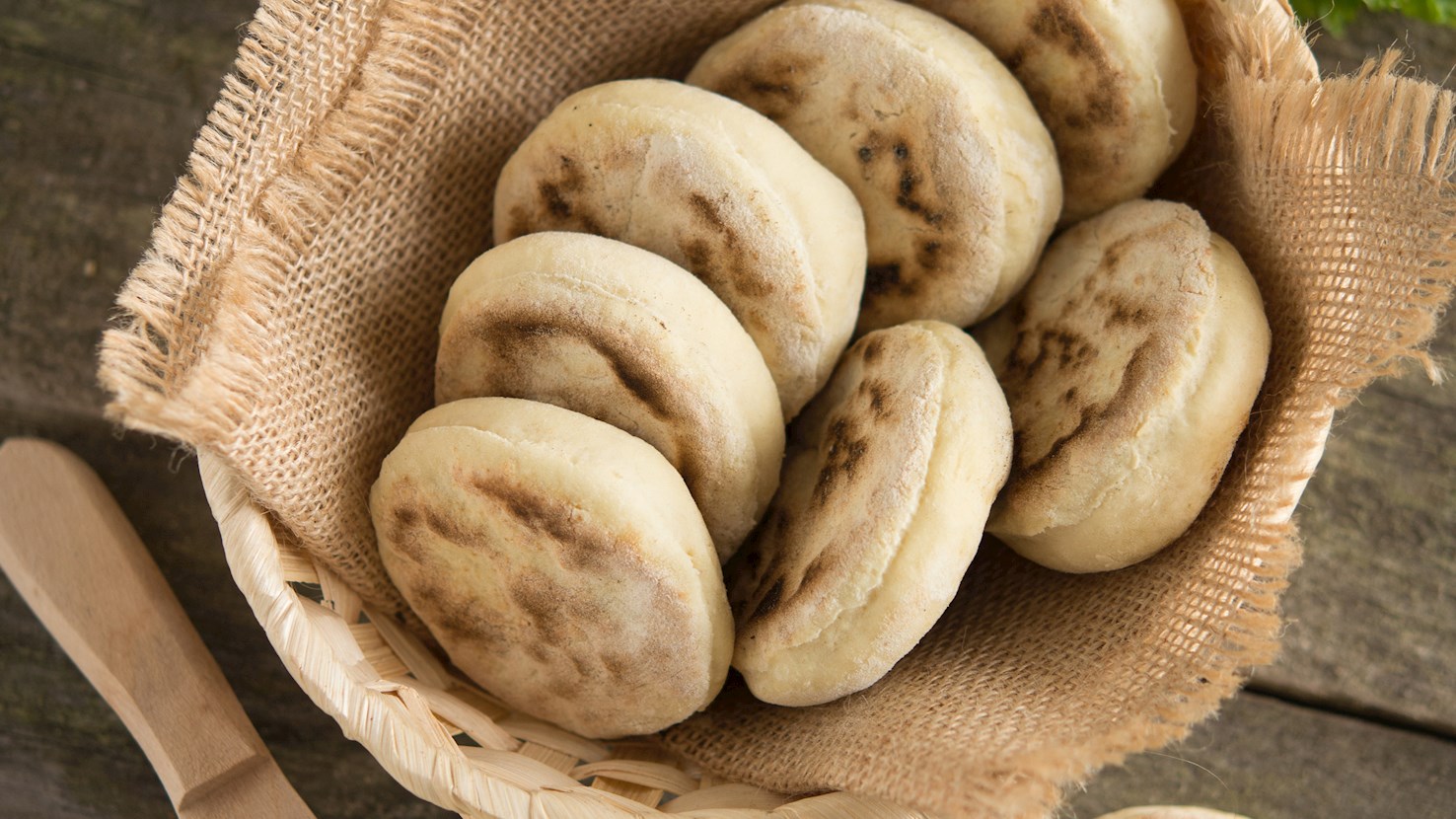
Incredibly similar to Irish soda bread, the soft proziaki are traditional Polish bread rolls that originally hail from the Subcarpathian region and date back to the 19th century. Though the recipes vary across the region, they typically consist of flour, baking soda (proza), and the choice of milk, sour milk, water, sour cream, buttermilk, or kefir. In the past, they were baked on old-fashioned stove tops, but nowadays they are commonly dry-baked on classic pans. Proziaki can be paired with sweet or savory ingredients such as butter, cheese, or marmalades.

Read more
View all
View map
About this ranking

TasteAtlas food rankings are based on the ratings of the TasteAtlas audience, with a series of mechanisms that recognize real users and that ignore bot, nationalist or local patriotic ratings, and give additional value to the ratings of users that the system recognizes as knowledgeable. For the “6 Worst Rated Polish Breads” list until June 16, 2026, 531 ratings were recorded, of which 428 were recognized by the system as legitimate. TasteAtlas Rankings should not be seen as the final global conclusion about food. Their purpose is to promote excellent local foods, instill pride in traditional dishes, and arouse curiosity about dishes you haven’t tried.

Similar lists