







shutterstock

20 Worst Rated Central European Breakfasts

Last updated on May 21, 2026
01

Ribel

2.5 ·

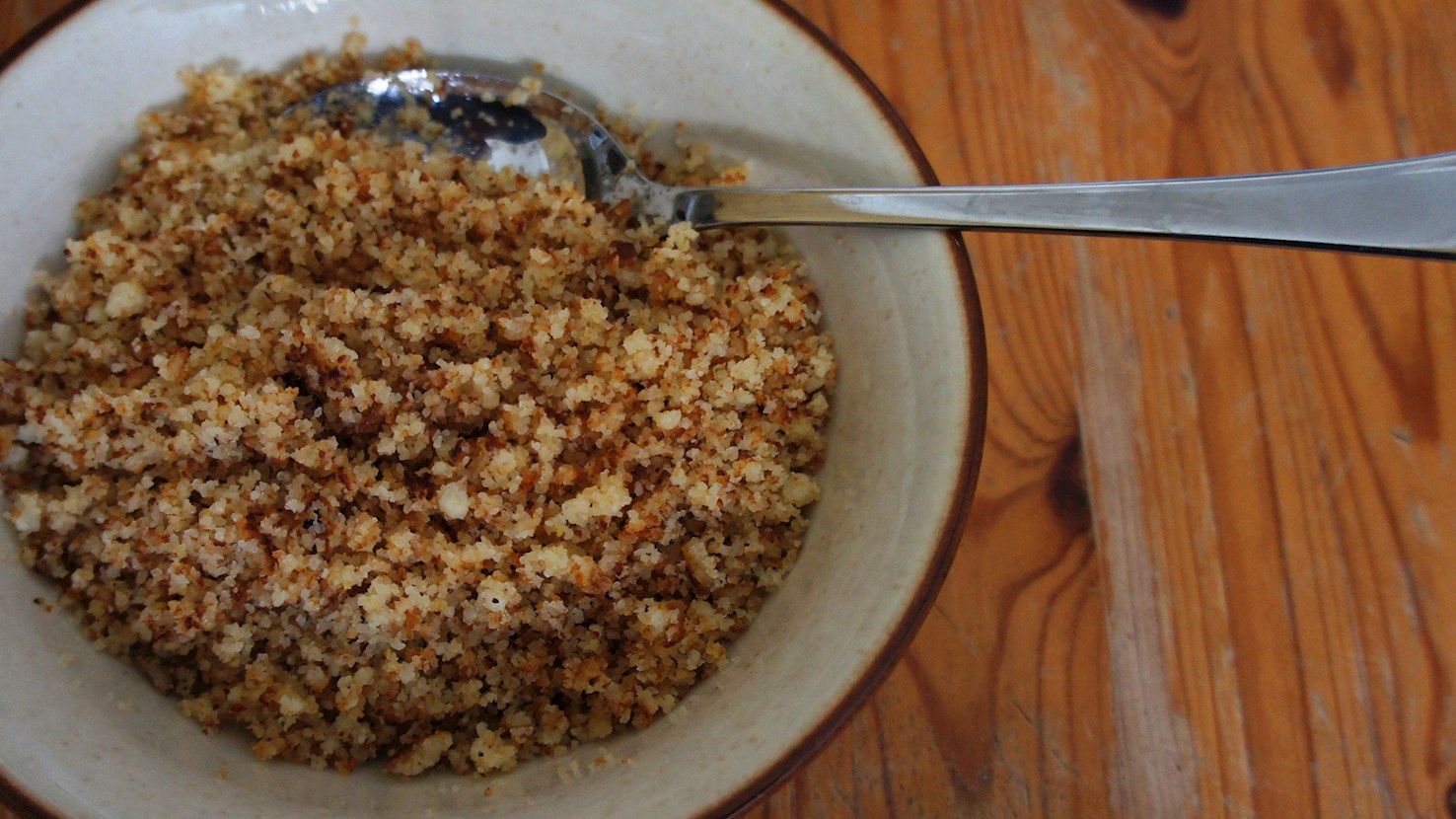
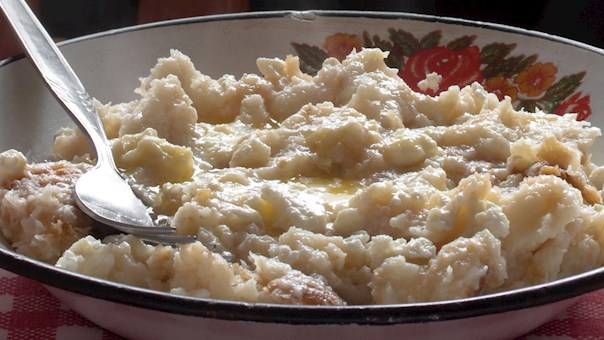
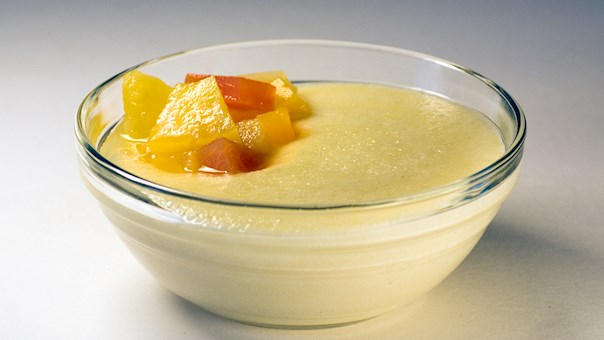
In the past, ribel used to be a meal eaten by the poor, usually for breakfast, but it all changed in the 1970s, and now many restaurants serve this traditional Lichtensteiner dish. Just like polenta, ribel is made from cornmeal that is cooked in boiling water and milk, and once cooked, it is roasted with butter. Although its flavor is savory, it can be eaten with sweet accompaniments such as fruit sauces and compotes.

02

Senfei

3.1 ·

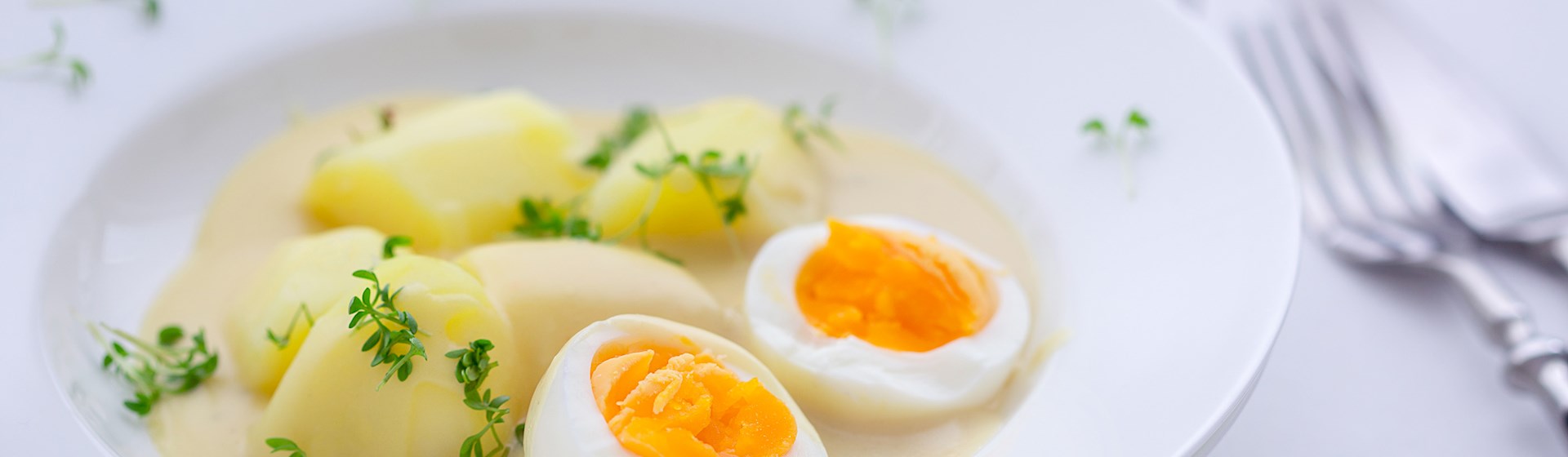
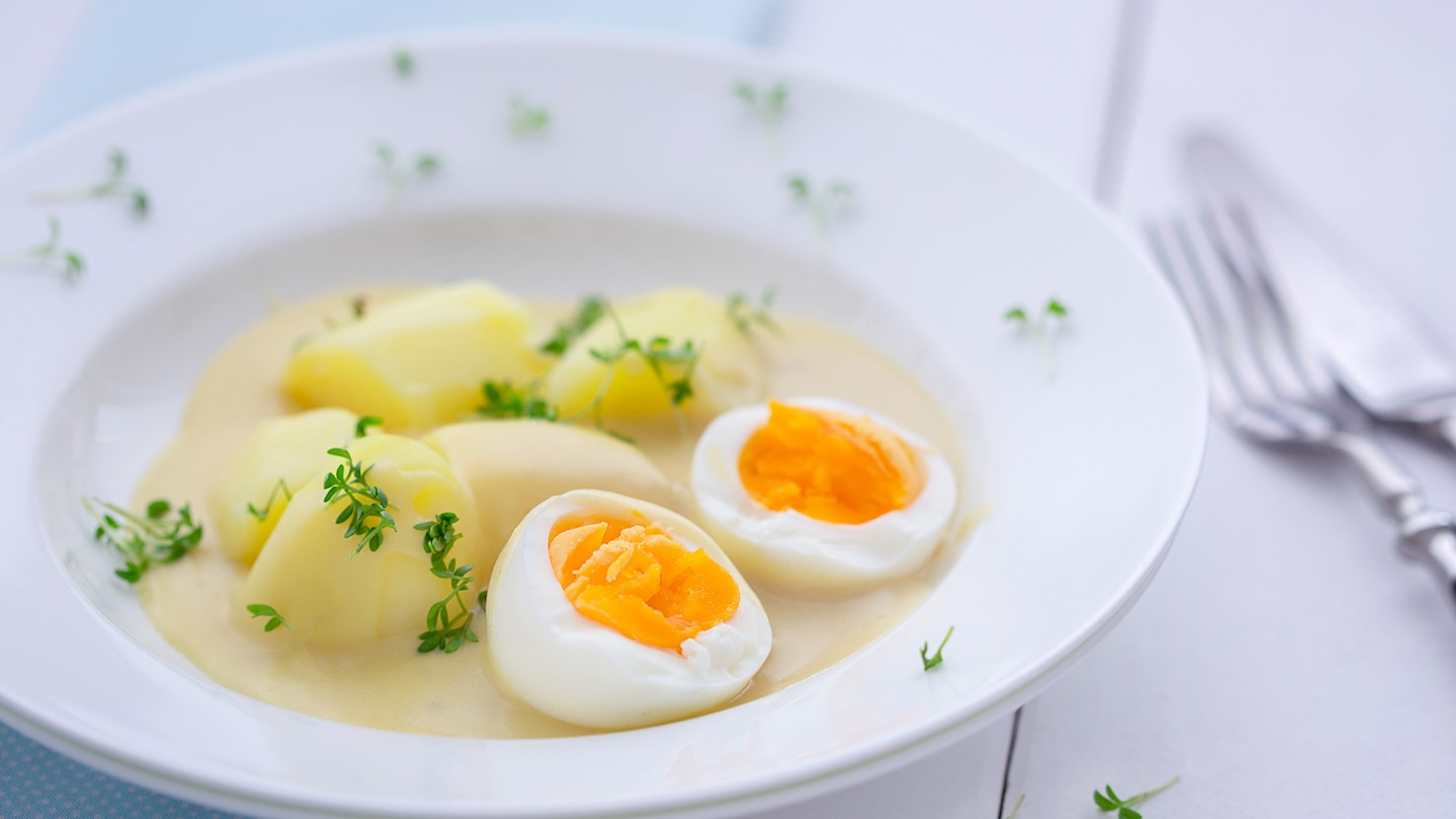
Senfeier, also known as eier in senfsoße, is a classic German comfort food that consists of boiled eggs smothered in a smooth, and creamy mustard sauce. Typical accompaniments to this vegetarian specialty include boiled or mashed potatoes, rice, wilted spinach, blanched kale, and various vegetables such as carrots, broccoli, cauliflowers, or peas. Fried onions and bacon bits can be added for extra flavor, and the dish can be garnished with freshly chopped parsley or dill on top, if desired. This simple dish is often prepared around Easter because it provides an easy way to use leftover Easter eggs. In Germany, senfeier is typically served for breakfast, brunch, or as a light dinner.

03

Groninger koek

3.2 ·

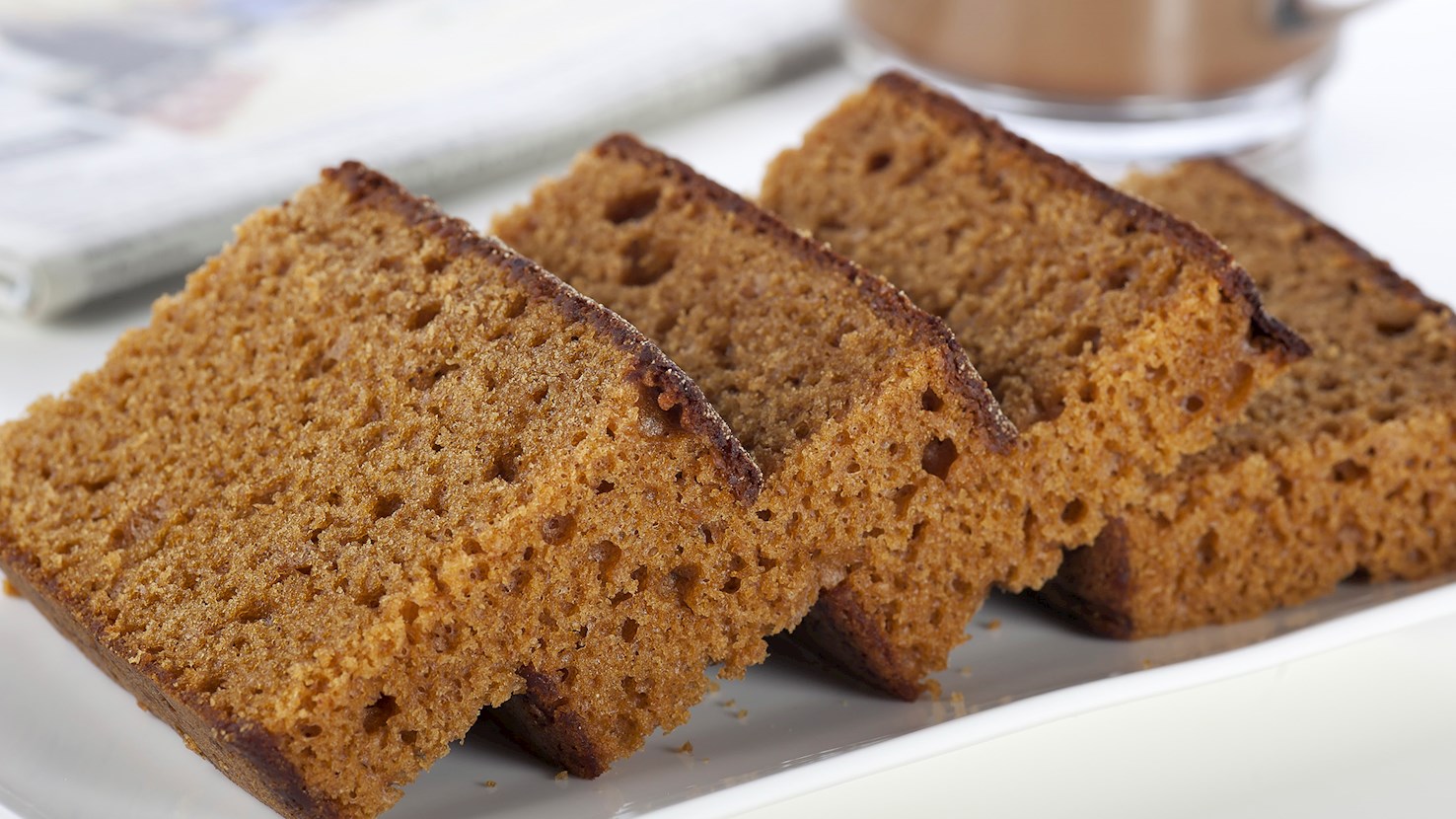
Traditionally served for breakfast, Groninger koek is a popular Dutch rye gingerbread. This sweet bread can best be described as a cross between a loaf of dark bread and a cake. It consists of rye flour, wheat flour, sugar, salt, and spices such as ginger, cinnamon, cloves, nutmeg, and allspice, making it as aromatic as possible. Groninger koek is typically baked in a rectangular shape, and it is recommended to go fully Dutch and serve it sliced for breakfast, with butter on the side.

04

Bauernomelett

3.3 ·

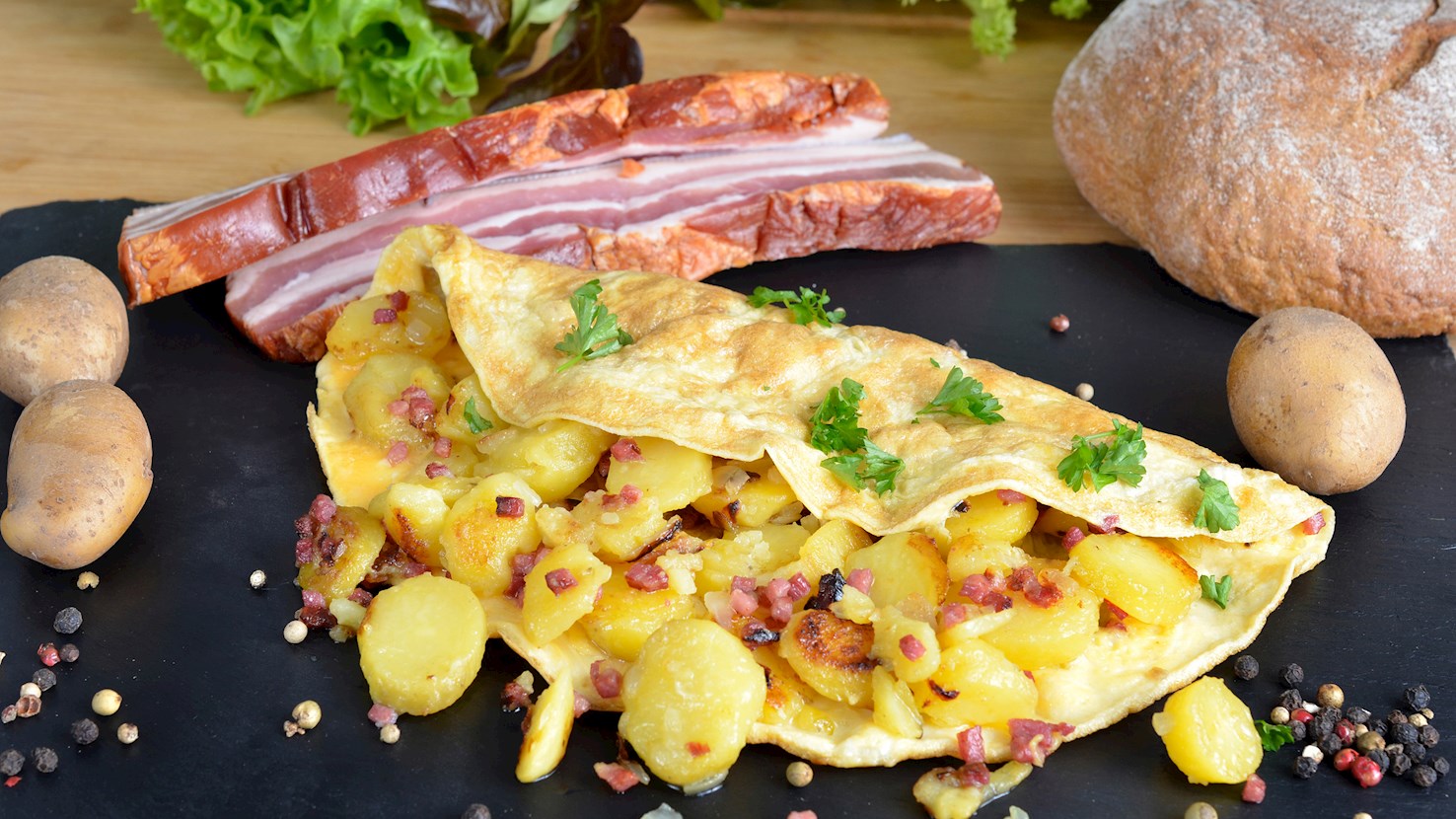
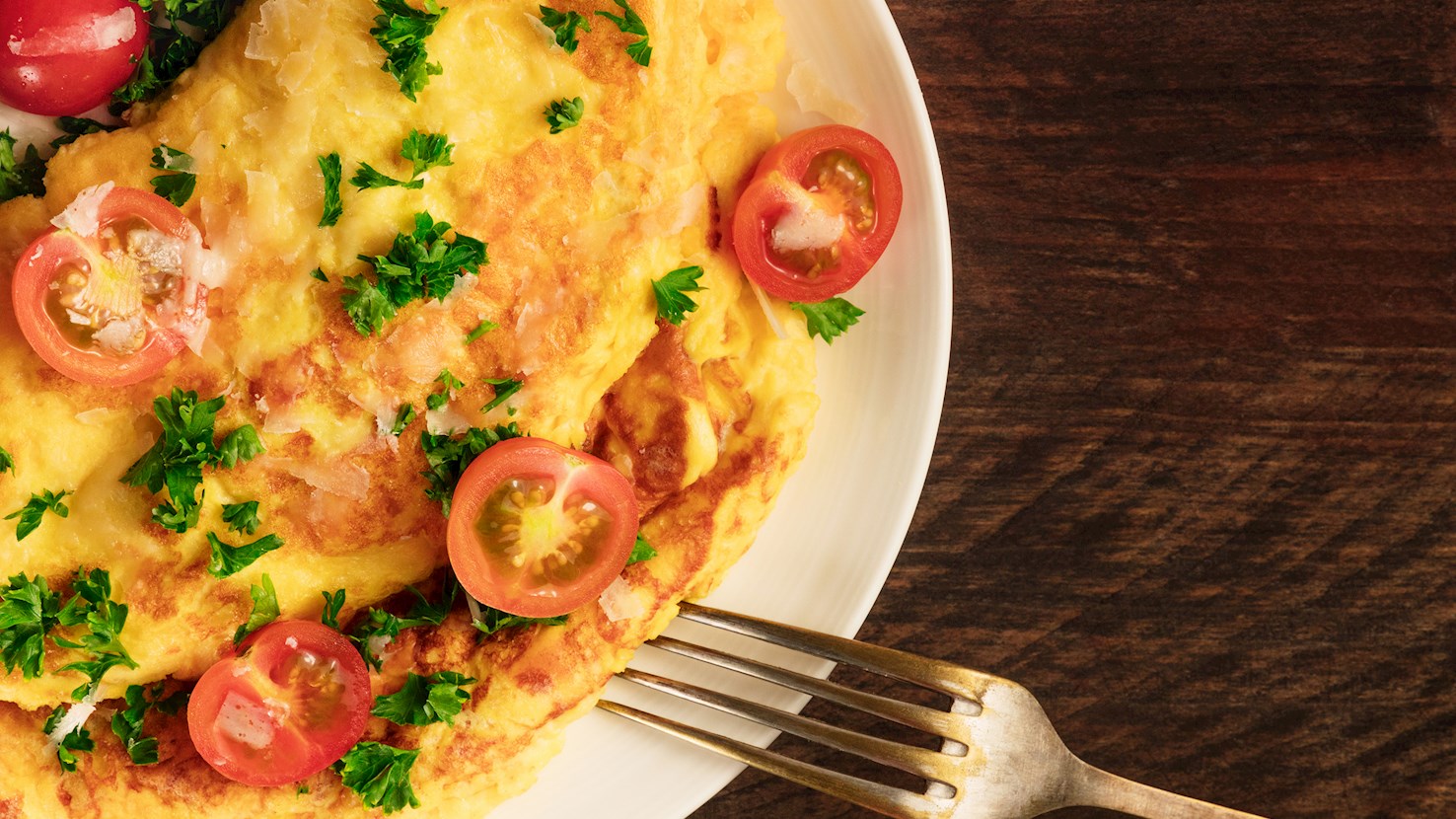
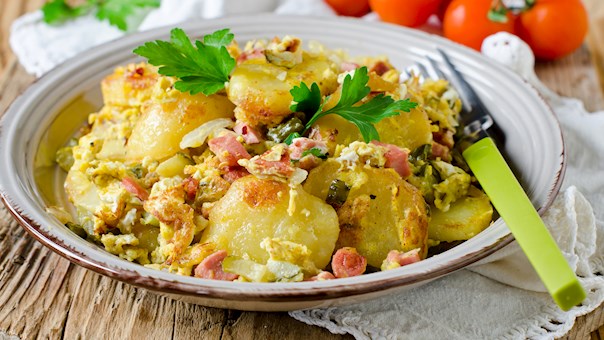
Bauernomelett or farmer's omelet is a simple German dish that's usually served for breakfast, but sometimes also for lunch or dinner. It's made with a combination of bacon, onions, potatoes, parsley, eggs, and milk. The bacon, onions, and potatoes are sautéed slowly, and when the potatoes start to turn golden brown, a mixture of eggs and milk is poured into the pan. Cooked over high heat, the omelet can be turned over and browned on top, or it can be folded in half before serving. It's recommended to serve this hearty omelet with pickles on the side. If desired, the dish can be enriched with grated Emmentaler cheese while the omelet is cooking.

05

Kramiek

3.3 ·

Kramiek, also known as "cramique" in French, is a traditional bread enriched with raisins. It is a type of sweet bread that is often enjoyed as a breakfast treat or a snack. The dough is similar to brioche, made with flour, yeast, milk, butter, eggs, and sugar, which gives it a rich and tender crumb. The addition of raisins provides a sweet and fruity flavor. Kramiek is typically enjoyed sliced, either plain or with a spread of butter or jam. In France, where it's also very present, it can accompany grilled slices of foie gras.

06

Ontbijtkoek

3.4 ·

Ontbijtkoek is one of the staples of a traditional Dutch breakfast: a rye cake spiced with cinnamon, nutmeg, ginger, honey, pepper, and cloves. Although it is mostly consumed for breakfast, it is equally popular as a lunchtime treat or a midnight snack, topped with butter or jam, and sometimes with a few pieces of cheese on the side. When it is consumed as a snack, it is often paired with a cup of tea or coffee. Ontbijtkoek has been baked in the Netherlands since the 16th century, and today there are numerous regional varieties of this flavorful sweet bread. In the southern parts of the country, it is known as peperkoek, referring to the fact that pepper is one of the ingredients used in its production. The cake is also traditionally served at funerals because it contains honey and pepper, symbolizing joy and sadness.

07

Pofesen

3.4 ·

Pofesen, also known as pavesen, is a traditional dessert similar to French toast. The bread is usually assembled as a sandwich, with a layer of powidl in between. The sandwich is then dipped in a mixture of eggs, milk, sugar, and sometimes vanilla and fried until golden brown. Once cooked, the pofesen are usually sprinkled with powdered sugar and served warm. This sweet treat is enjoyed as a dessert or a special breakfast item, especially during holidays and festive occasions.

08

Kerststol

3.5 ·

Kerststol is a special Dutch bread that is prepared and consumed during the Christmas festivities. It is typically stuffed with raisins and candied fruits, then sprinkled with powdered sugar on top. Traditionally, it contains a layer of creamy almond paste on the inside. During the festivities, the bread is sliced, buttered, and served for breakfast or brunch. If the same bread is prepared at Easter, it is then called paasstol.

09

Smaženice (Scrambled eggs with mushrooms)

3.5 ·

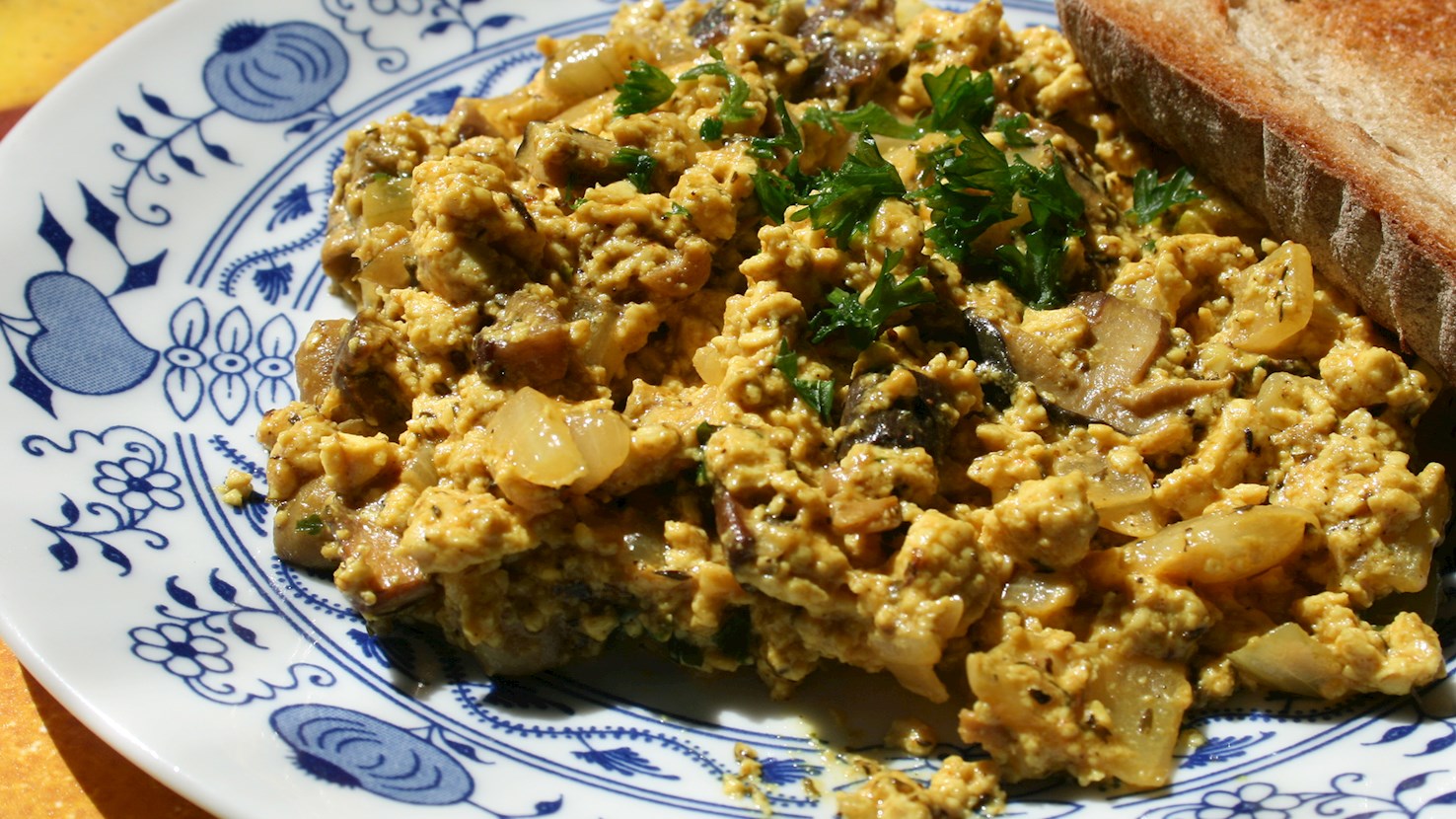
Smaženice is a popular Czech dish consisting of diced mushrooms that are braised with onions, seasoned with cumin, and combined with lightly beaten eggs. This rustic dish is commonly prepared in many Czech households, and it is usually served alongside bread and enjoyed as a quick snack or a hearty breakfast.

10

Tiroler Omelett

3.5 ·

Tiroler omelett is a traditional omelet originating from Tyrol. It’s made with a combination of eggs, a few tablespoons of milk, salt, butter, chopped bacon, sliced bratwurst, chopped parsley, and thinly sliced tomatoes. The ingredients are cooked in a pan in order to get a tender omelet. When the eggs have set, the omelet is served on heated plates, then topped with tomato sliced and chopped parsley. Tiroler omelett is traditionally served for breakfast.

Read more
View all
View map
About this ranking

TasteAtlas food rankings are based on the ratings of the TasteAtlas audience, with a series of mechanisms that recognize real users and that ignore bot, nationalist or local patriotic ratings, and give additional value to the ratings of users that the system recognizes as knowledgeable. For the “20 Worst Rated Central European Breakfasts” list until May 21, 2026, 2,662 ratings were recorded, of which 2,125 were recognized by the system as legitimate. TasteAtlas Rankings should not be seen as the final global conclusion about food. Their purpose is to promote excellent local foods, instill pride in traditional dishes, and arouse curiosity about dishes you haven’t tried.

Similar lists