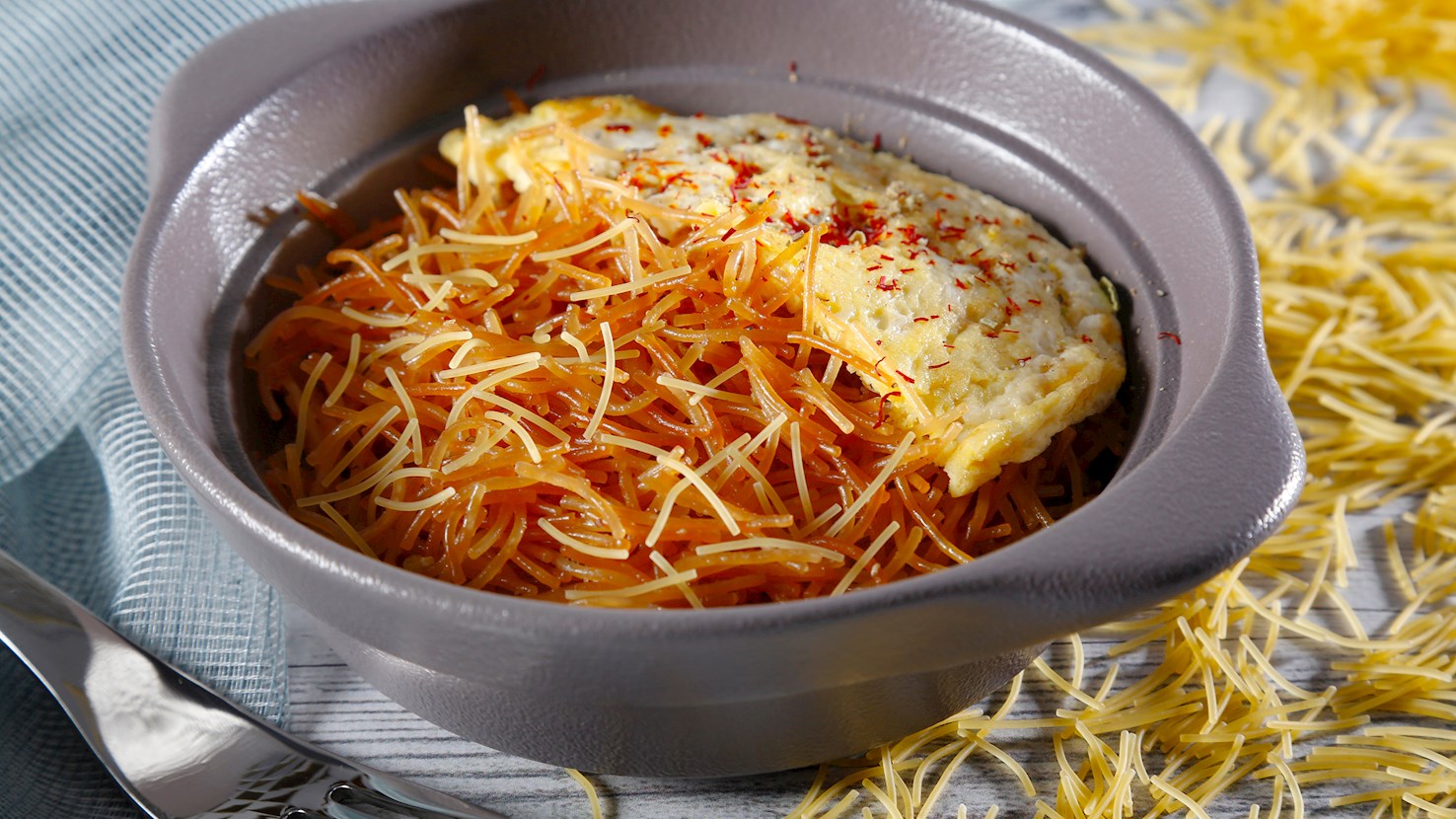
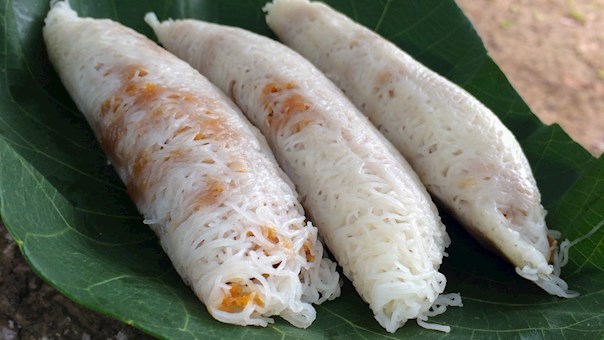
The sweet and savory balaleet is a breakfast dish that can be found in the Arab states of the Persian Gulf. It is typically made with vermicelli, eggs, cardamom, saffron, butter, and water, but it can also include rosewater, nuts, dried fruits, and honey. The aromatic mixture is topped with an omelet and served hot or cold, usually for breakfast. During the month of Ramadan, however, it is also served for dinner.
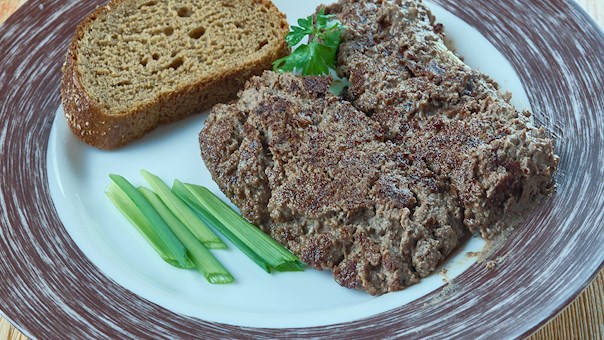
Sneem black pudding is a blood sausage produced in the village of Sneem in County Kerry, Ireland. It is made from fresh pig’s blood mixed with oatmeal, onions, suet, and seasonings, and is notable for being a set pudding rather than a cased one. The mixture is cooked and pressed into rectangular trays or blocks, then sliced for serving, giving it a distinct flat shape unlike the more common sausage-style puddings found elsewhere in Ireland. Sneem black pudding is a recognized regional specialty and has received Protected Geographical Indication (PGI) status from the European Union, acknowledging its local production methods and distinct character linked to the area. The production of blood pudding in Sneem dates back to small-scale farmhouse practices where pig slaughtering was a communal and seasonal activity. Local families used every part of the animal, and the blood was combined with available grains and fat to create a sustaining food that could be stored and cooked easily. Over time, the method became associated specifically with the Sneem area, where pudding was prepared in trays rather than casings, reflecting both convenience and resource use in domestic kitchens without access to butchery equipment. Local butchers and home producers maintained the same approach through the twentieth century, and Sneem’s pudding gained reputation through regional fairs and markets, eventually being sold commercially in the wider Kerry region. Preparation involves collecting fresh pig’s blood and mixing it with finely chopped onions, oatmeal, suet, salt, pepper, and sometimes a small amount of spice. The mixture is poured into baking trays and cooked slowly until set, then cooled and sliced. This process produces a dense but tender texture and allows the oatmeal to absorb the blood evenly, giving the pudding its dark, smooth consistency. The absence of a casing makes it easy to handle and portion, and the texture differs from sausage-style black pudding by being slightly crumbly but cohesive. Some producers still cook it in cast-iron trays, maintaining a specific flavor profile influenced by the method and the balance of salt and grain. Sneem black pudding is usually eaten fried or grilled as part of a breakfast plate, often alongside white pudding, bacon, and eggs. It can also appear in starters, salads, or as an element in more elaborate dishes in Kerry restaurants. The pudding’s mild, clean flavor allows it to pair well with both savory and sweet accompaniments, such as apple compote, mustard, or soft goat’s cheese. It is eaten across Ireland but remains closely tied to its village of origin, where it continues to be made by a few producers using local ingredients and long-established recipes. Beverages that suit Sneem black pudding include Irish stout, which complements its earthy richness, or a dry cider, whose acidity offsets its smooth and slightly nutty texture.
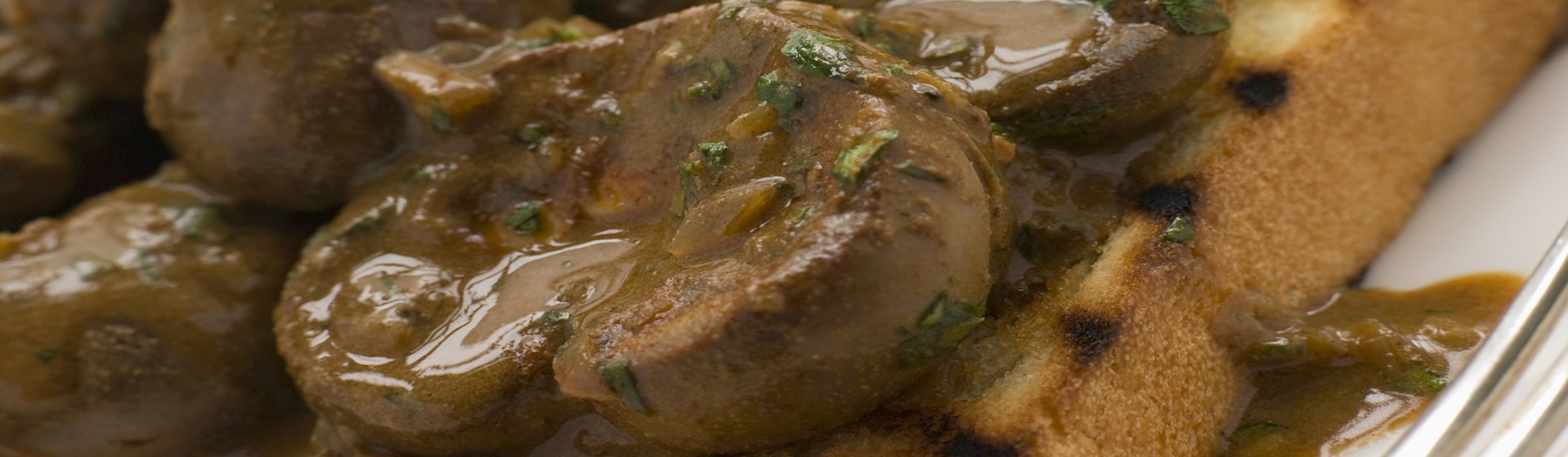
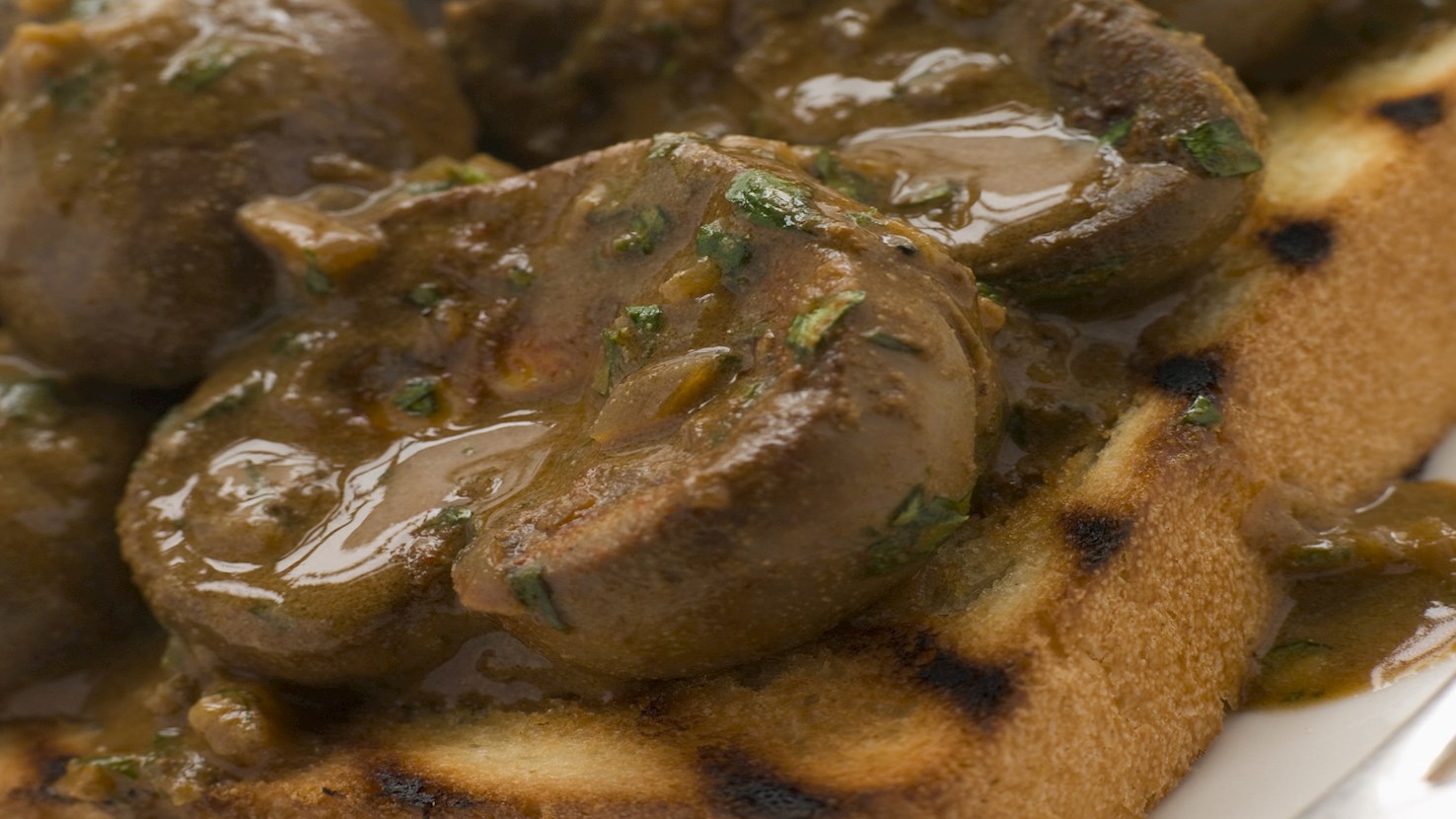
What was once a popular Victorian breakfast is nowadays a light lunch or a flavorful appetizer: the dish is called devilled kidneys, made by frying lamb kidneys in a rich, spicy sauce made with vinegar, mustard, Worcestershire sauce, a pinch of cayenne pepper, and sometimes a bit of fruit jelly. It is usually garnished with freshly chopped parsley and served with fried white or sourdough bread. The dish first appeared during the 18th century, but it grew in popularity during the 19th and the 20th century.
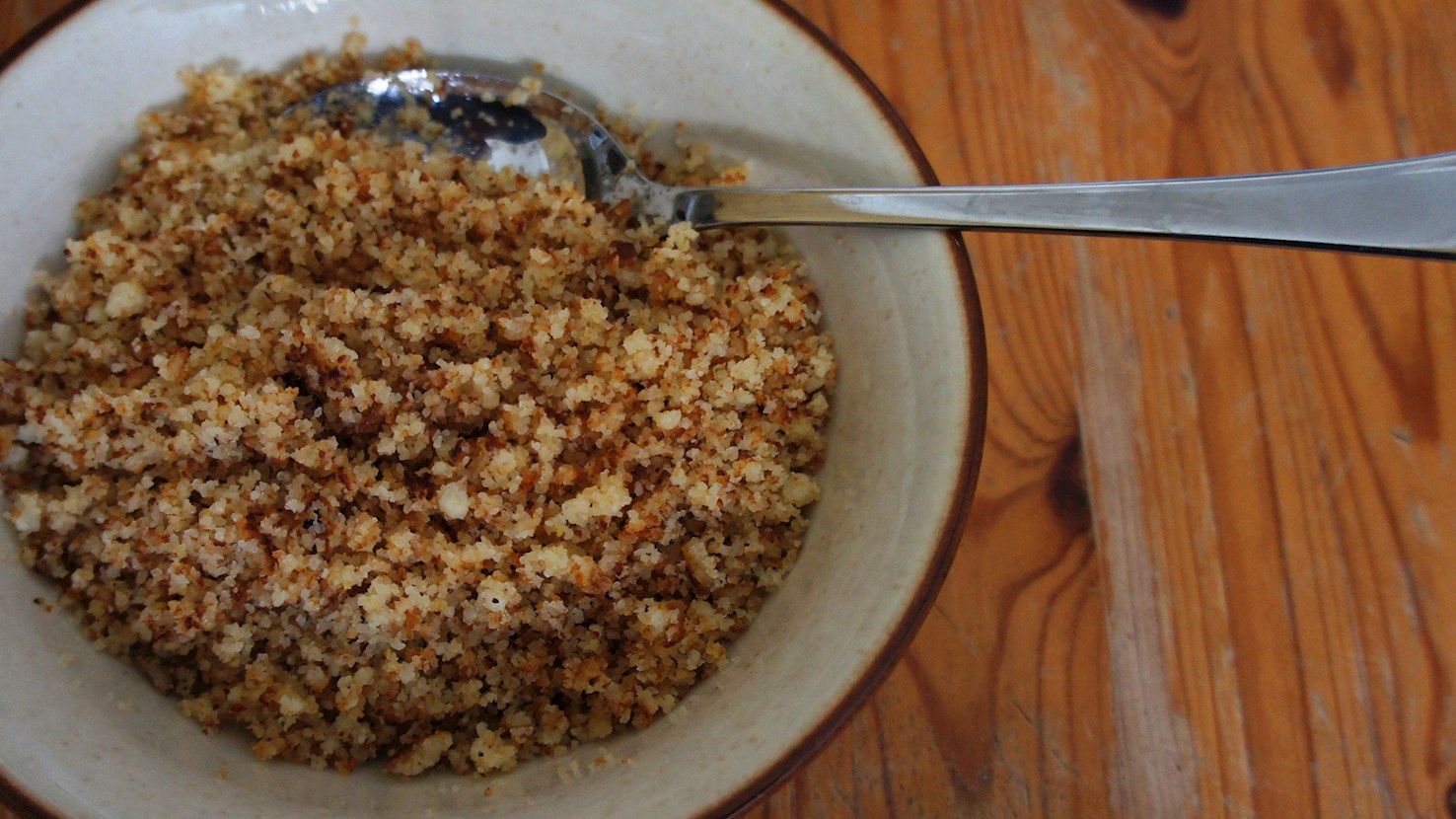
In the past, ribel used to be a meal eaten by the poor, usually for breakfast, but it all changed in the 1970s, and now many restaurants serve this traditional Lichtensteiner dish. Just like polenta, ribel is made from cornmeal that is cooked in boiling water and milk, and once cooked, it is roasted with butter. Although its flavor is savory, it can be eaten with sweet accompaniments such as fruit sauces and compotes.
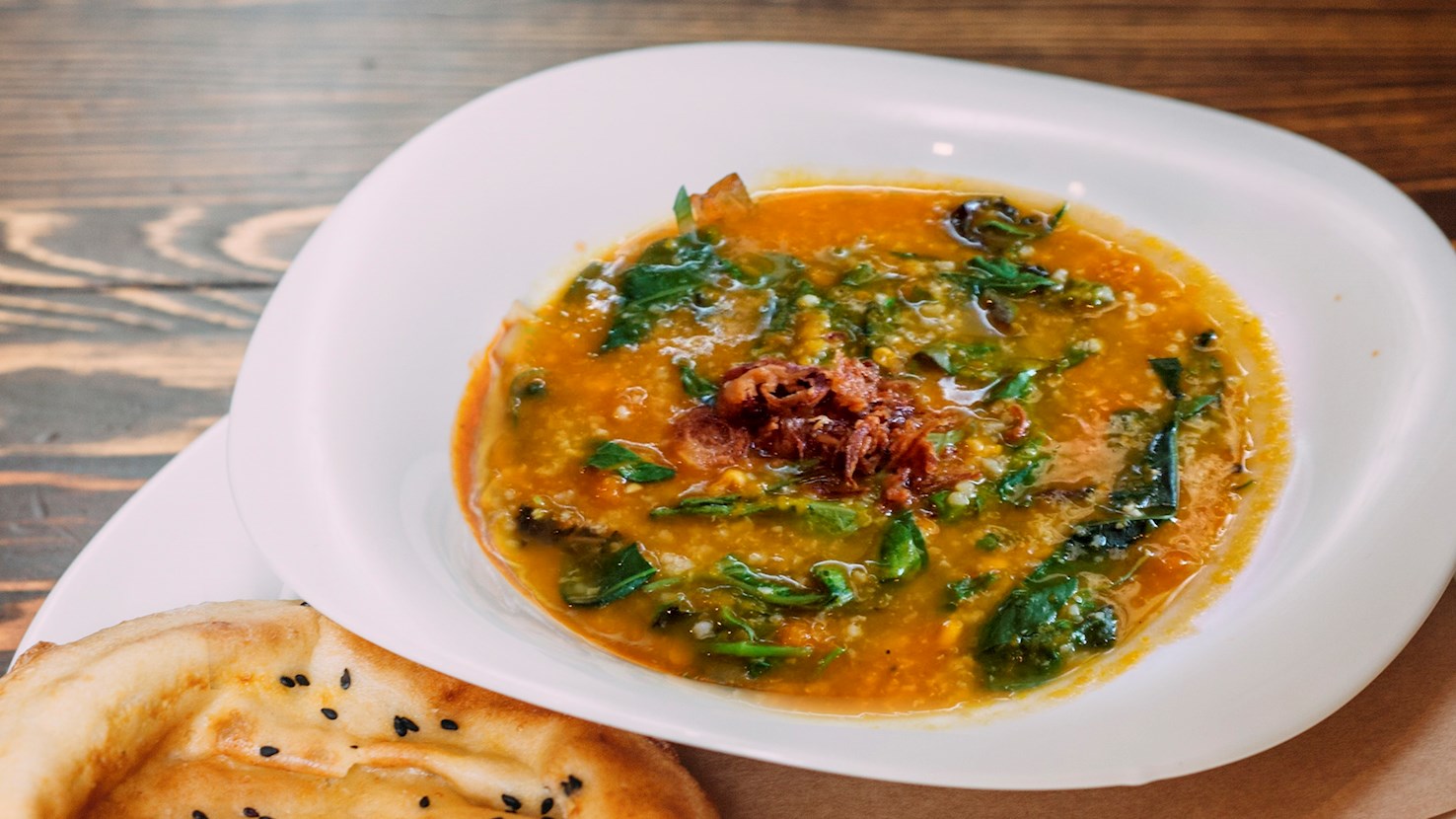
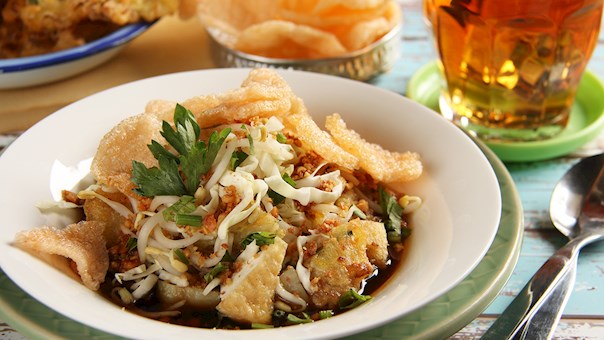
Tinutuan is a hearty rice porridge originating from Manado, the capital of North Sulawesi in Indonesia. It is considered a regional breakfast staple, widely appreciated for its comforting texture and use of locally available vegetables and herbs. Often referred to as Manadonese porridge, tinutuan reflects the agricultural and coastal influences of North Sulawesi, where rice, corn, and leafy greens are readily grown and incorporated into everyday cooking. Unlike plainer rice porridges found in other parts of Indonesia or Asia, tinutuan is notable for its rich combination of starches and vegetables, creating a thick, savory dish that is both filling and nutrient-dense. The base of tinutuan is made by simmering rice with corn kernels, cassava, or sweet potatoes until everything breaks down into a soft, porridge-like consistency. Toward the end of cooking, a variety of chopped vegetables are added, commonly including spinach, water spinach (kangkung), pumpkin, and sometimes basil or melinjo leaves. The mixture is cooked until the greens are wilted and well integrated into the porridge. The result is a flavorful and textured dish that combines sweetness from the corn, earthiness from the greens, and a soft, spoonable consistency from the rice and root vegetables. Tinutuan is typically served warm and accompanied by a range of side dishes and condiments. These may include fried shallots, salted fish, boiled eggs, sambal (chili paste), and sometimes smoked skipjack tuna or fermented soybeans (tempeh). The toppings vary according to availability and personal preference, but the balance of the base with savory and spicy accompaniments is central to the eating experience. In Manado, it is common to find tinutuan sold by street vendors or small eateries in the morning, often alongside other Minahasan breakfast items. The dish has also become a symbol of local culinary identity. In efforts to promote it more broadly, the local government of Manado has supported tinutuan as a signature dish of the city. A dedicated area known as “Wakeke Street” in Manado is even known for its morning porridge stalls that specialize in tinutuan and its variations.
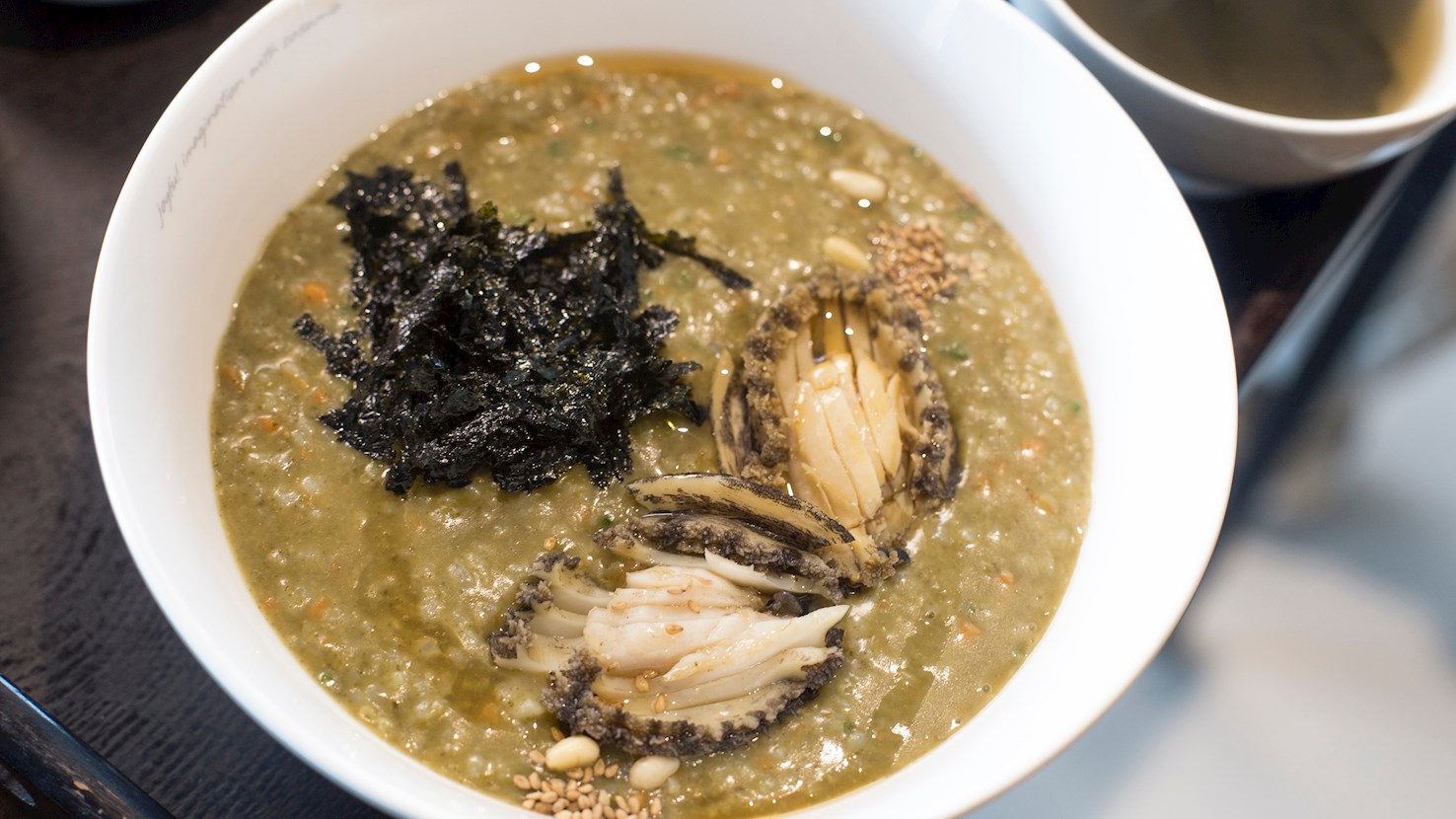
Jeonbokjuk is a traditional porridge originating from South Korea. The porridge is made with a combination of abalone, rice, sesame oil, water, and soy sauce. The abalone is removed from its shell, cleaned, cut into strips, and gently stir-fried in sesame oil. The rice is soaked for three hours before cooking and it's added to the pot along with the water. The mixture is simmered over low heat until the porridge becomes thick. It's occasionally stirred while simmering, and once done, it's served with soy sauce on the side. In the past, abalone porridge used to be reserved for special occasions, but nowadays it's a comfort food for most Koreans. If desired, carrots, scallions, and garlic can be added to the porridge for extra texture and flavor.
This simple dish consists of sliced or halved bananas or plantains that are doused in melted butter and shortly baked in the oven until golden. They are usually drizzled with orange and lemon juice, brown sugar, and honey, while the top is typically covered with shredded coconut. Akwadu is a common breakfast staple in Equatorial Guinea and Ghana, but it can also make an excellent dessert.
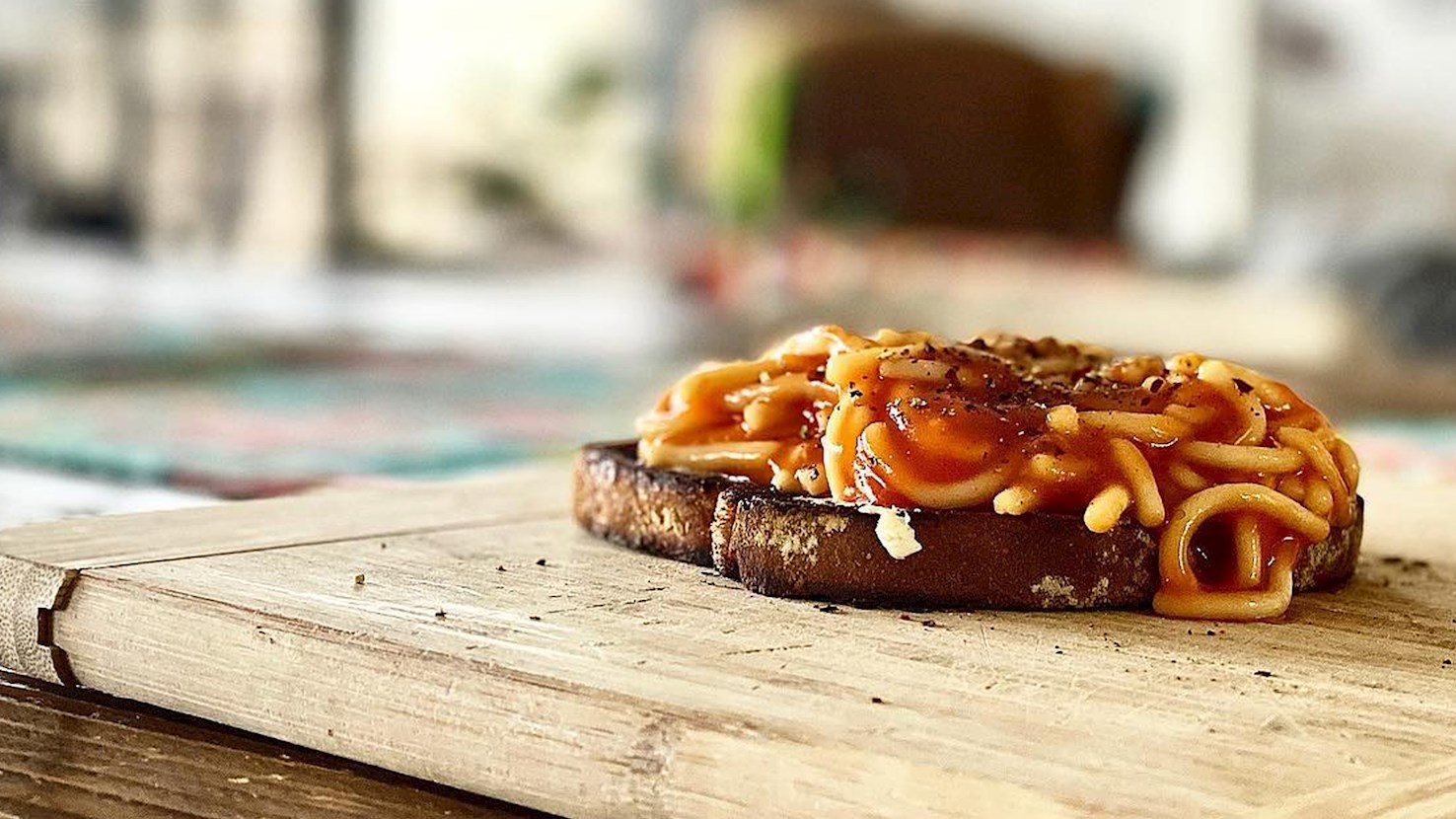
Spaghetti on toast is a unique creation consisting of canned spaghetti served on a piece of toast. The dish is regularly served as comfort food in New Zealand, Australia, and the UK, either for breakfast or lunch. It is recommended to top the dish with some grated cheese before serving.
Mas huni is a traditional breakfast. It's made with a combination of tuna, onions, shredded coconut, and hot chili peppers. The ingredients are simply mixed in a bowl and seasoned with salt and pepper. The dish is traditionally served with huni roshi, a Maldivian flatbread that's used to scoop up the food. Sweetened hot tea is often served on the side as a typical accompaniment to mas huni. Ideally, mas huni should be served cold, while the roshi flatbread should be freshly baked and warm.
Goetta is a sausage-like patty that is synonymous with Cincinnati, although its roots are steeped in German heritage, due to the influx of German-born immigrants in the 19th century. The sausage is commonly eaten for breakfast, and consists of pork, beef, onions, spices, and unprocessed oats. Traditionally, it is sliced and fried until golden brown, then served with eggs and ketchup on the side. What was once a humble breakfast is today a hip and glamorous dish that is sometimes even used as a hamburger topping. As further proof of goetta's popularity, there is an annual celebration held since 2004 in the Greater Cincinnati area, called Goettafest, focusing on goetta, music, dancing, and other forms of public entertainment.
TasteAtlas food rankings are based on the ratings of the TasteAtlas audience, with a series of mechanisms that recognize real users and that ignore bot,
nationalist or local patriotic ratings, and give additional value to the ratings of users that the system recognizes as knowledgeable.
For the “100 Worst Rated Breakfasts in the World” list until September 15, 2026, 51,344 ratings were recorded, of which 30,934 were recognized by the system as legitimate.
TasteAtlas Rankings should not be seen as the final global conclusion about food. Their purpose is to promote excellent local foods,
instill pride in traditional dishes, and arouse curiosity about dishes you haven’t tried.













What People Say