

shutterstock

19 Worst Rated Italian Cakes

Last updated on May 21, 2026
01

Agnello pasquale

2.9 ·

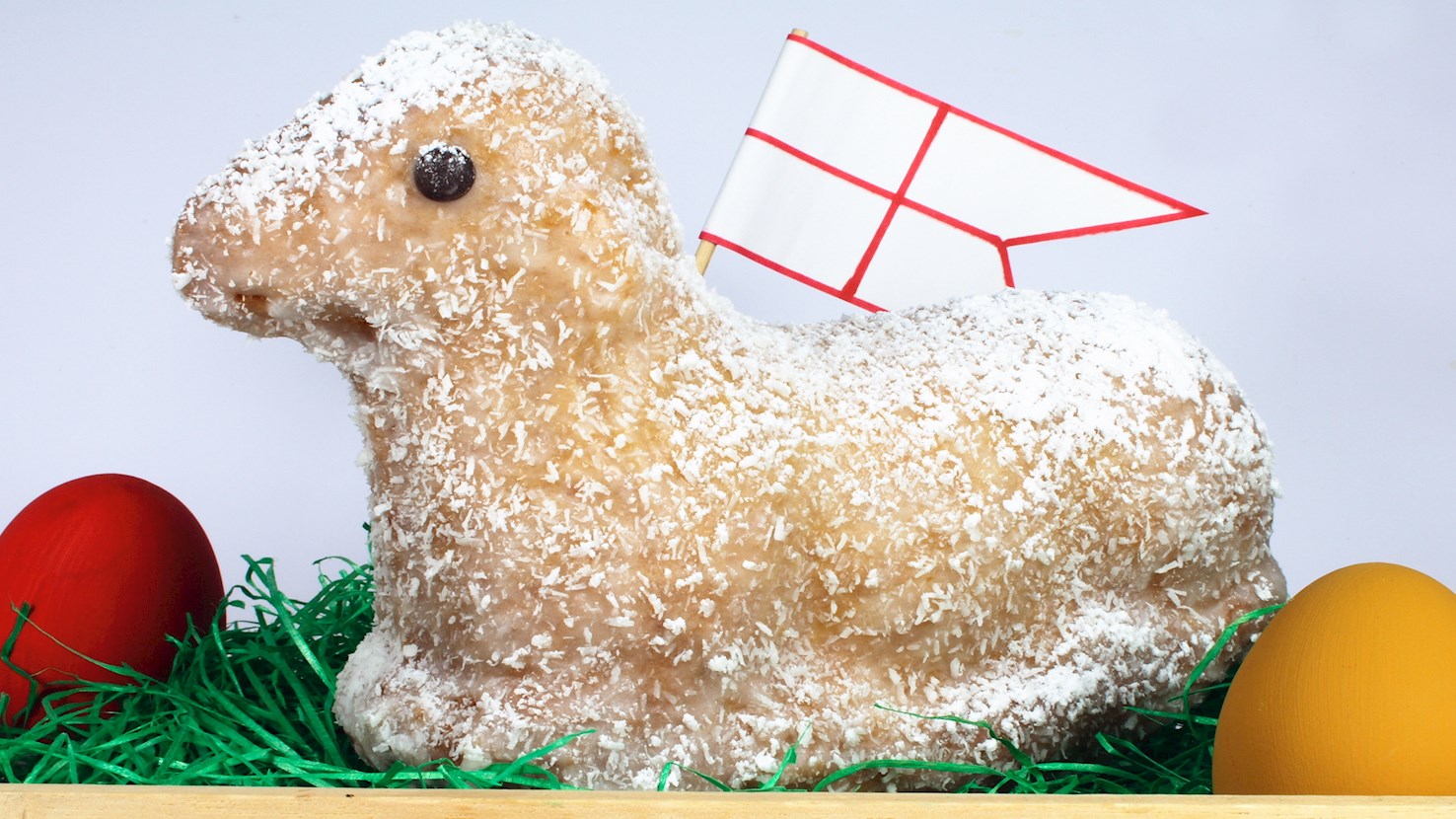
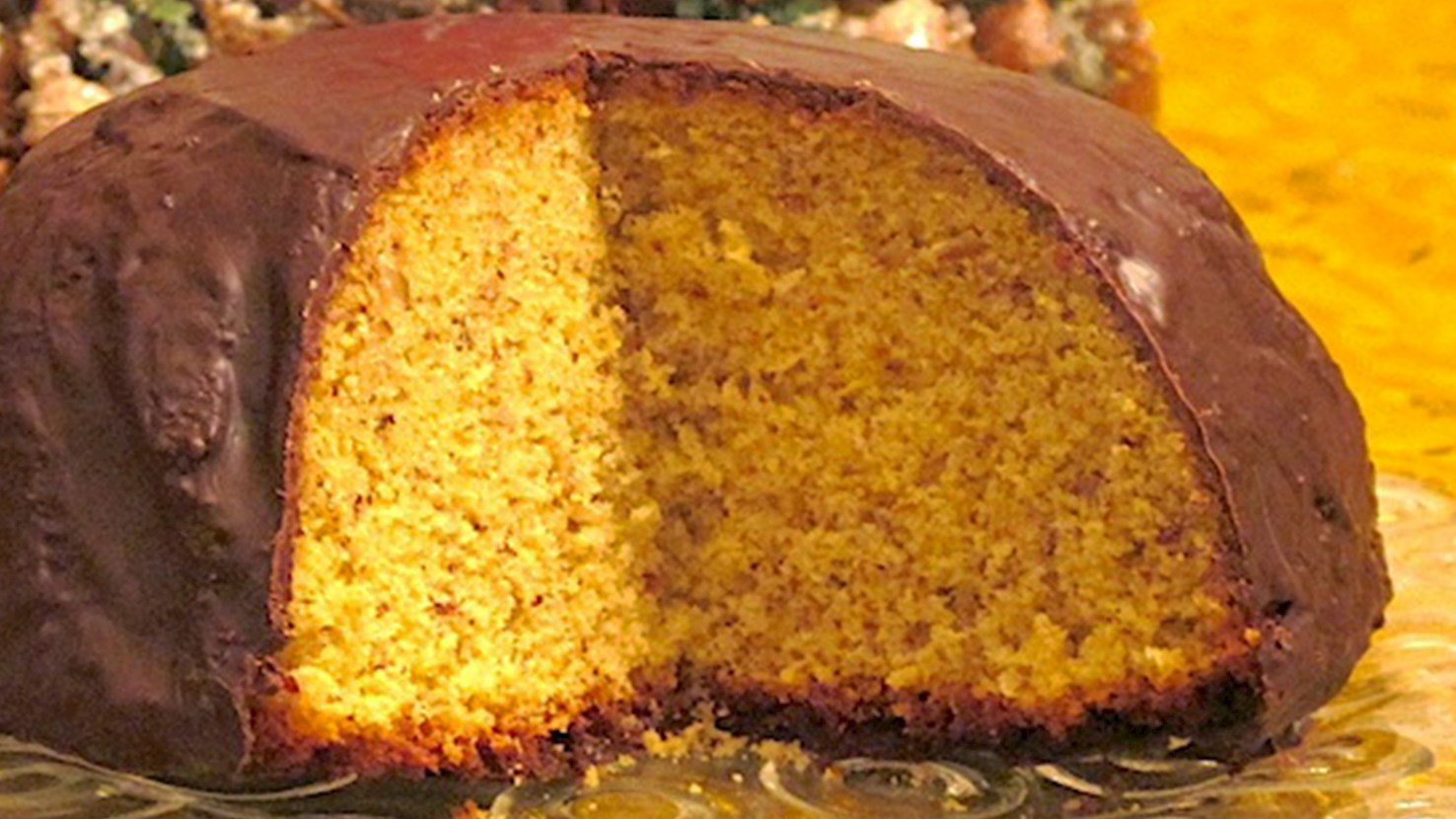
This classic Italian dessert whose name translates to Easter lamb was supposedly first prepared in the early 1900s by Dominican nuns of the Collegio di Maria convent in Favara, Sicily. Agnello Pasquale is traditionally made with a mixture of almond and pistachio meal, which is flavored with either lemon zest or vanilla and often studded with candied fruit, raisins, and almonds. The dish is baked in a lamb-shaped cake mold and then covered with butter frosting. During Eastertime, you can find this traditional delicacy in numerous pastry shops throughout the country.

02

Pampapato di Ferrara

3 ·

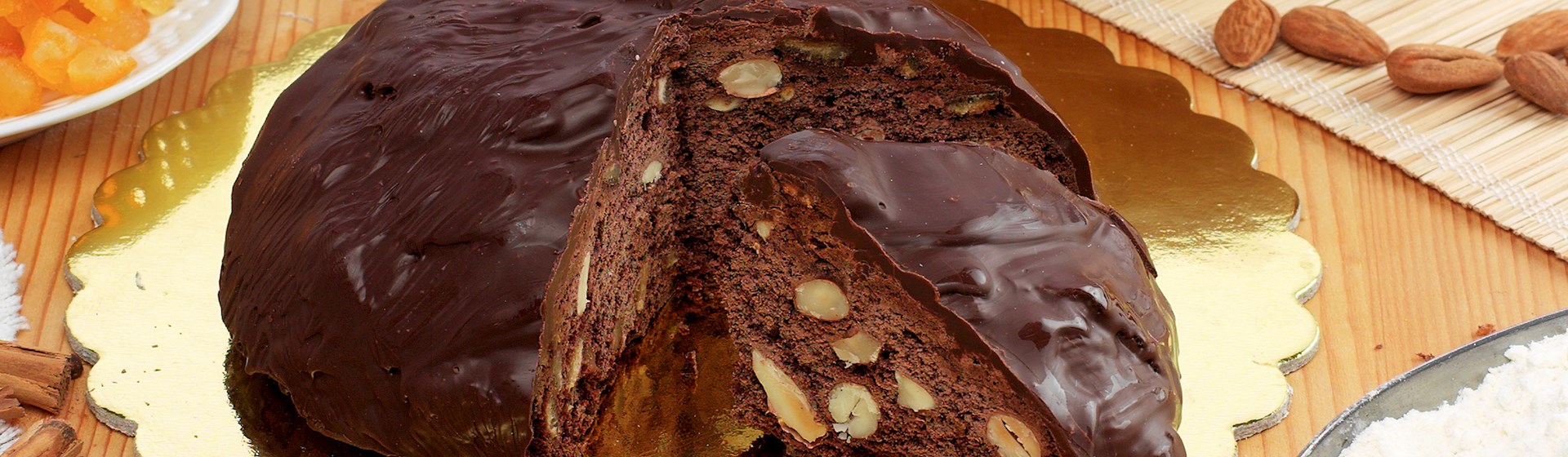
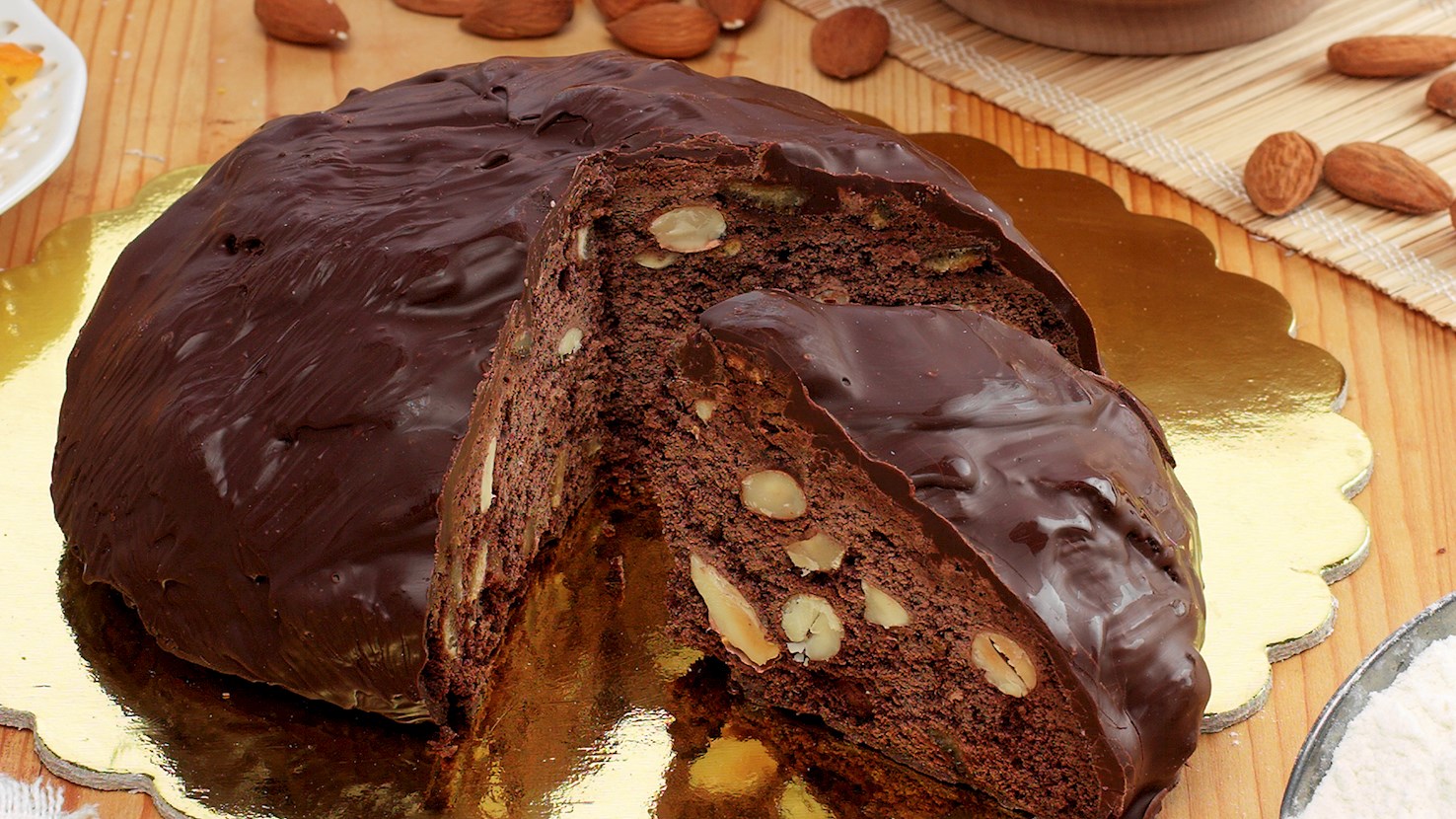
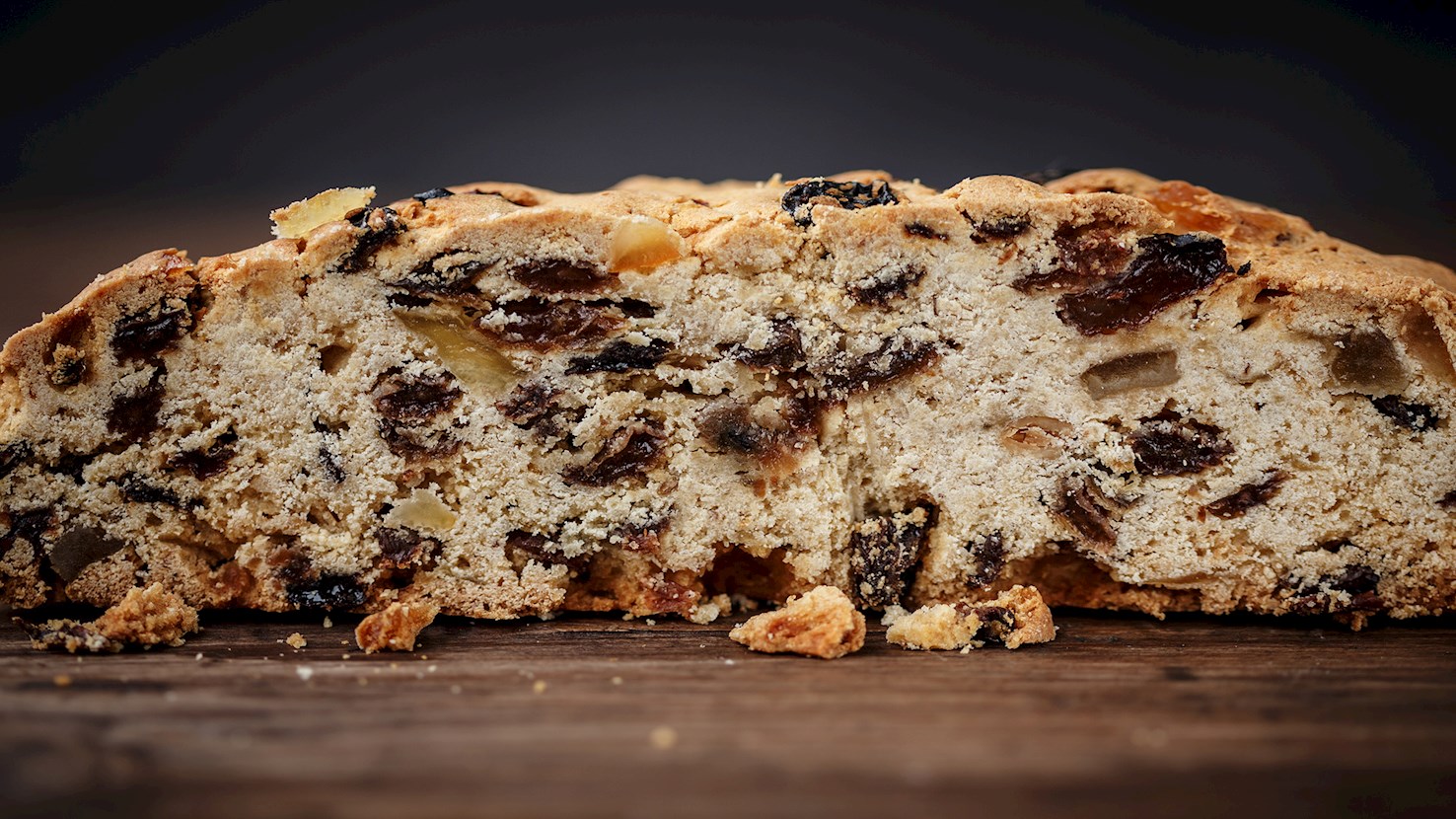
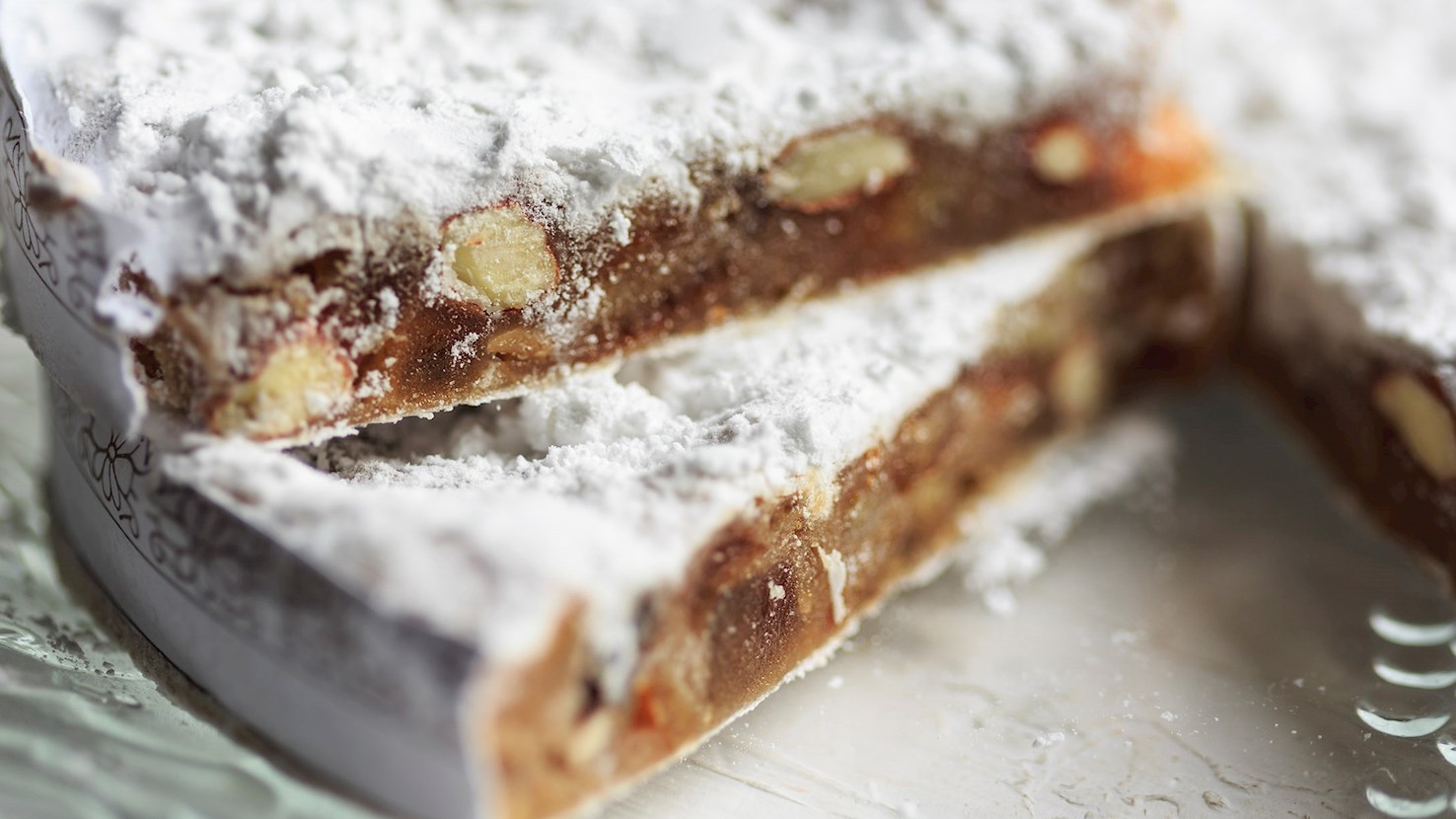
The peppered bread of Ferrara is a traditional Christmas fruitcake studded with whole almonds, hazelnuts, and candied fruit. It is flavored with cocoa, honey, cinnamon, cloves, and (sometimes) black pepper - hence the name pampepato. Its origins can be traced back to the 15th century. According to legend, the cloistered nuns of the Corpus Domini monastery in Ferrara—inspired by an old recipe of the great Renaissance cook Cristoforo di Messisbugo—created the cake to be sent to the great personages of the time, including high clergy, which is why Ferrara's fruitcake is also known as pan del papa, meaning bread of the pope. This Christmastime treat is not only popular throughout Emilia-Romagna but it's also a favorite in the neighboring regions of Umbria and Tuscany.

03

Buccellato

3 ·

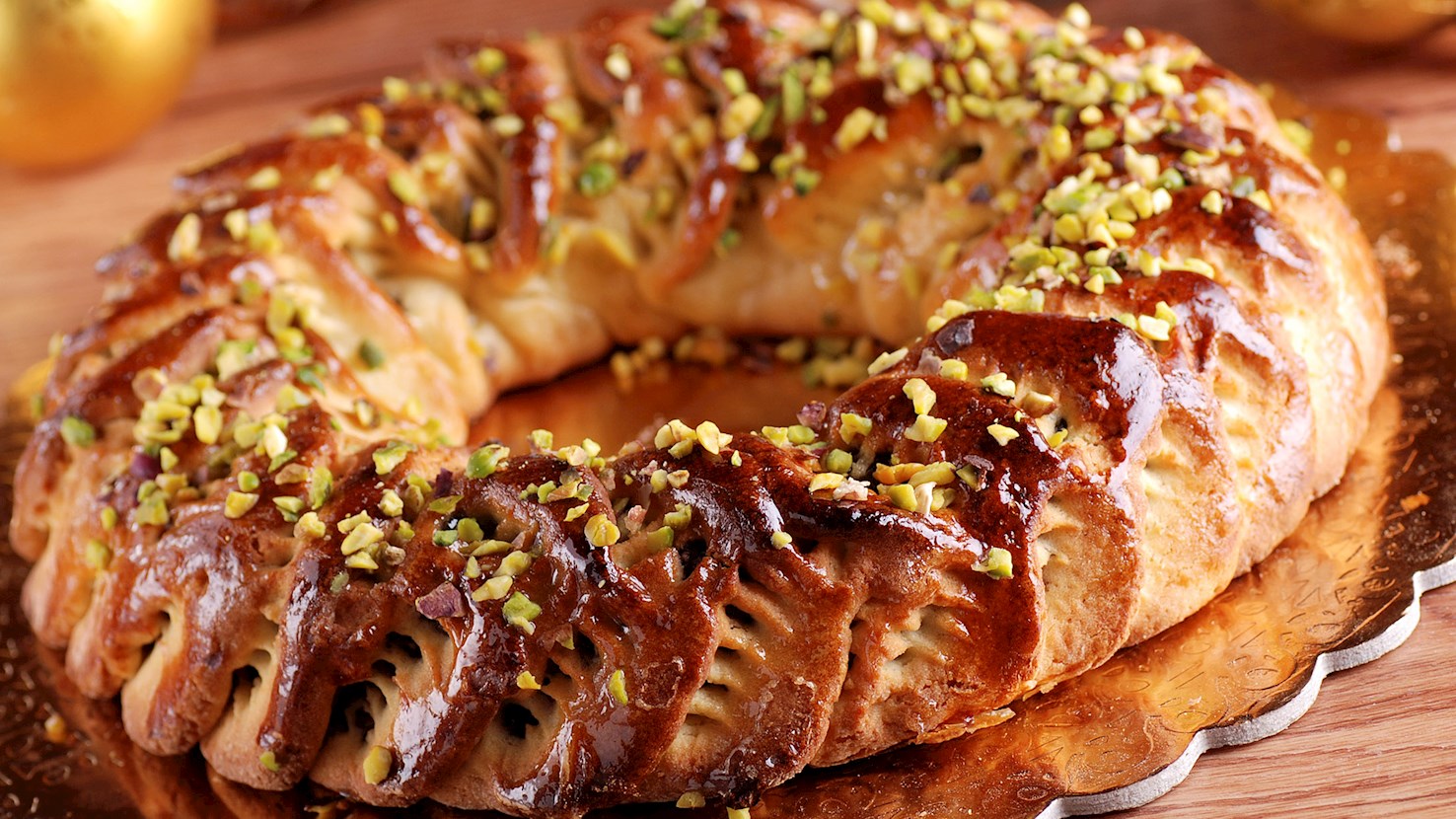
Another timeless classic among southern Italian desserts, buccellato is a delectable, ring-shaped cake that is typically prepared during the holiday season. This fruitcake was once also associated with the celebration of family milestones, and was traditionally exchanged as a gift among family members as a representation of good fortune and prosperity. In the Sicilian dialect, buccellato is known as cucciddatu, and even though its origins are vague, this rich fruit and nut cake is yet another dish showing the Arab influence in Sicilian cuisine. Buccellato is made with shortbread pastry, which is often sweetened with honey and filled with dried figs, dates, raisins, candied fruits, chocolate, and all kinds of nuts — almonds, hazelnuts, walnuts, or even pine nuts. To add to the fascinating medley of aromas and flavors, coffee and sweet wines such as Marsala or Moscato are often added to the filling. Finally, this Sicilian winter favorite can be either frosted or simply glazed and decorated with candied cherries and other fruits, or a sprinkle of crushed pistachios. Smaller, cookie-like versions of this traditional dessert are known as buccellati.

04

Pandolce

3.1 ·

Pandolce is a sweet Italian Christmas bread from Genoa consisting of flour, sugar, butter, milk, raisins, eggs, lemon juice, and pine nuts. Its texture is both delicate and tough, dry and moist. Originally, whole families participated in the preparation of pandolce: the women made the cake, the youngest carried it to the table, and the oldest family member would slice it after everyone had kissed the cake. The first slice was always saved for the first beggar who would knock on the door. Today, it can be found in shops throughout Genoa from the 1st of December, and it is recommended to pair it with a glass of chilled prosecco.

05

Pinza Veneta

3.1 ·

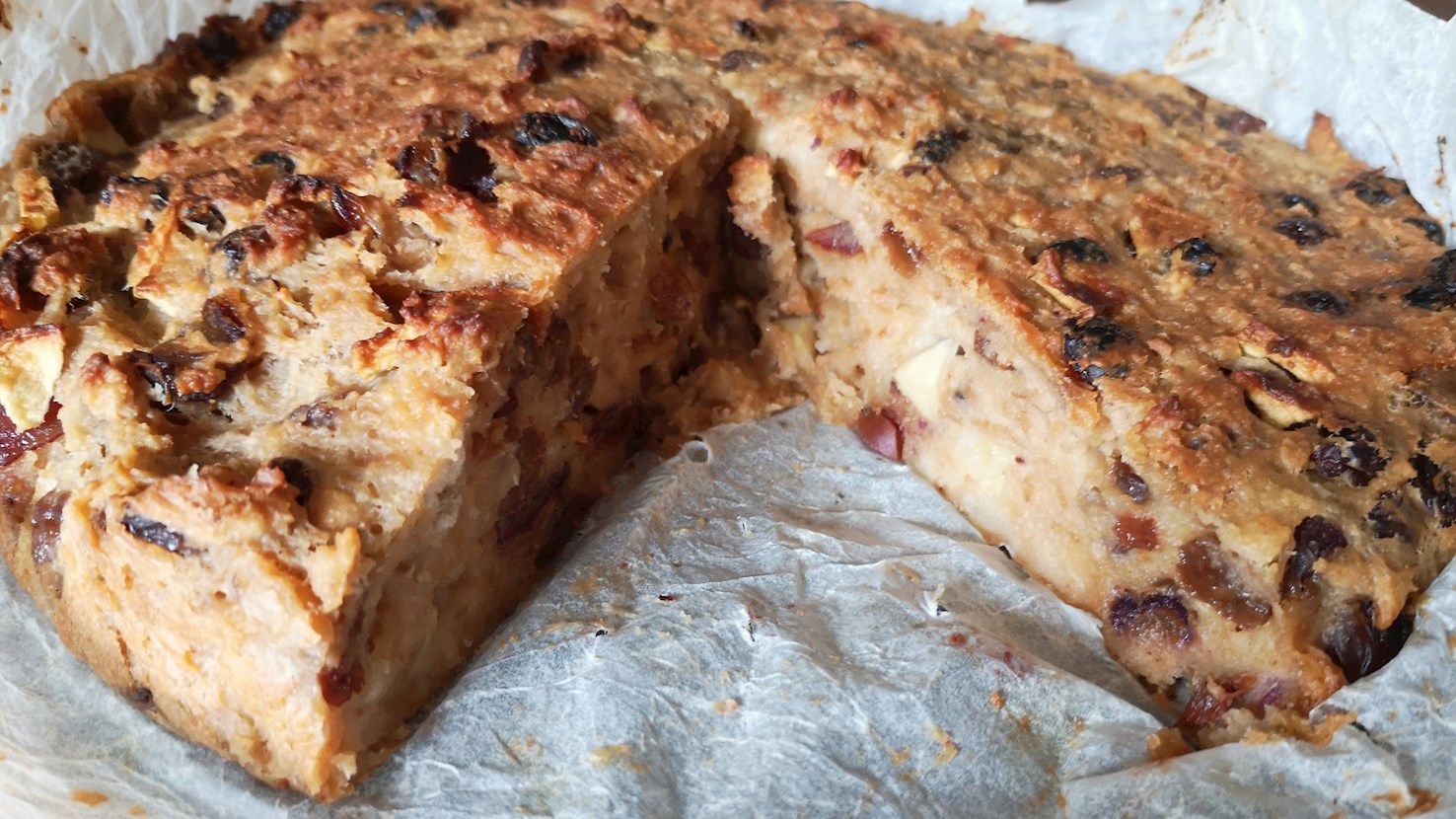
Pinza Veneta is a traditional cake originating from the Veneto region. It's made with a combination of polenta flour, plain flour, raisins, figs, apples, orange zest, grappa, butter, sugar, yeast, and fennel seeds. The mixture is placed onto a baking tray, then baked until golden brown. This rustic cake is traditionally prepared for Epiphany (the 6th of January). It's recommended to serve it with a glass of dessert wine.

06

Zuccotto

3.2 ·

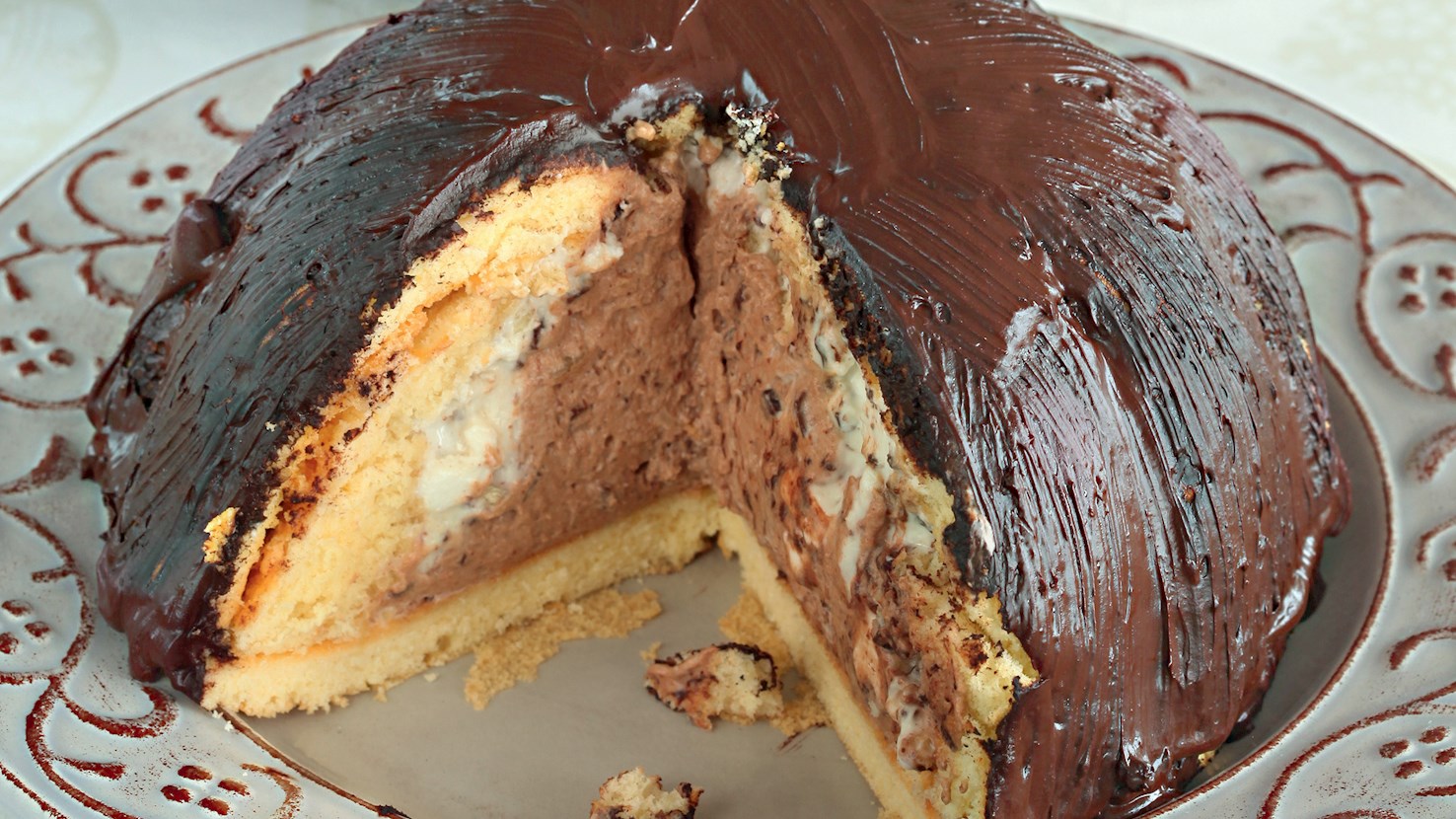
Zuccotto is a famous Italian dessert believed to have originated in Florence. It is assembled by lining up softened ladyfingers or a sponge cake around the mold to create the frame of the cake, while the center is filled with a delicious, creamy filling. Finally, the cake is turned upside down before serving. It is believed that the unusual appearance of this dessert was designed to resemble the famous dome of the Florence Cathedral. The recipe is an ancient Italian creation, dating back to the 16th century, and it is believed that the famous Bernardo Buountalenti, the man who invented gelato, actually created the first zuccotto. The original zuccotto filling was prepared with chocolate syrup that was layered between the mixture of dried fruits and nuts. However, the original zuccotto was reinvented in the 20th century, and it was adapted to fit the current confectionery trends. Today, zuccotto fillings are usually made with ice cream, whipped cream, or ricotta. The mixtures are highly variable and can include numerous flavors such as almond, vanilla, or citrus, and can be modified with the addition of nuts, fruits, brandy, or chocolate chips.

07

Schwarzplententorte

3.2 ·

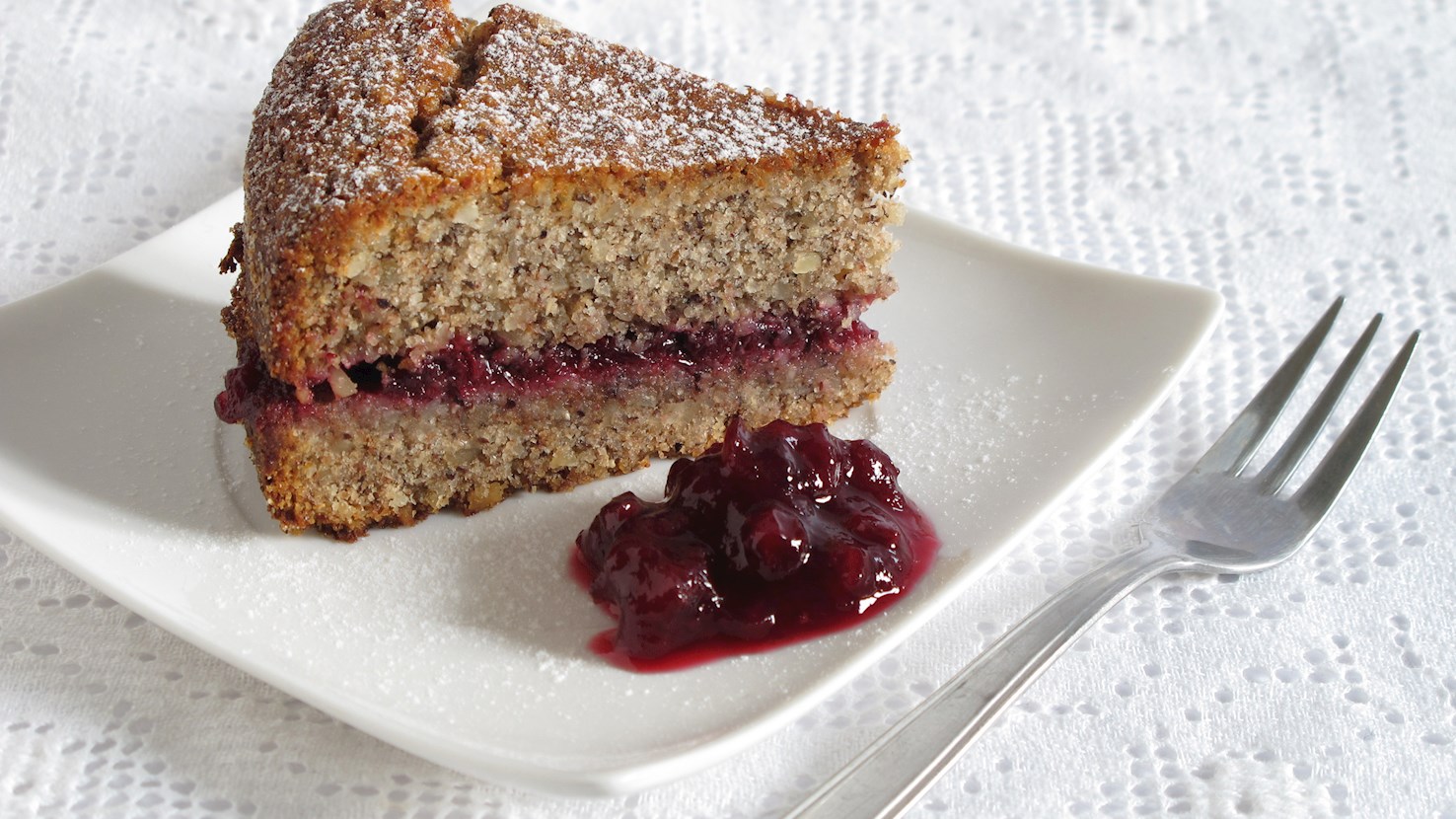
Schwarzplententorte or torta di granosaraceno is a traditional cake originating from Südtirol, the northern part of the Trentino Alte Adige region. The cake is made with a combination of buckwheat flour, butter, almonds, sugar, eggs, vanilla, and baking powder. The cake is baked, then cut in half and filled with lingonberry jam in the middle, while powdered sugar is often used as a garnish on top. This mountain cake is typically served for breakfast, accompanied by a dollop of whipped cream and a cup of caffe latte on the side, but it can also be served as an afternoon snack.

08

Pan di Spagna

3.3 ·

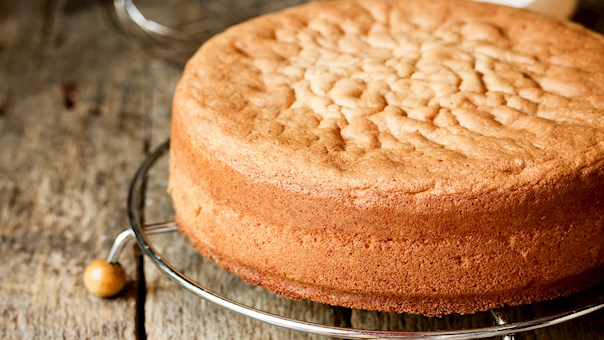
Pan di Spagna is a classic Italian cake that is widely used in confectionery as a base for many elaborate sweets, such as zuccoto or cassata. Fragrant and soft, this simple sponge cake is made with only a few ingredients: eggs, sugar, flour, and flavorings such as vanilla or lemon zest. The origins of pan di Spagna can be traced back to the 18th century and a young Genovese pasticcere Giovan Battista Cabona. Allegedly, during his visit to Spain in the service of the ambassador of Genoa, Marquis Domenico Pallavicini, he prepared this airy, golden cake for a royal banquet at the court of the King of Spain. His sweet creation, served under the name génoise, was an instant success. Later on, the Italian name changed to pan di Spagna, or Spanish bread, in honor of the Spanish court where it was first served. Pan di Spagna as we know it today is actually a simplified version of the original génoise – both recipes call for the same ingredients, but for génoise they are combined while hot, and for pan di Spagna while cold. Similar desserts can be found in many Mediterranean countries - bizcocho in Spain, or pandišpanja in Croatia.

09

Castagnaccio

3.3 ·

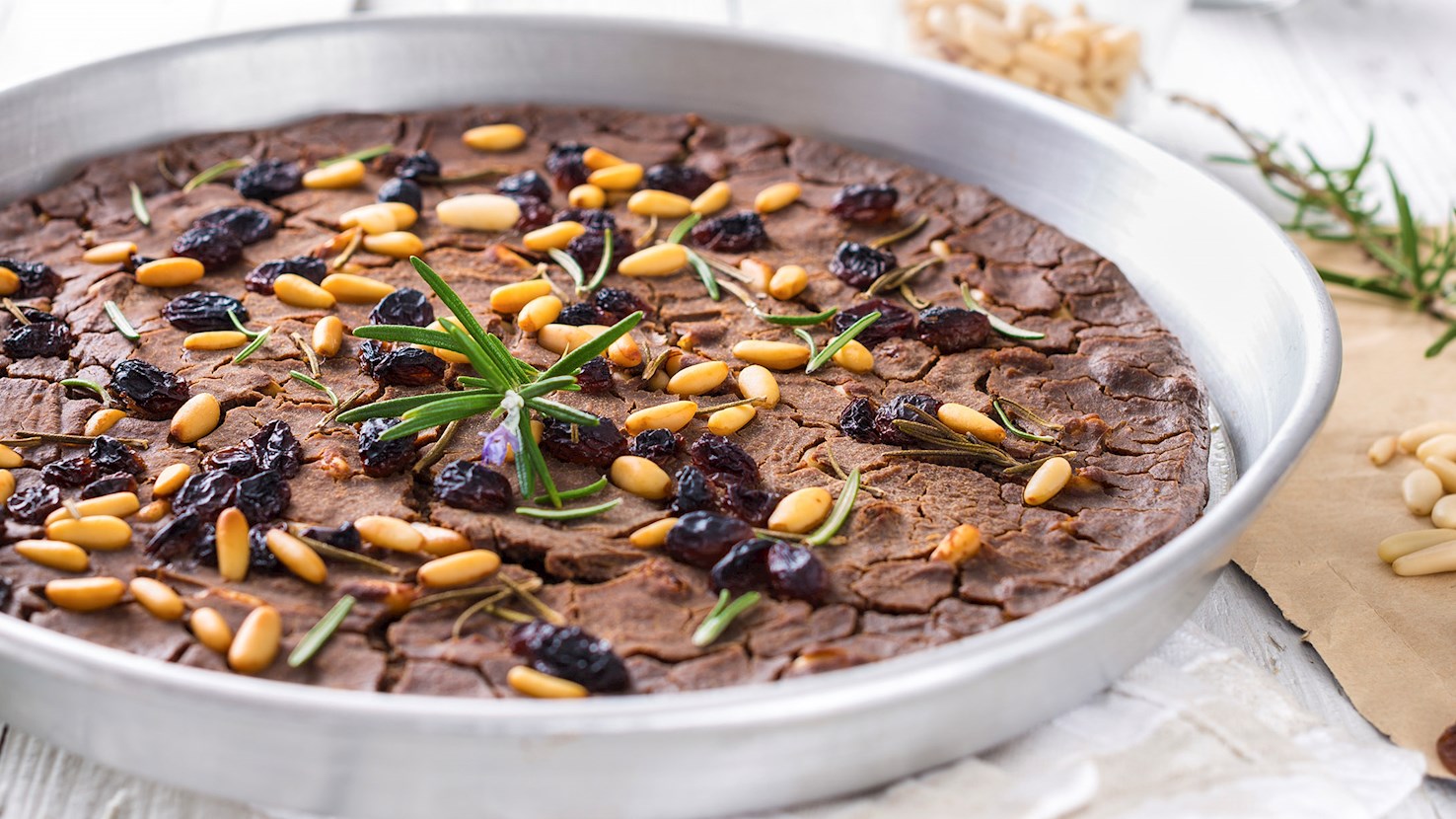
This traditional Italian chestnut cake is prepared with chestnut flour, olive oil, rosemary, raisins, and (occasionally) pine nuts. The recipe does not call for any other type of flour or sugar, making this cake a gluten-free and sugar-free delicacy. Some varieties may use other dried fruits, but the traditional version only includes raisins. All the ingredients used in castagnaccio create a dense, not overly sweet cake with a crunchy exterior and chewy interior. Originally, the cake was created as a poor man's dessert and was prepared seasonally, most commonly in winter months, when chestnuts are at their peak. Castagnaccio has been present in Italian culinary history since Roman times, with Tuscany believed to be the place of its origin. The cake is best when made with local ingredients, and it is typically paired with Italian dessert wines.

10

Torta Margherita

3.3 ·

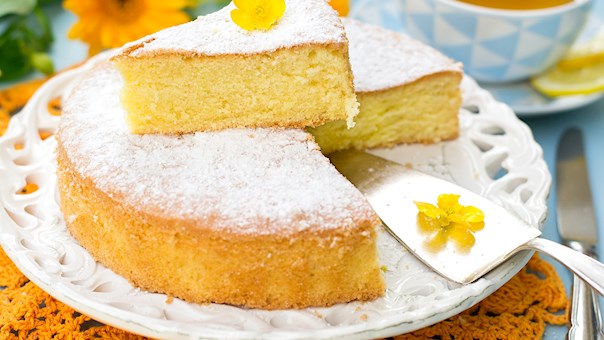
Torta Margherita is a traditional cake that's similar to pan di spagna (a type of sponge cake). This light and delicate cake is made with eggs, sugar, butter, lemon zest, flour, potato starch, and vanilla. However, there's also an old recipe by Pellegrino Artusi, and it only calls for eggs, sugar, and potato starch. Once baked, this soft and fluffy cake is dusted with icing sugar. The slices of torta Margherita resemble the petals of a daisy, hence the name of the cake (margherita means daisy in Italian). It's recommended to dip the cake into caffe latte and eat it as an afternoon snack.

Read more
View all
View map
About this ranking

TasteAtlas food rankings are based on the ratings of the TasteAtlas audience, with a series of mechanisms that recognize real users and that ignore bot, nationalist or local patriotic ratings, and give additional value to the ratings of users that the system recognizes as knowledgeable. For the “19 Worst Rated Italian Cakes” list until May 21, 2026, 971 ratings were recorded, of which 622 were recognized by the system as legitimate. TasteAtlas Rankings should not be seen as the final global conclusion about food. Their purpose is to promote excellent local foods, instill pride in traditional dishes, and arouse curiosity about dishes you haven’t tried.

Similar lists