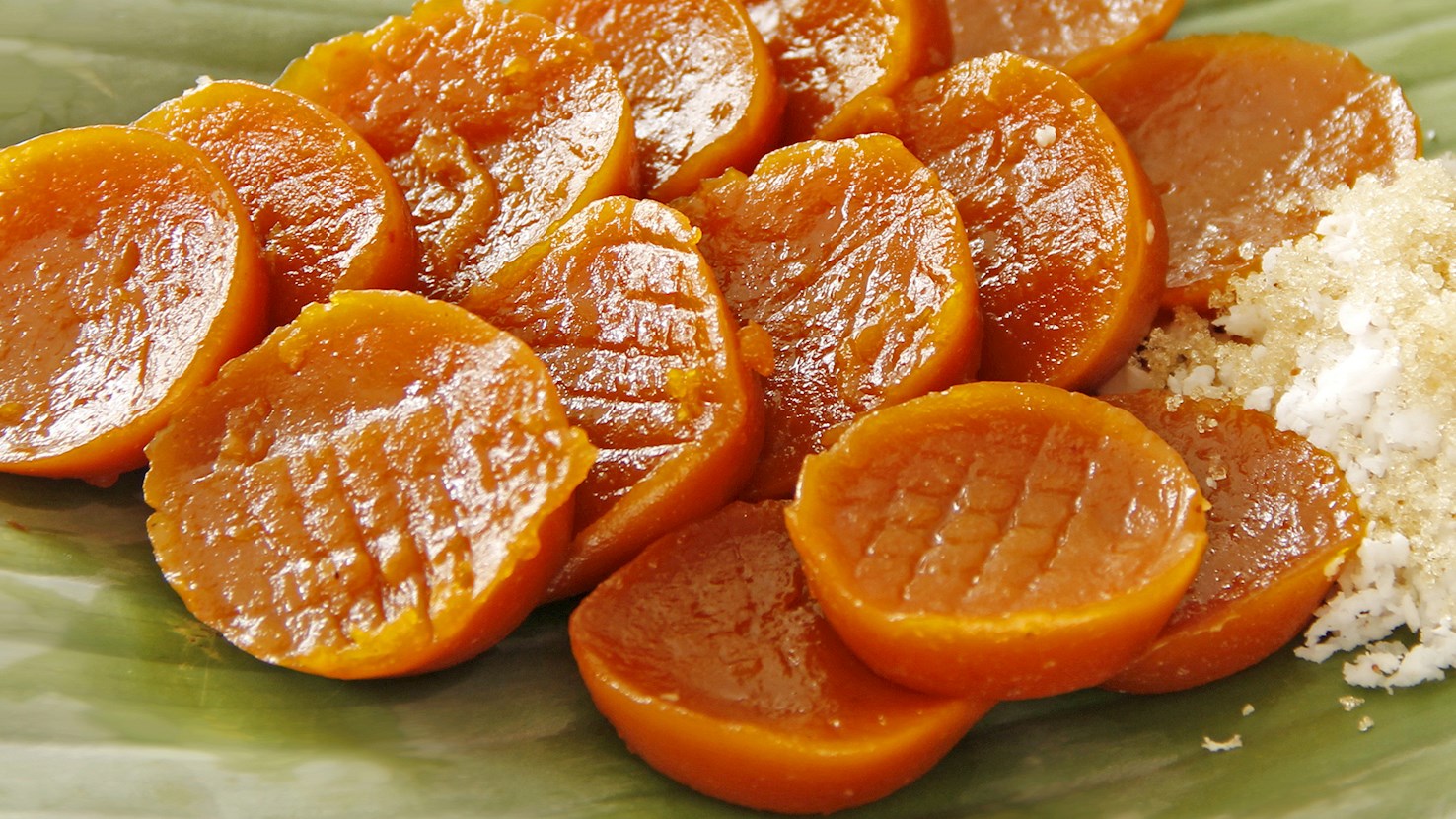
Kutsinta is a sweet Filipino delicacy made with glutinous rice flour, brown sugar, and lye water. The mixture is steamed in small round molds and it is traditionally served topped with coconut flakes. These chewy cakes are usually infused with food coloring or annatto seeds in order to achieve their typical dark brown color. These sweet treats are usually enjoyed as a satisfying dessert or a quick afternoon snack.
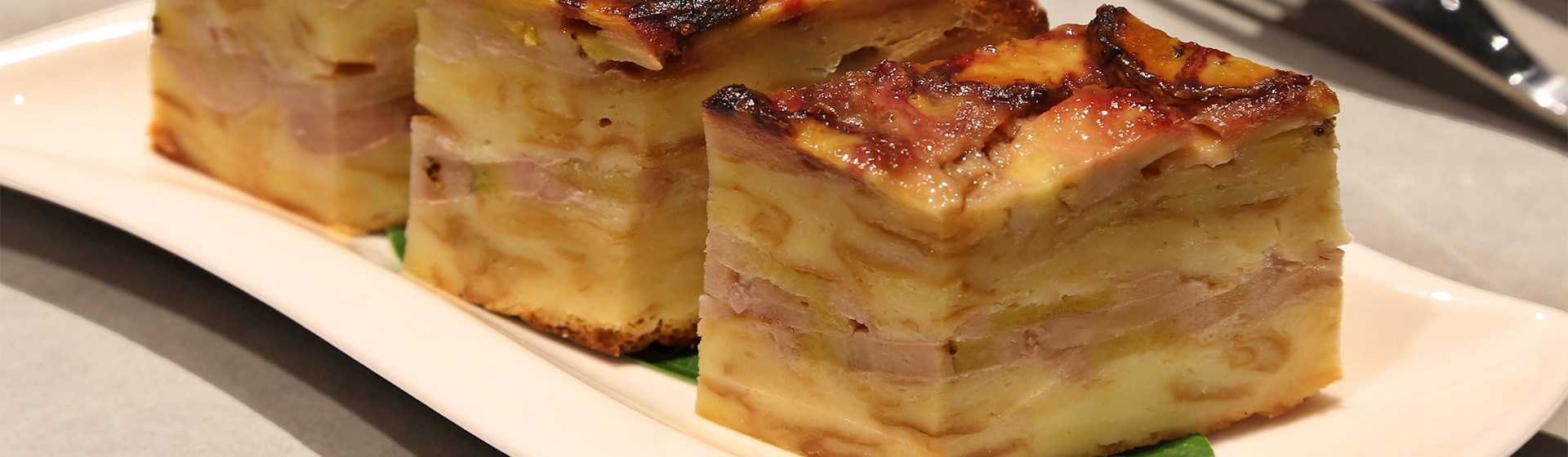
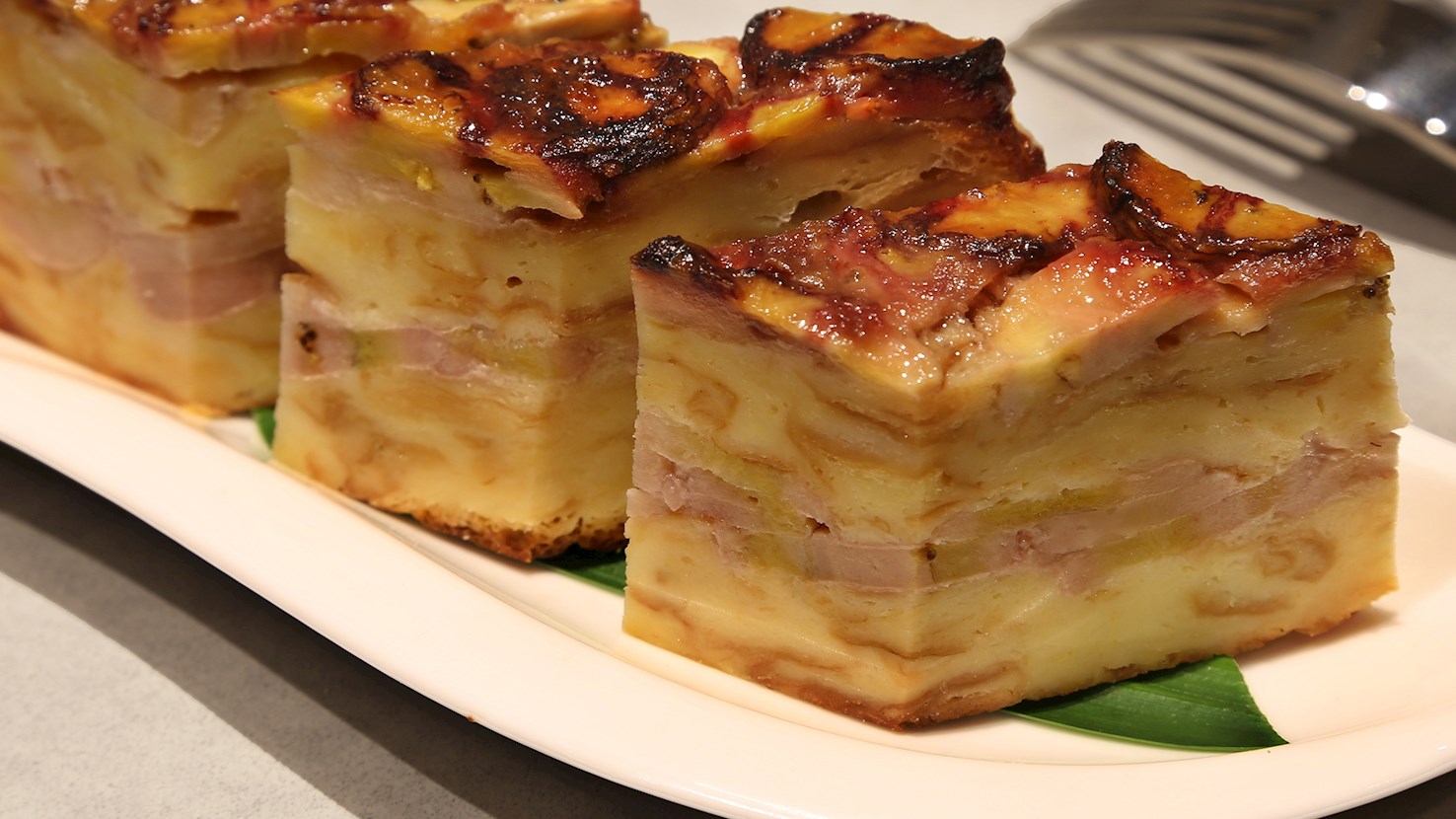
Bananas are the star ingredient in this classic Vietnamese dessert which can be steamed (hấp) or baked (nướng). It usually consists of sliced bananas and a creamy combination of condensed milk, sugar, coconut milk, and optionally bread, eggs, or shredded coconut. Depending on the ingredients and the cooking procedure, the cakes can vary in shape and texture, while other varieties come in a form of banana fritters or incorporate additional ingredients and flavorings. Steamed versions are often served sprinkled with sesame seeds and doused in coconut milk.
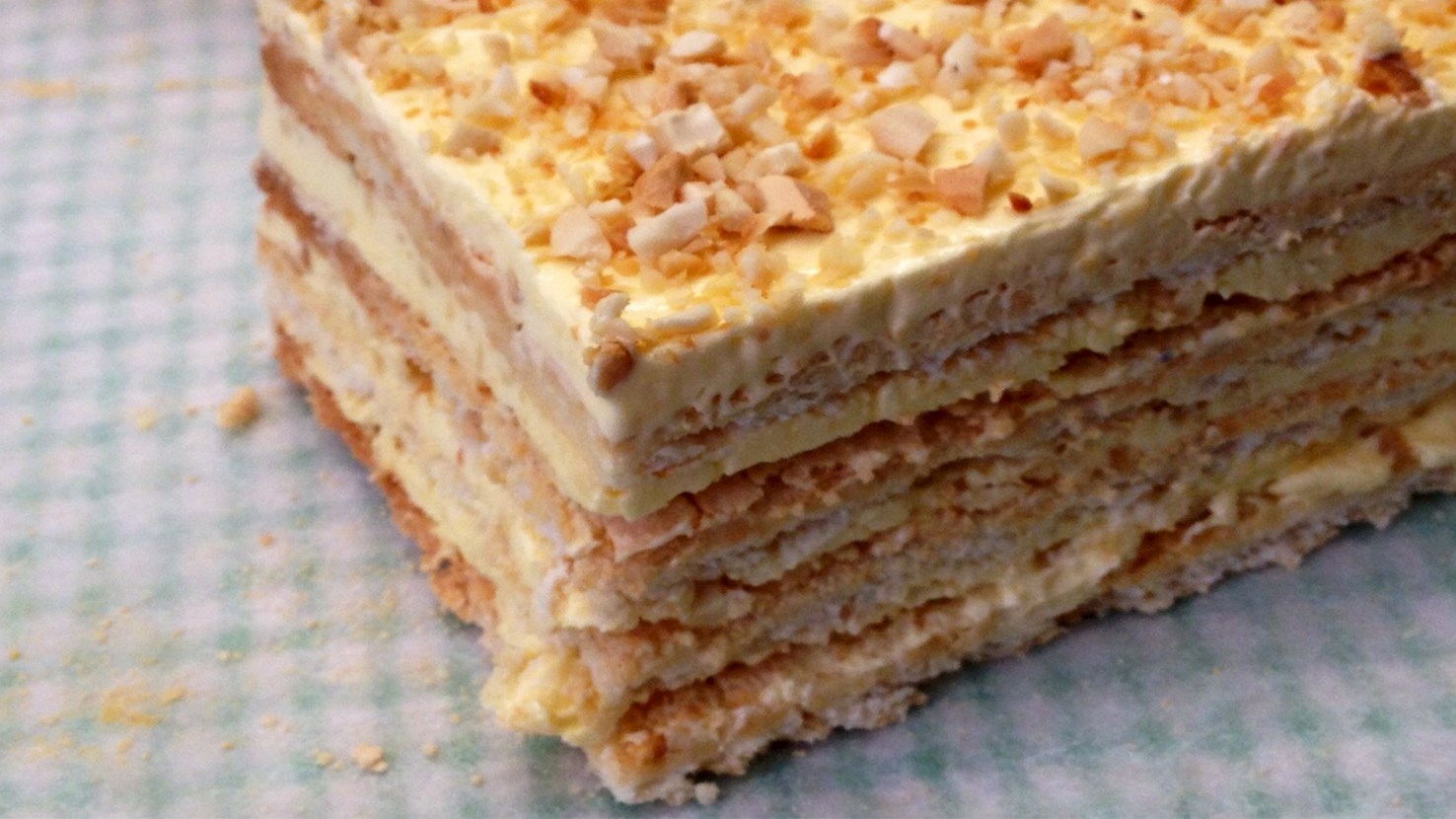
Although undoubtedly French in origin, the decadent sans rival (lit. without rival) is a classic Filipino dessert and an all-time favorite that truly lives up to its name. It is made with layers of dacquoise; a crispy, baked nut meringue sandwiched together with the so-called pâte à bombe - a gorgeously smooth, velvety and rich French buttercream. But unlike the French original, which is traditionally made with either almond or hazelnut meringue, the Filipino version uses toasted cashews instead. Sans rival is said to have been invented sometime between the 1920s and 1930s, when many Filipinos traveled to Europe to study, and upon returning home to the Philippines, they started employing some of the cooking and patisserie techniques they learned while studying abroad. Later on, the Filipinos even came up with a snack version of the famous cake: silvanas or sylvanas are popular frozen cookie sandwiches, coated in cashew crumbs, and made with two cashew-meringue wafers held together with a thick layer of buttercream.
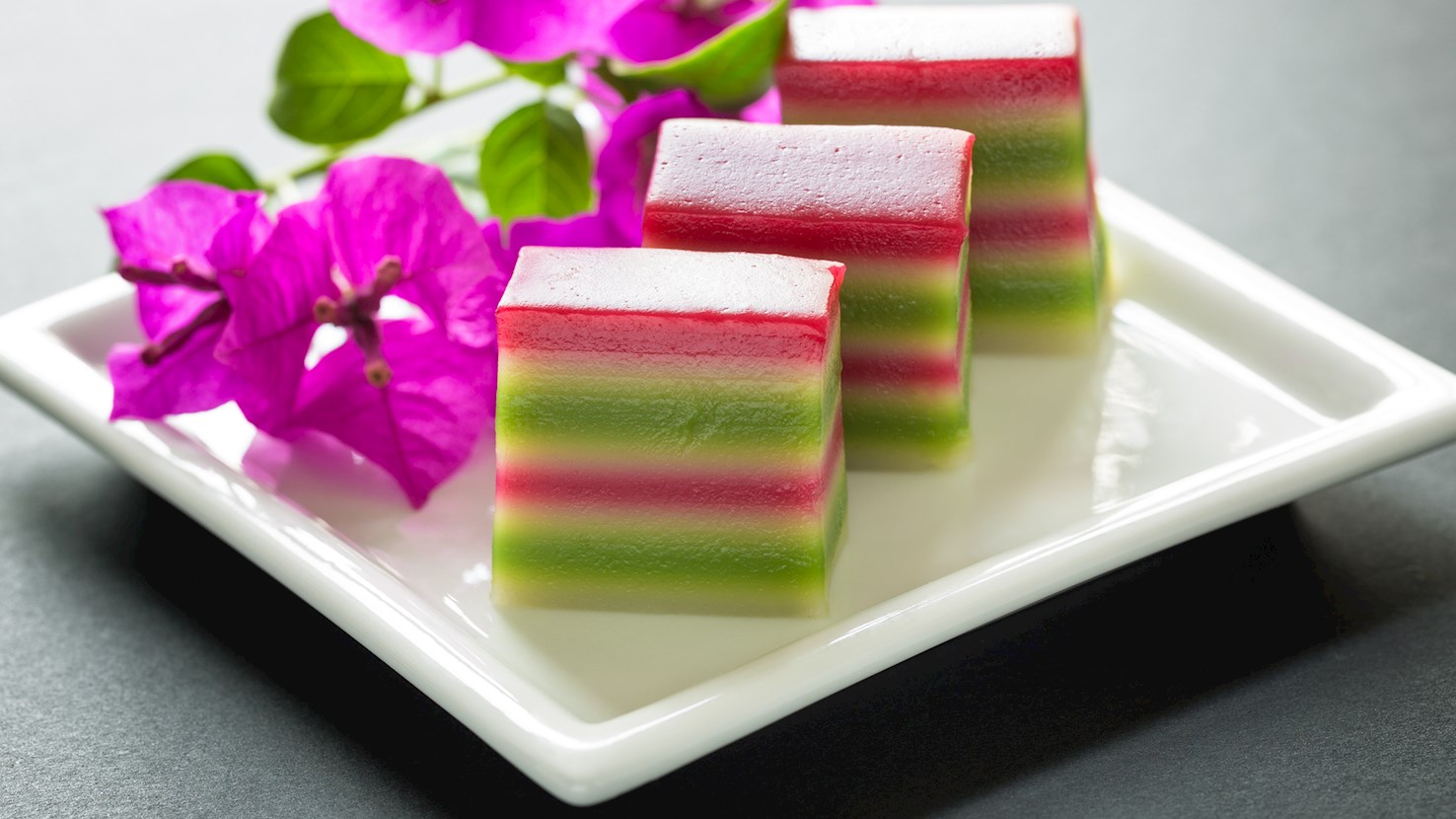
Kue lapis is a layered steamed cake widely enjoyed in Indonesia, Malaysia, Singapore, and Brunei, known for its vibrant colors, soft, chewy texture, and delicate coconut-infused flavor. The name comes from the Malay and Indonesian word kue (or kuih in Malaysa), meaning "cake" or "sweet snack," and lapis, meaning "layers"—a literal reflection of the dessert’s distinctive multi-layered structure. Often made with a combination of rice flour, tapioca flour, coconut milk, sugar, and natural food coloring, kue lapis is steamed layer by layer, resulting in alternating bands of color, typically in shades of pink, green, and white, although many regional and modern versions feature other color combinations. Each layer is steamed individually, giving the cake its characteristic appearance and allowing for a unique peel-apart texture, which is particularly beloved by children and nostalgic adults alike. The cake is lightly sweet and subtly aromatic, with the richness of coconut milk and a smooth, slightly sticky chew. It is usually cut into small squares or diamonds, served at room temperature, and commonly found in street markets, festive gatherings, and traditional kuih platters. Although similar in name to the baked Indonesian-Dutch kue lapis legit (a spiced layered cake), kue lapis is entirely different in preparation and character—soft and steamed, rather than firm and baked.
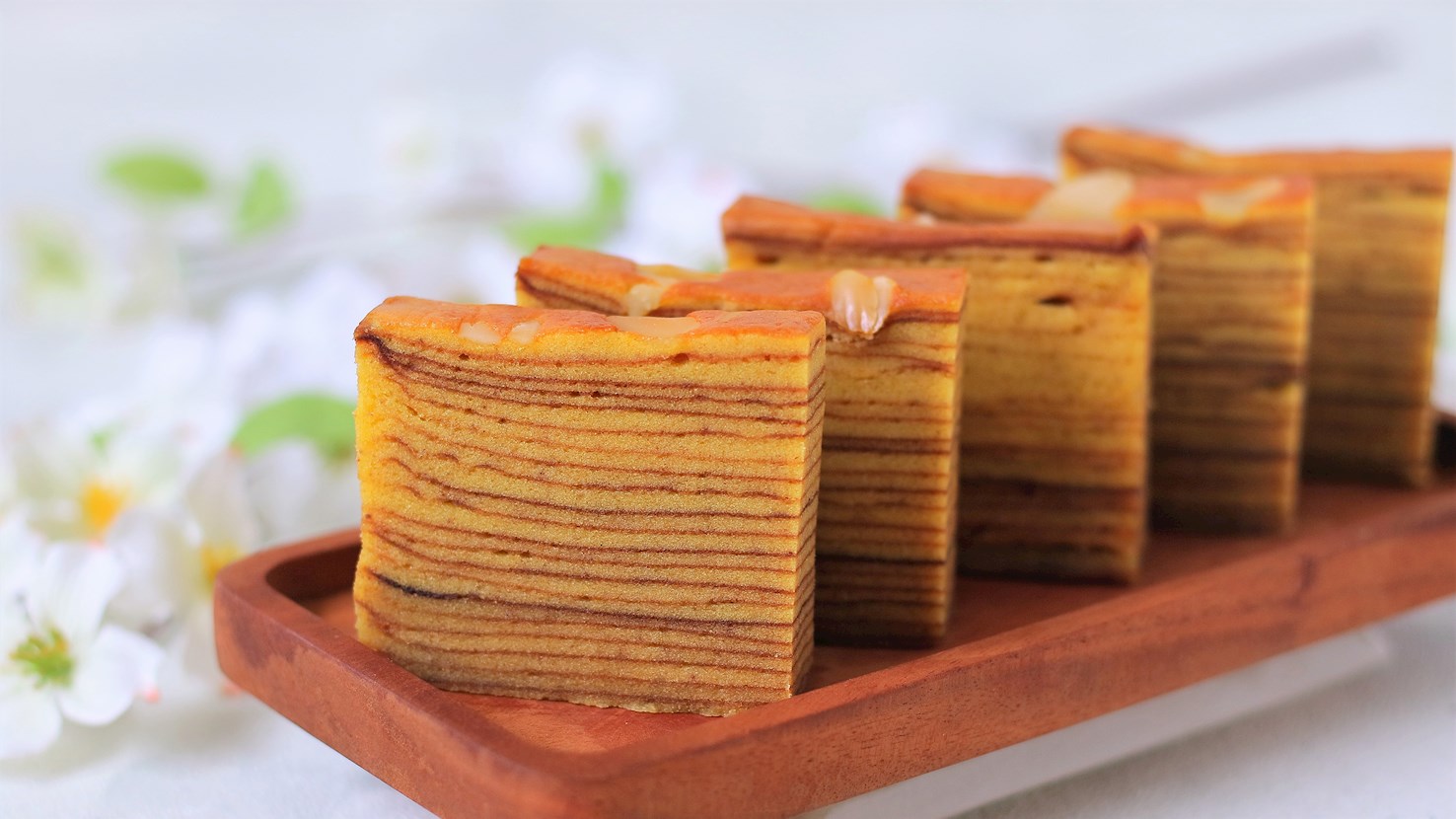
Lapis legit, also known as Indonesian spekkoek, is a rich, multi-layered spice cake that is one of Indonesia’s most famous and luxurious desserts. Inspired by Dutch spekkoek during the colonial period, lapis legit is renowned for its intricate layers, buttery texture, and aromatic spice blend, making it a symbol of celebration and festive occasions such as Chinese New Year, Eid, and Christmas. The cake is made by baking thin layers of batter one at a time, resulting in a densely structured cake with alternating golden-brown layers. The batter consists of butter, egg yolks, sugar, and a blend of warm spices, including cinnamon, nutmeg, cloves, and cardamom, giving lapis legit its distinctive sweet and spiced aroma. Some variations include raisins, prunes, or cheese for added texture and flavor. Due to its labor-intensive preparation, lapis legit is considered a luxury cake, often given as a gift or served on special occasions. Each layer requires precise baking and patience, as the batter is spread thinly and baked under a grill or broiler before adding the next layer. The final result is a moist, rich, and slightly caramelized cake, with an intricate appearance that reflects the skill and tradition behind its creation. Lapis legit is traditionally sliced into thin pieces due to its dense and buttery consistency, and is best enjoyed with tea or coffee.
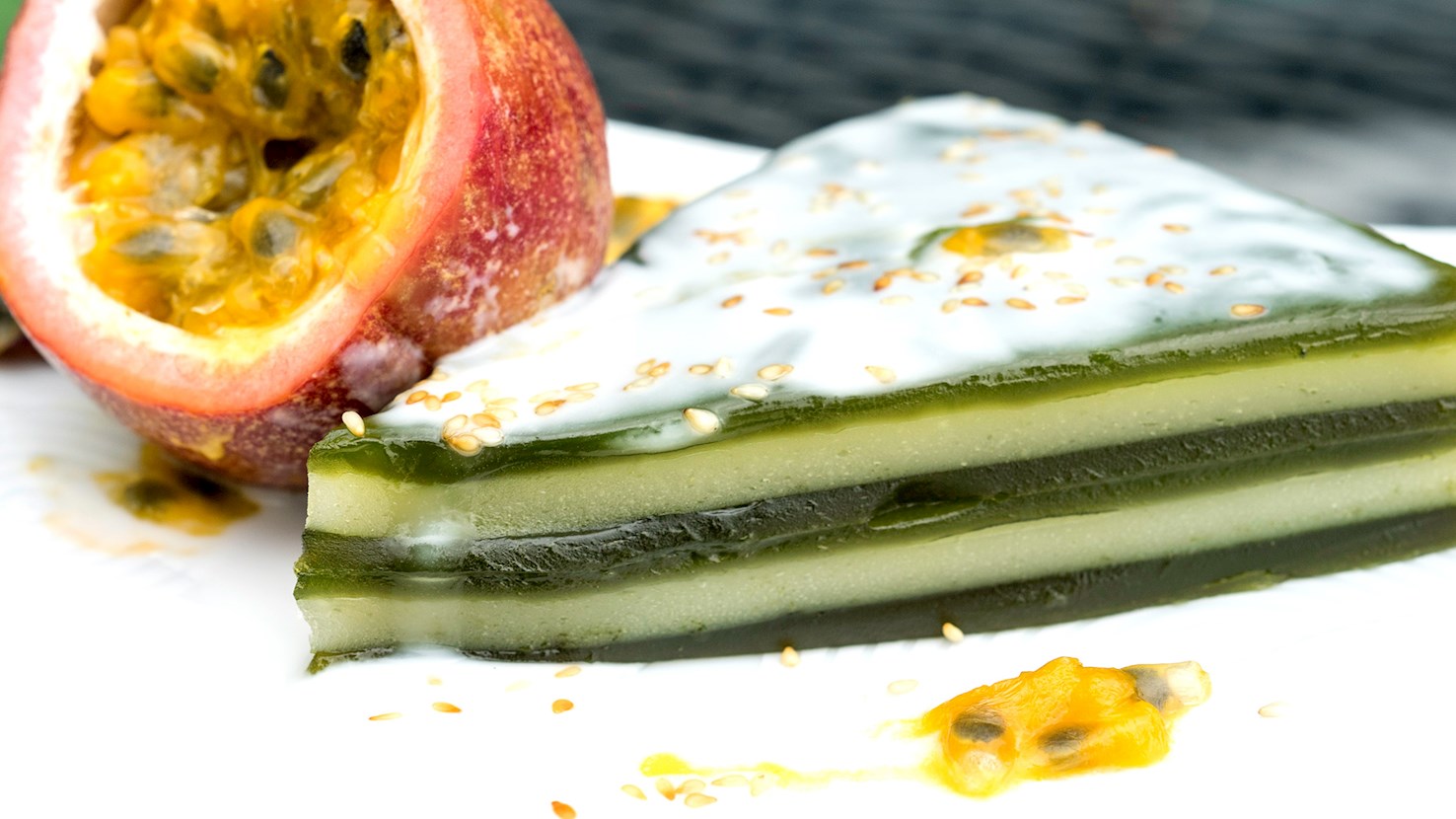
This traditional Vietnamese dessert consists of chewy layers that are typically made with puréed mung beans, tapioca starch, rice flour, and coconut milk or water. Traditionally, each cake has a pale yellow layer made with mung beans and a green layer that is flavored and colored with pandan leaves, while optional ingredients include durian or taro. Once steamed and chilled, the cake is usually cut into diamond shapes.
TasteAtlas food rankings are based on the ratings of the TasteAtlas audience, with a series of mechanisms that recognize real users and that ignore bot,
nationalist or local patriotic ratings, and give additional value to the ratings of users that the system recognizes as knowledgeable.
For the “6 Worst Rated Southeast Asian Cakes” list until May 21, 2026, 780 ratings were recorded, of which 334 were recognized by the system as legitimate.
TasteAtlas Rankings should not be seen as the final global conclusion about food. Their purpose is to promote excellent local foods,
instill pride in traditional dishes, and arouse curiosity about dishes you haven’t tried.