

shutterstock

8 Worst Rated Spanish Cakes

Last updated on May 21, 2026
01

Pastel cordobés

2.5 ·

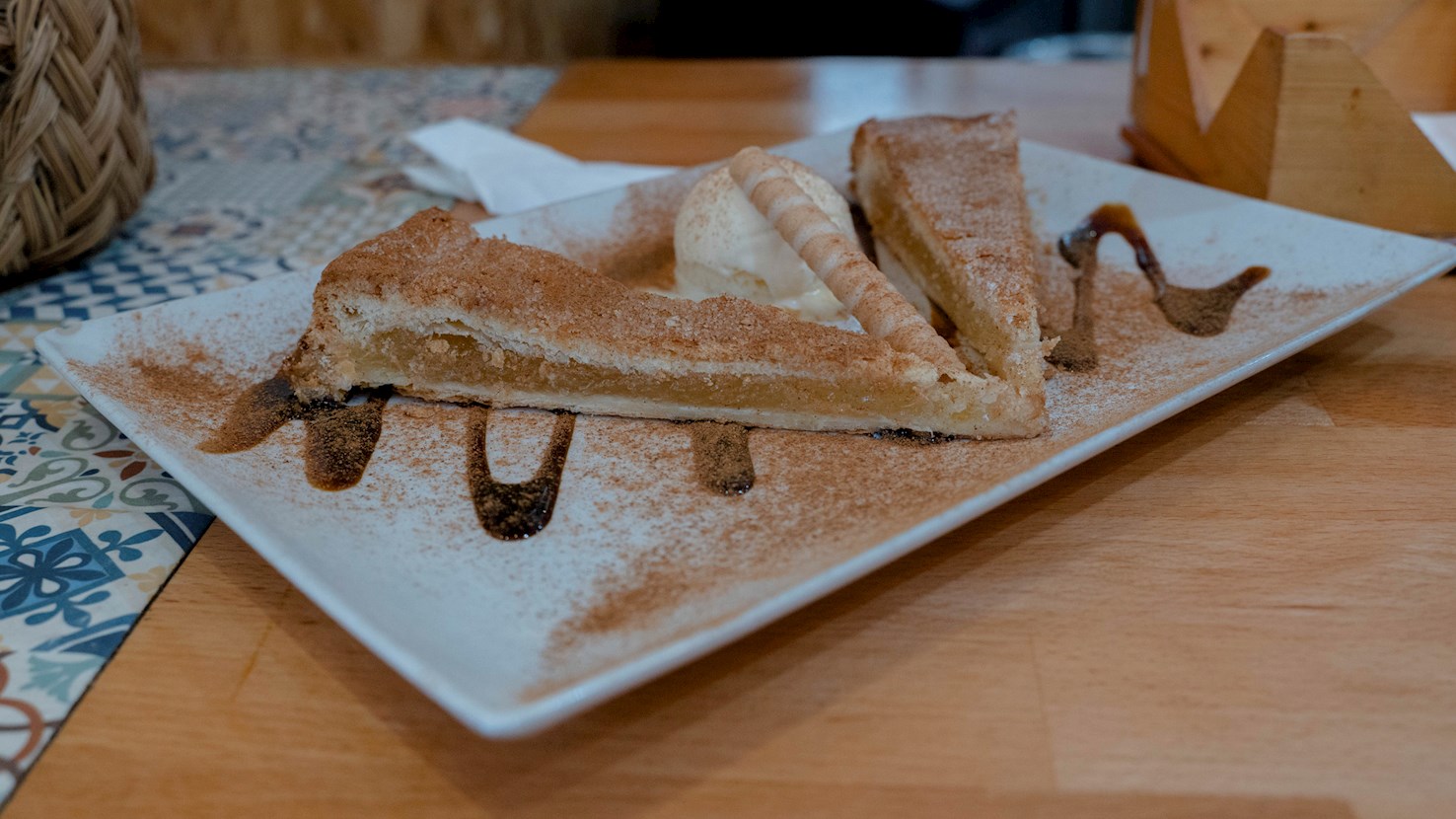
As the name suggests, this traditional dessert hails from the city of Córdoba. The cake consists of two layers of flaky puff pastry and a filling made from threaded squash jam, also known as cabell d’ángel or angel’s hair. The filling is traditionally made from Figleaf gourd, while the original version also includes an unusual addition of diced ham. Before it is served, the cake is usually dusted with cinnamon and sprinkled with sugar. It can be enjoyed warm or chilled, and it is typically served with a dollop of whipped cream or vanilla ice cream. On November 17, people from Córdoba celebrate the national Pastel Cordobés Day when free portions of the cake are provided for all the attendees, while one of the most popular versions of the cake is found in the monastery of Santa Isabel de los Ángeles in Córdoba. It is believed that the cake originated under Arabic influence in the region.

02

Ponche Segoviano

2.9 ·

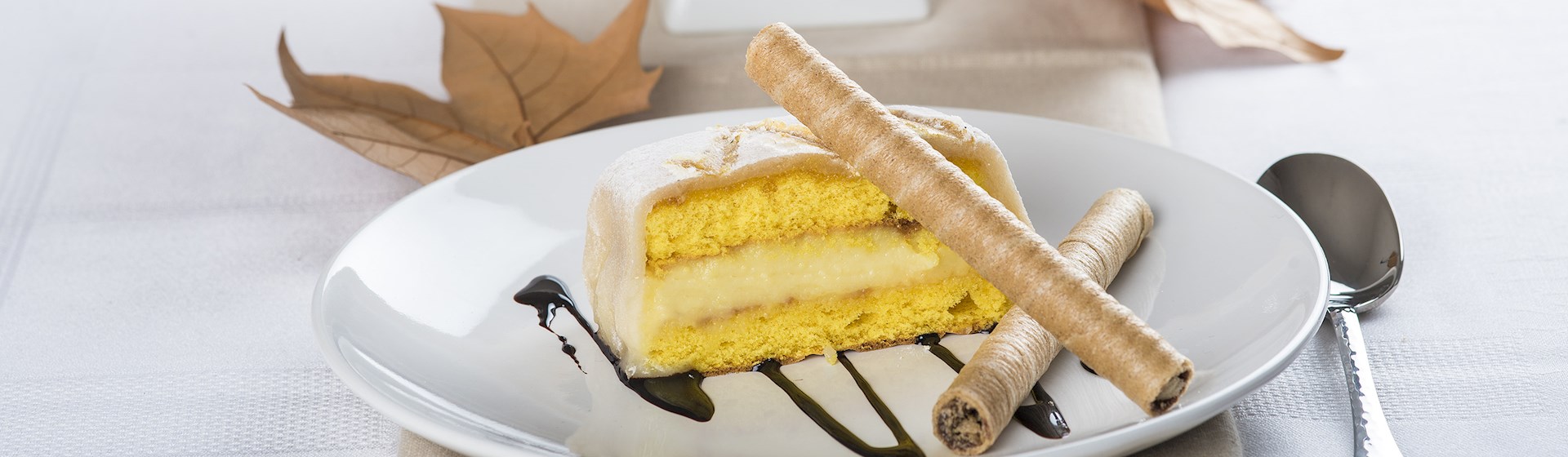
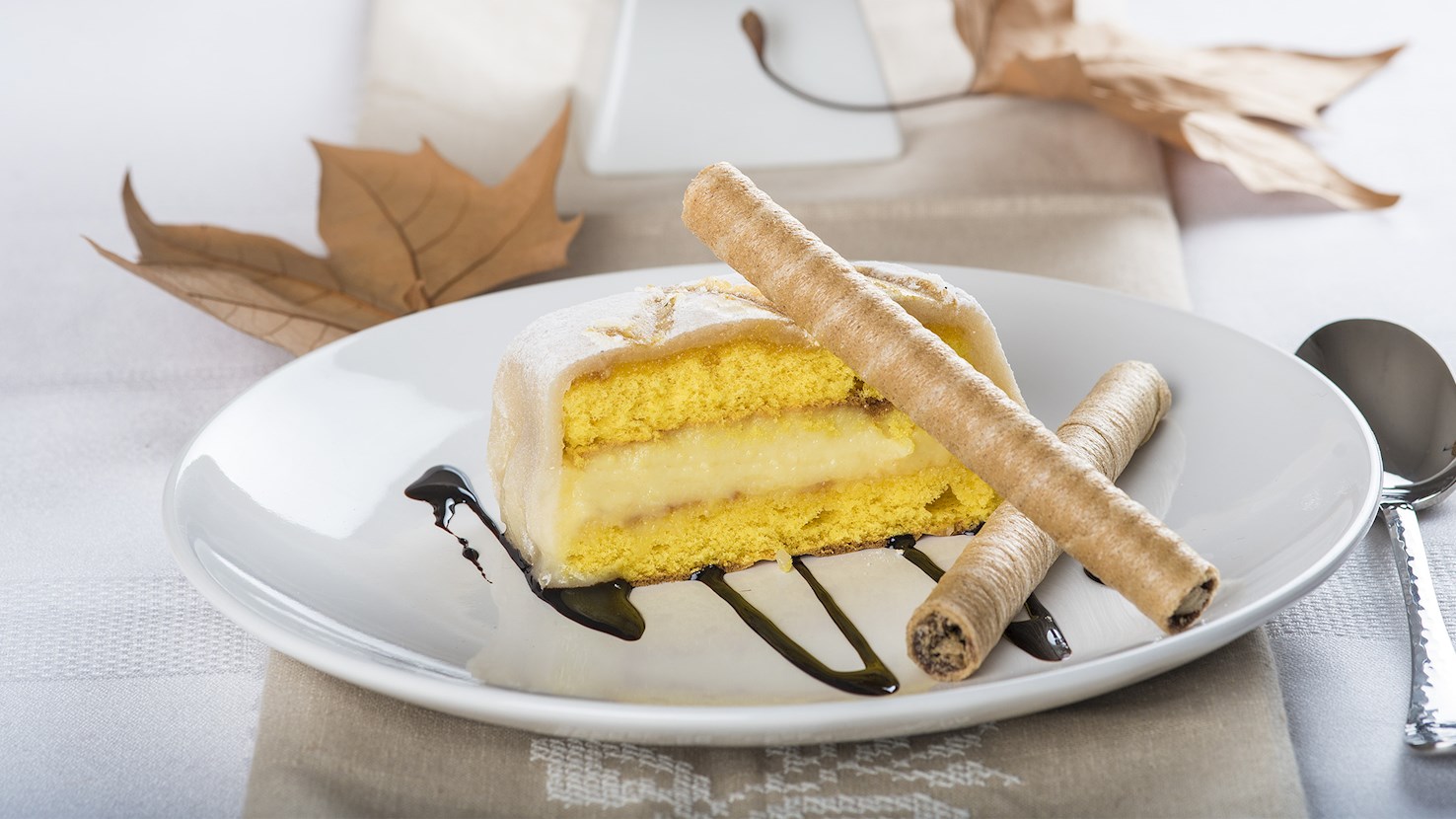
Ponche Segoviano is a traditional cake originating from Segovia. This layer cake looks like a big rectangle of custard and marzipan that are topped with caramelized sugar which is decorated with a criss-cross design. The recipe of the original cake is a patent-protected secret, but it's probably made with a combination of eggs, sugar, milk, flour, lemon peel, cinnamon, and almonds. The cake was invented in 1926 by a confectioner named Frutos García Martín at the El Alcázar cafe. It soon became popular in the town, and King Alfonso XIII (who loved the ponche) told the inventor to take the cake to the Universal Exhibition in Barcelona, where it won the gold medal in 1929.

03

Mantecadas de Astorga

2.9 ·

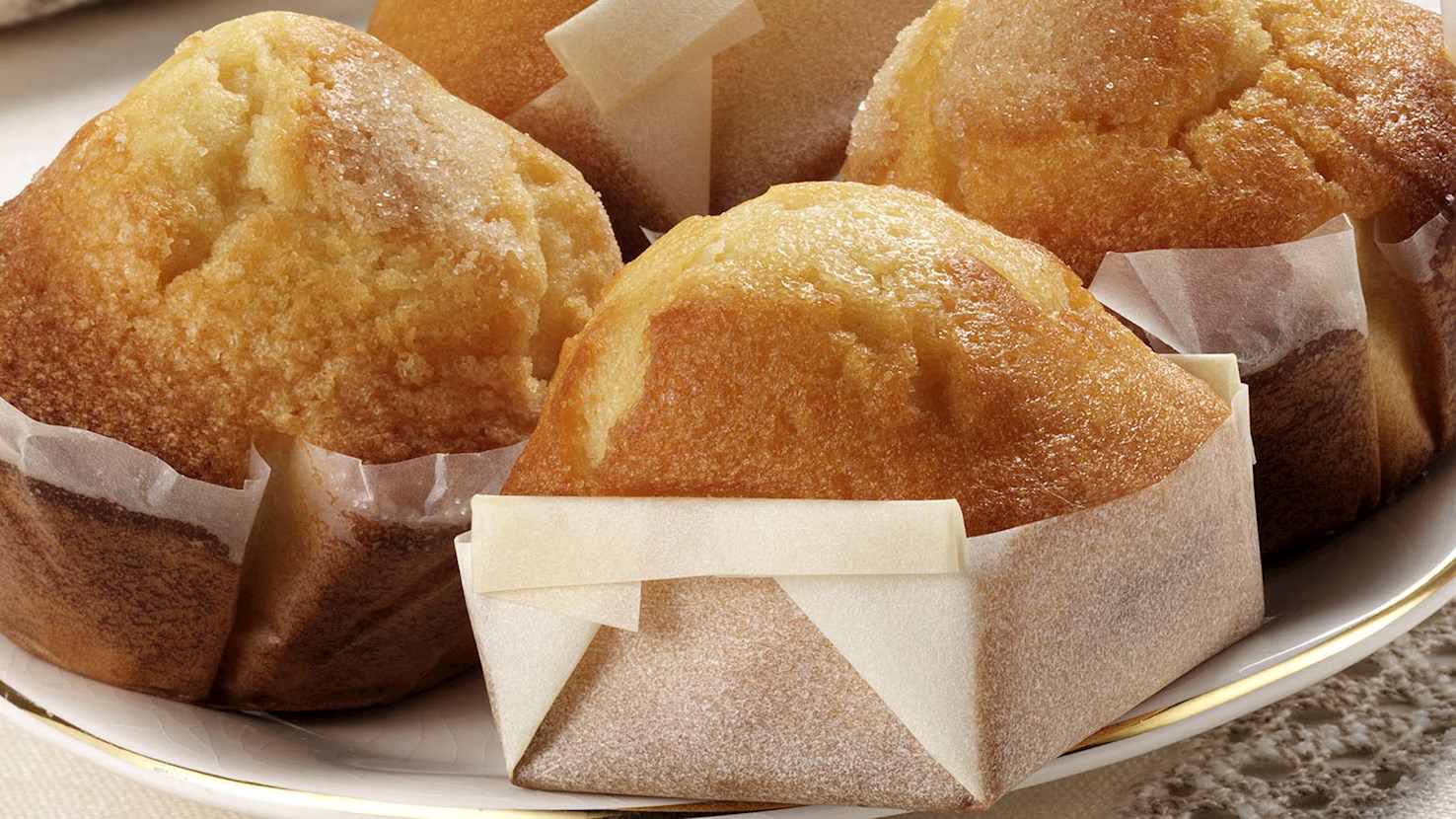
Mantecadas de Astorga is a cake traditionally made in the province of León. It was invented by the pastry chef Juan de la Mata in the 18th century. This sweet cake is made by whisking plain flour, eggs, butter, lard, and sugar, then baking the concoction in the square-shaped, kraft-type paper mold. Mantecadas de Astorga is very sweet and mild in flavor, dominated only by the aromas of butter and eggs. These small cakes usually weigh between 25 to 30 grams and are 5 cm long in diameter. This traditional recipe has been an inspiration for many modern versions, many of which use olive oil in place of butter and are enriched with subtle aromas of vanilla or spices.

04

Bizcocho de aceite

3.4 ·

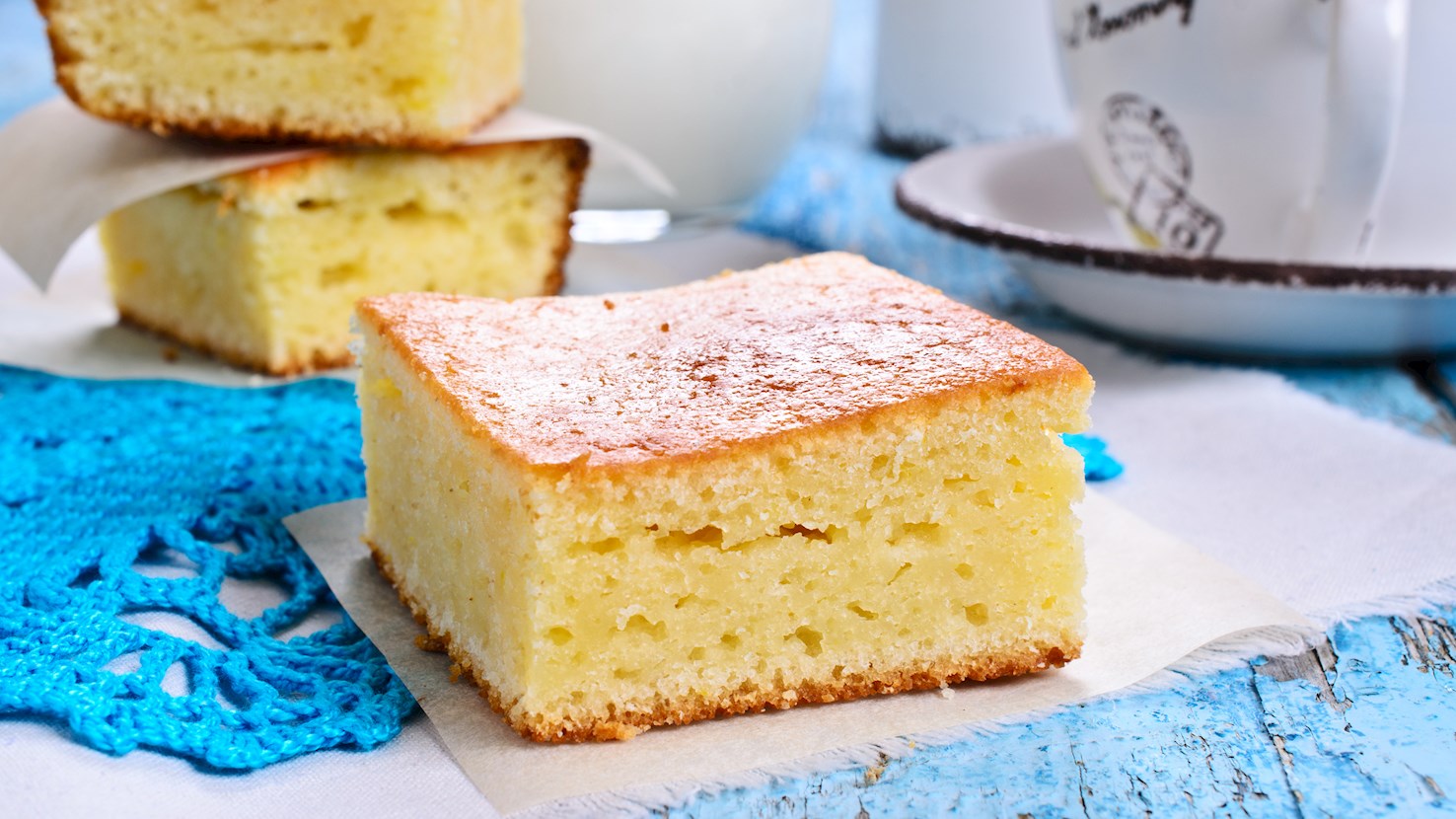
Bizcocho de aceite is a traditional sponge cake. It's made with a combination of eggs, milk, sugar, flour, olive oil, and baking powder. The cake batter is typically enriched with lemon zest, then poured into a shallow tray and baked until golden brown. This olive oil-flavored sponge cake is cut into smaller pieces and dusted with icing sugar before it's served.

05

Mona de Pasqua

3.4 ·

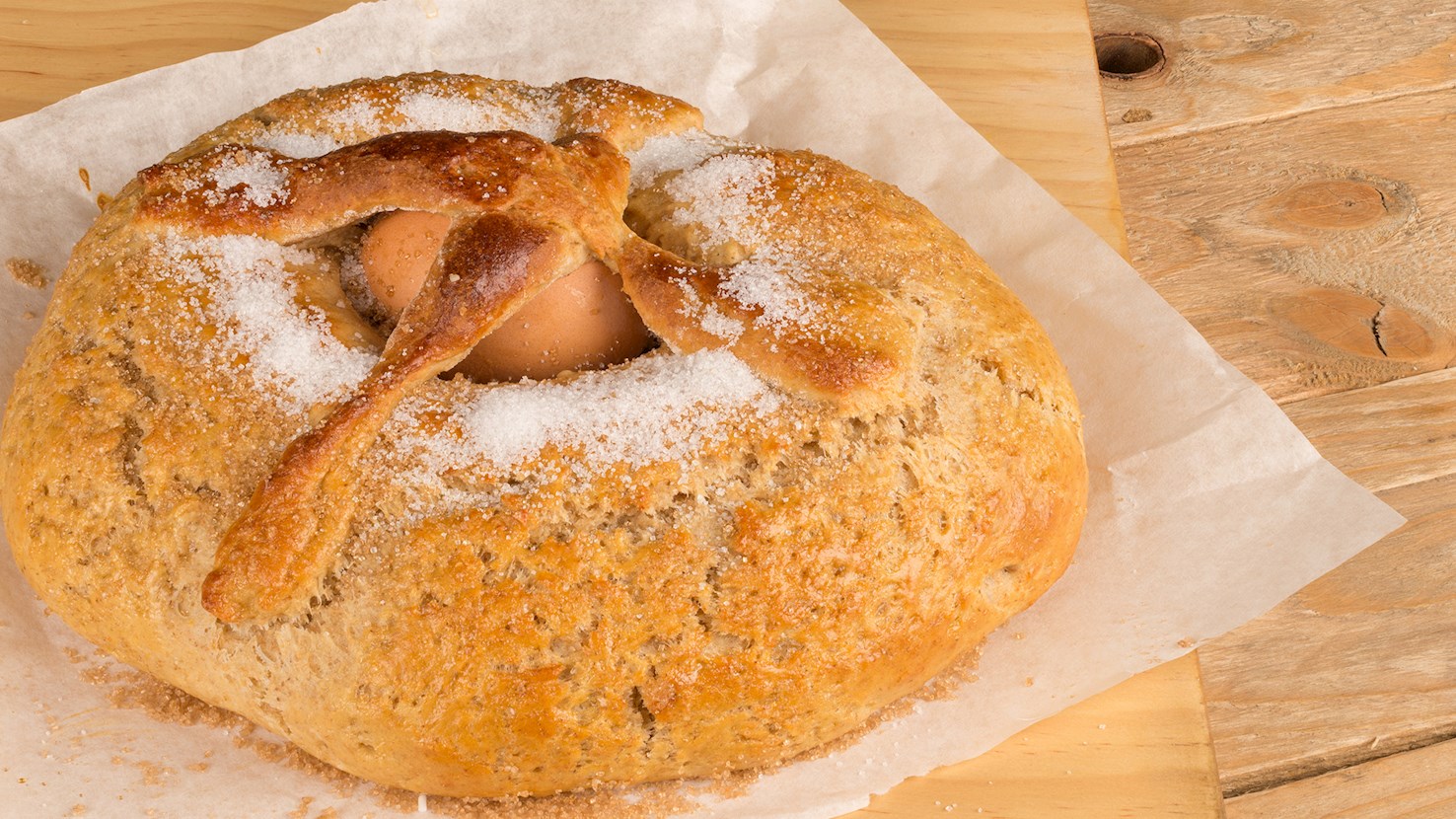
The colorful mona de Pasqua is a traditional Catalan Easter cake symbolizing spring and the end of Lent. Although there are numerous versions of the cake, it most usually consists of a sweet brioche dough that is stuffed with candied fruit and topped with hard-boiled eggs. Many versions of the cake are filled with cream, chocolate, or fruit jam, and covered with almonds or crème brûlée. The cakes are typically decorated with inedible baby chicks, chocolate eggs, or figurines of popular cartoon characters. The word mona in its name is derived from the Arabic munna, meaning gift or offering, because godparents traditionally give the cake to their godchildren on Easter.

06

Mantecados de Estepa

3.5 ·

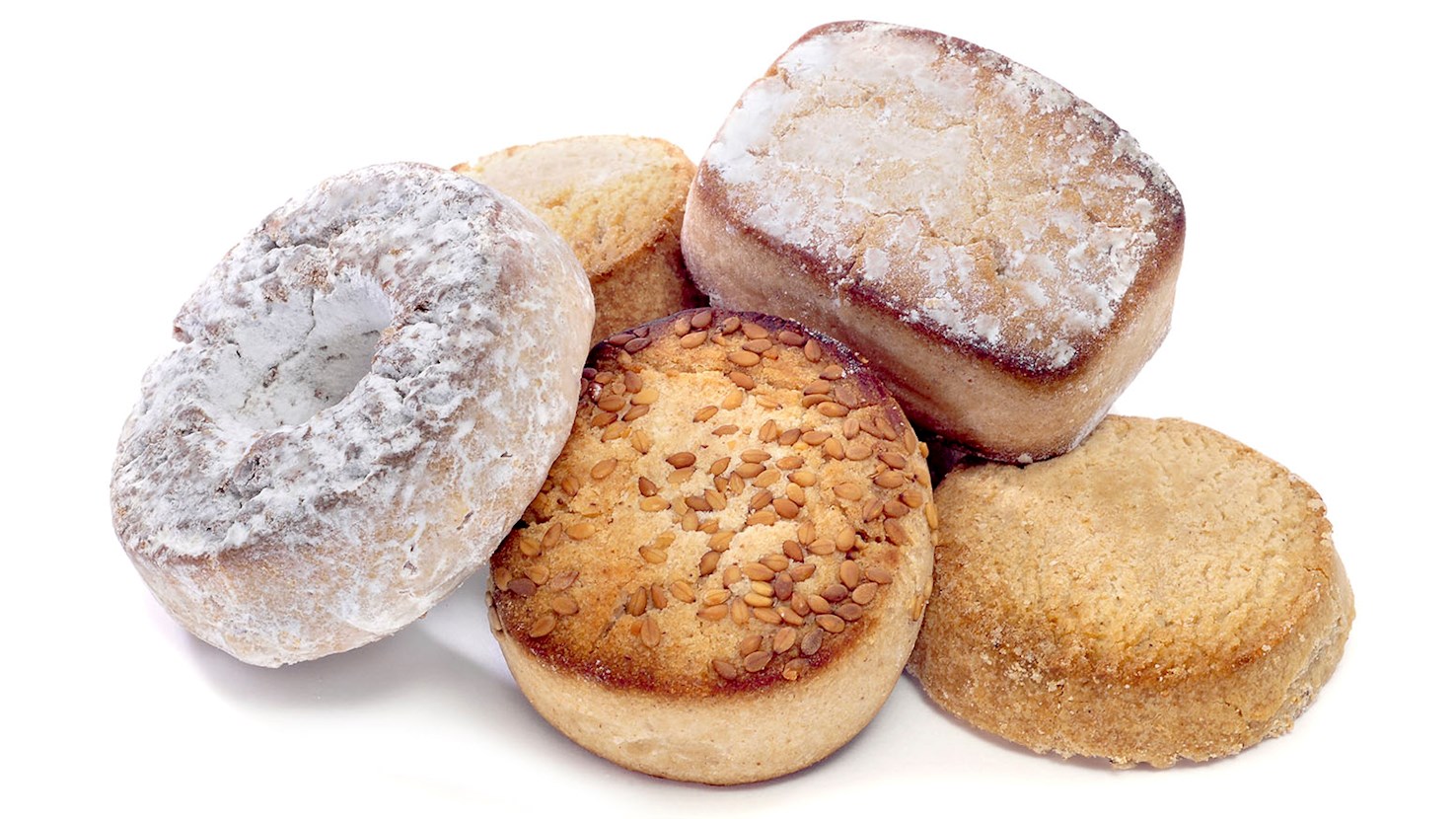
Mantecadas de Estepa is a type of Christmas sweet cake traditionally made in the municipality of Estepa, in the province of Seville. The recipe for these sweets has remained unchanged for more than a hundred years and still calls for plain flour, lard, and sugar that are mixed together and baked. There are many varieties of these cakes, and many recipes call for other additional ingredients such as cinnamon, olive oil, almonds, hazelnuts, cocoa, coconut, or vanilla. Mantecados de Estepa are very sweet and mild in flavor, dominated by nutty aromas. These small cakes usually weigh around 50 grams are often served and sold alongside other Christmas sweets such as roscos de vino, polvorones and alfajores.

07

Gató d'ametlla

3.6 ·

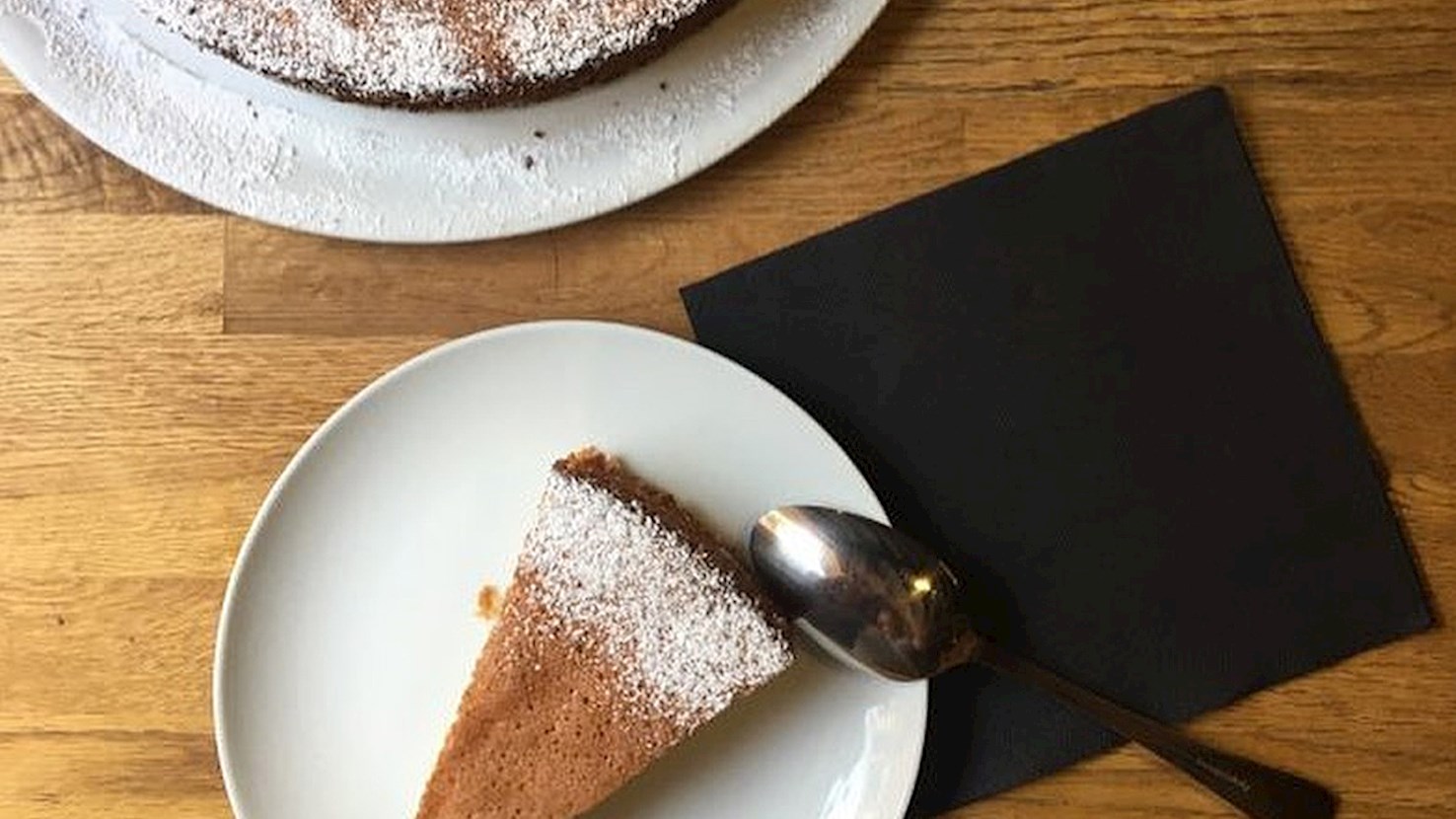
Gató d’ametlla is a traditional Mallorcan cake originating from Valldemossa. It’s usually made with a combination of eggs, sugar, almonds, lemon zest, cinnamon, butter, and flour. A round cake pan is first buttered, then dusted with flour. The egg yolks are mixed with the sugar, lemon zest, cinnamon, and ground almonds. The egg whites are beaten into soft peaks, then mixed with the egg yolk mixture and folded together gently. The batter is placed in the pan, and the cake is baked until a knife that’s inserted in the center comes out clean. Gató d’ametlla is typically served warm or at room temperature. It’s recommended to serve it with a scoop or two of almond ice cream on the side.

08

Flaó de Ibiza

3.8 ·

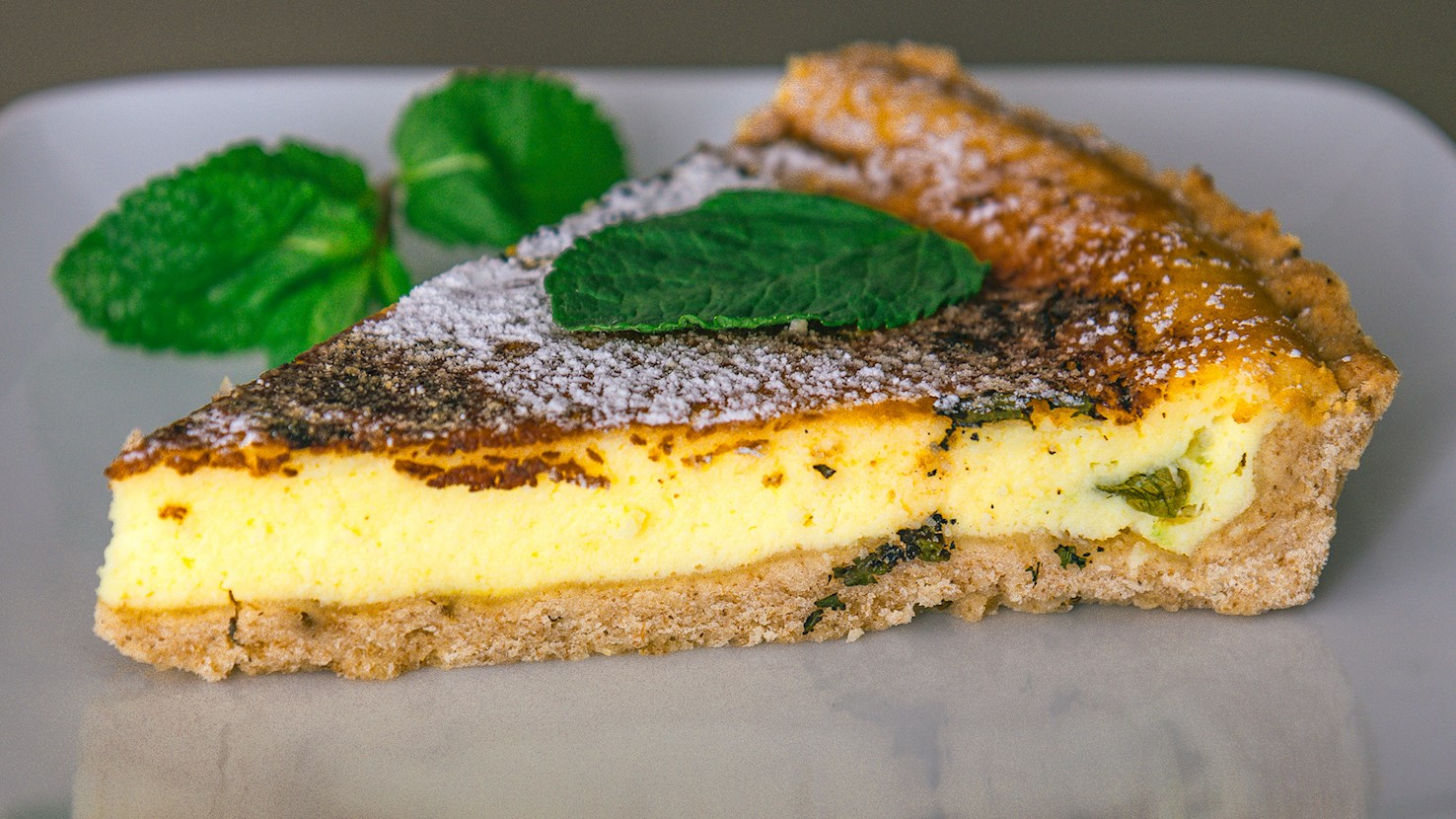
Although the term flaó is used in other Spanish regions to denote similar cheese-based specialties, the Ibizan version refers to a dessert consisting of a pastry base that is filled with a combination of fresh cheese, eggs, sugar or honey, citrus zest, and fresh mint. The cake usually calls for the use of goat or sheep cheese, and it is traditionally flavored with aniseed and anise liqueur. In the past, flaó was typically prepared for Easter, but nowadays it is enjoyed all year round and has become one of the most common desserts on Ibiza.

Read more
View all
View map
About this ranking

TasteAtlas food rankings are based on the ratings of the TasteAtlas audience, with a series of mechanisms that recognize real users and that ignore bot, nationalist or local patriotic ratings, and give additional value to the ratings of users that the system recognizes as knowledgeable. For the “8 Worst Rated Spanish Cakes” list until May 21, 2026, 701 ratings were recorded, of which 554 were recognized by the system as legitimate. TasteAtlas Rankings should not be seen as the final global conclusion about food. Their purpose is to promote excellent local foods, instill pride in traditional dishes, and arouse curiosity about dishes you haven’t tried.

Similar lists