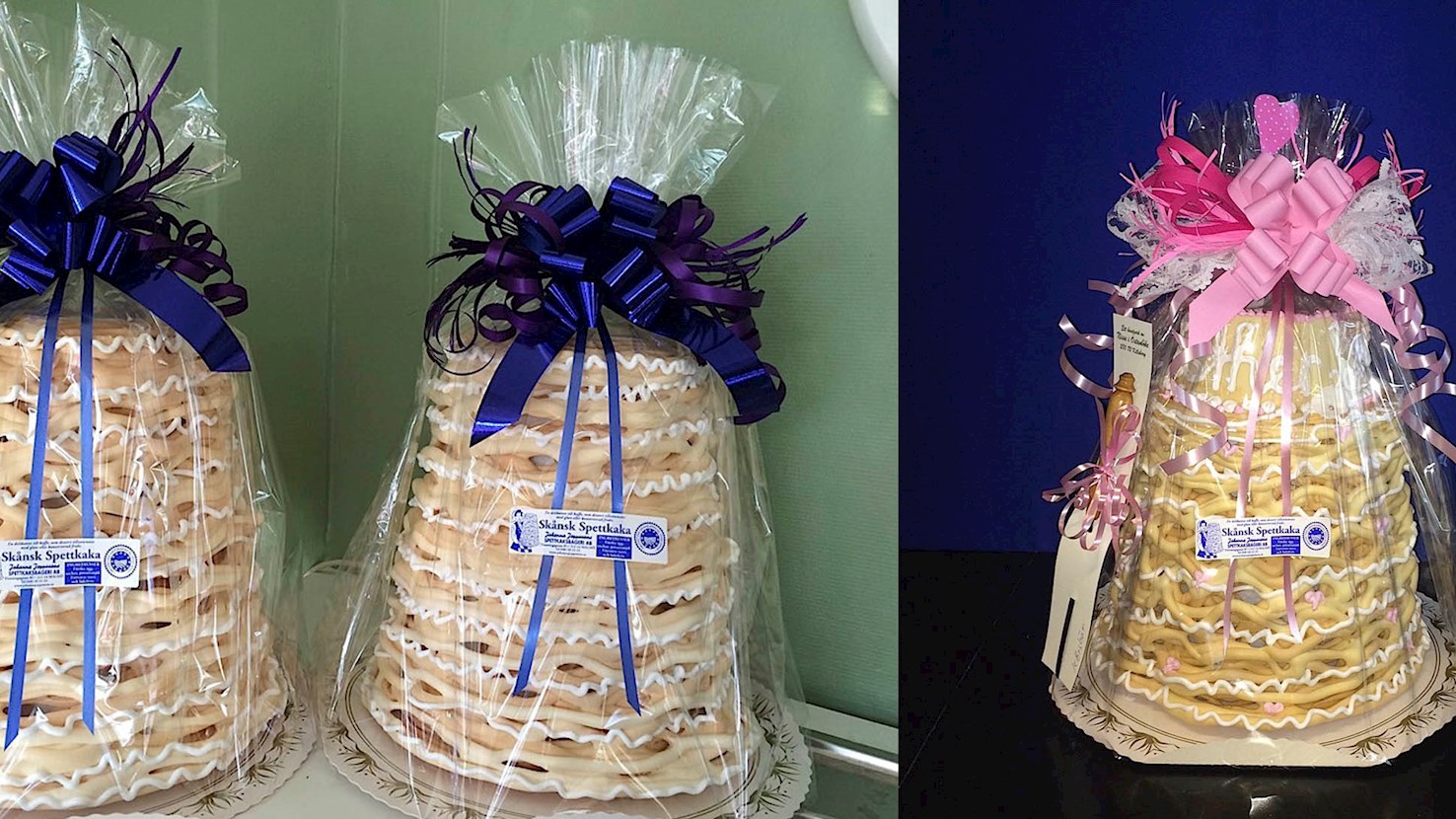
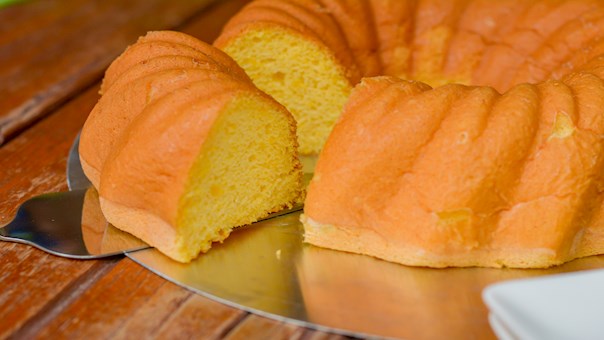
Skånsk spettkaka or pyramid cake is a visually appealing conical cake from Scania, Sweden, traditionally made using only fresh eggs, sugar, and potato flour. This spit cake has been baked in Sweden since the 1600s, and the first recipe for it was found in Susanna Egerin's cookbook dating back to 1733. In the past, only the wealthier people could afford this delicacy, but today anyone can enjoy its unique taste. The ingredients are mixed using a special technique, then formed into a sticky batter. Afterwards, the batter is slowly baked on a rotating mould at a high temperature, layer by layer, until it develops a golden-brown color (with irregular spikes on its body) and a pleasant aroma. In the end, it is coated with sugar frosting. If a knife is used to cut the cake, it will crumble and shatter, so a hacksaw blade is used instead of it to gently cut the cake into smaller pieces. All that remains is to serve it with vanilla ice cream, fruit, and a cup of coffee, and the sweet journey into Sweden's gastronomy can begin.
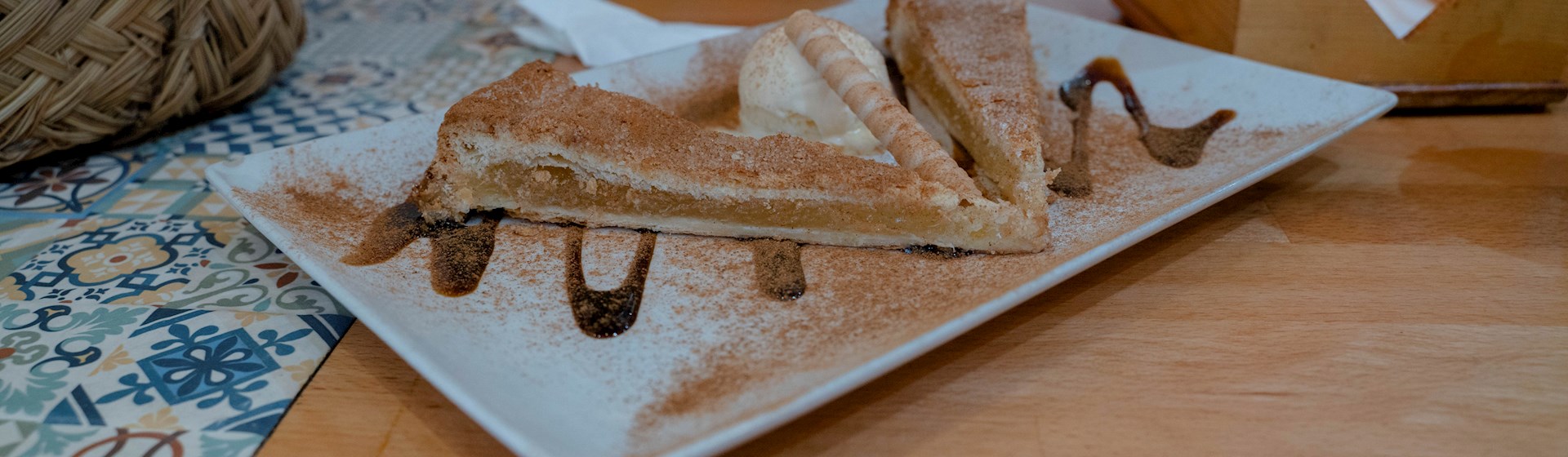
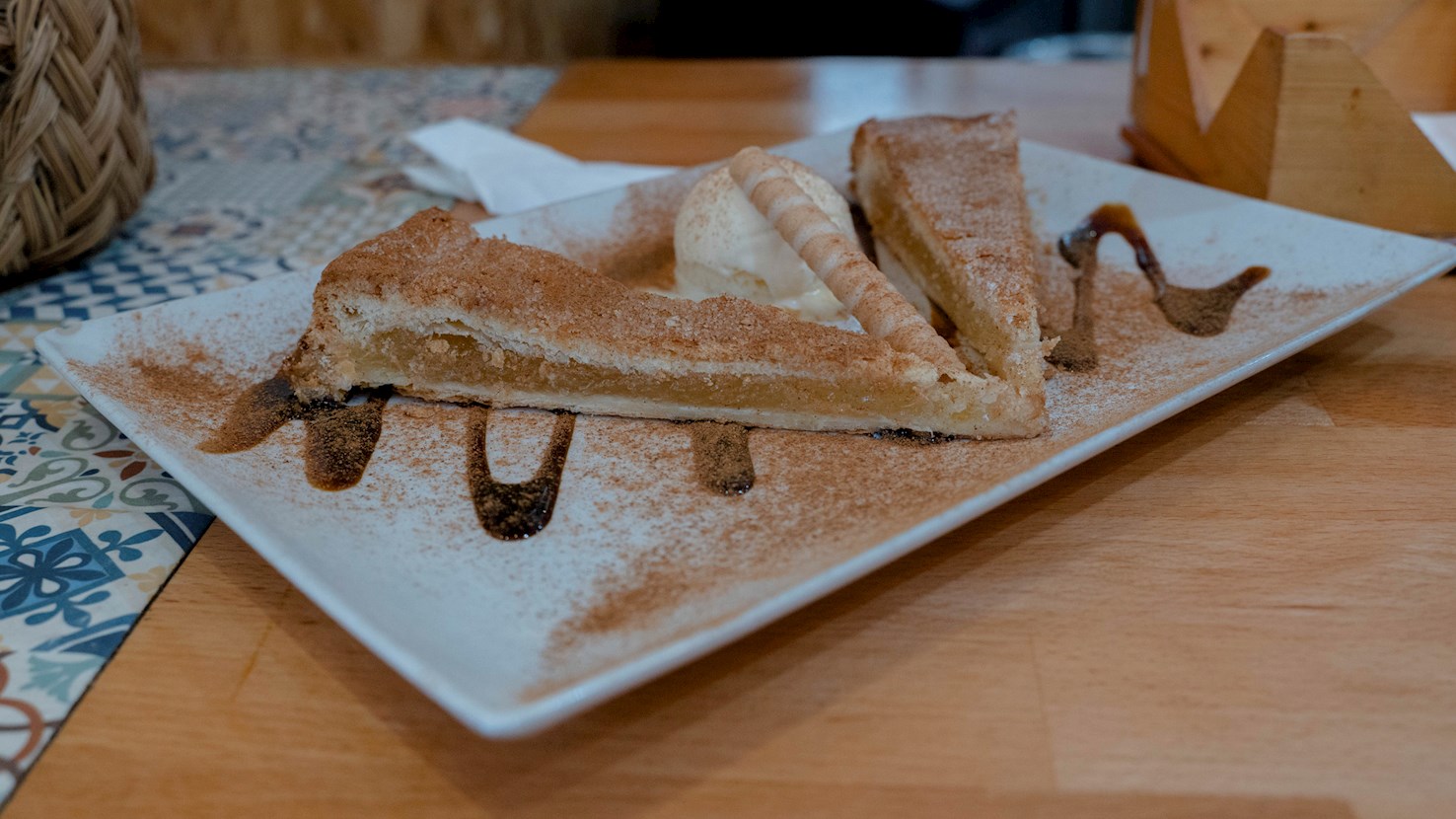
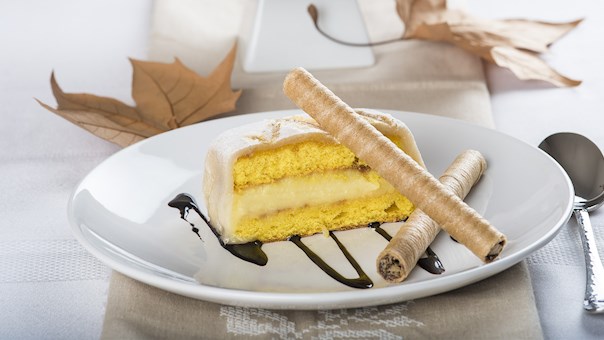
As the name suggests, this traditional dessert hails from the city of Córdoba. The cake consists of two layers of flaky puff pastry and a filling made from threaded squash jam, also known as cabell d’ángel or angel’s hair. The filling is traditionally made from Figleaf gourd, while the original version also includes an unusual addition of diced ham. Before it is served, the cake is usually dusted with cinnamon and sprinkled with sugar. It can be enjoyed warm or chilled, and it is typically served with a dollop of whipped cream or vanilla ice cream. On November 17, people from Córdoba celebrate the national Pastel Cordobés Day when free portions of the cake are provided for all the attendees, while one of the most popular versions of the cake is found in the monastery of Santa Isabel de los Ángeles in Córdoba. It is believed that the cake originated under Arabic influence in the region.
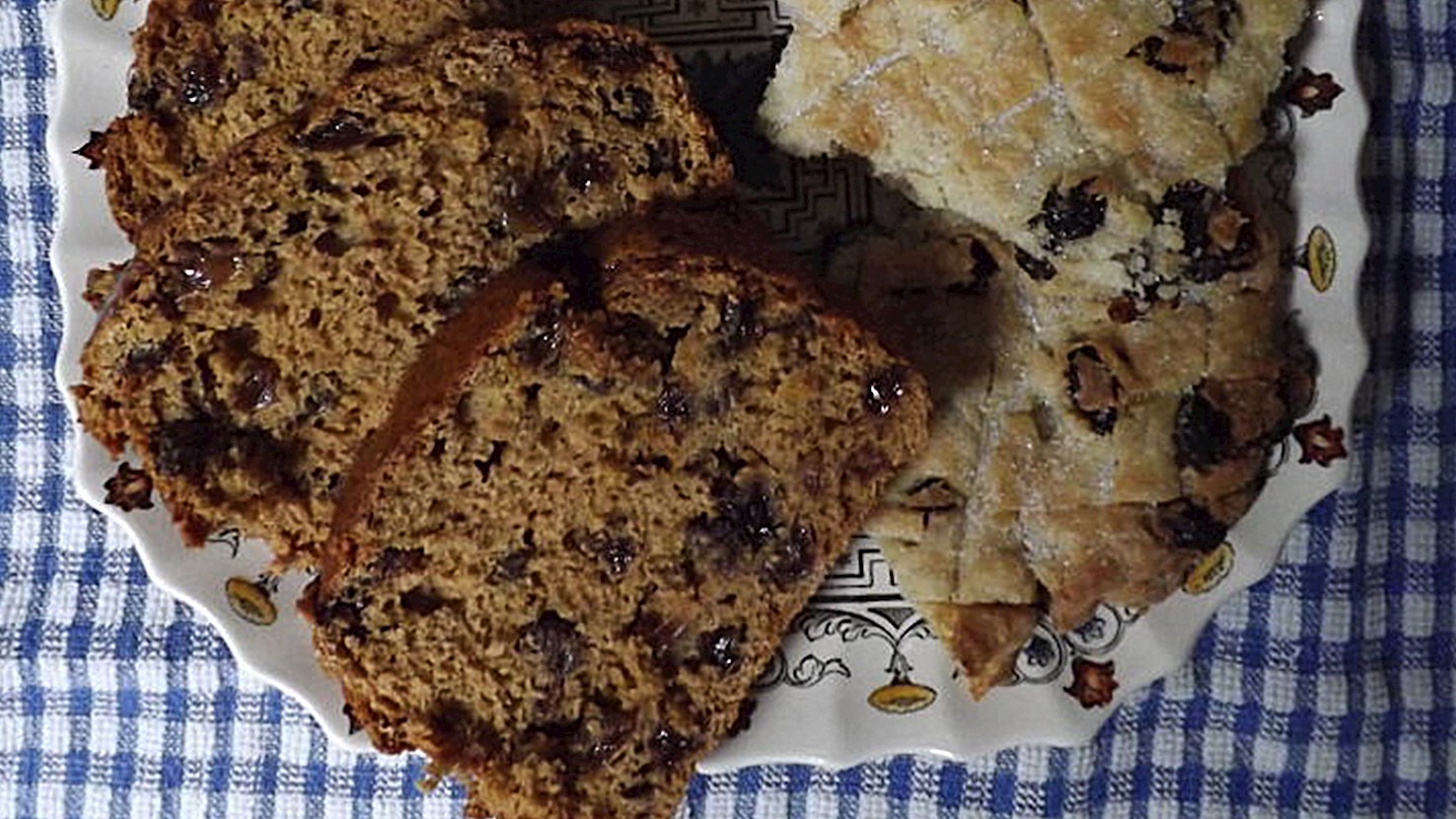
Hevva is a cake from Cornwall consisting of spelt flour, butter, sugar, milk, lard, and raisins or currants. The name hevva is linked to the landing of a shoal of fish, and then the huer would shout “hevva, hevva“, giving a cue to the fishermen's wives to go home and start baking. Traditionally, the dough should be scored diagonally before baking, in order to resemble a fishing net. It is recommended to pair this unleavened cake with a cup of hot tea on the side.
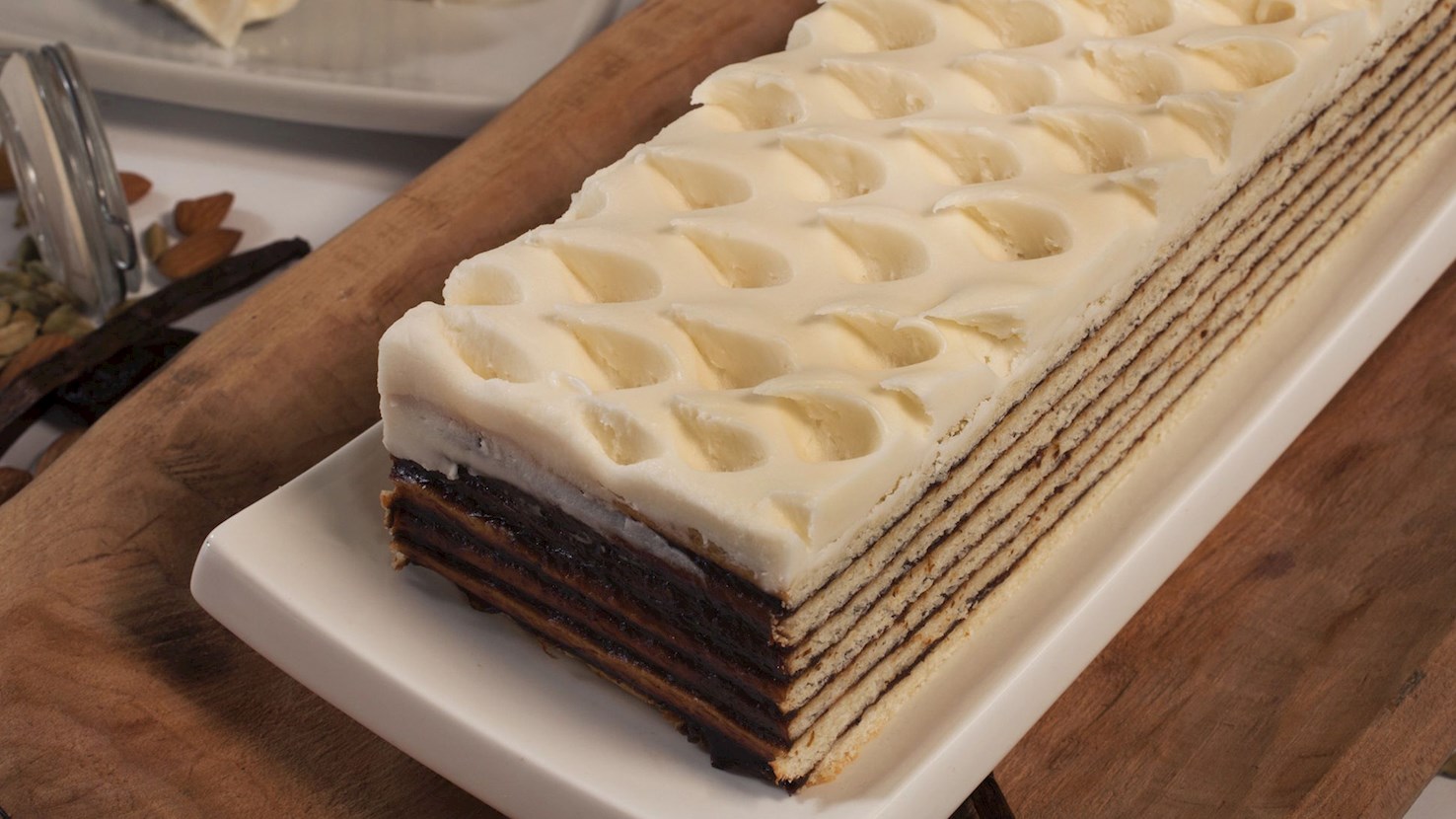
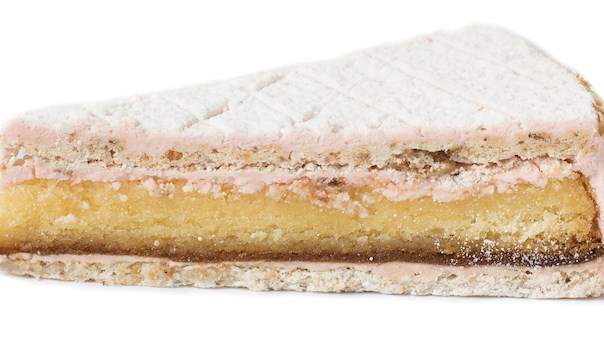
This layered Icelandic dessert is known as randalín or vínarterta (Vienna cake). Although the cake is incredibly versatile and its exact form and ingredients are often debated, it traditionally consists of thin shortbread layers that are coated with rhubarb, prune, strawberry, or apricot. The cookie-like layers are usually flavored with vanilla, cardamom, or cinnamon, and the entire cake is sometimes garnished with icing. Vínarterta originated in Iceland, but nowadays it enjoys more popularity in Icelandic communities in the United States and Canada. The cake is a Christmas favorite, but it can also be served on other special occasions.
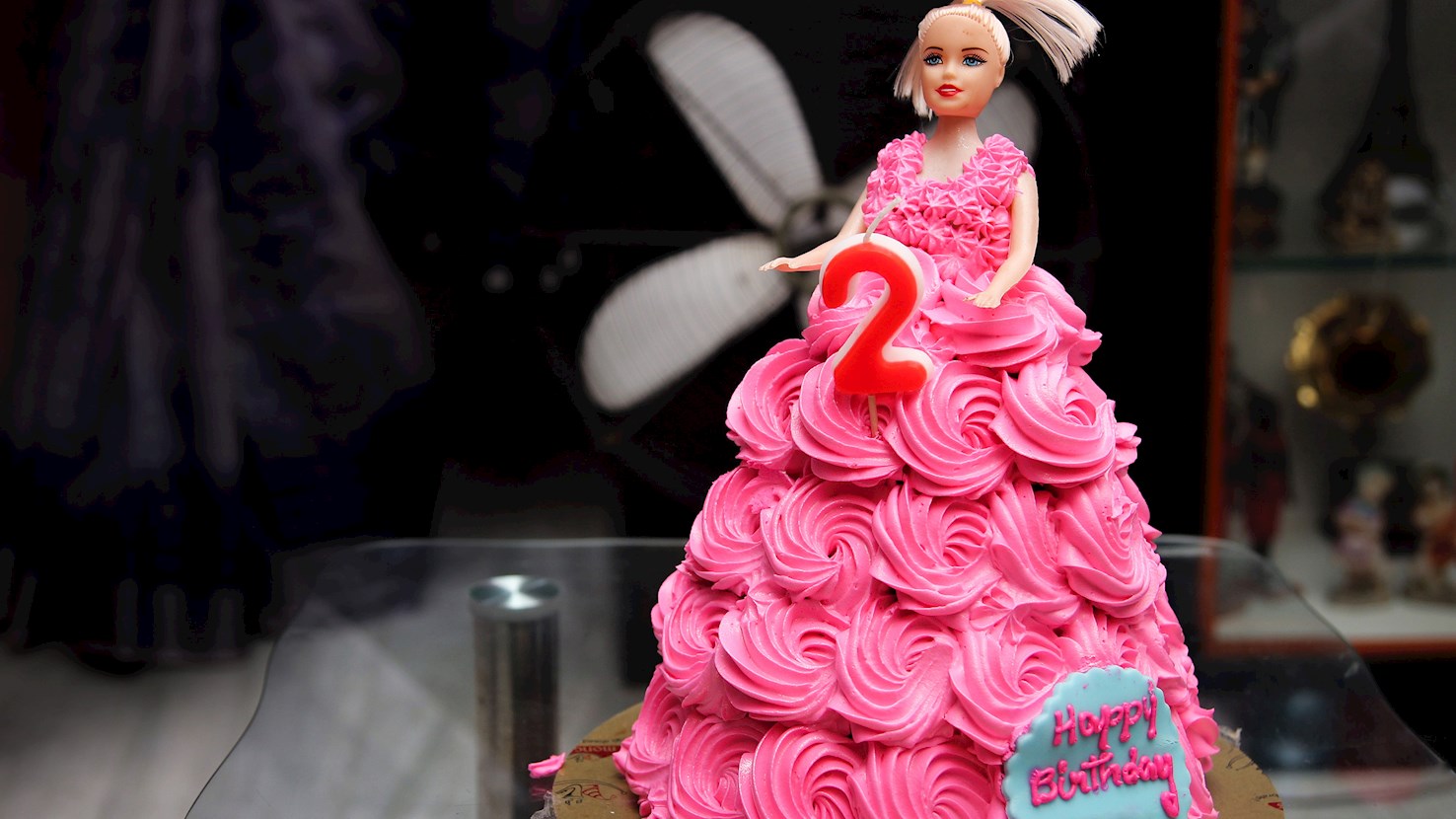
Dolly Varden cake is an iconic cake that’s especially popular at children’s birthdays in Australia. The cake was named after a character named Dolly in one of Charles Dickens’ novels (Barnaby Rudge) and the ensuing fashion style with bright colors, bold patterns, and different layers of fabric. The earliest recipe for the cake calls for four layers: chocolate, a white layer made with egg whites, a rose layer made with cochineal, and a yellow layer made with egg yolks, along with the frosting. Once baked, the multi-colored layers are stacked to create a visually attractive cake, and nowadays the layers come in a variety of flavors and colors. What sets this cake apart is the addition of the centerpiece – a Barbie (or similar) doll is placed in the center of the cake so that the cake itself acts as the doll’s skirt.
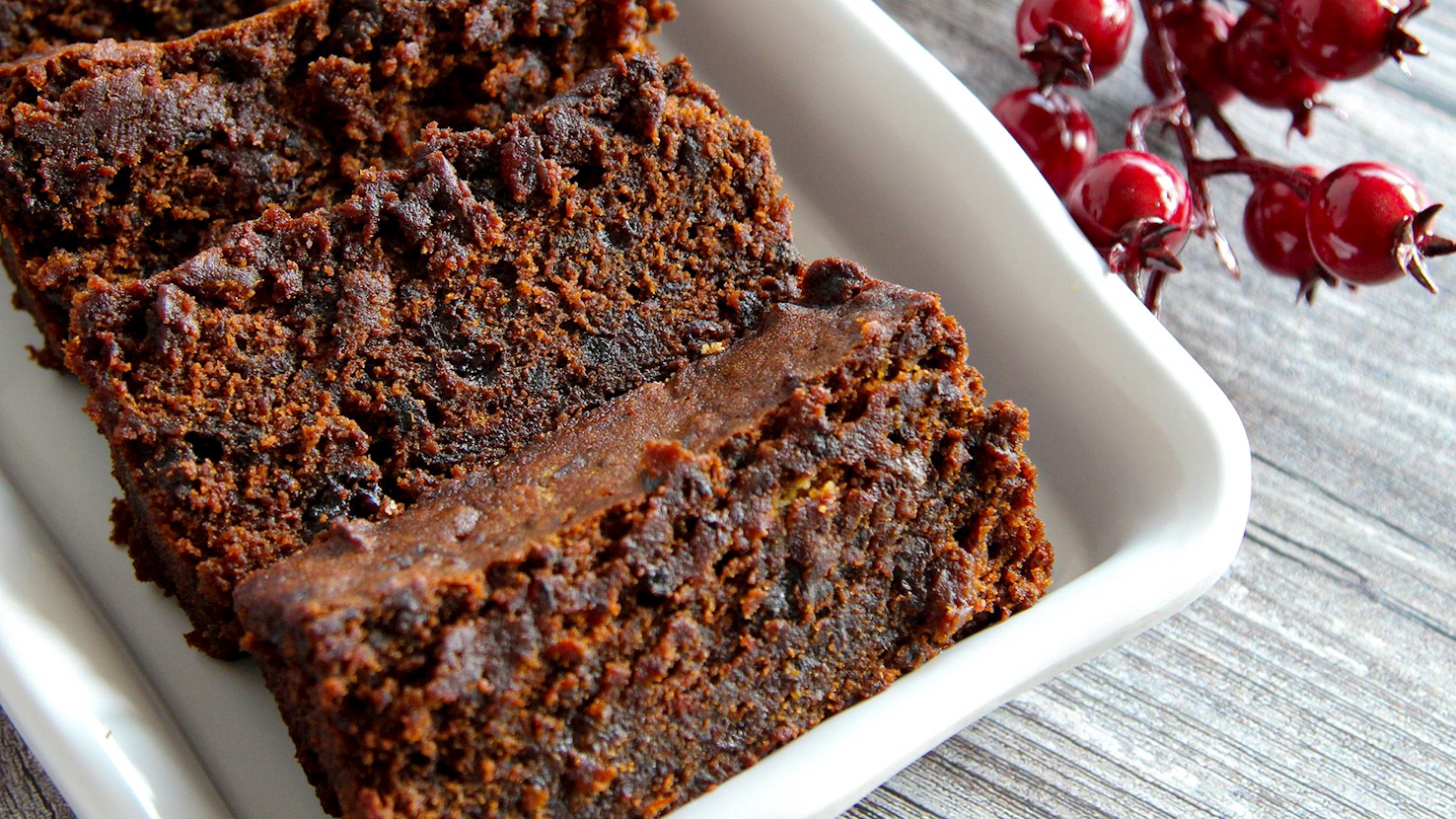
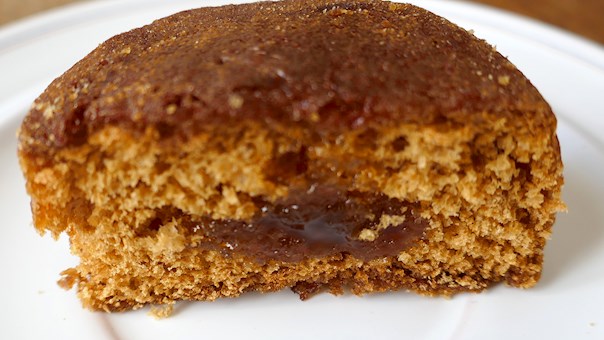
Black fruit cake is a dense, dark Caribbean cake made with rum-soaked dried fruits, browning, warm spices, and a slow-baked batter that produces a moist, heavily flavored dessert. It is prepared throughout the English-speaking Caribbean, especially in Jamaica, Belize, Trinidad, and Guyana, where it is commonly eaten during Christmas and at weddings. The cake is defined by its deep color, which comes from browning (a cooked sugar syrup) combined with puréed fruit that has been soaked for extended periods in rum, wine, or both. While each island has its own style, the core preparation, an alcohol-infused fruit base baked into a soft, dark cake, remains consistent. Its development is connected to British fruitcake brought to the Caribbean, which Caribbean cooks adapted by incorporating locally available rum, adding regional spices, and using browning to achieve a uniform dark color not present in European versions. Over time, the technique of soaking fruits for months and blending them to a smooth consistency became a defining feature. Preparation begins with raisins, currants, prunes, and cherries combined in a jar and covered with rum and red wine. These fruits are left to soak for weeks or months, and in many households the fruit mixture is replenished and reused from year to year. Before baking, the fruits are blended to a thick puree, though some cooks leave a portion chopped for texture. The cake batter is made from creamed butter and sugar, eggs, flour, baking powder, spices such as nutmeg and allspice, and browning added for color. The pureed fruits are mixed into the batter along with extra rum or wine from the soaking liquid. The batter is thick and poured into lined pans, then baked slowly at low heat to prevent scorching and to allow moisture to remain in the finished cake. After baking, some cooks brush the cake with additional rum, which helps preserve it and deepens its flavor as it rests. Black fruit cake is eaten across the Caribbean during December festivities, at weddings, and at formal gatherings. It is usually sliced thinly due to its density and richness. In Jamaica and Trinidad, it may appear alongside lighter pastries during holiday spreads, while in Barbados and Guyana it often serves as the central Christmas dessert. Beverage pairings include sorrel drink, ginger beer, rum punch, coffee, and occasionally fortified wine. When served at weddings, it may be paired with champagne or sparkling drinks. Outside the Caribbean, black fruit cake is prepared by Caribbean communities maintaining festive customs and is sold in bakeries during the holiday season, where it remains one of the most recognizable Caribbean baked goods.
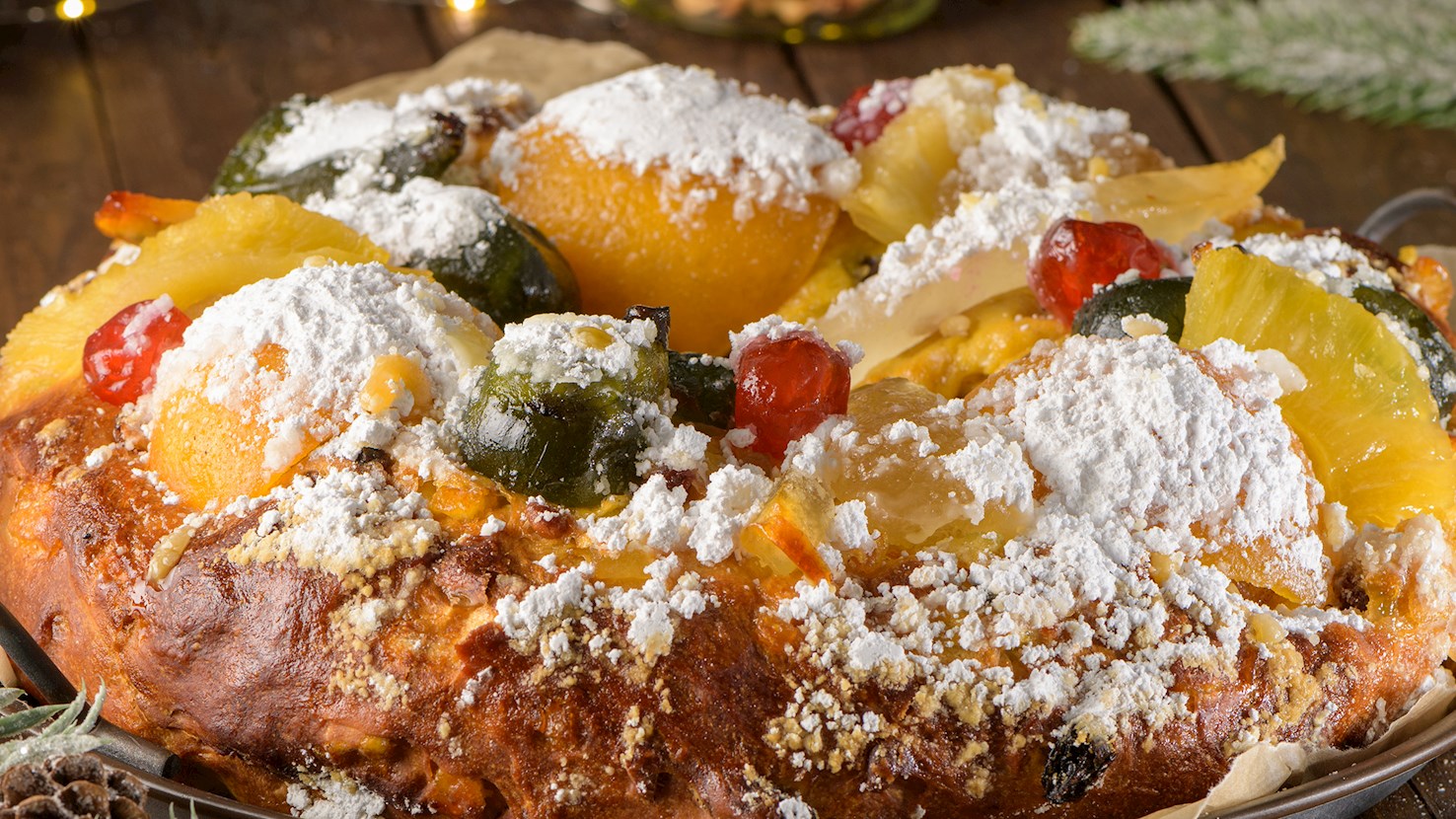
Bolo Rei (lit. King’s cake) is a staple Portuguese dessert that is traditionally prepared and consumed during the Christmas holidays, from the 25th of December until the 6th of January. This round cake with a hole in the middle is typically covered with crystalized sugar, dried fruits, and nuts. Although it has origins in France, the cake made its way into Portugal during the 19th century.
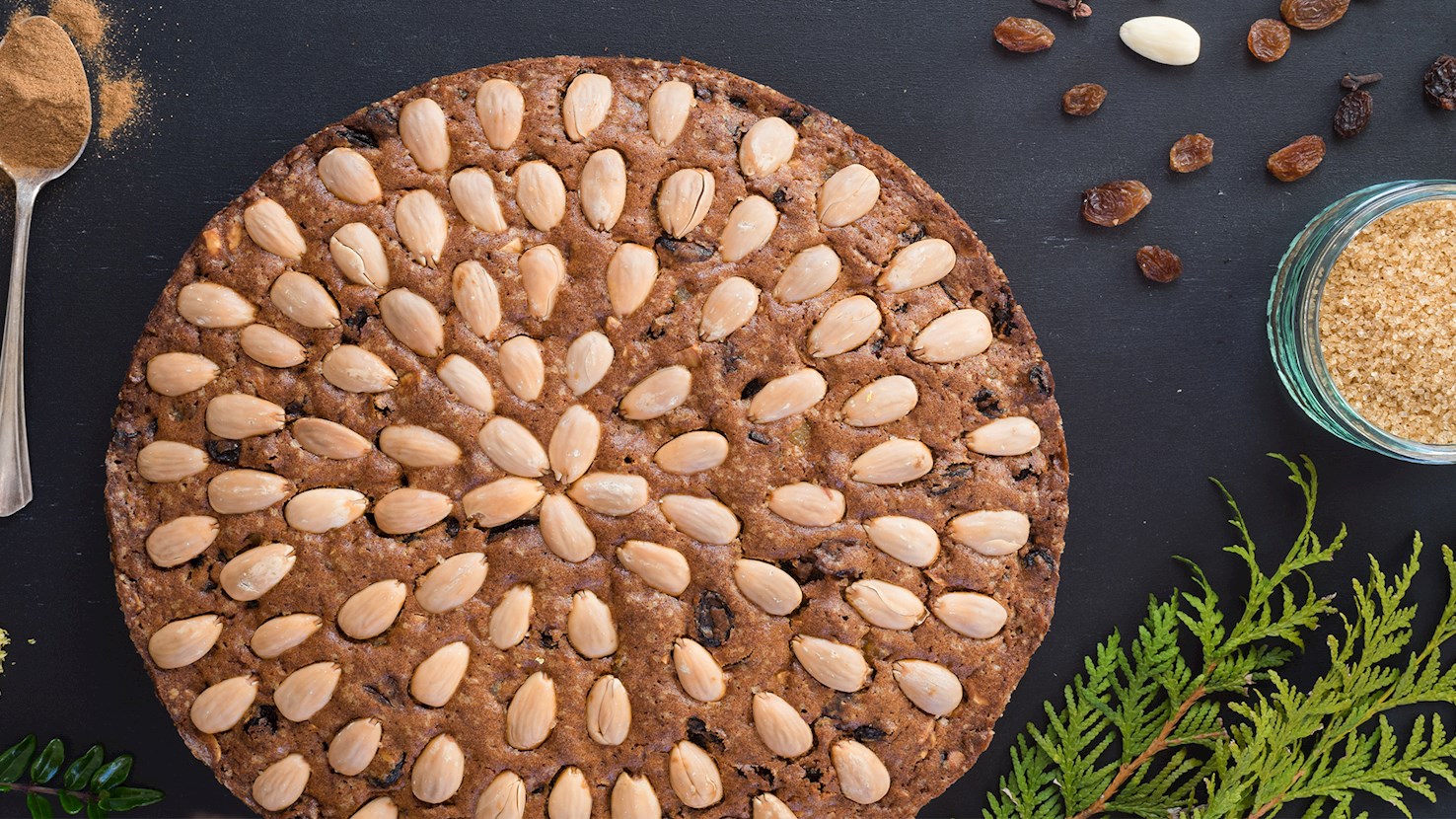
The traditional Scottish almond-studded fruitcake with sultanas and candied peel, known as Dundee cake originated in the city of Dundee while its name appears to have been first recorded in the late 19th century. Interestingly, the cake is said to be first created by Keiller’s, the renowned marmalade makers from Dundee, who apparently found it convenient to bake cakes during the part of the year when they weren't making marmalade, most likely to make use of the spare citrus peel. Until the 1970s, Keiller's were the only commercial bakers in Scotland allowed to make the famous cake, although the recipe was widely copied in other parts of Britain. In fact, bakers further south would often confuse it with other traditional recipes, suggesting it was merely the topping of whole blanched almonds which distinguished Dundee cake from similar British fruitcakes.
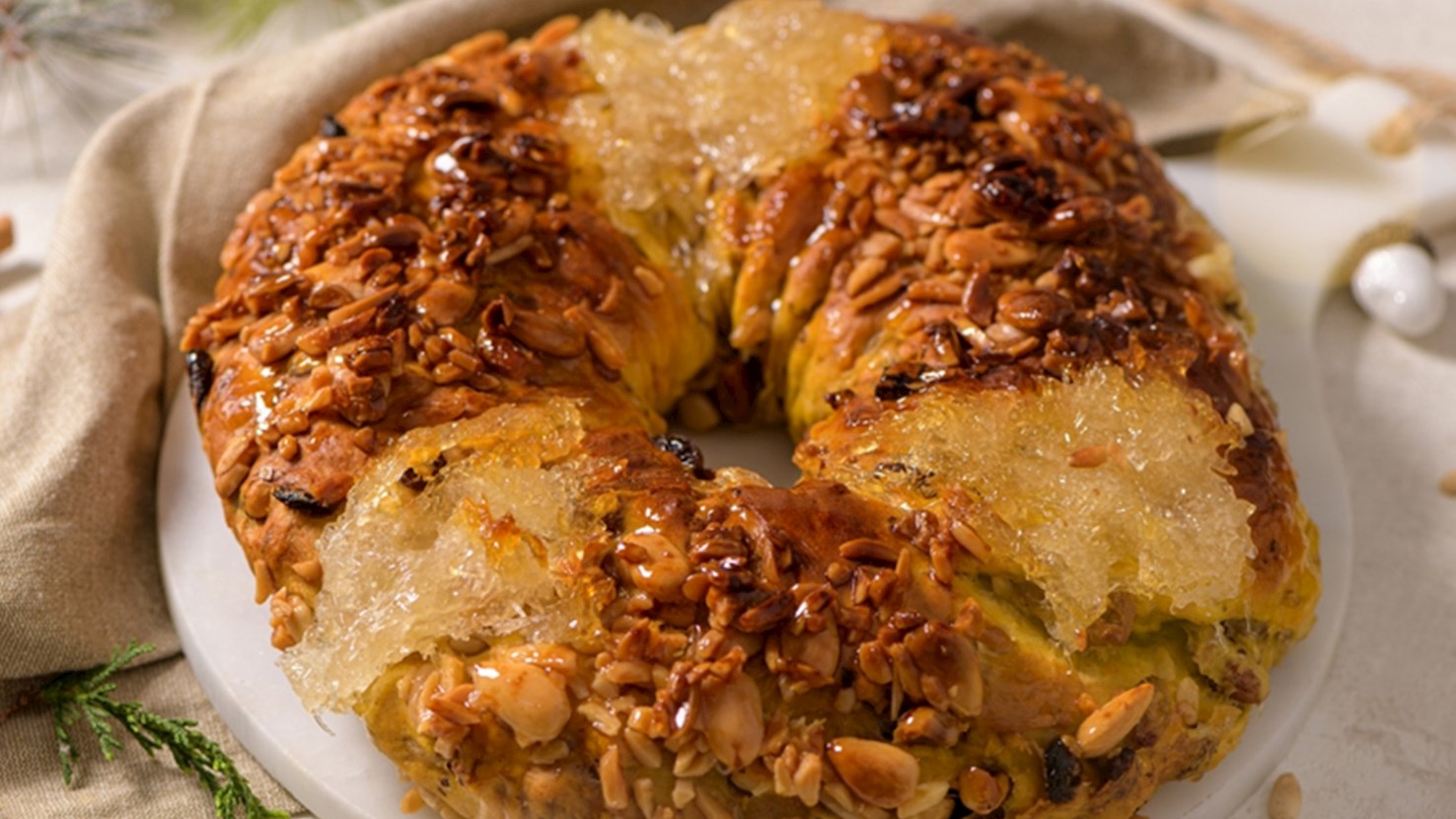
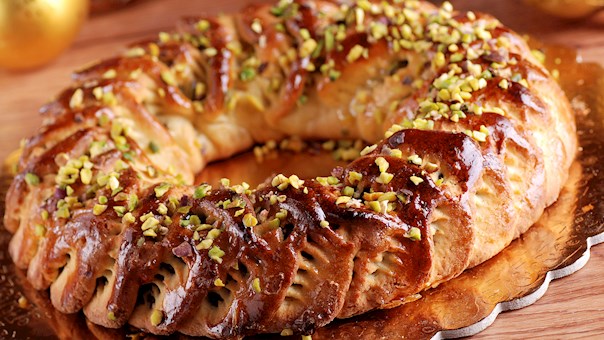
Bolo-Rainha, translating to "Queen Cake" in English, is a traditional cake that is closely related to the more commonly known Bolo Rei, or "King Cake." It is especially popular during the Christmas season and the festivities of the Epiphany (Dia de Reis) on January 6th. Similar to Bolo Rei in its brioche-like texture, Bolo-Rainha is made with a rich, sweet dough. However, it differs primarily in its fillings and toppings. While Bolo Rei is characterized by its use of candied fruits, Bolo-Rainha typically does away with these candied fruits and instead focuses more on nuts like walnuts, almonds, and sometimes hazelnuts. It also includes dried fruits such as raisins or sultanas. The top of Bolo-Rainha is adorned with a generous amount of nuts, giving it a distinct appearance compared to the colorful candied fruit topping of Bolo Rei. Like Bolo Rei, Bolo-Rainha is often baked with a hidden surprise inside, such as a small gift or a fava bean. Finding the hidden item carries a traditional significance similar to that in the Bolo Rei, often involving good luck or the responsibility of hosting future celebrations. Bolo-Rainha offers a delightful alternative for those who prefer the rich, nutty flavors over the candied fruit in Bolo Rei while still maintaining the festive and cultural significance of the traditional Portuguese holiday season.
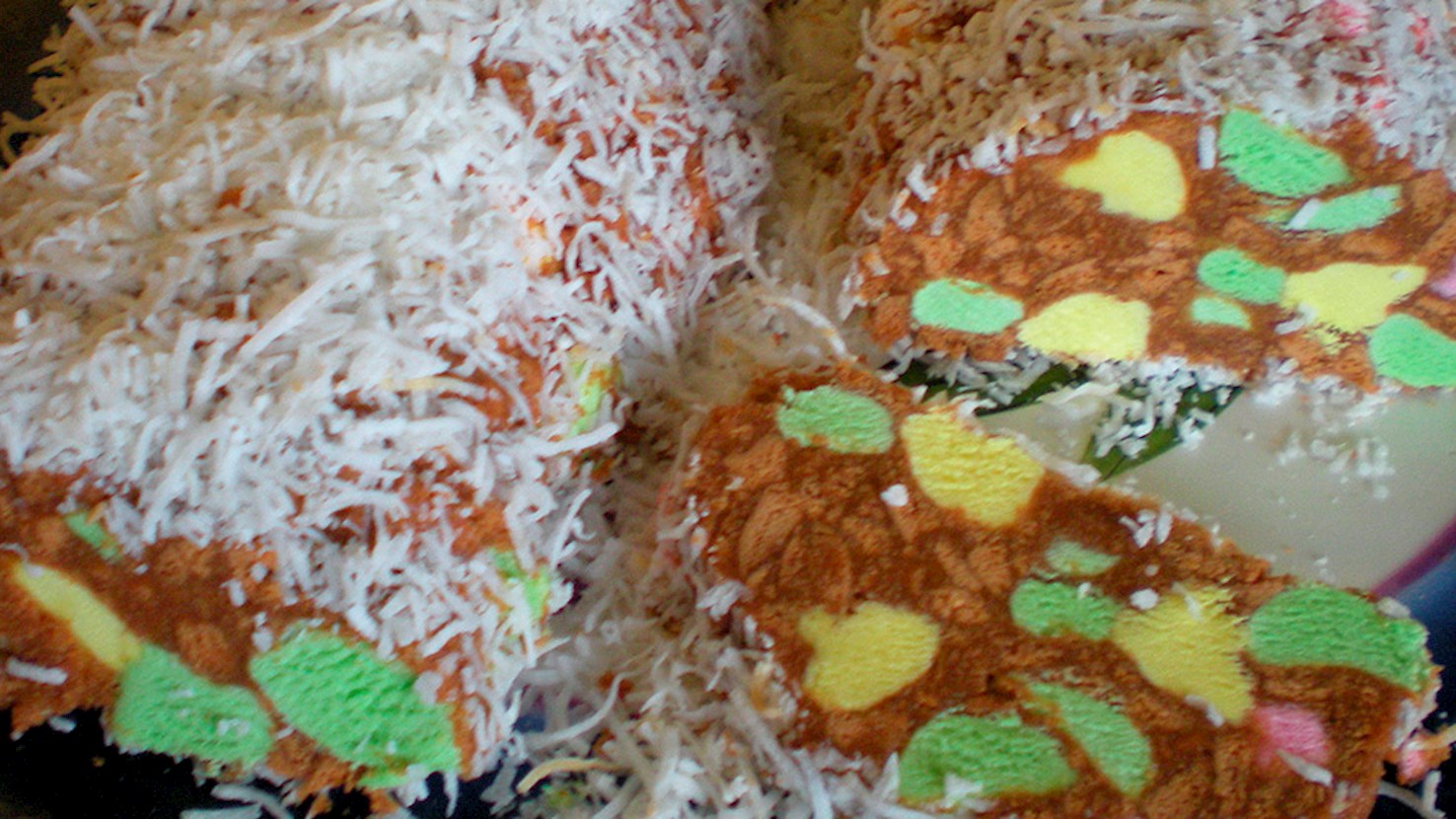
Lolly cake is a favorite dessert of many New Zealanders, consisting of crushed malt biscuits, colorful marshmallows, butter, and condensed milk. The cake is often topped with grated coconut and is served sliced. Malt biscuits are used because their unique flavor cuts the sweetness of the marshmallows. Lolly cake is a staple at various festive events such as birthdays and similar celebrations.
TasteAtlas food rankings are based on the ratings of the TasteAtlas audience, with a series of mechanisms that recognize real users and that ignore bot,
nationalist or local patriotic ratings, and give additional value to the ratings of users that the system recognizes as knowledgeable.
For the “100 Worst Rated Cakes in the World” list until October 15, 2026, 22,907 ratings were recorded, of which 17,031 were recognized by the system as legitimate.
TasteAtlas Rankings should not be seen as the final global conclusion about food. Their purpose is to promote excellent local foods,
instill pride in traditional dishes, and arouse curiosity about dishes you haven’t tried.















What People Say