

dreamstime

5 Worst Rated European Cantaloupes

Last updated on June 16, 2026
01

Melon du Quercy

3.3 ·

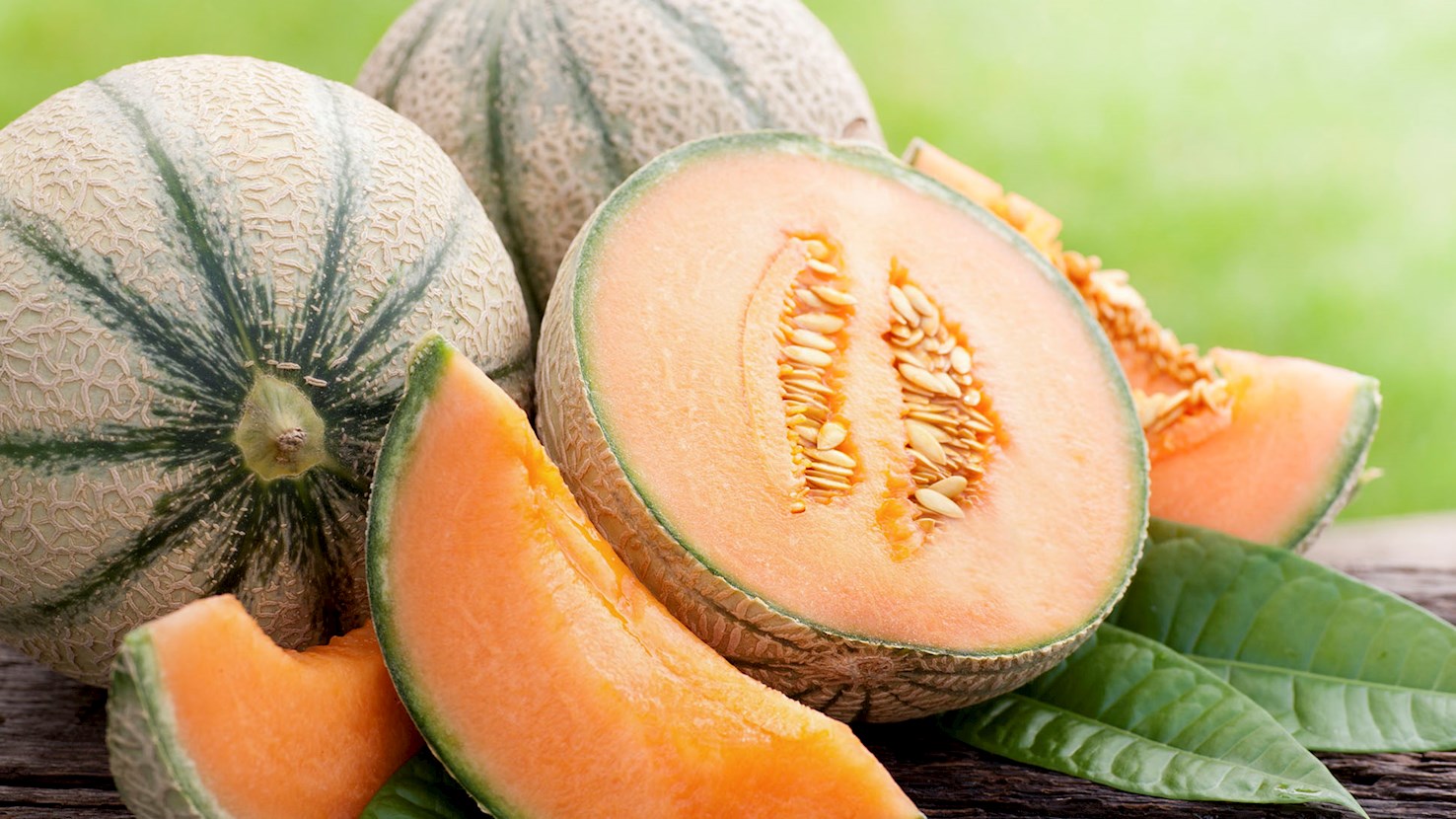
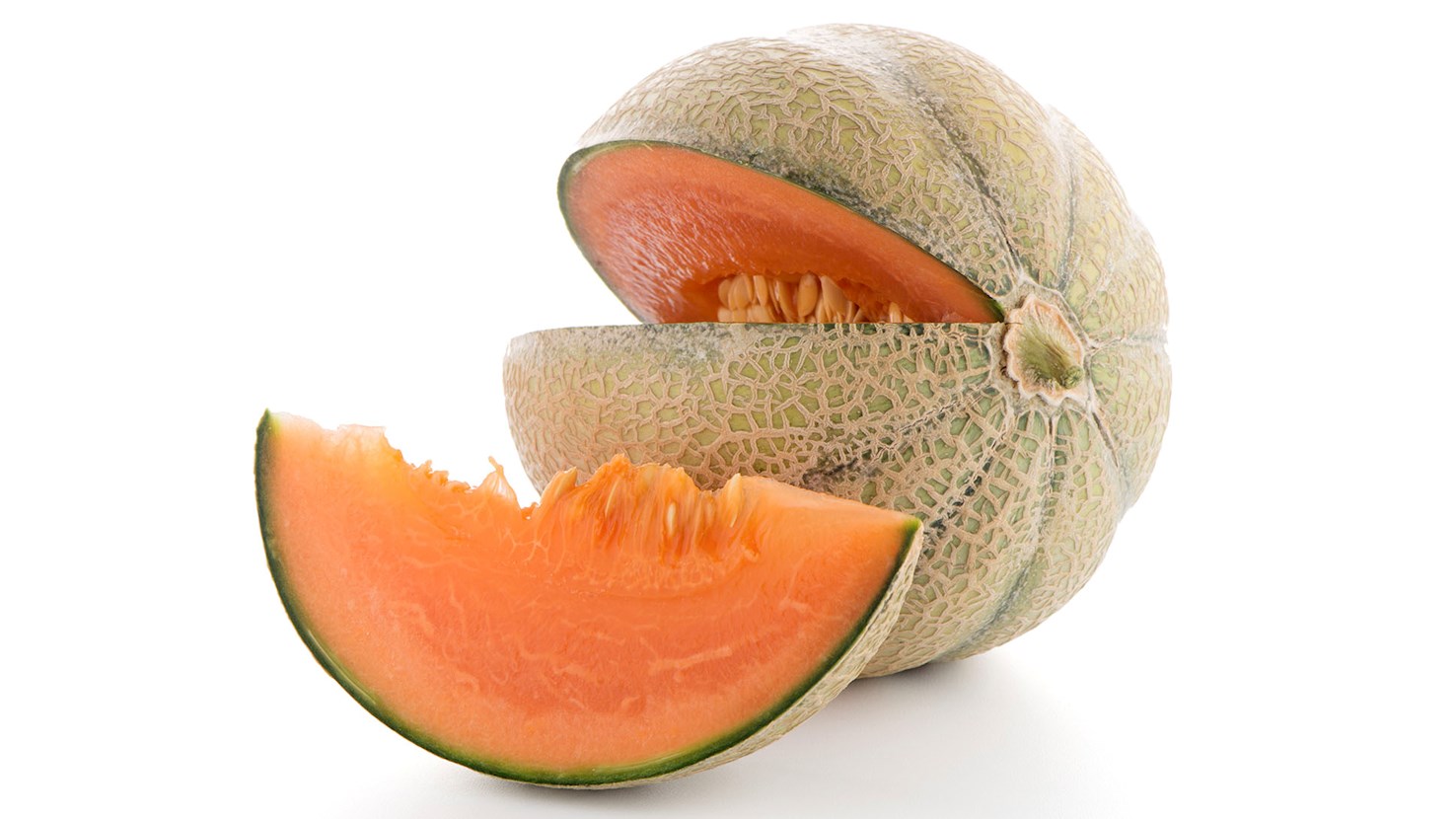
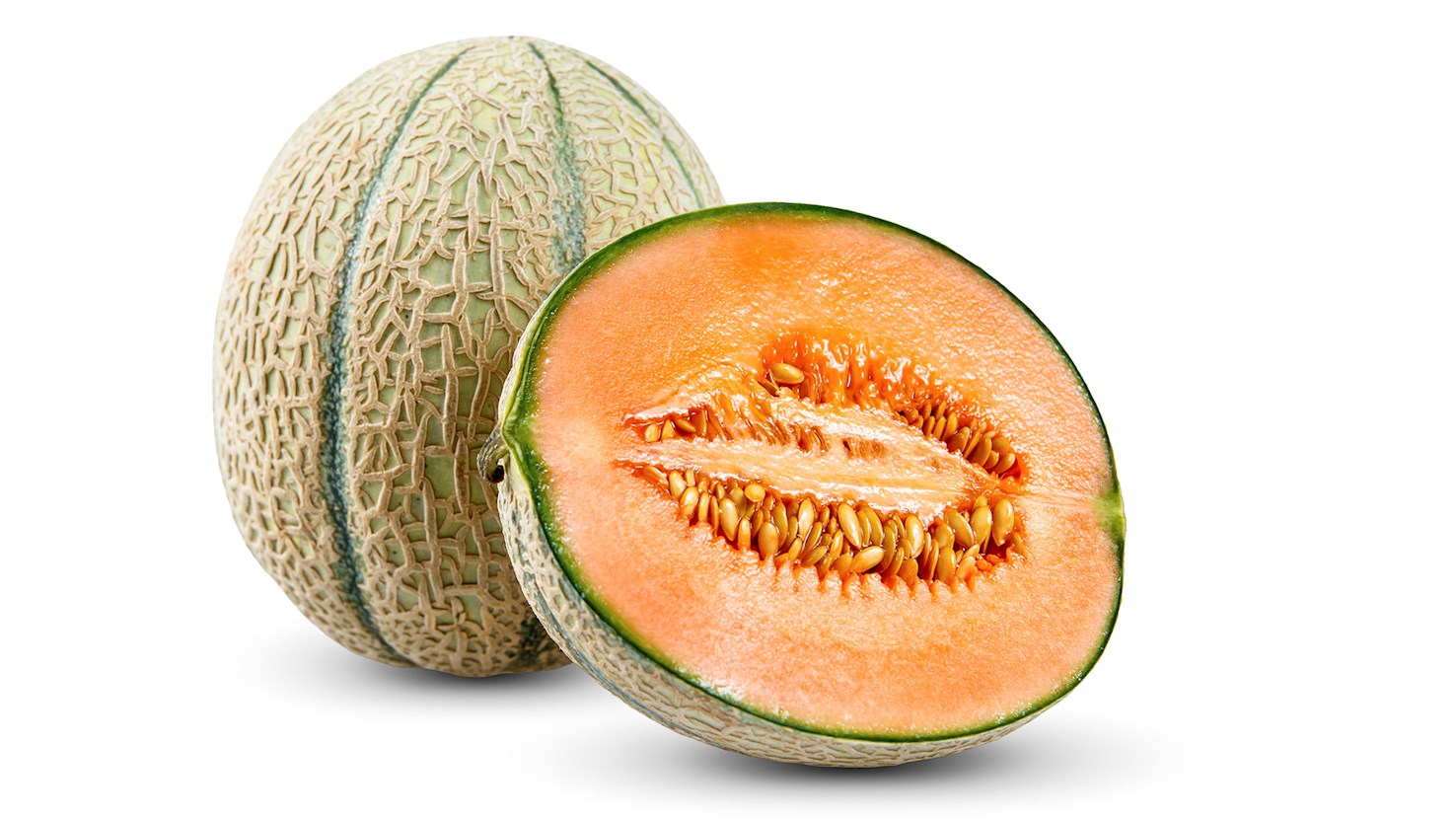
Melon du Quercy is an orange-fleshed melon with a green to yellow peel, produced in the French regions of Tarn et Garonne and Lot since the 18th century. When fully ripe, the melons are harvested, checked, sorted and graded. Due to the soil that is made of lime and clay and regulates the plant's intake of minerals, Melon du Quercy has its typical scent and unique properties. Its taste is sweet with notes of honey, and the flesh is very juicy, with a melt-in-the-mouth texture. A great summer fruit, it is low in calories and high in vitamin content, and usually eaten sliced and fresh, or paired with cured meat and port wine. Alternatively, try these melons in gazpacho or as an accompaniment to duck meat.

02

Melon de Guadeloupe

3.3 ·

Melon de Guadeloupe is a yellow melon of the Charentais variety, grown on the French island of Guadeloupe in the Caribbean. It is sold fresh, firm and whole, and must weigh at least 450 grams. Its rind is greenish or yellow on the exterior, while on the interior there is a very sweet, tender, orange flesh with a wide variety of aromas and flavors, the musky one being the most loved. The flesh is known to keep exceptionally well, due to the favorable clay soil and climatic conditions. However, it cannot be consumed just any day of the year since it is a seasonal product, harvested from November to June. Use it in chutneys, fruit salads, in cocktails or pair it with fresh scallops or dried ham.

03

Melon du Haut-Poitou

3.4 ·

Melon du Hait-Poitou is a yellow melon with a sweet flavor and intense aromas, grown around the basin of Haut-Poitou. The orange flesh is firm but juicy and sweet and melts in the mouth. The melons weigh between 550 grams and 1350 grams. They are very health-beneficial, low in calories and sugar, full of vitamins and rich in fibre. Since it is a protected product, only 16 local producers are allowed to grow it with great care on clay-limestone soil. The unique aroma is due to the favorable climate, with very hot days that are followed by cool nights in the region. A true summer fruit, it is great as a dessert, snack, or used in salads.

04

Meloa de Santa Maria Açores

3.5 ·

The Santa Maria melon is a variety of cantaloupe produced on the island of Santa Maria in the Azores archipelago. The melon is oval in shape and has a heavily crosshatched, greenish-yellow rind. The pulp is generally orange and soft in texture, and it is juicy and quite sweet when fully ripe. This particular variety of melon grown in Santa Maria is exceptionally aromatic, and the balance between its soft texture, sweetness, and flavor distinguishes it from other melons. These characteristics are due to the climate of the island of Santa Maria. These melons are high in vitamin C as compared to other cantaloupes, and they are alsy righ in minerals. The melon is a delicious summer treat, and it can be enjoyed sliced, in fruit salads, or in sorbets and ice creams.

05

Piel de sapo

3.7 ·

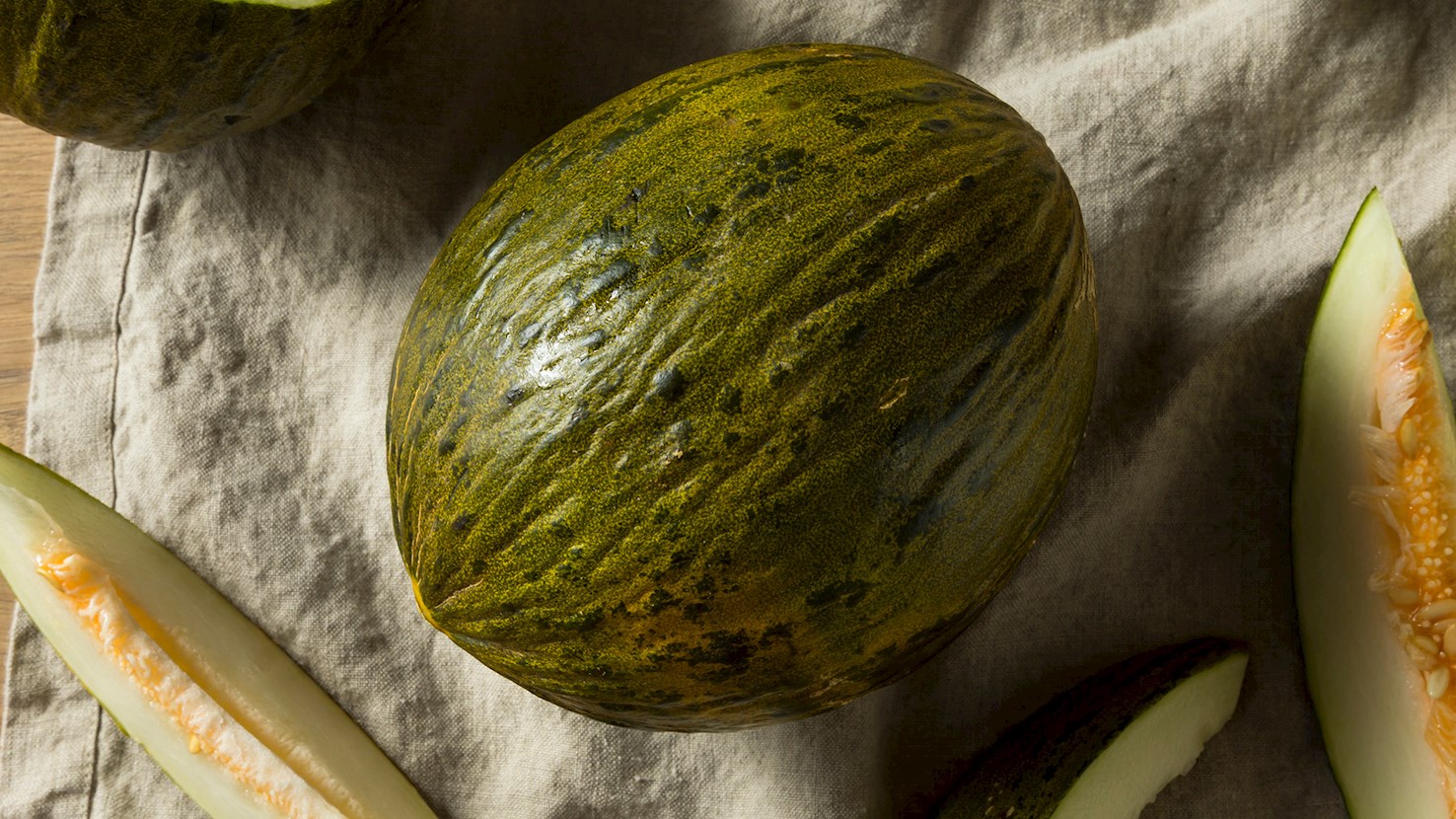
Piel de sapo or Santa Claus melon is a Spanish melon that's widely grown in La Mancha and Murcia. These melons are pale green to white, with a succulent texture and a slightly sweet flavor. The skin on the exterior is wrinkled, which is typical for a Santa Claus melon. They're in season during late spring and summer. When fully ripe, they will have a vibrant yellow hue and a soft apex (blossom end). The brighter yellow the skin and the softer the apex, the riper and sweeter they are. The name piel de sapo means toad skin, referring to the unique coloring of the rind. The flesh can be used in tarts, sauces, fruit salads, gazpachos, and even cocktails. Pair it with cured meat, citrus fruit, olive oil, and creamy cheeses for the best experience.

Read more
View all
View map
About this ranking

TasteAtlas food rankings are based on the ratings of the TasteAtlas audience, with a series of mechanisms that recognize real users and that ignore bot, nationalist or local patriotic ratings, and give additional value to the ratings of users that the system recognizes as knowledgeable. For the “5 Worst Rated European Cantaloupes” list until June 16, 2026, 77 ratings were recorded, of which 57 were recognized by the system as legitimate. TasteAtlas Rankings should not be seen as the final global conclusion about food. Their purpose is to promote excellent local foods, instill pride in traditional dishes, and arouse curiosity about dishes you haven’t tried.

Similar lists