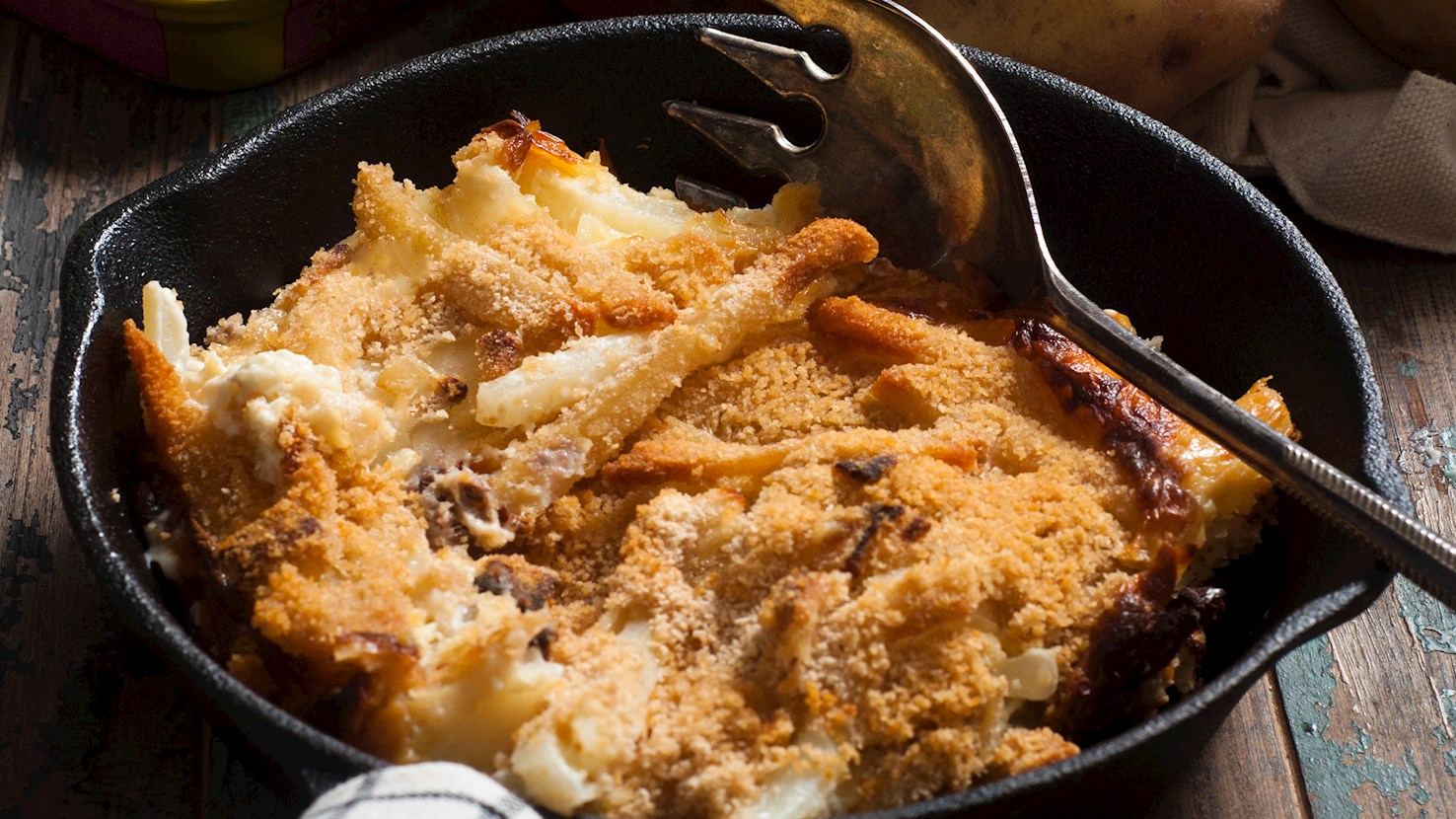
This classic casserole is one of the most popular Swedish dishes, which is often served for Christmas. It consists of potatoes and sprat fillets—do not mistake these with anchovies as it is suggested in many recipes—which are layered with onions and then doused in cream. The top of the casserole is occasionally basted in butter and sprinkled with breadcrumbs before it is baked until golden. Although it is believed that this Swedish casserole appeared earlier, the first written recipe under the catching name of Janssons frestelse, translated as Jansson's temptation, appeared in 1940. Allegedly, the name was inspired by Pelle Janzon, a popular Swedish opera singer. There's also Hansson's temptation, a vegetarian version without the sprats, loved by children, and Karlsson's temptation, in which the sprats are replaced with sautéed ground beef.
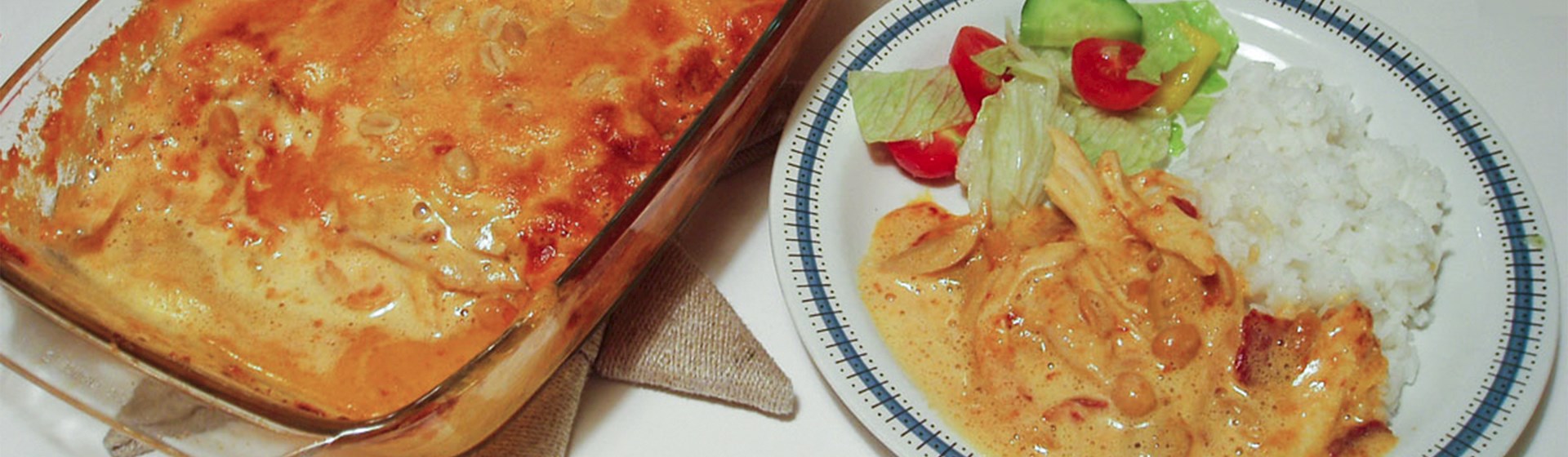
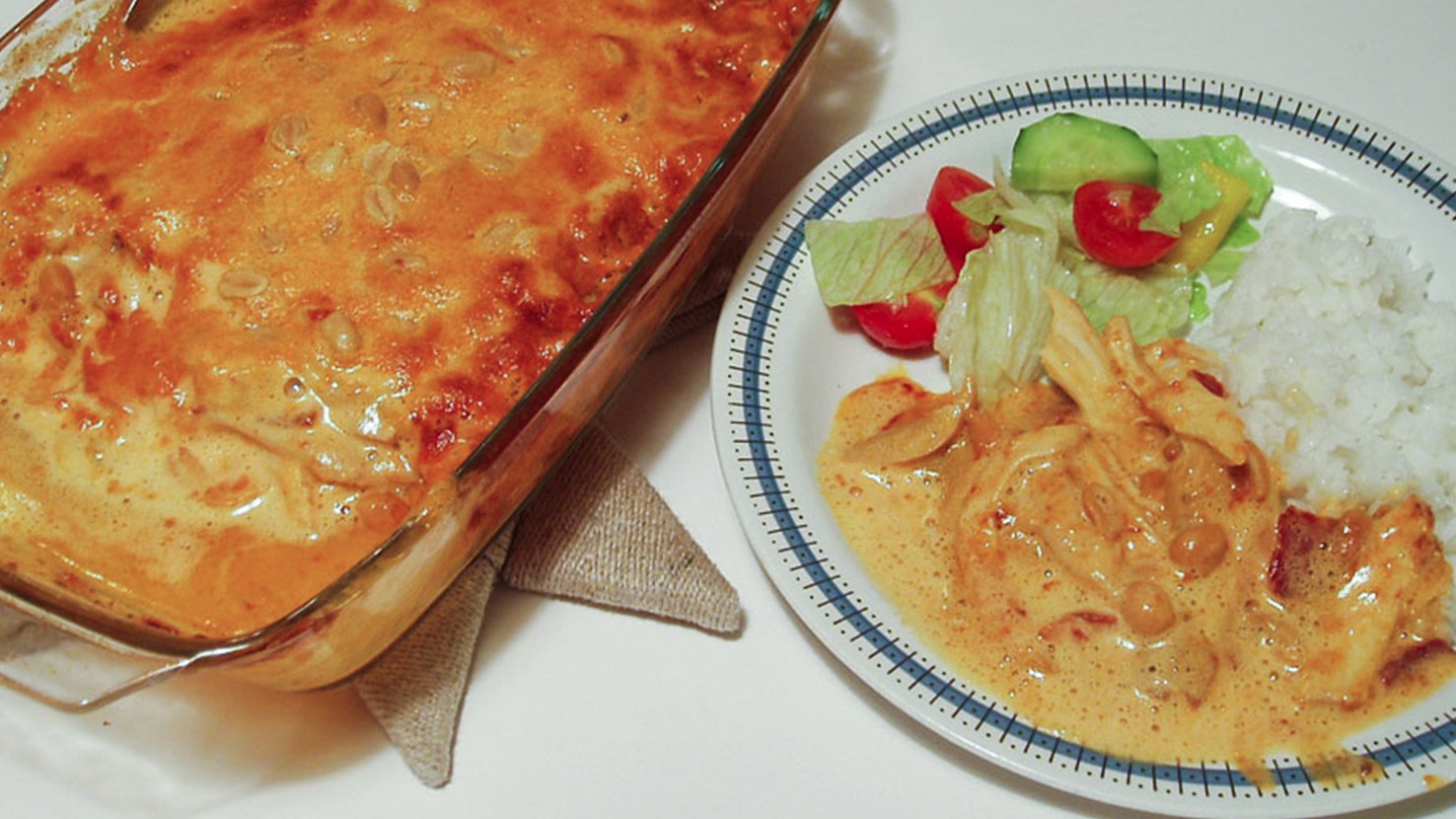
Flygande Jakob is a chicken casserole that became famous for combining ingredients that normally seem headed in completely different directions: chicken, bananas, bacon, cream, chili sauce, and salted peanuts. Baked together and usually served with rice and a green salad, it is one of the clearest examples of the sweet-savory cooking that became popular in Sweden during the 1970s. The dish appeared in 1976 in the Swedish food magazine Allt om Mat and is credited to Ove Jacobsson, who worked in the air-freight industry. The name came directly from him: “Jakob” was taken from Jacobsson, while “Flygande,” meaning “flying,” referred to his occupation. According to accounts of its creation, Jacobsson assembled the dish for a gathering at home, and one of his neighbors, Anders Tunberg, who worked for Allt om Mat, encouraged him to submit the recipe to the magazine. It was presented as an economical, practical dish for feeding a larger group, which helps explain both its casserole format and its generous mix of readily available ingredients. The original idea centered on already cooked chicken, making Flygande Jakob especially convenient at a time when ready-roasted chicken had become an increasingly practical household ingredient. The meat was placed in an ovenproof dish, covered with sliced bananas, and topped with cream mixed with Swedish-style chili sauce. Bacon and salted peanuts supplied the salty, crisp elements, while rice and green salad completed the meal. The combination may look unusual on paper, but each ingredient has a clear role: chicken provides the neutral base, cream softens and binds the sauce, banana adds sweetness and a soft texture, bacon supplies salt and smoke, peanuts bring crunch, and the tomato-based chili sauce adds acidity and mild spice. Modern Swedish recipes still preserve essentially the same structure. Preparation is straightforward. The chicken is browned or cooked first and arranged in a baking dish, followed by fried bacon and slices of banana. Cream and chili sauce are mixed together and poured over the contents before the casserole is baked until hot and lightly colored on top. The peanuts are generally added toward the end or after baking, so they retain their crunch rather than softening in the sauce. One detail that can cause confusion outside Sweden is the chili sauce itself. The sauce used in Flygande Jakob is not an intensely hot chili condiment but a mild, sweet-tart tomato-based sauce, closer in character to seasoned ketchup than to a fiery hot sauce. This keeps the casserole creamy and gently tangy rather than spicy. The bananas soften considerably during baking and become part of the sauce rather than remaining a separate fruit garnish, which is central to the finished texture. The bacon and peanuts then provide the contrast that prevents the dish from becoming uniformly soft. Over time, Flygande Jakob has produced numerous variations. Some versions use cashews instead of peanuts, some leave out the banana, and others replace the cream with lighter dairy products or coconut milk. Some modern versions also include curry, either in the sauce or as additional seasoning, while others use Italian salad seasoning in recipes influenced by the early formulation. Despite these changes, Flygande Jakob remains closely associated with its 1970s setting, when fruit in savory dishes, creamy oven casseroles, and conveniently assembled party food had a strong presence in Swedish home cooking. Flygande Jakob is served hot as a main course, with plain boiled rice remaining the standard accompaniment because it absorbs the creamy sauce without introducing another strong flavor. A crisp green salad is equally useful, adding freshness and acidity against the cream, bacon, and peanuts, and it was already part of the early serving format. Additional rich side dishes are unnecessary because the casserole itself already contains meat, cream, nuts, and bacon. For drinks, a fresh dry white wine with enough acidity to handle the cream and banana works better than a heavily oaked wine, while a light lager is an easy match for the salty bacon and peanuts. Sparkling water also works particularly well with the casserole’s combination of sweetness and richness. Flygande Jakob has lasted because its identity is unusually precise: remove too many of the contrasting elements and it becomes an ordinary chicken casserole, but combine chicken, banana, bacon, cream, chili sauce, and peanuts, and there is little doubt about what is being served.
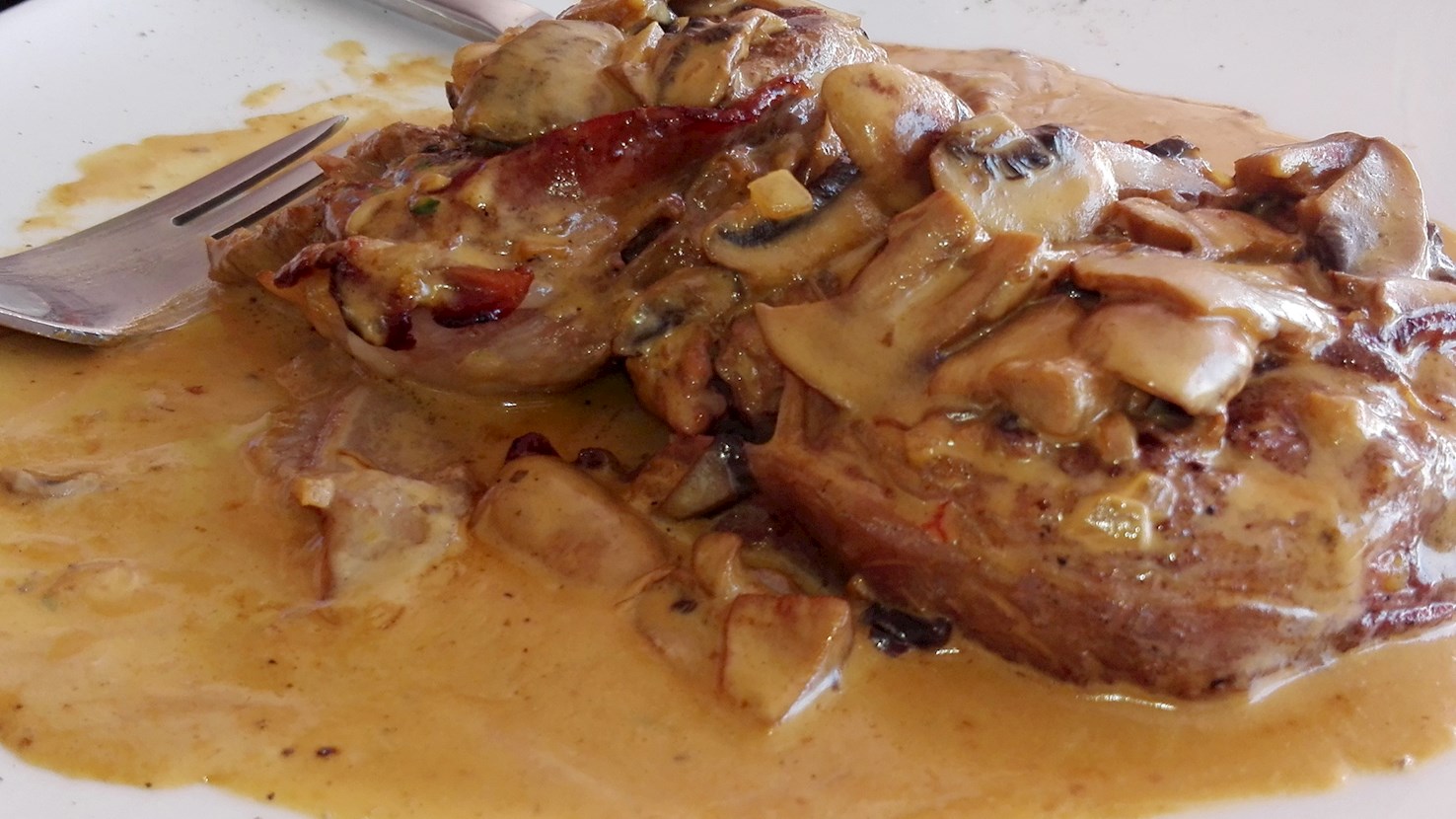
This Danish classic employs pork tenderloin that is coupled with hefty amounts of onions, all doused in a creamy sauce. The dish is usually baked as a casserole and is often complemented with mushrooms or crispy bacon bits. It is typically enjoyed as a hearty home-cooked meal and mainly comes served alongside potatoes, rice, and pickles.
TasteAtlas food rankings are based on the ratings of the TasteAtlas audience, with a series of mechanisms that recognize real users and that ignore bot,
nationalist or local patriotic ratings, and give additional value to the ratings of users that the system recognizes as knowledgeable.
TasteAtlas Rankings should not be seen as the final global conclusion about food. Their purpose is to promote excellent local foods,
instill pride in traditional dishes, and arouse curiosity about dishes you haven’t tried.




What People Say