

shutterstock

3 Worst Rated Czech Cheeses

Last updated on June 16, 2026
01

Jihočeská Zlatá Niva

3.5 ·

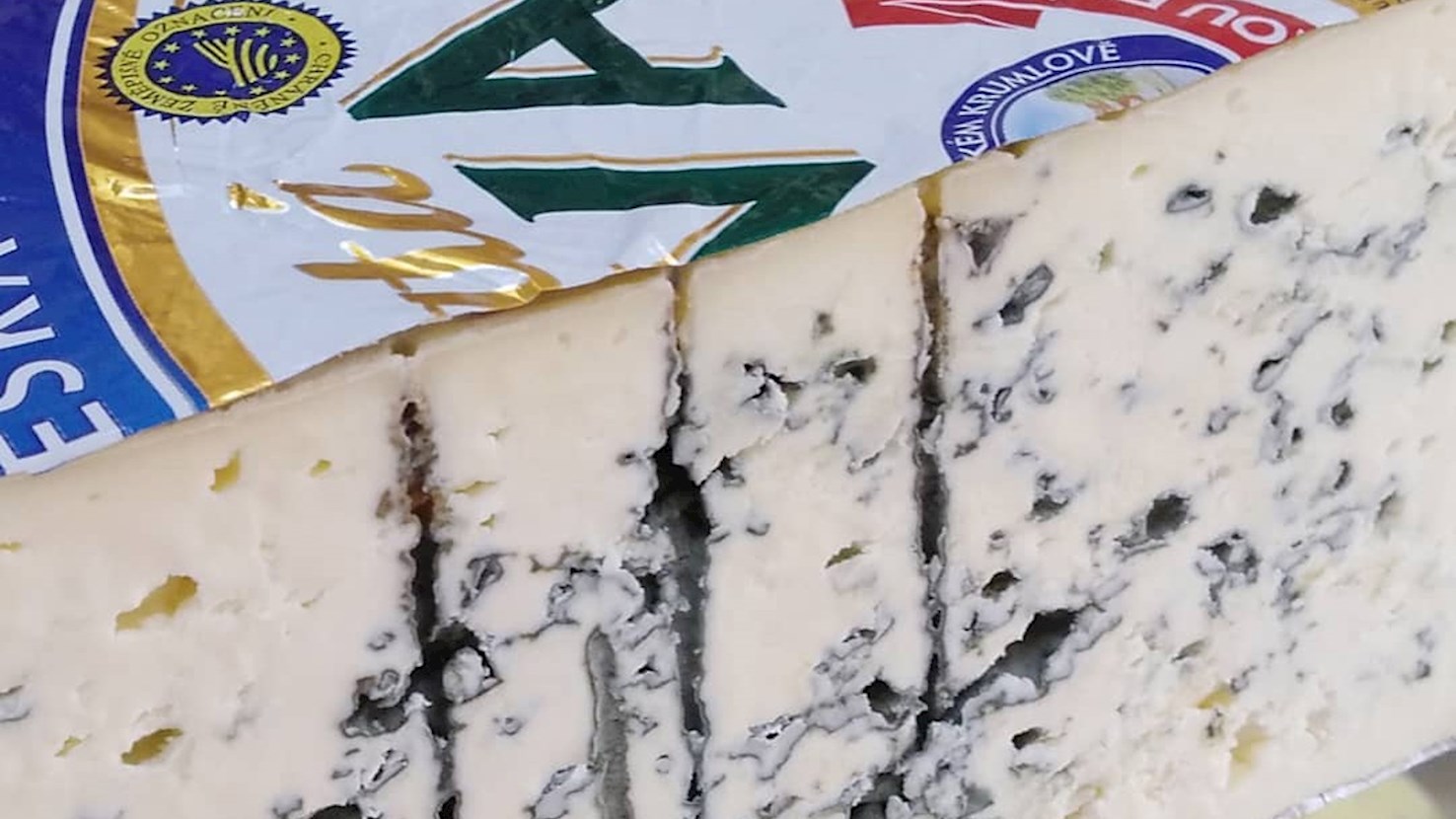
Jihočeská Zlatá Niva is a blue cheese made in the South Bohemia region in the Czech Republic from processed cow's milk from the region. Zlatá Niva is a round cheese with a washed rind with blue or green mould on the semi-waxy, creamy or light brown exterior. On the interior, the cheese is creamy white to pale yellow in colour with blue to green mould dispersed throughout the body, along with visible needle prickings due to the Penicillium roqueforti treatment. Its texture is pasty and lighter than that of its cousin, Jihočeská Niva. The flavour and scent are salty, aromatic, intense and pungent, characteristic of blue cheeses that have been cultured with Penicillium mould. The weigh of the final product is around 2,8 kilogrammes and is always sold in its original wheel-shape. Although it is not as popular as its cousin, Jihočeská Niva, the sales have held steady since 2004.

02

Olomoucké tvarůžky

3.6 ·

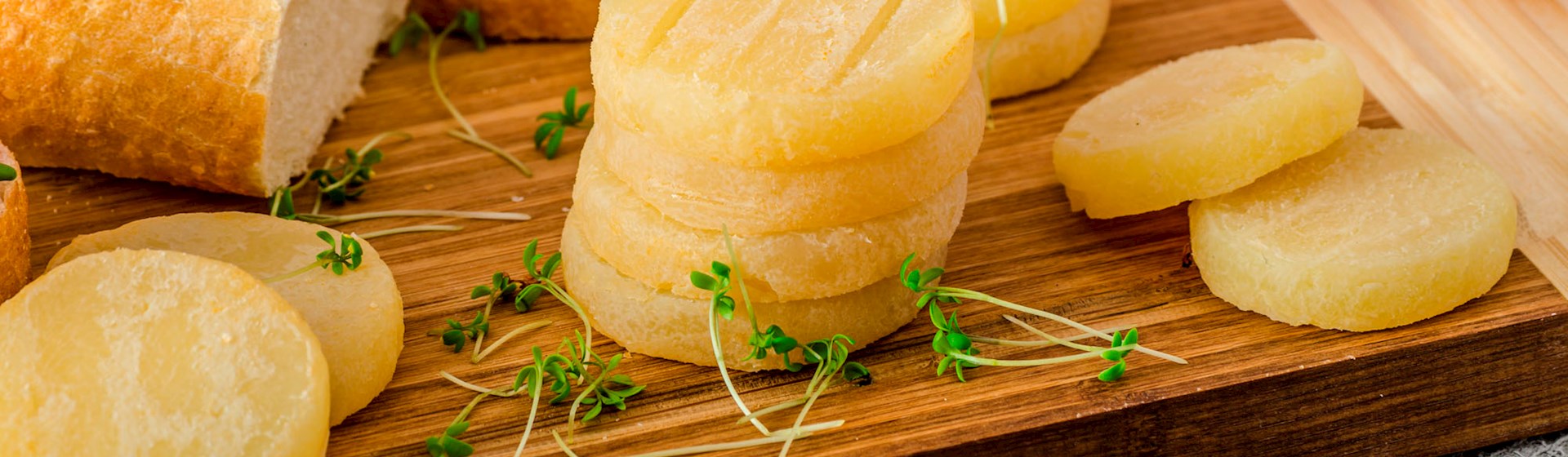
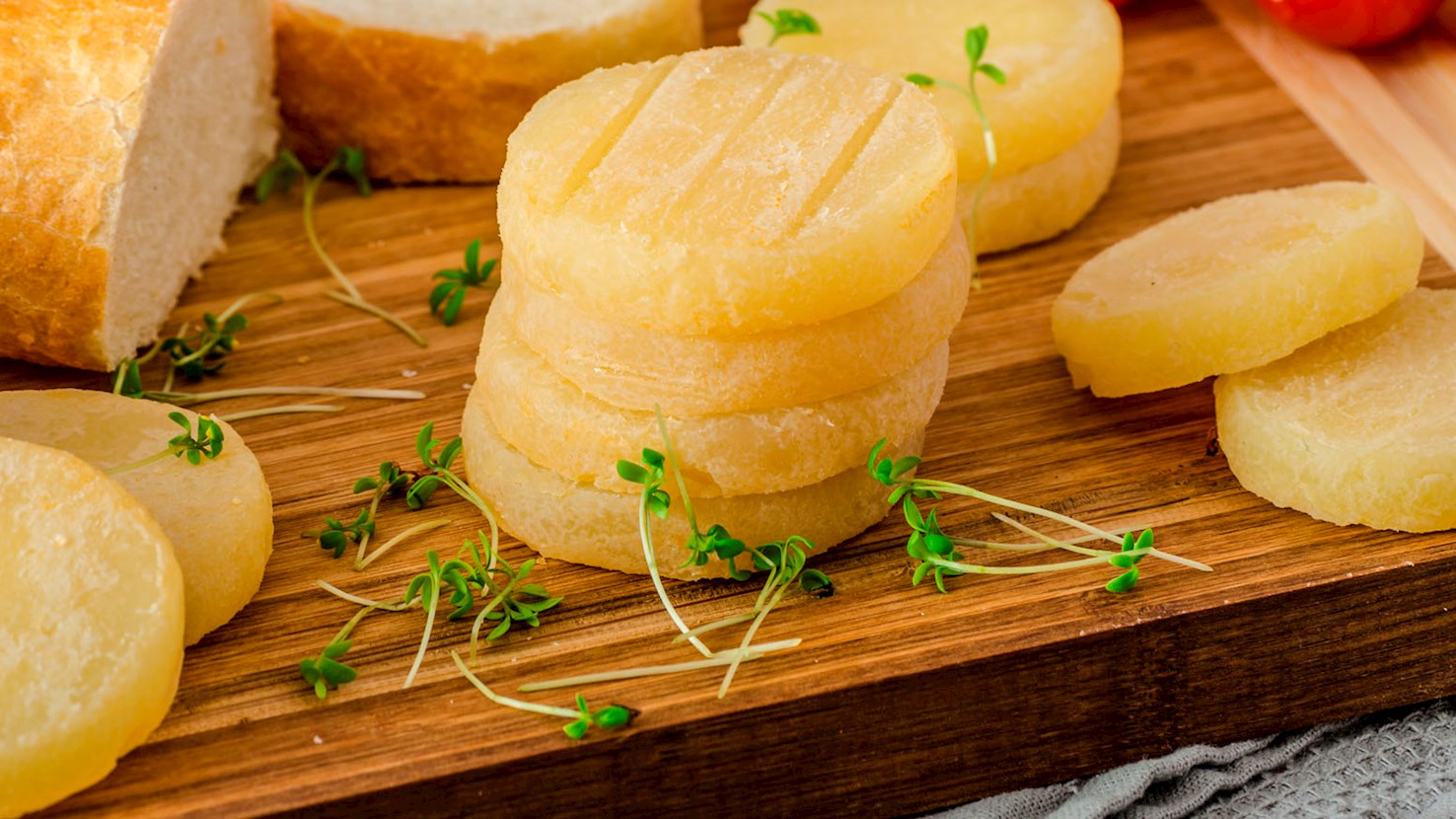
Olomoucké tvarůžky is a unique table cheese produced from fat-free sour curd in the Haná region in the Czech Republic. It has a savory, piquant flavor that develops during the ripening phase due to the influence of the microflora on its surface. Depending on the length of ripening, the scent can vary from slightly to intensely pungent. On the exterior, it is covered with a golden to orange colored smear, and looks waxy, like a honeycomb, while, on the interior, the texture is homogeneous, semi-soft to soft and slightly chewy. The cheese is shaped into short rolls, rings or sticks, each piece weighing about 20-30 grams. In the town of Loštice, where the cheese is produced, there is also a Museum of Olomoucké tvarůžky, where one can find probably the world's only tvarůžky-selling vending machine. Due to its high popularity, there is also a special cookbook dedicated exclusively to this unique stinky cheese.

03

Jihočeská Niva

3.8 ·

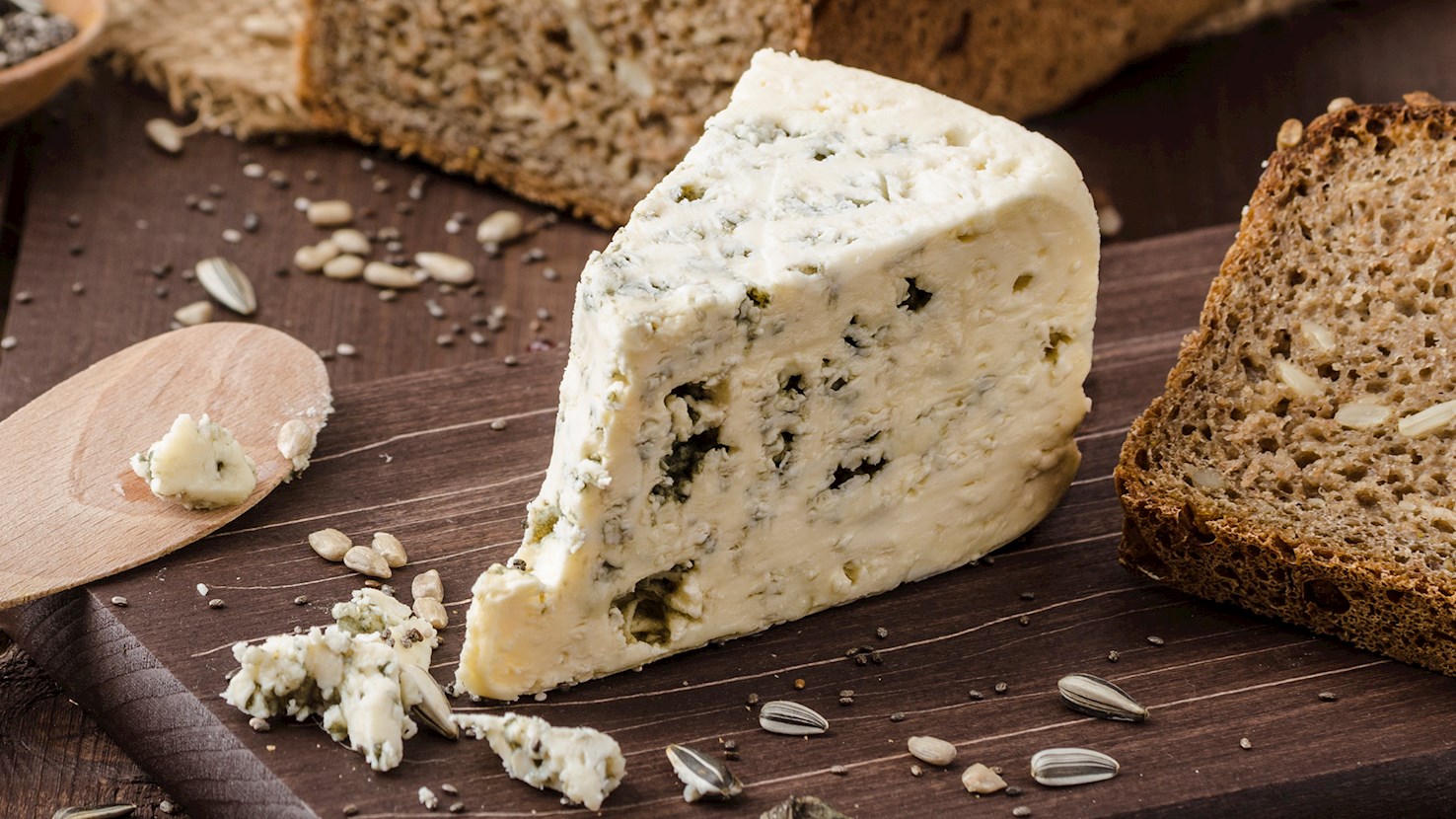
Jihočeská Niva is a blue cheese made from cow's milk, produced in the South Bohemia region in the Czech Republic since 1951. It must weigh approximately 2,8 kilogrammes and has a washed rind with a semi-waxy finish and blue-green mould on the creamy to light-brown coloured exterior. On the interior, it is creamy white to pale yellow in colour with blue-green mouldy veins and marks from the needle pricking dispersed throughout the cheese. Its texture is crumbly and semi-soft while the taste is salty, intensely aromatic, sharp and pungent. For the best experience, pair it with black olives, whole grain crackers, celery, cucumbers, sliced pears or meat such as beef, ham and poultry and a glass of dessert wine.

Read more
View all
View map
About this ranking

TasteAtlas food rankings are based on the ratings of the TasteAtlas audience, with a series of mechanisms that recognize real users and that ignore bot, nationalist or local patriotic ratings, and give additional value to the ratings of users that the system recognizes as knowledgeable. For the “3 Worst Rated Czech Cheeses” list until June 16, 2026, 230 ratings were recorded, of which 167 were recognized by the system as legitimate. TasteAtlas Rankings should not be seen as the final global conclusion about food. Their purpose is to promote excellent local foods, instill pride in traditional dishes, and arouse curiosity about dishes you haven’t tried.

Similar lists