



45 Worst Rated North American Cheeses

Last updated on May 21, 2026
01

Cheez Whiz

2.1 ·

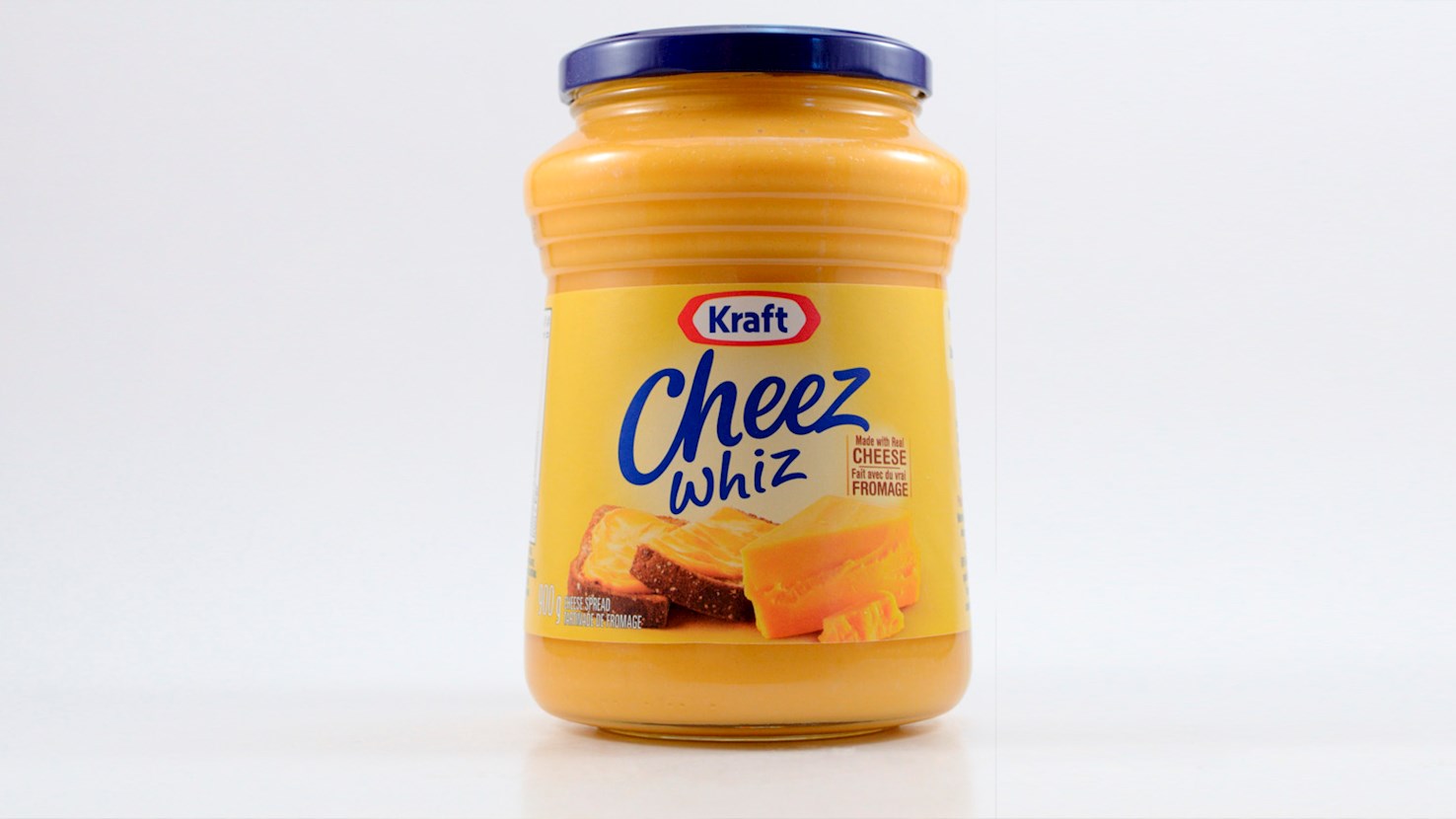
Cheez Whiz is a processed cheese spread, dip, or sauce, and it's also a brand of Kraft Foods. This product started its life in 1952, and nowadays it's marketed in the United States, but also in Canada, the Philippines, and Venezuela. It is orange-yellow in color and usually comes in a glass jar. The product contains whey, milk, salt, mustard flour, Worcestershire sauce, cheese cultures, enzymes, natural flavorings, and many other emulsifiers and stabilizing agents. It is often used as a topping for hot dogs, french fries, and nachos, as well as being one of the key ingredients in Philly-style cheesesteak. Nowadays, there are versiosn such as Cheez Whiz Light, Cheez Whiz Bacon, and Cheez Whiz Pimento, among others.

02

Cup Cheese

2.1 ·

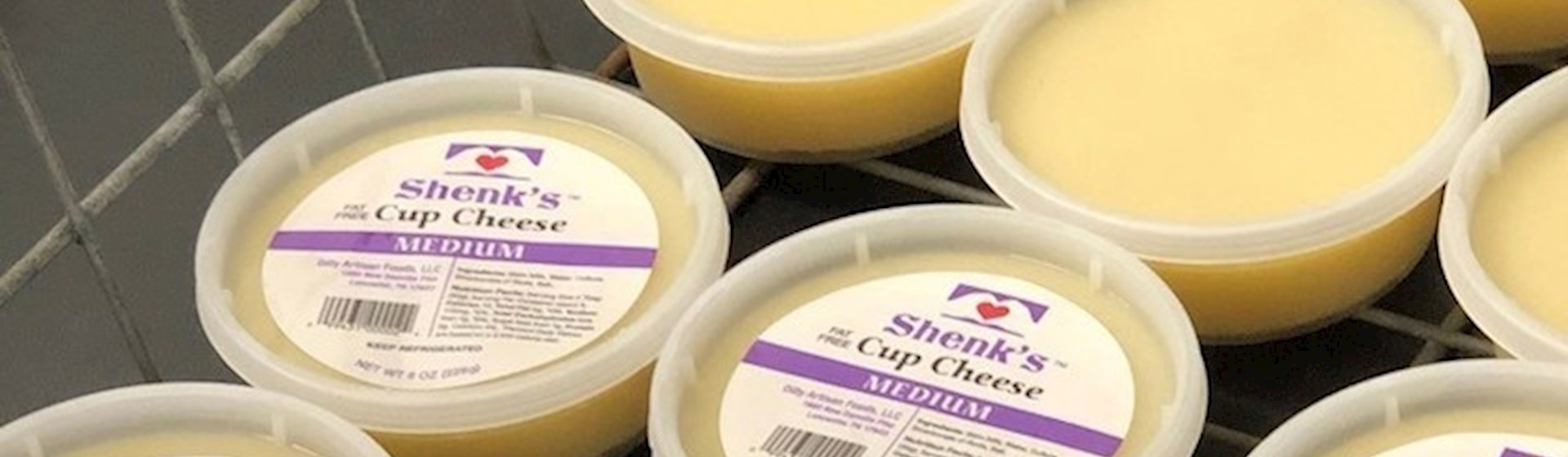
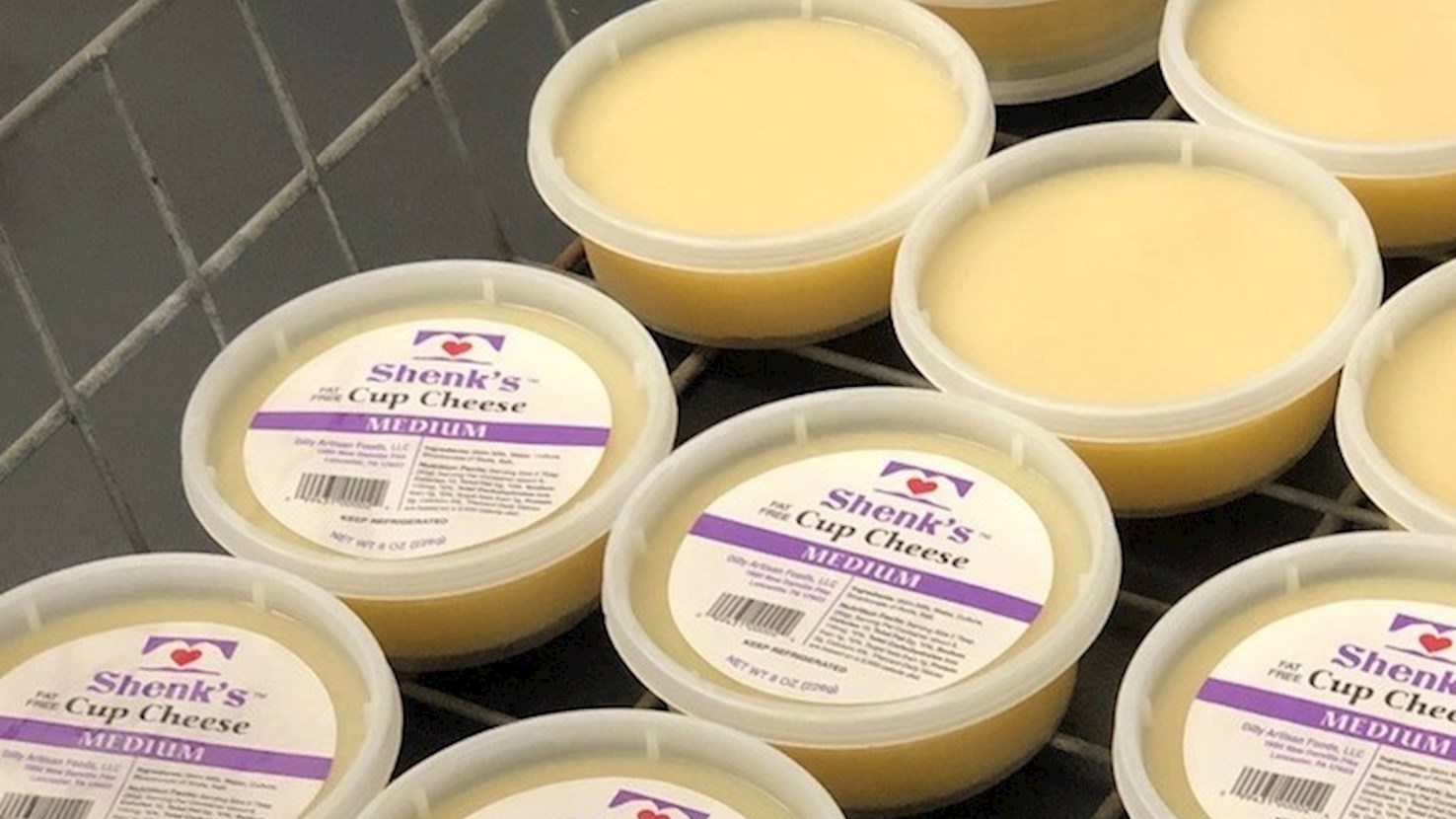
Cup cheese is an American cheese made with raw cow's milk. It originates from Pennsylvania, where it has been made by the Amish and Mennonites for centuries. The texture of cup cheese is soft and similar to molasses, and its flavors are strong and sour. The cheese is quite fatty, but there are some fat-free versions available in supermarkets. The name cup cheese refers to the method of storage – it is traditionally stored or sold in a cup or a pot.

03

Provel

2.5 ·

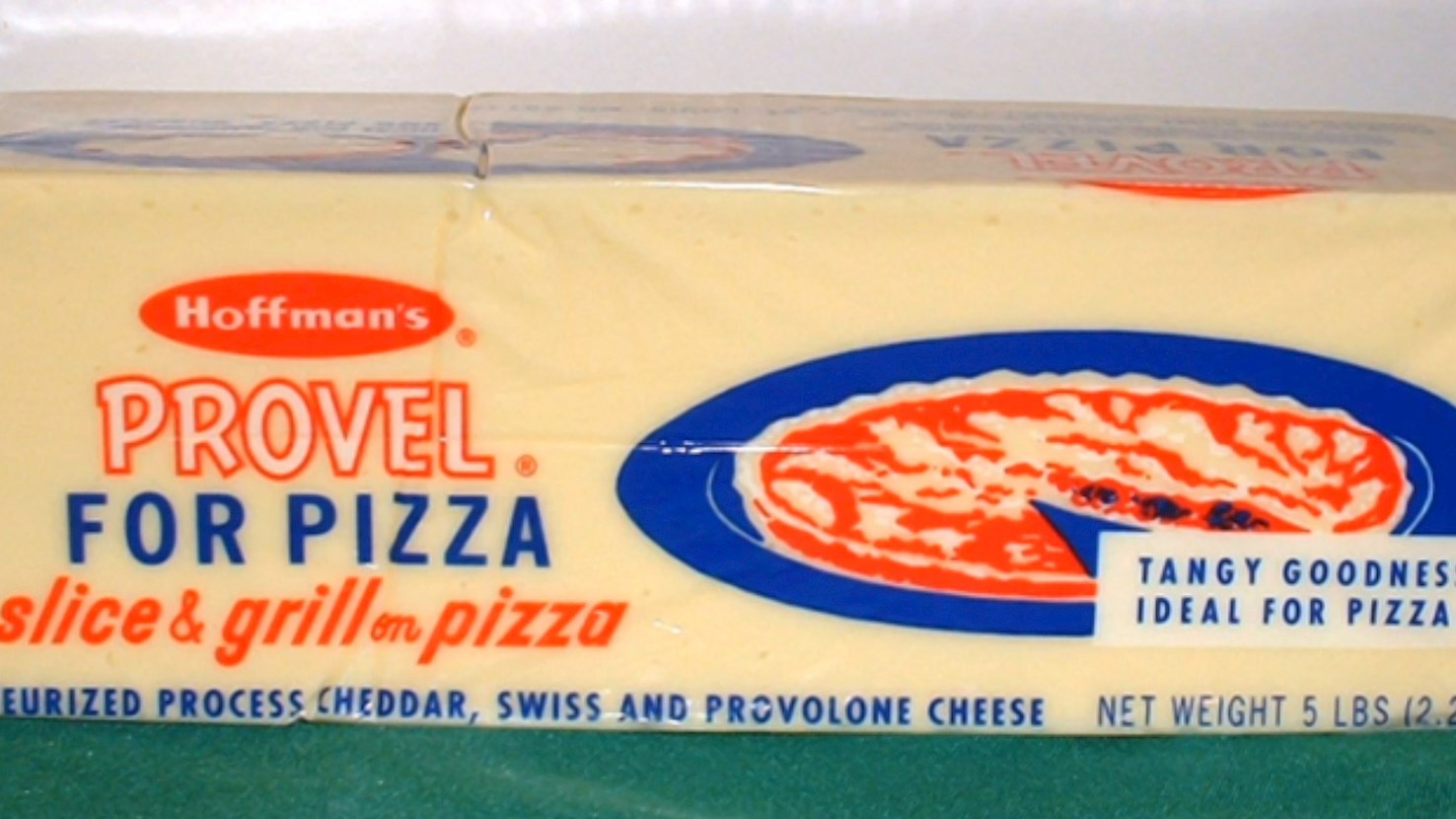
Provel is an American cheese made from pasteurized cow's milk. It is produced by combining different cheeses such as Cheddar, Provolone, and Swiss cheese. Its texture is supple, creamy, and gooey, while the flavors are buttery and slightly spicy. Provel is often used in cheese soups and St. Louis-style pizza due to its low melting point.

04

Bijou

2.7 ·

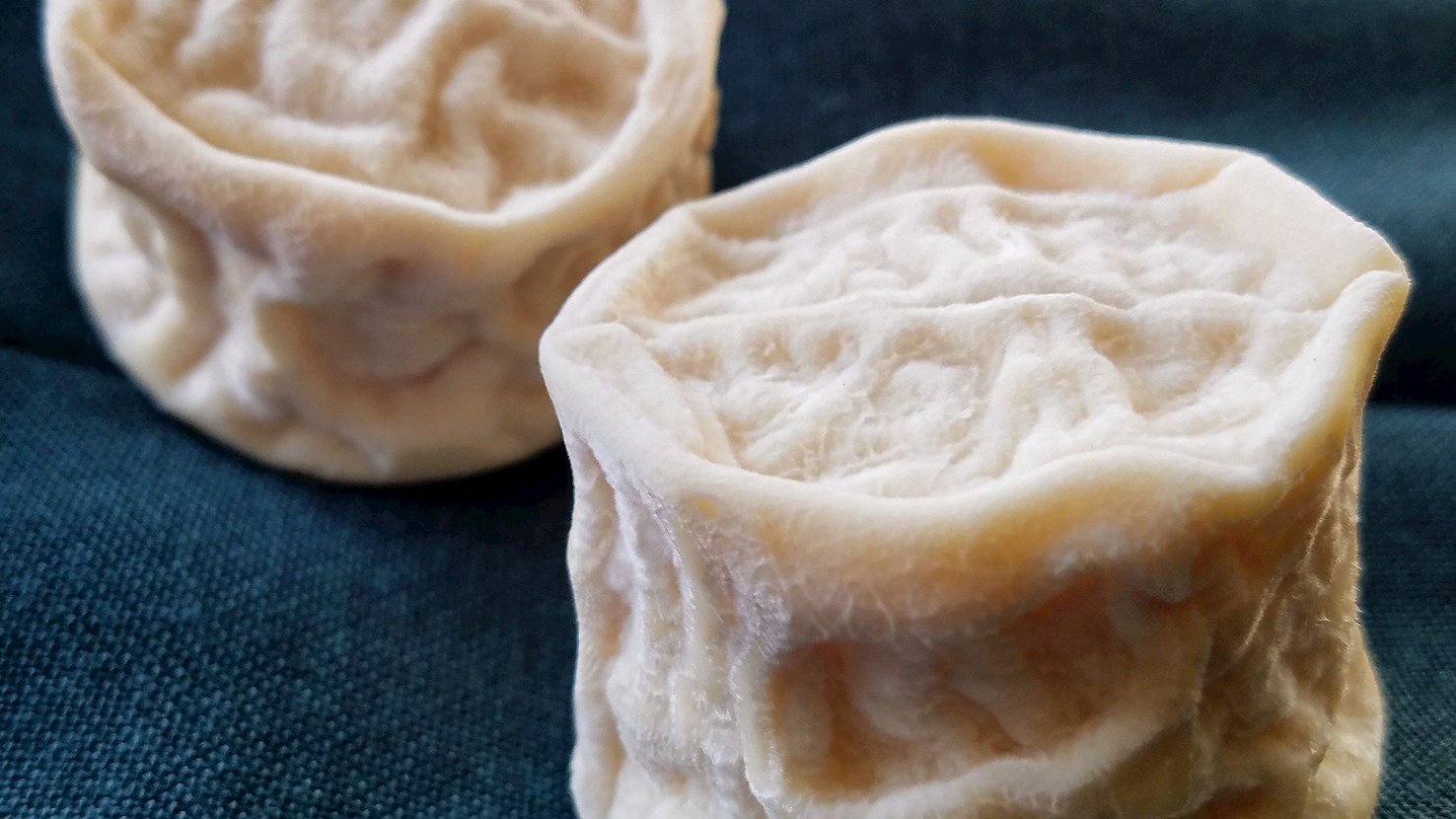
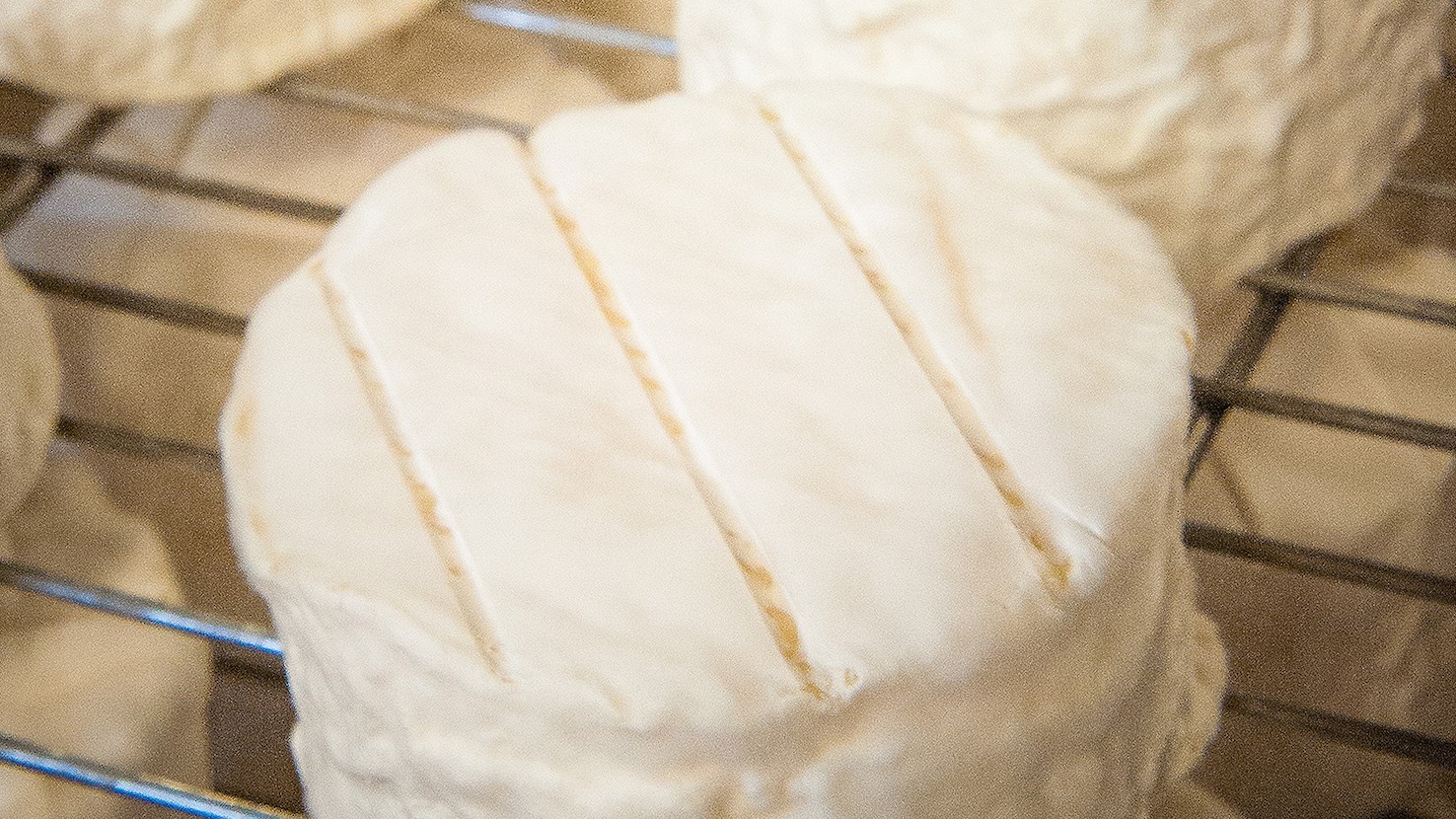
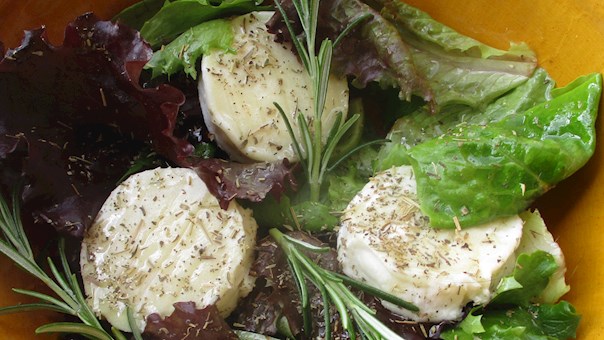
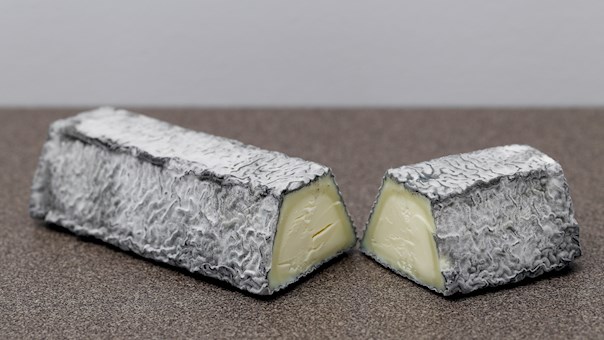
Bijou is an American cheese hailing from Vermont. The cheese is made from pasteurized goat's milk and it's left to age for 30 days. During the maturation period, Bijou (jewel in French) forms a wrinkly mold-ripened rind with a sweet and yeasty aroma. Underneath it, the texture is smooth and creamy. The flavors are tangy, sharp, yeasty, clean, milky, and sweet, with hints of hazelnuts and flowers. It's recommended to serve this small hand-shaped button of cheese with pickled cherries, pancetta, fig jam, and roasted hazelnuts. Pair it with amber cider or a glass of rosé. The cheese can also be served on a cheeseboard, used in salads, or wrapped in bacon, then baked in the oven.

05

Beecher's Flagship

2.9 ·

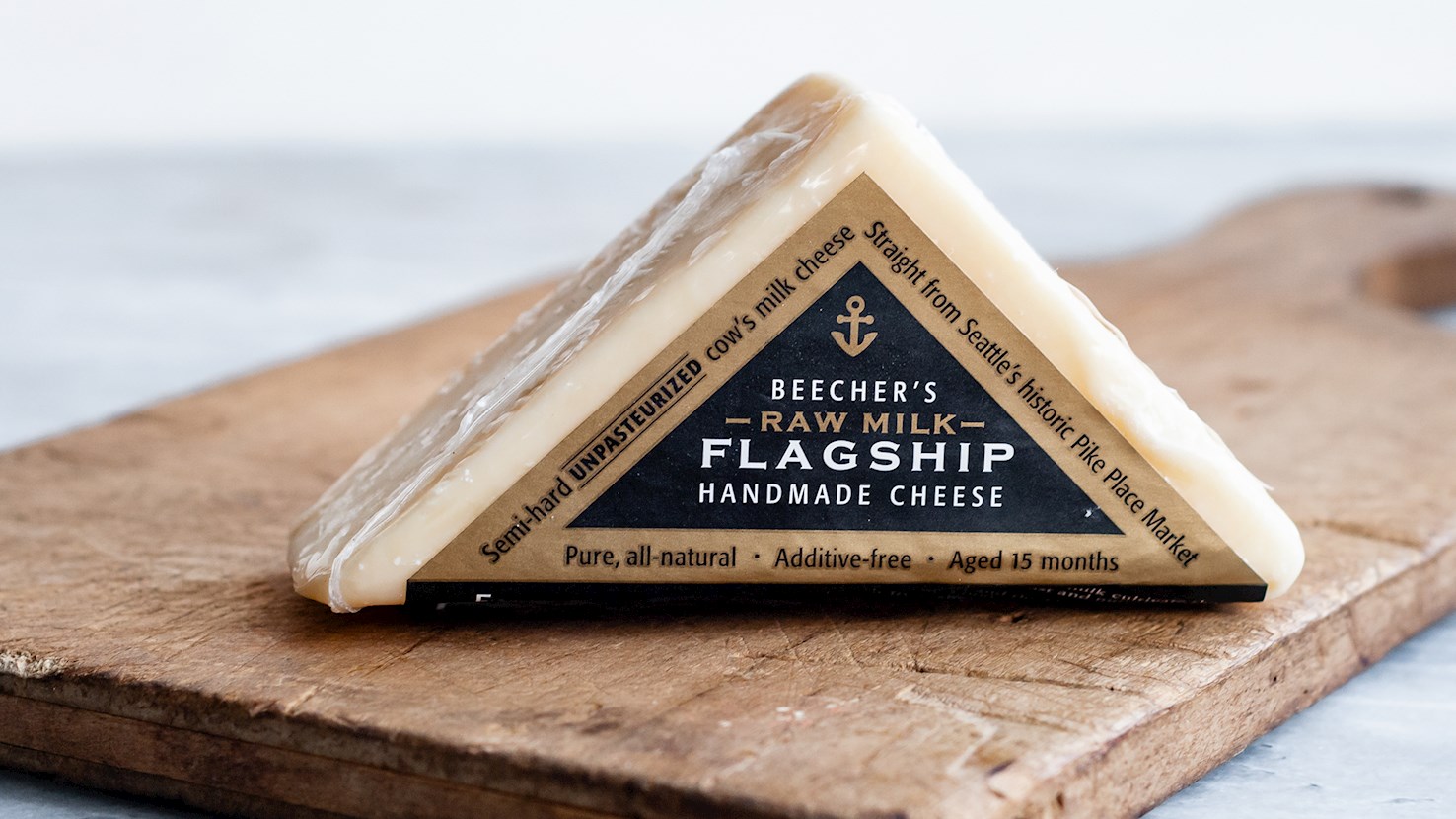
Originating from Seattle, Beecher's Flagship is a semi-hard cheese made with cow's milk. It is left to age for a minimum of 15 months until it develops a creamy and crumbly texture and a robust nutty flavor. Apart from this signature cheese, there is also a special version called Flagship Reserve, which is made with the last milk curds. Due to the preparation process, it is richer in flavor and texture, and the cheese wheels are wrapped in cheesecloth before being left to age for at least a year. Interestingly, there is also a subvariety of Flagship Reserve, called Yule Käse, which is left to age for 13 months in blackberry honey and red wine, giving it a nutty, caramel-like flavor with notes of berries and honey.

06

Hoop Cheese

2.9 ·

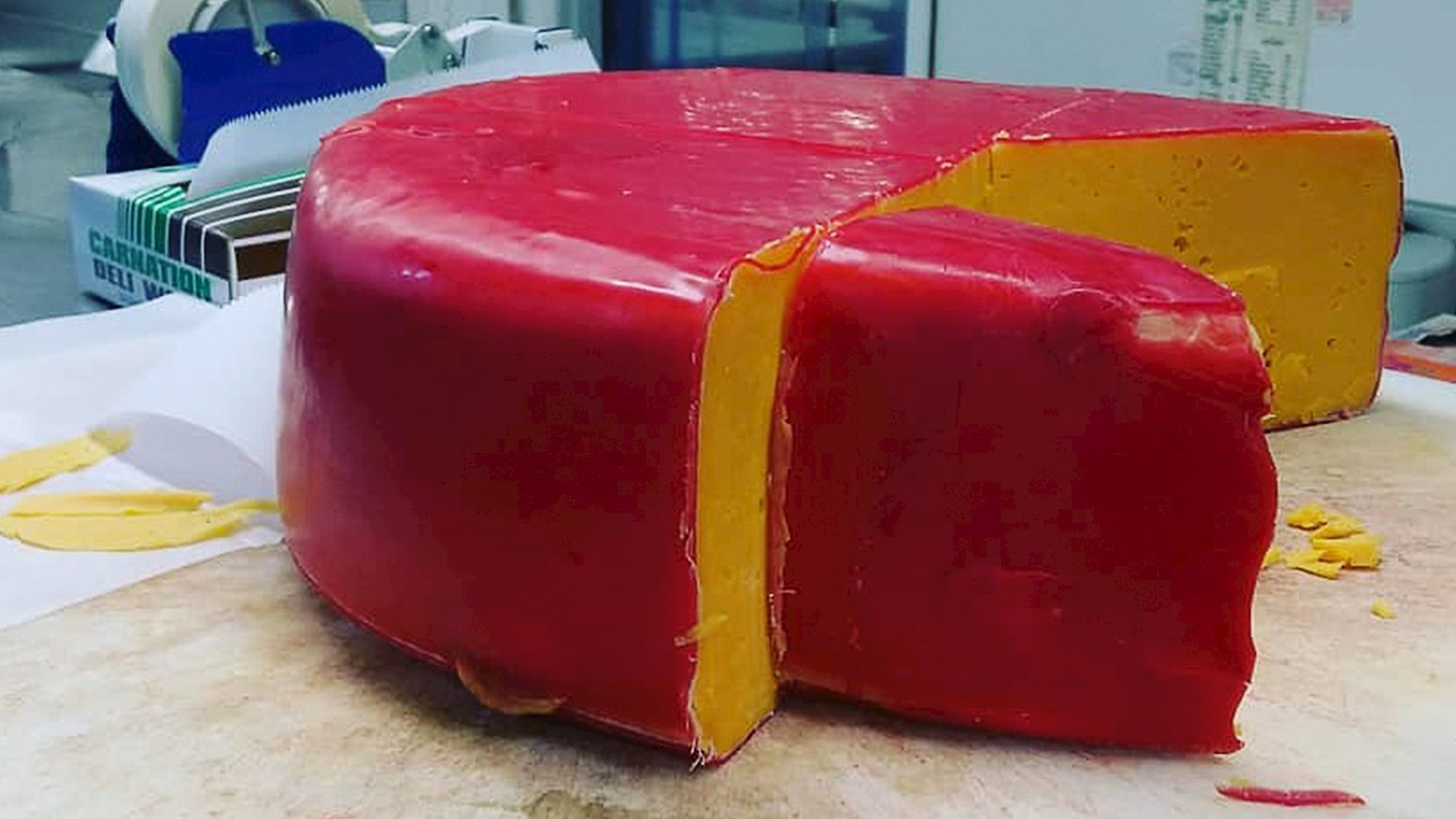
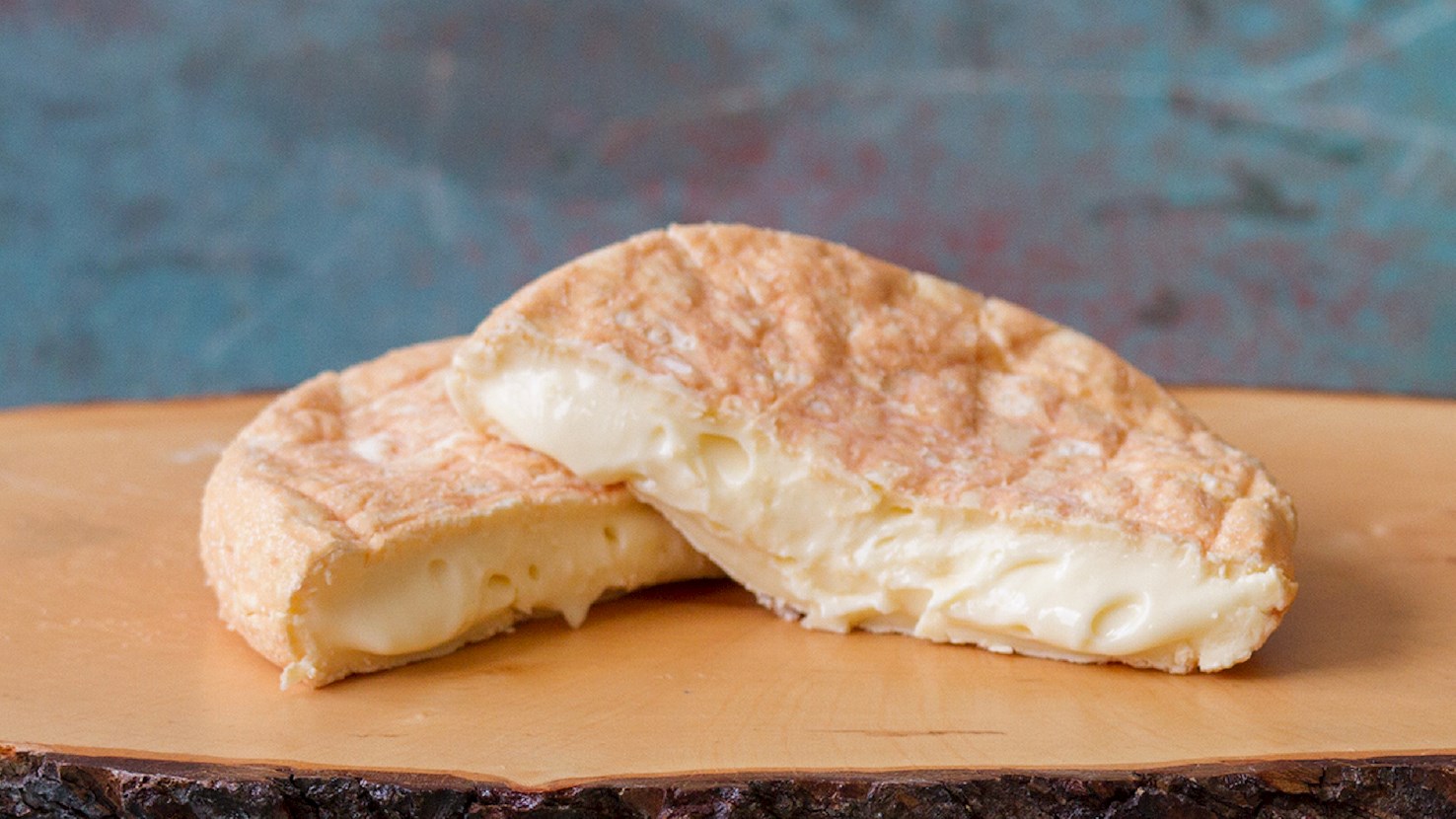
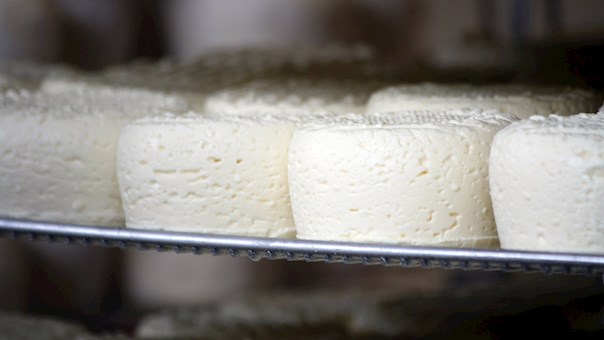
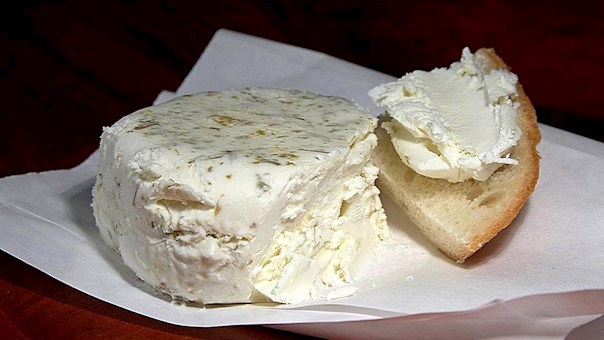
Hoop Cheese or Red Rind Hoop Cheese is a traditional cheese hailing from Wisconsin. This soft cheese is made from pasteurized cow's milk, and the whey is completely drained out before it's placed in a round mould known as a hoop. The cheese comes with a waxy red coating which is why it's also called Red Rind Hoop Cheese. The texture is springy and soft, but the cheese spoils fast because it's not aged. The flavors are typically mild, salty, and slightly nutty. Due to its very short shelf life, Hoop Cheese is nowadays usually found at gas stations and small restaurants in the southern parts of the United States.

07

Appalachian

2.9 ·

Appalachian is an American cheese hailing from Galax, Virginia, where it's produced by Meadow Creek Dairy. The cheese is made from Jersey cows' raw milk and the wheels are aged for a minimum of 90 days. Underneath its moldy rind, the texture is springy, smooth, and velvety. The aromas are grassy, milky, and earthy, while the flavors are lemony, buttery, and mushroomy. It's recommended to serve Appalachian on a cheese board or with a piece of homemade bread on the side. Due to its melting properties, it can be used in a variety of dishes. Pair it with a glass of white wine.

08

Oregon Blue

3 ·

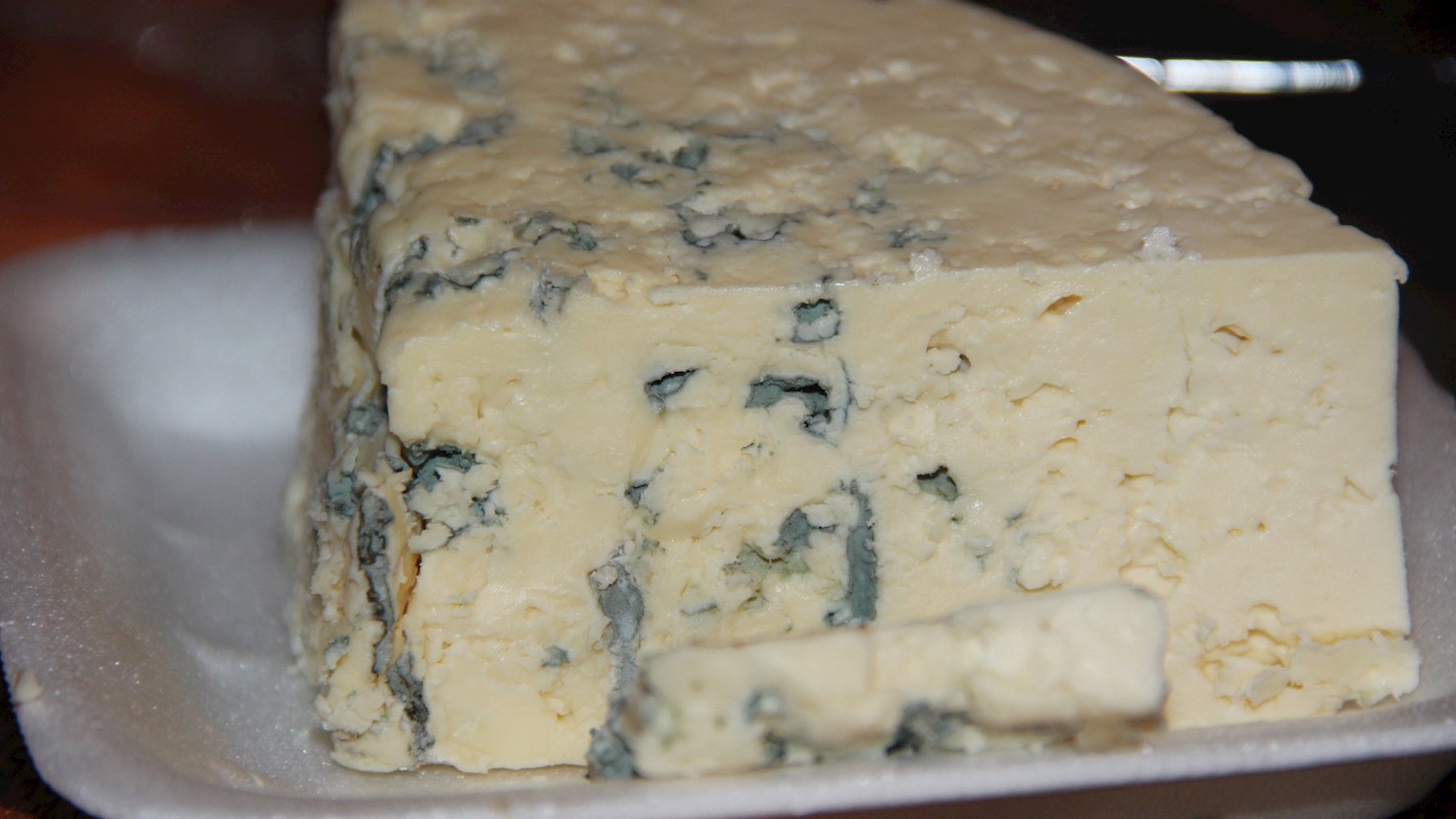
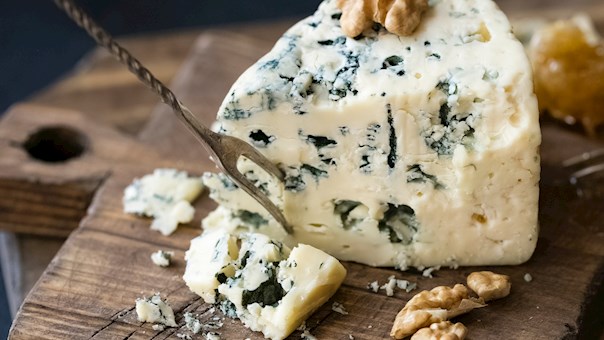
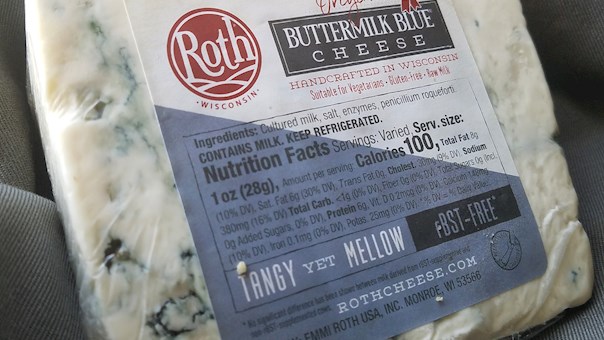
Oregon Blue is an American blue cheese made from raw cow's milk. The cheese ages for a minimum of 90 days in Rogue Creamery's caves. The texture is firm and buttery, and the aromas are earthy and clean. The flavors are mellow, sweet, and buttery, with hints of cream. On the inside, there are veins of earthy blue molds. Oregon Blue has been produced since 1957 and has won numerous awards. It's recommended to pair it with a glass of Riesling or Pinot Noir.

09

Willoughby

3.1 ·

Willoughby is an American semi-soft cheese produced in Vermont by Jasper Hill Farm. The cheese is made from pasteurized cow's milk and it has a washed rind. Underneath it, the texture is open, creamy, gooey, and buttery. The aromas are milky and herbal with hints of onions and roasted beef, and the flavors are fruity, milky, herbaceous, pungent, and savory. It's recommended to use it in a tartiflette – broil the cheese over roasted potatoes, lardons, and leeks, then pair it with a glass of Mondeuse. Other pairings include potato chips, pickles, and walnut Dijon mustard.

10

Moses Sleeper

3.1 ·

Moses Sleeper is an American cheese produced in Vermont by Jasper Hill Creamery. Made from pasteurized cow's milk, it was inspired by the classic French Brie. Underneath its thin bloomy rind, there is a gooey texture with a milky aroma. After 6 to 12 weeks of aging, the flavors become rich and nutty, with hints of cauliflower and fresh cream. There's a bright and clean finish with hints of white mushroom aroma. It's recommended to serve Moses Sleeper on a cheeseboard with baguettes, pickled carrots, or country-style meat spreads.

Read more
View all
View map
About this ranking

TasteAtlas food rankings are based on the ratings of the TasteAtlas audience, with a series of mechanisms that recognize real users and that ignore bot, nationalist or local patriotic ratings, and give additional value to the ratings of users that the system recognizes as knowledgeable. For the “45 Worst Rated North American Cheeses” list until May 21, 2026, 3,136 ratings were recorded, of which 2,311 were recognized by the system as legitimate. TasteAtlas Rankings should not be seen as the final global conclusion about food. Their purpose is to promote excellent local foods, instill pride in traditional dishes, and arouse curiosity about dishes you haven’t tried.

Similar lists