

6 Worst Rated Portuguese Cheeses

Last updated on June 16, 2026
01

Travia da Beira Baixa

2.4 ·

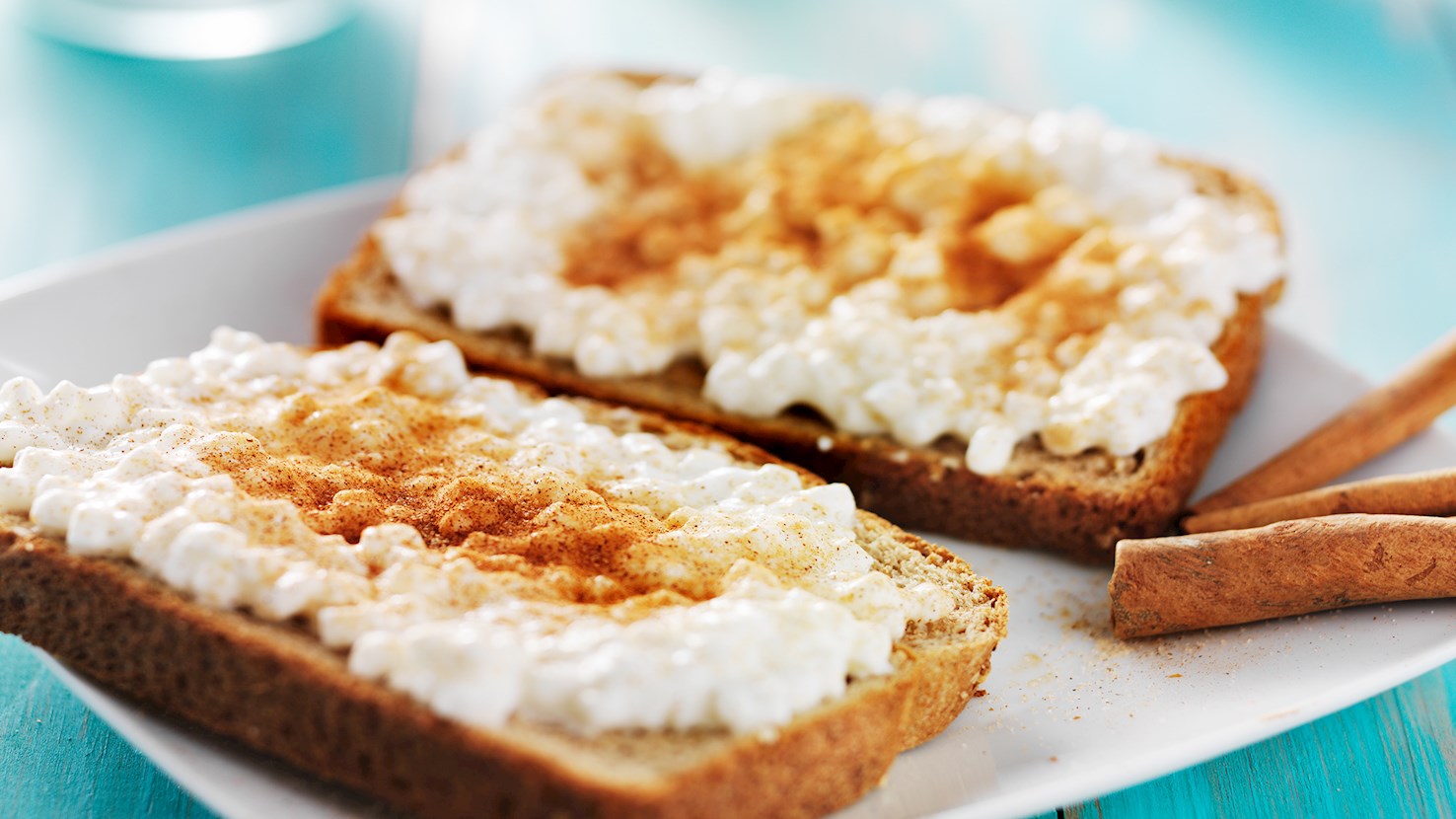
This Portuguese whey cheese is made from either sheep or goat milk whey left over from the cheesemaking operations in the Beira Baixa historical region, now Castelo Branco. The delicate, unfermented travia has a grainy but spreadable texture, and a pleasant, sweet lactic flavor. In Portugal, travia is one of the breakfast favorites, and it is usually enjoyed fresh, spread over toasted sourdough bread, sprinkled with sugar and ground cinnamon.

02

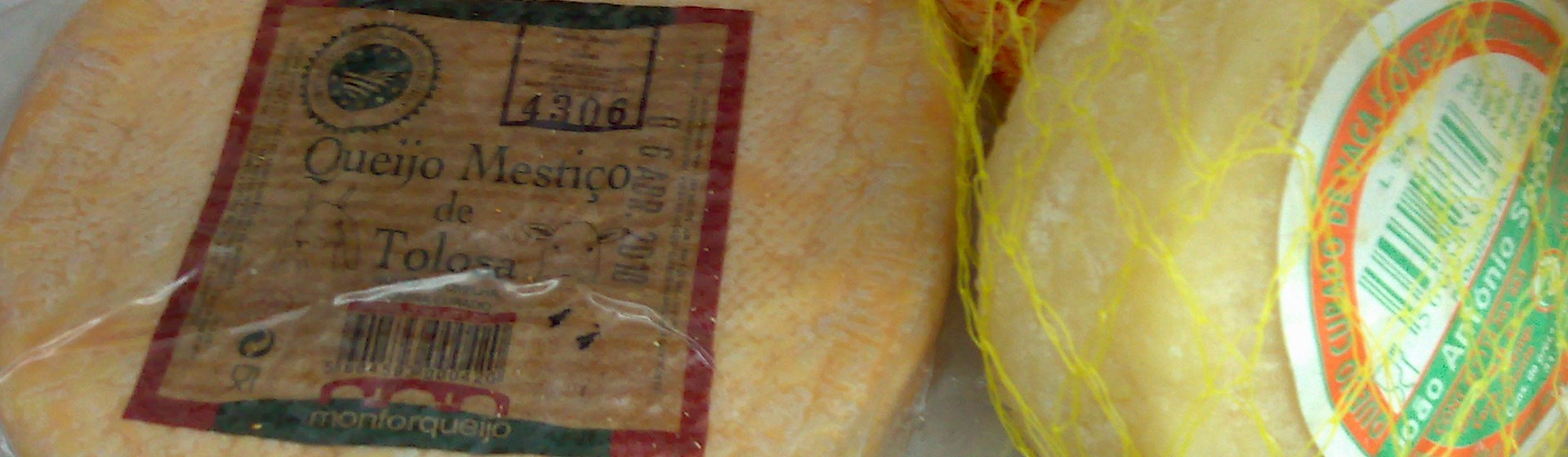
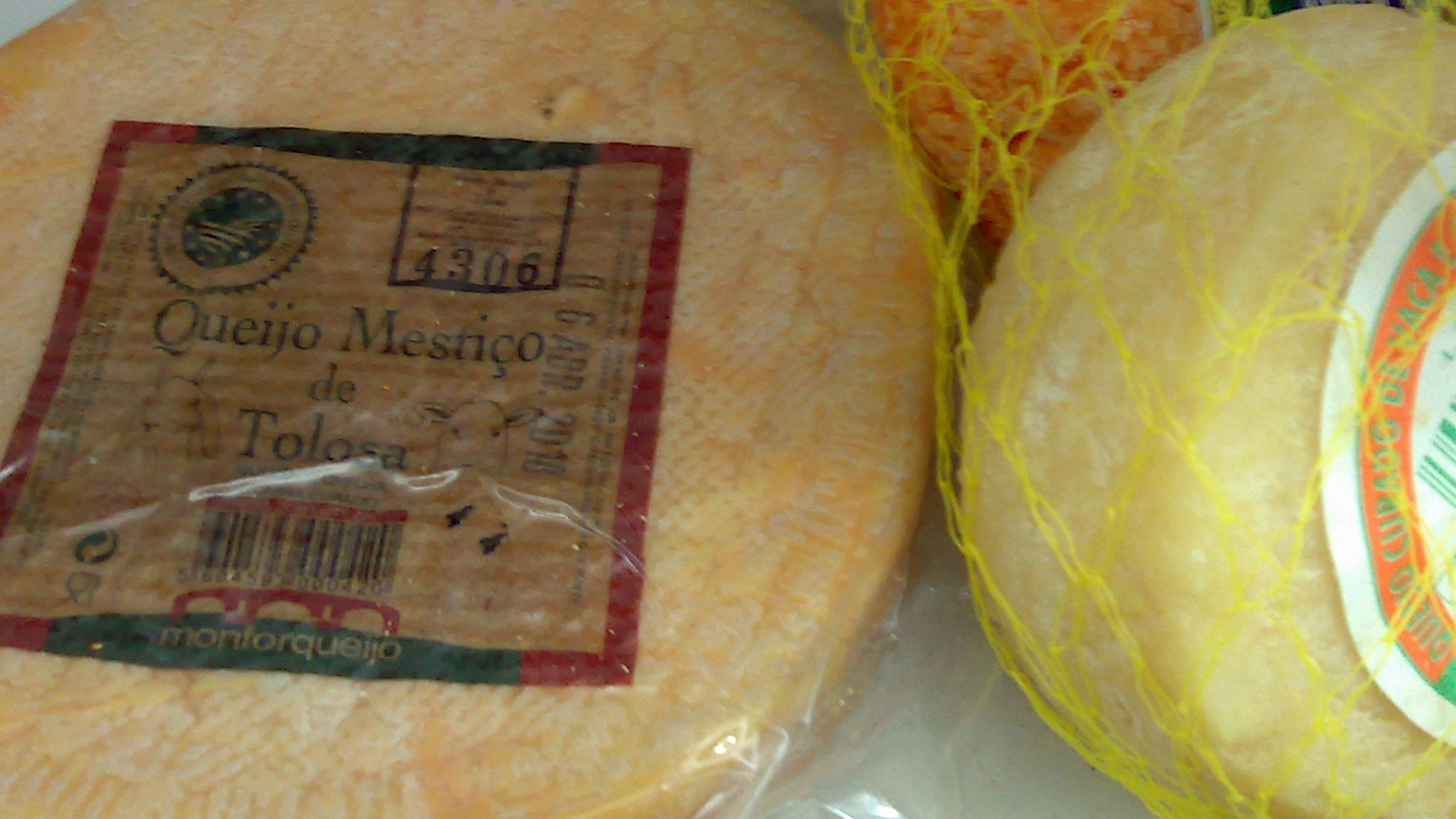
Queijo Mestiço de Tolosa

2.7 ·

This hard cheese is made from various combinations of sheep and goat milk, usually in the proportions of 20-80% or 40-60%. The milk for this cheese is taken from traditionally-fed sheep and goats raised in the Tolosa region. First, the milk is heated and curdled using animal rennet or plant extract. The curd is then molded into cheeses, which are salted and left to mature for a few weeks, resulting in a cheese with a rough, thin, firm yellow-orange crust and a semi-hard, ivory-colored interior. The flavor is sharp and piquant, and the cheese has a medium to high moisture content. This cheese is usually served as an appetizer or a snack before dinner accompanied by good local wines.

03

Queijo Terrincho

3.0 ·

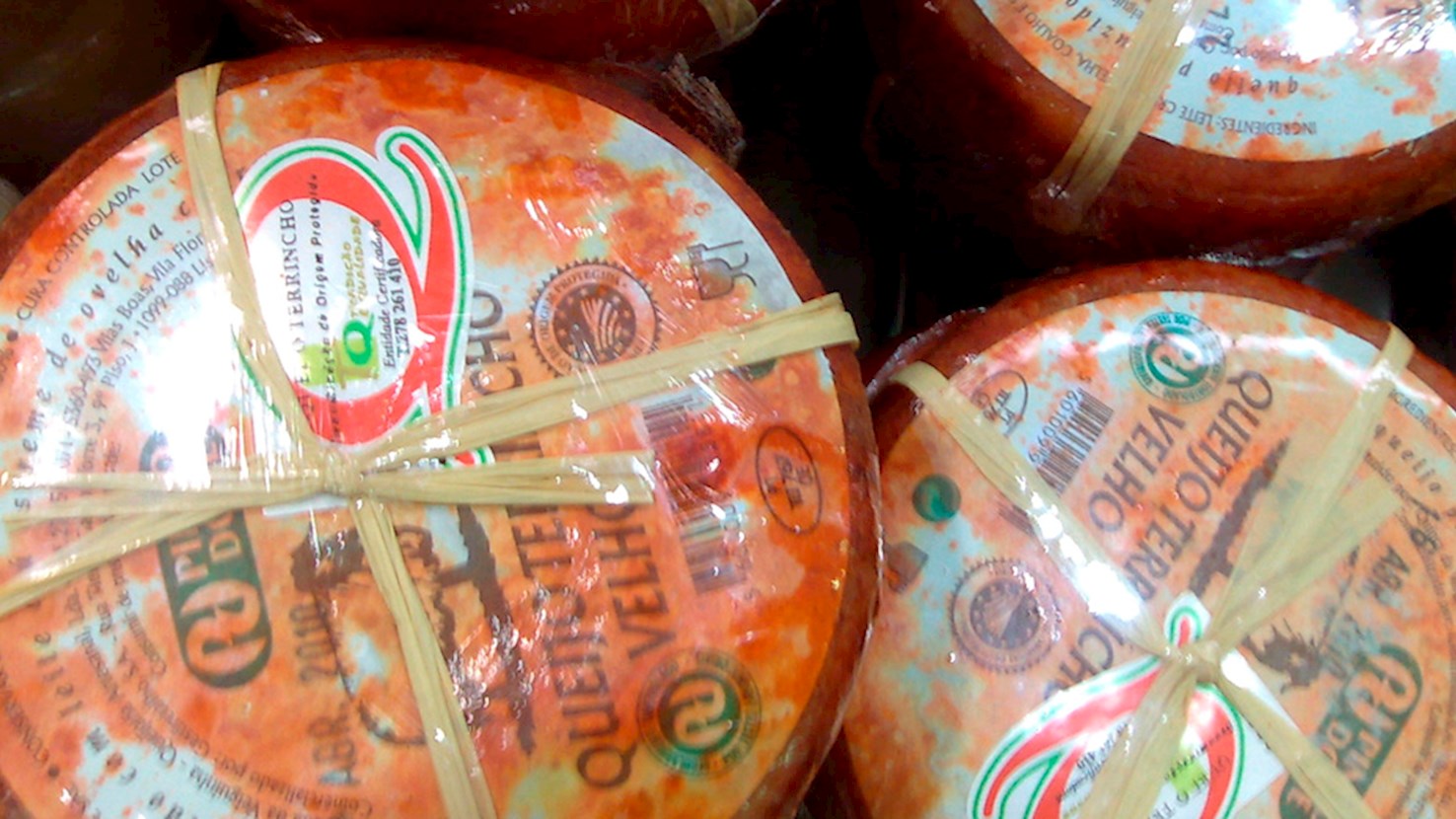
Terrincho cheese is a ripe, semi-hard cheese made from the milk of the Churra da Terra Quente breed of sheep, which graze on the grasslands and marshes of Terra Quente in the municipalities of Bragança, Vila Real, Viseu, and Guarda. This breed of sheep, colloquially referred to as terrincho, has spread to such an extent that it now accounts for 98% of the sheep population in the region. To produce the cheese, the milk is filtered, heated, and curdled with animal rennet. The curd is then shaped into cheeses and salted again before being left to mature. The cheese is medium-hard, compact, and white in color with a malleable, smooth rind. The flavor is sweet and clean, making it perfect as a snack, appetizer, or dessert. It goes well with traditional regional lamb dishes, homemade bread, and local red wine.

04

Zimbro

3.4 ·

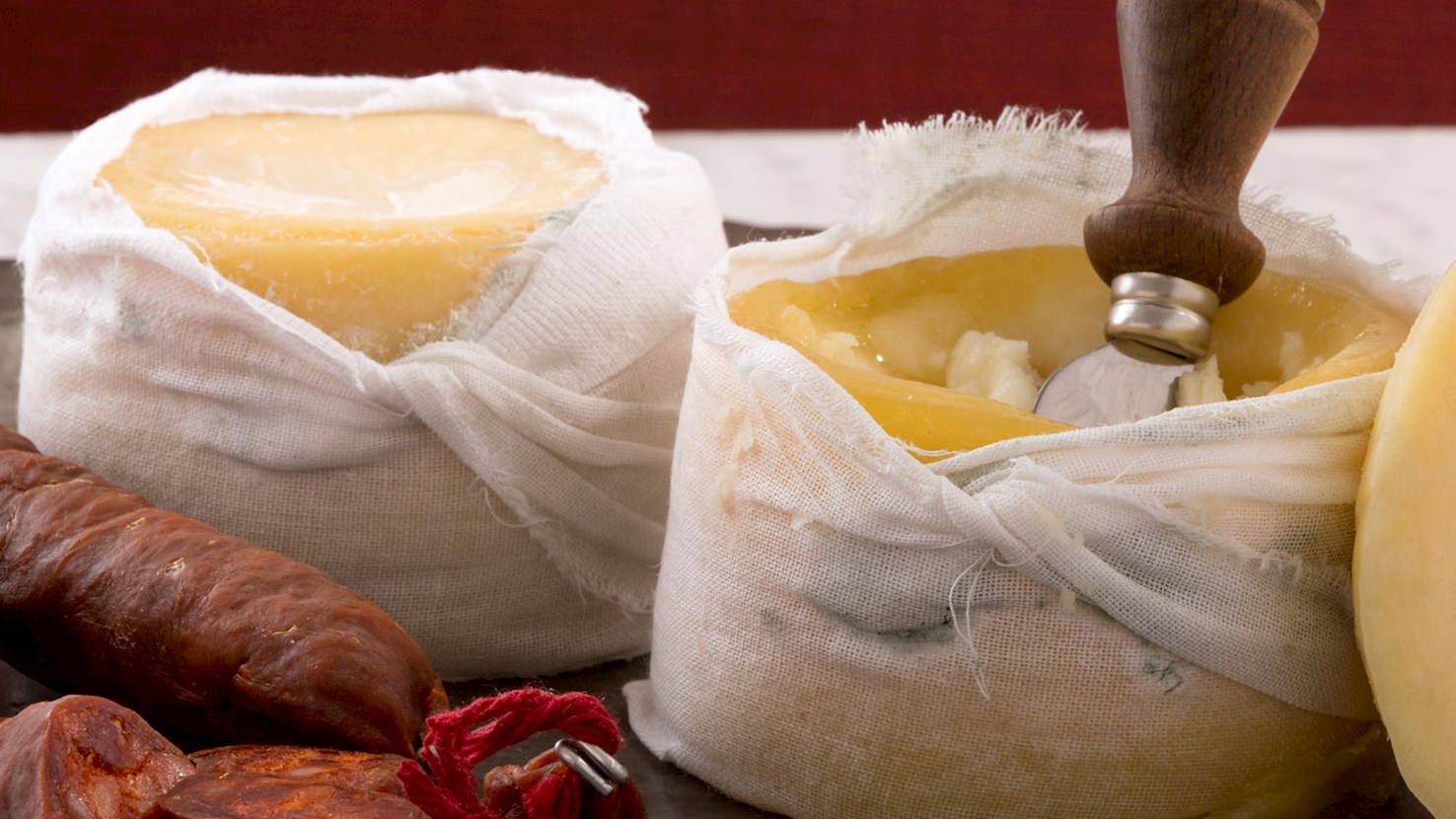
Zimbro is a Portuguese cheese produced in the Serra da Estrela mountains. The cheese is made from raw sheep's milk and thistle rennet. It's aged for 60 days in order to produce a thick, pudding-like interior that hides beneath its washed rind. The interior is kept in place as the cheese is traditionally bound with strips of white cloth. The aromas are clean, while the flavors range from herbal and fruity to sweet and slightly sour. The top of the cheese is typically sliced off, and the interior can then be scooped. It's recommended to pair Zimbro with Crianza Rioja.

05

Saloio Regional

3.9 ·

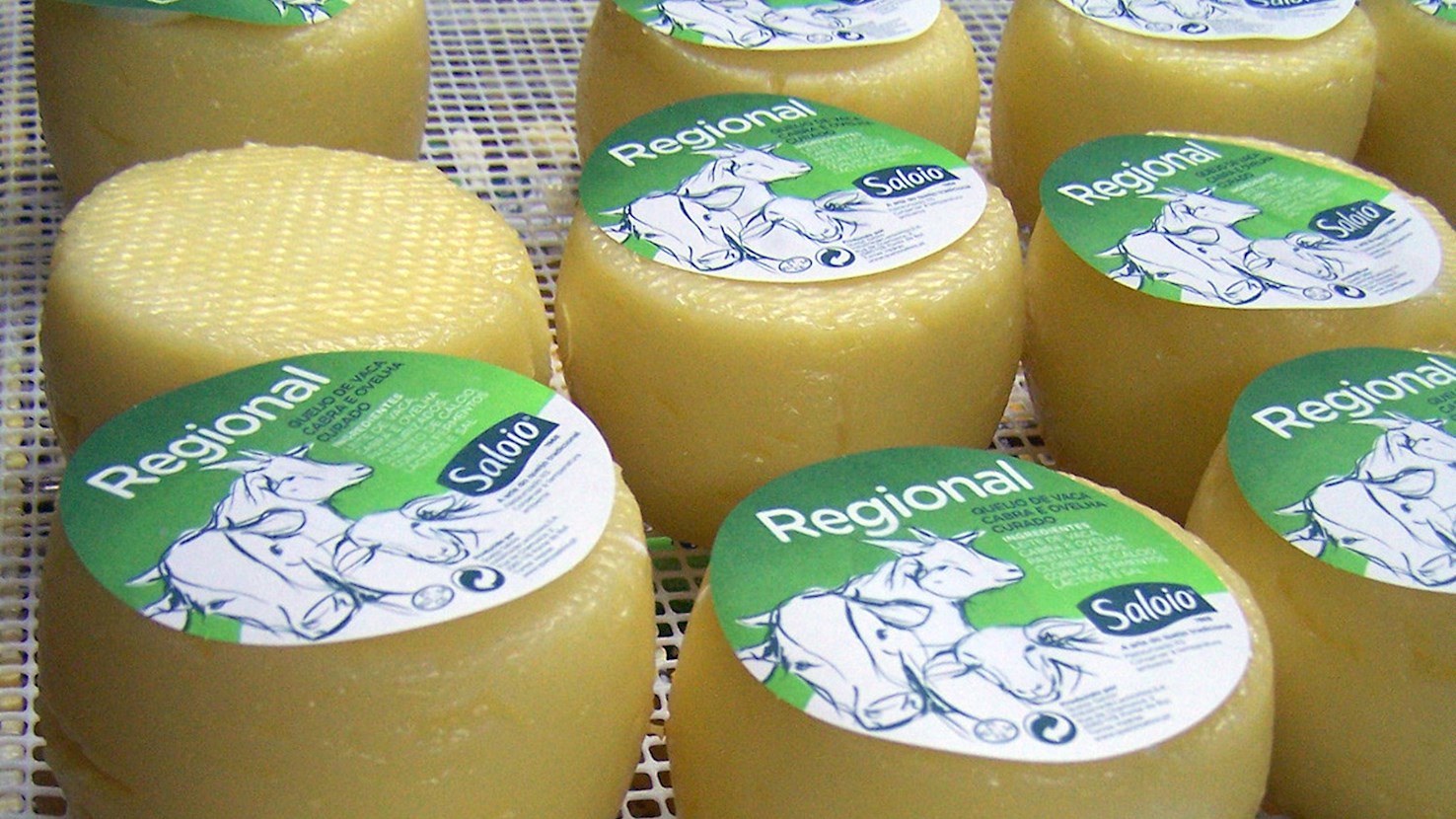
Originating from the Portuguese county of Ponte do Rol, north of Lisbon, this small, firm-textured, unsalted sheep's milk cheese known as Saloio Regional is traditionally served in authentic cylindrical molds (cinchos) in which the cheese was prepared. In some restaurants in Lisbon and the surrounding area, Saloio is often served as an appetizera with a bit of salt. The name saloio denotes a person that lives in rural areas, possibly referring to the production area of this interesting cheese.

06

Queijo Rabaçal

3.9 ·

This semi-hard cheese is made of a mixture of two-thirds sheep milk and one third goat milk. The distinctive flavor of Rabaçal cheese comes from the fact that the sheep and goats of the Coimbra region graze heavily on a local species of thyme that grows abundantly in the pastures, lending a specific, intense flavor to their milk.
The milk is collected manually and filtered through a cloth before being heated and salted. Animal rennet is then added to curdle the milk, and the curd is then formed into cheeses and matured. The finished cheeses have a yellowish, smooth, dry rind and a soft white interior. The flavor is pleasant with a delicate sweetness, and is best appreciated as an appetizer, snack, or dessert. Its texture makes it the perfect match for bread, nuts, honey, and sweet brandies.

Read more
View all
View map
About this ranking

TasteAtlas food rankings are based on the ratings of the TasteAtlas audience, with a series of mechanisms that recognize real users and that ignore bot, nationalist or local patriotic ratings, and give additional value to the ratings of users that the system recognizes as knowledgeable. For the “6 Worst Rated Portuguese Cheeses” list until June 16, 2026, 1,603 ratings were recorded, of which 896 were recognized by the system as legitimate. TasteAtlas Rankings should not be seen as the final global conclusion about food. Their purpose is to promote excellent local foods, instill pride in traditional dishes, and arouse curiosity about dishes you haven’t tried.

Similar lists