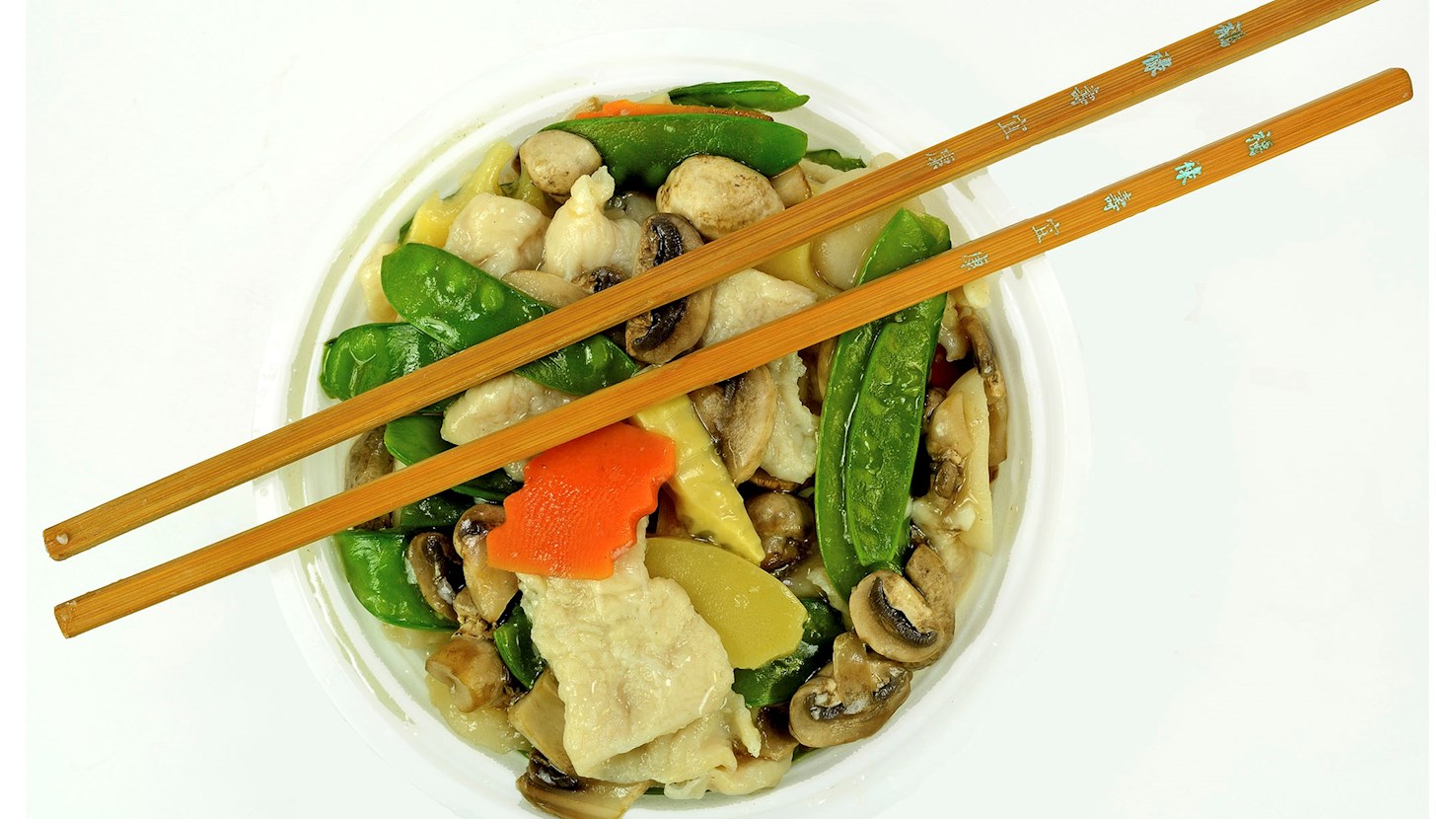
Cantonese in origin, moo goo gai pan is an Americanized version of a pre-existing Chinese stir-fry made with mushrooms and sliced chicken as the main ingredients. Additional ingredients typically include snow peas, bamboo shoots, water chestnuts, and bok choy, all doused in a simple white sauce made with chicken broth and seasoned with soy sauce, oyster sauce, and sometimes Shaoxing wine. In contrast to the original Chinese version of the dish, moo goo gai pan has a thicker sauce that's more seasoned and incorporates a wider range of ingredients. In the United States, this simple stir-fry is served over steamed rice and is one of the most popular take-out foods.
Often dubbed a Shanghainese specialty, drunken chicken is, in fact, an authentic dish originating from the Zhejiang province. The main ingredients of this chicken dish are a fresh, whole chicken and Shaoxing wine, a renowned rice wine produced in Zhejiang province. Originally, the recipe calls for a whole chicken to be cooked, chilled in ice water, and then soaked in a Shaoxing wine-based marinade, overnight, or for 2-3 days. The chilled chicken is then cut into large chunks and traditionally served cold, covered with the wine-based marinade. The dish is usually served on its own, as an appetizer, but it can also be accompanied by rice, noodles, or vegetables.
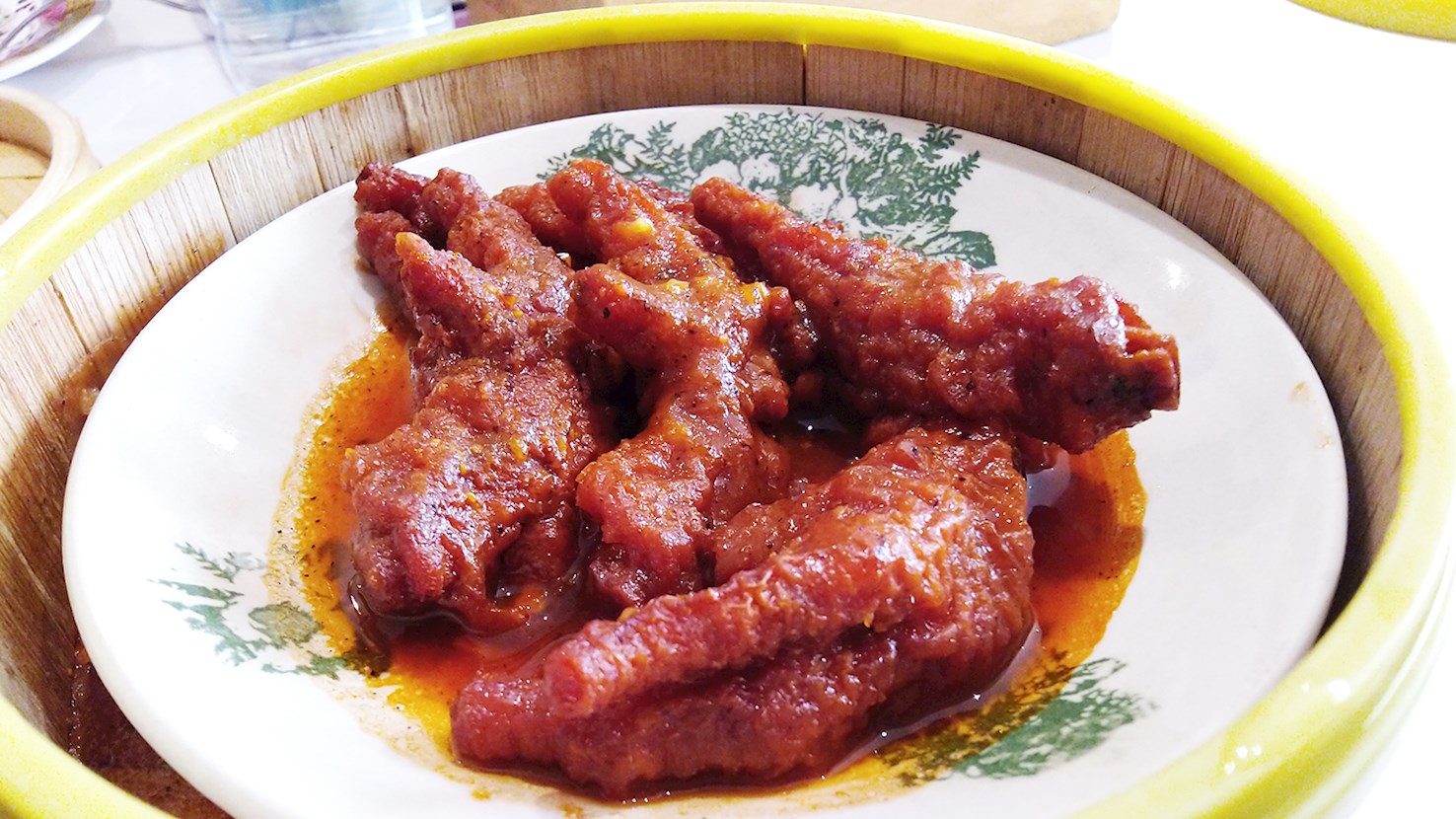
Feng zhao is the name for dim sum-style braised chicken feet. The chicken feet are cleaned, salted, dried, then deep-fried in oil in order to puff up the skin around the bones and to caramelize the exterior. The next step is braising, which tenderizes the chicken feet – they are simmered in a pot of water with star anise and sliced ginger. The chicken feet are drained, mixed with a marinade consisting of oyster sauce, sugar, pepper, and black bean sauce, and then sautéed in sesame oil with garlic until the sauce thickens. These aromatic chicken feet are served while still hot, typically with black bean sauce on the side.
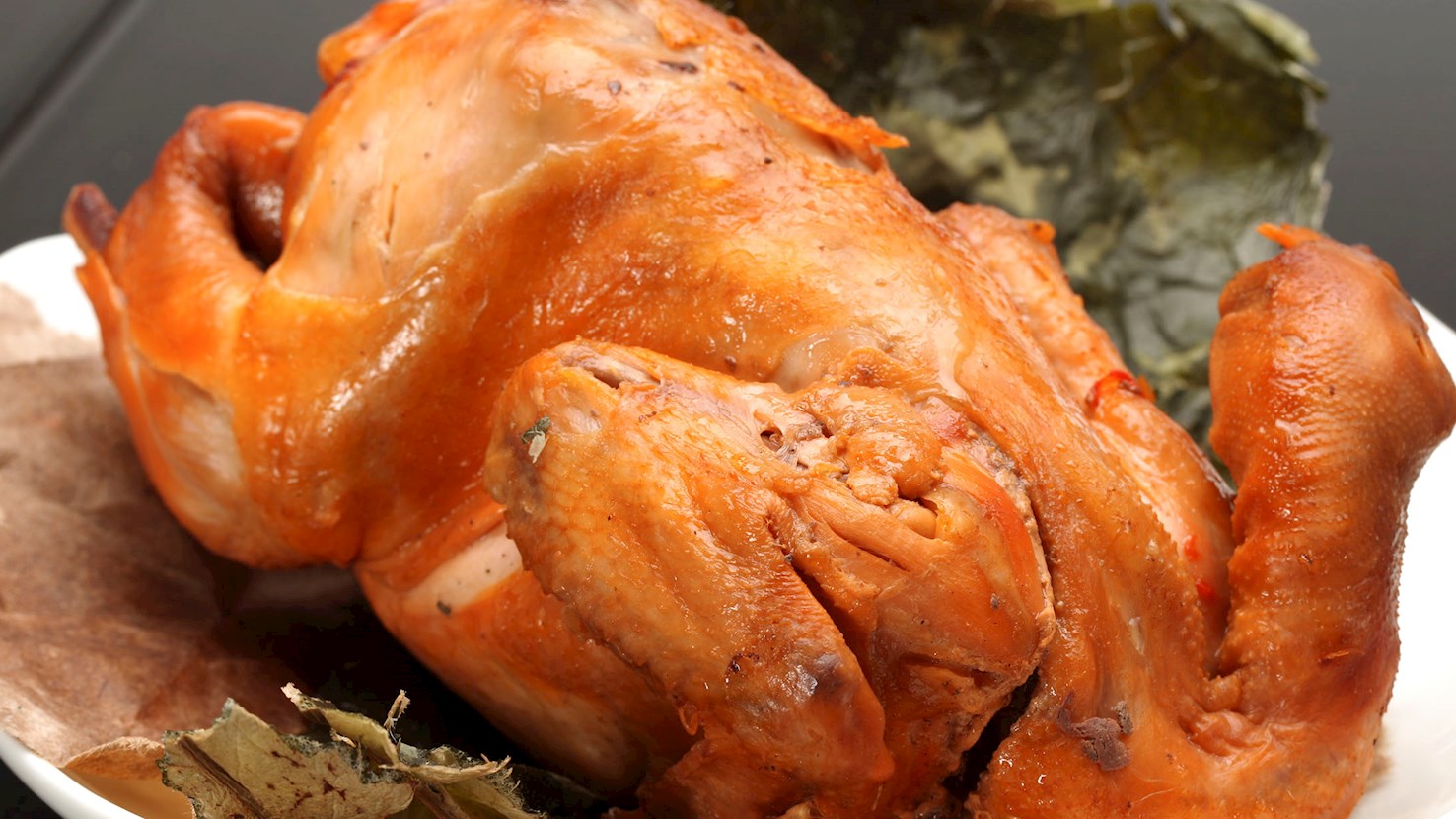
Beggar's chicken is a whole chicken dish from Hangzhou in Zhejiang Province, prepared by wrapping the bird and cooking it slowly until the meat becomes tender and aromatic. It is associated with the culinary practices around West Lake, where poultry farming and the use of lotus leaves, clay, and long cooking times were part of regional cooking methods. The dish developed in an environment where wrapping food before slow heating helped retain moisture and protect ingredients from direct heat. Over time, Hangzhou cooks adopted the method of marinating a whole chicken, covering it in layers of leaves and an outer seal, and then cooking it in an enclosed form so the flavors concentrate inside the bird. Preparation begins with a cleaned whole chicken that is marinated with soy sauce, Shaoxing wine, ginger, scallions, and seasonings such as salt and a small amount of sugar. Some versions include a stuffing made from mushrooms, pork, ham, or chestnuts, while others leave the cavity empty. The chicken is then wrapped in lotus leaves, followed by layers of paper or cloth, before being encased in clay or a thick dough seal. It is cooked slowly, either baked or roasted, until the meat separates easily from the bone and the aromas remain inside the wrapping. When the outer shell is cracked open, the chicken emerges moist and heavily seasoned by its own juices and the marinade. There are many legends in regard to its origin. One tells about a Qing-dynasty Emperor that happened to walk by and was attracted by the aroma, so he stopped and consumed it with the beggar. He liked it so much that he added it to the list of dishes to be served at the Imperial court. Today, jiàohuā jī is served in restaurants and hotels throughout Hangzhou, particularly those emphasizing regional specialties linked to West Lake cuisine. It is typically eaten hot, presented at the table while still encased so guests can break open the covering themselves. The dish pairs well with simple accompaniments such as steamed rice, mild vegetable dishes, and broths that do not compete with its concentrated flavor. It is frequently enjoyed with Shaoxing wine or Longjing tea, both of which complement the gentle sweetness and fragrance that develop during the long, enclosed cooking process.
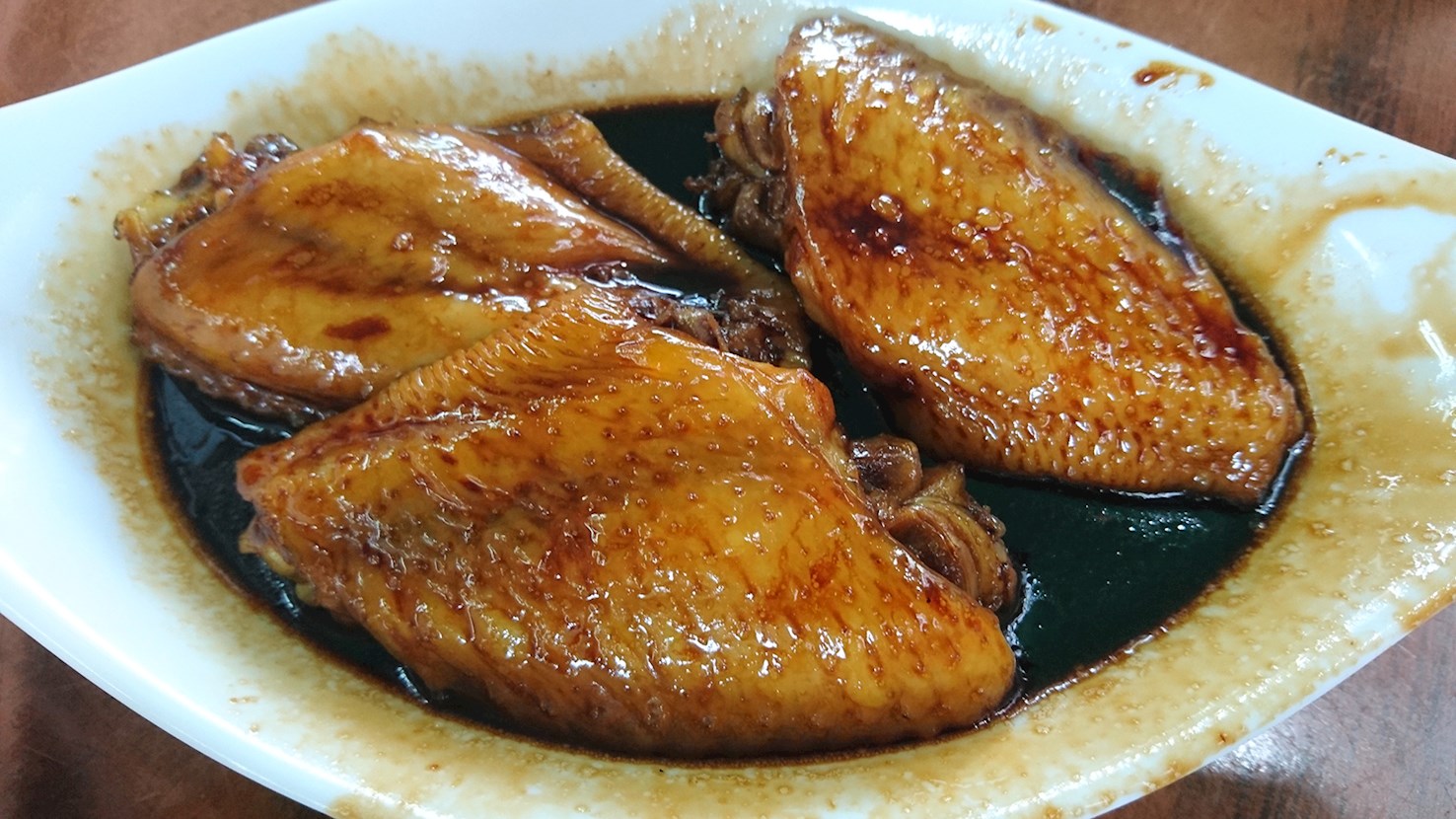
Swiss wings is a dish with origins disputed between Hong Kong and Guangzhou. The dish consists of chicken wings that are similar to soy-sauce chicken wings, only with a sweeter sauce. The wings are usually marinated in a combination of sugar, soy sauce, Chinese wine, and spices such as star anise, garlic, and ginger. The gleaming sauce clings to the chicken wings, which are poached, then slowly simmered in the sauce until it's reduced to a thick and glossy consistency.
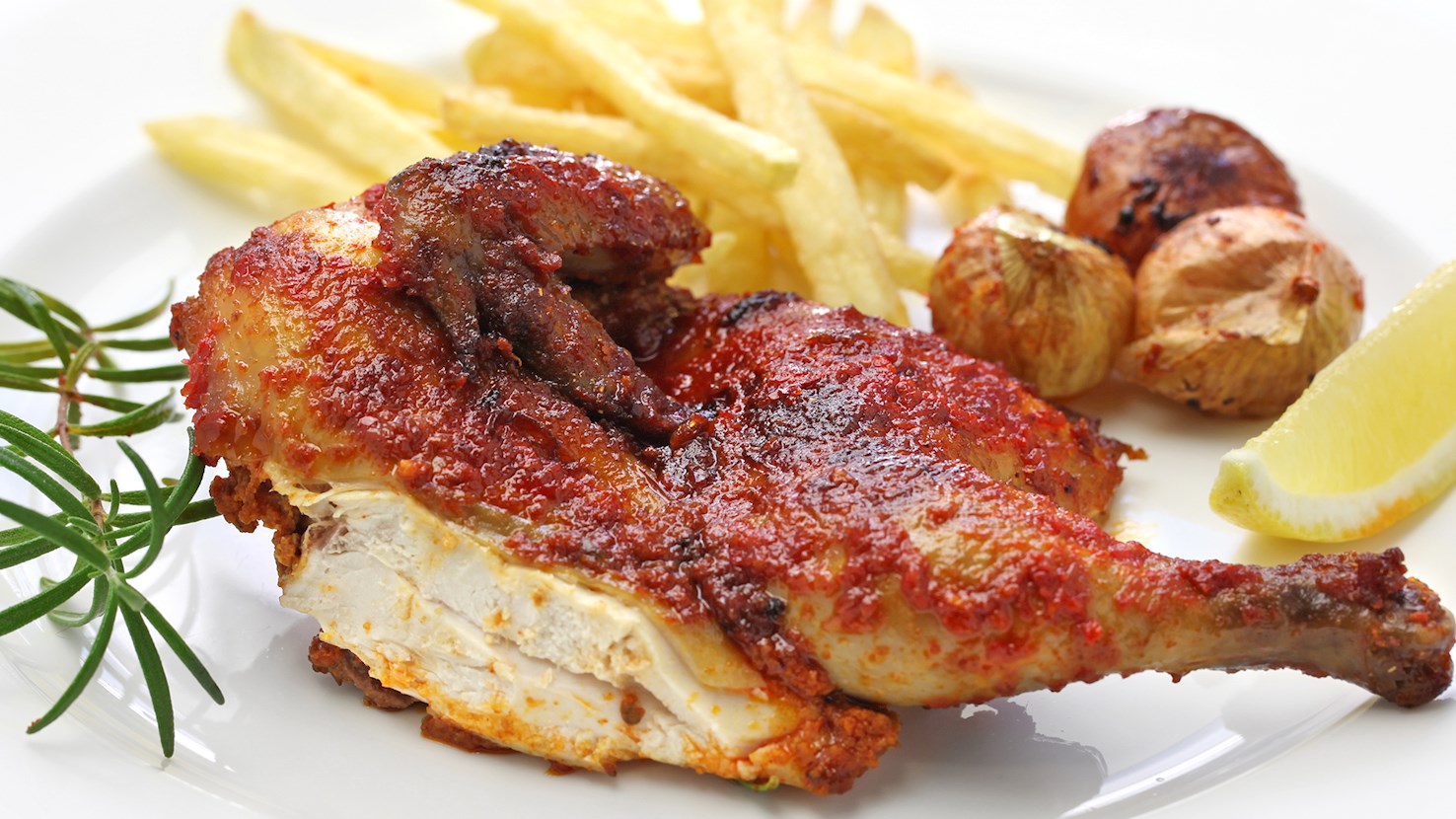
Influenced by African and Portuguese cuisine, galinha à Africana is a chicken dish traditionally associated with Macau. It is made with barbecued chicken that is coated with a spicy sauce usually consisting of peanuts, coconut milk, paprika, grated coconut, and shallots. Macau is a former Portuguese colony, and the story says that the dish was invented by Americo Angelo, a chef who assembled it by using ingredients that he found in Portuguese colonies in Africa. However, another theory says that the dish was initially made by Portuguese families located in Macau. Today, this flavorful dish is a staple in Macau, often prepared at home and found on the menus of traditional restaurants. It is quite popular to serve it with fresh potato chips on the side.
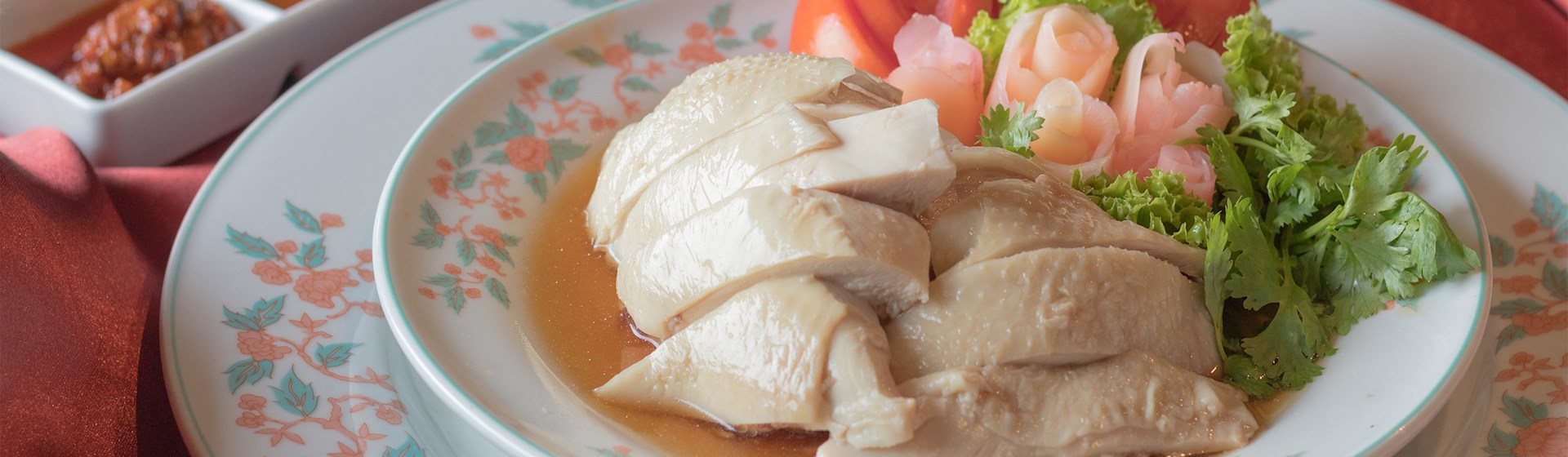
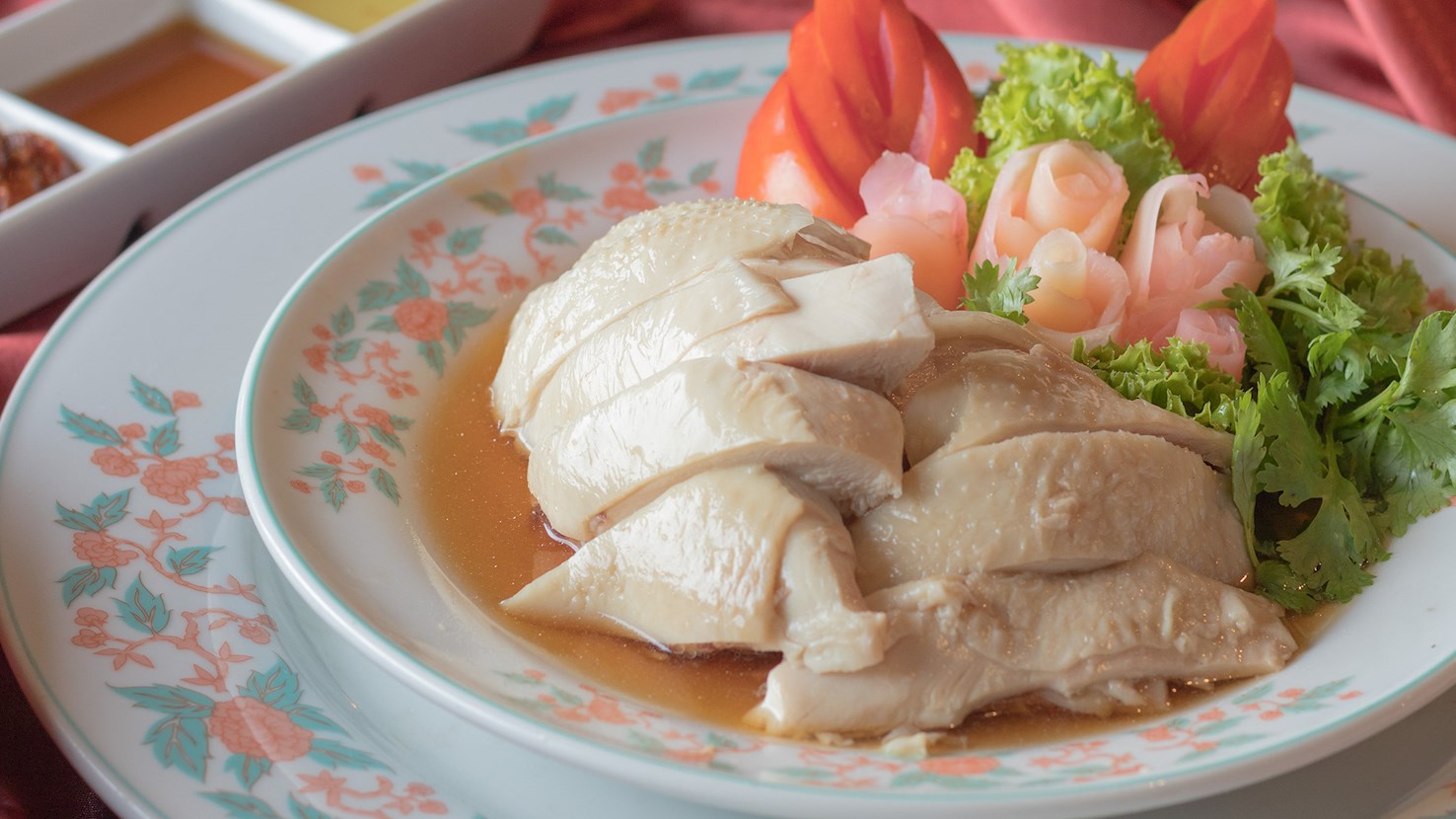
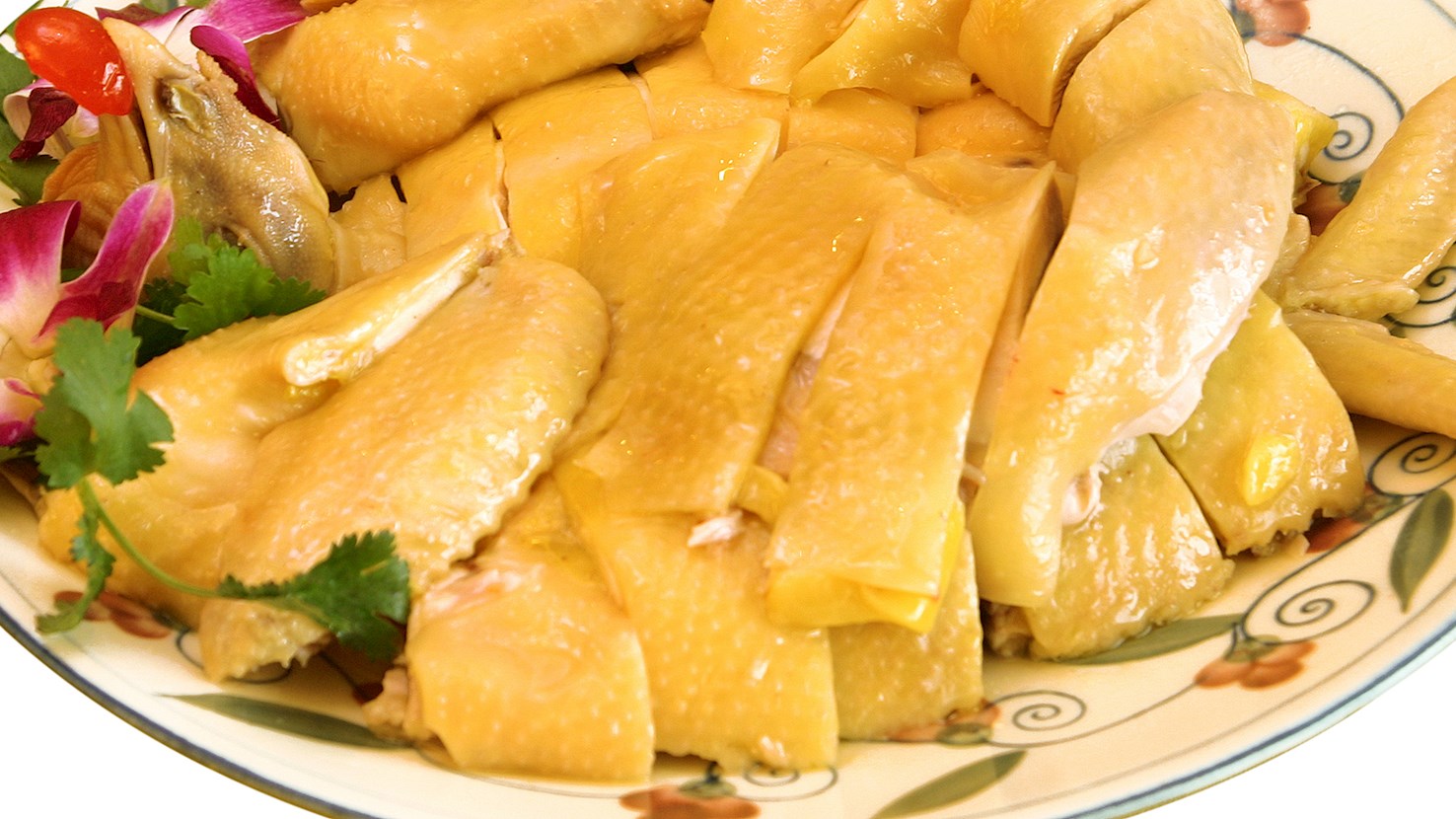
White cut chicken (also known as Cantonese poached chicken) is a beloved traditional dish consumed during Chinese festivals and holidays, and especially on Chinese New Year. The dish consists of salted chicken that is cooked in water with chopped green onions, ginger, cooking wine, Sichuan peppercorns, and sesame oil. When prepared, it is transferred to a bowl filled with ice water in order to chill. Once entirely chilled, the chicken is served whole or cut into large chunks, typically accompanied by ginger scallion sauce and chili sauce, used as dips. Traditionally, Chinese people poach and serve the whole chicken, with its head and feet attached. A delicious holiday meal, this dish pairs well with hot rice, oyster sauce, and soy sauce.
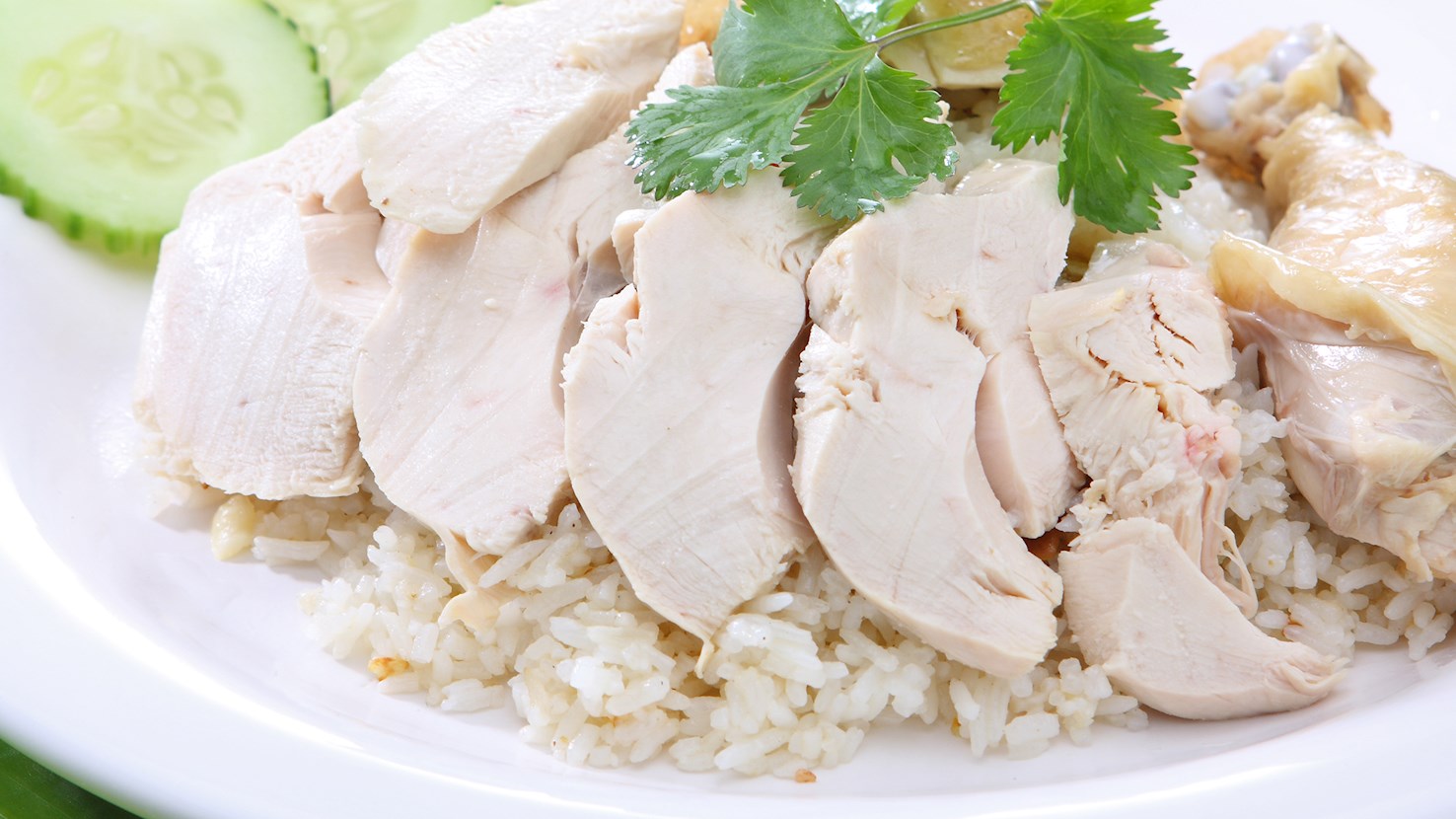
Wenchang chicken is one of the most popular poultry dishes in China, specifically the Wenchang city area in Hainan. It is believed that the dish originated during the Ming Dynasty era, when an official from Wenchang had brought the chickens from his hometown and given them to the emperor as a gift. When the emperor tried the dish made with his chickens, he liked it so much that he named the dish Wenchang chicken. Chickens are usually fed on a diet of coconut and peanut bran, resulting in flavorful, aromatic meat. The dish is usually consumed by dipping chicken pieces in a combination of spices such as ginger and salt. The usual accompaniment to the dish is Hainanese chicken rice, prepared with salt, chicken soup, and chicken fat. Over the past few decades, Wenchang chicken has gained popularity both in China and in countries such as Hong Kong and Taiwan.
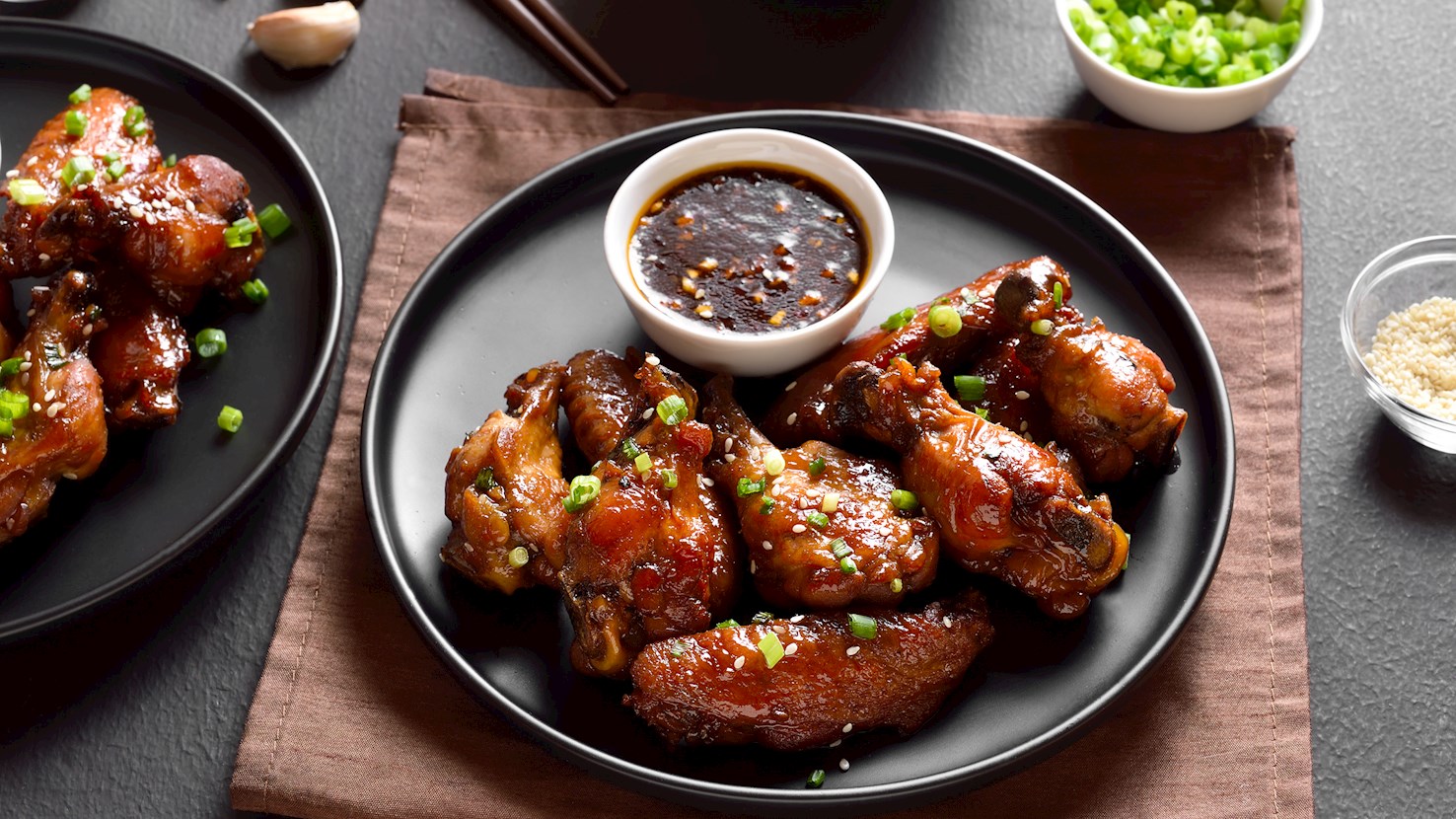
Mut jup mun gai yik is a traditional dish originating from Guangzhou. The dish is usually made with a combination of chicken wings, soy sauce, honey, peanut oil, Shaoxing wine or sherry, garlic, and ginger. The chicken wings are stir-fried in peanut oil in a wok over high heat until browned. A mixture of soy sauce, wine, garlic, ginger, and honey is added to the wok and the mixture is stirred until the wings are coated with the sauce. The dish is simmered over low heat until the wings are tender. Honey-soy braised chicken wings are typically served warm or at room temperature as an appetizer.
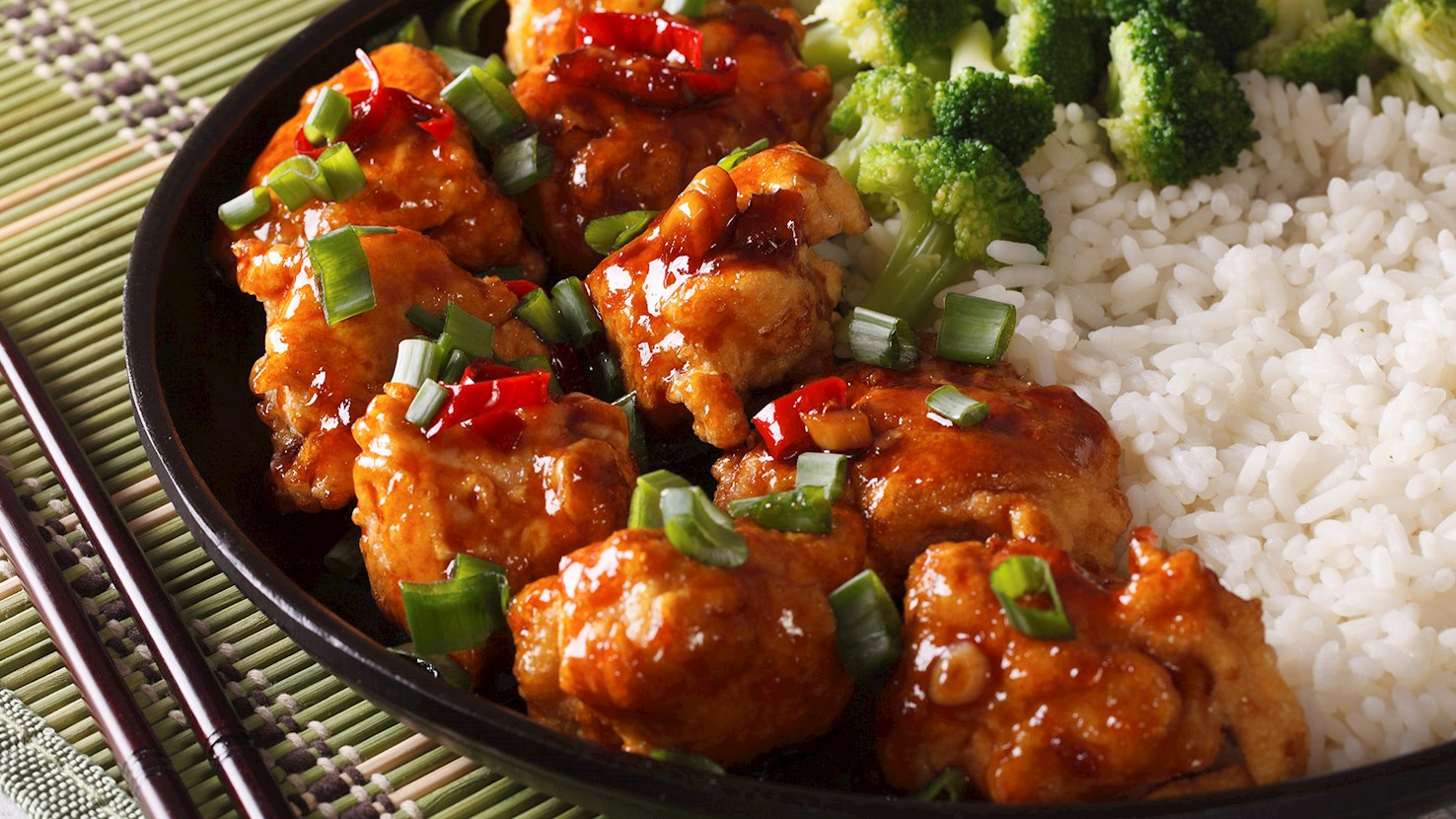
General Tso’s chicken is a Chinese-American sweet and spicy dish consisting of chicken dices that are first deep-fried, then stir-fried together with ginger, garlic, scallions, and hot chili peppers in a sauce made from sugar, soy sauce, rice vinegar, and rice wine. Although named after General Tso Tsungtang, the dish has no real-life connection with him. The dish is most likely a descendant of a simple Hunanese chicken dish, and two immigrant chefs, Chinese and Taiwanese - respectively, claim to be its inventors. The sweetness and spiciness of the dish can be adjusted according to one's taste, and the dish is served with either steamed or fried rice.
TasteAtlas food rankings are based on the ratings of the TasteAtlas audience, with a series of mechanisms that recognize real users and that ignore bot,
nationalist or local patriotic ratings, and give additional value to the ratings of users that the system recognizes as knowledgeable.
For the “10 Worst Rated Chinese Chicken Dishes” list until June 16, 2026, 1,358 ratings were recorded, of which 1,196 were recognized by the system as legitimate.
TasteAtlas Rankings should not be seen as the final global conclusion about food. Their purpose is to promote excellent local foods,
instill pride in traditional dishes, and arouse curiosity about dishes you haven’t tried.