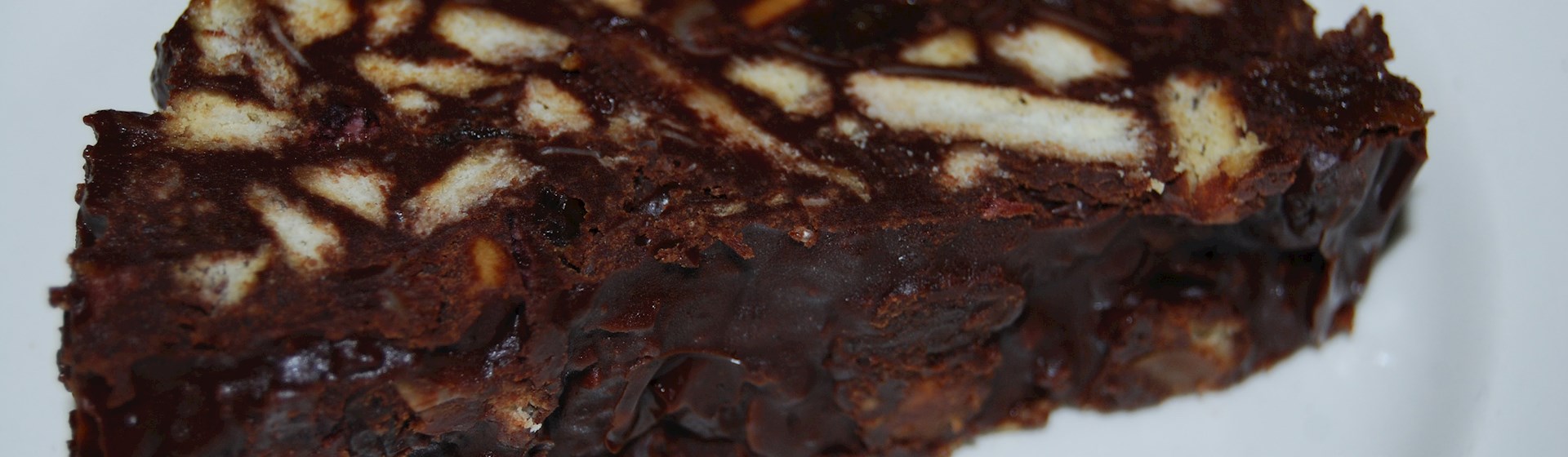
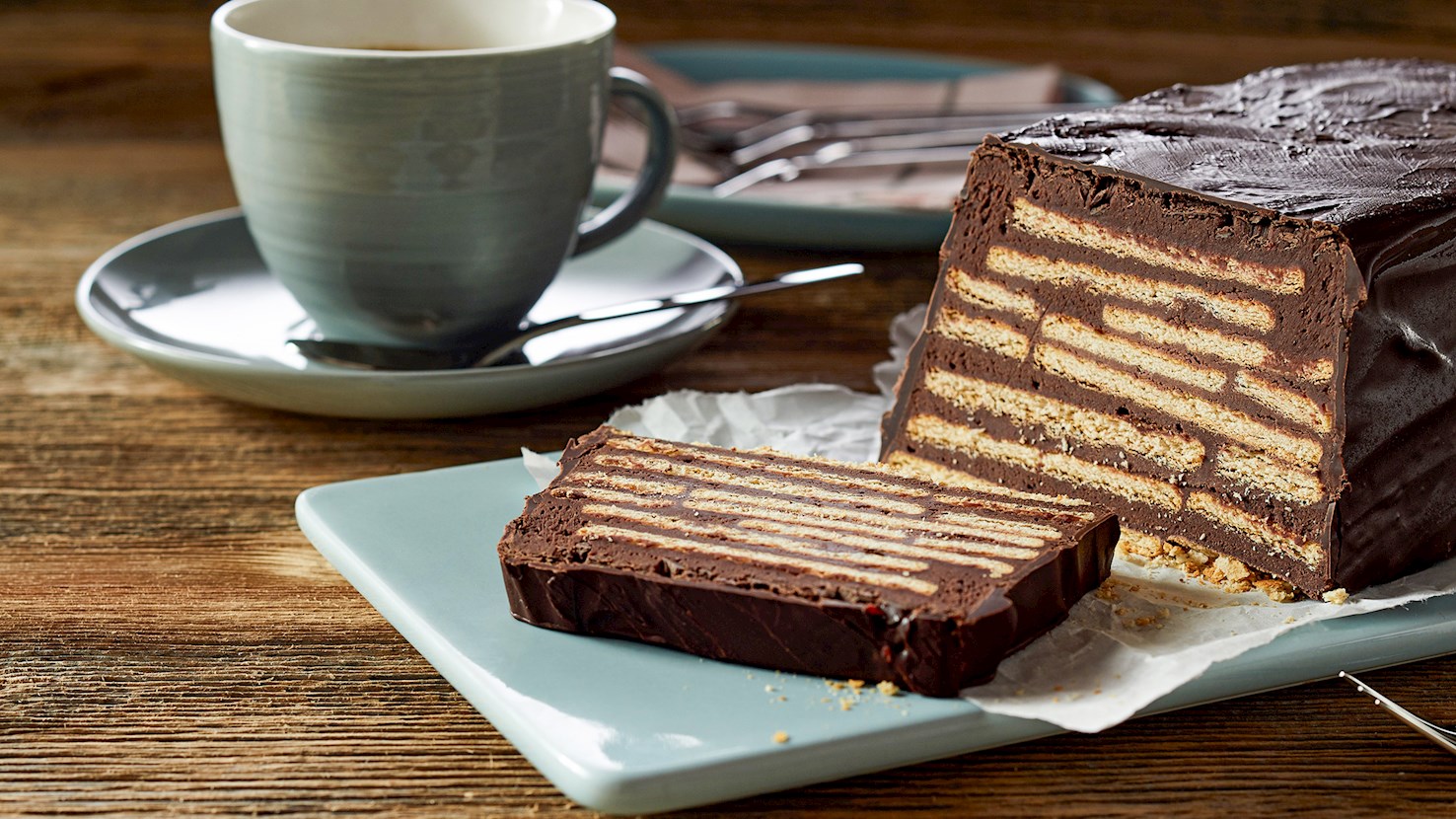
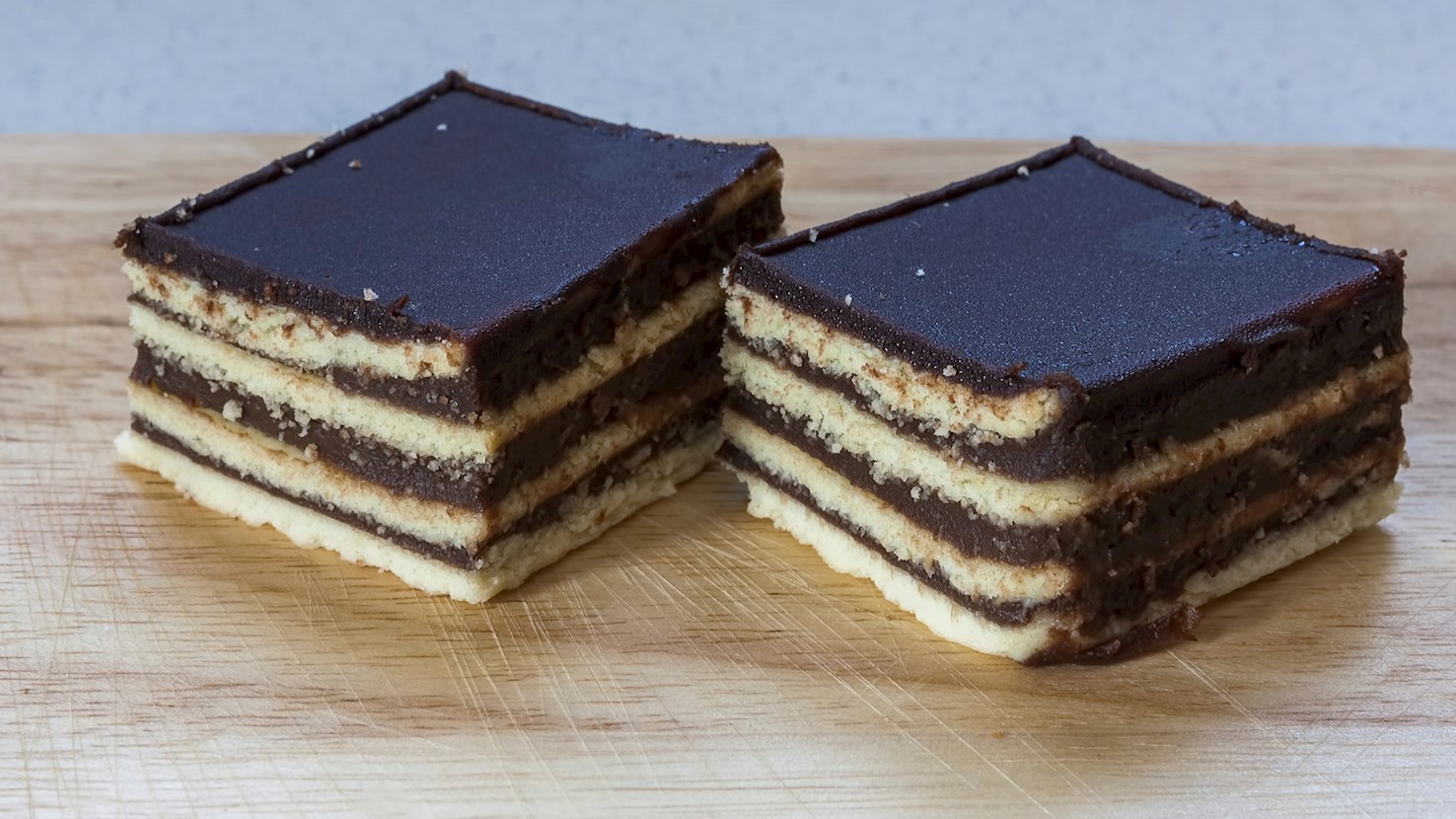
Kalter Hund is a no-bake chocolate biscuit cake that is widely known in Germany and also popular in other parts of Central Europe. The name translates to “cold dog” in German, though it has no connection to animals and instead refers to the cold-set method of preparation and the shape of the loaf tin, which in old mining slang was called a “Hund” or "dog." This dessert is made by layering plain butter biscuits (often Leibniz or similar rectangular types) with a rich chocolate glaze or ganache made from cocoa powder, butter, and sometimes coconut oil or cream. Once assembled, the cake is chilled until firm and sliced to reveal a striped pattern of alternating biscuit and chocolate layers. Kalter Hund became especially popular in Germany in the mid-20th century, when simple, accessible ingredients and no-bake methods were in high demand. Its preparation does not require an oven, making it ideal for home kitchens with limited equipment or for occasions when ease and speed are a priority. The texture is dense and slightly crunchy from the biscuits, with a smooth and sweet chocolate component that holds everything together. The dessert is served cold and cut into rectangular slices, often appearing at children’s birthday parties, family gatherings, or holiday celebrations. Over time, variations have emerged, such as adding rum, coffee, or vanilla to the chocolate mixture, or replacing the biscuits with sponge fingers or other cookies.
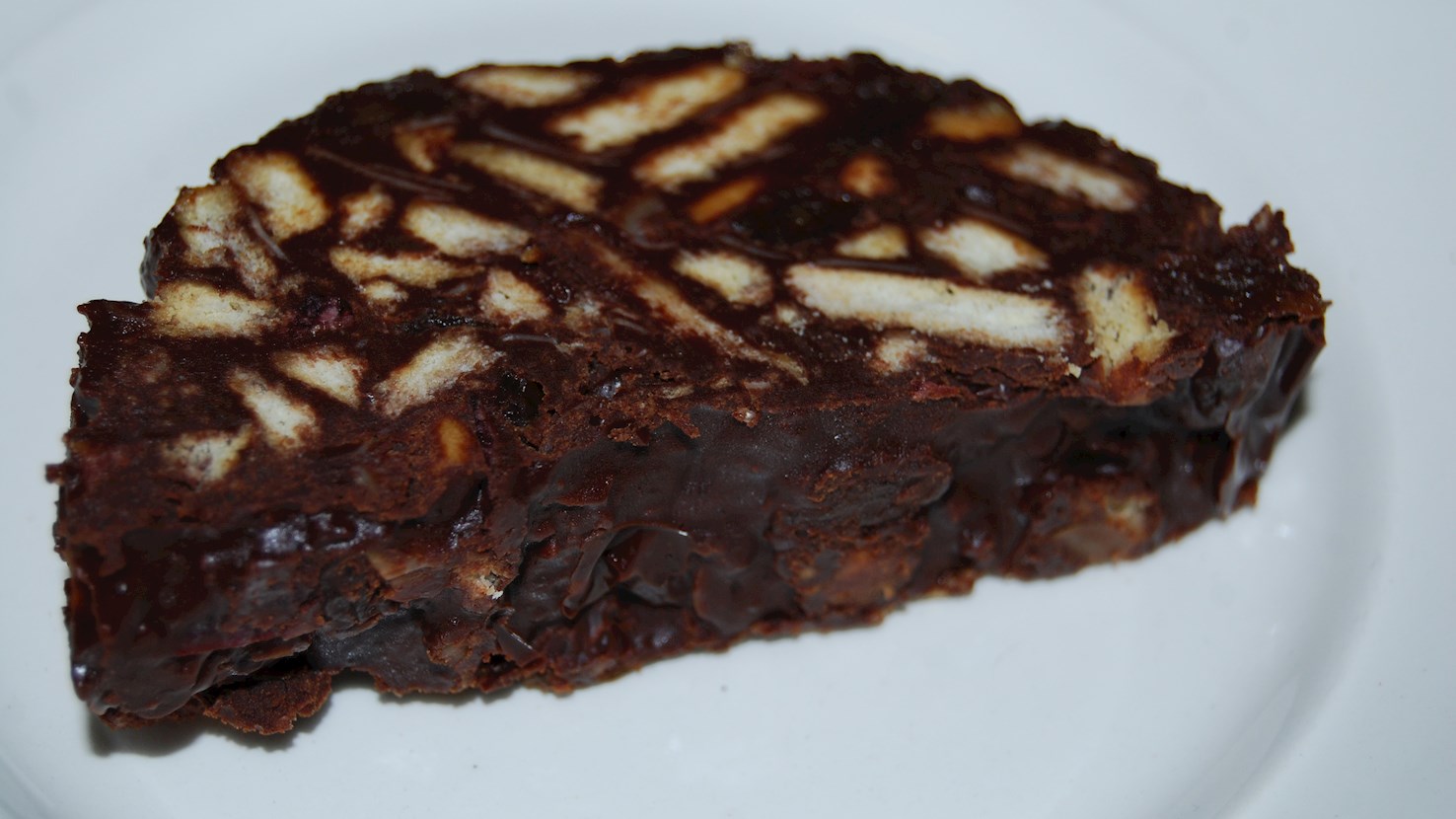
Arretje nof is a traditional chocolate cake originating from the Netherlands. Interestingly, this chocolate cake needs no baking – all it needs is a few hours in the fridge. The cake is usually made with a combination of butter, cookies, dark chocolate, sugar, eggs, and cocoa powder. The ingredients are simply melted into a sauce, mixed with the cookie pieces, and the mixture is then poured into a cake pan, flattened, and left in the fridge for a few hours or overnight. Once chilled and solid, the cake is cut into slices. It's especially popular during the festive Christmas season.
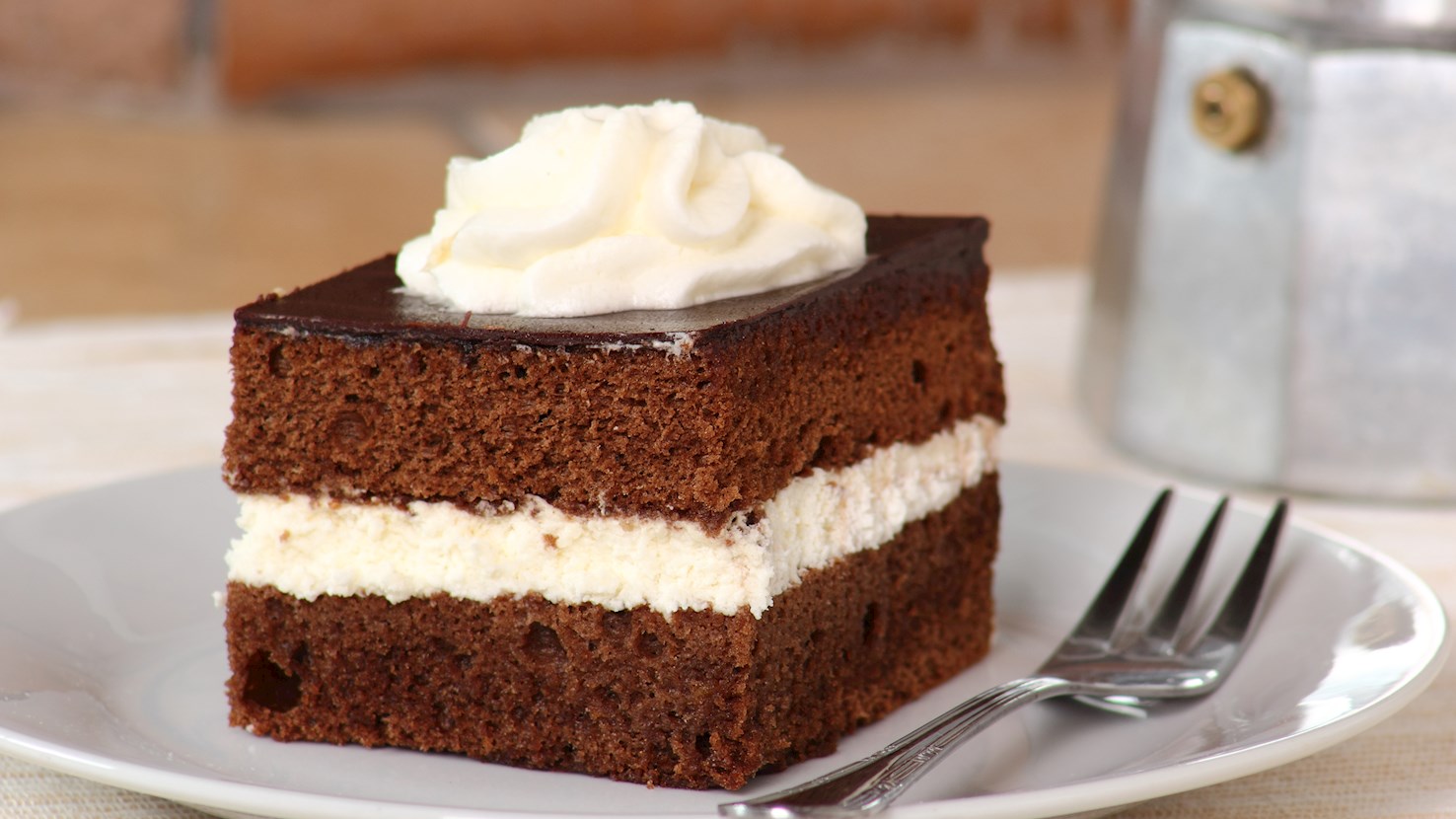
Wuzetka is a traditional cake originating from Warsaw. The cake consists of chocolate sponge cake that's filled with whipped cream and covered with chocolate icing. It's usually made with a combination of flour, eggs, sugar, butter, cocoa powder, whipping cream, rum, gelatin, and plum jam. The icing is made with a combination of butter, milk, and dark chocolate. Once prepared, the bottom layer is drizzled with jam and rum, the whipped cream mixture is spread over it, and the top sponge layer is placed on top. The chocolate icing is poured over the cake, and when it sets, the wuzetka is cut into cubes. The cake is typically decorated with a dollop of cream and a single cherry. Although the origin of the name is still murky, it is believed that the cake was named after the East-West route (Wschód-Zachód), shortened to W-Z.
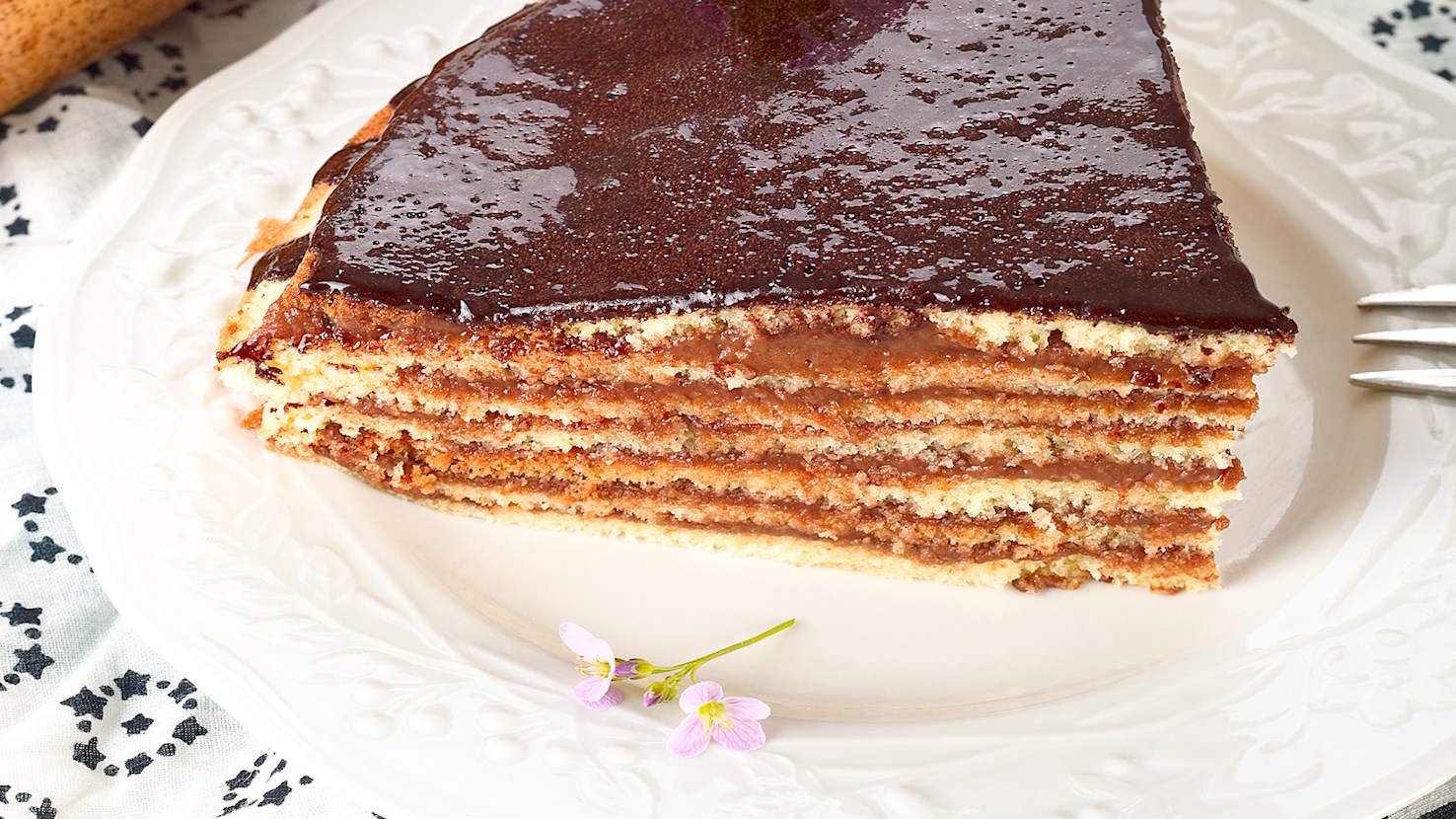
A Bavarian specialty dessert called prinzregententorte is a smooth, chocolate-covered layer cake with a chocolate buttercream filling. The cake is comprised of thin cake layers that are smeared with chocolate buttercream and then finished off with a satin-like chocolate coating. It is sometimes enhanced with apricot or raspberry preserves and is usually adorned with whipped cream or chocolate cream and chocolate shavings on top. Originally, the cake had eight layers which represented the eight districts of Bavaria, but since there are only seven Bavarian districts today, the cake nowadays typically features seven layers. Prinzergententorte was created in honor of Prince Luitpold of Bavaria, who later became Prince Regent, thus the name of the cake. A piece of this authentic German dessert can be savored in numerous cake shops found throughout the region.
Dios torta is a traditional chocolate sponge cake originating from Hungary. It consists of a walnut sponge and layers of chocolate buttercream. The walnut sponge cake is made with a mixture of eggs, sugar, ground walnuts, baking powder, flour, and lemon zest. The chocolate buttercream is made with a combination of egg yolks, milk, sugar, chocolate, butter, and vanilla. The sponge and the buttercream are layered and stacked, and the cake is then garnished with walnuts and chocolate shavings on top.
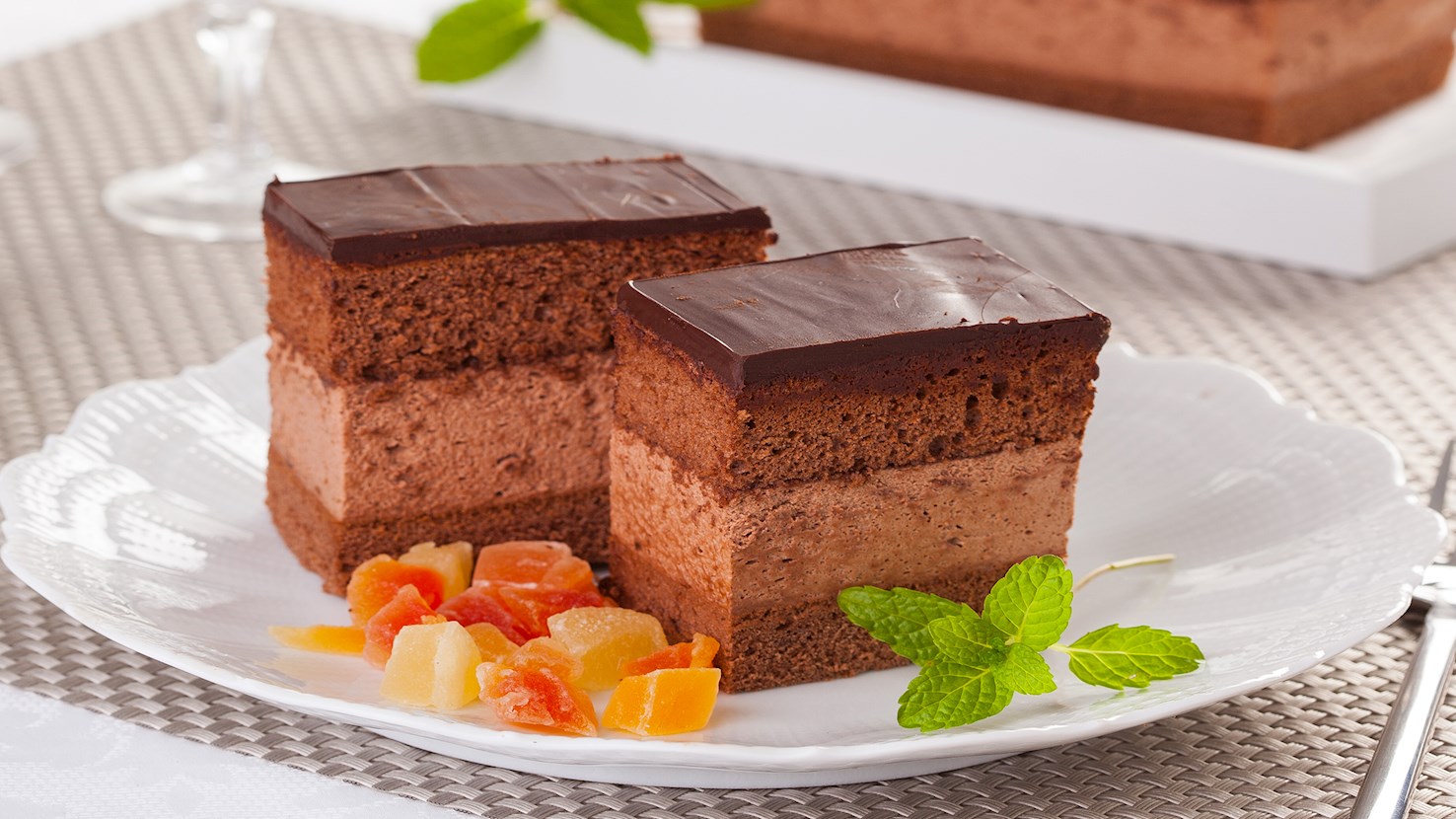
This classic Hungarian dessert consists of two layers of chocolate sponge held together by a luscious, mousse-like cocoa cream filling which is sometimes flavored with a splash of dark rum, while the cake itself is typically covered in a rich dark chocolate ganache. Rigó Jancsi is said to have been invented at the turn of the 20th century and named after a famous Hungarian Gypsy violinist who seduced and eventually married Clara Ward, the daughter of an American millionaire named Eber Brock Ward and the wife of Belgian Prince de Caraman-Chimay. The two lovers met while Rigó performed with his orchestra in a posh Paris restaurant which was frequented by a number of Belgian aristocrats. Legend has it that Clara was instantly fascinated by Rigó’s music, but even more so mesmerized by his passionate black eyes. Shortly thereafter, due to the scandalous romance story of a Belgian princess debauching into the sin of adultery, running off with a Gypsy musician and leaving behind her husband and two children, the decadent dessert also known as Gypsy John gained popularity both in Hungary and abroad, and it is still considered to be one of the most famous Hungarian desserts. It's also popular in Rijeka, a city in Croatia, because Clara and Rigó visited Rijeka in 1896, and the locals loved the cake, which is still regularly served in the city.
Mađarica, meaning Hungarian girl, is a traditional layered cake that is usually associated with festive occasions. The layers are coated in a velvety, chocolate-infused cream, and the whole cake is finished with a dark chocolate glaze. Although not much is known about its origin or etymology, mađarica is believed to be an original Croatian dessert that was modeled on traditional Hungarian layered cakes.
TasteAtlas food rankings are based on the ratings of the TasteAtlas audience, with a series of mechanisms that recognize real users and that ignore bot,
nationalist or local patriotic ratings, and give additional value to the ratings of users that the system recognizes as knowledgeable.
For the “7 Worst Rated Central European Chocolate Cakes” list until May 21, 2026, 1,367 ratings were recorded, of which 1,097 were recognized by the system as legitimate.
TasteAtlas Rankings should not be seen as the final global conclusion about food. Their purpose is to promote excellent local foods,
instill pride in traditional dishes, and arouse curiosity about dishes you haven’t tried.