Zoumero is a rich and decadent Greek chocolate cake originating from Chania. The cake is made with flour, baking powder, eggs, vanilla, and cocoa powder. Once baked, the surface of the cake is topped with a cold syrup consisting of milk, sugar, butter, and cocoa. It is then left to cool down before serving. When served, zoumero is traditionally accompanied by a scoop of vanilla ice cream on top. Over the years, this cake has become a staple in most local restaurants. The name zoumero means juicy, referring to the moist texture of the cake once the chocolate syrup drizzles down through it.
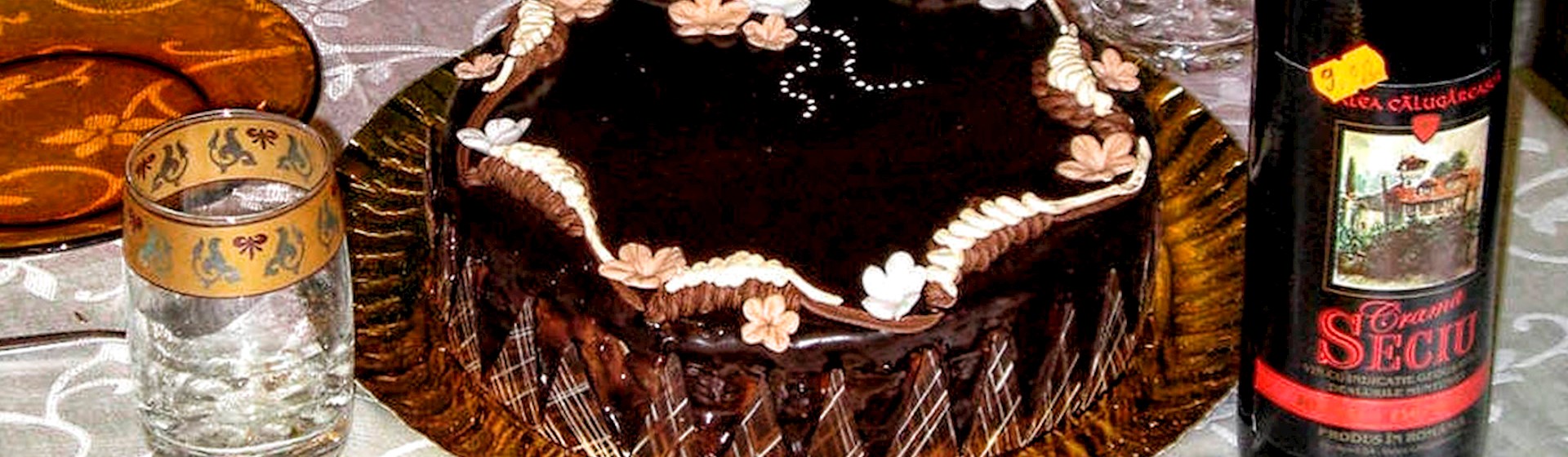
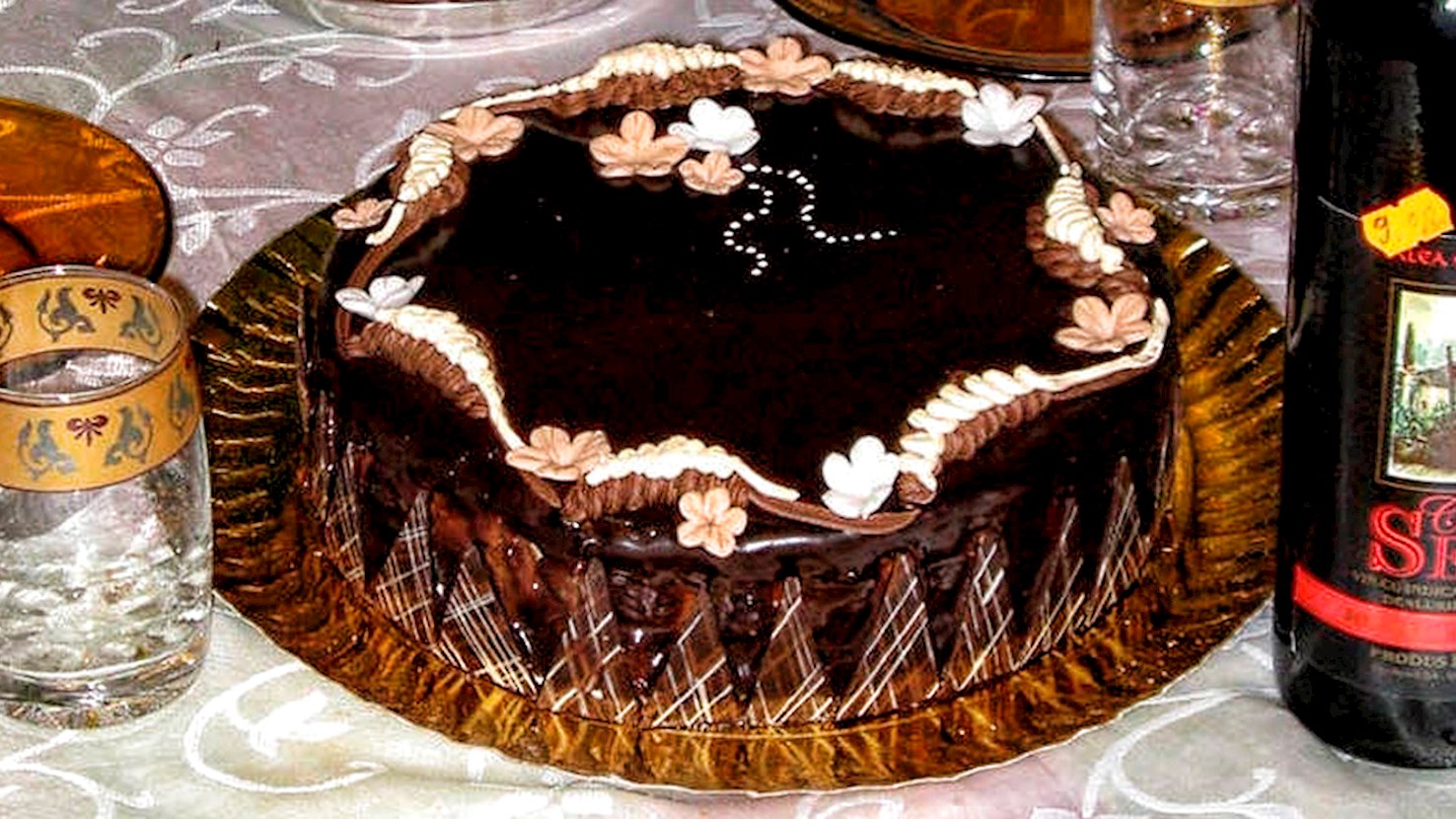
Joffre cake is a rich, layered chocolate and buttermilk cake that was invented in 1920 in Bucharest. Built in 1852, a restaurant, hotel, and cafe called Casa Capsa was thought to be a symbol of Romanian high society, a place where the most special dinner parties in Bucharest took place. When Marshal Joffre, leader of the French army, visited the country in 1920, the Capsa brothers organized a special event in his honor and made a special cake that was named after the Marshall. The size and shape of the cake are thought to be modeled after the French casquettes worn in World War I by the Marshall's troops. The cake was a great success, and it still is today, supported by the saying "one piece of Joffre is always followed by another one."
This flavorful Italian cake has a rich almond and cocoa flavor characterized by an intense aftertaste of rum and coffee. It was invented in 1907 by Eugenio Gollini who dedicated it to Jacopo Barozzi da Vignola, a famous 16th-century architect. The recipe for the cake is still kept a secret and is only known to the heirs of the Gollini bakery. Traditionally, the cake is consumed for breakfast with coffee or tea on the side, while the rich flavors make torta Barozzi the perfect complement to various custards or vanilla ice cream.
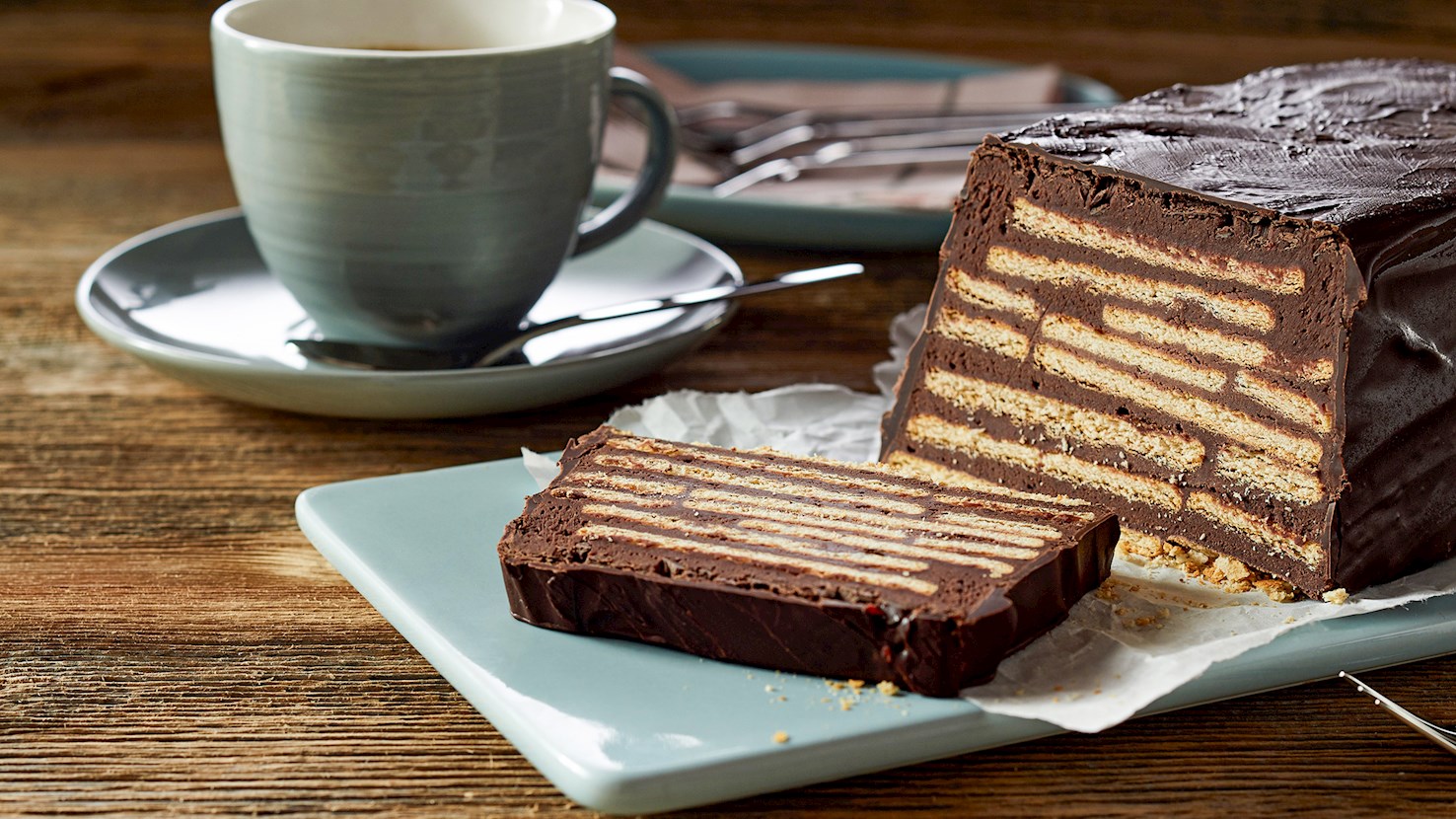
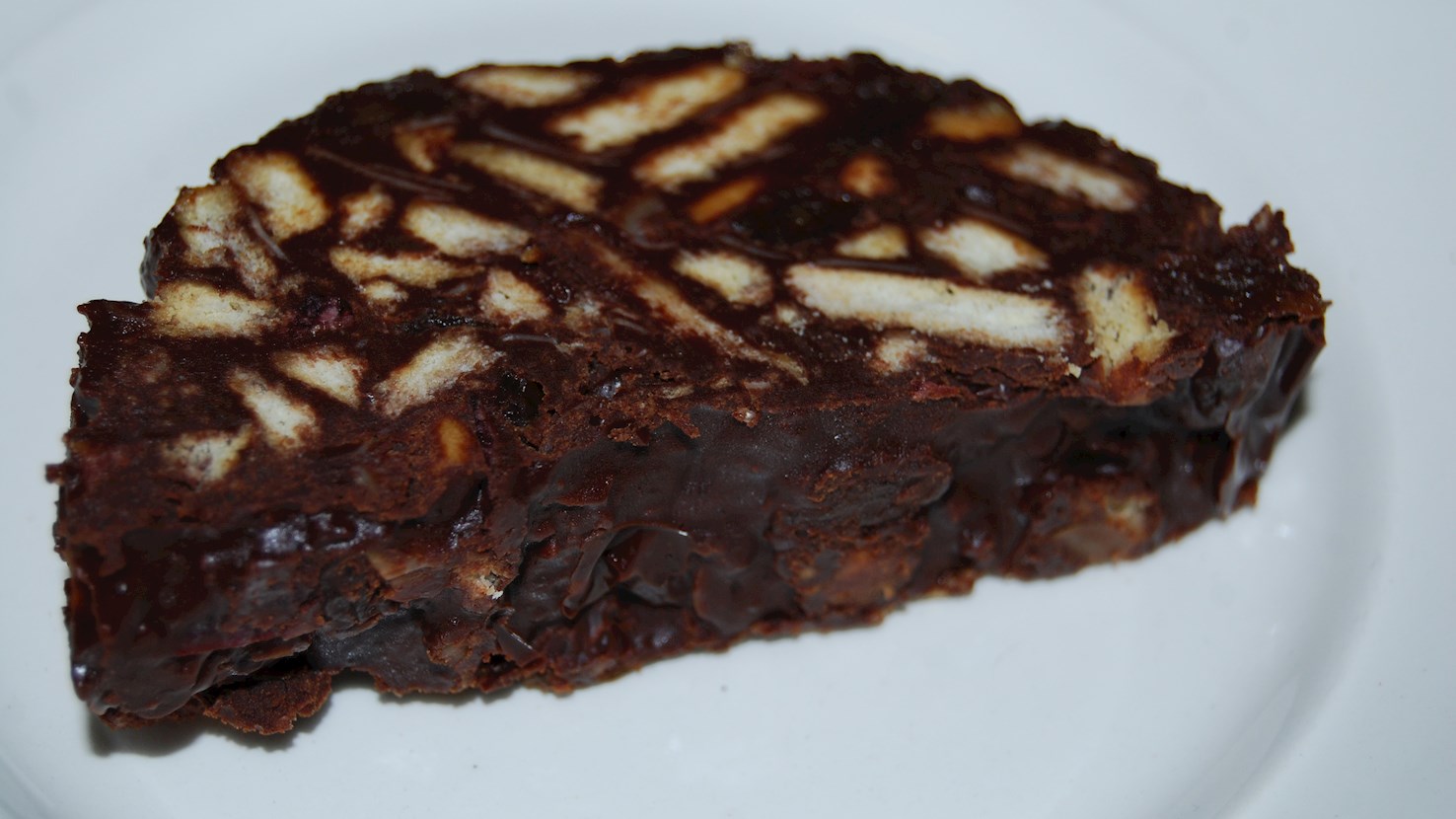
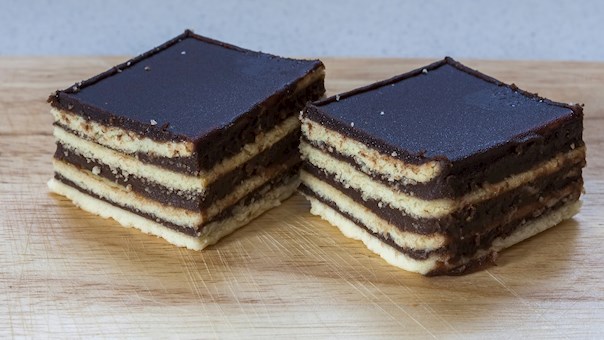
Kalter Hund is a no-bake chocolate biscuit cake that is widely known in Germany and also popular in other parts of Central Europe. The name translates to “cold dog” in German, though it has no connection to animals and instead refers to the cold-set method of preparation and the shape of the loaf tin, which in old mining slang was called a “Hund” or "dog." This dessert is made by layering plain butter biscuits (often Leibniz or similar rectangular types) with a rich chocolate glaze or ganache made from cocoa powder, butter, and sometimes coconut oil or cream. Once assembled, the cake is chilled until firm and sliced to reveal a striped pattern of alternating biscuit and chocolate layers. Kalter Hund became especially popular in Germany in the mid-20th century, when simple, accessible ingredients and no-bake methods were in high demand. Its preparation does not require an oven, making it ideal for home kitchens with limited equipment or for occasions when ease and speed are a priority. The texture is dense and slightly crunchy from the biscuits, with a smooth and sweet chocolate component that holds everything together. The dessert is served cold and cut into rectangular slices, often appearing at children’s birthday parties, family gatherings, or holiday celebrations. Over time, variations have emerged, such as adding rum, coffee, or vanilla to the chocolate mixture, or replacing the biscuits with sponge fingers or other cookies.
Arretje nof is a traditional chocolate cake originating from the Netherlands. Interestingly, this chocolate cake needs no baking – all it needs is a few hours in the fridge. The cake is usually made with a combination of butter, cookies, dark chocolate, sugar, eggs, and cocoa powder. The ingredients are simply melted into a sauce, mixed with the cookie pieces, and the mixture is then poured into a cake pan, flattened, and left in the fridge for a few hours or overnight. Once chilled and solid, the cake is cut into slices. It's especially popular during the festive Christmas season.
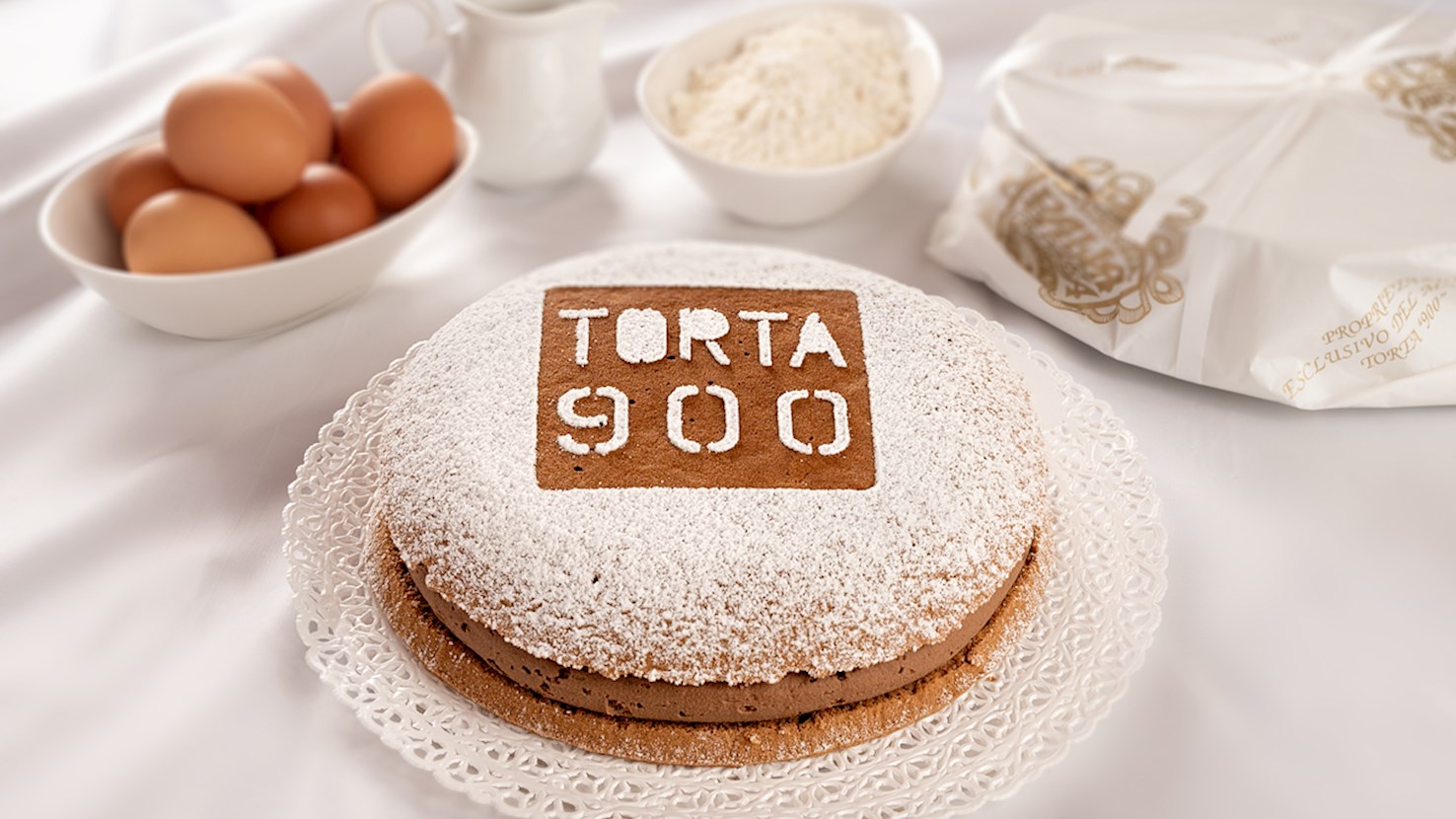
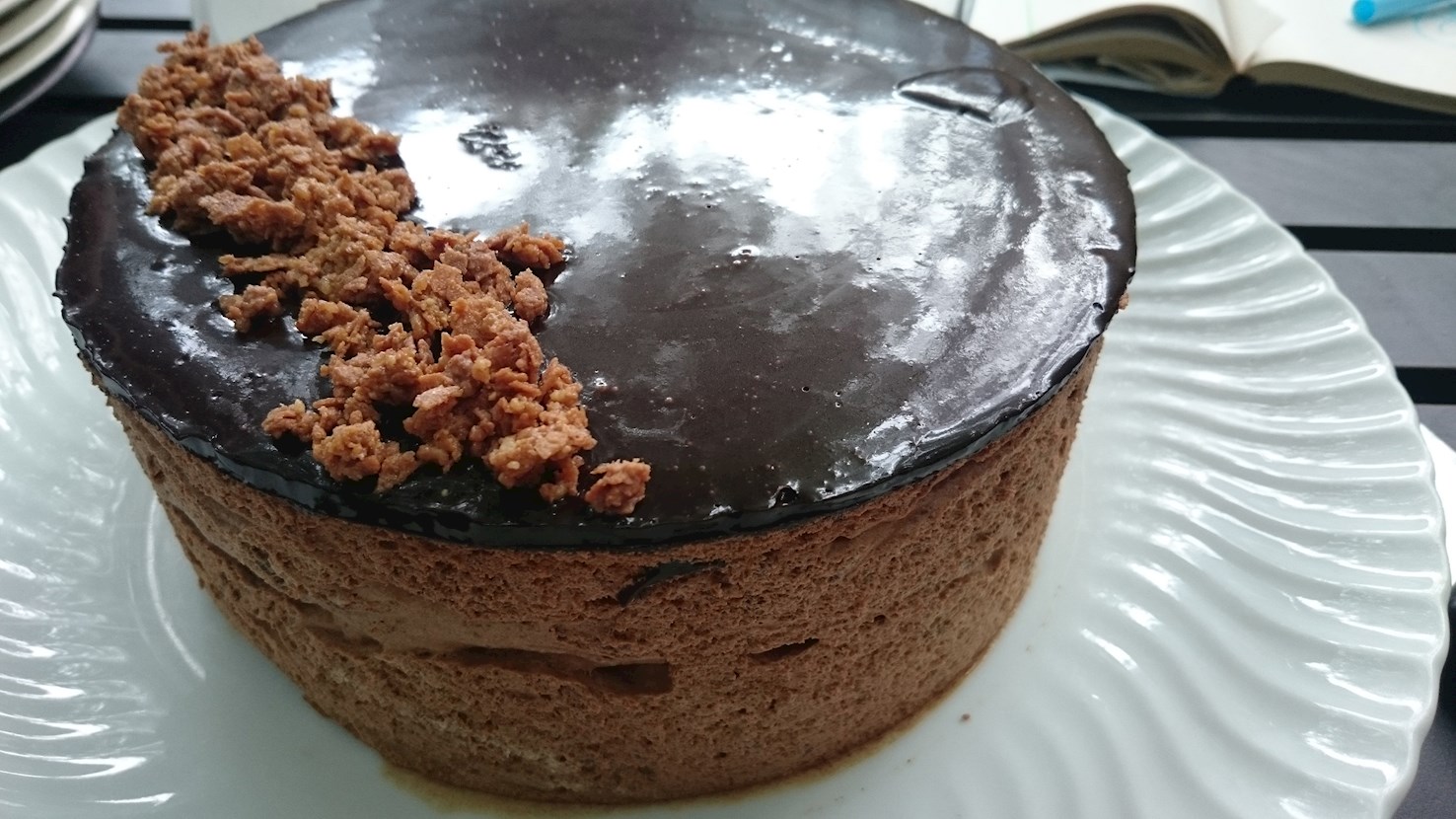
The decadent, chocolate-laden Torta Novecento (cake nine hundred), was created by a renowned Canavese master pastry chef Ottavio Bertinotti to celebrate the turn of the 20th century – hence the name. This seemingly simple cake, consisting of a mousse-like chocolate filling sandwiched between two layers of cocoa-flavored sponge cake, eventually became so popular that Bertinotti, tired of countless knockoffs being passed off as the real thing, finally patented the secret recipe for Novecento in 1964. In 1972, he sold the recipe rights to Umberto Balla, founder and owner of Pasticceria Balla. His family-run pastry shop has been making the famous Torta 900 ever since, thus establishing itself as a culinary landmark of Ivrea.
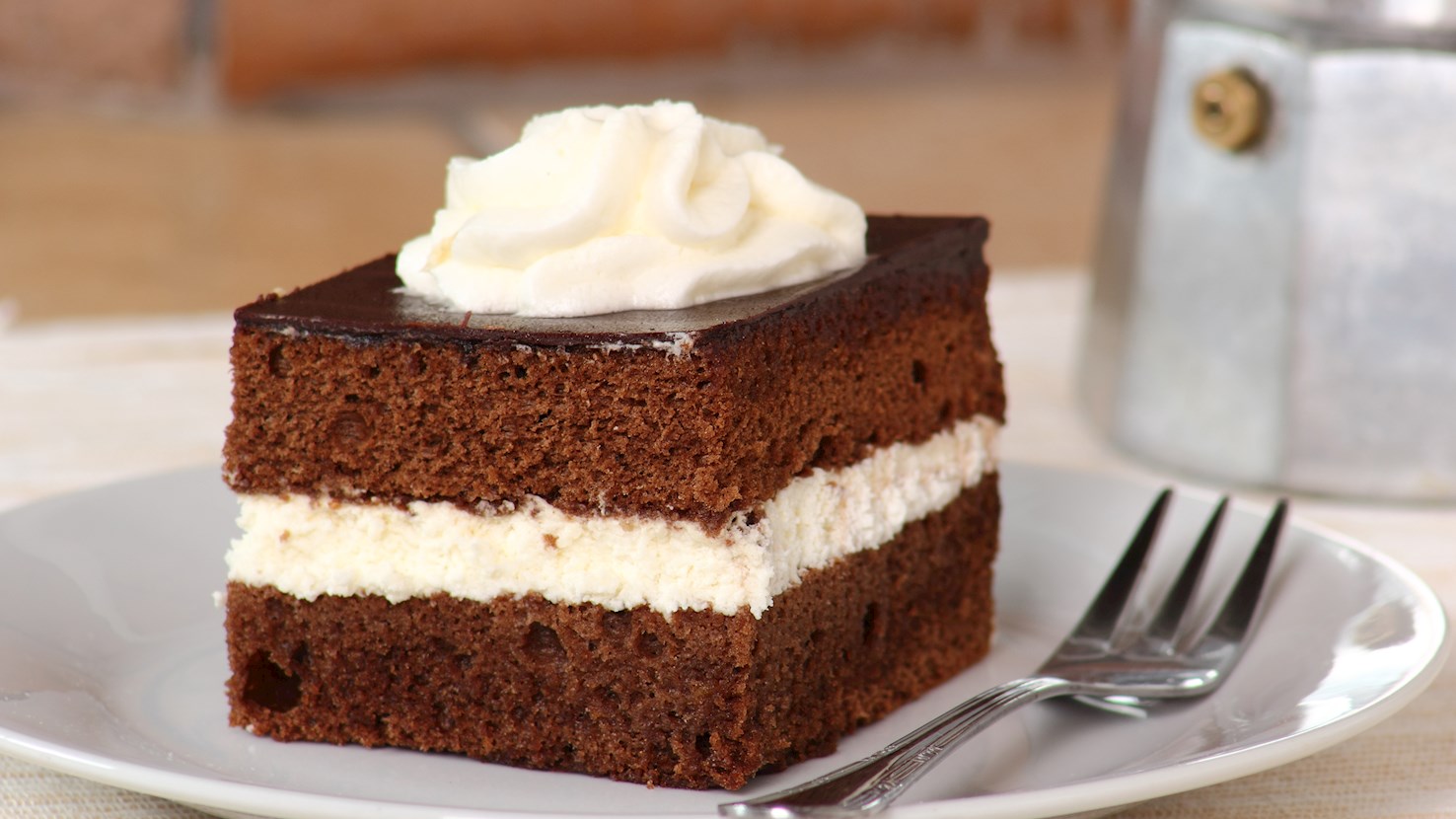
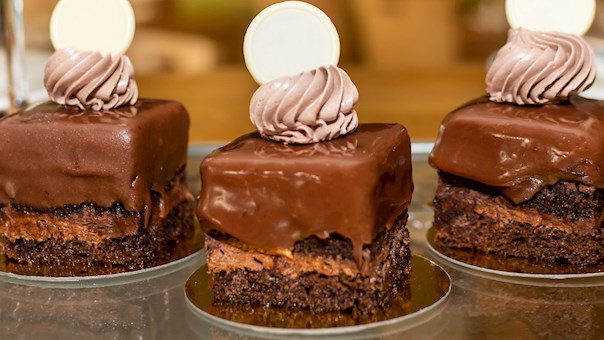
Wuzetka is a traditional cake originating from Warsaw. The cake consists of chocolate sponge cake that's filled with whipped cream and covered with chocolate icing. It's usually made with a combination of flour, eggs, sugar, butter, cocoa powder, whipping cream, rum, gelatin, and plum jam. The icing is made with a combination of butter, milk, and dark chocolate. Once prepared, the bottom layer is drizzled with jam and rum, the whipped cream mixture is spread over it, and the top sponge layer is placed on top. The chocolate icing is poured over the cake, and when it sets, the wuzetka is cut into cubes. The cake is typically decorated with a dollop of cream and a single cherry. Although the origin of the name is still murky, it is believed that the cake was named after the East-West route (Wschód-Zachód), shortened to W-Z.
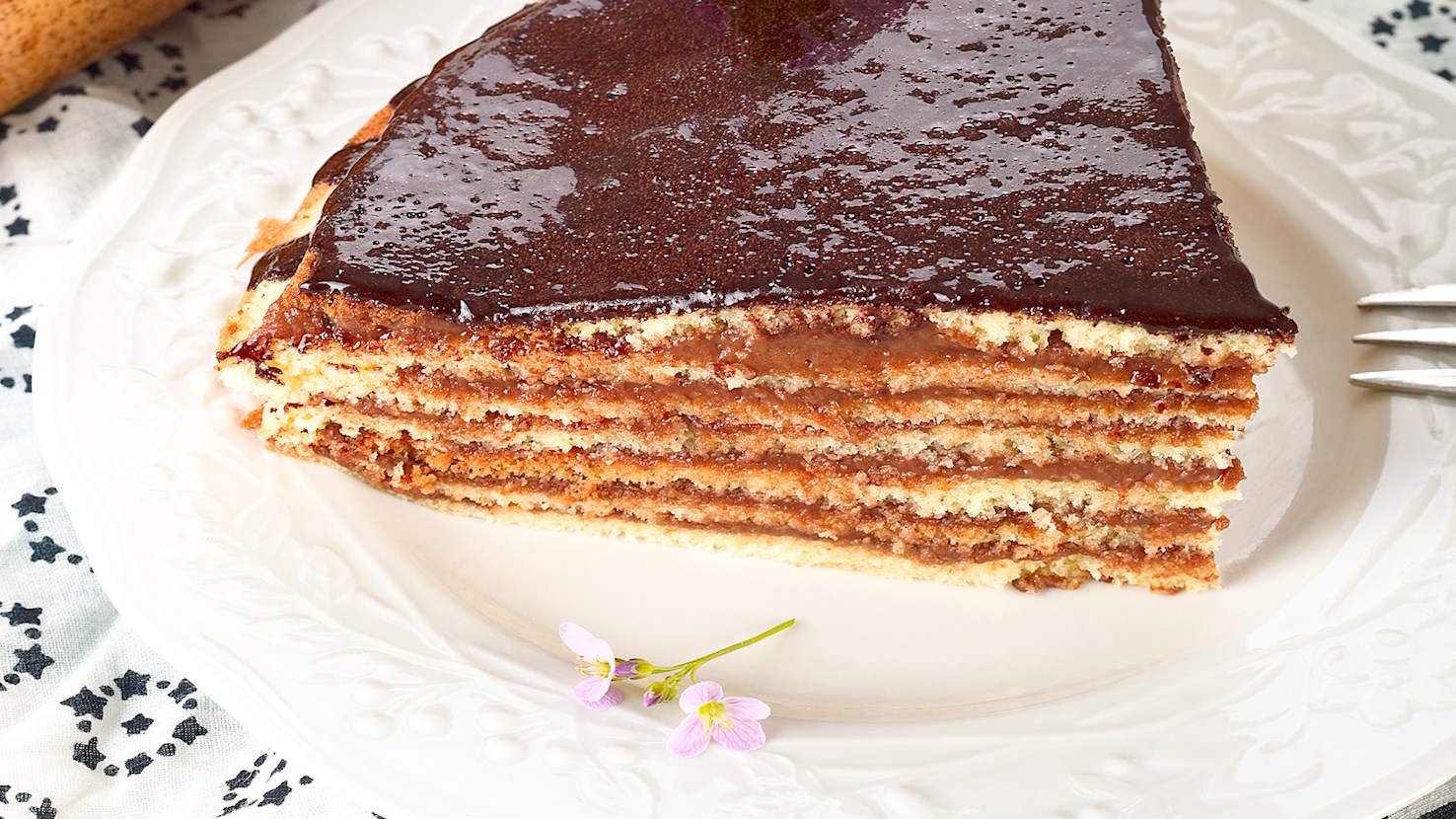
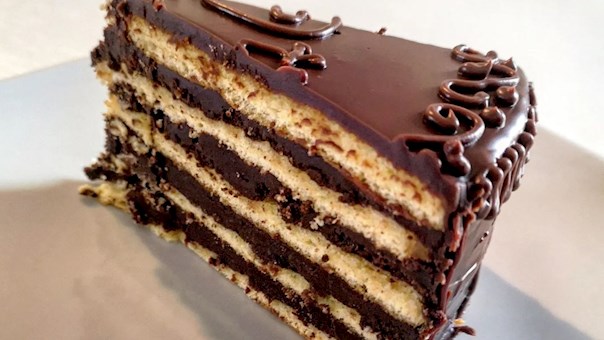
A Bavarian specialty dessert called prinzregententorte is a smooth, chocolate-covered layer cake with a chocolate buttercream filling. The cake is comprised of thin cake layers that are smeared with chocolate buttercream and then finished off with a satin-like chocolate coating. It is sometimes enhanced with apricot or raspberry preserves and is usually adorned with whipped cream or chocolate cream and chocolate shavings on top. Originally, the cake had eight layers which represented the eight districts of Bavaria, but since there are only seven Bavarian districts today, the cake nowadays typically features seven layers. Prinzergententorte was created in honor of Prince Luitpold of Bavaria, who later became Prince Regent, thus the name of the cake. A piece of this authentic German dessert can be savored in numerous cake shops found throughout the region.
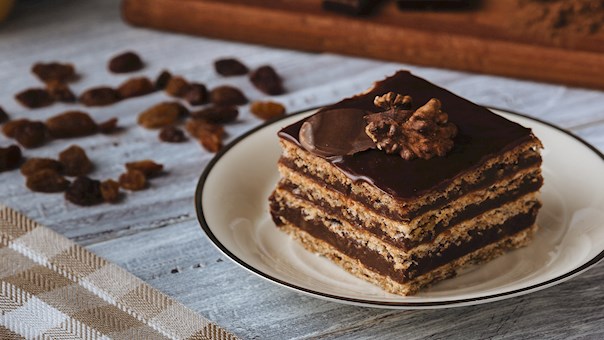
Dios torta is a traditional chocolate sponge cake originating from Hungary. It consists of a walnut sponge and layers of chocolate buttercream. The walnut sponge cake is made with a mixture of eggs, sugar, ground walnuts, baking powder, flour, and lemon zest. The chocolate buttercream is made with a combination of egg yolks, milk, sugar, chocolate, butter, and vanilla. The sponge and the buttercream are layered and stacked, and the cake is then garnished with walnuts and chocolate shavings on top.
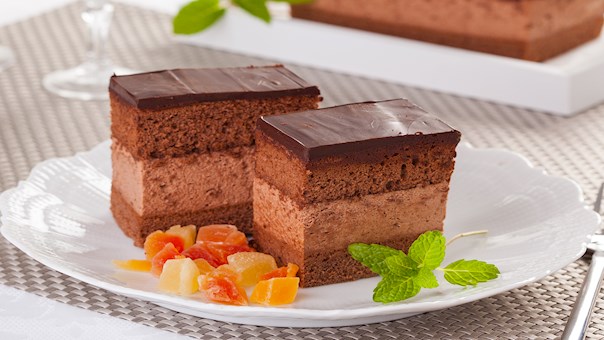
Royal is a classic French dessert that is also known as trianon. The base of the cake is made from dacquoise—the crispy almond meringue that's topped with crunchy praline cream, usually consisting of melted chocolate, thin and crispy crêpe dentelle biscuits, and praline paste. The cake is then topped with a thick layer of chocolate mousse. Finally, it can be dusted with cocoa or coated in a chocolate glaze. Not much is known about the origin of gâteau royal, but the dessert is found in many French pastry shops. The cake comes in a round or rectangular form.
TasteAtlas food rankings are based on the ratings of the TasteAtlas audience, with a series of mechanisms that recognize real users and that ignore bot,
nationalist or local patriotic ratings, and give additional value to the ratings of users that the system recognizes as knowledgeable.
For the “15 Worst Rated European Chocolate Cakes” list until September 16, 2026, 2,428 ratings were recorded, of which 1,644 were recognized by the system as legitimate.
TasteAtlas Rankings should not be seen as the final global conclusion about food. Their purpose is to promote excellent local foods,
instill pride in traditional dishes, and arouse curiosity about dishes you haven’t tried.








What People Say