

shutterstock

11 Worst Rated Citrus Fruits
in the World

Last updated on June 16, 2026
01

Limone di Siracusa

3.4 ·

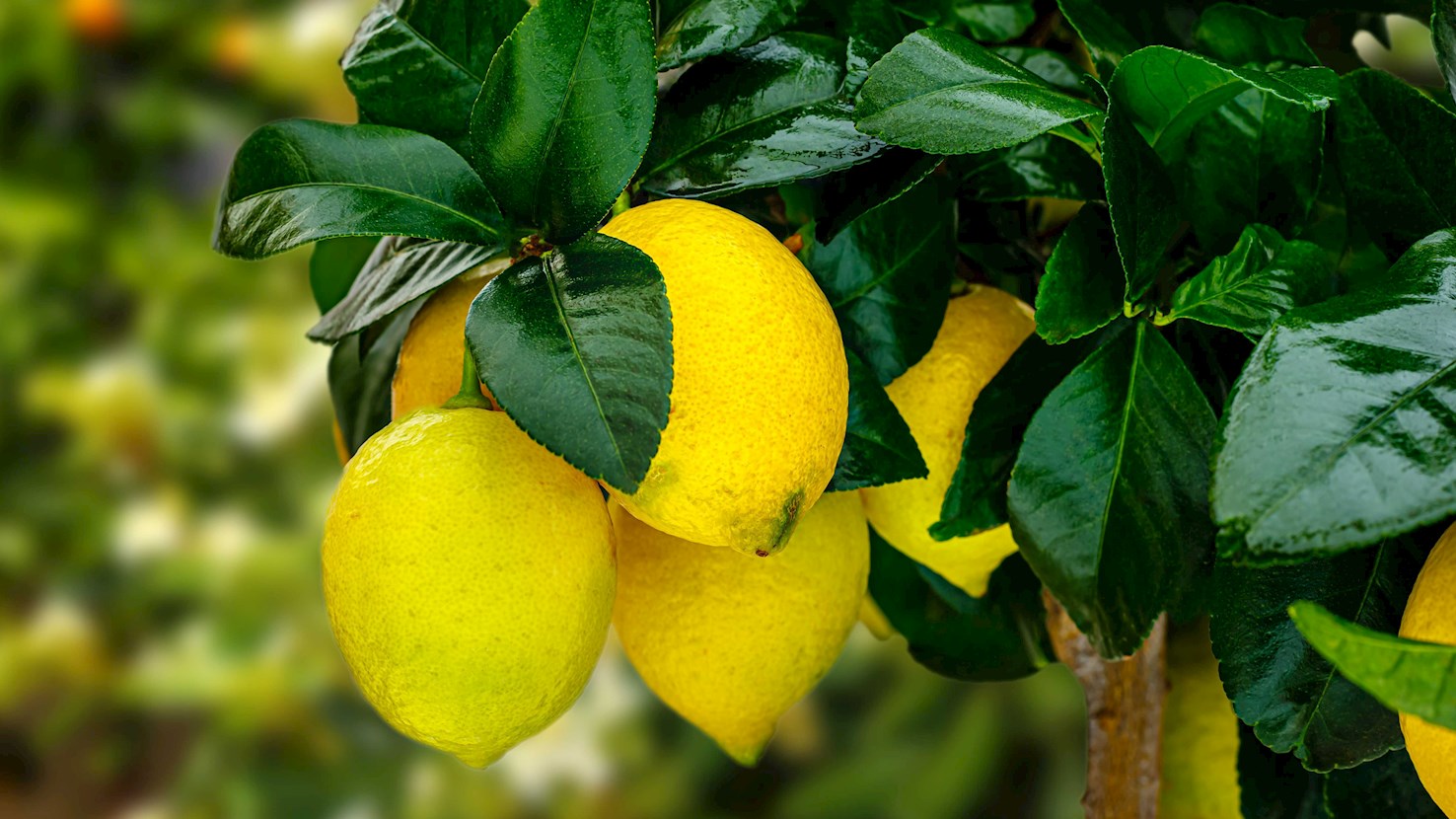
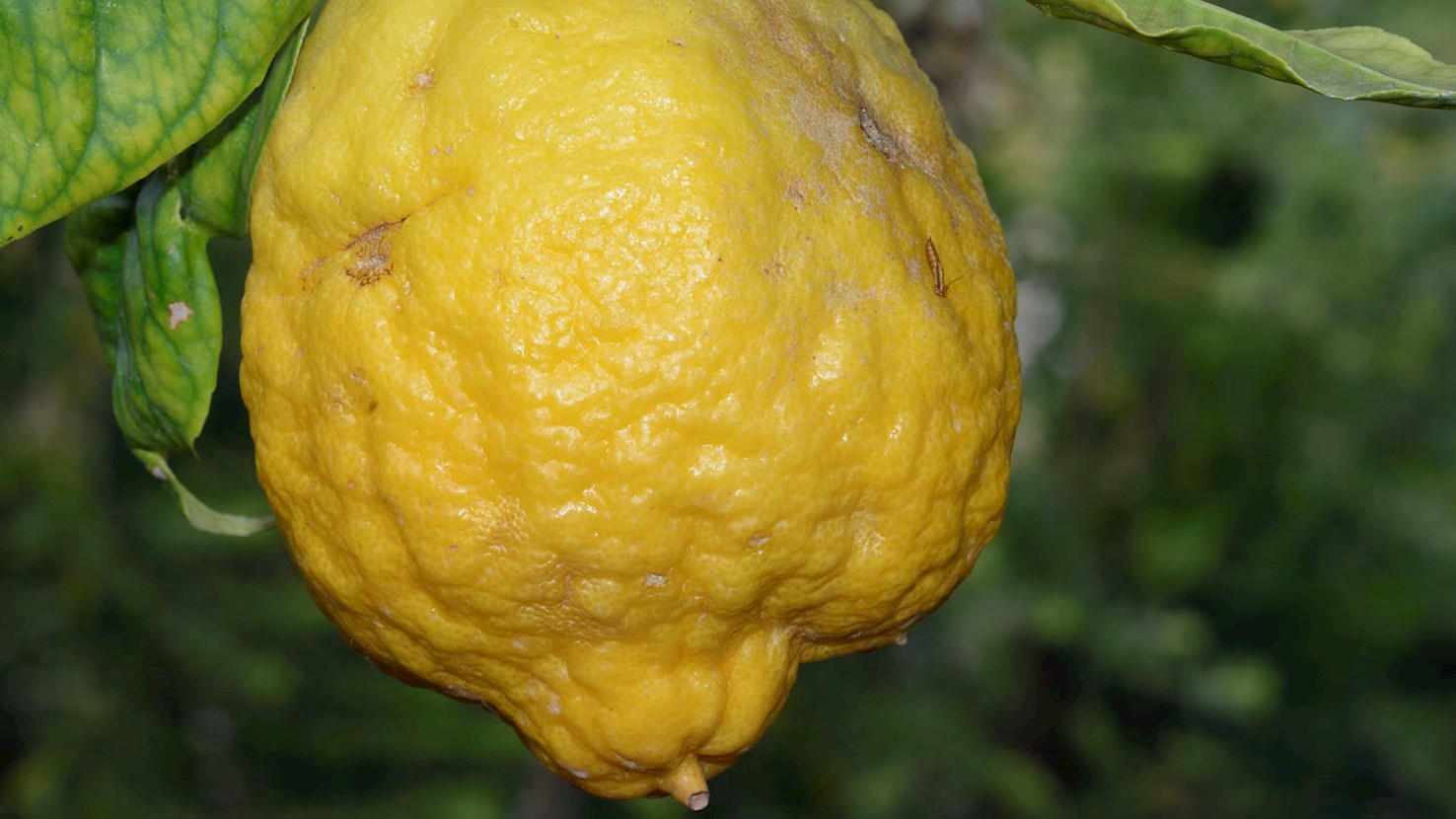
The intensive cultivation of lemon trees on Sicily was started by the Jesuits who were expert farmers and can be traced back to the 17th century. Today, more than 50% of all Italian citruses are produced on the island. Named after its province of origin, Limone di Siracusa refers to the fresh fruit of the Femminello Siracusano cultivar and derived ecotypes. These lemons are harvested year round and depending on the ripening period, they are available in following varieties: Primofiore (lit. first flower) which matures from October to March, Bianchetto or Maiolino which are spring lemons maturing from April to June, and Verdello or summer lemon which matures from July to September. Only slightly different in appearance, Syracuse lemons are characterized by an intense fragrance and juiciness which makes them particularly suitable for the preparation of liqueurs, desserts, sorbets and ice cream.

02

Makrut lime

3.5 ·

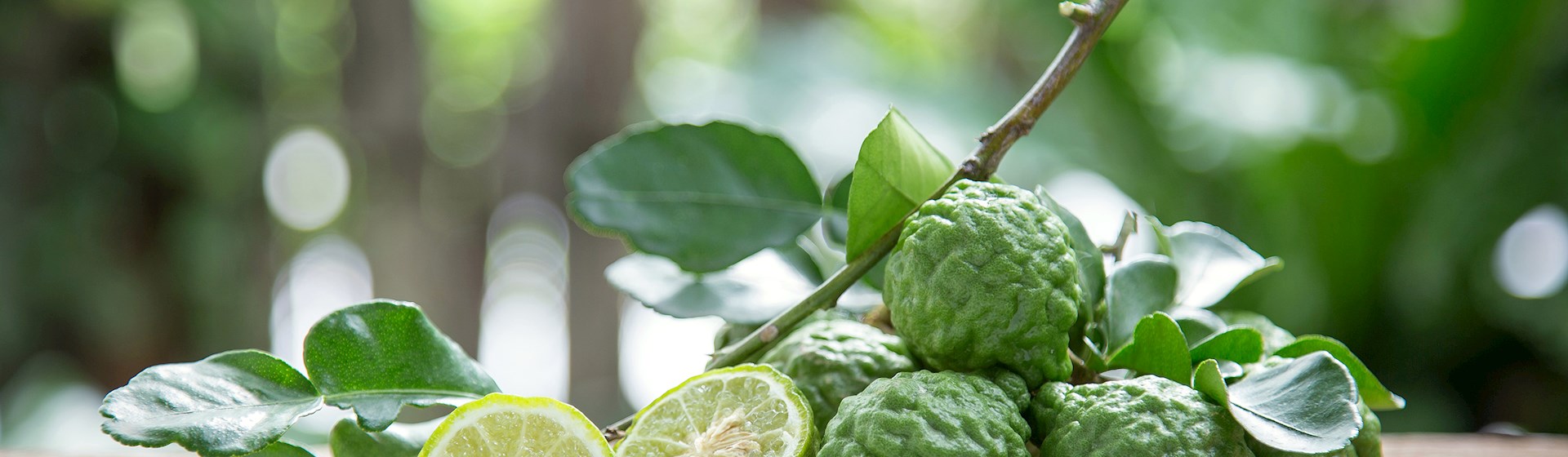
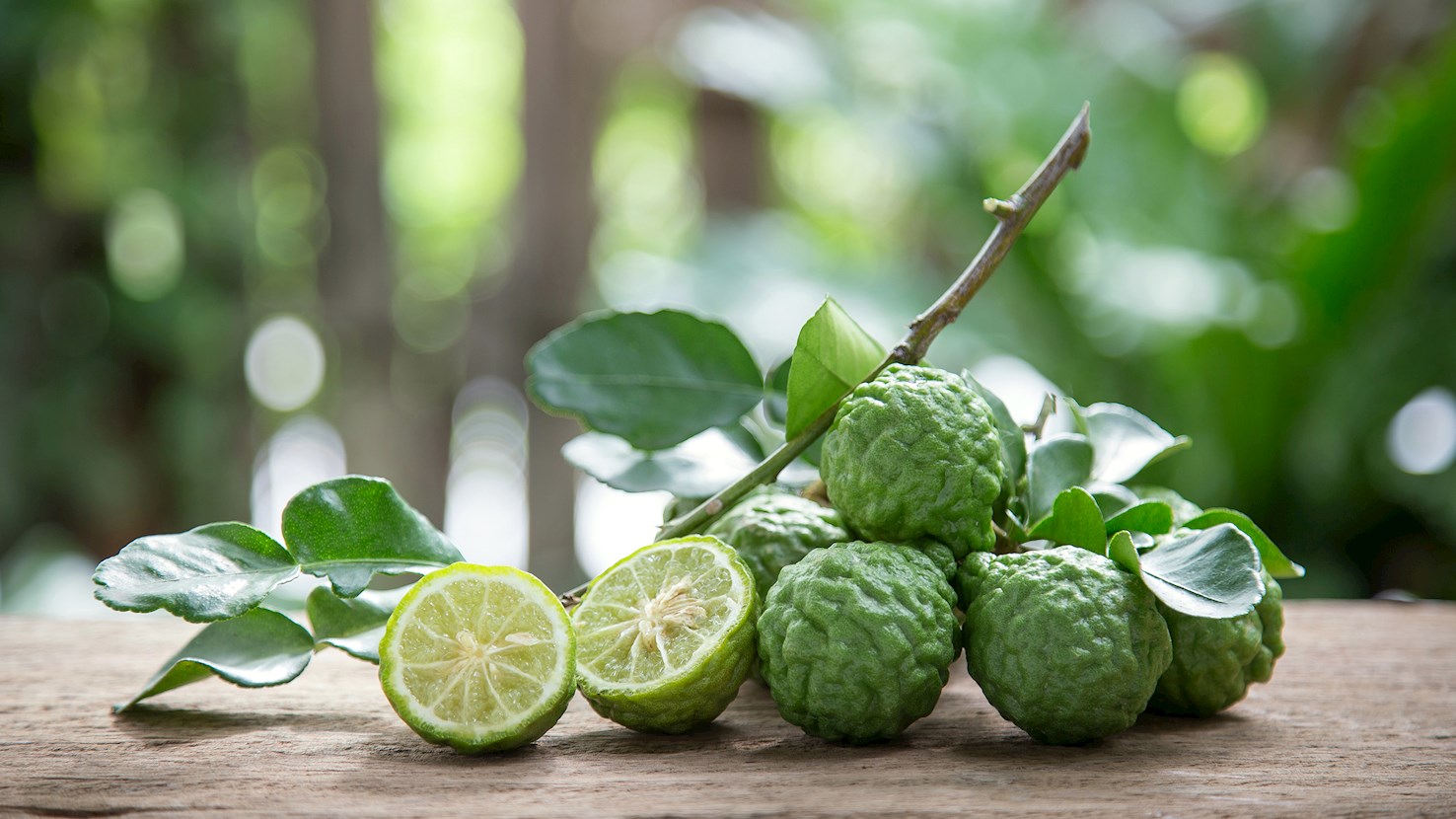
Makrut lime is an evergreen shrub that’s native to Southeast Asia. The fruits are green when unripe, turning yellow when ripe. The rind is warty, rough, and thick, while the pulp is very acidic and juicy with a few whitish seeds. The sour juice is often used in desserts, ice cream, beverages, and some seafood dishes. Makrut lime leaves are very aromatic and used as a spice that adds flavor to savory and spicy stir-fries, curries, and tom yum soup. The rind contains aromatic oil which is used to flavor rum and liqueurs.

03

Arancia di Ribera

3.5 ·

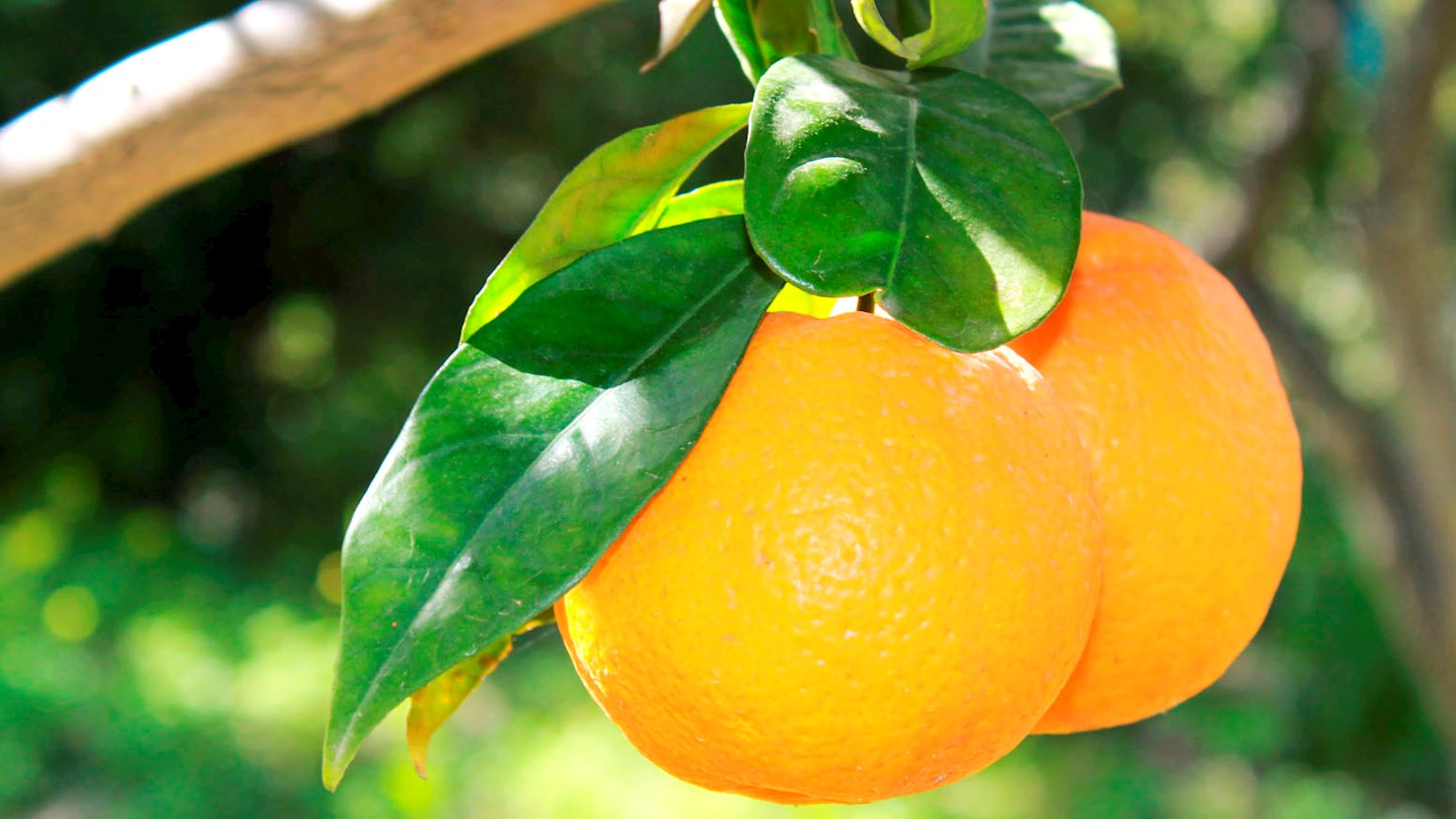
Grown on the fertile banks of the Verdura, Magazzolo and Platani rivers, the Sicilian oranges of Ribera are available in three different varieties: Brasiliano, Washington Navel, and Navelina. During ripening, the uniformly orange color of these fruits turns reddish and when sliced, Arancia di Ribera is easily recognized by its internal navel which is even more pronounced in the Brasiliano and Washington Navel varieties. Particularly sweet and juicy, Ribera oranges are often used for making healthy juices and smoothies or they can add an interesting twist to a number of traditional and modern Sicilian dishes: from risotto with scallops, orange marinated salmon, cod carpaccio, sausages in orange sauce, duck à l'orange with Trapanese couscous to Aranzada, a type of orange zest and almond brittle.

04

Meier ningmeng (Meyer lemon)

3.6 ·

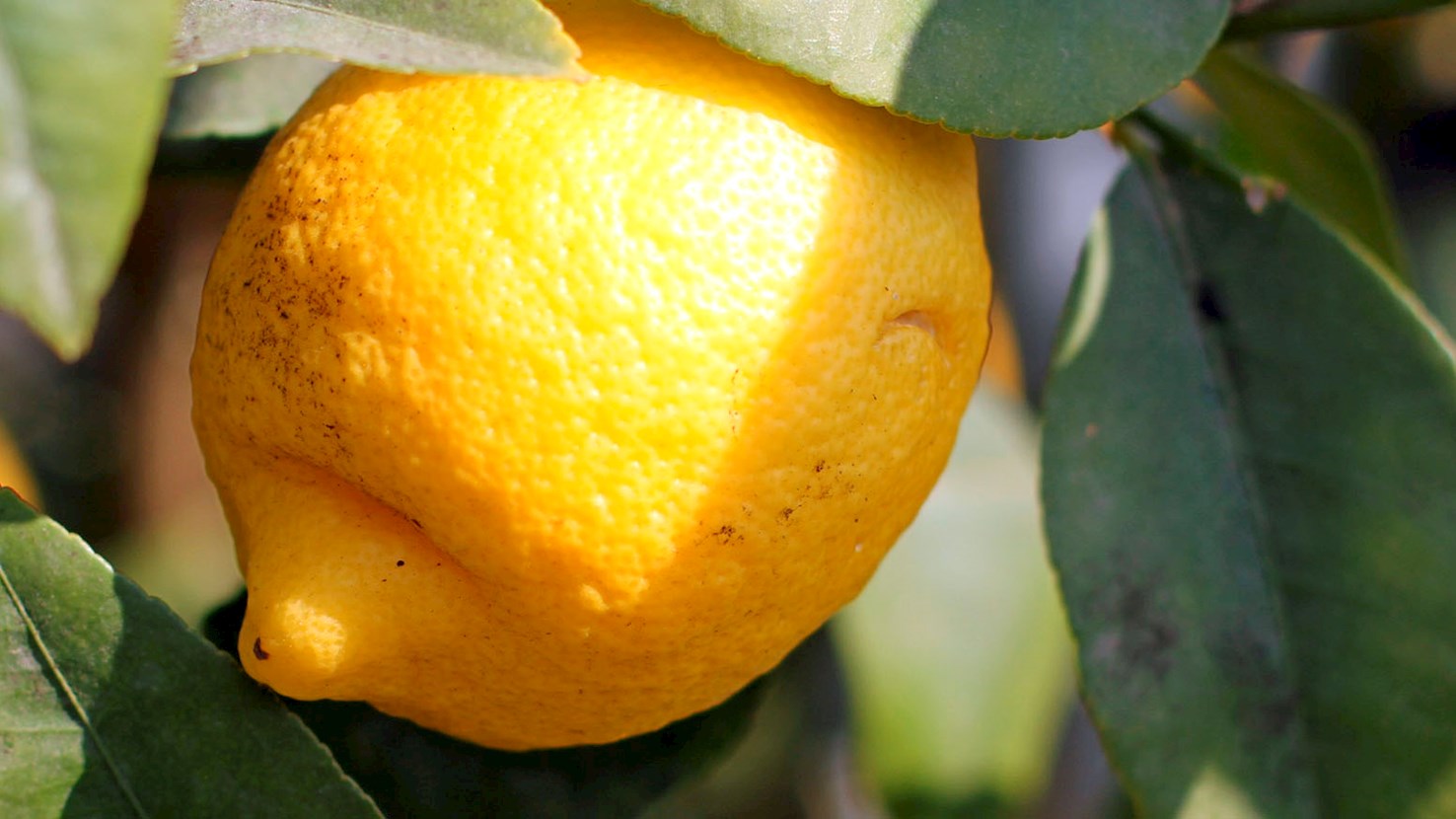
Meyer lemons are a type of citrus fruit native to China, a cross between a citron (an "original" lemon) and a mandarin/pomelo hybrid. They were introduced to the United States in the early 20th century by a man named Frank Nicholas Meyer, after whom they are named. Compared to the common lemon (citrus limon), Meyer lemons are smaller and more round, with a deep yellow to orange skin and dark yellow pulp. They have thinner, smoother skin and are less acidic, which makes them sweeter than their more tart counterparts. Meyer lemons have a unique aroma that is often described as a spicy bergamot fragrance. They are highly prized by cooks and bakers because of their slightly sweet and intensely citrusy flavor. Meyer lemons can be used in a wide variety of dishes, including desserts, cocktails, and savory recipes, where they can often replace regular lemons to add a different taste profile. It's important to note that Meyer lemons are more delicate and perish faster than common lemon and have a shorter growing season.

05

Pomelo de Corse

3.6 ·

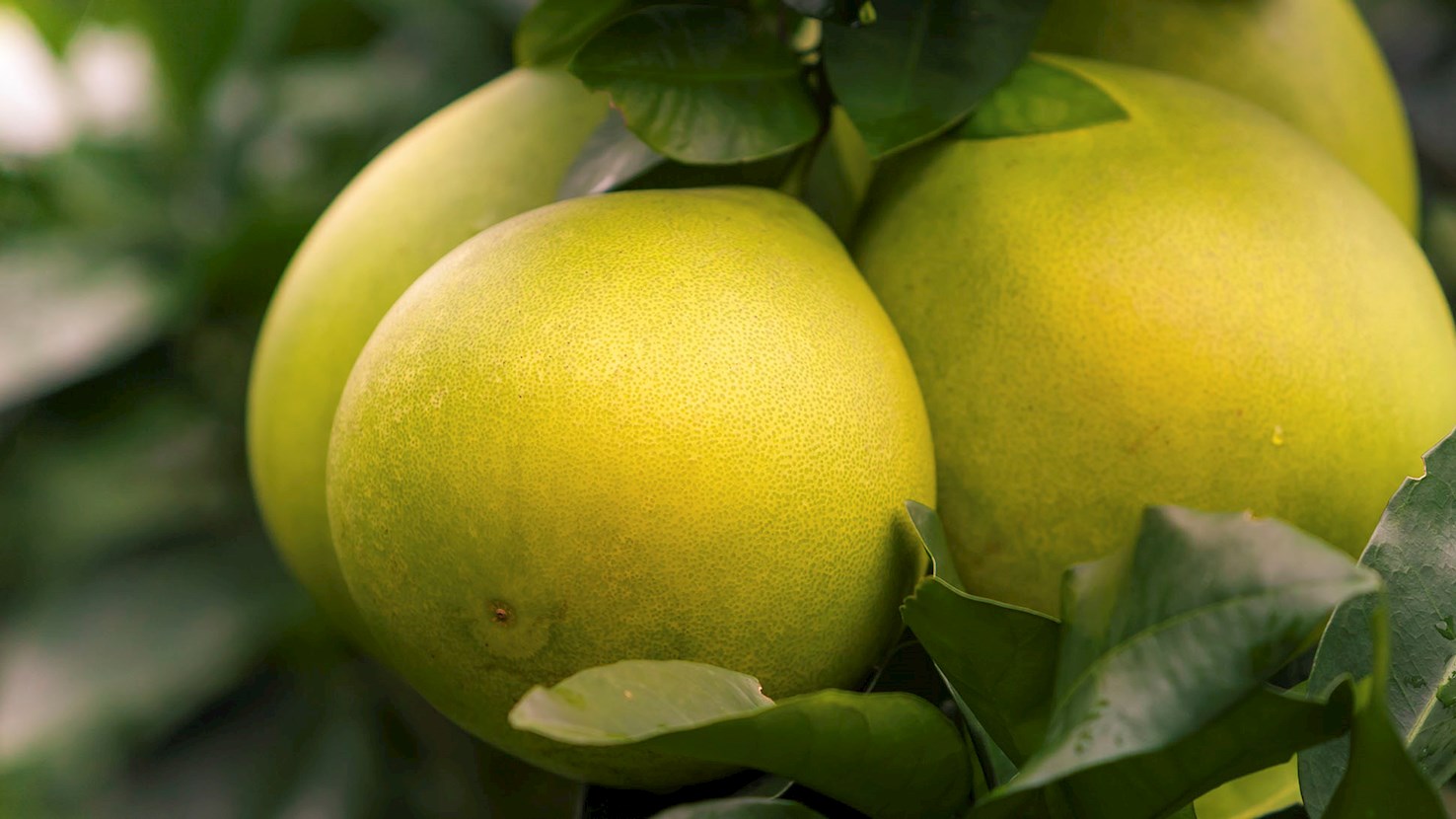
Pomelo de Corse is a seedless fruit grown on the French island of Corsica. It is available at the markets from March until June, where its yellow to orange-red skin and fragrant sweetness can be easily seen and smelled. It is a natural hybrid between a grapefruit and an orange, grown in Corsica from the early 1990s, where the region's climate of high sunshine and mild winters favorably influence the local produce of pomelos. Its flesh is juicy, and the taste is sweet and slightly acidic with no bitterness whatsoever. With its high nutritional values and rich taste, eat it fresh, squeeze it into juice or put it in fruit salads.

06

Clementine di Calabria

3.7 ·

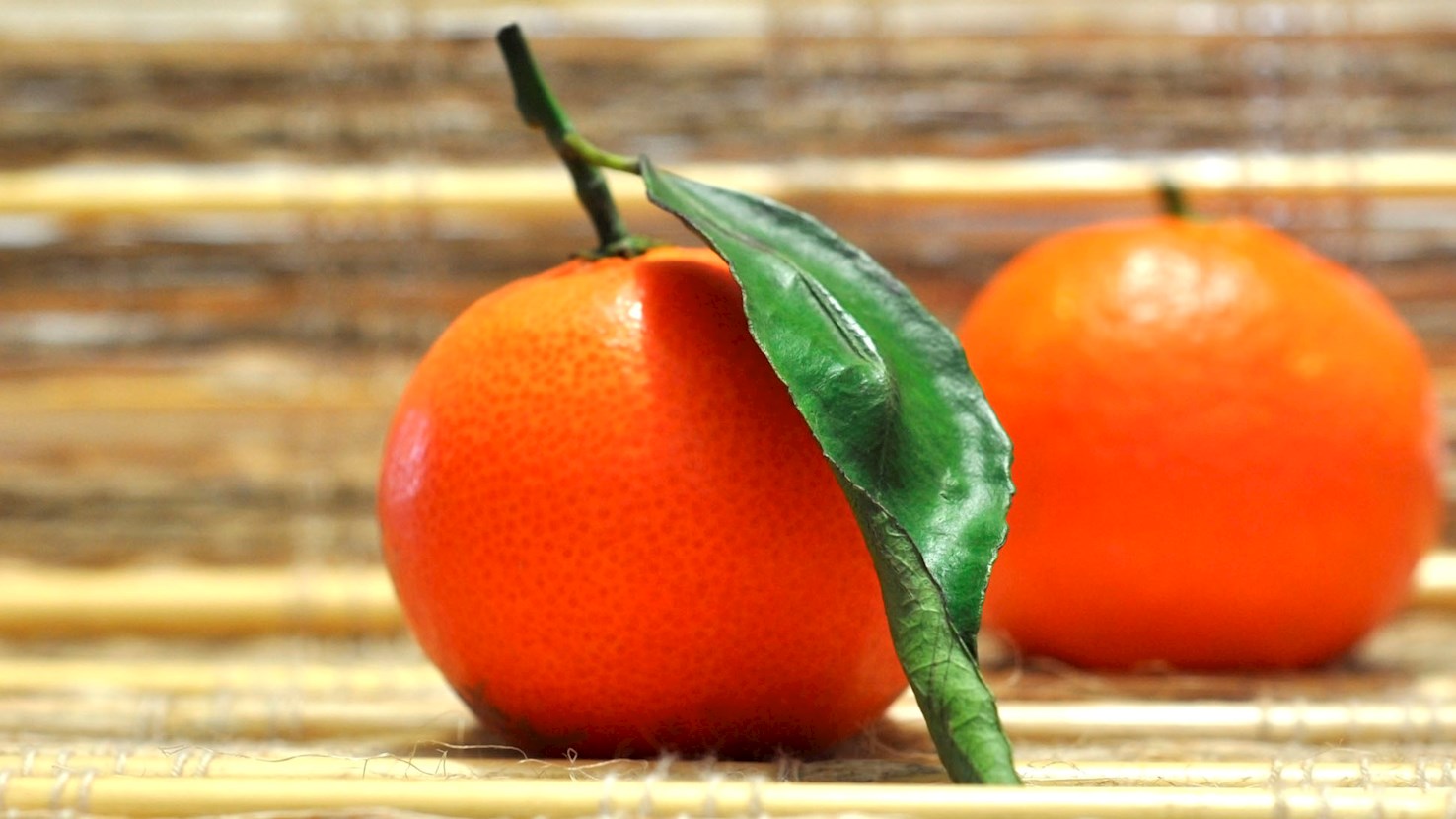
Grown just off the coast of Ionian and Tyrrhenian sea, more precisely in Sybaris, the largest Calabrian plain nestled between the rivers of Crati and Coscile, and on the neighboring Gioia Tauro Plateau, the flavorful Calabrian clementines are the only Italian early-ripening variety, available from the beginning of October. They are seedless, slightly flattened in shape and have a dark orange colored peel and a particularly juicy and aromatic flesh. Clementine di Calabria are widely used in the preparation of sorbets, juices and syrups, liqueurs, jams and preserves, fruit salads, creams, flans or mousses and for a real decadent treat, they can be enjoyed candied and chocolate-coated! Also, in modern Italian cuisine, this fruit often adds flavor to savory dishes such as Tagliolini alle Clementine.

07

Guanxi mi you

3.7 ·

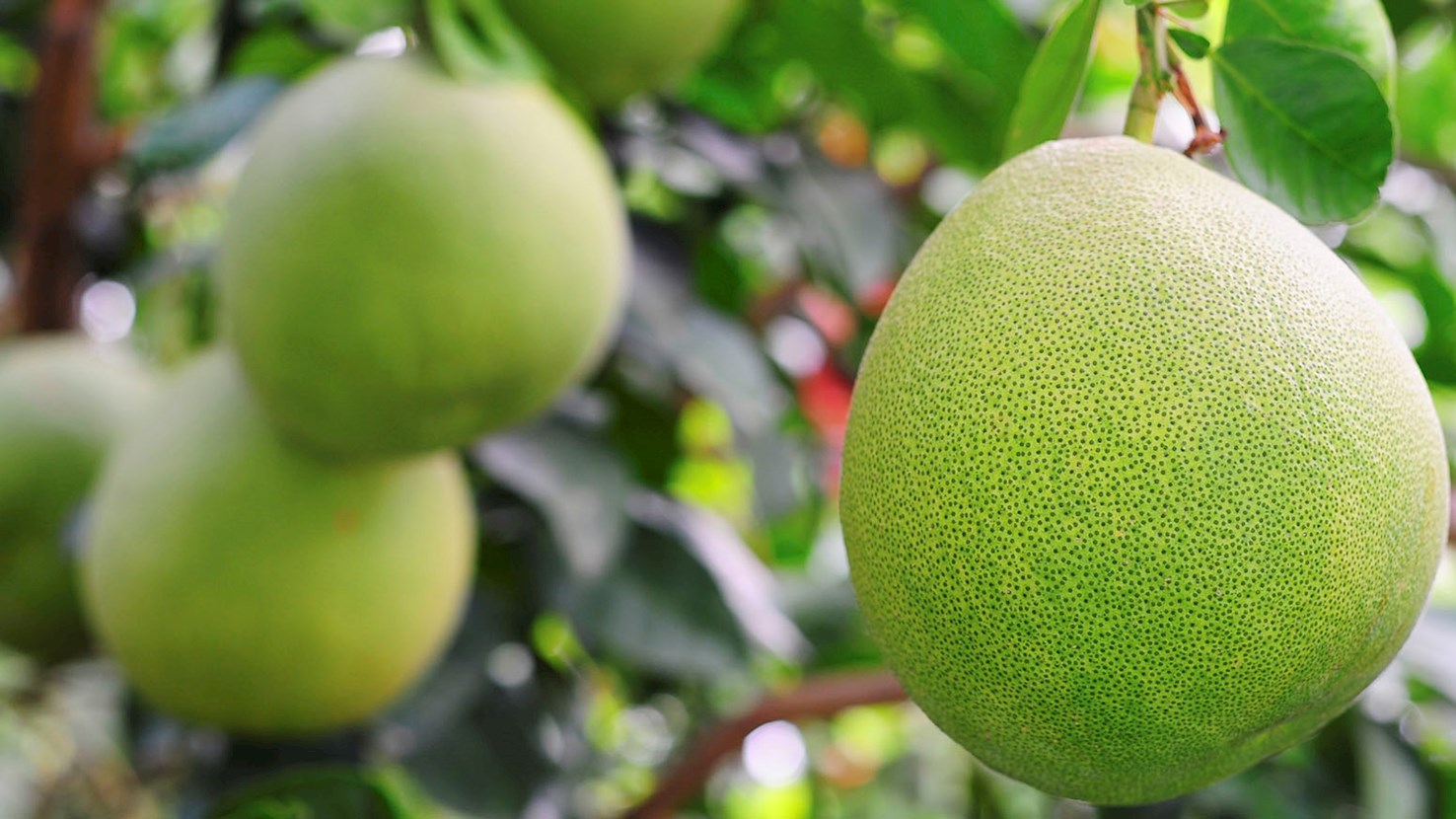
Guanxi Mi You is a pomelo of the Citrus grandis variety, produced in the paddy fields, hills and plains of the 16 towns and villages in Pinghe County in China, where the high amount of sunshine and sunny days contribute to the accumulation of vitamins, acids and sugar in the fruit, accentuating the fruit's unique sweet-and-sour taste. On the exterior, pomelo has an inverted oval shape and delicate, thin and smooth skin that is bright orange in colour. On the interior, the flesh is tender and crisp in texture, very juice and the taste is deliciously sweet and slightly reminiscent of vinegar. Due to a long history of planting pomelo trees in the region and strict quality production process, the pomelo fruit develops its unique characteristics and is often paired with mint, lime, chilli and shellfish in salads.

08

Citron de Menton

3.7 ·

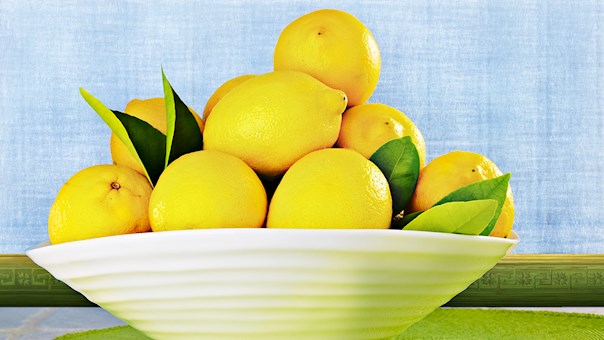
Citron de Menton is a fresh, hand-harvested lemon grown in the Alpes-Maritimes region in France. The lemons must come from the varieties of Adamo, Cerza, Eureka, Santa Teresa and Menton. It has an intense yellow color when it's fully ripe, which becomes almost fluorescent at night. Citron de Menton has a pleasant fragrance and aroma of fresh citronella and its juice is slightly acidic but not bitter, while the lemon peel is rich in essential oils. When sold, it comes with one or two leaves intact, attached to the fruit, accentuating the freshness of the product. The fruit is often used in pastries, lemon liqueur, flavored olive oil and in fruit jams, and its fresh, pure taste is so popular that every year there is a Lemon Festival - the third most popular event in the whole Alpes-Maritimes region.

09

Koum Kouat Kerkyras

3.8 ·

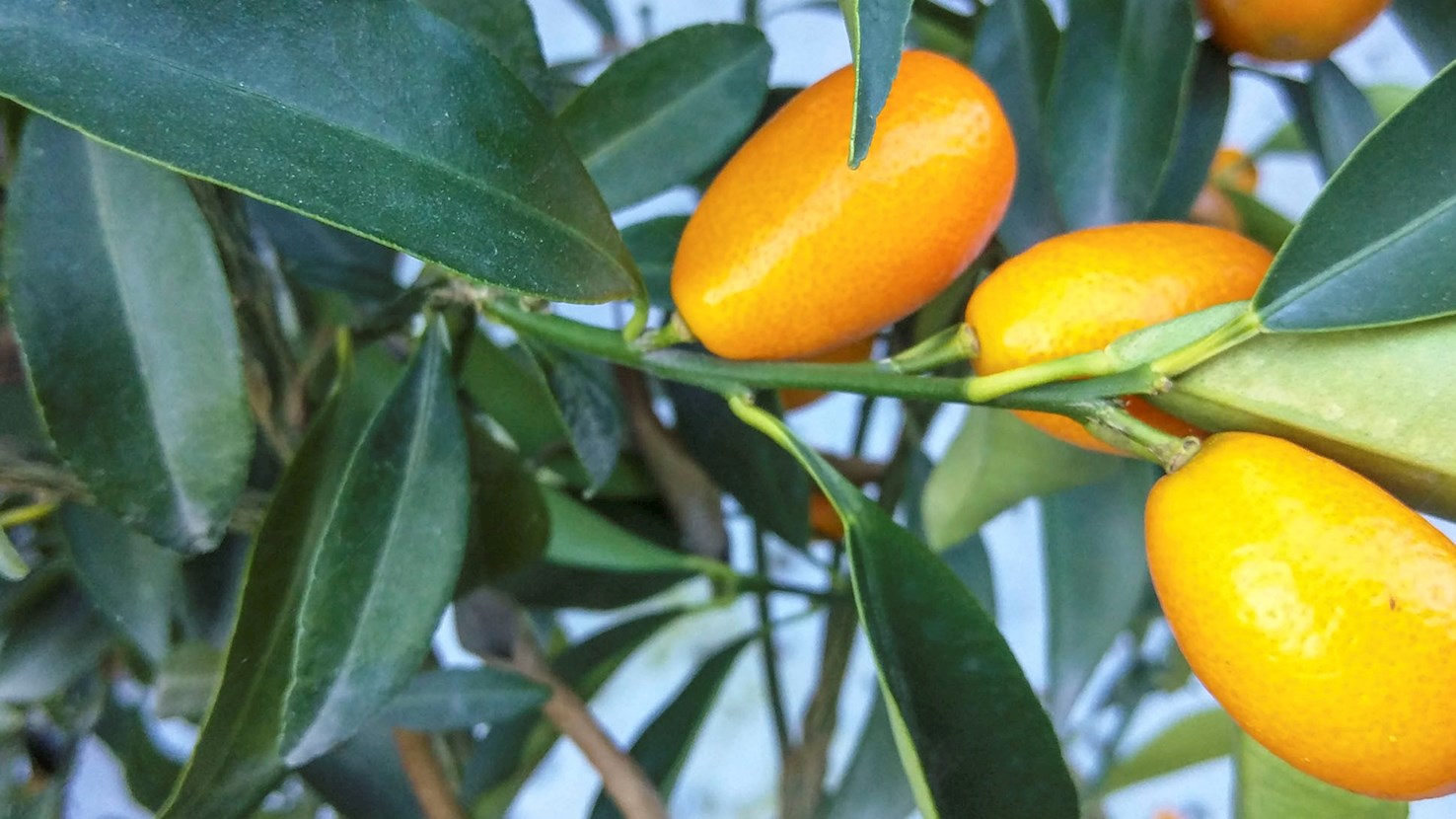
Brought to Corfu from China in the 19th century, this kumquat (Fortunella margarita) quickly adapted to the mild climate of the island. The harvesting season lasts from January to May. They are traditionally harvested by hand, and only fruit that has reached full ripeness and is free of defects is collected. Every part of the fruit can be eaten– the peel has a sweet flavor while the pulp is sour. This 'golden orange' is the only citrus fruit that can be eaten with its peel, which is very rich in essential oils and vitamin C. It low in calories but rich in fiber, minerals, and antioxidants. Apart from eating it raw or using it as a cooking ingredient, it can be used to make sweets, jams, syrups, and liqueurs. In fact, the most famous product of the island is kumquat liqueur, made by macerating kumquats in vodka, gin, or brandy.

10

Jaffa orange

3.8 ·

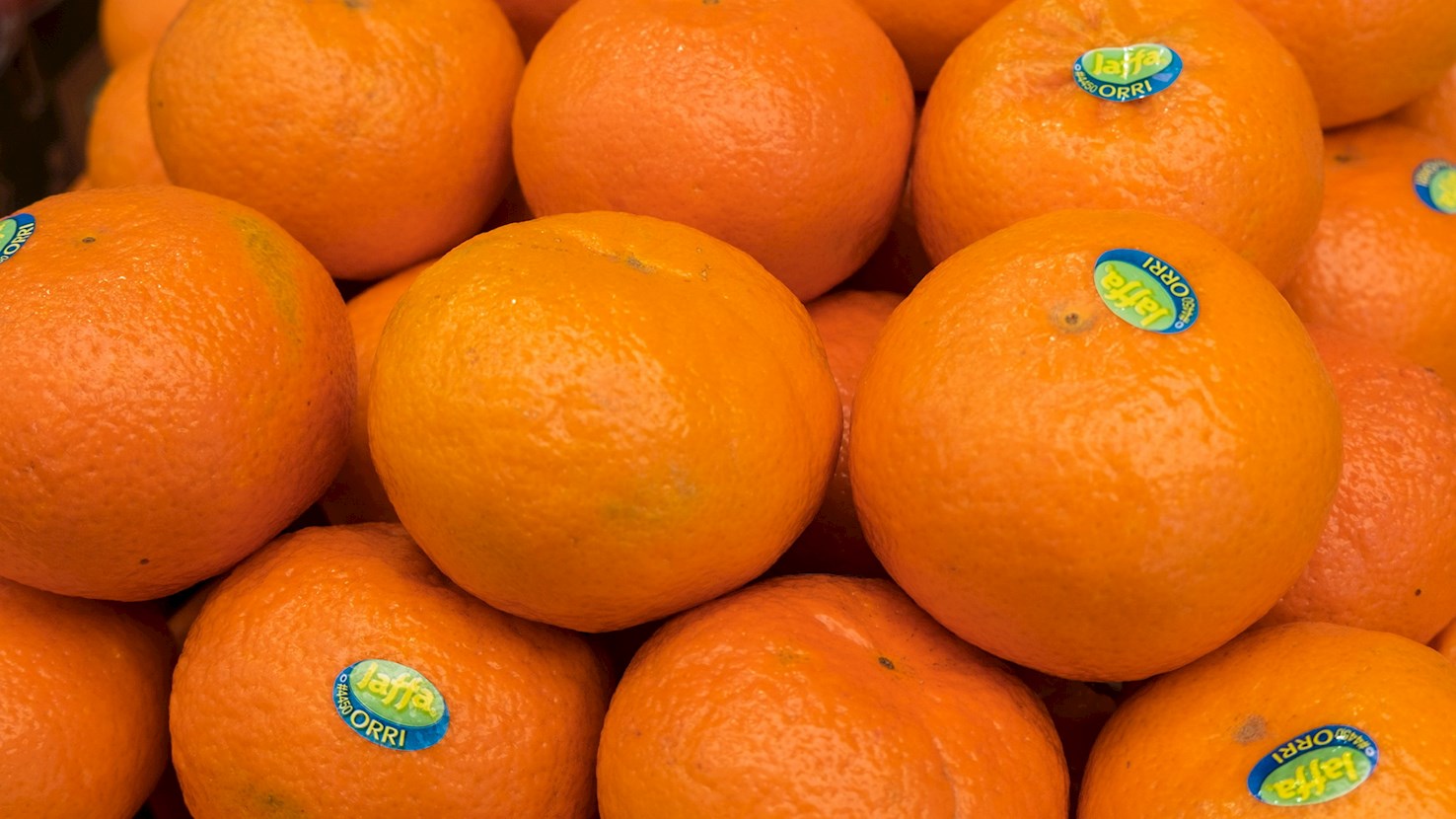
Originally developed by Arab farmers, Jaffa orange is an Israeli orange variety grown in the Middle East and the Mediterranean. The orange is believed to have been developed through a mutation of the baladi orange variety back in the mid-19th century near Jaffa (now a part of Tel Aviv), an ancient Palestinian port city that soon became the main center of production and export of the fruit, thereby lending it its name. Also known as shamouti orange or Jaffa shamouti orange, the fruit is oval-shaped with a thick skin that surrounds the sweet and moderately juicy flesh. This orange contains only a few seeds and is highly appreciated for its tough, yet easy-to-peel skin which gives the fruit its long shelf life. Although it’s nowadays associated with Israel, the production and export of Jaffa oranges actually predate the country’s creation, and they used to be the pride of Palestine. The oranges are typically enjoyed fresh or used in various sweet or savory dishes, and they’re not usually used for juice production because of their low juice content.

About this ranking

TasteAtlas food rankings are based on the ratings of the TasteAtlas audience, with a series of mechanisms that recognize real users and that ignore bot, nationalist or local patriotic ratings, and give additional value to the ratings of users that the system recognizes as knowledgeable. For the “11 Worst Rated Citrus Fruits in the World” list until June 16, 2026, 990 ratings were recorded, of which 701 were recognized by the system as legitimate. TasteAtlas Rankings should not be seen as the final global conclusion about food. Their purpose is to promote excellent local foods, instill pride in traditional dishes, and arouse curiosity about dishes you haven’t tried.

Similar lists