


shutterstock

5 Worst Rated Italian Cocktails

Last updated on May 21, 2026
01

Angelo Azzurro

2.6 ·

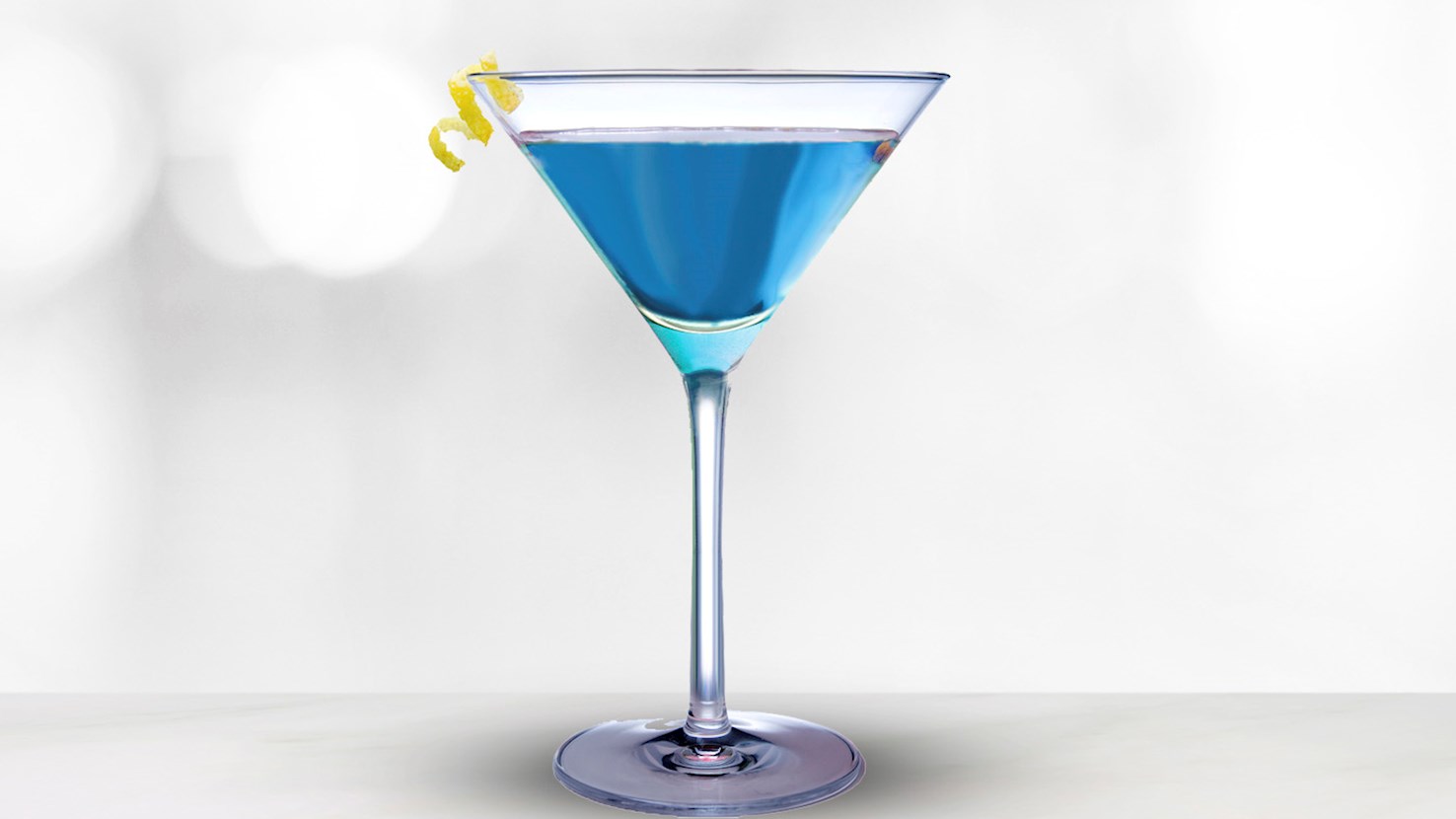
Angelo Azzurro, translated as a blue angel, is an Italian cocktail that combines gin, triple sec (Cointreau), and blue curaçao. The cocktail is made by pouring all the ingredients into a shaker filled with ice. The mix is shaken and then strained into a martini glass and garnished with a lemon twist. Lemon juice is sometimes also included. The cocktail is typically garnished with a lime or lemon twist. The origin of Angelo Azzurro is not entirely clear, but its invention is mainly associated with Giovanni Pepè. The cocktail was first introduced in Rome sometime in the 1980s, but it became incredibly popular in the 1990s. It was a trendy drink in nightclubs, and it was often associated with LGBTQ communities. The name is probably a reference to L'Angelo Azzurro, a gay nightclub in Rome. Many think that Angelo Azzurro is a variation of Blue Lagoon, which is based on vodka and blue curaçao.

02

Campari Soda

3.5 ·

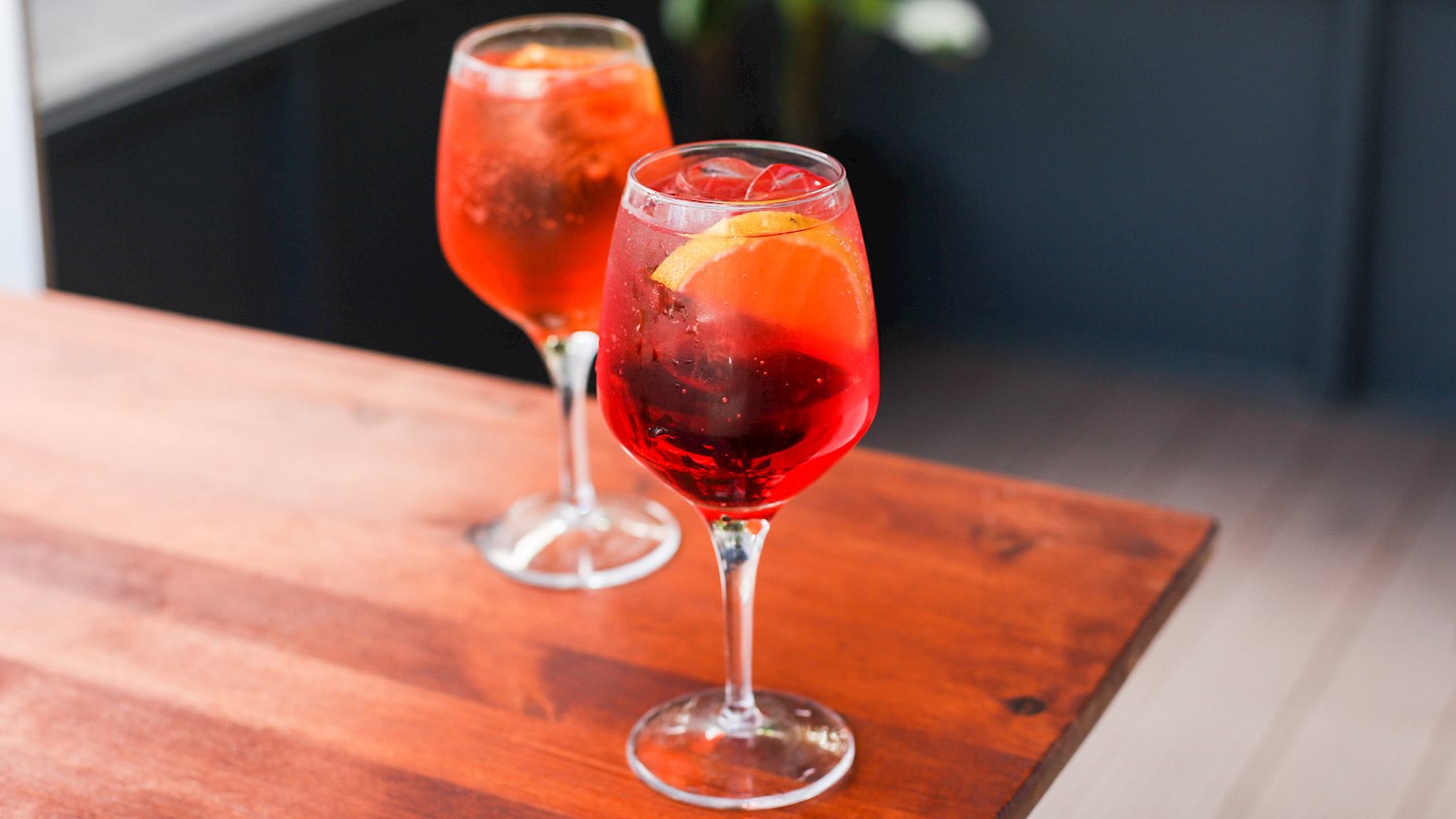
Campari Soda or Campari Seltz, as it is known in Italy, is a simple and refreshing combination of Campari and soda water that is mostly enjoyed as an aperitif. The ratio is usually 1 part Campari to 3 parts soda. To prepare it, Campari is added first and is then topped with soda—the drink should have a frothy top. This traditional spritz is usually served in a stemmed or an old-fashioned glass, and it can be garnished with an orange slice. The drink was invented in 1915 by Davide Campari at his Camparino bar in Milan. The combination became a signature drink at the bar, and it soon caught on elsewhere.

03

Negroni

3.6 ·

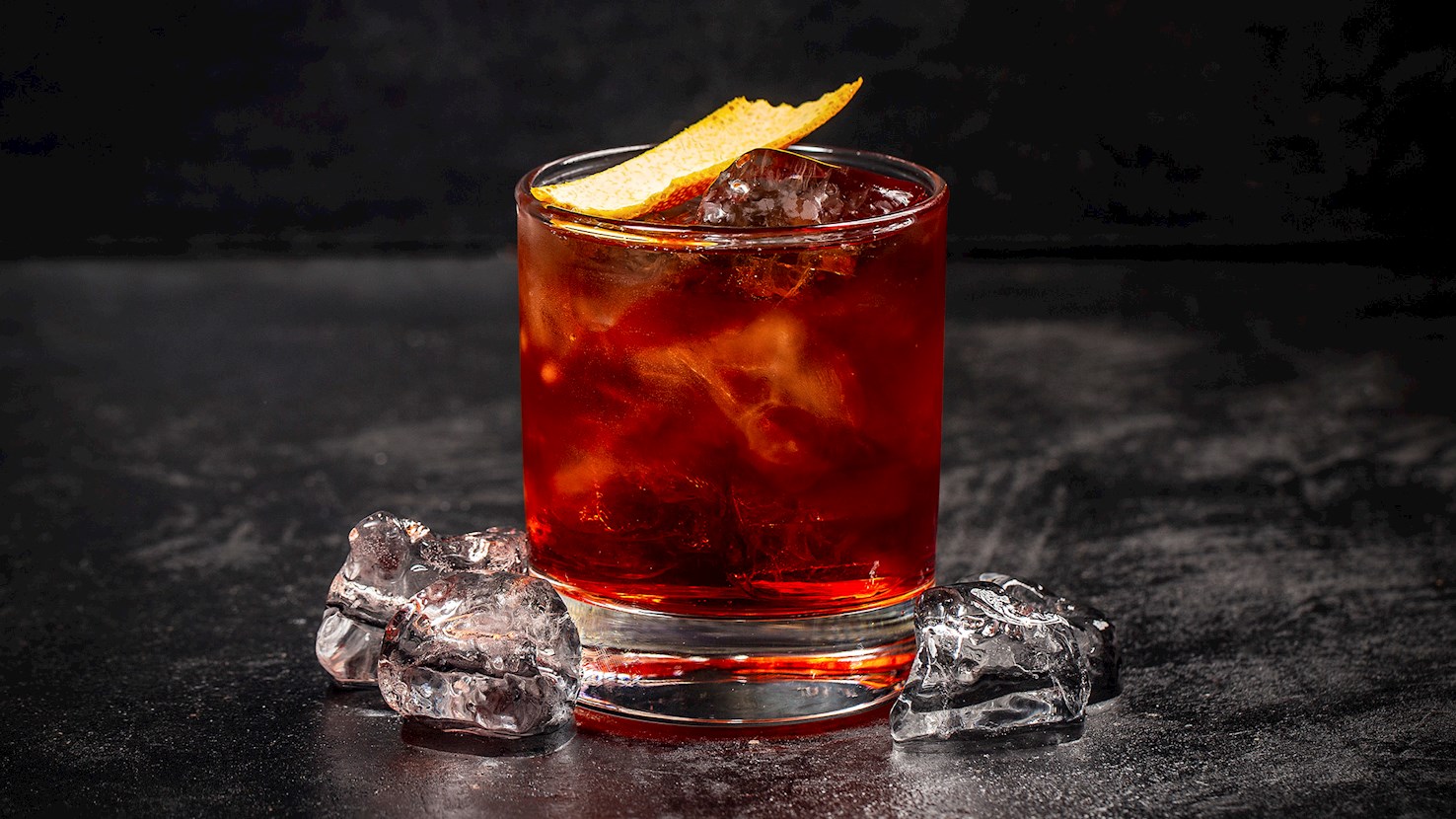
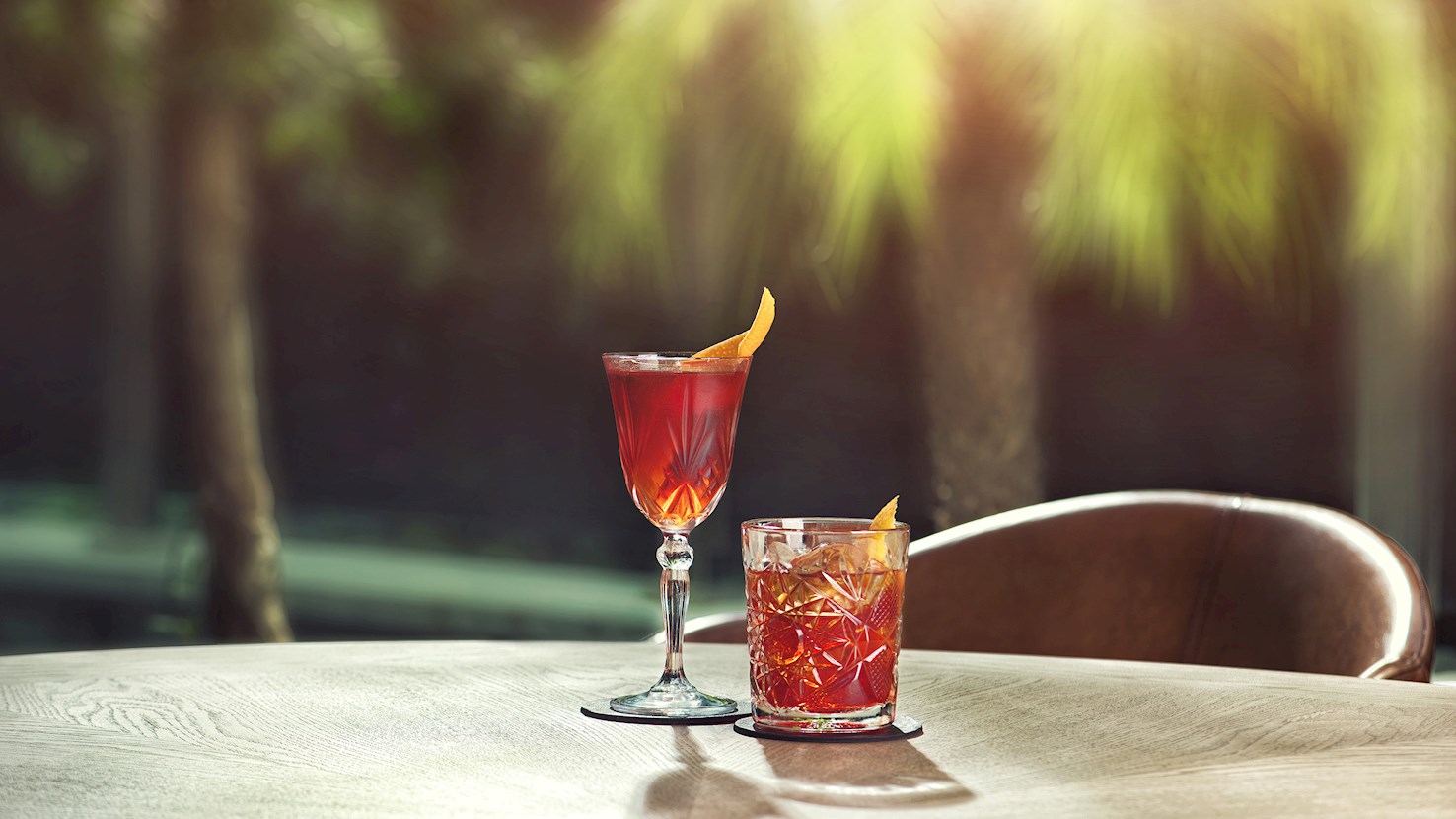
Negroni is a cocktail made with equal parts gin, sweet vermouth, and Campari. Although its origin is unclear, it is believed that this cocktail was invented in Florence in 1919 by Count Camillo Negroni, who wanted to improve his favorite drink - the Americano - by replacing soda with gin. The cocktail was so popular that the Count started to produce its ready-made version in a distillery. Due to its bitterness, Negroni is considered an apéritif, and it is typically served on the rocks in an old-fashioned glass with an orange wheel garnish.

04

Americano

3.6 ·

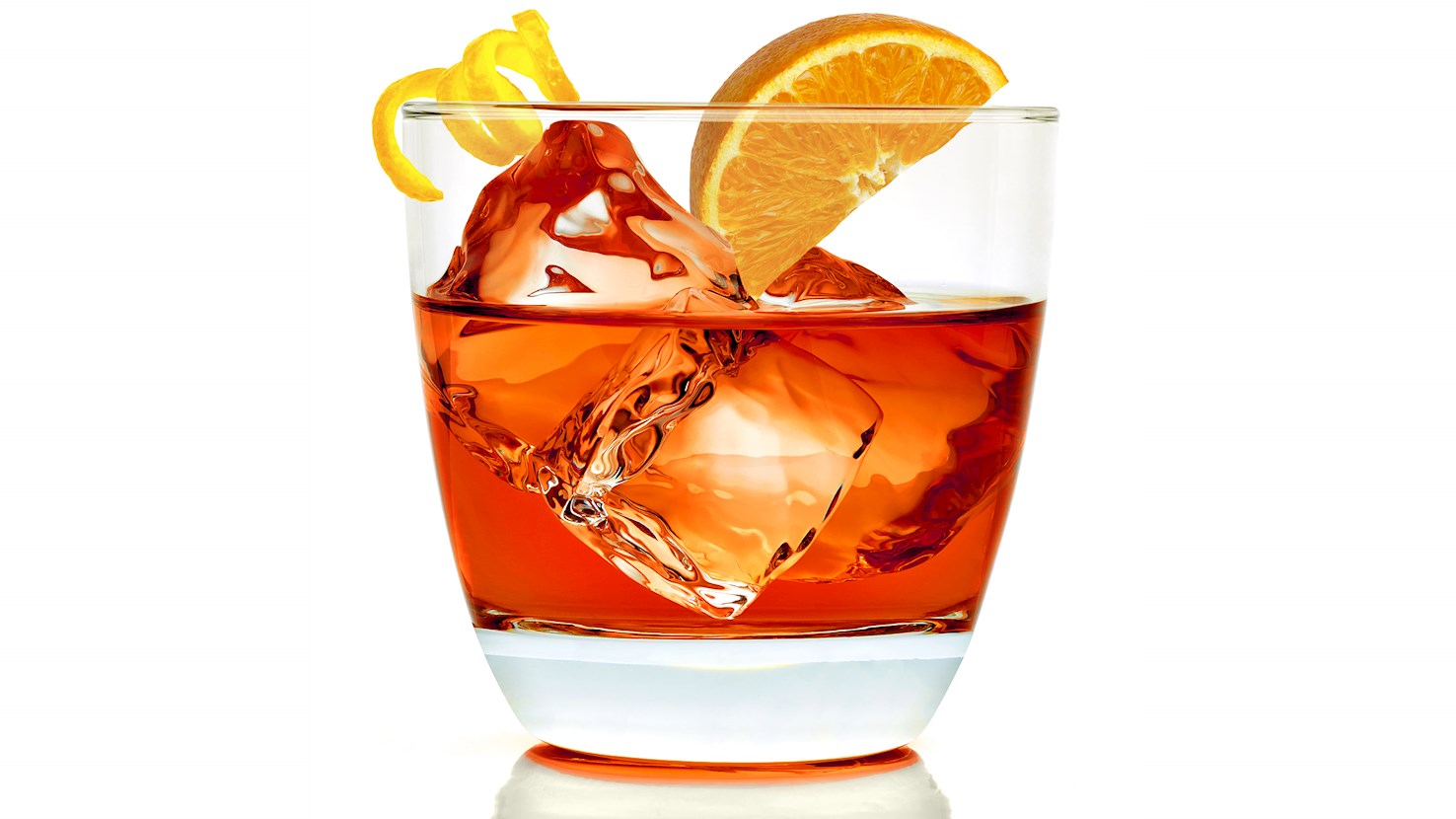
Despite its name, Americano is an Italian cocktail made with a splash of club soda and equal parts Campari and sweet red vermouth. Campari and vermouth are poured over ice in a glass, and the whole thing is topped with soda water, then garnished with a lemon twist or an orange slice. It is believed that the first Americano was served at Gaspare Campari’s bar in the 1860s in Milan. Originally, it was named Milano-Torino, referring to the fact that its key ingredients are from Milan (Campari) and Torino (sweet vermouth). However, it was later renamed to Americano due to its popularity among American tourists. Americano was the first cocktail ordered by James Bond in Casino Royale, and it is also considered the "father" of another popular cocktail – the Negroni.

05

Negroni sbagliato

3.7 ·

Sbagliato is a variation on the classic Negroni cocktail originating from Milan. It's made with a combination of sweet vermouth, Campari, and prosecco or any dry sparkling wine. The ingredients are poured into an ice-filled glass, then gently stirred, and the drink is often garnished with an orange peel. The name sbagliato means mistake, and the cocktail created in the 1980s by Mirko Stocchetti at Bar Basso. He wanted to make a Negroni, but mistakenly used a bottle of spumante instead of gin, and Negroni sbagliato was created.

Read more
View all
View map
About this ranking

TasteAtlas food rankings are based on the ratings of the TasteAtlas audience, with a series of mechanisms that recognize real users and that ignore bot, nationalist or local patriotic ratings, and give additional value to the ratings of users that the system recognizes as knowledgeable. For the “5 Worst Rated Italian Cocktails” list until May 21, 2026, 387 ratings were recorded, of which 317 were recognized by the system as legitimate. TasteAtlas Rankings should not be seen as the final global conclusion about food. Their purpose is to promote excellent local foods, instill pride in traditional dishes, and arouse curiosity about dishes you haven’t tried.

Similar lists