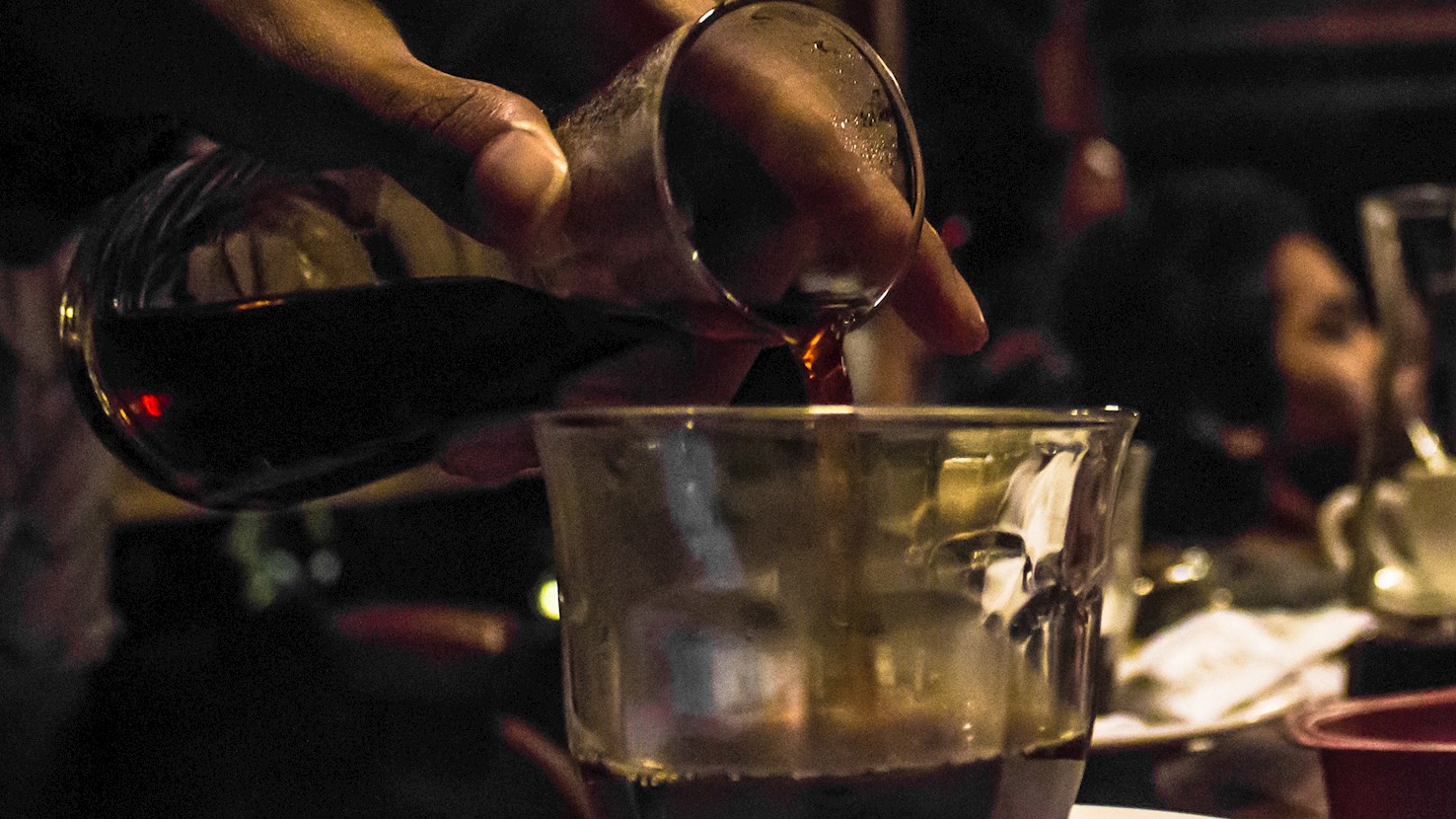
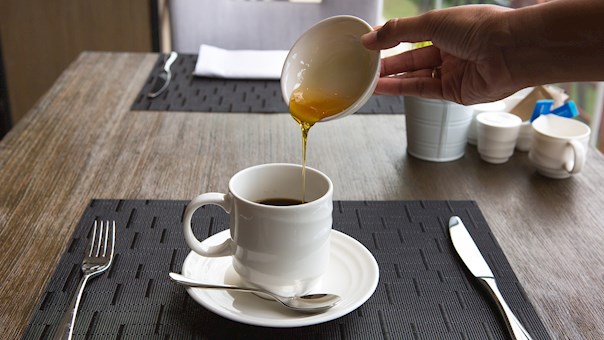
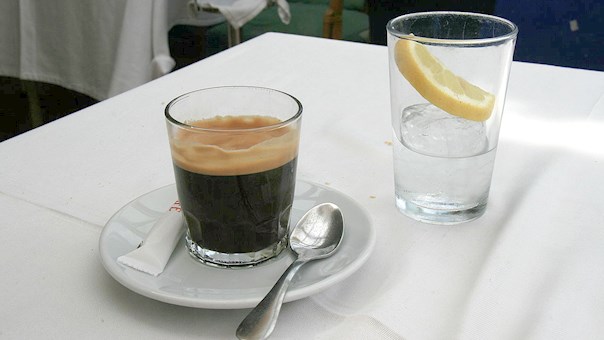
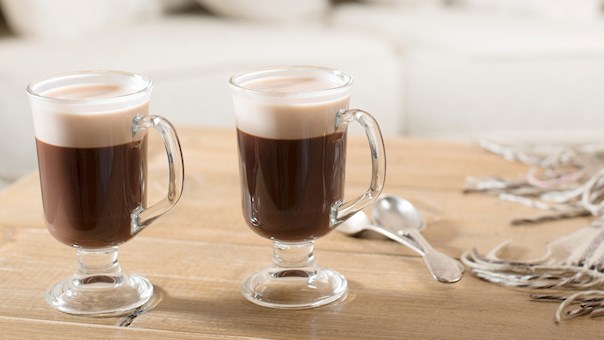
Café com cheirinho is a Portuguese coffee with added alcohol. Most varieties include a splash of fruit, wine, or pomace brandy (aguardente), while some include a dash of medronho (fruit brandy made from medronho fruit). Occasionally, the spirit can be served on the side. This combination is especially favored during colder seasons, and it is best enjoyed as a digestif.
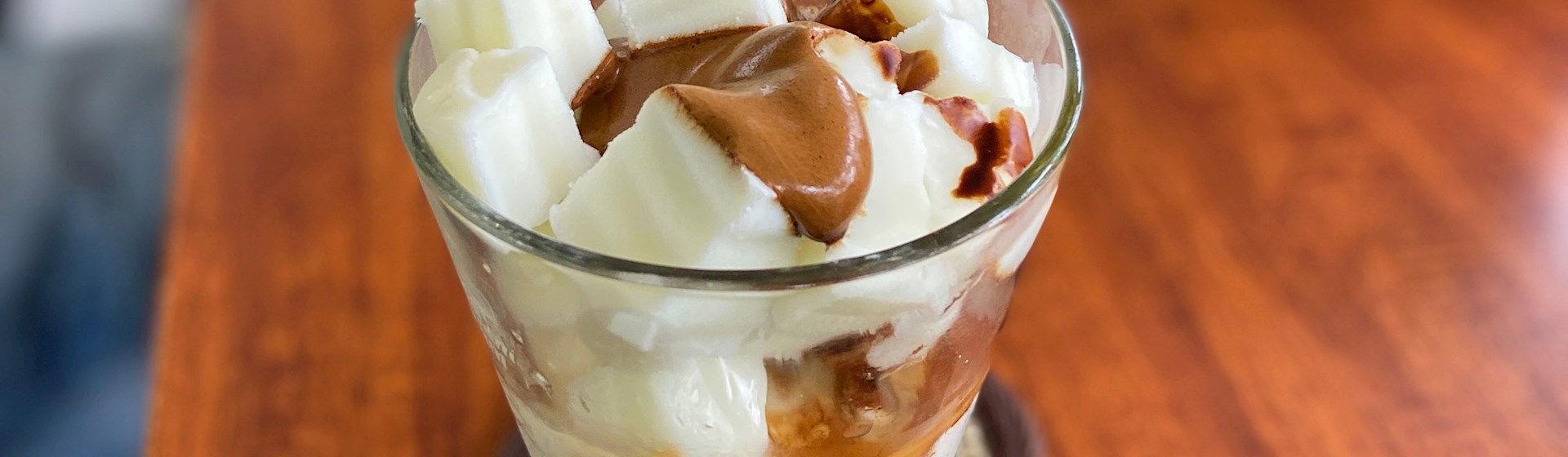
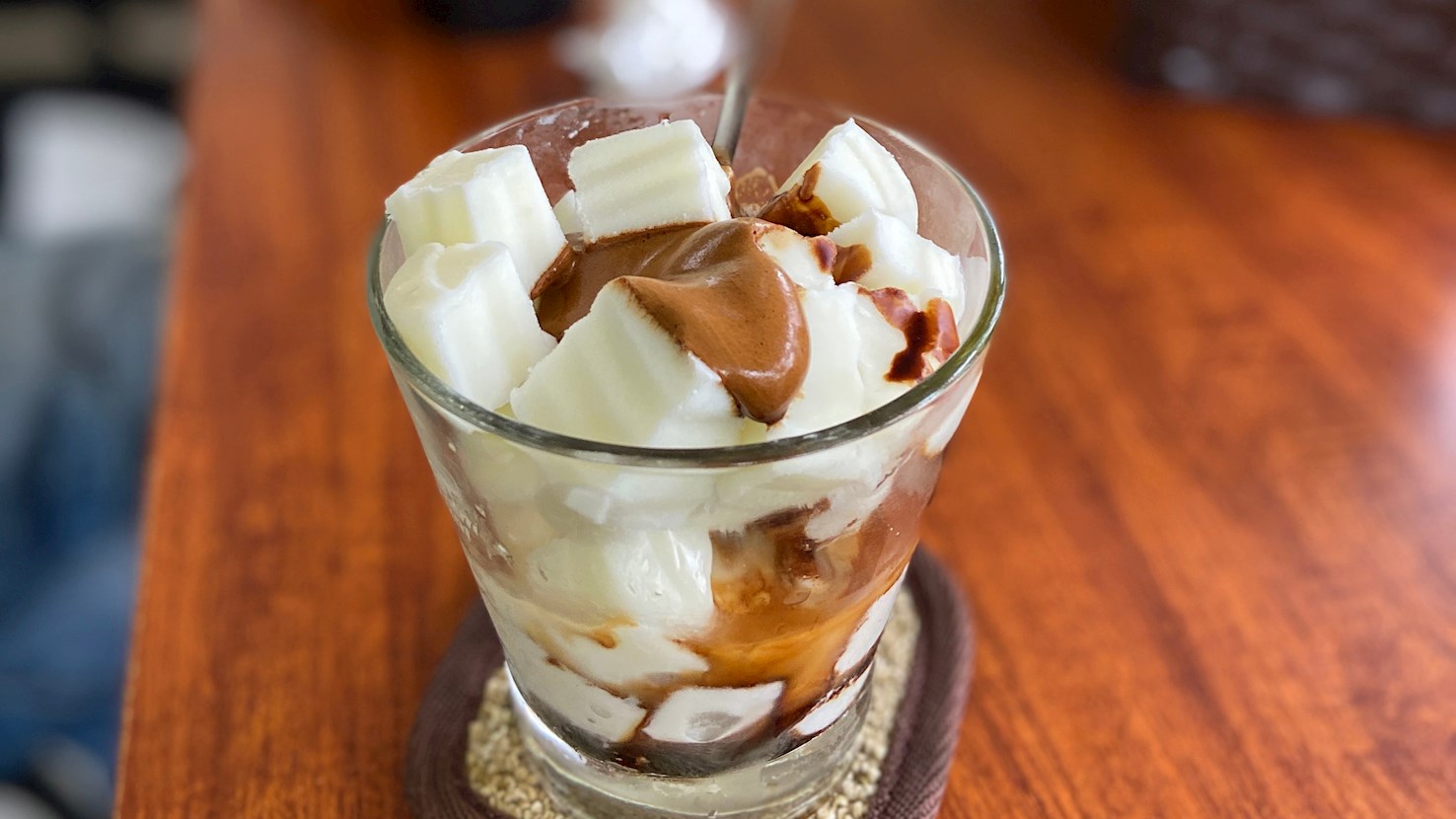
This Vietnamese coffee is a slightly unusual combination of brewed black coffee—traditionally made using a phin filter—yogurt, condensed milk, and ice. The drink can also be served as a warm beverage, while some variations also may include lemon juice. The ingredients can be mixed together or blended until smooth, while sometimes milk and yogurt are combined with ice, and the coffee is then poured last. This coffee variety is usually enjoyed during hot and humid days as a tangy refreshment.
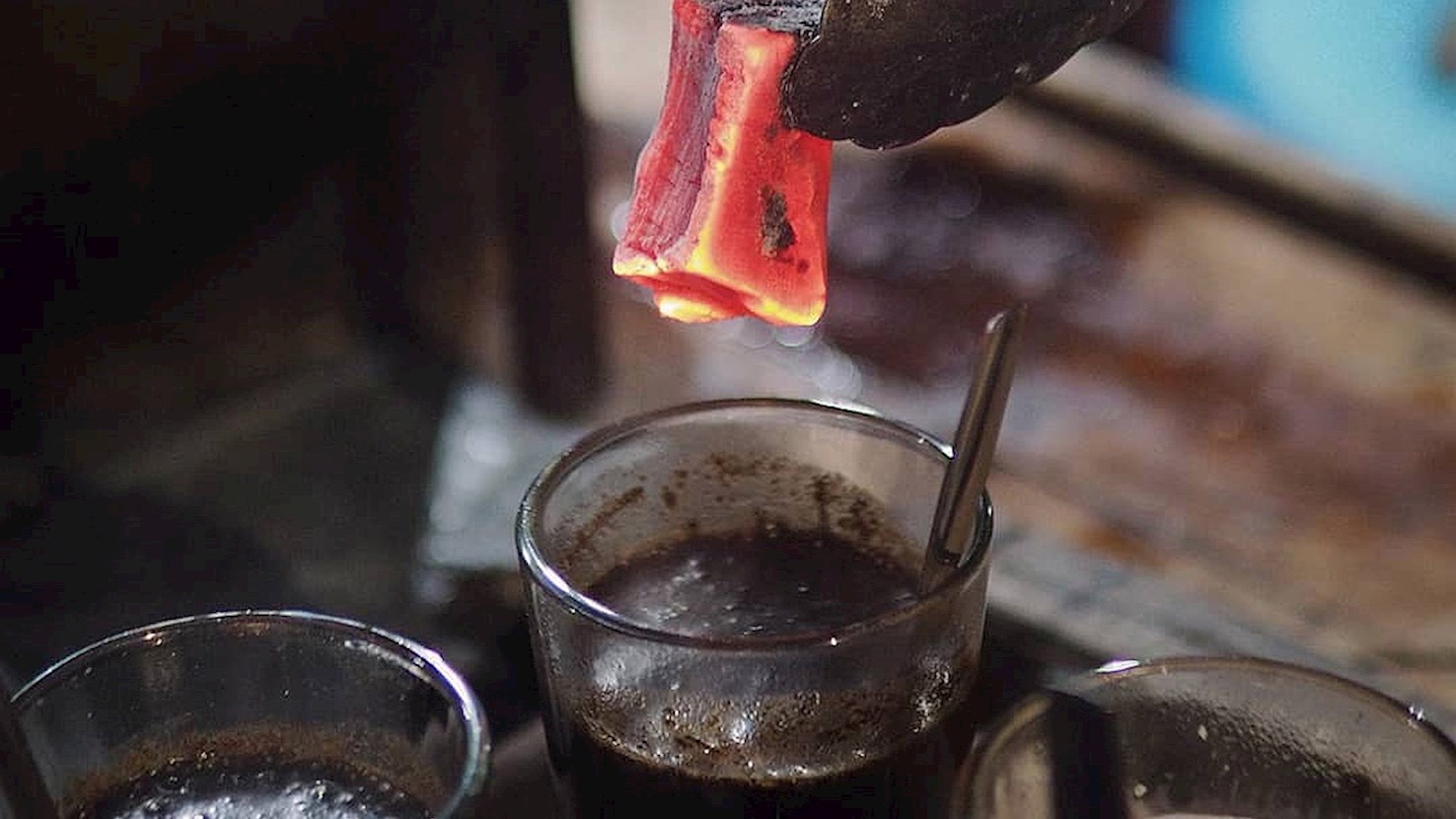
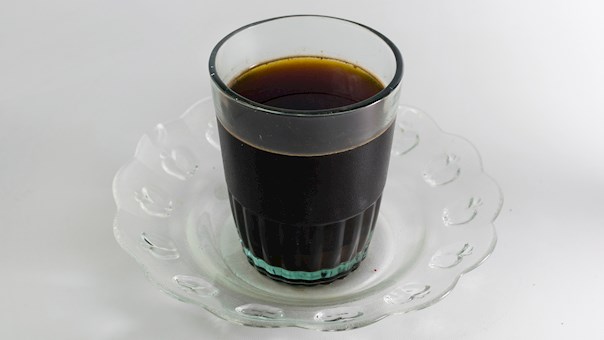
Kopi joss is a distinctive coffee preparation from Yogyakarta, Indonesia, known for its unusual method of adding a piece of hot-burning charcoal directly into a cup of brewed black coffee. It is most closely associated with street-side angkringan stalls, small, informal food carts that serve drinks and snacks, often near train stations or busy night markets. The drink consists of strong black coffee, usually brewed using finely ground robusta beans, mixed with sugar, and then dramatically finished with a red-hot lump of charcoal dropped into the cup, producing a sizzling sound and a brief plume of steam. The origin of kopi joss dates back to the 1960s or 1970s, and it is generally credited to a street vendor in Yogyakarta who began adding hot charcoal to brewed coffee as a way to modify its flavor and possibly reduce perceived acidity. The name "joss" is said to imitate the hissing sound made when the hot charcoal touches the liquid. Over time, the drink gained popularity among locals, students, and curious visitors, becoming a recognizable part of the city’s informal food and beverage culture. It is now widely associated with Yogyakarta’s late-night culinary scene. Despite its unconventional preparation, kopi joss is served and consumed like any regular coffee. After the charcoal is added and the initial fizzing stops, the drink is allowed to settle for a moment before being stirred and sipped. Some vendors remove the charcoal before serving, while others leave it in the glass until the coffee is finished. The charcoal is usually made from coconut shell or hardwood and is fully carbonized, minimizing the release of unwanted substances. While scientific opinions vary, fans of the drink claim that the charcoal smooths the bitterness of the coffee and gives it a slightly smoky or toasted aroma. Kopi joss is usually consumed without milk or creamer, in keeping with its robust, straightforward character. It is often enjoyed alongside simple snacks like fried tempeh, boiled eggs, or rice-based dishes offered at the same angkringan stall. The drink is inexpensive and accessible, maintaining its place as a popular choice for both casual coffee drinkers and those seeking a local specialty. Its unique preparation has drawn attention beyond Yogyakarta, and some coffee shops in other Indonesian cities have attempted to replicate the experience, though it remains most closely tied to its original context.
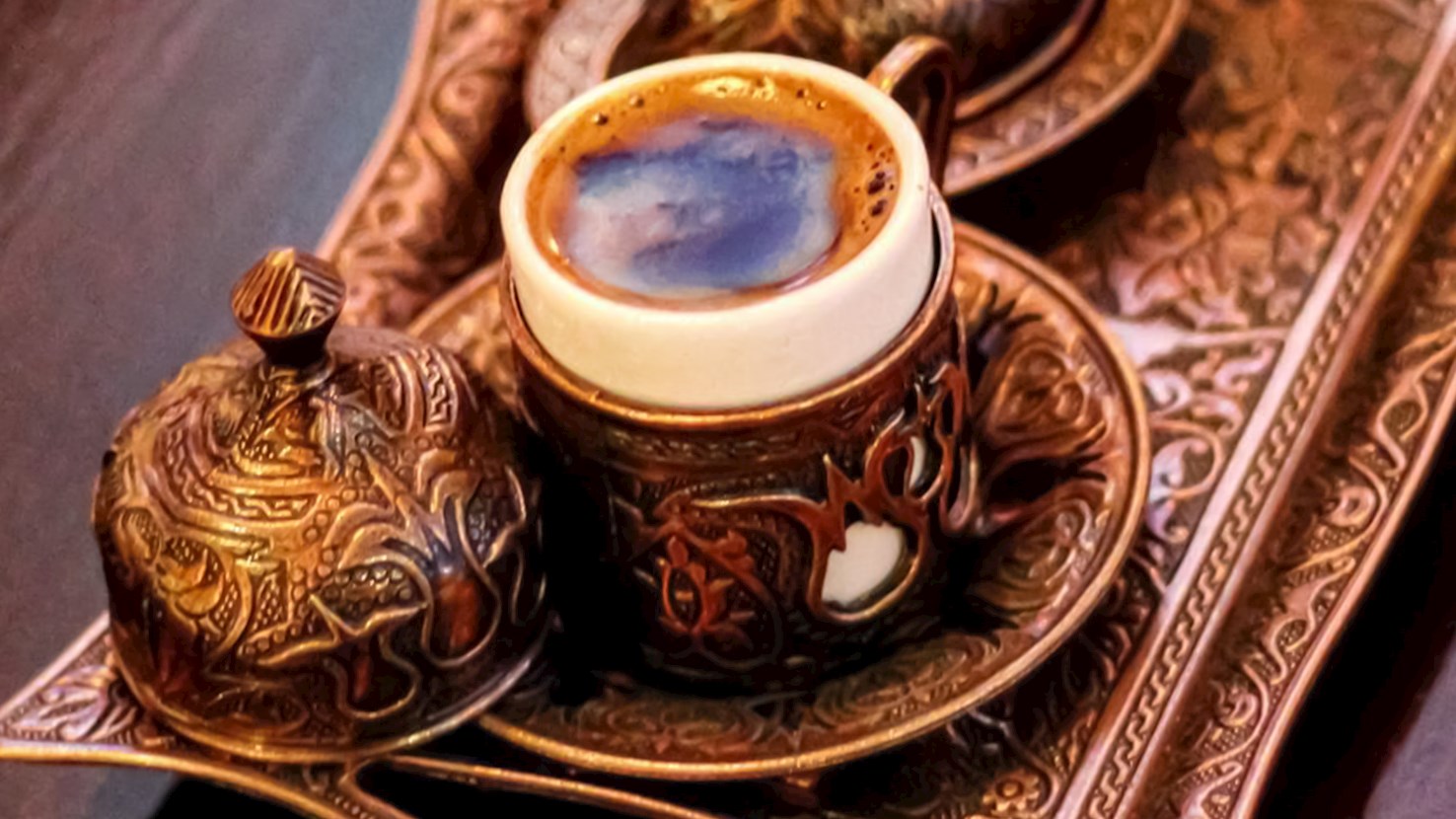
Syrian coffee is a traditional style of coffee preparation popular in Syria and the Levant region, known for its rich, bold flavor and cultural significance. It is made using finely ground, dark-roasted coffee beans, brewed in a small pot called a cezve (or rakweh in Arabic) over low heat. A defining feature of Syrian coffee is the addition of ground cardamom (although not a must), which imparts a warm, aromatic, and slightly spicy flavor. Sugar is added during brewing based on preference, ranging from no sugar (sada) to sweet (helweh). The coffee is served unfiltered in small, handleless cups, leaving a thick layer of sediment at the bottom. It holds a central place in Syrian hospitality, symbolizing respect and welcome, and is often served at social gatherings, weddings, and funerals. While cardamom is most common, variations may include flavors like clove, cinnamon, or rosewater, reflecting the rich traditions of the region.
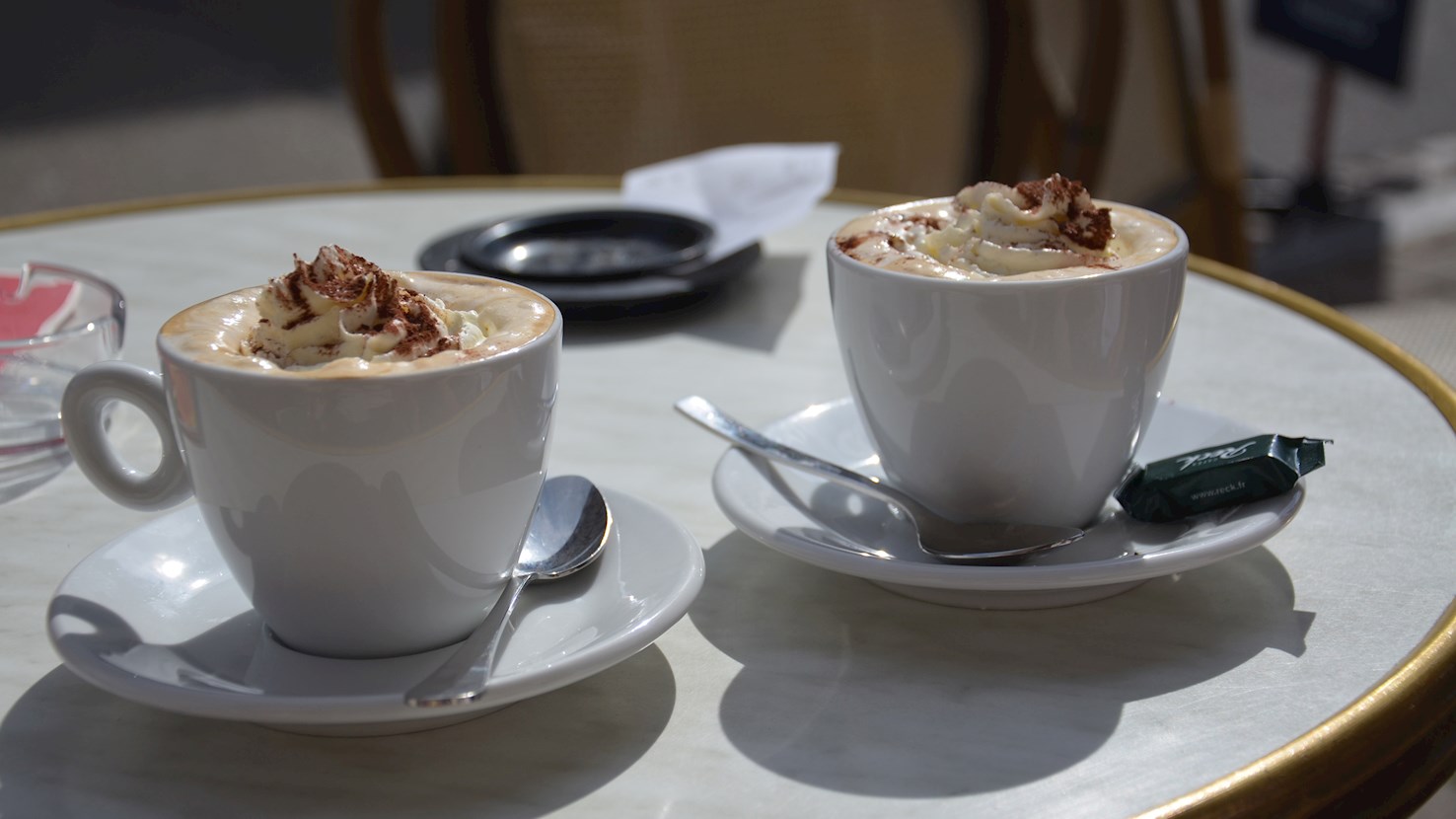
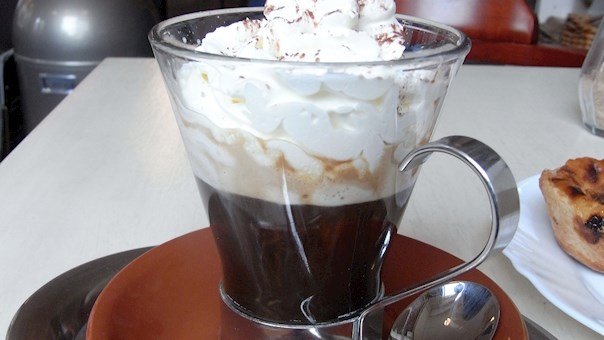
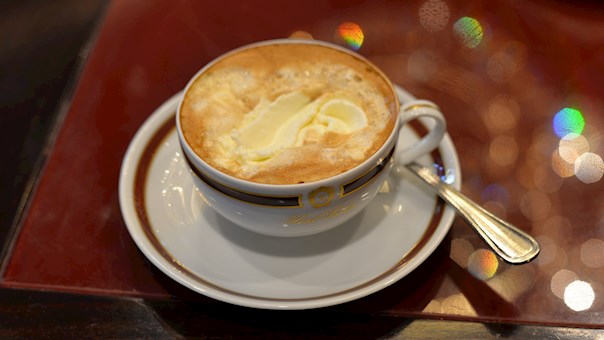
Franziskaner is an Austrian coffee variety that consists of a combination of espresso and milk. The coffee is then topped with hefty amounts of whipped cream, which is occasionally garnished with chocolate sprinkles or dusted with cocoa powder. It is believed that the beverage was named after Franciscan friars because the color of the drink is similar to the brown color of their robes.
Ginseng coffee is a beverage that combines coffee with ginseng, a root that has been used in traditional Chinese medicine for centuries. The origin of it is elusive, but the first commercially viable blend was produced and marketed in 1994 in Indonesia by the Citra Nusa Insan Cemerlang company. This combination has become popular in various parts of the world, particularly in Italy, where it is served in most cafés. Ginseng coffee is typically made by blending ginseng extract or powder with traditional coffee. It offers the rich and familiar flavor of coffee, coupled with the unique taste and purported health benefits of ginseng. Ginseng coffee is often considered a healthier alternative to regular coffee due to the addition of ginseng and sometimes a reduced caffeine content. It can be found in ready-to-drink forms, like instant coffee packets, for example, or it can be made at home by adding ginseng extract or powder to coffee brew. It's worth noting that the flavor of ginseng can be somewhat earthy and bitter, so it may take some getting used to for those unfamiliar with its taste. Some preparations may also include additional sweeteners or creamers to balance the flavor.
Italian caffè Americano is prepared by adding hot water to an already extracted espresso shot. The ratio of coffee and water can vary, but the process should partially dissipate the crema—a creamy foam on top of an espresso. The origins of caffè Americano are vague, though some suggest it was made popular during the Second World War by American soldiers in Europe. Not accustomed to the intense flavor of espresso, this diluted, milder drink was more suited to their taste. Caffè Americano should not be confused with American coffee, a term that might refer to drip or filtered coffee.
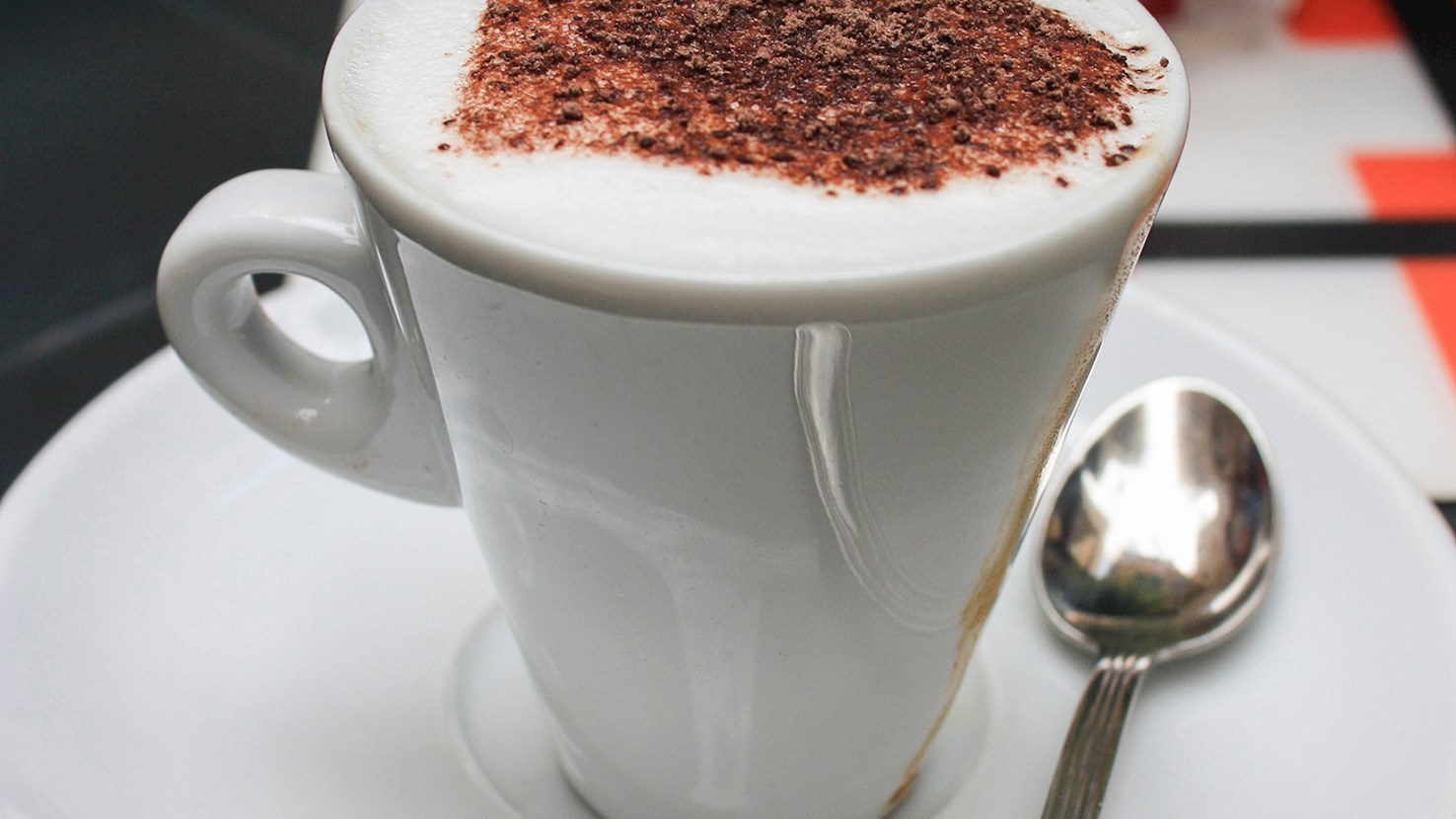
Espressino is an Italian type of coffee which consists of an espresso shot, steamed milk, and cocoa powder. The drink is usually served in a small shot glass. It is assembled by putting cocoa powder at the bottom of the glass and then topping it with espresso. The drink is finished with a layer of steamed milk and sometimes a dusting of remaining cocoa powder. Some variations use chocolate spreads instead of cocoa powder.
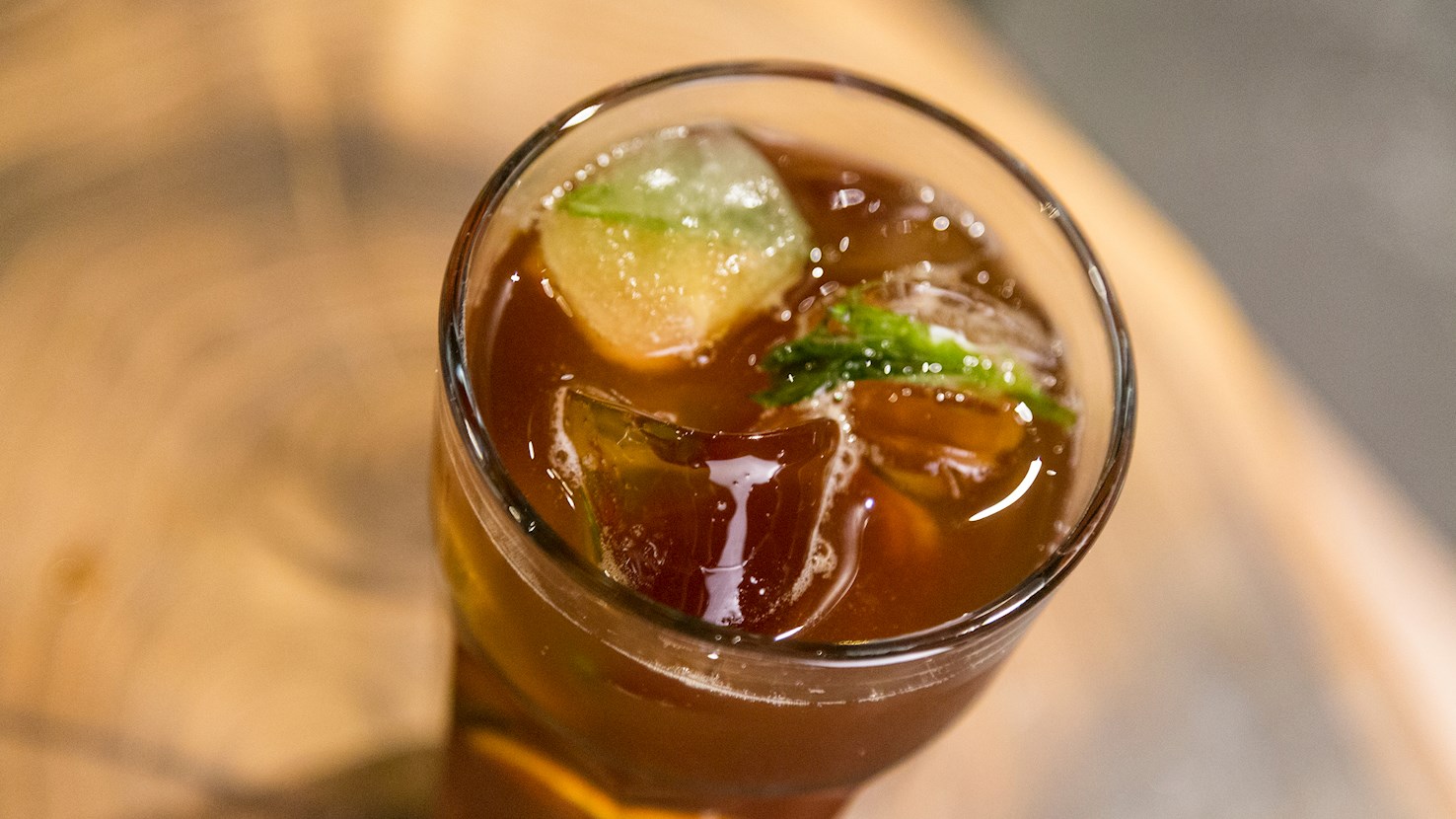
Often dubbed as the original ice coffee, mazagran consists of strong coffee that is poured over ice. The drink is usually served in a tall, narrow glass or an eponymous glass made from porcelain or clay. The name supposedly derives from Mazagran—a port city in Algeria—which was granted to France by the Treaty of Tafna in 1837. It is not clear how and exactly when the drink first originated, but it is assumed that French troops located in Mazagran drank a similar combination of coffee and water to beat the heat and because sugar and water were not available. The drink later spread primarily to France, while similar and more common versions also exist in Portugal and Austria. In France, where it is usually served with a lemon slice, the drink is nowadays rarely found.
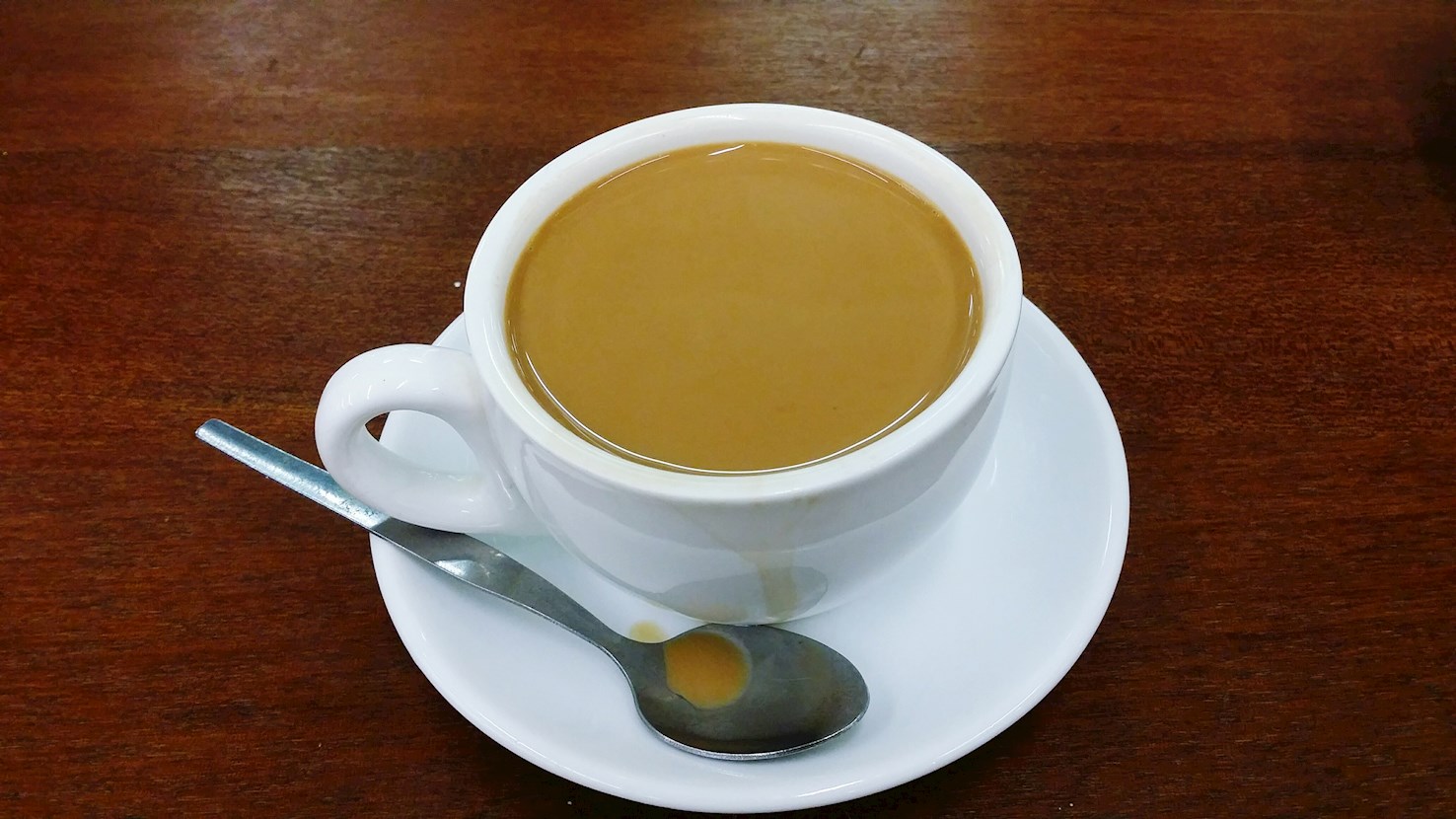
Yuanyang is a drink that combines coffee and tea. It typically consists of three parts coffee and seven parts black milk tea—a combination of water, black tea leaves, and either sweetened condensed milk or evaporated milk and sugar. This coffee-tea combination originated in Hong Kong, where it is commonly sold by street vendors. Each vendor usually has a signature recipe that may differ in the choice of coffee and the proportions of both beverages. The name yuanyang (which refers to mandarin ducks) was given as a poetic reference because the ducks represent a symbol of conjugal love in which opposites attract. It is said that this particular name was coined because it also shows how opposites, in this case, coffee and tea, attract and can function well together. The drink can be enjoyed hot or iced.
TasteAtlas food rankings are based on the ratings of the TasteAtlas audience, with a series of mechanisms that recognize real users and that ignore bot,
nationalist or local patriotic ratings, and give additional value to the ratings of users that the system recognizes as knowledgeable.
For the “33 Worst Rated Coffees in the World” list until September 16, 2026, 6,937 ratings were recorded, of which 4,903 were recognized by the system as legitimate.
TasteAtlas Rankings should not be seen as the final global conclusion about food. Their purpose is to promote excellent local foods,
instill pride in traditional dishes, and arouse curiosity about dishes you haven’t tried.










What People Say