


shutterstock

17 Worst Rated Cold Soups
in the World

Last updated on June 16, 2026
01

Naengguk

2.7 ·

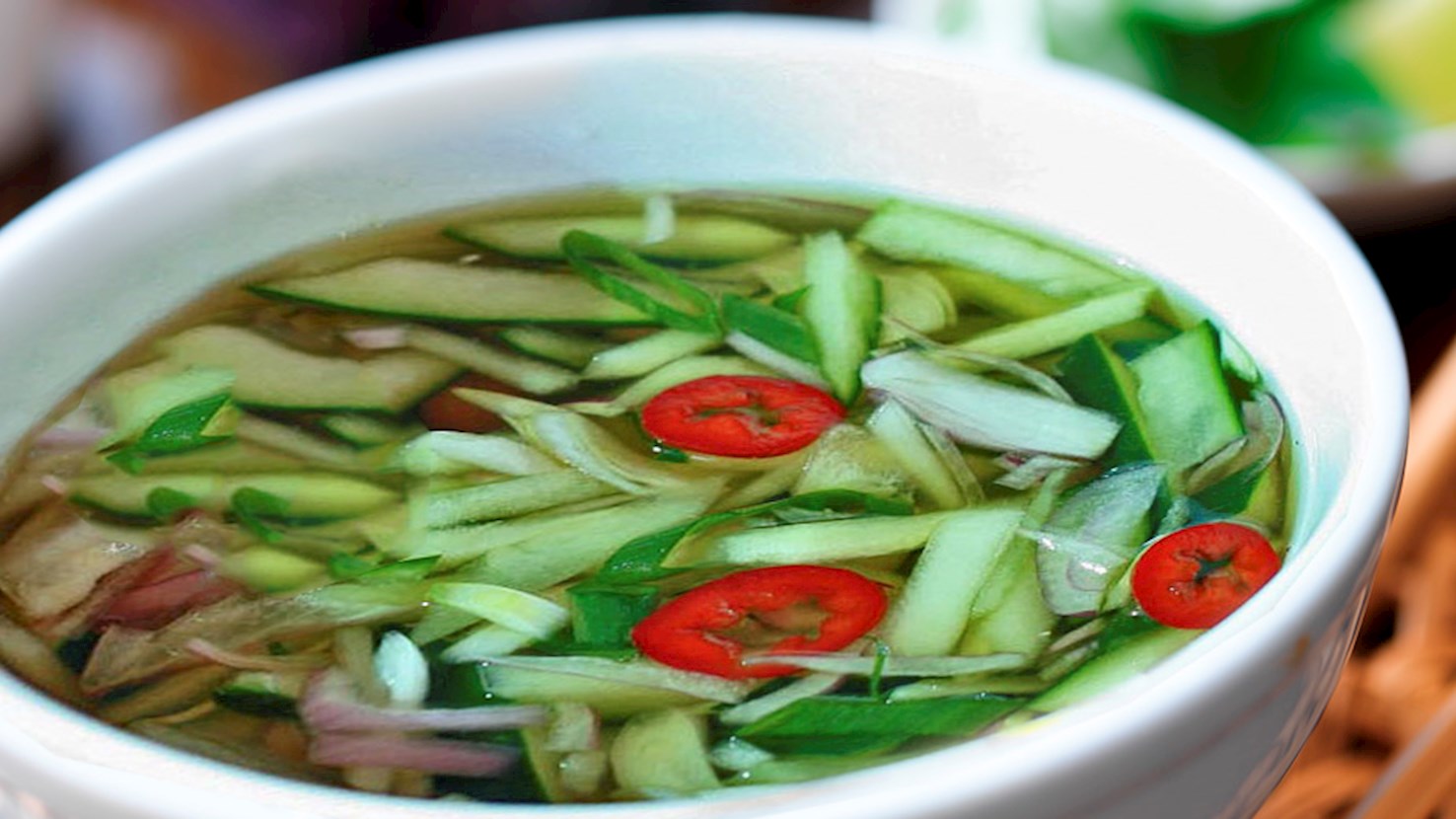
Naengguk is a common name for a group of South Korean cold soups that are usually consumed during summer. It is believed that there is no better refreshment than a bowl of cold naengguk on a hot summer day. The soups are typically divided into two main categories: for the first one, cold water is combined with vinegar and ingredients such as cucumbers, spring onions, garlic, wakame, or nori seaweed. The second category of naengguk is reserved for soups that benefit health, such as the ones made with sesame, soybeans, or chicken. Naengguk first appeared in the 12th century in a poem written by Yi Gyu-bo, where it was referred to as soup with sunchae and was praised for its refreshing, clear flavor.

02

Gazpacho de mango

2.8 ·

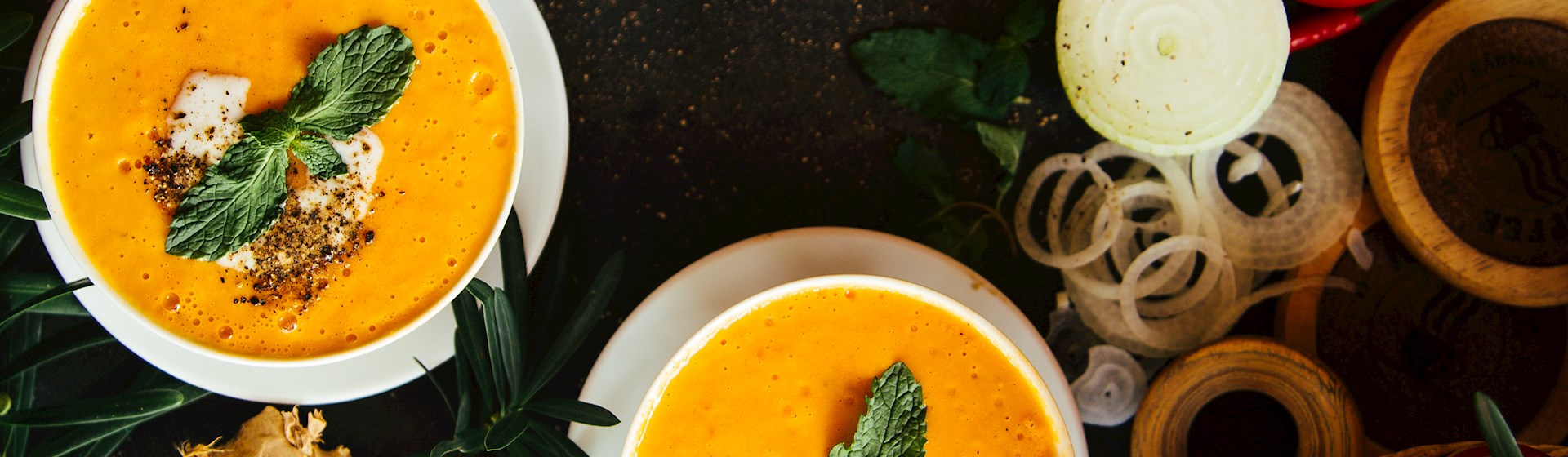
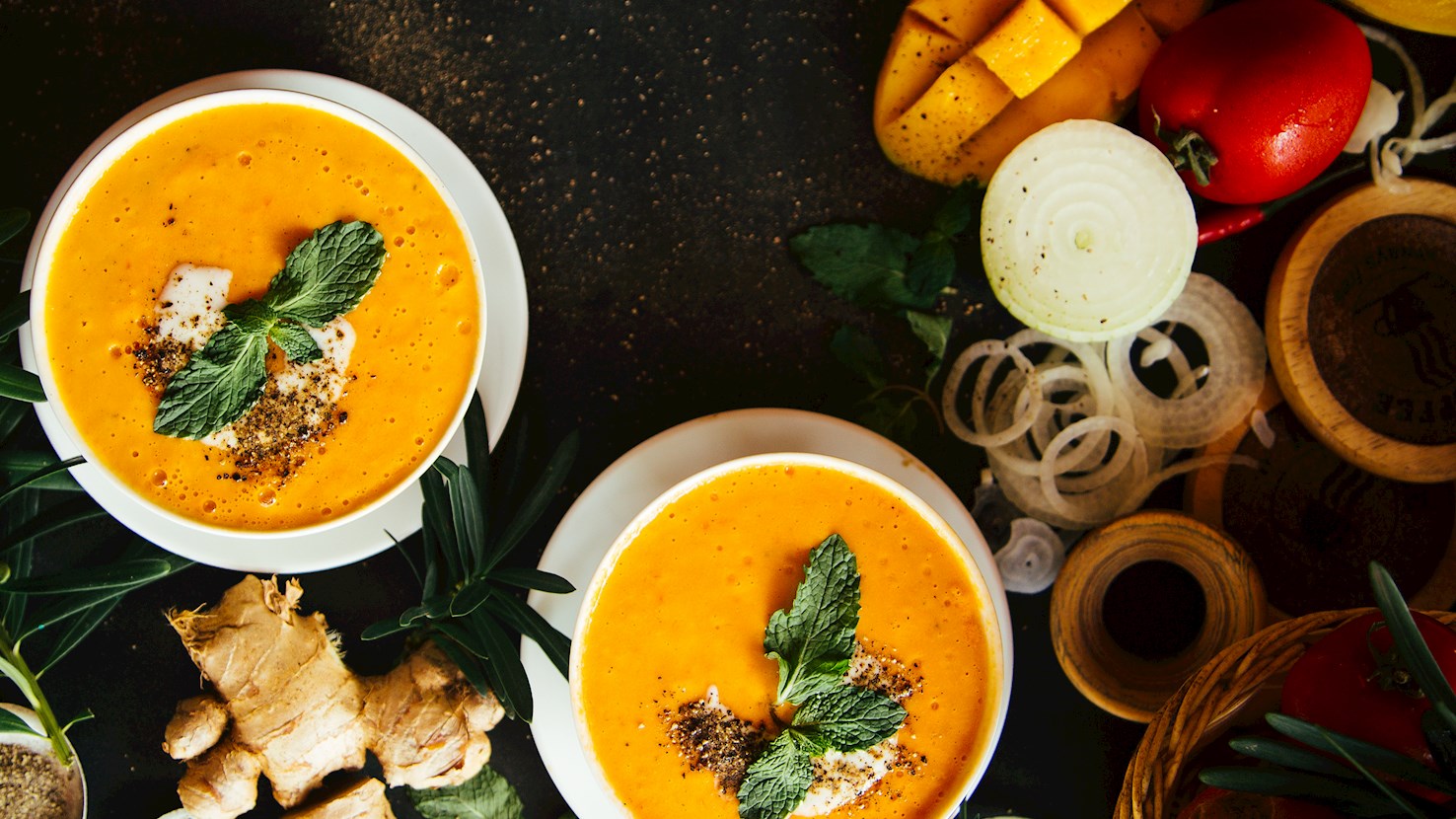
Gazpacho de mango or mango gazpacho is a variety of Spanish gazpacho, a refreshing soup that’s traditionally enjoyed cold. As the name suggests, this version is based on mangoes, which are combined with other ingredients such as cucumbers, tomatoes, peppers, jalapeño peppers or chili, onions, shallots, and garlic. All the ingredients are peeled and diced before they’re blended with cold water and olive oil into a mixture with a smooth consistency and a silky texture. Orange juice, lime juice, or vinegar are usually added to the combination to add the necessary acidity, and the soup is typically flavored with spices and herbs such as cilantro, basil, or tarragon. With a subtle sweet and savory flavor, mango gazpacho is traditionally enjoyed well-chilled alongside salads, grilled meat or seafood, skewered vegetables, and crusty bread. This simple soup makes for a great summer appetizer due to its refreshing nature, although it is also commonly eaten as a light meal for lunch or dinner.

03

Ovdukh

3.3 ·

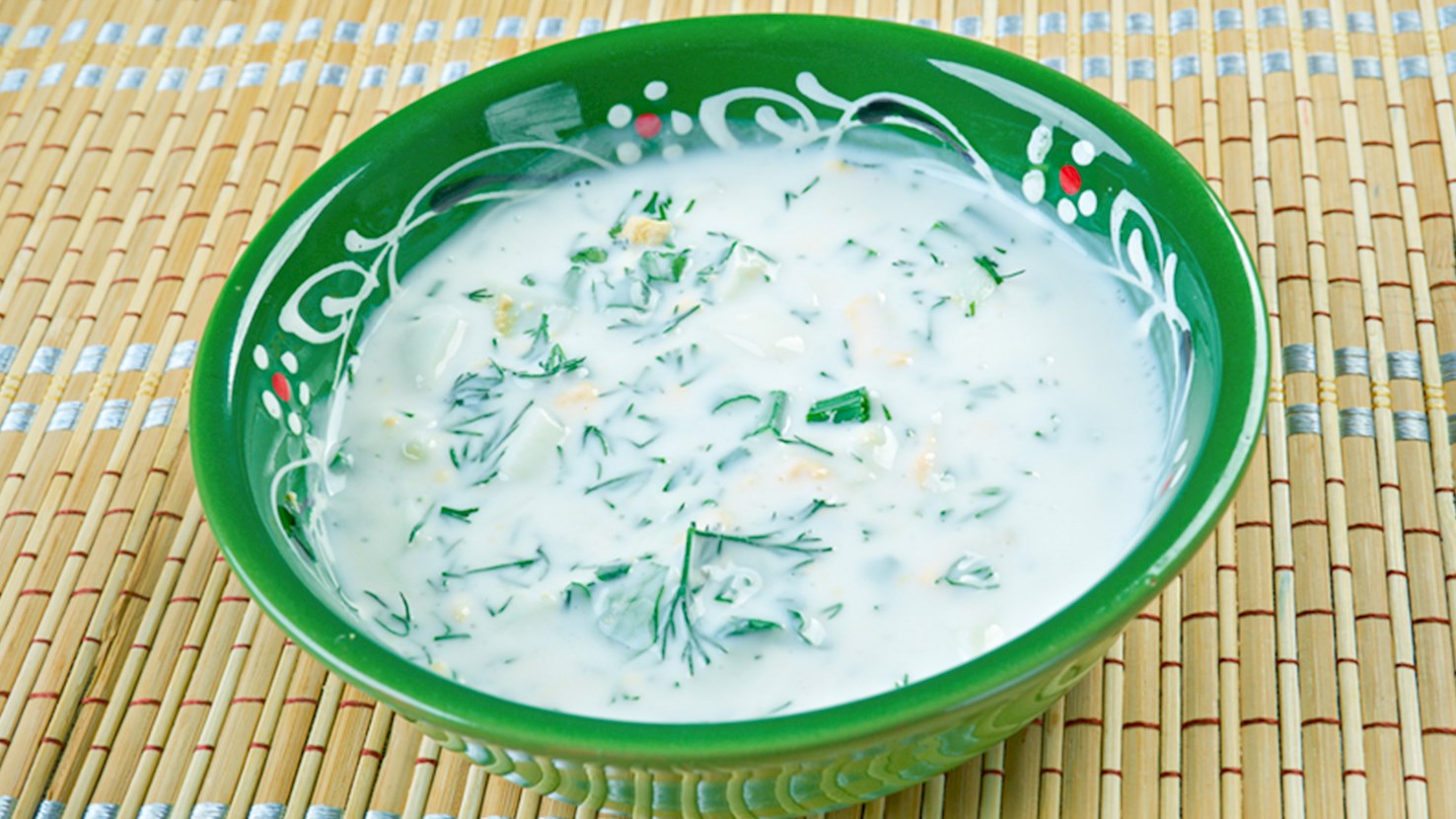
Ovdukh is a refreshing Azerbaijani cold soup made with yogurt, water, cucumbers, and spring onions. In order to prepare it, yogurt is combined with water that has been boiled, then left to cool. The concoction is then mixed with chopped cucumbers, spring onions, and herbs such as cilantro, dill, and purple basil. The soup can sometimes contain ground beef and chopped hard-boiled eggs, although the basic vegetarian version is much more popular. Ovdukh is especially popular on hot summer days.

04

Ab doogh khiar

3.5 ·

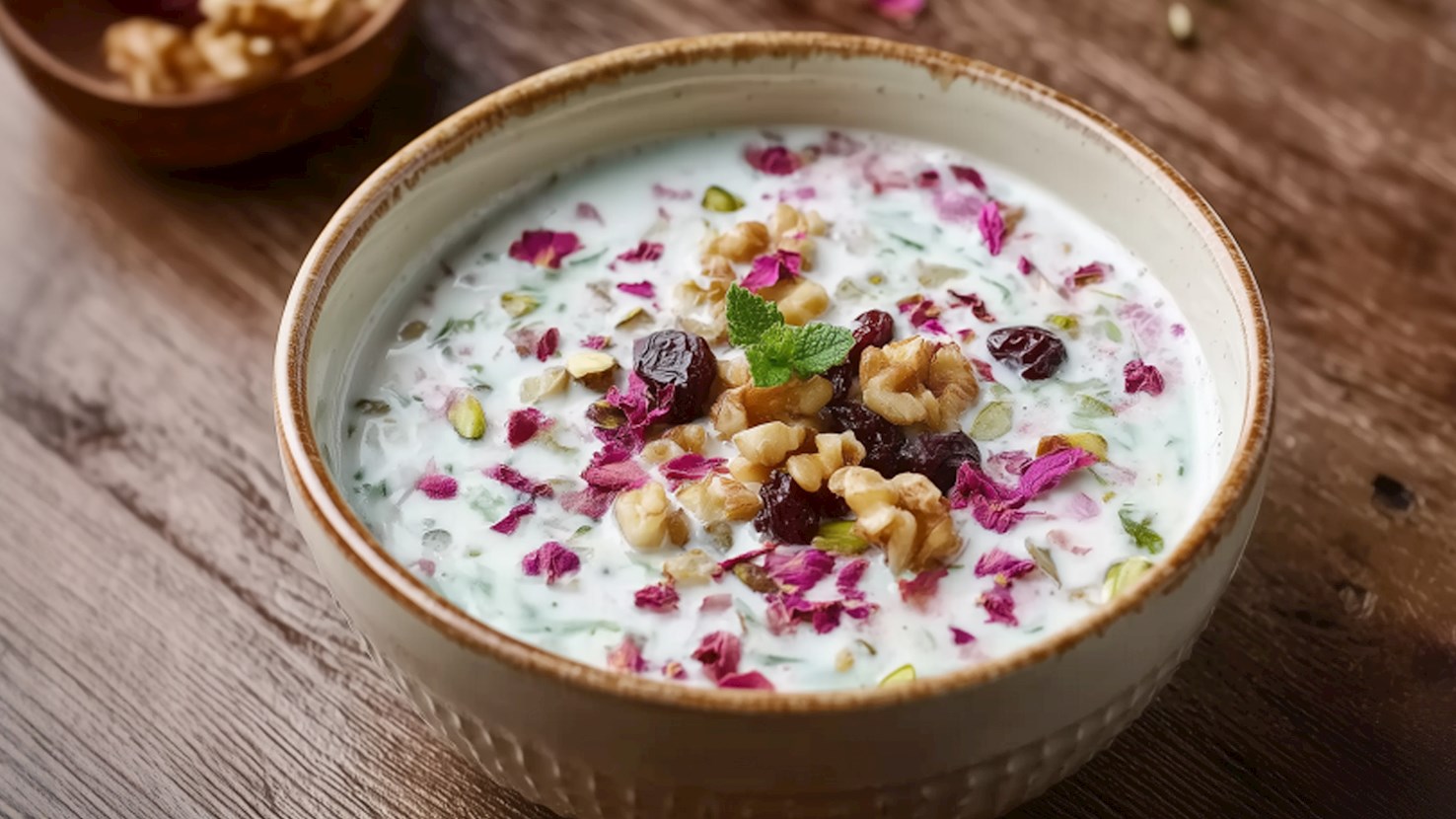
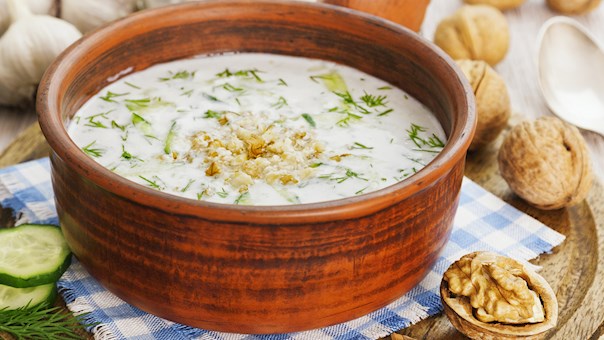
Ab doogh khiar is a cold Persian dish that originates from various regions of Iran, especially popular in the central and southern provinces where the summer heat inspires meals designed to refresh and hydrate. It is essentially a chilled yogurt and cucumber soup combining thick strained yogurt called mast or doogh (a diluted yogurt drink), finely chopped cucumbers, and an assortment of herbs such as mint, dill, and tarragon. Walnuts, raisins, and dried rose petals are often added to enrich the taste and texture. Its history goes back centuries, when nomadic groups and rural communities created light meals to sustain themselves in hot weather without requiring elaborate cooking. The practice of mixing yogurt with water and vegetables has ancient roots in Iranian cuisine, and over time the recipe developed to include additional flavorings and garnishes reflecting regional preferences and family customs. Preparation typically starts with blending thick yogurt or doogh with chilled water until smooth. Cucumbers are diced or grated, and herbs are chopped finely before being folded into the base. The mixture is seasoned with salt and sometimes crushed garlic, then topped with crushed walnuts, soaked raisins, and a sprinkle of dried edible rose petals. Occasionally small pieces of flatbread or ice cubes are stirred in just before serving. One detail that distinguishes ab doogh khiar is that it blurs the line between a soup and a beverage. It is often served in bowls or deep plates, but in rural areas it may be poured into large glasses and sipped directly. Ab doogh khiar is mainly eaten as a lunch or light dinner during warm months. It pairs well with flatbread and raw vegetables and is especially valued for its cooling qualities. Across Iran, you will find it in home kitchens, casual eateries, and picnic baskets, appreciated for its simplicity and ability to bring together fresh dairy and garden produce in a single dish.

05

Dovga

3.5 ·

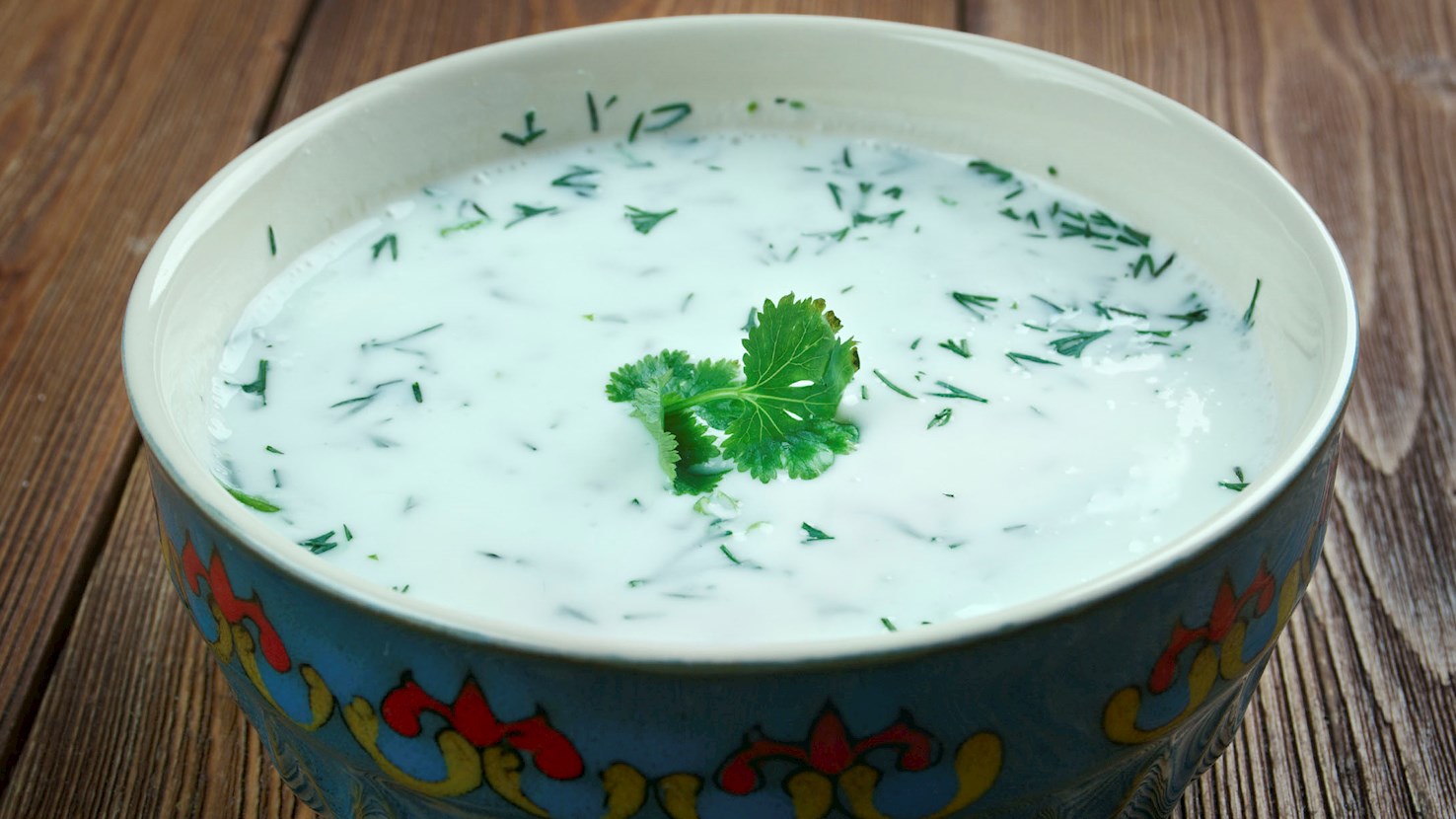
Dovga is a soup made by cooking yogurt with a variety of fresh herbs such as dill, mint, and coriander. It is the national dish of Azerbaijan and can be served either cold in the summer as a refreshment, or warm in the winter. If it's served chilled, it is often ladled into traditional, deep bowls called kasa, placed right next to the serving plates for the main dish. Unlike regular soups, Azerbaijani soups are more concentrated and dense in consistency. Dovga is also traditionally served at the wedding tables, not as a first course but between meat dishes, acting as a digestion booster.

Best restaurants
06

Okroshka

3.6 ·

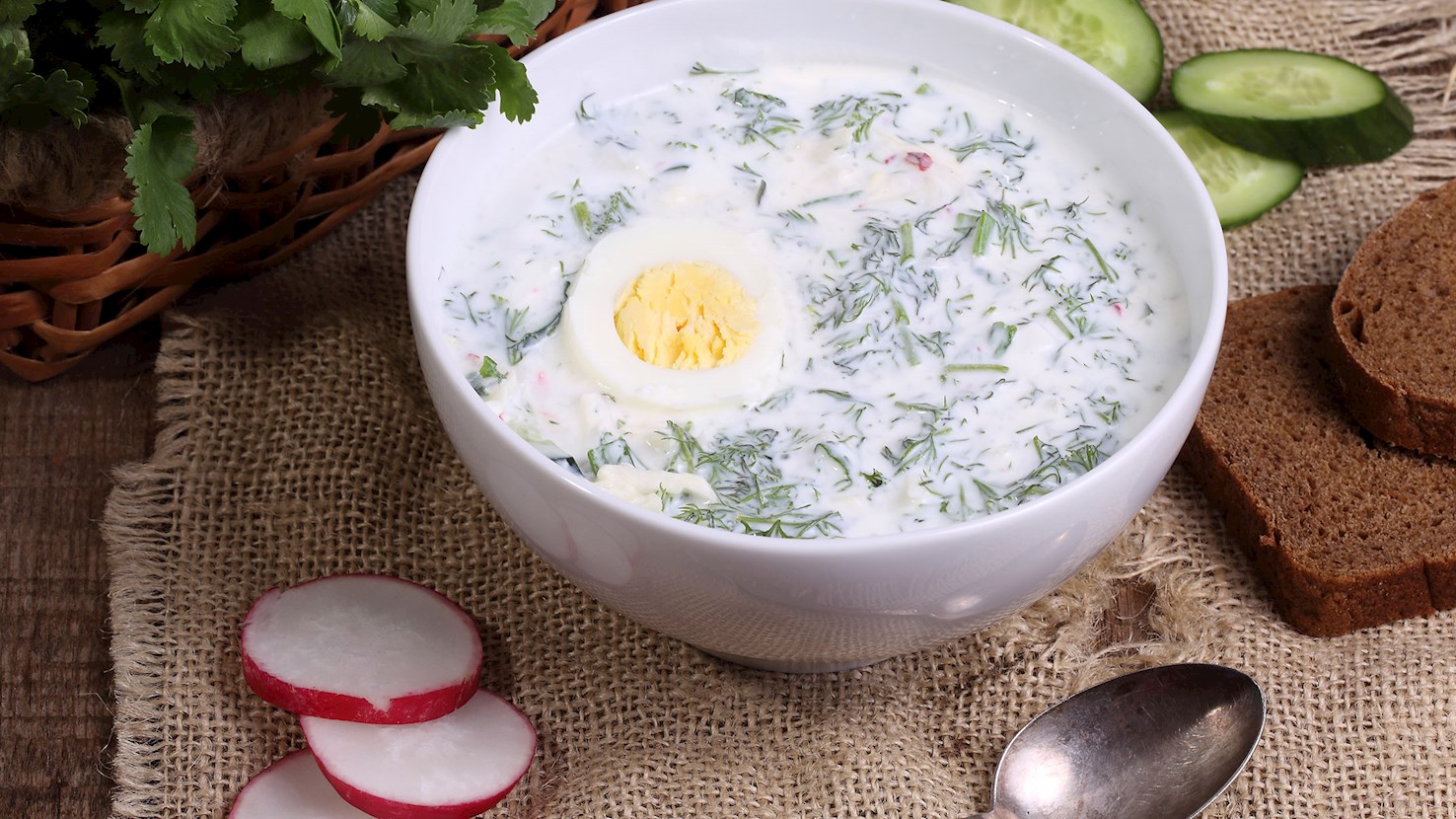
Okroshka is a classic Russian cold soup consisting of chopped vegetables, cooked meats, and potatoes in a base of kvass (a fermented wheat drink) or kefir. Depending on the regional varieties, the meat used in okroshka can range from tongue or sausages to smoked fish, ham, and doktorskaya kolbasa (bologna-style sausage). Almost all versions of the soup contain cucumbers, scallions, dill, radishes, and hard-boiled eggs, while some versions use fruits such as cherries and apples. It is said that the ratio of vegetables and meat should always be 1:1. The name of the soup is derived from the Russian verb kroshit, meaning to crumble or chop. Okroshka is extremely popular during the summer in Russia, because it is always served cold as a refreshment, along with being a highly versatile dish that is easy to prepare.

07

Chłodnik litewski

3.6 ·

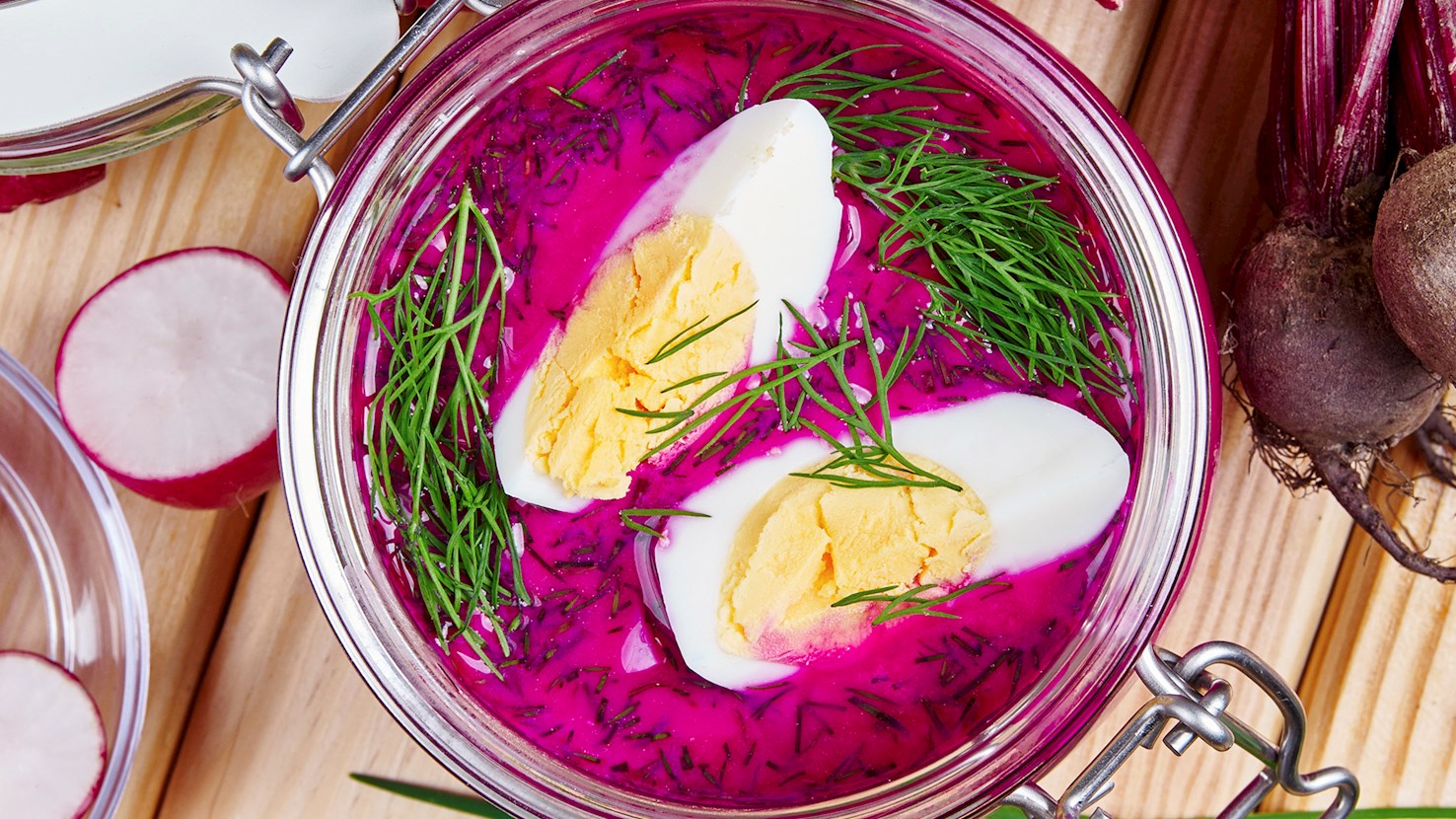
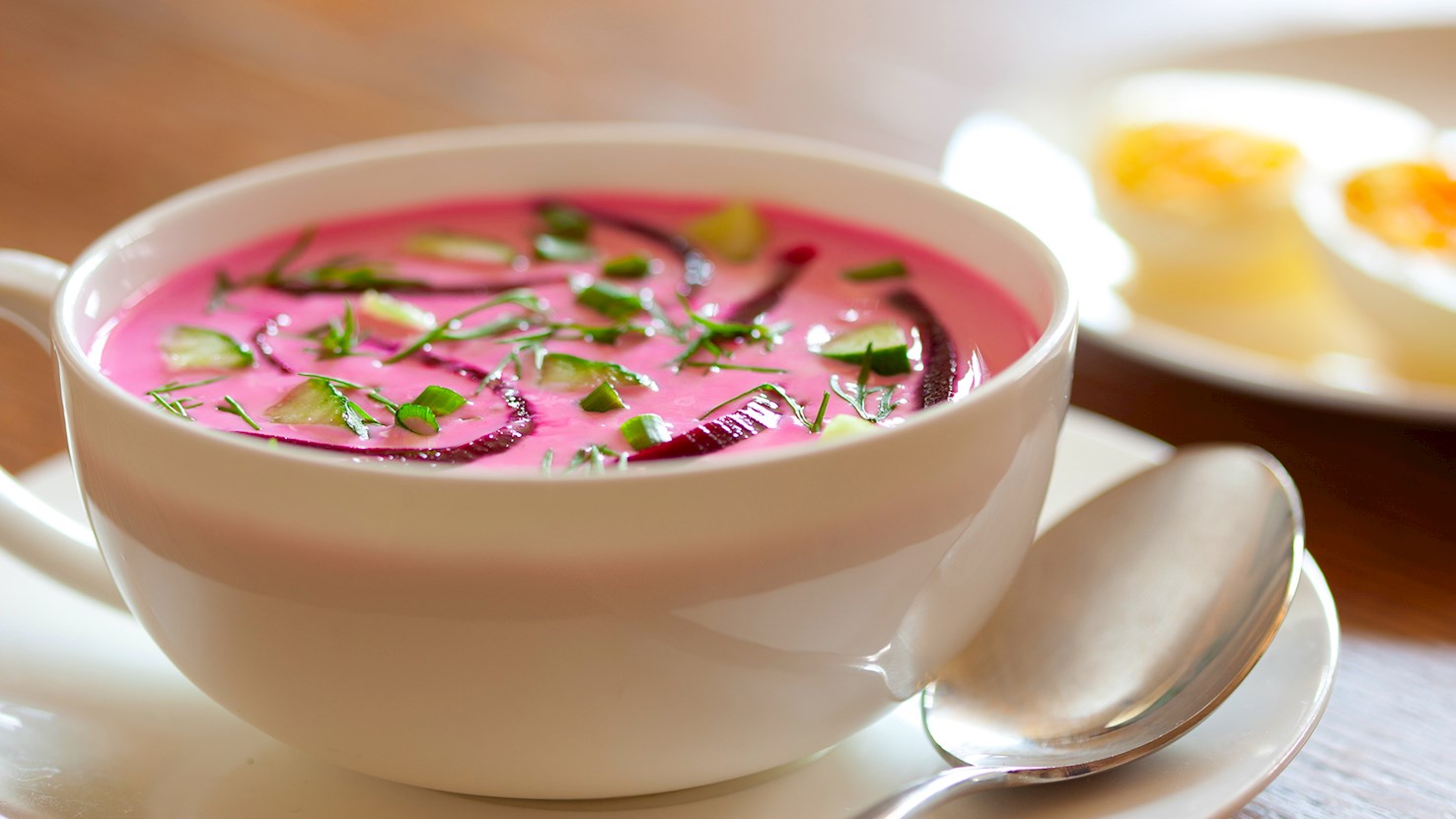
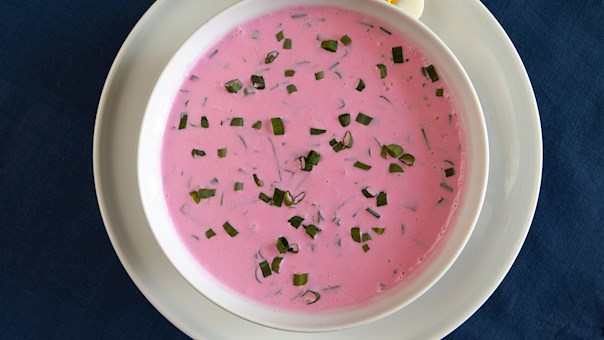
In Poland, the term chłodnik is used to denote various types of cold vegetable soups, but it is most commonly associated with the beetroot version, known as chłodnik litewski. The soup is made with beets that are simmered until tender and are usually blended with cucumbers, radishes, and various milk products, such as yogurt, kefir, sour milk, or sour cream. The result is a refreshing, vibrant pink soup that ideally soothes the heat. Always served well-chilled, chłodnik is typically garnished with boiled eggs, dill, and chives. It can occasionally incorporate cold cuts or roasted meat.

08

Pyongyang naengmyeon

3.6 ·

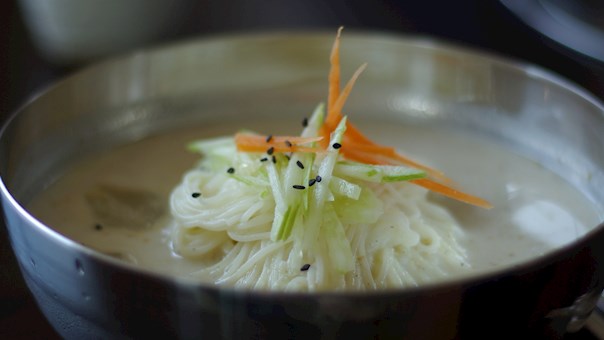
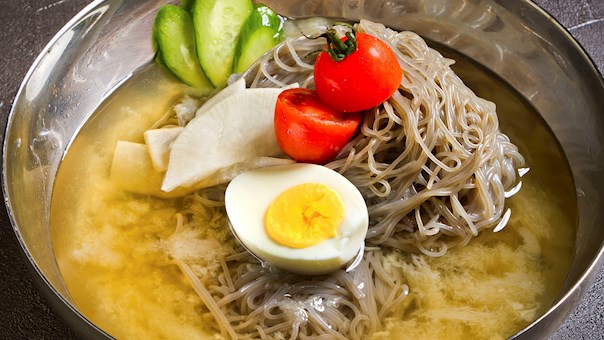
As the name suggests, Pyongyang naengmyeon is a version of a traditional North Korean noodle dish called naengmyeon or raengmyeon that is typical of Pyongyang. It usually consists of a combination of buckwheat noodles, thin strips of cucumbers, Korean pears, vegetable kimchi (often radish kimchi), and thinly sliced beef, chicken, or pork served in a cold, tangy broth (either meat broth, dongchimi broth, or a mixture of both) with ice chunks in it. This specialty is traditionally enjoyed chilled in a large metal bowl, and it is typically finished with slices of hard-boiled egg and cold beef on top. Typical condiments added to the dish before consumption include spicy mustard, vinegar, and sugar. In North Korea, it is customary to eat the long buckwheat noodles without cutting them as they are symbolically associated with longevity and good health. This custom isn’t usually practiced in restaurants because it's more convenient to consume the noodles after they've been cut. In South Korea, the broth for this specialty is made exclusively with beef, while the addition of sugar is not typical.

09

Gazpacho

3.6 ·

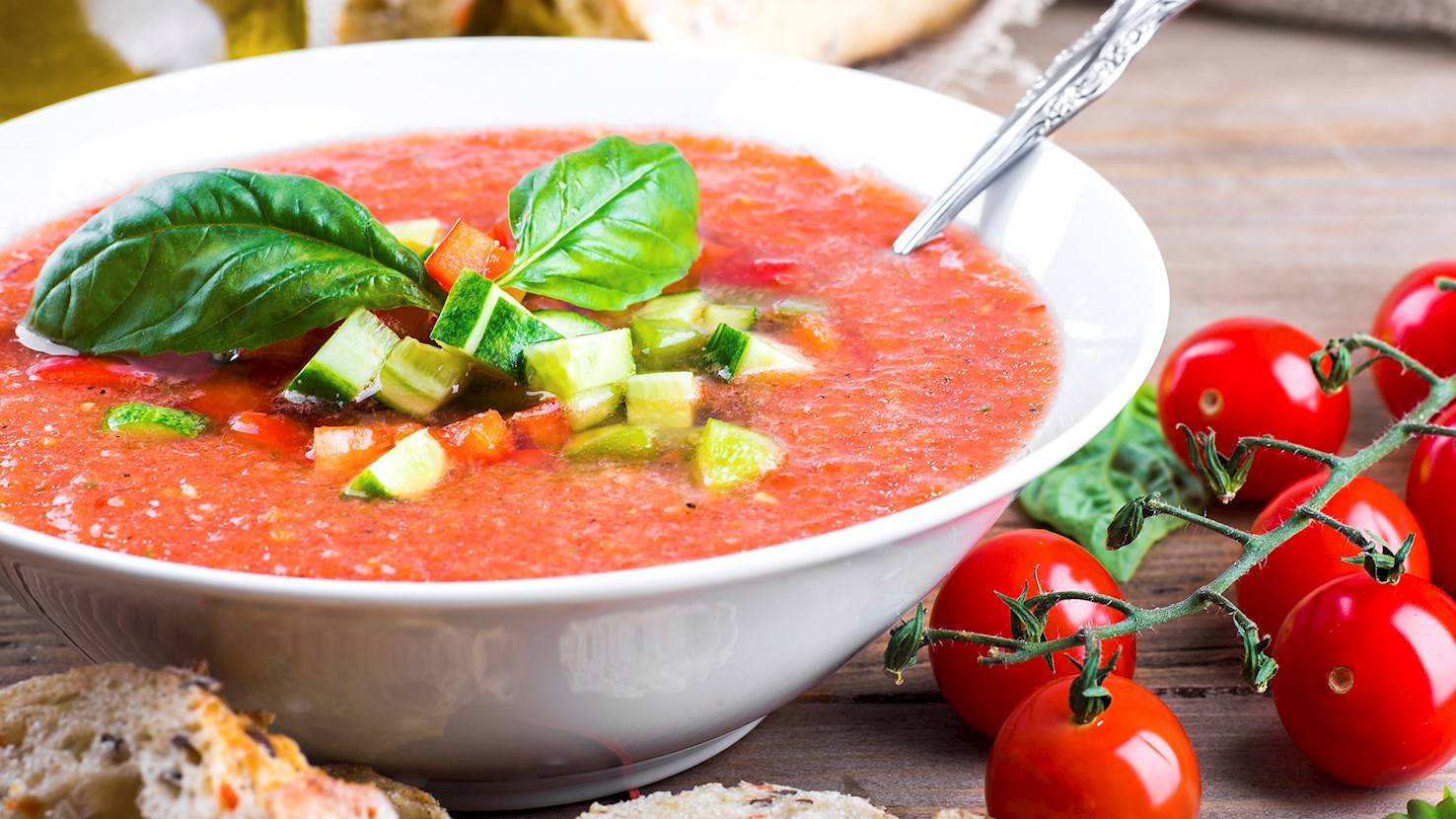
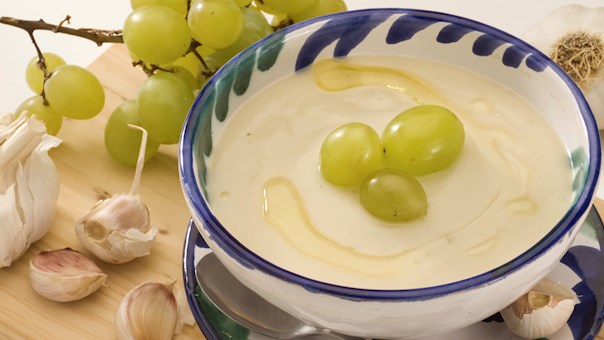
A perfect remedy for a hot summer day called gazpacho is a cold soup consisting of crushed tomatoes, finely chopped cucumbers, onions, peppers, croutons, vinegar, and olive oil. With the same level of familiarity as paella to the consumers worldwide, the soup's refreshing, cool and acidic flavors promote Spanish cuisine at its best. The dish began as a light lunch that the wives brought to their husbands in the field in order to cool them down from the hot summer sun. Shortly after, it began to be served at the end of big meals, although today it is a popular summer appetizer. Throughout Spain, there are a number of gazpacho varieties, such as gazpacho blanco (white gazpacho) or ajo blanco, a Málaga specialty made with garlic, bread, and almonds, with a garnish of green grapes. As the dish evolved, all kinds of ingredients started to be added to the soup, such as watermelon and cantaloupe. Regardless of the varieties, all gazpachos share a common thread of three key ingredients - bread, vinegar, and oil.

10

Aukstā zupa

3.8 ·

Aukstā zupa is a refreshing Latvian cold soup with an unusual, deep pink color. It is made with beets, cucumbers, kefir, hard-boiled eggs, and milk sausage. Greens such as dill and scallions are essential, and most people also enjoy the soup with a dash of vinegar. All of the ingredients are mixed together, seasoned with salt and pepper, and the soup is then left in the refrigerator until well-chilled. It's recommended to serve the soup with a few slices of dark bread on the side. Aukstā zupa is a seasonal dish, so it's practically impossible to find it in restaurants during winter, but most places have the soup on their menus in summer.

Best restaurants
11

Meggyleves

3.8 ·
12

Kongguksu

3.8 ·
13

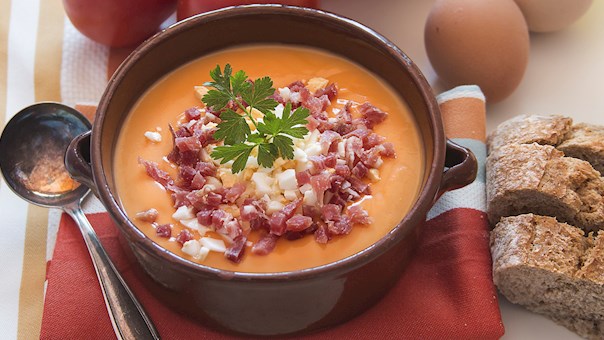
Salmorejo

3.9 ·
14

Khaladnik

3.9 ·
17

Tarator

3.9 ·
About this ranking

TasteAtlas food rankings are based on the ratings of the TasteAtlas audience, with a series of mechanisms that recognize real users and that ignore bot, nationalist or local patriotic ratings, and give additional value to the ratings of users that the system recognizes as knowledgeable. For the “17 Worst Rated Cold Soups in the World” list until June 16, 2026, 4,105 ratings were recorded, of which 2,104 were recognized by the system as legitimate. TasteAtlas Rankings should not be seen as the final global conclusion about food. Their purpose is to promote excellent local foods, instill pride in traditional dishes, and arouse curiosity about dishes you haven’t tried.

Similar lists