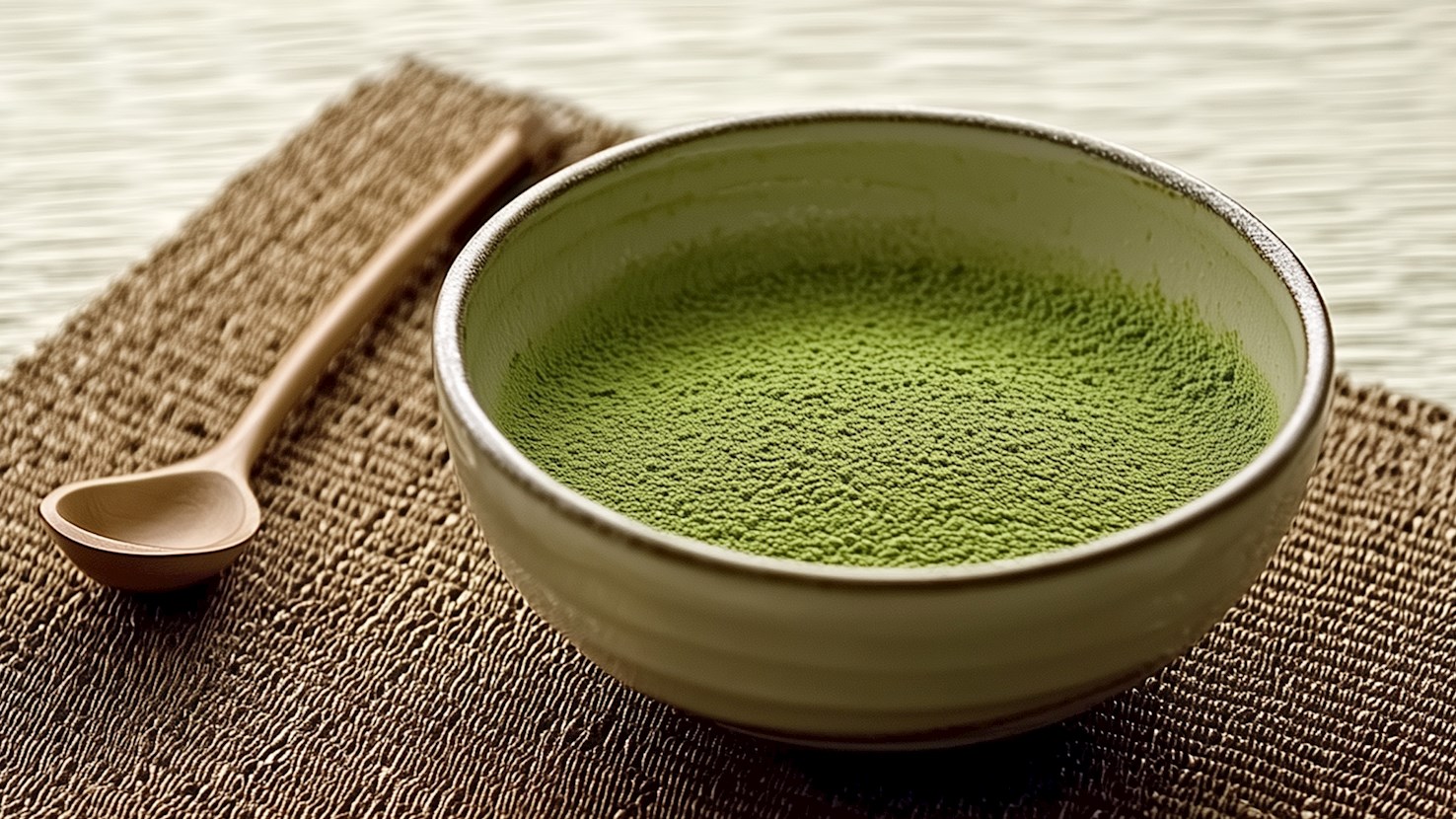
Matcha shio is a traditional condiment that blends matcha green tea powder with salt. The preparation of matcha shio involves grinding natural salt (either rock or sea salt) until smooth and then blending it with matcha powder, typically in a 1:1 ratio. This seasoning is noted for its ability to complement and enhance certain foods, such as tempura and karaage, by adding a refreshing aftertaste and reducing the perception of oiliness. It is also used with sashimi, particularly fattier slices, and can be sprinkled on tofu drizzled with sesame oil for additional flavor.
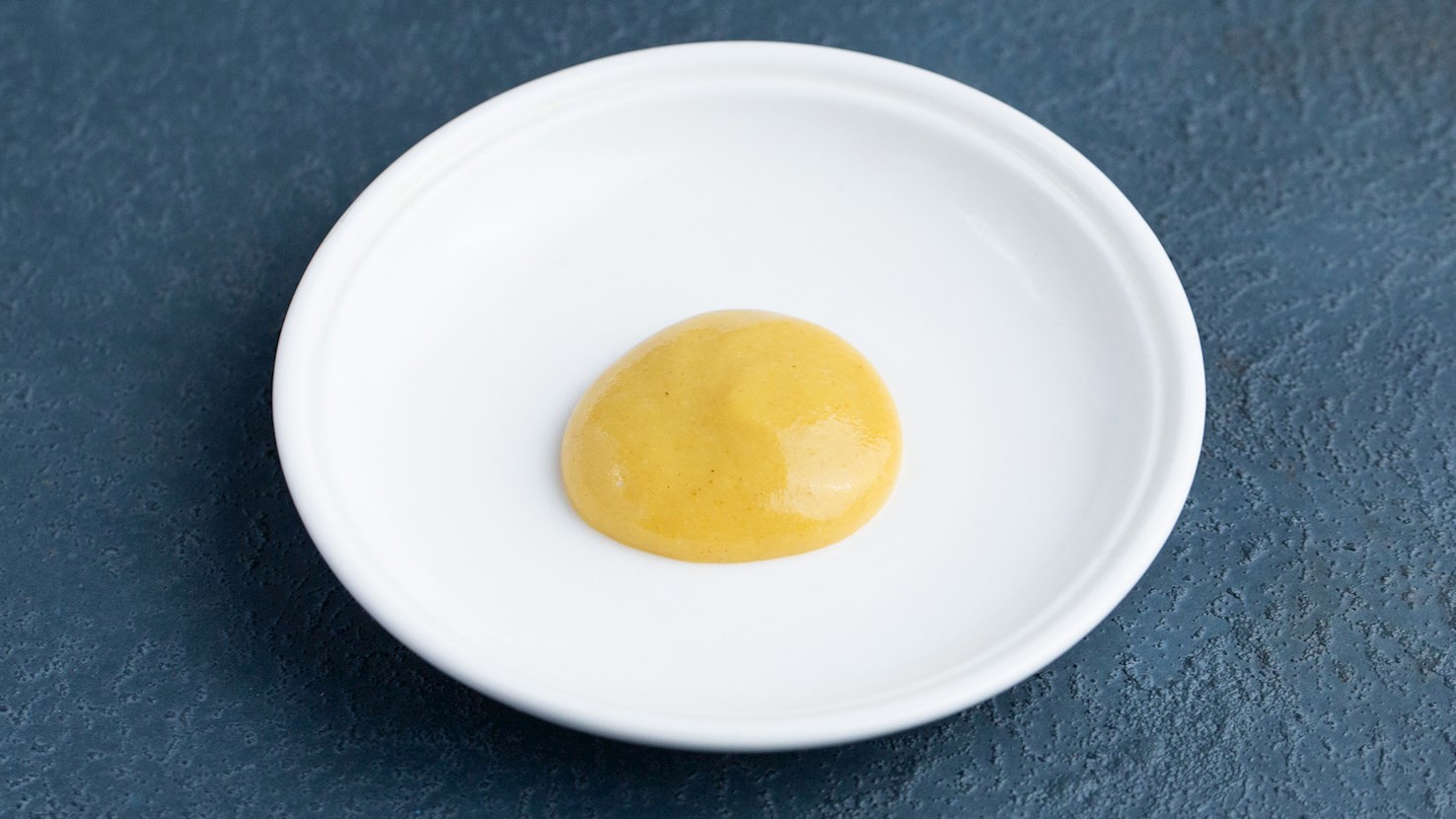
Karashi is a type of Japanese mustard that originates from the Kyushu region in southern Japan. It is known for its sharp, intense heat and vibrant yellow color, making it a distinctive condiment within Japanese cuisine. Unlike the milder wasabi or Western mustard varieties, karashi delivers a clean, pungent heat that quickly awakens the palate without lingering bitterness. It is commonly used to add a spicy kick to a variety of dishes across Japan, from oden and tonkatsu to natto and shumai. The development of karashi reflects Japan’s long-standing appreciation for condiments that enhance the natural flavors of food. Its roots trace back to historical periods when mustard seeds were cultivated and ground into pastes for culinary and medicinal purposes. Over time, karashi became closely associated with regional cooking in Kyushu, where it complements hearty, flavorful dishes typical of the area. The preparation techniques have evolved but remain focused on producing a potent mustard paste that is both aromatic and fiery. Karashi is made by grinding mustard seeds into a fine powder, which is then mixed with water to activate its heat. The paste must be prepared fresh to preserve its sharpness and is often served in small amounts due to its potency. Sometimes, karashi is combined with other ingredients like vinegar or soy sauce to create dipping sauces or dressings. Its bright yellow color and sharp flavor make it an essential component in enhancing the taste and presentation of many traditional Japanese meals. Karashi is typically served alongside regional dishes in Kyushu and other parts of Japan, frequently accompanying hot pot meals, grilled meats, and pickled vegetables. It is also used as a flavor enhancer in bento boxes and street food.
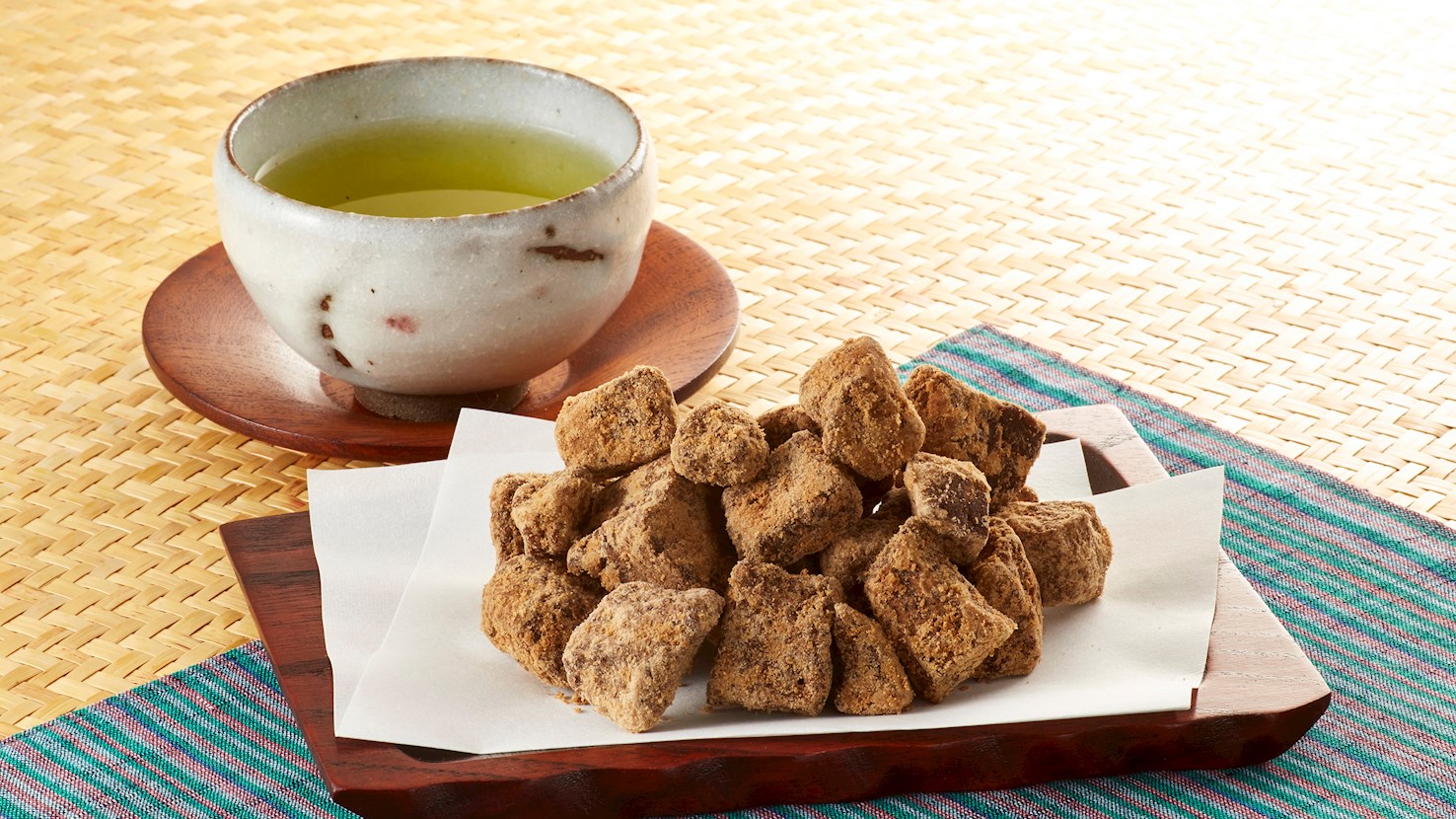
Kokuto is the black sugar from Okinawa. It is a type of unrefined sugar with a dark brown color and a rich, caramelized flavor. It is made by slowly cooking freshly pressed sugar cane juice until it turns into a thick, viscous syrup with a malty, caramel-like flavor. The syrup is then left to set and dry. These dry blocks are then crumbled into smaller pieces or crushed into powder. This sugar can be used to sweeten drinks or desserts. It can be melted and diluted and used as a topping, and it also works well in savory dishes. The production of this dark sugar on Okinawa started in the 17th century. Because of its unique growing conditions, kokuto has a unique, complex flavor. It is rich in minerals and vitamins, and many locals think of it as a health remedy. Kokuto translates as black sugar, but it is commonly labeled as dark brown or brown sugar.
Gomasio or gomashio is a traditional condiment consisting of sesame seeds (goma) and salt (sio). The sesame seeds are lightly toasted before they're used in the mixture. Although gomasio traditionally consists only of those two ingredients, some blends also include seaweed or sugar. The condiment is traditionally made by using suribachi, a tool that has sharp edges which make it easier to grind seeds. This condiment is especially popular in macrobiotic diets, and it's typically used as a seasoning for plain rice, broccoli, cauliflower, or sekihan (beans and rice).
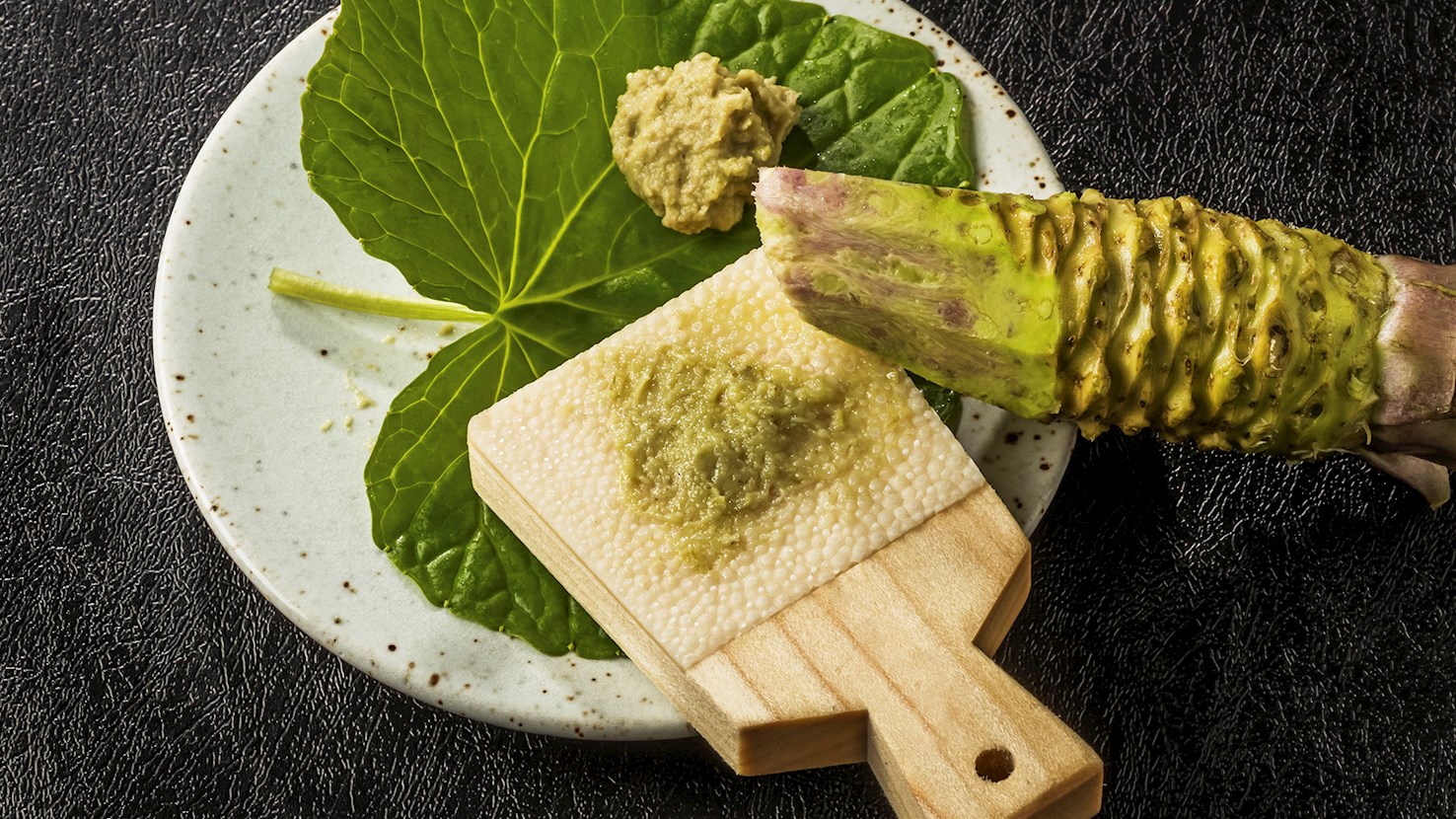
Wasabia Japonica, better known as wasabi, is a plant native to Japan that is harvested for its lumpy rhizome, which is predominately used as a popular sushi condiment. The plant grows only in damp areas, usually in streams or artificial water beds. It is difficult to grow and takes up to two or three years to mature. The rhizome is typically grated against textured sharksin that is attached to a wooden board. Grated wasabi develops its signature pungency after a couple of minutes, but most of its flavor tends to disappear quickly, and true wasabi always needs to be freshly grated, right before it is served. Though wasabi paste is an internationally acclaimed sushi condiment, due to its cost, it is estimated that only 5% of the restaurants use fresh wasabi, while the rest opt for a much cheaper combination of grated horseradish and green food coloring, or various alternatives prepared with dry wasabi powder. High-end restaurants that serve genuine wasabi usually refresh the condiment during the meal. Unlike the cheaper blends, fresh wasabi paste has a delicate pungency and a smooth and subtle herbal flavor. Besides being used with sushi, the paste incorporates well in dressings and sauces.
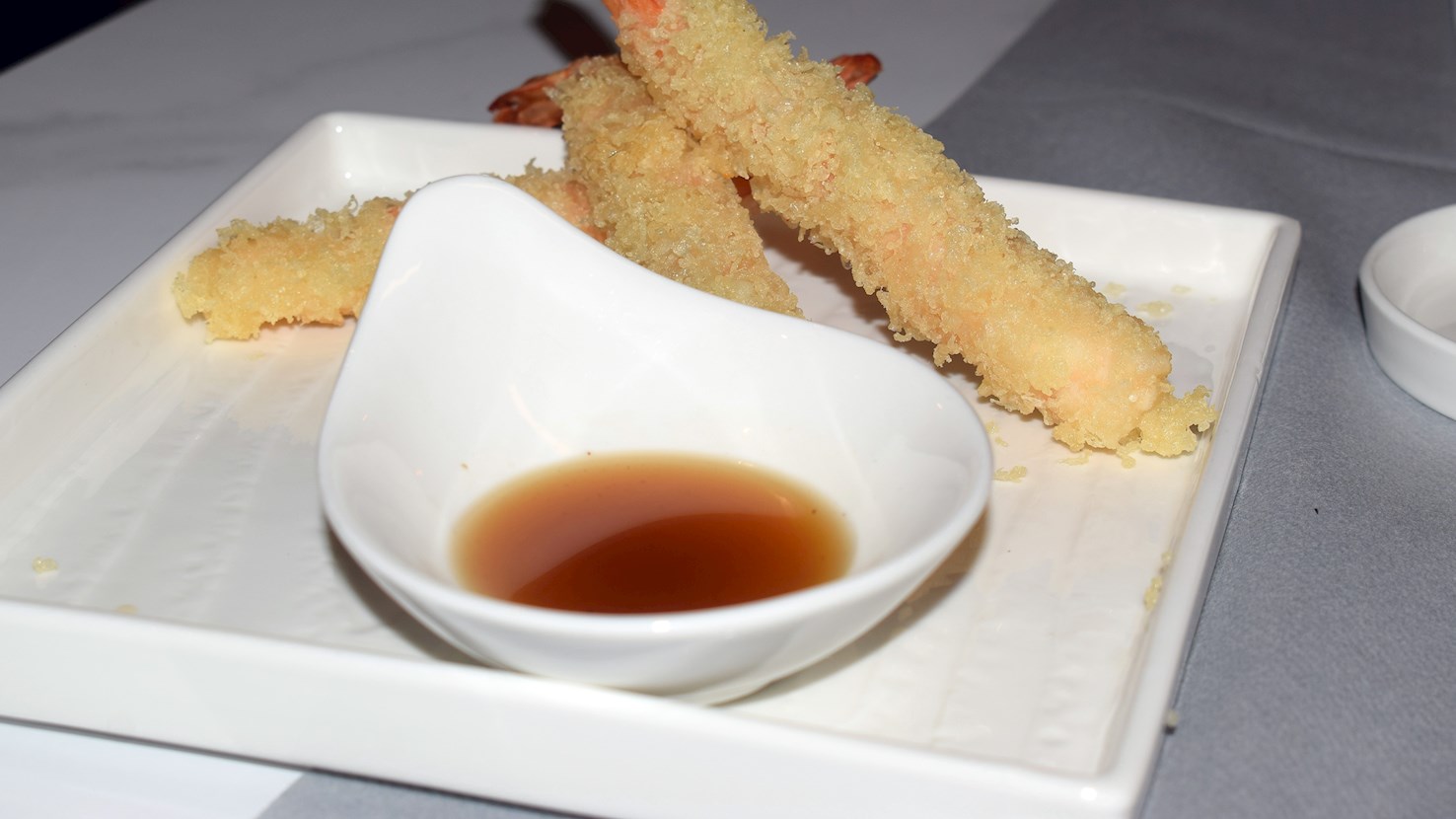
Tentsuyu is a traditional condiment, a dipping sauce made for tempura that consists of dashi stock, soy sauce, and mirin. The basic recipe for tentsuyu is the same as the one for mentsuyu (used for noodles), but the ratio of dashi to soy sauce to mirin is 4 :1 : 1 when making tentsuyu, while the one for mentsuyu is 5: 1 : 1. Tempura is usually served with tentsuyu and grated daikon or ginger. In its concentrated form, this condiment is often sold in small bottles in most Japanese grocery stores.
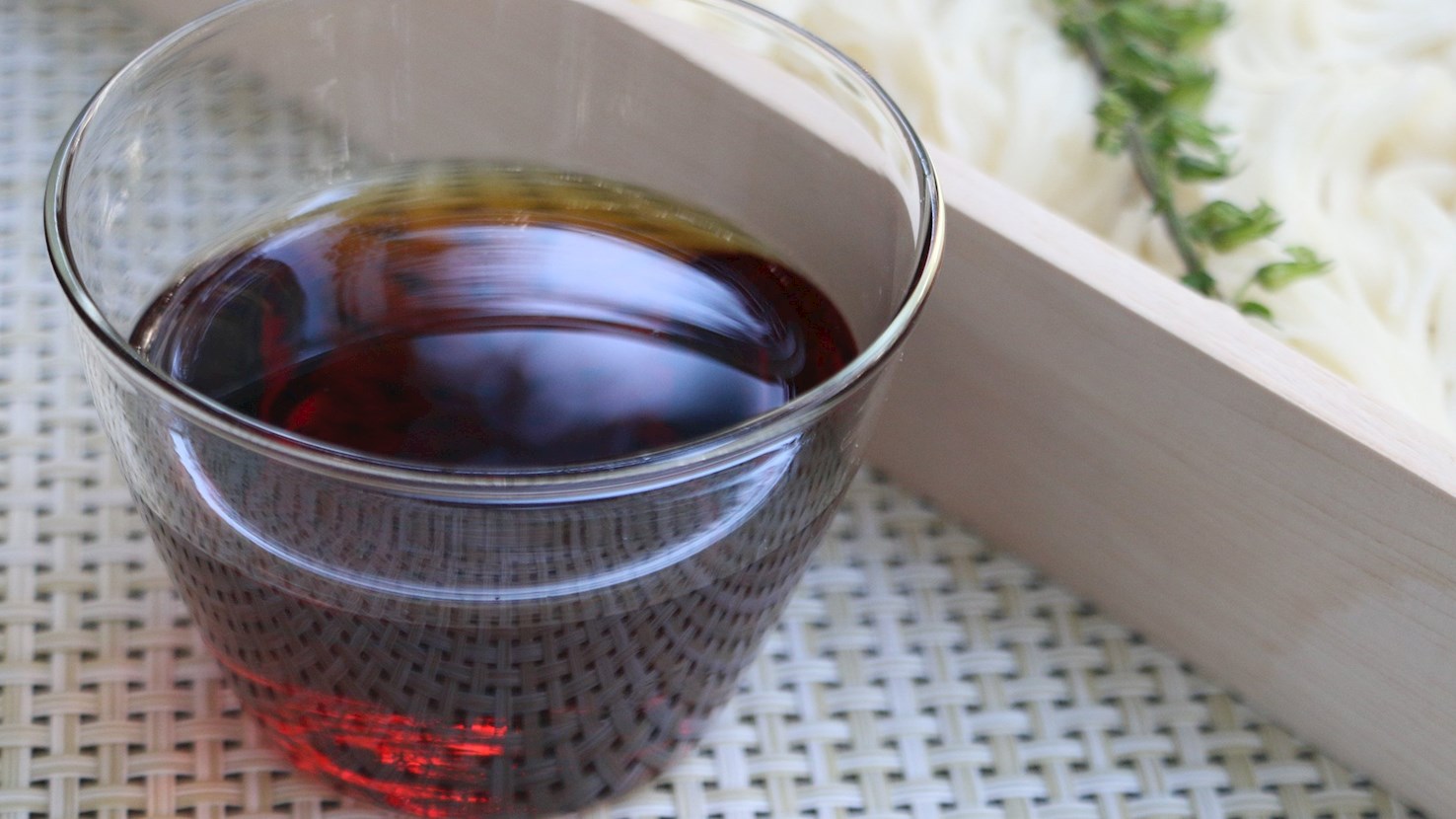
Mentsuyu is a flavorful Japanese sauce that is commonly used as a seasoning and condiment in many traditional Japanese dishes, or as the base for udon and soba noodles. It consists of varying amounts of soy sauce, strong sake wine, and the slightly sweeter mirin, combined with dry skipjack tuna flakes. The ingredients are shortly boiled, the mixture is cooled and strained, and it is then immediately ready for usage. Mentsuyu sauce is the essential part of many Japanese dishes, but it is mainly used as a kaketsuyu sauce poured hot over noodle dishes, or as a cold tsuketsuyu dipping sauce. Even though it is easily prepared at home, numerous mentsuyu varieties are commonly sold at Japanese stores or international supermarkets. It is typically sold as a thick concentrated sauce which should be diluted before usage.
Wasanbon is the light and fine Japanese sugar extracted from the traditional chikutō sugar cane. Characterized by a mild sweetness and unique flavor, it has been produced in Shikoku prefecture for more than two centuries. Before WWII and the import of refined sugar, it was the main sweetener used in traditional Japanese cuisine. Nowadays, wasanbon is regarded as an expensive and exquisite ingredient mainly used in the production of wagashi - classic Japanese confectionery products.
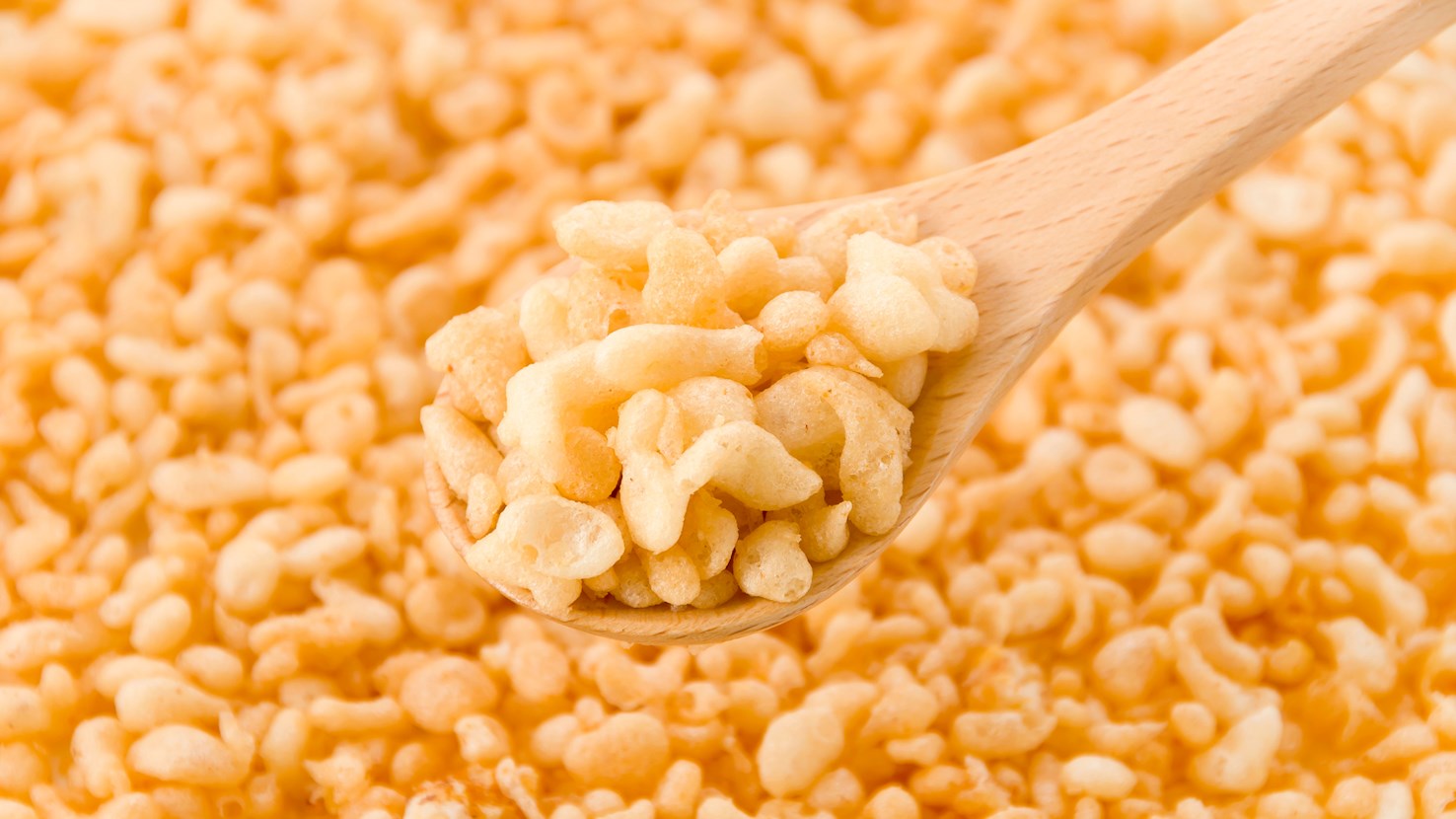
Tenkasu is a traditional condiment consisting of deep-fried tempura batter. Also known as tempura flakes and agedama, this crunchy tempura batter is often used as a topping for ramen, udon, and yakisoba dishes. It’s also used to add a crunchy texture to savory pancakes such as okonomiyaki and monjayaki. The name tenkasu is used in western parts of the country, while agedama is used in the eastern parts. The deep-fried batter is usually made from wheat flour, potato starch, dashi, rice vinegar, and shrimp flakes.
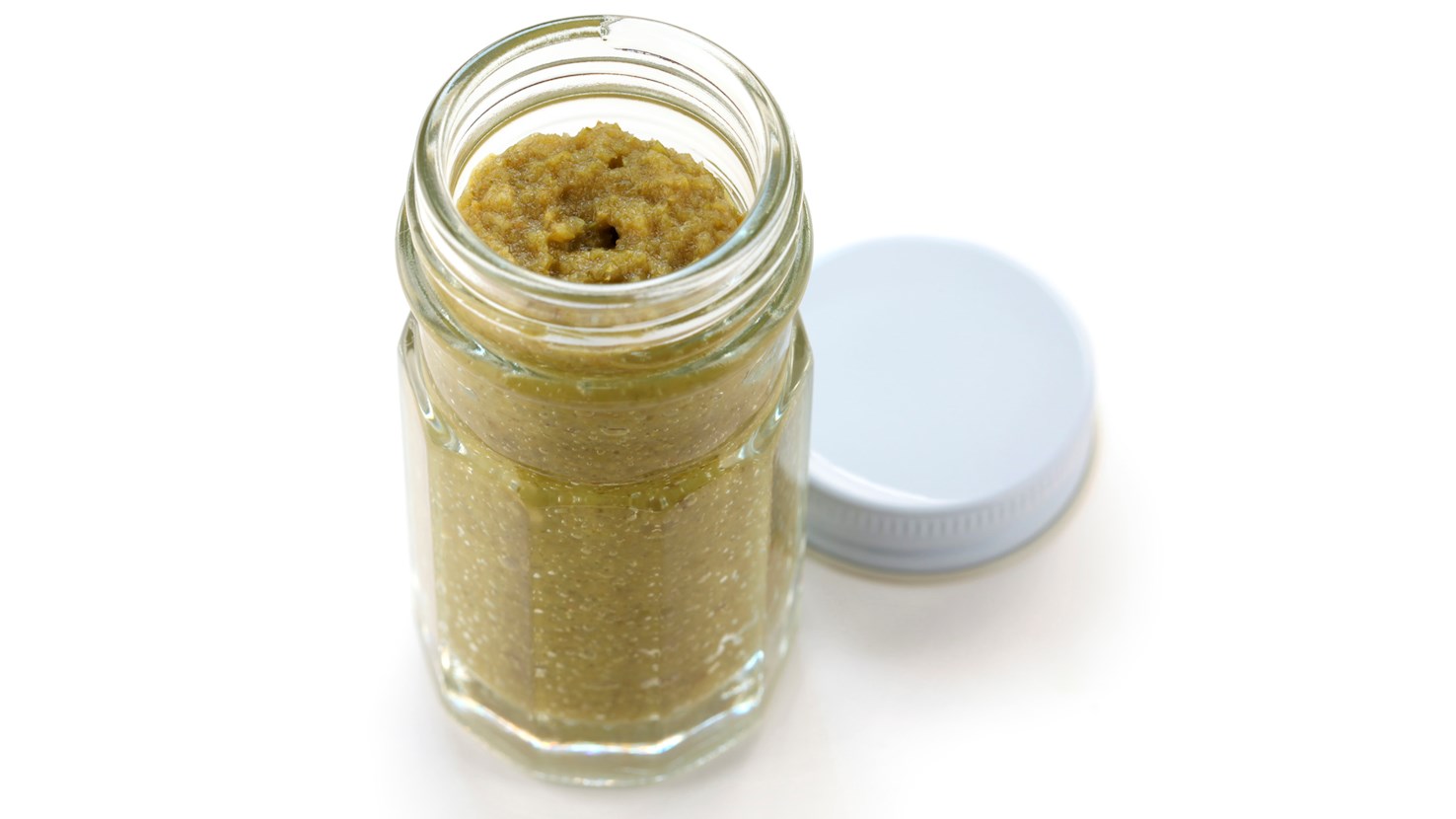
Yuzu kosho is a traditional condiment that’s a local specialty of the Kyushu region. It’s made with a fermented combination of minced yuzu peel, salt, and minced green chili peppers. This emerald green paste has a flavor that’s mildy sour, acidic, and spicy. Yuzu kosho is often used in hot pots (nabemono), but it’s also served with sashimi, yakitori, ramen, sandwiches, and various stews. In Japanese supermarkets, the paste is commonly sold in a tube.
TasteAtlas food rankings are based on the ratings of the TasteAtlas audience, with a series of mechanisms that recognize real users and that ignore bot,
nationalist or local patriotic ratings, and give additional value to the ratings of users that the system recognizes as knowledgeable.
For the “11 Worst Rated Japanese Condiments” list until May 21, 2026, 1,099 ratings were recorded, of which 1,007 were recognized by the system as legitimate.
TasteAtlas Rankings should not be seen as the final global conclusion about food. Their purpose is to promote excellent local foods,
instill pride in traditional dishes, and arouse curiosity about dishes you haven’t tried.